
Electric cars were sold on a simple promise. Cheap electricity would quietly pay back the higher sticker price. The math looked clean on paper. In the real used-car market, it has not held up.
AAA’s latest ownership study makes the gap hard to ignore. EV charging costs run roughly 66% to 70% below fuel costs for comparable gas vehicles.
That is a genuine saving, and nobody disputes it. The problem sits on the other side of the ledger. EV medium sedans depreciated about twice as fast as gas models, pushing total ownership costs 29.1% higher in that category. Gas medium sedans cost $10,582 a year to own, about $3,080 less than comparable electric ones.
Depreciation is not a footnote. It is the single largest ownership cost, averaging $4,422 per vehicle per year. The pattern shows up across model-level data too. iSeeCars’ 2026 study puts average five-year EV depreciation at 57.2%, against 41.8% for the market and just 35.4% for hybrids.
A useful benchmark helps here. A typical driver saves roughly $900 to $1,200 a year charging at home instead of buying gas. Over five years, that is about $5,000. Keep that number in mind. Below are eleven EVs where the value lost over five years dwarfs that $5,000 cushion. Some lose it in the first year alone.
1. Jaguar I-Pace
The I-Pace is the clearest example of the problem. It loses 72.2% of its value after five years, making it the fastest-depreciating EV tracked. No other vehicle in the iSeeCars study crossed the 70% barrier. That is a category of one.
The original pricing explains part of it. The 2019 I-Pace started at $69,500. Apply a 72% loss to that figure. The owner gives up roughly $50,000 in value. Charging savings over the same five years might reach $5,000 or $6,000. That covers about a tenth of the loss.
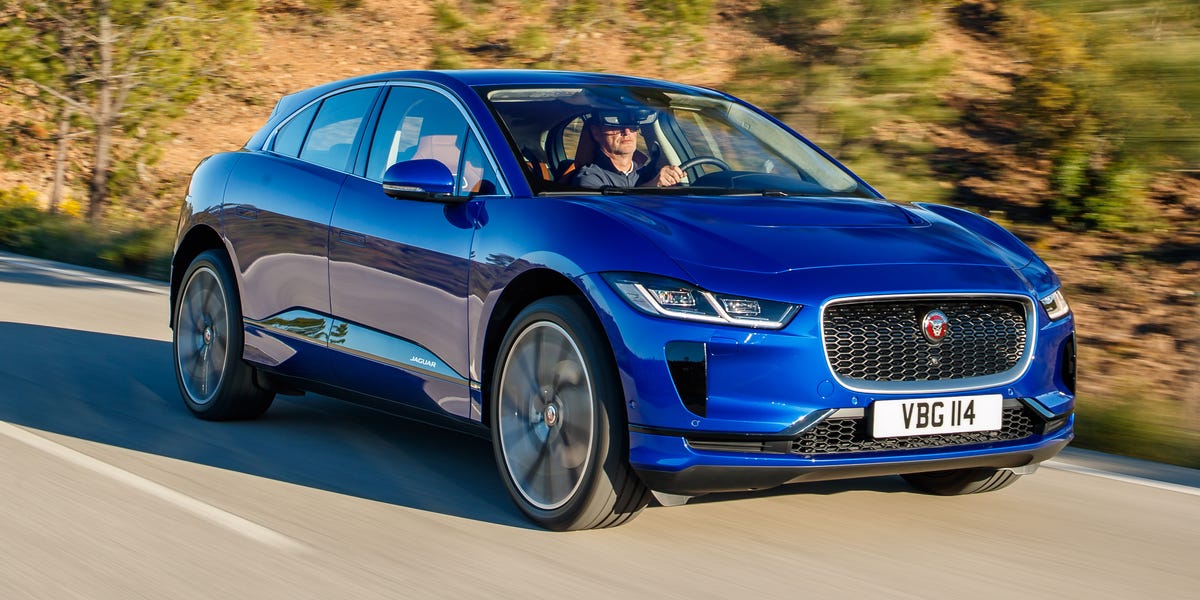
Brand uncertainty made things worse. Jaguar went through a rocky rebrand and a long production pause, leaving buyers unsure about long-term support.
Used buyers price that risk in aggressively. Parts availability and dealer coverage are real concerns for a discontinued electric model. The battery adds another layer of doubt. Replacement packs on low-volume luxury EVs are expensive and slow to source.
The I-Pace was not a bad car. It was quick, comfortable, and genuinely nice to drive. But resale value does not reward driving dynamics. It rewards demand, and demand collapsed.
For a new buyer today, the lesson is blunt. Low running costs mean almost nothing when the asset itself is evaporating. There is a flip side worth naming. As a used purchase at four or five years old, the I-Pace is arguably a bargain. The first owner absorbed the damage. That is precisely the point of this list.
2. Audi e-tron GT
The e-tron GT shows how badly luxury EV pricing ages. iSeeCars puts its five-year depreciation at 72.3%. That figure sits at the very top of the market. It is worse than almost any gas luxury sedan.
The comparison with its sibling is telling. The Porsche Taycan, which shares much of its hardware, is estimated to lose 59.2%. Same platform, same era, very different outcome. Badge equity clearly matters in the used market.
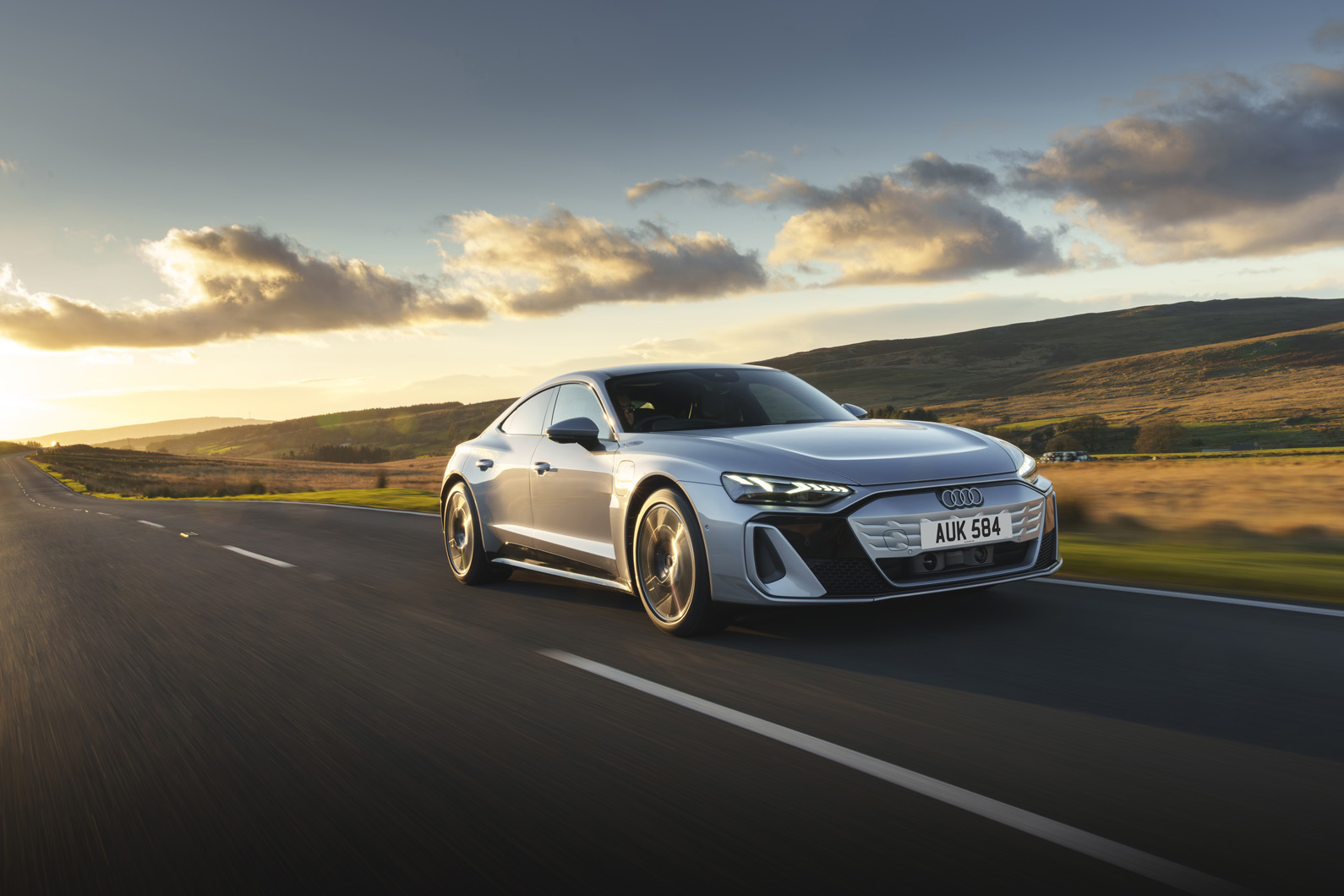
The performance version fares no better. The RS e-tron GT drops roughly 63% of its value across five years. Early 2022 cars stickered at $143,895, and the cheapest examples now sit close to $50,000. That is nearly $90,000 gone.
No amount of cheap electricity touches a number like that. Five years of home charging might save $6,000 on a car driven normally. Specification is part of the trap. Luxury EVs are sold loaded with options that add thousands to the invoice.
Used buyers pay almost nothing extra for those options. The premium disappears the moment the car is registered. Rapid technical turnover compounds it. Charging speeds, battery chemistry, and software all moved forward while these cars sat in driveways.
Even 637 horsepower and a 2.9-second 0-60 time could not protect it from premium EV depreciation. Performance simply is not a store of value here.
Lease deals reflect this reality. Captive finance arms have quietly cut residual assumptions on cars in this class. If you want one, buy it used. Buying new is an expensive way to enjoy a fast Audi.
3. Tesla Model S
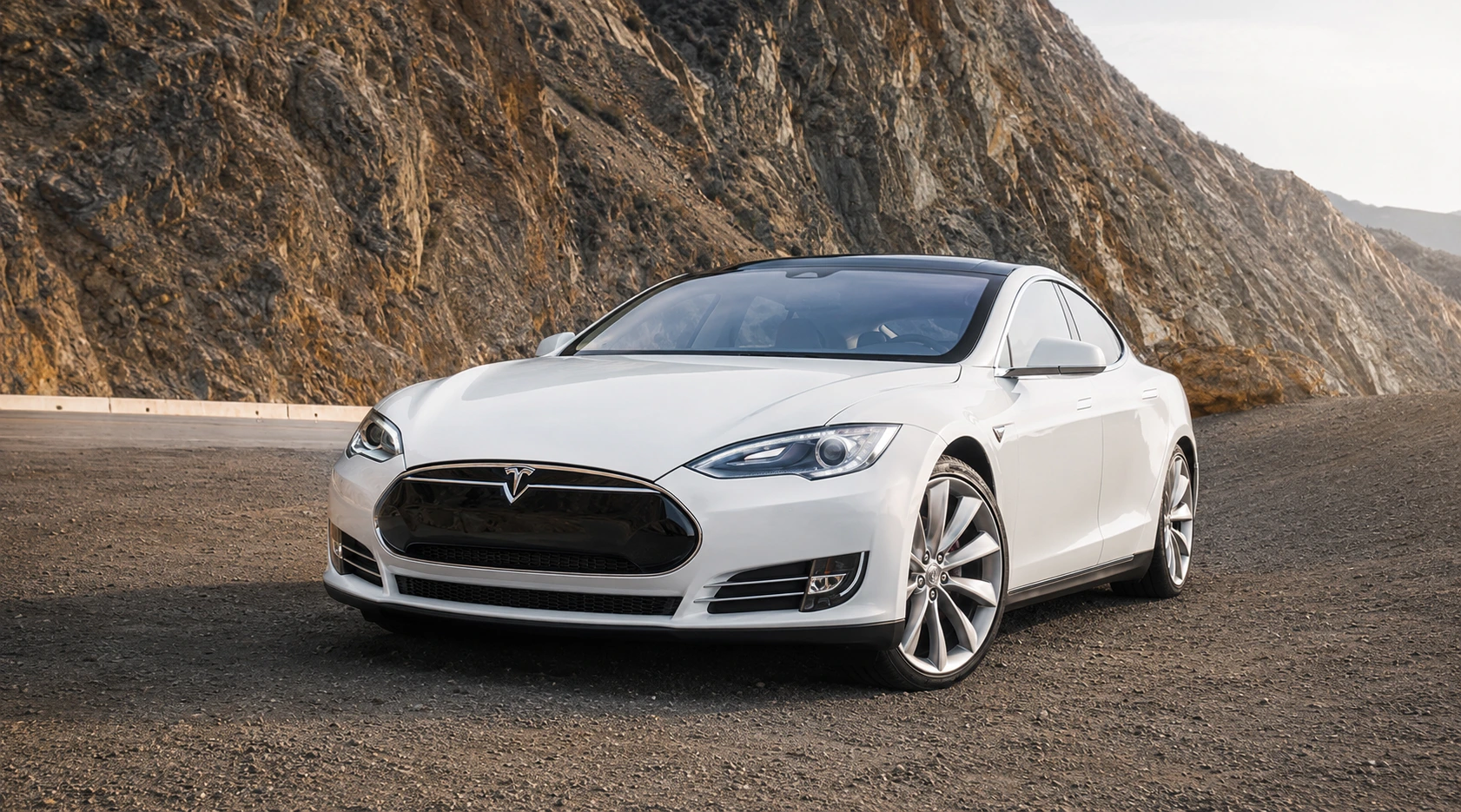
The Model S is the flagship that lost its footing. iSeeCars ranks it fourth-worst at 62.0% five-year depreciation, an average loss of $58,907. That dollar figure is among the largest in the entire study. It is roughly twelve years of charging savings.
CarEdge estimates the drop even higher, around 69%, depending on mileage and trim. The range of estimates is wide, but the direction is consistent.
Pricing history is the main culprit. For 2026, the Model S starts north of $100,000, placing it firmly in the luxury electric sedan category known for rapid value loss. Tesla’s own price cuts did the rest. Every reduction on new inventory instantly repriced every used car on the market.
Owners had no way to hedge against that. A single announcement could erase thousands overnight. Model attention shifted too. The Model 3 and Model Y absorbed most of the brand’s demand and marketing energy.
An aging flagship with limited updates struggles in that environment. Buyers who want a Tesla usually want a cheaper one. There is also the software question. Features tied to accounts or subscriptions do not always transfer cleanly between owners.
That uncertainty shaves value at resale. Used buyers discount anything they cannot verify. The Model S is still fast, spacious and capable of long trips. None of that shows up in the residual. Charging it costs very little. Owning it costs a great deal.
4. Volkswagen ID.4
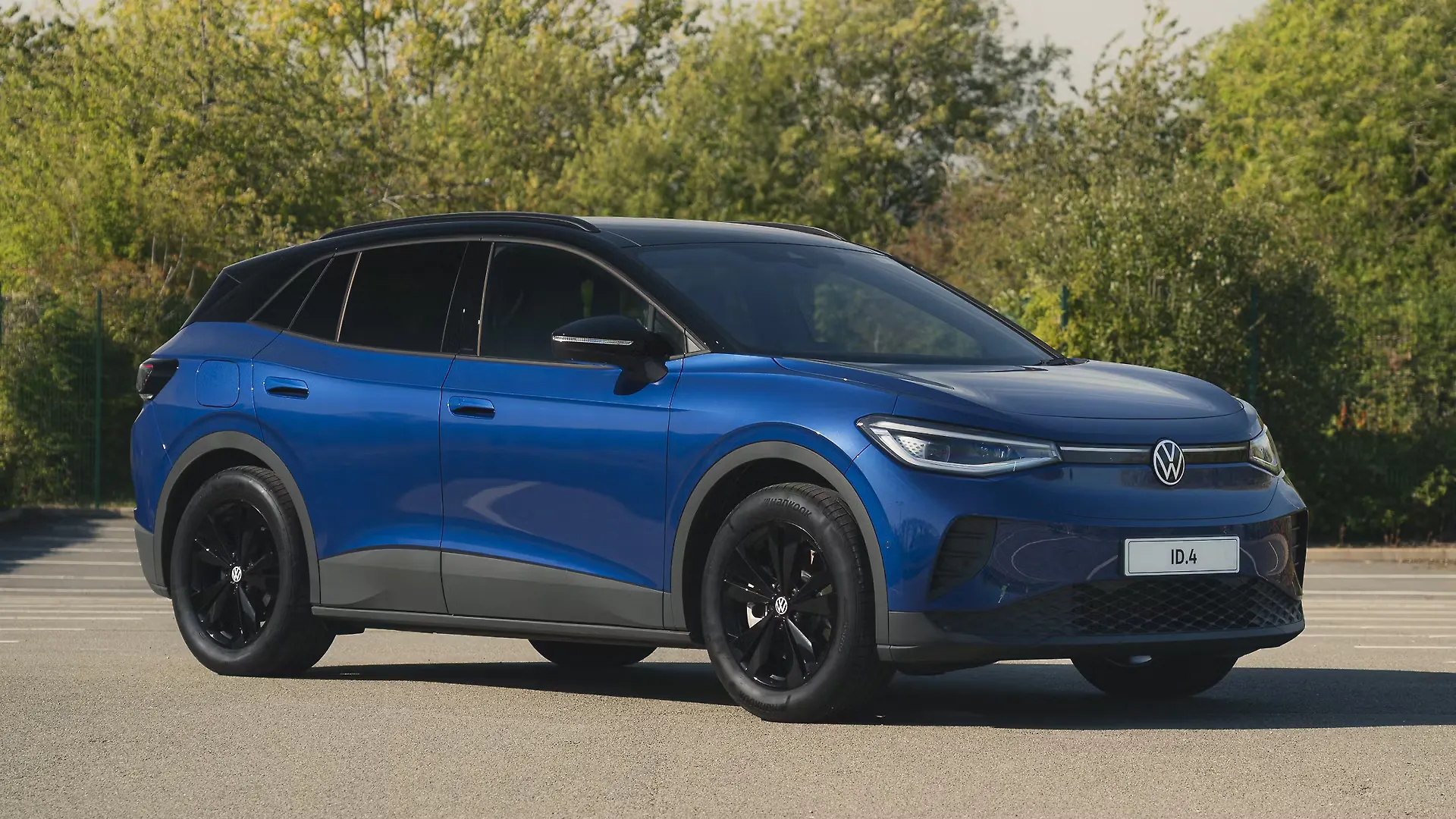
The ID.4 is the mainstream cautionary tale. It ranks third-worst with 62.1% five-year depreciation and an average loss of $28,010. This is not a six-figure exotic. It is an ordinary family crossover.
That makes the number more alarming, not less. The buyers hurt here were mostly value-seekers. Incentives drove much of the damage. Heavy rebates and lease support made new ID.4s cheap relative to sticker. Used prices had to follow. A buyer comparing a discounted new car against a two-year-old one will pick new nearly every time.
Software reliability did not help. Early cars developed a reputation for infotainment glitches and update headaches. Word travels fast in used-car forums. Perceived fragility becomes a discount.
Compare the running costs honestly. An ID.4 owner might save $1,000 a year versus a Tiguan. Five years of that is $5,000. The depreciation gap is more than five times larger.
Charging access matters here too. Many ID.4 buyers were suburban households without reliable home charging. Public charging costs far more than home electricity. For those owners, the fuel savings shrink toward nothing.
Volkswagen has since shifted strategy and pricing. That is good news for future models and cold comfort for existing owners. As a used buy at three years old, the ID.4 is genuinely compelling. As a new purchase, it has been brutal.
5. Tesla Model X
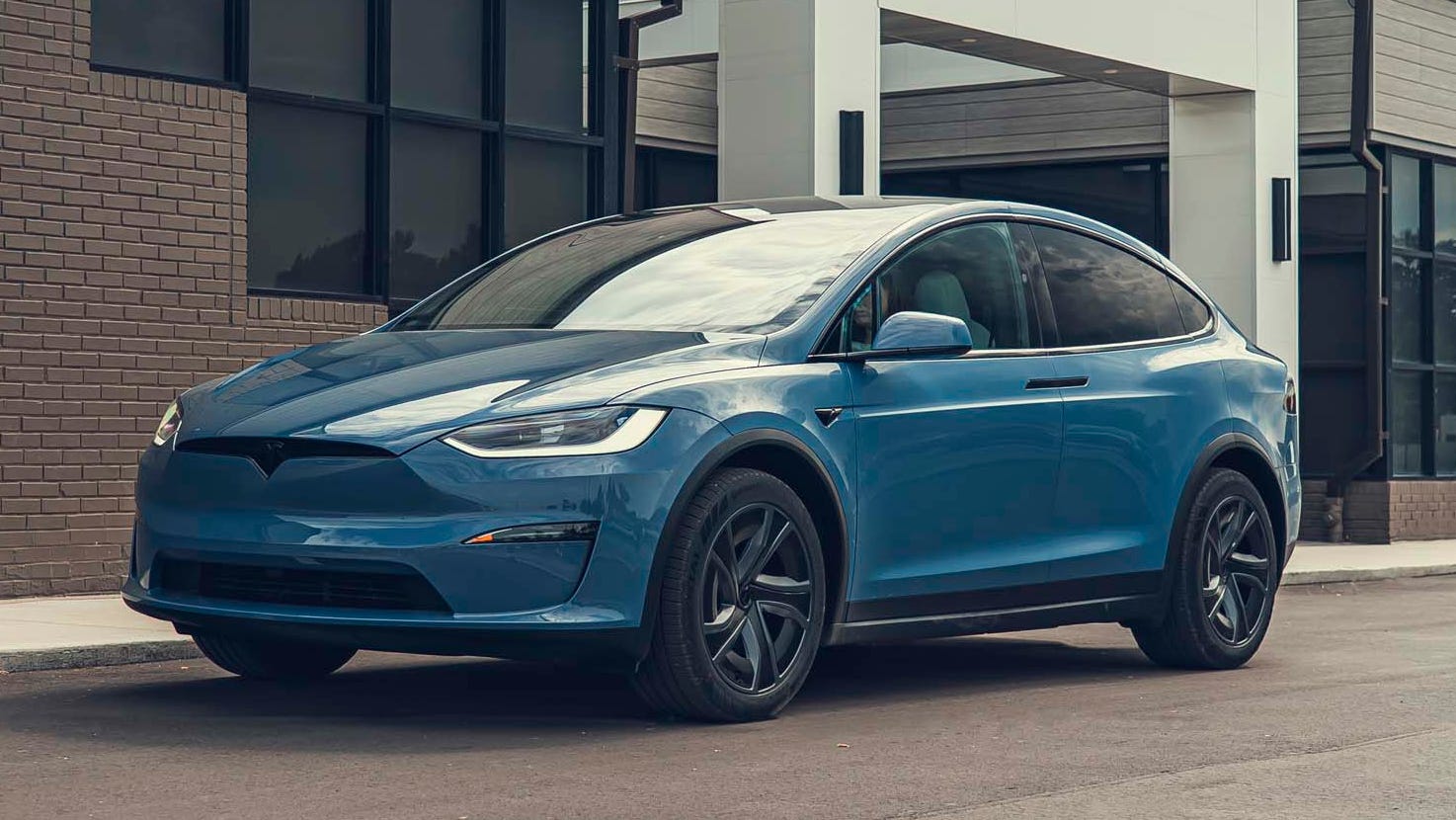
The Model X combines every risk factor at once. iSeeCars places it seventh-worst at 61.2% five-year depreciation. Other estimates put its five-year loss at roughly 67%. Either figure means most of the purchase price is gone.
Start with the sticker. These cars routinely transacted between $90,000 and $120,000. A 61% loss on $100,000 is $61,000. That is more than most new cars cost outright. The falcon-wing doors are a known complication. They are complex, expensive, and associated with alignment and sensor issues.
Used buyers weigh that repair exposure carefully. Complexity always depresses resale. Size works against it commercially. A large, heavy three-row EV consumes energy quickly and charges slowly relative to newer designs.
Newer rivals arrived with better efficiency and faster charging. The Model X looked dated while still expensive. Price cuts hit here as well. Each reduction on the new configurator pushed used values down in lockstep.
The charging savings are real but small in context. Even a high-mileage owner driving 18,000 miles a year saves maybe $1,500 annually. Seven and a half thousand dollars over five years.
It offsets about one-eighth of the value loss. The Model X remains a remarkable piece of engineering. It is simply a poor financial proposition when bought new.
6. Nissan LEAF
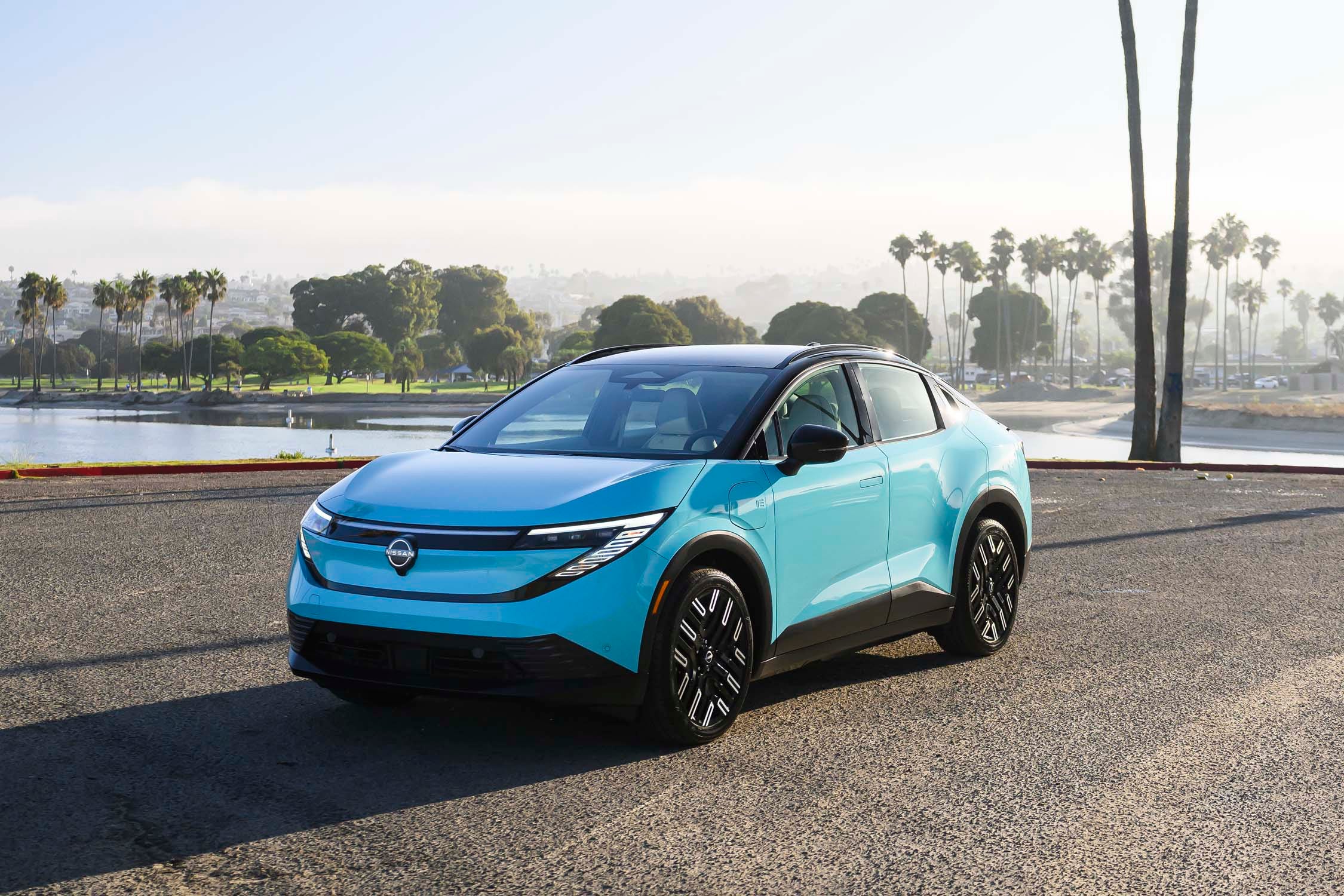
The LEAF sits at the very bottom of the entire market. It is the single fastest-depreciating vehicle in iSeeCars’ 2026 study at 63.1%, an average loss of $17,743.
One analysis described it as essentially a white-goods car, which explains much of the 63.1% figure. Appliance-like reputation, appliance-like resale.
The technical reason is well documented. The LEAF used a passively cooled battery pack for most of its life. Passive cooling accelerates capacity loss in hot climates and with frequent fast charging.
Used buyers know this and price accordingly. Range compounds the problem. Older LEAFs delivered figures that look inadequate against current expectations.
A car with a degraded 90-mile range has a narrow buyer pool. Narrow demand means steep discounts. The charging port added a final blow. The LEAF’s CHAdeMO connector has been effectively abandoned by the industry.
Public CHAdeMO chargers are being removed, not installed. That strands owners who cannot charge at home. Now run the ownership math. Saving $900 a year on fuel is worthwhile in isolation.
Losing nearly $17,800 over five years is not. The cheap electricity never gets close. The LEAF was an important, pioneering car. It also demonstrates how quickly EV technology renders older designs unsellable. Buying one used for a short commute can still make sense. Buying one new has consistently been the worst value decision in the segment.
7. Ford Mustang Mach-E
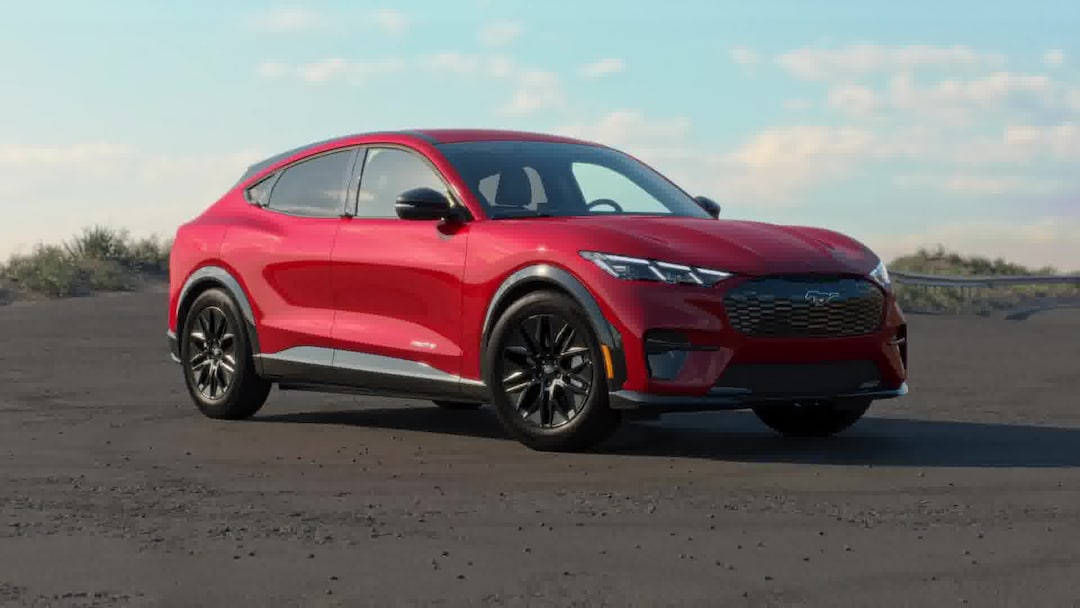
The Mach-E was meant to be the credible mainstream challenger. It lost 60.8% of its value after five years in the 2026 iSeeCars study. A separate iSeeCars projection put the figure at 60.9%. The consistency of the estimates is the worrying part.
On a car that commonly sold near $55,000, that is around $33,000 gone. Charging savings recover a small fraction. Ford’s pricing strategy is central to the story. The company cut prices repeatedly to defend market share against Tesla.
Each cut helped new buyers and punished existing owners. Residual values simply followed the new-car window sticker down. Inventory dynamics made it worse. Dealers carried unsold stock and discounted heavily to move it.
Heavy discounting on new units always leaks into used pricing. The two markets are not separable. Off-lease supply then arrived in volume. A wave of three-year-old Mach-Es hit auctions at once.
Supply outran demand. Prices fell further. The car itself was well received on the road. Handling, interior quality and usable range were all competitive.
That did not matter. Several performance EVs, including the I-Pace, Model X and RS e-tron GT, depreciated even faster, but the Mach-E’s 57% to 61% loss is still far above the market average. For a used buyer, this is one of the better bargains available. For the original owner, cheap charging never came close to covering the hole.
8. Tesla Model Y
The Model Y is the world’s best-selling EV and still depreciates hard. iSeeCars recorded a 57.8% five-year loss. That places it fourteenth on the fastest-depreciating list. Volume did not protect it.
The reason is straightforward supply. Tesla built enormous numbers of these cars in a short period. Those cars are now flowing into the used market simultaneously. Abundant supply caps prices. Price cuts again played a leading role. The new Model Y’s transaction price moved repeatedly, dragging used values with it.
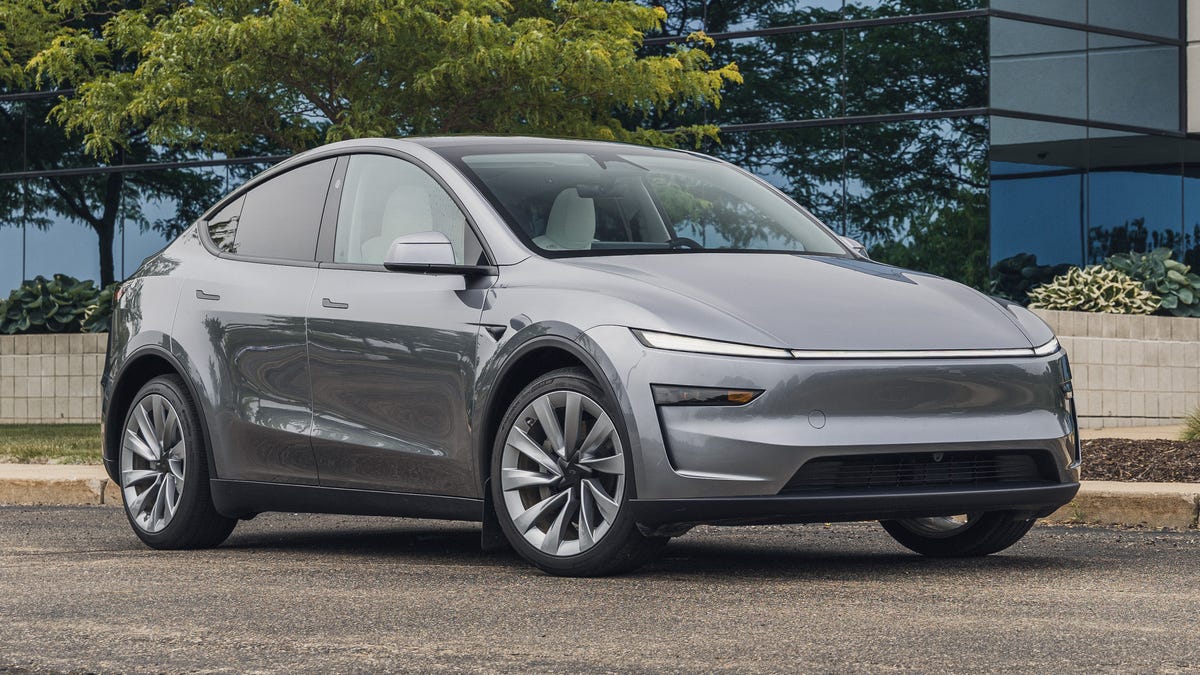
A used car can never be worth more than a discounted new equivalent. That ceiling kept dropping. Consider the dollars on a $50,000 purchase. A 57.8% loss is roughly $29,000 over five years.
A Model Y owner driving 12,000 miles annually saves about $1,000 a year versus a comparable gas crossover. Five thousand dollars against twenty-nine thousand is not an offset.
Maintenance savings help slightly. Fewer fluids, no exhaust, and regenerative braking that extends pad life all reduce running costs. Tyres and insurance often move the other way. Heavy, fast EVs chew tyres and attract higher premiums.
The Model Y remains an easy car to recommend on capability. It is a hard car to recommend as a financial decision when bought new. The used version at three years old is a different story entirely. That is where the value now sits.
9. Porsche Taycan
The Taycan performs better than its Audi sibling and still loses badly. Its five-year depreciation is estimated at 59.2%. Porsche badges usually resist depreciation. The 911 is the classic example of value retention.
The Taycan gets no such protection. Electric powertrains break the normal Porsche rules. Original pricing is extreme. Well-specified cars regularly passed $150,000 before delivery. A 59% loss on that is close to $90,000. No charging arrangement offsets that.
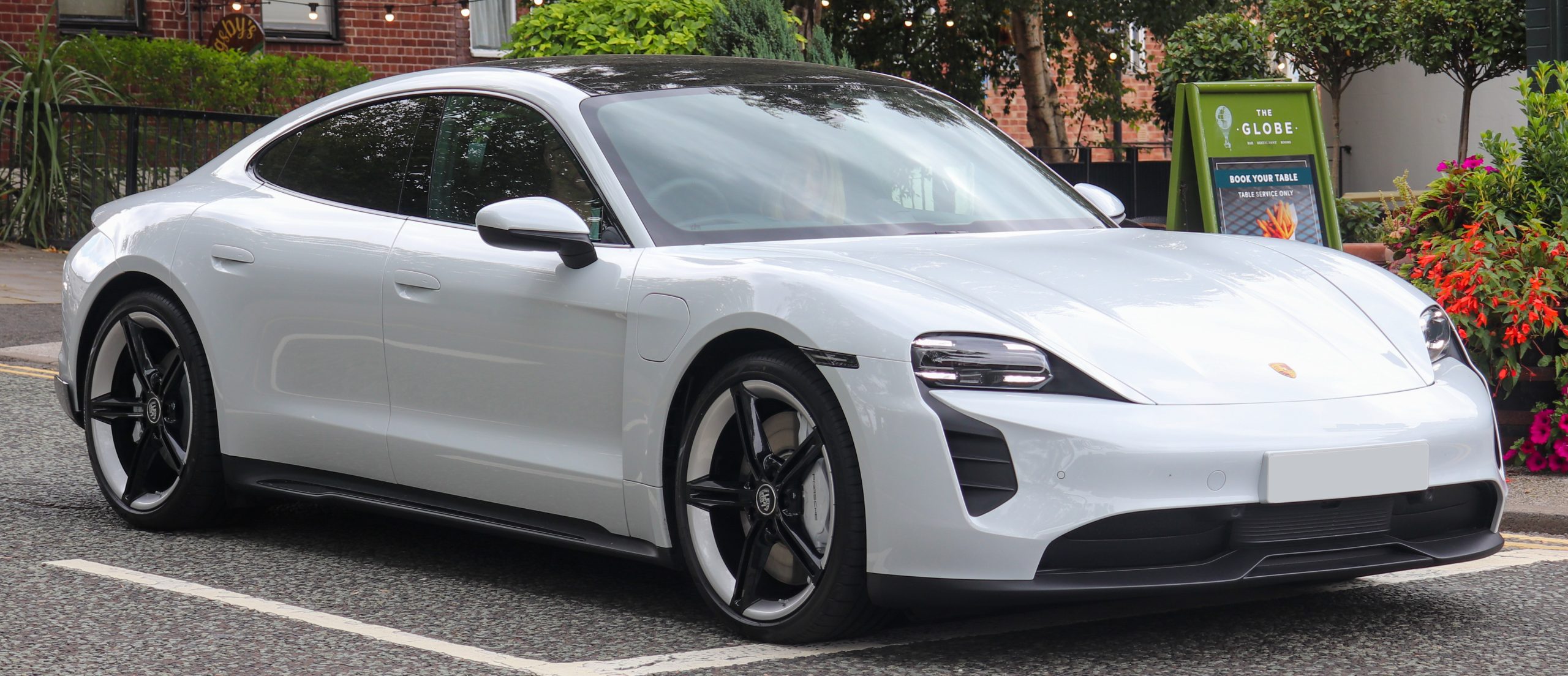
Options are a particular trap. Porsche’s configurator makes it easy to add $30,000 in extras. Those extras contribute almost nothing to resale value. The first owner funds them entirely.
Technology moved on quickly. Battery capacity, charging speed, and range improved substantially within the model’s own lifespan. Later updated versions made earlier cars look obsolete. Used buyers wait for the newer hardware.
Running costs genuinely are low for the performance on offer. Charging a Taycan at home costs a fraction of fuelling a comparable V8. Servicing is another matter.
Porsche labour rates and tyre costs are not modest. The Taycan is one of the finest electric cars ever built. It is also one of the most expensive ways to discover how EV depreciation works.
10. Kia Niro EV
The Niro EV shows the problem reaching sensible, affordable cars. iSeeCars ranks it sixteenth-worst at 57.3% five-year depreciation. This was never a flashy purchase. It was a practical, efficient small crossover bought by pragmatic owners.
Those owners still lost more than half their money. On a $40,000 purchase, that is around $23,000. Several factors combined. The Niro EV was sold in relatively modest numbers with limited brand pull in the used EV market. It also competed against newer Hyundai and Kia models on faster architecture. The EV6 and Ioniq 5 made the Niro look like older technology.
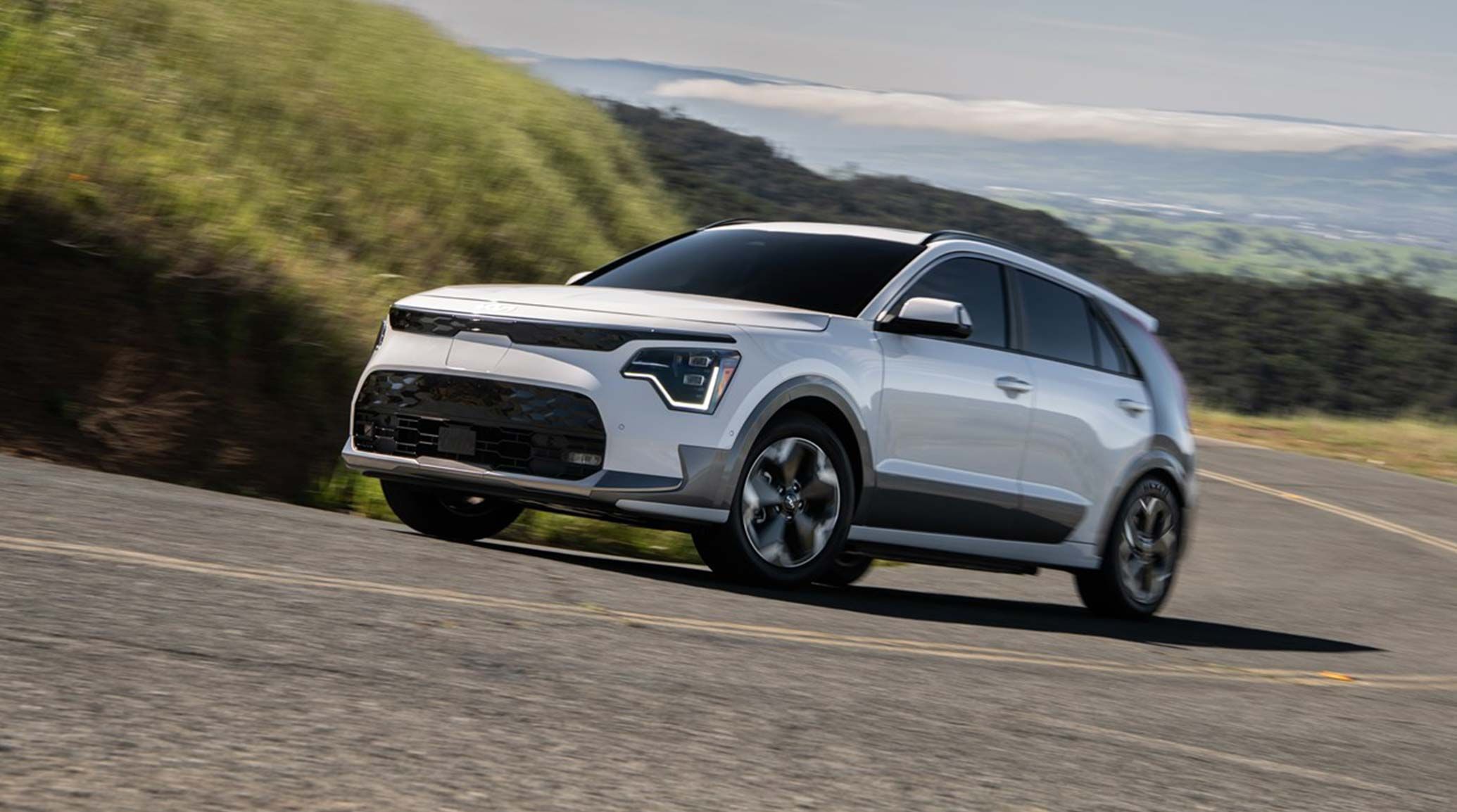
Buyers comparing a used Niro EV against a used EV6 usually chose the latter. That pushed Niro prices down. Incentives distorted its pricing too. Federal and state support reduced effective new-car cost well below sticker.
Used valuations measure against the original price, not the net price paid. That inflates the apparent depreciation and depresses real resale simultaneously.
The fuel savings are the most favourable of any car on this list proportionally. A Niro EV is genuinely cheap to run day to day. It still does not close the gap. Roughly $4,500 saved over five years against $23,000 lost.
The Niro EV is a sound car with no obvious flaw. That is exactly why it belongs here. Even good, sensible EVs are being repriced by the market. The problem is structural, not model-specific.
11. Tesla Model 3
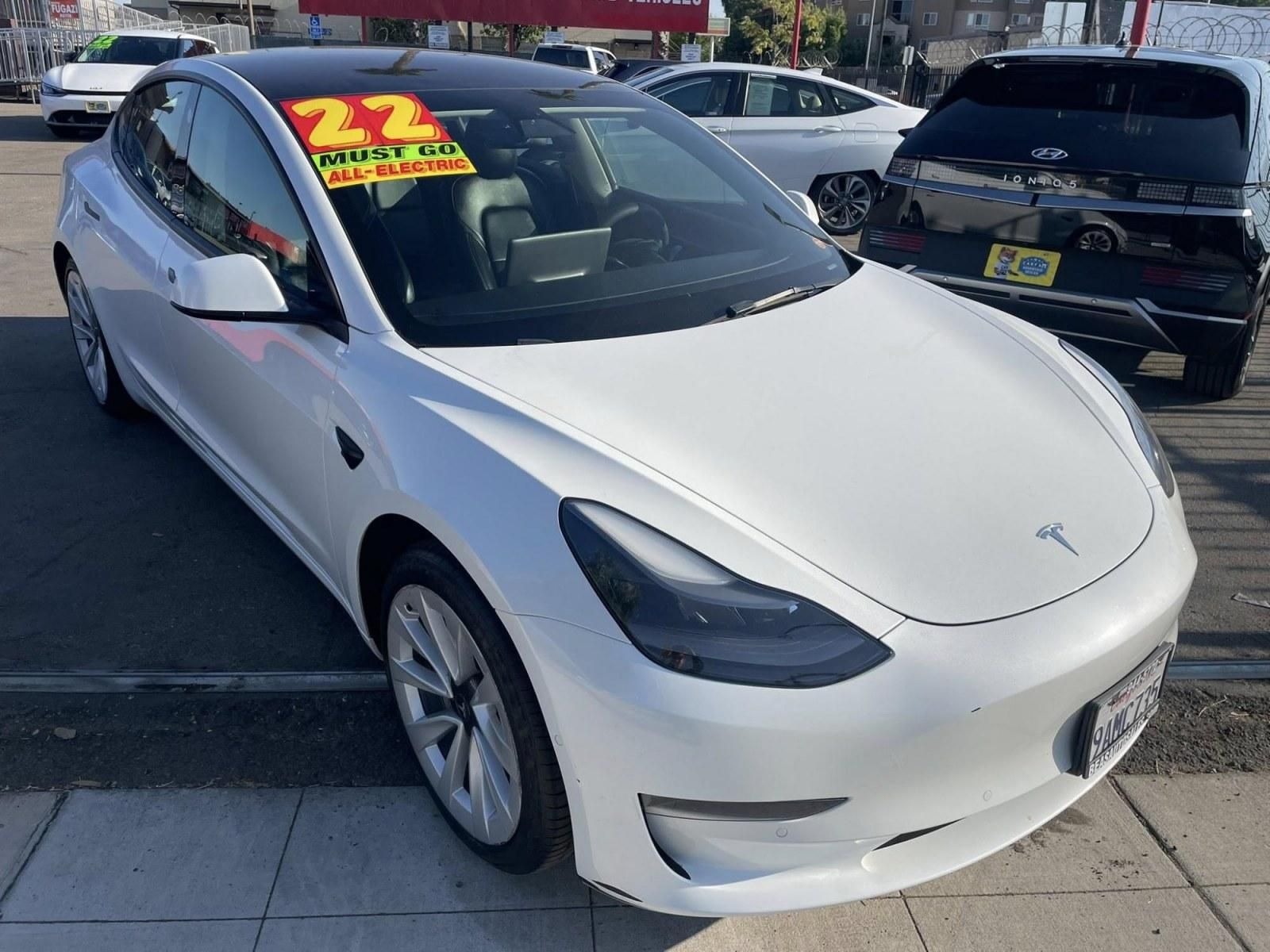
The Model 3 is the strongest performer on this list and still fails the test. It lost 54.6% of its value over five years, described as one of the stronger EVs for resale.
That is the encouraging version of the story. It is still well above the 41.8% market average. The Model 3 is also the car AAA’s medium sedan finding speaks to most directly. Gas medium sedans cost $10,582 per year to own, $3,080 less than comparable EV medium sedans.
EV medium sedans had roughly twice the depreciation of gas models, pushing total ownership costs 29.1% higher. That is the headline number in a single vehicle. The mechanism is familiar. Repeated new-car price reductions reset used values each time.
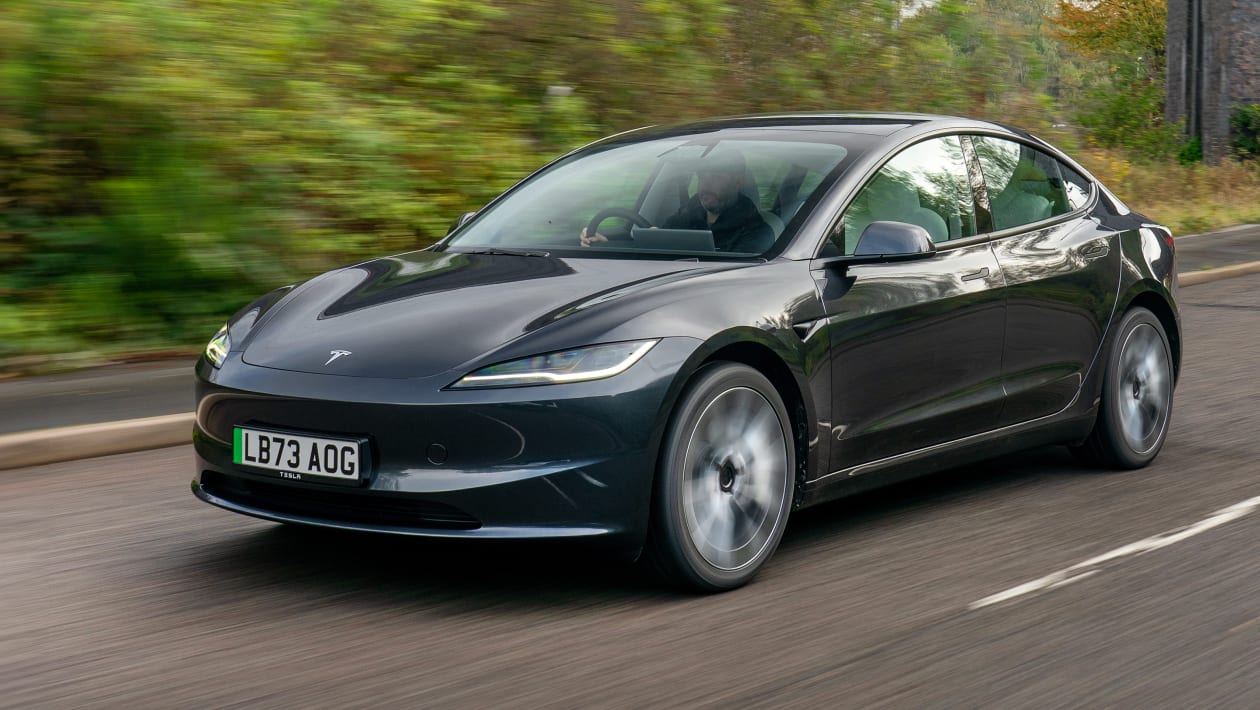
Buyers who paid $55,000 in 2022 watched equivalent new cars fall below $40,000. There was no recovering that. Supply is heavy. Millions of Model 3s exist, and off-lease volumes are substantial.
Insurance costs are another quiet drag. Repair networks and parts pricing have pushed premiums above segment norms. Against all that, the running costs really are excellent. Efficiency is class-leading, and home charging is inexpensive.
An owner might save $1,100 a year on energy. Over five years, $5,500. Depreciation on a $45,000 car at 54.6% is about $24,600. The savings cover roughly a fifth. That is the honest truth of the whole category. Charging is 66% to 70% cheaper, but higher depreciation, fees, and finance costs frequently outweigh it.
