
Car buyers have been sold a simple story for years. Gas is cheap upfront. Electric is cheap to run. Choose your trade-off and move on. That story is falling apart in 2026. AAA’s newest Your Driving Costs study found something surprising.
Hybrids, not EVs or gas cars, delivered the lowest blended ownership costs across most vehicle classes. EVs still win on pure fuel cost per mile. But steep depreciation wipes out those savings for most owners. Gas cars still win on sticker price. But higher fuel and maintenance bills eat away at that advantage fast.
Hybrids sit in the middle, and the middle turns out to be the smart place to stand. They hold value better than EVs. They burn far less fuel than comparable gas models. They skip the home-charging math altogether.
Across eight vehicle categories, from compact sedans to three-row SUVs, specific hybrid models are now outperforming both their gas and electric counterparts on five-year total cost of ownership. Here is a well-researched look at each one, and why the math works out the way it does.
1. Toyota RAV4 Hybrid
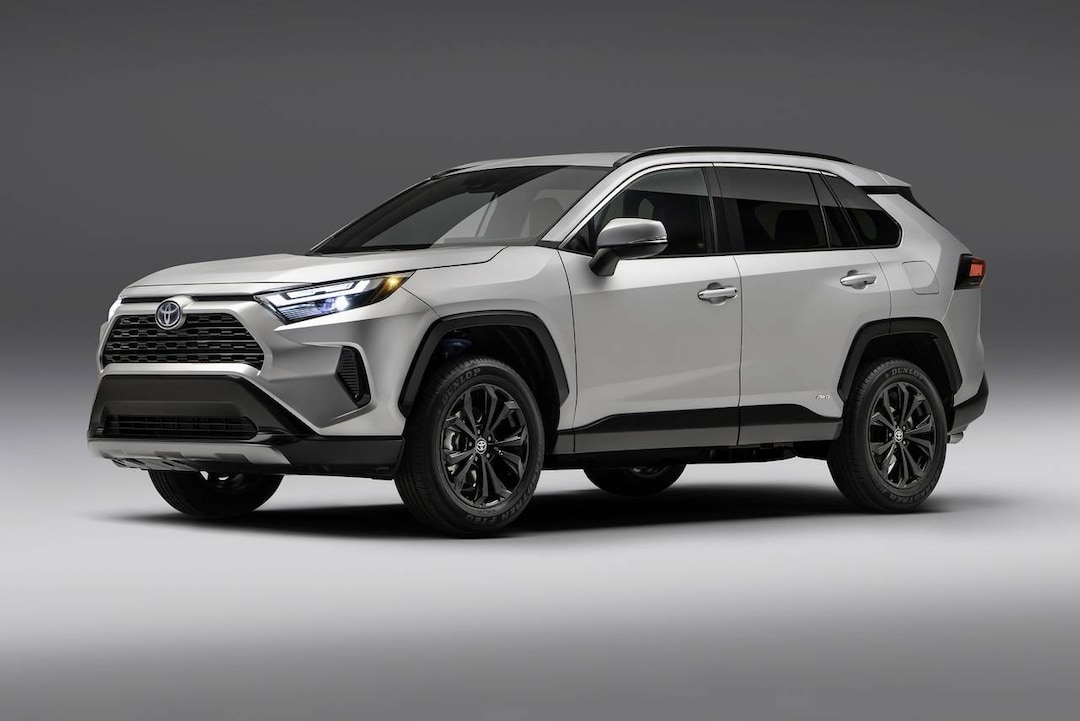
The RAV4 Hybrid is the clearest example of hybrid math working in the buyer’s favor. It starts around $32,300. That is only a few thousand more than the gas RAV4.
But the payoff shows up fast. The hybrid returns roughly 39 mpg combined. That beats the gas RAV4’s 30 mpg by a wide margin. Over five years and 75,000 miles, that gap alone saves an owner well over $2,000 in fuel.
Depreciation is where the RAV4 Hybrid really separates itself. Independent tracking from CarEdge and KBB puts its five-year depreciation between $10,000 and $14,000. That is lower than most compact SUVs, gas or electric.
Compare that to a battery-electric compact SUV in the same price bracket. Those vehicles often lose 45 to 60 percent of their value in the same window. The RAV4 Hybrid typically retains well over half.
Maintenance costs also favor the hybrid. Toyota’s regenerative braking system reduces wear on brake pads and rotors significantly. Owners report brake jobs lasting nearly twice as long as on comparable gas vehicles.
Insurance runs close to the gas model, sometimes slightly higher. But it is far below what a comparable electric SUV typically costs to insure. Total five-year ownership cost lands in the mid-$30,000s for most trims.
That places the RAV4 Hybrid below both the gas RAV4 in fuel-adjusted terms and below most compact electric SUVs. Toyota’s standard hybrid battery warranty adds further peace of mind. It covers the hybrid system for ten years or 150,000 miles in most states. For buyers cross-shopping compact SUVs, the hybrid is no longer a premium option. It is increasingly the default rational choice.
2. Toyota Camry Hybrid
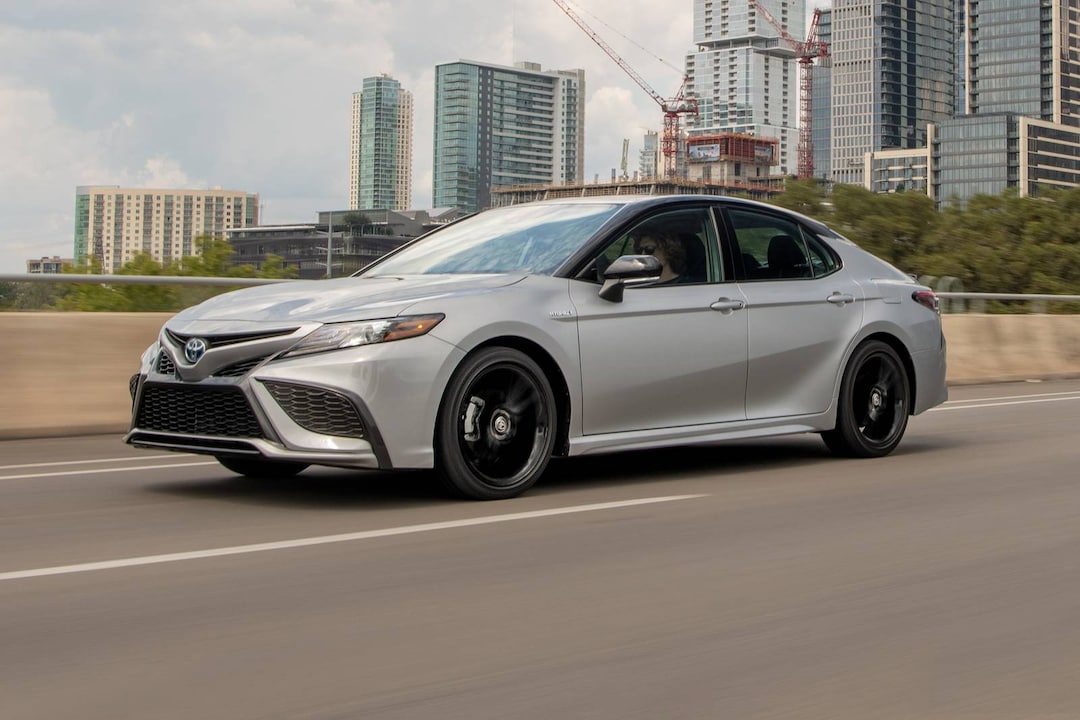
Toyota made a bold move for 2026. Every Camry sold is now a hybrid. There is no separate gas engine to compare against anymore. That decision reflects exactly the cost logic this article is built around. The hybrid Camry starts under $29,000. It returns up to 51 mpg combined on the base front-wheel-drive trim.
Five-year total cost of ownership estimates from Edmunds and CarEdge cluster between $34,000 and $37,000 for typical trims. That is remarkably low for a midsize sedan with 225 horsepower and a full suite of safety tech.
Fuel costs are the standout number. Annual fuel spend lands around $850 to $900 for average drivers. Over five years, that totals under $5,000. A comparable gas-only midsize sedan often spends $8,000 or more on fuel in the same period.
Depreciation is modest too, typically in the $12,000 to $15,000 range over five years. Toyota resale values remain among the strongest in the industry. That consistency matters enormously in total-cost math.
Maintenance stays predictable thanks to ToyotaCare coverage on new purchases. Insurance costs run close to average for the segment, not the premium some buyers expect from hybrid tech.
Per-mile cost estimates put the Camry Hybrid around 50 cents per mile all-in. That is lower than most gas midsize sedans and dramatically lower than a comparably equipped electric sedan once depreciation is factored in.
The Camry Hybrid proves a broader point. When a manufacturer eliminates the gas-vs-hybrid price gap entirely, the hybrid simply becomes the better car to own. No trade-off required.
3. Honda Accord Hybrid
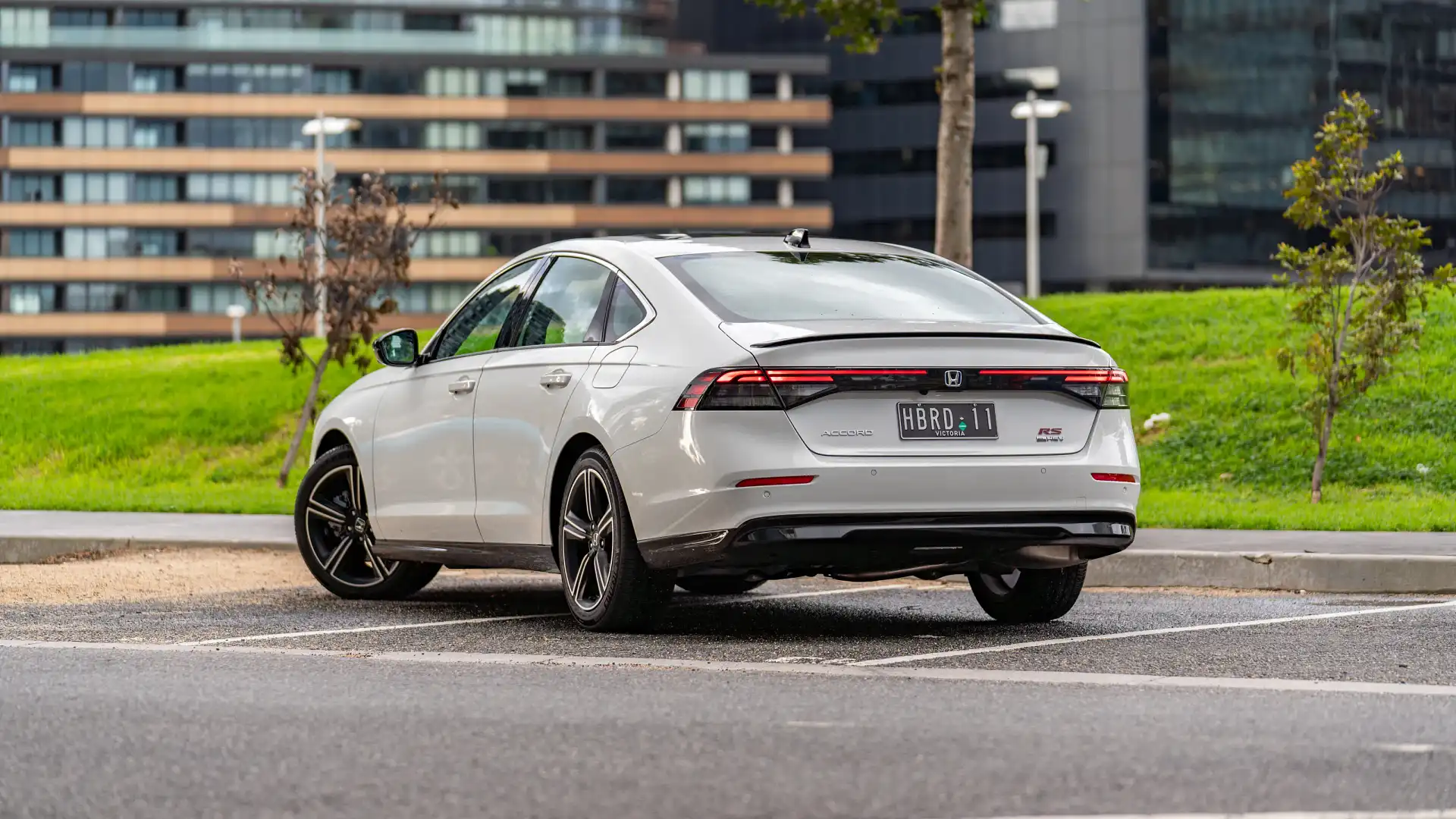
The Accord Hybrid tells a similar story from a different brand. Its starting price sits close to $35,000 for the base Sport trim. That premium over the standard gas Accord is real. But KBB data shows the Accord Hybrid’s out-of-pocket expenses running lower over five years, meaningfully. Fuel savings do the heavy lifting here.
Combined fuel economy on the hybrid reaches into the mid-40s mpg. The gas Accord trails by 10 mpg or more depending on trim. That difference compounds every year the car is owned.
Five-year cost-to-own figures for well-equipped Accord Hybrid trims land between $45,000 and $53,000. Depreciation is the largest single line item, as with most vehicles. But it stays proportionate to the purchase price rather than spiking the way EV depreciation often does.
Insurance costs vary by trim but generally sit in line with other midsize hybrids. Maintenance costs benefit from Honda’s reputation for mechanical simplicity and long service intervals.
What makes the Accord Hybrid notable is resale strength. Honda resale value has historically rivaled Toyota’s. That holds true for the hybrid powertrain specifically, not just the nameplate.
Buyers who plan to keep the car three to five years see the clearest benefit. The fuel savings alone can offset much of the initial price premium within that window.
Against an electric sedan in the same price class, the Accord Hybrid avoids the two biggest EV cost traps. It does not depreciate at an accelerated rate. It does not require home charging infrastructure to realize its savings.
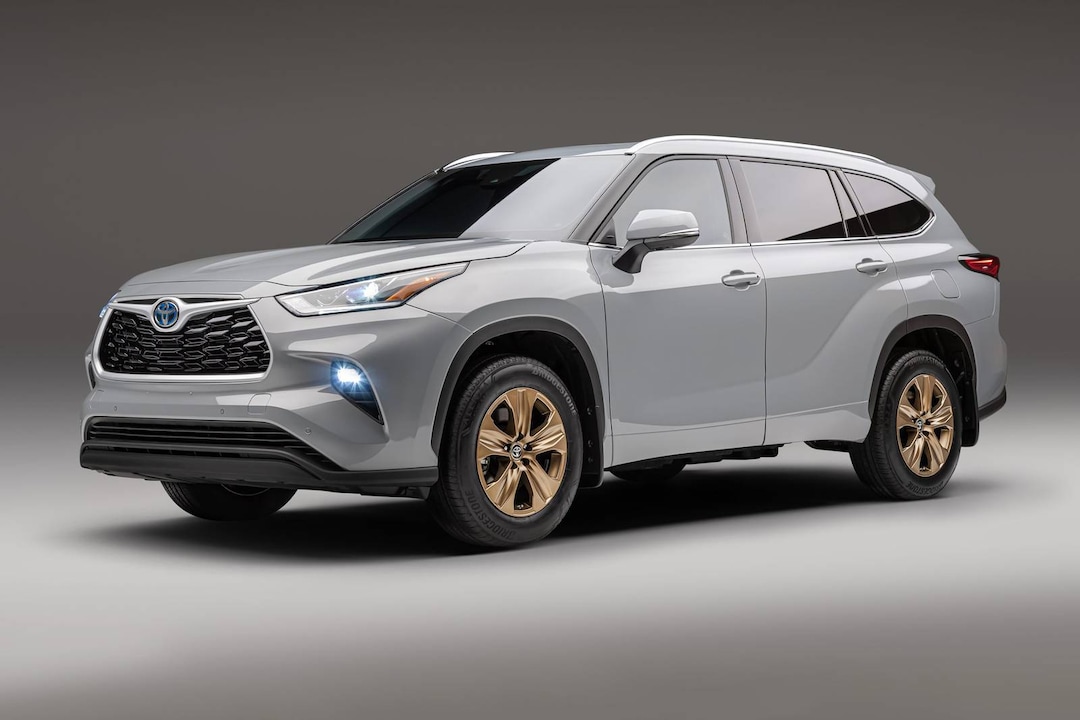
4. Toyota Highlander Hybrid
Three-row SUVs carry some of the steepest ownership costs in the industry. Fuel bills climb fast with a larger, heavier vehicle. The Highlander Hybrid addresses that directly. Its combined fuel economy runs into the mid-30s mpg. That is a significant jump over the standard gas Highlander’s mid-20s rating.
KBB’s five-year cost-to-own figures for the Highlander Hybrid range from roughly $53,000 to $58,000 depending on trim. Depreciation runs from about $19,000 to $22,000, which is competitive for the segment.
An interesting trend has emerged in the hybrid premium itself. Toyota’s data shows the price gap between gas and hybrid Highlander trims actually shrinks at higher trim levels. That makes the hybrid an even easier call for buyers considering upper trims.
Insurance costs run higher than smaller hybrids simply due to vehicle size and replacement cost. Annual premiums average around $15,000 over five years for many drivers. That is a real expense to budget for.
Maintenance stays reasonable thanks to reduced brake wear from regenerative braking. Toyota’s reliability reputation also helps keep unplanned repair costs down over the ownership period.
Compare this to a three-row electric SUV. Those vehicles often start $10,000 to $15,000 higher and depreciate faster in the first three years. Families needing seven-passenger capacity get real savings by choosing the hybrid.
The Highlander Hybrid shows that hybrid advantages scale up, not just down. Larger vehicles with bigger fuel tanks benefit proportionally more from efficiency gains.
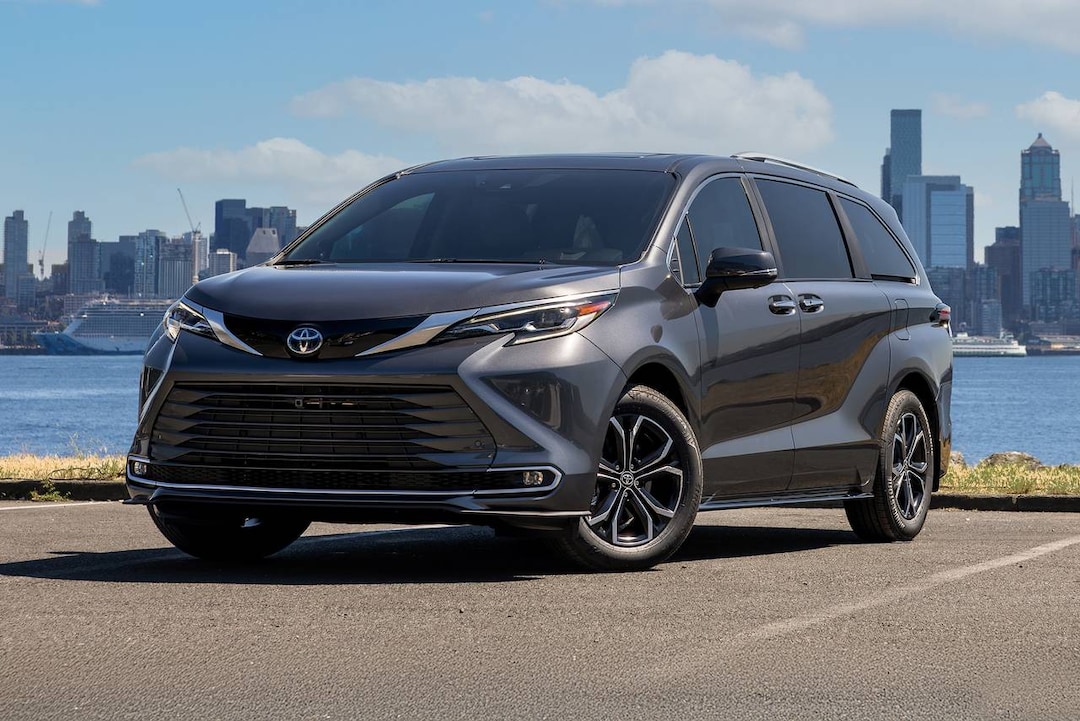
5. Toyota Sienna
The Sienna occupies a unique position. Toyota made it hybrid-only starting several years back. There is no gas-only Sienna to compare against directly.
That decision has paid off in ownership costs. Five-year cost-to-own figures range from about $58,000 to $65,000 depending on trim, according to KBB data.
Depreciation runs comparatively low for a minivan, generally between $17,000 and $23,000 over five years. Minivans as a category often depreciate faster than SUVs. The Sienna bucks that trend somewhat thanks to strong demand and Toyota’s resale reputation.
Fuel economy is the Sienna’s standout feature. It returns roughly 35 mpg combined, which is exceptional for a vehicle this size. A traditional gas minivan typically manages only 19 to 22 mpg combined.
Over five years, that efficiency gap can save a family several thousand dollars in fuel alone. For households racking up 15,000 or more miles annually, the savings compound quickly.
Maintenance costs stay moderate, helped again by reduced brake wear from the hybrid system. Insurance runs close to segment averages, without the premium sometimes associated with electric vans.
Electric minivans remain rare and expensive in 2026. Where they exist, they carry both a high purchase price and steep early depreciation. The Sienna sidesteps both problems entirely.
For large families who need van-level space and can’t justify a full EV commitment, the Sienna represents the rational middle path. It offers real fuel savings without the range anxiety or charging logistics of an electric alternative.
6. Ford Maverick Hybrid
The Maverick Hybrid may be the single best value story on this list. Its base price starts under $28,500. Its fuel economy is the headline number. City mpg reaches 42 in hybrid form. That crushes the EcoBoost gas variant’s low-to-mid 20s rating.
KBB and CarEdge data show five-year cost-to-own figures ranging widely by trim, from roughly $46,000 to $56,000. Lower trims sit at the more affordable end of that range.
Depreciation for the Maverick tends to run lower than typical trucks, often under $15,000 over five years. Strong demand for small, efficient trucks has kept resale values healthy.
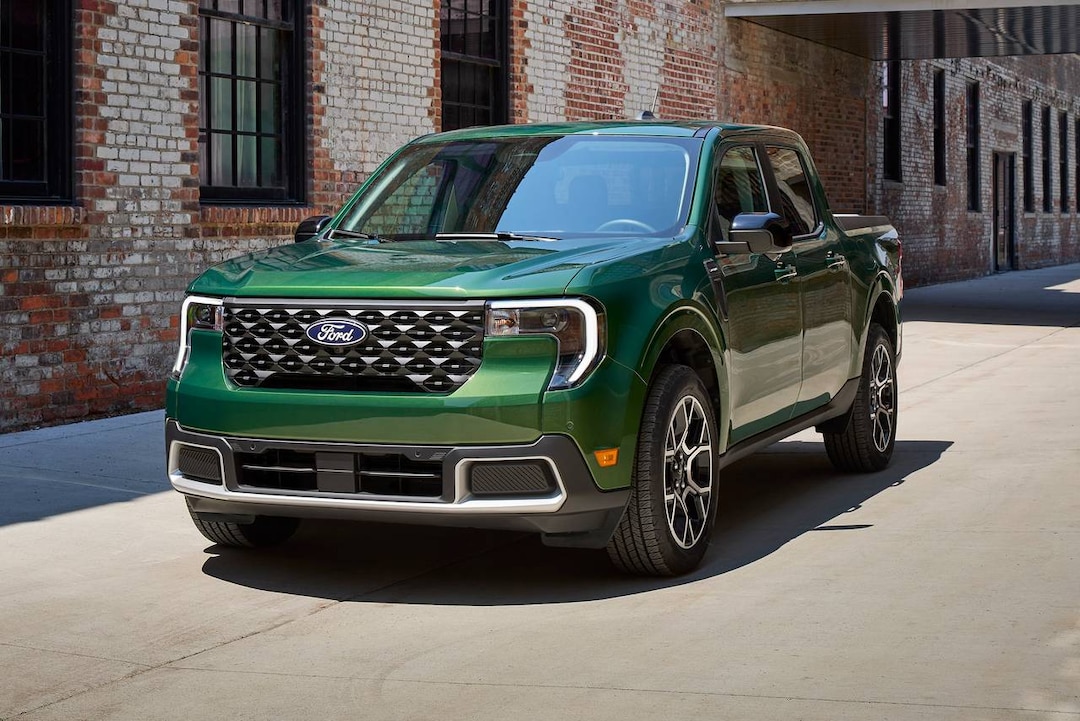
Fuel savings are dramatic given the MPG gap. Annual fuel costs for the hybrid trim can run $1,000 to $1,500 less than the turbocharged gas version, depending on driving patterns.
Insurance and maintenance costs run close to compact SUV averages rather than full-size truck averages. That is a meaningful advantage given the Maverick’s genuine truck-bed utility.
Compared to electric trucks, the gap widens further. Electric pickups on the market carry price tags $20,000 to $40,000 higher than the Maverick Hybrid. Their depreciation curves have also proven steep in early resale data.
For buyers who need bed space and towing capability but don’t need a full-size truck, the Maverick Hybrid delivers utility at a genuinely low ownership cost. It undercuts nearly everything else in the pickup segment.
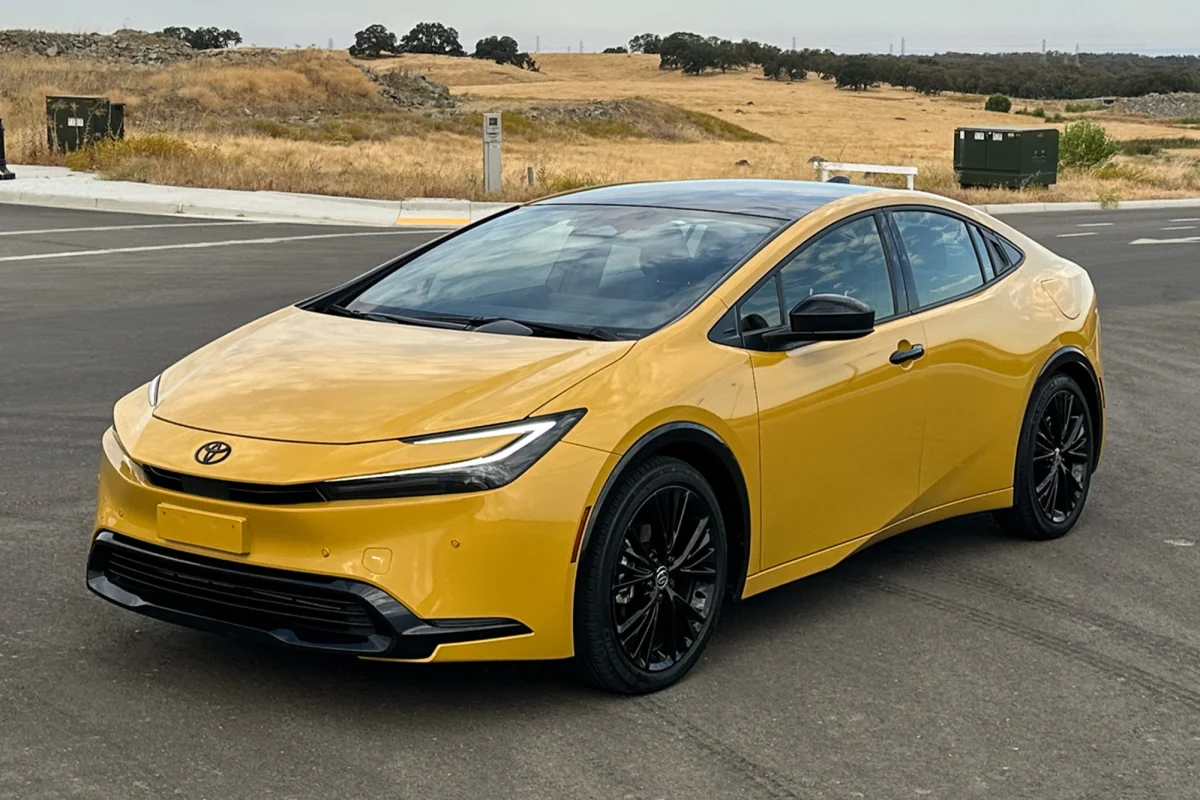
7. Toyota Prius
The Prius remains the efficiency benchmark of the entire industry. Combined fuel economy reaches as high as 57 mpg on base trims. KBB’s five-year cost-to-own data shows a wide range by trim, from roughly $39,000 on base LE models to $57,000 on higher XLE and Limited trims. That spread reflects how much insurance and features shift the total.
Depreciation stays impressively low across the lineup, often between $11,000 and $17,000 over five years. The Prius has built a decade-long reputation for holding value, and that reputation continues into its current generation.
Fuel costs are almost negligible by comparison to any gas competitor. Annual fuel spend can run as low as $2,600 to $3,000 for efficient trims. That is roughly half what a typical compact gas sedan costs to fuel.
Maintenance costs stay modest thanks to Toyota’s hybrid reliability record. The Prius has one of the longest track records of any hybrid nameplate, which reduces uncertainty around long-term repair costs.
Insurance varies more than other cost categories, running from moderate to relatively high depending on trim and driver profile. That is worth checking carefully before purchase, since it can shift the total ownership picture meaningfully.
Against a comparable electric hatchback, the Prius wins largely on depreciation stability. It does not carry the battery-degradation uncertainty that still worries some EV buyers and insurers. For drivers prioritizing pure fuel efficiency without going fully electric, the Prius remains difficult to beat on total cost.
8. Lexus NX 350h
Luxury buyers assume hybrid savings don’t apply to them. The NX 350h challenges that assumption directly. Its starting price sits in the mid-$40,000s. That positions it against luxury compact SUVs from German and other Japanese brands, many of which lack a comparably efficient hybrid option.
Five-year cost-to-own figures for the NX 350h generally range from about $50,000 to $70,000 depending on trim and equipment level. That sounds high, but it compares favorably against rivals in the same luxury tier.
Depreciation is a real factor at these price points, typically running $20,000 to $27,000 over five years. That is where luxury vehicles across all powertrains lose the most value. The hybrid version depreciates in line with, or slightly better than, its gas NX 350 sibling.
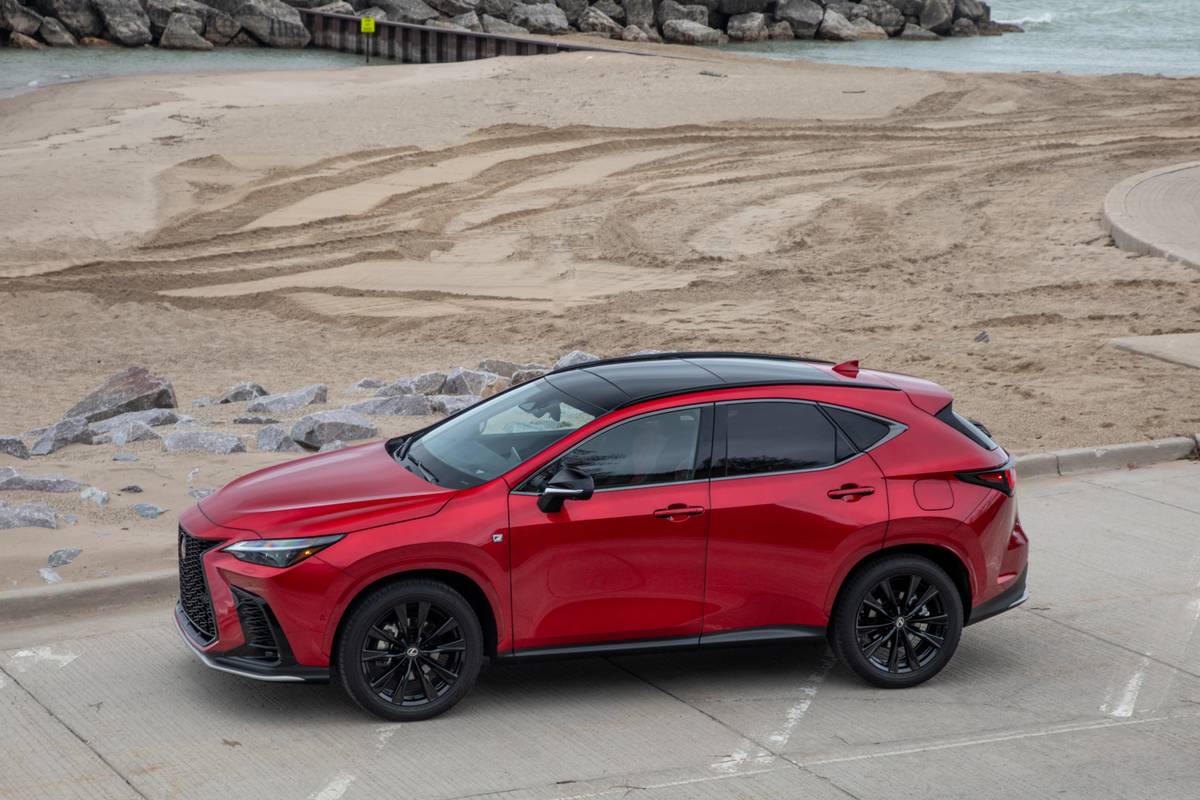
Fuel savings help offset that depreciation somewhat. Combined mpg reaches into the low 30s, noticeably better than the turbocharged gas NX. Over 75,000 miles, that translates to a few thousand dollars in fuel savings.
Insurance and maintenance run higher than mainstream hybrids, as expected for a luxury nameplate. Lexus’s reliability reputation helps limit unplanned repair costs relative to European competitors.
Compared to a luxury electric SUV, the NX 350h avoids the sharpest depreciation curves currently seen in that segment. Luxury EVs have shown some of the fastest value loss of any vehicle category over the past two years. For buyers unwilling to give up luxury badges and comfort, the NX 350h shows that hybrid cost advantages extend even into premium territory.
