
As of September 22, 2026, NHTSA’s investigation database was updated September 21, 2026, making that the appropriate reference point for checking current investigation records. For drivers, an NHTSA investigation can be an early warning that a reported safety issue deserves federal review. It does not automatically mean a vehicle is defective or unsafe to drive.
Some investigations lead to recalls, while others close without a safety defect being confirmed. The list below covers the vehicle groups in the supplied source list, while also separating active investigations from recalls and closed cases. That distinction matters because NHTSA maintains separate records for investigations, recalls, complaints, and compliance matters.

1. Tesla Cybercab
The Cybercab is unlike anything Tesla has sold before, and that’s exactly why federal regulators are paying such close attention to it. On September 4, 2026, an Audit Query labeled AQ26002 was opened to scrutinize how Tesla certified this robotaxi as meeting Federal Motor Vehicle Safety Standards.
Here’s the sticking point. The Cybercab doesn’t have a steering wheel or pedals. Every rule written for passenger vehicles assumes a human sits behind the wheel, ready to intervene.
So when a manufacturer builds something without that assumption baked in, regulators want proof that the safety math still holds up.
This isn’t a case of a broken part or a faulty sensor. It’s a paperwork and engineering review asking whether Tesla properly treated every applicable federal standard as, well, applicable.
Did the company skip requirements because the vehicle’s design made them seem irrelevant? Did it interpret ambiguous language in a way that worked in its favor?
Owners of other Tesla models shouldn’t expect this to touch their cars directly, since it’s specific to Cybercab’s unique architecture. But the outcome matters well beyond one vehicle.
If the audit finds gaps, it could force a rethink of how self-certification works for any future car without traditional controls. Robotaxi fleets, delivery pods, and other driverless designs are all watching this one closely, because whatever conclusion NHTSA reaches here will likely become the template for judging similar vehicles down the road.
2. Ford F-150 (2015-2017)
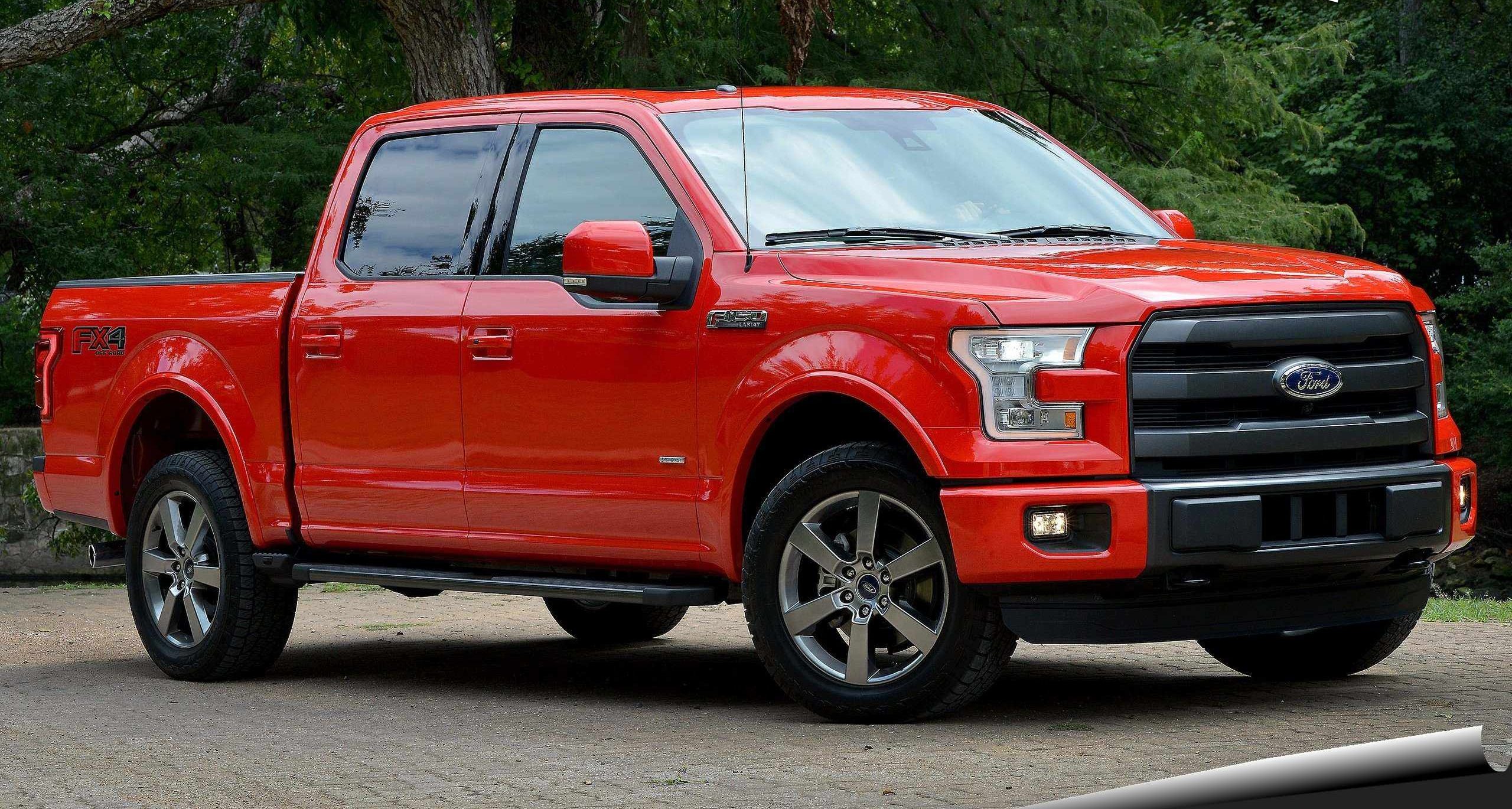
Picture cruising down the highway, foot steady on the gas, when the transmission suddenly drops a gear or two without warning. That’s the alarming scenario behind Engineering Analysis EA26001, which zeroes in on certain 2015 through 2017 F-150 trucks built with the 6R80 transmission.
Owners have reported unexpected downshifts. In some cases, this has reportedly caused wheel lockup, a genuinely dangerous outcome at speed.
The suspected culprit is a loss of signal from the transmission-range sensor, the small component responsible for telling the vehicle’s computer which gear it’s actually in. When that signal drops out or gets corrupted, the transmission can behave unpredictably.
NHTSA didn’t jump straight to a recall. Instead, the agency escalated the case from a preliminary look into a full Engineering Analysis, meaning investigators are now running additional component testing and vehicle-level evaluations.
That’s a meaningful step up in scrutiny. It suggests early findings were concerning enough to warrant deeper technical work rather than a quick dismissal.
For F-150 owners in this model range, the smart move is straightforward. Watch for symptoms like harsh or unexpected gear changes, dashboard warning lights related to the transmission, or momentary loss of power delivery.
Keep service records handy, and if something feels off, get it checked by a dealer rather than waiting. Trucks are workhorses, often driven hard and loaded heavy, which makes transmission reliability especially important for this segment.
An investigation of this scope, focused on such a widely sold pickup, tends to draw plenty of public interest until Ford and regulators resolve.
3. Ford Bronco Sport / Maverick
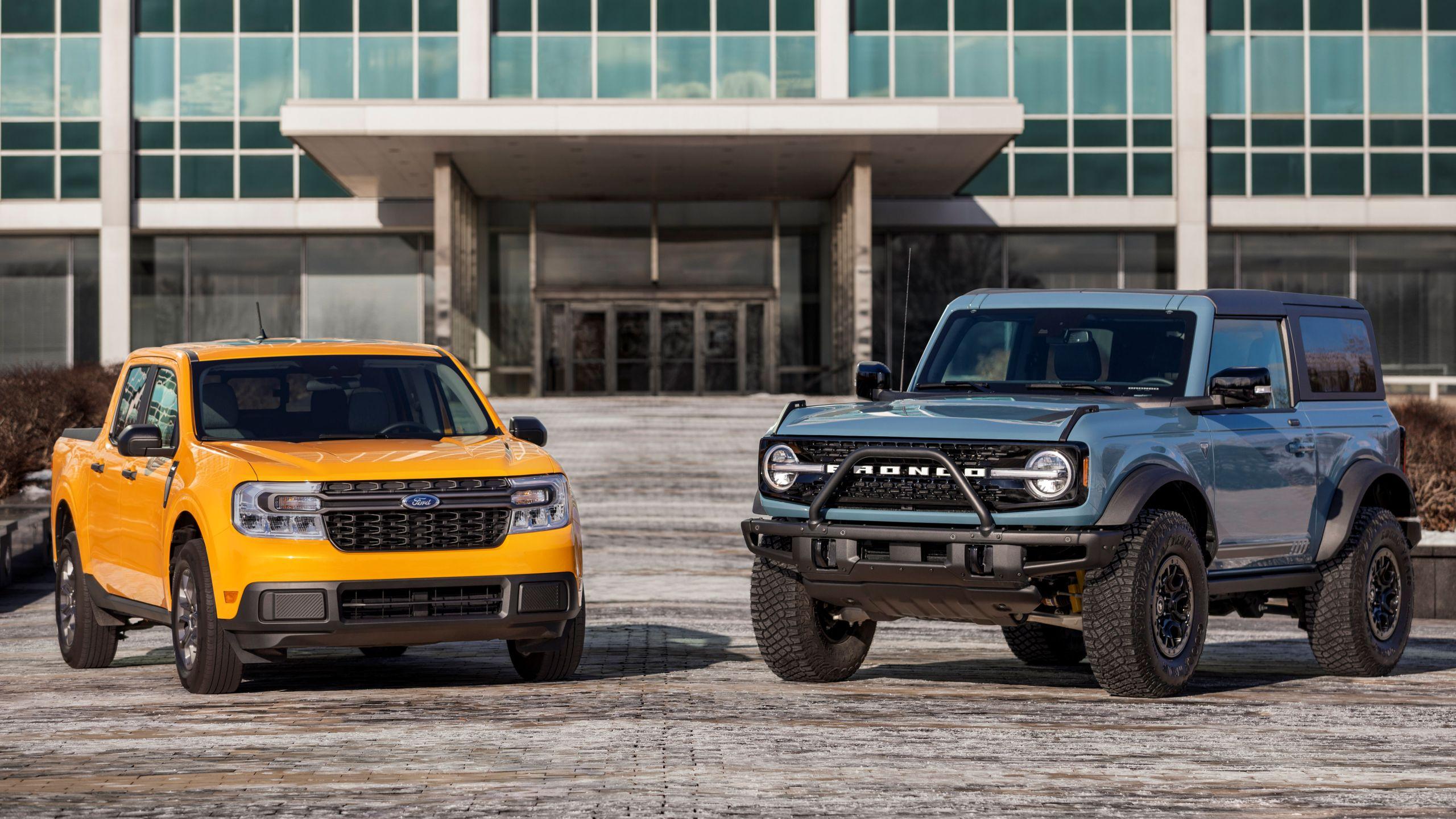
NHTSA’s Recall Query RQ24014 concerns allegations of loss of motive power in certain 2021 through 2024 Ford Bronco Sport vehicles and 2022 through 2023 Ford Maverick vehicles. The inquiry centers on 12-volt battery failures and situations in which a vehicle could lose propulsion or fail to restart.
NHTSA opened the inquiry after receiving owner reports involving Bronco Sport vehicles that had previously received a Ford recall remedy. Several consumers described loss of motive power, with some incidents occurring while the vehicle was moving.
Ford’s responses to NHTSA provided additional information about the affected battery production period. The company identified manufacturing issues affecting certain vehicles produced before October 20, 2022, and said a new 12-volt battery supplier was introduced during October 2022.
The inquiry also examined what happens when battery voltage drops during operation. NHTSA documents indicate that certain conditions could leave a vehicle unable to restart following an auto stop/start event.
The agency also examined whether warning systems would provide drivers with enough notice before a battery failure. It is important to identify RQ24014 accurately.
This is an NHTSA investigation into allegations and vehicle conditions, not a statement that every Bronco Sport or Maverick in the listed model years has the same defect.
Owners should also distinguish an investigation from a recall. A recall provides a remedy for vehicles identified as affected by a safety defect or noncompliance.
An investigation is the agency’s process for gathering evidence and determining whether further action is warranted.
4. Ford F-150 and Other Ford Models
NHTSA’s PE24019 investigated low-pressure fuel-pump failures that initially involved 2021 Ford Bronco vehicles. During the investigation, Ford identified similar low-pressure fuel-pump configurations across several Ford and Lincoln models.
The vehicles identified in the investigation included certain F-150, Ranger, Expedition, Explorer, Mustang, Super Duty, Bronco, and Lincoln models. NHTSA examined whether failures of the fuel delivery module could cause loss of fuel pressure and engine stalling while driving.
The investigation found that the affected fuel-pump system could experience internal problems associated with reduced clearance and contamination. When fuel pressure and flow were interrupted, an engine could stall and fail to restart.
Ford eventually conducted recalls covering portions of the affected population. NHTSA’s records state that recall action addressed vehicles built during production periods associated with the manufacturing conditions identified during the investigation.
There is an important status correction here for anyone researching a current list. PE24019 should not be described as an open investigation as of September 2026.
NHTSA closed the investigation after Ford’s recall action, while the agency said it would continue monitoring complaints involving vehicles outside the recall population.
That means the fuel-pump case remains useful when discussing Ford safety investigations, but it should not be counted as a currently open investigation. The distinction prevents an old investigation from being presented as a new federal probe.
Consumers researching a specific vehicle should check its VIN for current recalls rather than relying only on the existence of a historical investigation.
5. Ford Ranger (2024-2026)
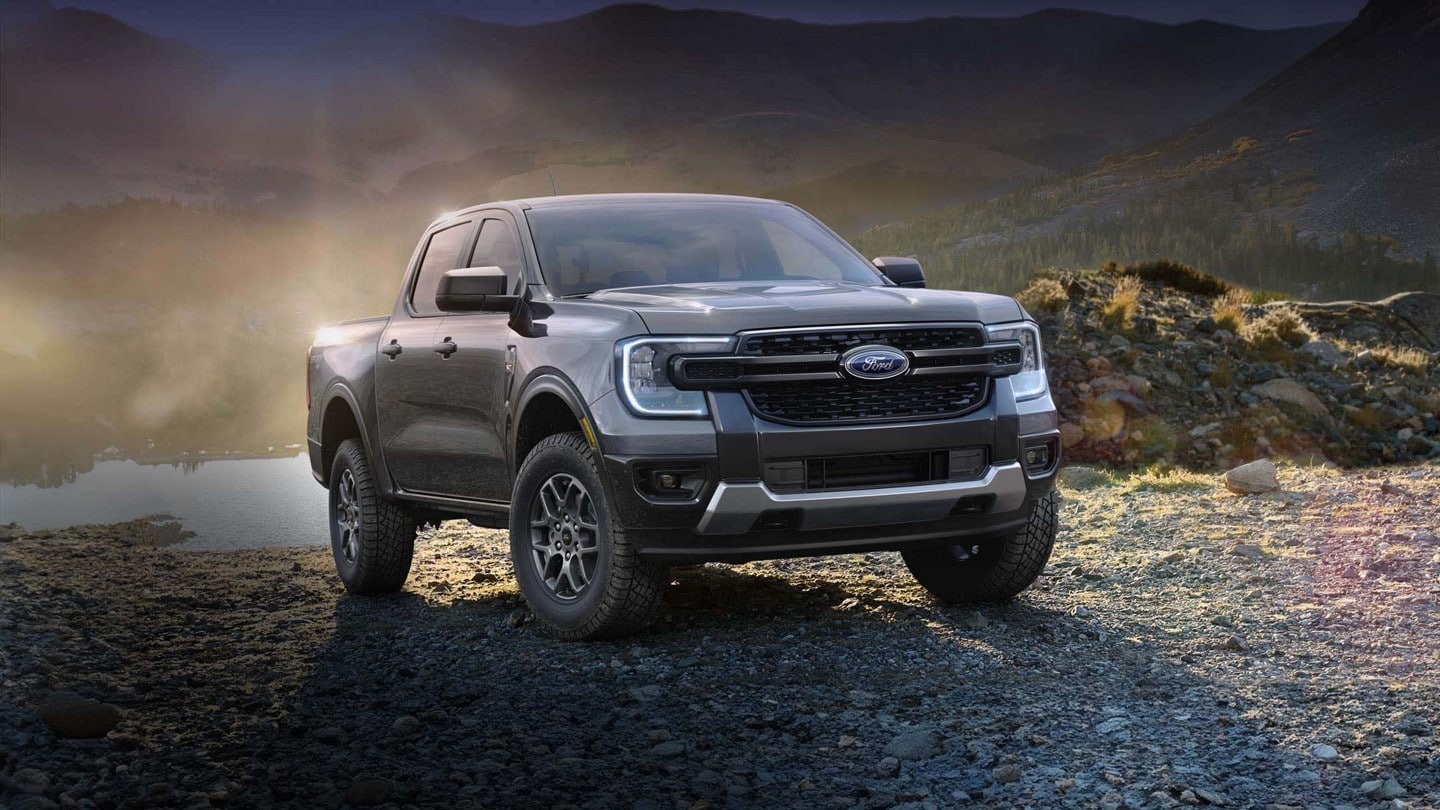
Certain 2024 through 2026 Ford Ranger vehicles appear in a 2026 safety recall involving front-seat height-adjustment pivot bolts. That matter belongs in a discussion of current vehicle safety activity, but it should not be labeled as an open NHTSA defect investigation without an investigation number and current open status.
A recall and an investigation serve different purposes. NHTSA investigations examine reported safety concerns and gather evidence about whether a defect or noncompliance may exist. A recall is the corrective action used to repair or otherwise remedy vehicles identified as affected.
For the Ranger, the seat-related issue concerns the hardware used in the front-seat height-adjustment system. A recall means Ford has identified affected vehicles and is required to provide the specified remedy to owners.
That makes the Ranger a useful example of why lists based only on headlines can become misleading. A vehicle can have an active recall without having a separate open NHTSA defect investigation.
Likewise, a vehicle can be associated with a historical investigation even after that investigation has been closed. The appropriate way to describe this Ranger matter is therefore as a current safety recall rather than an open defect investigation.
Owners of affected Rangers should use NHTSA’s VIN lookup system and Ford’s owner resources to determine whether their individual vehicle is included.
Vehicle-level results are more useful than a model-wide statement because recalls often cover specific production dates, configurations, or components.
The Ranger case also illustrates why a current safety database should be checked by status, not simply by manufacturer or model name.
6. General Motors
Brakes are the one system drivers never want to second-guess, which makes any hint of trouble in this category worth understanding clearly.
General Motors has faced federal scrutiny tied to electronic brake control systems, and it’s important to describe that history accurately rather than painting it as one sweeping, currently active case.
One documented example involved GM’s own internal investigation identifying a rare condition affecting the anti-lock braking and brake-pressure system.
That finding led to a 2024 recall, meaning GM proactively addressed the defect once it was confirmed, working alongside regulators to notify affected owners and arrange repairs.
Rather than treating this as a single, generic “GM brakes are under investigation” headline, it’s more accurate to say that GM has had multiple safety actions over the years tied to brake-control technology, with this 2024 case standing as one specific, resolved example.
Electronic brake systems are genuinely intricate, blending mechanical components with software that constantly monitors wheel speed, pressure, and traction.
A rare software or hardware interaction can produce symptoms that are hard to reproduce consistently, which is exactly why these cases sometimes take years to fully understand.
If you drive a GM vehicle and notice unusual braking behavior, whether that’s pulsation, delayed response, warning lights, or an ABS system engaging unexpectedly, don’t wait to have it checked.
Even outside of any specific open case, brake anomalies deserve immediate attention from a qualified technician, and checking your VIN against current recall databases takes only a moment.
7. Toyota
Sorting rumor from documented fact matters enormously when it comes to vehicle safety information, and this entry is a good reminder of why.
There have been claims circulating about a current Toyota investigation tied to road debris damaging heat exchangers, but that specific claim doesn’t hold up against what’s actually verifiable in NHTSA’s public records right now.
That doesn’t mean Toyota has never faced engine or cooling-related scrutiny. It simply means that without a specific investigation number, a documented opening date, and a confirmed active status, it would be misleading to present this as a currently open federal case.
Responsible reporting on vehicle safety means being precise about what’s confirmed versus what’s speculation, especially since owners often make real decisions based on this kind of information.
What Toyota owners can do instead is use NHTSA’s own search tools directly. The agency’s database allows anyone to search investigations by manufacturer and model, filtering specifically for active or closed status.
This puts accurate, current information directly in your hands rather than relying on secondhand claims that may be outdated or simply incorrect.
Cooling system failures, when they do occur across any brand, tend to show warning signs before becoming serious. Rising temperature gauges, coolant leaks, unusual smells, or dashboard alerts related to engine temperature are all reasons to pull over and get a vehicle checked rather than continuing to drive.
Whether or not a formal investigation exists for a particular model, that kind of basic vigilance protects you regardless.
8. Tesla Model S / Model X
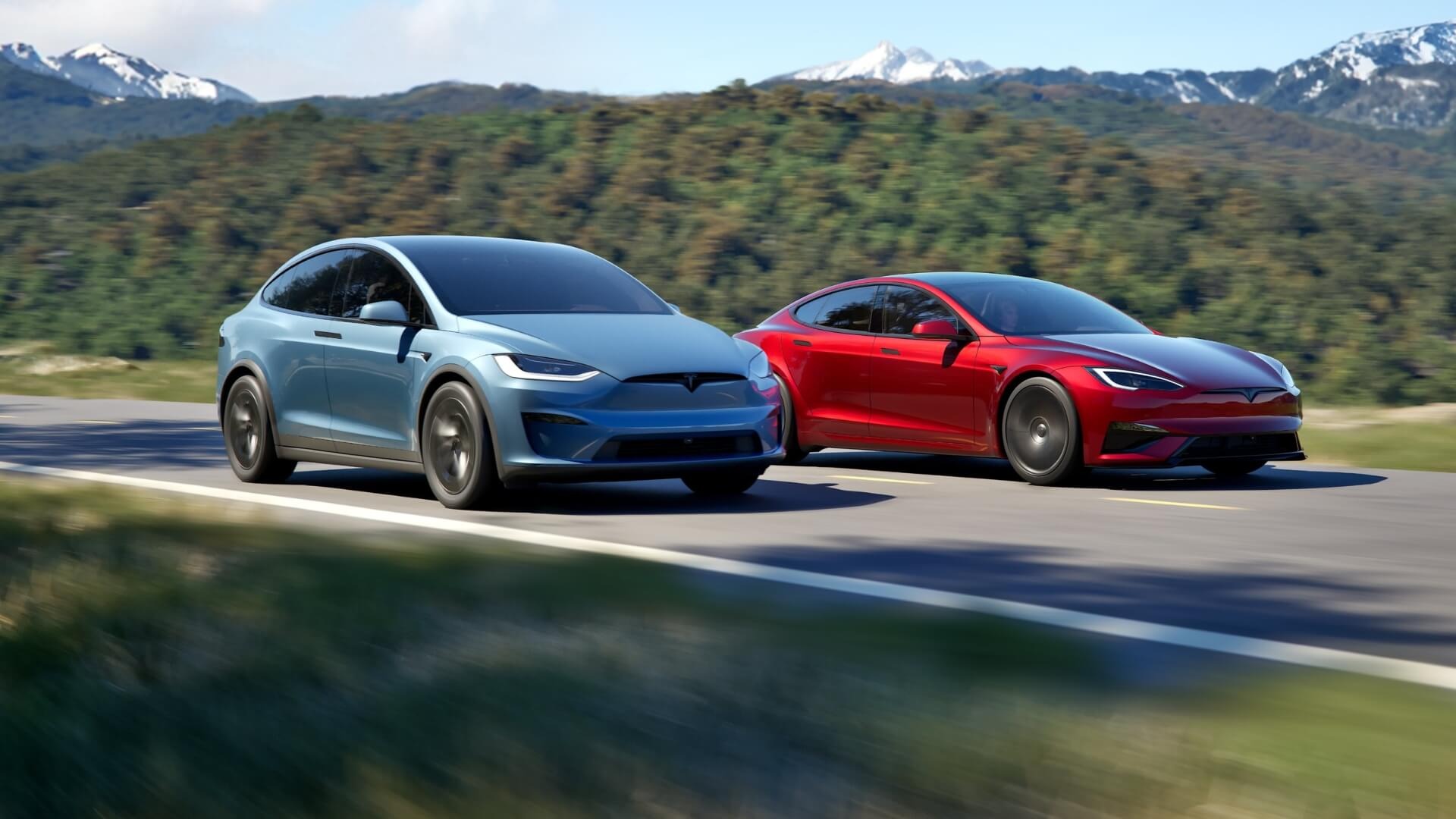
Tesla’s Model S and Model X have been involved in various NHTSA investigations over the years, covering areas such as vehicle systems, driver assistance features, and other safety concerns.
However, older investigations should not automatically be described as active cases in 2026. NHTSA assigns a separate record to each investigation, with its own opening date, subject, evidence, and final status.
Because of this, claims that these Tesla models have several ongoing investigations should be supported by specific NHTSA investigation numbers and current status information.
Some Tesla investigations have resulted in recalls or other safety actions, while others were closed after federal officials completed their reviews. A previous investigation may still be relevant to a vehicle’s safety history, but that does not mean the case remains open.
For owners researching a Model S or Model X, checking NHTSA’s database using the exact model year is the most reliable approach. The results can then be compared with current recall notices and information from Tesla.
Using individual investigation records also prevents older cases from being presented as newly active matters. As of September 2026, any claim about an ongoing Tesla investigation should therefore be tied to a specific NHTSA record whose status confirms that the case remains open.
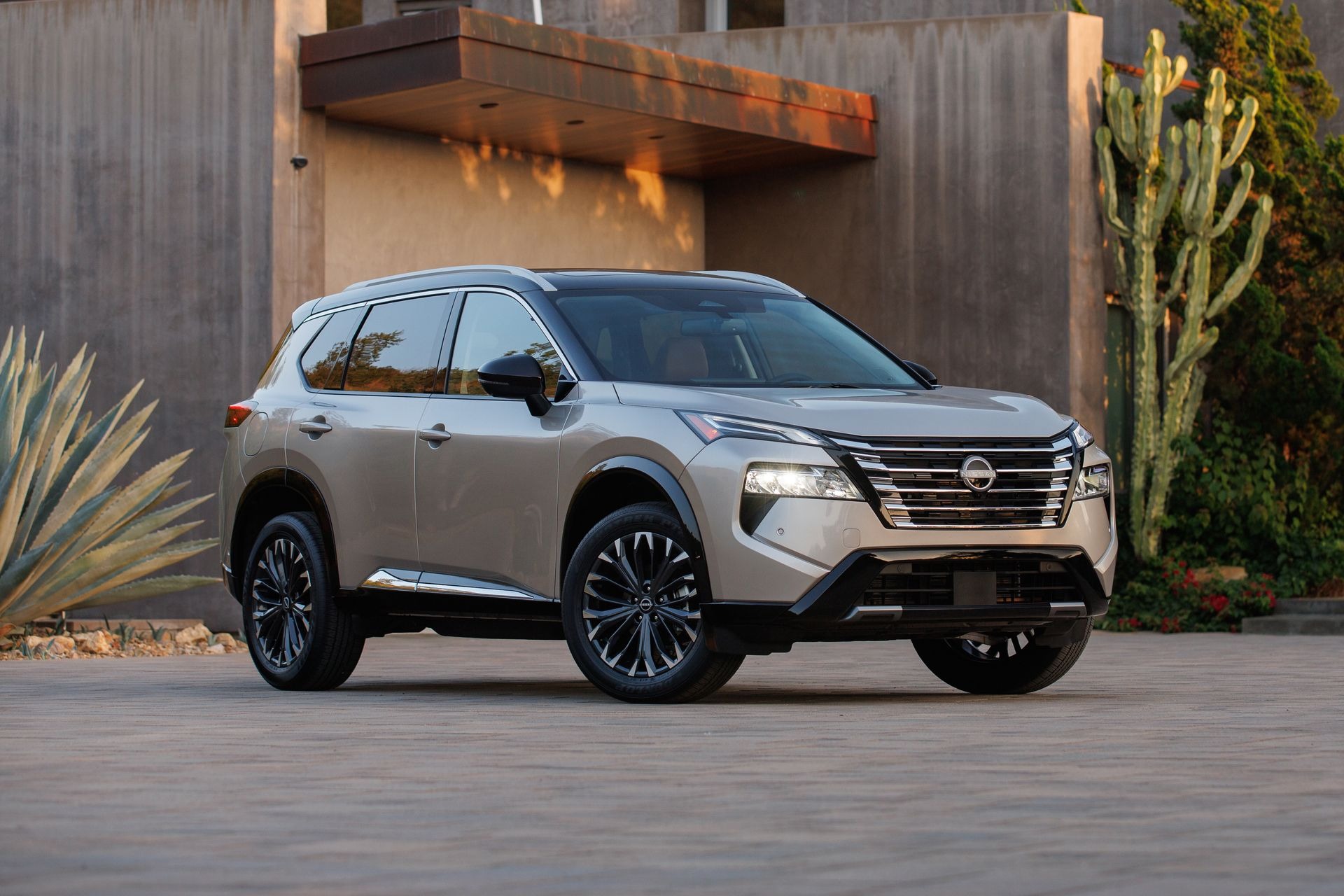
9. Nissan Rogue / Altima
Claims that the Nissan Rogue and Altima have active NHTSA investigations involving braking or electronic stability control need proper evidence. The available records do not clearly support this statement.
Nissan has several safety records involving investigations, recalls, and customer complaints. However, each case must be checked against the exact model year and investigation number before making any claim about its current status.
For instance, some previous NHTSA investigations involving Nissan vehicles focused on issues unrelated to braking or stability control. Also, a recall involving a Rogue or Altima does not automatically mean the vehicle is part of an active federal investigation.
Vehicle safety concerns can vary from one model year to another. A 2018 Rogue, for example, may have different reported problems from a 2024 model, even though both carry the same name.
Anyone checking a Nissan’s safety history should visit the NHTSA database, enter the vehicle’s make, model, and year, and review the available records. Owners should also use the VIN lookup tool to check for recalls affecting their particular vehicle.
Based on the September 2026 reference date, there is not enough verified information to describe a broad Rogue or Altima braking investigation as active. Specific records are needed before making that claim.
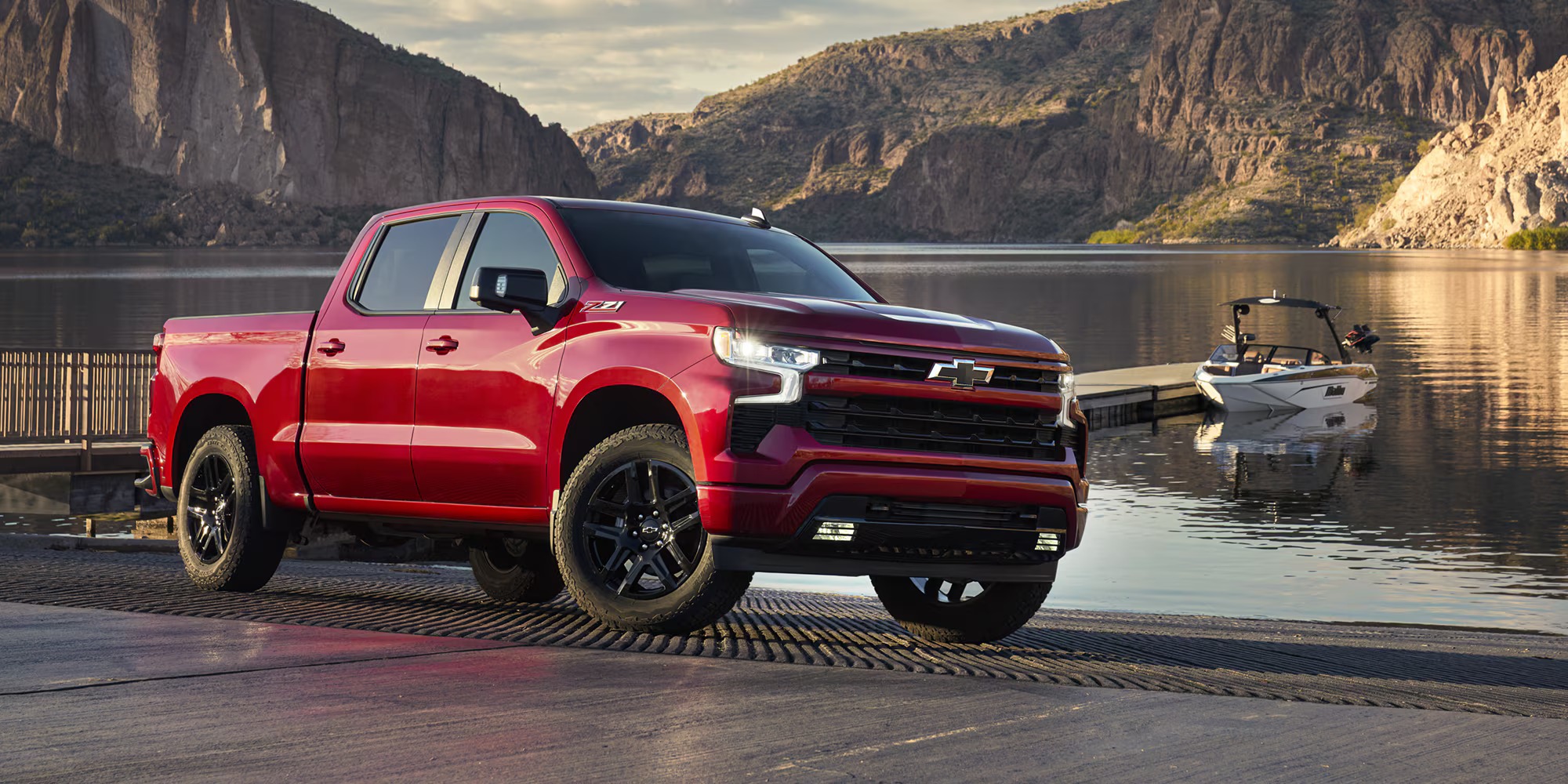
10. Chevrolet Silverado
The Chevrolet Silverado has appeared in NHTSA investigations involving engine and powertrain problems. One major case involved certain Silverado 1500 trucks fitted with GM’s L87 6.2-liter V8 engine.
In January 2025, NHTSA opened Preliminary Evaluation PE25001 after receiving reports of engine failures in 2019-2024 Silverado 1500 trucks and other GM vehicles.
Some reports involved connecting-rod bearing failures that could cause the engine to stop working and lead to a loss of motive power. GM later announced recall 25V-274 to address affected vehicles. NHTSA subsequently closed PE25001 after the recall action.
A separate Engineering Analysis, EA25007, was opened to examine reports involving vehicles outside the earlier recall group. This shows why it is important to check the exact investigation number when researching Silverado safety concerns.
Brake-related investigations involving GM vehicles should also be considered separately from engine problems. Different cases may involve different components, vehicles, and corrective actions.
As of September 2026, readers should rely on individual NHTSA investigation records and recall notices when assessing Silverado safety issues. Historical cases should not automatically be described as active investigations.
