
Hybrid cars can be a smart middle ground for drivers who want lower fuel use without giving up everyday practicality. Yet buying one does not guarantee that it will remain valuable after several years. Some hybrids keep a surprisingly large share of their original price, while others lose nearly half their value.
iSeeCars’ 2026 analysis of more than 3 million vehicles provides a useful look at where different hybrid models stand after five years. The figures are based on the original MSRP compared with the value of an equivalent five-year-old used vehicle. Here are the five hybrids that retain the most value, followed by five with the lowest retention in the study.
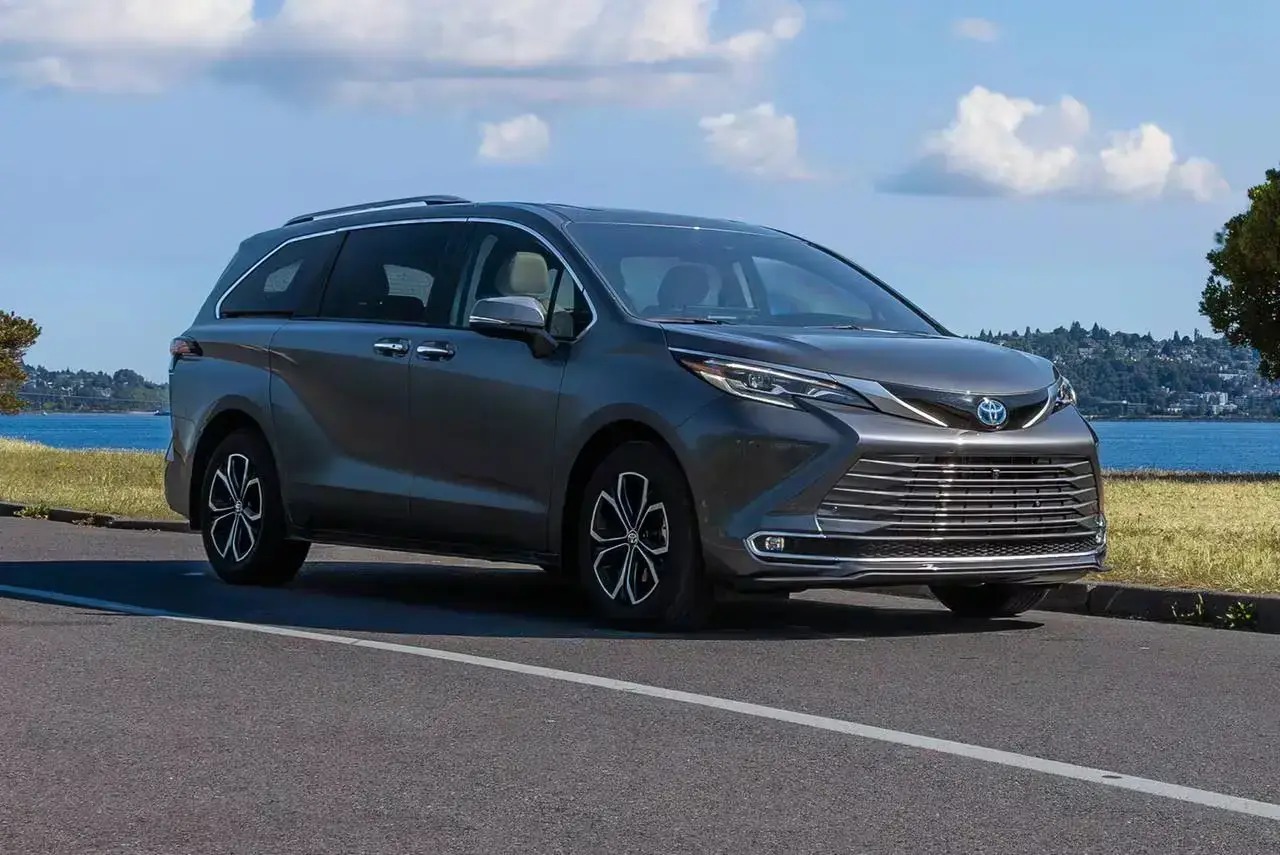
1. Toyota Sienna Hybrid
74.6% retained
Minivans don’t usually get much credit for holding their worth, but the Sienna Hybrid flips that expectation entirely. It sits at the very top of iSeeCars’ hybrid ranking, retaining 74.6% of its original value after five years on the road.
Put another way, a five-year-old Sienna Hybrid still commands an average price of $35,494, a figure that reflects just how much demand continues to follow this vehicle long after the new-car shine wears off.
Why does this happen? Family haulers with strong reliability reputations tend to stay in demand because used-car shoppers actively search for them, rather than settling for one as a last resort.
Toyota’s hybrid powertrains have earned a track record for dependability, and that reputation follows the Sienna into the resale market in a way that keeps prices firm.
The math here works out to roughly 25.4% depreciation over five years, a remarkably small drop compared with most vehicles in this price range, hybrid or otherwise.
For buyers who purchase new and plan to sell or trade in down the road, that retained value translates directly into real savings, since a smaller depreciation percentage means less money lost simply for driving the vehicle off the lot and using it as intended.
Families cross-shopping minivans against three-row SUVs should factor this resale strength into their decision. A Sienna Hybrid purchased today, whether new or gently used, stands a strong chance of remaining a financially sound choice even after years of carpools, road trips, and daily errands pile on the miles.
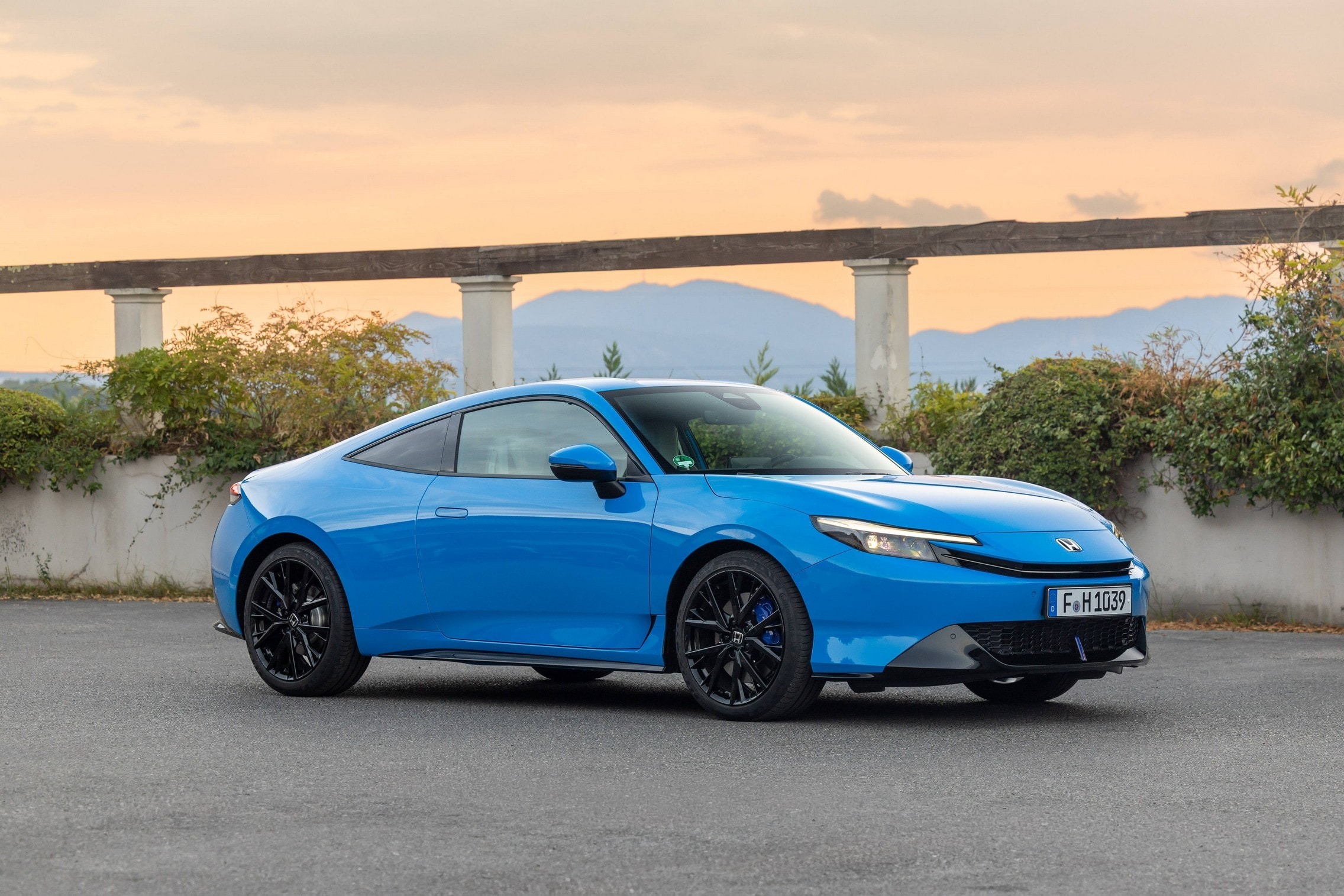
2. Honda Prelude Hybrid
70.6% retained
The Honda Prelude Hybrid takes the second position in the supplied iSeeCars ranking, with 70.6% of its original value retained after five years.
That is only about four percentage points behind the Toyota Sienna Hybrid, showing how closely the two figures sit despite the different vehicle types.
At a 70.6% retention rate, the calculated depreciation is about 29.4%. For a buyer thinking beyond the first few years of ownership, retaining more than 70% of the original value can be an important consideration.
The Prelude name also gives this model a different identity from the family-oriented Sienna. While resale figures do not tell buyers everything about a vehicle, they do provide a useful measure of how the used market values a model after several years.
According to the supplied data, iSeeCars also places the Honda Prelude Hybrid at the top of several smaller hybrid categories. That adds another layer of interest to its strong resale showing.
The key figure in this ranking is the Prelude’s 70.6% retained value, which places it second among the hybrids included in the list.
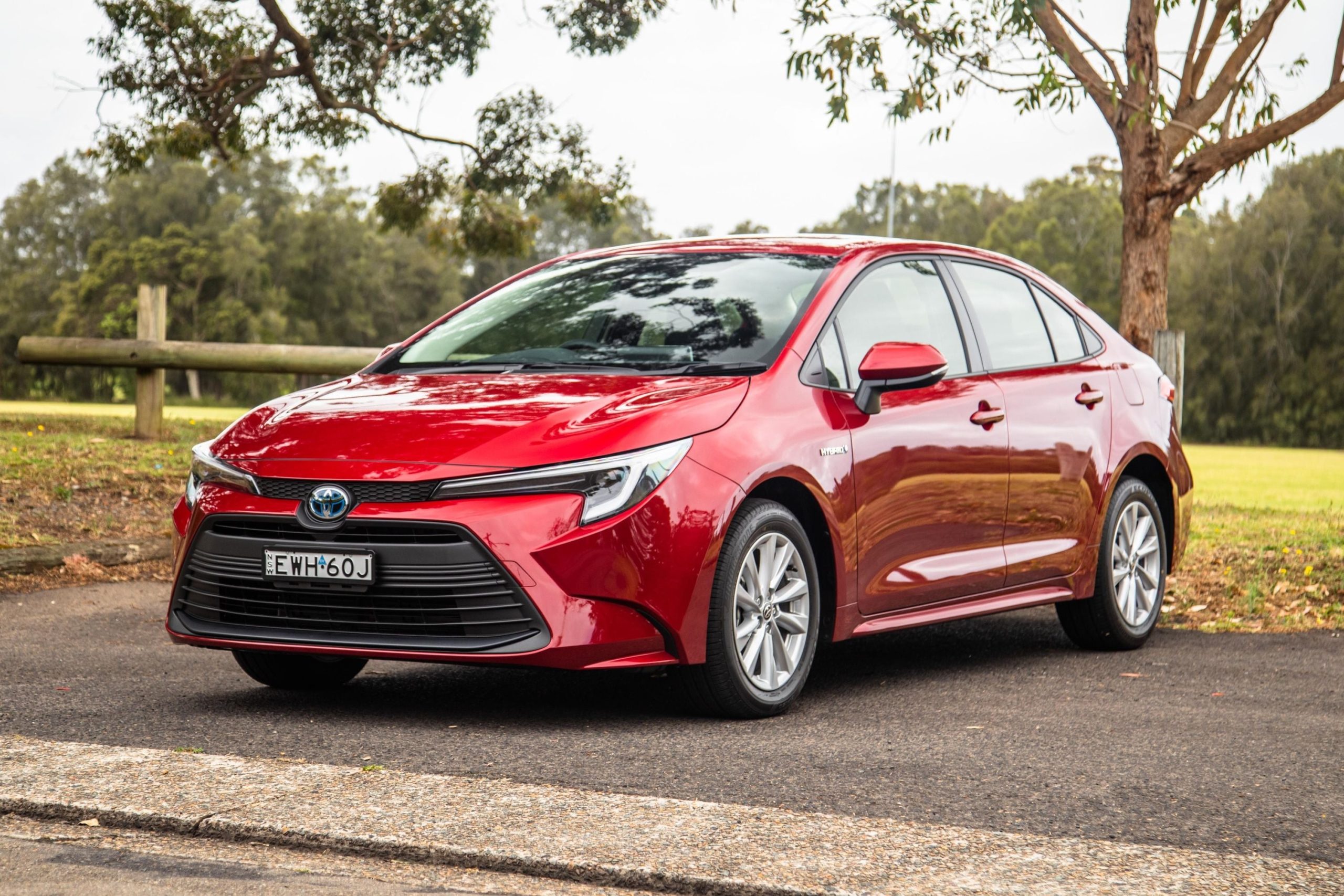
3. Toyota Corolla Hybrid
69.2% retained
Compact and unglamorous on paper, the Corolla Hybrid quietly delivers one of the strongest value propositions in this entire ranking. It retains 69.2% of its value after five years, with an average five-year-old price of $19,228, according to iSeeCars’ current figures.
Here’s what makes this result particularly impressive. Compact cars generally face steeper depreciation curves than larger vehicles or trucks, since buyer preferences have shifted heavily toward SUVs and crossovers over the past decade.
Against that backdrop, seeing a small hybrid sedan post retention numbers this strong places the Corolla Hybrid among the standout performers in its size class, not just among hybrids broadly. Toyota’s reputation for building dependable, low-maintenance vehicles plays a direct role here.
Buyers looking for a used Corolla Hybrid already have a good idea of what to expect. It offers proven mechanical components, a hybrid system with a strong track record for reliability, and fuel economy that still holds up well years after the car first hit the road.
That predictability keeps demand steady, which in turn keeps resale prices from sliding as quickly as they might for a less trusted nameplate.
For budget-conscious buyers, the Corolla Hybrid represents an appealing entry point into hybrid ownership without the higher purchase price tags attached to larger vehicles like the Sienna.
And because it holds value so effectively, buyers who purchase one used and later decide to sell aren’t likely to face the steep, discouraging losses that hit many other compact cars during the same ownership window.
That combination of affordability going in and value retention coming out makes the Corolla Hybrid tough to beat in this particular comparison.
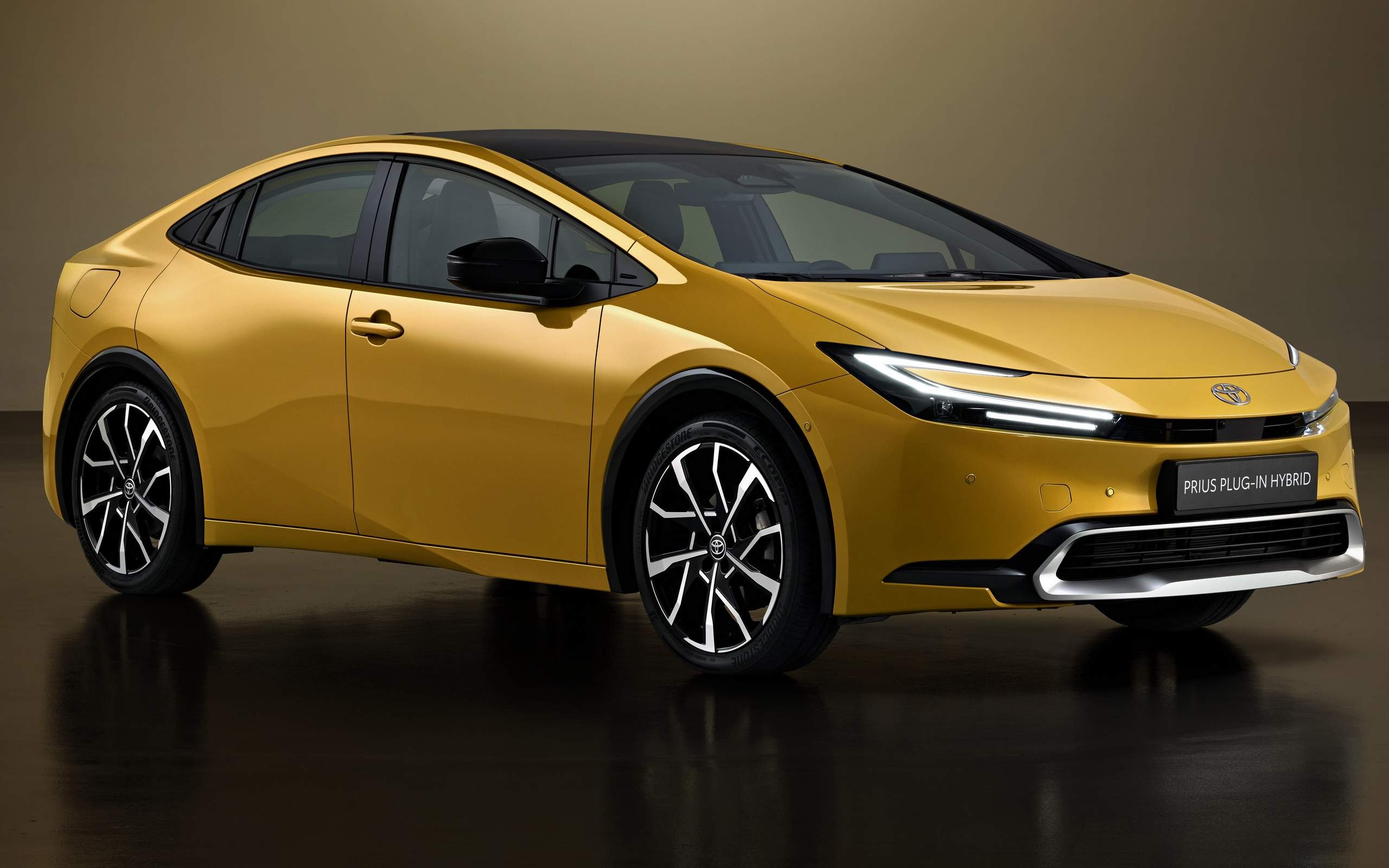
4. Toyota Prius Plug-in Hybrid
67.8% retained
The Toyota Prius Plug-in Hybrid records a five-year value-retention rate of 67.8% in the iSeeCars figures supplied here. That works out to approximately 32.2% depreciation from the original value used for the analysis.
Its position is especially interesting because the Prius Plug-in Hybrid also ranks first among plug-in hybrid cars in iSeeCars’ separate PHEV ranking. That gives the model a strong resale showing within the broader hybrid list as well as within the plug-in category.
A plug-in hybrid brings a different ownership experience since its battery can be recharged using an external power source. For this comparison, however, resale performance comes down to one straightforward question, how much of the vehicle’s original value is left after five years.
The 67.8% figure places the Prius Plug-in Hybrid just 1.4 percentage points below the Corolla Hybrid. That is a relatively narrow gap between the third- and fourth-ranked models in this list.
For someone comparing hybrid models with future resale in mind, the Prius Plug-in Hybrid therefore stands out as another vehicle that retains more than two-thirds of its original value under this five-year measurement.
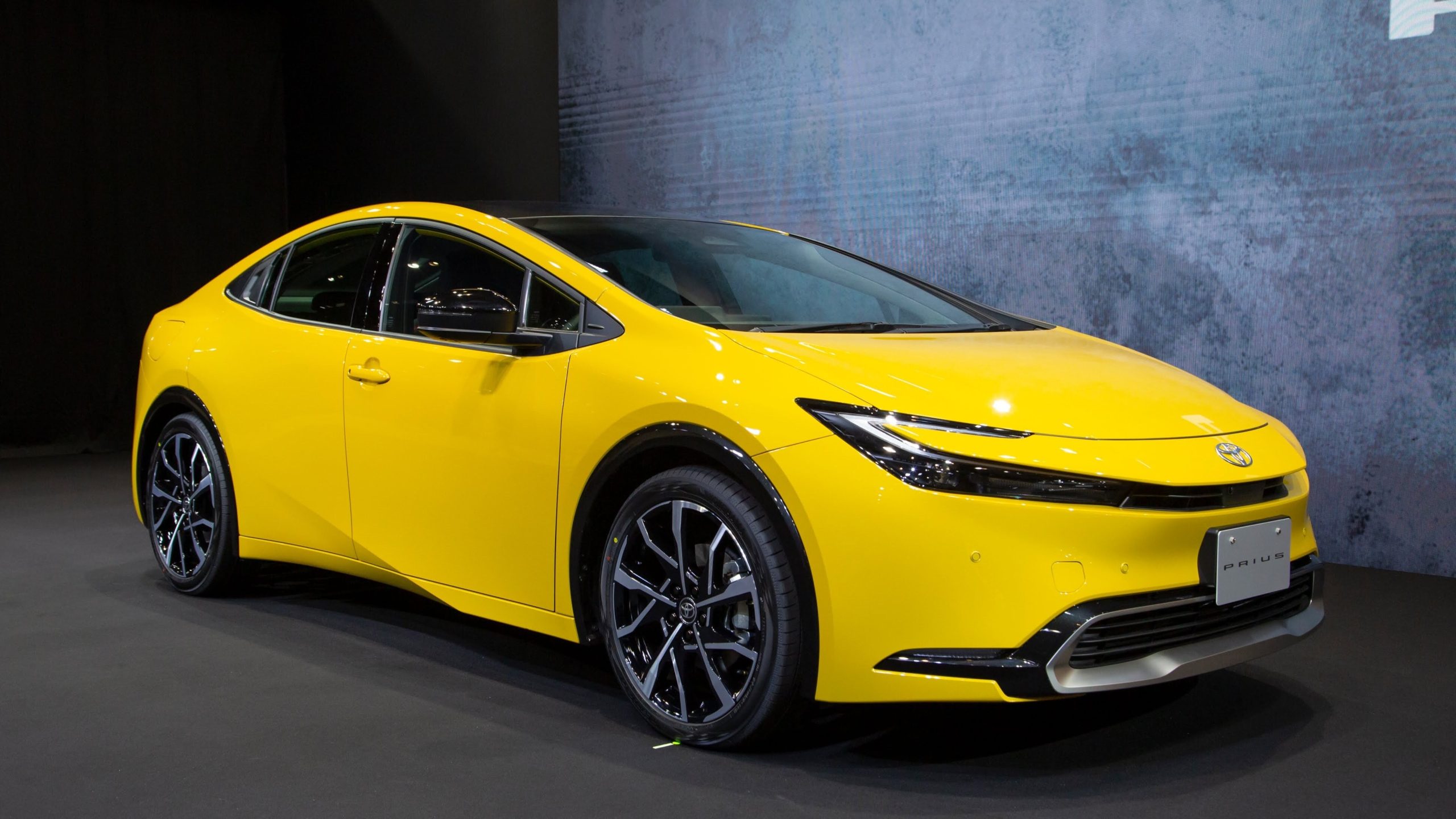
5. Toyota Prius Hatchback
67.1% retained
Rounding out the top five, the standard Prius Hatchback retains 67.1% of its value after five years, with an average resale price of $21,335 once it reaches that five-year mark. This result cements an unmistakable pattern running through the entire top-five list.
Four of the five strongest hybrids for resale value carry the Toyota badge. That’s not a coincidence, and it says something meaningful about how buyers perceive Toyota’s hybrid engineering across an entire lineup rather than just one standout model.
From minivans to compact sedans to purpose-built hybrids like the Prius, Toyota has built a reputation that spans body styles and price points, and used-car shoppers clearly reward that consistency with sustained demand.
The Prius specifically carries decades of brand recognition as the hybrid pioneer, predating most competitors by years and establishing itself as the default reference point whenever people talk about fuel-efficient vehicles.
That head start created lasting consumer trust, and trust translates directly into resale demand, since buyers shopping the used market often gravitate toward names they already recognize and associate with reliability.
Practicality helps too. The hatchback body style offers genuine cargo flexibility that a traditional sedan can’t match, appealing to buyers who want efficiency without sacrificing everyday usefulness.
Combined with Toyota’s broader reputation for low-maintenance ownership, the Prius Hatchback continues to find buyers willing to pay a premium for a used example, which keeps its depreciation curve considerably gentler than many rivals face.
For anyone comparing hybrids purely on long-term value retention, this result reinforces just how dominant Toyota’s hybrid lineup remains in the eyes of the used-car market.
5 Hybrids That Collapse
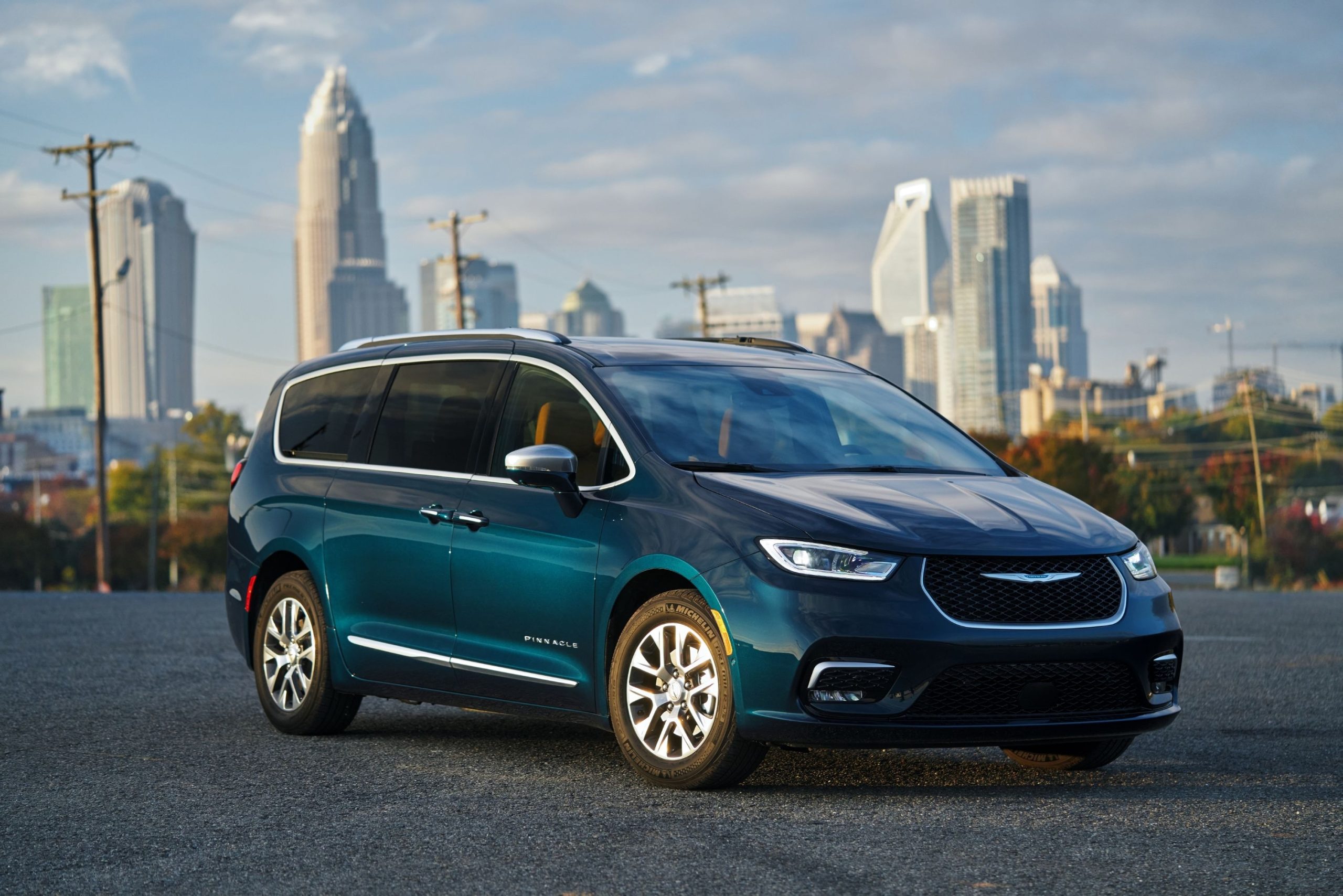
1. Chrysler Pacifica Hybrid
45.1% retained
The Chrysler Pacifica Hybrid lands at the bottom of the supplied iSeeCars hybrid ranking, retaining 45.1% of its original value after five years. That means its calculated depreciation reaches approximately 54.9%.
Its average five-year-old price is listed at $22,935. The figure provides a clear example of how a vehicle can lose more than half of the value used as its starting point in a resale analysis.
The Pacifica Hybrid is a plug-in hybrid minivan, giving it a practical role for families and drivers who need substantial interior space. Its low resale retention in this dataset should not be read as a judgment about its mechanical condition, driving experience, or usefulness.
Resale value is affected by many factors, including demand for used vehicles, pricing when new, incentives, depreciation patterns, and buyer preferences. A low retention percentage simply means the model experienced greater value loss in this particular five-year comparison.
For a shopper who expects to sell or trade a vehicle after several years, the 45.1% figure deserves attention because it represents the lowest retention rate among the hybrid cars in the supplied ranking.
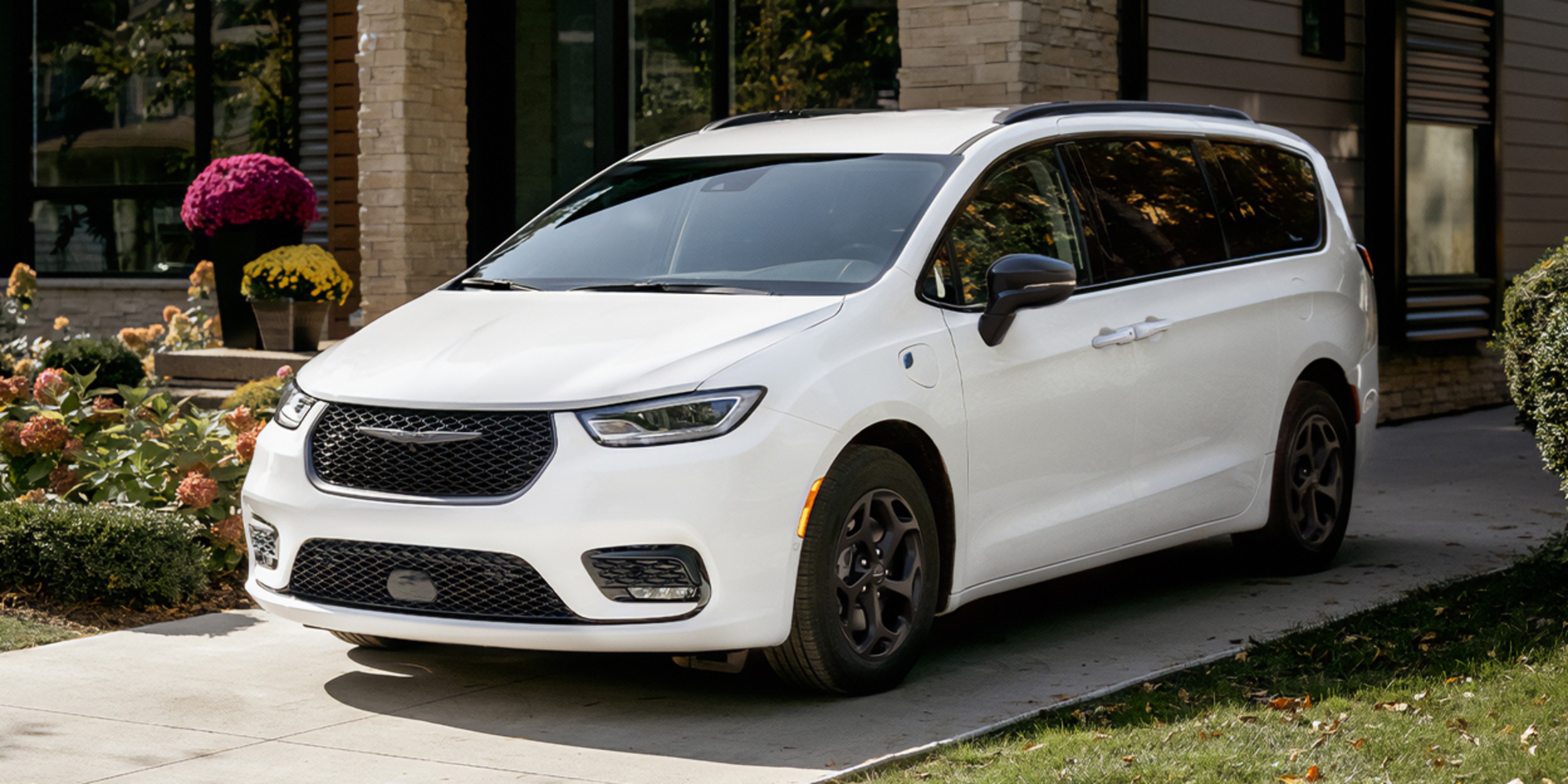
2. Chrysler Pacifica Plug-In Hybrid
45.8% retained
Just barely ahead of its standard hybrid sibling, the Chrysler Pacifica Plug-In Hybrid retains 45.8% of its value after five years, a difference of less than one percentage point separating the two Pacifica variants.
That’s essentially a statistical tie, and it places both versions of this minivan firmly at the bottom of the entire hybrid ranking. Doing the math here, that retention rate corresponds to approximately 54.2% depreciation over five years, nearly identical to its non-plug-in counterpart.
Seeing both Pacifica variants cluster so closely together at the bottom suggests the depreciation pattern here has more to do with the Pacifica nameplate and broader Chrysler brand perception than with any specific technical distinction between the standard hybrid and plug-in powertrain options. This creates an interesting situation for shoppers weighing the two versions against each other.
Since both depreciate at nearly identical rates, buyers who value plug-in capability and the extended electric-only range it provides aren’t sacrificing more resale value meaningfully by choosing that version over the standard hybrid.
In a market where plug-in technology often carries a resale penalty compared with simpler hybrid systems, seeing these two models perform almost identically removes one variable buyers might otherwise worry about.
For families specifically interested in a minivan with strong electric-range capability for short trips, the Pacifica Plug-In Hybrid remains a reasonable option despite its position at the bottom of this particular ranking.
Buyers should simply enter the purchase with realistic expectations about resale value down the road, treating any potential future sale as a secondary consideration behind the vehicle’s practical, everyday usefulness for hauling family and cargo.
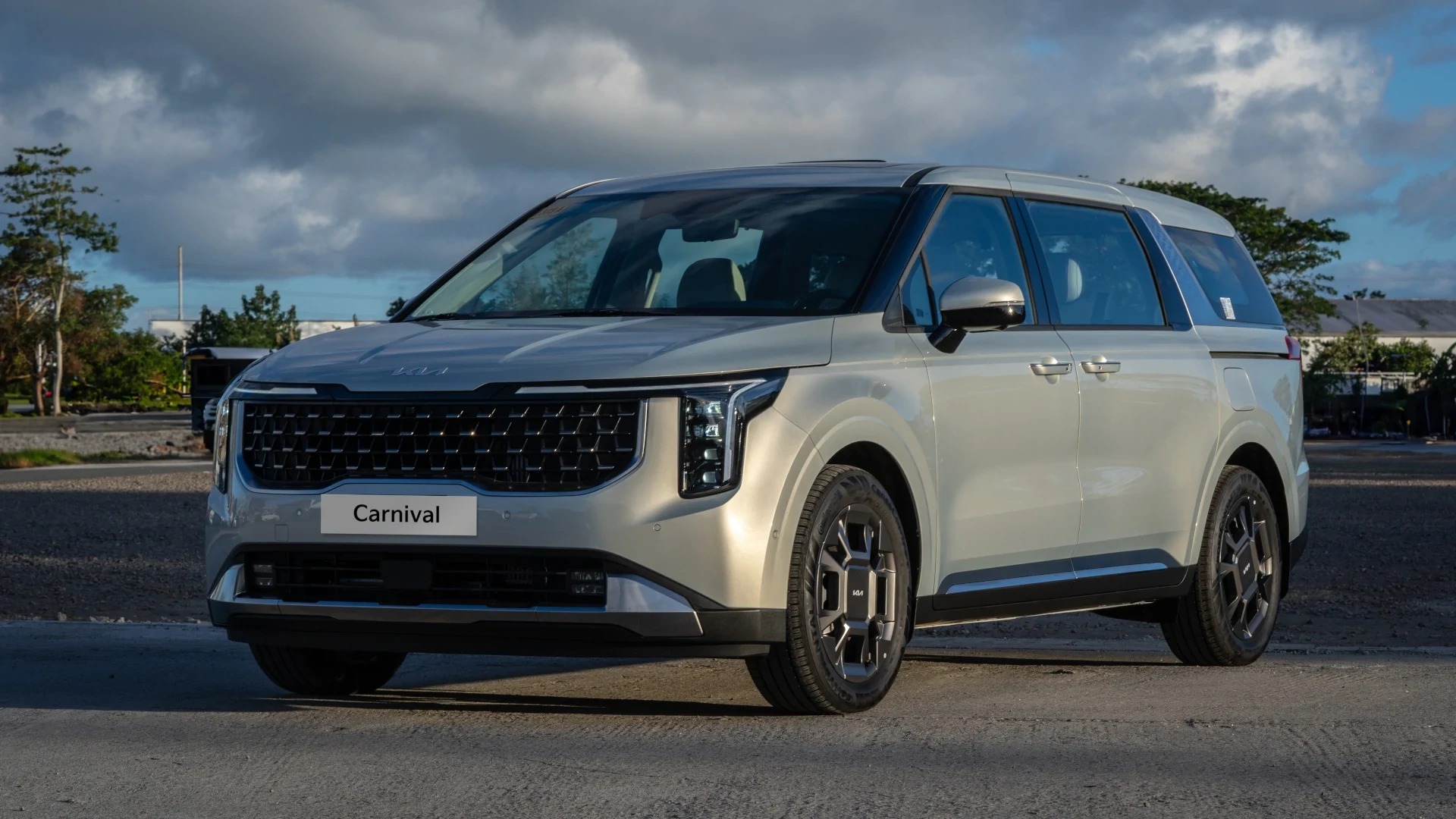
3. Kia Carnival Hybrid
50.0% retained
The Kia Carnival Hybrid lands at exactly 50.0% five-year value retention according to current iSeeCars figures, placing it firmly in the bottom half of this ranking despite Kia’s broader reputation for building well-regarded, feature-rich vehicles across its lineup.
This result deserves particular attention because it runs counter to assumptions some buyers might make based on Kia’s recent strength in other segments, including strong showings from vehicles like the Telluride in reliability and value comparisons.
The Carnival Hybrid’s minivan-adjacent body style faces some of the same resale headwinds affecting the Pacifica, since minivans as a category sometimes struggle against the sustained popularity of three-row SUVs among used-car shoppers, regardless of which manufacturer builds them.
Exactly 50% retention means the Carnival Hybrid loses half its original value within five years, a meaningful data point for anyone comparing total ownership costs across different family-hauling options.
For buyers focused purely on minimizing depreciation, this figure places the Carnival Hybrid considerably behind the Sienna Hybrid, despite both vehicles targeting a similar customer base looking for spacious, efficient family transportation.
That said, a 50% retention rate isn’t catastrophic on its own, and buyers shouldn’t necessarily read it as a red flag about the vehicle’s underlying quality or the wisdom of purchasing one used.
It simply means resale value works differently for the Carnival Hybrid than for some Toyota-badged competitors, and shoppers should factor that difference into long-term budget planning, particularly if reselling or trading in the vehicle down the road factors into their purchase decision from the outset.
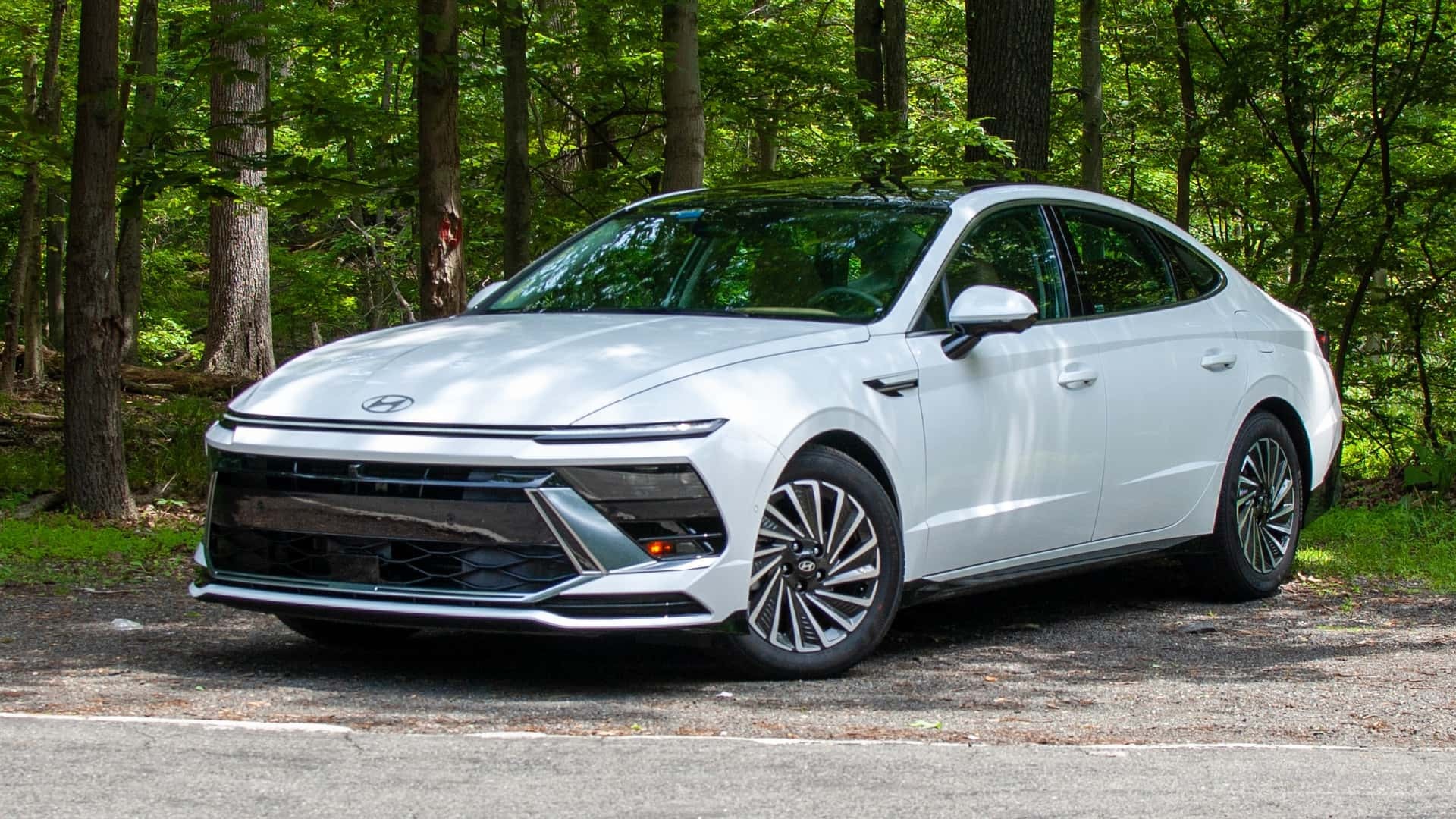
4. Hyundai Sonata Hybrid
51.7% retained
Sedans generally face a tougher resale environment than SUVs and minivans across the broader auto market, and the Hyundai Sonata Hybrid’s numbers reflect that trend clearly. It retains 51.7% of its value after five years, with an average resale price around $18,606 once it reaches that milestone.
Working through the math, that retention percentage translates to roughly 48.3% depreciation over the five years, nearly cutting the original value in half.
For a hybrid sedan built with genuinely strong fuel economy and a comfortable ride, this depreciation rate highlights how much broader market preferences, rather than any specific fault with the vehicle itself, continue shaping resale outcomes across the entire sedan category.
Hyundai has made real strides in recent years regarding build quality and included features, often undercutting competitors on price while offering comparable or superior warranty coverage.
Yet resale markets don’t always reward those improvements at the same pace that reviewers and industry observers do, and brand perception among used-car buyers can lag behind actual product improvements by several years or more.
For buyers specifically shopping for a used Sonata Hybrid, this steep depreciation actually creates opportunity rather than pure downside.
A five-year-old Sonata Hybrid selling for roughly $18,606 represents a considerably lower entry price than many competing hybrid sedans with stronger retention curves, meaning buyers get access to Hyundai’s hybrid technology and included features at a genuine discount compared with the original purchase price.
Those planning to keep the vehicle for years rather than reselling quickly may find this depreciation curve works entirely in their favor.
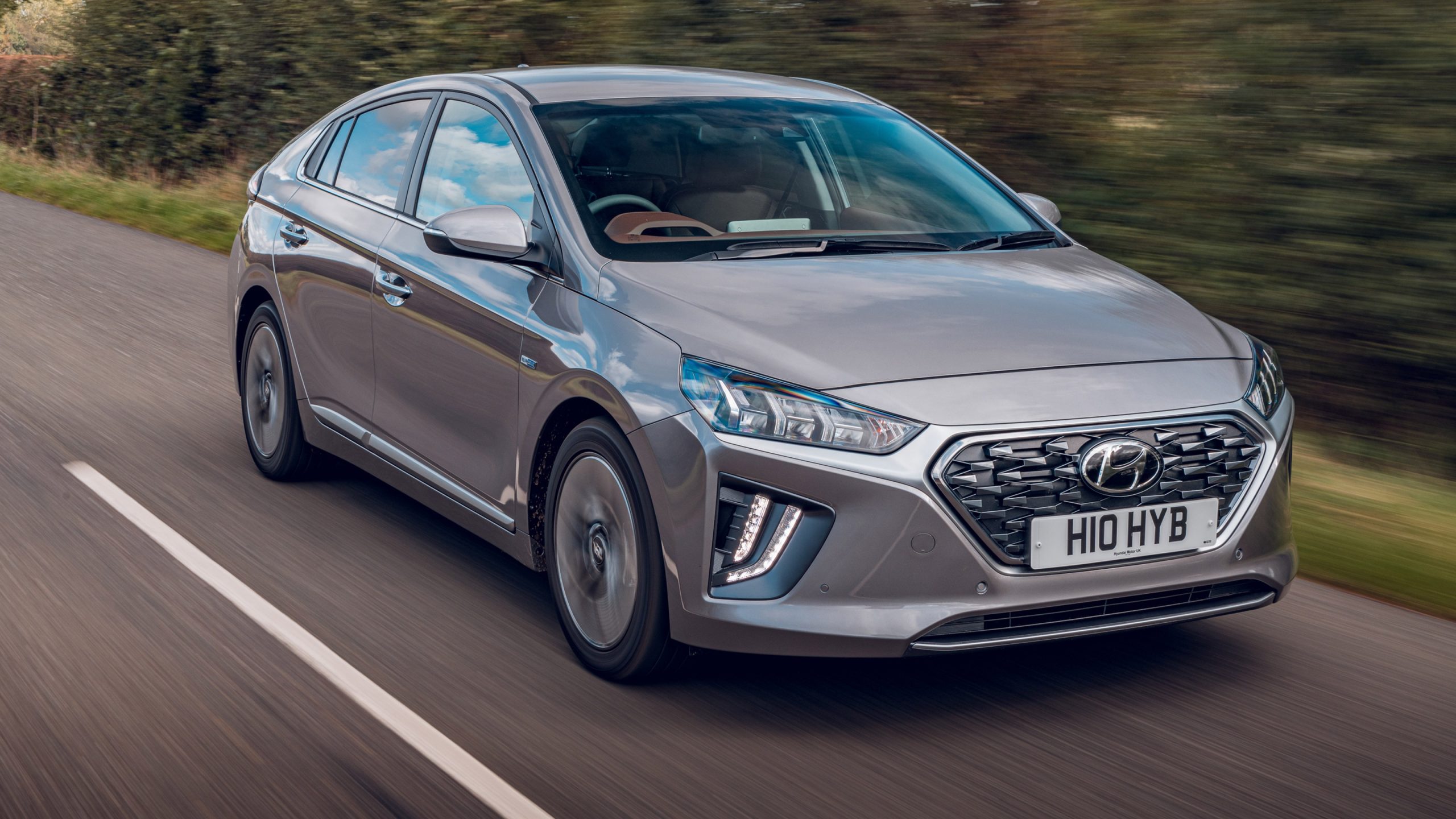
5. Hyundai IONIQ Hybrid
54.1% retained
The Hyundai IONIQ Hybrid completes the five lowest-retention hybrids in the supplied iSeeCars ranking, with 54.1% of its value retained after five years. That corresponds to approximately 45.9% depreciation.
Its average five-year-old price is listed at $16,635. The figure puts the IONIQ Hybrid ahead of the other four models in this low-retention group, although it remains well behind the five strongest performers.
One distinction is worth noting. The standard IONIQ Hybrid and the IONIQ Plug-in Hybrid are separate models. Based on the supplied data, the IONIQ Plug-in Hybrid retains 54.2% of its original value after five years, putting it just 0.1 percentage point ahead of the standard IONIQ Hybrid.
That tiny difference makes the two models easy to confuse when comparing resale statistics. Keeping the model names separate helps prevent the wrong percentage from being attached to the wrong vehicle.
As with every model in this ranking, the retention percentage is a statistical measure rather than a guarantee of an individual vehicle’s selling price. Condition and mileage can make a major difference in the used market.
Based on the supplied 2026 iSeeCars figures, however, the IONIQ Hybrid finishes fifth among the hybrids with the lowest five-year value retention.
