
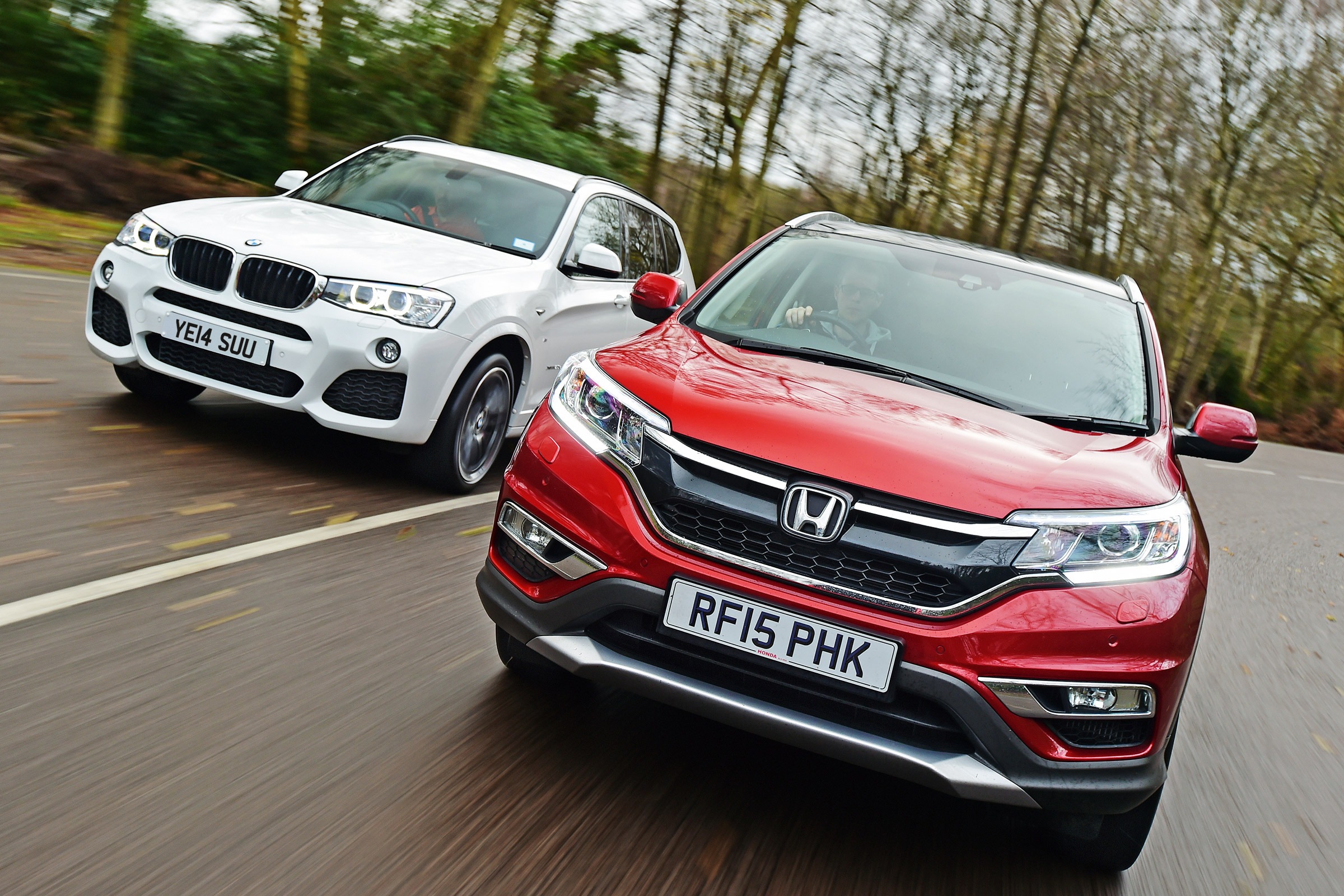
Shopping for an SUV involves way more than the sticker price, and repair bills down the road can quietly wreck a budget nobody saw coming. RepairPal’s latest data breaks down average annual repair and maintenance costs across dozens of models, revealing a genuinely wide gap between the cheapest and priciest options on the market. Some SUVs barely dent your wallet year after year, while others rack up bills that rival a car payment.
Below, we’re breaking down five models known for keeping costs low alongside five that tend to demand deeper pockets. Whether you’re shopping new or just trying to understand why your neighbor’s SUV costs so much to keep running, this data offers a clear picture worth reading before you sign anything.
5 SUVs With Cheap Parts
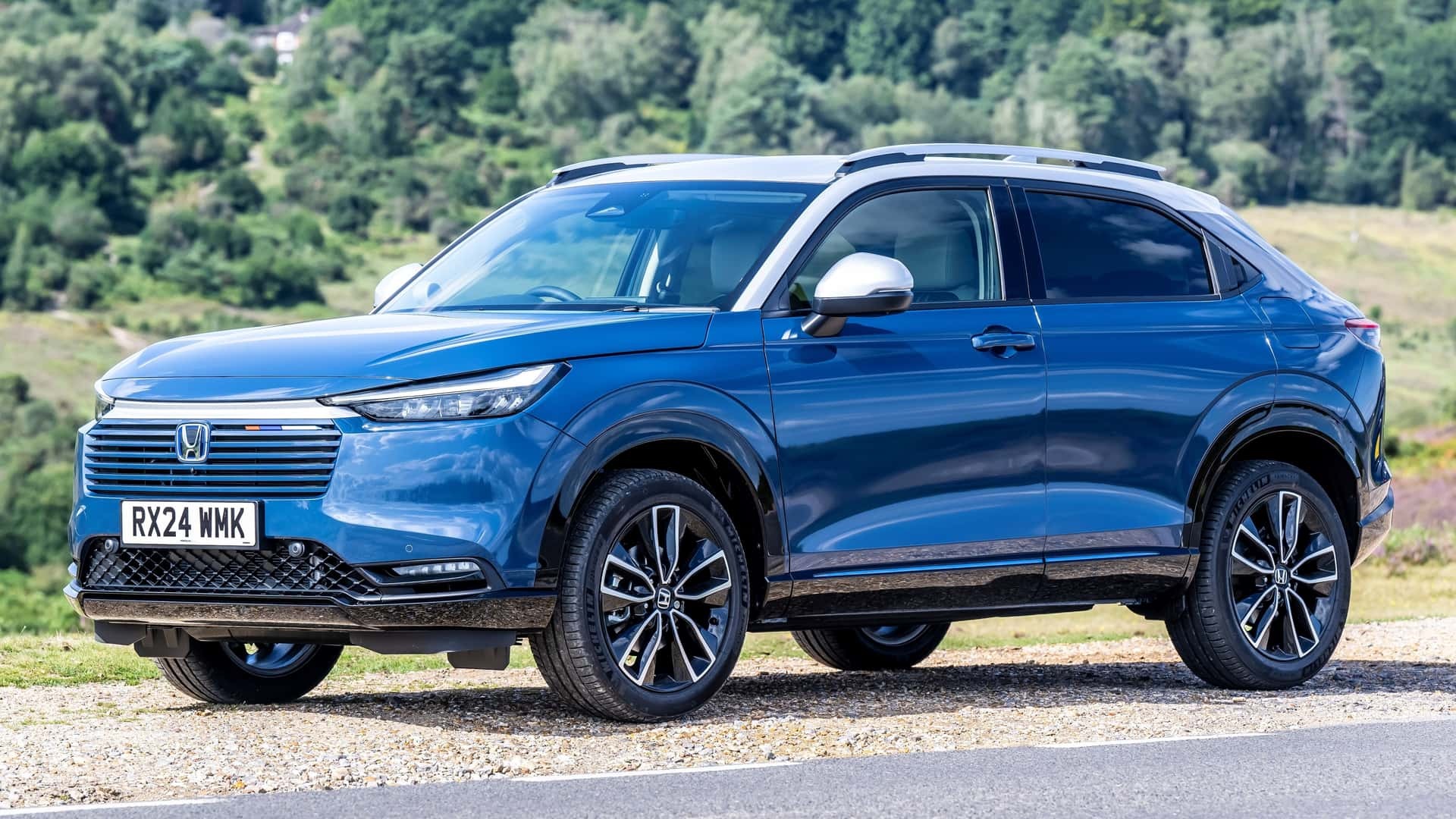
1. Honda HR-V – $301/year
Cheap doesn’t always mean cheap, and this subcompact proves it beautifully. The Honda HR-V averages just $301 per year in repair and maintenance costs, claiming the top spot among seven subcompact SUVs tracked by RepairPal.
That number alone tells a compelling story about how little this vehicle demands from its owners once the initial purchase is behind them.
Here’s why that figure matters so much. Low repair frequency means fewer trips to the shop in the first place, while low severity means that when something does need fixing, it rarely involves an expensive component.
Combine those two factors and you get a vehicle that essentially disappears from your monthly budget conversations, showing up mainly for routine oil changes and tire rotations rather than surprise mechanical failures.
Honda has spent decades building a reputation around dependable engineering, and the HR-V’s cost figures reflect that legacy directly.
Subcompact SUVs generally appeal to budget-conscious buyers looking for practicality without a luxury price tag, and this model delivers exactly that promise both at purchase and for years afterward.
Parts availability plays a role too, since Honda’s massive dealer and independent repair network means technicians rarely struggle to source components, keeping labor costs reasonable compared to less common brands.
For anyone comparing subcompact options purely on long-term ownership costs, the HR-V sets a benchmark that’s genuinely hard to beat.
A driver putting typical mileage on this vehicle year after year should expect minimal financial surprises, which counts for a lot when you’re trying to plan a household budget around predictable expenses rather than unpredictable repair shop visits.
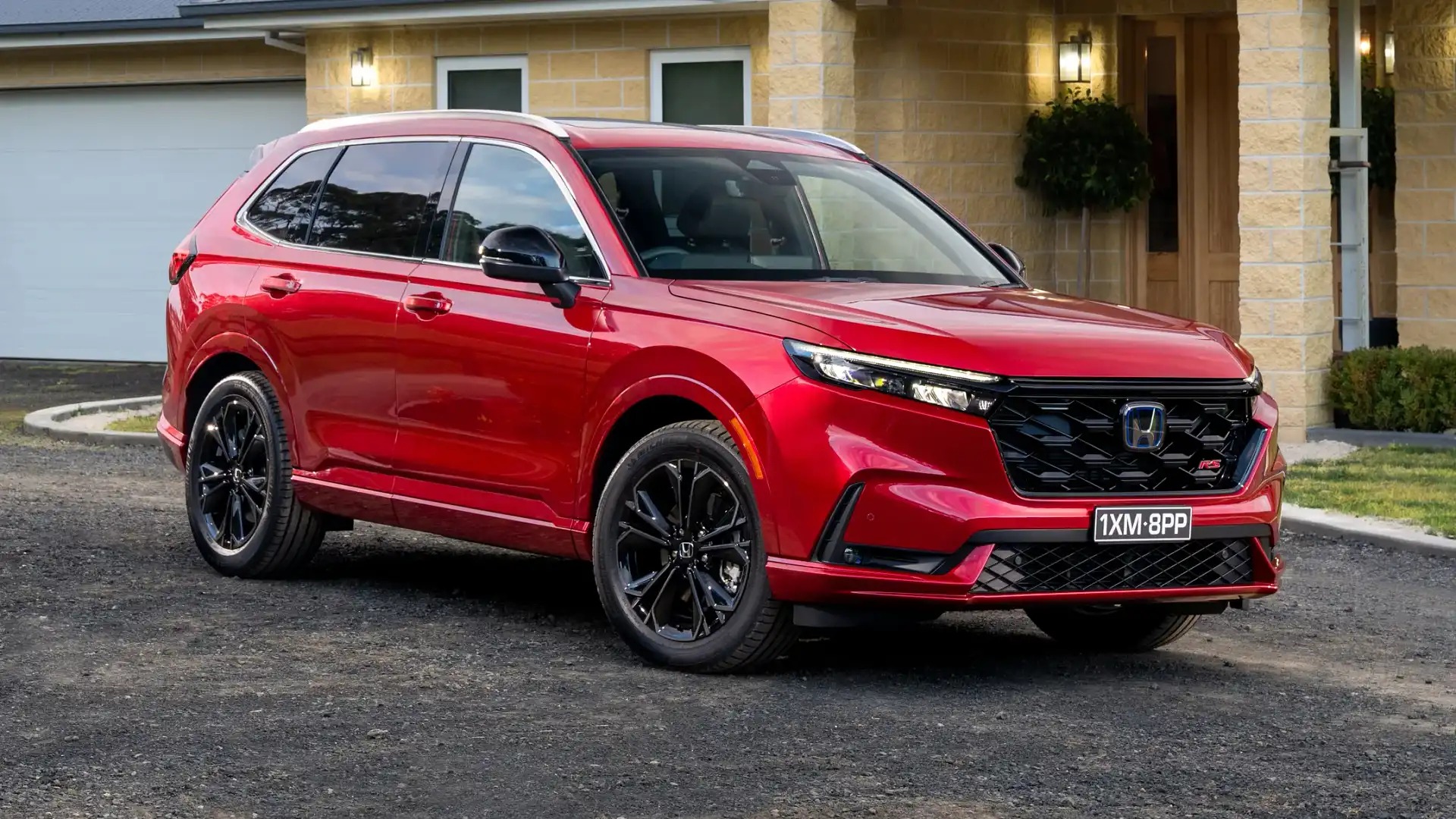
2. Honda CR-V – $407/year
Step up to Honda’s compact offering and the pattern holds steady. The CR-V averages $407 annually, sitting comfortably below the $521 compact SUV average tracked across RepairPal’s broader data set.
That gap, roughly $114 per year, might sound modest at first glance, but stretched across a decade of ownership, it adds up to real savings. RepairPal backs this figure with a 4.5 out of 5 reliability rating, placing the CR-V second among 26 compact SUVs included in the study.
Getting that high a score in such a crowded category says something meaningful, since compact SUVs represent one of the most competitive and heavily cross-shopped segments in the entire market. Standing out here requires more than decent engineering, it requires consistency across millions of vehicles on the road.
Families gravitate toward the CR-V specifically because it balances practicality with low running costs, and this data backs up why that reputation persists year after year.
A vehicle that needs less frequent repairs and cheaper parts when repairs do happen translates directly into fewer unplanned expenses disrupting a household budget, which matters enormously for buyers stretching every dollar across car payments, insurance, and fuel costs simultaneously.
Resale value tends to track closely with reliability too, meaning CR-V owners often benefit twice, once through lower ownership costs and again when it’s time to sell or trade in.
Buyers comparing this model against flashier competitors should weigh this steady cost advantage carefully, since flashy features rarely offset years of accumulated repair bills that a more dependable choice simply avoids.
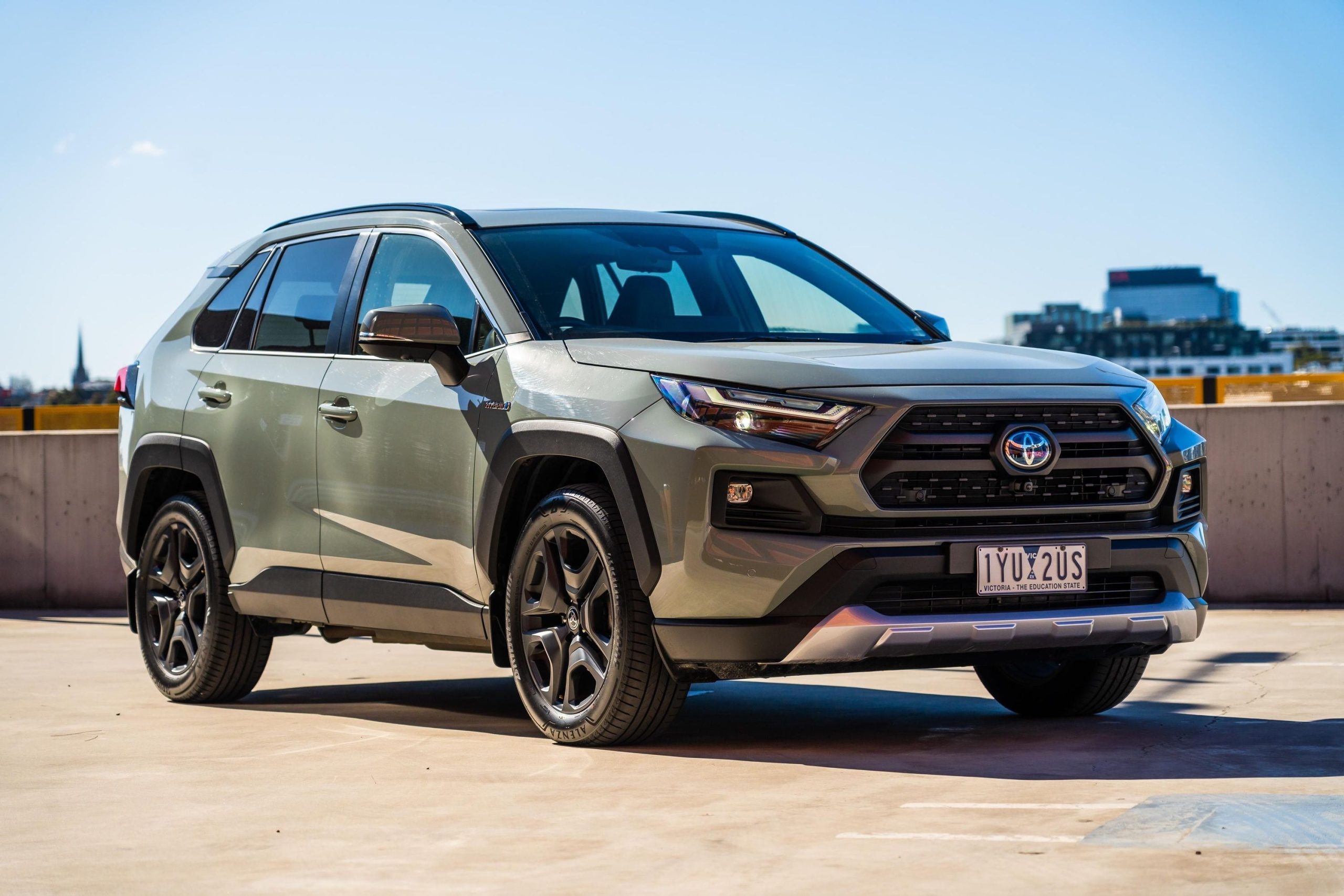
3. Toyota RAV4 – $429/year
At $429 per year, the Toyota RAV4 lands only $22 above the Honda CR-V in the supplied RepairPal figures. That small difference makes the two models relatively close when annual repair and maintenance spending is the measurement.
RepairPal gives the RAV4 a 4.0 out of 5.0 reliability rating and ranks it third among 26 compact SUVs. Its $429 annual cost is also below the $521 compact-SUV average cited in the supplied information.
A useful way to read the number is to think about the expected budget rather than a specific repair invoice. If an owner uses $429 as a rough planning figure, the five-year amount would be about $2,145 at the same annual rate. Real ownership will rarely follow such a perfectly straight line, because repairs can be uneven from one year to another.
The RAV4 can also illustrate why maintenance cost data should not be confused with parts catalogs. A manufacturer parts catalog tells you what components are available and how they are identified. RepairPal’s annual figure attempts to describe the cost of maintaining and repairing the vehicle as a whole.
That distinction keeps the comparison fair. The RAV4 is not being called a vehicle with universally cheap components. Instead, the available data show that its average repair and maintenance burden is lower than the compact-SUV benchmark.
For buyers watching recurring ownership expenses, $429 per year gives the RAV4 a relatively restrained cost profile.
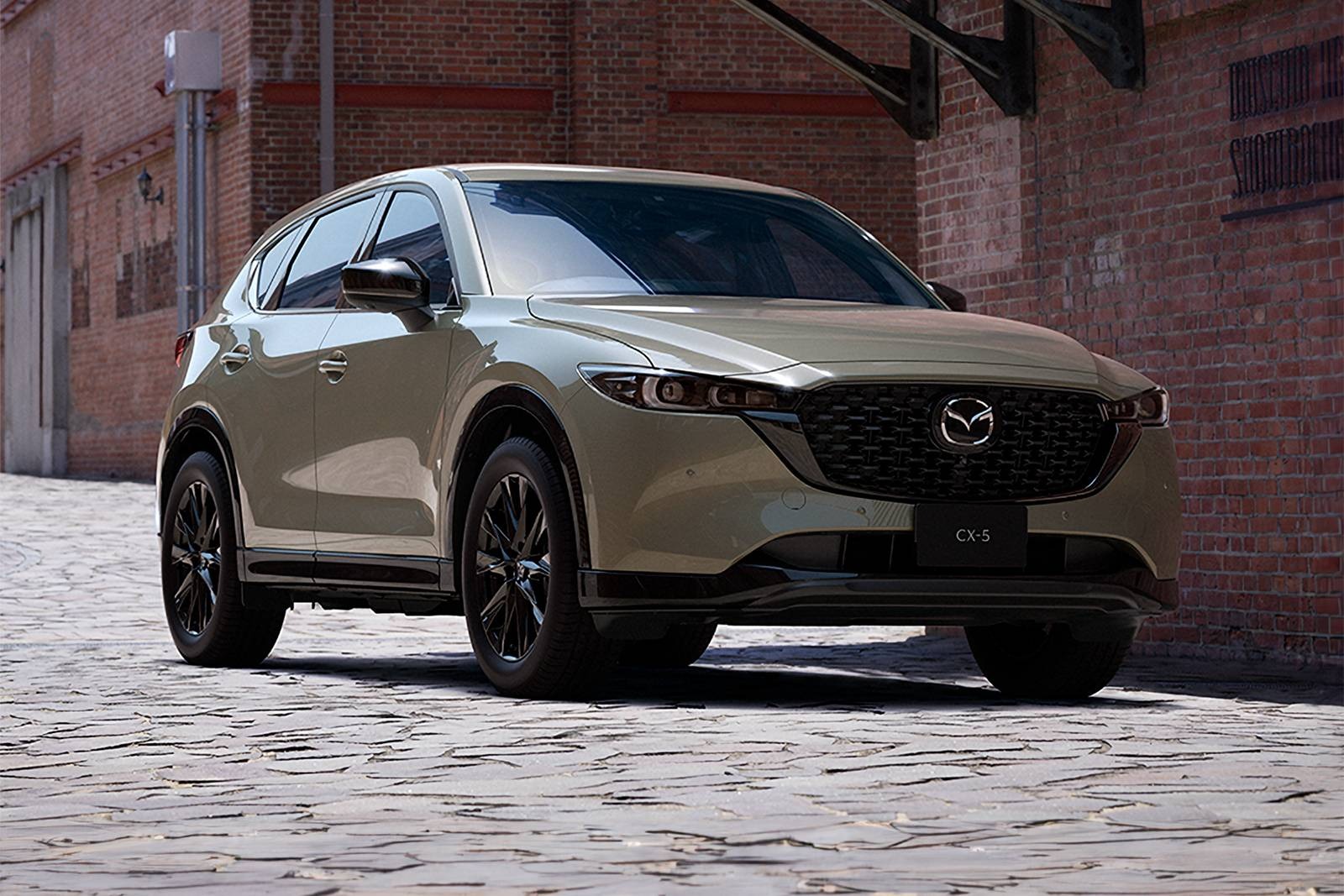
4. Mazda CX-5 – $447/year
The Mazda CX-5 carries an average annual repair and maintenance cost of $447 in the supplied RepairPal data. That figure sits below the $573 average listed for midsize SUVs, giving the CX-5 a lower estimated ownership burden than its broader category benchmark.
RepairPal rates the CX-5 at 4.5 out of 5.0 and ranks it first among 26 midsize SUVs. Those figures add useful context to the annual cost because the number is not standing alone.
There is a $126 difference between the CX-5’s $447 average and the $573 midsize-SUV benchmark. If the difference were maintained for five years, the gap would amount to roughly $630. Actual savings could be smaller or larger because repair needs do not arrive on a fixed schedule.
One reason to be careful with annual averages is that a vehicle can have an inexpensive typical ownership pattern while still producing an occasional large bill.
For example, a cooling component, electronic module, suspension component, or other major item can create a repair invoice that is far above the annual average.
That does not diminish the value of the RepairPal figure. It simply gives shoppers the proper context for interpreting it. The $447 figure represents an average annual repair and maintenance cost, not a limit on what an owner might actually spend.
Within the supplied comparison, the CX-5 therefore stands as a midsize SUV with a relatively modest yearly repair and maintenance budget.
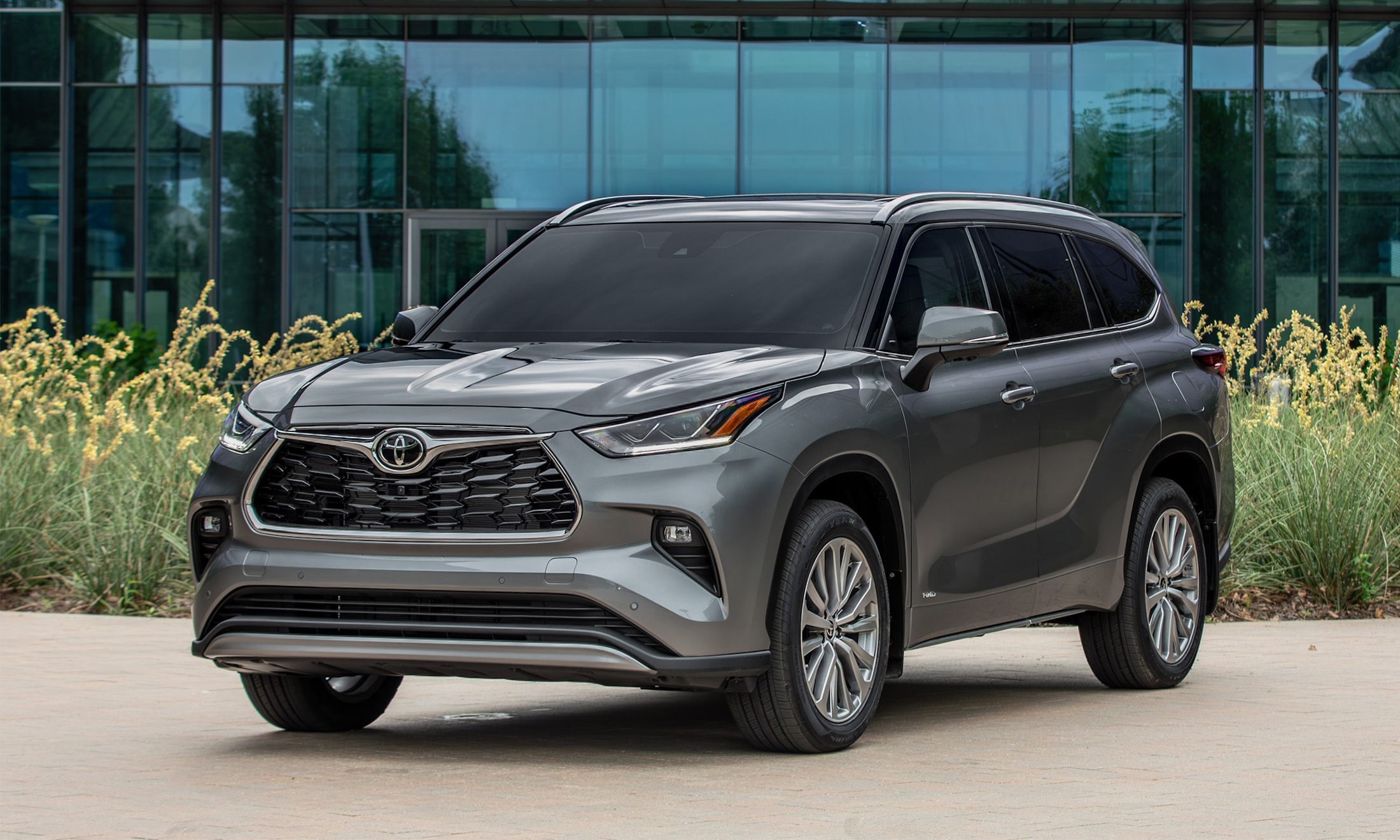
5. Toyota Highlander – $489/year
The Toyota Highlander closes the lower-cost group with an average annual repair and maintenance cost of $489. Although that figure is higher than the HR-V, CR-V, RAV4, and CX-5 figures listed here, it remains below the $573 midsize-SUV average supplied for comparison.
RepairPal gives the Highlander a 4.0 out of 5.0 reliability rating. That rating, paired with the annual cost, provides more useful information than looking at a parts price in isolation.
A Highlander owner should not expect every repair bill to remain below $489. Annual averages are calculated across many vehicles and many repair situations. One year may involve little beyond routine service, while another could include a costly component replacement.
Think of the figure as a budgeting reference. At $489 annually, five years at the same rate would equal about $2,445. That is a planning exercise rather than a forecast, since actual expenses depend on the individual vehicle.
The Highlander’s position also shows why the word “cheap” needs some care in an automotive article. The SUV does not necessarily have the lowest price for every replacement component. Instead, its average repair and maintenance spending is lower than the midsize-SUV benchmark provided by RepairPal.
For drivers who want a larger SUV without accepting the highest maintenance budgets in the category, the Highlander’s $489 figure gives it a comparatively restrained ownership-cost profile.
5 SUVs With Expensive Ones
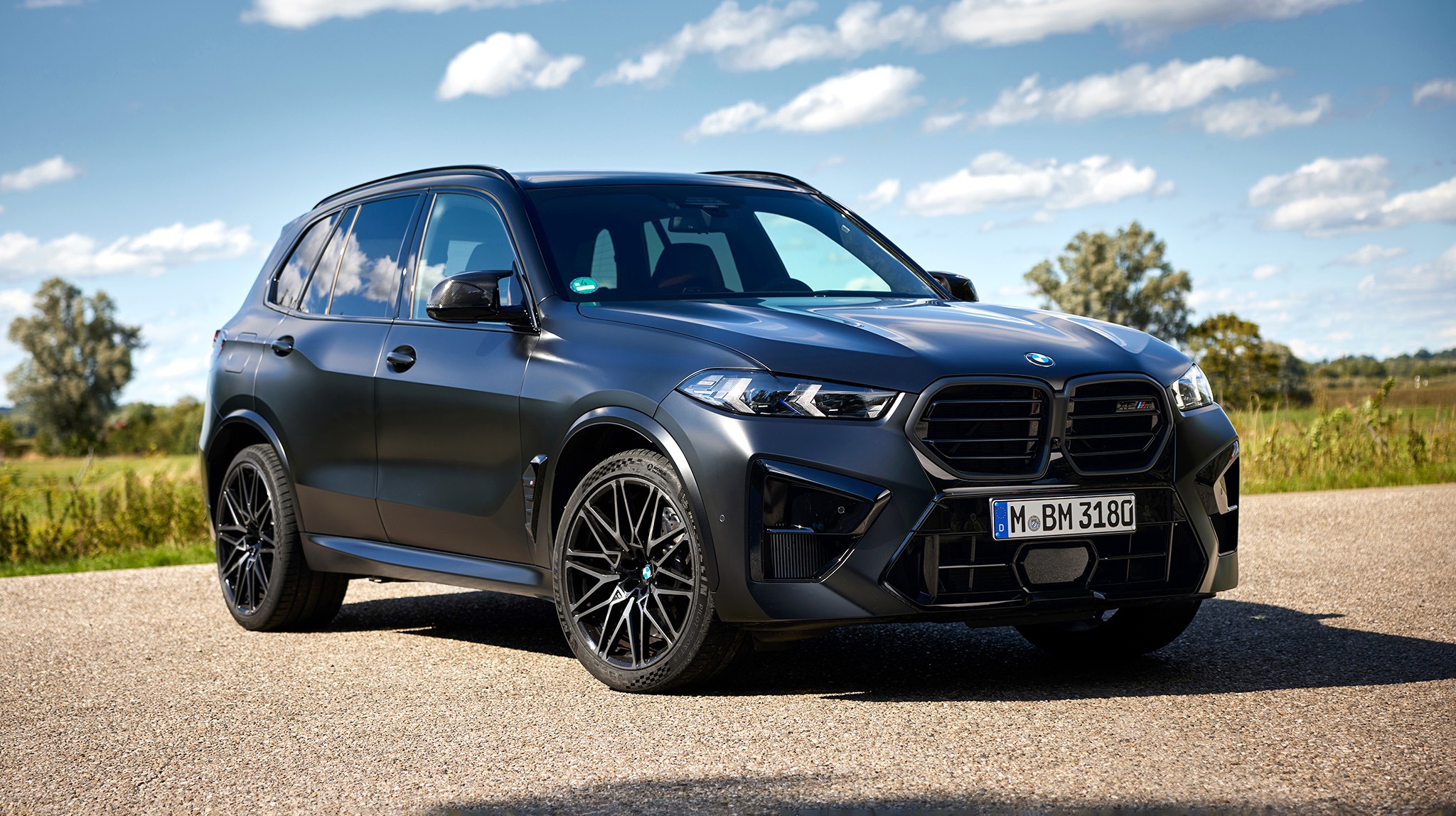
1. BMW X5 – $1,166/year
The BMW X5 represents a very different cost picture. RepairPal lists its average annual repair and maintenance cost at $1,166, compared with $652 for all vehicle models and $1,127 for luxury full-size SUVs. RepairPal also gives the X5 a 2.0 out of 5.0 reliability rating and reports higher-than-normal repair frequency and severity.
The individual repair estimates help explain why an annual average can climb quickly. RepairPal lists examples such as an axle shaft replacement at $2,259 to $2,743, while an air-conditioning refrigerant line replacement is listed at $1,132 to $1,243. These are individual repair estimates, not yearly charges every owner will face.
That distinction matters when discussing expensive parts. A vehicle does not need to require a major repair every year to have a high average ownership cost. A few costly jobs can have a strong effect on the long-term expense picture.
Luxury SUVs can also contain sophisticated electronics, advanced suspension systems, powerful engines, and specialized components. Those systems can carry higher replacement and labor costs when something fails.
The X5’s $1,166 annual figure therefore provides a useful warning for shoppers who focus only on the purchase price. The cost of keeping the SUV on the road can be a much larger part of the ownership equation.
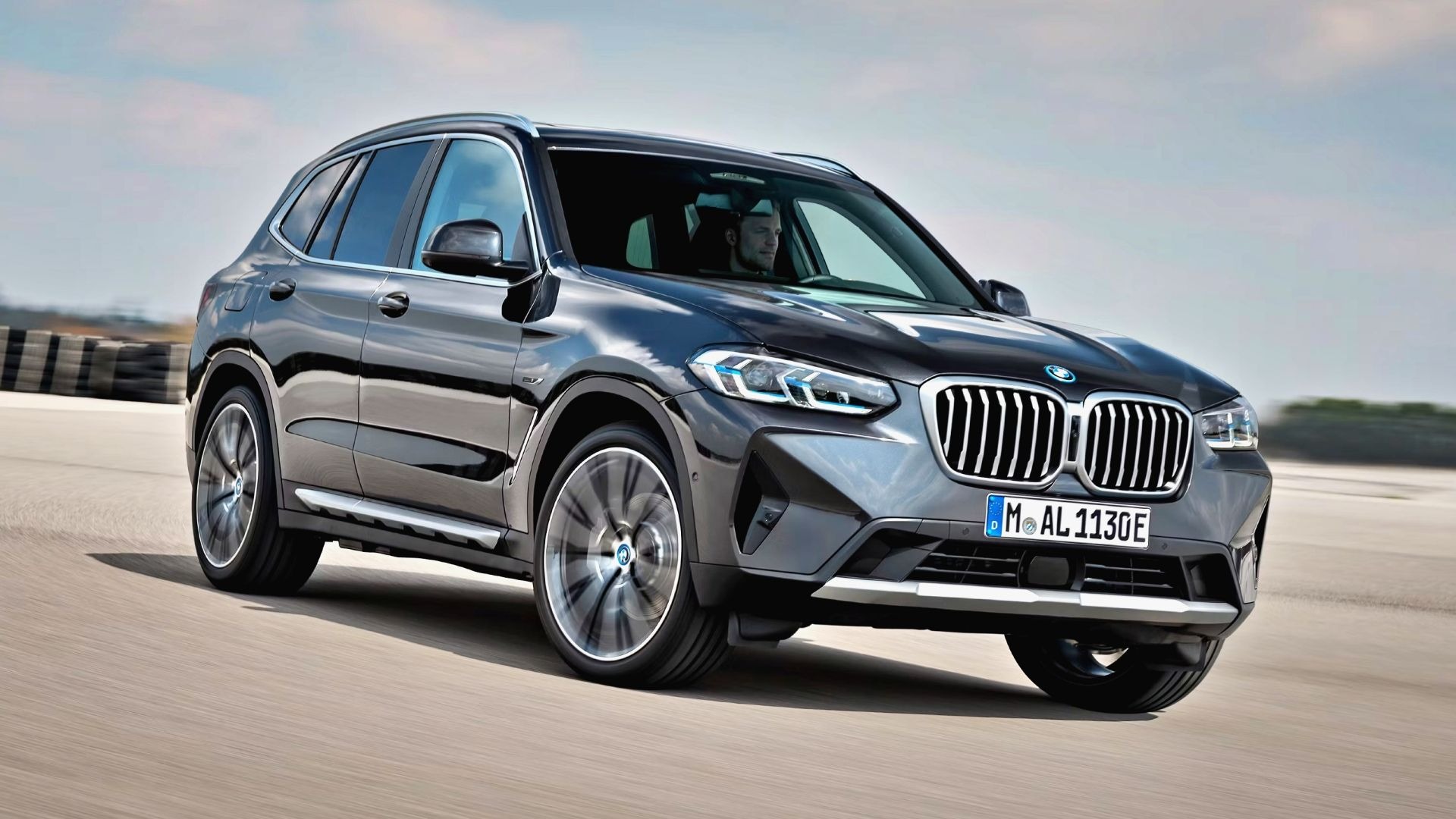
2. BMW X3 – $1,034/year
The BMW X3 comes in at $1,034 per year, according to RepairPal. That is well above the $652 average for all vehicle models and also above the $859 average RepairPal lists for luxury compact SUVs. RepairPal rates the X3 at 2.5 out of 5.0 and says repairs occur more frequently than normal.
Its individual repair estimates show why certain jobs can become expensive. RepairPal lists an oil pump replacement at $2,668 to $3,502 and a head gasket replacement at $3,457 to $4,752. Those figures are examples of possible repair bills, not amounts that every X3 owner should expect to pay.
The $1,034 annual average also makes the X3 roughly $605 more expensive per year than the $429 RAV4 figure listed earlier. If both annual averages remained unchanged for five years, the difference would reach about $3,025.
Of course, vehicle age, mileage, service history, and driving conditions can alter actual spending. A well-maintained X3 may go through a period with few repairs, while a high-mileage example can require several expensive jobs close together.
For buyers comparing premium SUVs with mainstream alternatives, the X3 demonstrates how brand, engineering, component costs, and labor requirements can influence ownership expenses. The purchase price is only one part of the financial commitment.
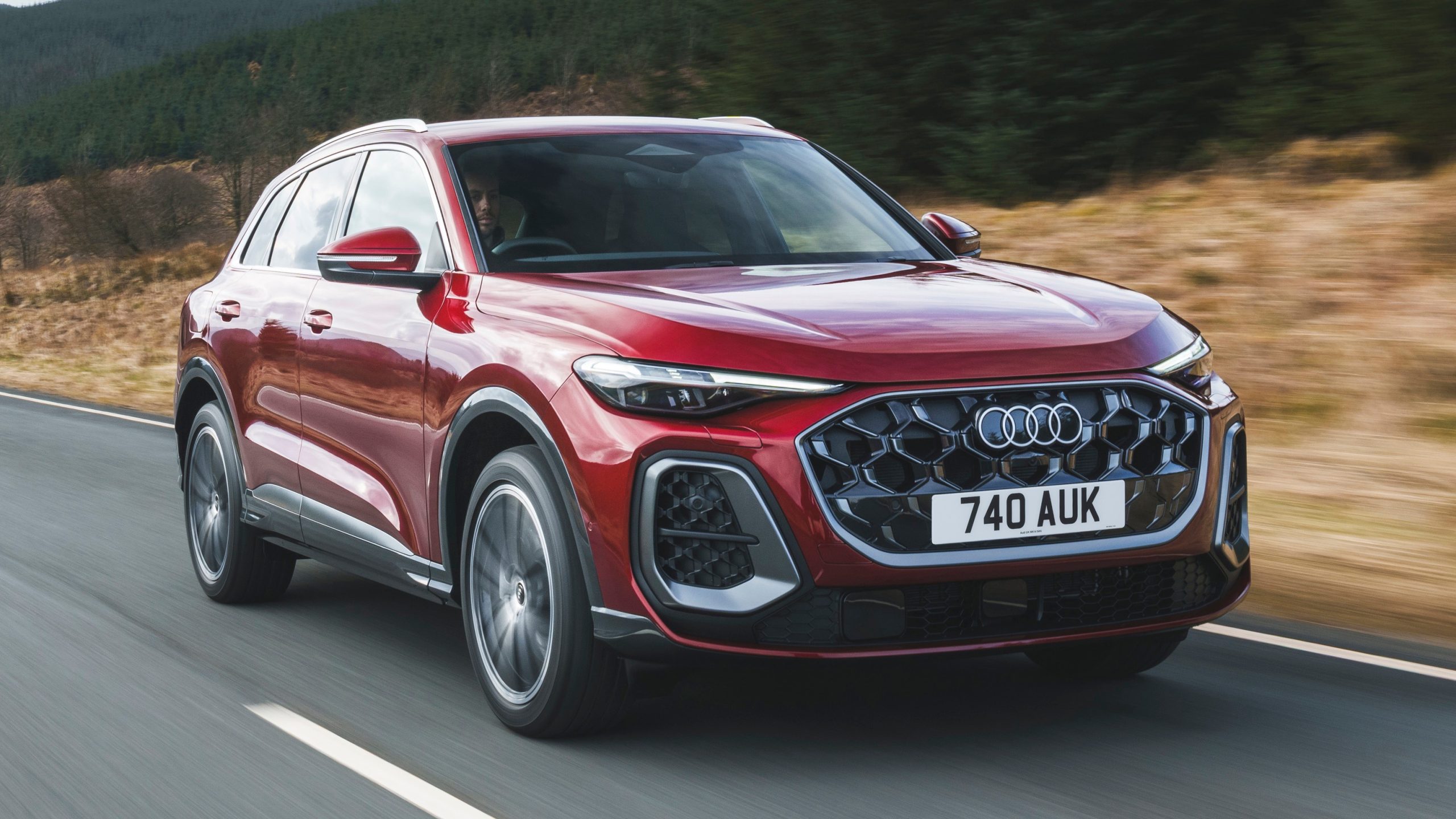
3. Audi Q5 – $928/year
The Audi Q5 posts an average annual repair and maintenance cost of $928 in the supplied figures. RepairPal places that amount above its $807 average for luxury midsize SUVs and above the $652 average for all vehicle models. Its reliability rating is 3.0 out of 5.0.
RepairPal makes an important distinction here. A higher average repair cost does not necessarily mean a vehicle is poorly engineered or unreliable. Parts and labor can be expensive, especially for luxury vehicles, which can increase ownership costs even when major mechanical failures are relatively uncommon.
The Q5 also provides a practical example of why the phrase “expensive parts” should be used carefully. RepairPal lists an ABS control module replacement at $1,523 to $1,630 for a 2026 Q5 estimate. Other jobs can cost less, while some can be considerably more.
For a prospective owner, the important question is not whether every part is expensive. It is whether the vehicle’s typical repair and maintenance budget fits the owner’s expectations.
At $928 per year, the Q5 sits far above the lower-cost SUVs listed earlier. A five-year calculation at that same annual rate would total about $4,640, though actual ownership costs can vary widely.
That makes the Q5 a useful example of how premium vehicle ownership can carry a larger service budget.
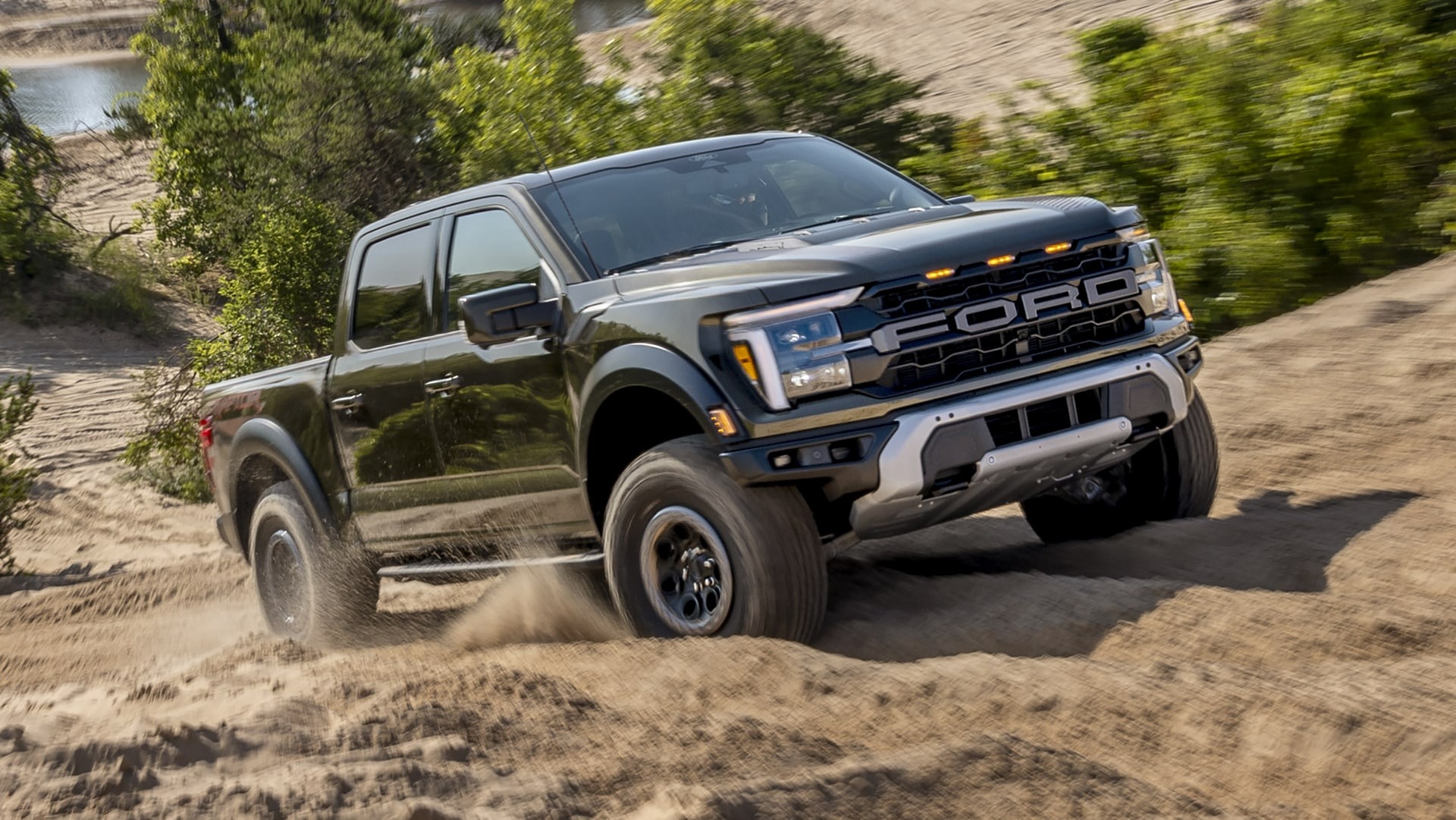
4. Ford F-150
$788/year
A quick clarification matters here before going further. The Ford F-150 averages $788 per year in repair and maintenance costs, but this vehicle is a pickup truck, not an SUV, so its inclusion only makes sense if you’re comparing costs across a wider range of vehicle types rather than strictly within the SUV category itself.
That said, the number still offers useful context for cross-shopping purposes. Plenty of buyers weigh a truck against a three-row SUV when family hauling and cargo needs overlap, so understanding where the F-150 lands cost-wise helps inform that broader decision even though it technically falls outside a strict SUV comparison.
At $788 annually, the F-150 actually sits below both BMW entries and the Audi Q5 covered above it on this list, while still landing meaningfully above the $652 all-vehicle average and above every single model from the cheaper SUV list covered earlier.
Trucks generally carry higher repair costs than compact cars due to their size, towing capacity, and the physical stress placed on components like suspension and drivetrain parts during regular use.
Buyers specifically shopping for SUVs should treat this figure as reference material rather than a direct competitor entry, since apples-to-apples comparisons work best within the same vehicle category.
If your search has genuinely expanded beyond SUVs to include trucks, though, this number earns a legitimate place in your spreadsheet, offering a real data point for anyone weighing hauling capability against long term ownership costs across different vehicle types entirely.
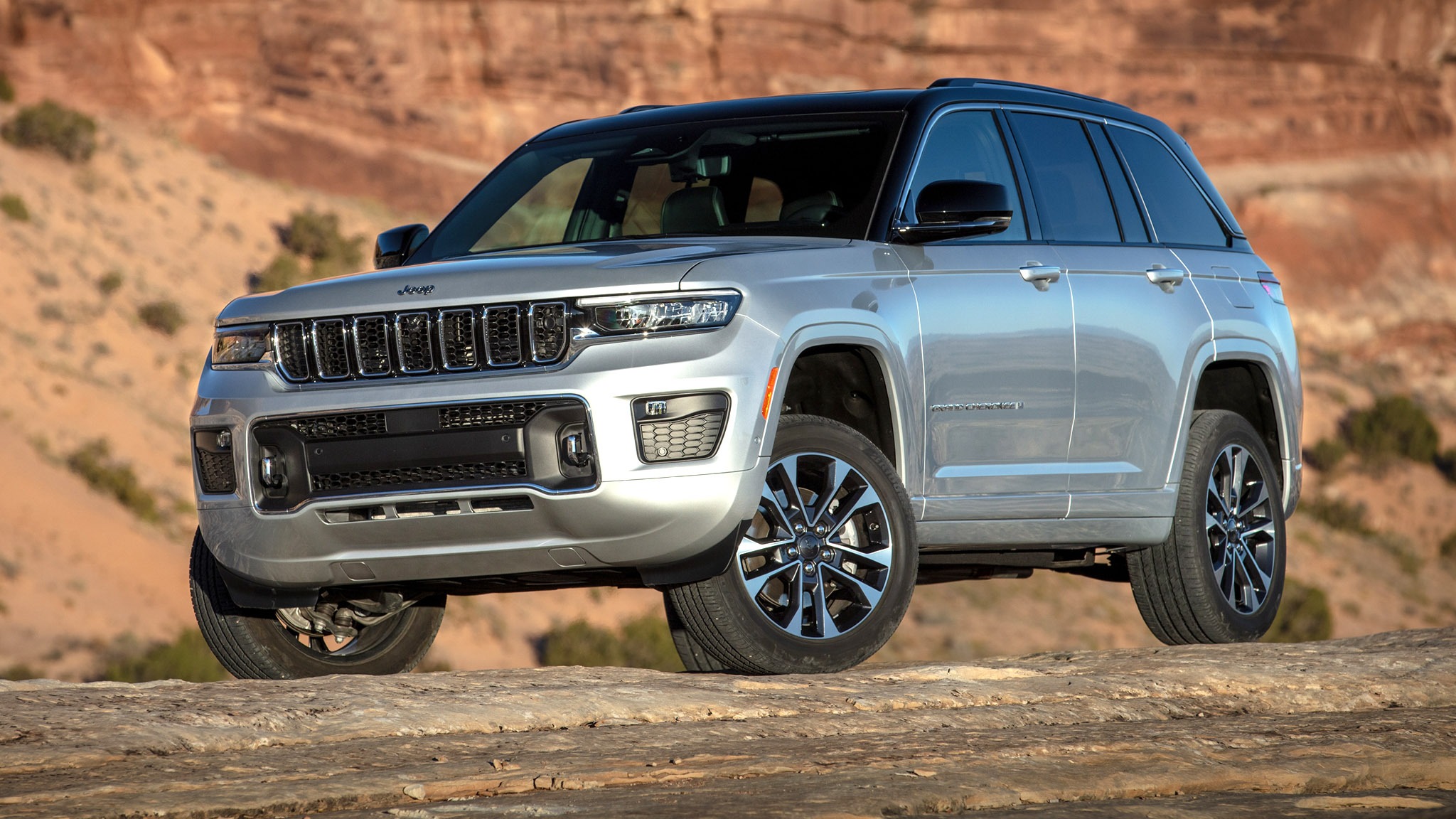
5. Jeep Cherokee – $520/year
The Jeep Cherokee is another case where the supplied list needs careful wording. RepairPal’s figure of $520 per year is almost identical to the $521 compact-SUV average provided in the source material. That makes it difficult to describe the Cherokee as a genuinely high-cost SUV based on this number alone.
A difference of only $1 per year from the category average is effectively negligible for most ownership budgets. It would be misleading to place the Cherokee beside the BMW X5, BMW X3, and Audi Q5 as though all four had similar cost profiles.
The Cherokee therefore works better as a cautionary example than as a true expensive-SUV pick. Its $520 annual average tells shoppers that its reported repair and maintenance spending is close to the compact-SUV benchmark, not dramatically above it.
This distinction matters because an article about expensive SUVs should not turn a near-average vehicle into a high-cost model simply to complete a five-item list.
Repair costs also vary with age, mileage, location, shop rates, vehicle condition, and the specific repair required. A particular Cherokee owner could receive a costly repair bill, but that does not make the model’s average annual cost unusually high.
Based strictly on the supplied RepairPal figures, the Cherokee should therefore be treated as a borderline inclusion rather than a clear example of an expensive SUV. The same caution applies to the F-150, which is not an SUV at all.
The three clearest high-cost SUV examples in the supplied data are the BMW X5, BMW X3, and Audi Q5.
