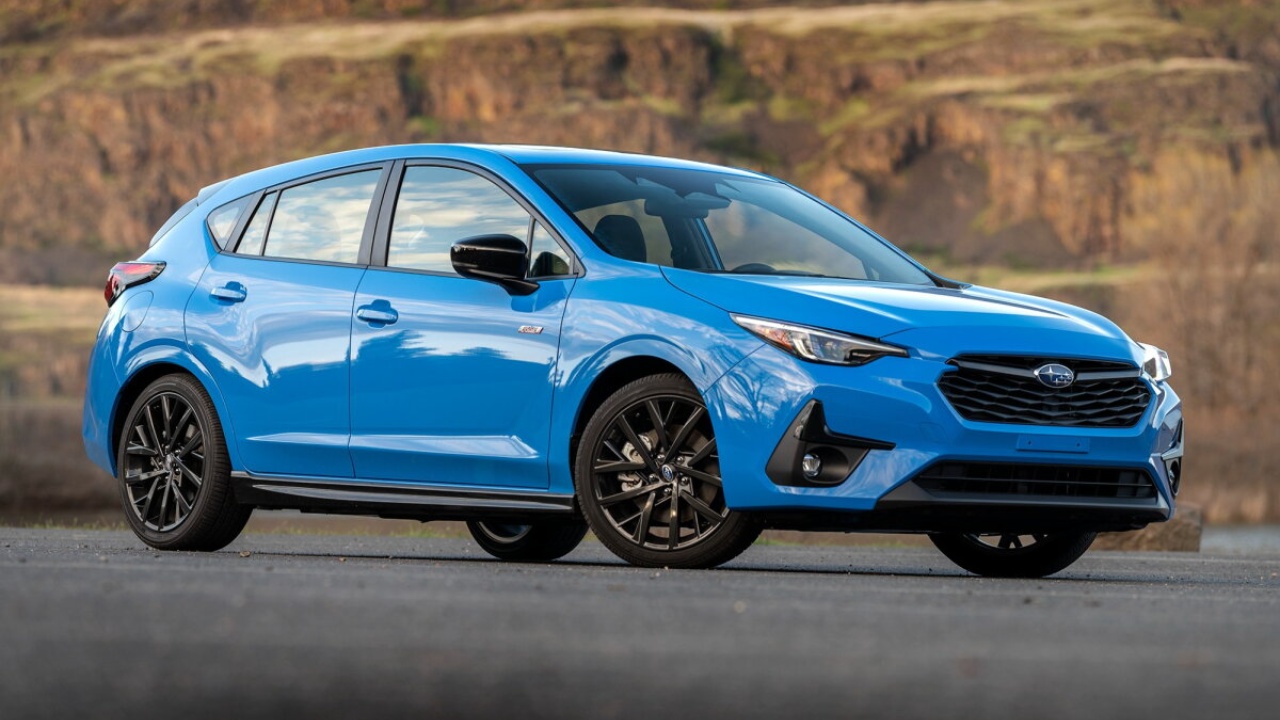
The Midwest has a reputation for tough driving conditions, from harsh winters and road salt to long highway commutes, yet many owners continue keeping their vehicles for well over a decade.
iSeeCars found substantial differences between major Midwest metro areas when measuring the share of vehicles still owned by their original buyers at 15 years or older. Detroit, Chicago, Minneapolis, Milwaukee, and other Midwestern markets each produced notable long-term ownership results.
The figures do not prove that one vehicle is mechanically better than another, but they reveal which models have remained with original owners for unusually long periods. S&P Global Mobility’s latest fleet data adds context, showing that the average U.S. vehicle age reached 12.8 years in 2025.
1. Honda Pilot
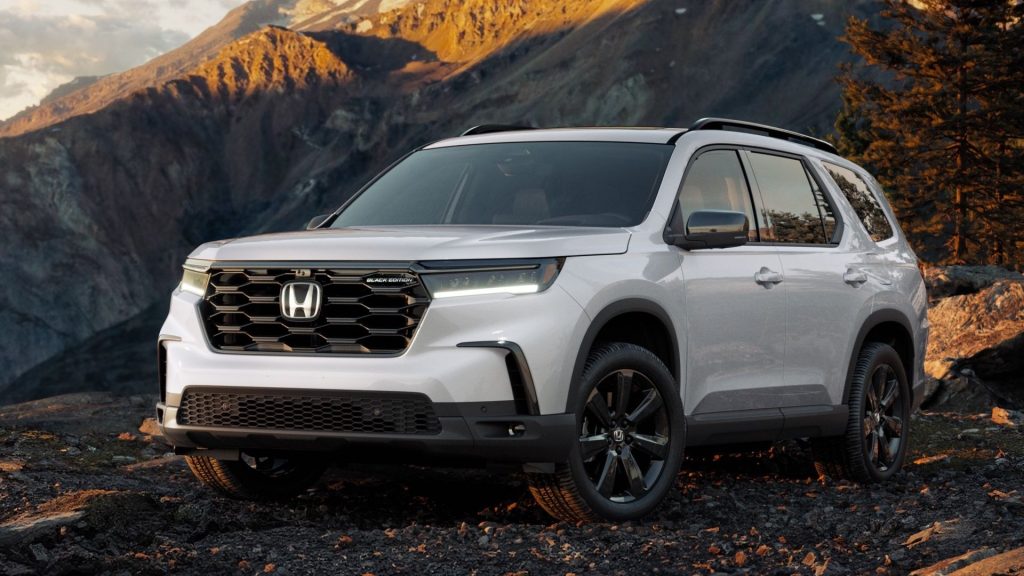
The Honda Pilot produced one of the strongest long-term ownership results in the Midwest, with 18.3% of vehicles in the Detroit metro being at least 15 years old and still owned by their original buyers.
That figure comes from iSeeCars’ geographic analysis of long-term vehicle ownership. The result is particularly notable because Detroit is one of the country’s major automotive markets, with owners exposed to cold winters, road salt, and substantial seasonal temperature changes.
The pilot’s three-row layout provides one reason a vehicle like this can remain useful as it ages. Families that purchase a midsize SUV for passenger capacity do not necessarily outgrow the vehicle quickly.
A vehicle that continues to provide three rows, substantial cargo space, and everyday transportation can remain relevant long after newer models appear on dealer lots.
The Detroit result should not be interpreted as an 18.3% reliability score. iSeeCars is measuring the percentage of vehicles that reach the 15-year threshold while remaining with their original owners. Factors such as owner preferences, household needs, replacement costs, and vehicle condition can all affect that figure.
The pilot also appears elsewhere in the Midwest data. In the Grand Rapids-Kalamazoo metro, 10.2% of Pilot vehicles reached the 15-year original-owner mark, showing that long-term retention can vary considerably even for the same model in different markets.
That geographic difference is useful context. It shows why a Midwest-wide conclusion should not be based on a single city’s number.
S&P Global Mobility’s national data provides a broader backdrop. The average U.S. light vehicle reached 12.8 years of age in 2025, while passenger cars averaged 14.5 years and light trucks averaged 11.9 years.
2. Toyota Sienna
The Toyota Sienna stands out in another Midwestern market, with 17.4% of Siennas in the Milwaukee metro reaching at least 15 years of age while remaining with their original owners. That is a striking result for a minivan, a vehicle type whose primary purpose is practical family transportation rather than enthusiast appeal.
Milwaukee is also a useful location for examining long-term ownership because vehicles in the region face winter conditions and seasonal road treatments. Yet the Sienna’s long-term retention figure shows that a significant share of original owners continued with their vehicles deep into their second decade.
The model’s usefulness may be part of the explanation. A minivan can provide three rows of seating, sliding rear doors, and substantial cargo capacity in a package designed specifically around family transportation.
Those attributes do not become obsolete simply because a vehicle gets older. A family that still needs those capabilities may have fewer reasons to replace a properly functioning Sienna.
The iSeeCars number does not mean that 17.4% of Sienna owners experienced no repairs or maintenance. The study measures ownership duration, not mechanical condition. Some long-term owners may have invested significantly in maintaining their vehicles before reaching the 15-year point.
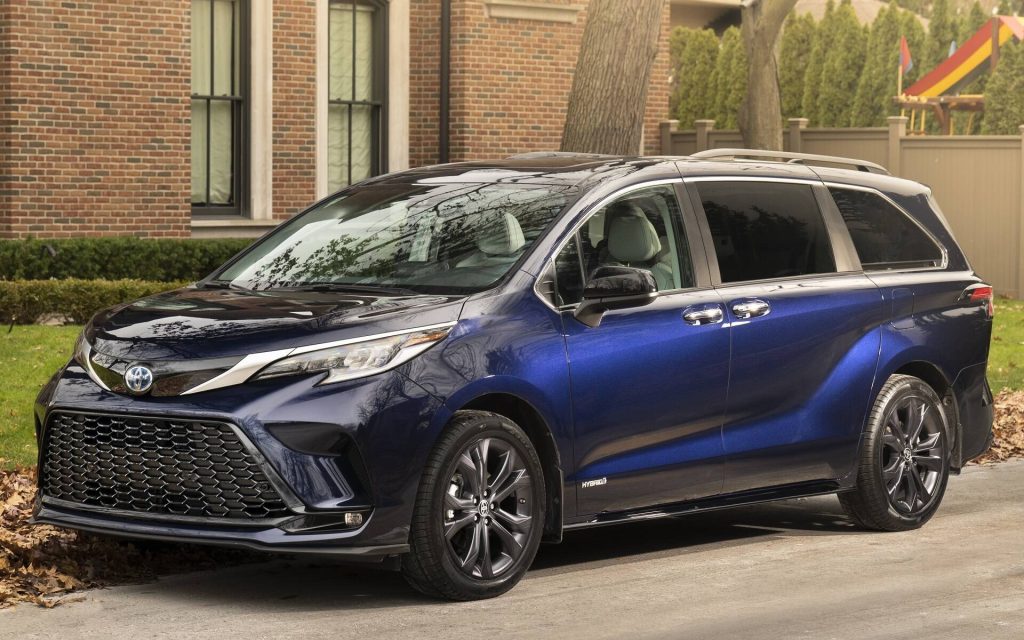
The Sienna also appears in other major U.S. markets, demonstrating that its long-term ownership pattern is not limited to Wisconsin. iSeeCars found that the model reached a 14.5% 15-year original-owner rate in Cleveland-Akron-Canton, while other markets produced different results.
That variation reinforces the importance of treating the Midwest data as market-specific rather than assuming every Sienna has the same ownership trajectory.
For buyers interested in keeping a vehicle for many years, the Sienna’s result is especially relevant because it shows that practical utility can contribute to long-term ownership just as much as styling or performance.
3. Subaru Impreza
Chicago provides one of the clearest examples of long-term ownership in the Midwest. In iSeeCars’ city-level analysis, the Subaru Impreza had 17.2% of 15-year-old-or-older examples still owned by their original buyers in the Chicago metro area. That was the highest 15-plus-year ownership figure for the vehicle identified in that market.
The result is particularly interesting because Chicago presents a demanding environment for vehicles. Winter temperatures, snow, road salt, and stop-and-go traffic can all add stress as a car ages. Yet a meaningful share of Impreza owners continued holding onto their cars well beyond the 15-year mark.
The Impreza’s standard all-wheel-drive configuration during much of this era is also relevant to its Midwest appeal. The system gave owners additional traction in snowy conditions without requiring them to move into a large SUV. That combination of compact dimensions and year-round usability helped make the model practical for urban and suburban drivers.
iSeeCars’ study does not claim that 17.2% represents a mechanical survival rate. Its methodology looked at more than 660,000 vehicles from 1981 through 2005 model years sold in 2020 and calculated the percentage that remained with their original owners at 15 years or older.
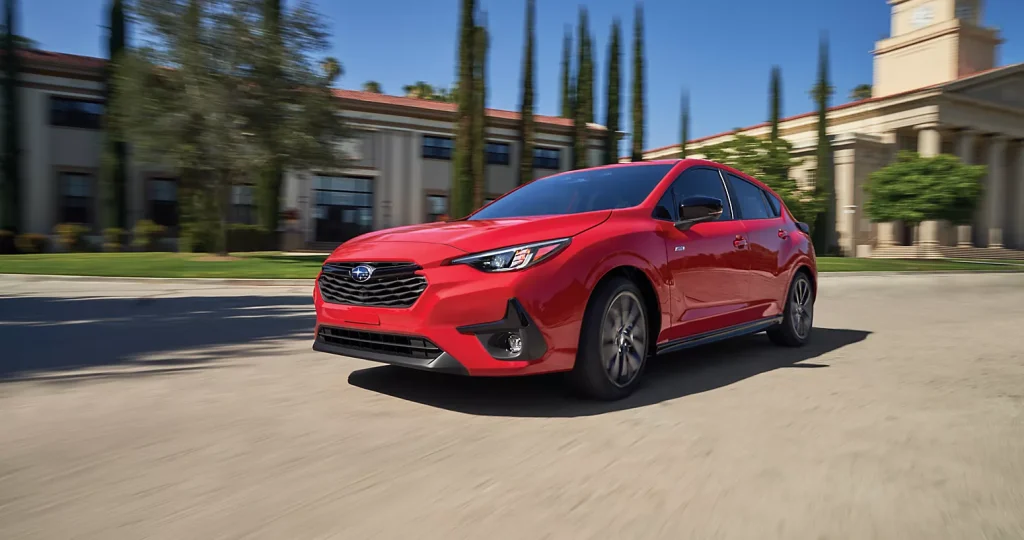
For specifications, the 2005 Impreza 2.5RS provides a useful reference because the study includes vehicles from that model-year range. The U.S. model used a naturally aspirated 2.5-liter flat-four producing 165 horsepower and 166 lb-ft of torque. Cars.com lists it at 174 inches long and 69 inches wide.
The Chicago ownership result therefore highlights something broader than simple longevity. A compact car with useful traction, manageable dimensions, and practical running costs can remain relevant to its first owner long after newer vehicles arrive.
4. Toyota Highlander
The Toyota Highlander recorded a 14.9% 15-plus-year original-owner rate in the Columbus, Ohio, metropolitan area, according to iSeeCars’ geographic analysis. That means nearly 15 out of every 100 Highlanders meeting the study’s age criteria were still with their original owners at the 15-year threshold.
Columbus is significant for this list because it demonstrates how a three-row SUV can remain a long-term family vehicle in the Midwest.
The Highlander offers substantially more passenger and cargo flexibility than a conventional sedan, which can make it easier for one vehicle to serve different stages of family life. A vehicle purchased when children are young can still be useful after those children become teenagers or adults.
The study’s figure should not be interpreted as a 14.9% reliability score. iSeeCars specifically measured original-owner retention at 15 years or more, using a large database of used vehicles. The analysis therefore captures ownership behavior as well as the vehicle’s ability to remain useful and serviceable over time.
The Highlander also ranks highly in iSeeCars’ national long-term ownership study. Its national figure was 12.4%, compared with 6.1% for the average vehicle in that particular study.
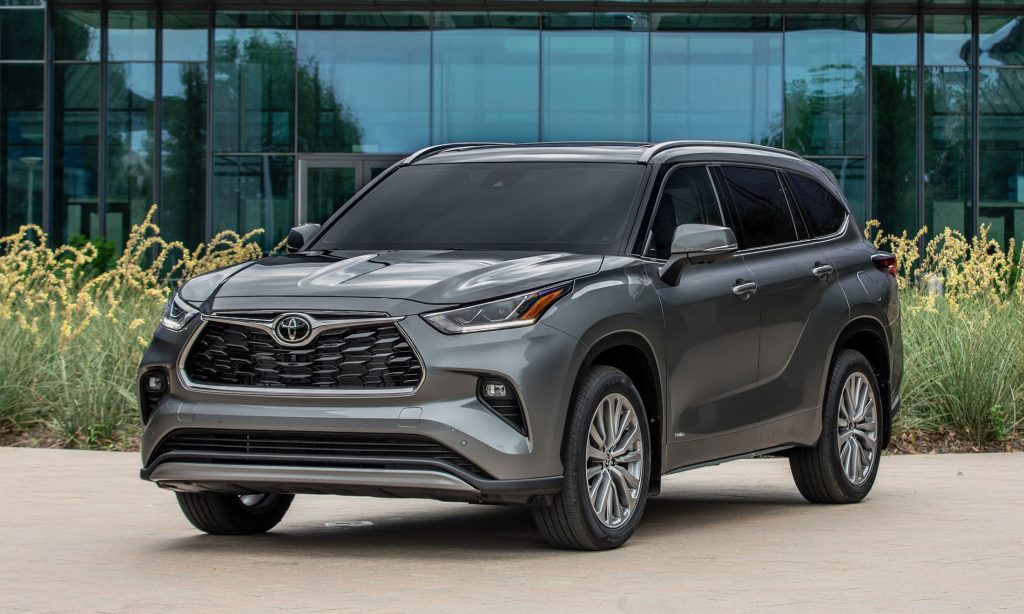
A 2005 U.S.-market Highlander with the available 3.3-liter V6 produced 230 horsepower and 242 lb-ft of torque. Cars.com lists the vehicle at 184.6 inches long and 71.9 inches wide.
Those specifications illustrate why the Highlander could function as a family hauler without moving into the dimensions of a full-size SUV.
Its combination of seating capacity, cargo flexibility, and moderate exterior dimensions gave owners a vehicle that could remain useful for many years. The Columbus result adds another Midwestern example of that long-term appeal.
5. Toyota Prius
The Toyota Prius is one of the clearest examples of a vehicle that owners are willing to keep deep into its life cycle. In the Minneapolis-St. Paul metro, iSeeCars found that 17.3% of Prius vehicles were at least 15 years old and still owned by their original buyers.
Minneapolis is an especially interesting market for this kind of data because vehicles face cold winters, snow, and road salt, yet the Prius still produced a strong long-term ownership result.
The Prius also appears repeatedly across iSeeCars’ geographic analysis. It was the vehicle most frequently represented as the longest-kept model across the major metropolitan areas examined, appearing in nine metros.
In Portland, for example, the figure reached 18.6%, while San Francisco-Oakland-San Jose recorded 26.4%. Those figures are not Midwest measurements, but they demonstrate how strongly the Prius appears in long-term ownership data across different regions.
For the Midwest article, Minneapolis provides the relevant figure. The study does not claim that 17.3% of Prius owners experienced no major repairs. Instead, it measures whether vehicles reached the 15-year threshold while remaining with their original owners.
That distinction is important because ownership duration reflects both vehicle condition and the owner’s decision to continue keeping it.
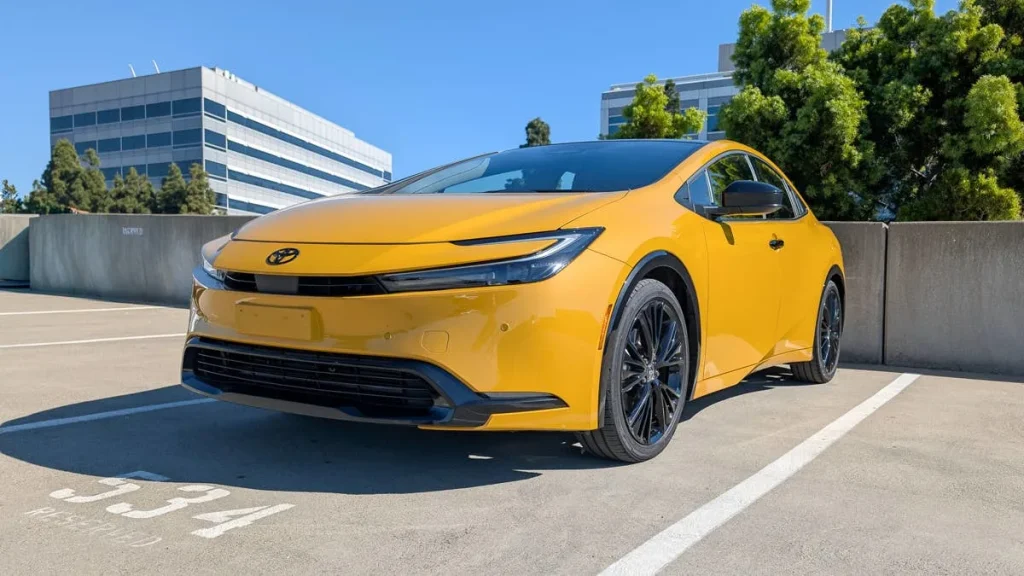
The Prius also ranked first nationally in iSeeCars’ long-term ownership study, with 13.7% of 15-year-old-or-older examples remaining with their original owners, compared with 6.1% for all vehicles in that study.
That makes the Minneapolis result part of a broader long-term ownership pattern rather than an isolated Midwestern statistic.
6. Toyota Sequoia
The Toyota Sequoia provides a very different example of long-term ownership. In the Indianapolis metro area, iSeeCars found that 15.3% of Sequoias were at least 15 years old and still with their original owners. That figure puts the large SUV among the strongest long-term ownership performers identified in the Midwest portion of the study.
The Sequoia’s size makes this result particularly interesting. Unlike a compact sedan or hybrid hatchback, the Sequoia was designed as a full-size SUV with substantial passenger capacity, towing capability, and cargo space. Those characteristics can remain valuable for owners who use their vehicles for family transportation, recreational activities, or towing.
Indianapolis also gives the statistic a distinctly Midwestern setting. Owners in the region encounter winter weather and seasonal road conditions, yet a significant share of Sequoias remained with their first owners for at least 15 years.
The iSeeCars methodology is worth keeping in mind. The company analyzed more than 660,000 vehicles from 1981 through 2005 model years sold in 2020 and calculated the percentage of older vehicles still owned by their original purchasers. The result therefore measures long-term owner retention rather than directly measuring mechanical reliability.
The Sequoia also appeared in iSeeCars’ national list of vehicles owners kept for 15 years or longer, where 9.1% remained with their original owners at that age. Its appearance in the Indianapolis results therefore fits with the model’s broader long-term ownership record.
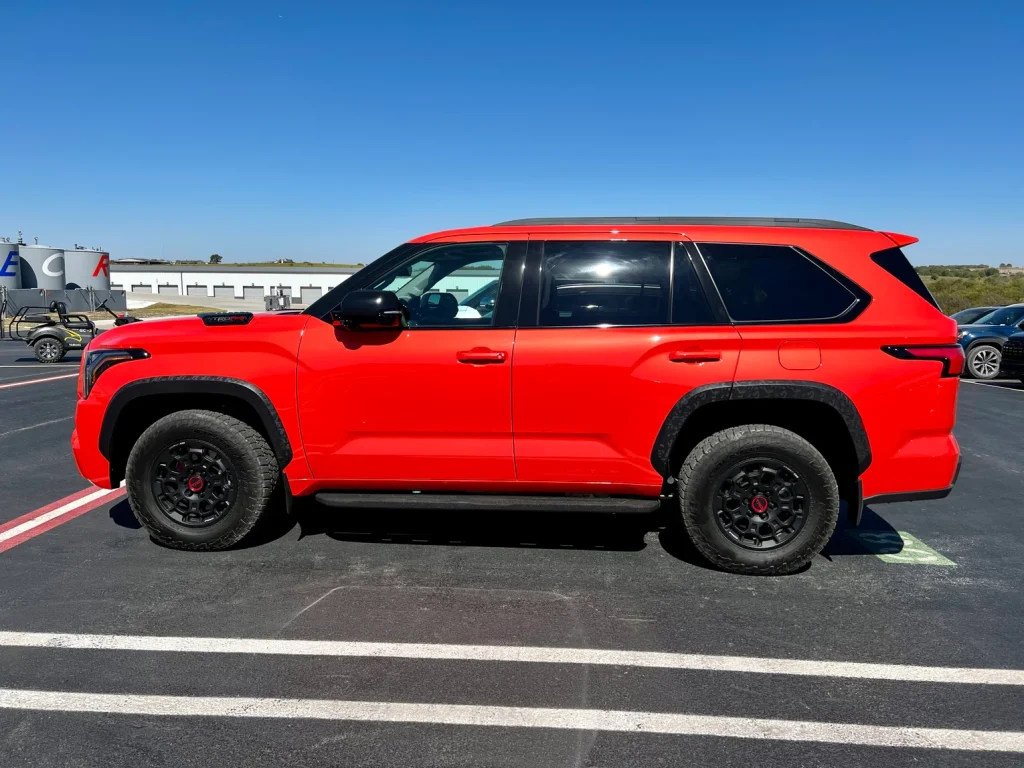
For specifications, a 2005 Sequoia with the available 4.7-liter V8 produced 282 horsepower and 325 lb-ft of torque, giving it the capability expected from a large body-on-frame SUV.
7. Honda CR-V
The Honda CR-V gives St. Louis one of the stronger examples of long-term vehicle ownership in the Midwest. iSeeCars found that 9.8% of CR-Vs in the St. Louis metro area were at least 15 years old and still owned by their original buyers.
The figure comes from iSeeCars’ analysis of more than 660,000 used vehicles from the 1981 through 2005 model years that were sold in 2020.
The St. Louis result is especially useful because it represents a specific Midwest market rather than a national average. The study measures whether the original owner kept the vehicle through the 15-year mark. It does not mean 9.8% of CR-Vs were free from repairs, nor does it establish a mechanical failure rate.
The CR-V’s practical design can help explain why an owner might continue using one for many years. It combines a relatively compact footprint with a useful cargo area, elevated seating, and available all-wheel drive on the older vehicles represented in the study. Those traits can remain valuable even as the vehicle gets older.
The CR-V also performed strongly in iSeeCars’ broader long-term ownership analysis. Nationally, 10.7% of CR-Vs at least 15 years old remained with their original owners, placing it sixth among all vehicles in that study.
That national figure is considerably higher than the St. Louis result, demonstrating why regional data should not be substituted with national statistics when discussing Midwest ownership patterns.
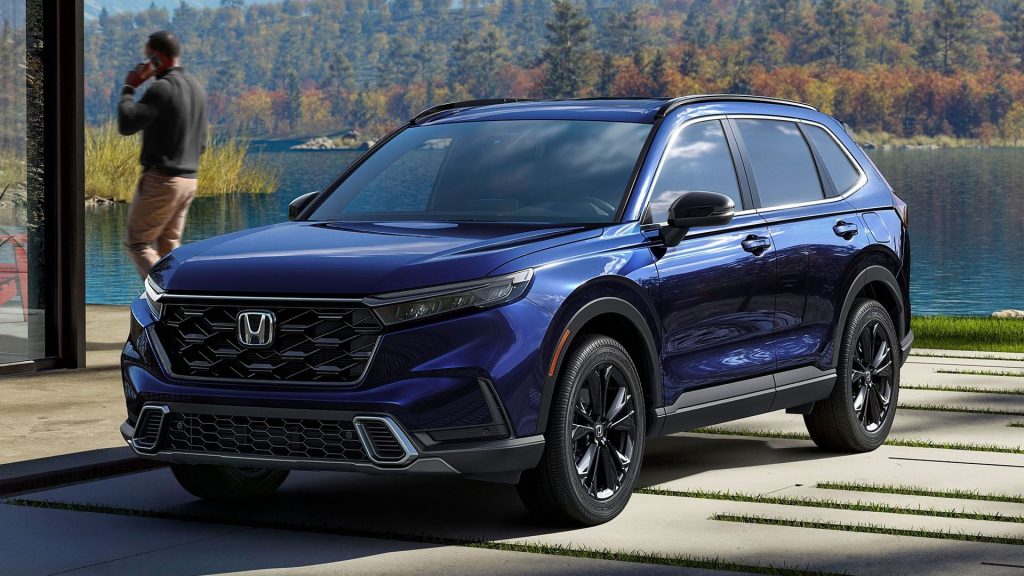
A representative 2005 U.S.-market CR-V used a 2.4-liter four-cylinder engine producing 160 horsepower and 162 lb-ft of torque. Its compact dimensions made it easier to maneuver than larger SUVs while retaining useful passenger and cargo space.
The St. Louis result therefore adds a practical crossover to a list otherwise filled with larger family vehicles and specialized models.
8. Chevrolet Colorado
The Chevrolet Colorado represents the pickup-truck side of long-term Midwest ownership. In the Kansas City, Missouri, metro area, iSeeCars found that 12.4% of Colorados were at least 15 years old and still retained by their original owners. That makes Colorado one of the notable long-term ownership examples identified in the Midwest portion of the study.
Kansas City is an interesting market for a midsize pickup because the truck can serve several roles at once. Owners may use it for commuting during the week and hauling equipment, recreational gear, or household loads on weekends. That versatility can give a truck a longer useful life than a vehicle designed around one narrow purpose.
The iSeeCars statistic measures original-owner retention, not reliability. A 12.4% figure does not indicate that 12.4% of Colorados reached 15 years without mechanical work. It simply means that this share of the vehicles in the study remained with their original purchasers when they reached the specified age.
The Colorado also performed above the pickup segment average in iSeeCars’ national long-term ownership research. The company found that 7.6% of Colorados at least 15 years old were still with their original owners, compared with a 6.3% average for light-duty pickups.
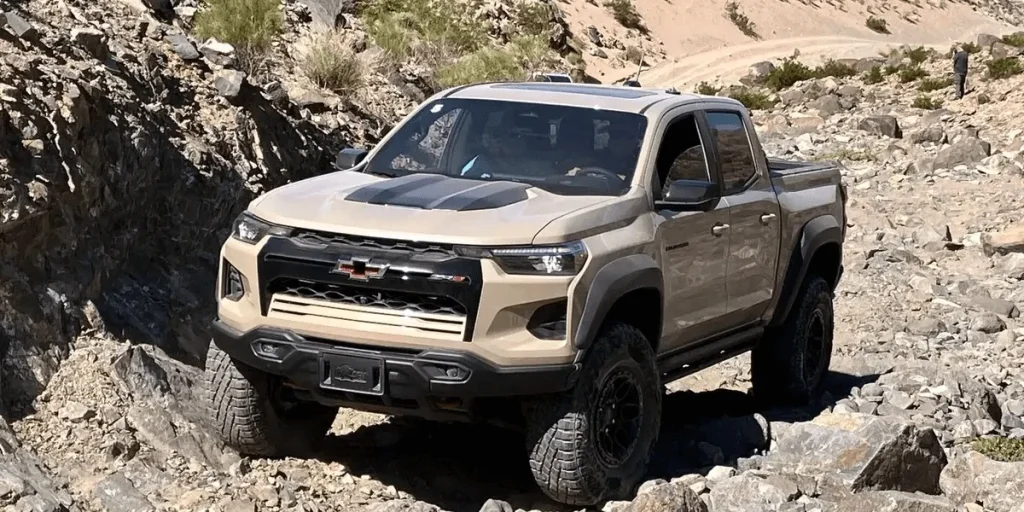
The older Colorado represented by the study used a variety of engines depending on model year and configuration. A 2005 Colorado could be equipped with a 2.8-liter four-cylinder producing 175 horsepower and 185 lb-ft of torque. The truck measured roughly 192.4 inches long and 67.6 inches wide in a regular-cab configuration.
Its Kansas City ownership result demonstrates how a midsize pickup can remain useful well beyond the period when many owners traditionally replace their vehicles.
9. Toyota Tacoma
The Toyota Tacoma deserves a place in this discussion because iSeeCars’ broader long-term ownership study found that 11.6% of Tacomas that reached at least 15 years of age were still owned by their original buyers.
That was nearly twice the 6.1% average for all vehicles in the study. The Tacoma ranked third among all vehicles examined, behind the Toyota Prius and Toyota Highlander.
One detail is important to clarify here. The specific Midwest metro table does not include the Tacoma among its 10 unique regional winners.
Instead, the Tacoma is being included from the same iSeeCars long-term ownership research as an additional model with strong 15-year retention. This avoids presenting national data as if it were a Midwest-specific measurement.
The Tacoma’s long ownership life makes practical sense for a pickup. Owners can continue using an older truck for commuting, hauling, and recreational activities even when they no longer need the newest features.
iSeeCars also found that pickup owners tend to keep their trucks longer than the average vehicle, with 6.3% of light-duty pickups reaching the 15-year original-owner threshold. The Tacoma’s 11.6% figure was substantially higher than that truck average.
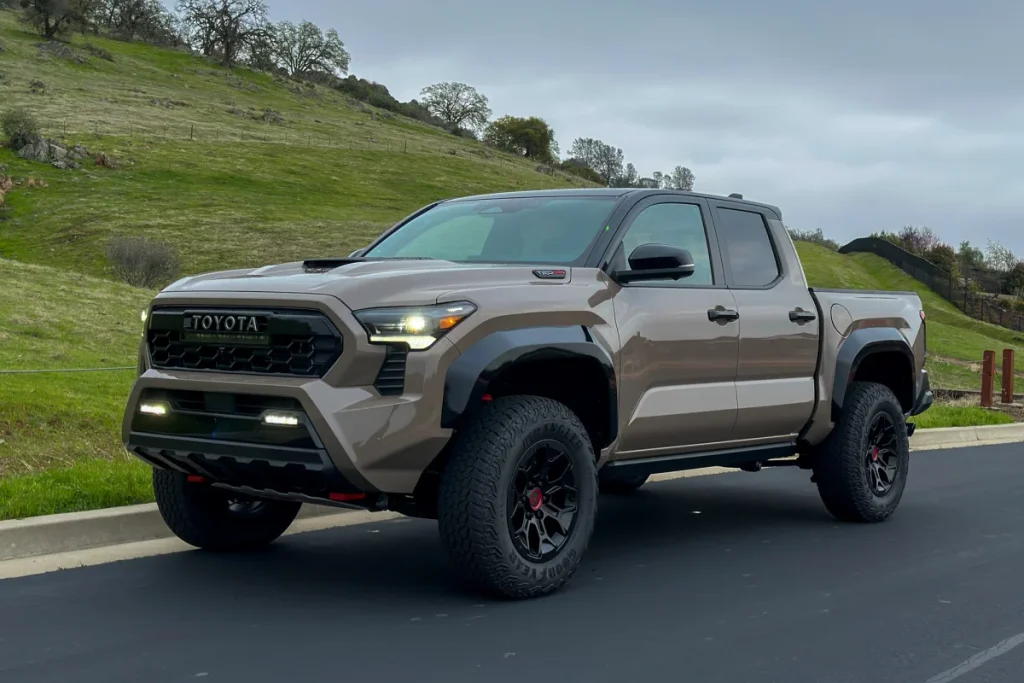
For the model years represented in the study, the 2005 Tacoma is a useful specification reference. Its available 4.0-liter V6 produced 245 horsepower and 282 lb-ft of torque, while the regular-cab version measured about 190.4 inches long and 72 inches wide.
The combination of utility and long-term owner retention makes the Tacoma particularly relevant to buyers interested in keeping one vehicle for many years.
10. Toyota Tundra
The Toyota Tundra provides another pickup example from iSeeCars’ long-term ownership research. 11.3% of Tundras that reached at least 15 years of age remained with their original owners, putting the full-size pickup fifth among all vehicles in the study. That figure was also about 1.8 times the 6.1% average for all vehicles.
Like the Tacoma, the Tundra is not one of the unique winners in the Midwest metro table. The Midwest-specific portion of the study produces only eight distinct models among the listed Midwestern metros because several vehicles appear repeatedly in different cities.
The Tundra is therefore included here as an additional long-term ownership model from the same iSeeCars research rather than being labeled as a specific Midwest metro winner.
The Tundra’s long-term retention figure is notable because full-size pickups can face demanding workloads. Owners may use them for towing, hauling, or other tasks that put additional demands on the vehicle. Yet iSeeCars found that Toyota’s full-size pickup remained with its original owners for 15 years or longer at a rate well above the average for all vehicles.
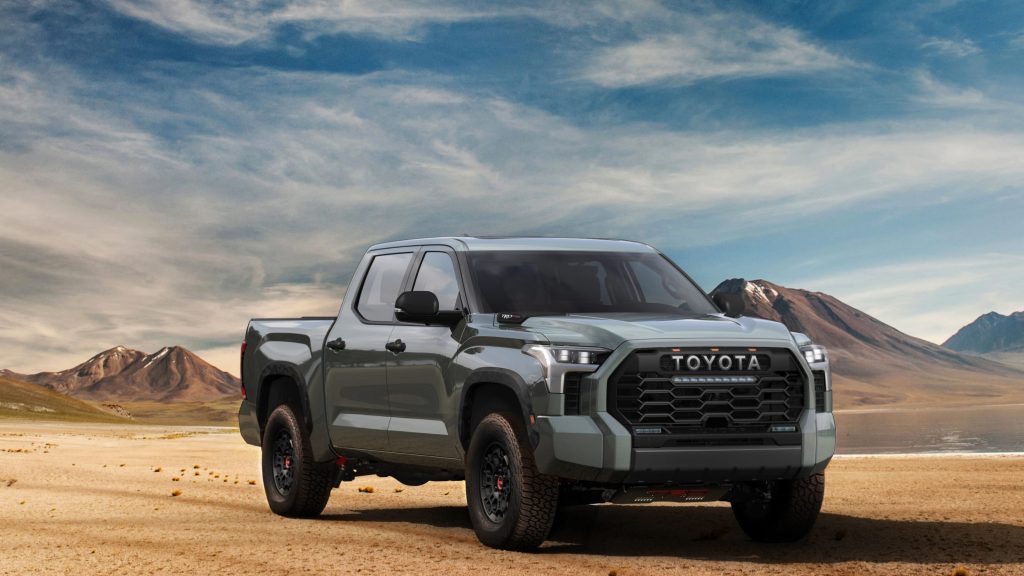
The 2005 Tundra provides a suitable specification example from the study’s model-year range. Its 4.7-liter V8 produced 282 horsepower and 325 lb-ft of torque, while a Double Cab 4WD version measured approximately 230.1 inches long.
This truck highlights an important point about long-term ownership. A vehicle’s usefulness can be just as important as its age. If an older truck still handles the tasks its owner depends on, keeping it can make more practical sense than replacing it.