Some vehicles are costly because their repairs come with high price tags. Others become frustrating to own because they seem to spend too much time at the repair shop. RepairPal’s frequency metric looks at how often a vehicle requires unscheduled repairs or maintenance in an average year, while leaving out routine services such as oil changes.
The average across all vehicles is about 0.4 visits annually, making the highest-frequency models stand out sharply. The vehicles below include several luxury cars and SUVs, where complex powertrains and expensive components can add to ownership demands.
These figures come from RepairPal’s U.S. repair data and reflect historical model-year coverage, not a guarantee that every example will require frequent repairs.
1. Audi A7 Quattro
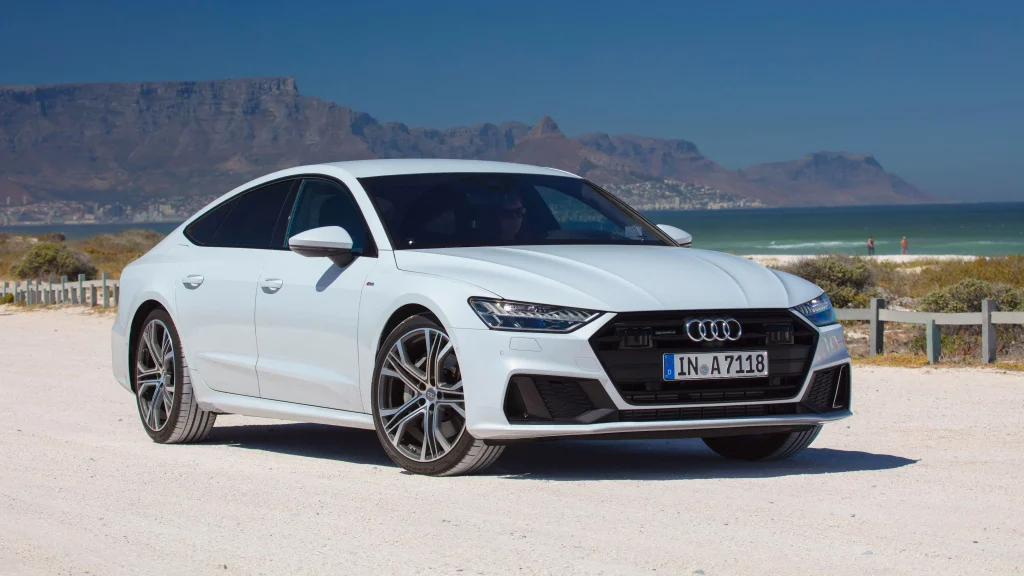
The Audi A7 Quattro sits at the top of this list with a RepairPal repair frequency of 1.6 visits per year. That is four times the 0.4-visit average across all vehicle models in RepairPal’s database.
The number is significant because RepairPal’s frequency measurement is specifically intended to capture unscheduled repair and maintenance visits while excluding small routine services such as oil changes.
RepairPal gives the A7 Quattro a 2.0 out of 5.0 reliability rating, placing it below the average for its luxury full-size car class. Its reported average annual repair cost is $1,251, compared with $976 for the luxury full-size category and $652 across all vehicle models. RepairPal also reports a 14% probability that a repair will be considered severe or major.
That combination makes the A7 interesting from an ownership perspective. The problem is not simply that repairs can be expensive.
The vehicle also appears in the shop more frequently than the typical car. Frequent visits can mean repeated diagnostic work, component replacement, and downtime, even when individual bills vary considerably.
The A7’s sophisticated hardware helps explain why repair frequency deserves attention when shopping for a used example. The 2019 U.S.-market A7, for example, used a turbocharged 3.0-liter V6 with mild-hybrid assistance, quattro all-wheel drive, and a seven-speed automated manual transmission. It produced 335 horsepower and 369 lb-ft of torque.
For a buyer considering one after its factory warranty period, the frequency figure is therefore an important ownership-cost signal. A low purchase price on a used luxury car does not necessarily mean low running costs.
2. Audi A3 Quattro
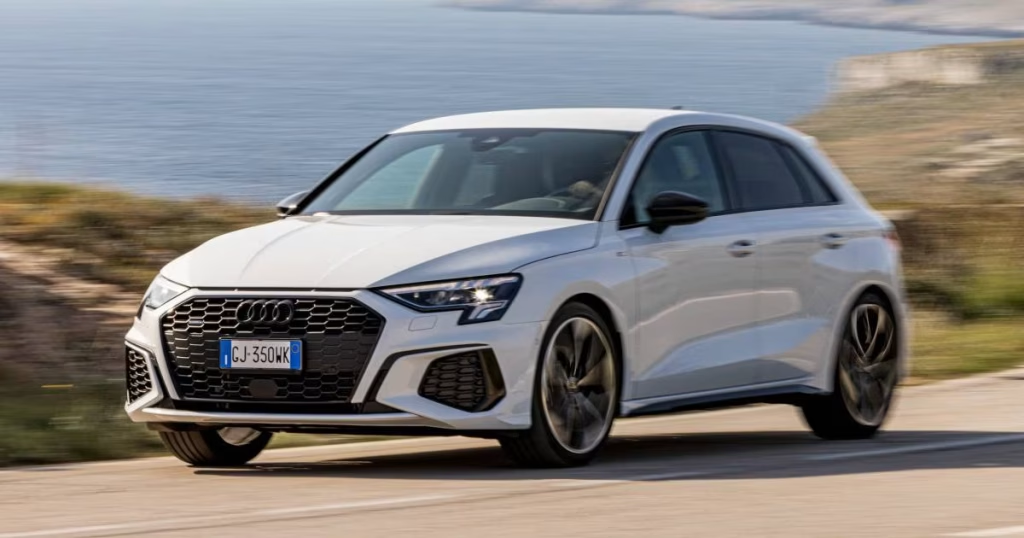
The Audi A3 Quattro takes a very different approach from the large A7, but its RepairPal frequency figure tells a surprisingly similar story. RepairPal reports that the A3 Quattro requires 1.5 unscheduled repair visits per year, compared with just 0.4 visits for all vehicle models. That puts the compact Audi at nearly four times the general vehicle average.
There is an important distinction between repair frequency and repair severity here. RepairPal’s data shows an 8% probability of a severe or major repair for the A3 Quattro, compared with 11% for luxury compact cars and 12% across all vehicle models.
In other words, the vehicle’s unusually high frequency figure does not mean every visit results in a catastrophic repair. It indicates that unscheduled shop visits occur relatively often.
That distinction matters for used-car shoppers. A car can repeatedly require smaller repairs without routinely experiencing major mechanical failures. However, once a vehicle is outside its factory warranty, several smaller repair bills can still become a meaningful ownership expense.
The A3 also illustrates why comparing frequency alone is not enough. RepairPal’s Reliability Rating combines cost, frequency, and severity, rather than treating one measurement as the complete picture of dependability.
For a U.S.-market 2017 A3 Quattro, Audi used a 2.0-liter turbocharged four-cylinder producing 220 horsepower and 258 lb-ft of torque. The Quattro version paired that engine with all-wheel drive and a six-speed automated manual transmission.
That combination delivered strong performance from a compact package, but buyers considering an older example should pay attention to documented maintenance and repair history rather than relying solely on the purchase price.
3. BMW 528i xDrive
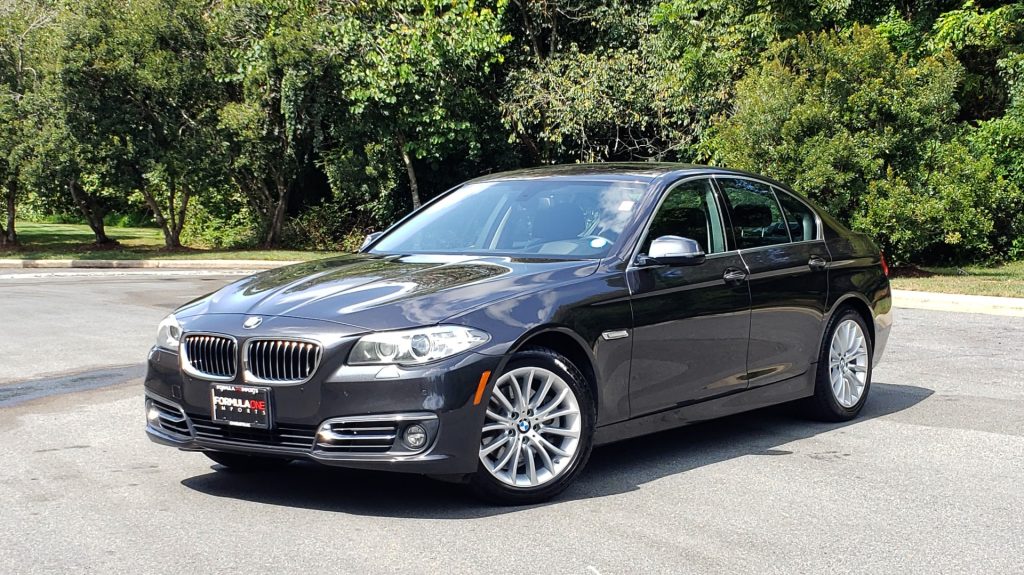
The BMW 528i xDrive records a RepairPal repair frequency of 1.4 visits per year, meaning owners in RepairPal’s database bring the car in for unscheduled repairs and maintenance more than three times as often as the 0.4-visit average across all vehicle models.
RepairPal’s figure is based on millions of vehicles tracked over multiple years, and routine visits such as oil changes are excluded from this measurement.
That frequency becomes more meaningful once the car leaves its original warranty coverage. The 528i xDrive is a luxury sedan with considerably more mechanical and electronic equipment than a basic commuter car, and repair frequency is only one component of RepairPal’s reliability calculation. RepairPal combines frequency with repair cost and severity when producing its Reliability Rating.
The xDrive version of the 2015 BMW 528i provides a useful example of what buyers were getting from this generation. It used a 2.0-liter turbocharged four-cylinder engine, an eight-speed automatic transmission, and all-wheel drive.
Edmunds lists output at 241 horsepower and 258 lb-ft of torque. The sedan measured 193.4 inches long and 73.2 inches wide without its mirrors.
Those numbers help explain why the 528i remained appealing as a used luxury sedan. It delivered strong performance without relying on a large-displacement engine, while the xDrive system added traction for drivers who wanted all-wheel drive.
The repair-frequency figure tells a different part of the ownership story. A used 528i can become much less attractive financially if repeated unscheduled visits begin appearing after warranty coverage ends.
That does not mean every example will require frequent repairs, because maintenance history, mileage, condition, and previous ownership can vary substantially.
For shoppers considering one today, a detailed service history is particularly valuable. Documentation showing completed maintenance and previous repairs can provide much more information about a specific used 528i than the frequency statistic alone.
4. Volkswagen CC
The Volkswagen CC presents a different kind of repair-frequency story. RepairPal reports 1.4 unscheduled repair visits per year, compared with just 0.4 visits for all vehicle models and 0.3 for the midsize-car category cited on its page. Its reported average annual repair cost is $880, versus $526 for midsize cars and $652 across all vehicle models.
That combination makes the CC particularly interesting for someone shopping in the used market. The frequency statistic does not say that every repair is severe. In fact, RepairPal puts the probability of a severe or major repair at 12%, the same figure it gives for both midsize cars and all vehicle models on the current CC reliability page.
The distinction is important. A vehicle can have frequent unscheduled visits without those visits consistently involving major mechanical failures. However, repeated smaller jobs can still create inconvenience and gradually increase ownership expenses, particularly when the vehicle is outside its original warranty.
The U.S.-market 2015 CC illustrates the engineering behind the model. Its standard engine was a 2.0-liter turbocharged four-cylinder producing 200 horsepower and 207 lb-ft of torque. Depending on trim, the car used either a six-speed manual or six-speed automated manual transmission, while the available 4Motion Executive switched to a 3.6-liter V6 and conventional six-speed automatic.
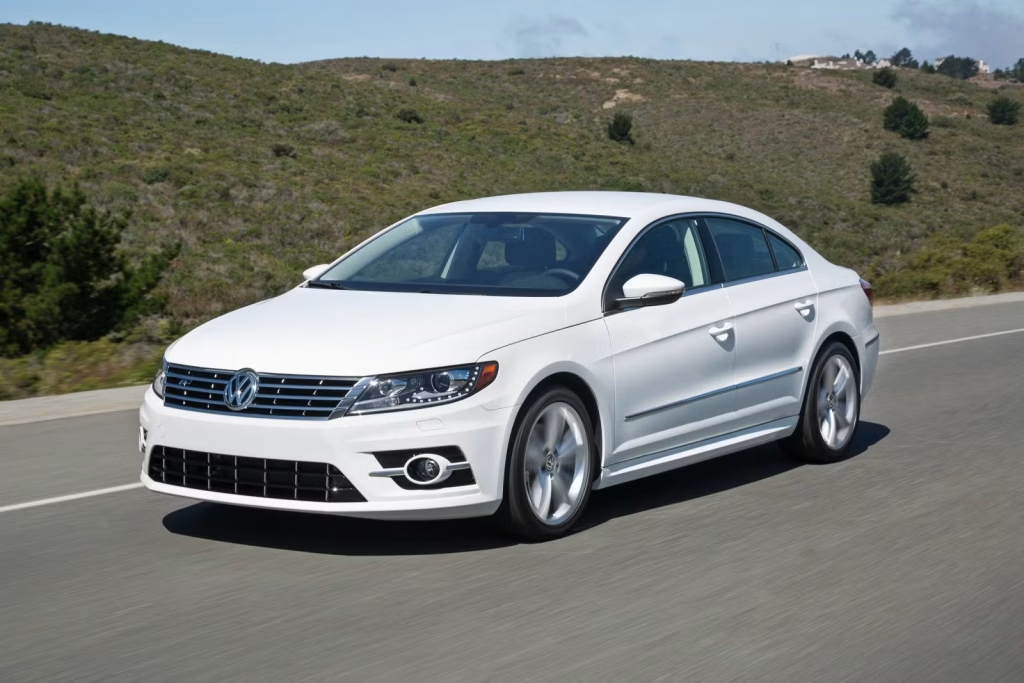
The four-cylinder CC measured 188.9 inches long and 73.0 inches wide. Edmunds lists a 3,369-pound curb weight for the 2015 Sport PZEV.
For a post-warranty buyer, the repair-frequency figure is therefore worth putting beside the vehicle’s purchase price. A relatively inexpensive used CC can still require a larger ownership budget if repeated shop visits accumulate.
A pre-purchase inspection and documented service history can help identify whether an individual example has already received important repairs.
5. BMW 335d
The BMW 335d brings a different kind of complexity to the repair-frequency discussion. RepairPal records an average of 1.4 unscheduled repair visits per year for the 335d, compared with 0.4 visits across all vehicle models.
The figure places this diesel-powered BMW among the vehicles in RepairPal’s database that averaged more than one unscheduled shop visit annually.
Frequency is only part of the picture, though. RepairPal reports an average annual repair and maintenance cost of $1,113 for the 335d, compared with $652 across all vehicle models. More strikingly, its estimated probability of a severe or major repair is 24%, versus 12% for all models.
That combination shows why frequent shop visits can become particularly important once a complex vehicle is outside warranty coverage.
The U.S.-market 2011 335d used a 3.0-liter turbocharged inline-six diesel producing 265 horsepower and 425 lb-ft of torque. Edmunds lists a six-speed automatic transmission and rear-wheel drive, with the sedan measuring 178.2 inches long and 71.5 inches wide.
That diesel engine gave the 335d an unusual blend of strong low-end torque and highway efficiency for its era. Yet the same sophisticated diesel hardware means buyers should pay close attention to service records when considering an older example.
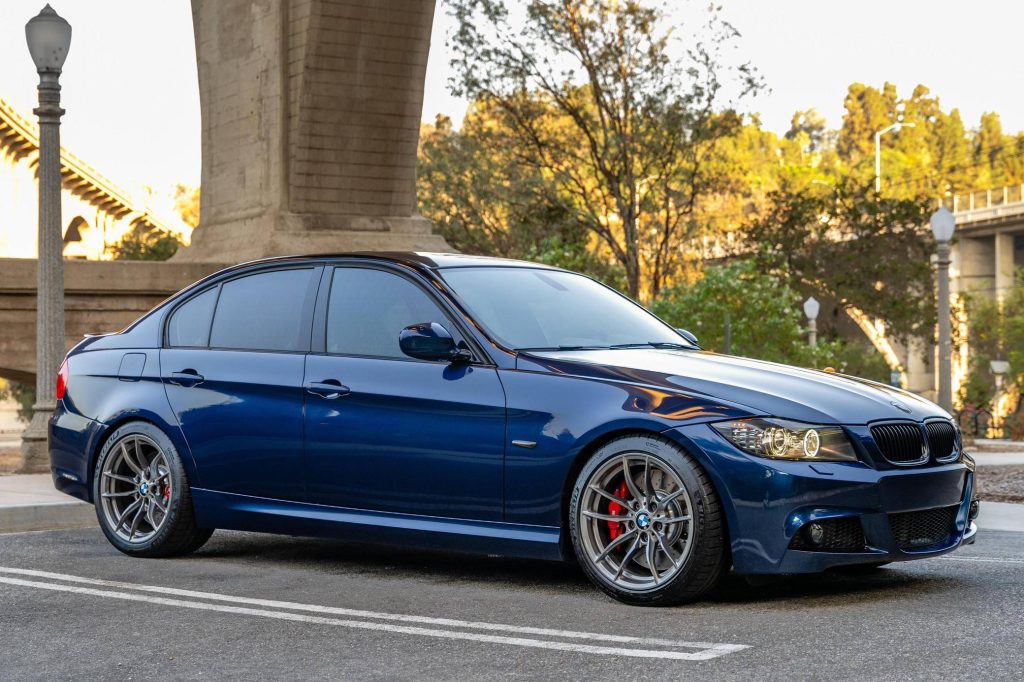
RepairPal’s data does not mean every 335 days will require 1.4 visits each year. It is an average derived from historical repair records, and individual condition, mileage, and maintenance history can produce very different ownership experiences.
6. BMW 535i xDrive
For drivers who wanted a larger BMW with all-wheel drive, the 535i xDrive combined a powerful six-cylinder engine with a sophisticated drivetrain. RepairPal records 1.4 unscheduled repair visits per year, compared with 0.4 for vehicles across its database. The model therefore sits well above the general frequency benchmark.
The financial side deserves attention too. RepairPal puts the 535i xDrive’s average annual repair cost at $1,123, compared with $976 for luxury full-size cars and $652 for all vehicle models. Its probability of a severe or major repair is 16%, higher than the 12% average across all models.
What makes the 535i particularly interesting is that its repair-frequency figure accompanies a drivetrain built around performance. A 2015 U.S.-market 535i xDrive used a 3.0-liter turbocharged inline-six, producing 302 horsepower and 295 lb-ft of torque.
It sent power through an automatic transmission to all four wheels. Edmunds lists the sedan at 193.4 inches long and 73.2 inches wide without mirrors.
That combination made the car quick and capable, but additional drivetrain components also mean more systems to maintain as the vehicle ages. Repair frequency does not identify which component caused each visit, so the statistic should not be interpreted as proof of a particular recurring failure.
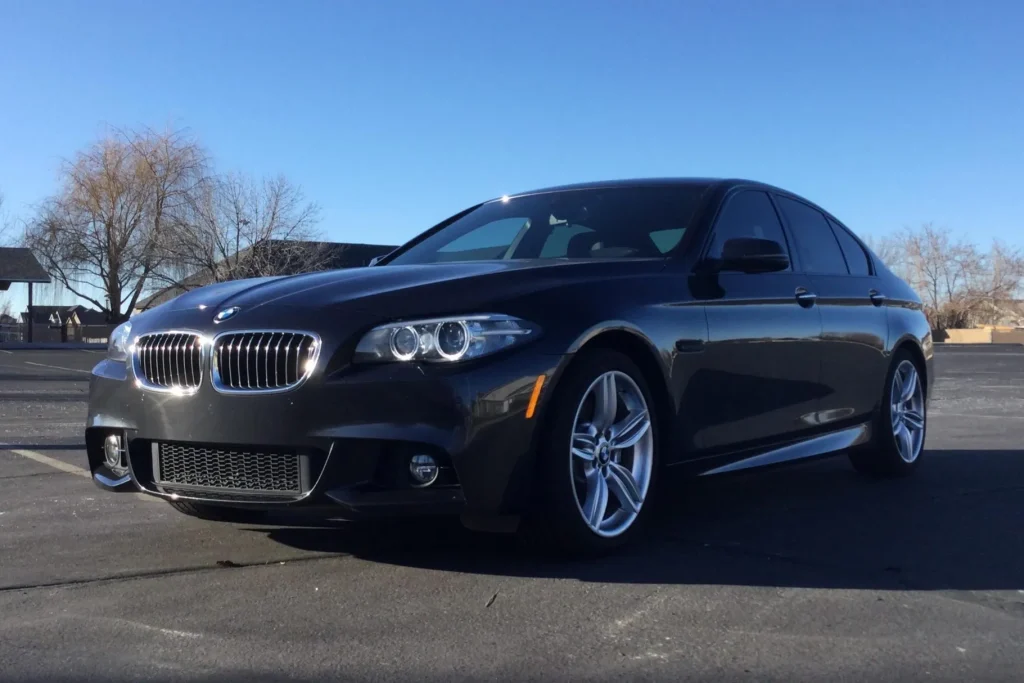
For a used 535i xDrive, documented maintenance becomes especially valuable. A well-maintained example can have a very different ownership experience from a neglected one, even when both fall under the same RepairPal historical statistics.
7. Porsche Macan
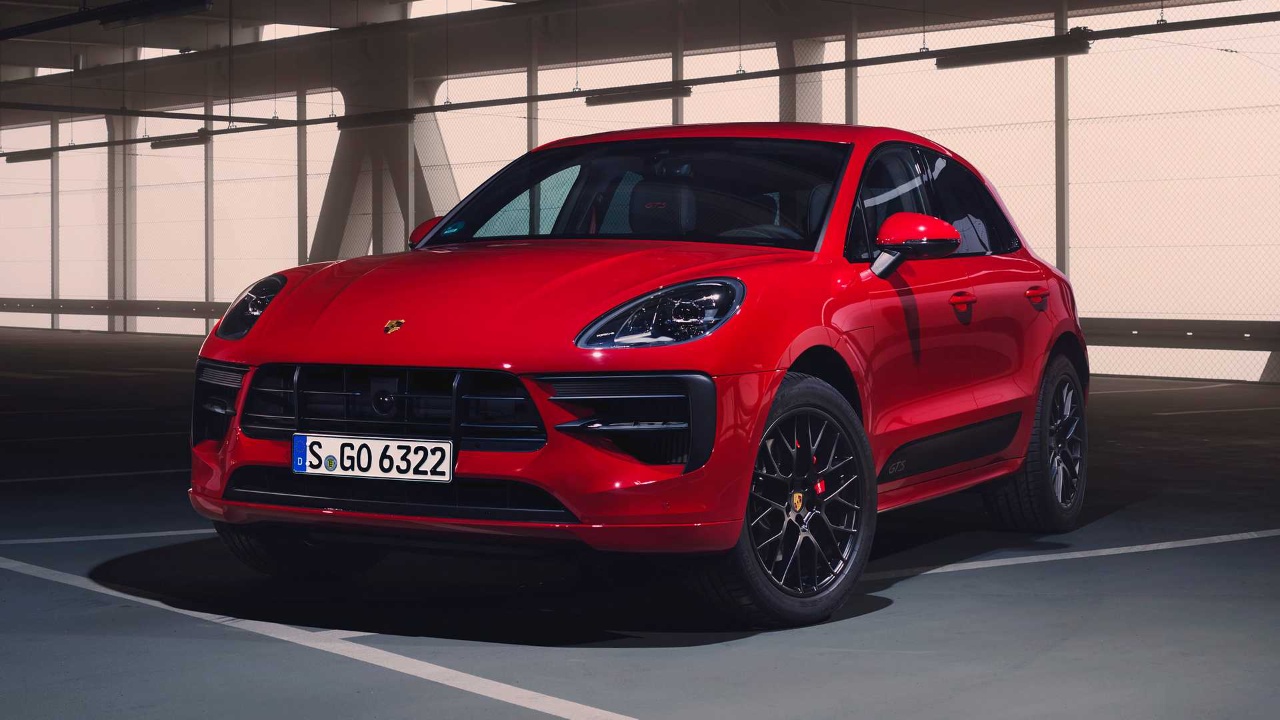
The Porsche Macan shows that high repair frequency is not limited to large luxury sedans. RepairPal reports that Macan owners bring their vehicles to a repair shop for unscheduled repairs an average of 1.3 times per year, compared with 0.4 visits for all vehicle models.
RepairPal also reports a 20% probability of a severe or major repair, compared with 12% across all vehicles.
That combination gives the Macan an interesting place in a post-warranty discussion. The frequency number measures how often the vehicle enters the shop, while severity measures the likelihood that a repair will cross RepairPal’s threshold for a major issue.
These are separate measurements, and neither one means that every Macan will require expensive repairs.
The Macan is also a performance-oriented luxury SUV rather than a simple family crossover. For 2019, the U.S. base model used a 2.0-liter turbocharged four-cylinder producing 248 horsepower and 273 lb-ft of torque.
It came with all-wheel drive and a seven-speed automated manual transmission. Edmunds lists the vehicle at 184.9 inches long and 76.2 inches wide without mirrors.
That specification matters because sophisticated drivetrains can bring more systems into the maintenance equation as mileage accumulates. A used Macan may therefore look attractive from a purchase-price perspective while requiring a larger repair reserve than a mainstream SUV.

RepairPal’s database covers millions of repair records, with frequency calculated across multiple years and routine visits such as oil changes excluded.
For someone buying a used Macan after warranty coverage, the vehicle’s service history becomes especially important because two examples with identical model badges can have very different maintenance backgrounds.
8. Mercedes-Benz GL350
The Mercedes-Benz GL350 brings another large luxury SUV into the high-frequency group. RepairPal reports 1.3 unscheduled repair visits per year, compared with 0.4 for all vehicle models and 0.7 for luxury full-size SUVs. RepairPal also puts the probability of a severe or major repair at 22%, compared with 12% across all vehicle models.
Those numbers tell two different parts of the ownership story. The 1.3 figure describes frequency, while the 22% figure concerns severity. A repair visit does not automatically mean a major mechanical failure, so buyers should not interpret the frequency number as saying that the SUV experiences a serious breakdown every year.
The GL350 was also a substantial machine. The 2015 U.S.-market GL350 BlueTEC used a 3.0-liter turbocharged diesel V6 producing 240 horsepower and a substantial 455 lb-ft of torque.
Power went through a seven-speed automatic transmission to Mercedes-Benz’s 4MATIC all-wheel-drive system. Edmunds lists the SUV at 201.6 inches long and 84.3 inches wide without mirrors.
Its size and equipment made it useful as a family hauler, while the diesel engine provided strong low-speed pulling power. The same vehicle also included complex systems such as air suspension and extensive electronic equipment, which are relevant considerations when an older luxury SUV moves beyond its factory warranty.
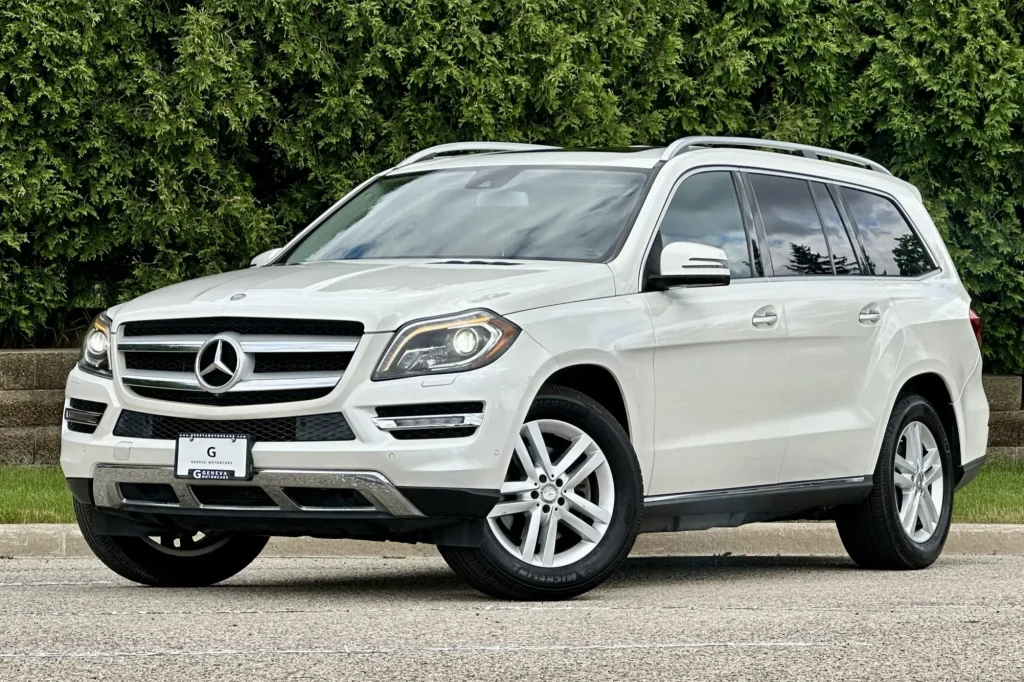
The GL350’s repair-frequency figure should therefore be viewed as a historical RepairPal measurement rather than a prediction for every individual vehicle. RepairPal calculates its frequency using millions of unique vehicles over multiple years and specifically excludes small routine visits such as oil changes.
For a used GL350, maintenance documentation, mileage, and evidence of previous repairs can be just as important as the purchase price when estimating future ownership costs.
9. INFINITI JX35
The INFINITI JX35 records 1.2 unscheduled repair visits per year in RepairPal’s current reliability database. That is three times the 0.4-visit average across all vehicle models. Interestingly, its repair frequency is higher than the average for luxury full-size SUVs, which RepairPal places at 0.7 visits annually.
The frequency number becomes more useful when separated from repair severity. RepairPal reports an 11% probability of a severe or major repair for the JX35, slightly below the 12% figure for all vehicle models.
Its average annual repair and maintenance cost is $837, compared with $652 across all vehicles. This means the JX35’s high frequency does not automatically translate into an unusually high likelihood of a major repair.
The JX35 was introduced as a three-row luxury crossover, and the 2013 model provides a useful reference point. Its naturally aspirated 3.5-liter V6 produced 265 horsepower and 248 lb-ft of torque, with a continuously variable transmission.
Front-wheel drive was standard, while all-wheel drive was available. Edmunds lists the vehicle at 196.4 inches long and 77.2 inches wide without mirrors.
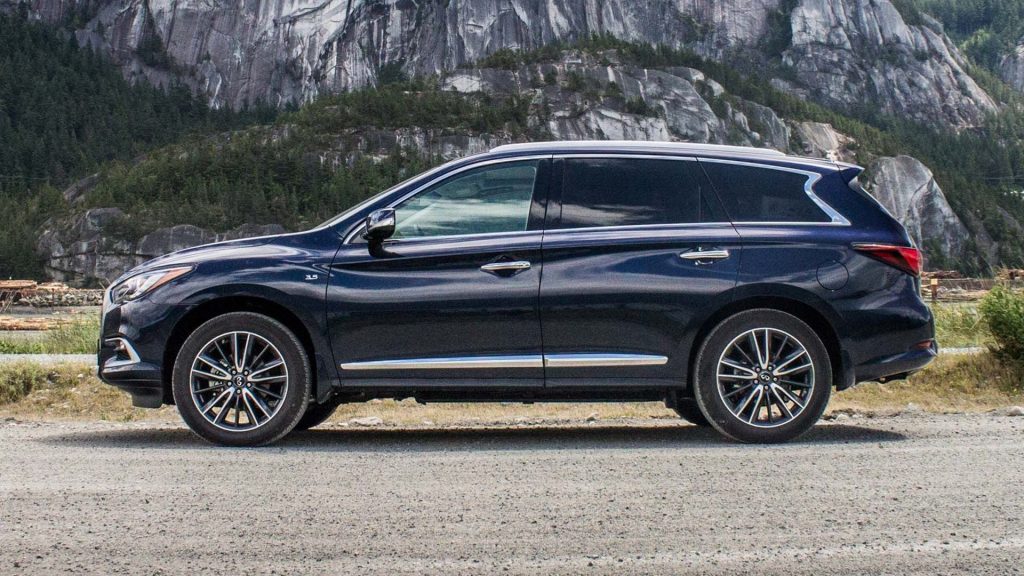
That configuration gave the JX35 enough power for a large seven-seat crossover, but it also came with the additional systems expected from a luxury vehicle of its period. Buyers looking at an older example therefore need to consider more than the engine itself.
RepairPal’s figure is based on historical repair records rather than a prediction for a particular JX35. Mileage, maintenance history, and previous repairs can significantly change the experience of an individual vehicle.
For buyers considering a vehicle after the factory warranty has expired, the frequency data offers a useful reminder. It may require more unplanned trips to the repair shop than an average vehicle, so setting aside extra money for maintenance and having the specific vehicle thoroughly inspected before buying can help avoid surprises.
10. Audi Q5
The Audi Q5 completes this list with a RepairPal repair-frequency figure of 1.2 unscheduled visits per year. That is substantially higher than the 0.4 annual visits reported across all vehicle models. RepairPal also reports a 9% probability of a severe or major repair, which is below its 12% figure for all vehicles.
That combination makes the Q5 a useful example of why repair frequency should not be confused with major-failure frequency. The vehicle can require unscheduled attention more often than the typical car while having a lower-than-average probability of a repair meeting RepairPal’s severe threshold.
RepairPal reports an average annual repair and maintenance cost of $928, compared with $652 across all vehicle models. The Q5 also offered several powertrains in the U.S. market, so the specification varies by trim and model year.
A representative 2015 Q5 2.0T quattro used a 2.0-liter turbocharged four-cylinder producing 220 horsepower and 258 lb-ft of torque, paired with an eight-speed automatic transmission and all-wheel drive. Edmunds lists its length at 182.6 inches and width at 74.7 inches without mirrors.
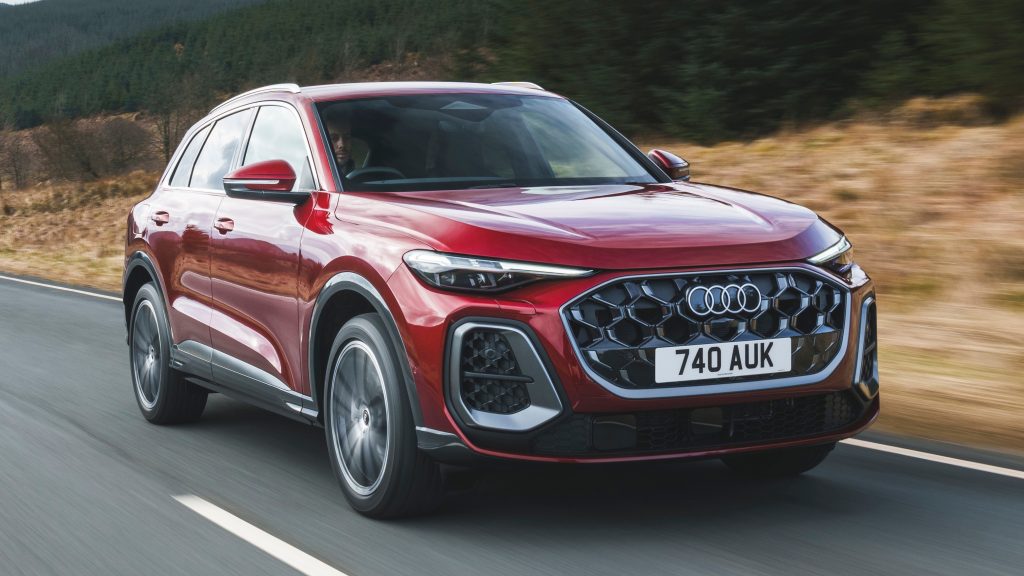
The Q5’s compact dimensions made it easier to live with than larger luxury SUVs, while its quattro system and turbocharged engine gave it the performance expected from a premium crossover. Those characteristics helped make the model popular in the U.S. used market.
For a post-warranty buyer, however, the RepairPal frequency figure deserves attention. A vehicle that visits a shop more often can generate inconvenience even when individual repairs are not classified as severe. A thorough inspection and documented service history can reveal whether a particular Q5 has been maintained properly.