
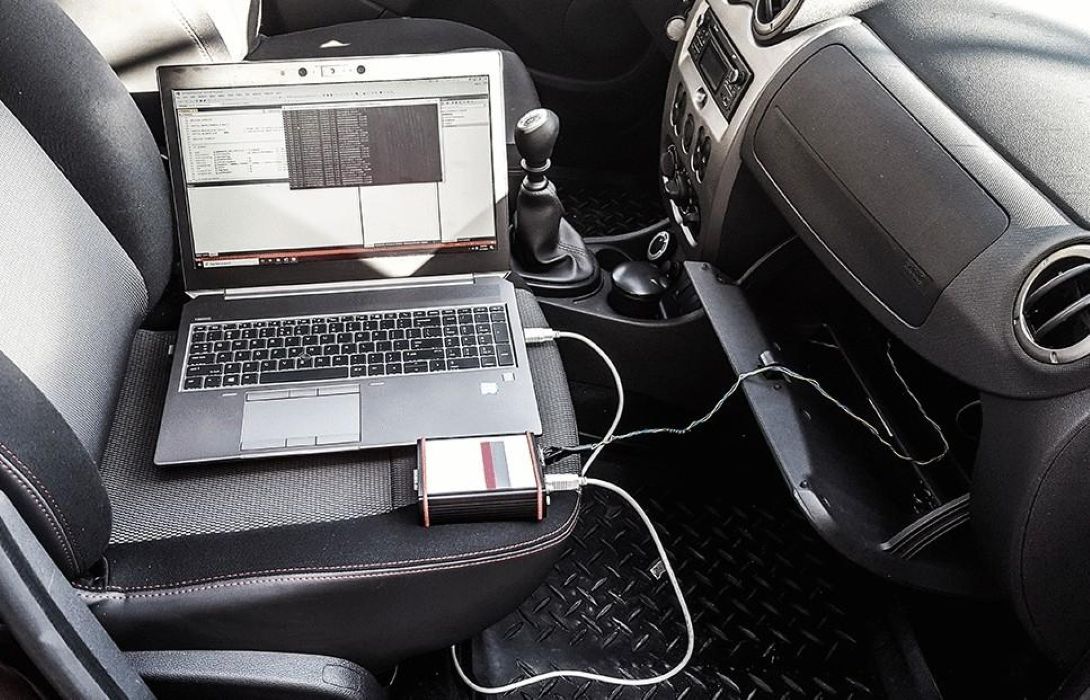
Cars are now computers on wheels. They run Linux, talk to chargers, and plug into your phone. In January, some of the world’s best hackers met in Tokyo to test how safe that really is.
Over three days, researchers earned $1,047,000 for exploiting 76 zero-day vulnerabilities. The targets were fully patched infotainment systems, EV chargers, and car operating systems such as Automotive Grade Linux.
One clarification helps here. The often-quoted number 37 was the day-one total across every target, not a Tesla-only count. Tesla was hacked once, through a USB attack. The rest of the story is wider than one brand.
Chargers and head units took most of the hits. That matters because they sit between your car, your home network, and the power grid. Each flaw below comes from the contest results.
I explain what broke, why it matters, and what it says about the industry. Vendors have 90 days to ship fixes before the Zero Day Initiative discloses the bugs publicly. So the patch clock is running.
1. The Tesla USB Root Exploit
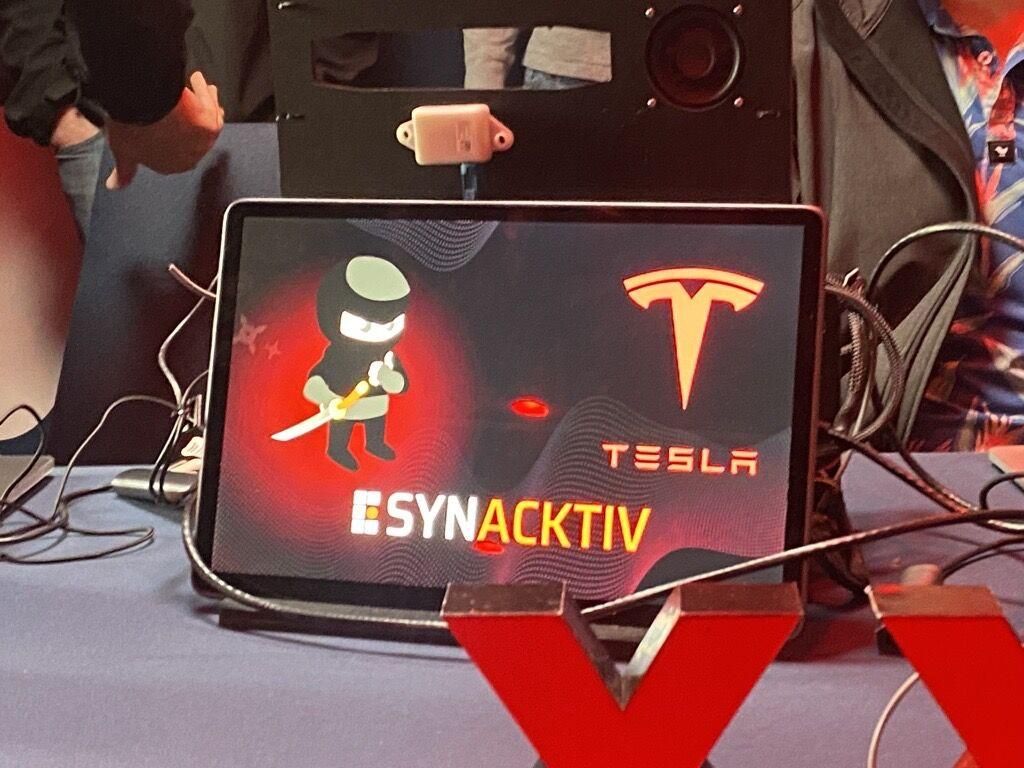
Synacktiv chained an information leak with an out-of-bounds write to fully compromise Tesla’s infotainment system through a USB-based attack. It earned $35,000. The chain gave them root permissions.
Two bugs were needed because modern systems defend themselves. Memory layout is randomized, so an attacker cannot guess where code lives. The leak defeats that guess.
The out-of-bounds write then corrupts memory in a controlled way. Together they turn a crash into full control. That is a typical pattern for serious exploits.
SecurityWeek summed it up as a full hack achieved just by plugging in a USB stick. That sounds scary, but the attacker needs physical access to the cabin. Think of valets, car-share fleets, rentals, and repair shops.
Even so, root on the infotainment unit is a strong foothold. It holds contacts, navigation history, and connected accounts. It also connects to other systems inside the car.
Nothing in the public results shows the attackers reaching driving controls. Claiming that would be overreach. But defenders should not relax because the target was “only” the screen. Tesla was also hacked twice at the first automotive contest in 2024. Two years on, researchers are still finding a way in.
The $35,000 payout was modest next to some charger awards. That gap hints at how much value the industry places on physical-access attacks. It also shows how much attention chargers now attract.
2. The One-Bug Charger Takeover
The biggest single payout of the event went to a single bug. Fuzzware.io earned $60,000 and six points by exploiting one out-of-bounds write in the Alpitronic HYC50 charger.
The attack hit the charger’s Field Mode and counted as a full win. Field Mode is how the charger behaves when it is deployed. That makes this a bug in the real product, not a lab curiosity.
Most other big awards came from chains of two or three flaws. A lone bug delivering total control is rare. It suggests the code path was reachable and poorly guarded.
An out-of-bounds write means the software writes data past the end of a memory buffer. An attacker who controls that data can overwrite something important. The result is often code execution.

Commercial chargers make attractive targets. They sit in public places, run unattended, and connect to networks. They may also stay in service for many years.
Patching them is slower than patching a phone. Someone has to build the update, test it, and roll it out to hardware in the field. Each step adds delay. Fuzzware.io went on to win Master of Pwn with 28 points and $215,500. The HYC50 hit was their strongest single result.
The lesson is simple. Memory-safety bugs still live in critical infrastructure code. Safer languages and stricter input handling would remove many of them.
3. The “Dangerous Method” Left Exposed
Some flaws are not clever at all. Hank Chen of InnoEdge Labs succeeded by using an exposed and dangerous method inside the HYC50’s Lab Mode interface.
Another team, Xilokar, also broke the same charger in Lab Mode with a single vulnerability. Both teams were new to automotive targets. Newcomers succeeding says something about how accessible these bugs are.
An exposed dangerous method is a powerful function that anyone can call. Developers often build such functions for testing. Then they forget to lock them down before shipping. Lab Mode sounds like exactly that kind of feature. It is meant for engineers. It should never be a door for outsiders.
This flaw class showed up more than once. On day one, Compass Security used an exposed, dangerous method against the Alpine iLX-F511 head unit and earned $10,000. The same mistake appeared in a charger and in a car stereo.
That pattern points to a process problem rather than a coding slip. Debug and test features need a formal review before release. Otherwise, they slip into production.
The fix is also process-driven. Remove test interfaces from shipping builds. Require authentication for anything powerful. Audit every exposed function.
For buyers, there is little to do except update quickly. Ask charging network operators how fast they patch. Their answer tells you a lot. This category is cheap for attackers and cheap for vendors to prevent. That imbalance is why it keeps appearing.
4. The Race Condition That Ran Doom
This was the crowd favorite. Aapo Oksman, Elias Ikkelä-Koski, and Mikael Kantola of Juurin Oy exploited a time-of-check to time-of-use bug in the Alpitronic HYC50. They installed a playable Doom on it and earned $20,000.
Doom is a joke, but the joke proves control. If you can run a game on a charger’s screen, you can run other code too. The screen is just where the proof shows up.
A time-of-check to time-of-use bug is a timing flaw. The system checks whether something is safe. Then it acts a moment later. In between, an attacker swaps the safe thing for a dangerous one.
Think of a guard who checks your badge, looks away, and lets someone else walk through. The check was real. The gap was the problem. These bugs are hard to find. Static scanners often miss them. They depend on timing rather than obvious bad code.
Race conditions appeared elsewhere too. PetoWorks chained a denial-of-service bug, a race condition, and command injection against a Phoenix Contact charging controller. Qrious Secure also used a race condition against the Kenwood receiver.
Timing flaws will matter more as vehicles add concurrent services. Charging, payments, updates, and diagnostics all run at once. Each shared resource is a possible race.
The defense is careful design. Use atomic operations. Avoid separating a check from its action. Test under concurrent load. The Doom stunt made headlines. The underlying lesson is more serious. Even well-built devices can have flaws that appear only under precise timing.
5. Hardcoded Credentials and Unverified Code
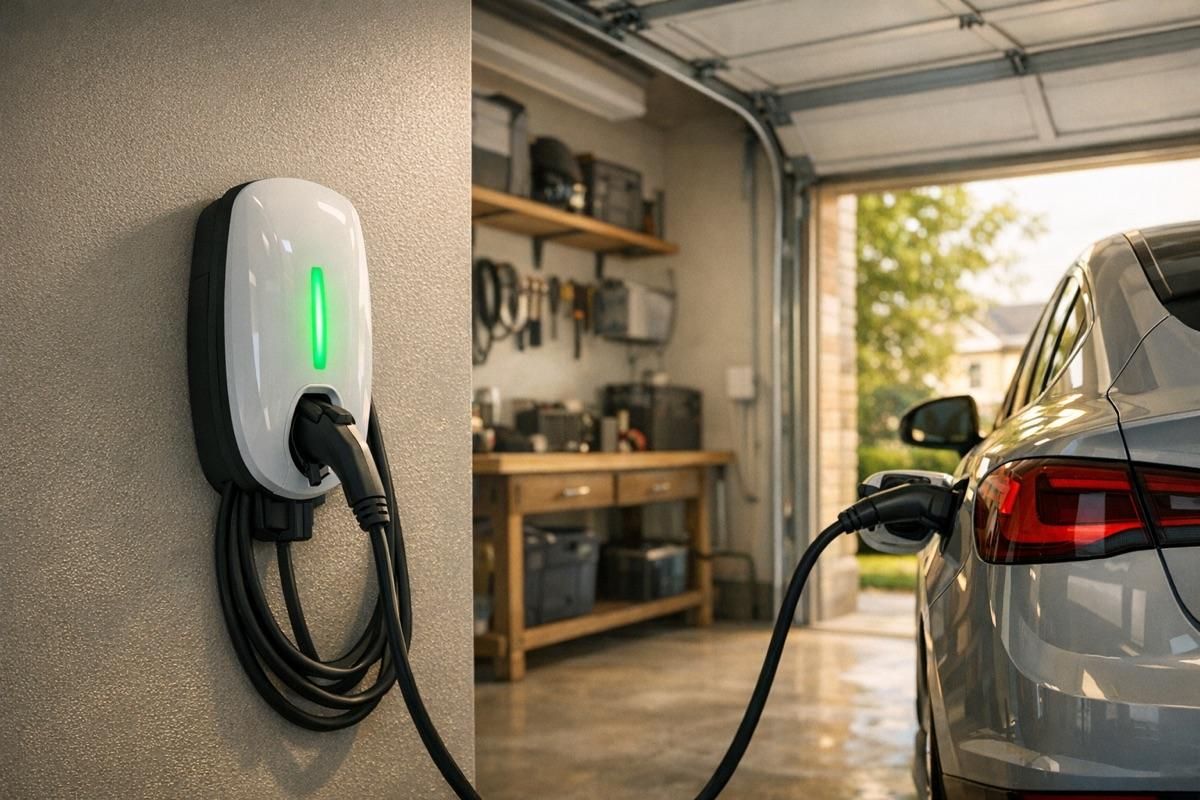
The Grizzl-E Smart 40A, a home-style EV charger, fell to a textbook pair of weaknesses. A team from SKShieldus used a hardcoded credential to reach code execution through a code-integrity flaw. It earned $40,000.
A hardcoded credential is a password baked into the firmware. Every unit ships with the same one. Once someone extracts it, they hold a key to every charger.
The second weakness is CWE-494, which means downloading code without checking its integrity. The device accepts code without proving where it came from. An attacker can then slip in their own.
Compass Security showed a variant on the same charger. They chained an authentication bypass to remote code execution through the same integrity flaw and earned $25,000, though part of it collided with another entry.
Collisions are telling. A collision means another researcher found the same bug. Repeated overlaps suggest these flaws sit near the surface. On day three, PetoWorks also used a buffer overflow against the Grizzl-E and earned $10,000. The device was hit by several different bug types across the event.
A charger in a garage sits on home Wi-Fi. If someone controls it, they may reach other devices on that network. That is a broader risk than a dead charger.
The fixes are well known. Use unique per-device credentials. Sign firmware and verify signatures before installing. Require authentication for every sensitive action. None of this is exotic. These are basic secure-design steps. Their absence is the story.
6. The Autel MaxiCharger Signal and Signature Chain
Autel’s MaxiCharger showed how attackers can go after the link between charger and car. Fuzzware.io chained two flaws, a missing-authentication bug and a signature-verification bug, to gain code execution and manipulate the charging signal. It earned $50,000.
Missing authentication means a critical function needs no login at all. The signature bug means the device fails to verify that code or data is genuinely trusted. Together, they let an attacker run their own code.
The signal manipulation part matters. Chargers and cars communicate over the cable itself. Changing that signal can influence how the car behaves during charging.
Researchers rarely reach that layer. It sits beyond the usual web and network attack surface. This contest included a special add-on category for it.
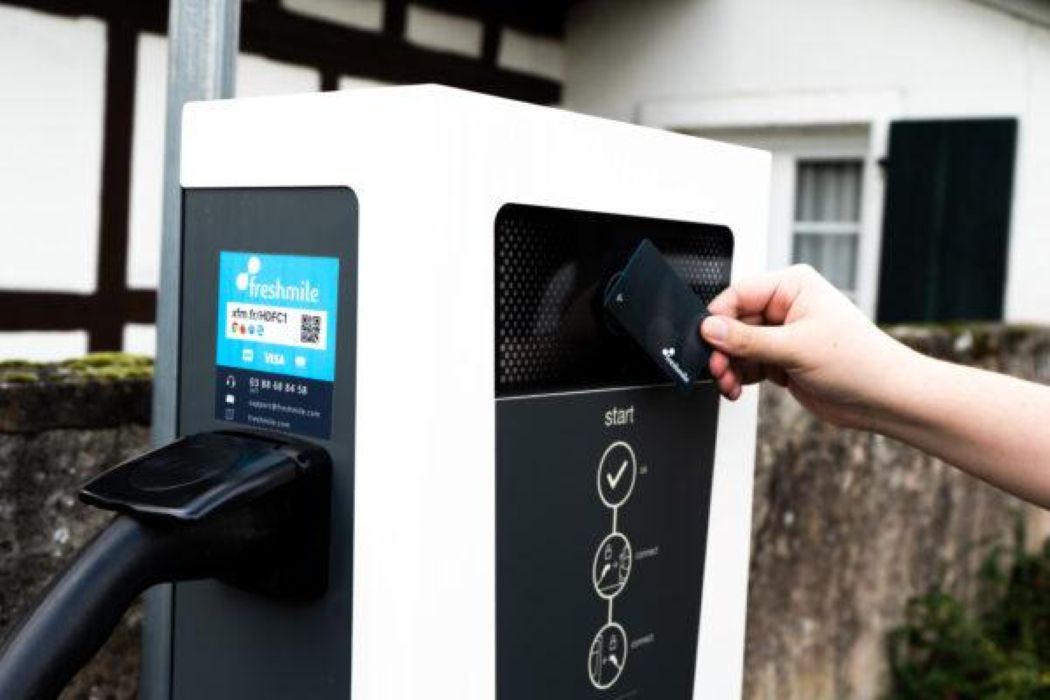
On day two, Synacktiv surprised observers by tapping an NFC card to exploit the Autel charger. They used a stack-based buffer overflow and earned $30,000.
The NFC angle is a reminder that convenience features add attack surface. Every card reader, app link, and network port is another entrance. Attackers only need one.
On day three, Ryo Kato chained three bugs against the same Autel model. One collided with another entry, and he still earned $16,750. So the Autel charger fell in several ways.
That spread points to weakness across the design, not one bad line of code. Vendors should treat the car-to-charger link as untrusted input. Assume the other side may be malicious. Validate everything, in both directions.
7. The Phoenix Contact Charging Controller Chains
The Phoenix Contact CHARX SEC-3150 is a charging controller. It manages charging hardware rather than being a consumer gadget. It was a favorite target for multi-bug chains.
PetoWorks won round one with a three-bug chain that earned $50,000. Team Zeroshi then exploited five bugs against the same device for $20,000 in round two.
FuzzingLabs’ Julien Cohen-Scali chained an authentication bypass with privilege escalation to achieve remote code execution. That combination is worrying. It means a remote attacker could go from no access to full control.
Fuzzware.io exploited three vulnerabilities using two add-on techniques against the same controller and collected seven points. Multiple independent teams broke it in different ways.
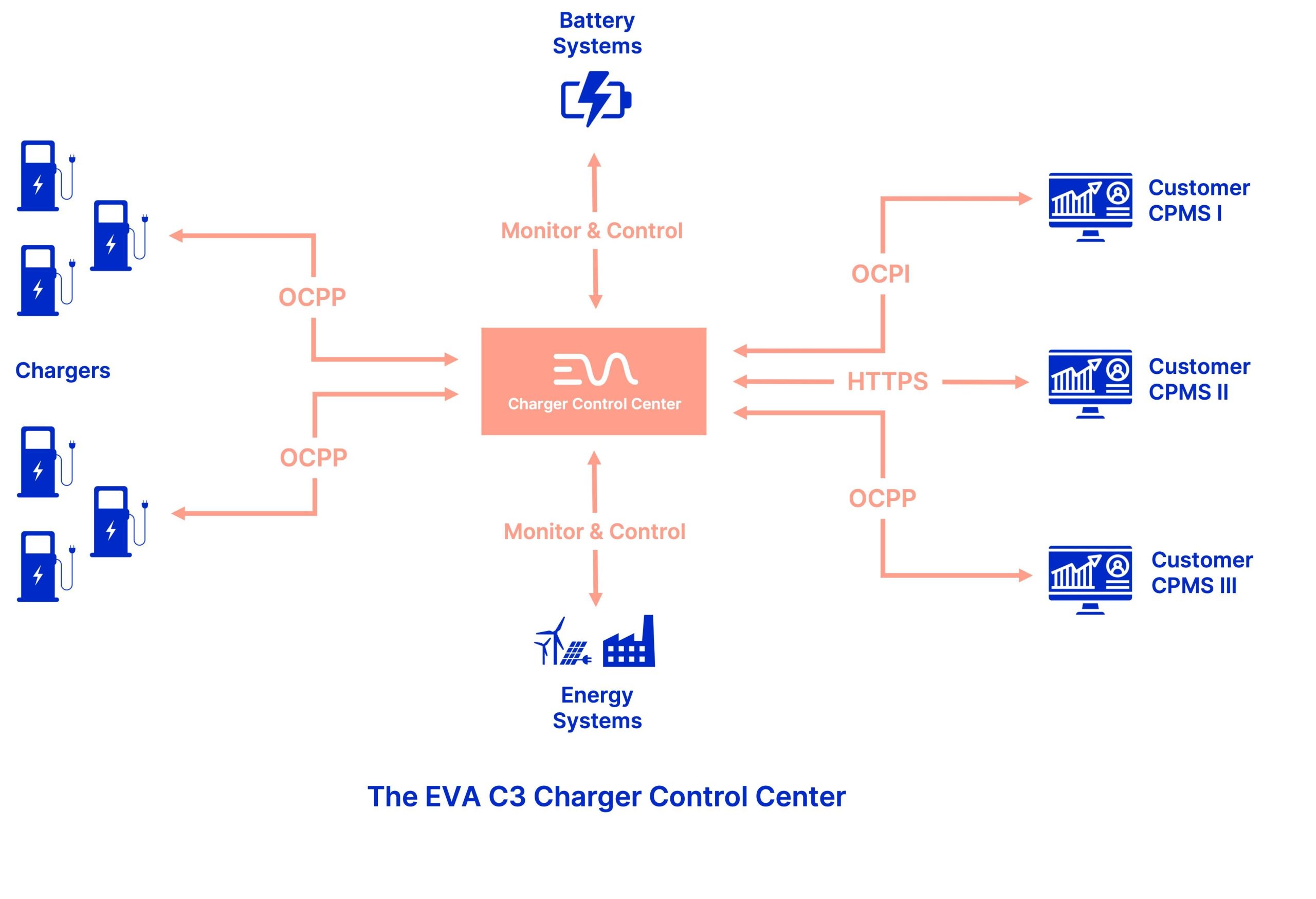
This is not the product line’s first appearance. VicOne previously analyzed two vulnerabilities found in the CHARX SEC-3100 at the 2024 contest. A sibling model was hit again two years later.
That history matters. Fixing individual bugs is not enough if architecture stays the same. New models can inherit old design weaknesses.
Charging controllers often sit at depots and public sites. A compromise there could disrupt many charging points at once. The impact is larger than a single home unit.
Operators should segment these devices on their networks. Limit what they can reach. Monitor them like any other critical system. The takeaway is uncomfortable. Repeated success against one product family suggests deeper design issues. Point fixes will not close them.
8. Command Injection on the ChargePoint Home Flex
ChargePoint is a major name in home charging. Its Home Flex unit was hit by a classic web-style flaw. Team DDOS exploited two bugs, including a command injection, and earned $40,000 even though their extra add-on attempt failed.
Command injection happens when a device passes untrusted text to the operating system. The attacker hides commands inside that text. The system then runs them as if they were legitimate. It is one of the oldest bug types in software. Developers know how to prevent it. Yet it still appears in shipping products.
Sina Kheirkhah of Summoning Team exploited two bugs against the Home Flex on day two, using the signal manipulation add-on. He earned $30,000. Fuzzware.io also used a command injection against the same charger.
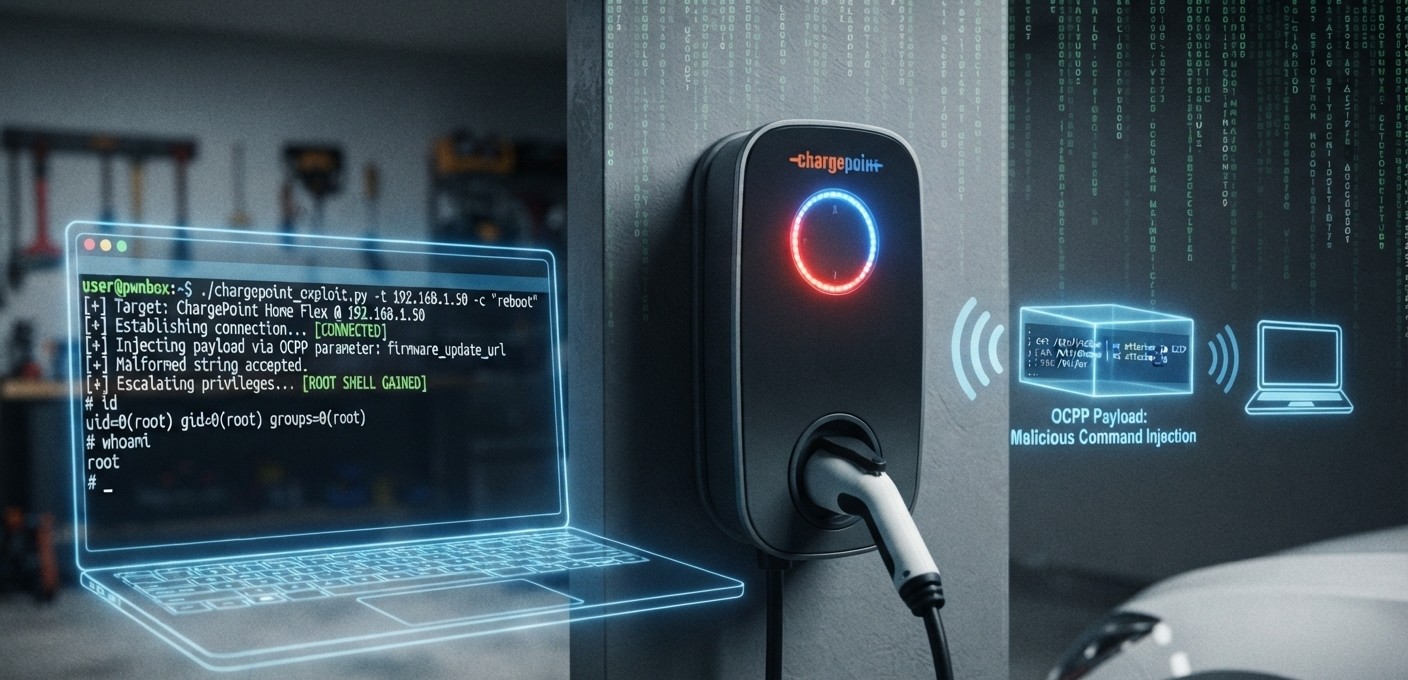
Three separate efforts converged on one weakness type. That is a strong signal about input handling in this product. Team DDOS earned $72,500 on day one for hacking chargers from ChargePoint, Autel, and Grizzl-E. One duo broke three different brands in a single day. That suggests shared industry habits, not one vendor’s mistake.
Home chargers are trusted devices. People mount them on a garage wall and forget them. They rarely check for updates. That neglect is the real risk. A vulnerable device that never gets patched stays vulnerable.
Owners should enable automatic updates where offered. Vendors can help by making updates painless. They should also validate all input rigorously. Old bugs need old-fashioned discipline.
9. The Automotive Grade Linux Memory Chain
Not every target was a charger. Automotive Grade Linux is an open-source platform used across the car industry. Rob Blakely of Technical Debt Collectors chained an out-of-bounds read, memory exhaustion, and a heap overflow against it, earning $40,000.
The chain has an unusual ingredient. Memory exhaustion is usually seen as a nuisance, not an attack step. Here it was part of the recipe. Attackers sometimes use resource pressure to push a system into a predictable state. That can make later memory corruption more reliable.
I am inferring the tactic, since the public write-up gives only the bug types. The out-of-bounds read likely revealed information. The heap overflow then delivered control. That fits the same leak-then-corrupt pattern seen in the Tesla attack.
Analysts noted that the exploit shows how important it is to defend open-source automotive platforms used across the industry. That point deserves emphasis. One flaw in shared code can reach many manufacturers.
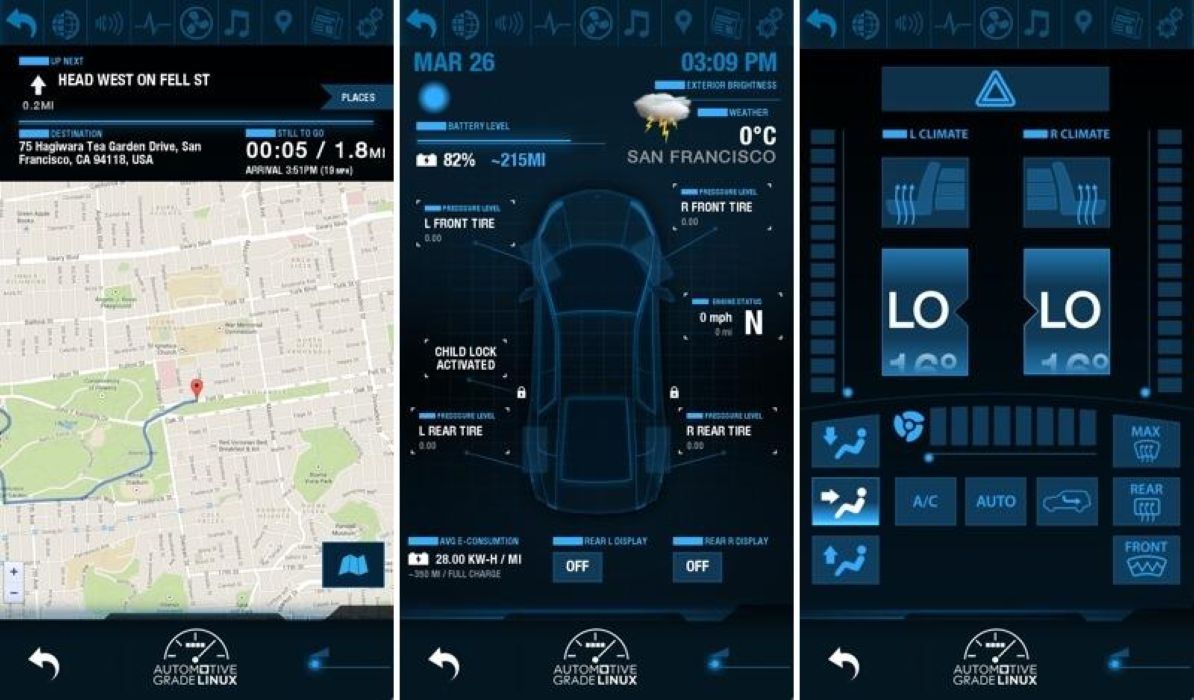
Open source is not the problem. Its openness lets many eyes review it. But shared code also means shared exposure. When a bug lands in a common component, fixes must travel down a long supply chain. Each carmaker integrates the platform differently. Each must test and release its own update.
That process can take months. Meanwhile, the flaw stays open in vehicles already on the road. Public disclosure after 90 days adds pressure.
Automakers should track the components inside their software. A software bill of materials helps. It shows what to patch when a shared library breaks. This flaw shows why supply-chain visibility matters. You cannot fix what you cannot find.
10. Memory and Permission Bugs in Aftermarket Head Units
The last flaw is really a family. Head units from Alpine, Sony, and Kenwood fell again and again. These are aftermarket infotainment receivers that owners install in existing cars.
Neodyme used a stack-based buffer overflow to get a root shell on the Alpine iLX-F511 and earned $20,000. On day three, Team DDOS used another stack overflow against the same unit.
Viettel Cyber Security exploited a heap overflow to get code execution on the Sony XAV-9500ES. Synacktiv separately chained three bugs to get root on the same Sony receiver.
Kenwood exposed a different weakness involving file permissions. FPT NightWolf combined a known hardcoded credential with two zero-day vulnerabilities involving incorrect default permissions and improper handling of symbolic links.
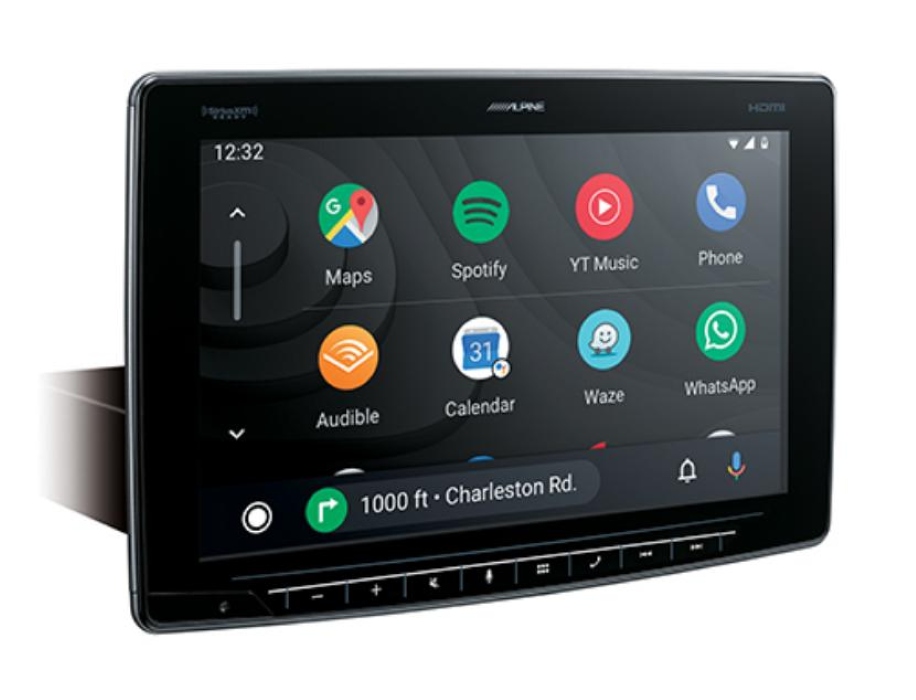
Qrious Secure found incorrect permission assignment and a race condition. Juurin Oy found a link-following flaw. Several teams struck the same area with different tricks.
Notice the n-day detail. An n-day is a bug already known publicly. Fuzzware.io used an n-day command injection against Kenwood on day one. Known flaws were still exploitable.
That is worse than a fresh zero-day in one way. Somebody already found and disclosed it. The fix simply had not reached the product. Aftermarket head units matter because owners choose them. They may install one and never update it. The car itself might be secure, and the add-on becomes the weak point.
These are ordinary bug classes. Buffer overflows and permission errors are decades old. Seeing them in modern cars shows how slowly old lessons spread. Owners can reduce risk. Buy from vendors that publish updates. Apply them promptly. Avoid plugging unknown USB devices into the unit.
