
America just logged its lowest car theft total in decades. The National Insurance Crime Bureau (NICB) counted 659,880 vehicles stolen in 2025, a 23% drop from 2024. That followed a 17% fall in 2024, which had been the biggest decline in 40 years.
The 2023 peak was 1,020,729 thefts. Today, about 360,000 fewer vehicles are stolen each year. That is roughly 990 fewer thefts every day. Here is the surprise. The cars thieves grab are not luxury cars. The most stolen vehicle of 2025 was the Hyundai Elantra, with 21,732 thefts. A new one starts around $23,000. The Accord, Civic, Camry, and Altima fill out the list. These are ordinary family cars.
So what changed? No single fix did the job. Software patches, factory immobilizers, lawsuits, state task forces, plate-reading cameras, and smarter owners all pulled the same way. Each reason below comes with hard numbers and real prices. Still, one vehicle is stolen every 48 seconds. The win is real, but it is not finished.
1. A Free Software Patch Shut the Biggest Loophole
The theft wave had a clear starting point. Around 2022, videos on TikTok and YouTube showed how to start certain Hyundais and Kias with a USB cable. These cars had no engine immobilizer. That made them the easiest targets in America.
The damage was huge. Theft claim frequency for 2003–23 Hyundai and Kia models in late 2023 was more than eleven times the early-2020 level. Insurers and city police were overwhelmed.
Then the fix arrived. A free software upgrade launched in February 2023 for almost 4 million Hyundai and 4.5 million Kia vehicles. The patch lets the car start only with the owner’s key or an identical duplicate.
The data shows it worked. Upgraded vehicles had theft claim frequencies 53% lower than vehicles without the update. For whole-vehicle theft alone, the drop was 64%. By mid-July 2024, the automakers said about 60% of eligible vehicles had the upgrade. Every patched car was one less easy target.
Now look at the Elantra. It was stolen 48,445 times in 2023. That fell to 31,712 in 2024. It fell again to 21,732 in 2025. That is a 55% collapse in two years.
The brand-wide picture is just as strong. Hyundai and Kia made up 21% of all thefts in 2023, 16% in 2024, and 14% in 2025. Apply those shares to the national totals, and the result is striking. Roughly 214,000 thefts in 2023 became about 92,000 in 2025. That drop of around 122,000 equals about one-third of the entire national decline.
Price is the twist. A new 2026 Elantra starts at about $23,870, with a fair purchase price near $23,400. That is an ordinary compact sedan. Thieves did not want a status symbol. They wanted a car that started with almost no effort. Once the patch removed that ease, the payoff vanished.
The fix still has gaps. The software arms only when the owner locks the car with the key fob. Drivers who lock with the door-handle button stay exposed. Some trims without alarms cannot get the patch at all.
That is why the Elantra still ranks first. The Sonata ranks third and the Kia Optima sixth. But the direction is unmistakable. The biggest driver of the surge was defused by a free download.
2. Factory Immobilizers Became Standard
Software fixed old cars. Hardware is fixing new ones. An immobilizer is a chip that blocks the engine without the correct key. Hyundai and Kia were late to adopt them. Only 17% of 2011 Hyundai and Kia models had immobilizers as standard, compared with 92% for other brands. By model year 2022, the share reached 84%, versus 96% elsewhere. By 2023, every model had one as standard.
That matters because the pool of easy targets is shrinking. The two brands sold about 9 million vehicles since 2011 that lacked immobilizers. Every year, some of those cars are totaled, scrapped, or exported. New buyers replace them with locked-down electronics.
The model data confirms the shift. The Kia Optima fell from 30,204 thefts in 2023 to 17,493 in 2024. It dropped to 11,521 in 2025. The Kia Soul fell from 21,001 to 13,562 in one year. The Kia Forte and Sportage left the top ten in 2024, replaced by the Camry and Charger. The Sonata went from 42,813 in 2023 to 17,687 in 2025.
Age is the hidden theme. In 2022, thieves most often targeted the 2017 Elantra and the 2004 Silverado. These are old cars, not showroom models. A new Elantra costs about $23,870, and an older one is worth far less. The Hyundai-Kia settlement capped total-loss payments at $6,125. That figure hints at the modest value of the cars being taken.
Now compare cars stolen for a different reason. The Accord has made the top ten every year since 2016, partly because its parts resell easily. It saw 3,098 fewer thefts in 2025 than in 2023. That is only about a 15% decline, against 55% for the Elantra. The Silverado 1500 fell from 23,721 in 2023 to 16,764 in 2025, about 29%.
The pattern is useful. Where a design flaw caused the thefts, they collapsed. Where parts demand drives theft, declines are slower. The Accord starts at $29,590. The Silverado 1500 starts at $39,695. Neither is cheap, and both stay attractive to organized rings.
Every model above still trended down. Better hardware is now the showroom default. Time works against thieves, because the old, unprotected fleet gets smaller each year.
3. Lawsuits and Settlements Forced Faster Action
Legal pressure pushed carmakers to act faster than a normal recall would. It also put money and hardware in owners’ hands. The pressure started in cities. Milwaukee’s case led the way, and more than 60 lawsuits followed across the country.
California’s attorney general joined 16 other states in urging a federal recall. The stakes were serious. Regulators tied the viral videos to at least 14 crashes and eight deaths.
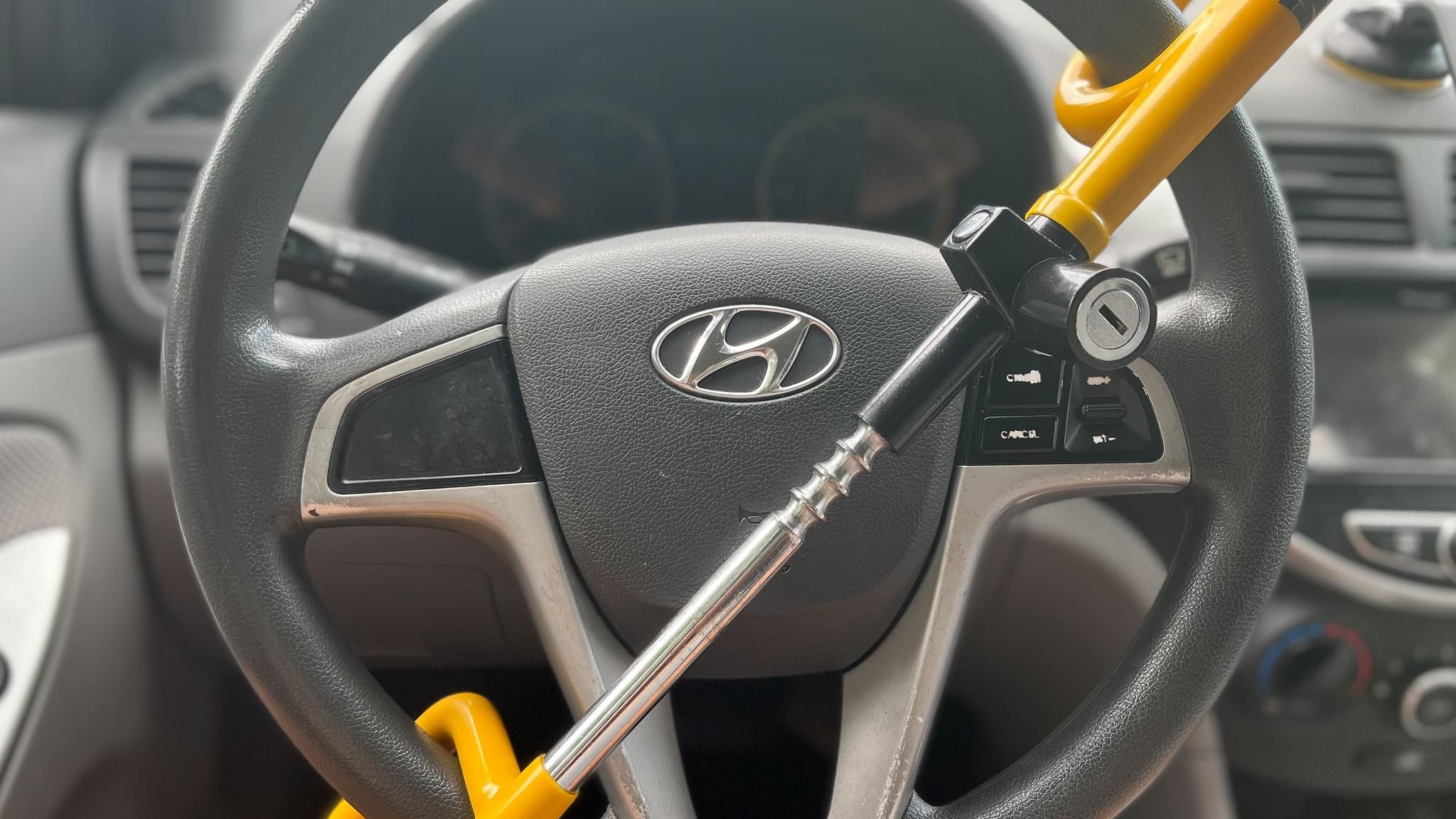
Steering wheel locks came first. By May 2023, Hyundai said it had distributed over 65,000 of them. Milwaukee’s free lock program began in July 2021. Analysis of national crime data found a 33% drop in Hyundai and Kia thefts in the Milwaukee area from 2021 to 2022.
Then came the big settlement. In 2023, Hyundai and Kia agreed to a class-action deal worth $200 million, covering about 9 million owners. Up to $145 million was set aside for out-of-pocket losses.
The payouts were specific. Owners could claim up to $6,125 for a totaled car and up to $3,375 for damage to the vehicle and belongings. Owners who could not get the patch could claim up to $300 for locks or alarms.
Divide the headline figure by 9 million vehicles, and it works out to about $22 per car. That is small next to a $23,870 Elantra. It shows how cheap prevention was compared with the cost of theft.
The pressure did not stop there. In December 2025, Illinois announced a settlement requiring immobilizers on all future Hyundai and Kia vehicles sold in the U.S. It also offers free zinc-reinforced ignition cylinder protectors, plus $4.5 million in restitution and $4.5 million for the states’ costs.
Chicago’s numbers explain the urgency. The city saw over 7,000 Hyundai and Kia thefts in 2022, equal to 10% of registered Kias and 7% of registered Hyundais. Losses that large make inaction expensive.
One aftermarket security kit cost $170 plus installation. Compare that with a $6,125 total-loss payout. The math pushed everyone toward prevention.
Lawsuits did not stop a single thief directly. They forced free patches, free locks, and hardware changes. Those tools then did the real work on the street.
4. State Auto Theft Authorities and Tougher Laws
State policy played an important role. In 2025, four of the five states that recorded the largest declines in vehicle thefts had an Auto Theft Prevention Authority. These states included California, Texas, Washington, and Colorado. These agencies support task forces, prosecutors, and public awareness campaigns aimed at reducing auto theft.
The scoreboard is clear. Washington fell 39%, Colorado 35%, and Puerto Rico 34%. South Dakota fell 32%, Tennessee and New Mexico 31%, North Dakota 30%, Florida 29%, Georgia 28%, and Arizona 27%. NICB itself said the decline follows policy and enforcement changes in several states.
Colorado is a strong case study. Thefts fell from 32,976 in 2023 to 24,575 in 2024. The state credited steering wheel locks, GPS tracking, the Denver Track program, and Senate Bill 23-097. That law links penalties to the value of the vehicles stolen.
The trend accelerated. The governor set a 35% reduction goal for July 2025 to June 2026, and preliminary data through February 2026 showed a 39% decrease. Near the airport, thefts within 2.5 miles of Denver International fell from 713 in 2023 to 94 in 2025. That is an 87% drop.
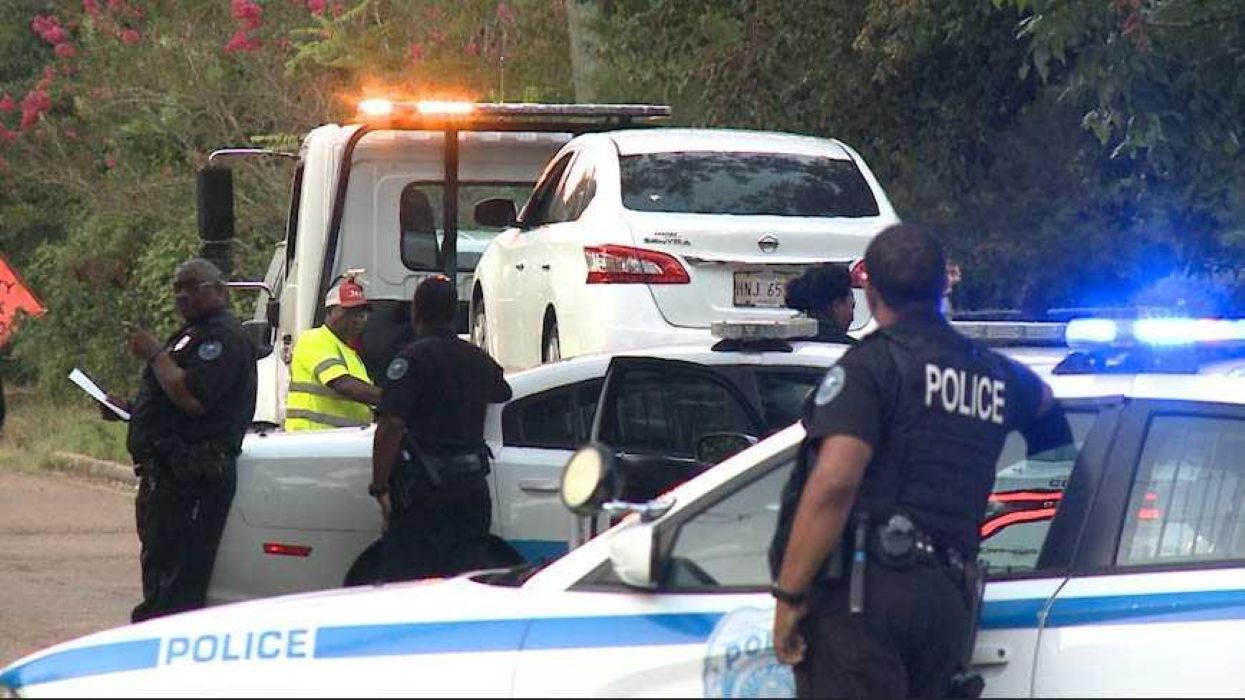
Washington shows the money side. The Puget Sound task force reported 352 stolen vehicles and 333 recoveries worth $7,331,123. That works out to about $22,000 per recovered vehicle. It is close to the price of a new Elantra. The state’s report also said Kia thefts kept trending down under a coordinated prevention approach.
Why does this help? Funding gives police time, tools, and prosecutors who take auto theft seriously. Penalties tied to value make repeat offending riskier. Public campaigns remind drivers to lock up.
Success is uneven, though. California still leads the nation with 136,988 thefts in 2025. That is over 20% of the national total. Even a state with a large drop can stay the volume leader.
NICB’s own message points the same way. It wants continued funding for law enforcement, sustained support for auto theft prevention authorities, stronger penalties, and modernized laws for high-tech thefts. Money and law worked together in the states that improved most.
5. License Plate Readers Made Stolen Cars Easier to Find
Cameras that read license plates changed how quickly police find stolen cars. They also change how risky theft feels. Eugene, Oregon offers a clean example.
Officers recovered stolen vehicles about 30% faster while plate readers were in use, with average recovery time at 15.3 hours versus nearly 50 in 2024 and about 44 in 2023. Police said the city’s decline was steeper than expected, suggesting a possible deterrent effect.
Other places report similar stories. The Texas Panhandle’s auto theft rate dropped over 27% in a year, and the unit installed 30 new readers in one month. In Chicago, a task force lieutenant called plate readers a game changer. His team recovered 143 stolen cars and brought 85 criminal charges that year.
Research offers a careful view. A recent working paper found motor vehicle theft fell 11.0% after fixed plate-reader deployment, while arrest clearance rose 15.9%. That is a meaningful result.
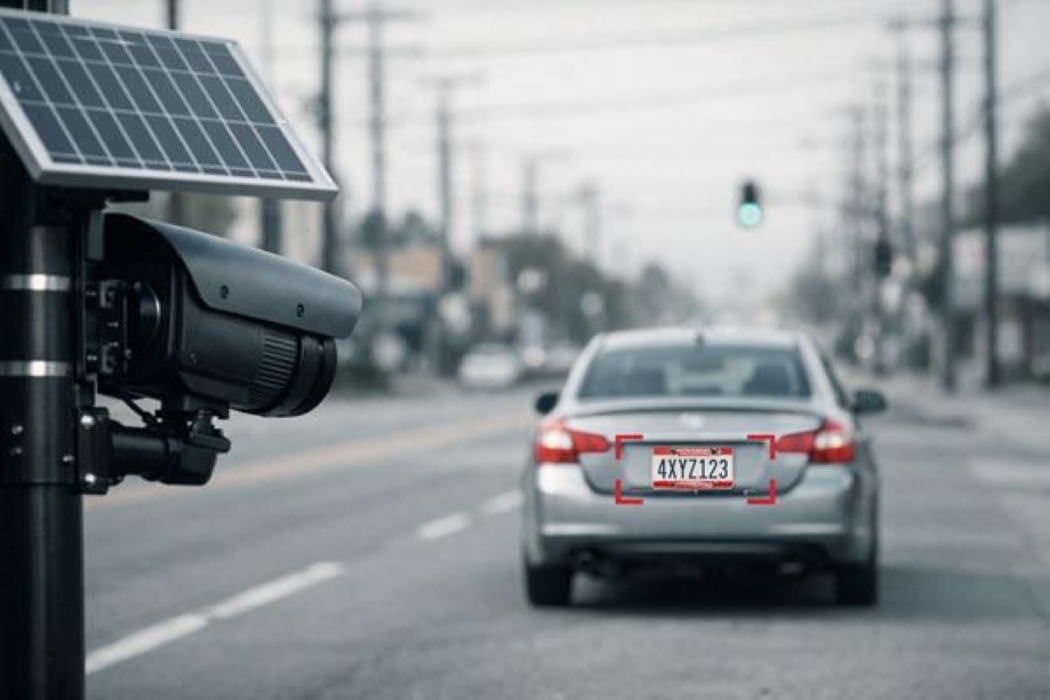
The authors also warn about limits. The rise in clearance began in the three months before deployment, which weakens the causal claim. Recovery timing across all stolen vehicles did not measurably change. An earlier experiment found more recoveries and arrests but no decline in theft.
The baseline explains why cameras matter. In 2023, agencies reporting to the national incident system cleared only 8.2% of reported car thefts. When almost nothing is solved, even a small gain stands out. A camera turns a random road into a tripwire.
Price shows the stakes. A Silverado 1500 starts at $39,695. A truck found in hours costs far less than one found in weeks. Faster recovery means less damage, less stripping, and fewer parts sold.
Thieves also think about being seen. If every major road has a reader, a stolen car becomes a moving liability. Riskier theft means fewer attempts. Readers are not a cure. The research is mixed, and communities still debate privacy. But as one layer among several, cameras helped police move from reacting to tracking.
6. Dedicated Task Forces and Targeted Stings
Some of the drop came from police who made auto theft their full-time job. Targeted operations go after repeat offenders and organized groups.
Portland’s Stolen Vehicle Operation is a good example. Its missions produced 75 arrests, 69 recovered vehicles, and 11 seized illegal guns. Drivers tried to flee 37 times, leading to 12 pursuits. The program earned an international award, and stolen vehicle incidents keep declining across the metro area.
Illinois runs a statewide unit. In one year, it recovered 143 stolen cars and brought 85 charges, including 45 felonies. It also took 16 guns off the street. Stolen cars often connect to other crimes.
Washington’s task forces show steady casework. SNOCAT recovered 314 vehicles in 2025, opened 87 felony cases, made 16 arrests, and referred 23 cases for prosecution.
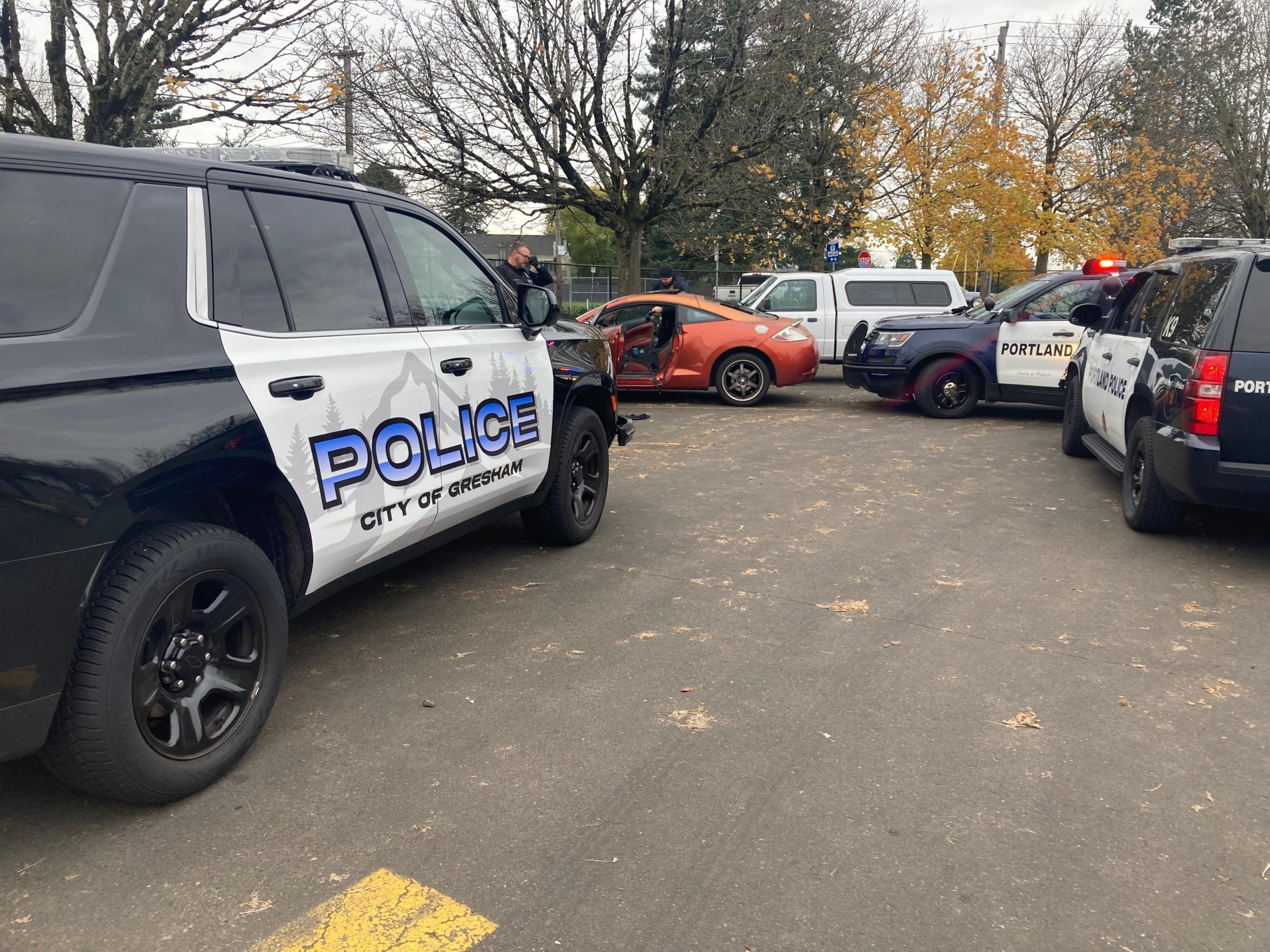
The state authority’s own detectives opened 24 cases, made 12 arrests, and referred 18. Detectives in the Puget Sound unit started 203 felony auto theft, title fraud, and stolen property cases.
Those title fraud cases matter. Organized groups often clean stolen vehicles with fake paperwork. Cutting that link makes a stolen car harder to sell.
Export is the other big pipeline. California began its Foreign Export and Recovery program in 1995 because stolen vehicles left through the ports of Los Angeles and Oakland and across the Mexican border. Some vehicles never come back. NICB says 21% of 2025 thefts were unrecovered.
Value is what makes these teams worth funding. The Washington unit’s recoveries averaged about $22,000 each. A Silverado 1500 starts near $39,695, and an Accord near $29,590. Recovering ten trucks returns close to $400,000 in property.
Not every operation works forever. NICB warns that organized theft networks continue to evolve, creating new risks. Thieves adapt to enforcement.
But focused policing changed the odds. A thief who once faced almost no risk now faces stings, cameras, and detectives. More arrests and recoveries also send a signal that theft has a cost.
7. Insurers and Owners Raised the Cost and Lowered the Opportunity
Money pressure and better habits also cut theft. Insurers made vulnerable cars costly to own. Owners made them harder to take. The insurance hit was severe. NICB reports that dozens of insurers raised rates or denied coverage for certain Hyundai and Kia models in some regions. Hyundai partnered with a carrier in April 2023 to help owners who could not get coverage.
The premiums are still telling. The Elantra’s average full-coverage rate is $2,709, about 23% above the national average. The Accord’s is $2,418, about 10% above average. Compare that with a $170 security kit. The cheap fix pays for itself quickly.
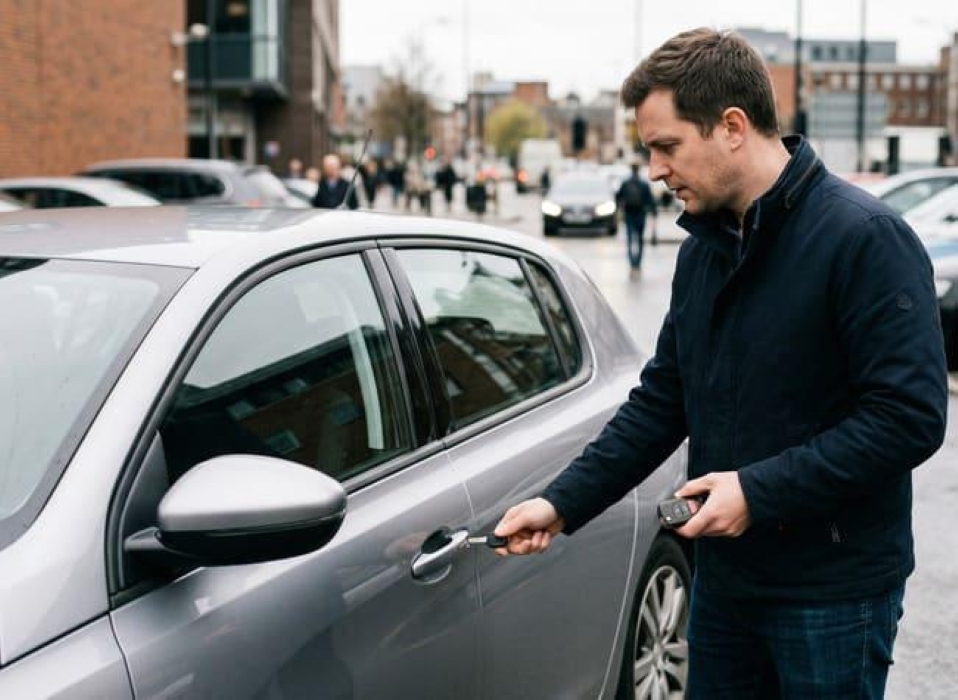
Owner behavior matters as much. Colorado State Patrol says 40% to 50% of stolen vehicle calls come from people who did not lock their doors. Many drivers assume they locked up and never check. A simple habit removes a large share of easy targets.
Recovery help lowers the cost too. Colorado says 82% of stolen vehicles are usually recovered within the first month, and its assistance program helps with deductibles, towing, impound fees, and repairs. That support makes owners more likely to report and cooperate.
Trackers add another layer. Colorado’s programs include GPS tracking and Denver Track. A car that reports its own location is a poor target. Then there is what’s inside the car. The average value of property stolen from vehicles was $2,451 in 2023, and accessories averaged $1,443.
Researchers noted that thieves thwarted by the patch may steal items from inside instead. Removing valuables from view protects both the car and the contents.
NICB keeps its advice simple. Park in well-lit areas, roll up the windows, and lock the doors. None of that costs anything. Individually, none of these habits looks decisive. Together, they shrink the pool of easy opportunities. Fewer unlocked doors, more wheel locks, and more trackers push thieves toward other targets, or out of the trade.
8. The Pandemic-Era Surge Unwound
Part of the story is simple. The 2023 peak was unnatural. Motor vehicle theft rose 28% from 2019 to 2023. NICB called the surge pandemic-fueled.
When the spike ended, the numbers fell fast. Thefts topped one million in both 2022 and 2023. The count reached 1,020,729 at the peak. In 2024, it was 850,708. In 2025, it was 659,880, or 190,828 fewer than a year earlier.
The decline was steady all year. The first half of 2025 saw 334,114 thefts, and every month was lower than any month of 2024. The drop was a trend, not a lucky quarter.
The long view is striking. The 2025 figure is even lower than pre-pandemic levels. The same source notes a 53% decrease over 30 years, with a national rate of 193 incidents per 100,000 people. Modern cars are simply harder to steal than cars from the 1990s.
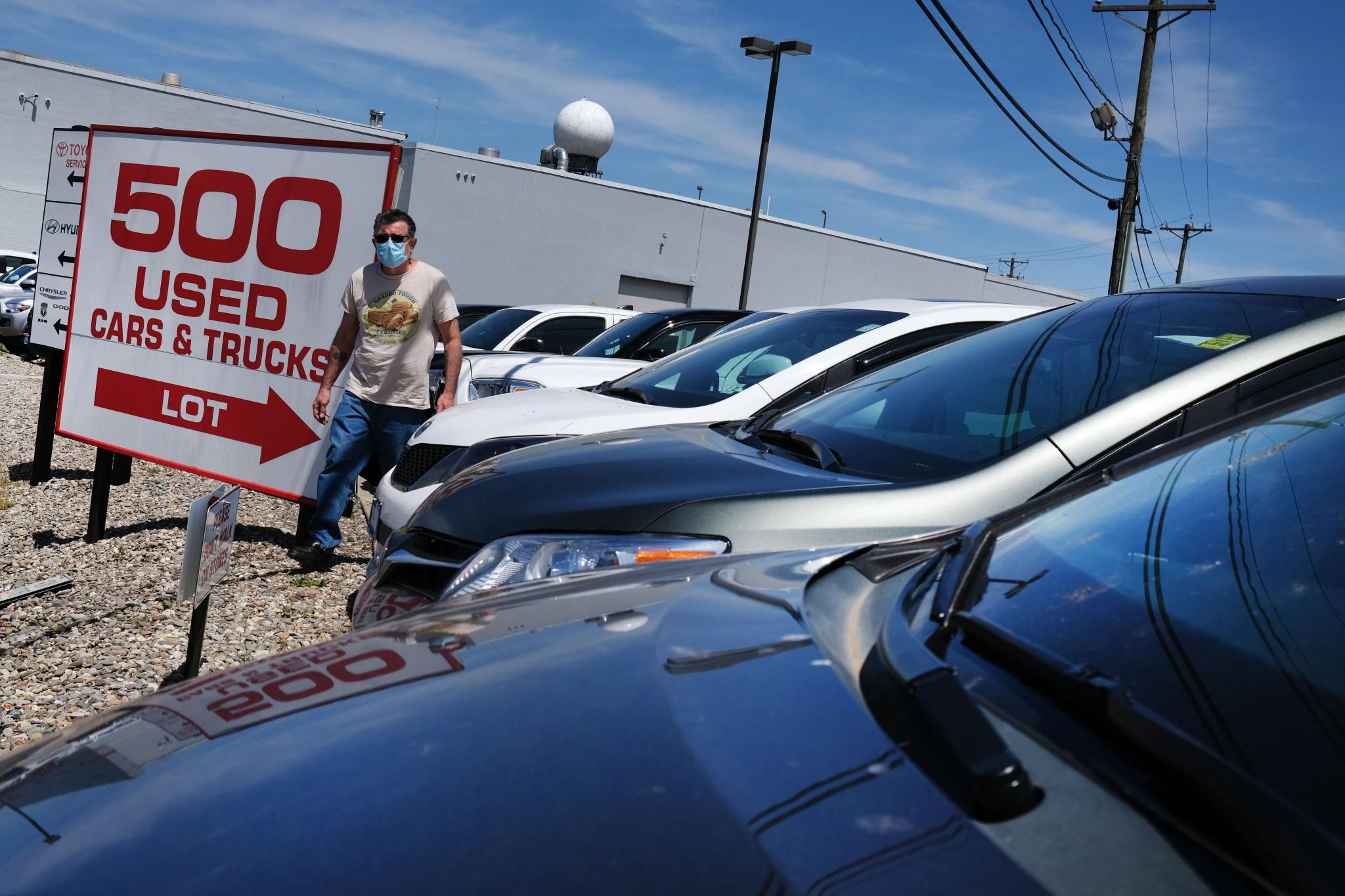
A local voice adds context. Cook County’s sheriff said thefts had been so bad that they could really only go down. That is regression to the mean. A crime that spikes on one exploit tends to fall when the exploit is closed.
Coordination sped up the return. NICB’s chief credited law enforcement, manufacturers, insurers, and NICB working together. Shared intelligence helped everyone respond to the same threat.
Prices show what remains at risk. The 2025 top ten included the Accord at 17,797 thefts, the Silverado 1500 at 16,764, the Civic at 12,725, the F-150 at 10,102, the Camry at 9,833, the CR-V at 9,809, and the Altima at 8,445. An Accord starts near $29,590 and a Silverado near $39,695. These are working vehicles, not exotic ones.
Theft is also concentrated. More than one-third of thefts happened in the top ten metro areas. Los Angeles alone recorded 53,911 thefts, about 8% of the national total.
The decline is real, but the threat has not disappeared. More than 659,000 vehicles were still reported stolen. The events of 2025 show that using several layers of protection can make a difference. Software updates, physical security, legal action, law enforcement, surveillance cameras, and everyday precautions all play a role. Maintaining these measures remains important.
