
Paint protection has exploded far beyond a Saturday-morning wax job. Cars now carry film, coatings, and hybrid sprays layered in ways that used to be reserved for supercars. But the category is also full of marketing noise and overpriced kits.
This list skips the fluff. It focuses on ten products that professional detailers and long-term owners actually trust. Some are films, some are ceramic coatings, and some are simple waxes that still outperform newer chemistry.
The goal is value, not just price. A product earns a spot here because what it delivers matches, or beats, what it costs. That includes durability, ease of use, and how it holds up under real weather and real mileage.
Whether the budget is fifty dollars or five thousand, there is a tier on this list that fits. Each entry explains what the product actually does, who it suits, and why the cost makes sense compared to the alternatives.
1. XPEL Ultimate Plus Paint Protection Film
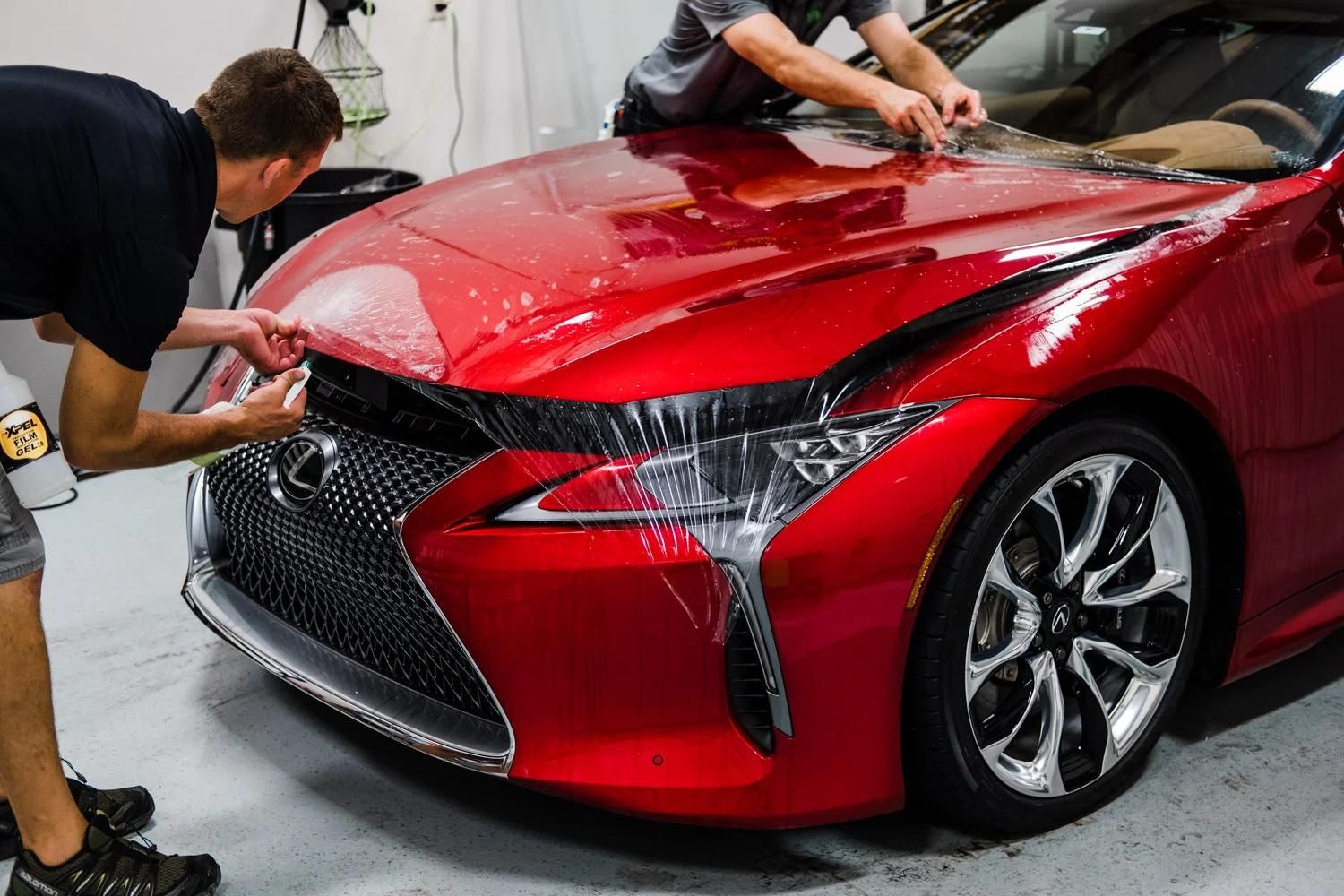
XPEL Ultimate Plus is the benchmark against which every other PPF gets measured. It uses a self-healing topcoat. Light swirls and scratches disappear with warm water or sunlight. That single feature saves owners from constant touch-up work.
The film carries a ten-year warranty in most markets. XPEL backs installations done by certified installers with defect coverage. That warranty transfers with the car in many cases. Resale buyers see that as a real selling point, not just marketing language.
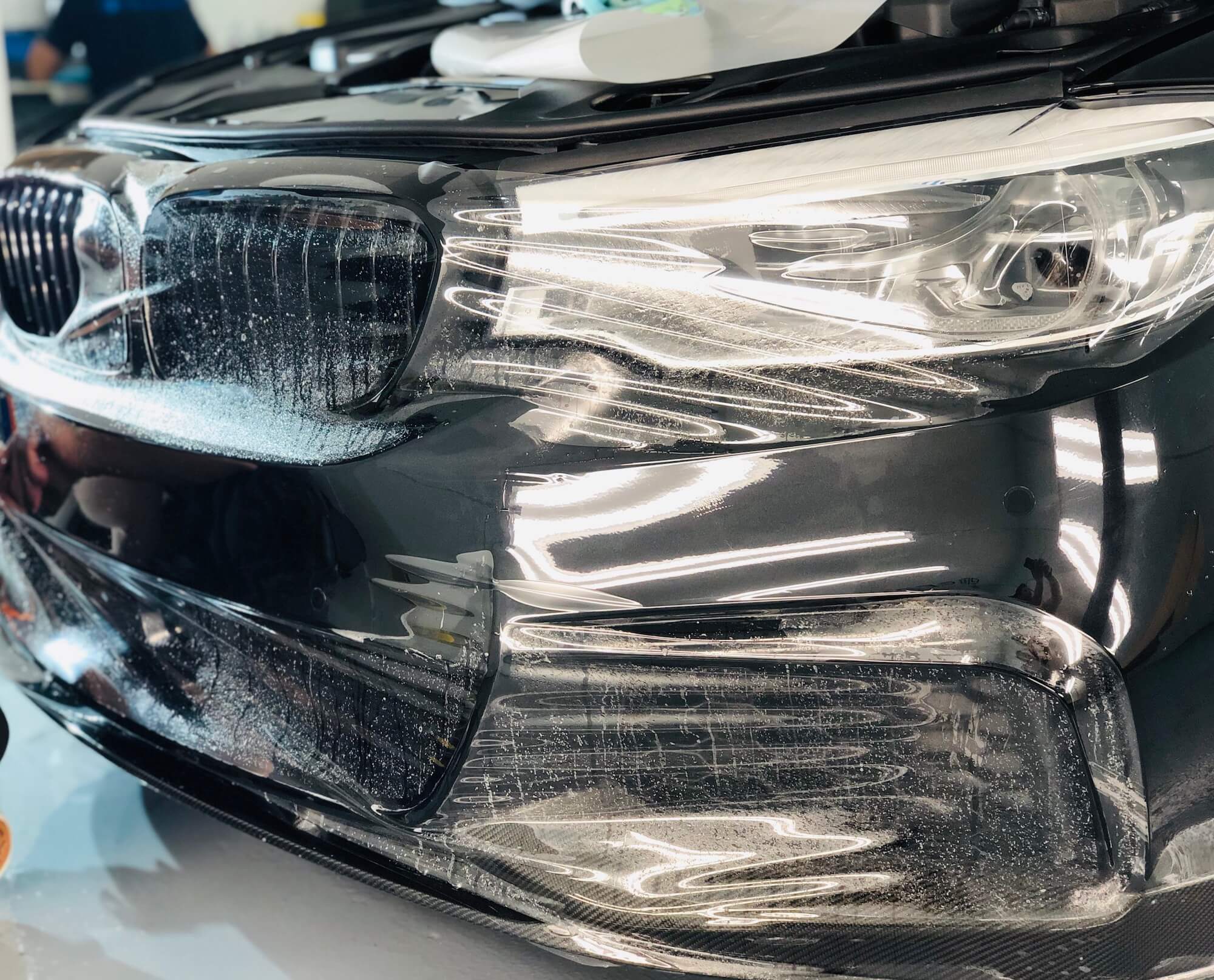
Clarity is another strength. XPEL shows minimal orange peel compared to some competitors, especially on dark or metallic paint. Owners of black, blue, or deep grey vehicles notice this difference immediately. The film essentially disappears under normal lighting.
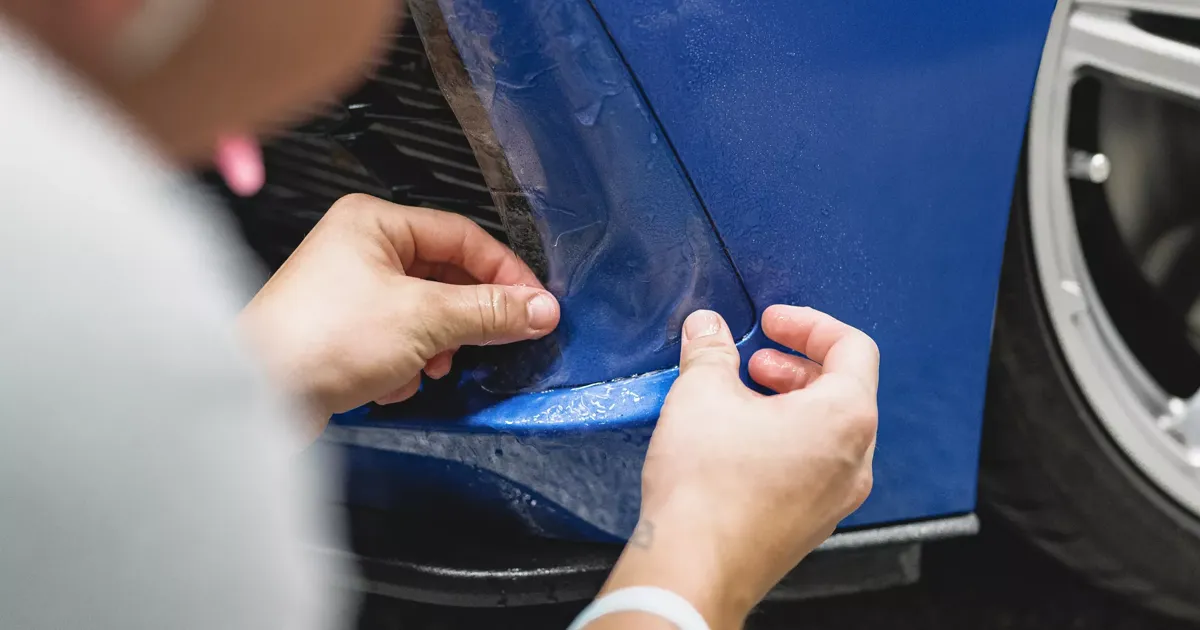
The catch is price. A full front-end wrap often runs well into four figures depending on the vehicle and shop. Full-body coverage costs significantly more. For anyone keeping a car past five years, though, the math still works out.
Installer skill matters as much as the film itself. A poor install with premium film still lifts at the edges over time. Buyers should confirm certification before booking. XPEL maintains a directory of approved installers for exactly this reason.
2. STEK DYNOshield Paint Protection Film
STEK is newer to the American market than XPEL or 3M. It has still built a strong reputation among professional installers. Its topcoat technology and clarity are frequently ranked at or above the category leaders in side-by-side testing.
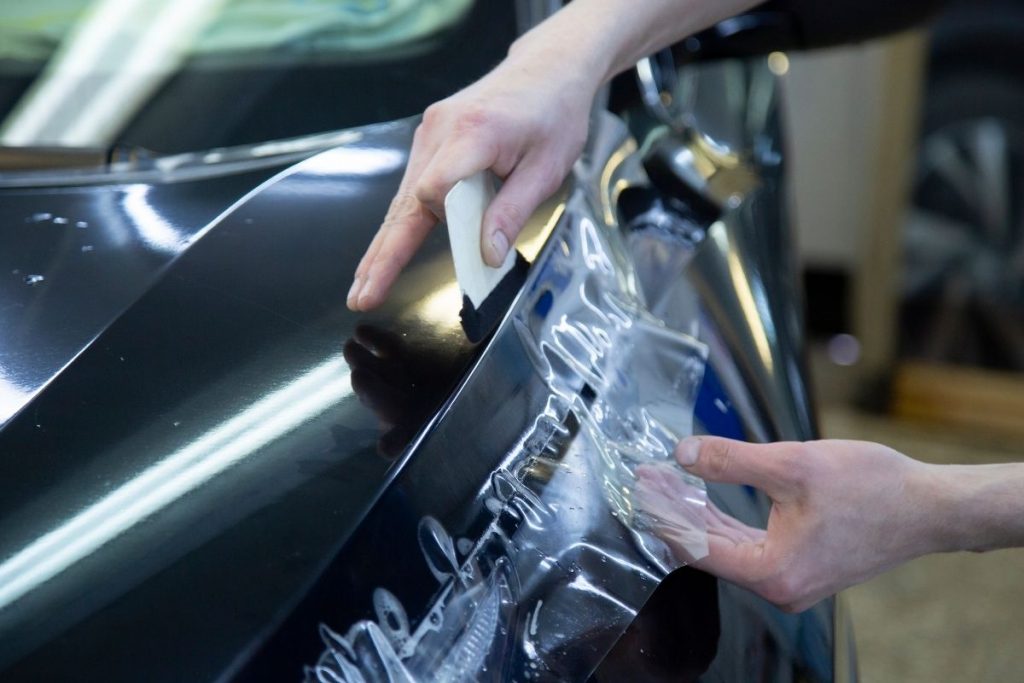
Where STEK stands out is conformability. It stretches more readily around complex curves like mirror caps and sculpted bumpers. This matters for modern cars with aggressive body lines. Fewer seams and cleaner wraps come from that flexibility.
Self-healing performance is excellent, and stain resistance is often cited as slightly better than older-generation films. That means less aggressive cleaning is needed over time. Bug splatter and tree sap wipe away without much effort.
STEK also offers a genuinely usable matte finish. It avoids the plasticky look some matte films develop after a year outdoors. Owners wanting a stealth aesthetic get a durable option. That is not something every brand handles well.
Pricing sits close to XPEL, sometimes slightly less depending on the region. Warranty terms run up to twelve years in some cases. For buyers comparing top-tier films side by side, STEK is a legitimate alternative rather than a budget substitute.
3. 3M Paint Protection Film Pro Series
3M essentially invented this category decades ago for military and industrial use. Automotive PPF followed from that groundwork. That history still counts. Manufacturing consistency across batches remains one of 3M’s strongest selling points.
Self-healing is present but noticeably slower than XPEL or STEK in direct comparisons. Scratches still vanish with heat and time. The healing window is simply a bit longer. For most daily drivers, that difference is negligible in practice.
Finish options are the most limited of the major brands. 3M offers gloss and matte only, with no color PPF choices. Buyers wanting a specialty look should look elsewhere. Those wanting a straightforward clear film get exactly what they expect.
Warranty coverage typically runs seven to eight years, shorter than the ten-to-twelve-year terms from newer competitors. That shorter term is reflected in pricing. 3M installs often land below XPEL and STEK for comparable coverage.
For value-focused buyers who still want a trusted name, 3M remains a defensible choice. It is not flashy, but it works. Reliability, not innovation, is the selling point here. That is worth something on a vehicle meant to be kept for years.
4. Gtechniq Crystal Serum Ultra
Crystal Serum Ultra is a professional-only ceramic coating with a Mohs hardness rating of 10H. That is unusually hard for this category. Most competitors top out around 9H. The extra hardness translates into stronger resistance to light scratching and swirl marks.
Gtechniq backs the coating with warranties running up to nine years when installed by an accredited detailer. That is among the longest terms in the ceramic coating market. Few DIY or prosumer products come close to matching it.
Chemical resistance is a major strength. Bird droppings, tree sap, and industrial fallout struggle to etch through the coating. Owners in harsh climates see the biggest benefit. Coastal salt air and heavy UV exposure are handled with minimal maintenance.
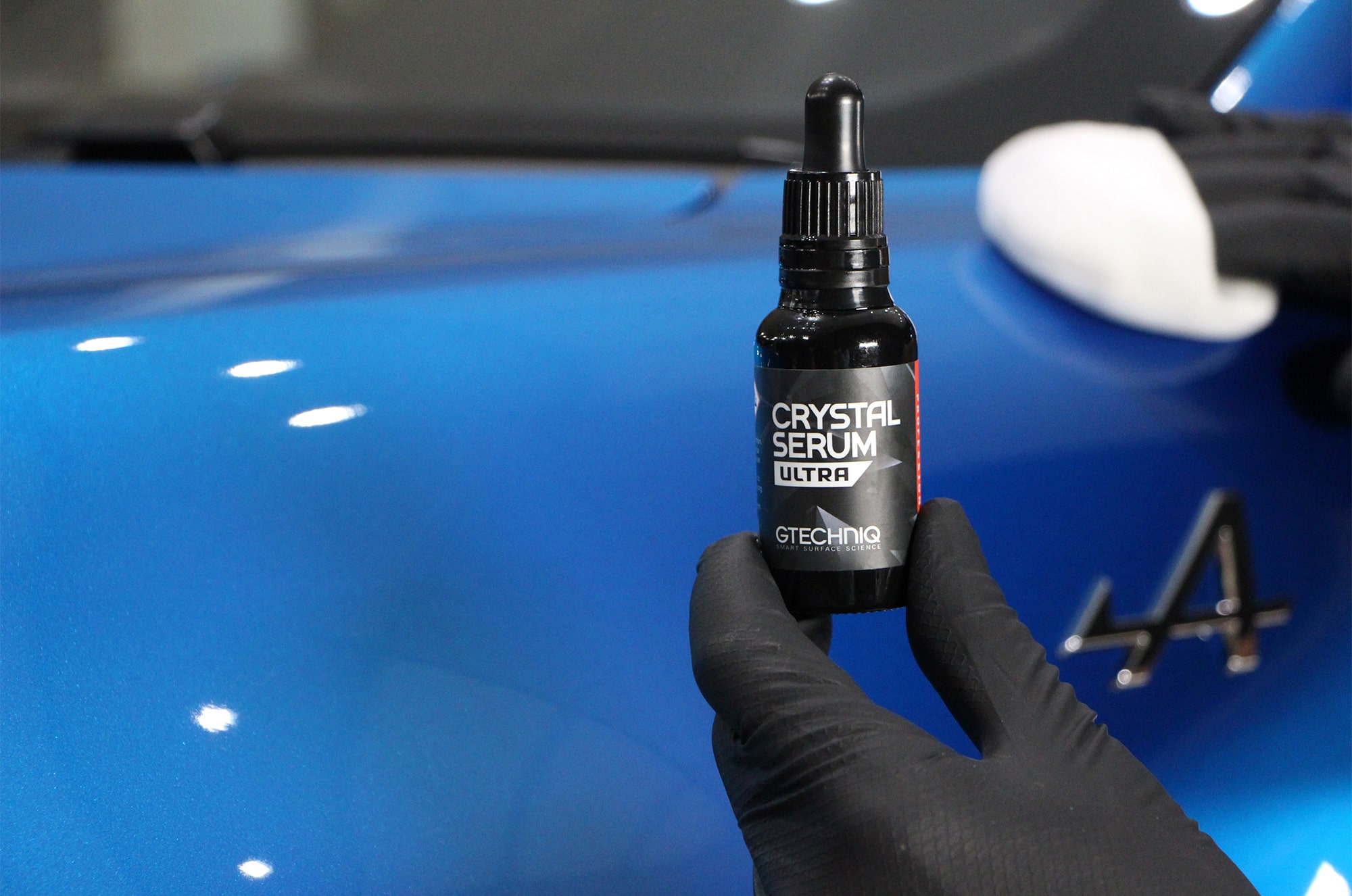
Application is unforgiving. If applied incorrectly, the coating may need to be wet-sanded off the vehicle entirely. This is strictly a job for trained professionals. DIY attempts risk expensive correction work down the line.
Cost reflects that exclusivity, often running into four figures for a full vehicle. For long-term owners of higher-value cars, it earns that price. The combination of hardness, chemical resistance, and warranty length is difficult for any other coating to match.
5. Ceramic Pro 9H
Ceramic Pro built its reputation on accessibility. It has the widest dealer network of any major ceramic coating brand. Packages range from a few hundred dollars up to several thousand, covering everything from single-panel jobs to full builds.
The 9H designation refers to pencil hardness, a common industry benchmark. It signals strong resistance to light scratching. That does not mean scratch-proof. It means noticeably better resistance than bare clear coat over the life of the coating.
Tiered packages let buyers choose their commitment level. Entry packages protect for a couple of years, while top tiers stretch further. This flexibility is part of why the brand remains popular with first-time ceramic coating buyers on tighter budgets.
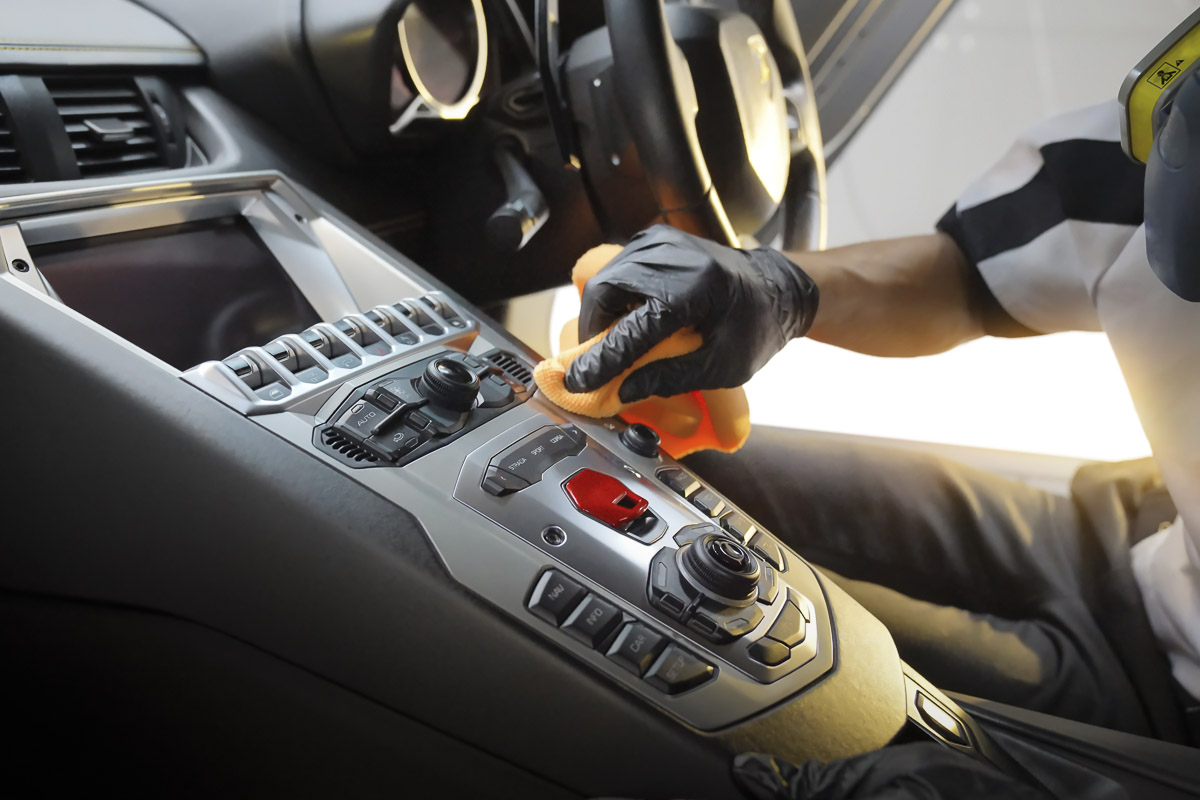
Gloss and hydrophobic performance are solid, though not always ranked at the very top against Gtechniq or CarPro in blind tests. Most owners will not notice the difference in daily use. The visual improvement over bare paint is still substantial.
Because of its network size, Ceramic Pro installs are easier to find than some boutique brands in smaller cities. That accessibility, combined with tiered pricing, makes it a practical entry point into professional-grade ceramic protection.
6. CarPro Cquartz UK 3.0
Cquartz UK 3.0 is often called the enthusiast standard. It remains the most recognized ceramic coating name outside professional shops. Its biggest strength is application forgiveness, with a wider flash window than most competing coatings.
That forgiveness makes it genuinely DIY-friendly. First-time coaters report consistent success without professional equipment. This is unusual in a category where most top-tier products demand controlled environments and specialized tools.
Durability sits in the two-to-four-year range for most owners, shorter than dedicated professional coatings like Crystal Serum Ultra. For the price and effort involved, that lifespan is a strong trade-off for garage-kept vehicles or careful daily drivers.
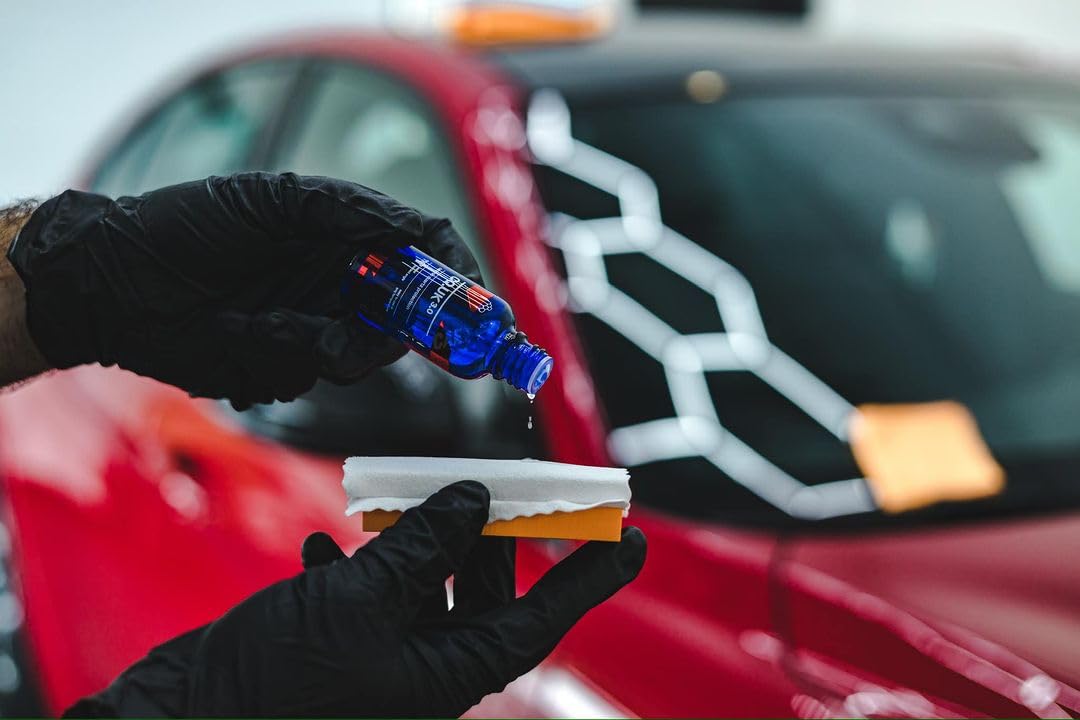
Gloss character is dramatic, particularly on dark paint, producing what enthusiasts call a wet-look finish. Metallic and pearl finishes also benefit, though the effect is most visible on black and deep blue vehicles.
Priced in the mid-tier bracket, it sits well below full professional installs while outperforming most consumer spray coatings. For hands-on owners willing to do proper paint prep, it delivers professional-adjacent results without professional labor costs.
7. Gtechniq Crystal Serum Light
Crystal Serum Light was designed to bring professional-grade ceramic protection within reach of serious DIY owners. It delivers roughly eighty percent of the performance of the full professional Crystal Serum, according to Gtechniq’s own comparisons.
Unlike its parent product, mistakes during application are recoverable. It can be machine polished off rather than wet sanded. That single difference makes it dramatically safer for anyone without professional training attempting it for the first time.
Durability is rated at five years or more in most independent reviews, competitive with several fully professional coatings. Hydrophobic performance and gloss are frequently praised by accredited detailers who use it themselves on personal vehicles.
Application difficulty is still moderate to challenging, especially with its dual-layer system requirement. Prior experience with coatings or careful attention to instructions is recommended before attempting a first application.
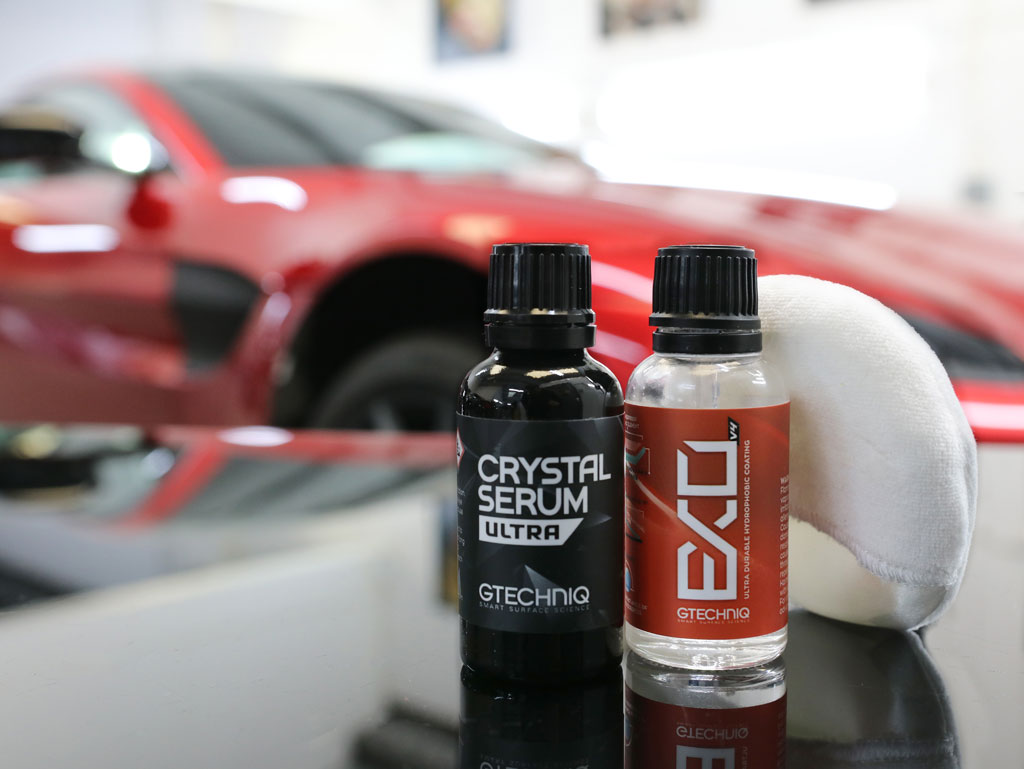
Price sits above basic DIY sprays but below full professional installs, occupying a genuine middle ground. For owners wanting serious durability without professional labor costs, it is one of the strongest values in the category.
8. Adam’s Polishes Graphene Coating
Adam’s Graphene Coating targets the growing DIY graphene category, which blends ceramic technology with graphene additives. Graphene is marketed for improved heat resistance and slicker surface feel compared to older ceramic-only formulas.
Application is straightforward for a coating-tier product, using a simple wipe-on process similar to a spray sealant. This makes it accessible to owners who have never applied a bonded coating but want more than a basic wax.
Durability in owner reports typically ranges from one to two years with proper maintenance and gentle washing habits. That is shorter than professional coatings but well beyond what any traditional wax or sealant can offer.
Gloss retention on dark and metallic paint is consistently praised, with strong water beading throughout its service life. Owners note the surface stays noticeably slicker to the touch than after a standard wax application.
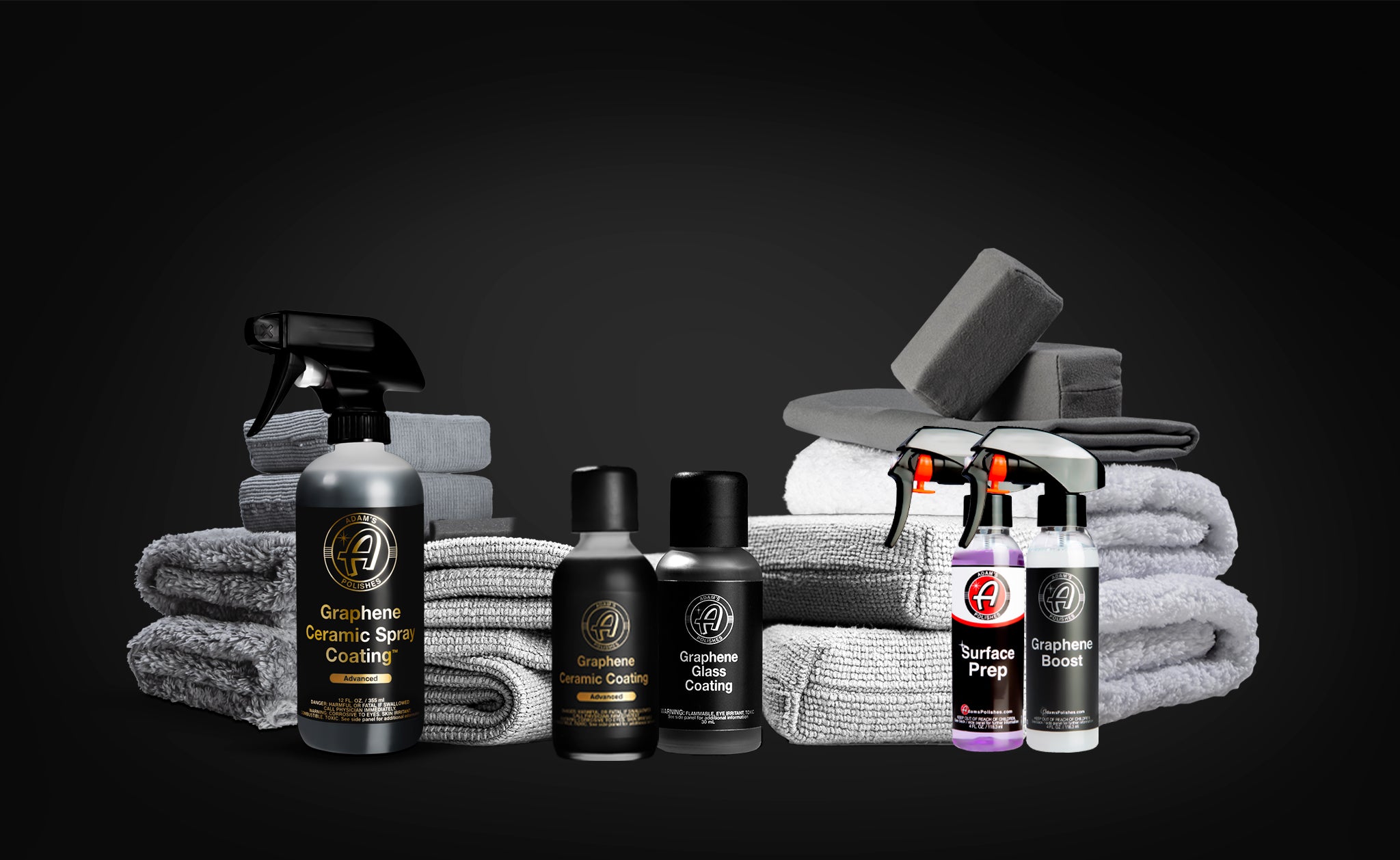
Priced well under one hundred dollars for a bottle covering multiple vehicles, it is an accessible entry into coating technology. For owners not ready to commit to professional installation costs, it bridges the gap effectively.
9. Turtle Wax Hybrid Solutions Ceramic Spray Coating
This product represents the budget end of the ceramic spray category, widely available at auto parts retailers nationwide. It is not a bonded coating in the professional sense, but a ceramic-infused spray sealant applied after washing.
Application takes minutes rather than hours, requiring no curing time or controlled garage environment before driving. That convenience is the entire appeal. Anyone can apply it in a driveway with no prior detailing experience.
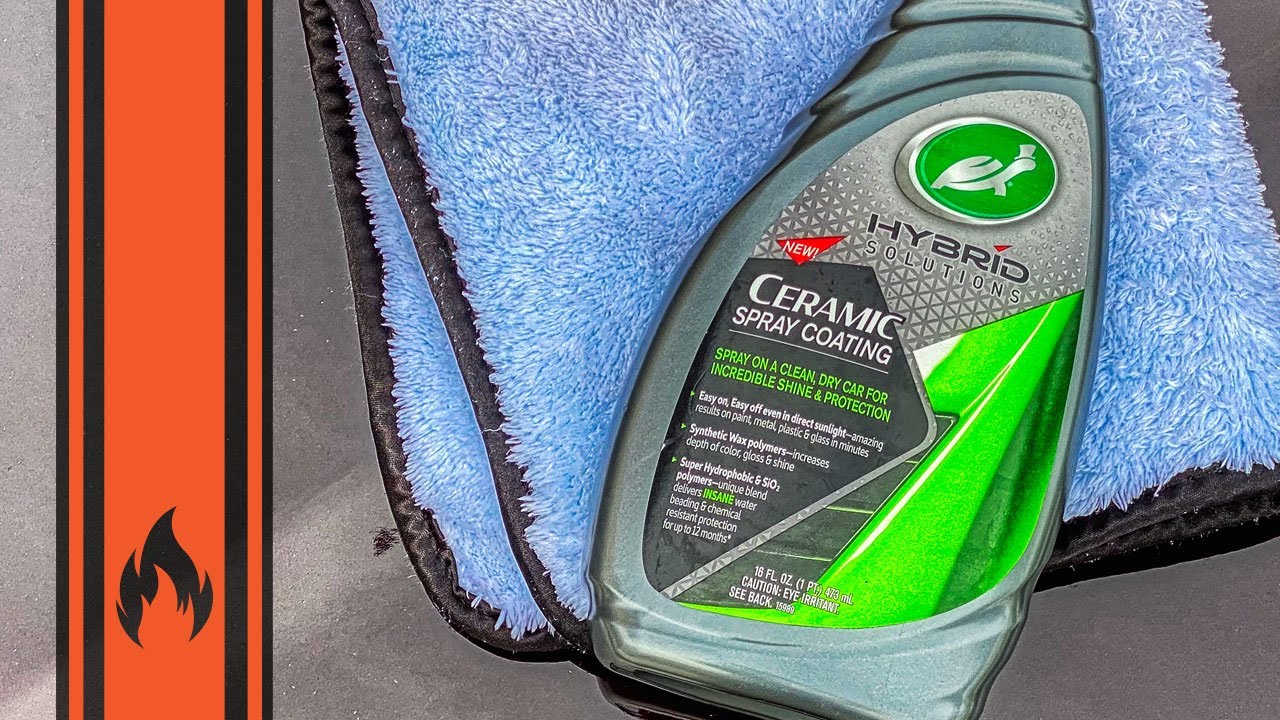
Durability is modest, typically lasting a few months rather than years, and reapplication is expected as routine maintenance. Owners should treat it as an enhanced wax replacement rather than a substitute for genuine ceramic coating technology.
Water beading and gloss improvement are immediately noticeable after application, which is part of its popularity online. The instant visual payoff keeps casual buyers coming back despite the shorter protective window compared to bonded coatings.
At under thirty dollars per bottle, it delivers outsized visual improvement for the cost, even if longevity is limited. For owners wanting quick, affordable upkeep between more serious protection treatments, it fills that role well.
10. Collinite 845 Insulator Wax
Collinite 845 was not originally designed for cars. It was engineered to protect high-voltage power line components from extreme weather. That industrial background gives it unusual durability for a traditional wax, with some owners reporting protection lasting six months or more.
The formula blends carnauba wax with synthetic resins. This combination delivers the warm gloss of carnauba with sealant-like longevity. Few traditional waxes manage that balance. Most either look better and fade fast, or last long but look flat.
Application is simple enough for beginners despite its reputation for durability. It goes on smoothly and buffs off without excessive effort. Warming the bottle before use is a commonly recommended trick that makes spreading noticeably easier during colder months.
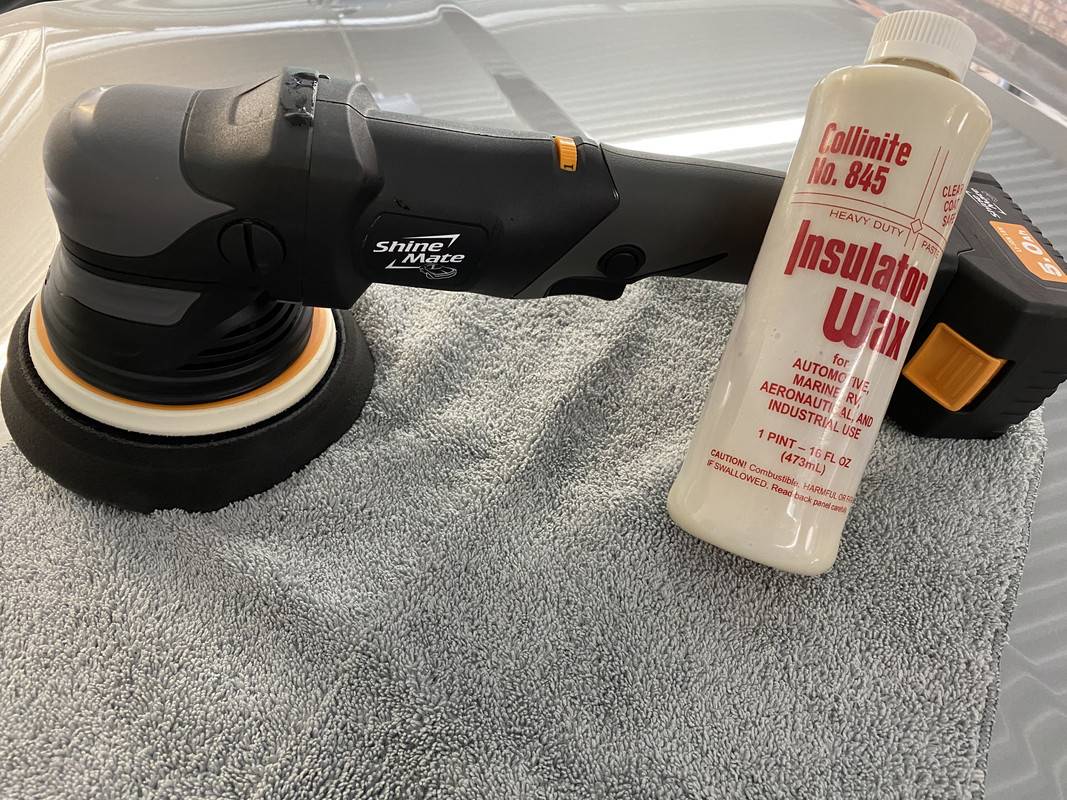
Water beading performance is frequently rated among the best in its price class, even against products costing several times more. Owners consistently mention that a small amount covers a large surface area, stretching the value of each bottle further.
At well under twenty dollars per bottle in most markets, it remains one of the strongest value propositions in car care. For owners who prefer traditional wax over modern coatings, Collinite 845 is difficult to beat on cost versus performance.
