

Long road trips test more than just your car’s fuel efficiency. They also test your spine, hips, and patience. Not every seat is built with your back in mind.
Some cars look great on paper but punish your posture in practice. Owners across forums, complaint databases, and review sites have flagged the same issue again and again. Certain models consistently produce back pain, sciatica, numbness, or stiffness after just an hour or two behind the wheel.
This isn’t about brand bashing. It’s about real driver experiences reported over years of ownership. Seat angle, lumbar support, cushion firmness, and headrest position all play a role.
When these elements are off, even a short commute can turn uncomfortable. Below are eight cars that repeatedly show up in complaint records and driver forums for causing back pain on long drives.
Each one has a pattern of documented seat-related discomfort, not just a single unhappy customer. If you’re shopping for a road-trip vehicle, this list is worth reading first. Comfort matters just as much as horsepower or mileage.
1. Honda Civic
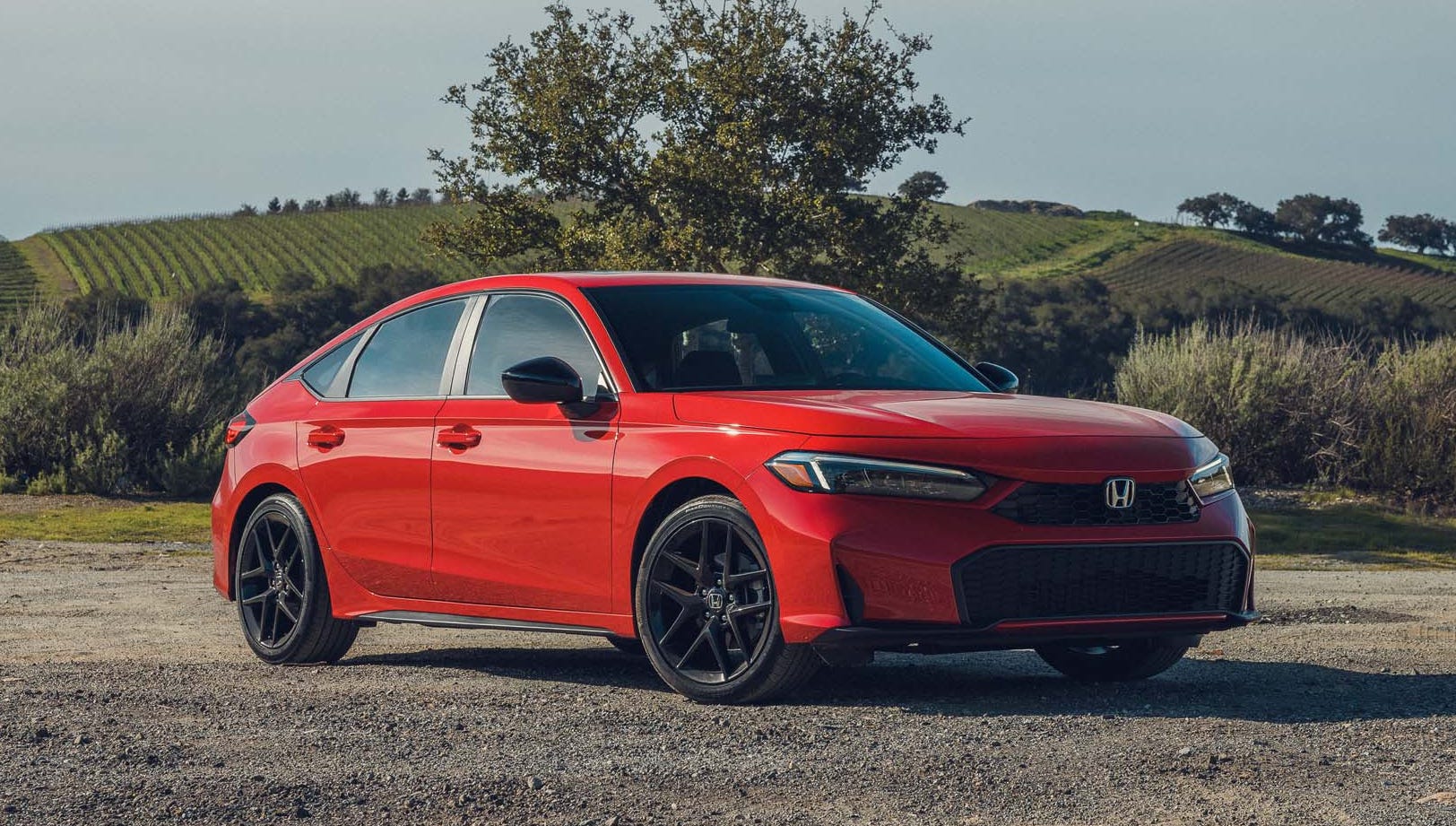
The Honda Civic is one of the most popular compact cars in America. Unfortunately, it’s also one of the most complained-about when it comes to seat comfort.
Multiple generations of the Civic have drawn criticism for seats that lack proper lumbar support. Owners describe the sensation as their lower back sinking behind their body rather than being supported.
One driver described feeling like their lower back sank a foot behind their body, calling it negative lumbar support rather than simply weak support. That same driver reported intolerable back and neck pain within minutes of driving.
Another Civic owner switched from a 2008 Corolla, expecting relief. Instead, they developed chronic lower back pain after driving long distances for extended hours.
A different complaint came from a 21-year-old driver. They reported awful lower back pain that lingered for days after extended trips. Forum users have echoed these frustrations outside of formal complaint databases too. One commenter called their parents’ Civic a “crap car,” citing noise and uncomfortable seating as major drawbacks.
The pattern seems tied to seat cushion angle and firmness rather than one bad batch. Complaints span multiple model years, from the 2012 generation through more recent hatchback versions.
Some owners have tried aftermarket fixes like seat cushions or lumbar pillows. Results have been mixed, with several saying the discomfort returns on any drive longer than 30 minutes.
What makes this frustrating is the Civic’s reputation for reliability and value. Many buyers don’t discover the seat problem until weeks or months after purchase.
Short test drives rarely reveal the issue. Pain tends to build gradually, often after the 20-minute mark. If you’re considering a Civic for regular highway driving, sit in it for at least 30 minutes before buying. A quick spin around the block won’t tell you the full story.
Owners with pre-existing back conditions seem especially vulnerable. Several complaints mention worsened symptoms in people who already had spinal issues before purchase.
For a car marketed toward daily commuters and road-trippers alike, this is a significant blind spot. It’s one of the most consistently mentioned models when back pain and cars come up in conversation.
2. Honda Accord
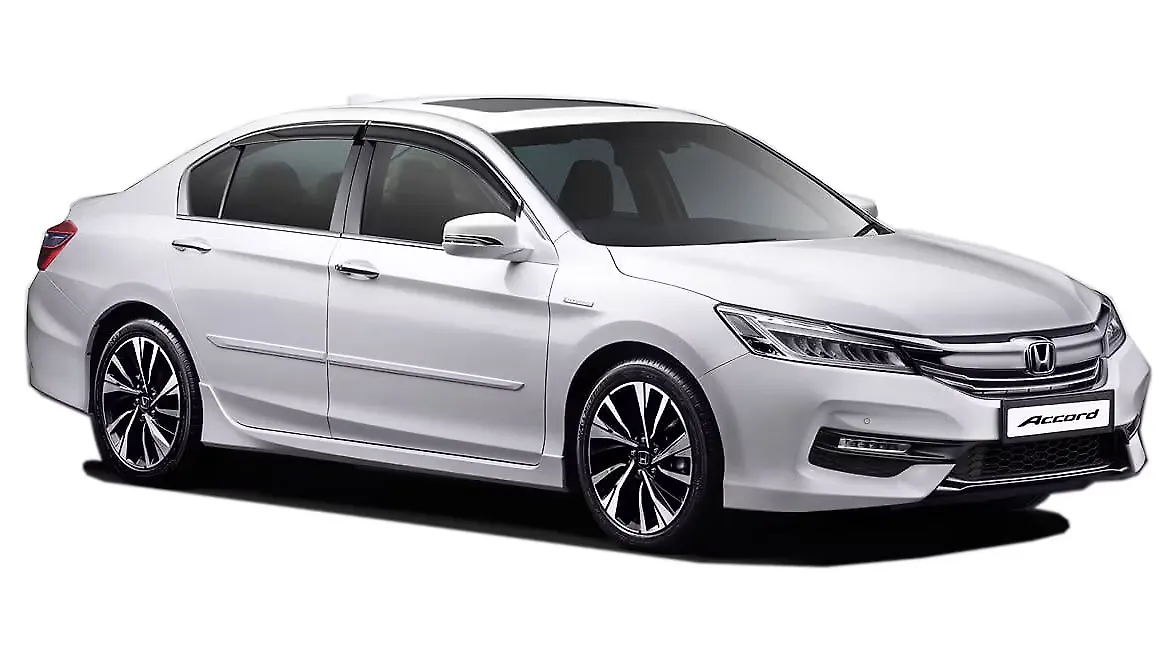
The Honda Accord shares its parent company’s seat design struggles. This is especially true for the eighth generation, built between 2008 and 2012.
Complaint records note that this generation drew consistent seat-related criticism. Owners cited issues including back pain and leg circulation problems tied to poor lumbar support and seat angle.
What stands out is how widespread these complaints are. The pattern showed up across a wide range of owner body types and sizes, not just one particular build.
One especially telling detail involves test drives. Buyers repeatedly noted they never felt the problem during their initial test drive at the dealership.
The discomfort only became noticeable after 15 to 20 minutes of continuous driving. By then, the car was already purchased, and the return window had often closed.
One 2009 Accord owner described their experience in stark terms. They went from having no back pain at all to developing chronic back pain after regular use.
Another owner detailed numbness spreading down the leg during drives. They eventually needed an MRI, which revealed damage to their lower spine.
That same owner noted the seat bottom angle couldn’t be adjusted. They described the sensation of sitting on a rigid bar due to rear seat stitching.
Some owners have compared their Accord unfavorably to far cheaper vehicles. One noted that their Hyundai Sonata’s cloth seats felt superior to the Accord’s leather.
Mechanical issues have compounded the problem in some cases. One owner reported their power lumbar motor made noise but provided no actual adjustment.
The recurring theme across complaints is a seat that feels acceptable at first but deteriorates with time. This isn’t a manufacturing defect in a traditional sense, but a design choice that doesn’t suit every body type.
Given how many Accords are used for commuting and road trips, this is a notable concern. It’s worth sitting in a used or rental Accord for an extended period before committing to a purchase.
3. Honda CR-V
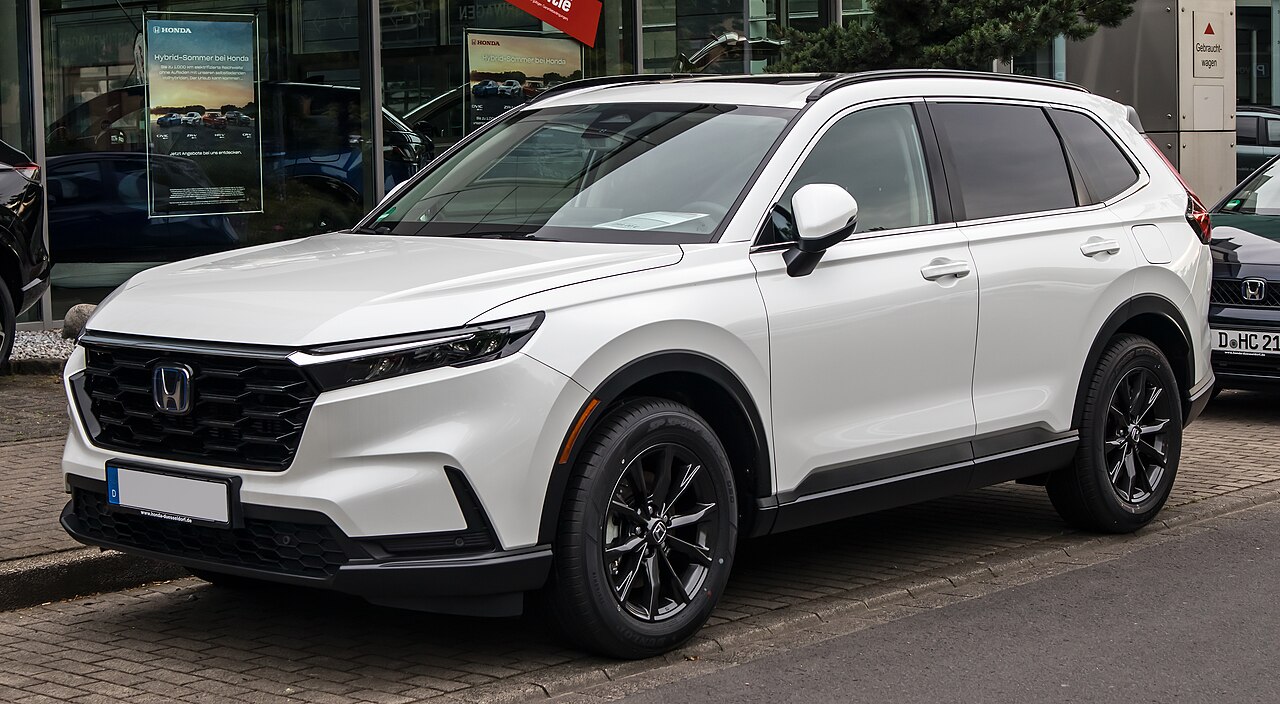
The Honda CR-V may have the most extensively documented seat-comfort complaints of any vehicle on this list. Multiple model years, especially 2013 through 2018, show a consistent pattern of back pain reports.
One driver described the seat as tilted, with the right side sitting noticeably higher than the left. They called it a poorly ergonomic design that caused leg pain and toe numbness after just 30 minutes.
That same owner noted the issue wasn’t isolated to one model year. They tested multiple Honda vehicles built after 2011 and experienced the same problem each time.
Another complaint involved a spouse with pre-existing back problems from brain surgery. The CR-V’s seats were described as the most uncomfortable they’d ever encountered while traveling.
A separate 2013 CR-V owner reported pain extending from the hip down to the foot after just 15 minutes. They eventually required medication and a spinal MRI, which revealed damage.
One especially detailed account came from a 2018 CR-V owner. They tried eight different seat cushions and multiple back cushions without finding any relief from the discomfort.
That owner consulted an orthopedic specialist and underwent physical therapy. No underlying medical issue was found, pointing squarely at the seat design itself.
Eventually, they swapped vehicles with their spouse entirely. They found their older Kia Forte more comfortable to drive than their newer CR-V. What’s notable is the disconnect between review ratings and real-world comfort.
Publications like Consumer Reports and KBB rarely flagged this as a concern in their formal reviews. This suggests the problem may not show up in short professional test drives. It only emerges after extended, real-world use over weeks or months.
The CR-V remains one of the best-selling SUVs in America. That popularity means these complaints represent a meaningful number of affected drivers, not just a handful of outliers.
If you’re eyeing a CR-V for long commutes or road trips, a lengthy test drive is essential. Bring your own commute route and drive it for at least 45 minutes before deciding.
4. Honda Odyssey
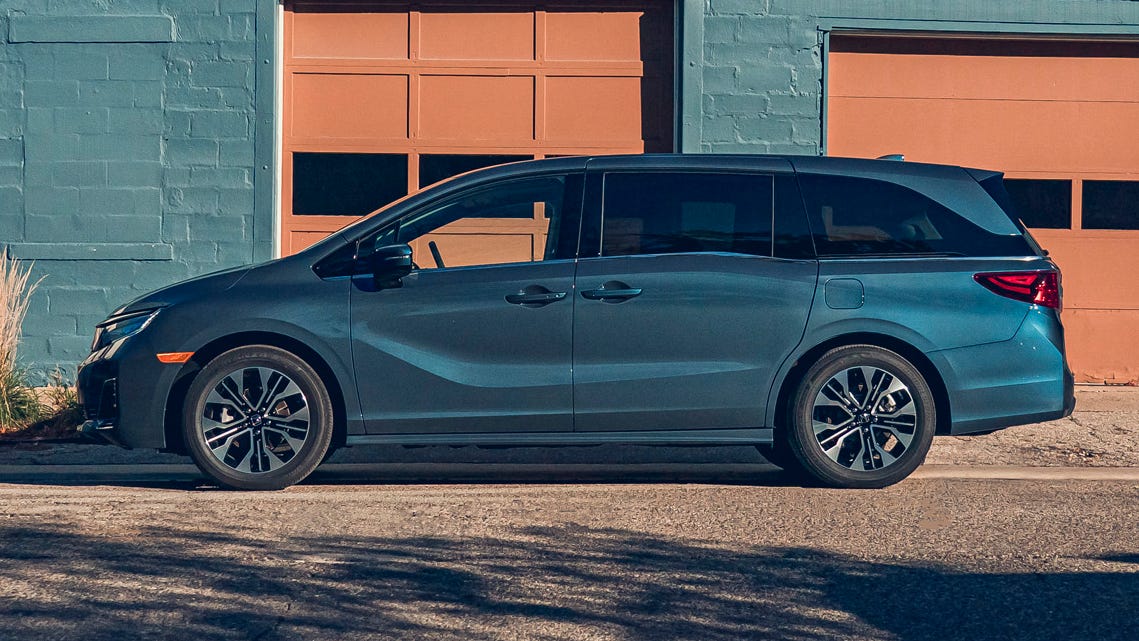
Family minivans are supposed to prioritize comfort for long trips. The Honda Odyssey has struggled to deliver on that promise, according to several owner accounts.
One 2016 Odyssey owner reported that their back gave out completely after a long trip. They described falling to the ground in intense pain immediately after exiting the vehicle.
That driver was incapacitated for nearly a week following the incident. A doctor found no visible spinal damage on X-ray, again pointing to the seat itself as the likely cause.
Another owner raised concerns about the head restraint design specifically. They noted it pushed their head, neck, and shoulders forward, preventing them from sitting properly against the seatback.
That same owner emphasized this wasn’t a one-off body type issue. They described themselves as an average-sized, healthy woman, suggesting the problem could affect many other drivers.
The combination of headrest positioning and seat angle appears to compound discomfort over time. Drivers report being unable to find any comfortable seating position during multi-hour trips.
This is particularly concerning for a vehicle marketed toward families. Minivans are often chosen specifically for long-distance travel with children.
Parents driving the Odyssey on vacations or cross-country trips may not anticipate this issue. Short local drives around town rarely reveal the same level of discomfort.
The complaints span multiple trim levels, including the EX-L V6. This suggests the issue isn’t limited to a single lower-cost configuration. As with other Honda models on this list, the seat problems seem tied to firmness and lumbar geometry.
It’s not a single faulty part but a broader design philosophy. Anyone considering an Odyssey for regular road trips should test the third-row and front seats extensively.
A quick dealership lap won’t reveal how the seat performs after two or three hours. Given how central comfort is to the minivan’s purpose, this is a significant drawback worth researching before purchase.
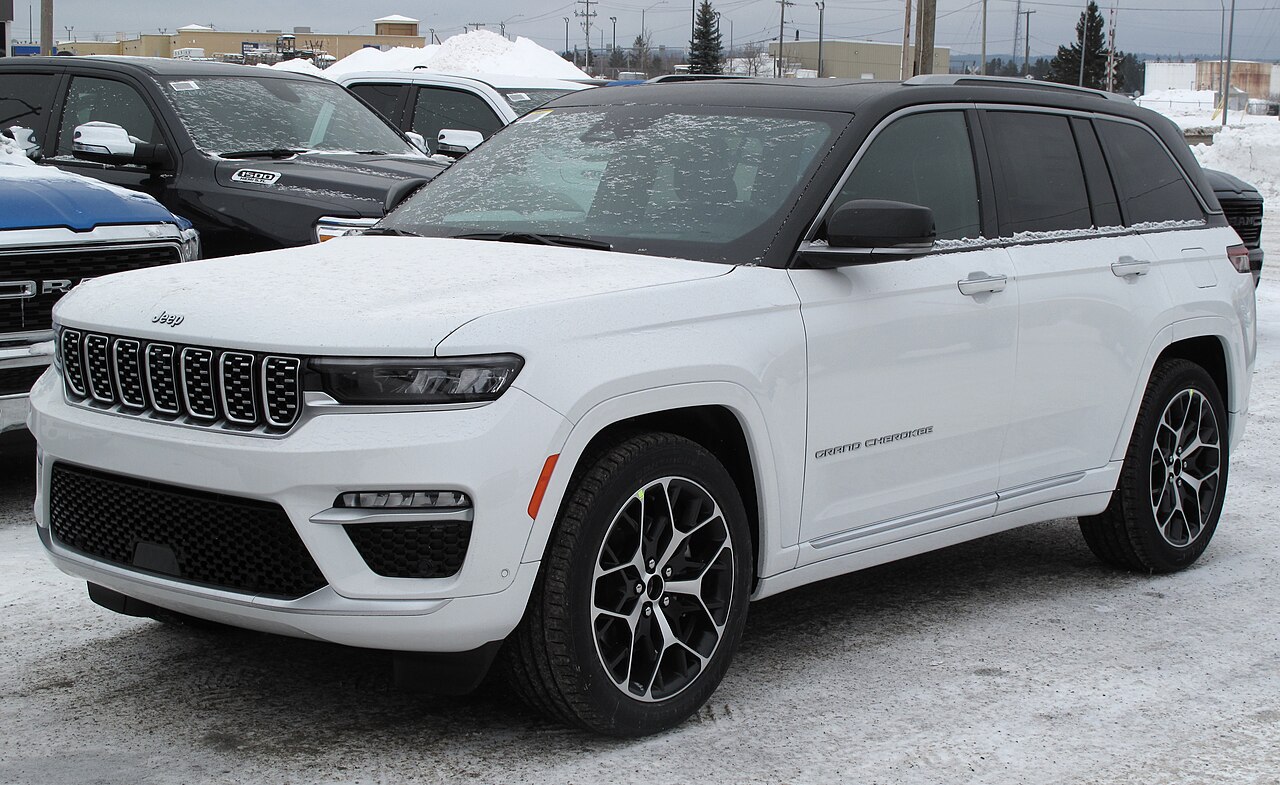
5. Jeep Grand Cherokee
The Jeep Grand Cherokee markets itself as a rugged yet luxurious SUV. Several owners argue the luxury label doesn’t extend to seat comfort. One driver reported being bent over in pain after driving for more than three hours.
They still owed a significant amount on the vehicle and described the experience as genuinely painful to continue driving. That same owner reached out to Chrysler directly for help.
They were redirected to the dealership, which claimed no knowledge of the issue whatsoever. Frustrated, the owner test-sat in a brand-new Grand Cherokee at a dealership.
They found the same seat design was still being used, despite the ongoing complaints. They specifically described the seats as contributing to sciatica-like symptoms during longer drives. This is a notable claim given sciatica typically involves nerve compression, not simple muscle fatigue.
Another complaint came from a Grand Cherokee Limited Diesel owner. Despite loving most aspects of the vehicle, they described persistent pain on the right side of their lower back.
That owner noted they were of average height and weight, ruling out an unusual body type as the cause. They specifically blamed the hardness of the seat material for the discomfort.
What’s interesting about the Grand Cherokee complaints is the contrast with expectations. Buyers choose this SUV partly for its “luxury” positioning, which typically implies superior comfort features.
The gap between marketing and real-world experience seems to be a recurring frustration. Owners feel misled when a premium-priced vehicle produces pain-level discomfort on road trips.
Seat hardness, rather than lumbar geometry alone, appears to be the primary culprit here. This differs slightly from the Honda complaints, which focus more on seat angle and support.
If you’re considering a Grand Cherokee for highway trips, pay close attention to seat firmness during your test drive. Sit for at least 20 to 30 minutes to gauge how your lower back responds.
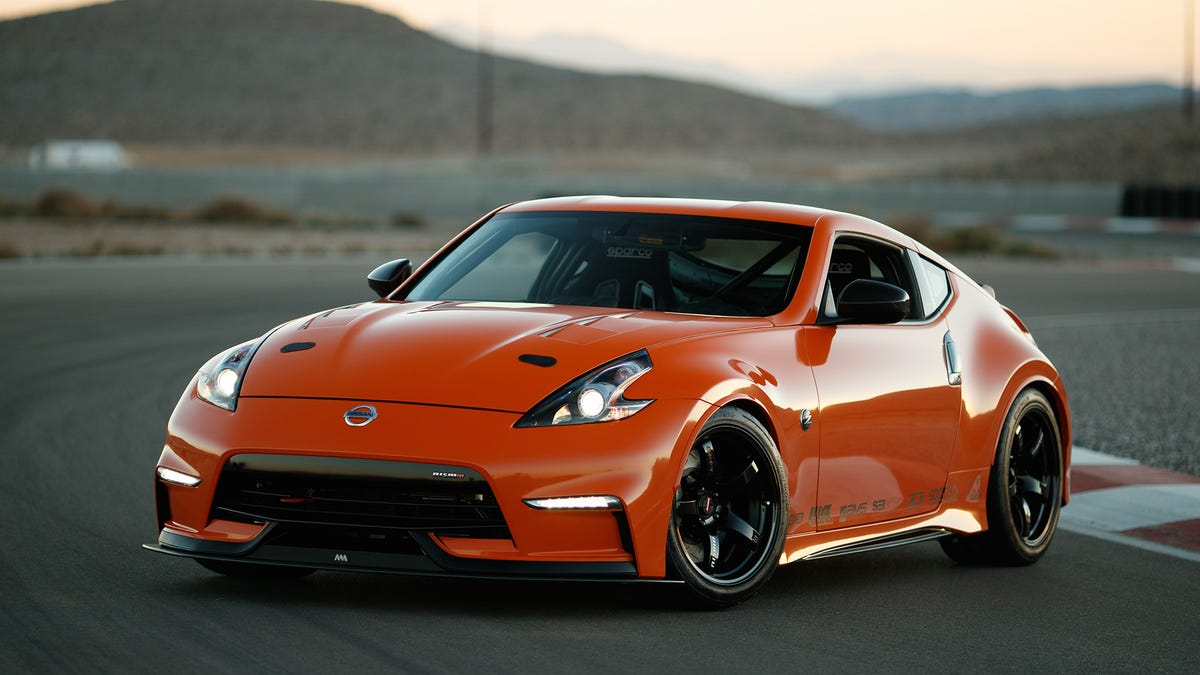
6. Nissan 370Z
Sports cars often sacrifice comfort for performance, and the Nissan 370Z is a clear example. Its low-slung, aggressive seating position isn’t built with long drives in mind.
One driver described the 370Z’s seats as absolutely killing their back after short periods behind the wheel. They noted that no one else on their team experienced the same issue, suggesting a body-type-specific problem.
Despite that variability, the pain was severe enough to limit their driving sessions dramatically. They reported being able to drive the car for only about 20 minutes at a time before the discomfort became unbearable.
This highlights an important nuance about sports car seating. Bucket seats designed for cornering support don’t always accommodate every torso length or hip width.
The 370Z’s seats are intentionally firm and heavily bolstered. This design helps hold the driver in place during aggressive cornering but sacrifices long-haul comfort.
Unlike the Honda models on this list, the 370Z’s discomfort isn’t necessarily a design flaw. It’s more accurately described as a trade-off inherent to performance-focused seating.
Still, for anyone planning to use a 370Z as a daily driver or road-trip vehicle, this is worth knowing upfront. The car simply wasn’t engineered with multi-hour comfort as a priority.
Owners considering aftermarket seat modifications should proceed carefully. Bolstered sport seats are often difficult to modify without compromising the car’s structural mounting points.
If back pain on long drives is a dealbreaker, a 370Z likely isn’t the right choice regardless of modifications. Its entire seating philosophy runs counter to extended comfort.
For weekend driving or short commutes, most owners report the seats are perfectly tolerable. It’s specifically the multi-hour highway stretch where problems emerge.
Anyone cross-shopping sports coupes for a long-distance driver should test-sit for at least 30 minutes. Performance seating and touring comfort rarely coexist in the same design.
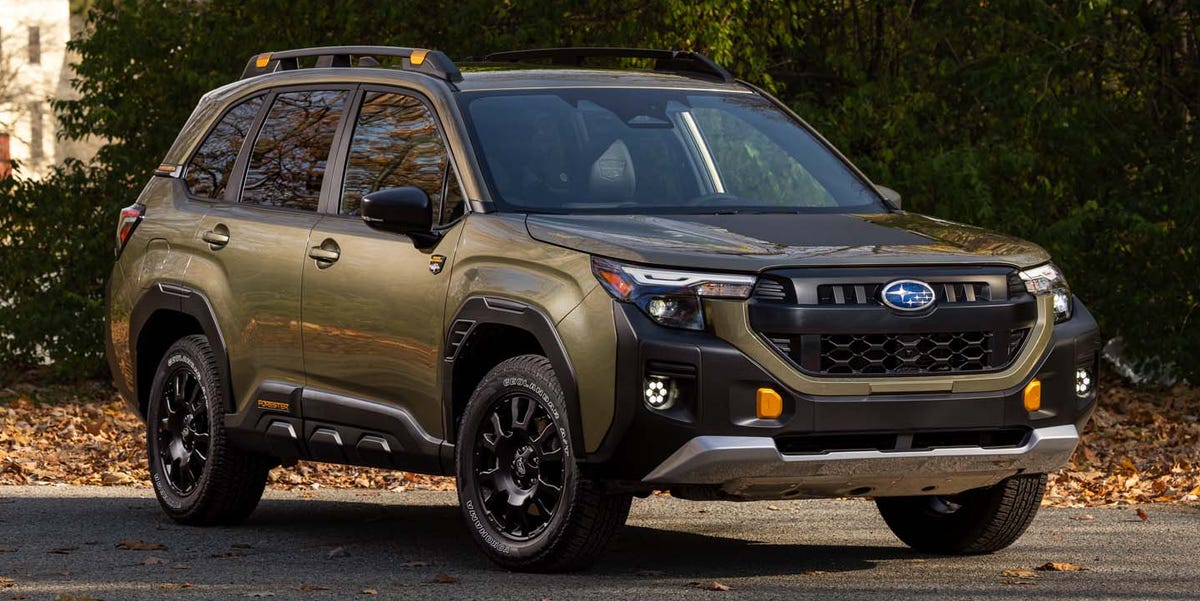
7. Subaru Forester
The Subaru Forester has a strong reputation for reliability and all-weather capability. Seat comfort on long drives, however, has drawn some pointed criticism from owners.
One driver described their spouse’s 2014 Forester in blunt terms. They said that after more than an hour of driving, they felt ready to confess to any crime imaginable.
That comment, while humorous, reflects a genuine and recurring frustration among Forester owners. Several forum discussions echo similar sentiments about seat firmness and lack of adjustability.
The complaints tend to focus less on lumbar geometry and more on general seat hardness. Drivers describe a cushion that feels fine initially but becomes increasingly uncomfortable as trip length increases.
This is a subtler complaint than some of the more severe Honda or Jeep cases. There are fewer reports of medical intervention or diagnosed spinal issues tied specifically to the Forester.
Still, the consistency of “long drive discomfort” feedback across multiple owners is notable. It suggests a genuine pattern rather than isolated incidents.
Some owners have found relief through aftermarket seat cushions or lumbar supports. Unlike CR-V owners, several Forester drivers report these fixes actually help meaningfully.
This suggests the underlying seat structure may be more adjustable or forgiving than some other models on this list. The problem seems more about base cushioning than fundamentally poor ergonomic design.
Forester buyers cross-shopping with the CR-V or Honda’s other models should weigh these trade-offs. Neither vehicle has a perfect comfort record, but the underlying causes appear different.
If you already own a Forester and experience discomfort, aftermarket lumbar cushions are worth trying first. Several owners report success without needing to trade in the vehicle entirely. For new buyers, a longer test drive on the highway, rather than just around the dealership lot, is strongly recommended.
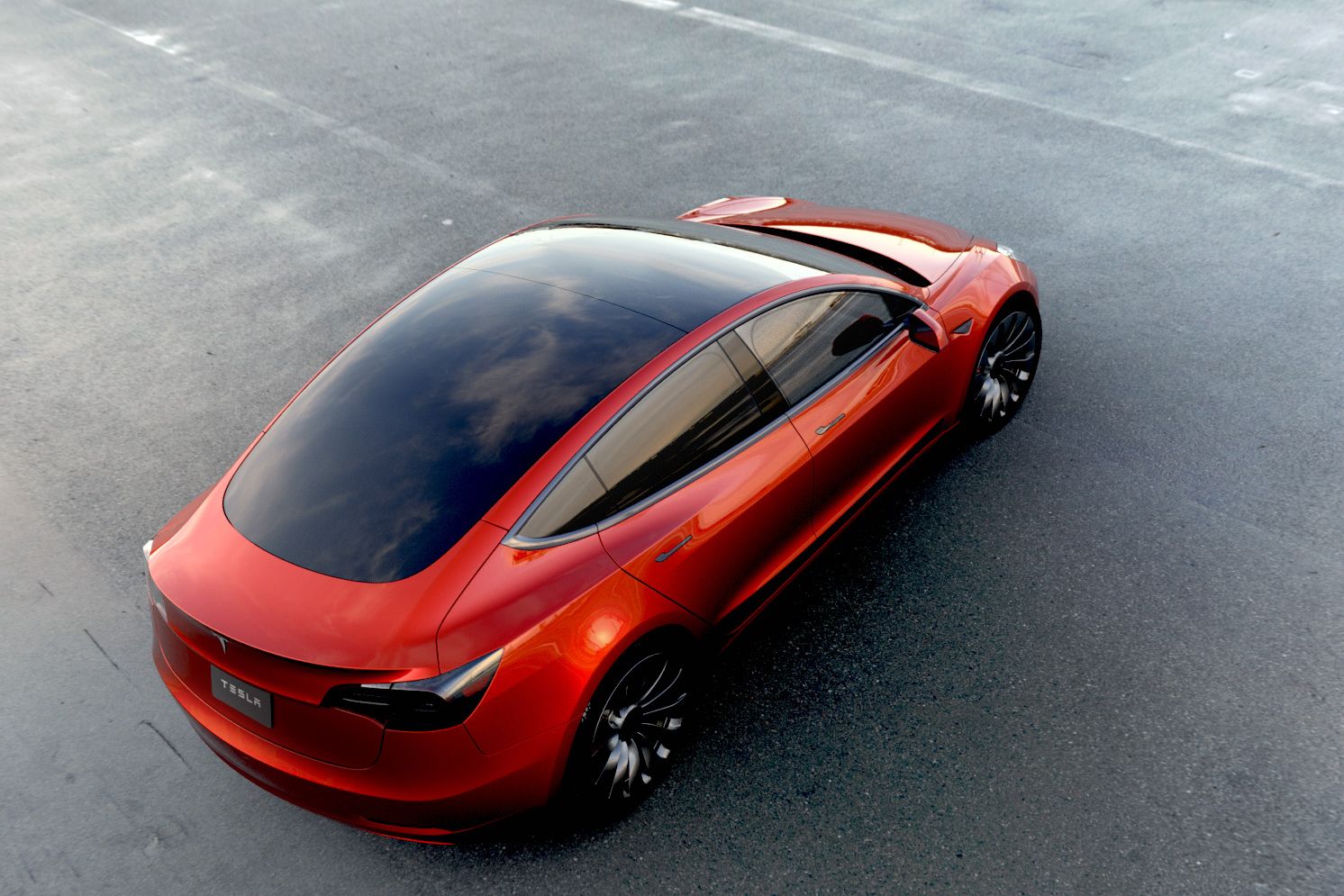
8. Tesla Model 3
The Tesla Model 3 has earned praise for its acceleration, technology, and range. Ride comfort and rear-seat design have been recurring weak points in professional testing.
Consumer Reports specifically flagged a stiff ride and uncomfortable rear seats as ongoing concerns during their evaluation of the vehicle. This wasn’t a one-time observation but a repeated finding across multiple testing cycles.
Even after software updates improved other aspects of the car, like braking performance, the seating complaints persisted. One report noted that even after an over-the-air update boosted the car’s score, testers still flagged wind noise, a stiff ride, and an uncomfortable rear seat as ongoing issues.
This is a different kind of complaint than the Honda models on this list. It’s less about individual owner medical outcomes and more about a consistently firm, unyielding ride quality.
The Model 3’s suspension tuning prioritizes handling precision over plush comfort. This makes sense for a car aiming to compete with sport sedans, but it comes at a cost for long-distance passengers.
Rear-seat passengers in particular seem to bear the brunt of this trade-off. The low seating position and limited padding can translate to discomfort on multi-hour trips.
Unlike some gas-powered SUVs, the Model 3’s firm ride is partly tied to its battery placement and structural design. Lowering the center of gravity for handling and range efficiency can limit how much cushioning engineers build into the seats.
Front-seat drivers report fewer complaints than rear-seat passengers. This suggests the discomfort may be more pronounced for those not actively engaged in driving and adjusting posture.
If you’re considering a Model 3 for regular road trips with passengers, it’s worth having those passengers sit in the back seat for an extended test drive. A quick front-seat spin won’t reveal how the rear seats hold up over distance.
As with the 370Z, this appears to be a deliberate design trade-off rather than a manufacturing flaw. Buyers prioritizing handling and efficiency may find the comfort trade-off acceptable, while comfort-focused road-trippers may not.
