Buying an electric vehicle before a tax credit rule change can leave you wondering whether your purchase still qualifies. In 2024, federal EV tax credit requirements changed significantly, particularly for battery sourcing, vehicle assembly, and income eligibility.
Some electric cars that previously qualified for the full credit received reduced amounts or lost eligibility under the updated rules. If you purchased an EV around this transition, checking the model, trim, purchase date, and tax documentation can help clarify your situation.
This guide covers 11 vehicles worth reviewing, explains why their eligibility changed, and highlights the records buyers should keep when preparing their federal tax return.
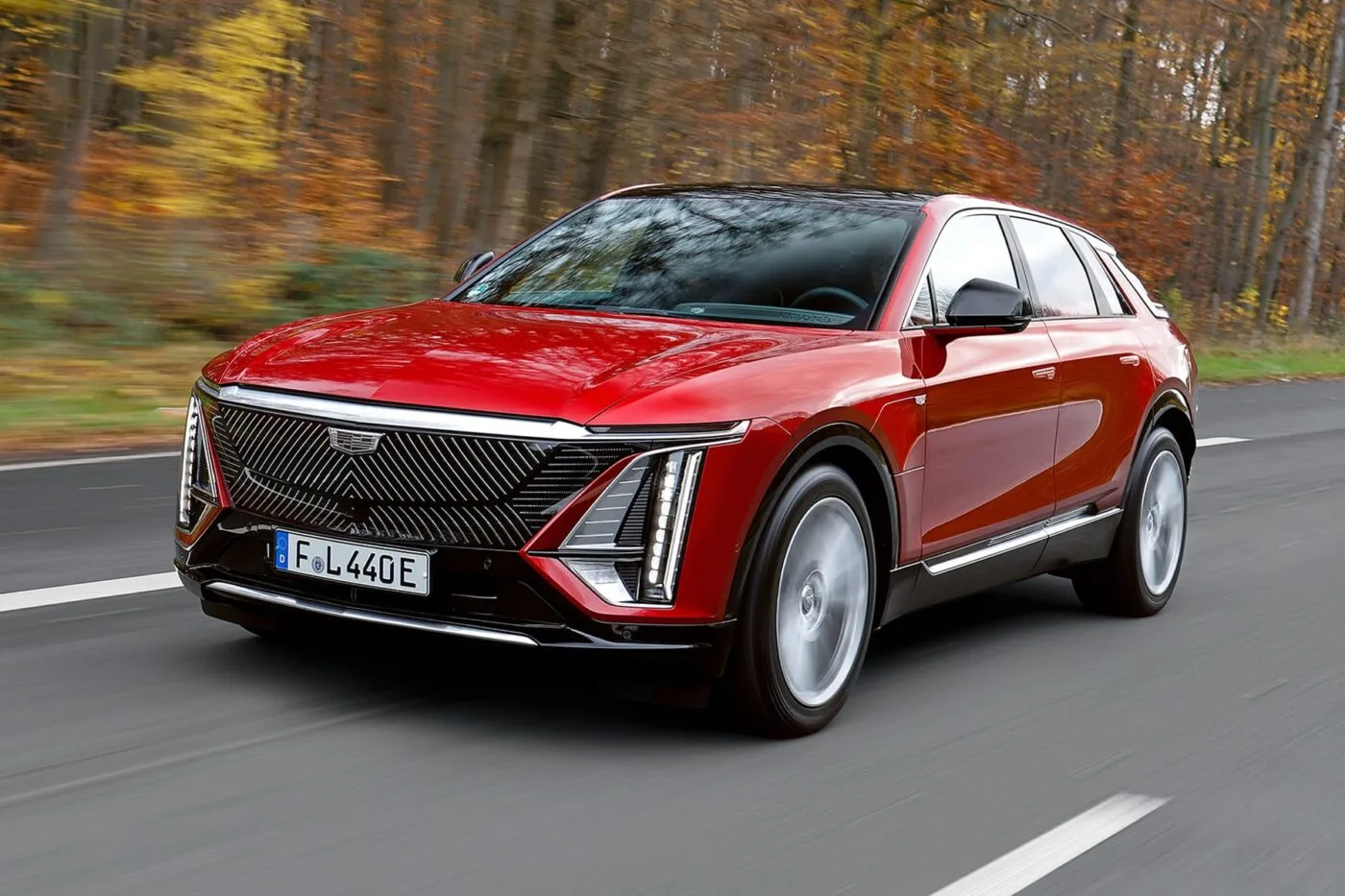
1. Cadillac Lyriq
The Cadillac Lyriq deserves attention because the IRS specifically identified the 2023 model as a vehicle affected by the updated classification rules. Before the final regulations, certain vehicles were treated as subject to the $55,000 MSRP ceiling.
The IRS later stated that the 2023 Lyriq was among the vehicles classified as an SUV for purposes of the clean vehicle credit. That classification brought the applicable MSRP ceiling to $80,000 for the relevant vehicle.
This matters for an owner who purchased a 2023 Lyriq and was concerned that the vehicle’s MSRP exceeded the lower $55,000 threshold. The IRS specifically said eligible taxpayers who placed qualifying vehicles in service on or after January 1, 2023 could use the updated classification and associated MSRP limitation.
That means the later clarification can matter when reviewing a prior return. The result still depends on whether the specific vehicle met the other requirements for the credit.
The IRS’s federal credit table lists the 2023 Cadillac Lyriq with an $80,000 applicable MSRP limit and a $7,500 credit for the April 18, 2023 through December 31, 2023 qualifying period. The table also lists the 2024 Lyriq at the same $80,000 MSRP limit and $7,500 credit for the 2024 qualifying period. This provides a useful reference point when reviewing a 2023 purchase.
Owners should compare the vehicle’s original window sticker with the IRS requirements rather than relying on the amount paid at the dealership.
The IRS makes clear that the MSRP test uses the manufacturer’s suggested retail price rather than the final negotiated purchase price. Dealer discounts can lower what the buyer pays, but they do not simply lower the MSRP used for the federal eligibility test.
If a 2023 Lyriq owner previously assumed the vehicle failed because of the lower MSRP ceiling, the classification change is a reason to review the tax records.
The owner should verify delivery date, model year, VIN, MSRP, income eligibility, final assembly, battery requirements, and seller documentation. A classification change does not by itself guarantee a credit, but it can change the MSRP analysis for an otherwise eligible vehicle.
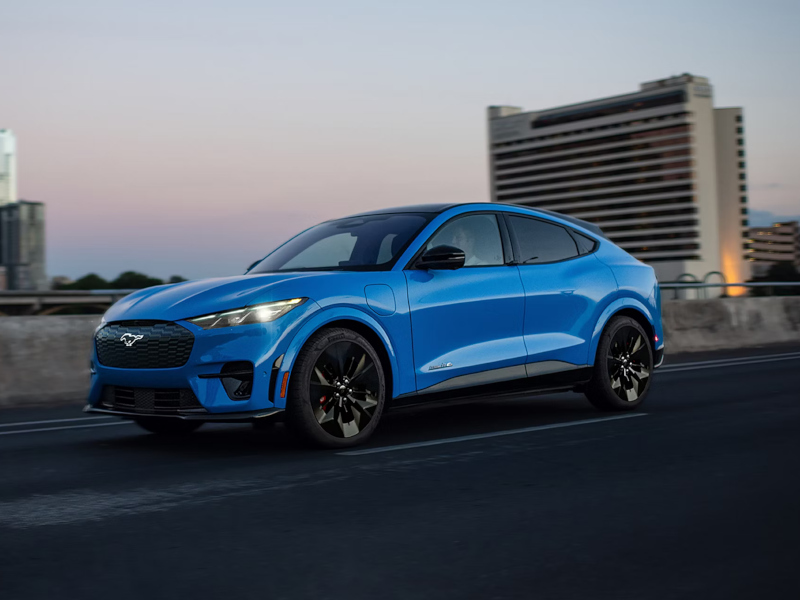
2. Ford Mustang Mach-E
The Ford Mustang Mach-E is another vehicle specifically named by the IRS in its classification clarification. The IRS said the 2022 and 2023 Mustang Mach-E were among vehicles that were reclassified as SUVs for purposes of the clean vehicle credit.
That classification matters because the SUV MSRP ceiling was $80,000, compared with the $55,000 ceiling applied to vehicles in the “other” category.
The federal credit table shows 2022 and 2023 Mustang Mach-E configurations with an $80,000 applicable MSRP limit during the April 18, 2023 through December 31, 2023 qualifying period. The listed credit was $3,750 for the configurations included in that table. This is a useful reminder that qualifying for the correct MSRP category did not necessarily mean receiving the full $7,500 credit.
For an owner who purchased a Mach-E in 2023, the exact delivery date remains important. The IRS says vehicles placed in service on or after April 18, 2023, were subject to the critical mineral and battery component requirements.
Those requirements determined whether the vehicle could receive the mineral portion, the battery portion, or both portions of the credit.
A Mach-E owner reviewing a previous return should also check the seller’s report. The IRS requires seller information to identify the taxpayer, vehicle, VIN, battery capacity, sale date, sale price, and maximum credit amount, among other information. That document can provide evidence about what the dealer and manufacturer reported for the specific transaction.
The key point is that a Mach-E purchase should be checked by configuration and date, not simply by model name. Two vehicles carrying the same model name can have different treatment because the tax rules depend on the vehicle’s specifications and the applicable qualifying period.
Owners should use their VIN and original purchase records when determining whether their filed credit matched the rules in effect when they took delivery.

3. Tesla Model Y
The Tesla Model Y also appears in the IRS classification discussion. The agency specifically referred to certain 2022 and 2023 Model Y variants when explaining which vehicles were classified as SUVs for purposes of the clean vehicle credit. That distinction can be significant because the SUV category had an $80,000 MSRP ceiling.
The IRS credit table lists several 2023 Model Y configurations in the April through December 2023 qualifying period, including rear-wheel drive, all-wheel drive, Long Range all-wheel drive, and Performance versions. The listed applicable MSRP limit was $80,000, with a $7,500 credit for those configurations in that period.
This makes the Model Y a good example of why the exact version of a vehicle matters. The tax rules were not simply written around the badge on the rear of the vehicle.
The federal list identifies particular configurations and model years. Owners should therefore avoid using a generic online statement such as “the Model Y qualifies” as proof that their individual purchase qualified.
Tesla buyers should also be careful about delivery timing. The IRS states that the credit is claimed for the year the vehicle is placed in service, meaning the date the buyer takes possession. If a buyer ordered a vehicle during one tax year but received it during another, the applicable requirements can follow the later delivery date.
For a 2023 Model Y owner, the re-check should focus on classification, MSRP, delivery date, VIN, income limits, battery requirements, and seller reporting.
The later classification clarification may be especially relevant where the buyer originally believed the vehicle was subject to the lower MSRP threshold. The IRS specifically allows qualifying taxpayers affected by classification changes to use the updated classification for eligible vehicles placed in service from January 1, 2023.
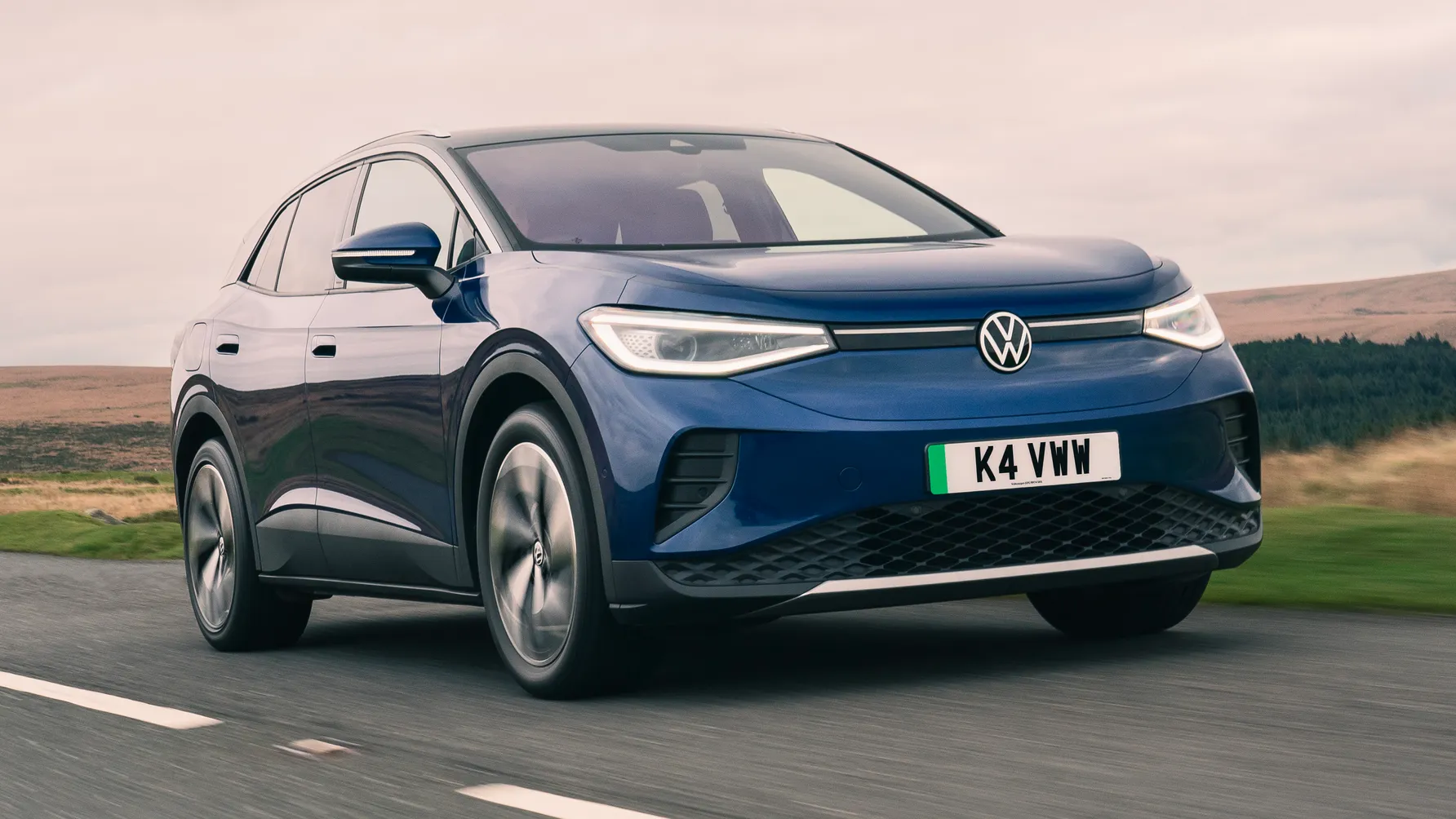
4. Volkswagen ID.4
The Volkswagen ID.4 is another model named directly by the IRS in its classification guidance. Certain 2022 and 2023 ID.4 variants were reclassified as SUVs for the clean vehicle credit. That can be important for an owner whose vehicle’s MSRP appeared too high under the previous $55,000 classification.
The IRS’s vehicle table lists multiple 2023 ID.4 configurations, including Standard, S, Pro, Pro S, Pro S Plus, and several all-wheel-drive versions.
For the April 18 through December 31, 2023 period, the listed configurations had an $80,000 MSRP limit and a $7,500 credit. The same table lists numerous 2024 ID.4 configurations with the same $80,000 limit and $7,500 credit for the 2024 qualifying period.
The ID.4 is also a good example of why battery configuration can matter. Federal clean vehicle rules increasingly focus on the origin and manufacture of battery components and critical minerals.
A model name by itself cannot establish that a particular VIN met every sourcing requirement. The applicable IRS record for the vehicle and the manufacturer’s certification are more useful evidence.
If you purchased an ID.4 in 2023, check whether your tax return used the correct MSRP classification. The IRS explicitly stated that eligible taxpayers who placed an eligible vehicle in service on or after January 1, 2023, can use the updated classification.
This does not remove the income, battery, final assembly, manufacturer, or other requirements. It simply means that the classification clarification can affect the price-limit portion of the analysis.
The safest review is to gather the window sticker, purchase agreement, delivery date, VIN, seller report, and filed tax return. Compare those documents with the IRS vehicle information for the relevant year.
If the records show that the vehicle met the applicable requirements but the tax return used an incorrect vehicle classification, the owner may have a reason to ask a qualified tax professional whether an amended filing is appropriate.
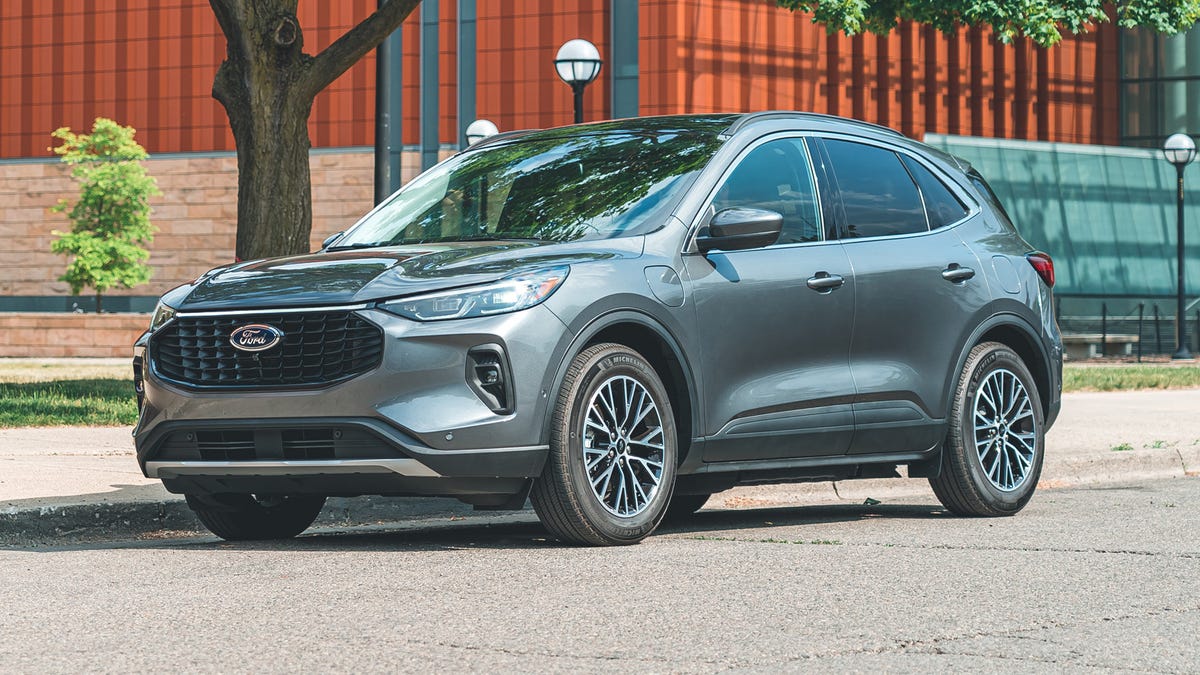
5. Ford Escape Plug-in Hybrid
The Ford Escape Plug-in Hybrid is particularly interesting because the IRS also included it in the list of vehicles whose classification changed.
The agency said the 2022 and 2023 Escape Plug-in Hybrid were among the vehicles classified as SUVs for the credit. This placed them under the $80,000 SUV MSRP ceiling instead of the lower ceiling associated with vehicles in the other category.
The IRS vehicle table lists the 2022 and 2023 Escape Plug-in Hybrid with an $80,000 MSRP limit and a $3,750 credit for the April 18 through December 31, 2023 qualifying period. It also lists the 2024 and 2025 versions with the same $80,000 limit and $3,750 credit for the 2024 qualifying period.
This means a buyer should not look only at the $80,000 threshold and assume the credit was automatically $7,500. The Escape Plug-in Hybrid’s listed credit was $3,750 for the applicable qualifying periods shown by the IRS.
The distinction reflects the credit’s two-part structure, where the critical mineral and battery component requirements could each account for $3,750.
Owners who bought the Escape Plug-in Hybrid before 2024 should also determine whether their purchase was placed in service before or after April 18, 2023.
The IRS specifically states that vehicles placed in service on or after that date were subject to the critical mineral and battery component requirements. An earlier order date does not by itself control the result.
A review can therefore be worthwhile if the owner used an incorrect MSRP category or misunderstood the credit amount. The relevant evidence includes the model year, VIN, window sticker, delivery date, seller report, and tax return. The classification clarification is particularly relevant for older purchases because it can affect how the MSRP limitation should have been applied.
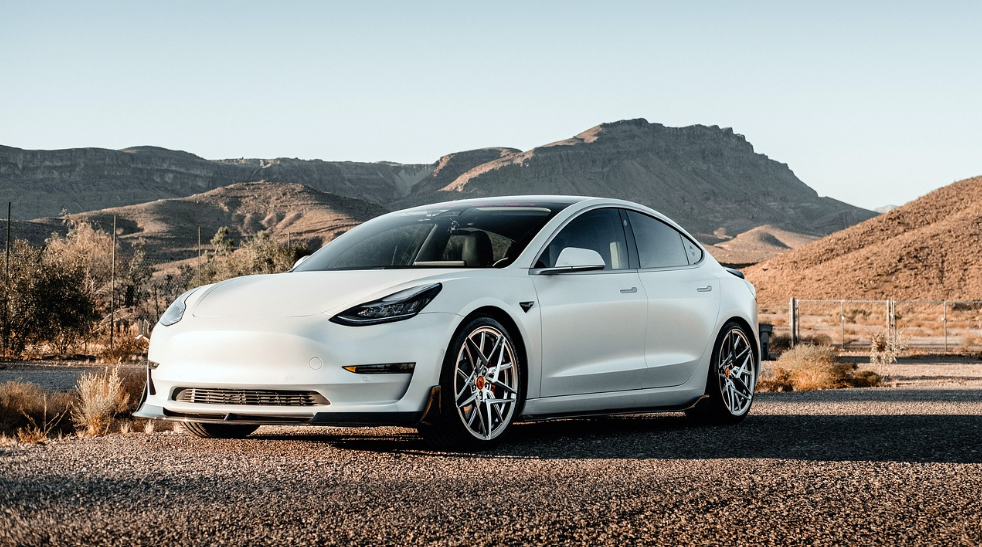
6. Tesla Model 3
The Tesla Model 3 needs careful attention because eligibility changed among different configurations and qualifying periods. The IRS table lists 2023 Model 3 Long Range All-Wheel Drive, Model 3 Performance, and Model 3 Standard Range Rear-Wheel Drive as eligible during the April 18 through December 31, 2023 period, with a $55,000 applicable MSRP limit and a $7,500 credit.
The picture changed for 2024. The IRS’s 2024 qualifying-period table lists the 2024 Model 3 Long Range All-Wheel Drive and Long Range Rear-Wheel Drive with a $7,500 credit and a $55,000 MSRP limit. It also lists the 2024 Model 3 Performance with the same credit. The 2023 Model 3 Standard Range Rear-Wheel Drive does not appear in the 2024 portion of that table.
This is why a 2023 owner should not apply the 2024 eligibility list to a 2023 purchase. The IRS explains that eligibility generally follows the rules applicable when the vehicle is placed in service.
A 2023 delivery must be analyzed under the requirements relevant to that period rather than simply using a later-year list.
Model 3 owners should pay special attention to the date the vehicle was delivered. A buyer who ordered a vehicle in late 2023 but took delivery in 2024 may fall under different battery-related requirements than someone who actually received the vehicle in 2023. The vehicle’s battery configuration can also matter, making the VIN and manufacturer certification more useful than a generic trim description.
For anyone who already claimed the credit, the main task is to compare the filed amount with the official qualifying period for the vehicle. The IRS table provides model-year and configuration-specific information. If the vehicle was eligible for a different amount than the taxpayer claimed, the owner should obtain professional tax advice before changing a filed return.
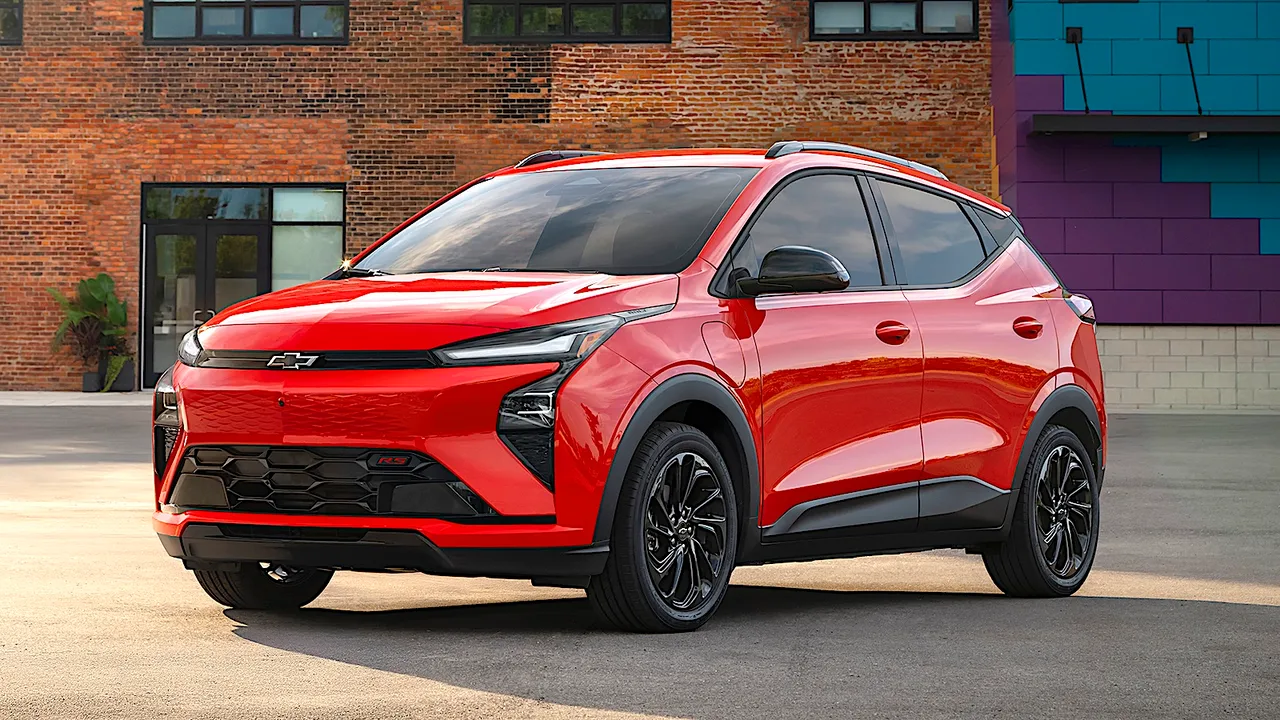
7. Chevrolet Bolt EV
The Chevrolet Bolt EV is another useful model to re-check because the IRS lists 2022 and 2023 Bolt EV vehicles with a $55,000 MSRP limit and a $7,500 federal credit for the relevant qualifying periods. The model appears in the IRS table for the April 18 through December 31, 2023 period and again in the January 1 through December 31, 2024 period.
A Bolt owner who purchased in 2023 should therefore concentrate on the normal eligibility requirements. The vehicle needed to satisfy the applicable battery, final assembly, manufacturer, MSRP, and buyer requirements.
The IRS also required seller reporting for eligible new clean vehicle purchases. The seller report contains identifying information and the maximum allowable credit for the vehicle.
Battery sourcing is also important for a 2023 delivery after April 18. The credit could be divided into two $3,750 components depending on compliance with critical mineral and battery component requirements. The fact that the Bolt was listed at $7,500 for the applicable IRS qualifying period does not eliminate the need to verify the specific purchase date and vehicle information.
Owners should compare their tax return with the IRS listing and the seller documentation. If a taxpayer claimed $7,500 and has a seller report supporting an eligible transaction, the paperwork provides a strong factual basis for the original filing.
If the taxpayer never received the required documentation, contacting the seller and preserving the transaction records is sensible before making any filing change.
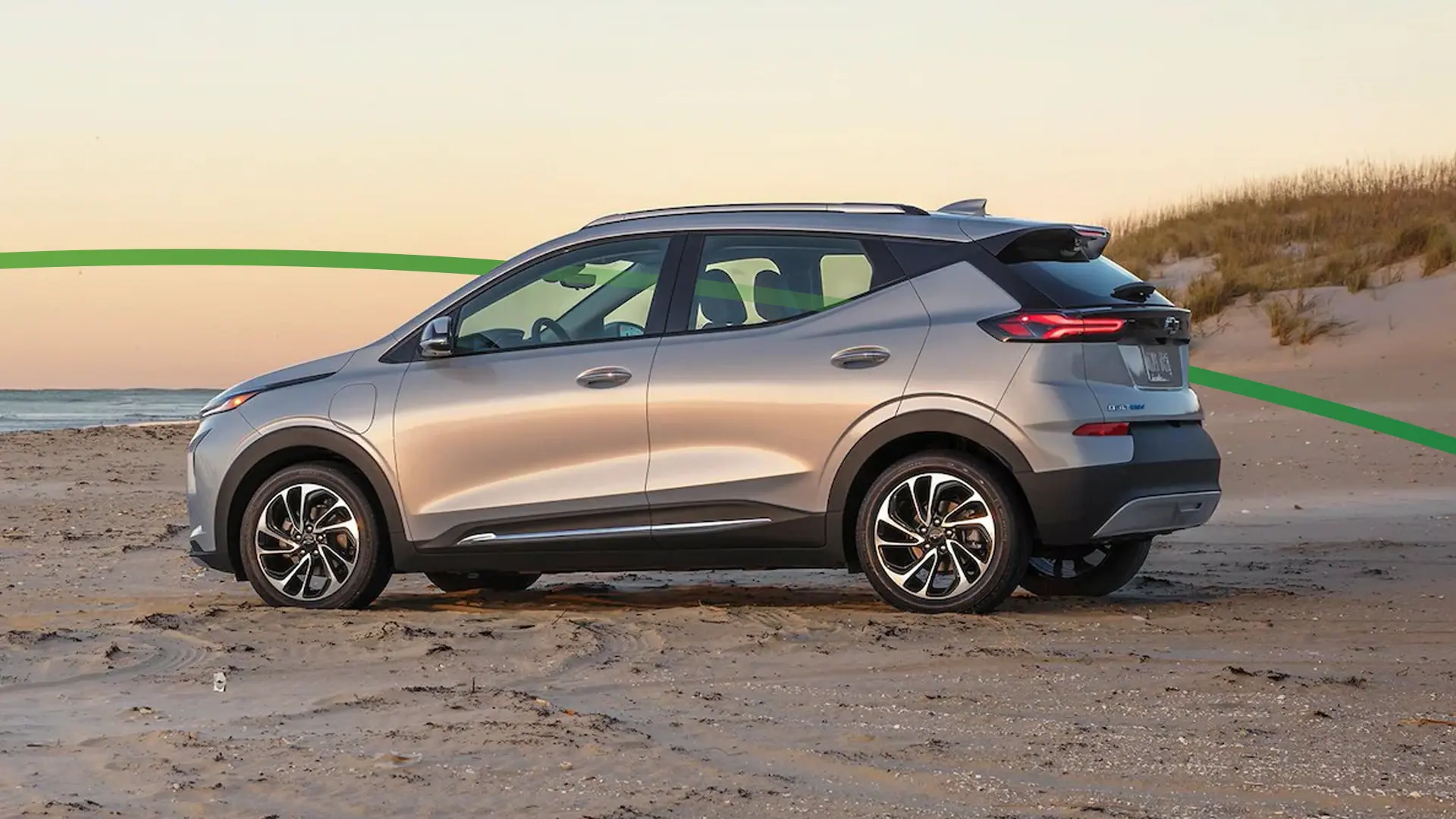
8. Chevrolet Bolt EUV
The Chevrolet Bolt EUV should be checked separately from the Bolt EV because the IRS identifies it as a separate vehicle in its clean vehicle credit table. The 2022 and 2023 Bolt EUV appear with a $55,000 MSRP limit and a $7,500 credit for the relevant qualifying periods.
The distinction between the Bolt EV and Bolt EUV illustrates why model names and vehicle classifications should not be mixed. Each vehicle must be matched to the applicable IRS listing. A buyer should use the VIN and manufacturer information rather than relying on a broad statement that a particular brand or vehicle family qualified.
For a 2023 purchase, the April 18 date remains relevant because the critical mineral and battery component requirements applied to vehicles placed in service from that date onward.
Those requirements were separate from the MSRP test. A vehicle could satisfy the price requirement and still have a different credit outcome if it did not satisfy the applicable battery sourcing requirements.
The 2024 rules should not simply be applied backward to a 2023 Bolt EUV purchase. The IRS makes clear that the eligibility rules generally depend on the date the vehicle was placed in service.
This is particularly important when a vehicle was ordered before a regulatory change but delivered after the change.
9. Ford F-150 Lightning
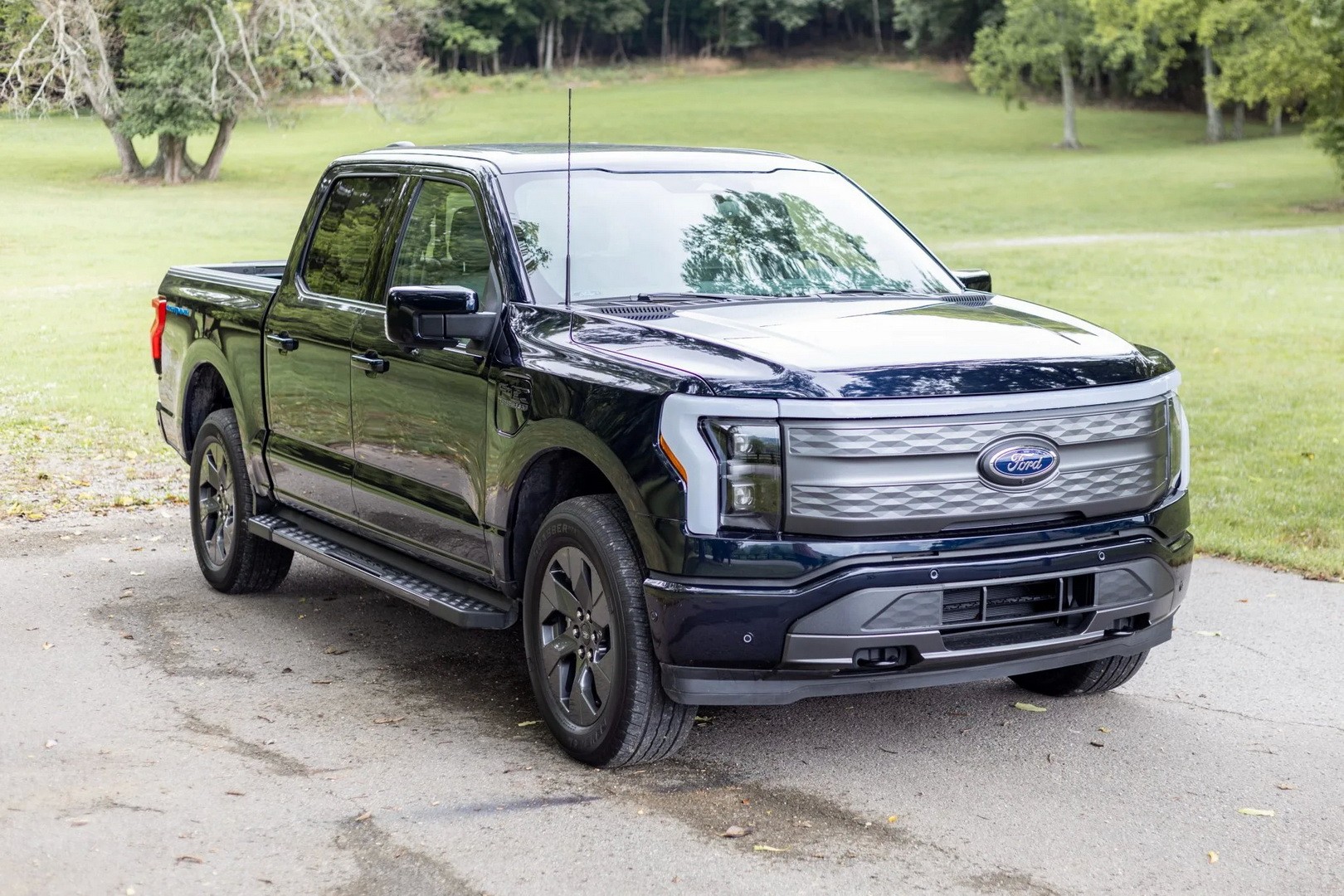
The Ford F-150 Lightning is worth reviewing because it carried a much higher MSRP ceiling than many passenger cars. The IRS classified eligible pickup trucks under the $80,000 MSRP limit, and the IRS table lists 2022 and 2023 F-150 Lightning configurations with that ceiling and a $7,500 credit during the April 18 through December 31, 2023 period.
The 2024 IRS table continues to list F-150 Lightning configurations with an $80,000 MSRP limit and a $7,500 credit. That consistency makes the Lightning different from models where eligibility or credit amounts moved substantially as battery sourcing rules changed. Still, the exact vehicle and qualifying period remain important.
Buyers should remember that MSRP is not the same as the negotiated transaction price. The IRS says the MSRP limitation is based on the manufacturer’s suggested retail price, including manufacturer-installed options and accessories, while excluding destination charges. A large dealer discount does not automatically make a vehicle with an excessive MSRP eligible.
A 2023 Lightning owner should also confirm which battery configuration the vehicle had.
The IRS table separately identifies Standard Range and Extended Range Battery versions, even though both are listed with the same $7,500 credit in the applicable period. That is a reminder that the government records can distinguish configurations that a general vehicle search may group.
The most useful re-check is therefore a document-based comparison. Match the VIN and battery configuration to the seller’s report and the IRS qualifying-period information.
If the vehicle was placed in service in 2023 and the taxpayer claimed the appropriate credit based on those records, a later 2024 rule should not automatically alter that prior-year result.

10. Rivian R1S
The Rivian R1S deserves attention because its federal credit history involved specific configurations and a $3,750 credit in the IRS table for the applicable qualifying periods. The IRS lists R1S configurations such as Dual Large and Quad Large, with an $80,000 MSRP limit and a $3,750 credit.
The $3,750 figure is important because buyers sometimes assume every eligible electric vehicle receives the maximum $7,500 amount. Under the post-April 18, 2023 rules, the credit could consist of two separate $3,750 portions. The amount shown for the R1S in the IRS table reflects the vehicle’s certified eligibility for the applicable period.
Rivian buyers also need to pay close attention to the MSRP ceiling. The IRS lists the R1S under the $80,000 limit, but the price test is based on MSRP rather than the final negotiated price. A buyer cannot simply reduce the purchase price through a discount and assume that a vehicle exceeding the applicable MSRP ceiling becomes eligible.
The R1S also demonstrates why exact configurations matter. The IRS table separately identifies battery and drivetrain configurations, including Dual Large and Quad Large versions. When reviewing an older purchase, the owner should compare the exact configuration on the transaction documents with the manufacturer and IRS records for the relevant qualifying period.
11. Rivian R1T
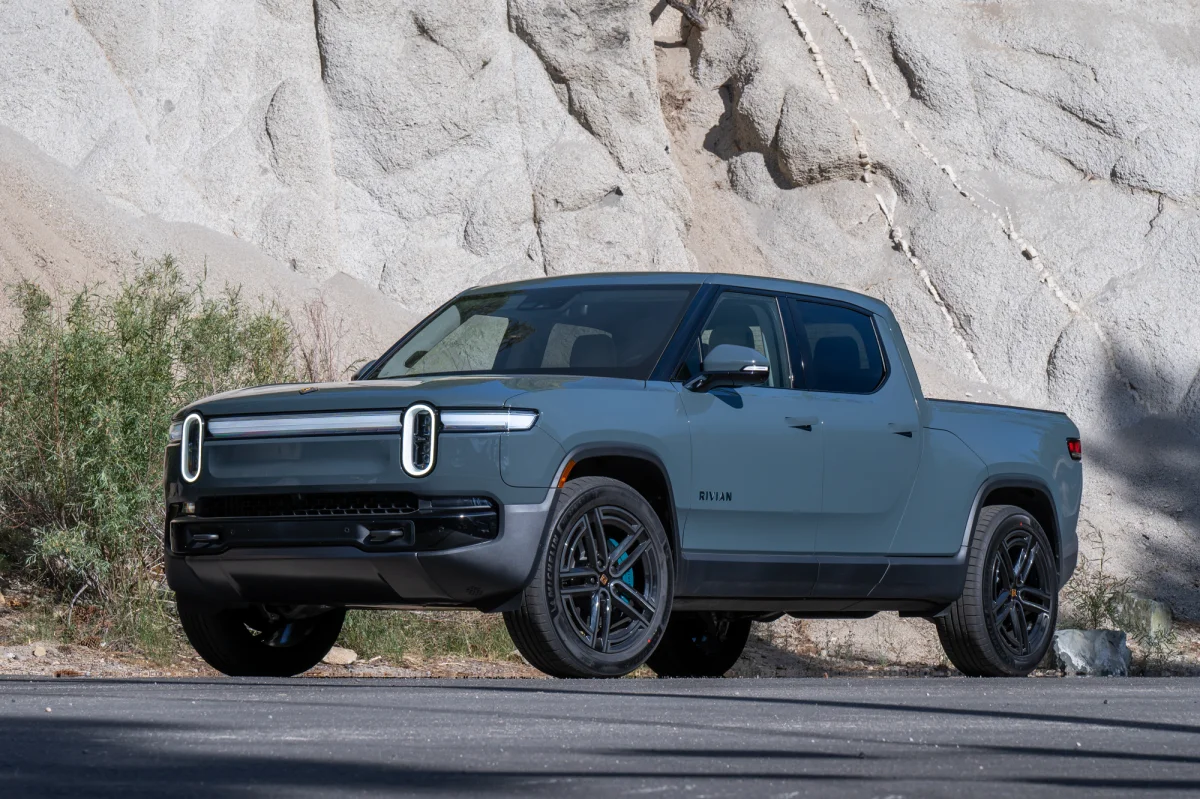
The Rivian R1T is closely related to the R1S from a tax-credit review perspective, but it should still be checked separately. The IRS table identifies multiple R1T configurations, including Dual Large, Dual Max, and Quad Large. The listed MSRP limit is $80,000, while the credit shown for the relevant qualifying periods is $3,750.
The R1T demonstrates how federal credit rules can vary from the public perception of a vehicle. A large electric pickup may qualify for a federal credit, but that does not mean the maximum credit automatically applies. The IRS certification for the relevant period is the more reliable source for determining the amount.
Owners should also check the vehicle’s MSRP carefully. Pickup trucks generally have an $80,000 ceiling under the new clean vehicle credit. The IRS states that the MSRP test is based on the manufacturer’s suggested retail price, not the amount the buyer paid.
A 2023 R1T owner should verify when the truck was placed in service. If delivery occurred on or after April 18, 2023, the critical mineral and battery component requirements applied. If the vehicle was delivered under an earlier applicable period, a different set of requirements could apply. The delivery date therefore belongs at the center of the review.