Luxury SUVs are expected to protect everyone inside, not just the person behind the wheel. That became more apparent when the Insurance Institute for Highway Safety added a second-row dummy to its updated moderate-overlap front crash test.
In the original 2023 evaluation of eight midsize luxury SUVs, the Lincoln Aviator, Mercedes-Benz GLE-Class, and Volvo XC60 earned good ratings, while the Acura MDX and BMW X3 were acceptable.
The Audi Q5 and Lexus RX received marginal ratings, while the Cadillac XT6 was rated poor. There is an important caveat to these results. IIHS revised its rating methodology in 2024, which changed some ratings for current vehicles. This article therefore uses the original test results and methodology applied to the eight-vehicle comparison.
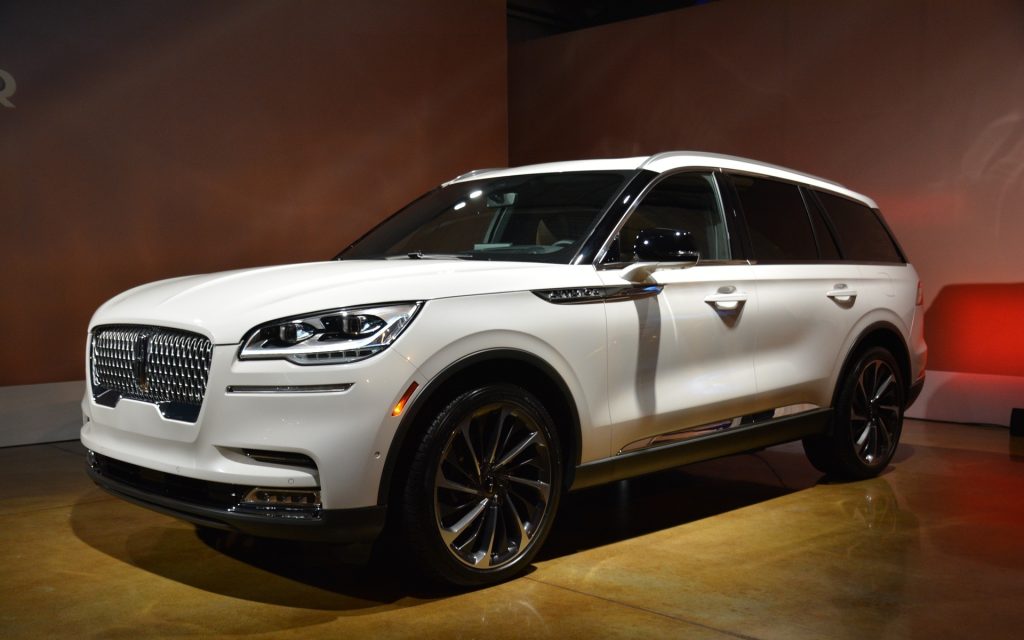
1. Lincoln Aviator
The Lincoln Aviator sits at the top of this particular eight-SUV comparison because it earned a Good rating in IIHS’s updated moderate-overlap front crash test. More importantly, the result was not based solely on what happened to the driver.
The test placed a dummy in the second row behind the driver, allowing IIHS to examine how effectively the restraint system managed rear-occupant movement.
The Aviator earned good ratings for rear head and neck protection, chest protection, and thigh protection. Its rear restraints and dummy kinematics were rated Acceptable rather than Good, keeping the result from being perfect.
IIHS noted that the rear dummy’s head came closer than desirable to the front seatback during the crash, which created additional concern despite the favorable injury measurements.
That detail makes the Aviator’s result more interesting than simply calling it a Good-rated SUV. The structure itself performed well, but occupant movement remained an area where engineers could improve the restraint system.
The test also produced good ratings across the major driver protection categories, meaning the strong rear result did not come at the expense of the person in front.
For buyers considering a newer Aviator, the vehicle remains a large three-row luxury SUV. Current versions use Lincoln’s twin-turbocharged 3.0-liter V6, although the exact specifications listed below are representative of the current U.S. powertrain rather than the exact test vehicle.
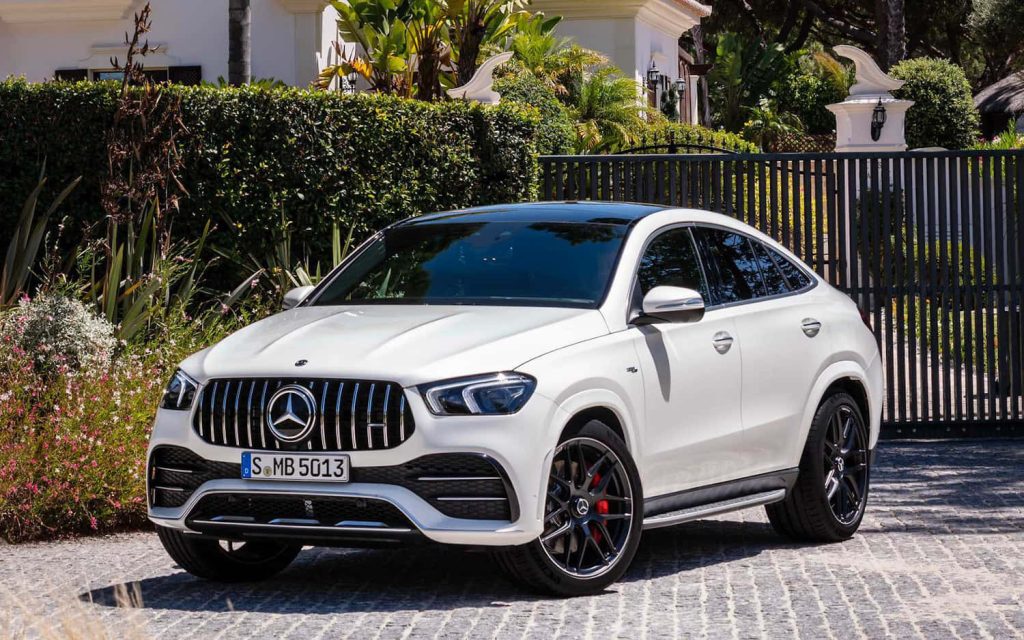
2. Mercedes-Benz GLE-Class
The Mercedes-Benz GLE-Class produced another Good rating in the IIHS comparison, but its rear-seat performance came with a specific qualification. The rear dummy’s head and neck measurements were rated Acceptable, while its chest and thigh measurements were Good. Rear passenger restraints and dummy kinematics earned a good rating.
IIHS said measurements taken from the rear dummy indicated a slightly elevated risk of head or neck injuries. That distinction matters because the GLE did not receive a poor result across the rear occupant categories. Instead, one area of measured injury risk prevented the rear passenger evaluation from matching the strongest possible result.
The GLE’s front-seat performance was considerably stronger. Structure and safety cage performance, driver head and neck, chest, thigh and hip, leg and foot measurements, and driver restraints and kinematics all received Good ratings in the test.
The GLE is also one of the more configurable SUVs in this group. Mercedes-Benz offers several U.S. powertrains, so performance specifications vary substantially. The GLE 350, for example, uses a turbocharged 2.0-liter four-cylinder with a 48-volt mild-hybrid system. Mercedes-Benz lists 255 horsepower and 295 lb-ft of torque for the current version.
Its rear passenger result demonstrates why a Good crashworthiness rating does not mean every measurement is identical. The GLE performed strongly for both rows, but IIHS still identified a specific area where rear occupant protection could be improved.
3. Volvo XC60
The Volvo XC60 joins the Lincoln Aviator and Mercedes-Benz GLE-Class as one of the three SUVs in this IIHS comparison to earn a Good rating for the updated moderate-overlap front crash test. What makes the XC60 stand out is the consistency of its rear-seat results.
IIHS rated the rear passenger’s head and neck, chest, and thigh injury measurements. Good, while rear restraints and dummy kinematics also received a Good rating.
That means the XC60 avoided the specific problems that affected several competitors. The rear dummy did not submerge beneath the lap belt, and its movement during the crash remained within the criteria required for a good rating.
The driver also received good ratings across the measured injury categories, with the occupant compartment maintaining a good structure and safety cage rating.
This is significant because IIHS’s updated test was designed specifically to identify weaknesses that older driver-focused crash tests could miss. The second-row dummy represents a smaller adult or 12-year-old child, allowing the institute to assess how the rear restraint system manages a different occupant size.
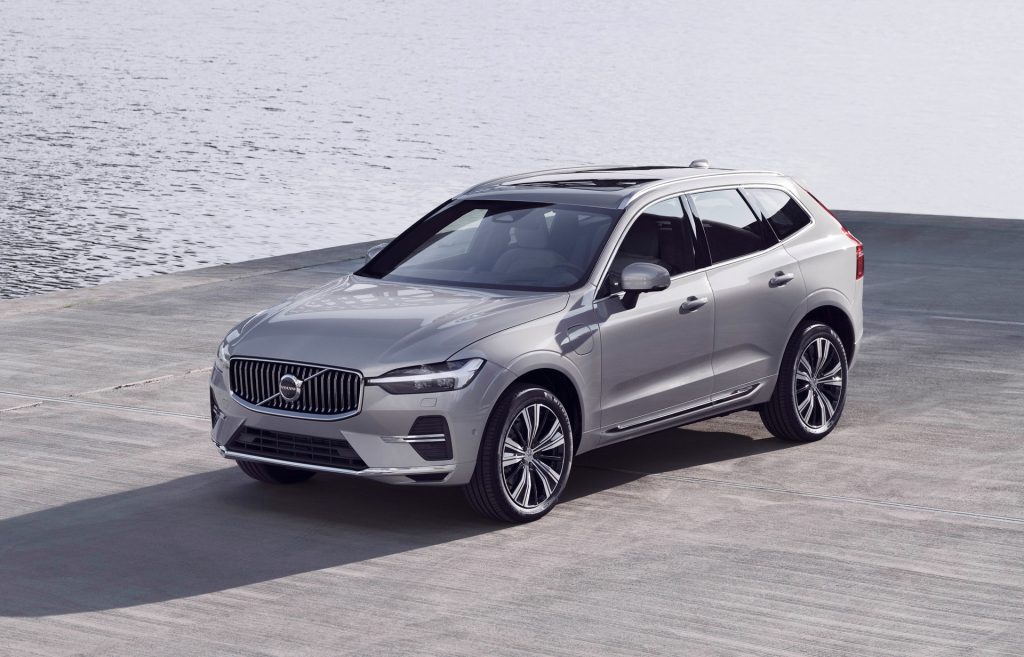
The XC60 is also a relatively compact luxury SUV compared with the larger three-row models in this group. For the 2024 U.S. model year, Volvo offered turbocharged and electrified powertrains, with the B5 version producing 247 horsepower.
4. Acura MDX
The Acura MDX landed in the Acceptable category in the original IIHS comparison, and its result illustrates why a vehicle can produce good injury measurements yet still lose ground because of occupant movement.
The MDX received good ratings for the driver’s protection and for the rear passenger’s head and neck, chest, and thigh injury measurements. The major concern involved the rear restraint system and dummy kinematics.
During the crash, IIHS observed the rear dummy submarining beneath the lap belt. This occurs when the occupant slides forward underneath the belt instead of remaining properly positioned against it.
The concern is that the belt can move onto the abdomen, increasing the potential for abdominal injuries. IIHS also reported that the rear dummy’s head came close to the front seatback.
The current IIHS vehicle record shows the 2023 MDX receiving good ratings for rear head and neck, chest, and thigh injury measures, but a marginal rating for rear restraints and dummy kinematics. This demonstrates that the acceptable result was driven primarily by occupant movement rather than poor injury measurements across the board.
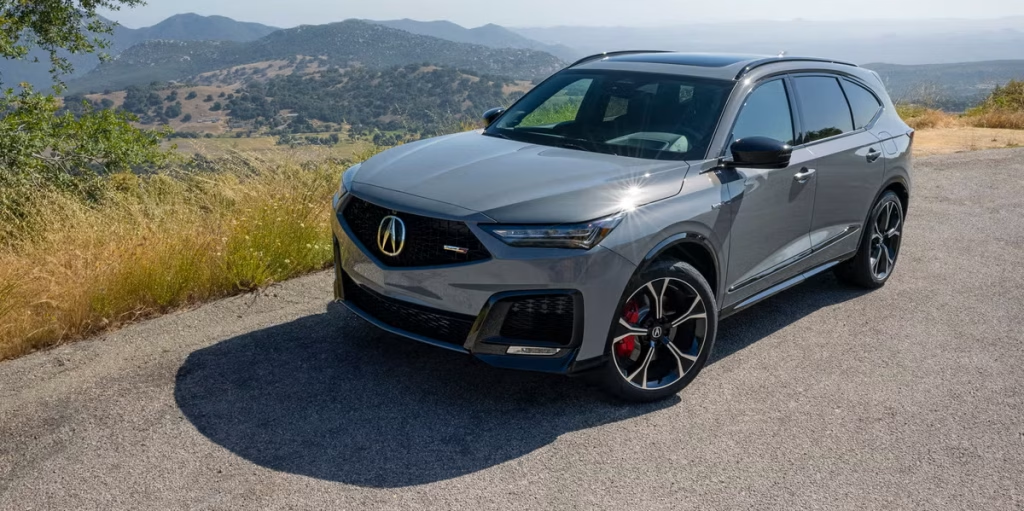
The MDX is a three-row luxury SUV, making second-row restraint performance particularly relevant for families carrying passengers regularly. Its 3.5-liter V6 was rated at 290 horsepower and 267 lb-ft of torque in the U.S. market.
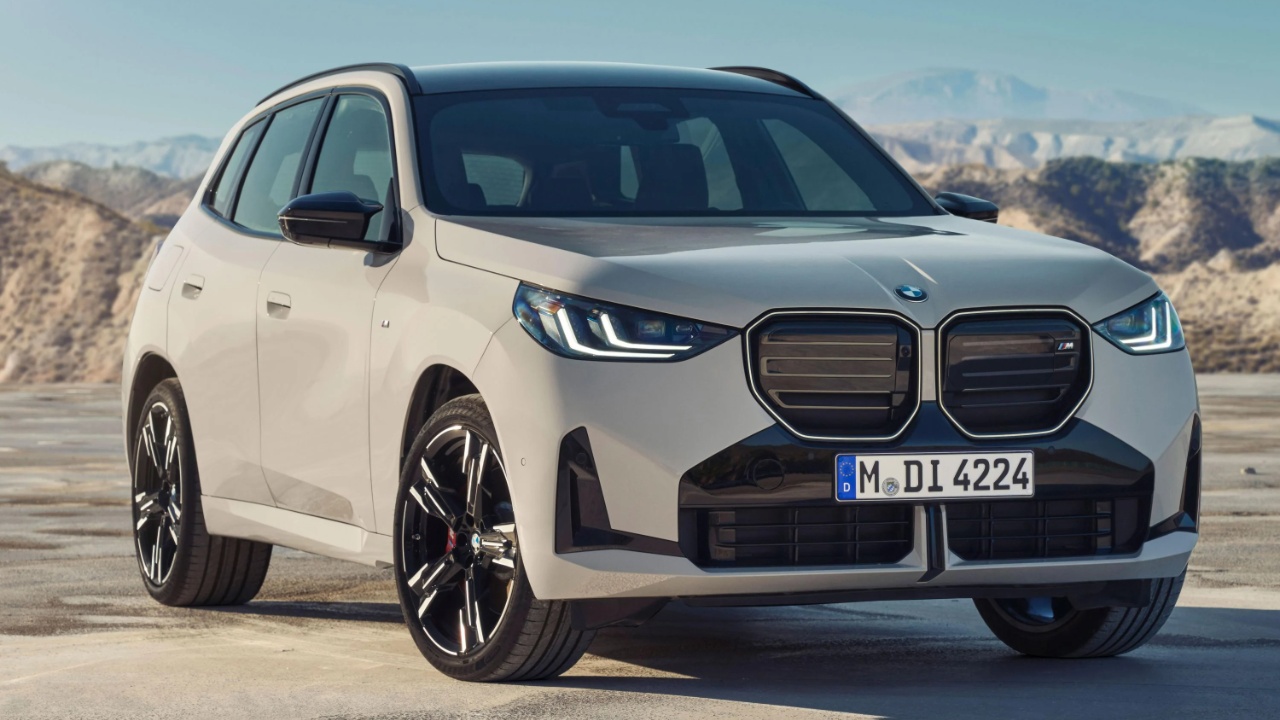
5. BMW X3
The BMW X3 originally received an acceptable rating in IIHS’s 2023 comparison, but there is an important update that should not be overlooked. IIHS changed the rating criteria in February 2024 to better account for differences in rear shoulder-belt positioning. Under the revised methodology, the X3’s rating became Good.
The original acceptable result is therefore the one associated with the ranking used in this article’s title, while the current IIHS methodology produces a different result.
In the original test, the X3 performed strongly across its actual injury measurements. The rear passenger’s head and neck, chest, and thigh measurements were all rated “good.” The concern came from rear passenger restraints and dummy kinematics, which were rated marginal. IIHS observed that the rear dummy’s head came close to the front seatback during the crash.
That distinction is important. The X3 did not have broadly poor rear injury measurements. Instead, occupant movement was the factor that lowered its original assessment. The driver also received Good ratings across the tested injury categories, and the occupant compartment maintained a Good structural rating.
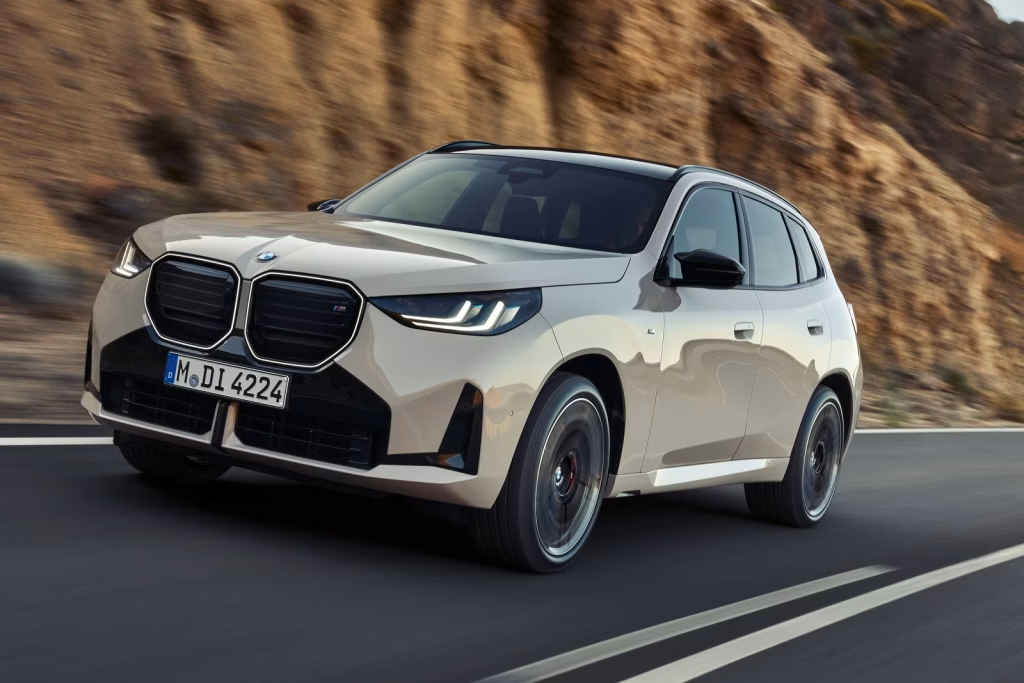
The X3 tested by IIHS was the pre-redesign model. Its U.S. xDrive30i used a turbocharged four-cylinder engine producing 248 horsepower and 258 lb-ft of torque.
6. Audi Q5
The Audi Q5 received a Marginal rating in the original IIHS comparison, despite providing Good protection for the driver and strong injury measurements for much of the rear passenger’s body. The difference came from two specific concerns that appeared when IIHS evaluated the second row.
The rear passenger’s head and neck measurements were rated Acceptable, while chest and thigh measurements were Good. However, the rear restraints and dummy kinematics received a poor rating. IIHS observed submarining beneath the lap belt, meaning the rear dummy moved forward under the belt during the crash.
That type of movement can increase the risk of abdominal injury. Measurements also indicated a slightly elevated risk of head or neck injury.
The result becomes more revealing when compared with the driver’s side. The Q5’s structure and safety cage earned good ratings, as did the driver’s head and neck, chest, thigh and hip, leg and foot, and restraint performance.
The disparity therefore came primarily from the rear occupant restraint behavior rather than a weak passenger compartment.
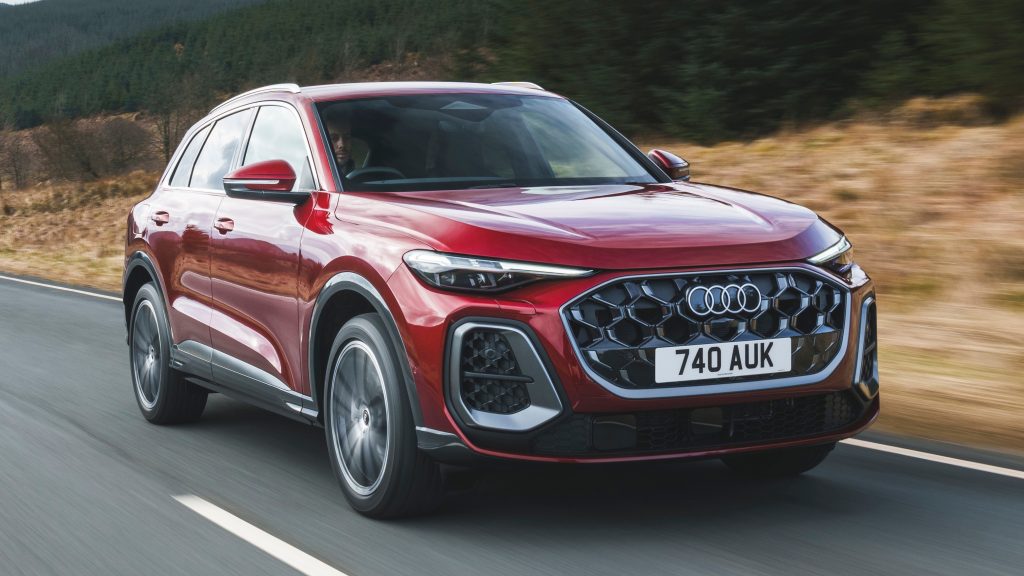
The tested Q5 was equipped with Audi’s 2.0-liter turbocharged four-cylinder engine. For the U.S. market, this powertrain produced 261 horsepower and 273 lb-ft of torque.
One caution for shoppers is that the Q5 has since received model-year changes, so this crash result should be tied to the tested generation rather than automatically applied to every Q5.
7. Lexus RX
The Lexus RX is an important case because the original 2023 IIHS comparison listed it as marginal, but the current IIHS methodology has since changed its rating. The original test identified a substantial rear-seat concern, particularly involving chest protection.
IIHS reported that the rear passenger dummy experienced a more significant risk of chest injury than the occupants in the better-performing SUVs in the same group.
The current IIHS record for the redesigned 2023 RX makes the issue even clearer. The driver’s structure and injury measurements are all rated Good, including head and neck, chest, thigh and hip, and leg and foot protection.
The rear passenger’s head and neck and thigh measurements are also good. However, rear chest protection is poor, while rear restraints and dummy kinematics are also poor.
That creates a striking front-to-back contrast. The passenger compartment itself remains structurally strong, but the rear restraint system does not manage the dummy’s movement as effectively as the front system. IIHS recorded a rear chest index of 47 and shoulder-belt tension of 4.3 kN in the test.
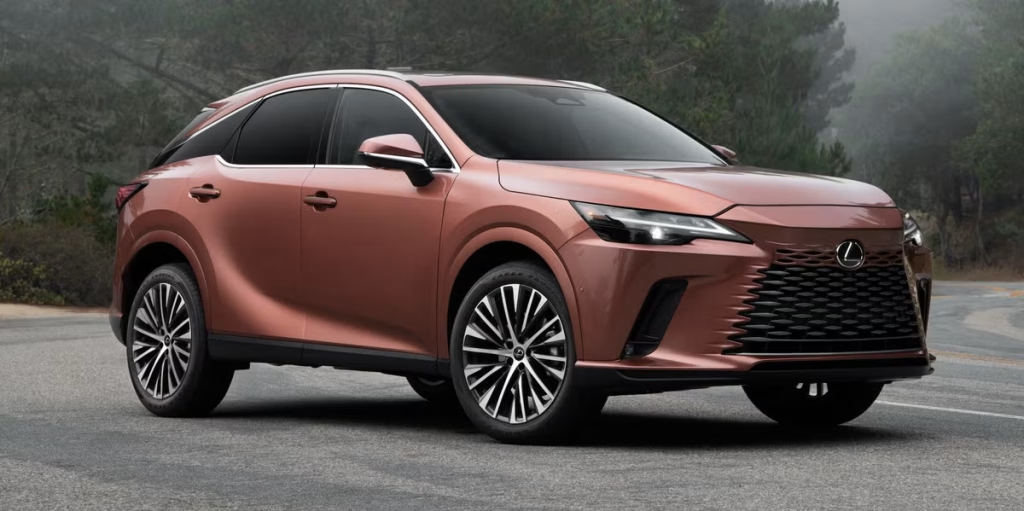
The RX was redesigned for 2023, so these findings apply to that generation rather than older RX models. Its U.S. powertrain also changed, with the RX 350 using a turbocharged four-cylinder engine.
8. Cadillac XT6
The Cadillac XT6 finished at the bottom of the original eight-SUV comparison with a poor rating for rear passenger protection. However, its result deserves careful examination because the vehicle did not have a structurally weak occupant compartment.
In fact, IIHS rated the XT6’s structure and safety cage Good, while every major driver injury measurement was also Good.
The weakness emerged almost entirely around the second-row occupant. In the original test, the rear dummy submarined beneath the lap belt, a movement that can increase the risk of abdominal injuries. IIHS also identified a moderate risk of head or neck injuries and a high risk of chest injuries from the rear dummy’s measurements.
The current IIHS record for the 2023 XT6 confirms the severity of those rear-seat shortcomings. Rear head and neck protection is marginal, chest protection is marginal, and rear restraints and dummy kinematics are marginal.
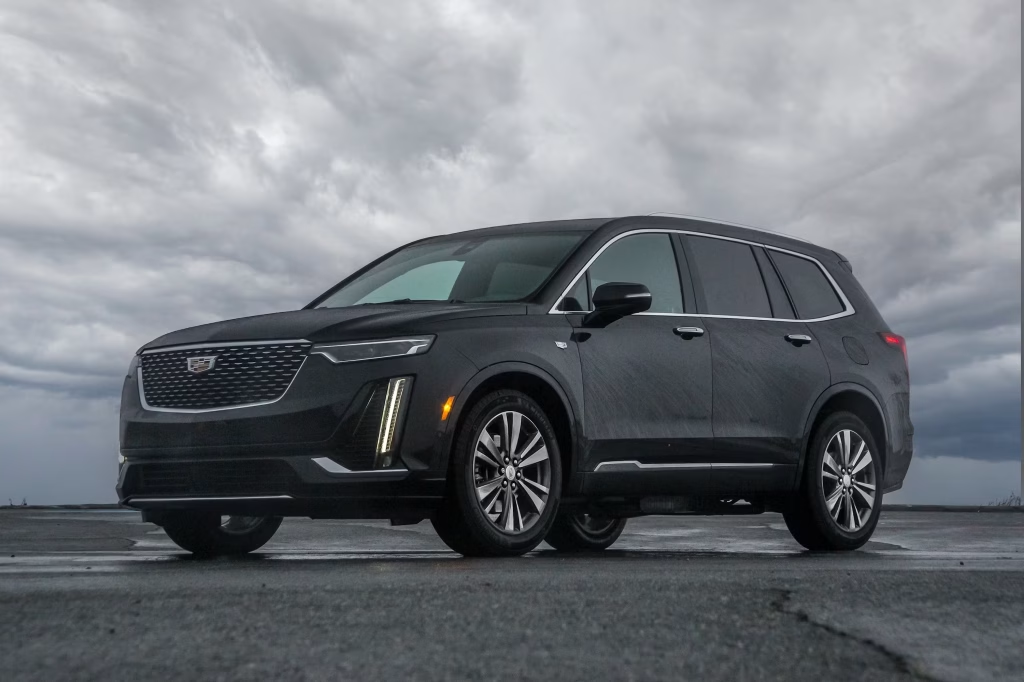
The rear thigh measurement is good. The vehicle therefore does not fail every rear-occupant category, but the combination of restraint behavior and injury measurements prevents a stronger result.
The XT6 is a three-row luxury SUV, which makes second-row performance particularly relevant for families. Its 3.6-liter V6 produces 310 horsepower and 271 lb-ft of torque in the U.S. market.