
The North American Charging System, now standardized as SAE J3400, is rapidly becoming the common charging connector for new electric vehicles sold in the United States.
The transition matters because an EV with a native NACS port can connect directly to compatible Tesla Superchargers without carrying a separate NACS adapter.
Tesla says manufacturers across the industry are transitioning to the connector, while automakers including Ford, Rivian, Hyundai, Kia, BMW, and Toyota have already introduced vehicles with factory-installed NACS ports. GM is also moving its lineup toward native NACS. Here are nine U.S.-market EVs already using the connector from the factory.
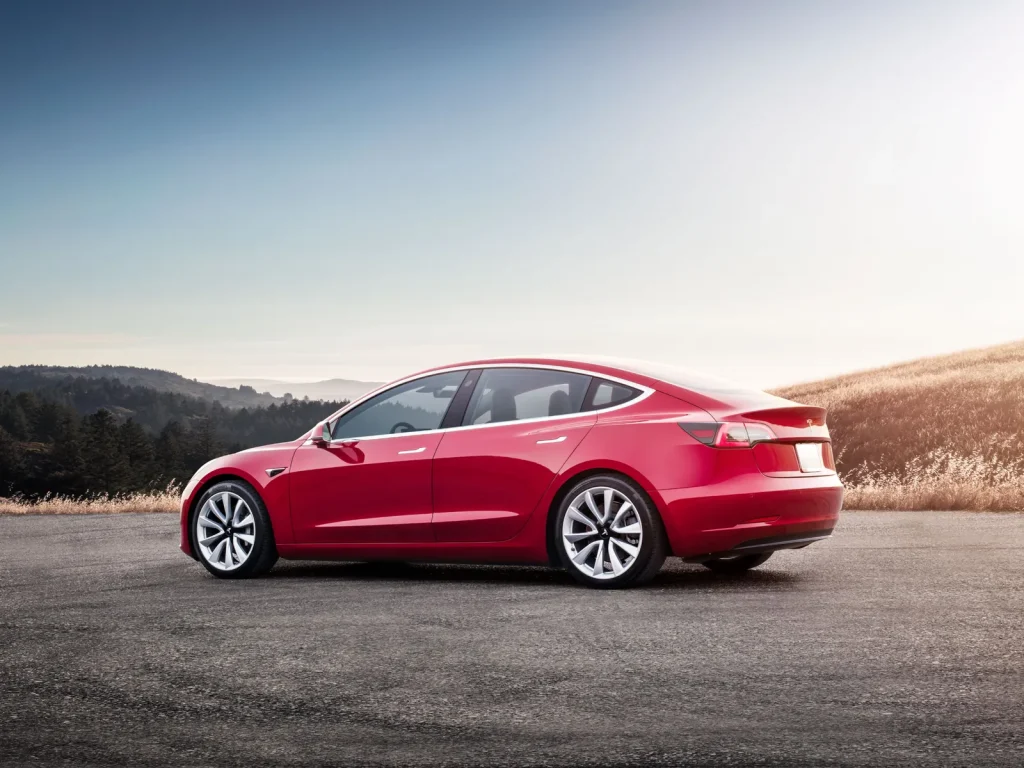
1. Tesla Model 3
The Tesla Model 3 does not need an adapter to use Tesla’s Supercharger network because the vehicle was designed around Tesla’s connector from the beginning. In North America, the Model 3 uses the NACS connector, which has since become the SAE J3400 standard used by a growing number of other manufacturers.
That gives the Model 3 a particularly simple charging setup. The same physical inlet handles AC charging and DC fast charging, eliminating the larger CCS1 connector arrangement used by many earlier non-Tesla EVs. Tesla’s current North American vehicles, including the Model 3, use the native NACS interface.
The charging hardware is only one part of the Model 3’s advantage. Tesla’s navigation system can incorporate Supercharger locations into trip planning, estimate charging requirements, and guide drivers toward charging stops. This integration means the driver does not have to treat the charging network as a completely separate part of the journey.
Model 3 specifications vary substantially by version. Rear-wheel-drive versions prioritize efficiency and affordability, while long-range and performance variants provide substantially different acceleration and range characteristics. Because of those differences, there is no single range or power figure that applies to every Model 3.
The native connector also does not mean the car can use every charging station in America automatically. Drivers may still encounter non-NACS networks, and compatibility depends on the charger and vehicle. Tesla supplies or supports adapters for accessing certain other charging standards.
For the Model 3, the main takeaway is straightforward. NACS comes as the vehicle’s factory-installed charging interface, so drivers do not need to rely on an adapter-based setup.
2. Tesla Model Y
The Tesla Model Y brings the same native NACS architecture into a crossover body. Like the Model 3, the Model Y was developed around Tesla’s charging connector, so U.S. versions plug directly into compatible NACS charging stations without requiring a separate adapter.
That distinction has become more important as other manufacturers have moved away from CCS1. Tesla’s Supercharger network has been opened to numerous non-Tesla manufacturers, but vehicles equipped with native NACS ports can connect without the additional hardware required by earlier CCS-equipped EVs.
The Model Y’s charging experience is closely integrated with the vehicle’s software. Tesla’s trip planner can account for Supercharger stops, and the vehicle can prepare the battery for faster charging when approaching a compatible DC fast-charging location. The system also displays charging information directly through the central touchscreen.
The Model Y is offered in different configurations, so range and performance depend heavily on the selected version. Rear-wheel-drive and long-range versions emphasize efficiency and distance, while dual-motor versions add all-wheel drive and stronger acceleration.
Tesla does not publish conventional horsepower and torque ratings for its vehicles, so third-party estimates should not be presented as official factory specifications.
Its crossover body also makes the Model Y different from the lower Model 3. The raised seating position, rear hatch, and larger cargo area make it more suitable for buyers who want electric power without moving into a full-size SUV.
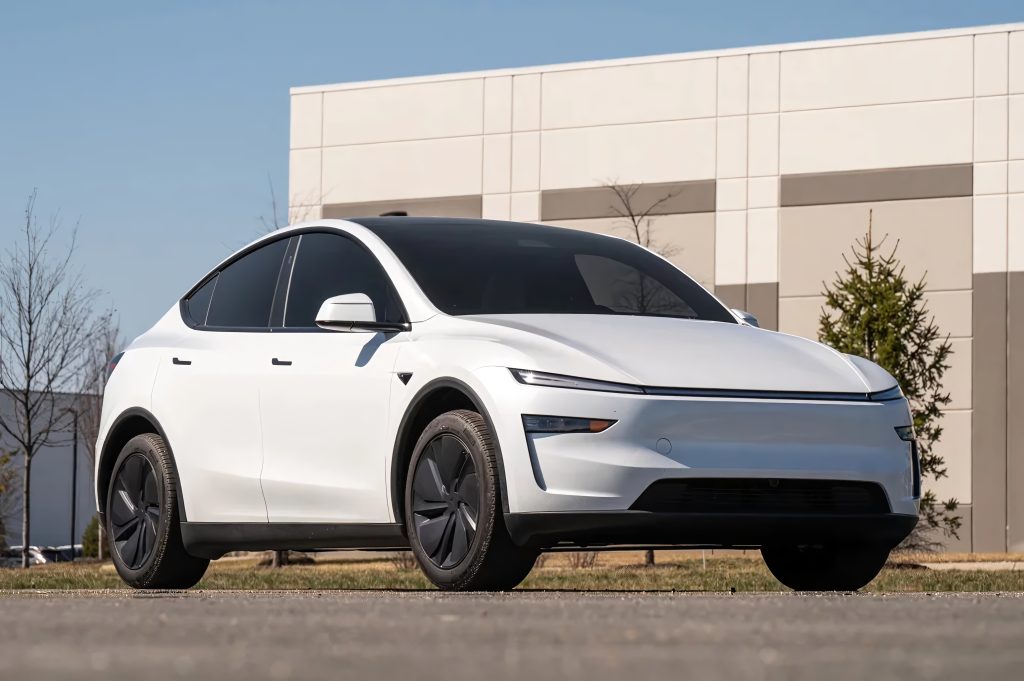
With native NACS hardware, integrated route planning, and direct Supercharger compatibility, the Model Y represents the charging architecture that many competing automakers are now adopting.
3. Ford Mustang Mach-E
The Ford Mustang Mach-E is part of the transition from CCS1 to native NACS charging, but the model-year distinction is important. Ford originally sold the Mach-E with a CCS1 port and supplied a NACS adapter for access to Tesla Superchargers.
Ford announced that its next-generation EVs would receive NACS directly, and newer Mach-E production has moved toward the factory-installed connector.
For the Mach-E with a factory-installed NACS port, the benefit is simple. Drivers can plug directly into a compatible Tesla Supercharger without needing an adapter between the charging cable and the vehicle. Ford’s charging system also provides access to public charger information through the vehicle and its broader charging network.
The Mach-E itself remains available in several configurations, including rear-wheel-drive and all-wheel-drive versions. Battery size, wheel choice, and drivetrain have a direct effect on EPA range. Ford lists up to 320 miles of EPA-estimated range for the long-range rear-wheel-drive configuration.
DC fast charging is another part of the package. Ford says a 2025 Mach-E with the standard-range battery can charge from 10 to 80 percent in approximately 32 minutes under suitable conditions. Actual charging time varies with battery temperature, charger output, and the vehicle’s state of charge.
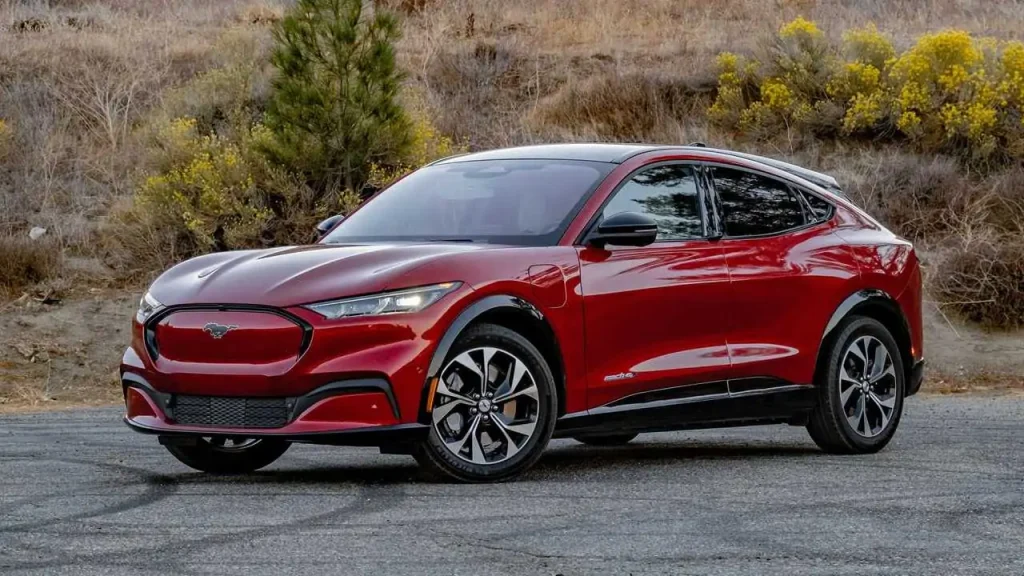
The Mach-E therefore illustrates the larger industry shift particularly well. The vehicle began life around CCS1, gained access to NACS networks through an adapter, and has now moved toward native NACS hardware in newer production.
4. Rivian R1T
The Rivian R1T represents a more recent stage of the NACS transition. Rivian confirms that 2026 and newer vehicles have a built-in NACS charge port, while 2022 through 2025 R1T and R1S vehicles were equipped with CCS1 and require a NACS DC adapter when using Tesla Superchargers.
That makes the 2026 R1T particularly relevant to this list. Owners can pull up to a compatible Tesla Supercharger and connect the NACS cable directly to the truck. Rivian says its 2026-and-newer vehicles can access more than 21,500 Tesla Superchargers in North America, subject to charger compatibility and network availability.
The R1T is considerably different from the compact EVs elsewhere in this list. It is a full-size electric pickup with a large battery and multiple drivetrain choices. Rivian offers configurations ranging from dual-motor versions to higher-performance three- and four-motor variants, meaning horsepower, torque, and range vary dramatically.
Rivian also integrates charging into its navigation system. The truck can display compatible charging locations, provide charger information, and incorporate charging stops into trip planning. Plug-and-charge functionality is available at supported locations, reducing the number of steps needed to begin a charging session.
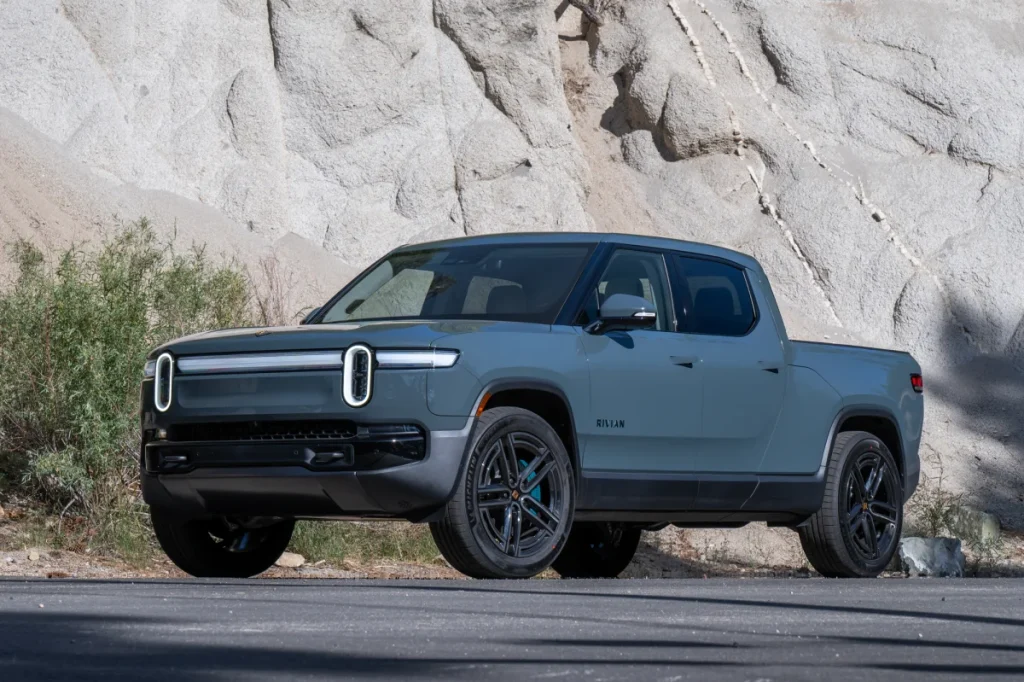
There is an important distinction for used-truck shoppers: a 2025 R1T is not a native-NACS vehicle. It uses CCS1 and can access NACS fast chargers through an adapter. If native hardware is the requirement, buyers need a 2026 or newer Rivian.
5. Hyundai Ioniq 5
The Hyundai Ioniq 5 was the first Hyundai EV to receive a factory-installed NACS port in the United States, beginning with the 2025 model year.
That change eliminated the need for a separate adapter when connecting the vehicle to compatible Tesla Superchargers. Hyundai confirms that the 2025 Ioniq 5 comes with native NACS hardware and also includes a CCS adapter for drivers who use charging networks that still rely on CCS1.
The transition is especially useful because the Ioniq 5 uses Hyundai’s 800-volt E-GMP electrical architecture. With an appropriate NACS V3 or V4 DC fast charger, Hyundai estimates approximately 24 minutes for a 10-to-80 percent charge on the 63-kWh battery and approximately 30 minutes for the 84-kWh versions.
Actual charging times vary with battery temperature, starting charge level, charger output, and other conditions.
The native port does not mean the Ioniq 5 loses compatibility with other charging networks. Its included CCS adapter allows owners to connect to compatible non-NACS DC fast chargers. That two-way flexibility is important during the current transition because not every public fast charger has switched to NACS.
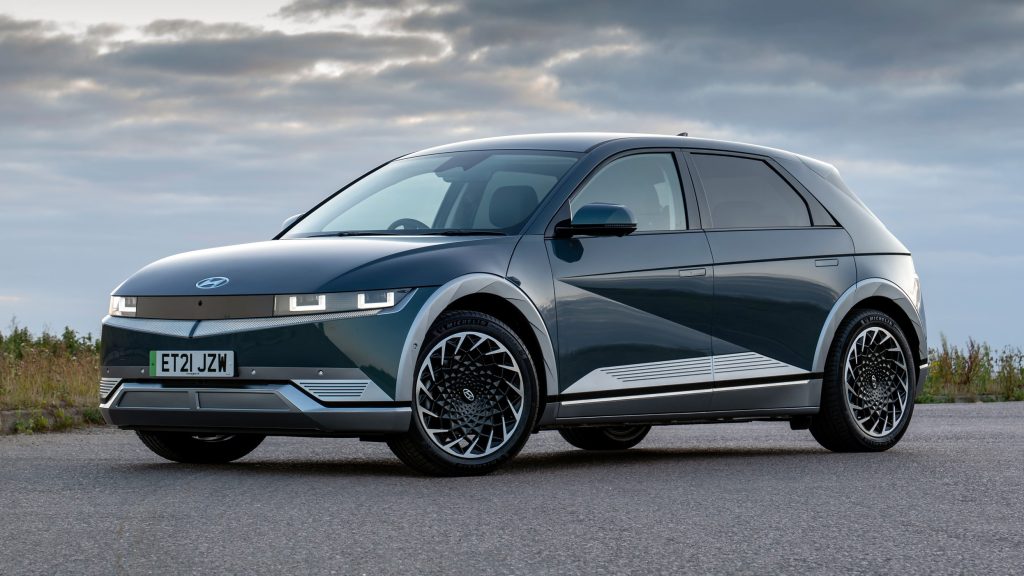
The 2026 Ioniq 5 continues with native NACS hardware, and Hyundai says the vehicle can access more than 25,000 Tesla Superchargers without an adapter.
6. BMW i5
BMW has also joined the native NACS transition, but its timing is important. BMW USA states that new BMW models began receiving factory-installed NACS ports in late 2025, replacing the need for an adapter when using compatible NACS DC fast chargers. Earlier BMW EVs with CCS ports can still use NACS charging through a compatible adapter.
The i5 is particularly interesting because it brings the connector to a premium electric sedan rather than a mainstream compact vehicle.
Depending on the version, the i5 can use either rear-wheel drive or all-wheel drive, with substantial differences in output, acceleration, and range. The i5 eDrive40 uses a single electric motor, while the xDrive40 adds a second motor for all-wheel drive.
Native NACS gives the i5 access to compatible Tesla Supercharger locations without requiring the driver to physically connect an adapter between the charging cable and vehicle. BMW says the transition also complements access to other networks such as IONNA, EVgo, and ChargePoint, which are increasingly supporting NACS connections.
There is an important buying distinction for used BMW shoppers. A vehicle built before the native-NACS transition can look almost identical to a newer car while still using CCS1. Checking the model year and actual charge-port configuration is therefore essential.
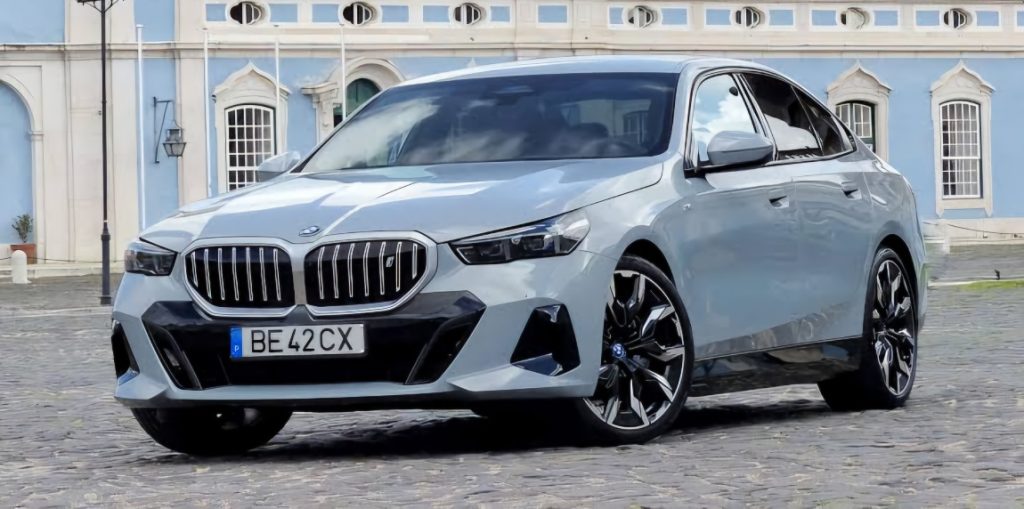
The i5 demonstrates that NACS is no longer confined to affordable EVs or Tesla products. The connector has moved into premium sedans, where charging-network access is becoming an increasingly important part of the ownership experience.
7. Toyota BZ
Toyota has now joined the native NACS transition with the 2026 Toyota bZ, formerly known as the bZ4X. This is an important distinction because the 2023 through 2025 bZ4X used a different charging arrangement and required an adapter for NACS DC fast chargers.
The 2026 bZ instead receives a factory-installed NACS inlet as standard equipment. Toyota says the change gives owners access to more than 25,000 additional charging plugs through the Tesla Supercharger network.
The connector is not the only charging change. Toyota also provides adapters with the 2026 bZ for backward compatibility with J1772 AC chargers and CCS1 DC fast chargers. That means owners are not restricted to NACS stations. The vehicle can use multiple charging standards depending on the supplied equipment and compatible station.
Range varies substantially by configuration. Toyota lists the 2026 bZ with an available 314-mile estimated range, while the standard XLE configuration is rated at 236 miles.
The larger 74.7-kWh battery is available on selected versions, and front-wheel-drive models can produce up to 221 horsepower. All-wheel-drive versions use two motors and produce up to 338 horsepower.
Toyota also adds Plug & Charge capability for the 2026 model, initially supporting the Tesla Supercharger network. That allows charging to begin after the vehicle is plugged in once the necessary account setup has been completed.
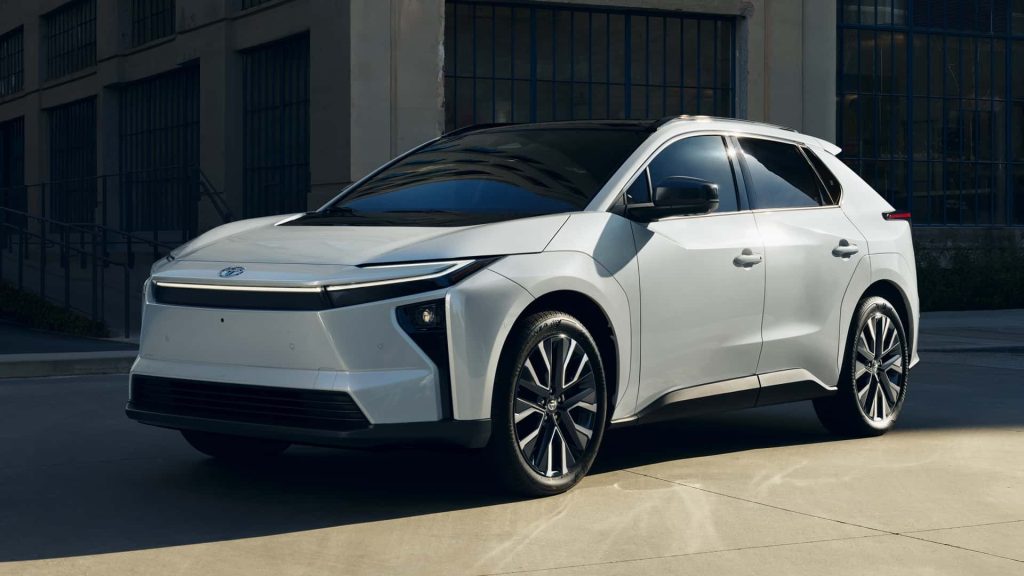
The bZ therefore represents Toyota’s transition from adapter-based NACS access to a factory-installed solution.
8. Kia EV6
The Kia EV6 is another major example of the industry’s charging-connector transition, although the exact production configuration matters.
Newer U.S.-market EV6 models are being equipped with a native NACS port, while earlier CCS-equipped EV6 vehicles can access NACS charging through an approved adapter. Kia’s current U.S. information identifies the NACS port as a feature of the 2026 EV6.
The 2026 EV6 starts at $37,900, while available configurations can deliver up to 319 miles of EPA-estimated range. The model retains Hyundai Motor Group’s 800-volt electrical architecture, allowing very rapid DC charging. Kia states that the EV6 can charge from 10 to 80 percent in approximately 20 minutes under suitable DC fast-charging conditions.
The native NACS connector is particularly useful because Kia’s charging ecosystem now provides access to a large number of compatible charging locations. Kia says its Charge Pass system can provide access to more than 30,000 Tesla Superchargers for compatible vehicles. Owners with earlier CCS-equipped vehicles still need the approved NACS adapter.
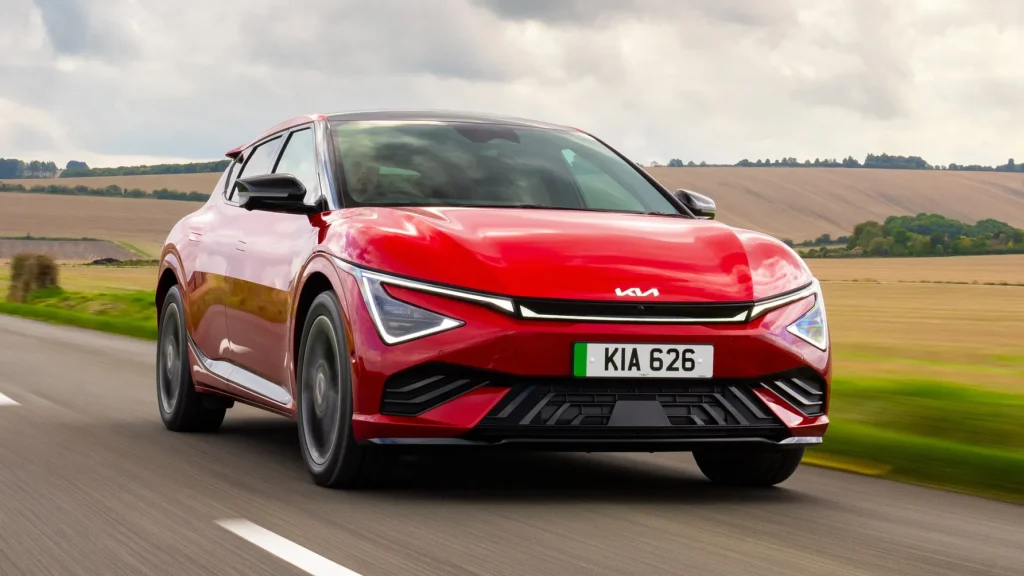
The EV6’s drivetrain varies by trim. Rear-wheel-drive versions use a single electric motor, while all-wheel-drive versions add a second motor. That means power, torque, and range depend on the configuration selected.
For buyers considering a new EV, the important difference is therefore between the native-NACS 2026 EV6 and earlier CCS versions. Visually, the cars can look similar, but the charging hardware is different.
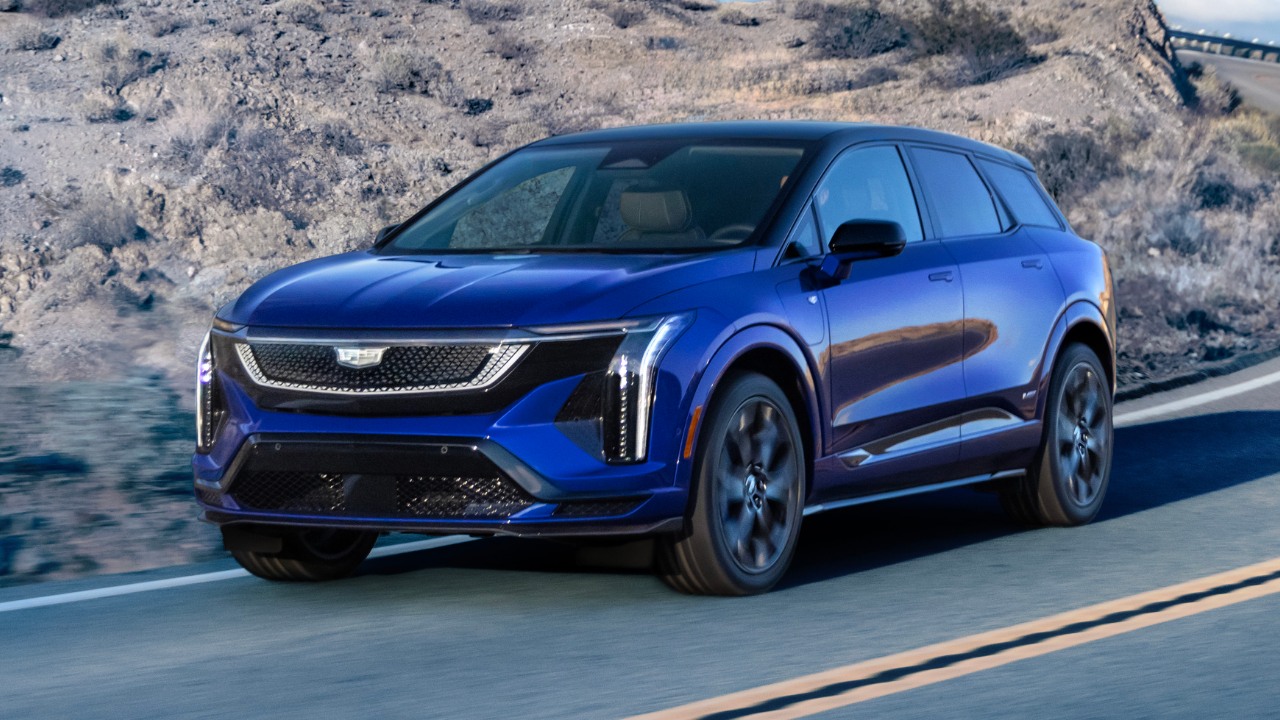
9. Cadillac Optiq
The 2026 Cadillac Optiq marks GM’s entry into this native-NACS list. Unlike several other GM electric vehicles that still use CCS1 and rely on an adapter for Tesla Supercharger access, the 2026 Optiq was among the first GM vehicles to receive a factory-installed NACS port.
GM says the Optiq and Optiq-V are part of its initial transition to native NACS, with the wider GM lineup following in subsequent model years.
That factory-installed connector changes how the Optiq approaches public charging. Drivers can connect directly to compatible NACS charging equipment, including the Tesla Supercharger network, rather than attaching a separate NACS-to-CCS adapter.
The vehicle can still use non-NACS charging stations with the appropriate adapter, giving owners access to both sides of the changing U.S. charging infrastructure.
The Optiq is positioned as Cadillac’s compact luxury electric SUV, with GM estimating up to 317 miles of range, depending on configuration. The vehicle uses a dual-motor all-wheel-drive setup, producing 300 horsepower and 354 lb-ft of torque.
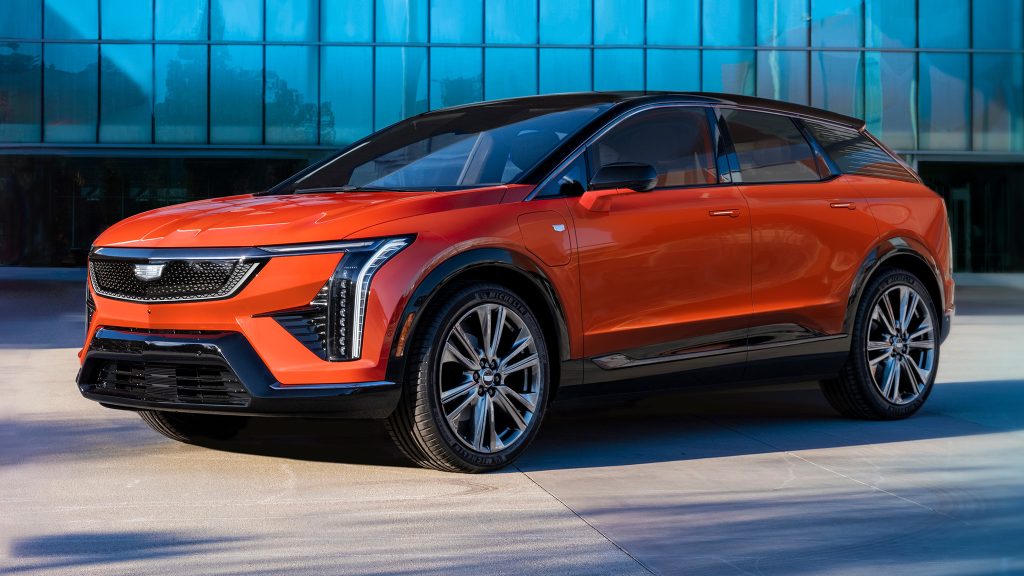
Its relatively compact dimensions also distinguish it from Cadillac’s larger electric SUVs such as the Lyriq and Escalade IQ.
The NACS transition is particularly significant for Cadillac because GM is moving toward a common connector across its electric portfolio. GM has stated that its EVs are scheduled to transition to standard NACS charging ports, although model years differ. The 2026 Optiq is therefore an early example rather than a representation of every 2026 GM EV.
For buyers specifically looking for a Cadillac with a factory NACS inlet, the Optiq is one of the first choices in the brand’s lineup.
