The affordable EV market has changed quickly, with several new electric vehicles now reaching price points that were once difficult to associate with long-range driving.
In the U.S., buyers can now find models starting below $30,000, while several others sit in the low-to-mid-$30,000 range and deliver roughly 200 to more than 300 miles of EPA-estimated range.
The 2027 Chevrolet Bolt starts below $30,000 and reaches 262 miles, while the redesigned 2026 Nissan Leaf starts at $29,990 and can travel up to 303 miles. Several newer crossovers are also pushing into this price territory.
1. Chevrolet Bolt
The Chevrolet Bolt has returned to the U.S. market for 2027 with one of the lowest starting prices among new EVs. Chevrolet lists the 2027 Bolt LT at $27,600 before applicable charges, while the launch MSRP, including destination, was announced at $29,990.
Chevrolet also says a later, lower-priced LT configuration will start at $28,995, including destination. Its EPA-estimated driving range is 262 miles, putting it directly into the range territory that makes an affordable EV practical for considerably more than short urban trips.
The new Bolt uses a 65-kWh lithium-ion battery and a single electric motor producing 210 horsepower. Chevrolet has also made charging a major part of the redesign. The Bolt supports DC fast charging at more than 150 kW, with GM estimating a 10-to-80 percent charging time of about 25 minutes under suitable conditions.
A native NACS charging port is standard, giving the Bolt direct compatibility with compatible Tesla Supercharger locations without requiring the owner to carry an adapter.
Its affordability is especially notable because the Bolt is not simply a stripped-down city EV. Standard equipment includes an 11.3-inch touchscreen, an 11-inch driver information display, adaptive cruise control, and more than 20 standard safety and driver-assistance features. Chevrolet also offers Super Cruise on the model.
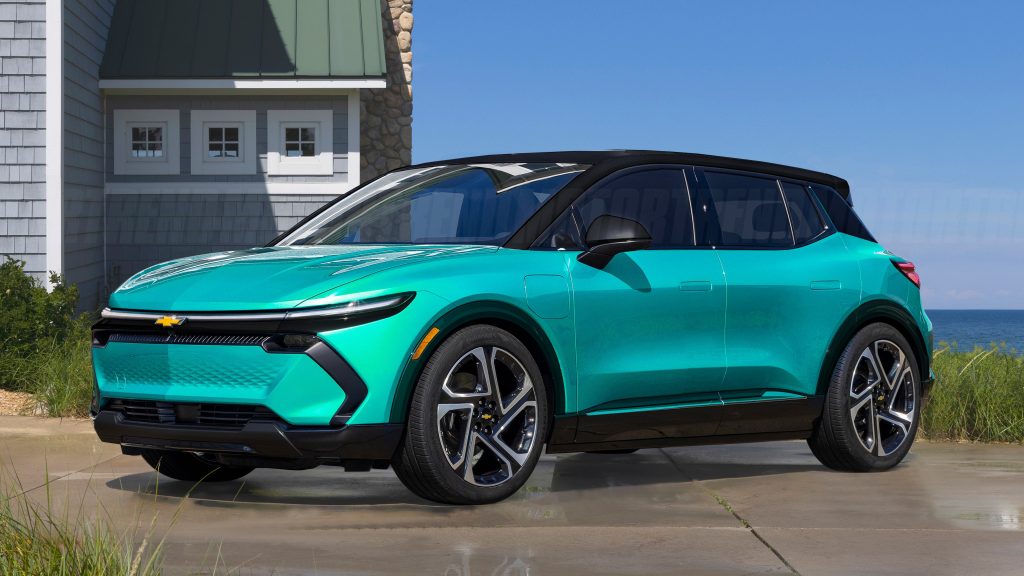
For shoppers focused on purchase price and range rather than luxury equipment, the Bolt’s combination of sub-$30,000 pricing and 262-mile EPA range makes it one of the most significant developments in the affordable U.S. EV market.
2. Nissan Leaf
The Nissan Leaf has entered its third generation for 2026, and the transformation is substantial. The familiar hatchback has been replaced by a more crossover-like body, while the entry-level Leaf S+ starts at $29,990 before destination charges.
Nissan lists the destination charge at $1,575, bringing the starting price to $31,565 before taxes, registration, and other costs. More importantly for budget-conscious EV buyers, the S+ delivers an EPA-estimated 303 miles of range.
That 303-mile figure comes from a 75-kWh battery, with power sent through a front-mounted electric motor. The S+ also achieves up to 131 MPGe in city driving and 111 MPGe on the highway according to Nissan’s EPA figures.
The SV+ starts at $34,230 before destination, while the Platinum+ reaches $38,990, meaning only the first two versions fit comfortably within the low-to-mid-$30,000 target.
Nissan has also addressed a major criticism of earlier Leaf models by improving charging compatibility and speed. The 2026 Leaf uses a native NACS port, giving owners access to compatible Tesla Superchargers. Nissan says the S+ can reach 80% charge in about 35 minutes using DC fast charging, starting from the specified low state of charge.
Inside, even the least expensive S+ receives dual 12.3-inch displays, wireless Apple CarPlay and Android Auto, ProPILOT Assist, and two USB-C ports.
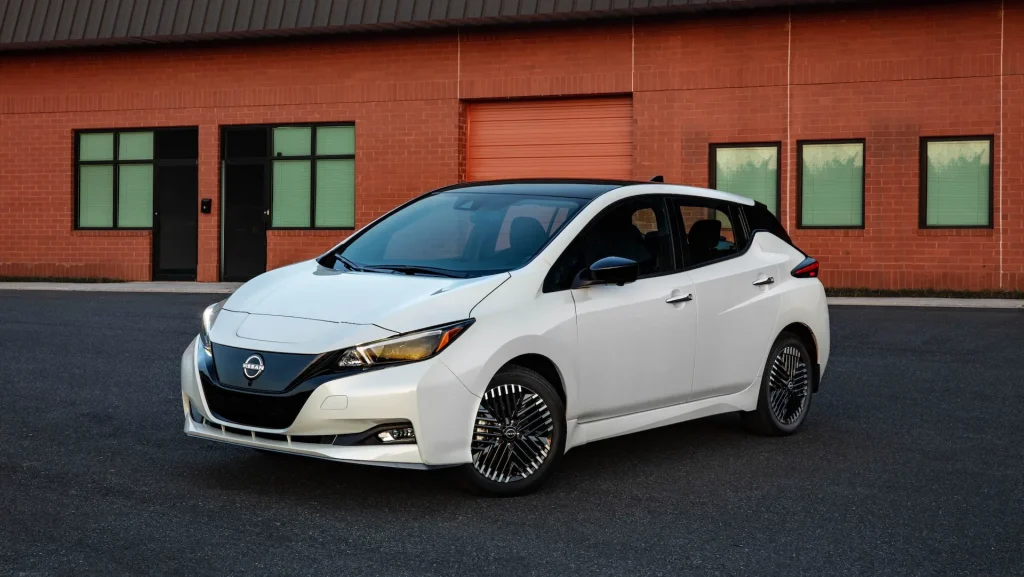
The Leaf, therefore, enters this price category with an unusually strong range figure. A starting price below $30,000 combined with 303 EPA-estimated miles gives it a specification that would have been difficult to find in this price bracket only a few years ago.
3. Hyundai Kona Electric
The Hyundai Kona Electric remains one of the more accessible electric crossovers in the U.S. market. For 2026, the Kona Electric SE starts at $32,150 before destination charges, placing it directly in the low-$30,000 range.
Its standard battery provides an EPA-estimated 200 miles of range, while the higher SEL and Limited versions use a larger battery and reach up to 261 miles. That gives buyers a choice between keeping the purchase price lower or paying more for substantially greater range.
The Kona Electric SE uses a 48.6-kWh battery and a single electric motor producing 133 horsepower. The longer-range versions receive a 64.8-kWh battery and a 201-horsepower motor. Hyundai also equips the Kona Electric with a heat pump on applicable configurations, which can help manage cabin heating efficiency in colder conditions.
Charging is another important part of the package. With the larger battery, Hyundai estimates a 10-to-80 percent DC fast-charge session can take approximately 43 minutes when connected to a sufficiently powerful charger. The vehicle also supports Level 2 charging for home and workplace use.
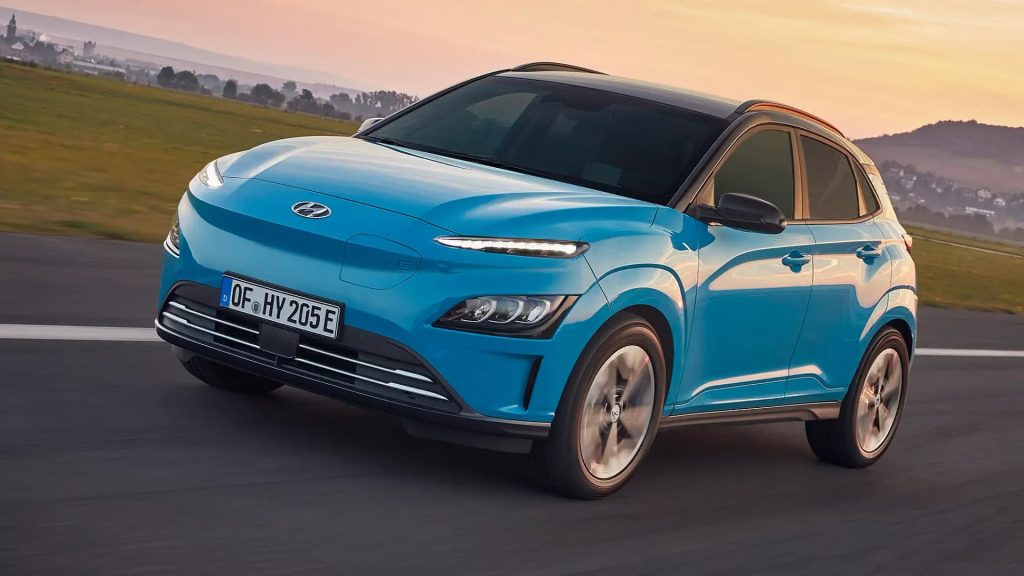
The Kona Electric’s crossover shape gives it a practical advantage over several small EV hatchbacks, with a higher seating position and useful cargo space. Standard equipment includes a 12.3-inch touchscreen and a 12.3-inch digital instrument display.
For shoppers who want a new electric crossover without moving deep into luxury-car pricing, the Kona Electric places meaningful range and modern equipment within the low-$30,000 bracket.
4. Kia Niro EV
The Kia Niro EV sits near the upper end of the affordable EV category, but its pricing and range still make it relevant for buyers searching around the low-to-mid-$30,000 mark.
The 2026 Niro EV Wind starts at approximately $35,000 before destination charges, while the larger-equipped Wave version costs more. Its 64.8-kWh battery delivers an EPA-estimated 253 miles of range, giving it a useful balance between purchase price and driving distance.
Power comes from a single electric motor producing 201 horsepower and 188 lb-ft of torque. The Niro EV is front-wheel drive, and its relatively modest output is tuned more toward efficient daily transportation than aggressive acceleration. Kia’s regenerative-braking system can also recover energy while the vehicle slows.
The Niro’s crossover proportions provide more passenger and cargo flexibility than a conventional small sedan. Its cabin includes a digital instrument display, touchscreen infotainment, smartphone integration, and a broad selection of driver-assistance equipment.
Charging remains important at this price point. The Niro EV supports DC fast charging, allowing owners to replenish the battery substantially faster than with household Level 1 charging. Home Level 2 charging remains the more convenient solution for regular overnight use.
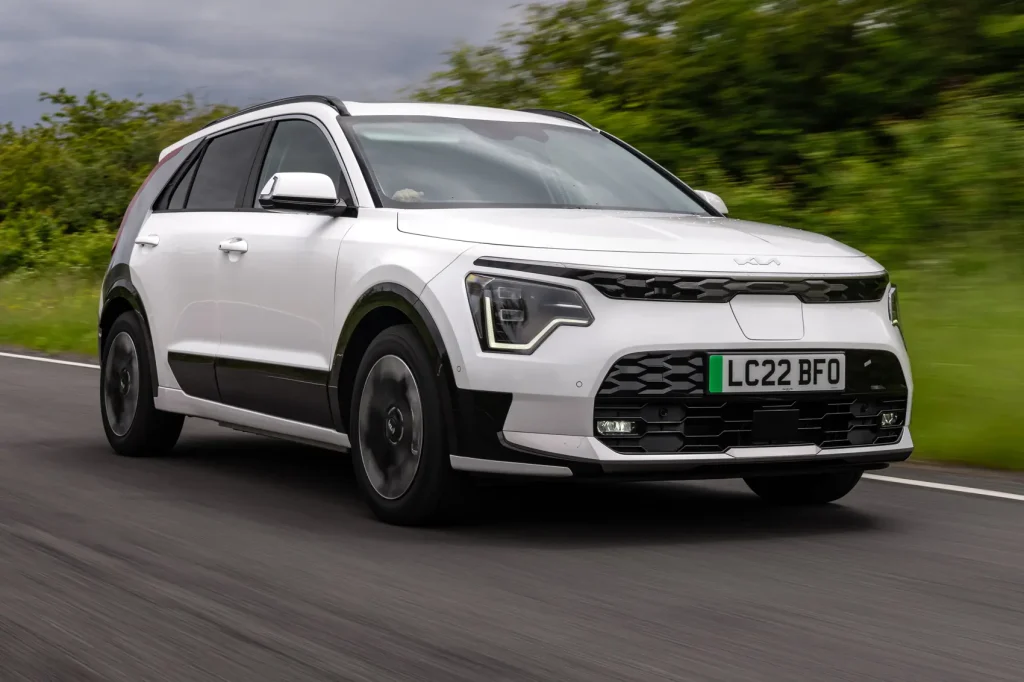
What makes the Niro EV interesting is its position between a compact hatchback and a conventional crossover. It provides a raised seating position and useful interior space while retaining an efficiency-focused electric drivetrain.
For buyers who can stretch toward the mid-$30,000 range, its 253-mile EPA rating makes it a practical alternative to smaller, shorter-range EVs.
5. Chevrolet Equinox EV
The Chevrolet Equinox EV has become one of the most important entries in the affordable electric crossover segment because its pricing can dip into the low-$30,000 range while offering substantially more range than many similarly priced EVs.
For 2026, Chevrolet’s lower-priced Equinox EV versions are positioned around the low-$30,000 mark, while EPA-estimated range reaches up to 319 miles on certain configurations.
The Equinox EV uses GM’s Ultium battery architecture and a single electric motor in its front-wheel-drive configuration. Depending on trim and configuration, output reaches 220 horsepower, while all-wheel-drive versions use a dual-motor setup with considerably more power.
Range varies substantially according to configuration, wheel size, and drivetrain. The longest-range front-wheel-drive versions can exceed 300 miles on a full charge, while all-wheel-drive models sacrifice some range in exchange for additional traction and performance.
That makes the Equinox particularly interesting for buyers who prioritize driving distance over maximum power.
Inside, the electric crossover uses a large digital display arrangement and offers wireless smartphone connectivity, available Super Cruise, and a broad collection of driver-assistance technologies. The low roofline compared with some traditional SUVs also gives it a more aerodynamic shape.
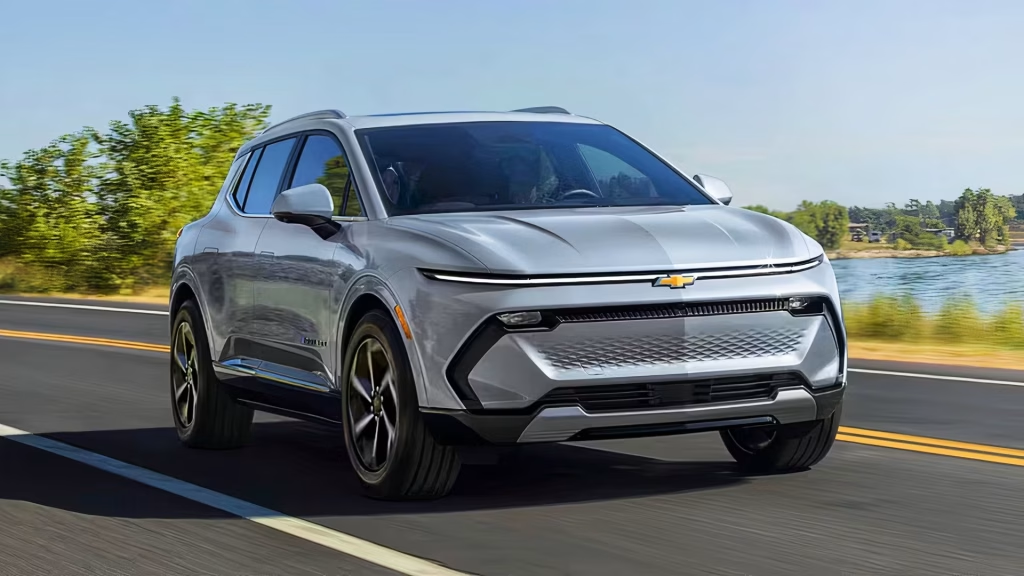
For families, the biggest selling point may be the combination of crossover practicality and long EPA range. A vehicle capable of approaching 300 miles or more without moving into luxury pricing changes the calculation for buyers who previously considered EVs too expensive or too limited for everyday use.
6. Kia EV3
The Kia EV3 is one of the more notable entries in the affordable EV market, but its U.S. status requires an important qualification. As of September 2026, the EV3 was not yet on sale in the United States. Kia has confirmed the model for global markets, but its U.S. availability and pricing still need to be established before it can be considered a $30,000-range EV for American buyers.
Where it is sold, the EV3 offers a choice of battery capacities, with the larger battery delivering an impressive WLTP-rated range of more than 370 miles in certain markets. That figure cannot be directly substituted for a U.S. EPA range estimate because the testing procedures differ.
The EV3 uses a single front-mounted electric motor producing approximately 201 horsepower and 209 lb-ft of torque. Its compact crossover body gives it a practical footprint, while the interior uses a modern digital layout and a flat-floor design made possible by its dedicated electric architecture.
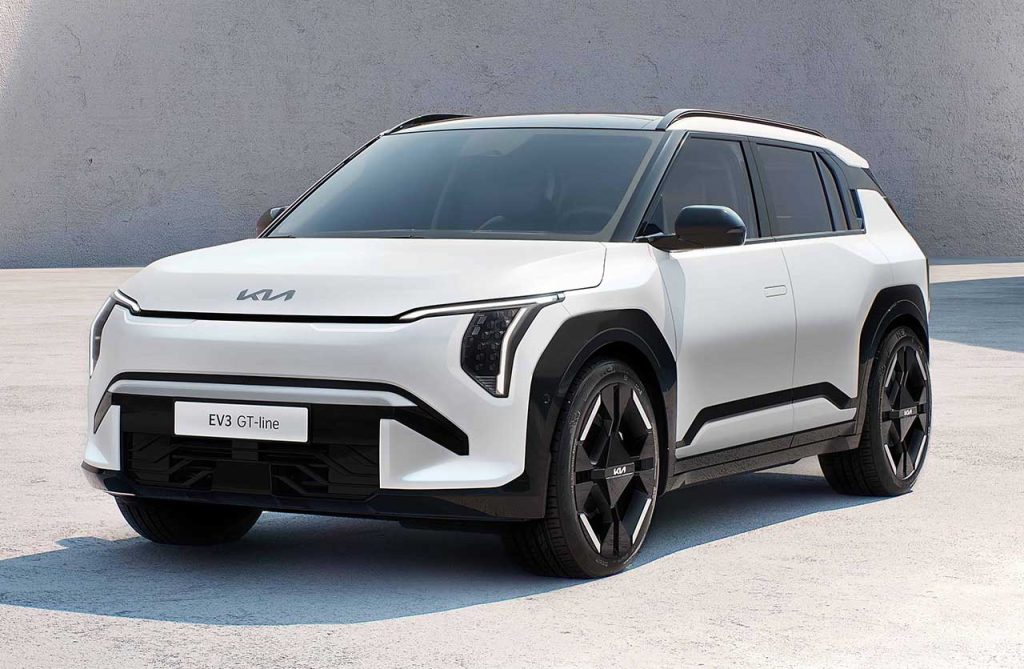
The model is important to the U.S. affordability discussion because Kia has positioned it as a smaller and less expensive companion to the EV6 and EV9. However, until Kia publishes an official U.S. MSRP and EPA range, quoting a supposed U.S. $30,000 price would be speculative.
For this article, the EV3 is therefore better treated as a potential future U.S. low-$30,000 EV, rather than claiming that American customers can currently purchase one at that price.
7. Hyundai Ioniq 5
The Hyundai Ioniq 5 has moved much closer to the affordable-EV conversation for 2026. Hyundai lists the Ioniq 5 SE Standard Range at $35,000 before freight charges, putting its starting price right at the upper edge of the low-$30,000 bracket.
Range is the more important figure here. The Standard Range version is rated for 245 miles, while the larger-battery SE, SEL, and Limited models can travel up to 318 miles on a charge, according to Hyundai’s EPA estimates.
The base version uses a 63-kWh battery and a 168-horsepower electric motor, while long-range rear-wheel-drive versions use a larger battery and a 225-horsepower motor. That makes the Ioniq 5 unusual because buyers can choose between a lower purchase price and a substantially longer range without changing to a completely different vehicle.
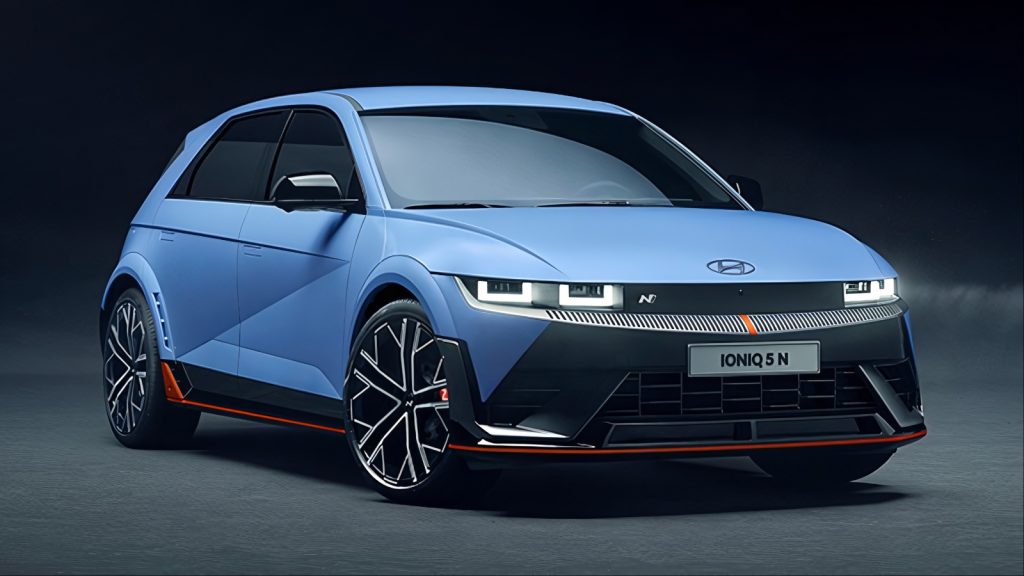
Charging is another major advantage. The Ioniq 5 uses Hyundai’s 800-volt electrical architecture, allowing very rapid DC charging when connected to a sufficiently powerful charger. The 2026 model also uses a native NACS port, expanding access to Tesla’s Supercharger network.
Its tall hatchback body provides more interior versatility than a conventional sedan, while the long wheelbase creates generous passenger space. The combination of fast charging, a 318-mile range available, and a $35,000 starting point makes the Ioniq 5 one of the more notable examples of an EV moving toward mainstream pricing.
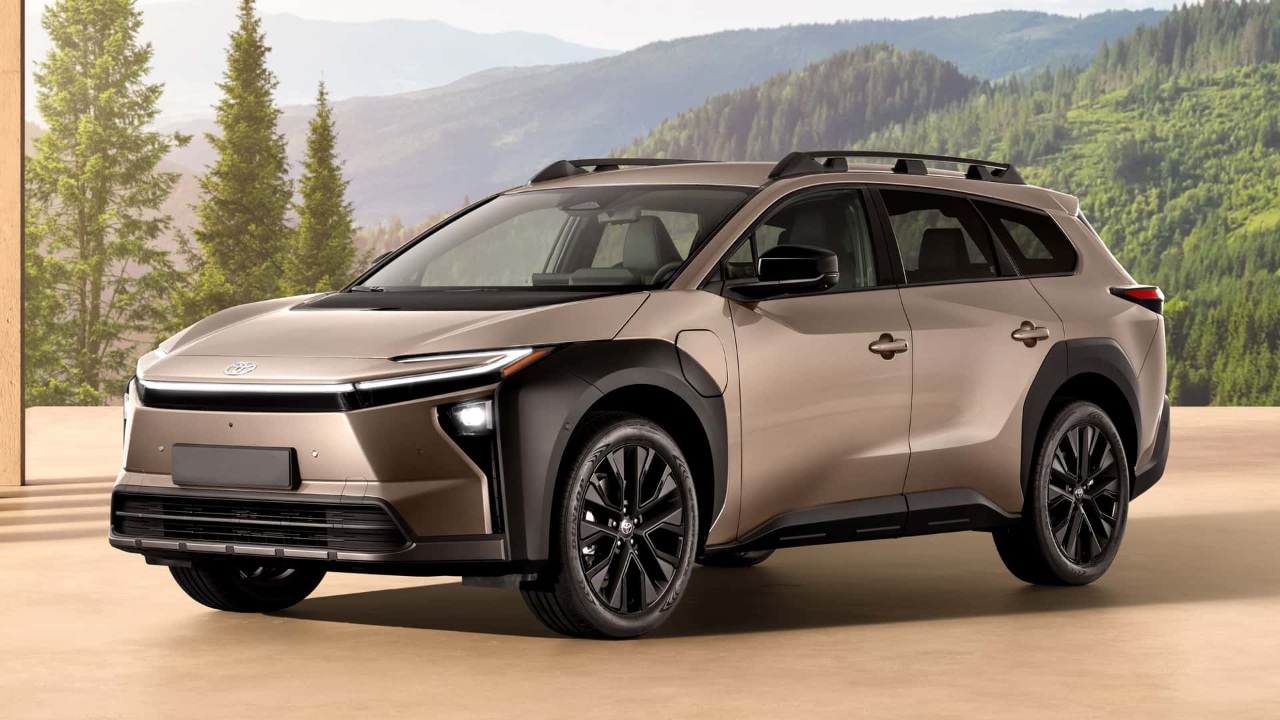
8. Toyota BZ
Toyota’s electric BZ has also moved into the mid-$30,000 range for 2026. The bZ XLE front-wheel-drive model starts at about $36,350, putting it slightly above the strict low-$30,000 threshold but still within the broader affordable range for a new long-range EV.
Toyota offers multiple battery and drivetrain configurations, with the highest EPA-estimated range reaching approximately 314 miles on the appropriate front-wheel-drive version.
The bZ is powered exclusively by electricity, with front-wheel-drive versions using a single motor and all-wheel-drive models adding a second motor. The drivetrain choice has a direct effect on range, so buyers seeking maximum distance should pay attention to the specific trim rather than relying on the model’s maximum advertised number.
The updated bZ also benefits from Toyota’s expanding EV charging strategy. The vehicle uses a native NACS connector, giving owners direct access to compatible Tesla Superchargers. That can make a meaningful difference for road-trip planning because charging-network availability is just as important as battery capacity when evaluating an EV.
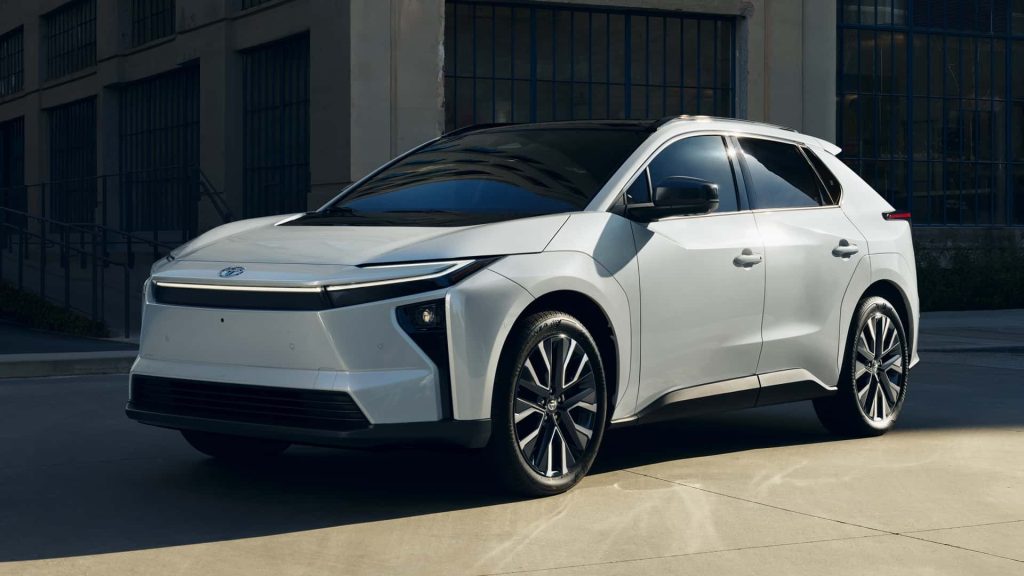
The cabin follows Toyota’s modern EV approach with a large central touchscreen, digital instrumentation, and a substantial collection of driver-assistance features. Its crossover dimensions also make it more practical for family use than a small city EV.
At roughly $36,000 before destination and options, the BZ is not the cheapest EV on this list. Its relevance comes from combining a mainstream-brand crossover format with a range figure that can exceed 300 miles in the right configuration.
9. Hyundai Ioniq 6
The Hyundai Ioniq 6 pushes the affordable EV formula in a different direction. Instead of the taller crossover body used by many lower-priced electric vehicles, it is a streamlined sedan designed around aerodynamic efficiency.
The 2026 Ioniq 6 SE Standard Range starts at $37,850 before destination charges, while the larger-battery rear-wheel-drive version can deliver an EPA-estimated 342 miles of range. That puts the long-range version beyond the 300-mile mark while keeping its starting price below $40,000.
The rear-wheel-drive long-range model uses an 84-kWh battery and a single electric motor producing 225 horsepower. Hyundai’s 800-volt architecture also gives the Ioniq 6 a major charging advantage. With suitable high-power DC charging equipment, the battery can be replenished rapidly, making the sedan more practical for longer trips.
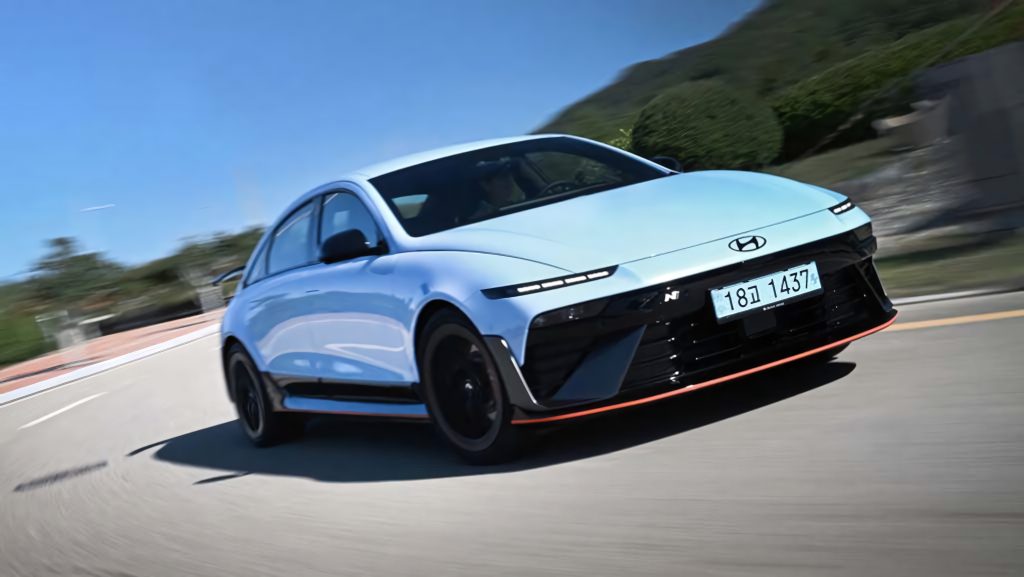
Its low, aerodynamic shape is a major reason the Ioniq 6 can travel farther on a charge than many similarly priced electric crossovers. The tradeoff is a lower seating position and a trunk rather than the taller cargo area found in an SUV.
For buyers who care about highway range, efficiency, and fast charging, the Ioniq 6 offers a different interpretation of an affordable EV. It does not hit the $30,000 mark, but its sub-$40,000 entry price and available 342-mile EPA range put it firmly into the conversation for shoppers trying to avoid luxury-EV pricing.
10. Volkswagen ID.4
The Volkswagen ID.4 remains another route into electric SUV ownership without immediately reaching premium-vehicle pricing. The model is part of the group of U.S.-market EVs available below the $40,000 mark, although its exact price varies by model year, trim, incentives, and availability.
A New York State 2026 EV purchasing guide lists the ID. 4 among available battery-electric models, with a range figure of 275 miles and an MSRP below $40,000 for the applicable configuration.
The ID.4 uses a single electric motor in its rear-wheel-drive configuration, while dual-motor versions add all-wheel drive and more power. The rear-drive model is focused more heavily on efficiency and usable range than outright acceleration.
One of the ID.4’s biggest advantages is its crossover packaging. The tall roof and relatively long wheelbase create a more upright cabin than the Ioniq 6, while the rear cargo area provides the practicality expected from a compact SUV.
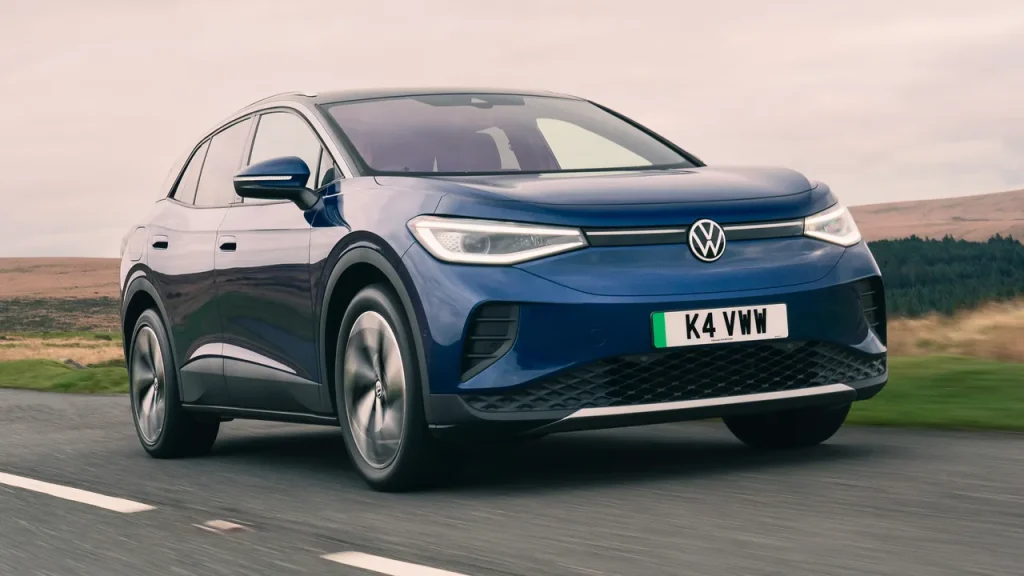
Charging capability also makes the ID.4 suitable for more than short urban trips. Its battery can be replenished through home Level 2 charging or public DC fast chargers, giving owners multiple options depending on where they drive.
The ID.4 therefore fits the affordable-EV discussion because it combines crossover utility with a range figure comfortably above 250 miles in the applicable configuration. Buyers should verify the exact U.S. model-year MSRP and EPA range before purchase because Volkswagen’s pricing and available configurations can change substantially between model years.
11. Ford Mustang Mach-E
The Ford Mustang Mach-E has become more accessible as Ford has adjusted pricing across its electric lineup. For 2026, the Mach-E sits just below the $40,000 threshold in its least expensive configuration, with a starting price of about $39,840 before destination charges.
The model can also deliver up to 320 miles of EPA-estimated range, depending on battery, drivetrain, and trim.
The range figure is particularly significant because the Mach-E is a genuine crossover rather than a small city-focused EV. Rear-wheel-drive versions generally provide the strongest range, while all-wheel-drive models trade some efficiency for additional traction and performance.
Ford offers different battery capacities and power outputs across the lineup. The entry-level configuration is designed to keep the purchase price down, while extended-range versions increase both battery capacity and driving distance.
Buyers therefore need to compare the exact configuration rather than assuming every Mach-E provides the maximum advertised range.
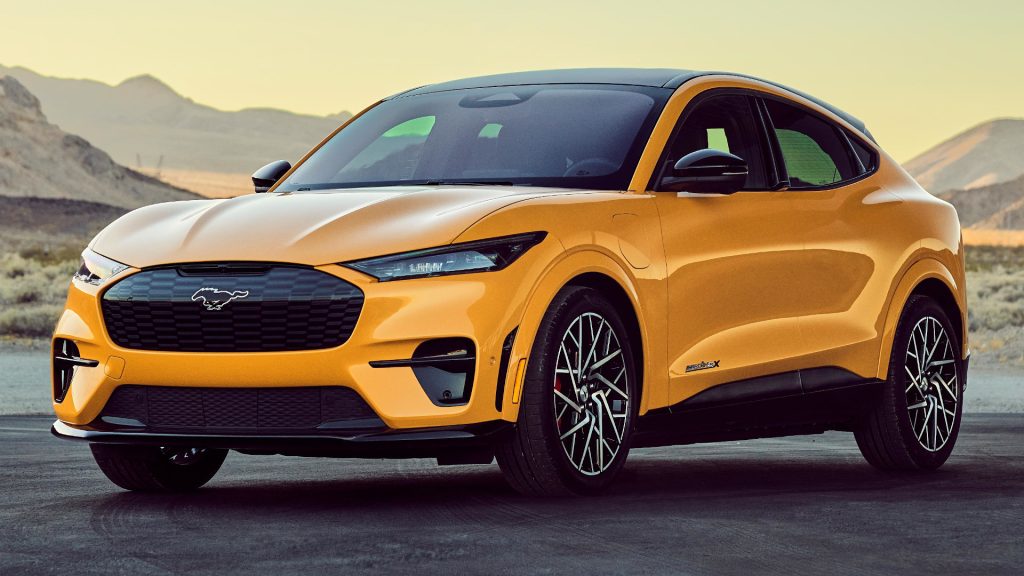
The Mach-E also supports DC fast charging and uses the modern NACS charging connector, giving newer versions access to compatible Tesla Superchargers. Its Mustang-inspired design, five-seat cabin, and useful cargo area give it a different character from many compact electric hatchbacks.
At just under $40,000, the Mach-E is not technically a low-$30,000 EV. However, it belongs in this broader affordable-EV discussion because it brings a 300-plus-mile EPA range into a price category that previously contained far fewer choices.
12. Subaru Uncharted
The Subaru Uncharted is one of the newer entries changing the shape of the affordable EV market. For 2026, Subaru positioned the electric crossover at approximately $36,445, including the destination charge in the New York State 2026 EV purchasing guide. Depending on configuration, the range reaches into the mid-250-mile territory.
The Uncharted is a compact electric crossover developed around Subaru’s growing EV strategy. Unlike the larger Solterra, it is designed to occupy a more accessible price point while retaining the upright driving position that Subaru buyers typically expect.
Its importance in this segment is less about chasing a 300-mile range figure and more about giving buyers another mainstream crossover option below $40,000. The vehicle uses a single electric motor in its more efficiency-focused configuration, while higher versions can use dual motors and all-wheel drive.
Subaru also gives the Uncharted a relatively compact footprint, making it easier to maneuver in urban environments than larger electric SUVs. The cabin is designed around modern digital displays and connected technology, while the raised seating position gives it a conventional SUV feel despite its electric powertrain.
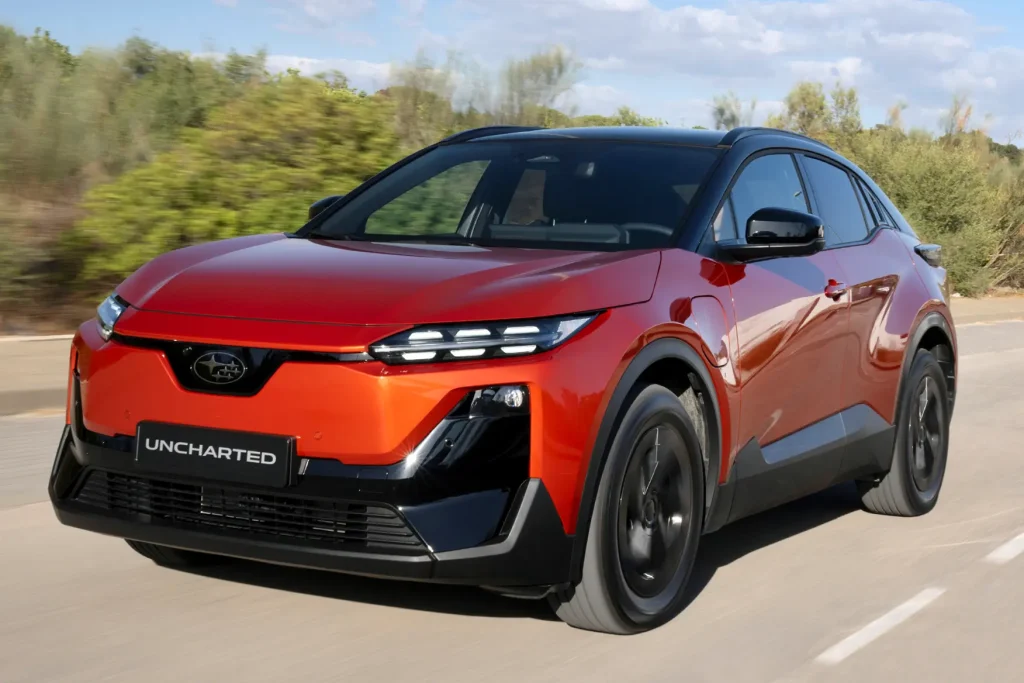
For shoppers comparing affordable EVs, the Uncharted demonstrates that the market is no longer limited to a handful of sedan-shaped models. It adds another compact crossover to a segment that now includes the Bolt, Leaf, Kona Electric, and Equinox EV.
Its final appeal depends heavily on the chosen configuration, because adding all-wheel drive and higher equipment can move the purchase price well beyond the entry-level figure.
13. Kia EV6
The Kia EV6 brings the list to a more performance-oriented end of the affordable EV spectrum. The 2026 model is available close to the upper end of the $30,000 range in its least expensive configuration, while higher trims move substantially beyond it.
The New York State 2026 EV purchasing guide lists the EV6 among available U.S. battery-electric models, alongside the other vehicles in this price segment.
The EV6 is built around an 800-volt electrical architecture, which gives it an advantage during high-speed DC charging. Depending on battery and drivetrain, the EV6 can also provide well above 200 miles of EPA-estimated range, with rear-wheel-drive long-range versions offering the strongest efficiency.
Unlike the Bolt or Leaf, the EV6 is positioned as a more upscale electric crossover. Its low roofline gives it a sportier profile, while the long wheelbase creates useful passenger space. Buyers can choose rear-wheel drive for efficiency or all-wheel drive for stronger acceleration and additional traction.
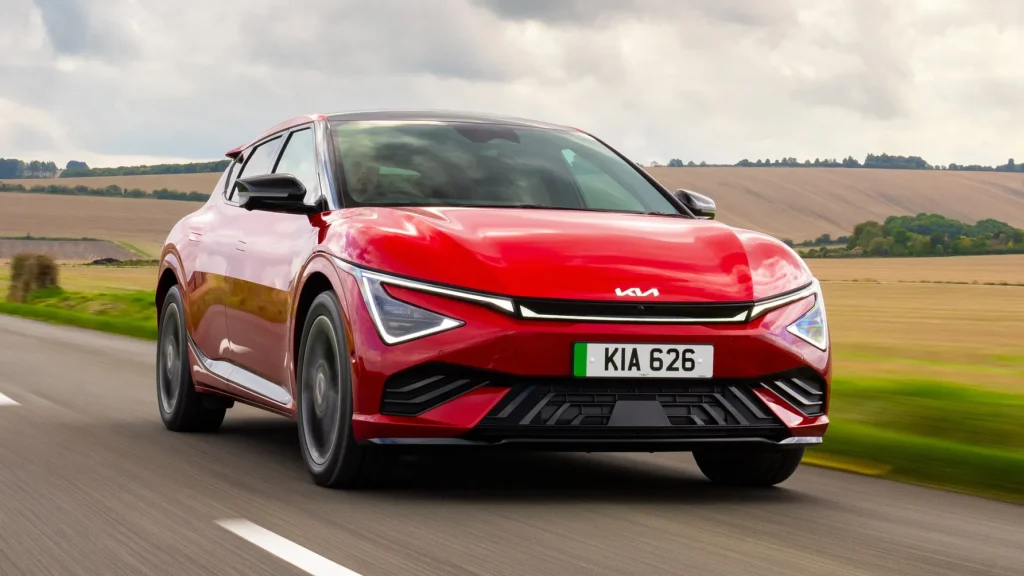
The EV6 also uses a native NACS charging connector on newer U.S. versions, expanding charging-network access. That becomes increasingly important for owners who take longer road trips rather than using the vehicle primarily for commuting.
Although the EV6 can quickly move beyond the $40,000 mark with additional equipment, its entry configuration demonstrates how electric vehicles with fast charging, modern platforms, and useful range are gradually reaching prices once reserved for conventional compact SUVs.