
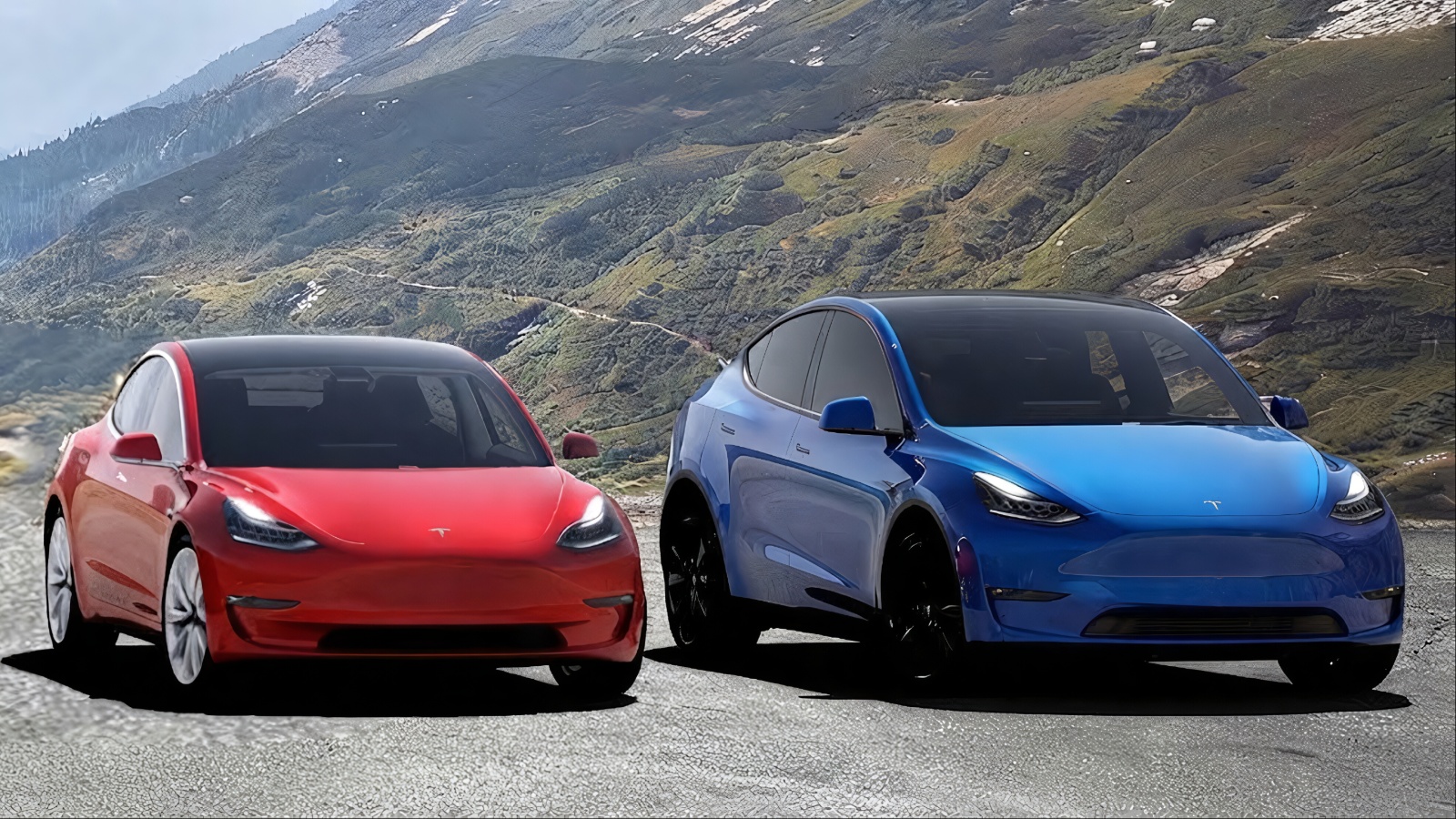
Where does your car actually come from? The answer isn’t always as simple as the badge on the trunk suggests. Cars.com just released its 2026 American-Made Index, digging into nearly 379 model-year vehicles and ranking 86 of them based on final assembly location, parts sourcing, engine and transmission origin, and how many American workers build them.
The results reveal some genuine surprises, including a familiar name holding the top spot for six years running and a beloved compact car landing dead last. Below, we’re breaking down the five vehicles scoring highest on American content, followed by the five scoring lowest. Whether patriotism drives your car-buying decisions or you’re simply curious, this list is worth a look.
5 Vehicles With Most American Content
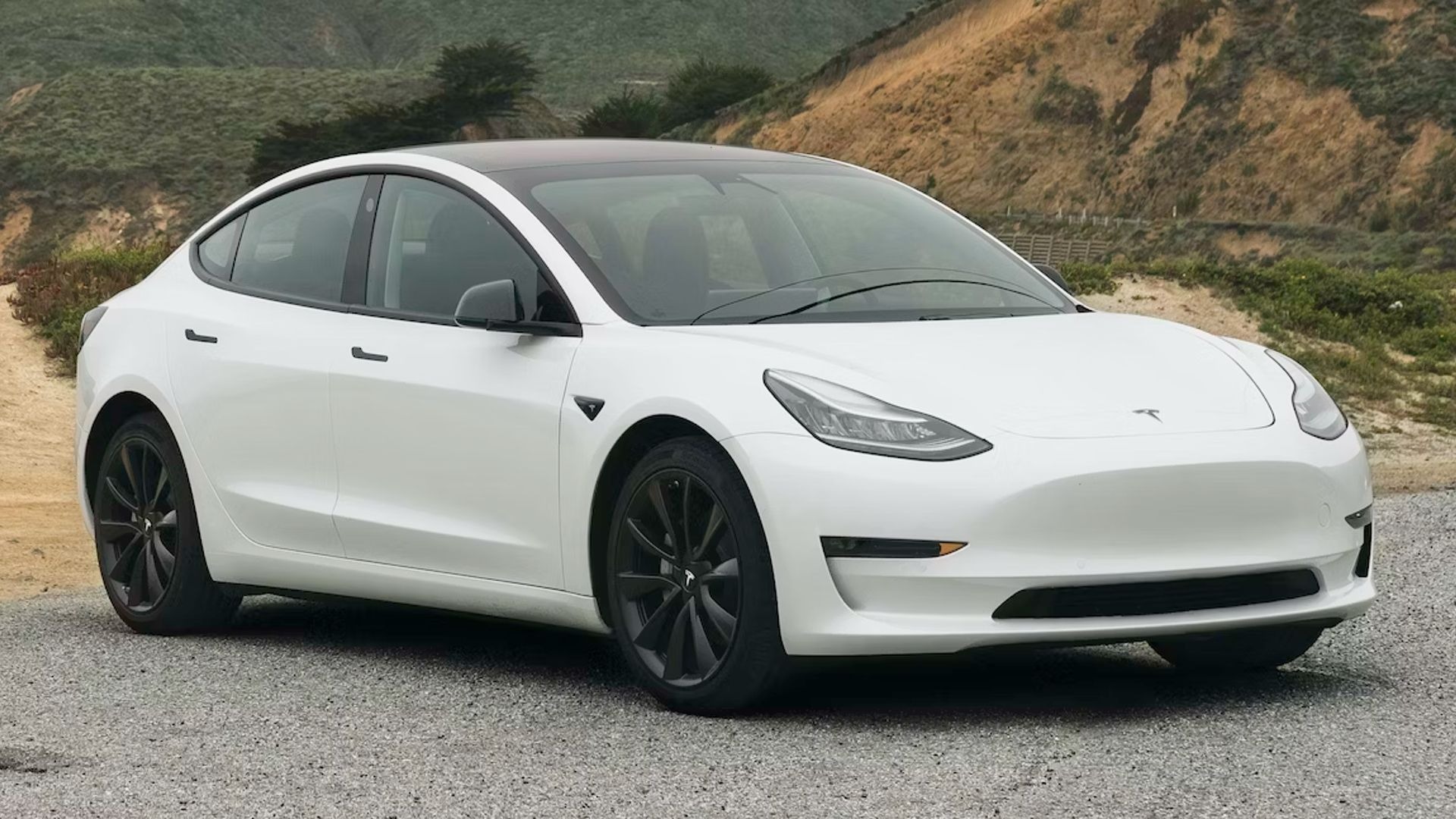
1. Tesla Model 3 – #1
Six years running now, and nobody’s caught up yet. The 2026 Tesla Model 3 claims the top spot on Cars.com’s American Made Index for the sixth consecutive year, a streak that speaks to consistent manufacturing decisions rather than a single lucky ranking cycle.
Assembled in Fremont, California, this sedan scores strongly across every criterion Cars.com uses to measure American content, from parts sourcing to workforce numbers.
What keeps Tesla at the front of this pack year after year? Vertical integration plays a real role here. Unlike many automakers that source engines, transmissions, and major components from suppliers scattered across multiple countries, Tesla builds much of its supply chain domestically, keeping production concentrated rather than spread across borders.
That approach naturally boosts scores across several of Cars.com’s five evaluation factors simultaneously rather than excelling in just one category while falling short elsewhere.
Buyers who prioritize domestic manufacturing when shopping often gravitate toward Tesla specifically because of rankings like this one, and the Model 3’s consistency reinforces that reputation with real data rather than marketing claims alone.
Six consecutive years at the top isn’t a fluke, it reflects sustained investment in Fremont’s production capacity and a genuine commitment to sourcing components closer to home rather than chasing lower costs overseas.
For shoppers weighing where their money actually goes when they buy a car, the Model 3 offers about as clear an answer as this index can provide, sitting comfortably ahead of every other vehicle Cars.com evaluated for the 2026 model year.
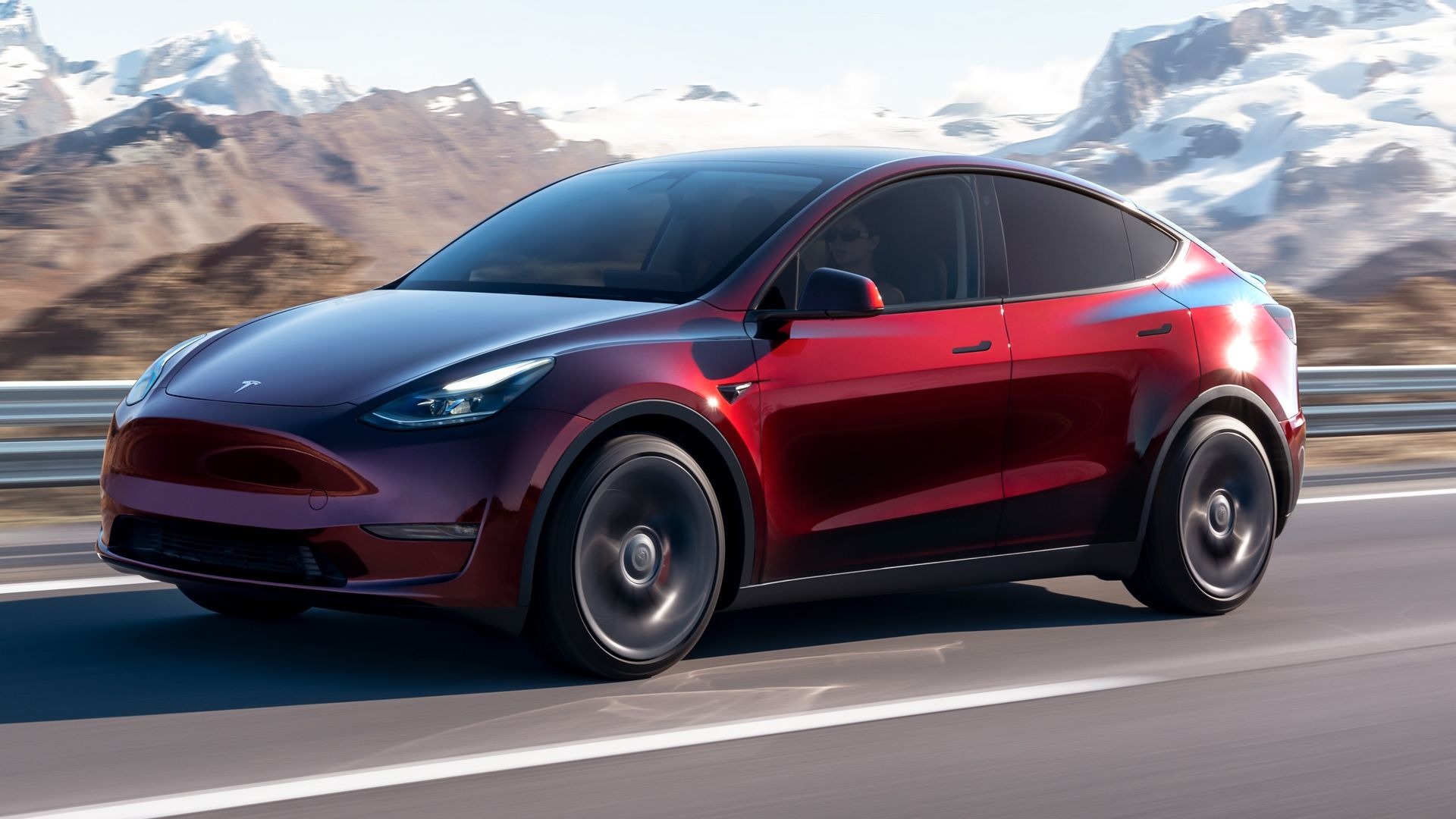
2. Tesla Model Y – #2
Tesla doesn’t just win, it takes the top two spots outright. The 2026 Model Y lands at second place, sitting immediately behind its sedan sibling and reinforcing just how dominant this automaker has become on measures of domestic manufacturing.
Depending on which version you’re looking at, assembly happens either at Tesla’s original Fremont, California facility or its newer Austin, Texas plant.
That dual assembly location detail matters more than it might initially seem. Running two separate American factories capable of building the same vehicle demonstrates a level of manufacturing capacity investment that few competitors can match, spreading production across multiple states rather than concentrating everything in one location or, worse, shipping components across international borders before final assembly.
Here’s a comparison worth considering. Imagine two restaurants claiming to serve locally sourced food, but one grows ingredients in its own backyard garden while the other simply assembles dishes from ingredients trucked in from out of state.
Tesla’s approach with the Model Y resembles that backyard garden, controlling production from raw materials through final assembly within American borders rather than relying heavily on imported components.
Families cross-shopping SUVs with an eye toward domestic manufacturing now have a genuinely strong option sitting at number two overall.
Combined with the Model 3’s top ranking, Tesla’s showing here suggests a company strategy built around American production rather than a coincidental result tied to just one popular model. Shoppers prioritizing this factor should take real notice of both vehicles topping this year’s index.
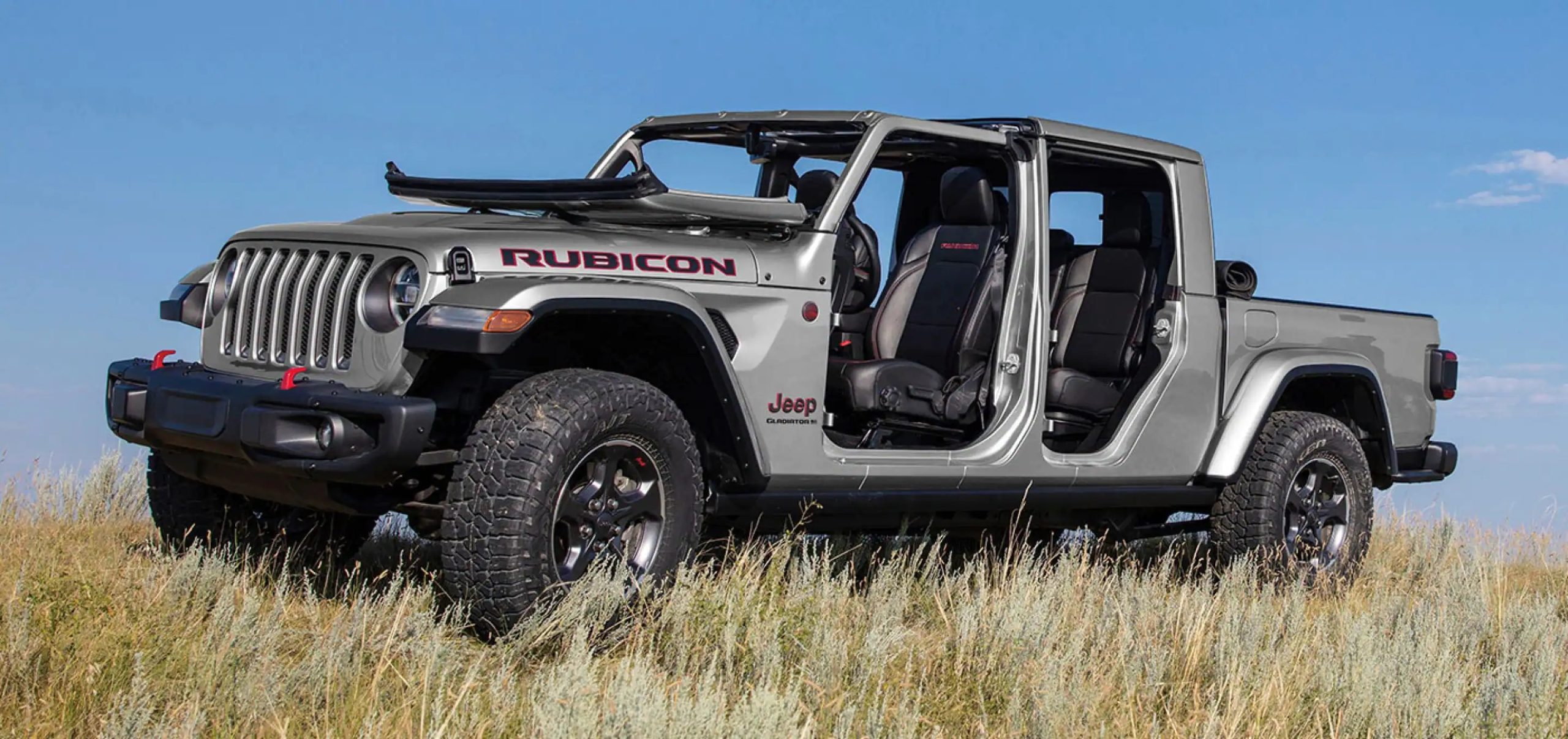
3. Jeep Gladiator – #3
The Jeep Gladiator claims third place on the 2026 Cars.com American-Made Index, making it the highest-ranked vehicle from a traditional automaker outside Tesla.
The pickup is assembled in Toledo, Ohio, where Jeep has a long-established manufacturing presence. Its third-place position puts it ahead of many vehicles associated with U.S. production.
Cars.com reaches its rankings by examining more than the location where a vehicle receives its final assembly. The study considers U.S. and Canadian parts content, engine origin, transmission origin, final-assembly location, and U.S. manufacturing employment. These measurements give the Gladiator several areas that contribute to its placement.
The AALA disclosure also provides useful information for shoppers because it reports the percentage of parts content from the United States and Canada.
That figure does not separate American parts from Canadian parts, but it offers additional information about where the vehicle’s components originate.
The Gladiator’s position is especially interesting for pickup buyers who associate trucks with domestic manufacturing. Its Toledo production gives it a clear U.S. manufacturing connection, while its parts and powertrain information help determine where it appears on Cars.com’s list.
The result demonstrates that American vehicle content involves the complete production chain, not simply the location printed on a factory record.
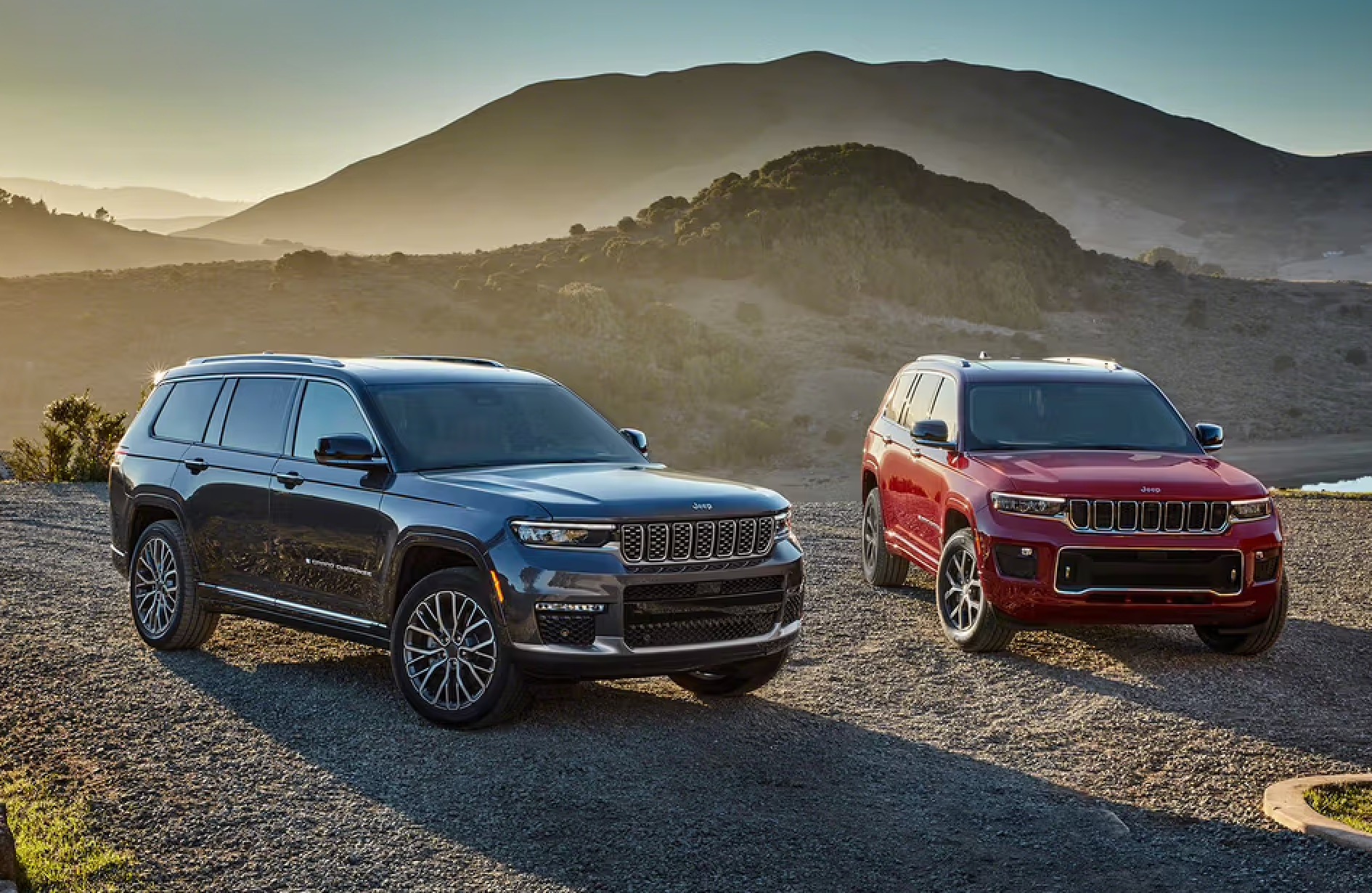
4. Jeep Grand Cherokee / Grand Cherokee L – #4
Jeep secures a second spot in the top five, with the Grand Cherokee landing at fourth place overall. Cars.com groups the larger Grand Cherokee L alongside its standard sibling in this ranking, treating both versions as a single entry given their shared manufacturing foundation and closely related production processes.
Assembly takes place in Detroit, Michigan, a city whose name remains practically synonymous with American vehicle manufacturing. Consider what it means for two Jeep models to land in the top four spots on this year’s index.
This is not simply a matter of coincidental positioning. It points to a manufacturer that has made domestic assembly and parts sourcing a priority across multiple nameplates, rather than relying on one flagship model to deliver strong results while the rest of the lineup falls behind on the same measures.
Detroit’s inclusion here carries symbolic weight beyond the raw ranking numbers themselves. Few American cities carry the same historical association with automotive manufacturing, and seeing a current production vehicle assembled there, scoring this well on a contemporary index, connects present-day manufacturing decisions to that broader industrial legacy in a way that resonates with plenty of buyers.
Grand Cherokee shoppers now have genuine data supporting a purchase decision beyond simply liking the vehicle’s styling or capability.
Two Jeep models occupying spots three and four demonstrate real commitment from Stellantis toward American manufacturing across its Jeep division specifically, even as broader conversations around the auto industry’s manufacturing decisions continue playing out across headlines and policy discussions throughout the country this year.
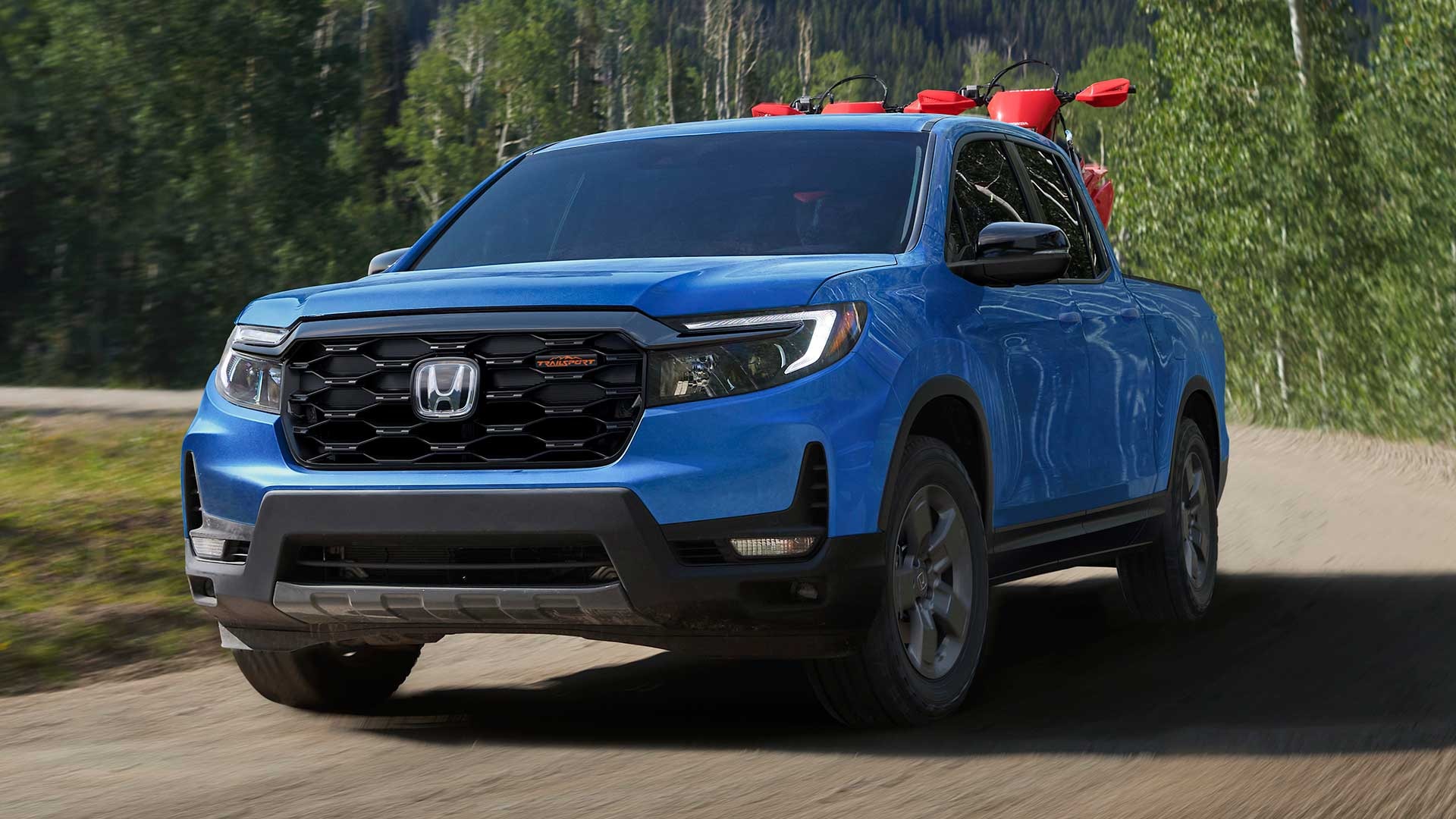
5. Honda Ridgeline – #5
The 2026 Honda Ridgeline takes fifth place on Cars.com’s American-Made Index and becomes Honda’s highest-ranked vehicle on the 2026 list.
The midsize pickup is assembled in Lincoln, Alabama, connecting it directly to U.S. vehicle production. Its position also shows that an automaker does not need to be headquartered in the United States to produce a highly ranked vehicle.
Cars.com evaluates American content based on five factors, including final assembly location, U.S. and Canadian parts content, engine origin, transmission origin, and U.S. manufacturing employment. The Ridgeline’s ranking is based on the combined results across these categories, not simply on the fact that it is assembled in Alabama.
The AALA disclosure can give shoppers another useful piece of information when researching the truck. It identifies the percentage of U.S. and Canadian parts content, allowing buyers to see how much of the vehicle’s component value comes from North American sources.
The Ridgeline’s fifth-place result is also a reminder that vehicle manufacturing has become highly international. A Honda assembled in Alabama can appear ahead of vehicles carrying traditionally American badges when several manufacturing measurements are considered together.
For shoppers interested in domestic production, the Ridgeline provides a clear example of why brand nationality, factory location, and parts sourcing should be viewed as separate pieces of the same manufacturing picture.
5 Vehicles Scoring Lowest
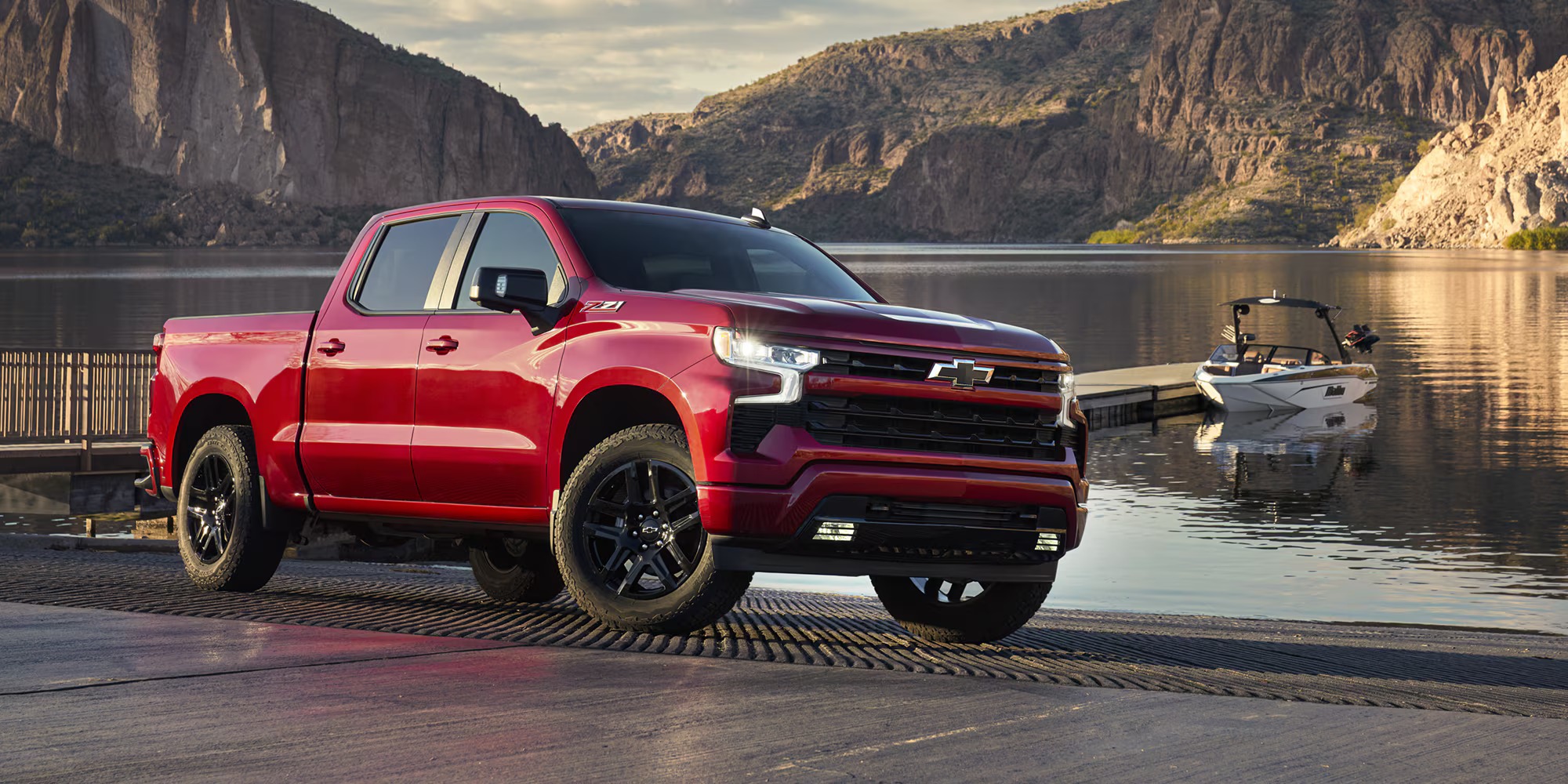
1. Chevrolet Silverado 1500 – #82
Surprising absolutely nobody who follows these rankings closely, and yet surprising plenty of everyday truck buyers, the 2026 Chevrolet Silverado 1500 lands at 82nd place out of the 86 vehicles Cars.com evaluated.
That’s a rough result for a truck many buyers assume carries strong American manufacturing credentials purely based on its branding and marketing history.
Assembly locations tell the real story behind this low ranking. Depending on specific configuration, Silverado production spreads across Roanoke, Indiana, Oshawa in Canada, and Silao, Mexico, meaning a meaningful portion of these trucks never touch American soil during final assembly at all.
That kind of geographic spread across three separate countries naturally drags down scores on several of Cars.com’s evaluation criteria simultaneously.
Buyers assuming a “Built in America” perception automatically translates into strong index performance should treat this result as a genuine wake up call.
Brand reputation and actual manufacturing data don’t always align, and the Silverado’s showing here demonstrates exactly that gap in fairly stark terms.
A truck can carry decades of American cultural association while still scoring poorly on a detailed evaluation measuring parts sourcing, engine origin, transmission origin, and employment figures beyond just where final assembly happens to occur.
Shoppers who genuinely prioritize domestic manufacturing when making purchase decisions owe it to themselves to check rankings like this one rather than relying purely on marketing impressions or gut assumptions about any given brand.
The Silverado’s position here proves that assumptions built on reputation alone can lead buyers astray when actual sourcing data tells a considerably more complicated story.
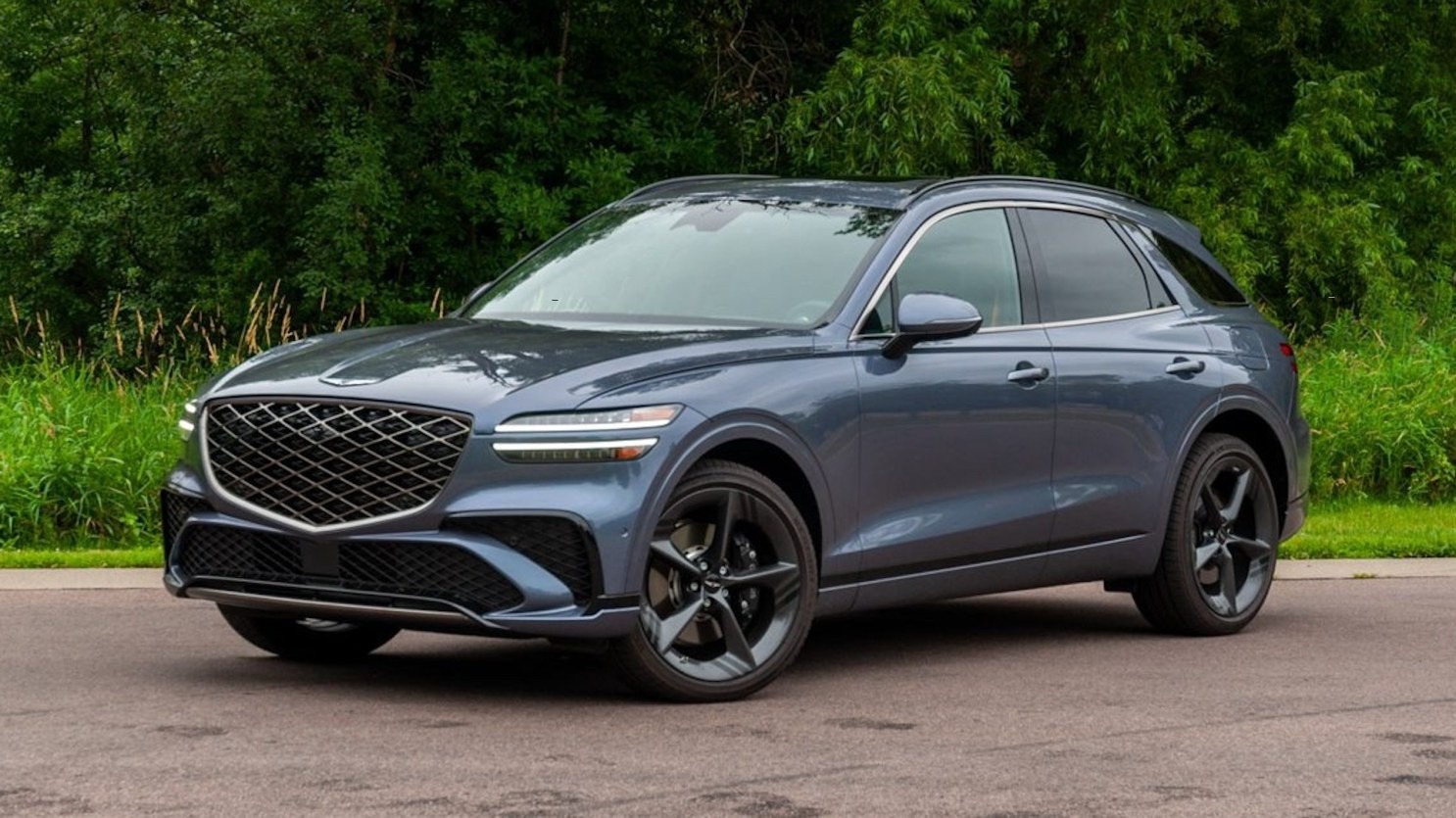
2. Genesis GV70 – #83
Here’s a case that genuinely complicates the “assembly location equals American content” assumption many buyers carry into their car shopping process.
The 2026 Genesis GV70 lands at 83rd place, despite being assembled right here in Montgomery, Alabama, a detail that might initially confuse anyone expecting assembly location alone to drive strong index performance.
Why does a vehicle built on American soil still land so close to the bottom of this ranking? Cars.com evaluates considerably more than just where final assembly occurs.
Parts sourcing, engine origin, transmission origin, and broader manufacturing employment figures all factor into the final score, meaning a vehicle assembled domestically can still score poorly if its major components arrive from overseas suppliers before reaching that Alabama facility for final assembly work.
This distinction matters enormously for anyone trying to understand these rankings accurately. Final assembly represents just one piece of a considerably larger manufacturing picture, and the GV70’s position here illustrates that reality clearly.
A Korean luxury brand building vehicles in Alabama still relies heavily on components and engineering decisions made outside American borders, and that broader sourcing pattern shows up directly in Cars.com’s comprehensive evaluation methodology.
Luxury SUV shoppers drawn to the GV70 for its styling and features shouldn’t necessarily feel discouraged by this ranking, but they should understand what it actually measures.
Assembly location alone tells an incomplete story, and this specific example proves that point about as clearly as any vehicle on this entire list, regardless of brand reputation or where the factory doors happen to be located.
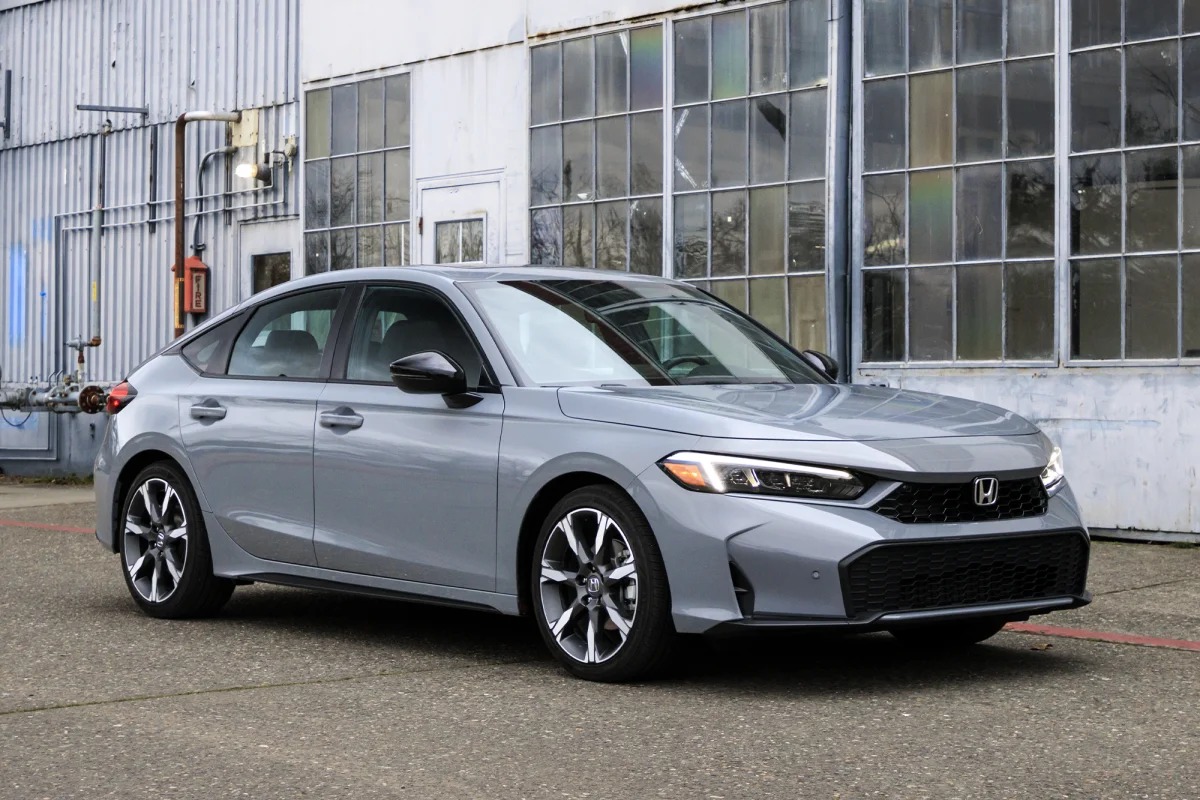
3. Honda Civic Hybrid – #84
The 2026 Honda Civic Hybrid ranks No. 84 on Cars.com’s American-Made Index. That places it near the bottom of the 86 qualifying vehicles included in the publication’s core ranking. Its production information also demonstrates why vehicle assembly details can vary within the same nameplate.
According to Cars.com, the Civic Hybrid can be assembled in Greensburg, Indiana, Alliston, Canada, or Yorii-Machi, Japan, depending on the specific vehicle. As a result, buyers may find that Civic Hybrids have different manufacturing origins.
The American-Made Index uses more than assembly information when assigning positions. Cars.com considers U.S. and Canadian parts content, engine origin, transmission origin, final assembly, and U.S. manufacturing employment.
Those measurements provide a broader picture of vehicle production. The Civic Hybrid’s powertrain also makes its manufacturing record distinct from that of the gas-only Civic.
Although the two vehicles share the Civic name, Cars.com gives them separate positions on the 2026 index. The gas Civic ranks No. 86, while the hybrid sits at No. 84.
For consumers researching American vehicle content, the Civic Hybrid shows why a model’s badge does not provide enough information by itself. The exact powertrain and assembly source can matter.
Checking the AALA disclosure and Cars.com’s individual vehicle listing can provide a clearer picture of where the vehicle and its components come from.
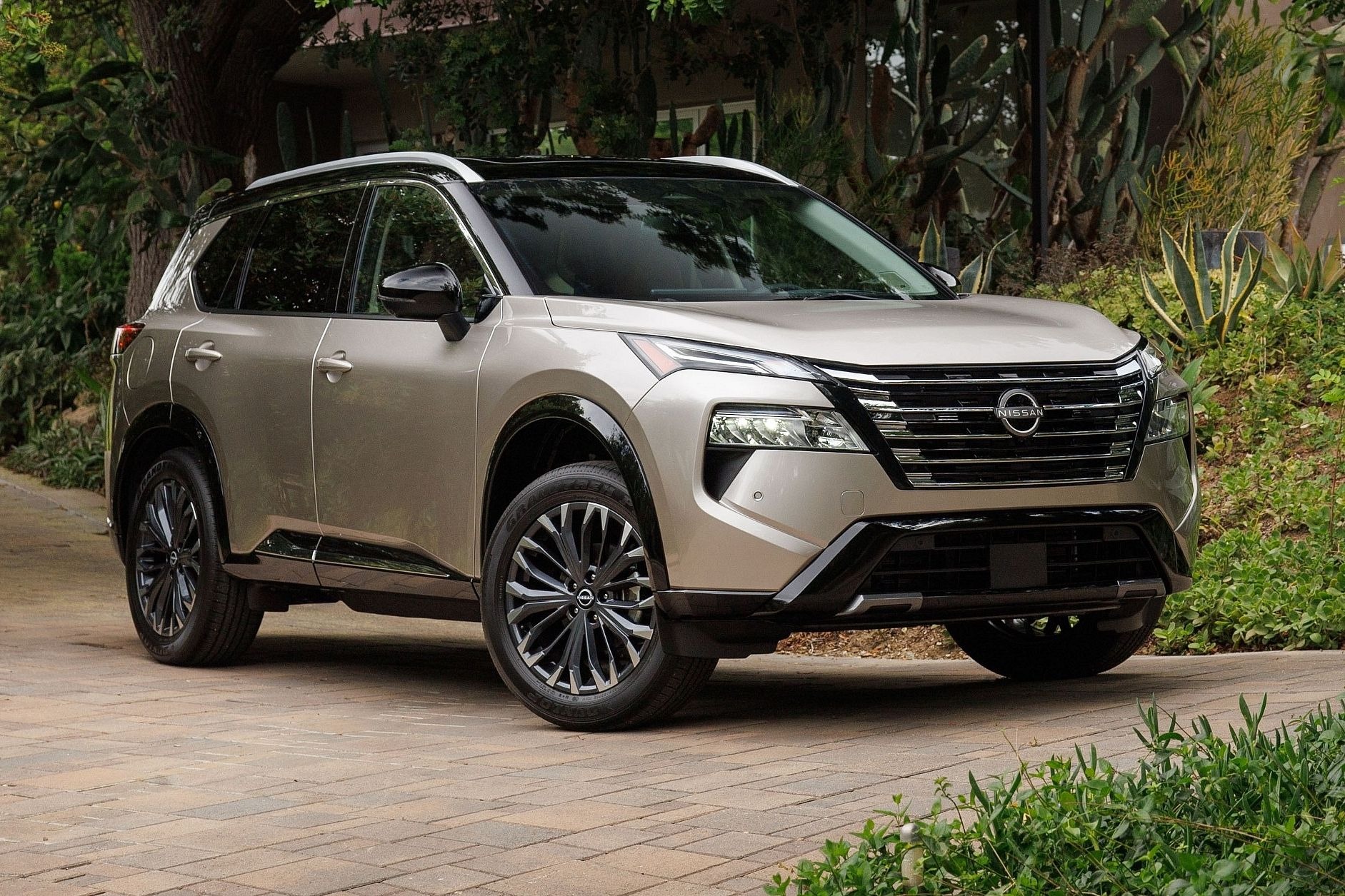
4. Nissan Rogue – #85
The 2026 Nissan Rogue ranks No. 85 on Cars.com’s American-Made Index, leaving it one position above the final vehicle in the 86-entry ranking.
The SUV is assembled in Smyrna, Tennessee, giving it a clear U.S. production connection. Yet its placement shows that domestic assembly does not automatically produce a high American-content position.
Cars.com evaluates five areas when creating the index. These include final assembly, U.S. and Canadian parts content, engine origin, transmission origin, and U.S. manufacturing employment. The Rogue’s position reflects information across those categories.
This distinction is useful for shoppers because phrases such as “assembled in the USA” describe only one part of a vehicle’s production story. A vehicle can receive final assembly in a U.S. plant while many components originate elsewhere.
The AALA disclosure can provide additional information about parts content. It reports the percentage of U.S. and Canadian parts content, although it does not separate the American portion from the Canadian portion.
Engine and transmission origins provide still more information for consumers comparing manufacturing sources. The Rogue’s No. 85 position therefore reflects Cars.com’s specific methodology.
It should not be treated as a statement that the SUV has no American manufacturing connection. Instead, it shows how the vehicle ranks when several production and employment factors are considered together.
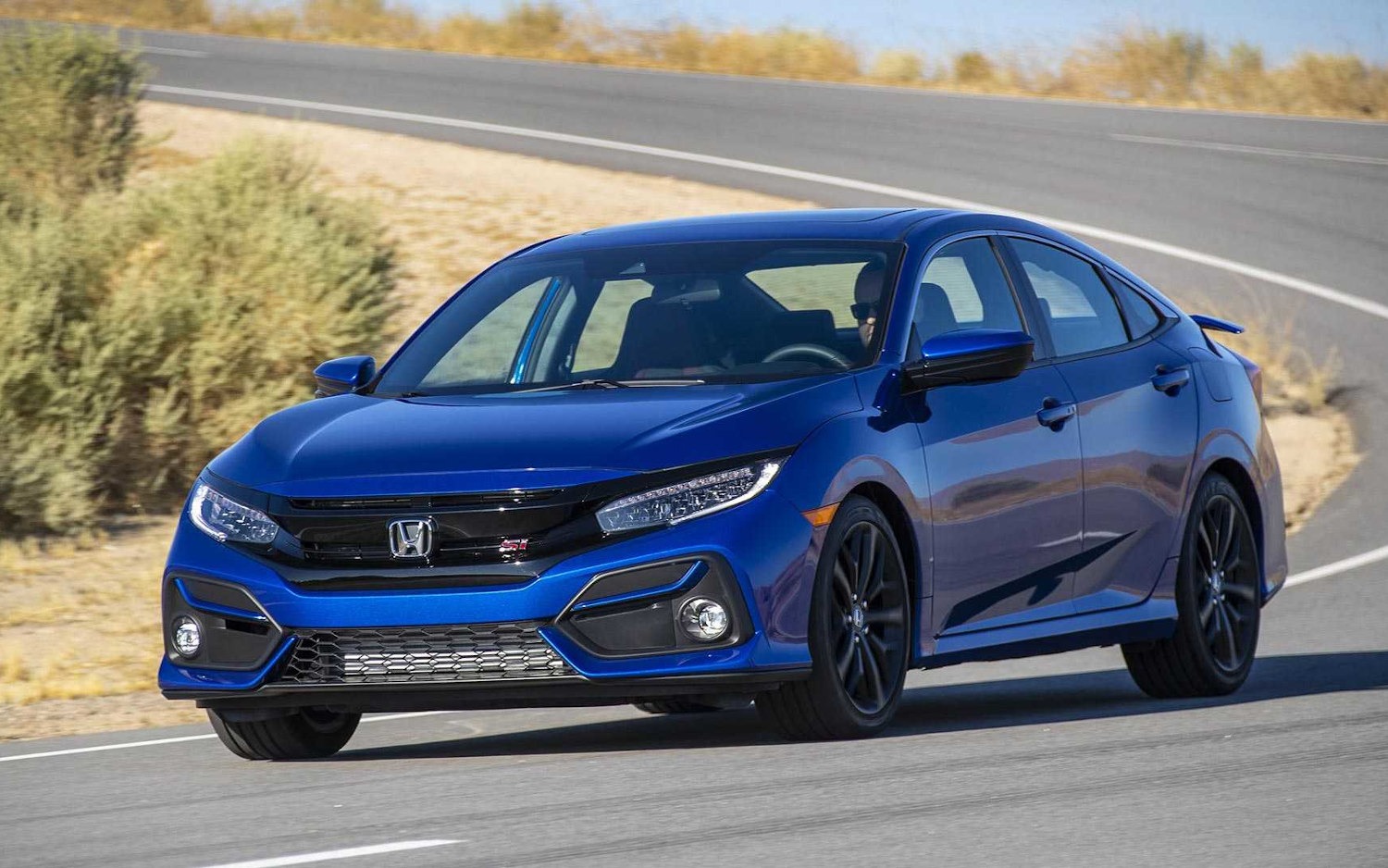
5. Honda Civic – #86
The gas-powered 2026 Honda Civic occupies No. 86, the final position among the 86 vehicles in Cars.com’s core American-Made Index.
The Civic can be assembled in Greensburg, Indiana, Alliston, Canada, or Yorii-Machi, Japan. This means that two Civics of the same model can have different production origins depending on where each vehicle was built.
The Civic’s position also becomes more interesting when compared with the Civic Hybrid. Cars.com places the hybrid at No. 84, while the gas-only Civic appears at No. 86.
Although both vehicles carry the Civic name, their different powertrains and manufacturing details lead to different results. Cars.com determines its American-Made Index ranking using five factors, which include final assembly location, U.S. and Canadian parts content, engine origin, transmission origin, and U.S. manufacturing employment.
The calculation therefore includes several parts of the production process. For consumers, the Civic provides a useful reminder that a vehicle’s country of assembly does not tell the entire story.
A Civic assembled in Indiana may have a different production profile from one assembled in Canada or Japan. The same applies to parts and powertrain sources.
Anyone checking American vehicle content should therefore look at the exact model, powertrain, and assembly information. The AALA disclosure can add another layer of detail by showing the reported U.S. and Canadian parts percentage.
Cars.com’s ranking then provides a separate measurement based on its broader formula.
