
New car buyers are being told two contradictory stories right now. Electrification is the future. But electrification is also breaking down more often than gasoline.
J.D. Power’s latest U.S. Vehicle Dependability Study settles the argument with data. It surveyed over 33,000 owners of three-year-old vehicles. It asked about 184 specific problem areas.
The headline number is stark. Plug-in hybrids posted 281 problems per 100 vehicles. That’s up 39 points from last year, the worst single-year jump in the study.
Battery electric vehicles came in at 237 PP100. Conventional hybrids landed at 213. Both rose 14 points year over year. Gasoline vehicles were the outlier. They improved to 198 PP100, the only powertrain family to get better.
But “gasoline” and “electrified” are broad buckets. Underneath them sit distinct engineering approaches, each with its own failure patterns. This ranking breaks the powertrain world into ten distinct categories. It moves from the most trouble-prone to the most dependable. The goal is to show why complexity, not fuel type alone, drives reliability.
1. Plug-in Hybrid Electric (PHEV) – 281 PP100
Plug-in hybrids sit at the bottom of the dependability chart. They scored 281 problems per 100 vehicles in the latest study. That’s a 39-point jump from the year before. No other powertrain moved that fast in the wrong direction.
The reason is structural. A PHEV carries two full propulsion systems in one vehicle. There’s a combustion engine with its own cooling, fuel, and exhaust needs. There’s also a battery pack, electric motor, and charging hardware layered on top.
Each system alone has failure points. Together, they multiply the chances something goes wrong. Software is the biggest culprit. PHEVs must constantly decide when to run on electricity and when to switch to gas. That handoff logic is complex. It depends on sensors, battery state, and driver behavior, all coordinated by code.
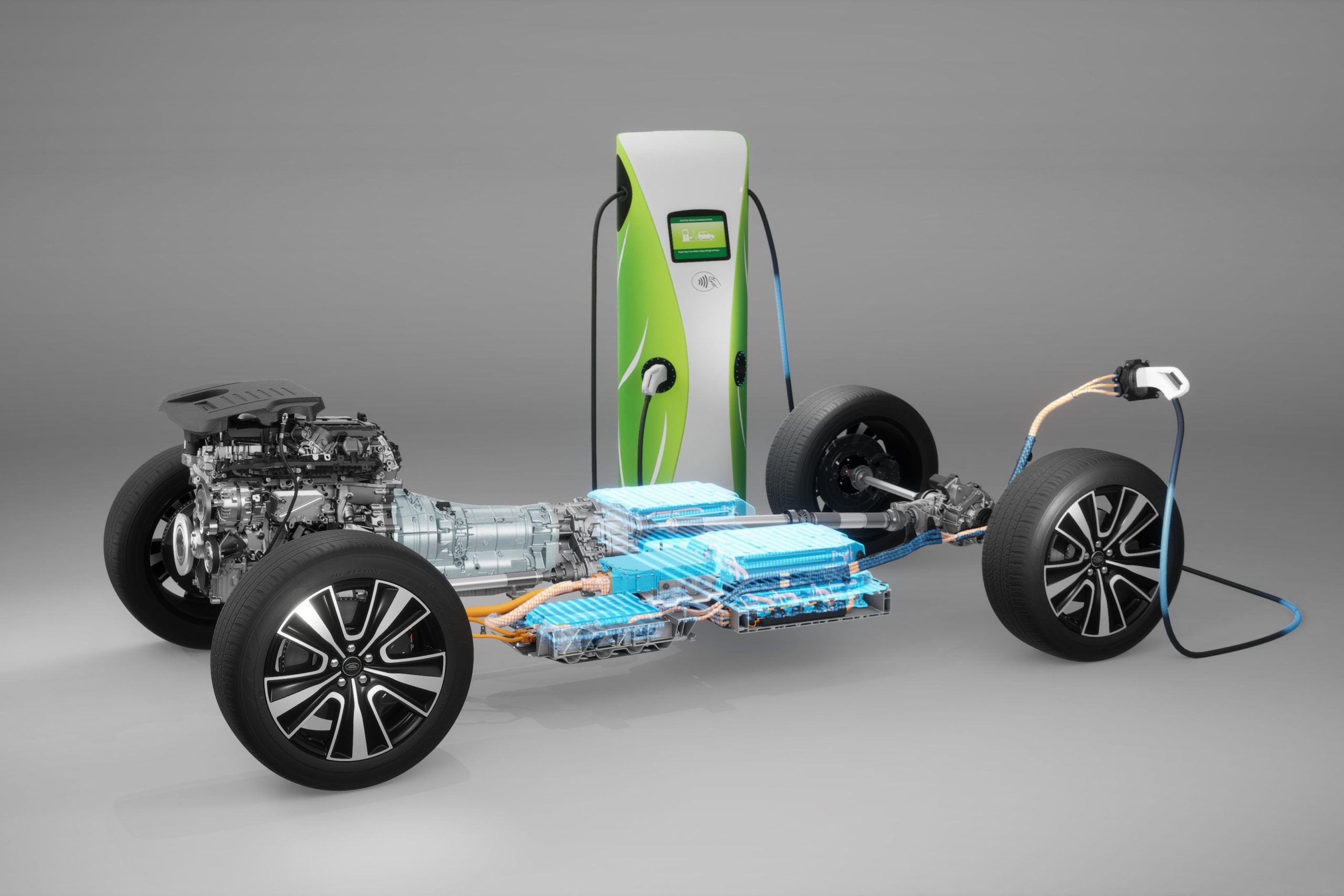
Charging port hardware adds another weak spot. Ports get exposed to weather, debris, and repeated plug-in cycles that gas-only cars never face. The long-term test of a Jeep Grand Cherokee 4xe illustrated this well. The vehicle went through multiple recalls and unplanned dealer visits during ownership.
That anecdote matches the aggregate data. PHEVs are the newest widespread powertrain category, and reliability engineering hasn’t caught up yet. Owners also report confusion-driven problems. Some issues stem from unfamiliar interfaces rather than actual mechanical failure.
Still, J.D. Power counts owner-perceived problems either way. A confusing charge-status display counts the same as a broken part. The takeaway is simple. PHEVs ask a car to be two vehicles at once, and that ambition currently costs owners real dependability.
2. Hydrogen Fuel Cell EV (FCEV) – Highest Complexity, Lowest Volume
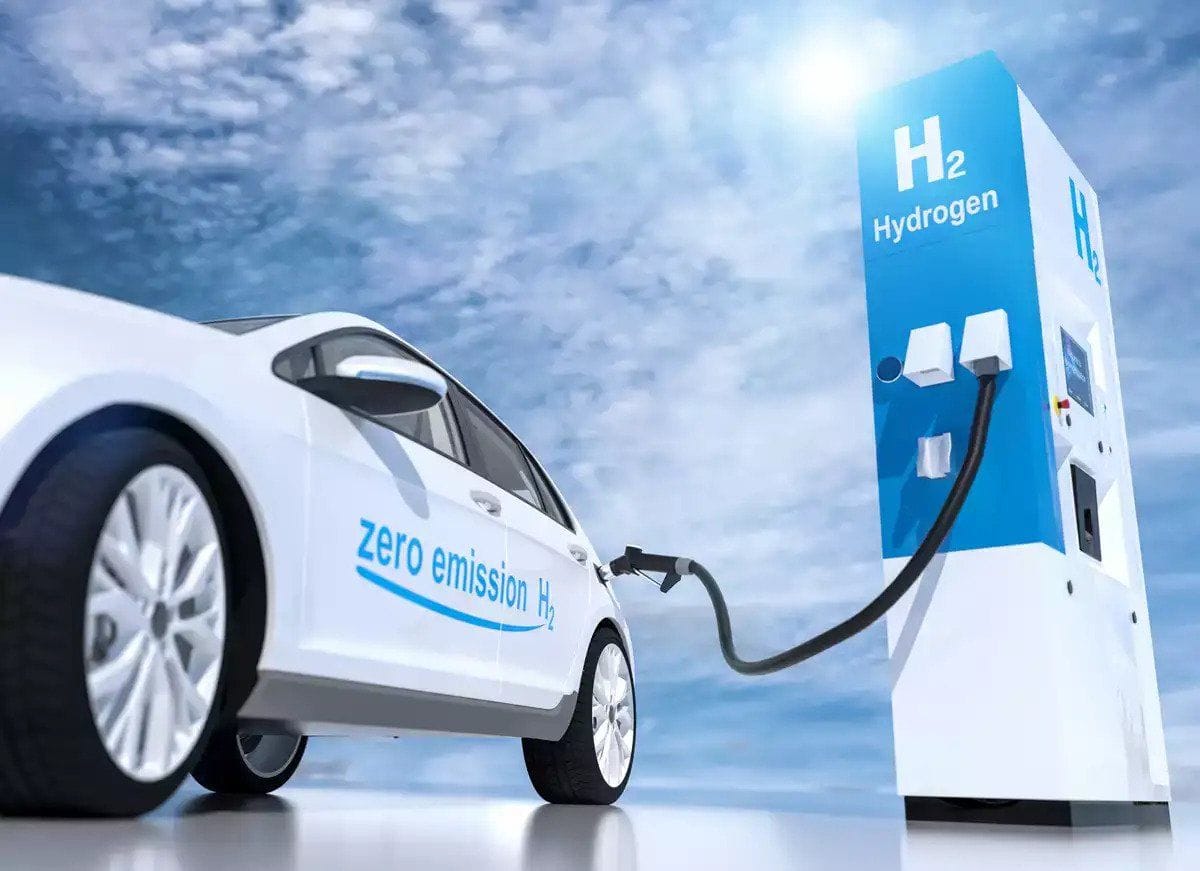
Fuel cell vehicles aren’t part of J.D. Power’s mainstream PP100 breakdown. Sample sizes are too small for statistical inclusion. But owner-reported data from Toyota Mirai and Hyundai Nexo drivers tells a consistent story. These vehicles run into frequent, often severe service disruptions.
The core issue is infrastructure, not just hardware. Hydrogen fueling stations are sparse and frequently offline. That turns a working car into an undriveable one through no fault of the vehicle itself. Owners count this as a dependability failure regardless of cause.
The fuel cell stack itself is also mechanically intricate. It requires precise humidity and temperature management to function. Membrane degradation is a known long-term concern. Stacks can lose efficiency well before typical powertrain components would.
High-pressure hydrogen tanks add certification and safety-system overhead. These systems need specialized service technicians that most dealerships don’t have. Software complexity rivals or exceeds PHEVs here. The car must manage fuel cell output, battery buffering, and motor delivery simultaneously.
Parts availability is another chronic weak point. Low production volumes mean replacement components can take weeks to source. Resale and service networks remain thin outside a few regions like California. That scarcity compounds every mechanical hiccup into a longer ownership headache.
FCEVs represent the most experimental mainstream powertrain on sale today. Until infrastructure and parts networks mature, they’ll likely trail every other category on this list.
3. Battery Electric Vehicle (BEV) – 237 PP100
BEVs scored 237 PP100 in the latest study. That’s a 14-point increase from the prior year. This surprises many shoppers. EVs have fewer moving parts than combustion engines, in theory.
No pistons, no transmission in most cases, no exhaust system to fail. Mechanically, the simplicity argument holds up well. But the study measures owner-reported problems broadly. Infotainment, software, and build quality all count alongside mechanical faults.
EVs tend to be tech-forward by design. Large touchscreens, over-the-air updates, and advanced driver assistance features are standard, not optional. Each of those adds a potential complaint point. A glitchy screen or failed update counts the same as a mechanical breakdown in the data.
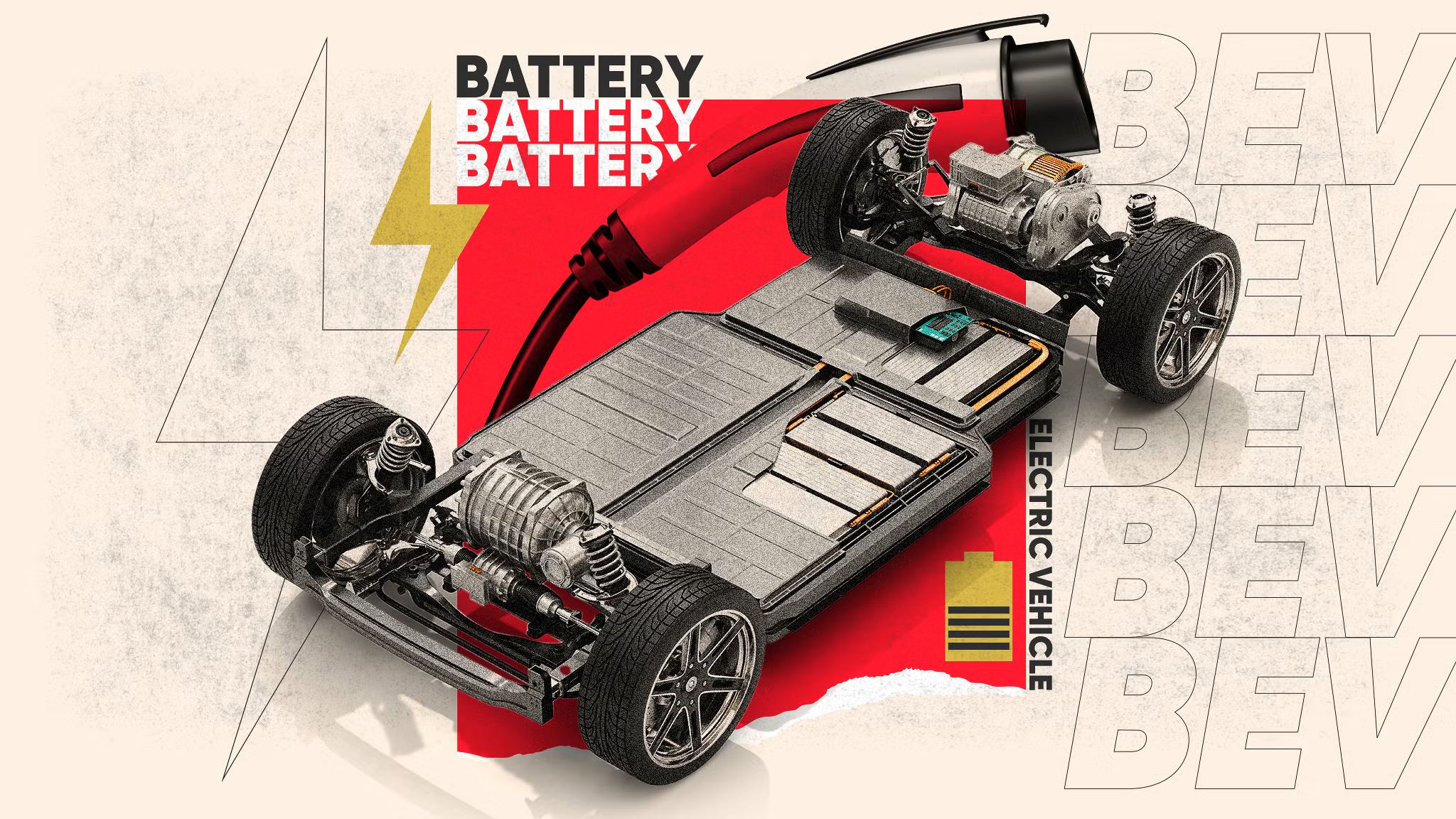
Battery-related issues also weigh on the score. Range estimation accuracy, charging speed inconsistency, and thermal management complaints are common themes.
Tesla’s unofficial 226 PP100 score, noted separately since the brand doesn’t meet full award criteria, sits close to the BEV category average. That suggests the pattern holds across multiple EV manufacturers, not just one.
Charging hardware itself is a frequent trouble spot. Home charger compatibility and public charging network reliability frustrate many owners.
J.D. Power’s researchers point to mobile connectivity as a broader trend. Android Auto and Apple CarPlay integration issues top the entire industry’s problem list.
EVs, being newer platforms, often ship with less mature infotainment stacks. That immaturity shows up directly in the numbers.
BEVs are mechanically promising but operationally young. The category’s score should improve as software matures across a few more model cycles.
4. Turbocharged Four-Cylinder Gasoline
Small turbocharged engines became the industry default over the last decade. Automakers needed better fuel economy without sacrificing power.
The tradeoff was added complexity. Turbochargers introduce forced induction, higher combustion pressures, and extra components. Direct injection is nearly universal alongside these engines. It improves efficiency but is notoriously prone to carbon buildup on intake valves.
That buildup isn’t cosmetic. Left unaddressed, it can cause misfires, rough idle, and reduced performance over time. Turbo units also run hotter than naturally aspirated engines. Heat stresses gaskets, seals, and oil more aggressively across the ownership period.
Timing chain stretch has become a recurring complaint on several small turbo engines. Chains that once lasted the vehicle’s life now sometimes need early replacement.
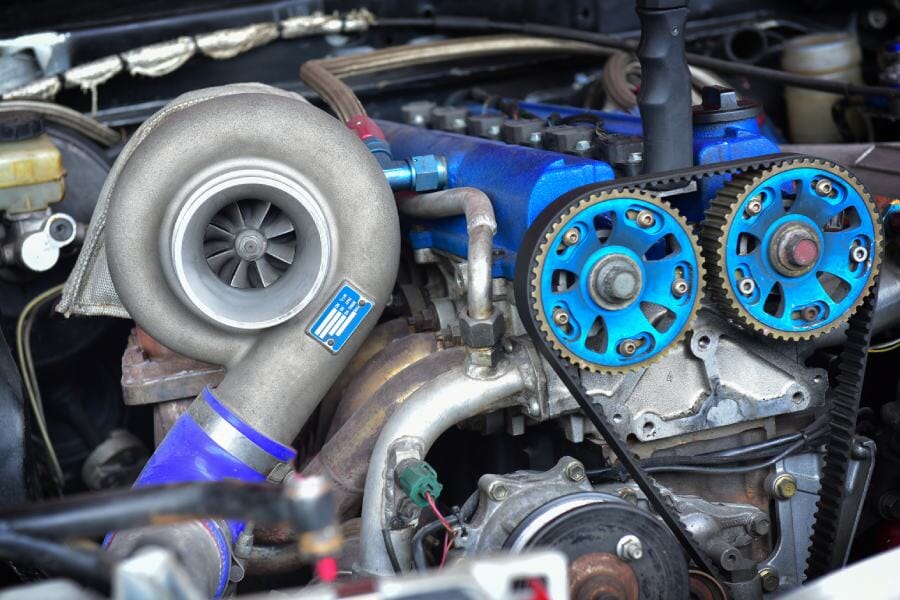
Oil consumption is another frequent owner grievance. Piston ring design changes to reduce friction have, in some engines, increased oil burn rates.
These issues don’t approach PHEV or BEV problem volumes. But they push turbo four-cylinders above naturally aspirated engines in owner complaints.
Consumer Reports’ reliability histories reflect this pattern across brands. Engines listed with “engine minor” and “engine electrical” trouble spots skew toward smaller turbocharged units.
The appeal of these engines is undeniable. They deliver strong power-to-efficiency ratios that regulators and buyers both want. But that efficiency comes with a dependability cost. More parts working under more pressure simply fail more often.
5. Conventional (Non-Plug-In) Hybrid – 213 PP100
Standard hybrids scored 213 PP100, up 14 points from the previous year. That places them squarely mid-pack. Unlike PHEVs, these vehicles don’t require external charging. The battery recharges through regenerative braking and the gas engine itself.
This simpler energy management reduces one major complexity source. There’s no charge port, no plug-in scheduling software, no home charger dependency.
Toyota and Honda’s hybrid systems, refined over two-plus decades, anchor this category’s relative strength. The Toyota Sienna, now hybrid-only, is frequently cited as a dependability standout.
J.D. Power’s own model awards reflect this maturity. Toyota models swept eight separate model-level dependability awards this cycle. Still, hybrids aren’t complaint-free. They still combine an engine, electric motor, battery, and power control unit into one system.
Newer entrants to hybrid technology haven’t matched the decades of refinement from established players. Hyundai’s turbocharged hybrid system, introduced recently in the Palisade, is still building a track record.
Infotainment issues affect hybrids just as they affect every other category. A hybrid’s drivetrain may be dependable while its screen still frustrates owners.
The 14-point year-over-year rise suggests even mature hybrid systems aren’t immune to industry-wide software problems. Rising complaint counts here likely reflect cabin technology, not battery or motor failures.
Hybrids remain a reasonable middle ground. They add electrification’s efficiency without PHEV-level plug-in complexity or BEV-level charging dependency.
6. Mild Hybrid (48-Volt Systems)
Mild hybrids use a small electric motor and battery to assist, not replace, the combustion engine. They can’t drive on electric power alone. This makes them mechanically closer to conventional gasoline cars than to full hybrids. The added components are smaller and less integrated into daily function.
A 48-volt starter-generator handles engine stop-start duties smoothly. It also provides brief torque assistance during acceleration. Because the system doesn’t need to manage full electric propulsion, its software demands are lower. Fewer decision points mean fewer chances for glitches.
Battery packs in mild hybrids are also much smaller than full hybrid or PHEV units. Smaller packs mean simpler thermal management requirements. That said, mild hybrids aren’t complaint-free either. Stop-start systems themselves generate frequent owner grievances industry-wide.
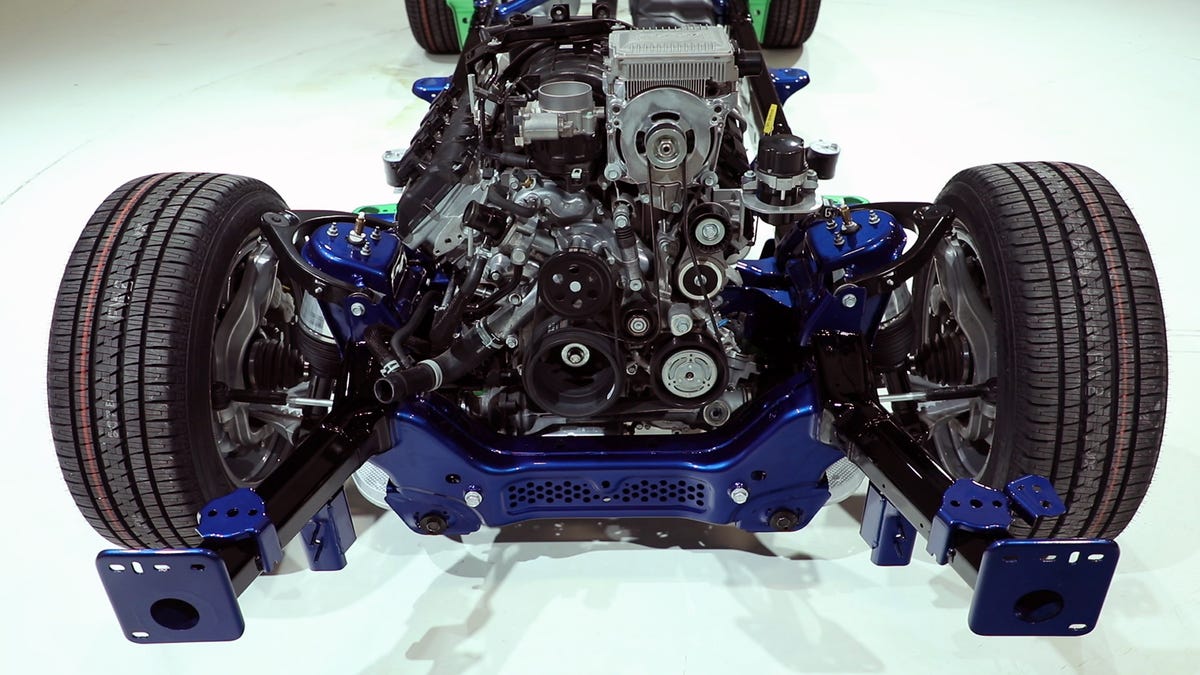
Rough engine restarts, delayed throttle response, and battery-related warning lights are common themes. Some owners report the system disabling itself intermittently.
Audi, Ram, and several German brands have used 48-volt systems extensively. Reliability data across these applications is mixed rather than uniformly strong.
Mild hybrids occupy a genuine middle tier. They add just enough electrification to introduce new failure points, without full hybrid efficiency gains to justify it fully.
For owners prioritizing dependability over efficiency gains, mild hybrid systems represent a measured compromise. They’re simpler than full hybrids but not as proven as pure combustion.
7. Diesel (Light-Duty)
Light-duty diesel engines, mostly found in trucks and a handful of SUVs, carry a reputation for long-term durability. That reputation is only partly earned today.
Older diesel designs were mechanically simple and famously long-lived. Modern diesels are a different animal entirely. Emissions regulations have forced enormous complexity onto these engines. Diesel particulate filters, selective catalytic reduction systems, and diesel exhaust fluid injection are now standard.
Each of these systems can fail independently. A clogged particulate filter or a faulty DEF sensor can strand a vehicle despite a perfectly healthy engine.
Regeneration cycles, where the filter burns off accumulated soot, cause their own owner complaints. Drivers report reduced power or dashboard warnings during these cycles.
Cold weather amplifies diesel-specific problems. Fuel gelling and slow warm-up periods for emissions equipment are recurring seasonal complaints.
Fuel quality variability across regions and stations also affects long-term reliability. Contaminated or low-quality diesel can damage injection systems over time.
Despite these issues, base diesel engine internals, blocks, heads, and bottom ends remain genuinely tough. Catastrophic engine failure is still rare compared to emissions-system failures.
Ram’s diesel truck options have generally posted solid ownership satisfaction scores in recent studies. That suggests brand-specific engineering can offset category-wide emissions complexity. Diesel sits in the middle of this ranking for a reason. The core engine earns trust, but the emissions hardware wrapped around it erodes it.
8. V6 Naturally Aspirated Gasoline
Naturally aspirated V6 engines represent a well-worn engineering path. Automakers have refined these designs for decades. Without a turbocharger, these engines run at lower internal pressures. That reduces stress on gaskets, seals, and bearings over time.
Direct injection is common on V6 engines too, so carbon buildup concerns still apply. But the failure rate tends to be lower than turbocharged counterparts.
V6 engines typically prioritize smooth power delivery over outright efficiency. That design philosophy tends to favor longevity over aggressive performance tuning.
Toyota’s V6 offerings, used across Camry, Highlander, and other models, have particularly strong long-term track records. J.D. Power’s model-level awards frequently favor these platforms.
Transmission pairing matters here too. V6 engines are often matched with well-proven automatic transmissions rather than newer dual-clutch designs.
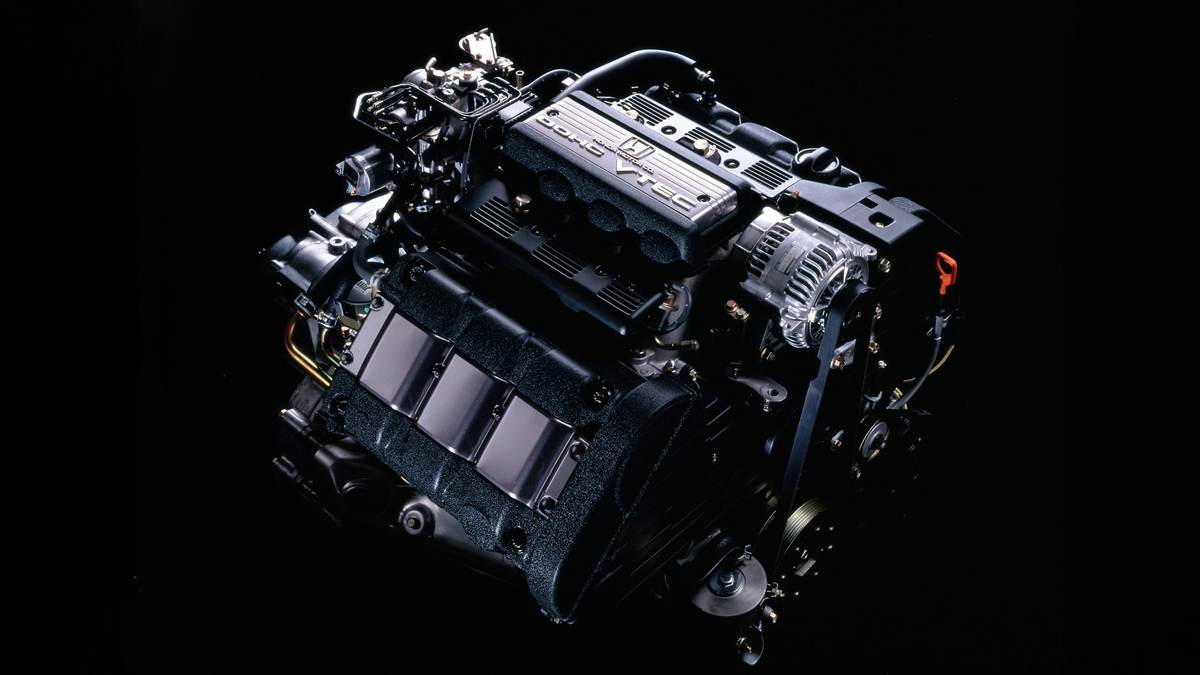
That pairing choice reduces one common complaint source. Dual-clutch transmissions, common with smaller turbo engines, generate more owner complaints about shift smoothness.
V6 engines aren’t perfectly problem-free. Some V6-equipped vehicles still report exhaust manifold gasket leaks and minor oil consumption over high mileage.
But compared to smaller turbocharged four-cylinders doing similar work under more stress, V6 units generally show fewer issues per 100 vehicles.
This category benefits from maturity rather than innovation. It’s proof that well-tested engineering, even without cutting-edge efficiency tricks, tends to hold up.
9. Naturally Aspirated Four-Cylinder Gasoline
This is the closest thing to a baseline in the modern auto industry. Simple, unboosted, four-cylinder engines without hybrid assistance. These engines sit near the 198 PP100 gasoline average J.D. Power reported. Some individual models score meaningfully better.
The core advantage is mechanical restraint. No turbocharger, no complex boost control, no forced induction heat cycles to manage. Lower internal pressures mean less stress on head gaskets and piston rings over time.
Many of these engines run reliably well past 150,000 miles with routine maintenance only. Direct injection carbon buildup still applies to many of these engines. It remains one of the few genuine weak points in this otherwise sturdy category.
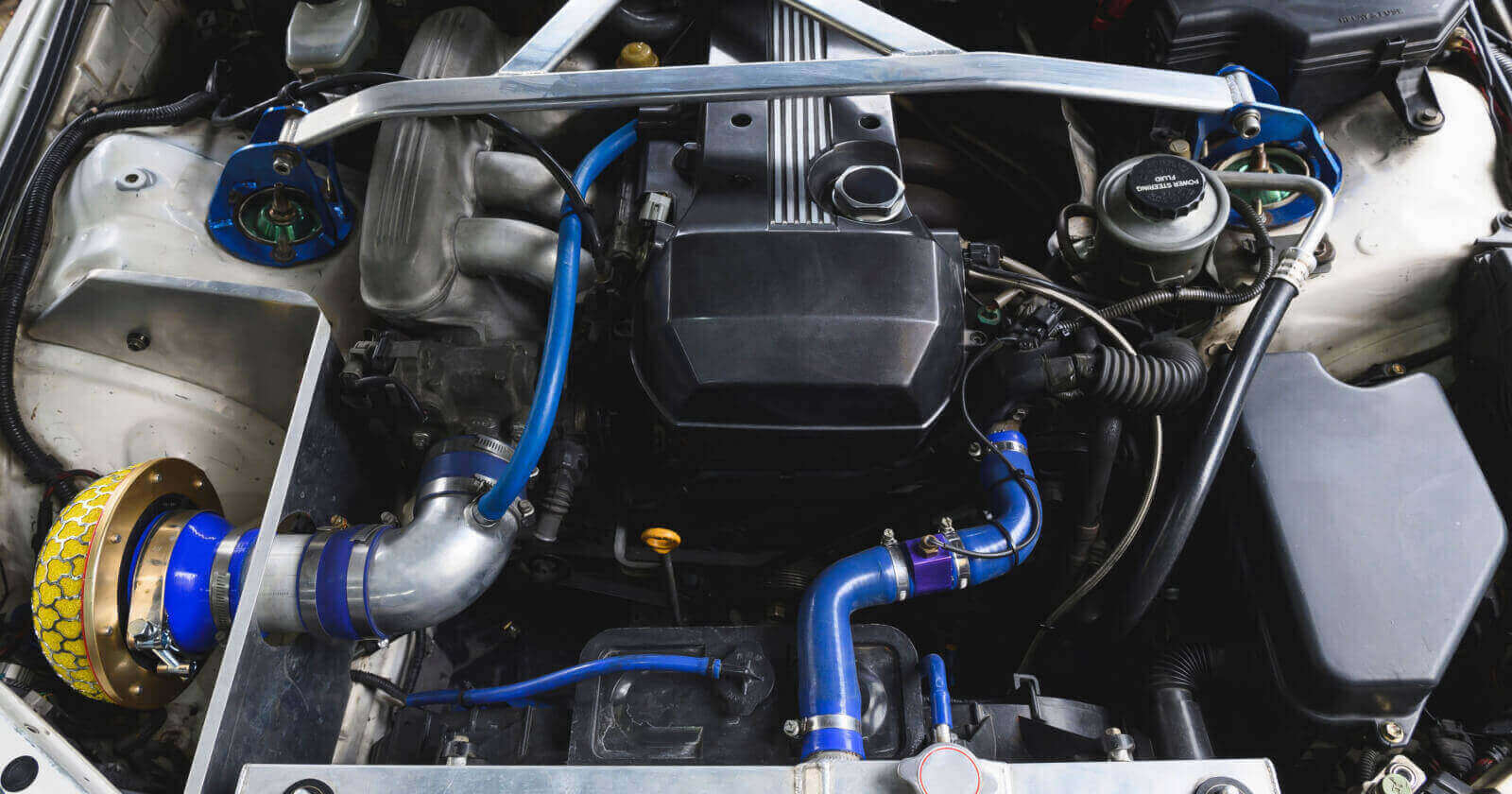
Toyota Corolla and Camry, RepairPal and Consumer Reports data both suggest, benefit heavily from naturally aspirated four-cylinder simplicity. These models consistently rank among the most dependable.
Manufacturing maturity plays a large role too. These engine architectures have been in production, often with incremental updates, for well over a decade.
Owners report fewer complaints tied to the engine or transmission specifically. Most complaints that do surface trace back to infotainment or driver-assistance technology instead.
That distinction matters. It shows the core combustion hardware itself has become extremely dependable, even as cabin technology introduces new friction.
Naturally aspirated four-cylinders represent dependable, unglamorous engineering. They won’t excite anyone on a spec sheet, but they rarely disappoint owners three years in.
10. V8 Gasoline (Naturally Aspirated, Trucks and SUVs)
Large naturally aspirated V8 engines top this ranking for dependability. They combine mechanical simplicity with generous engineering margins. These engines are typically found in full-size trucks and SUVs. Ram, Ford, GM, and Toyota all offer proven V8 options in this space.
Larger displacement means each cylinder works less hard for a given power output. Lower stress per cylinder generally translates to longer component life.
Many of these V8s skip direct injection entirely or pair it with port injection. That hybrid injection approach specifically reduces intake valve carbon buildup, a known weak spot elsewhere on this list.
Truck-focused engineering also prioritizes durability by necessity. These vehicles are expected to tow, haul, and operate under heavy loads for years.
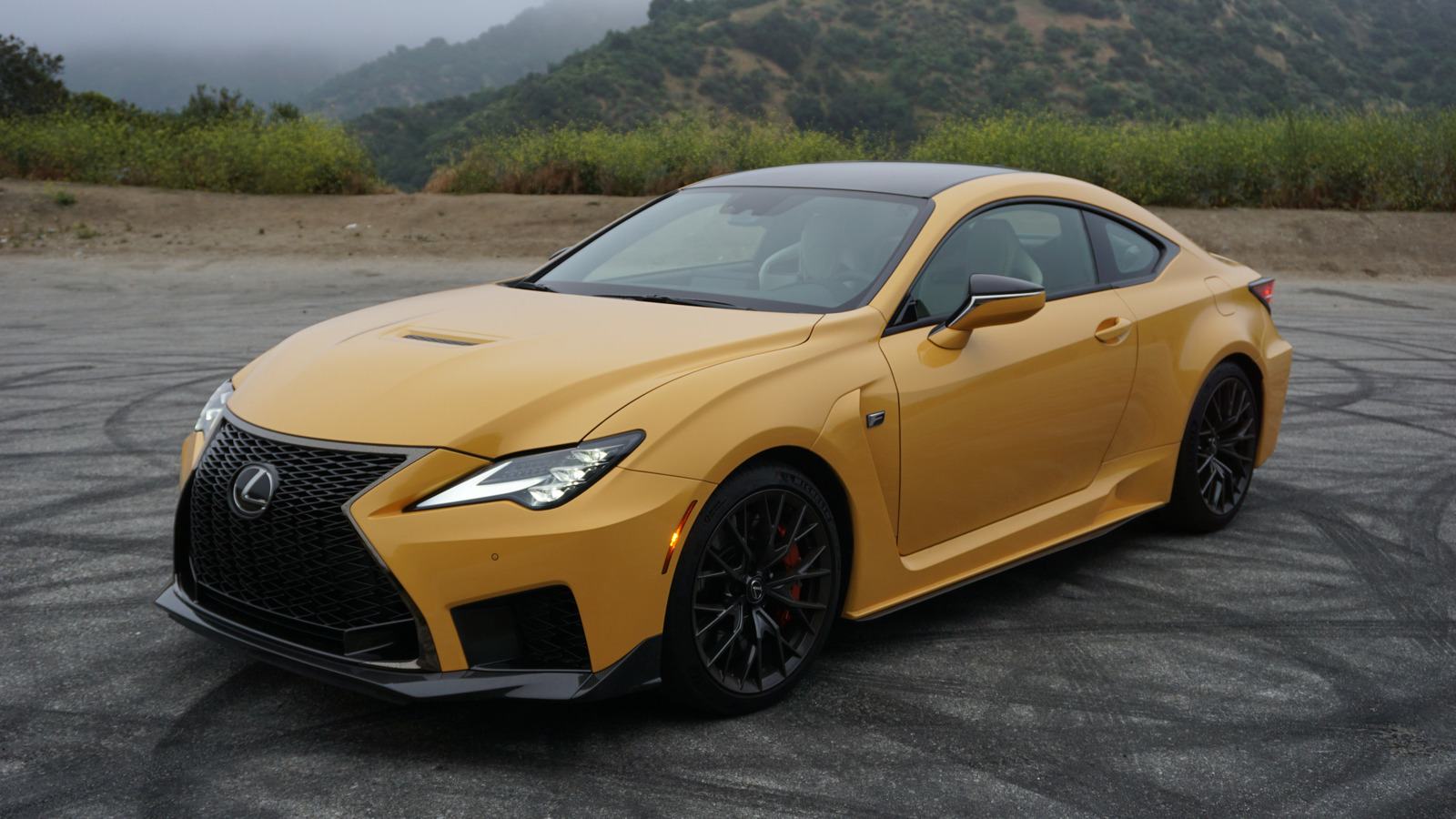
The Ram 1500, J.D. Power noted, led the full-size light-duty segment this cycle. That result reflects meaningful improvement in build quality and refinement over recent generations.
Toyota’s Tundra and Sequoia have similarly benefited from Toyota’s broader reliability reputation. Even as some Toyota trucks shifted toward turbocharged options, naturally aspirated V8 variants retain a loyal, satisfied ownership base.
Simplicity extends to transmissions as well. These vehicles typically use well-tested, torque-converter automatic transmissions rather than complex dual-clutch or CVT designs.
Fewer electronic control layers mean fewer software-related complaint sources too. Where infotainment problems still occur, they tend to be isolated rather than compounding with drivetrain issues.
V8 gasoline engines prove a simple point. Fewer new technologies, applied to a mature, well-tested platform, consistently deliver the fewest owner complaints after three years of real-world use.
