
The J.D. Power 2026 U.S. Vehicle Dependability Study just landed. It’s the 37th year for this study. This year’s results tell a clear story. This year’s study recorded the highest problems experienced since the study’s redesign in 2022. That’s a sobering industry trend.
Yet two companies pushed back against that tide. Toyota Motor Corporation and General Motors swept twelve model-level awards between them.
Toyota Motor Corporation led the model-level awards with eight vehicles receiving recognition. The list included the Lexus IS, Lexus UX, Lexus GX, Toyota Corolla, Toyota Camry, Toyota Tacoma, Toyota Sienna, and Toyota 4Runner. This strong showing highlights the company’s broad representation among the recognized models.
General Motors received four model-level awards for Buick Enclave, Cadillac XT6, Chevrolet Equinox, and Chevrolet Tahoe. GM proved it can still compete.
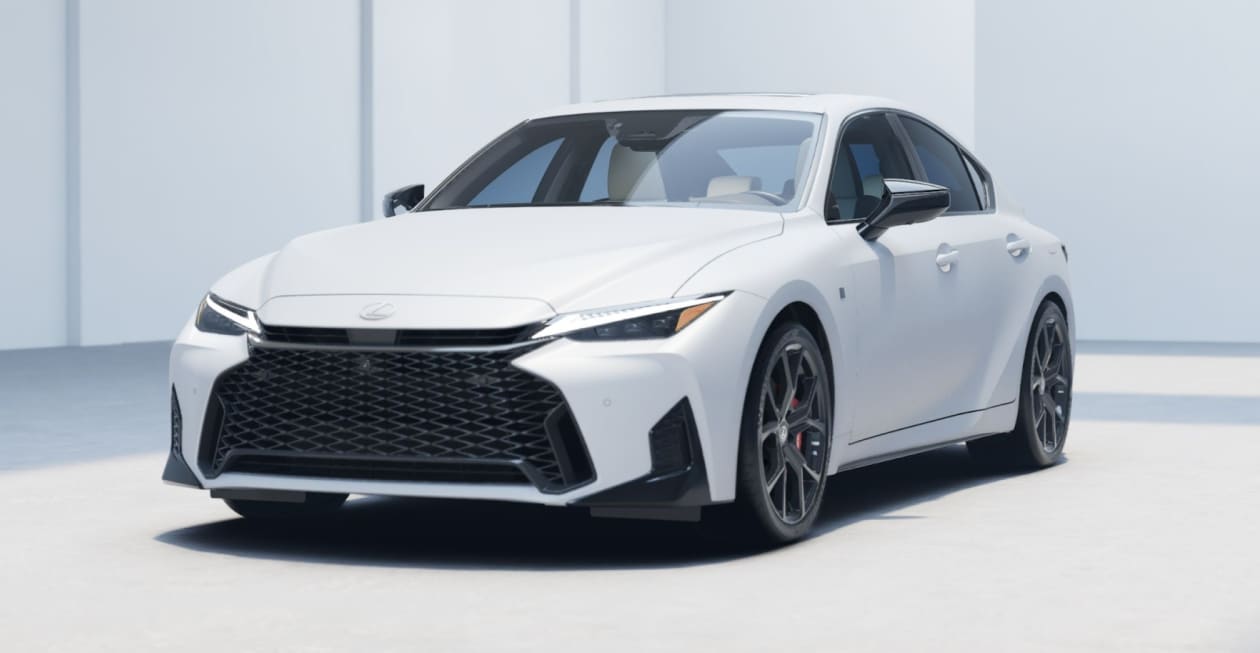
The Lexus IS took home the Most Dependable Model award this year, a title held by the Toyota Avalon last year. It’s the headline win. Below, each of the twelve winners gets a closer look. We dig into why each one earned its award.
1. Lexus IS
The Lexus IS is this year’s biggest story. It claimed the Most Dependable Model title across the entire study. That’s the top spot industry-wide. Its win isn’t an accident. The IS benefits from a well-established rear-wheel-drive architecture. The platform has been refined for years.
Lexus also resists feature bloat. The brand’s disciplined engineering philosophy avoids excessive feature proliferation. Fewer new systems mean fewer new problems.
That restraint pays off directly. Prioritizing refinement over rapid innovation lets the IS deliver luxury performance with above-average long-term dependability. Slow, steady change wins here.
Lexus’s brand momentum backs this up too. Lexus has led the premium sector in dependability for four consecutive years. This isn’t a one-off fluke.
The IS also sits in good company. The GX, RX, and UX SUVs each delivered standout results in their own segments this year. Lexus’s whole lineup benefits from shared engineering discipline.
For shoppers, the takeaway is simple. A three-year-old IS is statistically among the least troublesome luxury sedans you can own. Conservative engineering, not flashy tech, earned this crown.
2. Toyota Corolla
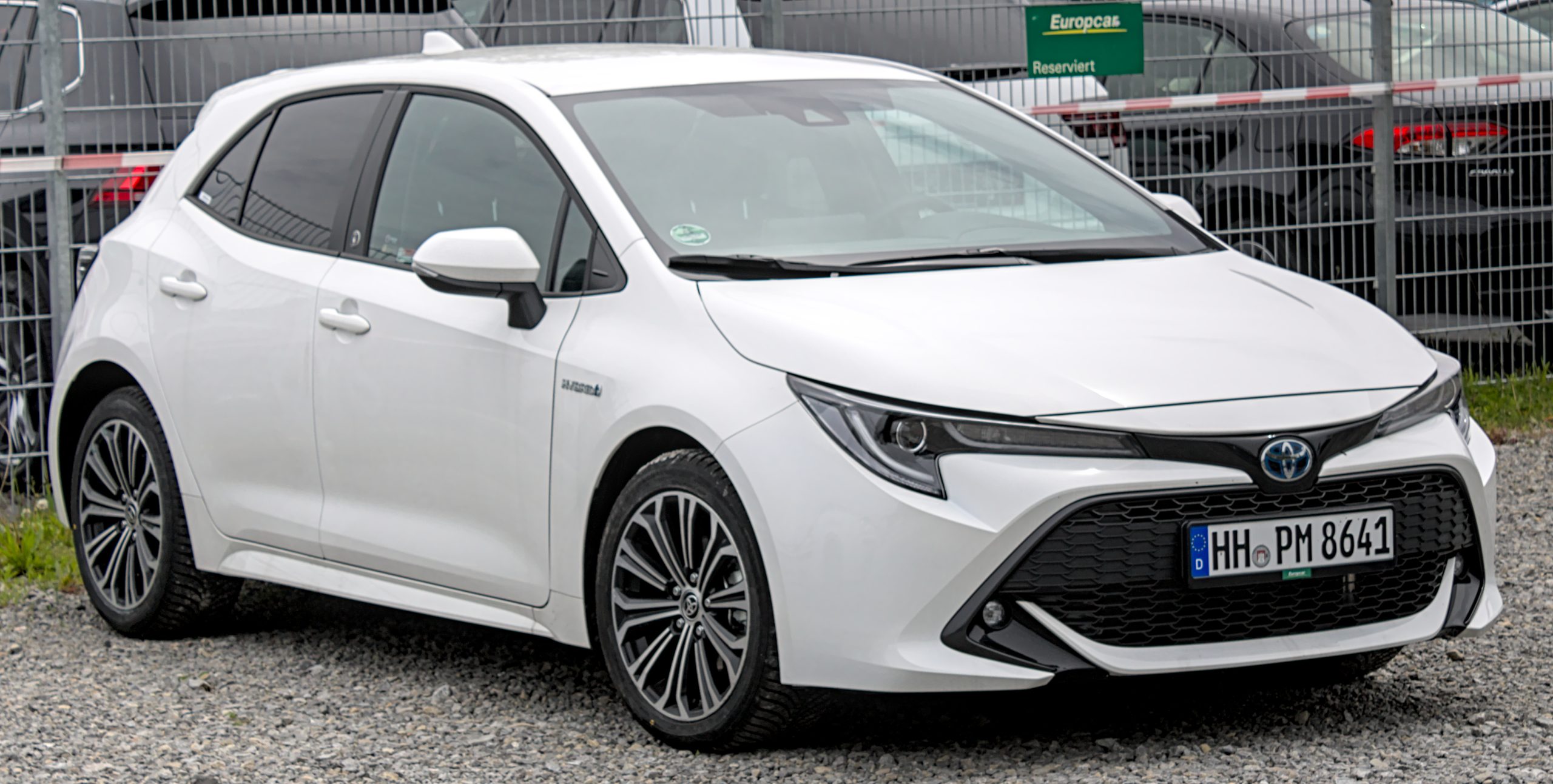
The Corolla keeps doing what it’s always done. It remains a durability benchmark in the compact class. Few compacts can match its track record. Simplicity is the secret. Its naturally aspirated engines and CVT refinement minimize mechanical complexity. Fewer moving parts break down less often.
Toyota also avoids constant reinvention. A conservative update cycle helps the Corolla maintain consistently low problem counts. Redesigns introduce risk, and Toyota knows it.
That patience shows in ownership costs. Toyota’s focus on incremental improvements over sweeping redesigns supports predictable maintenance costs. Owners aren’t surprised by new quirks each model year.
This isn’t a new phenomenon for the nameplate. The Corolla has topped its segment in past dependability studies too. Its reputation was built over decades, not one good model year.
For budget-focused buyers, this matters enormously. A compact car is often a first car, a commuter, or a fleet vehicle. Low long-term problem rates translate directly into lower total ownership cost, which is exactly what this segment’s buyers prioritize most.
3. Toyota Camry
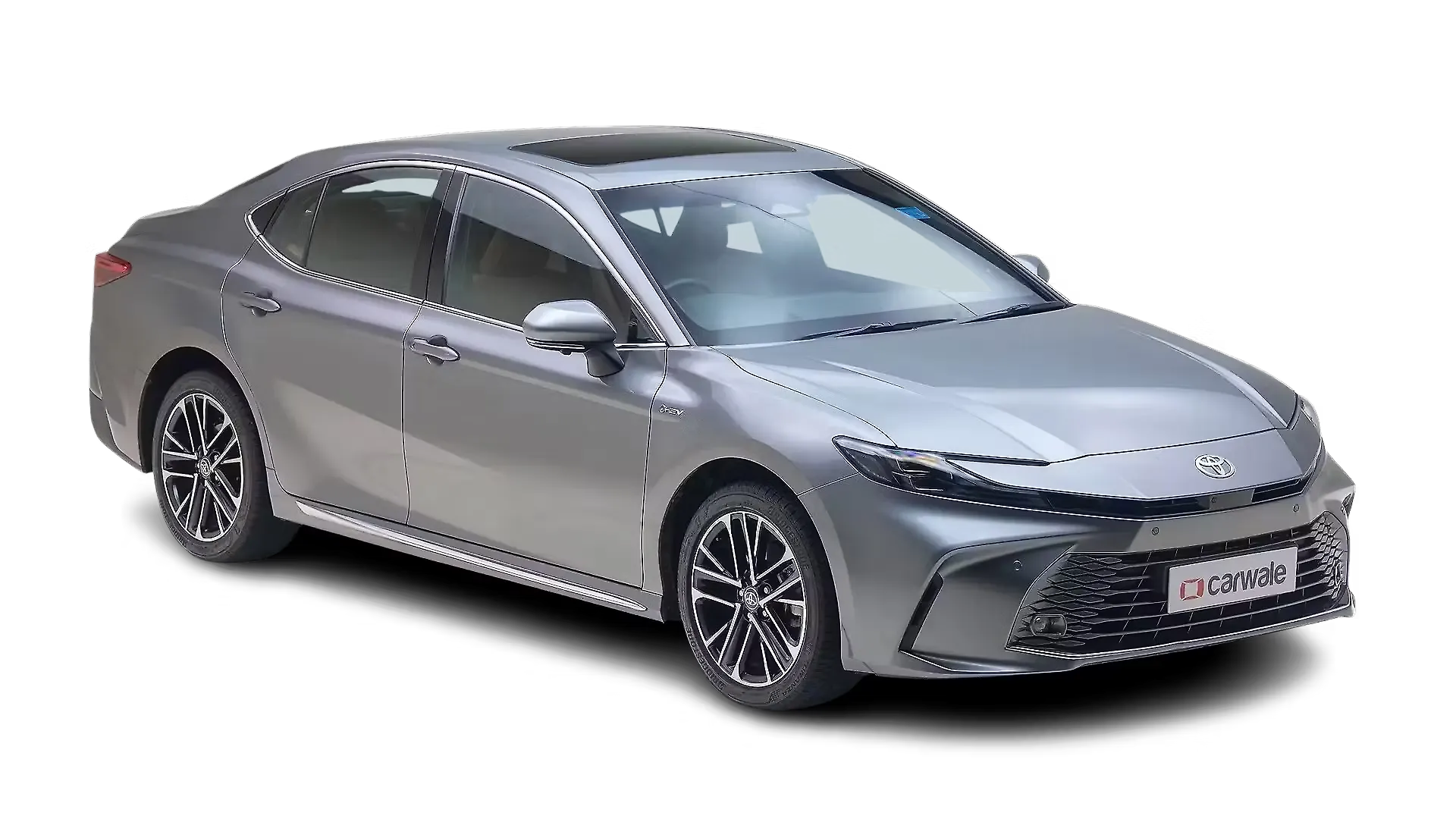
The Camry has been America’s default midsize sedan for years. This year’s award reinforces why. Its continued success reflects a reliable platform and proven powertrain lineup, including both gasoline and hybrid variants.
Having two powertrain paths mature at the same time matters. Hybrid tech that once seemed exotic is now a known quantity. Toyota’s hybrid system has been on the road for two decades.
Build quality plays a role too. Strong build quality and straightforward ergonomics contribute to fewer reported issues over the three-year ownership window. Simple controls mean less for owners to fumble or misuse.
Toyota also holds back on tech overload. Restrained technology integration helps limit problems during ownership. Fewer sensors and software layers mean fewer failure points.
That restraint stands out industrywide right now. Vehicle problems industry-wide rose 2 PP100 this year to an average of 204 PP100. Much of that increase traces to tech and software glitches.
The Camry sidesteps that trend by staying grounded. It doesn’t chase every new infotainment trend. For family buyers wanting a proven sedan, that conservatism is a feature, not a limitation.
4. Lexus UX
The UX is Lexus’s compact luxury crossover, and it punches above its class. It combines Toyota-derived hybrid engineering with Lexus-level fit and finish. That pairing is a proven formula.
Its hybrid system isn’t new or risky. Its electrified system is built on a well-established architecture, reducing complexity-related risk. Toyota has refined this hybrid tech for years. Reliability data backs this up concretely. There were no recalls for the 2023 UX250h model. That’s a rare, clean record.
Toyota also fixed a known weak point. Two touchscreens phased out the problematic touchpad interface, improving smartphone compatibility. That old touchpad frustrated many owners.
Not everything about the UX shines, though. Its acceleration is uninspiring, with the 2023 model needing 8.2 seconds to reach 60 mph. Performance isn’t the priority here.
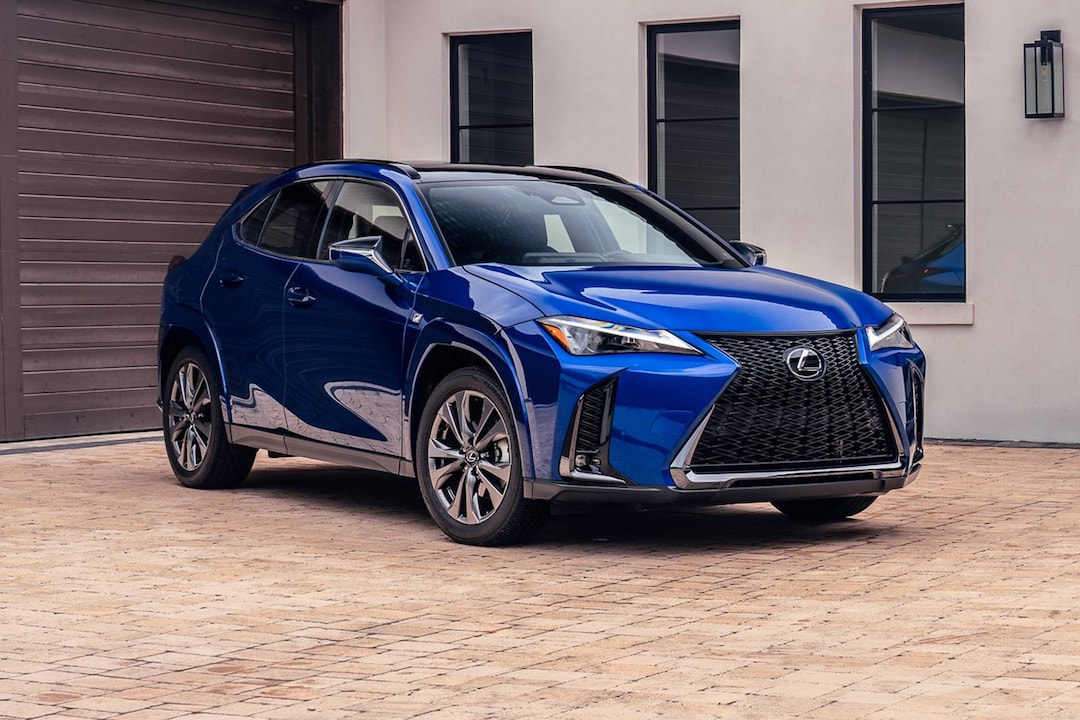
Fuel efficiency compensates for that trade-off. The UX carries an EPA rating of 42 mpg combined. That efficiency is part of why it’s viewed as so dependable.
One weak spot remains for buyers to note. Edmunds reports a sluggish native navigation system that requires a subscription after three years. It’s a minor knock on an otherwise strong package.
5. Lexus GX
The GX plays a different game than most luxury SUVs. It pairs traditional ladder-frame construction with luxury appointments. That’s a rare combination in this class.
Its off-road bones aren’t just for show. A rugged, ladder-frame platform delivers durability alongside upscale refinement. Body-on-frame trucks tend to shrug off wear better than unibody crossovers.
Powertrain maturity helps too. Its long lifecycle and proven V8 powertrain architecture contribute to strong dependability standing. This isn’t an engine rushed to market.
Owners report few complaints across the board. Technical problems are few and far between, though the GX rewards terrain flexibility without straining the vehicle. It handles rough use without complaint.
This isn’t the GX’s first rodeo either. Historical J.D. Power data shows the GX has repeatedly topped its segment over the past decade. Lexus’s midsize SUV formula is a long-running success story, not a one-year surprise.
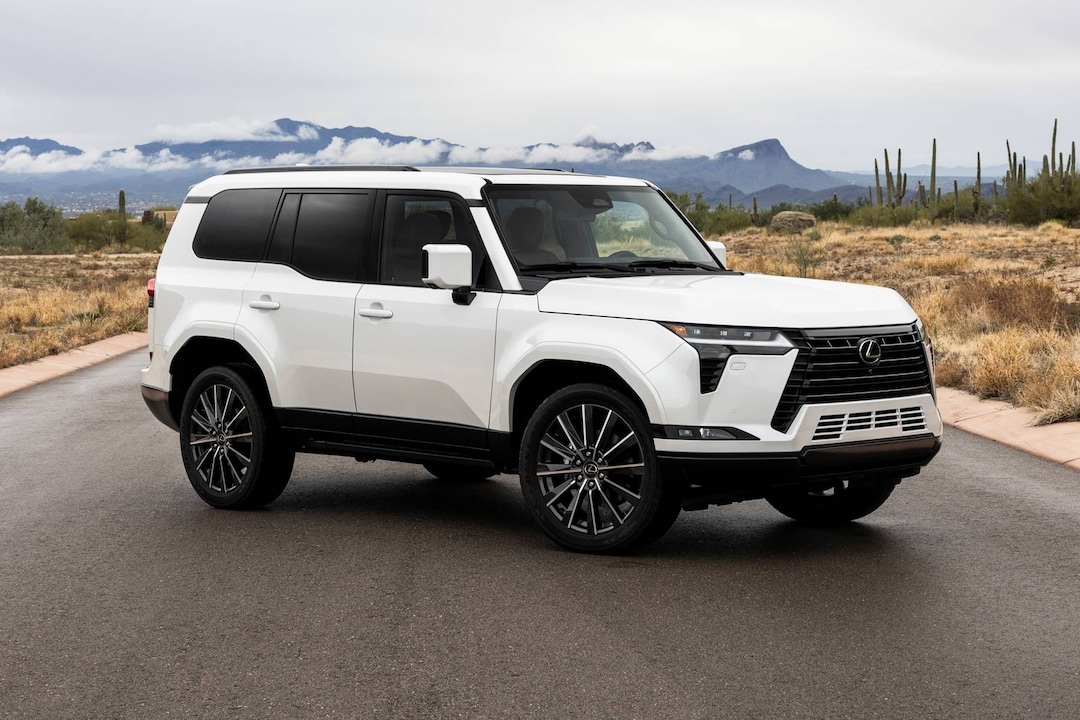
For buyers who want genuine off-road capability wrapped in luxury trim, the GX remains a rare, dependable choice. Few rivals blend rugged construction with cabin refinement this well.
6. Toyota Tacoma
The Tacoma has owned the midsize truck dependability conversation for years. This year continues that streak. Its body-on-frame design and conservative mechanical updates underpin its reputation for longevity.
Toyota doesn’t chase trends with this truck. Updates come slowly and deliberately. That patience limits the introduction of untested components. Resale value reflects this trust directly.
Strong resale values and consistent owner satisfaction align with its segment-leading dependability performance. Buyers know a used Tacoma holds up.
Truck buyers use their vehicles hard. Work sites, trailers, and off-road trails punish drivetrains. A truck earning top dependability marks under those conditions says a lot.
Toyota also benefits from decades of accumulated engineering knowledge here. The Tacoma nameplate has existed since the 1990s. Each generation builds on lessons from millions of miles driven by prior owners.
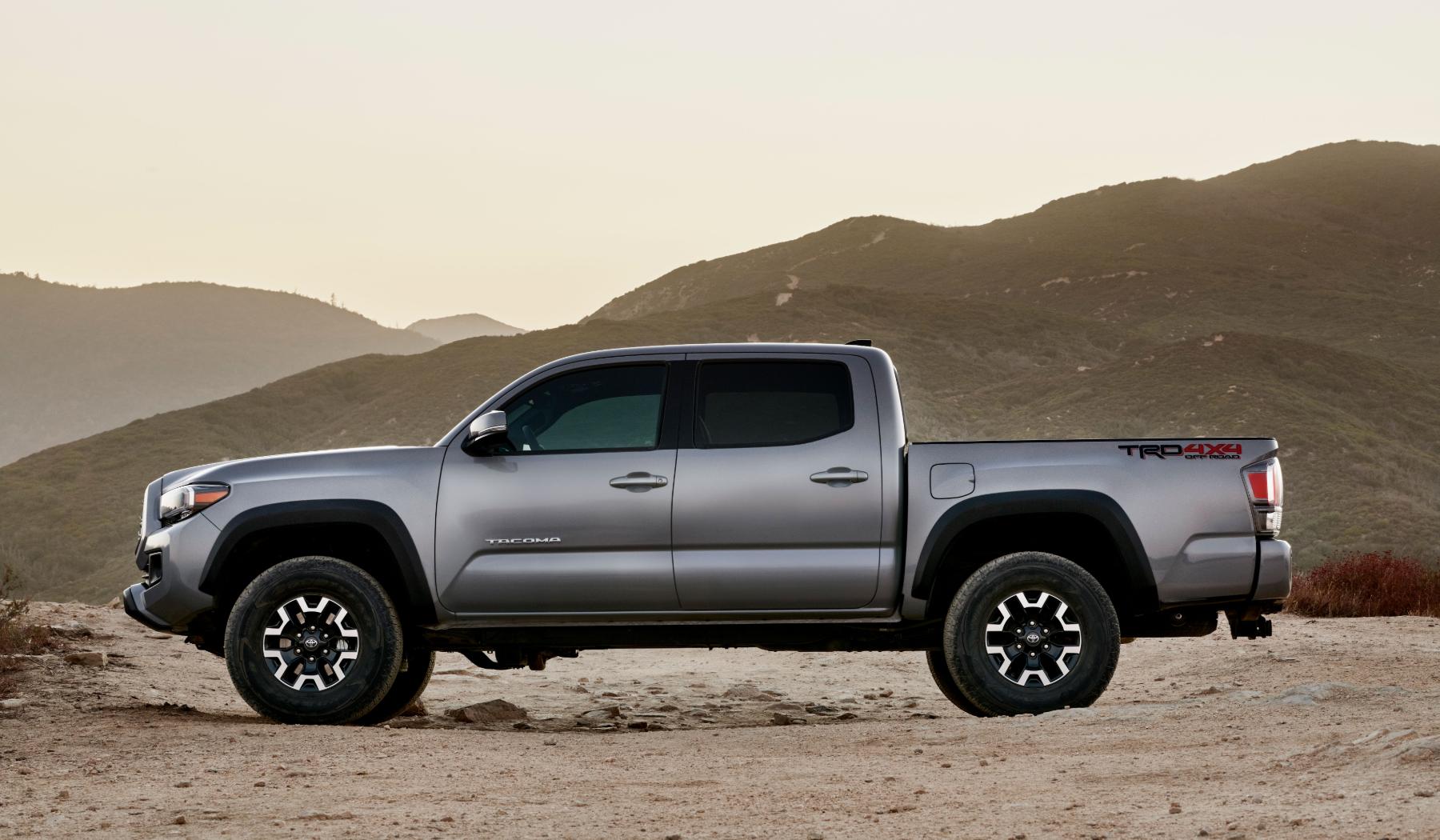
For anyone shopping midsize trucks, this award carries real weight. It’s not just marketing. It reflects owners reporting fewer real problems after three full years of hard use.
7. Toyota Sienna
The Sienna is now Toyota’s hybrid-only minivan, and that shift paid off. Now exclusively hybrid, the Sienna blends fuel efficiency with Toyota’s established reliability record. It didn’t sacrifice dependability to go green.
The hybrid system isn’t experimental. Its electrified powertrain is based on a tried-and-tested system. Toyota borrowed proven technology rather than building something new.
That decision limited risk substantially. The tried-and-tested hybrid system helps maintain low problem rates in family-focused applications. Families running daily errands and road trips need a van that doesn’t quit.
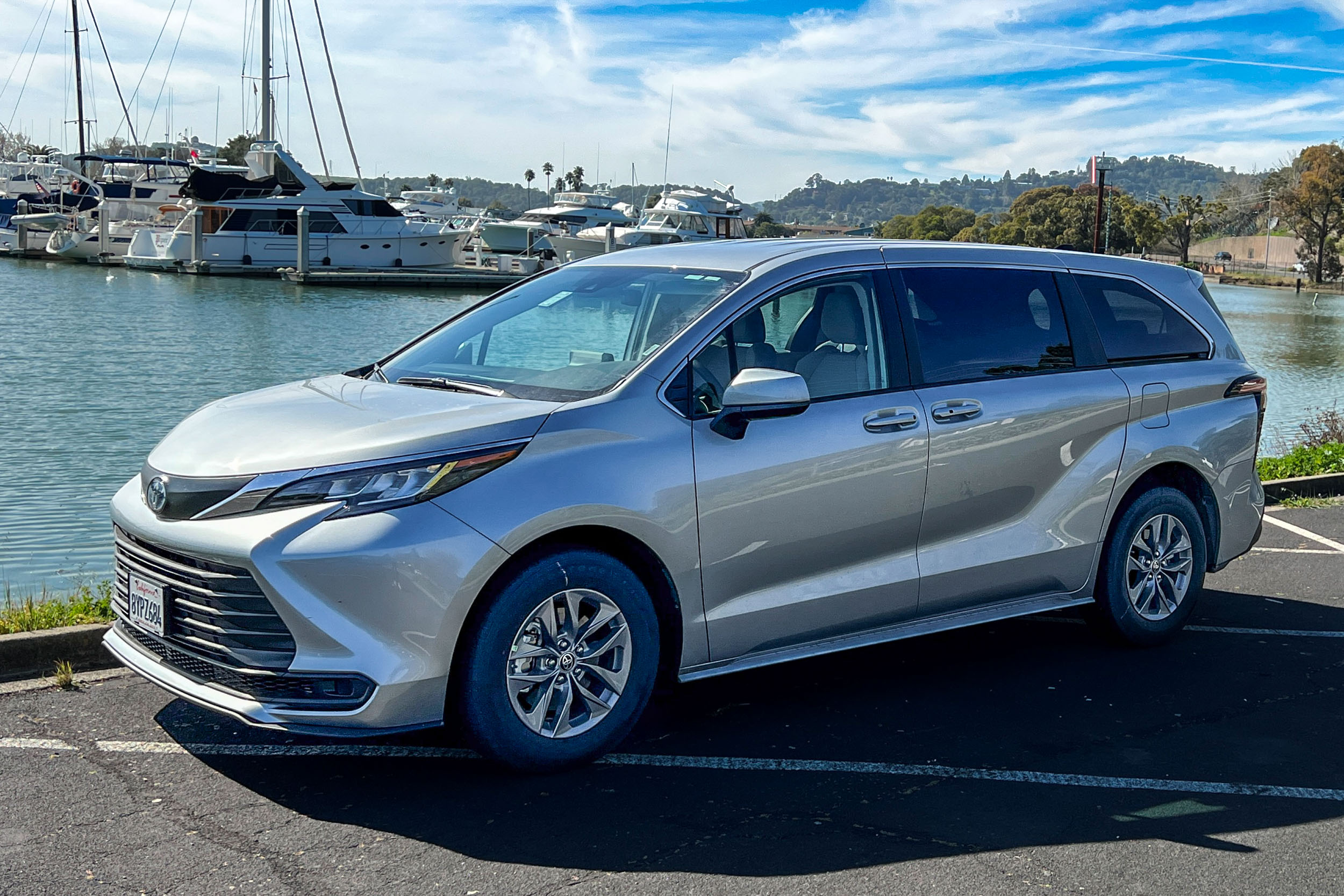
Minivans face unique wear patterns too. Sliding doors, third-row seating mechanisms, and constant short trips all stress different systems than sedans face. The Sienna’s award suggests these components held up well over three years.
This matters given minivans’ shrinking market. Fewer automakers still build them, and fewer families cross-shop across brands. Winning this segment cements Toyota’s position as the safe default choice for anyone who still wants a van.
8. Toyota 4Runner
The 4Runner tied for its segment win this year. It shared the Upper Midsize SUV award with the Buick Enclave. Both trucks earned equal recognition.
Its formula hasn’t changed much in years. The 4Runner relies on body-on-frame construction and an extended production lifecycle. Toyota kept the previous generation in production far longer than most rivals.
That old-school approach is deliberate. Its rugged mechanical simplicity continues to reward buyers prioritizing durability over cutting-edge tech. Fewer electronics mean fewer failure points.
This isn’t a new trend for the nameplate either. Historical rankings show the 4Runner has topped midsize SUV dependability multiple times over the past several years. It’s built a long, consistent record.
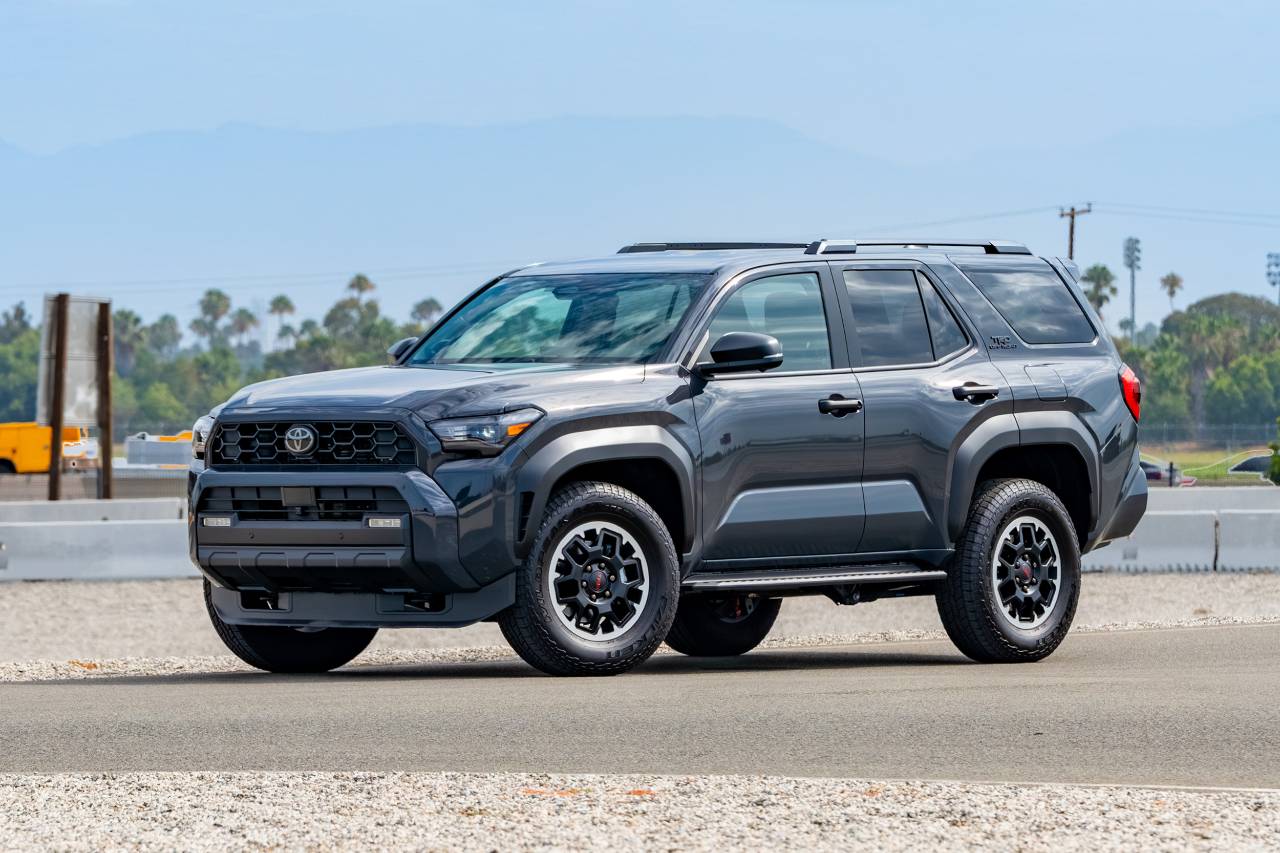
Off-road buyers especially value this reputation. Body-on-frame trucks tend to survive rough trails and heavy towing better than crossovers built on car platforms. The 4Runner’s award confirms that toughness holds up statistically, not just anecdotally.
For anyone cross-shopping rugged SUVs, this tie with the Enclave is notable. Two very different philosophies, comfort-focused and off-road-focused, both delivered strong three-year reliability.
9. Buick Enclave
Buick’s Enclave shares its segment win with the 4Runner this year. It leverages GM’s refined V6 architecture and focuses on comfort-oriented family usability. That’s a different path to the same result.
GM’s engine platform here isn’t new. It’s been refined across multiple GM models for years. Shared architecture across a lineup tends to iron out weaknesses faster.
Consistency is the Enclave’s calling card. It delivers consistent long-term performance rather than chasing flashy new features. Buick prioritized comfort and predictability over aggressive redesigns.
This win fits a larger Buick story too. Buick ranked highest among mass-market brands, with a score of 160 PP100. That’s a brand-wide achievement, not an isolated model win.
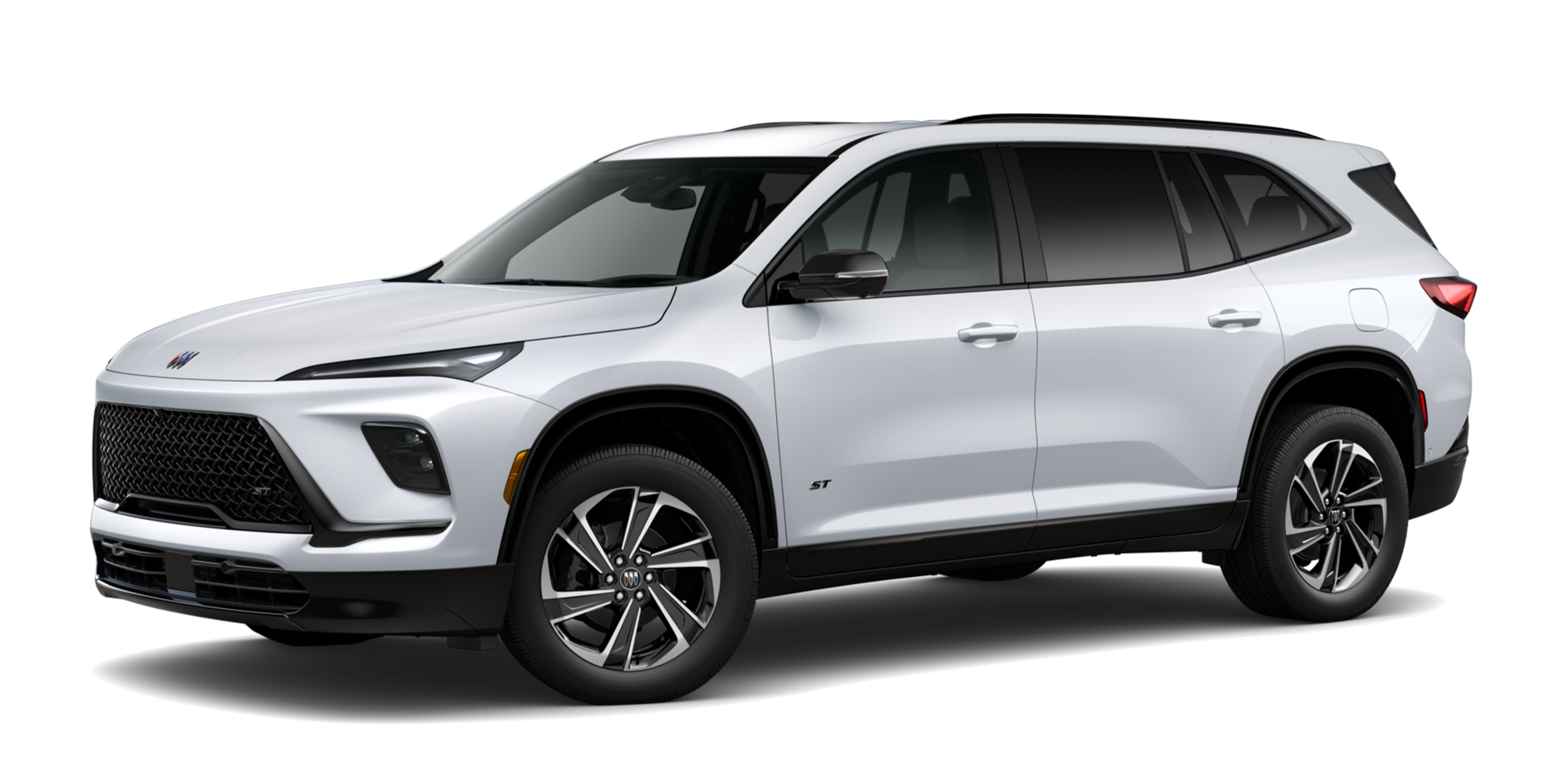
Buick has actually held that mass-market crown before. Buick ranked highest among mass-market brands for a second consecutive year. This is a sustained turnaround, not a fluke.
For family SUV shoppers, the Enclave’s award signals real progress. Three-row crossovers are notoriously complex, with lots of electronics and moving parts. Topping that competitive field says GM’s engineering discipline is working.
10. Cadillac XT6
The XT6’s win is one of this year’s more surprising storylines. Its segment win suggests Cadillac’s recent quality control improvements and disciplined engineering approach are yielding tangible results. That’s a meaningful shift for the brand.
Cadillac hasn’t always led on dependability. It may not carry the long-standing reliability reputation of Lexus. That gap has defined the brand for years.
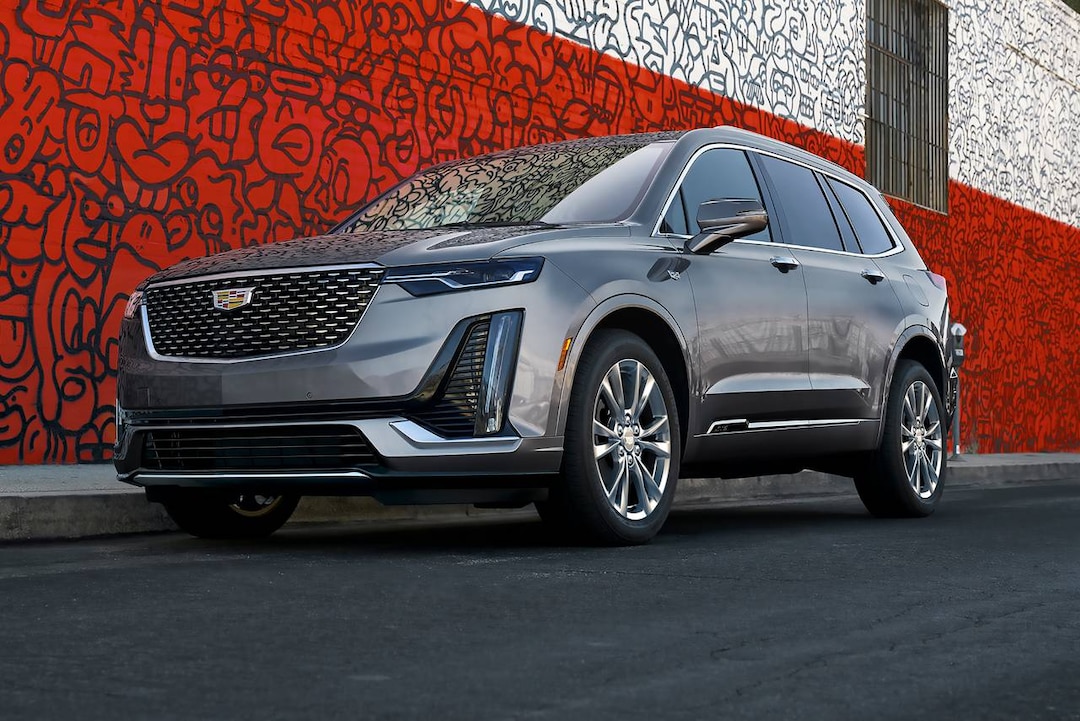
But the data tells a new story now. This ranking indicates Cadillac is narrowing that gap in measurable, data-backed terms. Numbers, not marketing, back this claim.
Cadillac’s brand-wide standing supports this too. Cadillac placed second in the premium sector with a score of 175 PP100. That’s right behind Lexus, and ahead of Porsche.
For luxury three-row SUV shoppers, this is a genuine signal. Cadillac has invested heavily in quality control over recent years. The XT6’s win suggests those investments are finally showing up in real ownership data, not just internal metrics.
11. Chevrolet Equinox
The Equinox’s win caught many observers off guard. It’s one of GM’s volume crossovers, but it hasn’t historically dominated dependability headlines. This segment rarely favors domestic nameplates.
Competition here is fierce. Compact SUVs are brutally competitive in the U.S., often led by Japanese nameplates. Toyota and Honda usually crowd out this category’s top spots.
So this win means something concrete. The Equinox topping the segment indicates meaningful quality control gains and possibly simplified powertrain strategies. GM likely trimmed complexity to boost reliability.
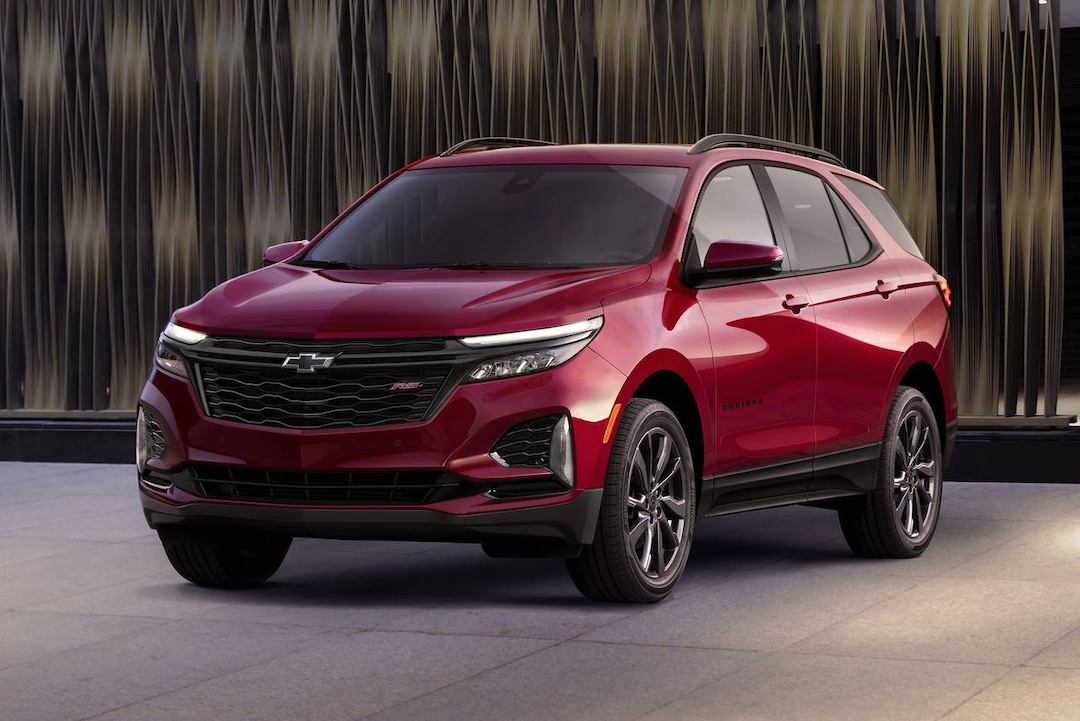
Chevrolet’s brand standing backs this up too. Chevrolet placed third among mass-market brands with a score of 178 PP100. That’s a strong showing across the whole lineup, not just this one model.
The Equinox is also GM’s highest-volume crossover. A high-volume, budget-friendly model topping dependability data carries extra weight. It suggests GM’s quality gains reach mainstream buyers, not just premium shoppers.
For compact SUV shoppers on a budget, this changes the calculus. Long dominated by imports, this category now has a credible domestic dependability leader worth cross-shopping seriously.
12. Chevrolet Tahoe
The Tahoe rounds out GM’s four model-level wins this year. It’s a familiar face on this list. Chevy’s full-size SUV has topped dependability rankings repeatedly over the past several years.
Historical data confirms this consistency clearly. Past J.D. Power studies show the Tahoe leading its large SUV segment across multiple recent survey years. That’s a sustained pattern, not a one-time result.
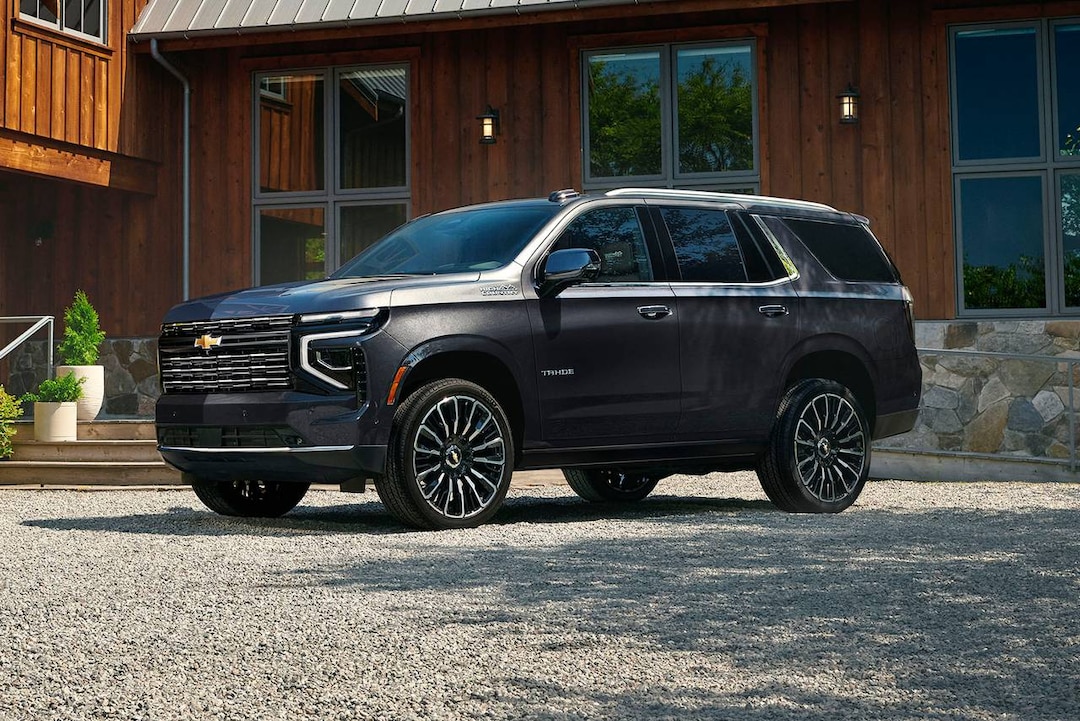
Body-on-frame construction likely helps here too. Like the 4Runner, the Tahoe uses a traditional truck platform. That architecture tends to age well under heavy family and towing use.
GM’s broader momentum supports this win as well. General Motors claimed four segment wins this year, and Buick ranked as the highest mass-market brand. The Tahoe’s win is part of a coordinated, company-wide quality push.
For large SUV buyers, especially families needing three rows and serious towing capacity, this repeat win matters. It confirms the Tahoe isn’t riding on reputation alone. Real owners, three years in, keep reporting fewer problems than rivals in the same class.
