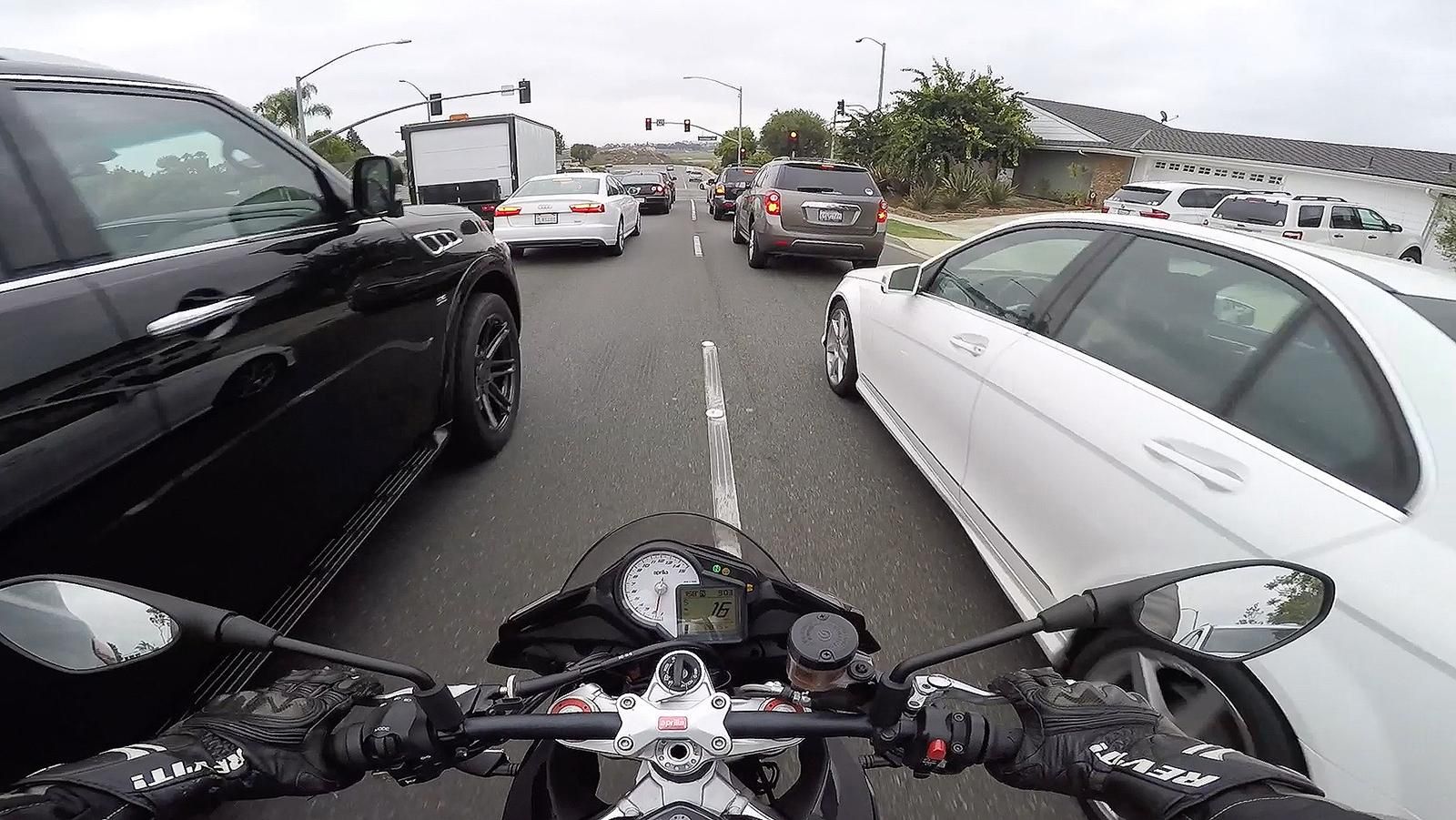
Lane filtering is a maneuver where a motorcyclist moves between stopped or slow-moving vehicles. It differs from lane splitting, which usually applies to moving traffic at higher speeds. Most states never mention either practice by name.
That silence does not mean the practice is allowed. Officers and courts typically apply general single-lane rules instead. Those rules were written decades before filtering became common. As a result, riders face real legal risk in states with no specific carve-out.
Only a small handful of states have passed laws that clearly define filtering. Each of those laws sets its own speed cap and traffic conditions. Some laws even include expiration dates written into the statute.
On the other side, several states use blunt statutory language. Their vehicle codes state plainly that motorcycles may not pass within a lane. This article looks at five states where filtering is legal and five where it remains against the law, using the actual vehicle code language behind each rule.
5 States Where Lane Filtering Is Legal
California pioneered filtering under Vehicle Code 21658.1, with no fixed speed cap but reasonable-speed guidance. Utah allows filtering only in fully stopped traffic, under a sunset clause.
Arizona permits lane filtering at speeds up to 15 mph on roads with a posted speed limit of 45 mph or less. Montana caps the filtering speed at 20 mph with no expiration date, and Colorado’s 2024 law allows 15 mph filtering, which is set to expire in September 2027 pending a safety review.
1. California
California was the first state to formally address lane movement for motorcycles. The California Vehicle Code addresses this through Section 21658.1. That section recognizes the practice the state calls lane splitting.
The law defines it as riding a two-wheeled motorcycle between rows of vehicles. Those vehicles can be stopped or moving. Both of the motorcycle’s wheels must stay on the ground throughout.
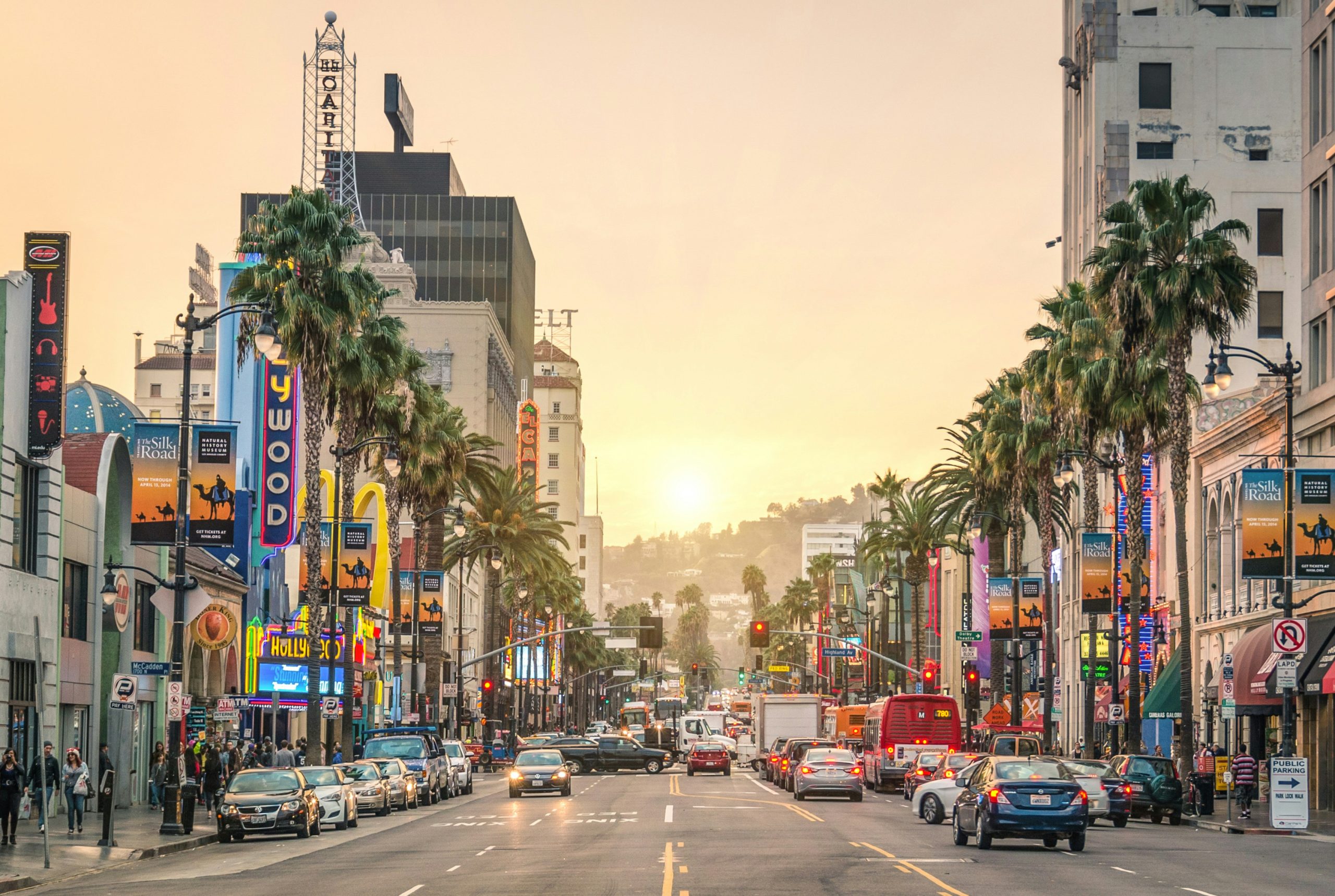
California does not set a fixed numeric speed limit within the statute. Instead, the California Highway Patrol issues safety guidance around reasonable speed differentials. Riding far faster than surrounding traffic can still draw a citation under other vehicle code sections.
This law took effect after Assembly Bill 51 passed in 2016. Before that, filtering existed in a legal gray zone for decades. Officers largely tolerated it without a clear statutory basis.
California also protects riders from unfair insurance treatment. Insurers cannot deny a claim solely because a crash happened during legal lane splitting. That protection makes California’s approach broader than any other state’s filtering law.
2. Utah
Utah became the first state after California to legalize a form of lane movement. Utah Code Section 41-6a-704.5 governs the practice there. The law specifically permits filtering rather than full-speed splitting.
Under the statute, surrounding traffic must be completely stopped. The motorcyclist may move to the front of a stopped line. This typically happens at red lights or in gridlocked congestion.
Utah’s law includes a notable built-in limitation. The filtering provision carries a sunset clause written into the original bill. It is scheduled for repeal unless lawmakers act before that date arrives.
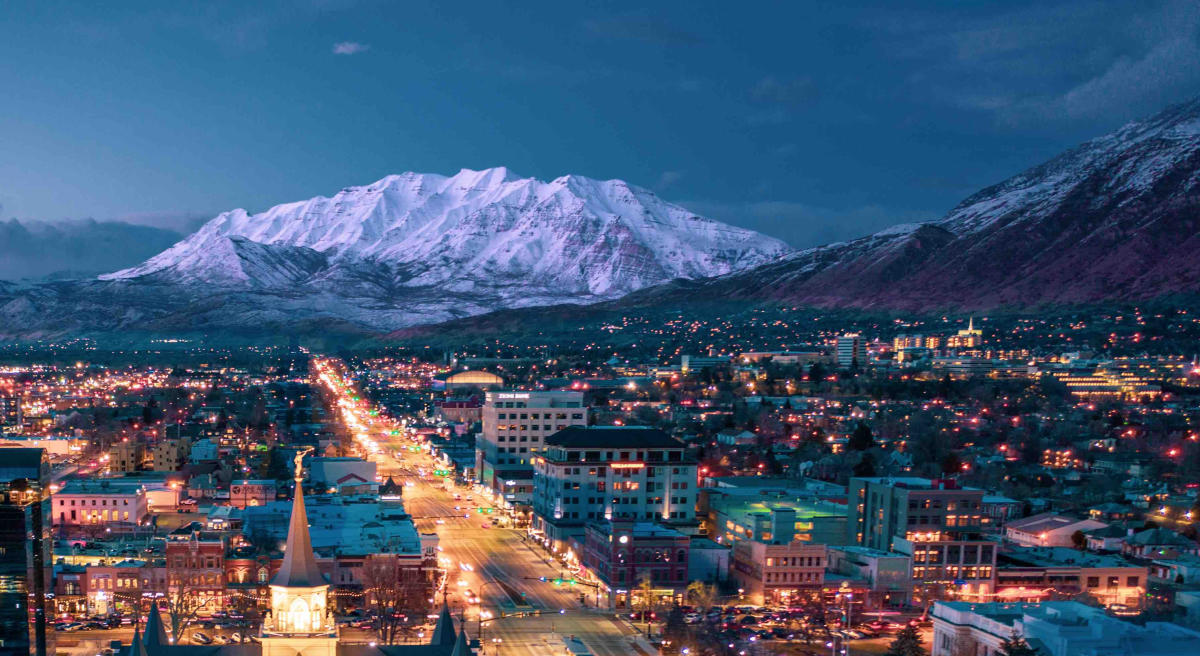
As of this year, no extension bill has passed the Utah legislature. Riders in the state should watch for updates as the sunset date approaches. A lapse would return Utah to a full prohibition on the practice.
Utah’s law only applies on roads with a posted speed limit above a set threshold. Filtering on lower-speed local streets is not covered. Riders must also maintain a modest, controlled speed while passing.
3. Arizona
Arizona legalized filtering through House Bill 2794, signed into law in 2022. The relevant vehicle code provision sits within Arizona Revised Statutes Section 28-903. That section governs motorcycle operation on multi-lane roadways.
The law requires that surrounding traffic be fully stopped before filtering begins. The motorcycle cannot exceed fifteen miles per hour during the maneuver. This cap is lower than California’s more flexible approach.
Arizona restricts lane filtering to roads with a lower posted speed limit, rather than high-speed highways. The statute sets that threshold at forty-five miles per hour or below. Consequently, lower-speed city streets fall within the law’s protection, while higher-speed roadways are excluded.

The effective date for Arizona’s law was September 24, 2022. That gave riders and law enforcement several months to prepare. Public awareness campaigns followed the signing to explain the new conditions.
Arizona explicitly separates filtering from splitting in its statutory language. Full lane splitting through moving traffic remains illegal statewide. Only the narrower, stopped-traffic version received legislative approval.
4. Montana
Montana enacted its own filtering law in 2021, codified at Montana Code Annotated Section 61-8-392. The law shares similarities with Utah’s approach but sets its own numeric limits. Montana’s statute reflects a slightly more conservative structure.
The law caps motorcycle speed during filtering at twenty miles per hour. That is faster than Arizona’s limit but still well below highway speeds. Surrounding vehicles must be either stopped or moving very slowly.
Montana’s rule applies broadly across the state’s highway system. It does not carry the same sunset clause found in Utah’s statute. This gives Montana riders more long-term legal certainty.
The law requires riders to exercise reasonable care throughout the maneuver. Passing must not endanger vehicles in the lane being filtered. Officers retain discretion to cite reckless behavior separately.
Montana became one of the earlier adopters among Utah, Arizona, and California. Its passage helped build momentum for later laws in Colorado and elsewhere. Advocacy groups frequently cite Montana’s rule as a workable middle-ground model.
5. Colorado
Colorado’s lane filtering law is one of the newest in the country. Senate Bill 24-079 was signed by Governor Jared Polis in April 2024. It took effect on August 7, 2024.
The law permits a two-wheeled motorcycle to pass within the same lane. Both the rider’s lane and adjacent same-direction lanes must be stopped. Trikes and sidecar-equipped motorcycles are excluded from the provision.
Colorado sets a fifteen-mile-per-hour speed cap during the maneuver. The lane itself must be wide enough for a safe pass. Riders must stop filtering the moment stopped vehicles begin moving again.
Passing on the right shoulder is explicitly prohibited under the law. Riders also cannot pass into an opposing traffic lane. The statute limits movement strictly to the rider’s original lane.
Colorado’s law includes an automatic expiration date in September 2027. The state’s transportation department must submit a safety data report beforehand. Lawmakers will then decide whether to extend, modify, or let the law lapse.
5 States Where Lane Filtering Is Not Legal
Texas, Florida, Virginia, Alabama, and Nevada all lack filtering exceptions. Texas and Alabama rely on general single-lane statutes, while Florida, Virginia, and Nevada have explicit language barring motorcycles from passing within a lane, regardless of whether traffic is stopped or moving.
1. Texas
Texas has no statute that authorizes lane filtering in any form. Instead, enforcement relies on Texas Transportation Code Section 545.060. That section requires drivers to maintain a single lane whenever practical.
Courts in Texas have applied this general provision to motorcyclists consistently. Riding between two vehicles is treated as an unsafe lane change. This holds true even when surrounding traffic is fully stopped.
The fact that cars are motionless creates no legal exception in Texas. Some riders assume stopped traffic changes the legal analysis. State case law has not supported that assumption.

Texas lawmakers have periodically discussed filtering-specific legislation. No such bill has passed as of this year. Riders caught filtering face citations under the general single-lane statute.
Advocacy groups continue to push for a narrower filtering carve-out in Texas. Given the state’s traffic congestion, the practical case is often made. The legal reality, however, remains a firm prohibition statewide.
2. Florida
Florida’s traffic code addresses the issue directly and unambiguously. Florida Statute Section 316.209 states that motorcycles may not pass within a lane. It prohibits riding between adjacent rows of vehicles entirely.
The statute makes no distinction between stopped and moving traffic. Filtering through a stopped line at a red light still violates the code. This is a stricter approach than states with conditional filtering laws.
Florida law enforcement actively cites motorcyclists for this violation. Riders sometimes cite heavy congestion as a practical justification. That argument carries no legal weight under current Florida statute.

No major legislative push has advanced a filtering exception in Florida recently. The state’s dense urban traffic corridors face similar pressures to California’s. Despite that, lawmakers have not moved to change the rule.
Riders relocating from filtering-legal states should note this difference carefully. A maneuver that was routine in Colorado or Arizona becomes a citable offense here. Florida’s flat statutory language leaves no room for officer discretion.
3. Virginia
Virginia addresses motorcycle lane behavior through Code Section 46.2-841. This provision prohibits a motorcyclist from passing or overtaking within the same lane. The statute applies regardless of whether traffic is stopped.
Virginia courts have treated this section as a direct bar on filtering. The statutory language does not reference speed or traffic conditions. It simply forbids intra-lane passing outright.
Unlike Texas, Virginia’s prohibition comes from language written specifically about motorcycles. That makes the legal basis somewhat clearer than states relying on general lane-discipline statutes. Riders have limited room to argue ambiguity.
State legislators have discussed potential filtering legislation in recent sessions. Bills modeled on Colorado’s or Montana’s approach have been floated. None have yet passed both chambers of the Virginia General Assembly.
Until new legislation passes, Section 46.2-841 remains the controlling law. Riders filtering through Virginia traffic face citation risk under this provision. The state’s position remains firmly against the practice for now.
4. Alabama
Alabama’s vehicle code addresses motorcycle lane behavior under Code Section 32-5A-242. This section governs how motorcycles must operate within marked lanes. It contains language barring motorcycles from overtaking within the same lane as another vehicle.
The statute does not carve out any exception for stopped traffic. Riders cannot rely on gridlock as a defense against citation. Alabama’s approach mirrors the general single-lane logic found in many southern states.
Enforcement in Alabama tends to be inconsistent across jurisdictions. Rural counties may see less active enforcement than urban areas. The underlying statute, however, applies uniformly statewide regardless of local practice.

No active legislation has been introduced recently to legalize filtering in Alabama. The state has not seen the same rider advocacy push found in Colorado or Arizona. Traffic congestion levels in Alabama’s cities are also comparatively lower.
Riders passing through Alabama from filtering-legal states should adjust their habits accordingly. The absence of any conditional exception makes the prohibition straightforward. Section 32-5A-242 leaves little room for a favorable legal argument.
5. Nevada
Nevada’s prohibition comes from Nevada Revised Statutes Section 486.351. This section restricts how motorcycles may operate relative to other lane traffic. It includes language barring movement between rows of vehicles.
The statute applies whether the surrounding vehicles are stopped or moving. Nevada makes no distinction based on traffic speed or congestion level. This places it alongside Florida in its stricter statutory approach.
Nevada’s tourism-heavy roadways see significant seasonal traffic congestion. Despite this, the legislature has not moved toward a filtering exception. Rider advocacy efforts have raised the issue without securing a floor vote.

Law enforcement in Las Vegas and Reno actively enforces this provision. Citations for lane filtering are treated similarly to unsafe lane change violations. Riders should not assume urban congestion changes the legal outcome.
Nevada’s neighboring state, Utah, permits limited filtering under its own law. That contrast often causes confusion among riders crossing state lines. Nevada Revised Statutes Section 486.351 remains the controlling and unambiguous rule.