
Car sales tax rarely gets attention until the final bill arrives. Buyers focus on sticker price, loan terms, and trade-in value first. Tax often becomes the biggest surprise on closing day.
The truth is that where you register a vehicle can change its final cost by thousands of dollars. Two buyers paying the same sticker price can owe wildly different totals. It all comes down to state policy.
Five states charge no car sales tax whatsoever. Five others sit at the opposite extreme, charging some of the steepest rates in the country. Understanding both groups helps buyers plan smarter, whether they are relocating, buying across state lines, or simply budgeting for a new vehicle.
This guide breaks down each state individually, explaining the reasoning behind the policy and what it actually means for a buyer’s wallet. No generic overview here, just state-specific detail that matters when you’re signing paperwork at a dealership.
5 States With No Car Sales Tax
Alaska has no statewide sales tax, though some local boroughs add up to 8%. Delaware charges none but applies a 4.25% document fee. Montana is tax-free for residents, though registering vehicles there through LLCs from other states carries legal risk. New Hampshire has no sales tax or local additions, and Oregon has none, apart from a small 0.5% dealer privilege tax.
1. Alaska
Alaska stands out because it has no statewide sales tax of any kind. That includes vehicles, groceries, and virtually every other retail purchase. The state relies heavily on oil revenue instead of consumer taxes. This has allowed Alaska to skip sales tax altogether for decades.
However, buyers should not assume a completely tax-free purchase. Local boroughs and municipalities are allowed to impose their own sales taxes.
These local rates can range from a fraction of a percent up to nearly 8% in some areas. Anchorage, the state’s largest city, currently charges no local sales tax, which makes it especially attractive for car buyers.
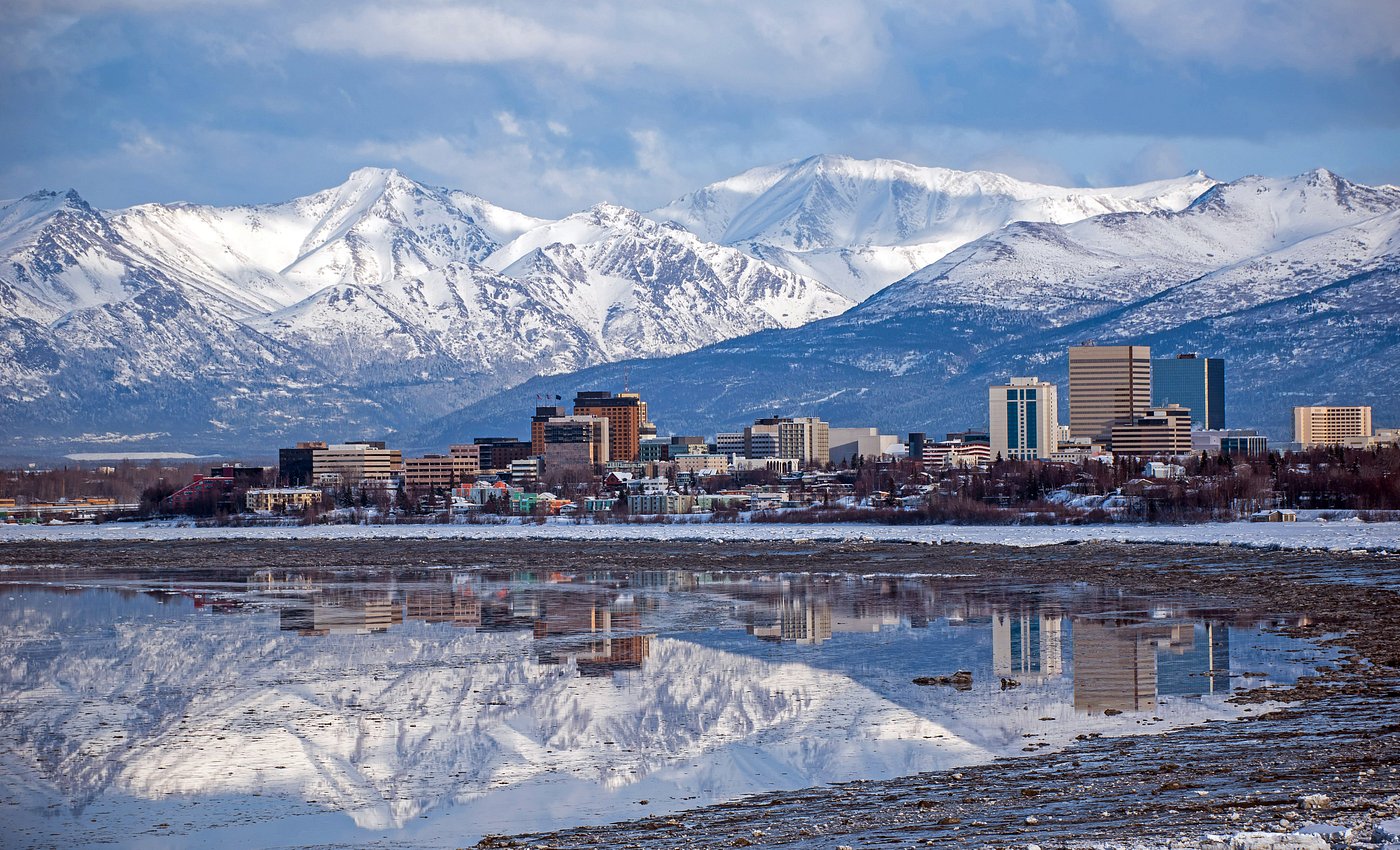
Other municipalities are less generous. Someone buying in a smaller borough could still face a noticeable local tax bill despite the absence of a state rate. The average combined local rate across Alaska hovers under 2%. That is still far below what most other states charge on a vehicle purchase.
Alaska also has no state income tax, which adds to its reputation as a low-tax state. For car buyers specifically, the savings can be substantial compared to high-tax neighbors.
A $35,000 vehicle purchased in a zero-local-tax area of Alaska would incur no sales tax at all. The same purchase in a high-tax state could easily add $2,500 or more to the bill.
2. Delaware
Delaware charges no sales tax on anything, including vehicles. It is one of only five states nationwide with this distinction. Unlike Alaska, Delaware does not allow local jurisdictions to add their own sales tax either. This makes Delaware fully tax-free at every level for vehicle purchases.
Instead of sales tax, Delaware imposes what is called a document fee on vehicle titles. This fee currently sits at 4.25% of the vehicle’s purchase price or its National Automobile Dealers Association value, whichever is higher.
While technically not labeled a sales tax, this fee functions similarly in practice. Buyers still pay a percentage of the vehicle’s value to the state. The distinction matters for out-of-state buyers hoping to avoid taxation entirely. Simply purchasing in Delaware does not exempt someone from tax obligations back home.
Most states require use tax to be paid when registering an out-of-state vehicle. Delaware residents, though, benefit fully from this structure since they register locally.

Delaware’s tax structure leans on high corporate franchise fees instead of consumer sales tax. This has made the state popular for both individual shoppers and businesses.
For everyday Delaware residents, this translates into meaningfully lower total costs when purchasing a car. A $30,000 vehicle would trigger a document fee near $1,275, notably lower than typical combined sales tax rates in most other states.
3. Montana
Montana charges no statewide sales tax, making vehicle purchases here highly attractive. This has fueled an entire cottage industry around Montana vehicle registration.
Some out-of-state buyers form Montana-based limited liability companies specifically to register vehicles there. This strategy is legal in Montana but can create serious legal risk in the buyer’s home state.
Most home states treat this as tax avoidance rather than legitimate tax planning. Getting caught can result in back taxes, penalties, and interest charges years later.
For actual Montana residents, though, the savings are real and fully legitimate. No sales tax applies to new or used vehicle purchases anywhere in the state.
Montana does allow certain resort and tourism-heavy communities to implement local option taxes. These are typically limited to towns with significant seasonal tourism, such as ski resort areas.

Most Montana residents outside these specific zones pay zero tax on a car purchase. This includes both dealership sales and private-party transactions.
Montana registration and title fees still apply regardless of the sales tax exemption. These fees are relatively modest compared to the thousands saved in sales tax elsewhere.
A $40,000 truck purchased in most Montana counties would incur no sales tax at all. The same purchase in a high-tax state like Nevada could add well over $3,000.
4. New Hampshire
New Hampshire has built its entire tax identity around having no sales tax. Vehicles are included in this exemption, just like every other retail good.
The state also has no broad-based personal income tax. This combination makes New Hampshire one of the most tax-friendly states in the country for consumers.
Unlike Alaska, New Hampshire does not permit any local sales tax additions. Every town and city follows the same statewide zero rate. This consistency simplifies vehicle shopping considerably for residents. There is no need to compare rates across counties or cities before buying.
New Hampshire does charge registration fees based on a vehicle’s weight and age. These fees fund road maintenance and are separate from any sales tax mechanism.

The state has historically resisted efforts to introduce a sales tax. Lawmakers have repeatedly rejected proposals, citing the state’s identity built around tax-free shopping.
Border towns near Massachusetts see significant cross-border shopping traffic as a result. Many Massachusetts residents cross into New Hampshire specifically to avoid that state’s 6.25% sales tax.
For vehicles, though, this cross-border strategy rarely works. Massachusetts and most other states require use tax payment upon registration, regardless of where the car was purchased.
5. Oregon
Oregon rounds out the list of states with no sales tax whatsoever. This applies fully to vehicle purchases, whether new or used. Oregon’s tax structure instead relies heavily on income tax revenue. This funding model has allowed the state to avoid sales tax since it never adopted one.
Like New Hampshire, Oregon does not permit local governments to levy their own sales tax. The zero rate applies uniformly across every city and county.
Oregon does impose a vehicle privilege tax on dealers, currently set at 0.5% of the retail price. Dealers can choose to pass this cost onto buyers, though it is far smaller than typical sales tax rates elsewhere.
There is also a separate use tax for vehicles purchased outside Oregon and brought into the state. This mostly affects Oregon residents buying vehicles while traveling elsewhere.

Oregon has become a popular destination for out-of-state shoppers buying big-ticket items. Cars are no exception, though registration rules limit the benefit for non-residents.
Washington State residents, in particular, sometimes cross into Oregon for large purchases. However, Washington still requires use tax payment when the vehicle is registered back home.
For Oregon residents themselves, the savings are straightforward and substantial. A $45,000 vehicle purchase would face no sales tax burden at all, aside from the minor dealer privilege tax.
5 States With the Highest Car Sales Tax
Nevada tops the list at up to 8.25%. Connecticut jumps from 6.35% to 7.75% on vehicles above $50,000. Kansas combines a 6.5% state rate with local add-ons, pushing some areas past 9%.
California’s 7.25% base rate rises above 10% in some cities and allows no trade-in deduction. Illinois uses graduated rates up to 7.25%, with Chicago reaching 10.25% and a $10,000 trade-in cap.
1. Nevada
Nevada currently holds the title for the highest car sales tax rate in the nation. The state’s base rate reaches up to 8.25% depending on the county.
This rate stems from Nevada’s broader reliance on sales tax revenue generally. Nevada has no state income tax, so consumption taxes fill a larger role in state funding.
Clark County, home to Las Vegas, often sits at or near the top of that 8.25% range. Other counties may charge slightly less depending on local add-ons.
Nevada calculates tax based on the vehicle’s purchase price after any trade-in deduction. This at least softens the blow for buyers trading in an existing vehicle.
A $35,000 vehicle purchased in a high-tax Nevada county would generate over $2,800 in sales tax alone. That is a significant addition to an already large purchase.

Nevada’s tourism-heavy economy partly explains this approach. Sales tax revenue captures spending from millions of visitors annually, not just permanent residents.
For residents, though, the high rate applies regardless of visitor traffic. Every vehicle purchase, whether from a dealer or private seller, faces this same raised rate.
Buyers considering Nevada should factor this tax carefully into their budget. It can meaningfully shift the math when comparing financing options or total loan amounts.
2. Connecticut
Connecticut applies a tiered system that increases based on a vehicle’s price. Purchases under $50,000 face a 6.35% rate, already above the national average.
Once a vehicle’s price crosses that $50,000 threshold, the rate jumps to 7.75%. This creates a real incentive to stay just under that price line when possible.
Connecticut has no local sales tax additions, meaning the state rate is the final rate everywhere. This at least provides predictability compared to states with fluctuating county rates.
Luxury and high-performance vehicles are the ones most affected by this structure. A $60,000 SUV, for instance, faces the full 7.75% rate on its entire purchase price.
That single vehicle would generate $4,650 in state tax alone. Compare that to a $49,000 version of a similar vehicle, which would only owe roughly $3,112.

Connecticut does offer a reduced 4.5% rate for active-duty military members stationed in-state. This exception applies regardless of the vehicle’s price point
Trade-ins reduce the taxable amount in Connecticut, offering some relief for buyers upgrading an existing vehicle. The trade-in value is subtracted before the tax rate is applied.
Connecticut’s structure reflects a broader trend of taxing luxury purchases more heavily. Lawmakers designed the $50,000 threshold specifically to target higher-end vehicle sales.
3. Kansas
Kansas combines a moderate state rate with often steep local add-ons. The state base rate sits at 6.5%, but local taxes push many areas well above 8%.
Johnson County and other populous areas frequently see combined rates near 8.5% to 9%. This puts Kansas among the highest effective rates nationwide once local taxes are included.
Kansas calculates vehicle tax on the full purchase price, factoring in local county and city rates together. This layered system means the same car can cost different amounts in different parts of the state.
A buyer in rural western Kansas might pay closer to 7.5% combined. Someone in the Kansas City metro area could easily pay over 9% on the same vehicle.
This variation makes Kansas one of the trickier states to budget for accurately. Buyers need to check their specific county and city rates before finalizing a purchase.

Kansas allows trade-in value to reduce the taxable purchase price. This provides some relief, though the high base combined rate still results in significant tax bills.
A $30,000 vehicle purchased in a high-tax Kansas county could generate close to $2,700 in combined sales tax. That is nearly triple what a buyer in a no-tax state would pay.
Kansas uses this revenue heavily for infrastructure and local government funding. The layered structure reflects a broader pattern of Midwestern states relying on local option taxes.
4. California
California’s base state sales tax rate for vehicles sits at 7.25%. That figure alone places it among the highest state-level rates in the country. Local district taxes often push the real rate significantly higher in many California cities. Some areas, particularly in the Bay Area and Los Angeles, see combined rates exceeding 9% or even 10%.
California’s tax structure reflects its high cost of living and extensive public services. Sales tax revenue funds transportation, education, and numerous state programs.
Trade-ins do not reduce the taxable amount in California, unlike many other states. This means buyers pay full tax on the entire purchase price, regardless of any vehicle they trade in.
This policy makes California one of the more expensive states for frequent vehicle upgraders. Someone trading in a $15,000 vehicle toward a $40,000 purchase still owes tax on the full $40,000.
Electric vehicle buyers do get some relief through state rebate programs, though these are separate from the sales tax itself. The tax still applies at the point of sale regardless of vehicle type.

A $35,000 vehicle purchased in a high local-tax California city could generate well over $3,400 in combined sales tax. That number climbs even higher in areas with additional district taxes.
California’s size and population make it a major revenue generator from vehicle sales alone. The state processes millions of vehicle transactions annually, each contributing to this substantial tax base.
5. Illinois
Illinois uses a distinctive graduated tax structure for vehicle purchases. Rates increase in steps based on the vehicle’s total value. Vehicles priced up to $10,000 face a 6.25% rate. That rate climbs incrementally, reaching 7.25% for any vehicle priced above $25,000.
This tiered system means higher-value vehicles are taxed proportionally more than cheaper ones. It is designed to place a larger burden on buyers of expensive vehicles.
Local taxes compound this further in many Illinois cities. Chicago, for example, sees combined rates reaching as high as 10.25% once city and county taxes are layered on.
Cook County alone accounts for a significant share of this increase. Buyers there face some of the highest total vehicle tax burdens in the entire country.

Illinois also introduced a trade-in tax cap in recent years. Only the first $10,000 of a trade-in’s value can be deducted from the taxable purchase price.
This cap disproportionately affects buyers trading in higher-value vehicles. Someone trading a $20,000 vehicle only gets credit for $10,000 of that value under current rules.
A $30,000 vehicle purchased in Chicago, factoring in the trade-in cap and full local tax rate, could easily generate over $3,000 in combined tax. That places Illinois firmly among the costliest states for vehicle buyers nationwide.
