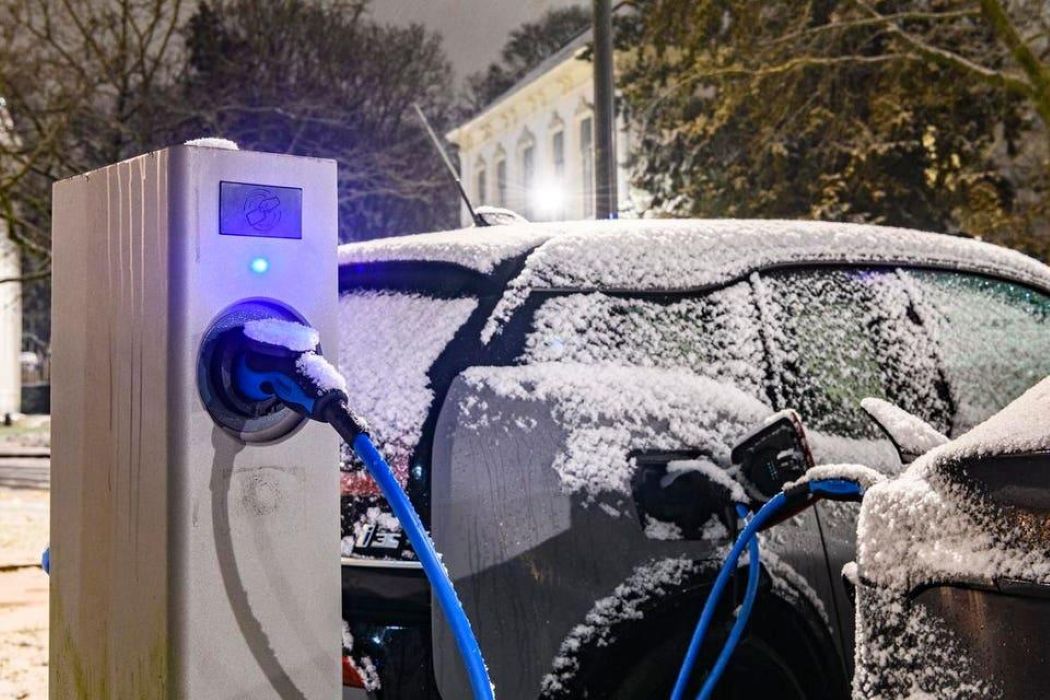
Extreme temperatures test every vehicle differently. A new AAA study makes that difference measurable for the first time in years. Engineers placed three hybrids and three EVs on chassis dynamometers. They ran each vehicle at 20°F, 75°F, and 95°F to isolate pure temperature effects.
The results were striking. At 20°F, EVs saw a 35.6% efficiency drop, resulting in a 39% average range reduction, while hybrids saw a 22.8% drop in fuel efficiency.
The pattern flipped in heat. Hybrids experienced a 12.0% decrease in fuel efficiency, while EVs showed a 10.4% reduction in efficiency and an 8.5% loss of driving range compared to moderate temperatures.
Cold clearly favors hybrids. Heat slightly favors electrics, though the margin there is far smaller than the winter gap. This piece breaks down five specific advantages hybrids hold in extreme conditions. It then covers five advantages electrics hold, particularly once temperatures climb.
5 Hybrid Advantages in Extreme Weather
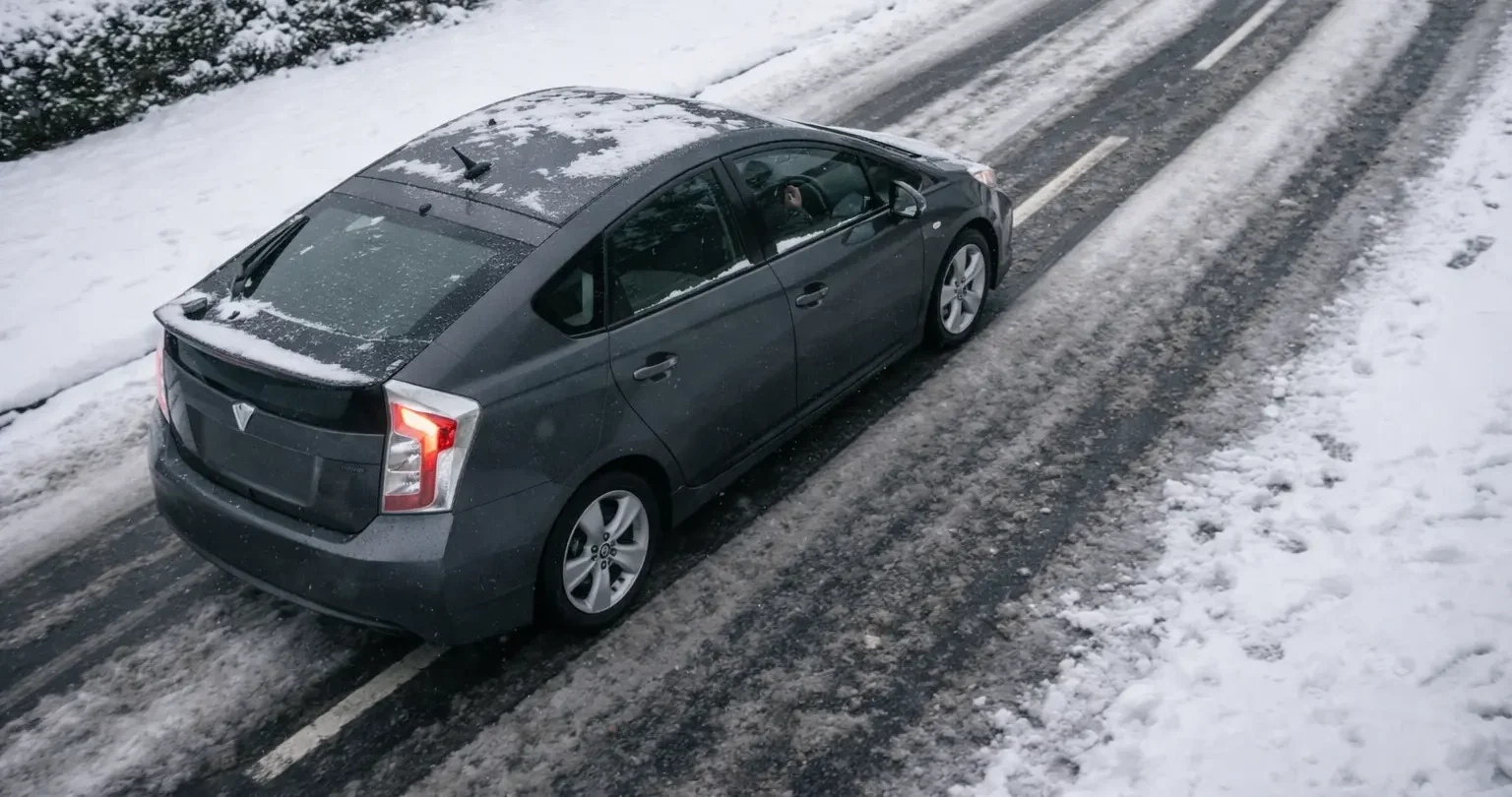
Hybrids tend to maintain better efficiency in cold weather, with AAA testing showing a 22.8% decline compared with a 35.6% drop for EVs. As a result, winter driving typically leads to a smaller increase in energy costs for hybrids, particularly when compared with the expense of using public fast chargers.
Refueling speed stays constant, while cold slows EV charging. A smaller battery reduces cold-cycling degradation concerns, and the gas engine acts as a backup. Range estimates also stay more predictable across swinging temperatures.
1. Smaller Cold-Weather Efficiency Collapse
Hybrids simply lose less ground when the mercury drops. AAA found hybrids suffered a 22.8% drop in fuel economy at 20 degrees, while EVs posted a steeper 35.6% decline in MPGe and a 39% reduction in calculated driving range.
That gap is not trivial. It is the difference between a mild inconvenience and a genuine planning problem. A combustion engine generates its own waste heat as a byproduct of burning fuel. That heat warms the cabin almost for free.
An EV battery has no such byproduct. It must divert stored energy purely to keep passengers warm, which directly eats into range. Hybrids essentially get cabin heat as a side effect of propulsion. Electrics have to budget for heat separately, and that budget comes straight out of driving distance.
This is why AAA’s own engineers were surprised by how well hybrids held up. AAA director Greg Brannon said the team expected significant EV cold-weather losses but was surprised by the 23% reduction in fuel economy for hybrids as well.
Even with that surprise, hybrids still came out ahead relative to EVs. The gap between a 22.8% loss and a 35.6% loss is roughly 13 percentage points in favor of hybrids.
Over a real winter commute, that translates to meaningfully steadier range. Drivers see less variance between the advertised number and the number they actually get.
2. Lower Cold-Weather Fuel Cost Increases
Cost follows efficiency, and the numbers back hybrids again. In cold conditions, the increased fuel cost for hybrids works out to roughly $24 CAD per 1,000 km, compared to a much steeper penalty for EVs relying on public fast charging.
That comparison used public charging rates specifically. Public infrastructure carries a premium that home charging does not. For EV owners without home charging access, winter becomes expensive fast. The cold-weather penalty for those relying on public fast chargers skyrockets to an extra $65 CAD per 1,000 km.
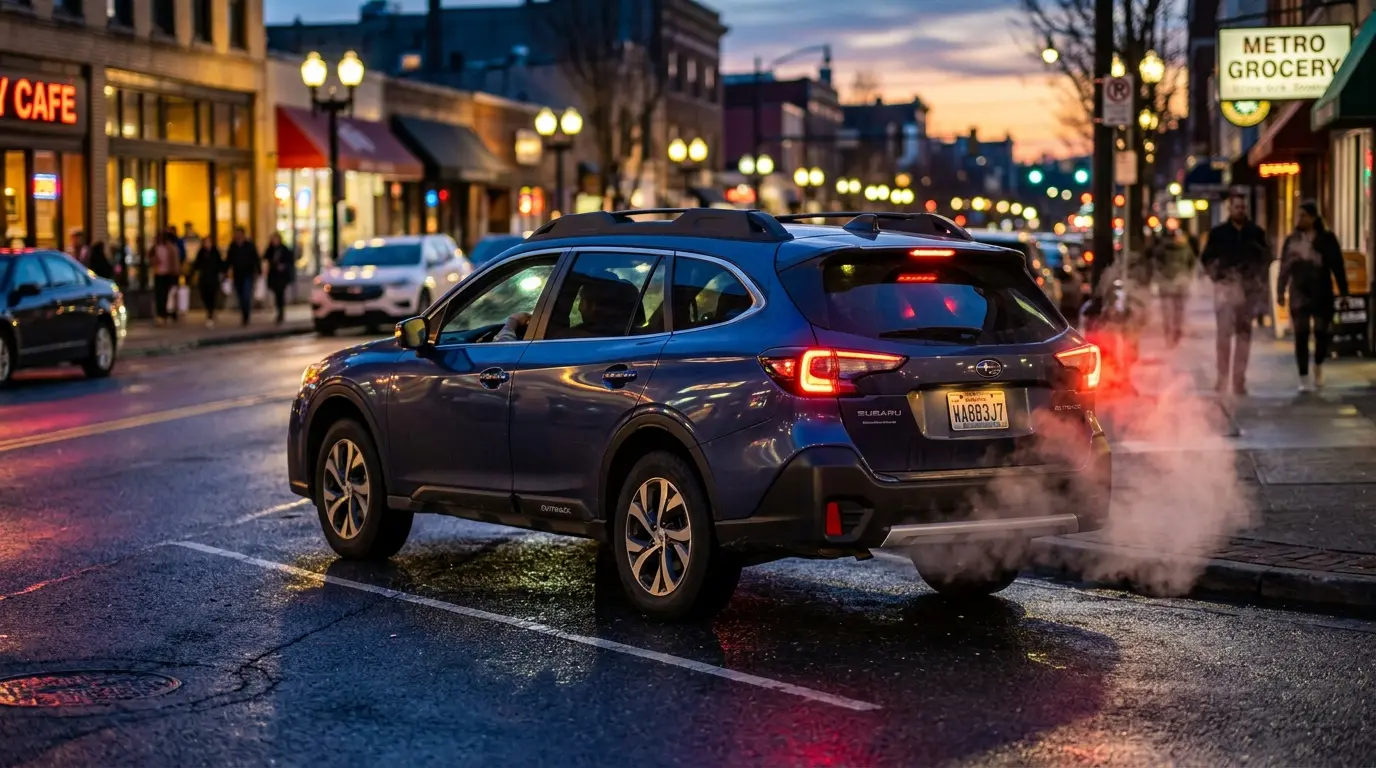
Hybrid owners avoid that swing entirely. Gas stations do not charge a “cold weather surcharge,” so pricing stays predictable regardless of the thermometer.
This predictability matters for budgeting. Commuters on fixed monthly transportation costs benefit from fewer surprises. It also matters for rural and cold-climate drivers. Many small towns still lack fast-charging infrastructure, making the public-charger scenario common rather than rare.
Consumer sentiment is already shifting because of this exact math. AAA survey data indicates that 35% of prospective buyers are now leaning toward hybrid platforms specifically to avoid the financial and logistical headaches of winter EV ownership. That is a striking number for a single study to produce. It shows real people are weighing these efficiency figures in their purchase decisions.
3. Refueling Speed When Cold Slows Everything Down
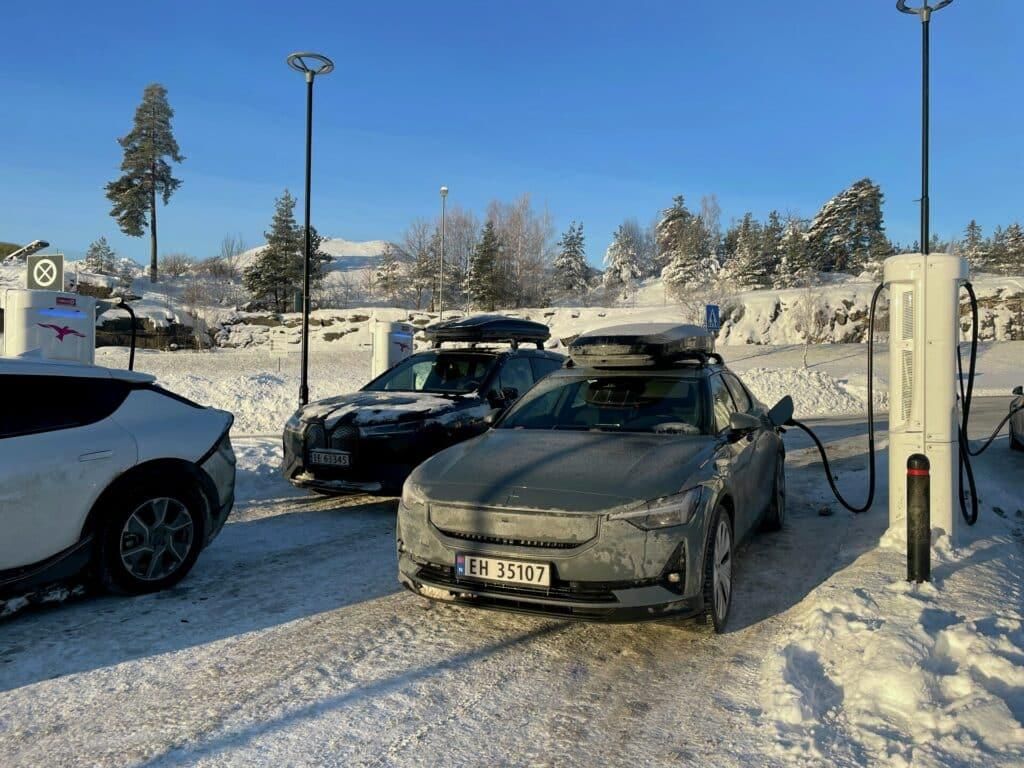
Cold weather does not just reduce range. It also slows charging speed for EVs, since lithium-ion batteries accept charge more slowly when cold. Hybrids sidestep this problem completely. A gas pump delivers fuel at the same rate whether it’s 20°F or 95°F outside.
This matters most on long winter trips. An EV driver might need to wait longer at a charger, on top of needing to stop more often due to reduced range.
A hybrid driver faces neither penalty. Their fill-up time stays constant, and their range loss is smaller to begin with. Combine slower charging with reduced range and the two problems compound. A hybrid driver experiences neither multiplier effect during winter travel.
This is a practical, not just theoretical, advantage. Road-trippers in snowy regions often cite this exact combination as a reason for choosing hybrids.
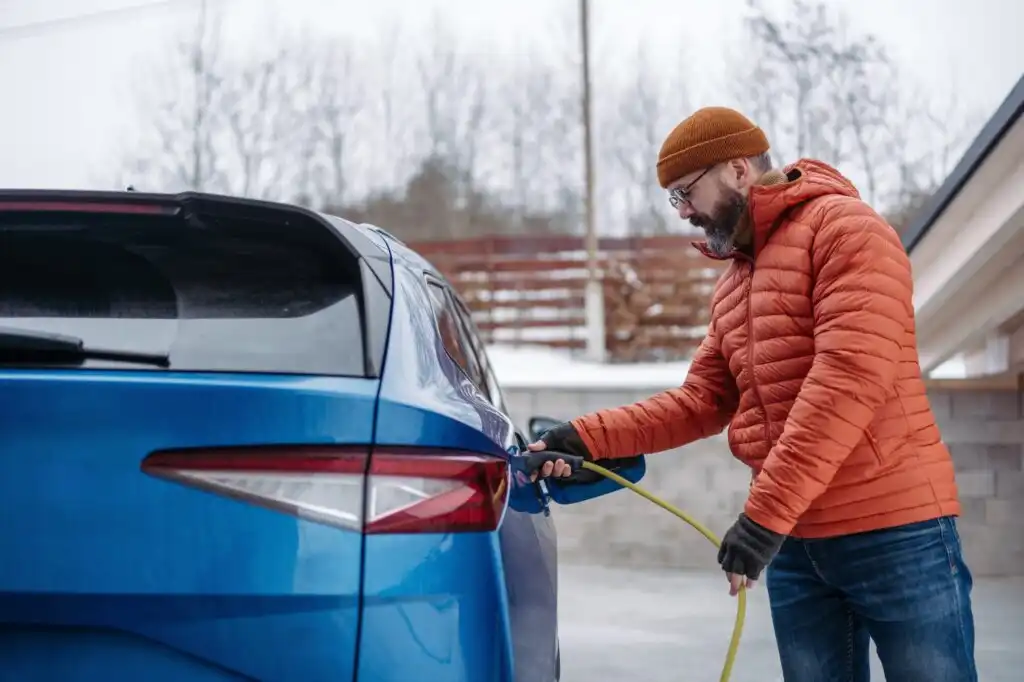
Cold-soaked batteries also sometimes need to be warmed before they’ll accept a fast charge at all. That preconditioning step adds more time to an already slower process. Hybrids need no such preconditioning. The engine simply starts and runs, regardless of how cold the battery or fuel happens to be.
4. No Battery Degradation Anxiety From Cold Cycling
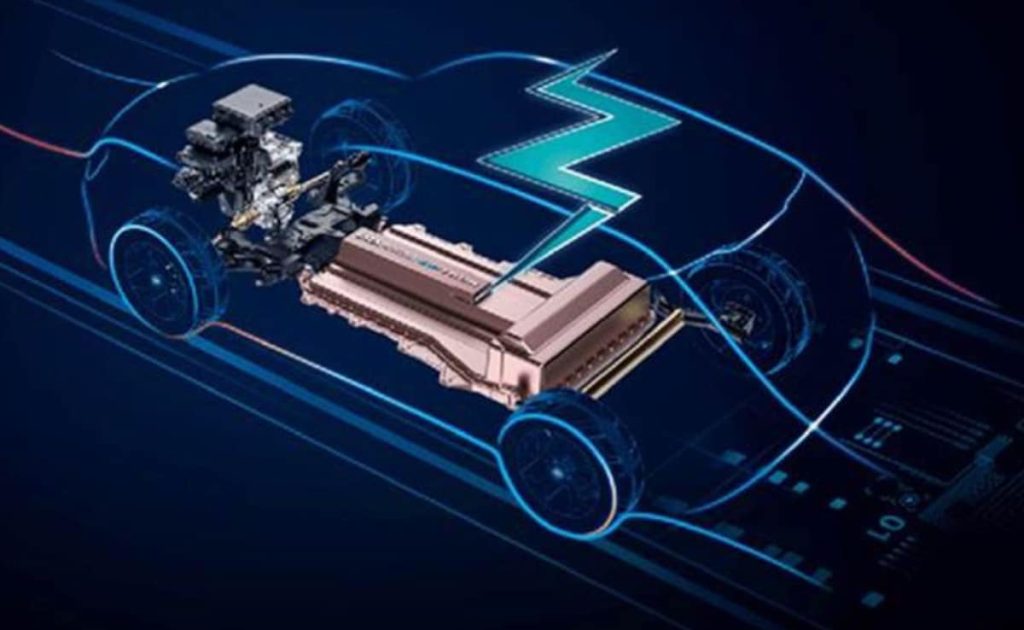
Repeated cold-weather cycling is known to stress lithium-ion battery chemistry over time. Hybrids use much smaller battery packs, so this concern is proportionally reduced.
A hybrid’s battery is a support system, not the primary energy source. The engine carries most of the load, especially in cold conditions when the battery’s role shrinks further.
EVs depend entirely on their battery pack. Every cold cycle, every fast charge in freezing weather, adds to long-term degradation risk. This doesn’t mean hybrid batteries are immune to aging. But the smaller scale of hybrid battery reliance in winter reduces the stakes considerably.
Owners planning to keep a vehicle for a decade or more often weigh this factor heavily. Long-term battery health directly affects resale value. A hybrid’s dual power source acts as a buffer against extreme conditions. If the battery underperforms in the cold, the engine simply compensates.
An EV has no such backup. When the battery struggles, the whole vehicle struggles with it. This structural redundancy is one of the quieter reasons hybrids test better in cold-weather comparisons. It isn’t captured directly in the AAA percentages, but it shapes owner experience over years, not just single trips.
5. More Predictable Range in Unpredictable Climates
Consistency itself is an advantage. Hybrid range estimates hold up closer to their advertised numbers across a wider temperature band. This matters enormously for regions with volatile weather. A single week can swing from 20°F to 60°F in many parts of North America.
EV range estimates swing dramatically across that same week. Hybrid range estimates barely move by comparison. Drivers in these climates value predictability over peak performance. Knowing roughly what to expect matters more than squeezing out maximum efficiency on a mild day.
This predictability extends to trip planning. A hybrid driver rarely needs to recalculate whether they’ll make it to their destination based on the morning temperature. An EV driver in a cold snap often does exactly that. Range anxiety compounds when the number on the dashboard keeps shifting unpredictably.
AAA’s research group even noted this is not unique to EVs, but the scale differs. Internal combustion engine vehicles also lose range in extreme cold, with the EPA estimating a 10% to 30% drop in gas vehicle fuel economy in cold weather depending on trip type. Hybrids inherit some of that combustion-engine stability. Their losses land closer to that gas-vehicle baseline than to the steeper EV curve.
5 Electric Advantages in Extreme Weather
EVs also have a slight efficiency advantage in extreme heat, recording a 10.4% decline compared with 12.0% for hybrids at 95°F. Charging at home can save drivers $46.11 per 1,000 miles under these conditions. Norway also demonstrates that widespread EV adoption is achievable in cold climates when supported by reliable charging infrastructure.
Models like the Mustang Mach-E show engineering can soften temperature penalties, and lower baseline running costs often outweigh seasonal losses over a full year.
1. Smaller Efficiency Loss in Extreme Heat
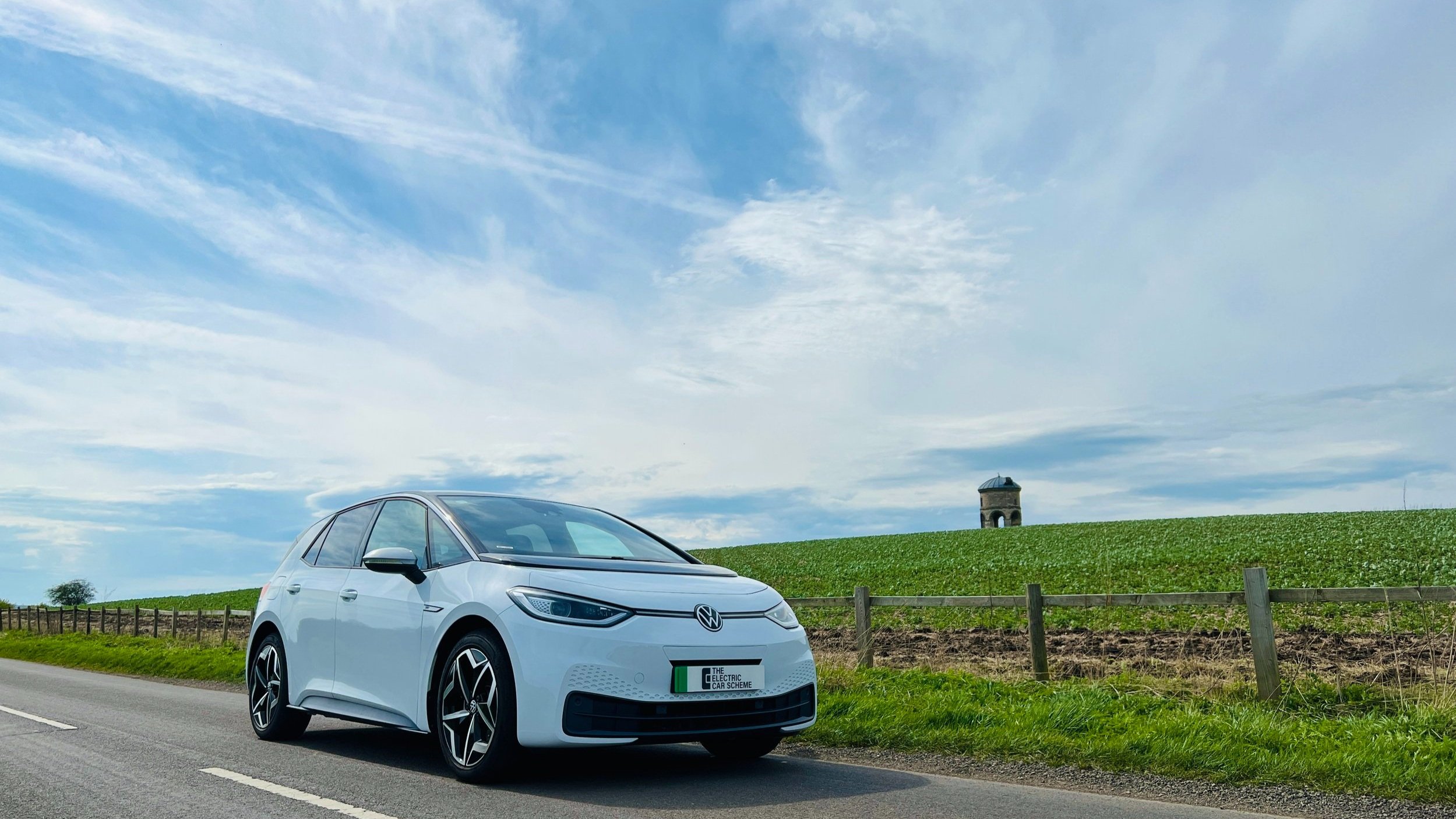
The temperature story flips once you cross into summer conditions. EVs show a 10.4% reduction in efficiency and an 8.5% loss of driving range at 95°F, compared to a 12.0% decrease in fuel efficiency for hybrids.
That’s a real, if modest, edge for electrics. It reverses the cold-weather pattern almost exactly. Heat affects EVs mainly through battery thermal management and air conditioning load. Modern EVs use active cooling systems designed specifically to keep batteries in their ideal range.
Hybrids don’t have equivalent battery-cooling sophistication, since their batteries are smaller. But their combustion engines still lose efficiency as ambient heat rises, and that loss adds up.
One expert framed why EV heat losses stay smaller than cold losses. Batteries are most comfortable around 65 to 75 degrees Fahrenheit, and only work harder as temperatures move away from that range in either direction.
That “harder work” is simply less costly in heat than in cold. Air conditioning draws far less energy than cabin heating does in most climates. This is why summer range loss for EVs looks almost minor by comparison. It sits in single digits rather than the near-40% swings seen in winter testing.
For drivers in the Sun Belt or similar hot climates, this is a meaningful selling point. Their vehicles will perform closer to their advertised range most of the year.
2. Lower Home Charging Costs in Hot Weather
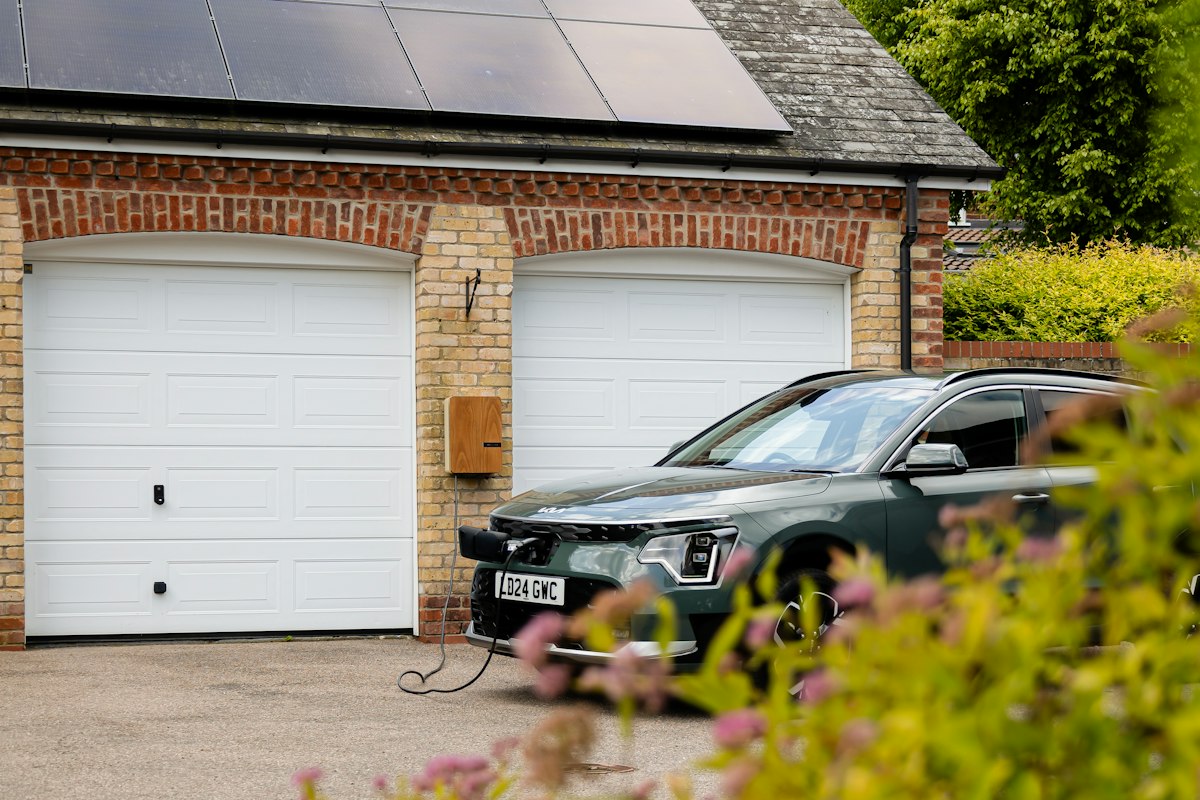
Cost comparisons favor EVs sharply when home charging is available. At high temperatures, EVs were $46.11 cheaper per 1,000 miles at home electricity rates compared to hybrids.
That’s a substantial gap in the electric vehicle’s favor. It reflects the underlying cost difference between electricity and gasoline at typical residential rates.
Home charging is the scenario most EV owners actually use day to day. Public charging is the exception, not the rule, for most electric vehicle households.
This means the everyday summer cost of owning an EV tends to beat a hybrid’s fuel costs by a wide margin. The advantage holds even after accounting for the modest heat-related efficiency loss.
Hot climates also happen to overlap heavily with strong EV charging infrastructure in many U.S. states. That combination amplifies the practical benefit of home charging economics.
Electricity prices are also generally more stable regionally than gasoline prices. That stability adds another layer of predictability to EV running costs in summer.
The caveat, notably, is public charging. At the same 95°F conditions, EVs were actually $41.00 more expensive per 1,000 miles than hybrids when relying on public charging rates instead of home rates.
So the advantage depends heavily on where and how an owner charges. Home-charging EV owners see the clearest financial upside in hot weather.
3. Near-Universal Adoption Proof in Cold Climates
It’s worth noting that EVs are not simply failing in cold climates worldwide. Norway offers a real-world counterexample worth examining. Norway has the highest rate of EV adoption, reaching 98% pure battery-electric vehicles in new sales as of March 2026. That’s despite a climate far colder than most of the United States.
This suggests infrastructure and driver habits can offset some of the efficiency losses AAA measured in lab conditions. Widespread public charging density plays a large role in that outcome.
Norwegian drivers also benefit from national policies supporting EV ownership specifically. Dense charging networks reduce the practical sting of reduced winter range.

This is an advantage of scale and infrastructure maturity, not raw physics. But it demonstrates that cold-weather EV ownership is workable when the surrounding ecosystem supports it.
For prospective buyers in regions investing heavily in charging infrastructure, this matters. The lab numbers represent a worst-case baseline, not a fixed ceiling on real-world usability.
As charging networks mature elsewhere, the practical gap between hybrid and EV cold-weather usability may continue narrowing. Norway is simply the clearest current example of that trajectory. It is a preview of where other markets may be headed. That makes it a genuine, if indirect, electric advantage today.
4. Vehicle-Specific Variation Shows Real Engineering Gains
Not every EV in the AAA test performed equally, and that variation matters. The Ford Mustang Mach-E delivered the strongest performance in both hot and cold testing among the vehicles studied.
That result shows engineering choices can meaningfully soften temperature penalties. This isn’t a fixed law of EV physics that applies identically to every model.
The Chevrolet Equinox EV reportedly handled extreme heat better than the Tesla model included in the same study. Battery chemistry, thermal management design, and heat pump technology all shape these outcomes.
This means the EV segment is actively improving, model by model. Buyers who shop carefully can select vehicles that already outperform the segment average in extreme weather.
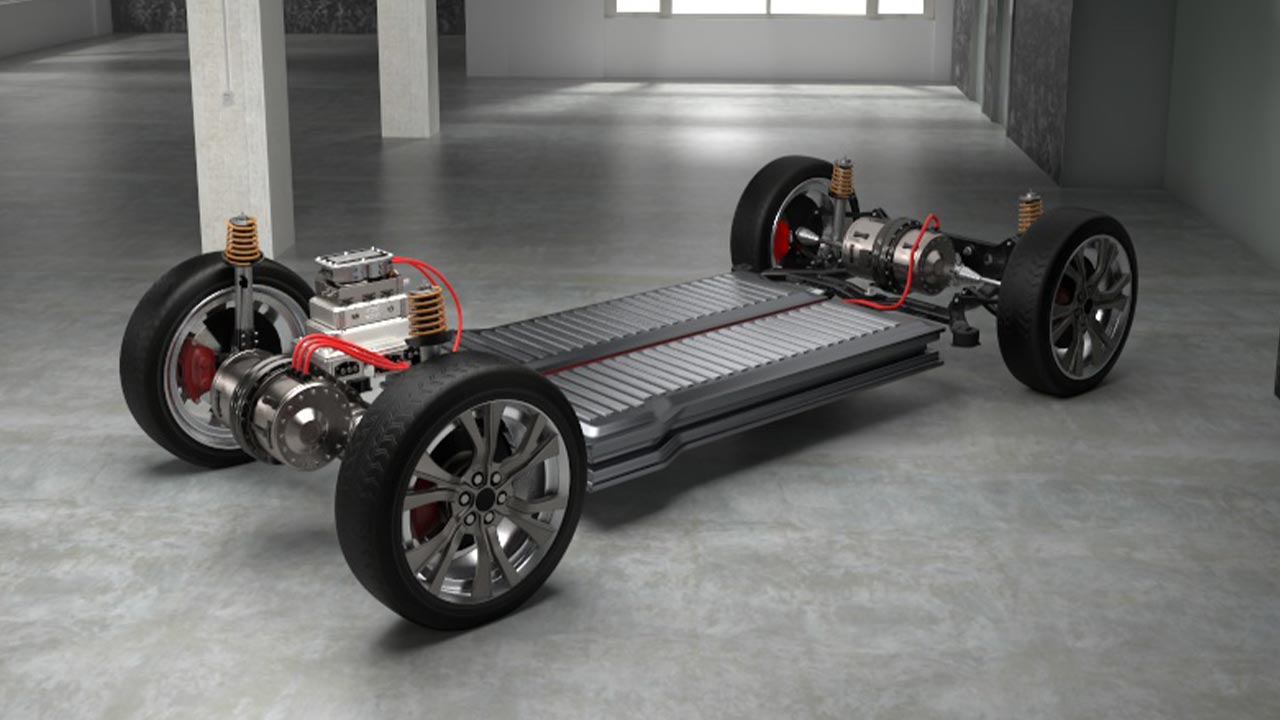
It also signals where the technology is heading. Manufacturers are competing specifically on thermal resilience now, not just headline range figures.
That competitive pressure benefits future buyers directly. Each new model generation tends to narrow the temperature-related efficiency gap further. This is a genuine electric advantage in the sense of trajectory. The gap AAA measured today is likely the widest it will be going forward.
Hybrid technology, by contrast, is comparatively mature and less likely to see equivalent leaps. EV thermal management still has meaningful room to improve.
5. Lower Baseline Running Costs Outweigh Moderate Losses
Even with efficiency losses factored in, EVs often retain a cost advantage over the full year in many regions. The moderate-temperature baseline efficiency gap between electricity and gasoline is large enough to absorb some seasonal swings.
Quick facts from AAA’s own fact sheet note that cold weather has the greatest efficiency impact, particularly for EVs, while heat introduces smaller but meaningful losses for both hybrids and EVs. The word “meaningful” there is doing real work, but it is comparative, not absolute.
For drivers who do most of their charging at home, the cost advantage of electricity over gasoline often remains throughout the year. Colder weather can narrow the savings, but for typical daily commutes, it rarely eliminates them completely.
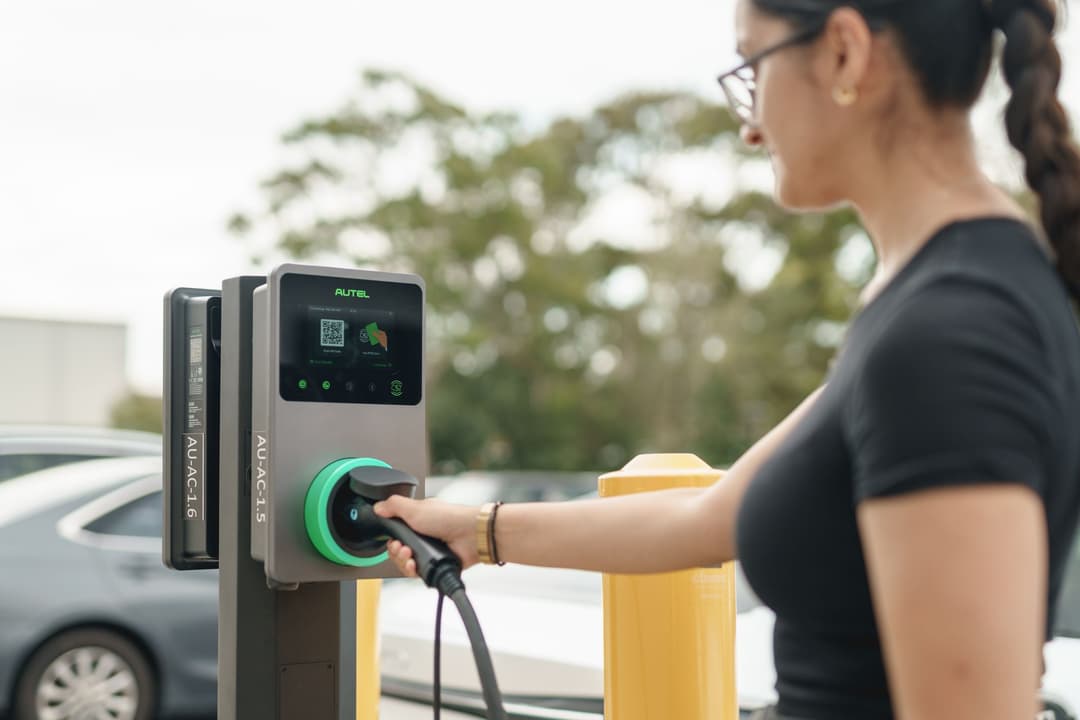
This is why total cost of ownership calculators still frequently favor EVs over a multi-year horizon. Extreme-weather losses are real, but they are episodic rather than constant.
Most drivers also don’t operate at 20°F or 95°F extremes for the majority of the year. Three-season driving in moderate climates sees far smaller efficiency penalties than the AAA test’s outer bounds.
This context matters when interpreting headline percentages. A 35.6% winter efficiency drop sounds dramatic, but it applies only during genuinely cold stretches, not year-round.
For buyers weighing long-term costs rather than worst-case scenarios, that distinction is the practical takeaway. Extreme weather matters, but it is a seasonal adjustment, not a permanent handicap.