
Electric vehicles are not automatically immune to theft, but recent insurance data shows that several EVs are stolen far less frequently than the average vehicle.
The Highway Loss Data Institute (HLDI) studied 2022 through 2024 model-year vehicles and measured whole-vehicle theft claims per 1,000 insured vehicle years. The average for all passenger vehicles was 0.45 claims per 1,000 insured vehicle years.
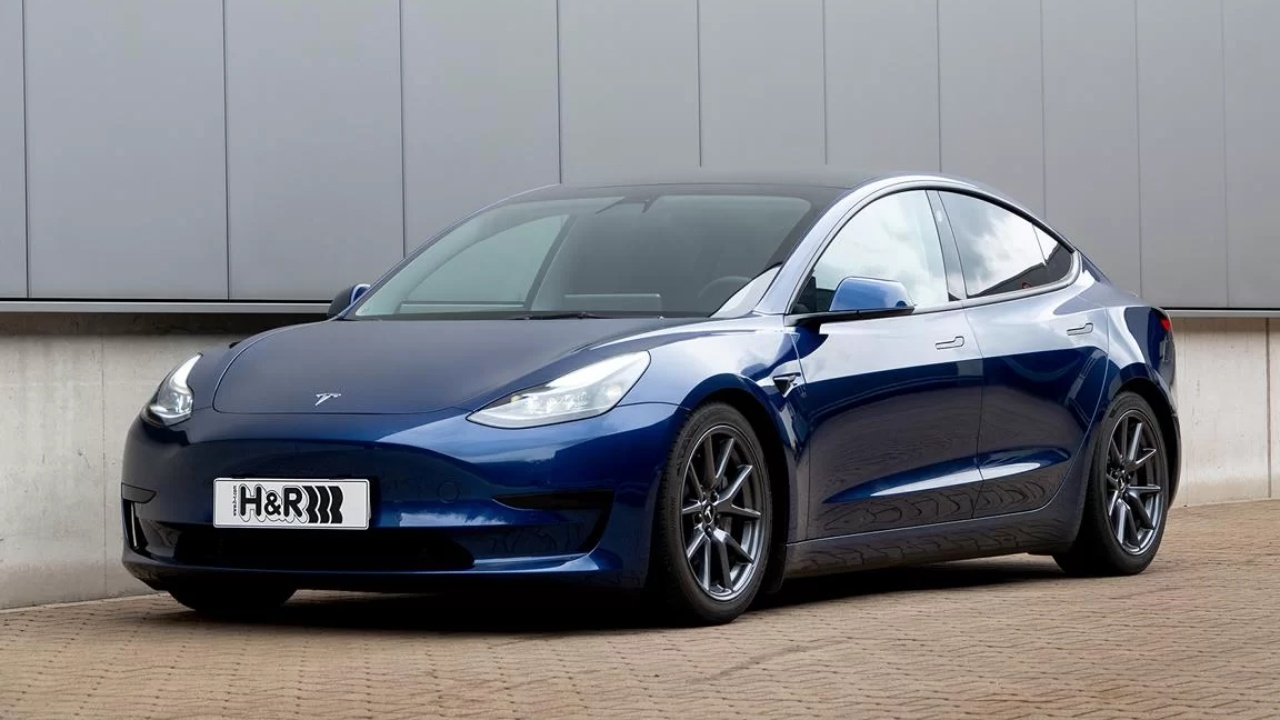
Eight of the 20 vehicles with the lowest theft claim frequencies were fully electric. The Tesla Model 3 4WD was the standout, with a relative claim frequency index of just 1, meaning its theft frequency was approximately 1% of the all-passenger-vehicle benchmark.
HLDI standardized the results for factors including geography, vehicle density, driver characteristics, and other variables.
1. Tesla Model 3 4WD
The 2022 to 2024 Tesla Model 3 electric 4WD sits at the very top of HLDI’s list of vehicles with the lowest whole-vehicle theft claim frequencies. Its relative claim frequency index was just 1, compared with 100 for the average passenger vehicle. HLDI recorded 290,388 insured vehicle years and only two whole-vehicle theft claims for this configuration during the study period.
That is an unusually low result considering the Model 3 is one of the most recognizable EVs on American roads. It also had a relative theft claim severity of 109, meaning the average payment on a theft claim was somewhat higher than the all-vehicle benchmark.
Yet because thefts themselves were so uncommon, its relative losses per insured vehicle year were just 1. The all-passenger-vehicle benchmark for those losses was 100.
The figures do not mean a Model 3 cannot be stolen. HLDI’s data measures insurance claims for the theft of the entire vehicle, rather than every possible theft-related incident.
The institute distinguishes whole-vehicle theft from theft of parts or property inside the vehicle. Its study also only included vehicles meeting minimum exposure or claim requirements.
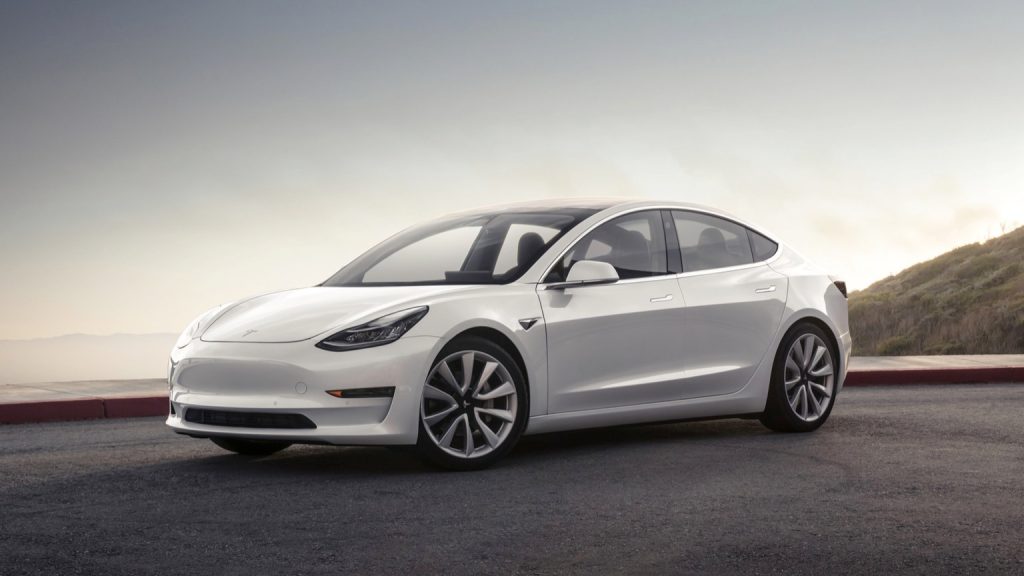
The Model 3’s position is nevertheless remarkable. HLDI says the best-performing 20 vehicles all had whole-vehicle theft claim frequencies below 15% of the passenger-vehicle average. The Model 3 4WD was far below even that threshold.
For American EV buyers, the data points to a notable benefit. The Model 3 has a large number of insured vehicles on the road while recording very few claims involving the theft of the entire vehicle.
2. Tesla Model Y 4WD
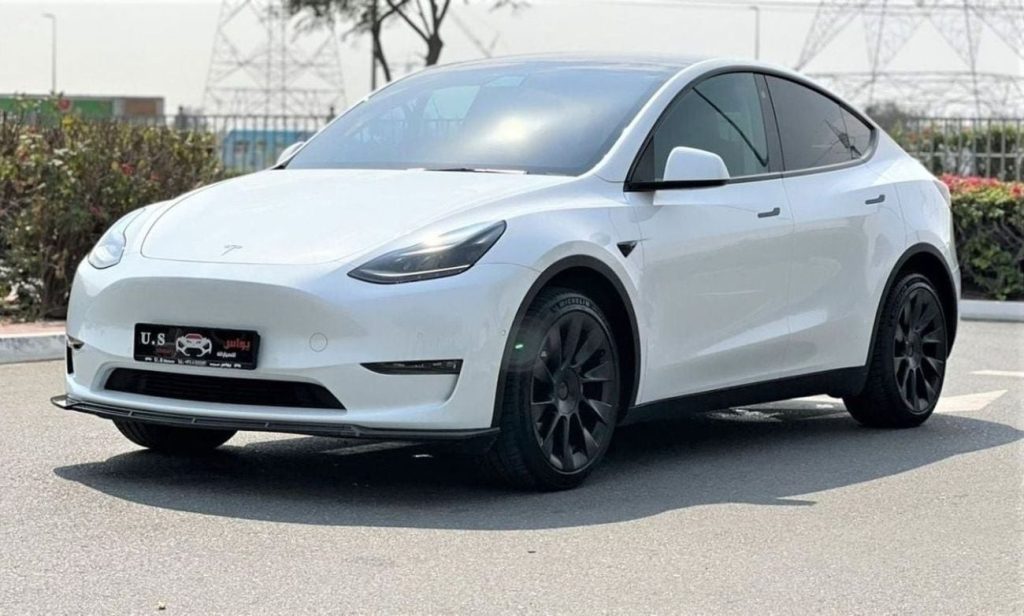
The 2022 to 2024 Tesla Model Y electric 4WD finished immediately behind the Model 3 4WD in HLDI’s theft analysis. Its relative claim frequency index was 2, meaning its whole-vehicle theft claim frequency was approximately 2% of the all-passenger-vehicle average.
HLDI recorded 903,411 insured vehicle years and six whole-vehicle theft claims for the configuration.
The enormous exposure figure makes the result particularly interesting. More than 900,000 insured vehicle years gave HLDI a substantial amount of data to work with, yet only six whole-vehicle theft claims were recorded. That places the Model Y in a completely different category from many of the vehicles that appear on high-theft lists.
Its relative theft claim severity was 105, slightly above the passenger-vehicle benchmark. However, the relative loss figure was only 2, reflecting the extremely low theft frequency.
The Model Y’s position also shows that the result is not limited to one Tesla body style. The Model 3 and Model Y occupy very different parts of the market, with the Model Y offering the higher seating position and SUV-like packaging many American buyers prefer. Yet both produced exceptionally low whole-vehicle theft frequencies.
HLDI cautions that its numbers are not simply raw police-theft counts. The institute analyzes comprehensive insurance claims and adjusts its results for factors such as model year, location, vehicle density, driver characteristics, and other variables.
The Model Y therefore earns its place based on insurance-loss evidence rather than anecdotal reports. Its index of 2 is still only a tiny fraction of the 100-point benchmark.
3. Tesla Model 3 2WD
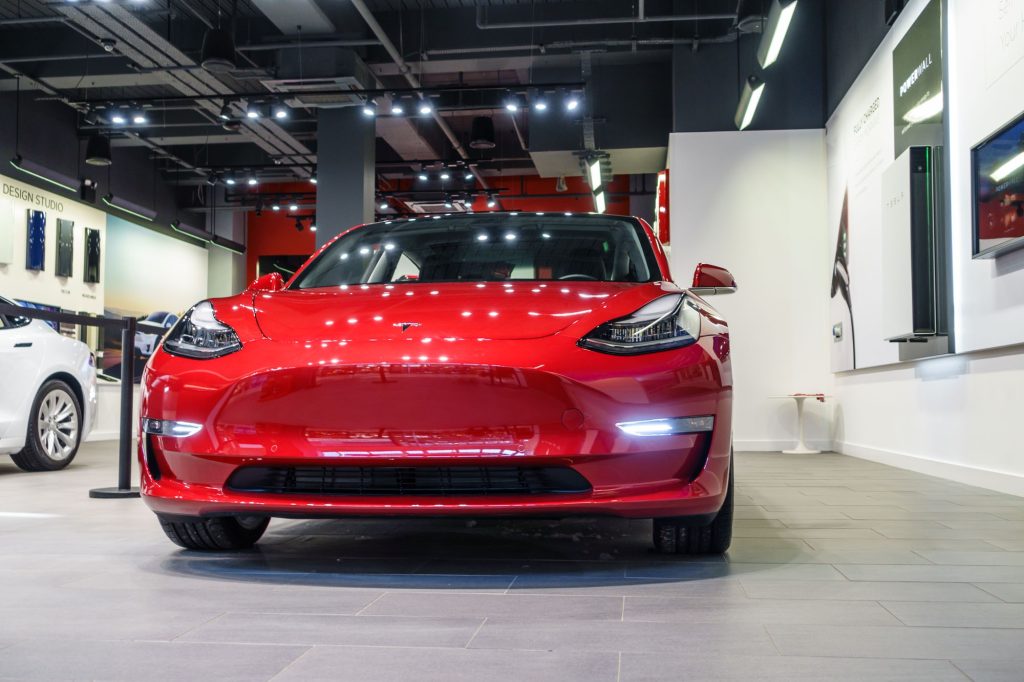
The 2022 to 2024 Tesla Model 3 electric 2WD also appears near the very top of HLDI’s ranking. Its relative whole-vehicle theft claim frequency was 2, matching the Model Y 4WD. HLDI recorded 262,214 insured vehicle years and three theft claims for this configuration.
That means three separate Tesla configurations occupied three of the first three positions in HLDI’s ranking. The result is striking because it suggests the exceptionally low theft frequency was not limited to the Model 3’s all-wheel-drive version.
The 2WD Model 3 posted a relative claim severity of 87, below the benchmark for passenger vehicles. Its relative losses were even lower, with a rating of just 2.
The distinction between frequency and severity matters here. A vehicle can be stolen relatively rarely but generate an expensive claim when it is stolen. In this case, HLDI’s data indicates that both measures were favorable for the Model 3 2WD. Its theft frequency was only 2% of the average, while the average claim payment was below the passenger-vehicle benchmark.
The result should not be interpreted as evidence that thieves have no interest in the vehicle. HLDI’s study concerns claims for the theft of the entire vehicle and does not represent every incident involving stolen components, belongings, or attempted theft.
Still, the three recorded claims against more than 262,000 insured vehicle years provide a strong statistical result.
The Model 3’s presence in the top three also gives this list a broader message. EV theft patterns can differ substantially from the theft patterns associated with conventional gasoline vehicles, and the difference can be large enough to show up clearly in insurance data.
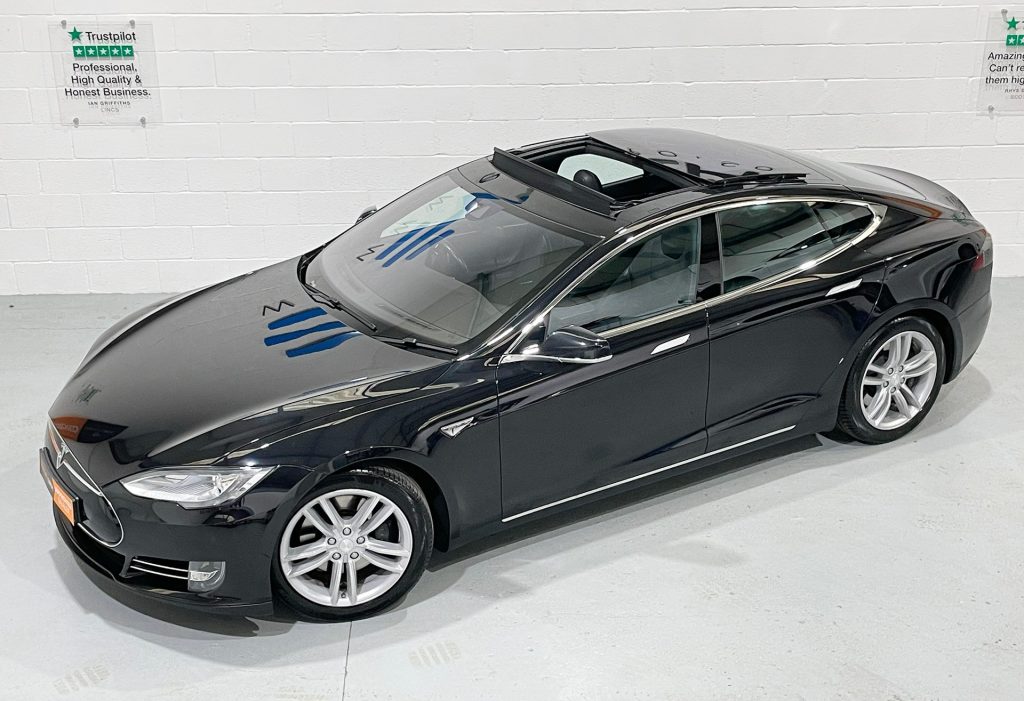
4. Tesla Model S 4WD
The 2022 to 2024 Tesla Model S electric 4WD recorded a relative theft claim frequency of 5, placing it among the lowest-theft vehicles in HLDI’s study. The organization recorded 65,813 insured vehicle years and two whole-vehicle theft claims.
Its index of 5 means the theft claim frequency was approximately 5% of the all-passenger-vehicle benchmark. That is still dramatically below the average, although the Model S did not perform quite as exceptionally as the Model 3 or Model Y.
There is an interesting difference in the Model S data. Its relative claim severity was 202, more than twice the all-passenger-vehicle benchmark. That means when a theft claim did occur, the associated loss was substantially higher than average. Despite that, the extremely low number of theft claims kept its relative losses per insured vehicle year at 11.
This is an important reminder that theft frequency and financial exposure are not the same thing. A premium vehicle can have relatively few theft claims but still generate large insurance payments when it disappears.
The Model S is also a substantially more expensive vehicle than many cars in the HLDI database, which helps explain why severity can be elevated. HLDI’s report shows that claim severity varies considerably according to vehicle class, size, and value.
Even with that higher claim severity, the Model S remained one of the 20 vehicles with the lowest theft frequencies. HLDI states that all 20 vehicles on its low-frequency list had theft frequencies below 15% of the passenger-vehicle average.
For owners, that distinction is useful. The Model S appears difficult to steal based on the measured frequency, but a successful theft can represent a significant financial loss.
5. Ford Mustang Mach-E
The 2022 to 2024 Ford Mustang Mach-E electric four-door recorded a relative whole-vehicle theft claim frequency of 8 in HLDI’s analysis. The organization recorded 39,219 insured vehicle years and one theft claim, producing a relative claim severity of 78 and relative losses of 6.
The Mach-E is particularly interesting because it is one of the few non-Tesla EVs near the top of the ranking. Its theft frequency was only 8% of the all-passenger-vehicle average, placing it comfortably inside HLDI’s 15% threshold for the 20 best-performing vehicles.
The single theft claim is important context. One claim is a very small number, and HLDI’s methodology therefore should not be treated as a prediction of what will happen to an individual Mach-E owner. The study does, however, use insured vehicle years to account for how many vehicles were exposed to risk.
The Mach-E’s relative severity of 78 is another positive feature of the result. Unlike the Model S, its theft claims were not associated with unusually high claim payments relative to the passenger-vehicle benchmark.
The vehicle also illustrates how dramatically theft results can vary even among EVs. HLDI found several electric models with extremely low theft frequencies, but that does not mean every EV performs identically. The organization ranks each vehicle series based on its own insurance-loss experience.
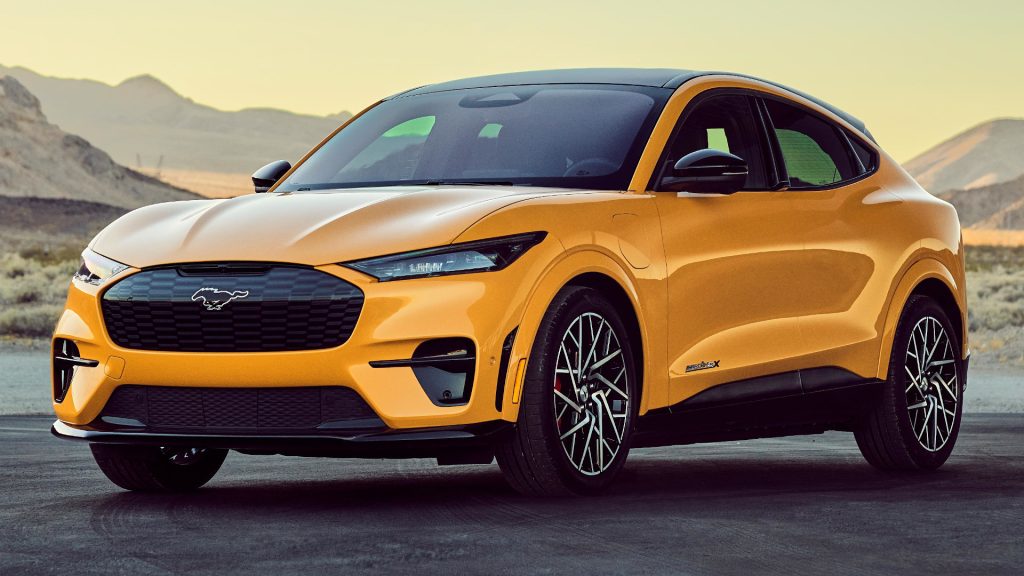
For the Mach-E, the combination of a low theft frequency, one recorded claim, and below-average claim severity resulted in relative theft losses of just 6.
That makes it one of the strongest non-Tesla results in the study and gives the electric Ford an interesting advantage for buyers concerned about theft exposure.
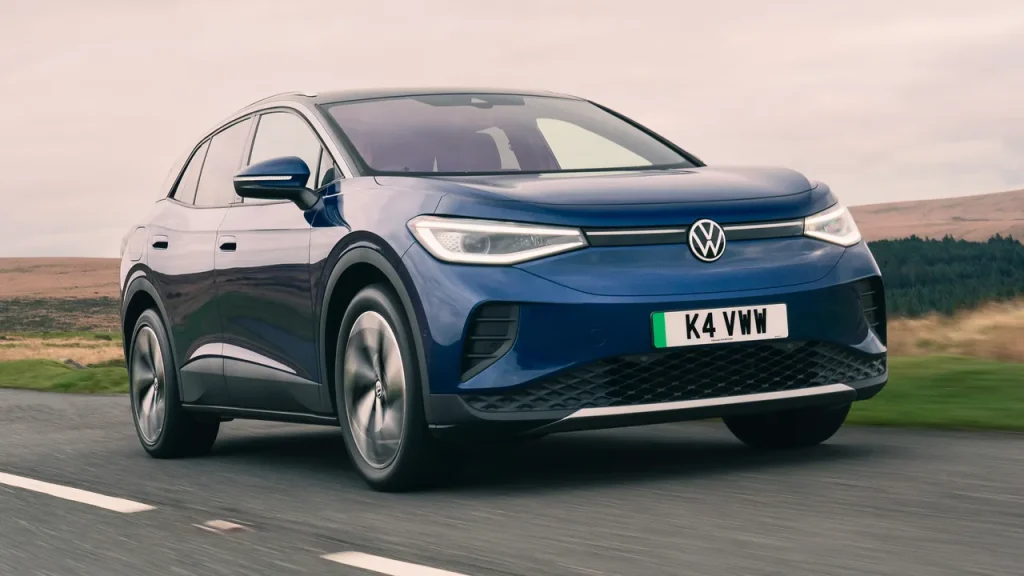
6. Volkswagen ID.4
The 2022 to 2024 Volkswagen ID.4 electric four-door produced another unusually low theft result. HLDI gave it a relative whole-vehicle theft claim frequency of 9, meaning its theft frequency was approximately 9% of the all-passenger-vehicle average. There were 37,718 insured vehicle years, and one recorded theft claim.
The ID.4 recorded a relative claim severity of 71, indicating that its average loss payment was lower than the passenger-vehicle benchmark. Its relative losses were just 6, placing it among the strongest vehicles in the study when theft frequency and claim severity are considered together.
This makes the Volkswagen particularly interesting because it is not a niche performance EV or an ultra-expensive luxury vehicle. It is a mainstream electric crossover designed around practical family transportation.
HLDI’s broader data shows that SUVs had a whole-vehicle theft claim frequency of 0.31 claims per 1,000 insured vehicle years, compared with 0.45 for all passenger vehicles. The ID.4’s individual result was considerably better than that SUV average.
The study also demonstrates why vehicle-specific insurance data can be more revealing than simply looking at broad categories. Saying that SUVs are stolen at a certain average rate tells only part of the story. Individual models can sit dramatically above or below their class average.
The ID.4 landed firmly on the favorable side. With one claim across nearly 38,000 insured vehicle years, the result is statistically impressive, although the smaller exposure compared with some Tesla models means the figure should still be interpreted carefully.
For buyers considering a practical electric crossover, the ID.4’s theft-loss performance adds another positive data point to its ownership profile.
7. Kia EV6 4WD
The 2022 to 2024 Kia EV6 electric 4WD recorded a relative theft claim frequency of 11 in HLDI’s study. The institute recorded 43,123 insured vehicle years and two whole-vehicle theft claims. Its relative claim severity was 102, while relative theft losses were 11.
An index of 11 means the EV6’s theft claim frequency was approximately 11% of the average for all passenger vehicles. Although that sounds higher than the Tesla models above it, it still places the EV6 among the 20 vehicles with the lowest theft frequencies in the study.
The EV6’s result is especially useful because it provides evidence that low theft exposure is not exclusively a Tesla phenomenon. Kia’s electric crossover made the list alongside Tesla, Ford, Volkswagen, Volvo and BMW models.
The EV6’s relative severity of 102 was close to the all-passenger-vehicle benchmark. Consequently, its relative losses also remained low compared with the broader vehicle population.
There is an important distinction between HLDI’s study and a conventional list of America’s most stolen vehicles. HLDI does not simply count theft reports. It uses comprehensive insurance claims and calculates claim frequency relative to insured vehicle exposure. This makes the measurement more useful when comparing vehicles with very different numbers of cars on American roads.
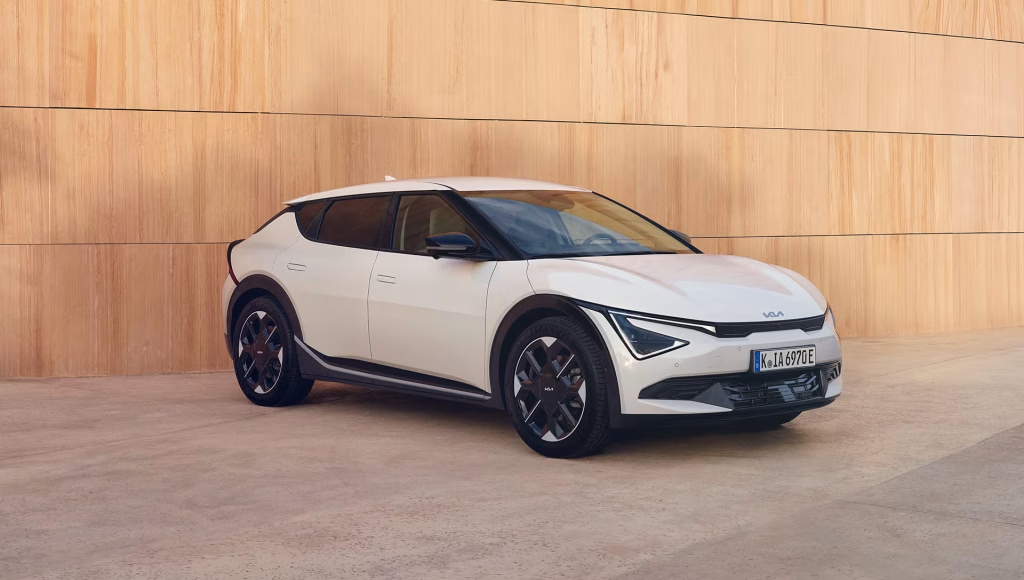
The EV6’s placement at No. 7 therefore comes from a standardized insurance-loss comparison rather than a simple raw count.
For an owner, the finding does not eliminate the need for normal security precautions. It does indicate that, during the 2022 to 2024 model-year period covered by the report, the EV6 4WD experienced substantially fewer whole-vehicle theft claims than the average passenger vehicle.
8. BMW iX 4WD
The 2022 to 2024 BMW iX electric 4WD rounds out the eight electric vehicles in HLDI’s lowest-theft group. Its relative claim frequency was 11, matching the Kia EV6. HLDI recorded 30,251 insured vehicle years and two whole-vehicle theft claims.
The BMW’s relative claim severity was 161, however, meaning the average payment associated with its theft claims was substantially higher than the all-passenger-vehicle benchmark.
That result is understandable given the Model Y’s premium positioning and relatively high vehicle value. Even so, its relative theft losses stood at 18, well below the passenger-vehicle benchmark of 100.
The iX therefore illustrates a different pattern from the ID.4. Both had very low theft frequencies, but the financial consequences of a successful theft were considerably greater for the BMW.
HLDI’s report emphasizes this distinction by separately measuring claim frequency, claim severity, and losses. A vehicle can perform extremely well on theft frequency while producing larger insurance payments when a theft occurs.
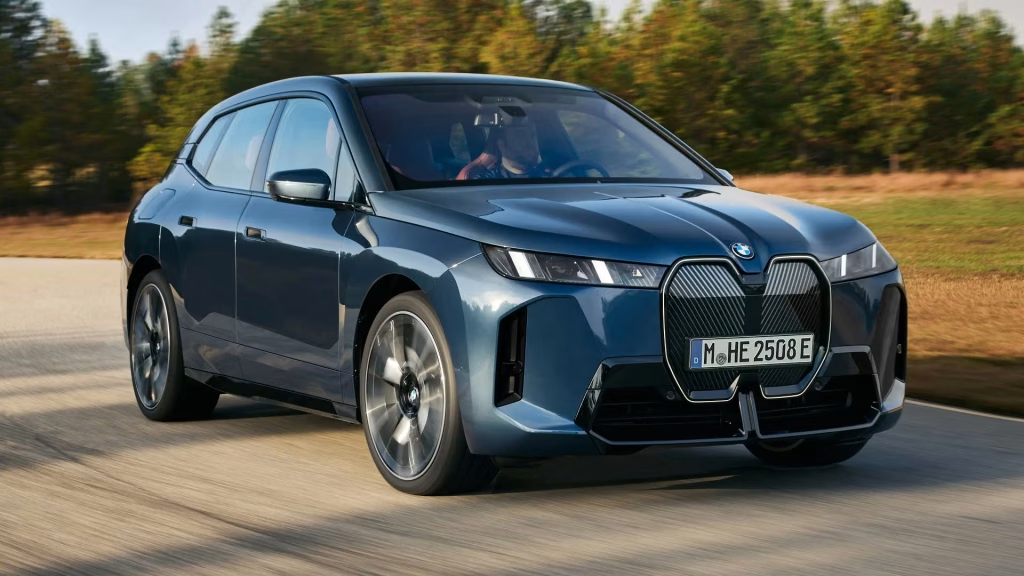
The iX also represents the growing presence of luxury EVs in the low-theft rankings. It joins the Tesla Model S among premium electric vehicles that thieves appeared to target relatively infrequently during the study period.
The numbers should not be interpreted as a permanent ranking. HLDI’s report covers 2022 through 2024 model years, and theft patterns can change as vehicles age, security systems evolve, and criminal techniques shift. The institute also notes that its analysis focuses specifically on whole-vehicle theft, not every form of theft involving a vehicle.
For the period studied, though, the iX produced a notably low theft frequency and comfortably qualified among HLDI’s 20 best-performing vehicles.
