Reliability remains one of the most important factors when Americans choose a new vehicle, especially as modern cars become more complex and expensive.
Consumer Reports’ 2026 reliability study analyzed feedback from owners of about 380,000 vehicles, covering up to 20 potential trouble areas ranging from engines and transmissions to batteries, charging systems, and electronics.
CR found that hybrids continued to outperform conventional gasoline vehicles, while EVs and plug-in hybrids averaged about 80% more problems than gasoline-only vehicles. Several models landed near the bottom of the reliability rankings, giving buyers a useful warning about where problems were most concentrated.
1. Chrysler Pacifica Hybrid
The Chrysler Pacifica Hybrid stands out as one of the clearest examples of how adding electrification to an otherwise practical vehicle can introduce another layer of complexity.
Consumer Reports gave the Pacifica Hybrid a predicted reliability score of 26 out of 100, placing it among the least reliable vehicles in its 2026 rankings.
CR’s broader analysis found that plug-in hybrids generally experienced more problems than conventional gasoline models, and the Pacifica Hybrid was one of the models contributing to that pattern.
The Pacifica continues to appeal to families with its roomy interior, three rows of seating, and practical minivan design. Consumer Reports found the plug-in hybrid version to be particularly efficient, with an overall rating of 27 mpg when operating in hybrid mode. However, Chrysler discontinued the plug-in hybrid variant for the 2026 model year.
That discontinuation is worth noting because shoppers considering a Pacifica Hybrid are looking primarily at previous model years rather than a new 2026 version.
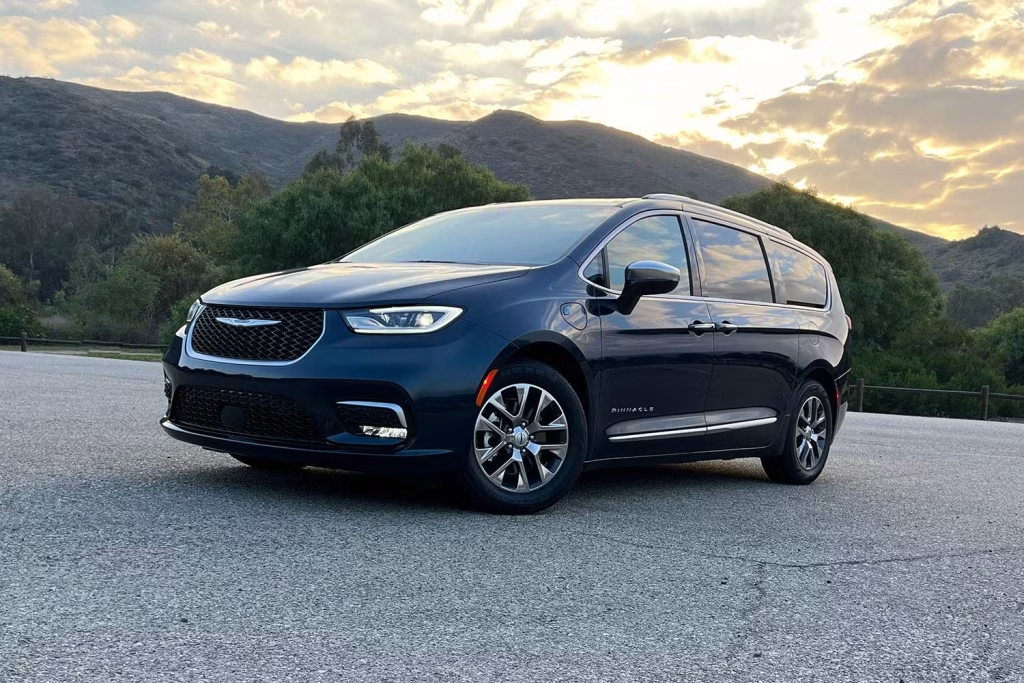
The vehicle combines a 3.6-liter V6 with an electric drive system and a continuously variable transmission. That combination provides the efficiency advantages of electrification, but it also introduces additional components compared with the conventional Pacifica.
CR’s research is particularly relevant because it does not judge reliability from a handful of isolated complaints. The organization collects owner reports across numerous trouble areas and weights the seriousness of different problems when producing its reliability ratings.
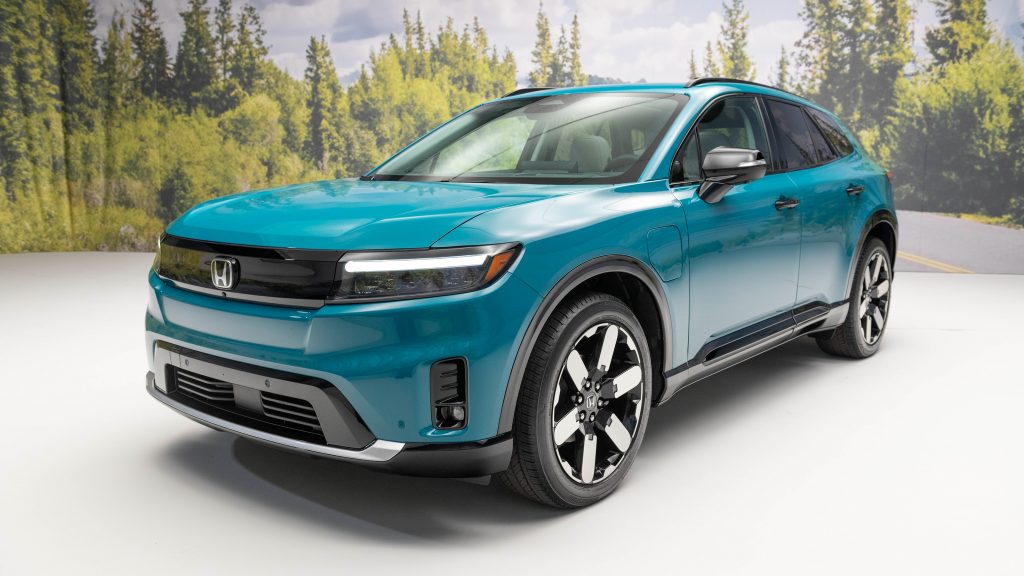
2. Honda Prologue
The Honda Prologue is a very different proposition from the Pacifica Hybrid because it is a fully electric SUV, yet Consumer Reports also placed it among the 10 least reliable vehicles in its 2026 analysis. Its predicted reliability score was 25 out of 100, putting it ahead of only a handful of models in CR’s ranking.
That result is notable because the Prologue is otherwise a fairly conventional Honda in its mission. It offers a comfortable SUV body, a quiet electric powertrain, and a claimed EPA range of up to 294 miles for the 2026 model.
Honda offers both front-wheel-drive and all-wheel-drive configurations, with the AWD version producing 300 horsepower and 355 lb-ft of torque.
Consumer Reports’ road-test assessment is more nuanced than the reliability ranking alone might suggest. CR praised the Prologue’s smooth, quiet power and relatively long range, while pointing to slow steering, limited outward visibility, and front seats that lack support.
The organization also notes that Honda developed the vehicle with assistance from General Motors and based it on the same underlying architecture used by the Chevrolet Blazer EV.
The Prologue highlights an important point in the 2026 reliability data. A vehicle can perform well in several areas while still receiving a low reliability prediction.
CR’s survey found that EVs and plug-in hybrids averaged about 80% more problems than gasoline-only vehicles, with issues involving batteries, charging systems, and drive systems among the trouble areas.
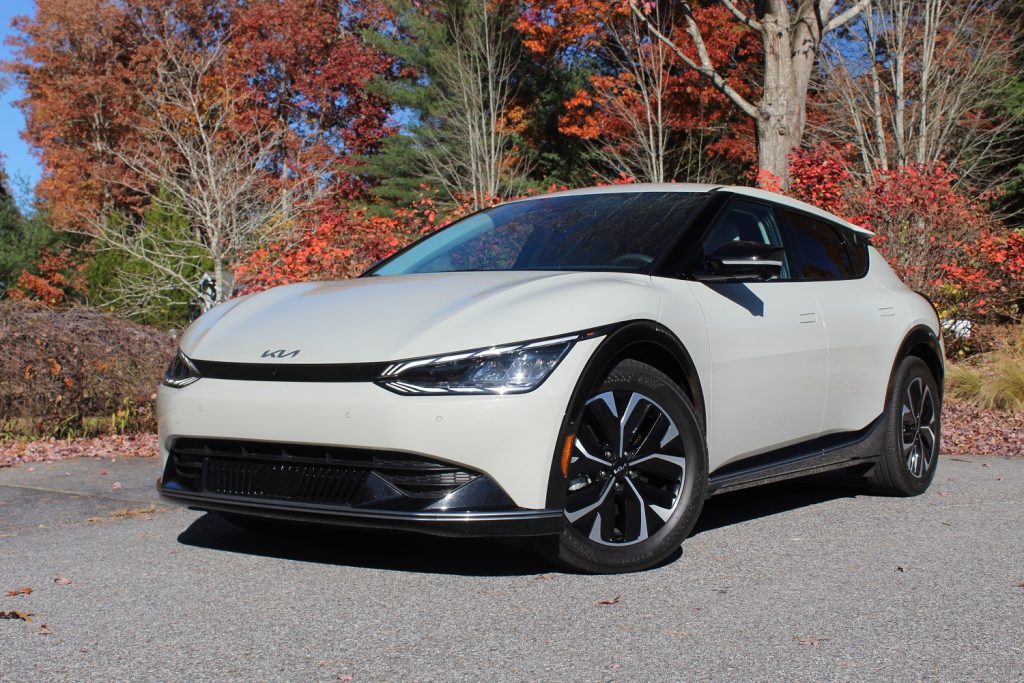
3. Kia EV6
The Kia EV6 is one of the more surprising names near the bottom of Consumer Reports’ 2026 reliability rankings because the electric crossover has earned praise for its performance, efficiency, and charging capability.
Nevertheless, CR assigned it a predicted reliability score of 25 out of 100, placing it alongside the Honda Prologue and well below the average new vehicle.
The EV6’s poor reliability result is particularly significant because it belongs to a generation of Kia and Hyundai electric vehicles that have experienced problems involving their integrated charging control unit, or ICCU.
Consumer Reports reported that ICCU-related complaints have affected the reliability scores of several Kia, Hyundai, and Genesis EVs. In some cases, owners have reported loss of charging capability or loss of driving power.
That reliability concern does not erase the EV6’s strengths. Its electric powertrain provides strong acceleration, while its dedicated EV platform allows for a spacious cabin without requiring a large conventional engine compartment.
The vehicle also supports relatively rapid DC fast charging, making it attractive to buyers who frequently travel longer distances.
The important distinction is that Consumer Reports’ reliability prediction is based on owner survey data rather than simply judging how enjoyable a vehicle is to drive. CR examines 20 potential trouble areas, including electric motors, EV batteries, charging systems, electronics, brakes, and suspension components.
For someone shopping for a used EV6, the reliability score is therefore worth investigating before making a purchase. Checking recall completion and service records can be particularly important with an electric vehicle whose charging hardware is integral to its daily usability.
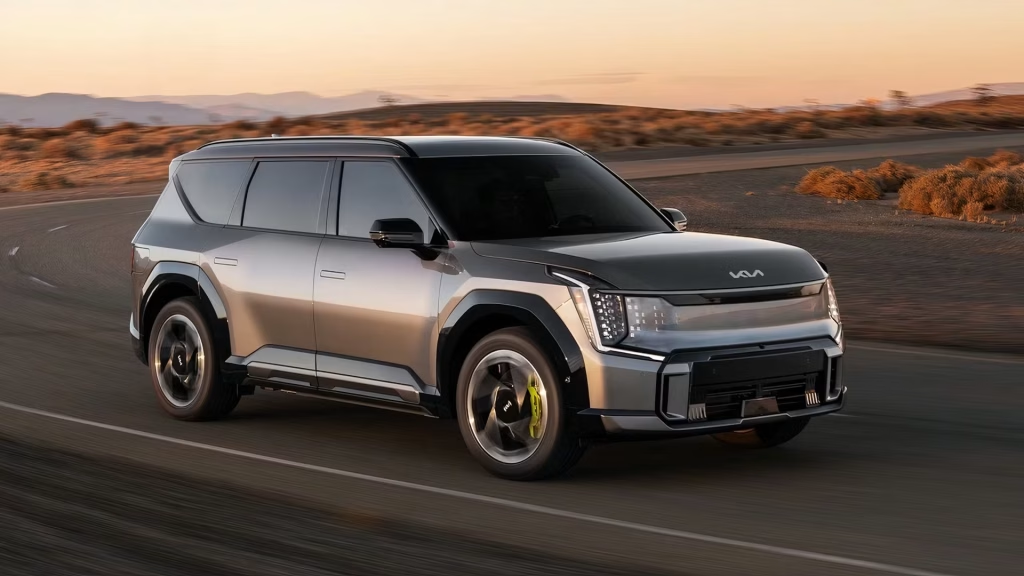
4. Kia EV9
The Kia EV9 offers a combination that remains uncommon among mainstream electric vehicles, with three rows of seating and a fully electric powertrain. However, Consumer Reports ranked it among the lower performers in its 2026 reliability survey, assigning the large SUV a predicted reliability score of 24 out of 100.
That score is striking because the EV9 performs well in several areas unrelated to reliability. Consumer Reports praised its spacious cabin, quiet ride, and strong acceleration. The AWD version tested by CR produces 379 horsepower and reached 60 mph in 5.3 seconds. Its 99.8-kWh battery provides an EPA-estimated 283 miles of range in the tested AWD configuration.
The reliability concerns reflect the growing pains associated with relatively new EV technology. Consumer Reports has specifically linked ICCU problems to reliability issues affecting several Hyundai, Kia, and Genesis electric vehicles. The EV9 has also appeared in federal recall activity involving electrical and safety-related issues.
The SUV’s size adds another dimension. CR lists the 2026 EV9 at 197 inches long and 78 inches wide, with a curb weight of 5,715 pounds. That substantial body gives families impressive interior space, but it also means the vehicle is carrying a considerable amount of hardware and battery mass.
Importantly, a low reliability prediction does not mean every EV9 will develop serious problems. It indicates that, based on available survey data, CR expects owners to experience more trouble than owners of an average new vehicle.
For buyers attracted to its three-row practicality, the EV9 remains an interesting proposition. However, its reliability history means prospective owners should pay close attention to recalls, software updates, and charging-system performance before committing to one.
5. Mazda CX-90
The Mazda CX-90 is a useful reminder that a vehicle can be appealing to drive while still receiving a poor reliability forecast.
Consumer Reports gave the 2026 CX-90 a predicted reliability score of 23 out of 100, placing it fifth from the bottom in the organization’s 2026 ranking. CR’s list is based on owner-reported problems across 20 potential trouble areas and data from roughly 380,000 vehicles.
The CX-90 is Mazda’s three-row midsize SUV, and its mechanical layout is quite different from many competitors. Most versions use a 3.3-liter turbocharged inline-six with a 48-volt mild-hybrid system and an eight-speed automatic transmission.
Mazda rates the regular Turbo version at 280 horsepower and 332 lb-ft of torque, while Turbo S versions produce up to 340 horsepower and 369 lb-ft.
That powertrain gives the CX-90 a performance advantage over many family SUVs. Consumer Reports recorded a 7.2-second 0-to-60-mph time with a 280-hp version and praised the engine’s strong acceleration and polished character.
Reliability, however, is measured differently. CR’s survey considers problems involving the powertrain, engine, transmission, electrical accessories, climate system, electronics, suspension, body hardware, and other components.
A vehicle can therefore be enjoyable and capable while still accumulating enough reported trouble to receive a weak predicted-reliability score.
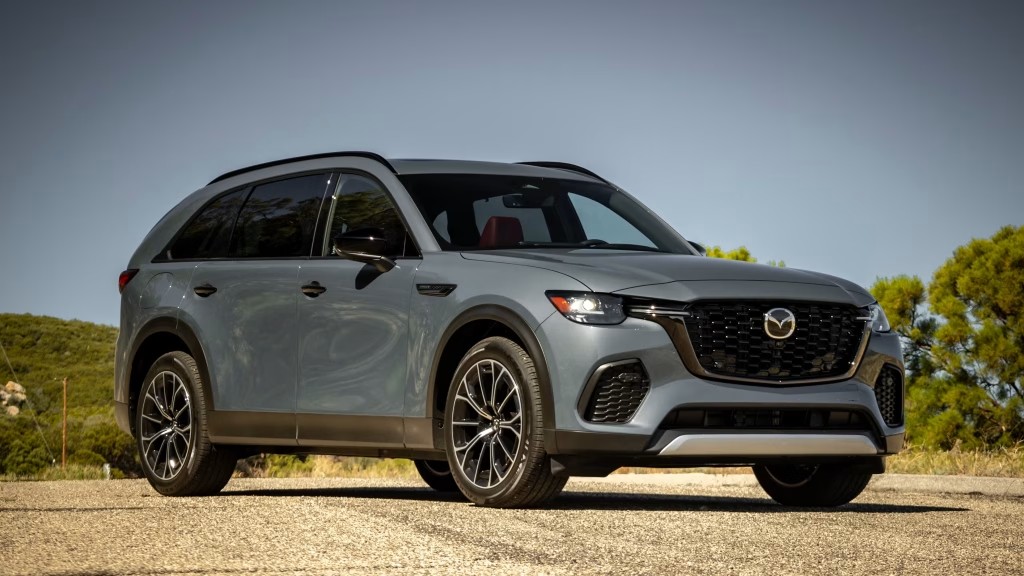
The CX-90 also has a substantial footprint. CR lists it at about 201 inches long and 78 inches wide, with a curb weight around 4,760 pounds depending on configuration.
For buyers considering this three-row SUV, the 23-point reliability prediction deserves attention. It does not mean every CX-90 will develop serious problems, but it does place the model considerably below the reliability level many shoppers expect from a new family vehicle.
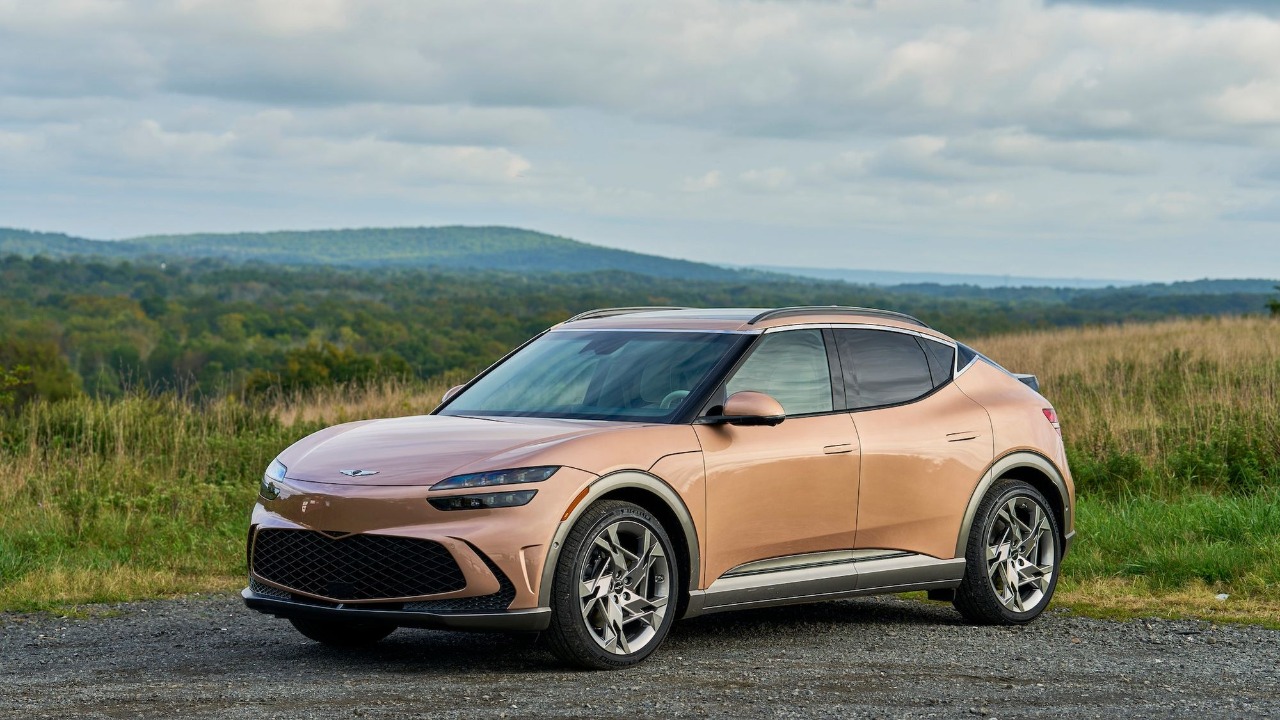
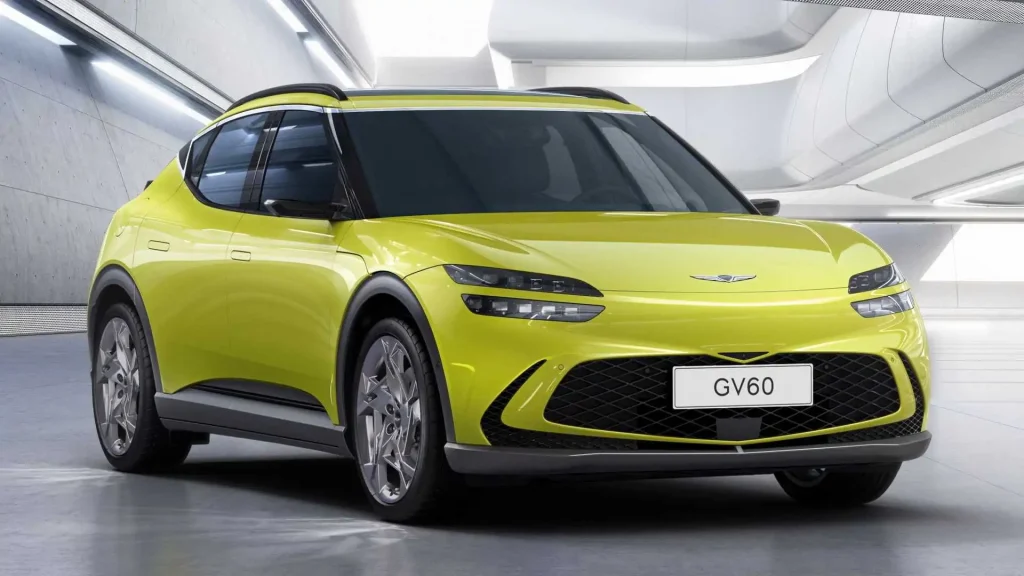
6. Genesis GV60
The Genesis GV60 occupies a very different corner of the market. It is a compact luxury electric crossover with strong performance, sophisticated technology, and a premium interior, yet Consumer Reports assigned it a predicted reliability score of just 21 out of 100 for 2026. That puts it among the six least reliable vehicles in CR’s rankings.
The low score is particularly notable because the GV60 shares its underlying electric-vehicle architecture with other Hyundai Motor Group products while offering Genesis-specific styling, features, and luxury equipment.
Consumer Reports’ broader 2026 survey found that EVs and plug-in hybrids averaged about 80% more problems than gasoline-powered vehicles, with battery, charging and drive-system issues among the areas reported by owners.
The GV60 itself is not lacking in performance. Depending on configuration, the 2026 model offers rear-wheel drive or all-wheel drive.
The base rear-drive version is rated at 225 horsepower and 258 lb-ft of torque, while higher-performance versions deliver substantially more power. The Performance model, for example, is designed to deliver rapid acceleration and uses dual electric motors.
Its compact dimensions also make it easier to maneuver than many larger electric SUVs. The GV60 measures roughly 179 inches long and 74 inches wide, while curb weight varies by configuration and can approach 5,000 pounds.
The reliability score should be viewed in the context of CR’s methodology rather than as a declaration that the GV60 is fundamentally defective.
Consumer Reports gathers owner experiences across numerous categories and uses those results to predict how a model is likely to perform in the following year. Newer technology can be particularly vulnerable to software, charging, and electronic problems because there is less long-term history behind it.
For shoppers attracted to the GV60’s luxury features and electric performance, the 21-point prediction is nevertheless difficult to ignore. It suggests that buyers should pay close attention to warranty coverage, service history, and reported charging or electrical issues before choosing one.
7. Mazda CX-90 Plug-in Hybrid
The Mazda CX-90 Plug-in Hybrid takes the reliability problem a step further than its gasoline-powered counterpart. Consumer Reports gave the 2026 CX-90 Plug-in Hybrid a predicted reliability score of 20 out of 100, placing it second from the bottom among the 10 models in the organization’s 2026 list.
The result is particularly interesting because the CX-90 PHEV is designed to give buyers two different ways to use the vehicle. Its plug-in system allows short trips to be completed using electric power, while its gasoline engine provides additional range when the battery is depleted.
That flexibility can be attractive to families who want electrification without depending entirely on public charging.
The tradeoff is added mechanical and electrical complexity. Consumer Reports found that plug-in hybrids as a category generally performed worse for reliability than their gasoline-only counterparts.
The organization specifically noted that Mazda’s new midsize SUVs, including the CX-70 and CX-90, continued to experience several problems that affected the brand’s ranking.
The CX-90 PHEV uses a 2.5-liter four-cylinder engine paired with an electric motor and an eight-speed automatic transmission. Mazda rates the system at 323 horsepower and 369 lb-ft of torque when using premium fuel. The combination gives the SUV substantial output for family duty while retaining three-row seating.
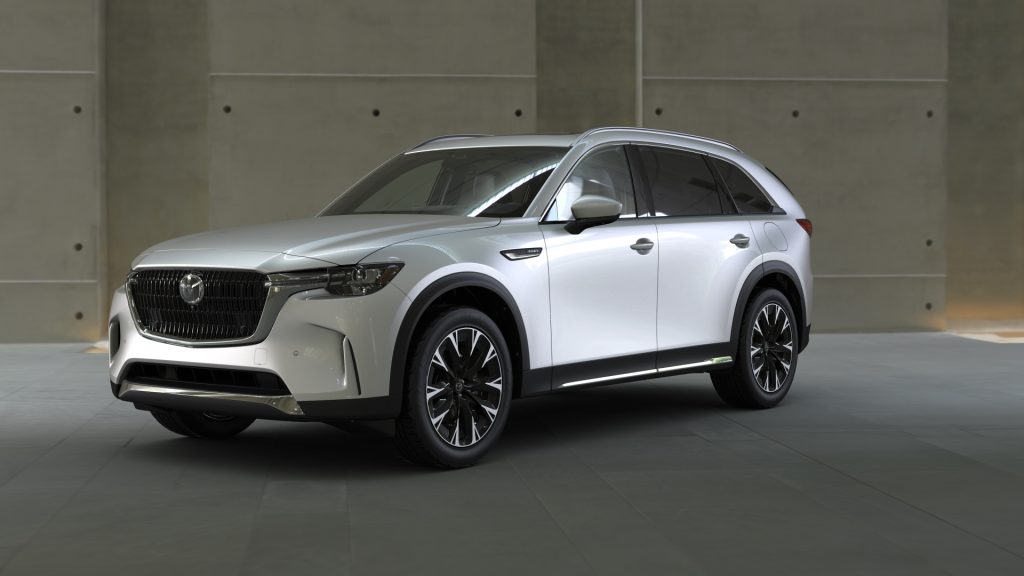
Its physical size also reflects its mission. The CX-90 measures about 201 inches long and 78 inches wide, making it a substantial vehicle for American roads and family use.
The 20-point prediction does not mean every CX-90 PHEV will encounter major failures. Consumer Reports’ score is a forecast based on reported owner experiences and other reliability data. For shoppers considering this Mazda, however, the result is a strong reason to investigate service records and warranty coverage carefully.
8. Chevrolet Blazer EV
The Chevrolet Blazer EV completes this group with a predicted reliability score of 19 out of 100, putting it third from the bottom of Consumer Reports’ 2026 reliability ranking. It is also one of several newer electric vehicles that contributed to CR’s finding that EVs and plug-in hybrids averaged substantially more reported problems than gasoline-only vehicles.
The Blazer EV is a particularly important model for General Motors because it is based on the company’s Ultium electric-vehicle architecture. Chevrolet offers the SUV in different configurations, including front-wheel-drive, rear-wheel-drive, and all-wheel-drive versions, depending on trim and model year.
Performance varies considerably across the lineup. The high-performance SS version produces 615 horsepower and 650 lb-ft of torque, while less powerful versions are designed more around efficiency and everyday driving.
The Blazer EV also offers a substantial battery pack and is designed for long-distance use, with certain configurations offering an EPA-estimated range of more than 300 miles.
Despite those strengths, Consumer Reports’ reliability research points toward the risks that can accompany relatively new vehicle architectures. CR surveys owners across 20 potential trouble areas, including electric motors, EV batteries, charging systems, electrical accessories, climate systems, and in-car electronics.
The distinction between capability and reliability is important here. A vehicle can deliver strong acceleration, substantial range and a quiet driving experience while still generating more owner-reported problems than expected.
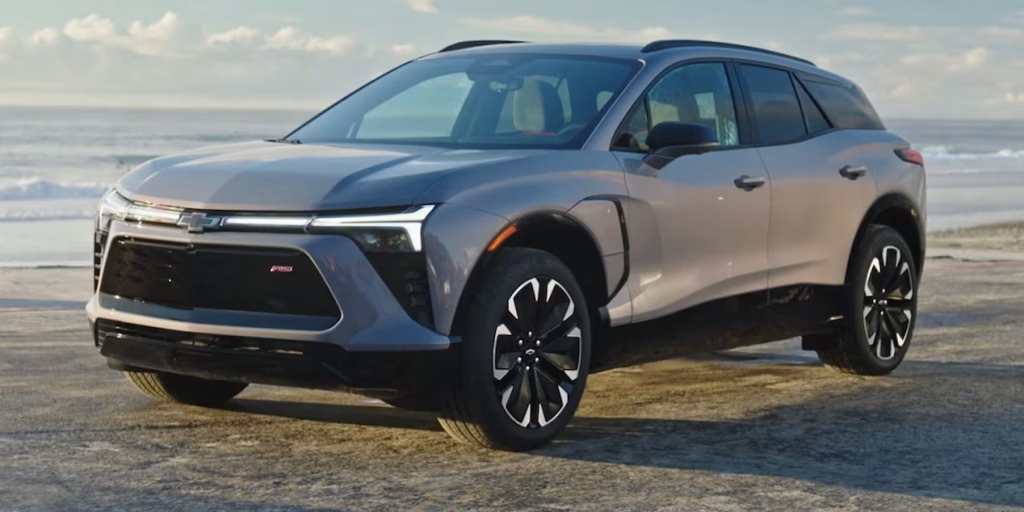
The Blazer EV’s low position therefore provides a warning for shoppers interested in a newer electric platform. Buyers should pay attention to software updates, recalls, charging performance, and service history rather than judging the vehicle solely by its range or horsepower figures.
At the same time, this ranking should not be interpreted as proof that every Blazer EV is unreliable. Consumer Reports’ predicted score is a statistical forecast based on available owner data. As GM gains more experience with its Ultium-based vehicles and resolves early problems, future reliability results could change.