
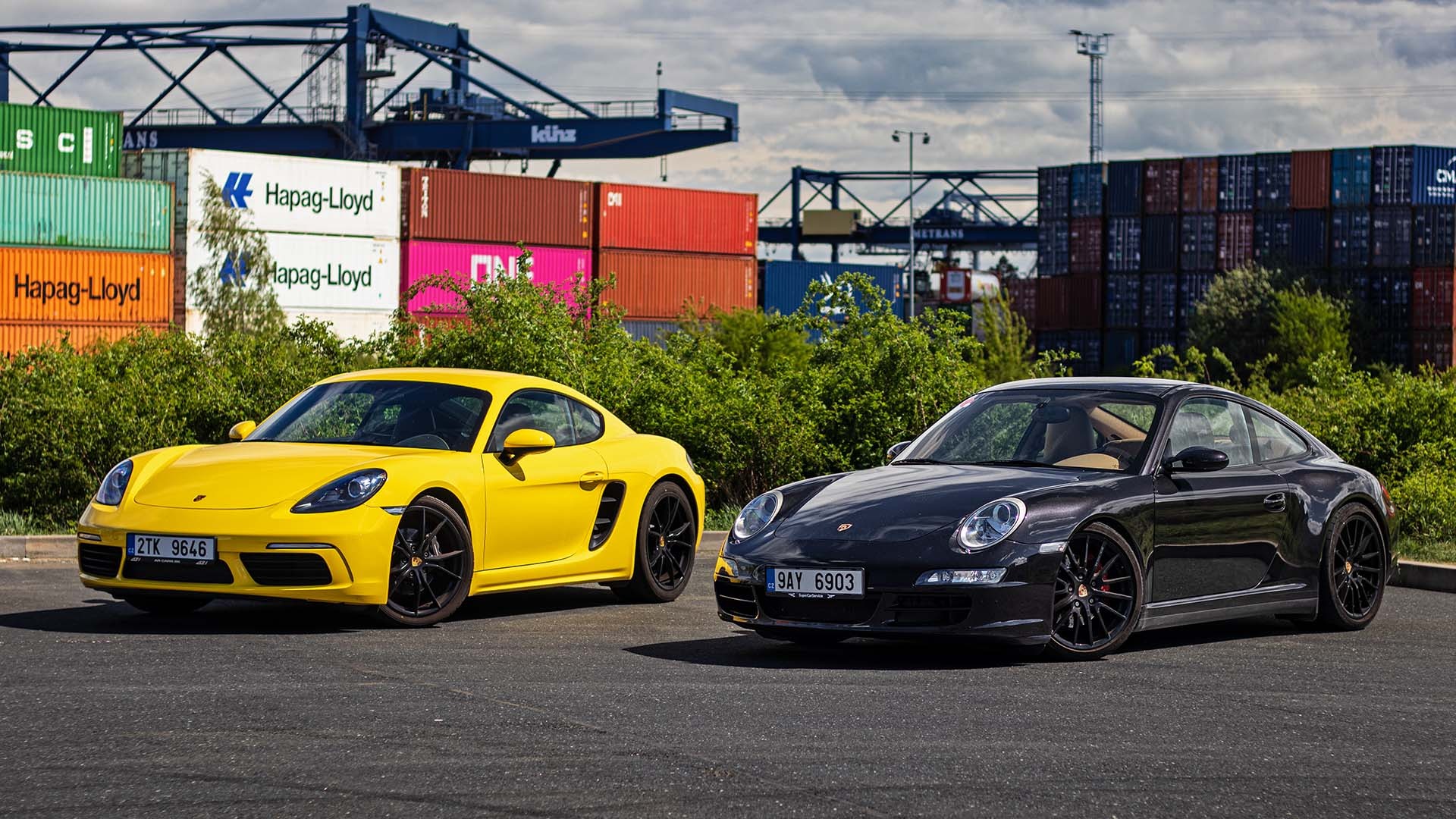
Buying a vehicle is about much more than the price on the window sticker. Five years later, the amount that vehicle is worth can make a major difference to your ownership costs. Some models lose value quickly, while others hold onto a surprisingly large portion of their original price. The latest iSeeCars data brings some eye-opening results for 2026.
Average five-year depreciation improved to 41.8%, a 3.8-point improvement from 2025. Yet several vehicles performed far better than that figure, with a handful losing less than one-quarter of their value. From Porsche sports cars to Toyota pickups and everyday Honda and Toyota models, here are the 10 vehicles with the lowest five-year depreciation in the 2026 study.
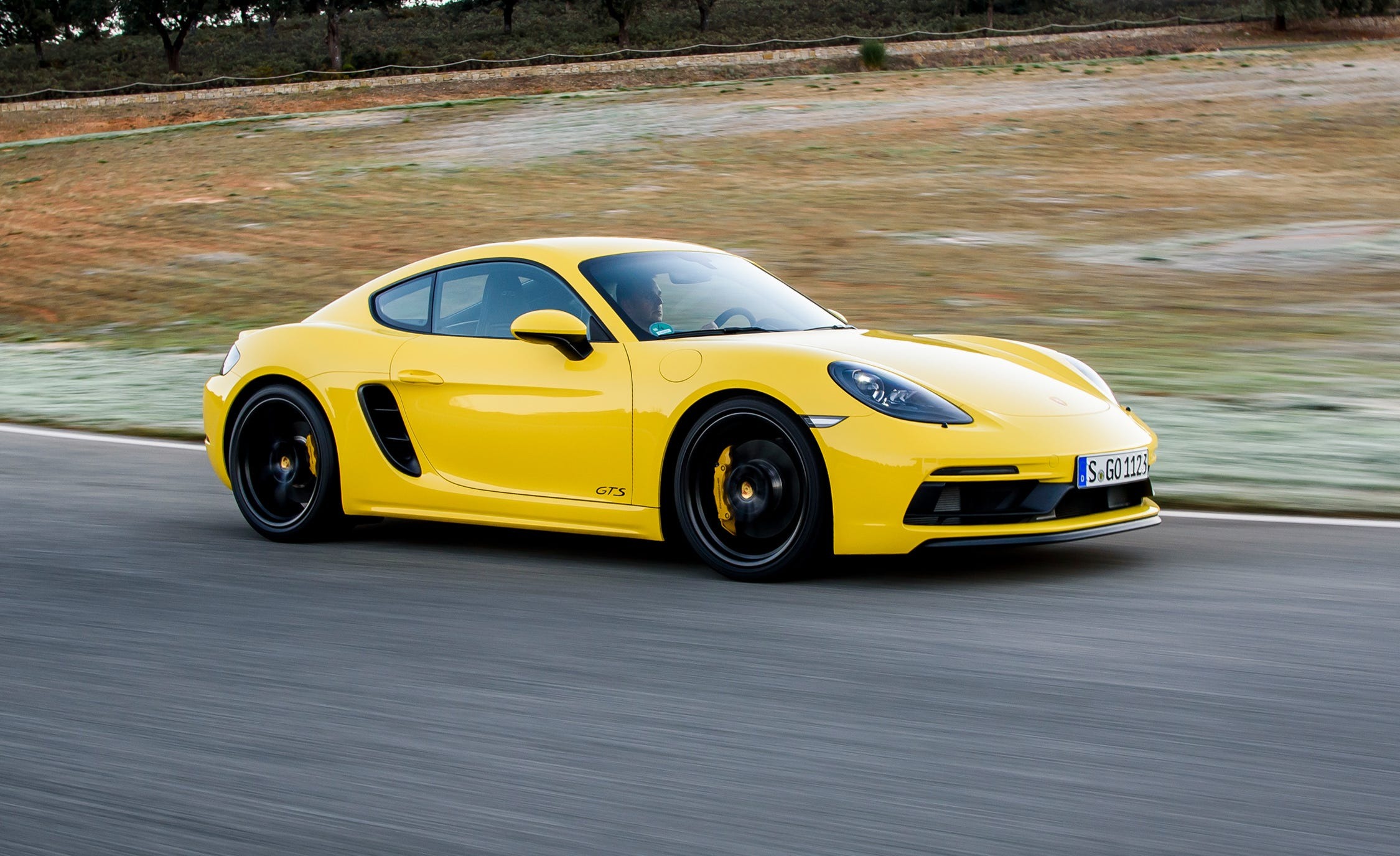
1. Porsche 718 Cayman
9.6% Depreciation
A figure of just 9.6% may seem surprisingly low, but that is the amount of value the Porsche 718 Cayman loses after five years, according to the 2026 iSeeCars study.
It’s the lowest figure of any vehicle in the entire analysis, and it lands the Cayman at the very top of this list. Think about what that means in practical terms.
If you paid $70,000 for one, you’d likely still be holding an asset worth roughly $63,000 half a decade later. Compare that with the market average of 41.8%, and the same purchase price on a typical vehicle would leave you with far less.
So why does the Cayman hold up so well? Part of the answer is simple supply and demand. Porsche builds its sports cars in limited numbers, and enthusiasts keep lining up for a mid-engine coupe with balanced handling and a reputation for precision.
Used buyers know that a well-kept Cayman rarely stays on a dealer lot for long. There’s also the brand factor. Porsche has spent decades cultivating an image tied to engineering quality and driving pleasure, and that reputation follows the cars into the secondhand market.
Buyers feel confident paying strong prices for a used example because they trust what they’re getting. If resale value sits high on your priority list, this coupe makes a compelling argument.
Owning a car you love while losing so little to depreciation is a rare combination, and the Cayman delivers exactly that.
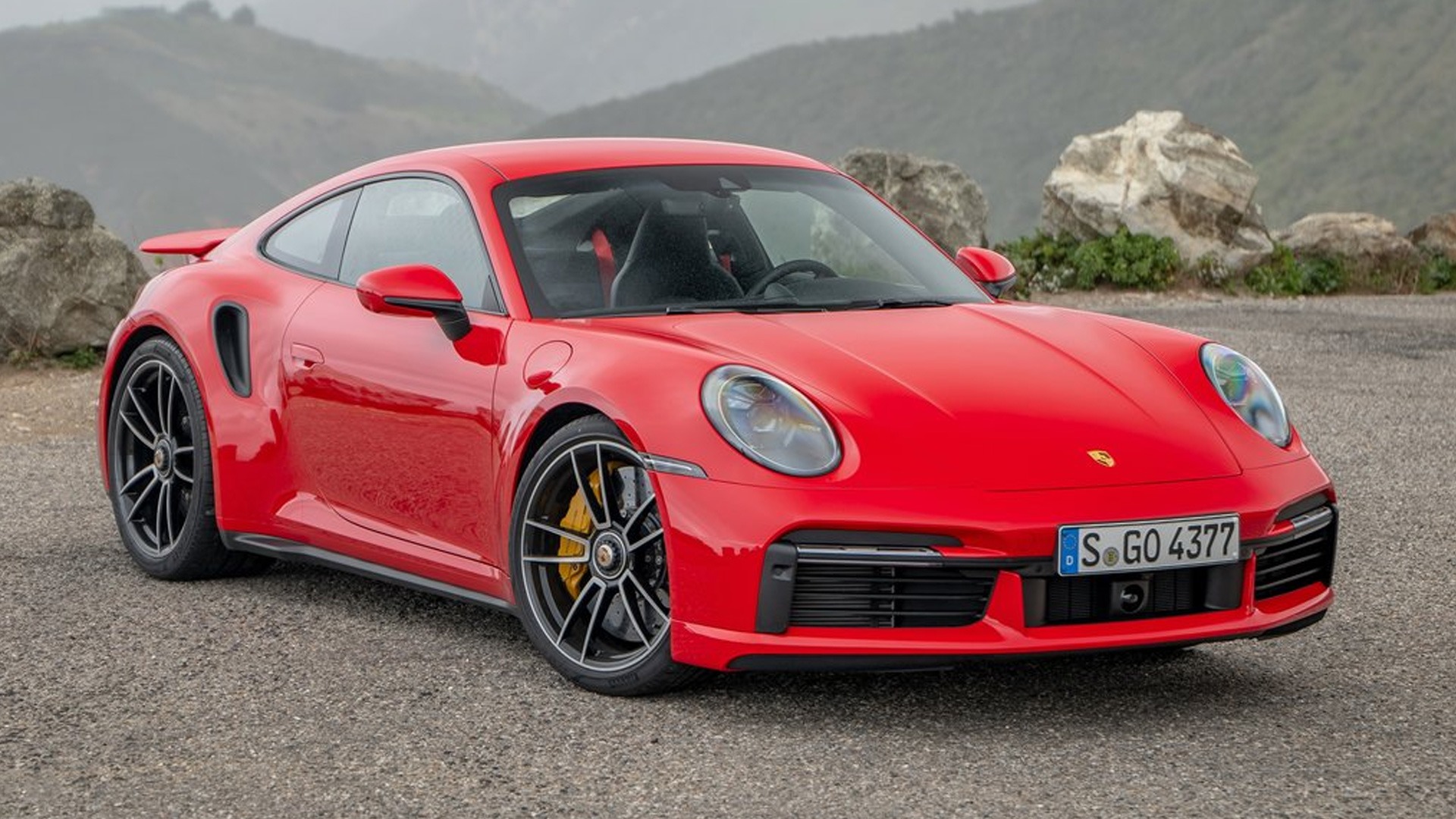
2. Porsche 911
11.1% Depreciation
Second place goes to another Porsche, and honestly, that shouldn’t surprise anyone. The Porsche 911 averages just 11.1% depreciation over five years, which gives it exceptionally strong value retention for a luxury sports car.
Few nameplates carry the weight this one does. The 911 has been around for decades, and its shape is recognizable from a block away. That kind of staying power creates a loyal audience, and loyal audiences keep used prices firm.
Someone shopping for a five-year-old 911 isn’t just buying transportation. They’re buying into a legacy that many drivers dream about owning. Consider how unusual this is within the luxury segment.
Many high-end vehicles lose value quickly because their technology feels dated and their buyers move on to the next new model. The 911 sidesteps that pattern by evolving gradually instead of reinventing itself every cycle. A used one still looks and feels current.
Demand also stays consistent across different trims and configurations. Whether someone wants a base Carrera or something more performance-focused, the used market tends to reward clean examples with solid asking prices.
For shoppers weighing a big purchase, the math here is refreshing. You can enjoy one of the most respected sports cars ever built and still expect to recover close to nine dollars out of every ten when it’s time to sell.
That’s the kind of return most luxury buyers can only wish for.
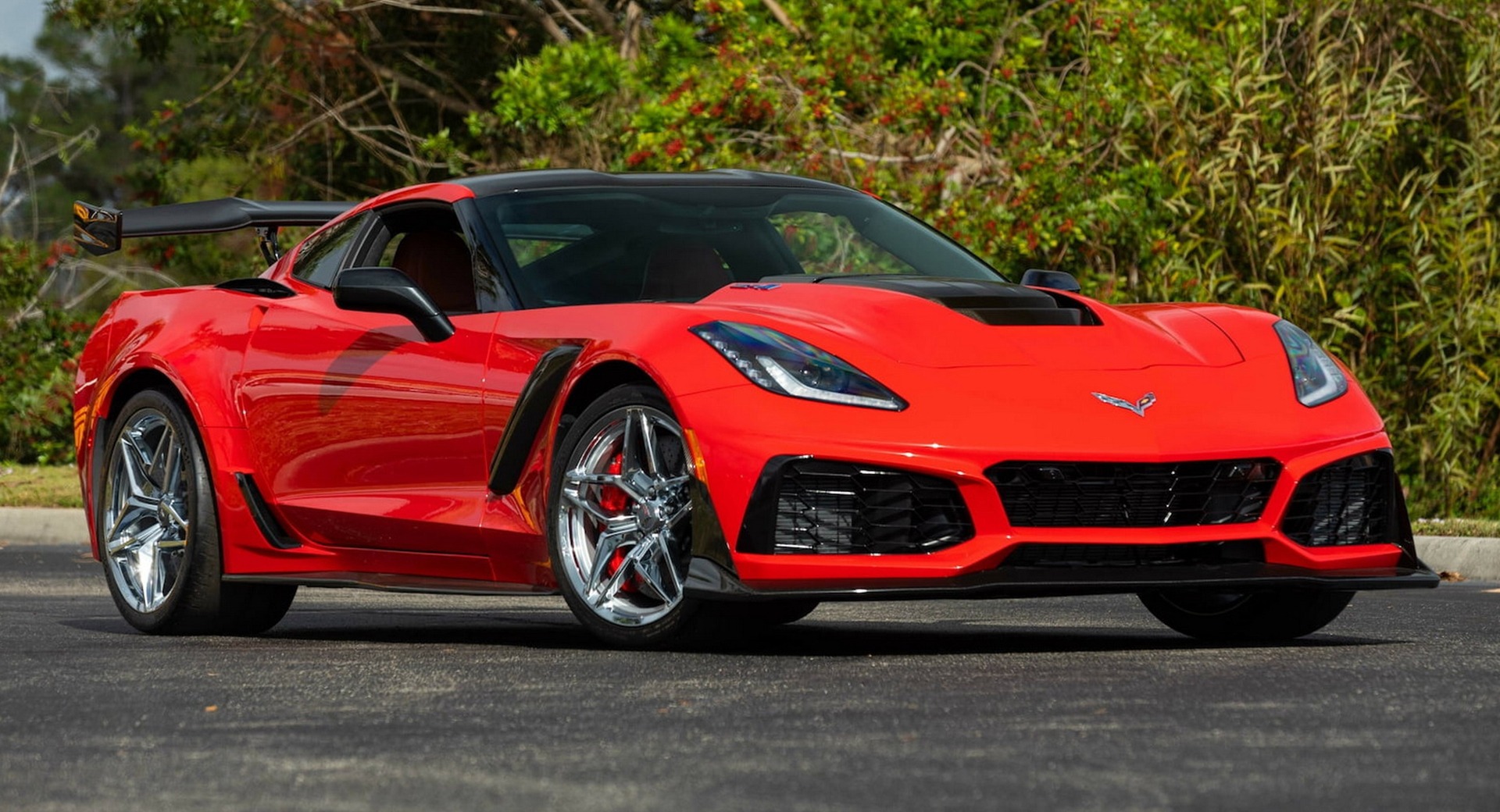
3. Chevrolet Corvette
18.7% depreciation
The Chevrolet Corvette earns third place among the vehicles with the lowest five-year depreciation in the 2026 iSeeCars study, losing an average of just 18.7% of its value.
That is far below the 41.8% average depreciation recorded across the vehicles analyzed, giving the Corvette an unusually strong resale position for a high-performance sports car.
What makes the result particularly interesting is the Corvette’s accessibility compared with many premium performance cars. It delivers high speed and sports-car credentials without requiring buyers to enter the price range associated with some European exotics.
That broader appeal can help maintain demand when five-year-old examples appear on the used market. An 18.7% depreciation rate means the Corvette retains roughly 81.3% of its original value after five years under the study’s calculation.
For a vehicle that can carry a substantial purchase price, keeping that much value can have a meaningful effect on the cost of ownership. Separate iSeeCars resale research also gives the Corvette strong marks.
Its coupe retains 82.1% of its value after five years in that separate analysis, although that figure comes from a different calculation and should not replace the 18.7% figure used for this ranking.
Naturally, not every Corvette will sell for the same amount. Mileage, condition, accident history, service records, options, modifications, and buyer demand can all influence resale prices.
Despite those variables, the Corvette’s 2026 results make one thing clear. A high-performance vehicle does not necessarily lose its value quickly.
4. Toyota Tacoma
19.9% depreciation
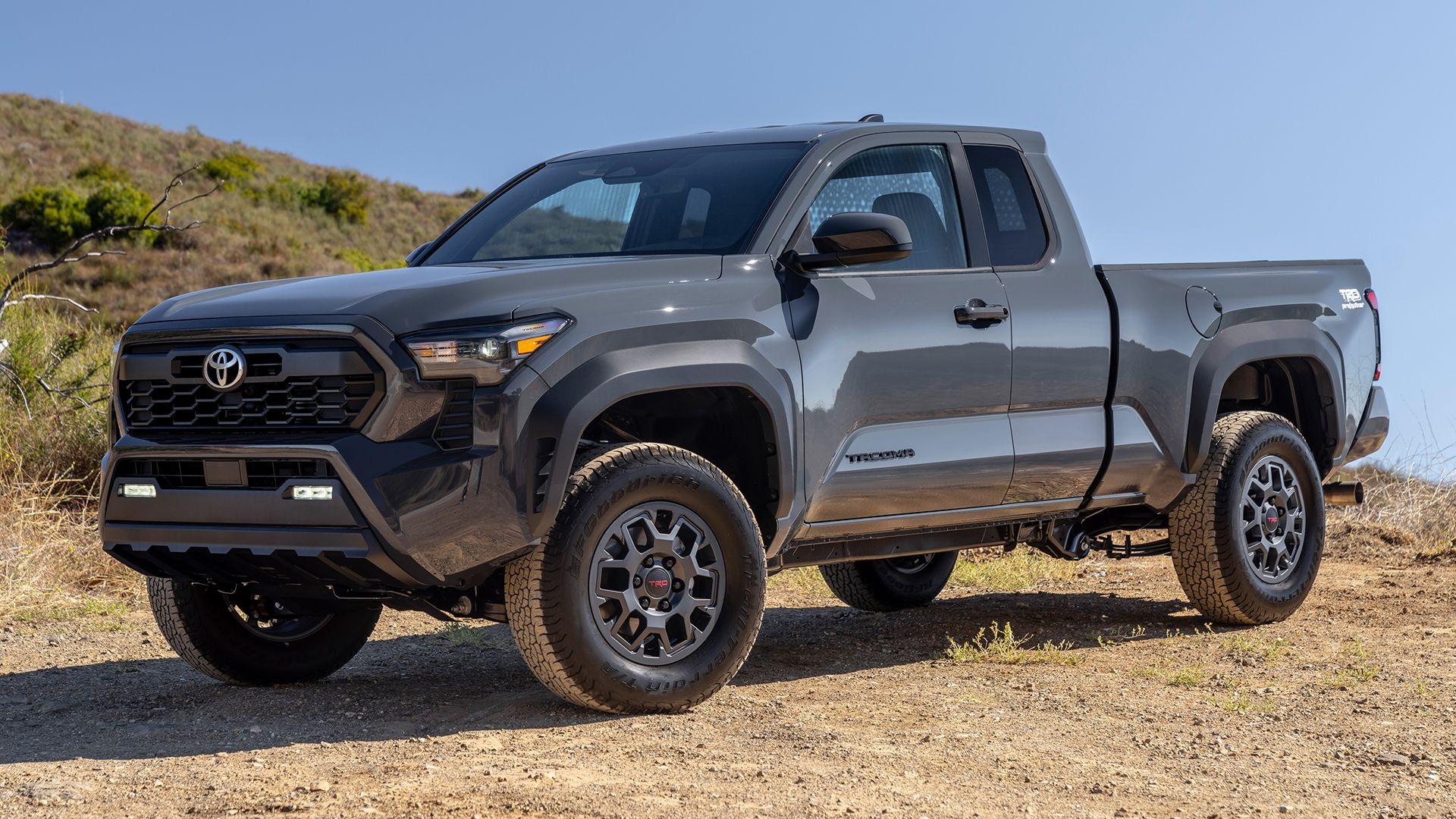
The Toyota Tacoma is the first pickup on this list, posting a five-year depreciation rate of 19.9% in the 2026 iSeeCars study. That figure means the truck retains about 80.1% of its original value after five years, placing it well ahead of the 41.8% average depreciation recorded across the vehicles included in the study.
A pickup’s resale performance can be especially important because these vehicles often accumulate substantial mileage. Owners may use them for commuting during the week, hauling equipment on weekends, towing trailers, or handling demanding jobs.
A truck that remains desirable after years of use can provide a stronger financial return when its owner decides to sell. The Tacoma’s result also fits its established reputation in the used-truck market.
In separate iSeeCars research, the model has recorded approximately 19.5% depreciation after five years, while the midsize pickup category averages 30.2%.
Those figures come from a separate analysis, so the 19.9% rate remains the appropriate number for this 2026 ranking. There is no guarantee that every Tacoma will retain exactly 80.1% of its original price.
Mileage, trim, four-wheel drive, condition, equipment, maintenance, accident history, and local demand can all affect resale value. Still, the Tacoma’s 19.9% figure stands out.
For shoppers who want a capable pickup and care about what the vehicle may be worth several years after purchase, the 2026 data shows why the Tacoma deserves serious attention.
5. Toyota Tundra
21.2% Depreciation
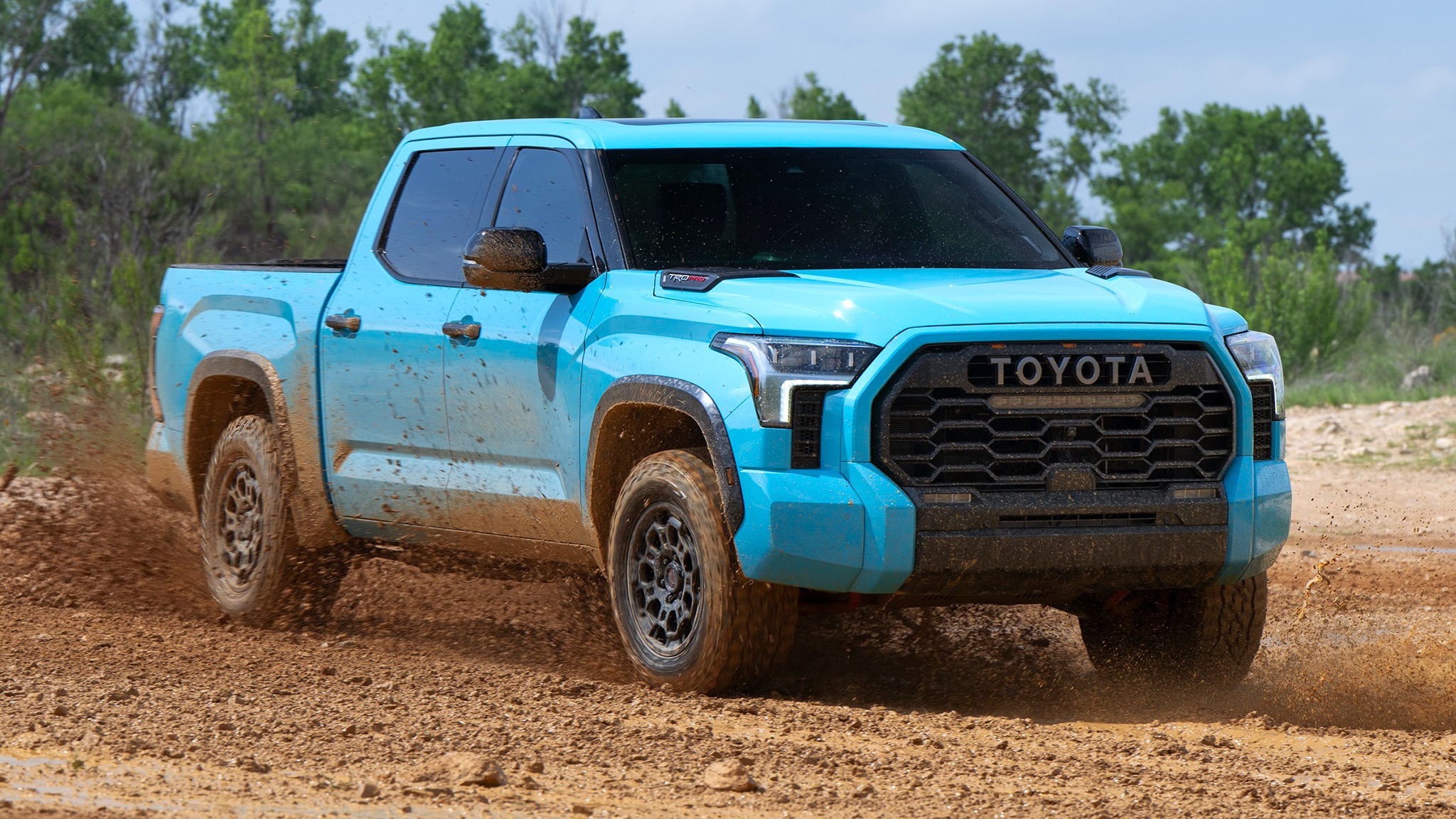
Right behind its smaller sibling sits the Toyota Tundra, with an average five-year depreciation of 21.2%. That makes it another strong value-retaining pickup, and proof that Toyota’s truck lineup has figured out something competitors keep chasing.
Full-size trucks are a big business in America, and buyers in this category tend to be demanding. They want towing capacity, payload, reliability, and comfort for long drives.
The Tundra checks those boxes, and owners often report years of trouble-free service, which feeds directly into how the used market treats it.
Here’s a fun way to picture the difference. Imagine two trucks sitting side by side on a dealer lot, both five years old. One comes from a brand known for durability, and the other doesn’t have that reputation.
Which one would you pay more for? Most shoppers already know the answer, and the depreciation numbers back them up. The Tundra also benefits from being less common than some rival full-size pickups.
That scarcity helps prices stay firm, since fewer used examples are competing for the same buyers. A loss of only 21.2% after five years means a truck buyer keeps roughly four-fifths of the original value.
For a vehicle that can cost a lot upfront, that kind of cushion matters when the time comes to sell or trade in.
6. Honda Civic
22.9% depreciation
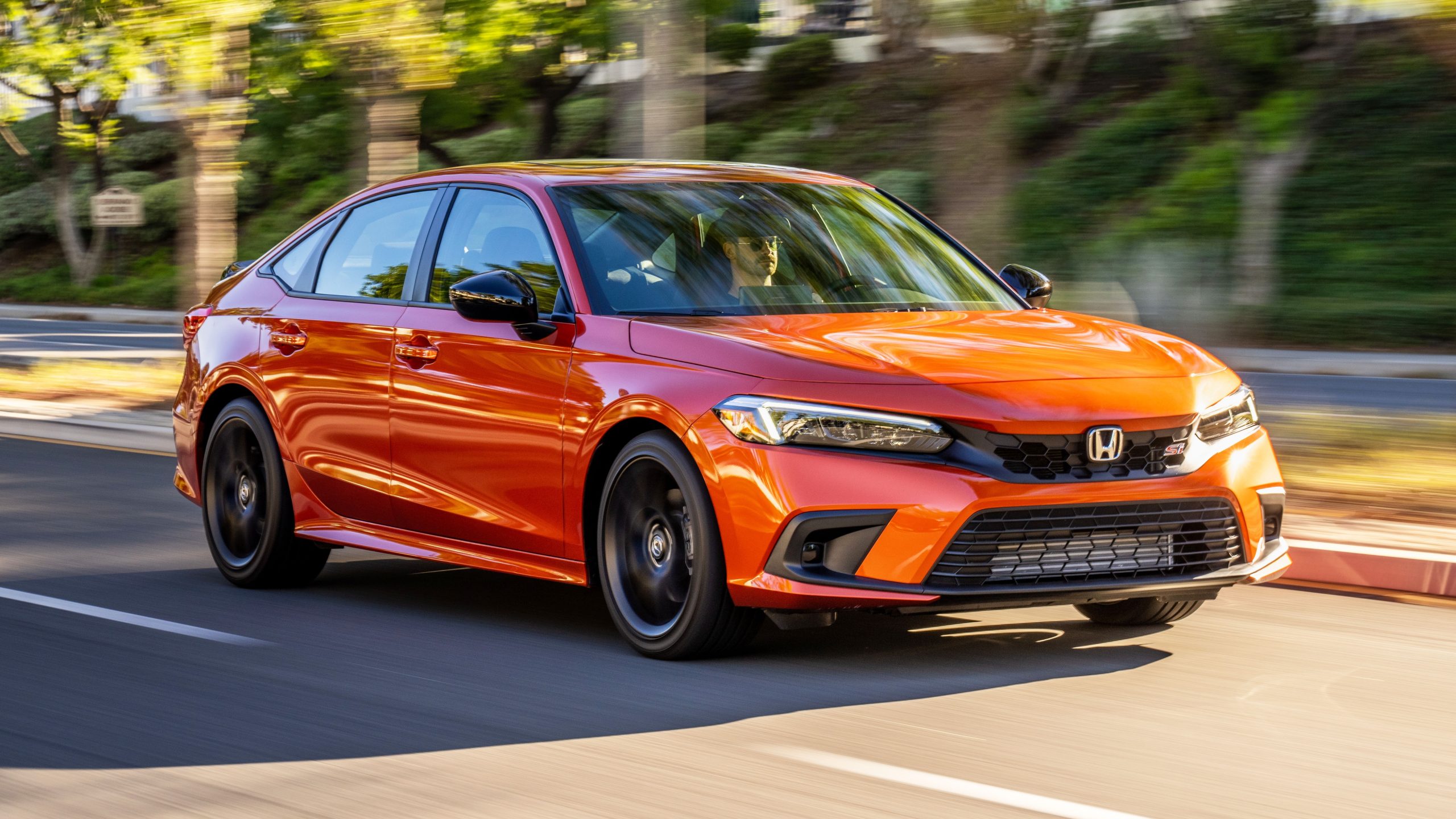
The Honda Civic brings a more familiar type of vehicle into the rankings. With five-year depreciation of 22.9%, it becomes the highest-ranked mainstream compact car among the 10 vehicles listed here.
That result matters because the Civic does not depend on exotic styling or a six-figure purchase price to maintain demand. It competes in a category where buyers often prioritize practicality, fuel economy, affordability, and everyday usability.
At 22.9% depreciation, the Civic retains approximately 77.1% of its original value after five years, according to the 2026 study.
Its place on this list also shows why depreciation should not be viewed only through the lens of luxury or performance vehicles. A well-established mainstream model can also hold its value remarkably well when used-car demand remains strong.
The Civic’s broad appeal gives it a large potential audience in the used market. That can be helpful when an owner eventually sells the vehicle because buyers have many different reasons for seeking a compact car.
Of course, individual resale prices can vary. Mileage, condition, accident history, trim, powertrain, maintenance, and regional demand all influence what a particular Civic is worth.
The 2026 result nevertheless gives the Civic a strong position among vehicles that lose relatively little value during their first five years.
7. Subaru BRZ
23.7% Depreciation
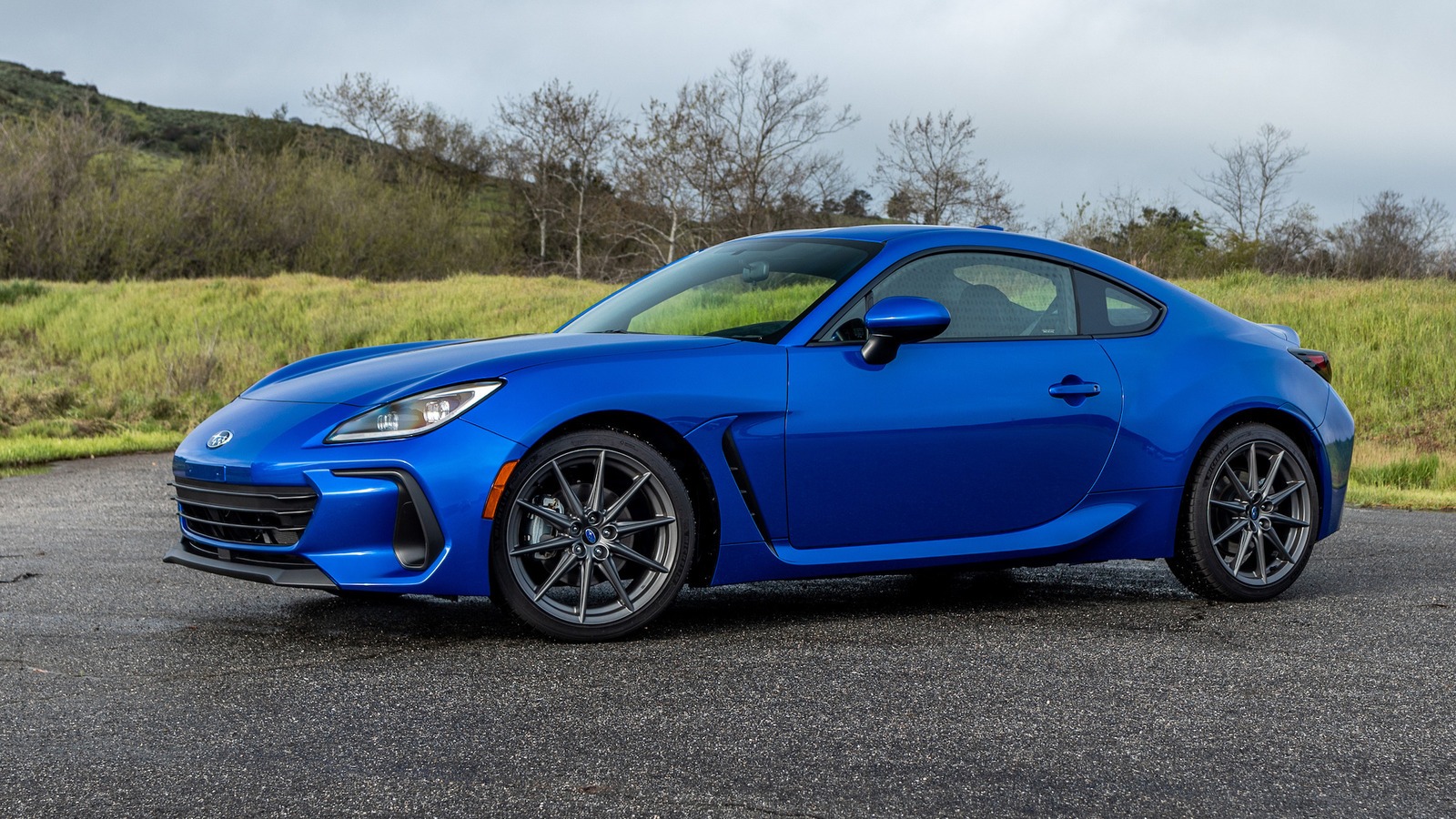
Small, lightweight, and designed with one purpose in mind driving enjoyment the Subaru BRZ records a five-year depreciation rate of 23.7%.
That puts this affordable sports coupe among the stronger performers for value retention, especially when compared with more expensive performance cars such as the Porsche models higher on this list.
Much of the BRZ’s appeal comes from its straightforward enthusiast-focused formula. Rear-wheel drive, responsive steering, balanced handling, and an available manual transmission give it the character of a traditional driver’s car at a relatively accessible price.
As automakers increasingly move toward heavier vehicles, automatic transmissions, and electrified powertrains, a lightweight rear-wheel-drive coupe with a manual gearbox has become increasingly unusual.
That uniqueness helps support demand in the used-car market. Buyers looking for an affordable sports car often specifically seek out the BRZ because there are relatively few alternatives offering the same combination of low weight, sharp handling, and everyday usability.
Its strong enthusiast following also means many owners take pride in maintaining their cars, helping preserve the quality of used examples. The BRZ also benefits from having a clearly defined target audience.
Rather than being purchased primarily as a luxury statement or status symbol, it attracts drivers who value performance and driving involvement. That can create steady demand when well-maintained examples reach the used market.
For buyers who want an engaging weekend car without spending luxury-sports-car money, the BRZ remains compelling. Its 23.7% five-year depreciation rate shows that enjoying a fun, affordable sports coupe does not necessarily mean sacrificing a large portion of its value.
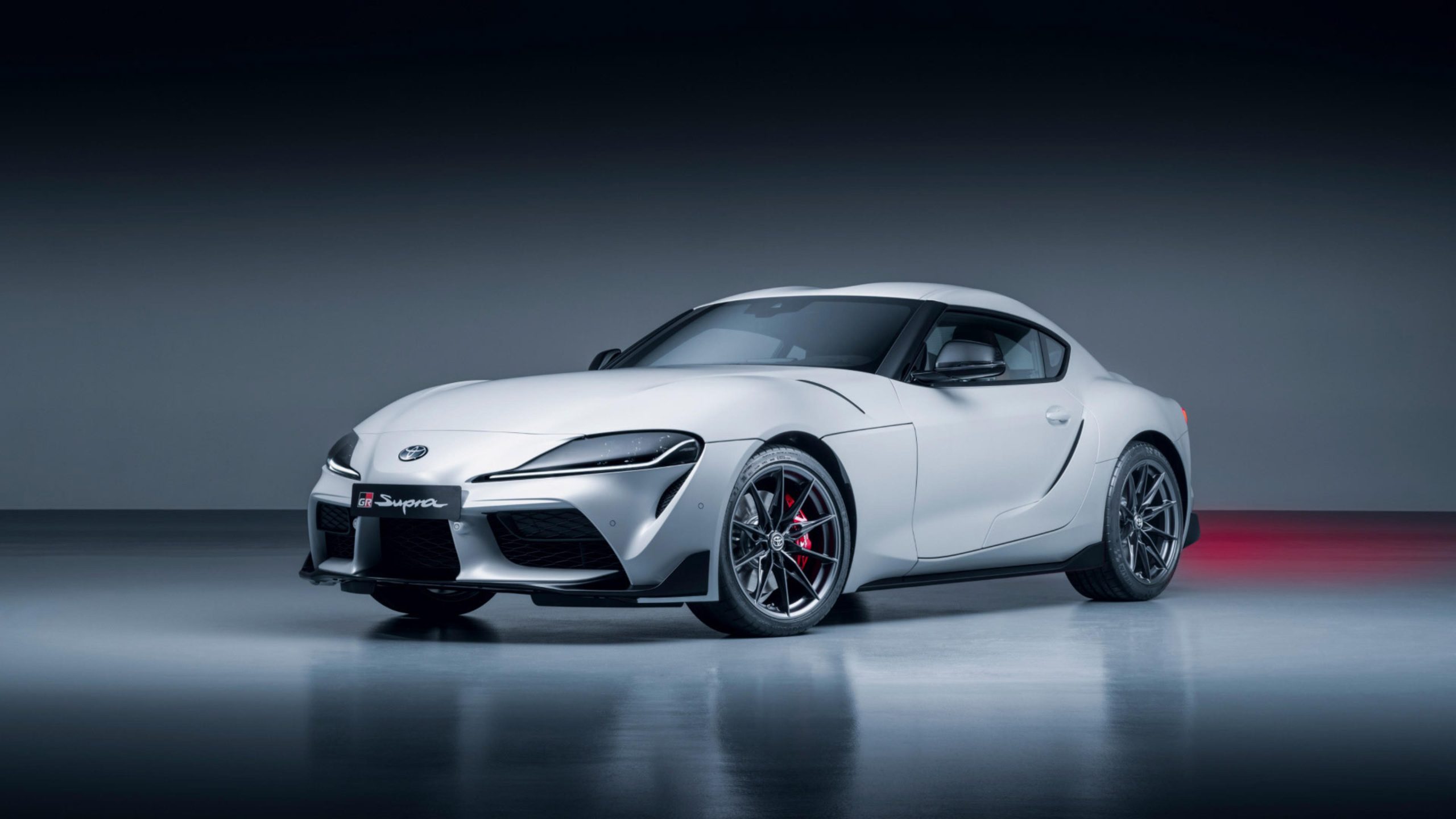
8. Toyota GR Supra
24.0% Depreciation
Toyota returns to the list with a sports car carrying one of the most recognizable names in performance driving. The Toyota GR Supra loses an average of 24.0% of its value after five years, according to the 2026 iSeeCars study.
That leaves the Supra retaining about 76.0% of its original value, giving buyers a performance coupe with unusually strong resale performance. There is more behind the figure than the Toyota badge alone.
The Supra has a loyal following that stretches back through several generations. For many enthusiasts, the modern GR Supra represents a chance to own a car connected to a famous performance lineage.
That emotional appeal can help maintain demand when used examples reach the market. The car itself adds plenty of reasons to attract buyers.
Its turbocharged engines, rear-wheel-drive layout, sharp handling, and distinctive styling give it a clear identity. It is sporty enough for weekend driving while remaining comfortable enough for regular road use.
Toyota’s reputation for reliability may also make the Supra easier for some used-car shoppers to consider. A buyer seeking performance may feel more comfortable choosing a model backed by a manufacturer with a broad service network and strong brand recognition.
A 24.0% five-year depreciation rate is a strong result for a sports coupe. For someone considering a Supra, the resale data suggests that owning this modern performance icon does not necessarily mean accepting a steep financial loss when it is time to sell. That balance matters.
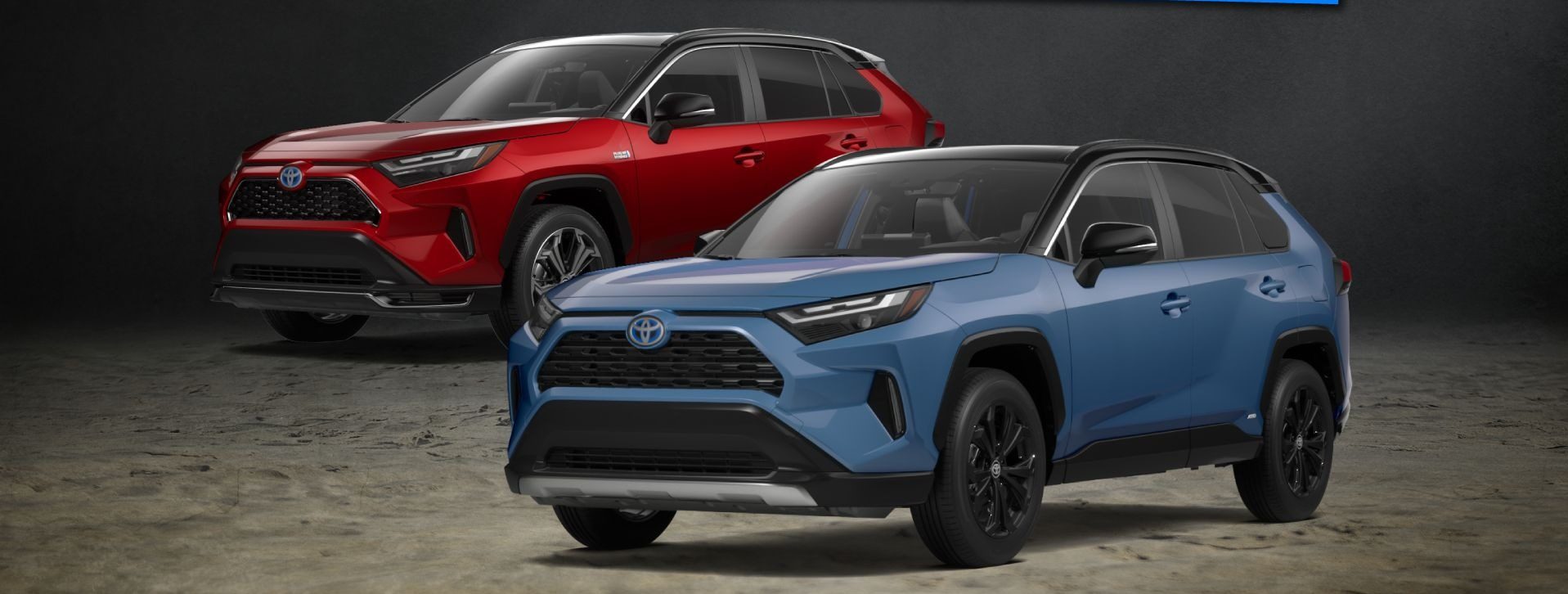
9. Toyota RAV4 / RAV4 Hybrid
25.2% depreciation
The Toyota RAV4 and RAV4 Hybrid earn ninth place with a five-year depreciation rate of 25.2% in the 2026 iSeeCars study. That means a vehicle retaining this average rate would keep about 74.8% of its original value after five years.
Compared with the 41.8% average depreciation for vehicles in the study, that is a strong result for a popular family SUV. Part of the appeal comes from the RAV4’s broad usefulness.
It offers seating for everyday family duties, useful cargo space, an elevated driving position, and a size that remains manageable for routine driving. Those traits give the model a large pool of potential used buyers.
The hybrid version adds another reason for shoppers to pay attention. iSeeCars reported that hybrids as a group had a 35.4% five-year depreciation rate in 2026, down from 45.6% in the 2025 study. The RAV4’s 25.2% figure therefore stands well below the hybrid category average.
Resale value is never identical for every RAV4. Mileage, condition, trim level, drivetrain, options, maintenance history, and local demand can all affect the price of an individual vehicle.
A well-kept example with desirable equipment may command a different amount from a heavily used model. Still, the RAV4’s placement shows how a practical SUV can retain value exceptionally well.
For buyers who want everyday versatility without giving up strong resale prospects, the 2026 data puts this Toyota among the vehicles worth watching for resale-minded buyers.
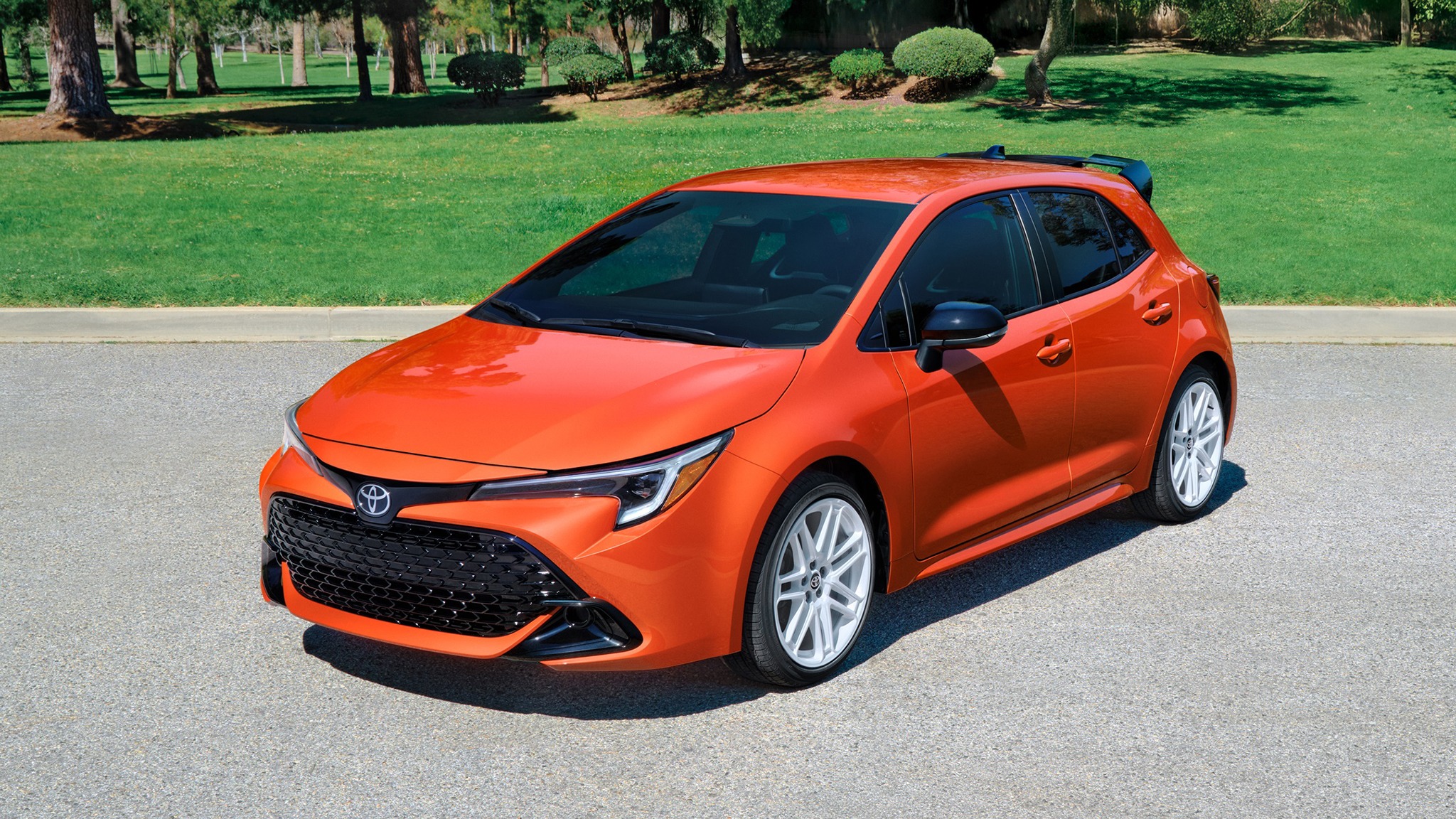
10. Toyota Corolla Hatchback
25.5% Depreciation
Rounding out the top ten is a compact hatchback that proves you don’t need a big price tag to make a smart purchase. The Toyota Corolla Hatchback has an average five-year depreciation rate of 25.5%, earning its place at the end of this list.
Hatchbacks offer a clever blend of practicality and personality. The rear cargo area is more flexible than a sedan’s trunk, the size is manageable for city driving, and the styling feels a bit more youthful.
Younger drivers in particular gravitate toward the body style, which supports demand when owners resell. Toyota’s reputation shows up here once more.
The Corolla name has long been shorthand for dependable, affordable transportation, and that trust carries over to the hatchback. Used shoppers know they’re unlikely to face surprise repair bills, so they’re comfortable paying reasonable prices.
Take a moment to appreciate the bigger picture. Six Toyota-badged models appear across this ranking, and the Corolla Hatchback closes it out as a reminder that value retention isn’t reserved for expensive or exotic vehicles.
Even a modest hatchback can retain its value better than many vehicles on the market. Regardless of the type of vehicle you are considering, the list highlights an important point. Brand reputation, buyer demand, and reliability can all influence resale value. Choosing carefully at the time of purchase can make a meaningful difference later.
