
Remember when a used car felt like the smart, budget-friendly move? Those days look different now. Today, the average one- to five-year-old used car costs more than $30,000, and some models have climbed even faster than the market itself. We’re talking price jumps of 54.9% or more in just a few years. Luxury badges and performance machines lead the pack, but even a humble Hyundai and a Nissan snuck onto the list.
Whether you own one of these cars, dream about buying one, or simply enjoy watching the market surprise everyone, this ranked countdown has something for you. Here are ten used cars, with their 2019 and 2026 prices side by side, so you can see exactly how far the numbers have traveled.
1. Porsche Cayenne
75.7% Increase
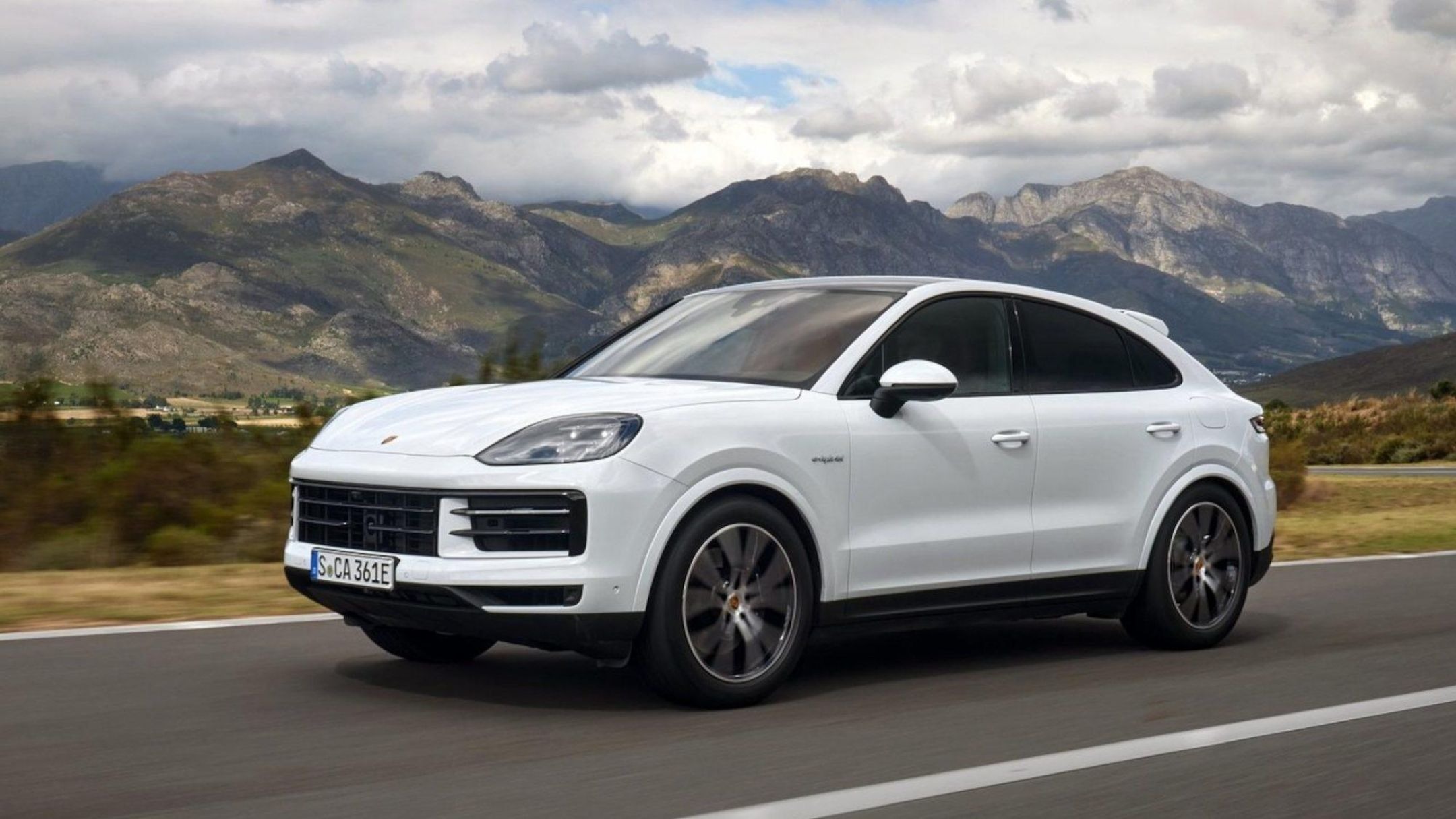
Meet the champion of this list. The Porsche Cayenne climbed from an average of $50,301 in 2019 to $88,387 in 2026 for a three-year-old example, a jump of 75.7%.
That is a difference of $38,086, which is more than the entire sticker price of many new compact cars sold today. No other model in the study grew faster.
Why would an SUV wearing a sports-car badge take the top spot? Part of the answer is demand. Buyers who want luxury, speed, and cargo space in one package have few alternatives, and the Cayenne delivers all three.
When new inventory tightened and sticker prices climbed, shoppers who once considered a brand-new model began hunting for nearly new ones. That pushed used values upward along with them.
Picture the original buyer who paid full price three years ago. Selling that SUV today feels less like a loss and more like a small victory lap. Rarely does a luxury vehicle behave like a decent investment, yet the Cayenne has managed exactly that trick, at least on paper, while most cars lose value every single year.
If you are shopping for one, patience and preparation matter. Compare prices across several states, request a full service history, and get an independent inspection before signing anything.
Sellers know these numbers, and buyers who arrive informed usually negotiate better. Set a firm budget before visiting any dealership, because emotional purchases at this price level get expensive quickly.
2. Porsche 911
74.0% Increase
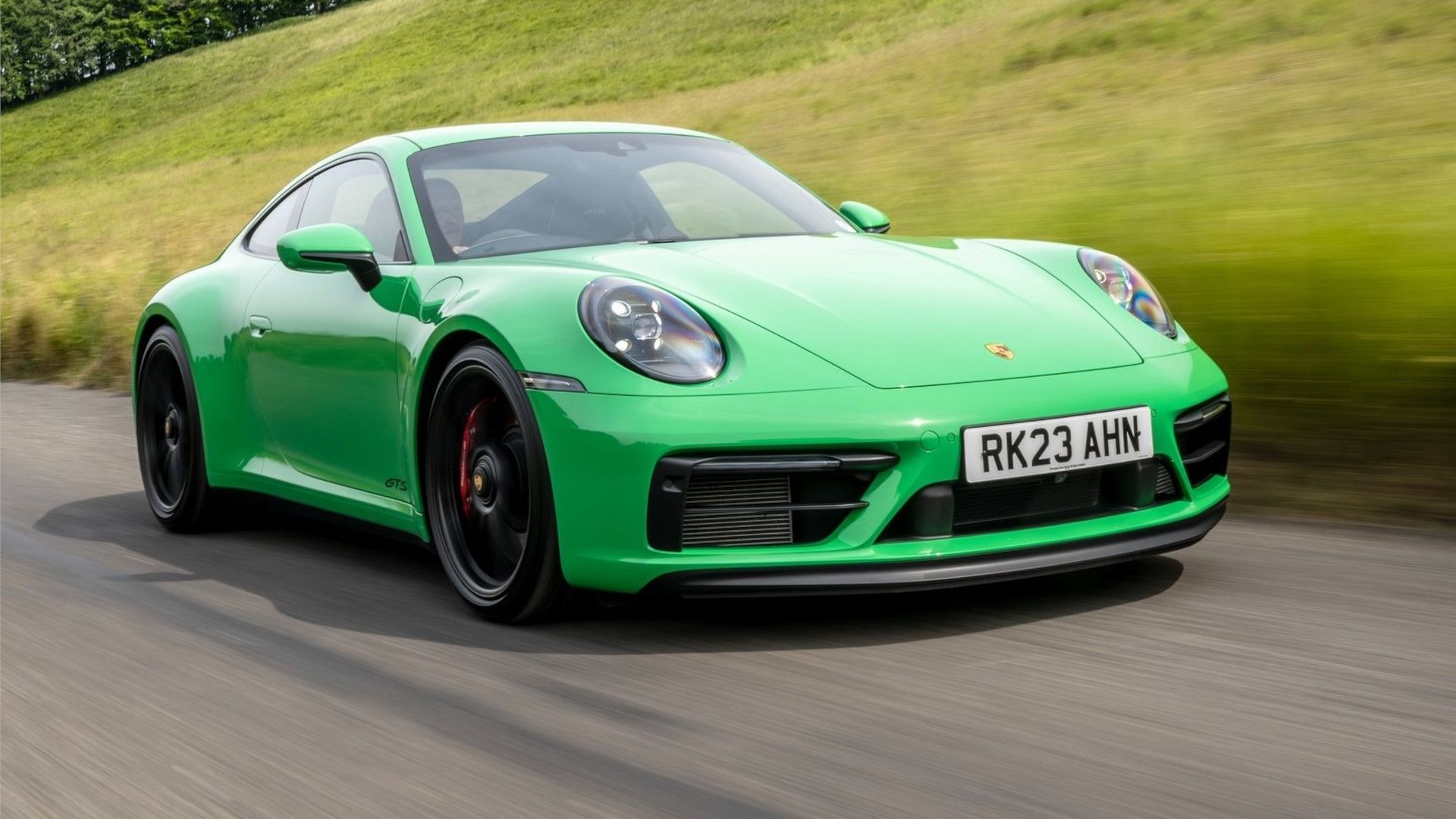
Second place, and what a price tag. The Porsche 911 rose 74.0%, from $132,369 in 2019 to $230,273 in 2026. Read that again. The increase alone, $97,904, could buy a well-equipped new luxury sedan with cash left over. For a used sports coupe, that is a staggering figure.
The 911 has spent decades earning a reputation as the everyday supercar. Its rear-engine layout, precise handling, and instantly recognizable shape have kept demand steady for generations. Limited production also matters.
Porsche builds these cars in measured numbers, so when more buyers compete for a small supply of used examples, sellers hold the advantage and asking prices rise accordingly.
So is it still worth chasing? That depends on what you want from the car. If you love driving, a 911 rewards you on every winding road and every daily commute.
If you only want an appreciating asset, remember that markets can cool, and a price that climbed quickly can also settle back down. Practical tips help here.
Check the mileage against the model year, confirm that every recall has been handled, and ask whether the car has ever been tracked. Paint depth readings can reveal hidden bodywork, while a pre-purchase inspection from a Porsche specialist costs a few hundred dollars and may save thousands.
Dream cars have always carried a premium, but this one now carries a premium on top of its premium. Owners are smiling. Shoppers are wincing at every listing they scroll past on a lazy Sunday.
3. Mercedes-Benz G-Class
72.8% Increase
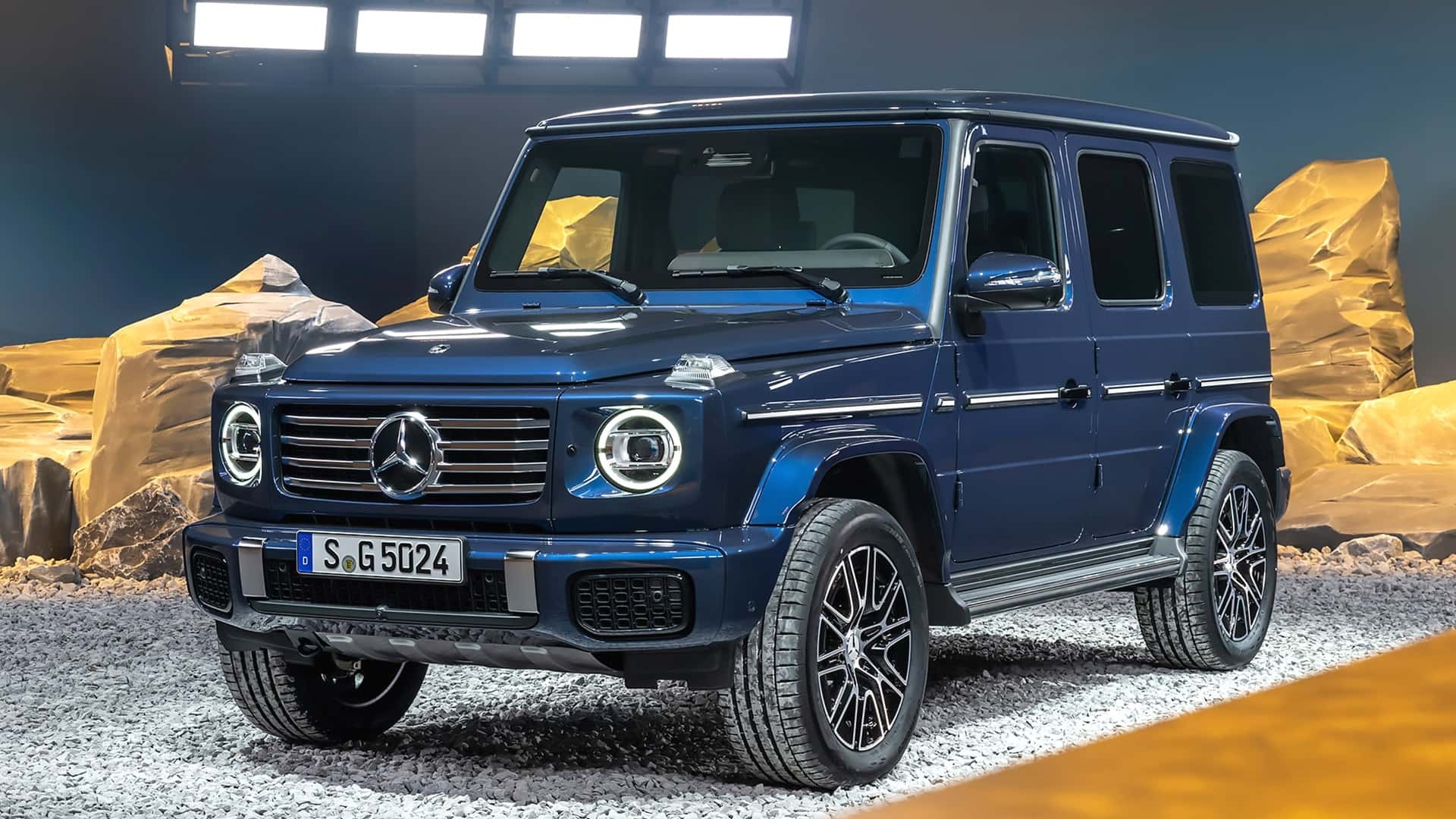
The Mercedes-Benz G-Class has never been an ordinary SUV, and its price movement reflects its unusual position in the market. According to the figures provided, a three-year-old G-Class averaged $99,967 in 2019. In 2026, the average reached $172,781.
That represents a $72,814 increase and a 72.8% rise. A vehicle approaching $100,000 on the used market was already expensive, yet the later figure pushes the average well beyond $170,000.
Part of the G-Class’s appeal comes from its instantly recognizable design. Unlike many SUVs that receive major styling changes from one generation to another, the G-Class has maintained a distinctive boxy appearance.
Inside, modern luxury features and strong performance add to its appeal. The model also occupies an unusual space between a luxury vehicle, a performance SUV, and a lifestyle purchase.
Buyers are not choosing it simply because they need room for passengers or cargo. Brand reputation, design, performance, and exclusivity all play roles in demand.
For anyone shopping for a used G-Class, the numbers are a reminder that age alone does not guarantee a bargain. A three-year-old example in the supplied 2026 figures costs much more on average than a comparable example represented by the 2019 data.
4. Mercedes-Benz E-Class
68.3% Increase
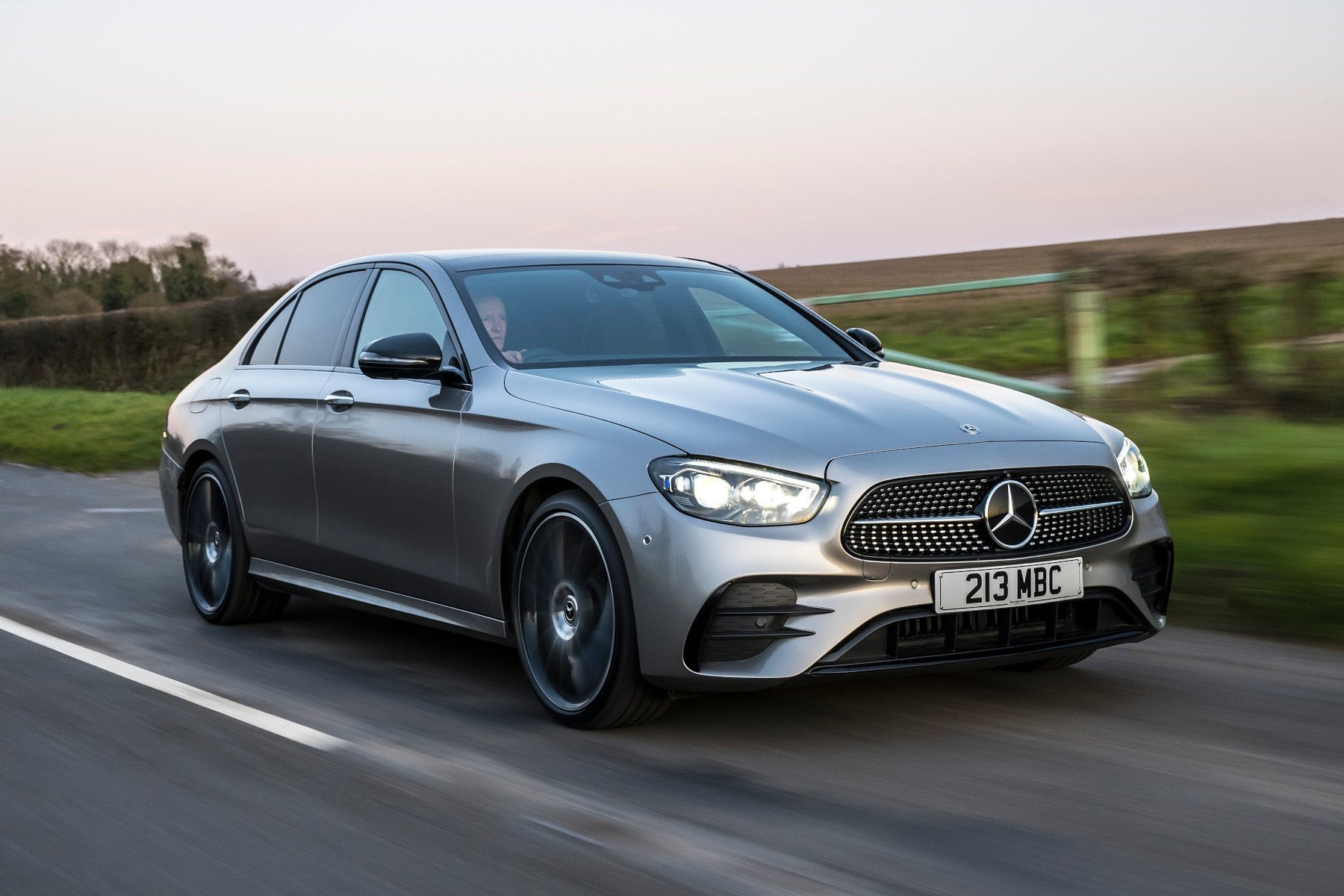
The Mercedes-Benz E-Class provides a different kind of price story. Unlike the G-Class or Porsche 911, it is primarily associated with executive transportation, comfort, technology, and everyday usability. Yet its used prices still posted a 68.3% increase according to the supplied figures.
In 2019, the average price for a three-year-old E-Class was $31,059. By 2026, that average had climbed to $52,271. The $21,212 difference puts the model well above the $50,000 mark.
The E-Class name covers several body styles, including sedans, coupes, and convertibles. That variety means the average figure represents a broad selection of vehicles rather than one exact configuration.
Equipment, engine choice, condition, mileage, and body style can all affect what an individual buyer pays. Still, the larger trend is hard to miss.
A used luxury sedan that once averaged just above $31,000 now requires more than $52,000 under the figures provided. That matters because buyers often enter the used luxury market expecting a large discount compared with new-car pricing.
The E-Class figures show why that assumption deserves a closer look. A vehicle can be several years old and still carry a price that would have seemed much higher in an earlier market.
5. Acura TLX
67.1% Increase
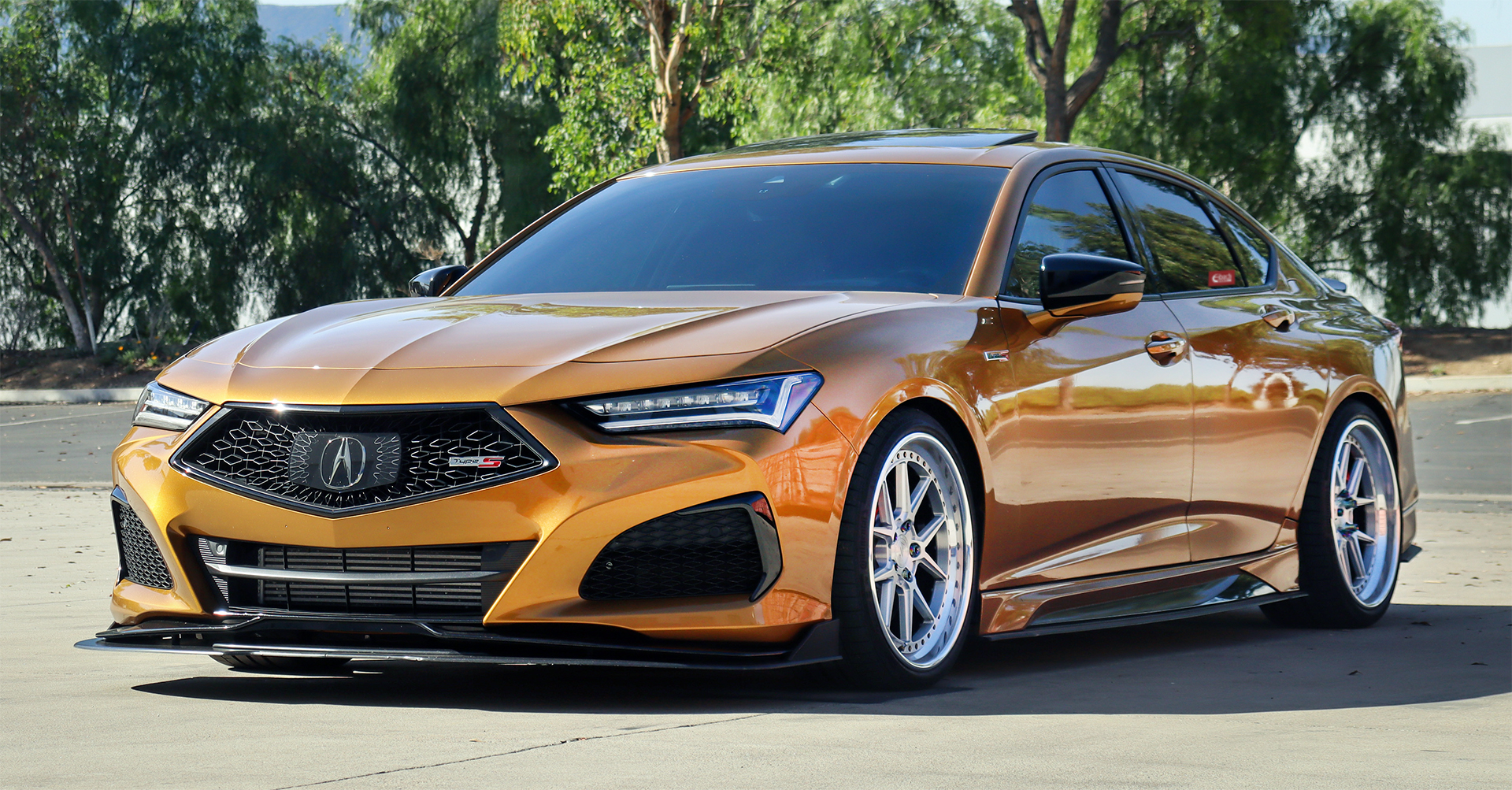
Not every big price jump comes from a European badge. The Acura TLX rose 67.1%, from $21,277 in 2019 to $35,555 in 2026, a difference of $14,278. It lands fifth on the list, sitting comfortably among far pricier companies.
Acura occupies a useful middle ground. Buyers get near-luxury refinement, a strong reputation for reliability, and an interior that feels more upscale than the price implies.
When luxury cars became more expensive, some shoppers likely looked here instead. More competition for the same cars pushes used prices up. This is basic supply and demand, playing out on a dealer lot.
What does a 67.1% jump mean for a household budget? Consider the math. A monthly payment that once fit neatly into a plan could now be hundreds of dollars higher, especially once interest rates and fees enter the picture.
That makes the total cost of ownership, not just the sticker price, the number worth calculating first. Smart buyers can protect themselves in three ways.
First, price the same model at several dealers and online marketplaces. Second, get pre-approved for financing before shopping, which gives you leverage. Third, check for certified pre-owned options, since the extra warranty coverage may justify a slightly higher price.
Still, the TLX remains an easy car to like. It looks sharp, drives with confidence, and carries a badge that suggests success without shouting about it. Even at today’s prices, it makes a strong case as one of the more sensible luxury picks here.
6. BMW M3
62.9% Increase
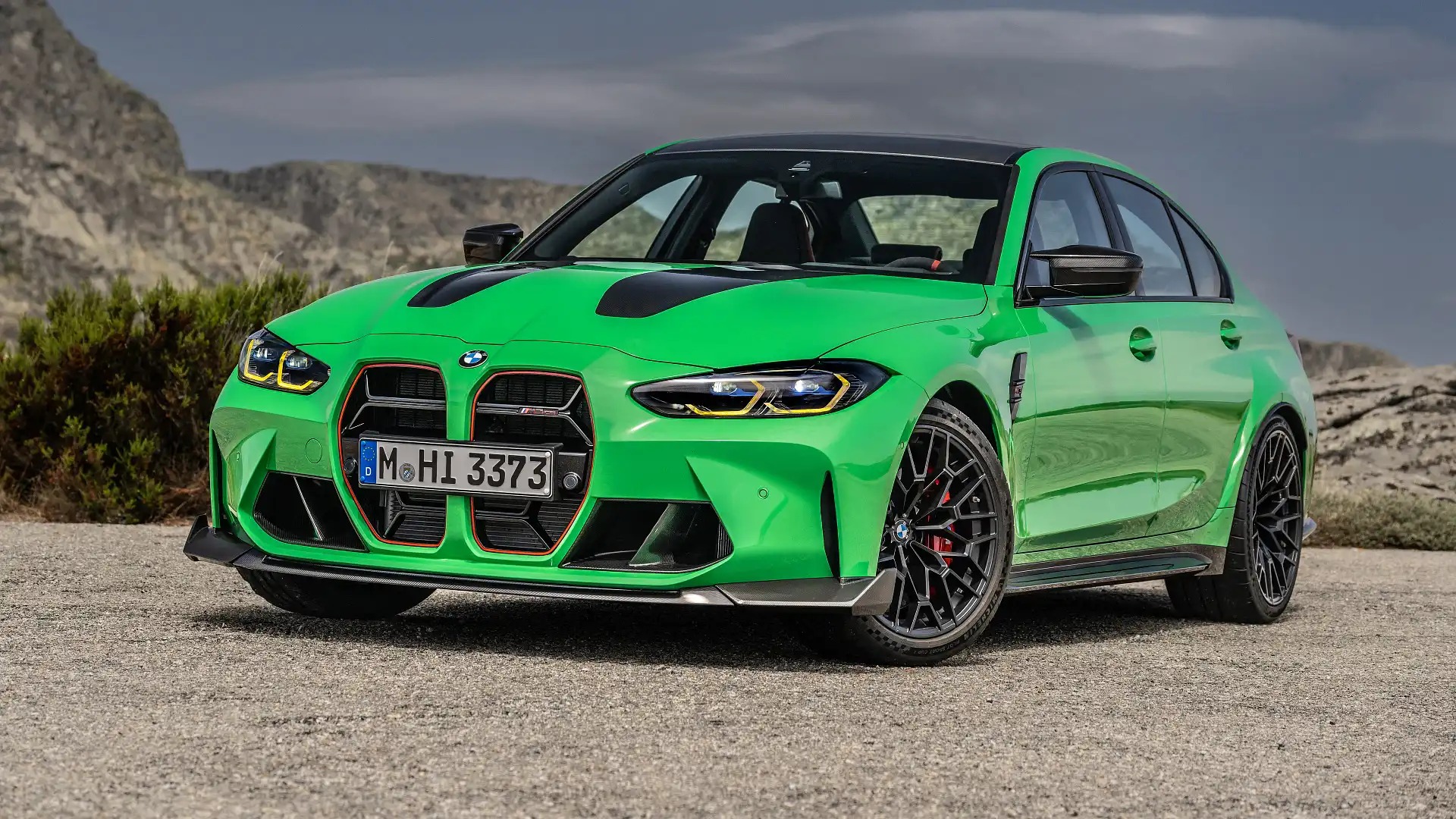
Fast, loud, and adored by driving purists. The BMW M3 saw its average three-year-old price rise 62.9%, from $49,356 in 2019 to $80,420 in 2026. That is an extra $31,064 for a sedan built around lap times and driver involvement.
The M3 has been a performance benchmark for decades. Enthusiasts argue endlessly about which generation drove best, and that passion keeps interest alive long after a car leaves the showroom.
A vehicle with that kind of following rarely sits unwanted, and dealers know it. Even a three-year-old example can draw plenty of attention online.
Buyer beware, though. Performance cars live hard lives. Some owners track them, modify them, or push them well beyond normal driving. Ask directly about track use, aftermarket parts, and tire and brake wear.
Walk away from anything that comes with vague answers or missing paperwork. At this price, the seller should welcome your questions.
Compare the two prices directly. A shopper who paid about $49,000 for a three-year-old M3 in 2019 would face an $80,000 tag for a car of the same age today. Few performance cars can match that kind of climb.
Still, there is a bright side for buyers who love the car for the right reasons. An M3 delivers thrills that no spreadsheet can measure, from the sharp steering to the sound of the engine climbing through the rev range.
If you can afford it comfortably, and you find a well-kept example, the drive may be worth every dollar.
7. Lincoln Navigator/Navigator L
60.9% Increase
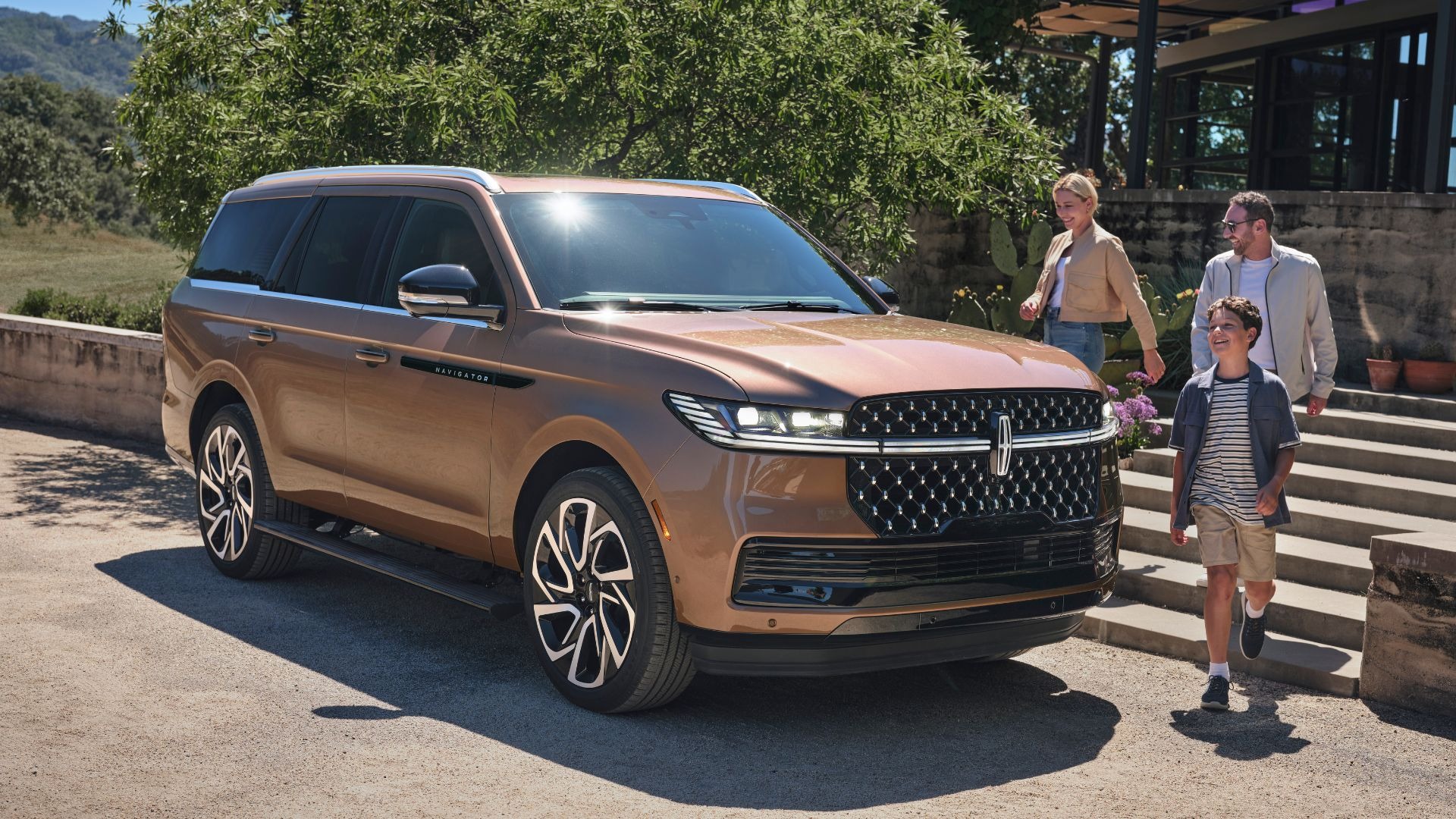
Big, plush, and suddenly pricier. The Lincoln Navigator and Navigator L recorded a 60.9% increase in average used price, moving from $38,375 in 2019 to $61,755 in 2026.
That works out to $23,380 more for a full-size luxury SUV.
Picture a family of six heading out for a long weekend. Everyone has legroom, the luggage fits, and the ride stays calm on the highway.
That is the Navigator’s pitch, and it has worked. Large SUVs remain popular with families, and few rivals combine three rows of seating with a truly comfortable cabin.
Higher prices for new full-size SUVs likely play a part too. When a fresh model costs more, a used one looks like a smarter option, even after its own price rises. Buyers compare the two, decide the used version still saves money, and the used market absorbs the added demand.
Before buying, inspect the air suspension, since replacing it can get costly. Test every screen and seat control, check the third row for wear from kids and cargo, and confirm that any towing package has been maintained. A clean history report matters more than a fresh car wash.
The Navigator has always been the vehicle that arrives with presence. Now it arrives with a bigger bill, too. Buyers who value space and comfort will probably pay it.
Those on a tighter budget might compare it with other large SUVs before falling for the leather, the lights, and that famously smooth ride.
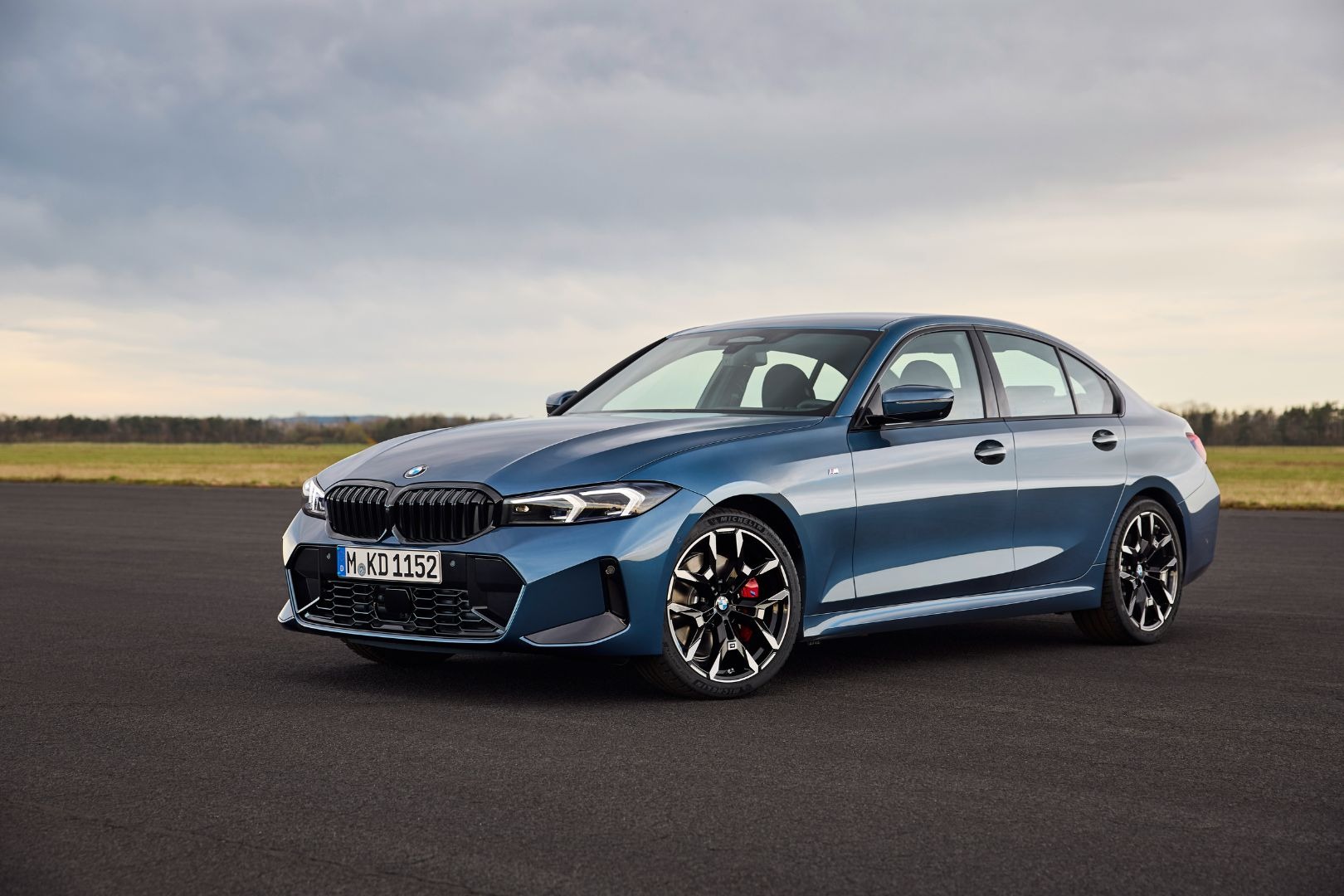
8. BMW 3 Series
60.0% Increase
The BMW 3 Series rose exactly 60.0%. Its average used price went from $23,698 in 2019 to $37,922 in 2026, an increase of $14,224. It ranks eighth in the study, just below the Lincoln Navigator. That is a jump many owners will happily notice when trade-in time arrives.
For many drivers, the 3 Series was the first real luxury car they ever wanted. Posters, magazine covers, and driveway conversations all put it on a pedestal.
That long history matters because trust builds demand. Buyers know what a 3 Series stands for, so they feel confident paying more for one. Compare it with the Mercedes-Benz E-Class.
The E-Class rose 68.3%, compared with a 60.0% increase for the 3 Series. The financial gains also show a noticeable gap, at roughly $21,000 for the Mercedes and around $14,000 for the BMW. Percentage changes provide useful context, but the dollar difference shows what owners actually stand to gain.
If you want one, focus on condition rather than hype. A well-maintained 3 Series with complete records will outlast a cheaper example that skipped oil changes. Ask about cooling system repairs, review any open recalls, and take a long test drive that includes highway speeds and tight turns.
There is something oddly comforting about a car like this. It does many things well without demanding attention. It commutes, it corners, and it carries groceries.
The price may have climbed, but the character has stayed the same, and that steadiness is probably why so many people keep coming back to it, generation after generation.
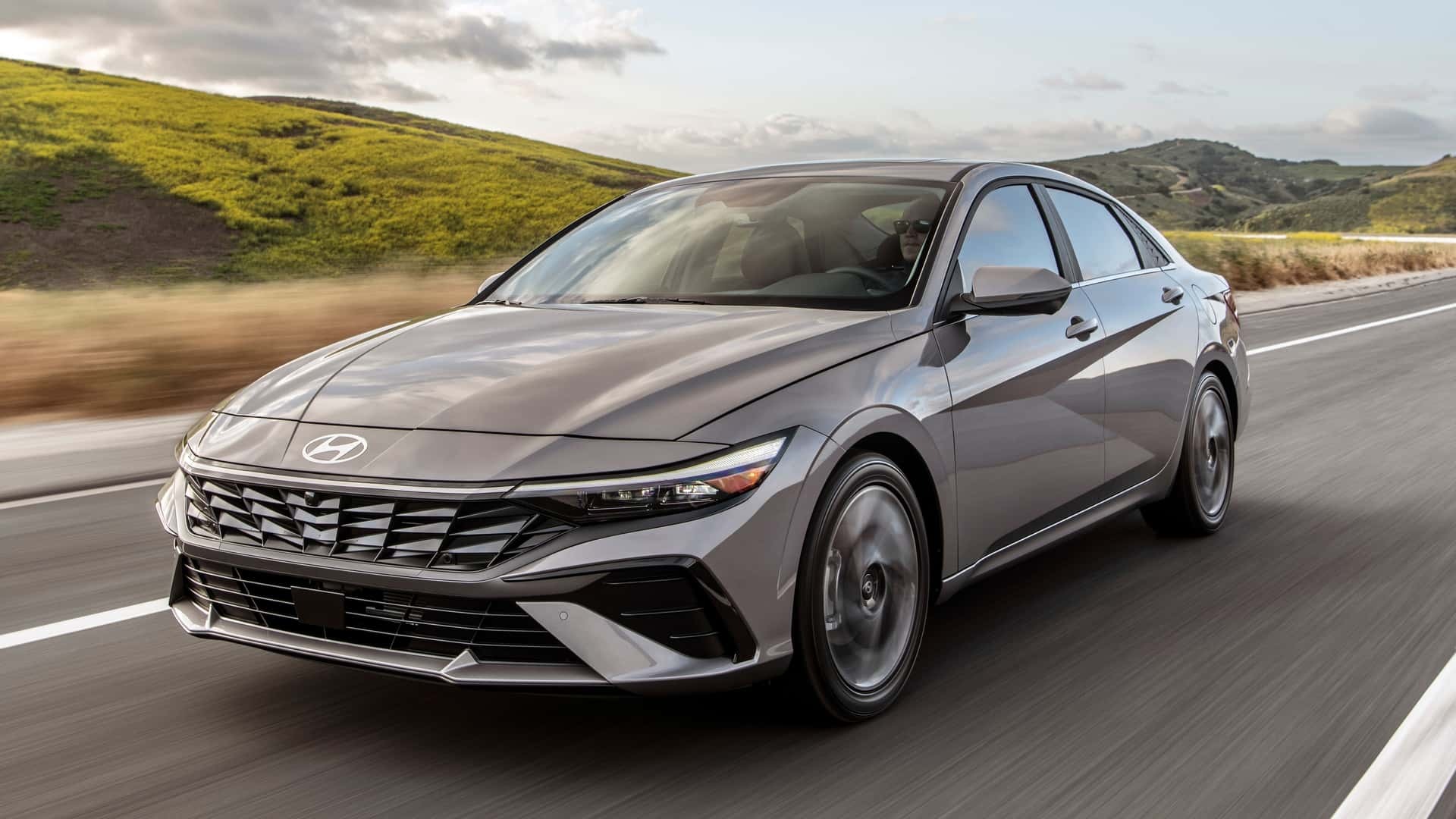
9. Hyundai Elantra
56.0% Increase
One unexpected entry in the top ten is the Hyundai Elantra. The compact sedan’s average used price increased 56.0%, rising from $12,295 in 2019 to $19,178 in 2026. That represents an increase of $6,883 for a model traditionally associated with affordability.
The dollar amount may look small next to a Porsche, but it hits differently for the people who shop this segment. Budget buyers often have the least room to absorb a price increase.
An extra $6,883 can mean a longer loan, a smaller down payment, or giving up a reliable option altogether. Why would a basic compact climb so quickly? Affordable used cars are always in demand because they serve first-time buyers, students, commuters, and families trimming expenses.
When higher new-car prices push more shoppers toward the used lot, the cheapest options get crowded first. Supply matters too, since fewer nearly new compacts may be available.
Stretching a small budget takes strategy. Look at cars a year or two older than your first choice, since depreciation still helps there. Read maintenance records closely, and compare insurance quotes before you commit.
Also consider a slightly higher-mileage car with documented service, which often beats a low-mileage one with a mystery past. The Elantra reminds us that price pressure is not just a luxury problem.
Sensible transportation matters to millions of people, and when it gets more expensive, the effects reach far beyond car enthusiasts. Watching this category closely is worthwhile for anyone who depends on an affordable ride.
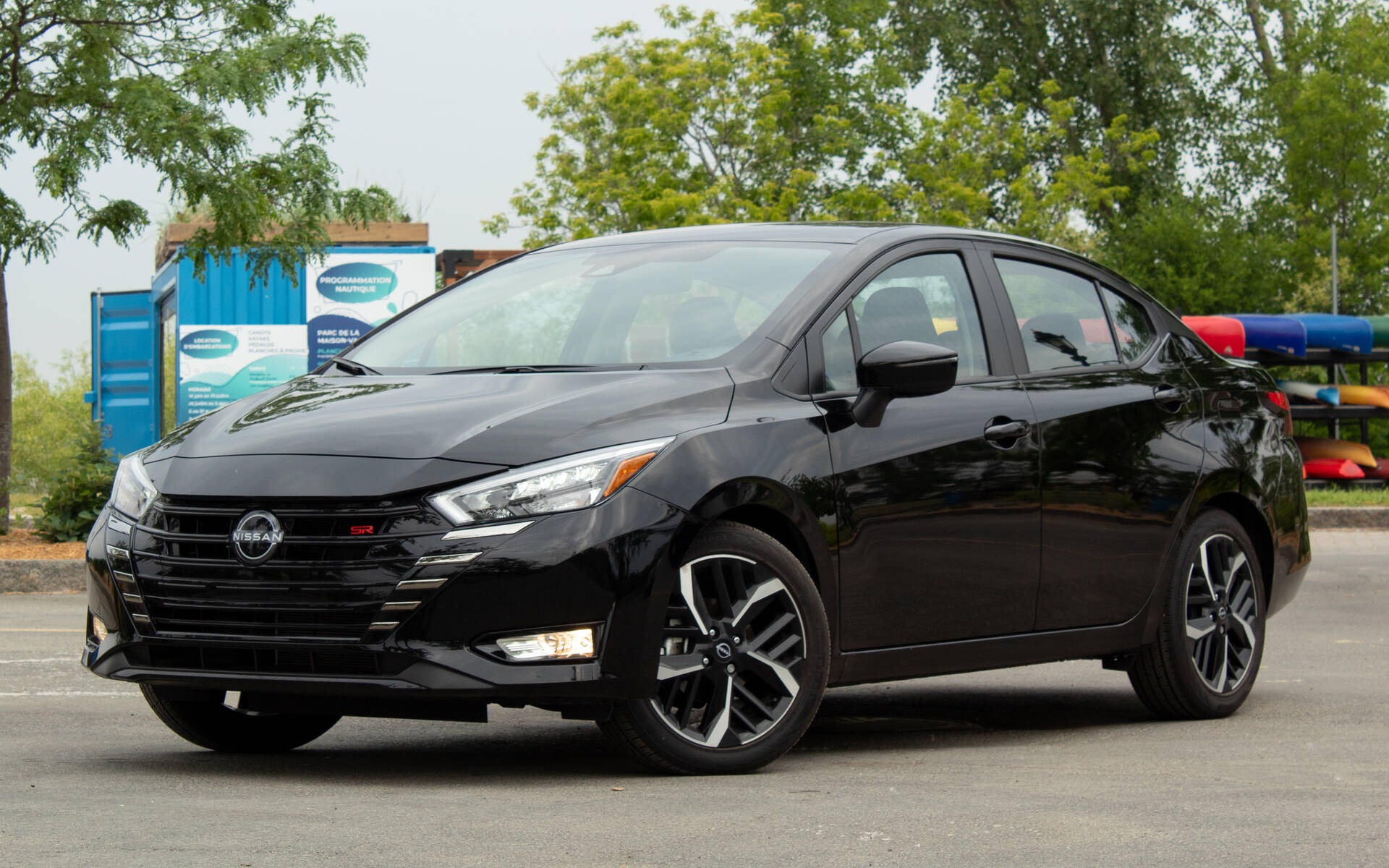
10. Nissan Versa
54.9% Increase
Last, but far from least. The Nissan Versa rounds out the list with a 54.9% increase, from $10,146 in 2019 to $15,718 in 2026. That is $5,572 more, making it the smallest dollar jump here even though the percentage still crosses the 50 percent mark.
The Versa has long been one of the lowest-priced cars in its class. Simple, efficient, and easy to park, it appeals to people who want dependable transportation without extra features.
Even at $15,718, it remains one of the least expensive vehicles in the ranking, which says something about how far the market has climbed. Step back and look at all ten.
Eight of the ten are luxury or performance nameplates, and their increases range from 60.0% to 75.7%. Only the Elantra and Versa come from the budget end, and both still gained more than half of their 2019 value.
What should a shopper do with all this information? Stay patient, compare widely, and never let urgency set your budget. With the average one- to five-year-old used car now above $30,000, careful research is no longer optional. Get an inspection, review the vehicle history, and be willing to walk away.
These numbers tell a clear story. Used cars are no longer the automatic bargain they once were. Track prices, choose carefully, and keep your expectations grounded in today’s market rather than yesterday’s memories. Your next ride may cost more than you hoped, but a smart plan can help.
