
Remote start has shifted from a simple key-fob convenience to a connected-car feature that relies on smartphone apps, cellular networks, and recurring fees. Two vehicles can both advertise remote start while offering very different ownership experiences.
In one, pressing a button on the factory key can start the engine without a monthly charge. In another, the same convenience may depend on a connected-services plan after the complimentary period ends.
The difference matters for long-term owners and used-car shoppers. Manufacturer terms and current vehicle information show which systems remain usable without subscriptions and which rely on paid connected services.
5 Cars Where Remote Start Stays Free
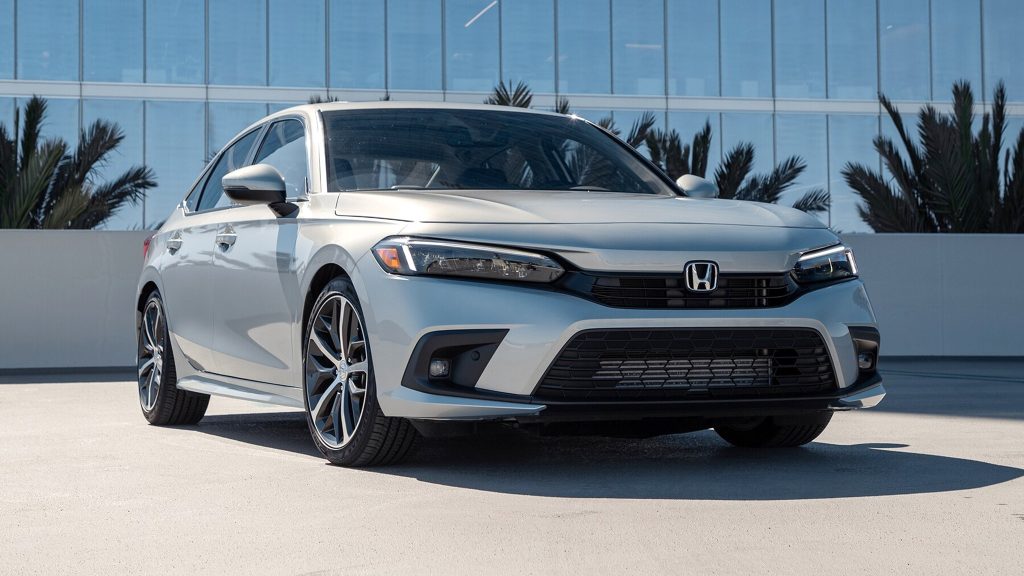
1. Honda Civic
The Honda Civic provides a clear example of a manufacturer offering remote starting without making owners dependent on an app subscription.
Honda’s 2026 Civic information lists Remote Engine Start as standard equipment on the Civic Sedan and Hatchback, activated by the physical keyless remote. Honda’s owner documentation explains that the engine or hybrid power system can be started remotely using the keyless remote.
Honda also offers HondaLink connected services. The company describes app-based remote functions as part of its available HondaLink Remote package, meaning smartphone access and physical-key remote starting should not be treated as the same feature.
For Civic owners, the benefit is simplicity. The key fob communicates directly with the car within its normal operating range without requiring an internet connection or paid account. This can be useful during hot summers or cold winter mornings when the vehicle can prepare the cabin before the driver enters, depending on the specific powertrain and settings.
The arrangement also makes long-term ownership more predictable because the basic key-fob function does not disappear when a connected-service trial ends.
Honda does place safety restrictions on remote starting. The system should never be used in enclosed or poorly ventilated areas because of carbon monoxide risk.
For shoppers comparing connected-car strategies, the Civic offers remote-start convenience without making the basic physical function dependent on a recurring subscription.
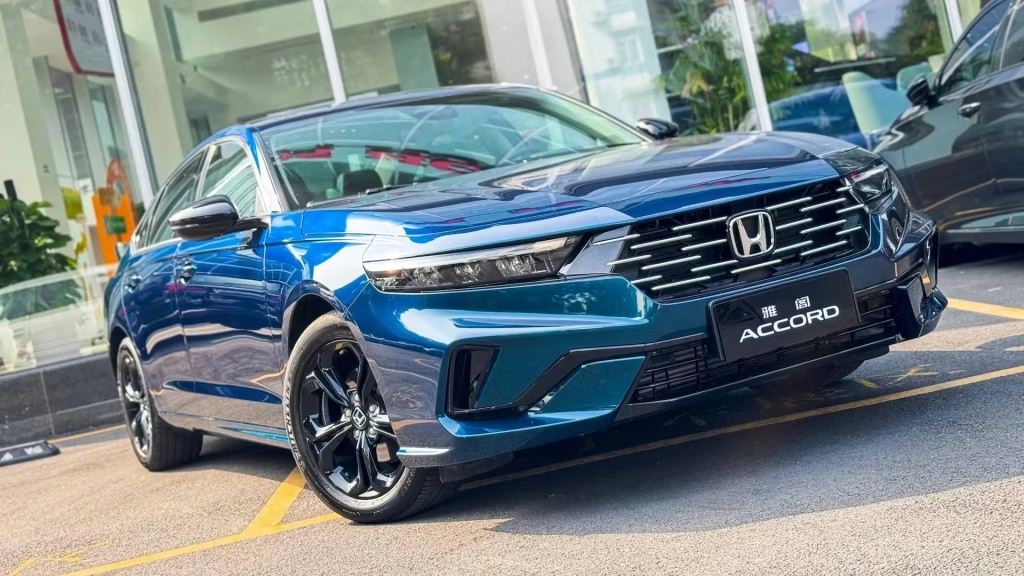
2. Honda Accord
The Honda Accord follows the same philosophy in a larger midsize sedan. Honda’s current Accord specifications list Remote Engine Start among its technology features, while the owner’s documentation explains that equipped Accords can be remotely started using the keyless remote.
The Accord also participates in Honda’s broader connected-services ecosystem, but Honda separates physical key functions from services delivered through HondaLink.
For an owner who simply wants to start the vehicle before leaving home, the key-fob method provides a straightforward solution. There is no need to open a smartphone application, establish a cellular connection, or maintain a paid account simply to perform the basic remote-start command.
The distinction becomes more valuable as the vehicle ages. Connected services can change pricing structures and included features, while a physical remote starter is less vulnerable to those changes because it is built into the vehicle and key hardware.
Remote starting can also prepare the cabin for extreme weather. The limitation is range. A key fob cannot provide the same long-distance access as a cellular-connected smartphone.
The owner must also keep the key fob battery healthy because a weak battery can reduce operating range.
Honda warns that remote starting should never be used inside a garage or another poorly ventilated area because exhaust gases can accumulate.
For buyers who value predictable ownership costs, the Accord offers remote-start convenience without making the basic physical function dependent on recurring connected-service payments.
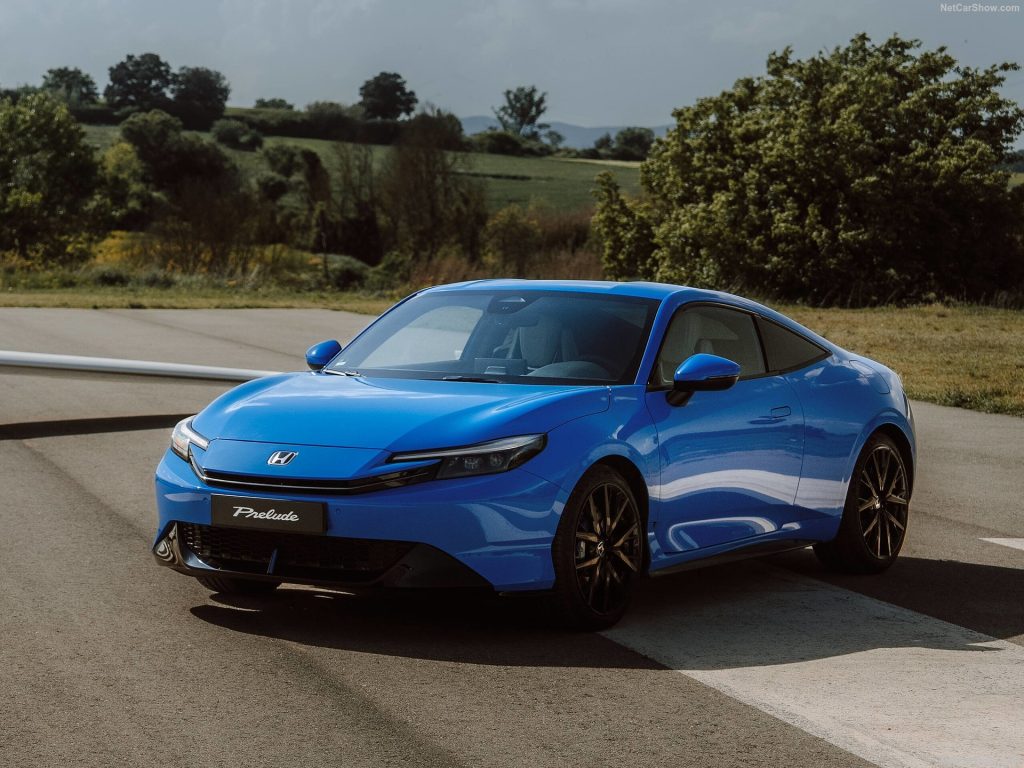
3. Honda Prelude
The return of the Honda Prelude brings another example of remote start being integrated directly into the vehicle rather than relying exclusively on a smartphone service.
Honda’s 2026 Prelude specifications list Remote Engine Start as a driver-convenience feature. The model also has HondaLink connectivity, but those connected services are distinct from the physical remote-start hardware.
A physical remote starter remains tied to the vehicle instead of an online account. The driver can use the factory key to activate the system from nearby without requiring a smartphone application or cellular connection.
For a coupe likely to spend considerable time parked outdoors, that can be useful. On hot days, the cabin can be prepared before entry, while colder conditions can make the first few minutes behind the wheel more comfortable.
The Prelude’s hybrid powertrain also means the terminology around “engine start” can differ from a conventional gasoline vehicle. Honda’s hybrid documentation describes remotely turning on the power system rather than treating the feature exactly like a traditional gasoline starter.
The larger ownership benefit is that Honda may offer additional remote functions through HondaLink, but the factory key-based starting method does not necessarily require a recurring subscription.
For buyers who dislike paying monthly fees for functions already supported by vehicle hardware, the Prelude is an example of the traditional approach surviving alongside connected technology.
4. Nissan Rogue
The Nissan Rogue illustrates the distinction between physical remote starting and NissanConnect’s smartphone-based services.
The 2026 Rogue’s factory equipment list includes a Remote Engine Start System with Intelligent Climate Control across the listed trims. Nissan identifies this as a vehicle feature, while NissanConnect separately provides app-based remote functions.
The physical Intelligent Key communicates directly with the vehicle. Nissan’s owner’s documentation explains that remote engine starting through the Intelligent Key works within a specified range. For a 2025 Rogue, Nissan lists an approximate range of 197 feet under suitable conditions.
The app provides greater flexibility because it communicates through Nissan’s connected network, but that convenience comes with a different ownership model. Nissan states that remote access is among the connected features requiring a NissanConnect Services subscription after applicable trial periods.
For owners who do not want that subscription, the physical key remains important. The Rogue’s Intelligent Climate Control can also prepare the cabin before entry, which is one of the main reasons drivers use remote start.
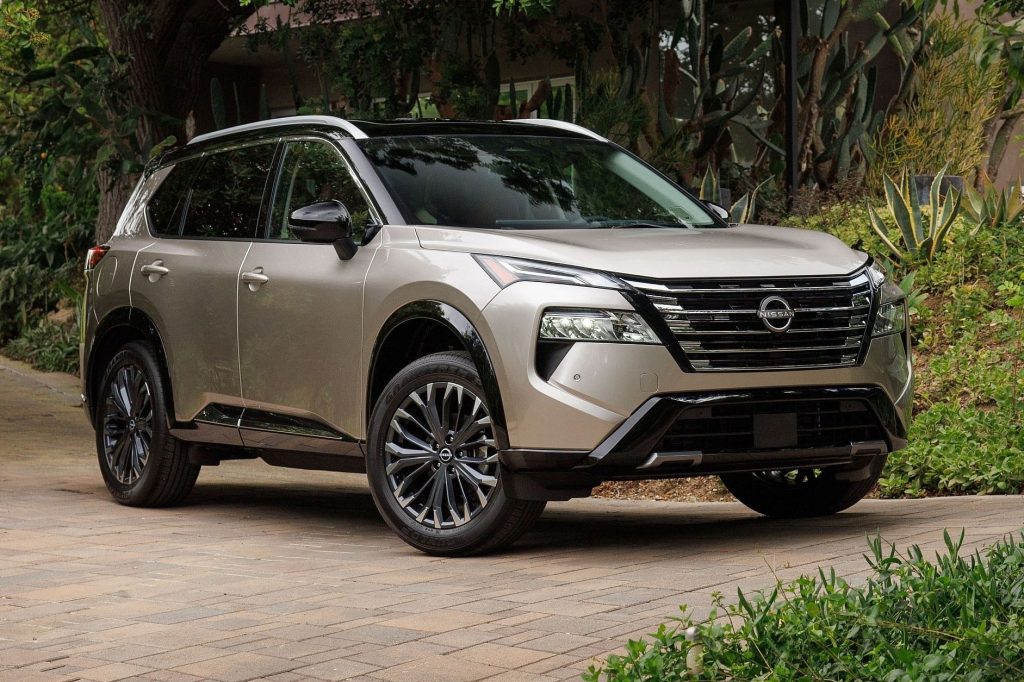
The limitation is range. A key fob cannot provide the same long-distance convenience as a smartphone, but that tradeoff may be easier to accept when avoiding a recurring fee.
The Rogue therefore deserves attention from buyers who want remote start but do not want to confuse smartphone connectivity with the basic vehicle feature.
5. Hyundai Tucson
The Hyundai Tucson is another vehicle where the distinction between key-fob remote starting and Bluelink is important.
Hyundai states that vehicles equipped with a remote-start button on the key fob can be started remotely without Bluelink+. The manufacturer provides a simple procedure. Lock the vehicle, then press and hold the remote-start button until the lights flash.
That matters because Hyundai has made connected services a significant part of its ownership experience. The smartphone system can provide remote commands from much farther away and offer additional connected functions.
But a key-fob-equipped vehicle does not have to depend on that subscription for physical remote starting.
This creates a useful two-level ownership model. An owner seeking maximum convenience can use connected services, while someone avoiding another recurring bill can continue using the physical key if the vehicle has the appropriate hardware.
The distinction is especially useful for used-car buyers. A second owner may inherit a vehicle whose complimentary connected-service period has expired without necessarily losing every remote-start capability.
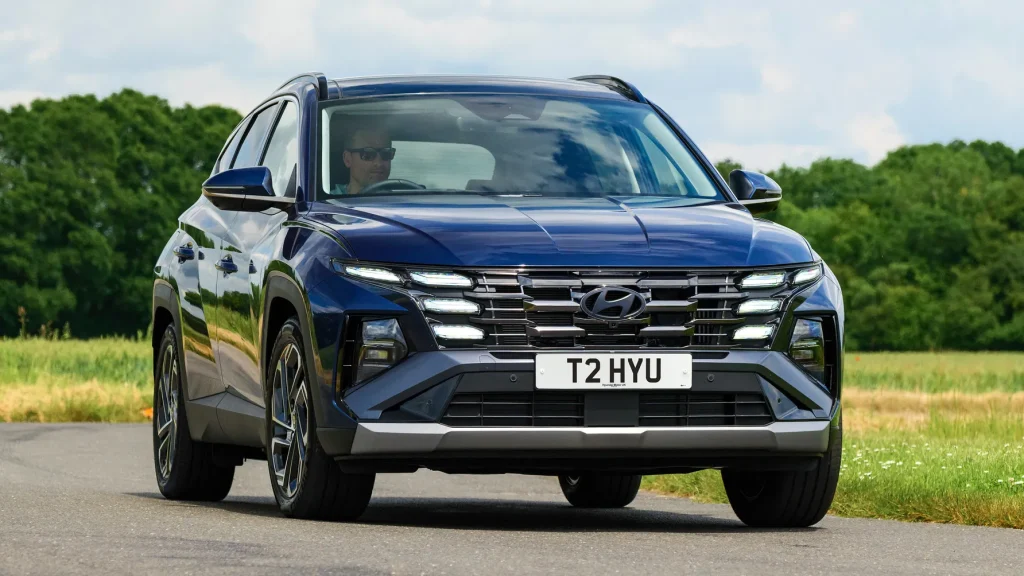
The key question is whether the specific vehicle has the remote-start button on its factory key fob.
Hyundai also notes that features vary by model and trim, so buyers should verify the exact equipment.
For people living in extreme temperatures, the physical system can remain valuable. Its range is more limited than smartphone control, but it avoids dependence on cellular coverage or an active subscription.
5 Cars With Remote Start Behind a Subscription
1. Toyota 4Runner
The Toyota 4Runner provides a clear example of remote starting moving into a subscription model.
Toyota’s 2026 connected-services documentation lists Remote Connect as a connected feature that can include remote start, climate control, locking and unlocking, vehicle status, and other functions. Toyota states that after the applicable trial period expires, enrollment in a paid subscription is required for continued access.
The 2026 4Runner’s feature chart shows Remote Connect as a three-year trial on certain versions equipped with the larger 14-inch multimedia system.
That means a buyer can use smartphone remote functions during the included period, but access is not necessarily permanent.
Toyota’s system provides more than engine starting, which helps explain why it is treated as a connected service.
The distinction also matters for used vehicles. A used 4Runner may already be several years into its connected-service period, so buyers should not assume a fresh trial begins with a secondhand purchase.
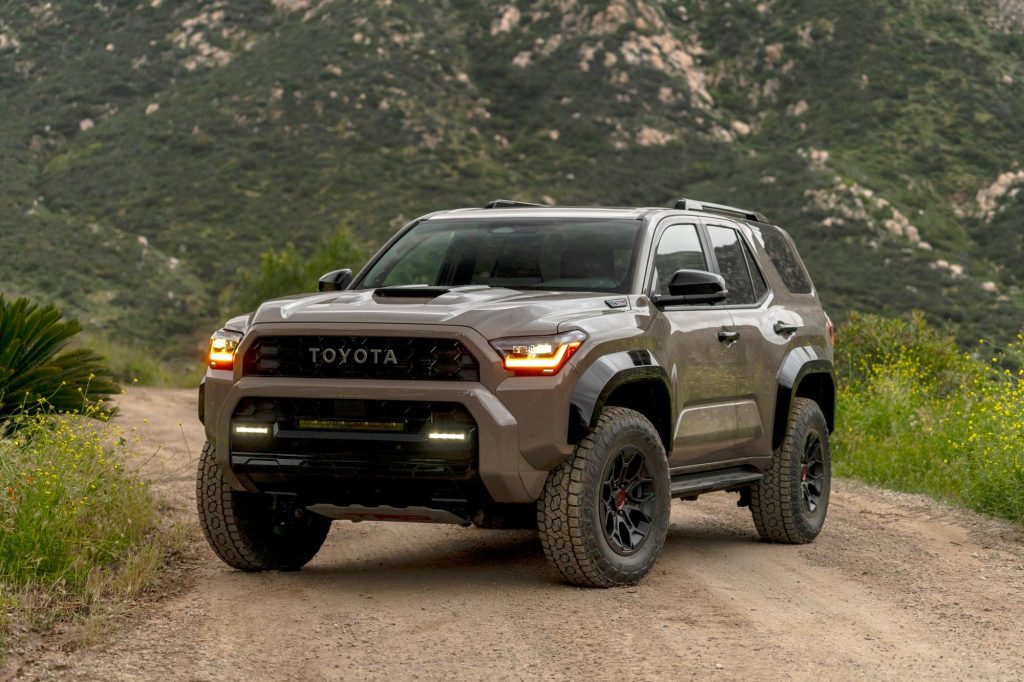
For buyers comfortable using physical controls, the subscription may not be necessary. For drivers who regularly precondition their vehicle from a workplace or another distant location, however, the connected service can be valuable.
The 4Runner shows how manufacturers are increasingly monetizing the communication layer rather than the vehicle hardware itself.
2. Kia Sportage
The Kia Sportage represents another clear subscription-based connected-car strategy. Kia’s U.S. support documentation states that remote features, including remote climate control and remote start, require an applicable Kia Connect subscription. The manufacturer also explains that remote-feature availability varies by model, model year, and trim.
Kia offers several connected-service packages, including complimentary Lite access and paid Care, Plus, and Ultimate packages.
A new Sportage can include complimentary access for a specified period depending on its model year and package. Kia’s terms explain that continued access to applicable connected services can require a paid subscription after the trial expires.
The attraction is straightforward. The connected system allows owners to operate the vehicle remotely without being limited to the short range of a traditional key fob.
That can be useful when the Sportage is parked at work, outside a hotel, or in a large parking area.
The cost becomes more relevant with long-term ownership. A driver who rarely uses remote start may decide the subscription is not worthwhile, while another may consider remote climate preparation important enough to continue paying.
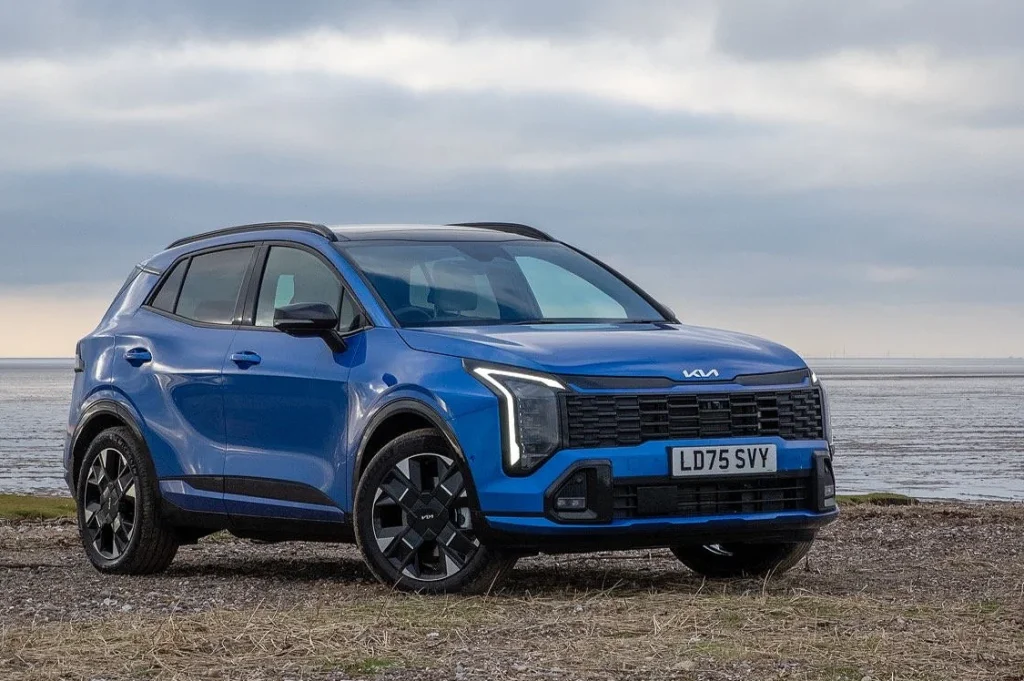
This distinction is especially relevant to used Sportage buyers. They should ask not only whether remote start is available, but whether the connected-service subscription is currently active and how long its included period remains.
The Sportage is a strong example of why “remote start included” and “remote start free forever” are very different claims.
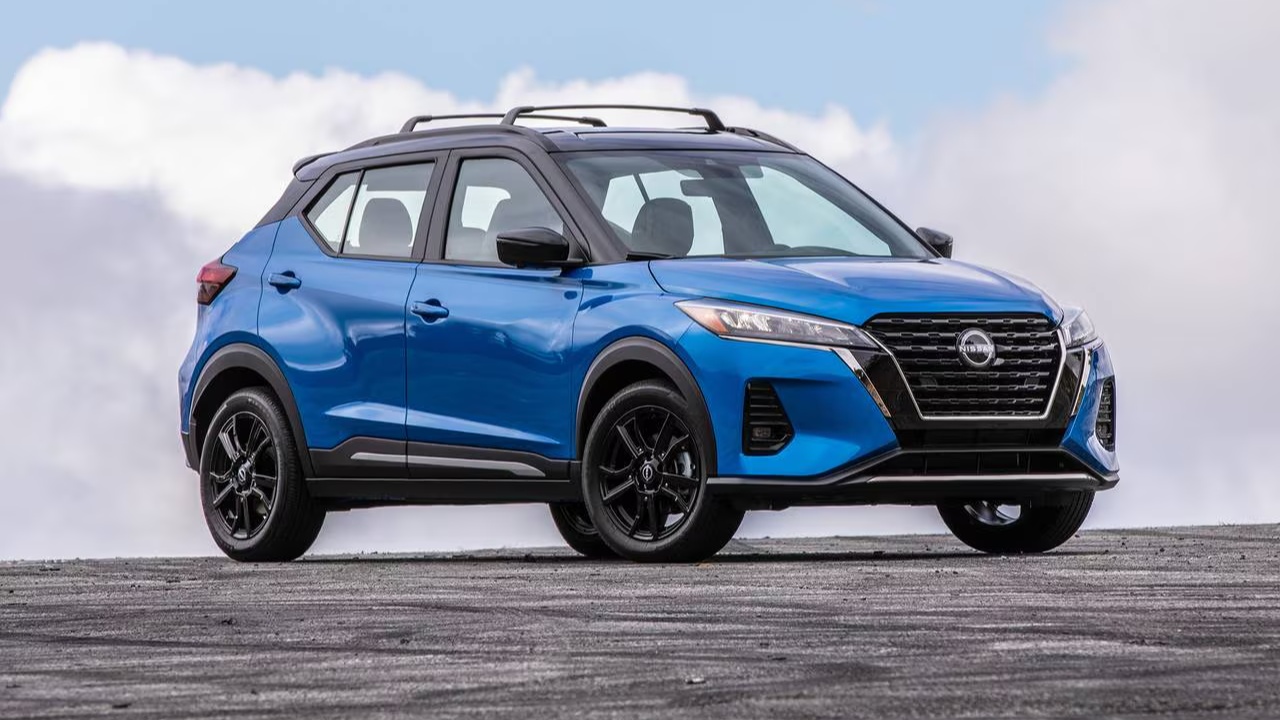
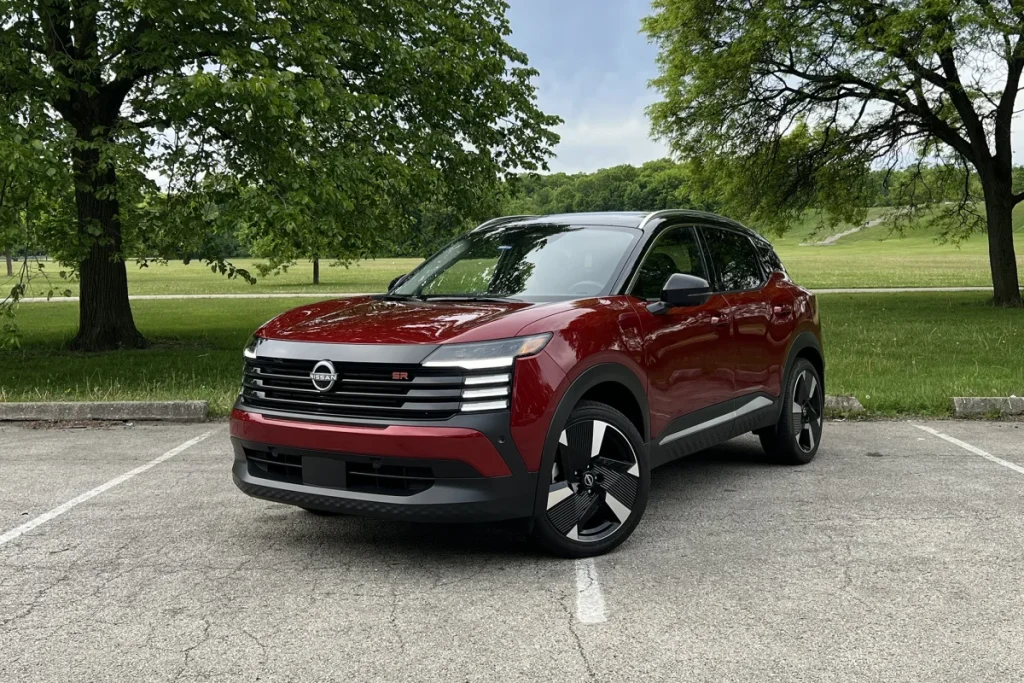
3. Nissan Kicks
The Nissan Kicks provides another example of smartphone remote starting being integrated into a paid connected-service package.
Nissan’s 2026 Kicks connected-services information lists Remote Engine Start/Stop among the functions included with NissanConnect Services Premium. The package is offered as a trial with qualifying new vehicles.
Nissan separately states that remote access features require a NissanConnect Services subscription after applicable trial periods.
That means remote starting through the MyNISSAN app is tied to the connected-service platform.
The app offers an important advantage compared with a traditional key. The driver does not have to be standing near the vehicle because the command travels through the connected network.
However, that flexibility depends on compatible connectivity and access to the appropriate service package.
Nissan also separates remote functions from ordinary smartphone integration. Apple CarPlay, Android Auto, and basic Bluetooth functions do not require the same subscription arrangement as remote vehicle access.
This matters for buyers who assume that because a car has an app, every app feature should remain free.
For someone purchasing a used Kicks, checking the remaining connected-service period is worthwhile. A vehicle that offers app-based remote start during a test drive may eventually require a paid plan.
The subscription can still be worthwhile for drivers who value remote climate preparation and vehicle control. It simply needs to be treated as an ownership expense rather than permanent vehicle equipment.
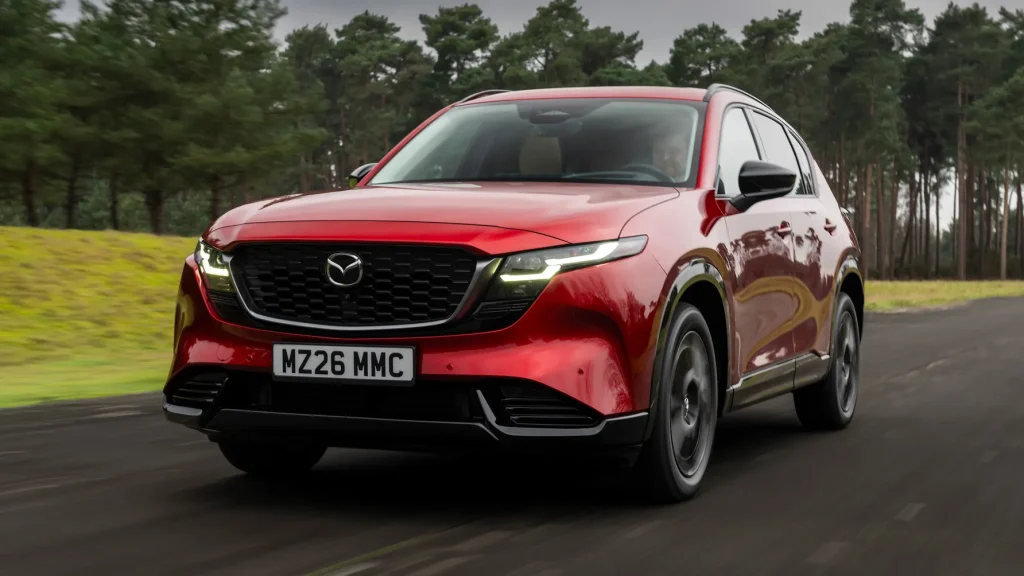
4. Mazda CX-5
The Mazda CX-5 has moved toward a connected-services model in which Remote Engine Start is tied to Mazda Connected Services.
Mazda’s current information identifies Remote Engine Start as a feature of Mazda Connected Services. Mazda states that the 2026 CX-5 includes a one-year trial of Mazda Connected Services with the purchase of a new vehicle.
Mazda’s connected-services documentation lists Remote Engine Start/Stop among supported functions and explains that a complimentary trial is followed by a paid subscription.
That creates a straightforward ownership timeline. A new CX-5 buyer receives the connected feature for the applicable trial period, after which continued use requires the appropriate paid plan.
The smartphone provides a different kind of range from a traditional key, allowing the owner to potentially prepare the vehicle from a distant location. For a vehicle parked outside during extreme weather, this can be a meaningful convenience.
But shoppers should distinguish between hardware and software. The vehicle remains fully functional after the connected-service trial expires. What changes is access to the remote service.
This matters even more with used cars. A second owner might purchase a CX-5 without realizing that the complimentary period began when the vehicle was originally sold, not when the second owner bought it. Mazda’s current documentation makes the first-year trial structure clear for the 2026 CX-5.
For drivers who rarely use remote start, paying after the trial may not make sense. For people who rely on remote climate preparation regularly, the subscription can become part of the vehicle’s running cost.
The CX-5 shows how a feature once controlled by a button can become a recurring digital service.
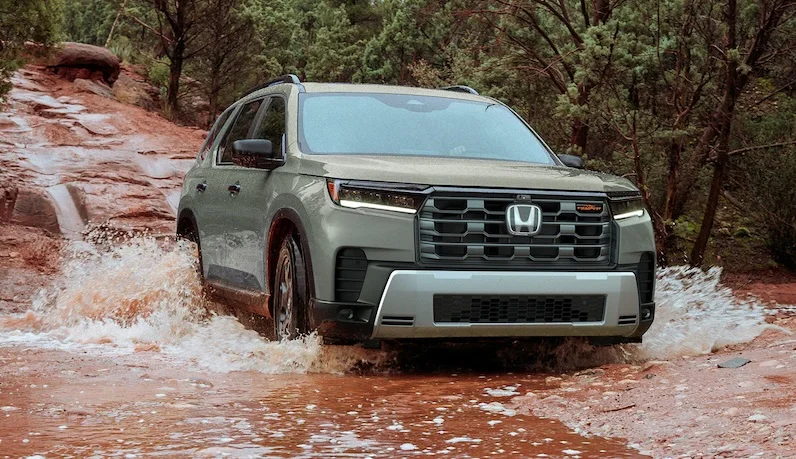
5. Honda Pilot
The Honda Pilot provides an interesting example because Honda separates the vehicle’s physical remote-start capability from its smartphone-based HondaLink Remote package.
Honda’s current Pilot information says the HondaLink Remote package can let owners find the vehicle, remotely lock and unlock it, start the engine, and set the interior temperature. Honda describes this functionality as part of the HondaLink app experience.
Honda’s broader FAQ explains that upgraded HondaLink enrollment can be purchased on select newer models and can include Remote Engine Start and Remote Lock/Unlock functions.
This differs from simply having a remote-start button on the physical key. The app-based system uses connected vehicle technology to provide commands beyond the immediate range of the key, making it attractive to owners who want to prepare their Pilot while inside a building or away from the parking area.
The price of that convenience is that the connected service is treated as a separate package. For Pilot owners, the difference becomes especially relevant after an initial complimentary period or when buying used. The vehicle does not lose its ability to operate, but certain app-based conveniences can depend on active HondaLink services.
The Pilot is also useful because Honda’s connected system can control more than engine starting. The ability to set the temperature makes the service more comprehensive than simply pressing a start button.
Honda notes that HondaLink features and availability vary by vehicle and package, so buyers should verify the exact vehicle’s equipment and current connected-service status.
For owners who prefer not to maintain another monthly expense, physical vehicle controls may be sufficient. For those wanting long-distance smartphone access, HondaLink provides greater convenience, but the connected portion should be viewed as a service rather than a permanent free feature.
