
Car insurance is one of the highest hidden costs of owning a vehicle. Most buyers compare sticker prices and fuel economy. Few check what a car will cost to insure each year.
That gap can hurt. An analysis of more than 3,000 models found about $4,400 a year between the cheapest and most expensive vehicles to insure. The Subaru Crosstrek, Jeep Wrangler and Honda CR-V lead at $2,299, $2,307 and $2,316.
The pattern is clear. The cheapest cars usually have strong safety ratings, modest horsepower and low theft rates. They also have affordable parts and simple repairs.
This list ranks nine vehicles that cost under $2,400 a year to insure. The figures are for full coverage, a clean record and a 40-year-old driver. Your own quote will differ by state, age and insurer.
Each entry explains the price, why insurers like the car and what to watch for. One pick is a rugged off-roader. Others are family SUVs and a wagon. Let’s start with the cheapest.
1. Subaru Crosstrek – $2,299 a Year
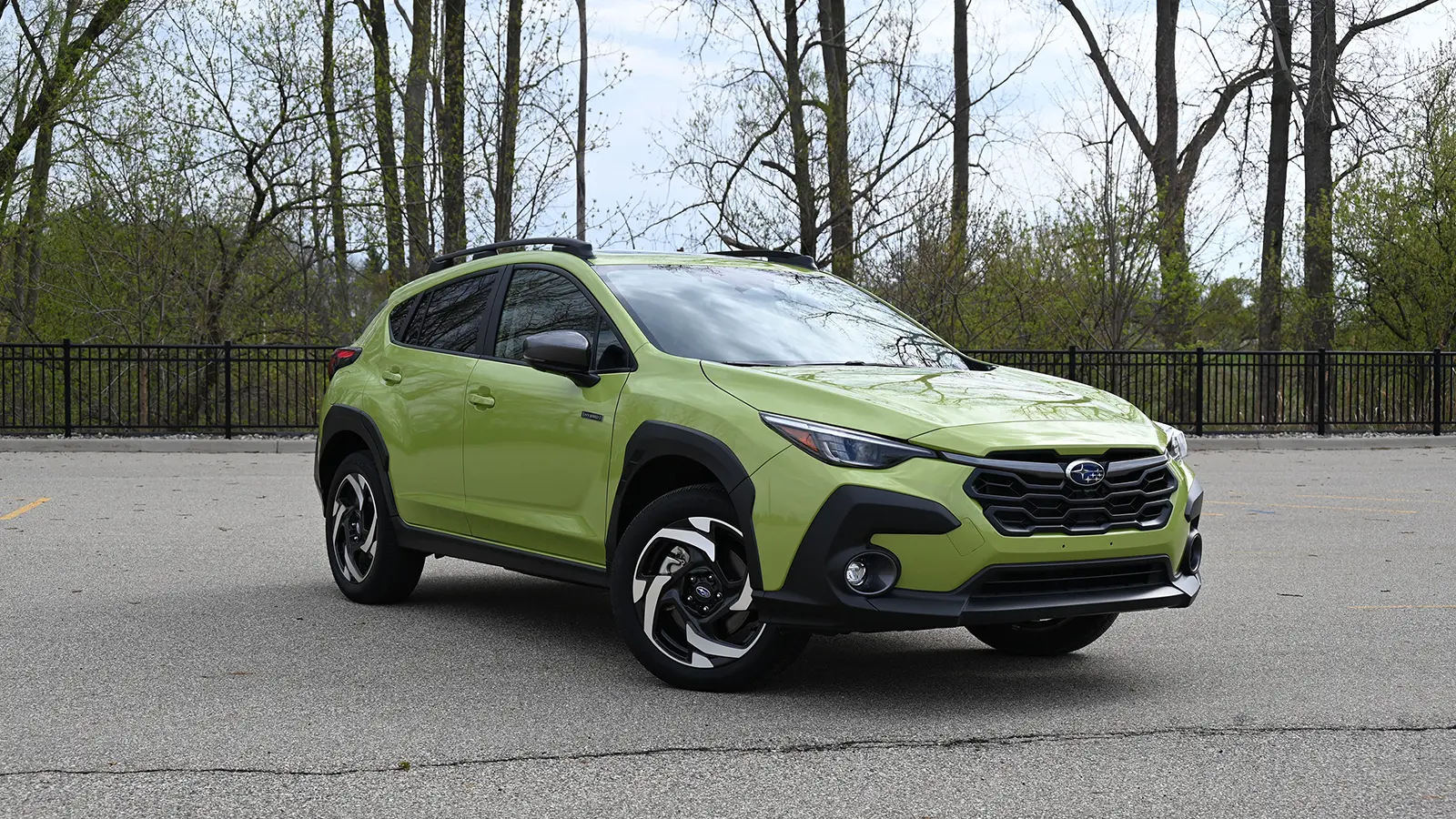
The Crosstrek is the cheapest car to insure in this study. The average premium is $2,299 a year, or about $192 a month. That is a strong result for a vehicle with all-wheel drive.
Insurers like it for several reasons. Crash-test scores are excellent. Subaru’s EyeSight driver-assist system comes as standard on most trims. That system watches the road with cameras. It can warn you and brake before a crash. Fewer crashes mean fewer claims.
The Crosstrek is also modest on power. It is a small, practical SUV, not a performance machine. Insurers price that kind of car with confidence. Its price helps too. The starting MSRP is about $26,995. A lower value means a lower replacement cost after a total loss.
Theft is rarely a concern. Thieves prefer other models. That keeps the comprehensive part of your policy cheaper. Repairs are usually simple. Parts are easy to find across the country. Body shops know the car well.
Age still matters a lot. An 18-year-old pays about $7,304 a year to insure a Crosstrek. A 40-year-old pays $2,299. That is more than triple. Parents adding a teen should plan for it. Good-student discounts can help.
The car also suits daily life. It has 8.7 inches of ground clearance. Snow and dirt roads are no problem. Buyers get real value here. The car is cheap to buy and cheap to insure. Few rivals can say both.
There are trade-offs. The base engine is not quick. Some drivers want more power for highway merging. Trim level also changes the rate. Higher trims cost more to replace. The base model keeps premiums lowest.
The Crosstrek is the best all-round pick on this list. It blends safety, low cost and daily comfort. Insurers reward that mix year after year. Shop around before you buy. Rates differ between companies by hundreds of dollars. A few quotes can save real money.
2. Jeep Wrangler – $2,307 a Year
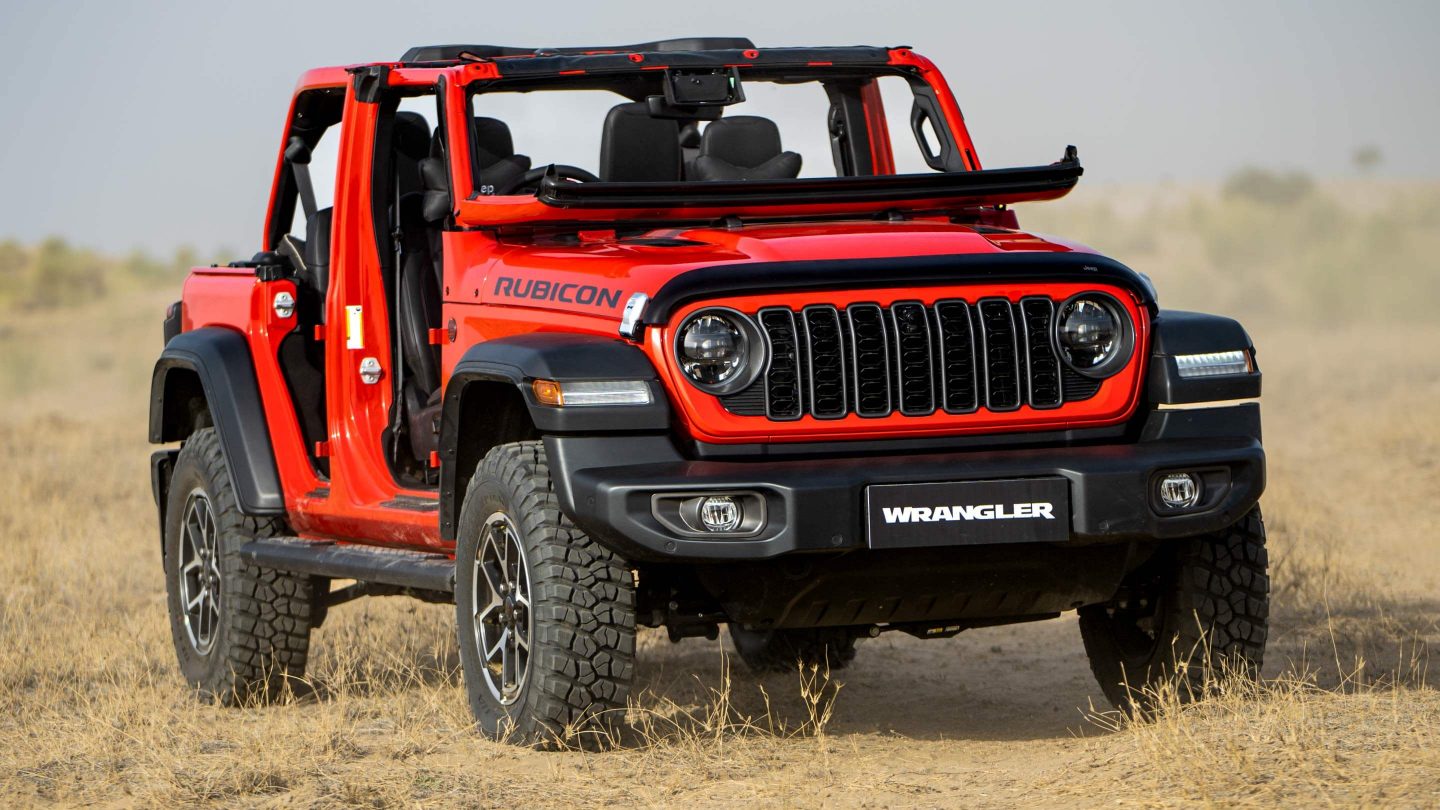
The Wrangler is the surprise on this list. It looks risky, yet it costs just $2,307 a year. That is only $8 more than the Crosstrek. Its safety scores are lower than rivals in some tests. The tall body can tip in certain crashes. Even so, insurers still price it cheaply.
The reason is partly its rugged build. The steel frame and body-on-frame design handle small knocks well. Newer safety features have also helped. Repairs are another strength. Jeep has a huge parts network. Aftermarket parts are everywhere, and they are often cheap.
Owners also tend to drive Wranglers differently. Many use them for weekends and light trips. Lower mileage can mean fewer claims. Resale value is very high. That works both ways for insurers. A total loss costs more, but such losses are rare.
Theft is worth a look. Some Jeeps get targeted more than others. Check local theft data before you buy. Removable doors and soft tops can raise break-in risk. A hardtop is safer for parked cars. An alarm can earn a small discount.
Young drivers pay a lot. One study put a Wrangler at about $7,649 a year for an 18-year-old. That is among the higher numbers for the models compared.
Trim matters a great deal. The Sport is much cheaper than the Rubicon or Sahara. Off-road packages raise the vehicle’s value. Modifications can raise your bill. Lift kits, big tires and custom bumpers are common. Tell your insurer about each one.
Some policies do not cover aftermarket parts by default. Ask about custom equipment coverage. It may cost a little extra. The Wrangler also has a fun factor no rival matches. It is a true off-roader with open-air driving. That is why it stays popular.
Fuel economy is weaker than a CR-V. Highway noise is louder. Ride comfort is more truck than car. Still, the insurance math is impressive. You get an icon at compact-SUV rates. That is rare in today’s market. Compare quotes for the exact trim you want. Two Wranglers can price very differently. Details decide the final number.
3. Honda CR-V – $2,316 a Year
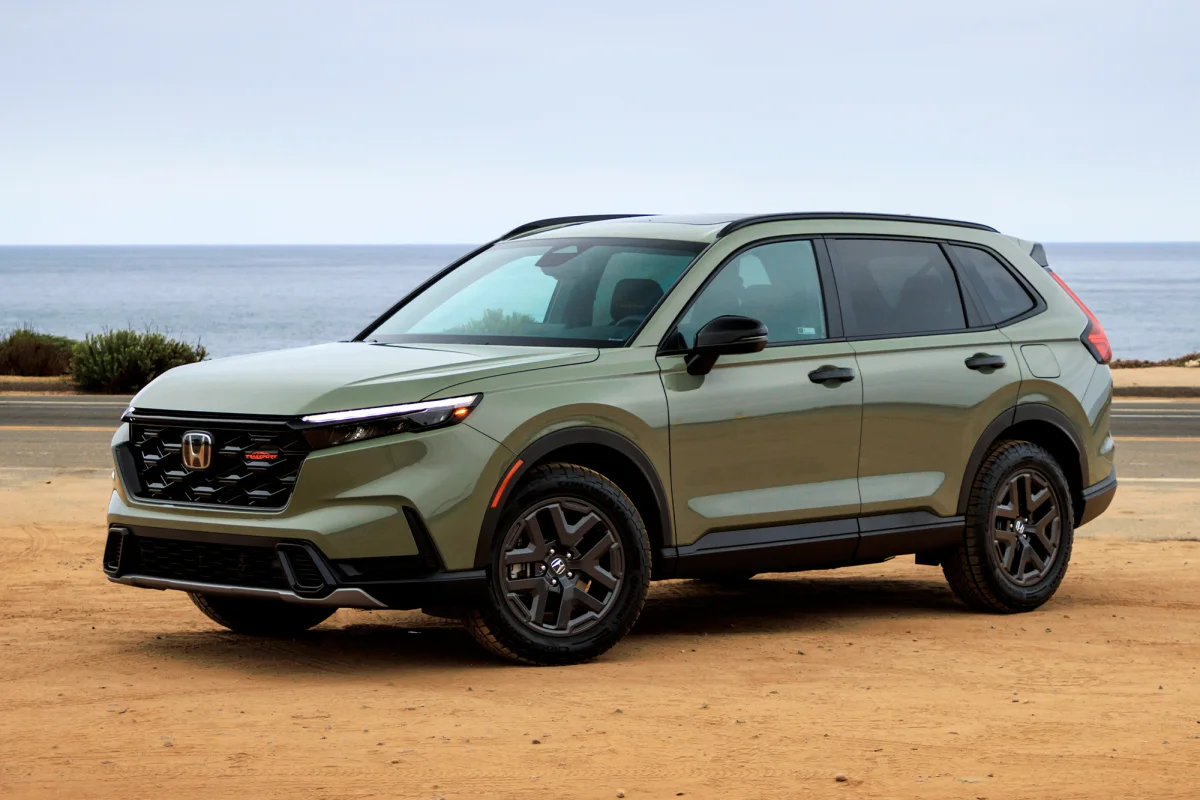
The CR-V is the definition of a safe, sensible SUV. It costs $2,316 a year to insure. That puts it right behind the Wrangler. Its safety record is a huge reason. It has top safety ratings and some of the lowest claim frequencies in its class. Insurers pay attention to that data.
Honda Sensing comes standard. It adds automatic braking, lane-keeping, and adaptive cruise control. These features reduce crashes. Parts are cheap and easy to get. The CR-V is one of the best-selling SUVs in America. Millions on the road keep supply strong.
Mechanics know it well. Labor costs stay low. Repair times are usually short. The engine is calm, not aggressive. The standard 1.5-liter turbo makes about 190 horsepower. It is more than enough for family use.
Owners are typically careful. Many are parents and commuters. Insurers see that as a lower-risk group. Location changes the price. The CR-V was cheapest in many states in one large comparison. Idaho and Iowa showed some of the lowest rates.
State rules also play a role. No-fault states can add hundreds of dollars. The same CR-V may cost far more in Michigan than in Ohio. Powertrain choice matters. The gas CR-V costs $2,316, while the hybrid costs $2,506. The hybrid’s extra parts raise repair costs.
Fuel savings can offset that gap. A hybrid gets much better mileage. Do the math for your own driving. Young drivers pay less here than in most rivals. One study put the CR-V at about $7,038 for an 18-year-old. That was the lowest of the three leaders.
That makes it a smart first family car. Insurance will still sting. But the CR-V softens the blow. Space is generous. The cabin is roomy and the cargo area is huge. It works for road trips and school runs.
Resale value is strong. That helps when you sell or trade in. The car holds its worth well. The CR-V is the safe choice in every sense. It rarely disappoints on cost or comfort. Get a quote and see for yourself.
4. Subaru Outback – $2,322 a Year
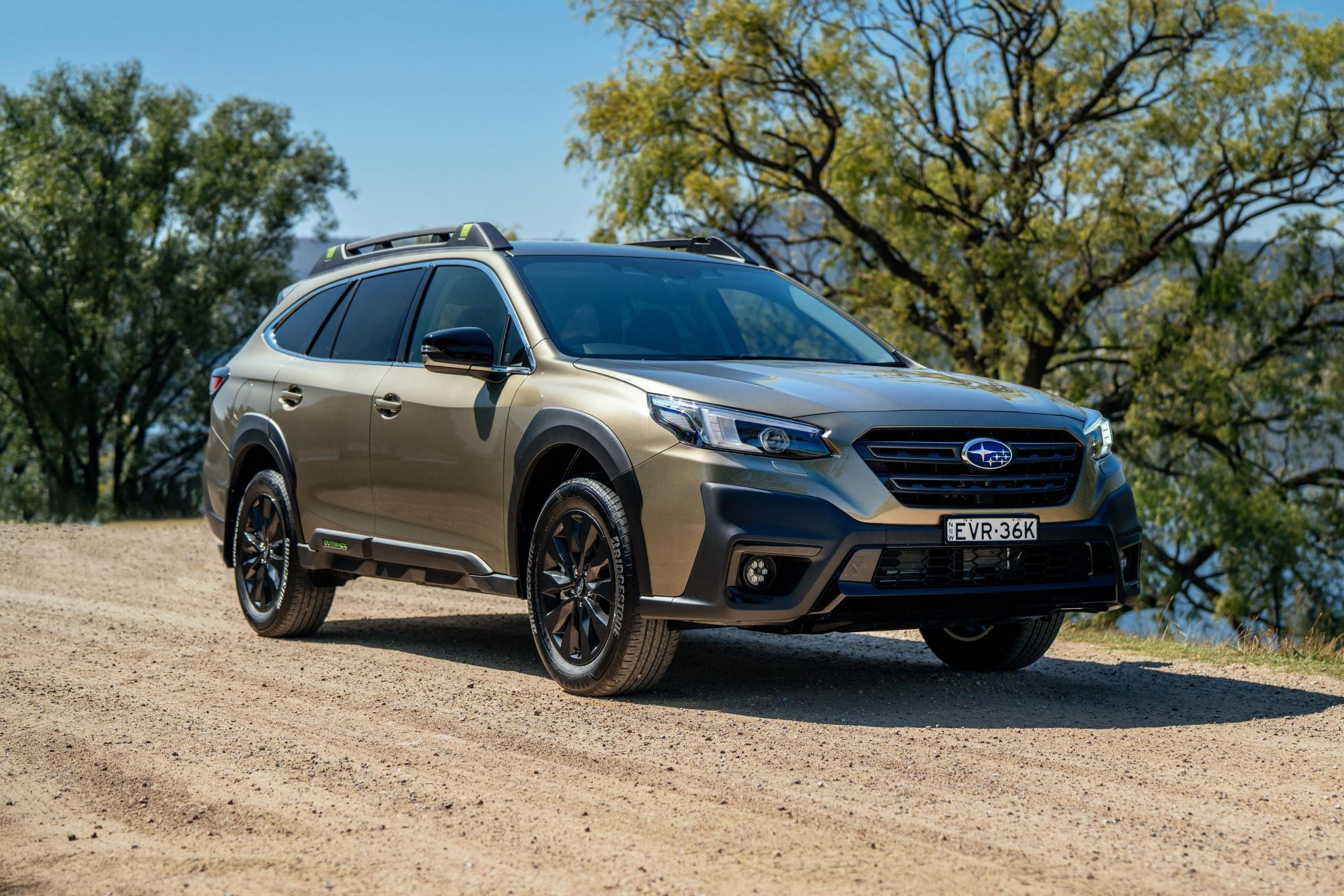
The Outback is the only wagon in the top group. It costs $2,322 a year to insure. That is just $6 above the CR-V. Safety is its calling card. The 2024 model was an IIHS Top Safety Pick. Top scores like that lower risk for insurers.
Standard all-wheel drive adds stability. Wet roads and snow are less scary. Better control means fewer crashes. EyeSight comes standard as well. It uses cameras to spot danger early. Many claims are avoided this way.
The Outback is longer and lower than an SUV. That gives it a car-like feel. Handling is smooth and steady. Ground clearance is still high, at about 8.7 inches. It handles rough roads with ease. Few wagons can do that.
The buyers are a known group. Many are outdoor families and careful drivers. Subaru also has a reputation for reliability. Engine choices are sensible. The base 2.5-liter makes around 182 horsepower. A turbo is available, but it costs more to insure.
Repairs are fair in price. Parts are easy to find. Body work is straightforward. An Outback is bigger than a Crosstrek. It holds more people and cargo. That extra size can raise damage costs in a crash.
Its value is higher too. Higher trims like the Touring cost more to replace. Expect higher premiums on those. Theft is low on Subarus. That helps the comprehensive part of your bill. It keeps the total steady.
Drivers over 25 see the best rates. Teens will still pay heavily. A good-student discount can help. Some buyers worry about the Outback’s cabin tech. The big screen is polarizing. It does not affect your insurance.
Fuel economy is good for an AWD wagon. Highway mileage reaches the high 20s in real driving. That is decent for this size. Cargo room is a key selling point. Roof rails come standard. Bikes and kayaks fit easily.
The Outback is ideal for people who want a wagon’s comfort with SUV toughness. Its insurance cost proves it is not a risky pick. Compare quotes before you sign.
5. Volkswagen Tiguan – $2,329 a Year
The Tiguan is the first non-Japanese, non-Subaru model here. It costs $2,329 a year to insure. That makes it the most affordable European-brand SUV on this list.
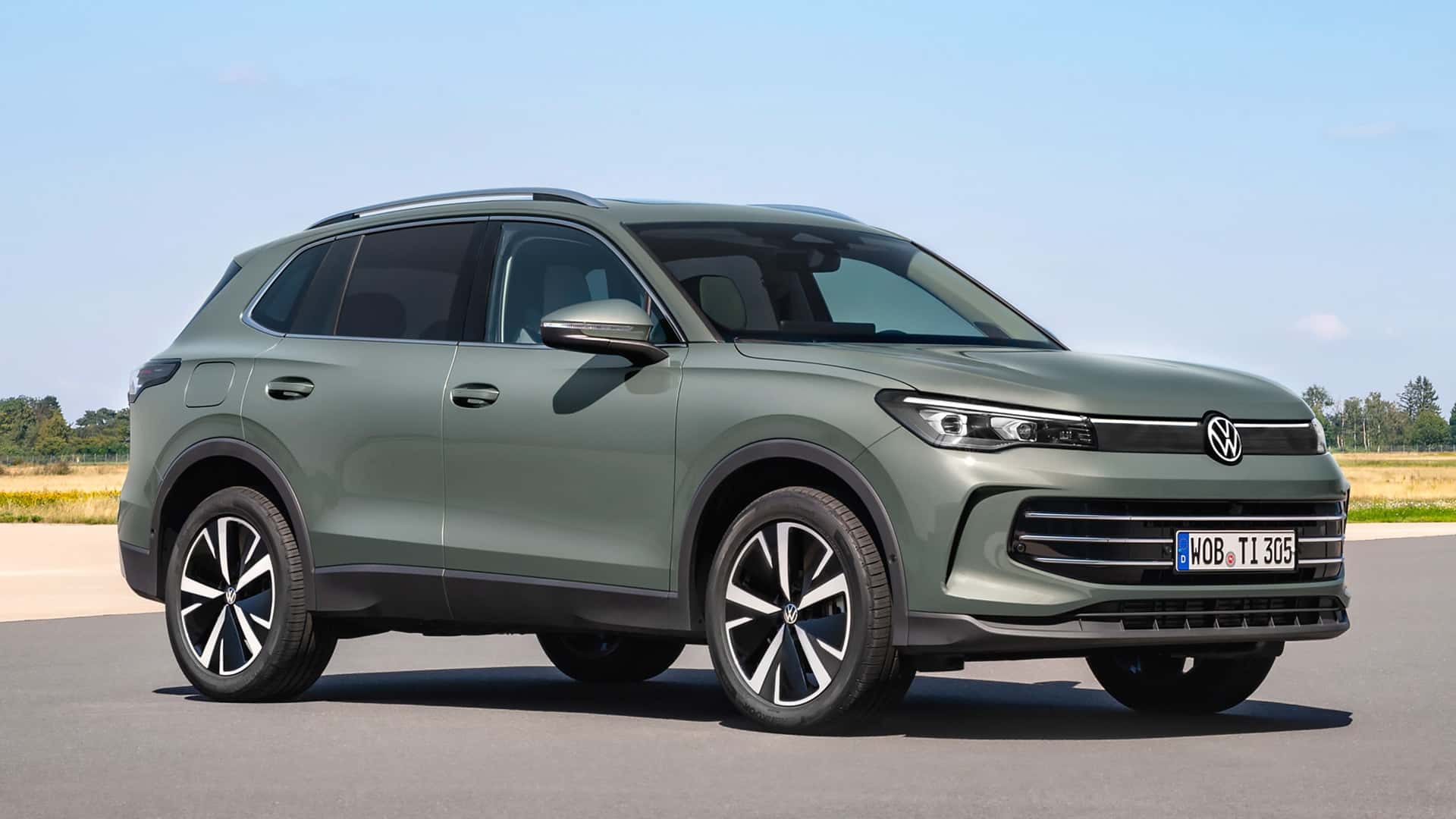
Safety is a big factor. The 2025 Tiguan earned a five-star NHTSA rating, the highest possible. Standard safety features add to that. VW includes driver aids on all trims. Automatic emergency braking and blind-spot monitoring are common. These tools cut claim rates.
The Tiguan is a compact SUV with a calm nature. The 2.0-liter turbo makes about 184 horsepower. That is not sporty enough to worry insurers. It also offers a roomy interior. Rear legroom is generous. Some versions even offer a third row.
That third row is tight. It works for kids only. Still, it adds flexibility for growing families. Buyers here are mostly families. Insurers see them as low-risk. Family drivers tend to file fewer claims.
Repair costs can be higher than a Honda’s. Parts for European cars usually cost more. The Tiguan still stays reasonable. VW’s dealer network is wide. Independent shops can also service it. That keeps labor bills in check.
Standard front-wheel drive keeps the price down. All-wheel drive costs extra. It also raises the vehicle’s value slightly. Value matters for insurance. A higher price means a higher replacement cost. Base trims are the cheapest to insure.
Theft rates are low. Few thieves target the Tiguan. That helps comprehensive rates. Reliability is decent but not class-leading. Honda and Subaru still win that contest. Some owners report electronic quirks.
Warranty coverage is a plus. VW offers a strong basic warranty. It reduces out-of-pocket surprises. The Tiguan drives smoothly. The ride feels more mature than many rivals. It is quiet on the highway.
It also looks upscale without a luxury price. That appeals to buyers who want polish. Insurance costs stay mainstream. Its rank shows something important. You do not need a Japanese badge for cheap coverage. Safety and sensible power matter more. Quote the exact trim you want. The gap between trims can reach hundreds of dollars. Choose wisely.
6. Mazda CX-5 – About $2,344 a Year
The CX-5 is the first vehicle here with a price near the $2,350 mark. Its six-month rate is $1,172, which works out to roughly $2,344 a year. That is a small step above the Tiguan.
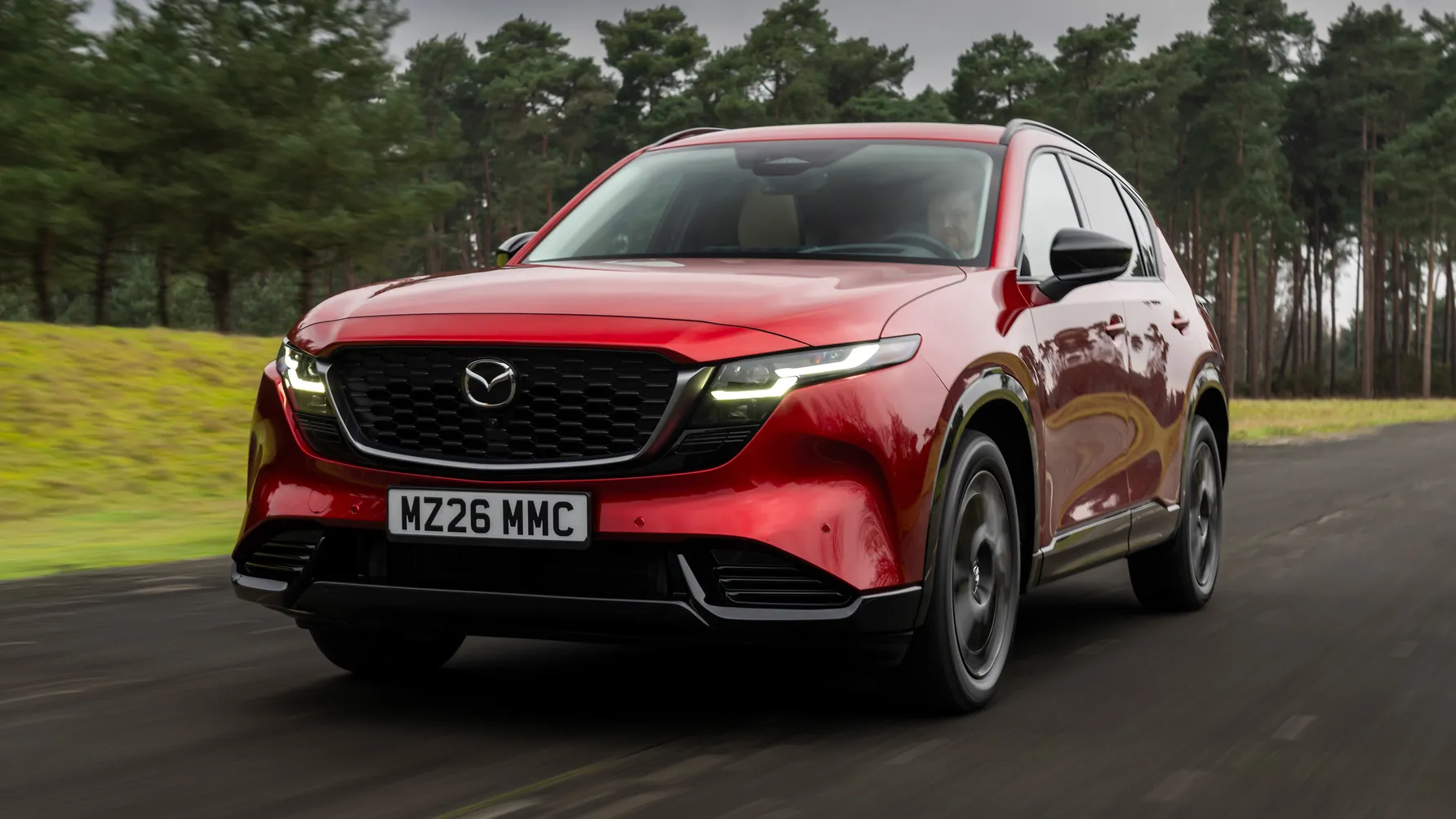
Mazda has built a strong safety reputation. Its i-Activsense package includes automatic braking and lane assist. Most trims come with the basics. The CX-5 has earned top crash-test results in recent years. Insurers notice this. Safer cars lead to smaller claims.
Power is moderate. The standard 2.5-liter engine makes about 187 horsepower. That is enough for confident driving. Turbo versions add power. They also add cost. Insurers price those trims higher.
The CX-5 is often called the driver’s SUV. Handling is sharp and steering is precise. Even so, buyers are mostly ordinary commuters. That cabin quality has a catch. Nicer trims cost more to replace. Signature trims can push premiums up.
Standard all-wheel drive is common. It adds stability. It also adds a bit to the car’s value. Repair costs are reasonable. Mazda parts are widely available. Body shops are familiar with the car.
Theft risk is low. The CX-5 does not appear on most theft lists. That keeps comprehensive costs down. Reliability is very strong. Mazda often ranks near the top in owner surveys. Fewer breakdowns can mean fewer stressful claims.
The rear seat is a bit tighter than a CR-V’s. Cargo space is slightly smaller too. Families should test it first. Fuel economy is solid but not amazing. Real-world mileage is in the mid-20s. That is typical for the class.
The CX-5 suits people who want fun without risk. It drives like a sportier car. Its insurance bill acts like a family car. Young drivers will still pay steep prices. That is true for every vehicle here. Age is the largest single factor. If you want style and safety at a fair rate, look at Mazda. Get a few quotes to confirm. Your state and record will shape the final price.
7. Volkswagen Taos – About $2,362 a Year
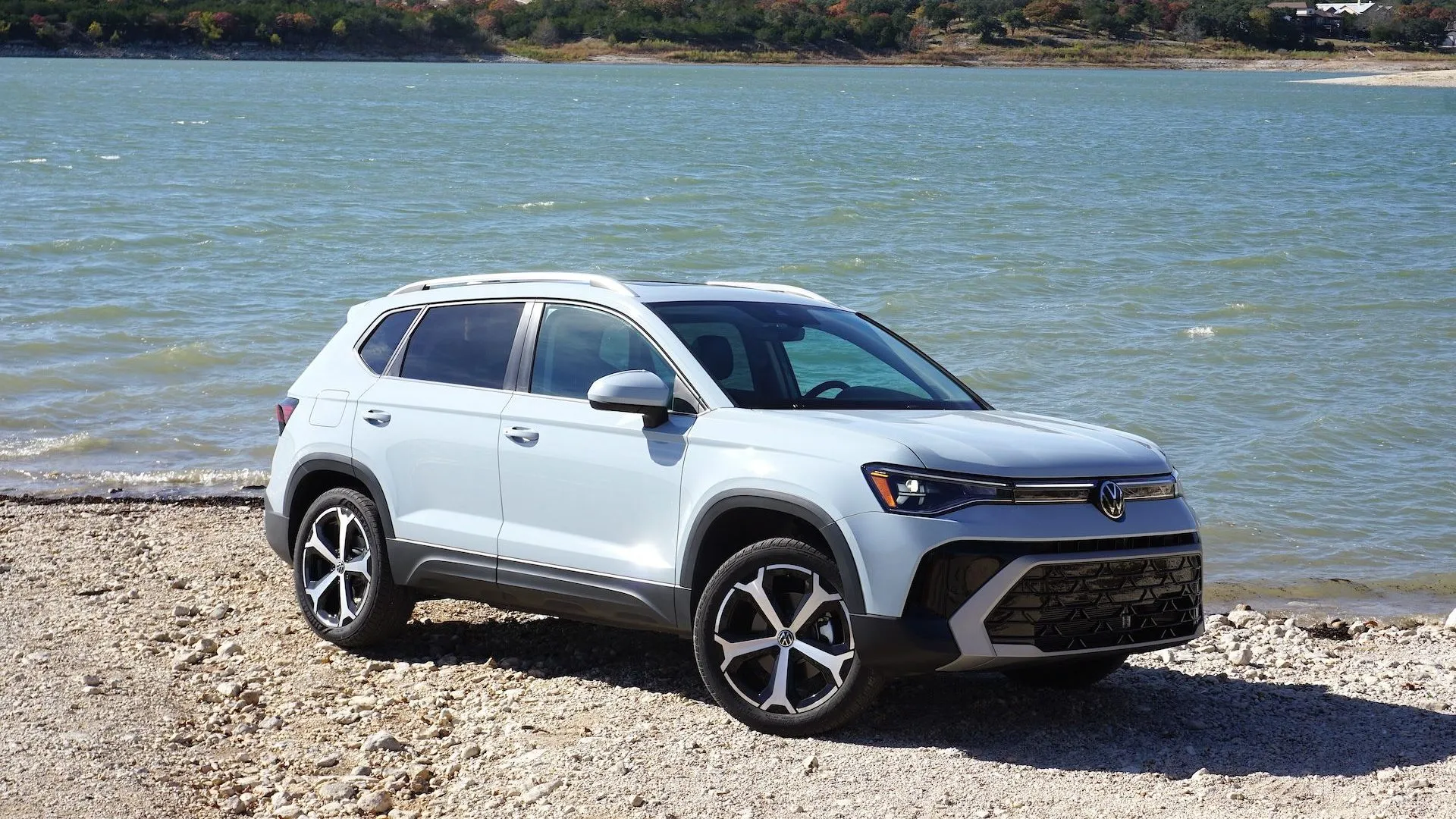
The Taos is the smallest SUV in this group. Its six-month rate is $1,181, so it costs roughly $2,362 a year. That is a bit more than the CX-5. It is a subcompact SUV, sized below the Tiguan. The Taos is easy to park and easy to drive. City drivers love that.
The engine is a 1.5-liter turbo. It makes about 158 horsepower. That is modest and gentle on insurers. Front-wheel drive is standard. All-wheel drive is optional. Most buyers choose the simpler setup.
Safety tech is included on most trims. Automatic emergency braking and blind-spot monitoring are common. These features help lower claims. The price is a key advantage. The Taos starts lower than many SUVs. A lower price means lower replacement costs.
Interior space is surprisingly good. Rear legroom beats many rivals. Cargo room is also generous for the size. The Taos is popular with younger buyers. Many are first-time SUV owners. Insurers still rate it well, which is a good sign.
Repair costs are moderate. VW parts can cost more than Honda’s. Still, the Taos is simple and not exotic. Theft rates are low. This helps keep the premium down. Thieves prefer other brands.
Fuel economy is very good. Highway mileage can reach the mid-30s. That saves money beyond insurance. The car feels solid on the road. It is quiet and stable. Some rivals feel cheaper inside.
There are trade-offs. The Taos lacks a hybrid option. Its rear seat is fine but not spacious for three adults. Reliability scores are average. VW does not match Toyota or Honda here. Still, owner satisfaction is decent.
Insurance costs rise fast with higher trims. The SEL adds more equipment. Choose a lower trim if you want to save. The Taos proves small SUVs can be smart insurance picks. Their size keeps damage costs lower. Their safety features keep crashes rarer. It is a good fit for singles and small families. Just compare quotes carefully. Rates can vary widely between insurers.
8. Honda HR-V – About $2,376 a Year
The HR-V is Honda’s smaller sibling to the CR-V. Its six-month rate is $1,188, which equals roughly $2,376 a year. That is close to the Taos. It shares Honda’s strong reputation. Reliability is a major strength. Insurers trust the badge.
The HR-V sits on a platform related to the Civic. That gives it car-like handling. It also gives it low repair costs. Honda Sensing is standard. It includes automatic braking and lane-keeping. These features reduce accident rates.
The engine is a 2.0-liter four-cylinder. It makes about 158 horsepower. That is on the gentle side. Acceleration is not exciting. Few buyers buy an HR-V for speed. That calm profile helps premiums.
Parts are cheap and everywhere. Honda’s network is massive. Repairs rarely drag on. Theft rates are low for this model. Honda’s newer designs are harder to steal. That helps comprehensive costs.
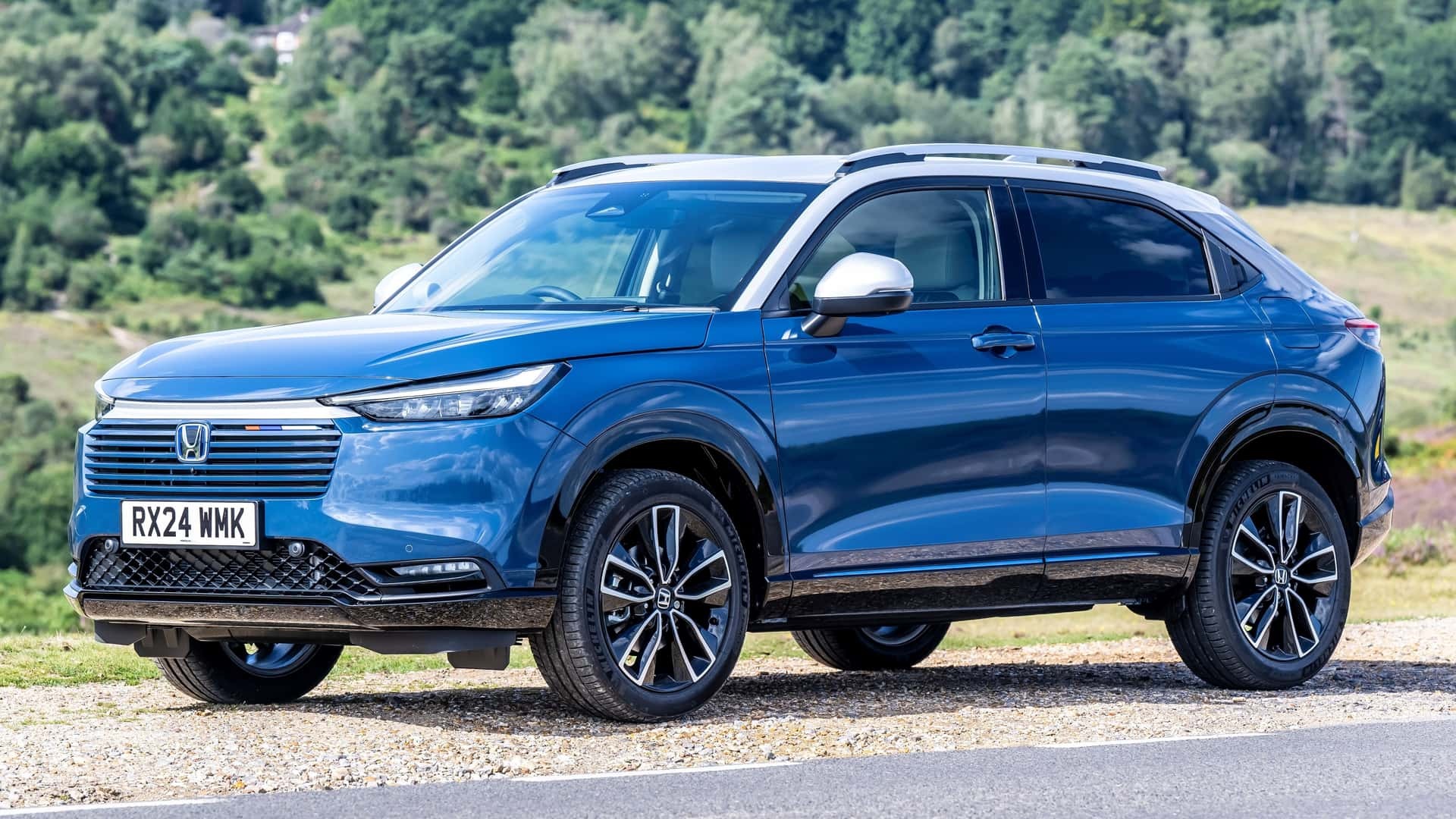
The interior is smart and roomy. Rear seat space is a highlight. The cargo area is also flexible. The cabin feels simple and clean. Materials are not luxurious. But they are durable.
Buyers are often first-time owners and small families. Insurers see this as a low-risk group. Claims are usually minor. Price plays a role. The HR-V starts lower than the CR-V. That lowers replacement costs for insurers.
Its ranking near the CR-V is telling. Even a smaller, cheaper Honda costs about the same to insure. Brand strength counts. Fuel economy is very good. Real-world mileage often reaches the low 30s. That keeps running costs low.
Some drivers find the engine underpowered. Highway passing can feel slow. Test drive it on a busy road. All-wheel drive is available. It costs more up front. It can also raise your premium slightly.
The HR-V is a strong option for city dwellers. It offers Honda safety in a compact package. Its insurance bill stays friendly. Ask about discounts before buying. Multi-policy and safe-driver savings can add up. Bundling with home insurance often helps most.
9. Subaru Forester – About $2,378 a Year
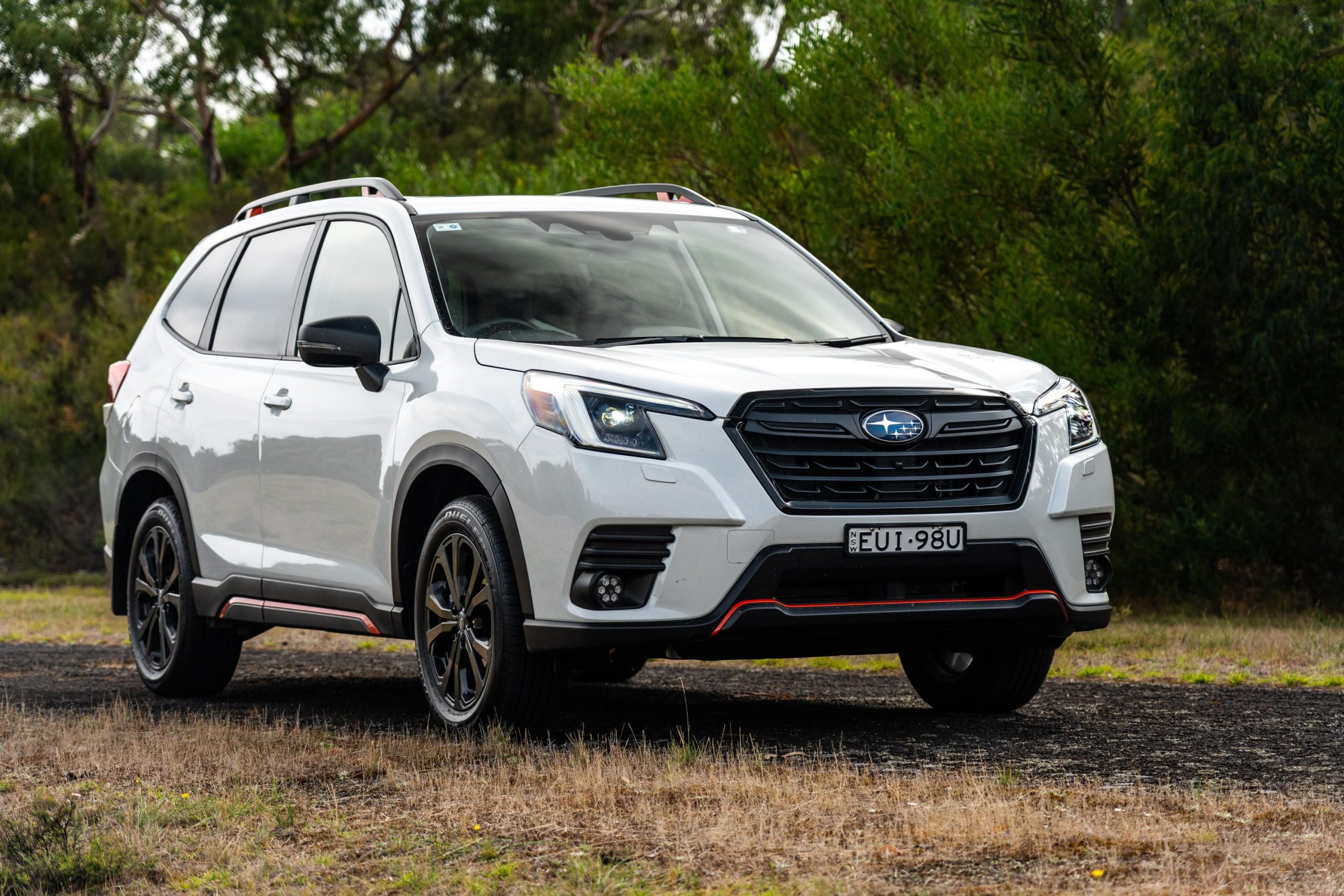
The Forester rounds out the list. Its six-month rate is $1,189, so it costs about $2,378 a year. It just makes the under-$2,400 cutoff. This is Subaru’s family workhorse. It is a compact SUV with lots of space. Tall windows give excellent visibility.
Safety is its main strength. EyeSight comes standard. Crash-test results are consistently strong. Standard all-wheel drive adds grip. Snowy or wet roads feel safer. Better traction means fewer accidents.
The Forester has about 8.7 inches of ground clearance. It handles rough roads with ease. It also sits high for visibility. The engine is a 2.5-liter four-cylinder. It makes around 180 horsepower. That is enough without being aggressive.
Repair costs are fair. Parts are easy to source. Subaru shops are common. Owners are famously loyal. Many are careful, family-focused drivers. Insurers like that pattern.
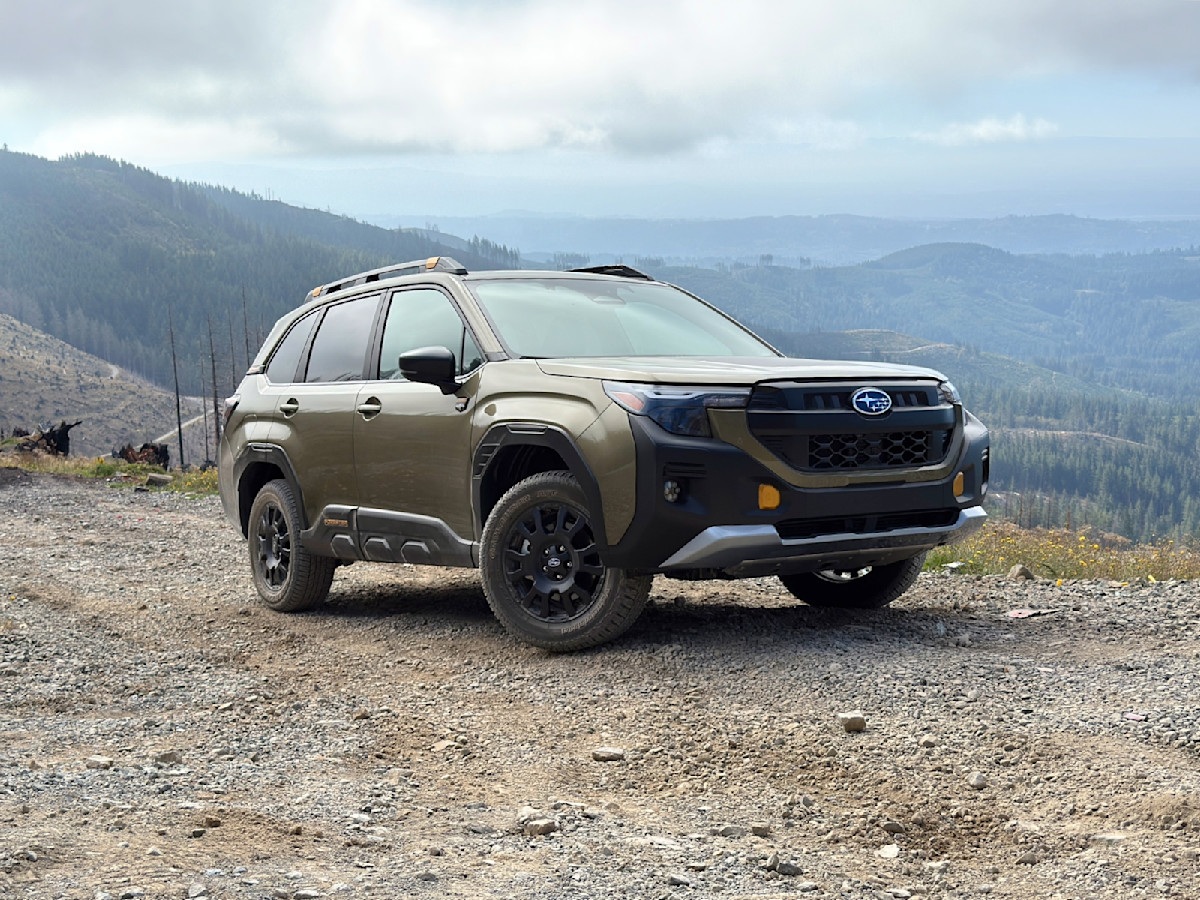
Theft rates are low. The Forester is not a common target. That keeps comprehensive costs modest. Interior space is a highlight. Rear-seat legroom is excellent. The cargo bay is large and square.
Fuel economy is decent. Real-world mileage is in the high 20s. That is typical for AWD. Some buyers find the engine dull. It is not quick off the line. But it is smooth and dependable.
The Forester is often cheaper than the Outback in other studies. Rankings shift by data source and state. Compare more than one estimate. Trim level changes the price. The Touring has more features and a higher value. Base trims are cheapest to insure.
Young drivers will still pay a lot. Age is the biggest cost driver. A safe car only softens the impact. Pairing a Forester with defensive driving discounts helps. Good-student savings also matter. Small steps add up. The Forester is a great choice for practical families. It is safe, roomy and easy to live with. Its insurance rate shows why.
