
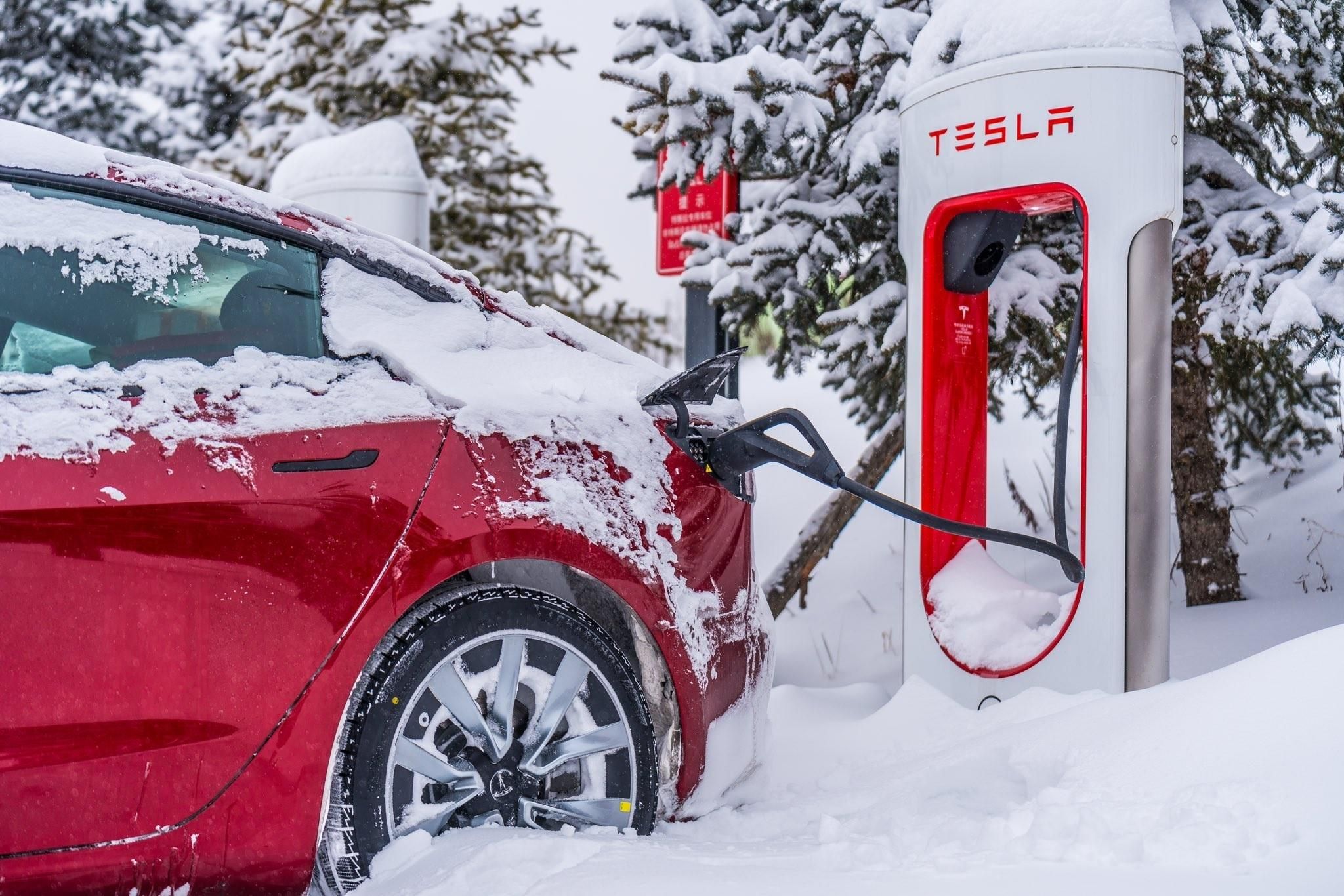
Cold weather changes everything for an electric car. Lithium-ion cells resist current flow as temperatures fall. The cabin heater then pulls extra power from the same pack.
The result is a range loss that surprises many new owners. Large fleet studies often show losses of 20 to 30 percent near freezing. The AAA test in 2019 found a 41 percent drop at 20°F with the heater running.
Not every EV suffers equally. Three factors decide the outcome. Heat pump efficiency matters most. Battery thermal management comes second. Aerodynamics and tyre choice complete the picture.
This ranking draws on independent winter road tests, owner telemetry studies, and thermal-system design. The same patterns repeat across sources. Cars with heat pumps and smart preconditioning keep more range. Cars without them fall behind quickly.
Below are 11 EVs, ranked from best to worst retention. Real results shift with speed, wind, and route. Treat the percentages as typical ranges, not guarantees.
1. Tesla Model Y
The Model Y leads most winter comparisons. Its heat pump has been standard since launch. It works with the Octovalve, a multi-port coolant valve that routes waste heat.
That valve can pull warmth from the motor, the battery, and the cabin loop. Very little energy is wasted on resistive heating. This is the main reason it tops the list.
Preconditioning adds to the advantage. Owners can warm the cabin and pack while still plugged in. That uses grid power instead of battery power.
Fleet data suggests losses in the teens to low twenties at freezing temperatures. Highway driving in deep cold pushes that higher. Even then, it usually stays ahead of rivals.
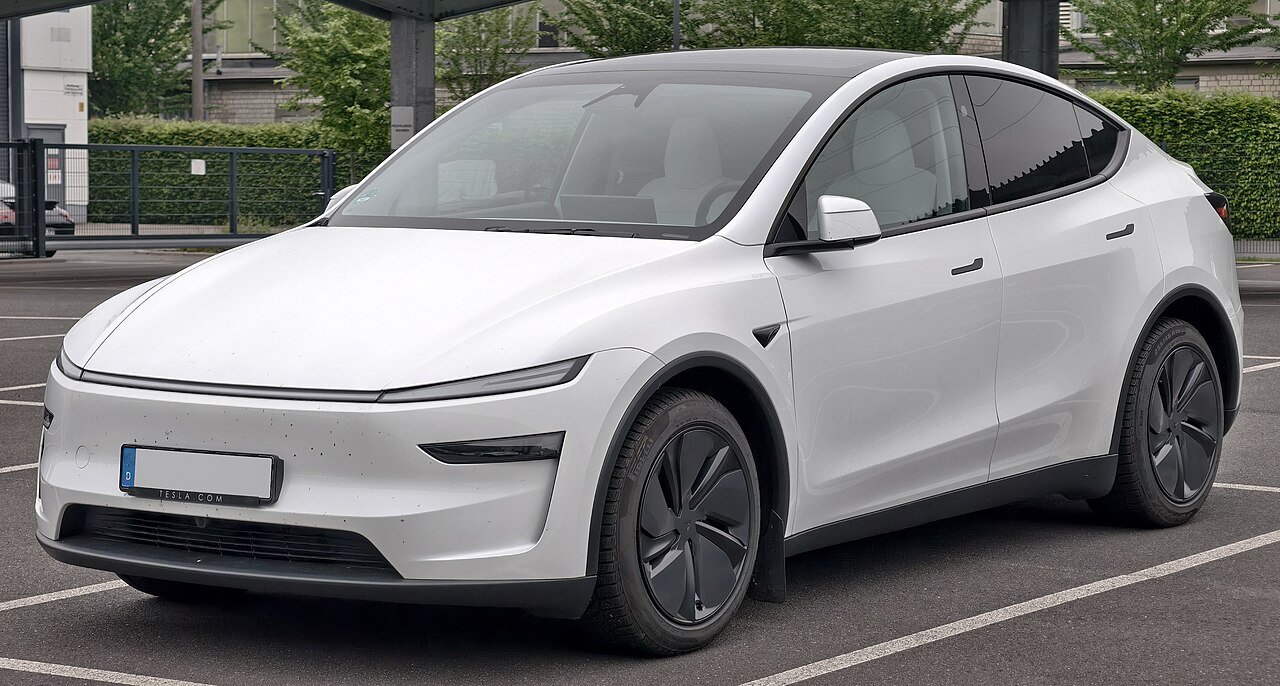
The navigation system also helps. It heats the battery before a Supercharger stop. That shortens charging times in winter. Efficiency is the quiet strength here.
A low energy draw means the heater takes a smaller share of the total. A big pack and a mature charging network make cold trips practical. The weak spot is cabin heat at extreme lows. Below about minus 15°C, heat pump efficiency falls. Resistive elements then fill the gap.
2. Tesla Model 3
The Model 3 shares the same thermal philosophy. Newer builds use a heat pump and the Octovalve layout. Older cars used a simpler resistive setup. That split matters for used buyers. A pre-2021 Model 3 retains less range in winter. The gap can be several percentage points.
Aerodynamics work in its favour. Its drag coefficient is around 0.23. Less drag means less energy lost to cold, dense air. Cold air is denser than warm air. That raises drag at every speed. A slippery shape softens the blow.
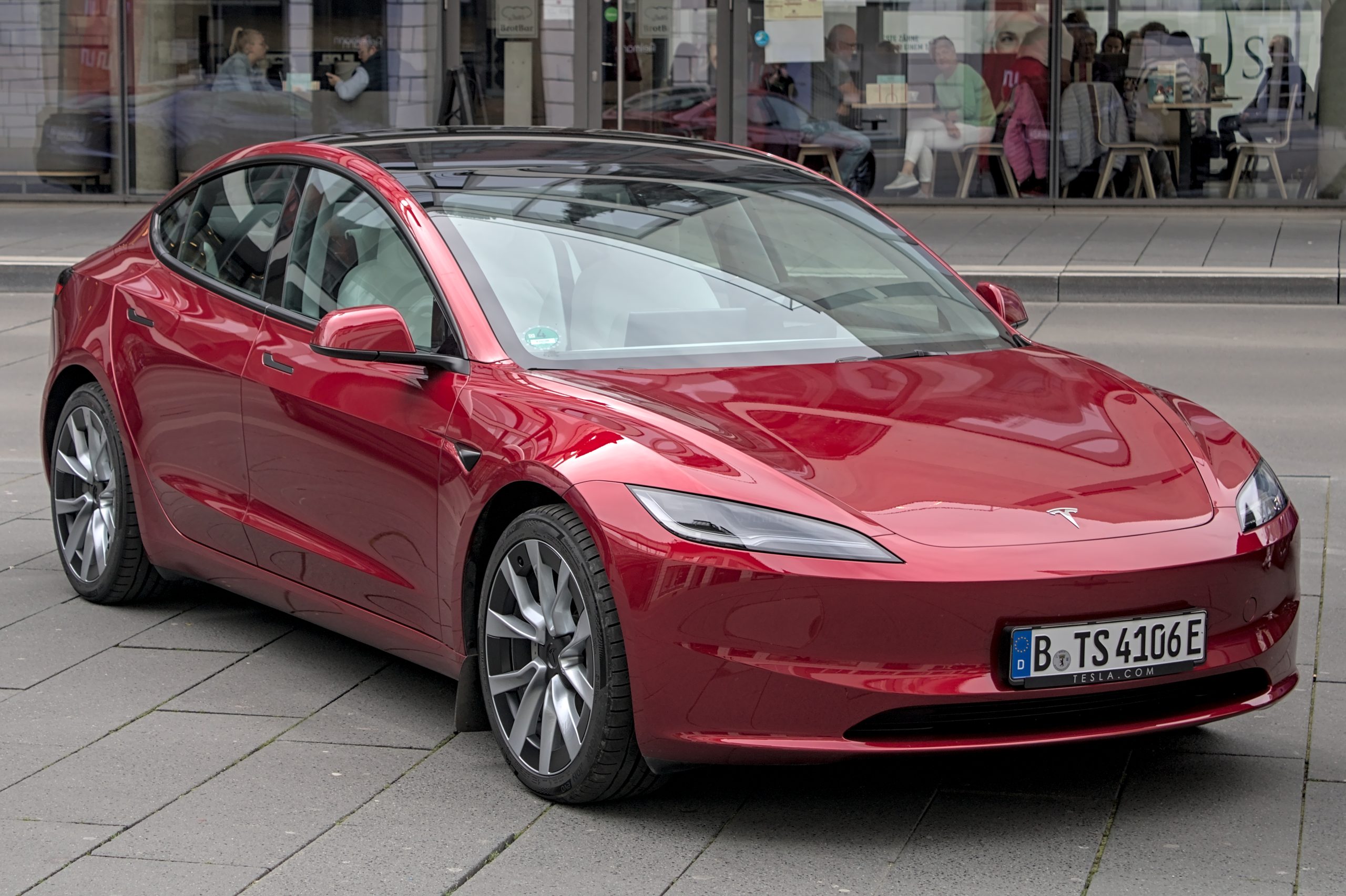
Its smaller frontal area also helps. The Model 3 sits slightly behind the Model Y on retention. The Y’s newer thermal hardware is one reason. Owners report losses of roughly 15 to 25 percent in freezing conditions. Short trips hurt more than long ones. The pack spends its energy warming itself.
Preconditioning again makes a real difference. A warm pack at departure means better regeneration. Regen is often limited when cells are cold. Buy a heat pump car if winters matter to you. The Model 3 rewards that choice. It remains one of the most efficient sedans sold.
3. Hyundai Ioniq 6
The Ioniq 6 is the most aerodynamic car in the group. Its drag coefficient is about 0.21. That gives it a real edge at motorway speeds. Hyundai fitted a heat pump as part of the E-GMP platform design. It recovers heat from the motor and power electronics. That heat warms the cabin and battery.
Its 800-volt architecture supports fast charging. Battery conditioning prepares the pack before a stop. That keeps charge speeds respectable in cold air.
Norwegian winter tests have rated the E-GMP cars well. Retention was strong, and real-world range stayed close to claims. The Ioniq 6 benefits from its shape as well.
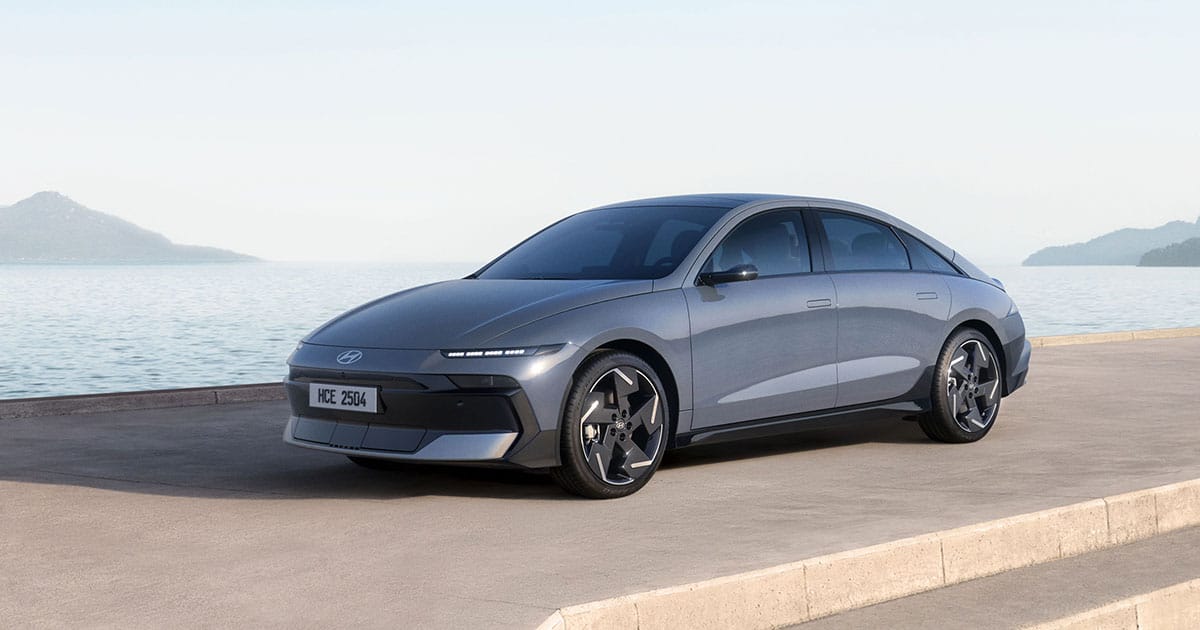
Efficiency is exceptional for the class. Some versions use under 16 kWh per 100 km in mild weather. Winter raises that number, but from a low base. The main compromise is cabin space. The sloping roofline limits rear headroom. Some buyers find it tight.
Tyre choice also affects results. Low-rolling-resistance summer rubber loses grip and efficiency in the cold. Winter tyres cost a little range but add safety. Expect losses of about 15 to 25 percent, depending on speed. Gentle driving narrows the gap. This is the best non-Tesla choice.
4. Hyundai Ioniq 5
The Ioniq 5 shares its platform with the Ioniq 6. It uses the same 800-volt system and heat pump approach. Its boxier shape costs it some efficiency. The drag coefficient is about 0.288. That is fine for a crossover. It trails the sedan by a clear margin.
Heat pump availability varies by market and trim. In many regions, it is standard on higher versions. Check the spec sheet before you buy. The car offers a vehicle-to-load function. That is handy during winter outages. It also shows how much thought went into battery management.
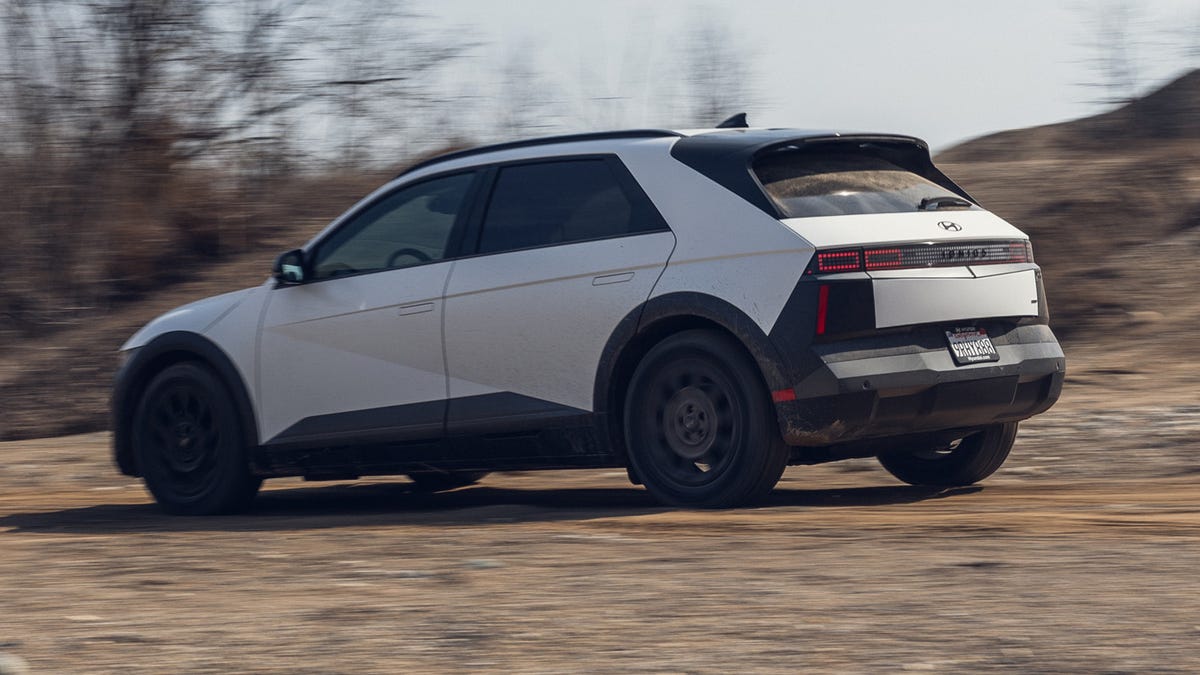
Cold-weather fast charging remains a highlight. Preconditioning warms the pack on the way to a charger. Owners report strong 10 to 80 percent times even in frost.
Independent winter tests placed it near the top of its class. Retention was usually within a few points of the best cars. Highway speeds hurt more than urban driving.
The flat floor and roomy cabin add practicality. A larger interior volume takes more energy to heat. That is a small trade-off. Typical losses fall around 18 to 28 percent near freezing. A heat pump trim narrows this. A resistive-only version loses more.
5. Kia EV6
The EV6 is the Ioniq 5’s sibling. It uses the same battery, motors, and thermal design. Its shape is lower and sleeker. That shape gives a drag coefficient near 0.28. It is slightly more efficient than the Ioniq 5 on the motorway. The difference is small but visible in winter.
A heat pump is included on many trims. It recovers waste heat from the drivetrain. The system keeps the cabin warm without heavy battery drain.
Kia’s battery preconditioning activates on the way to a fast charger. It can also run before departure. Both reduce the cold penalty. Winter road tests often placed the EV6 close to the Ioniq twins. Some rated it a touch better on the highway. Others rated it slightly worse in city use.
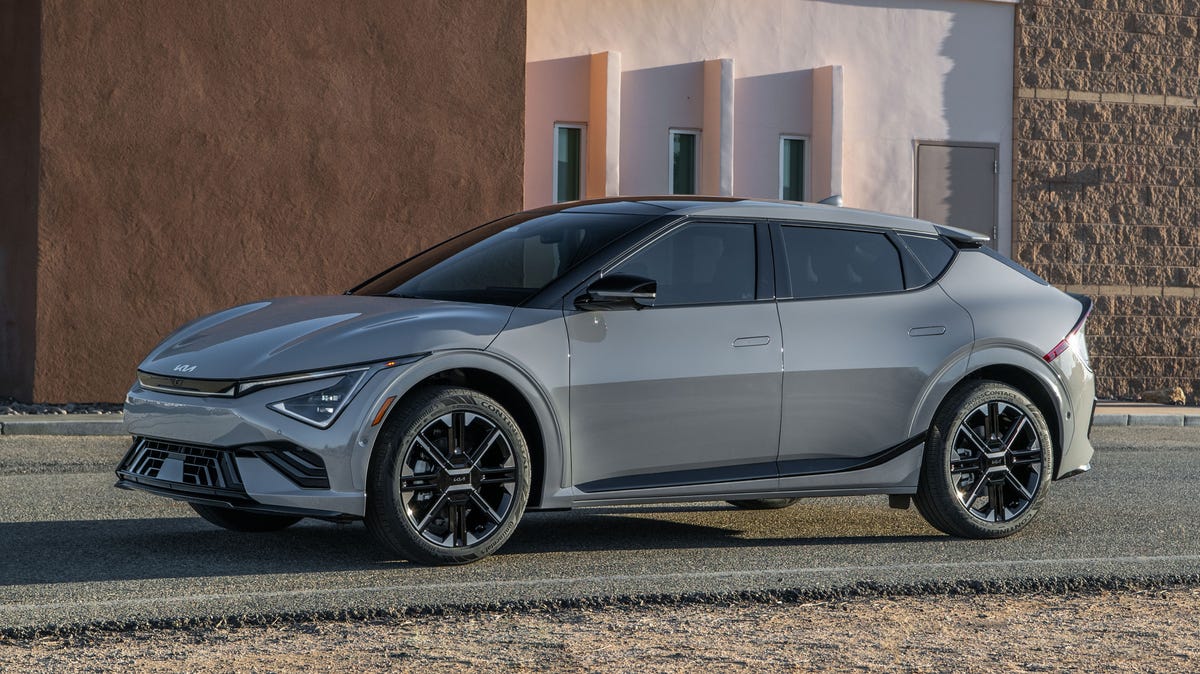
Ride quality is firm, and the cabin is quiet. That matters when studded or winter tyres add noise. Comfort helps owners accept the trade-off. The range penalty remains real.
Expect roughly 18 to 28 percent lost near freezing. Deep cold pushes it higher. The EV6 is a strong choice for cold regions. It combines fast charging with dependable retention. Only a few rivals beat it.
6. Lucid Air
The Lucid Air is the efficiency champion. Its drag coefficient is around 0.197. Its powertrain is compact and very efficient. A large battery adds range to spare. Even with heavy winter losses, the Air often ends with more range than rivals began with. That is a different kind of retention.
Lucid uses a heat pump as part of its thermal system. It also runs a 900-volt architecture. That supports very fast charging when the pack is warm.
Retention in percentage terms is good but not class-leading. Owners report about 20 to 30 percent losses in hard frost. The car’s absolute range remains excellent. The Air also has long-range models that top 500 miles on the EPA cycle. Cold might trim that to near 400. Few EVs can match that number.
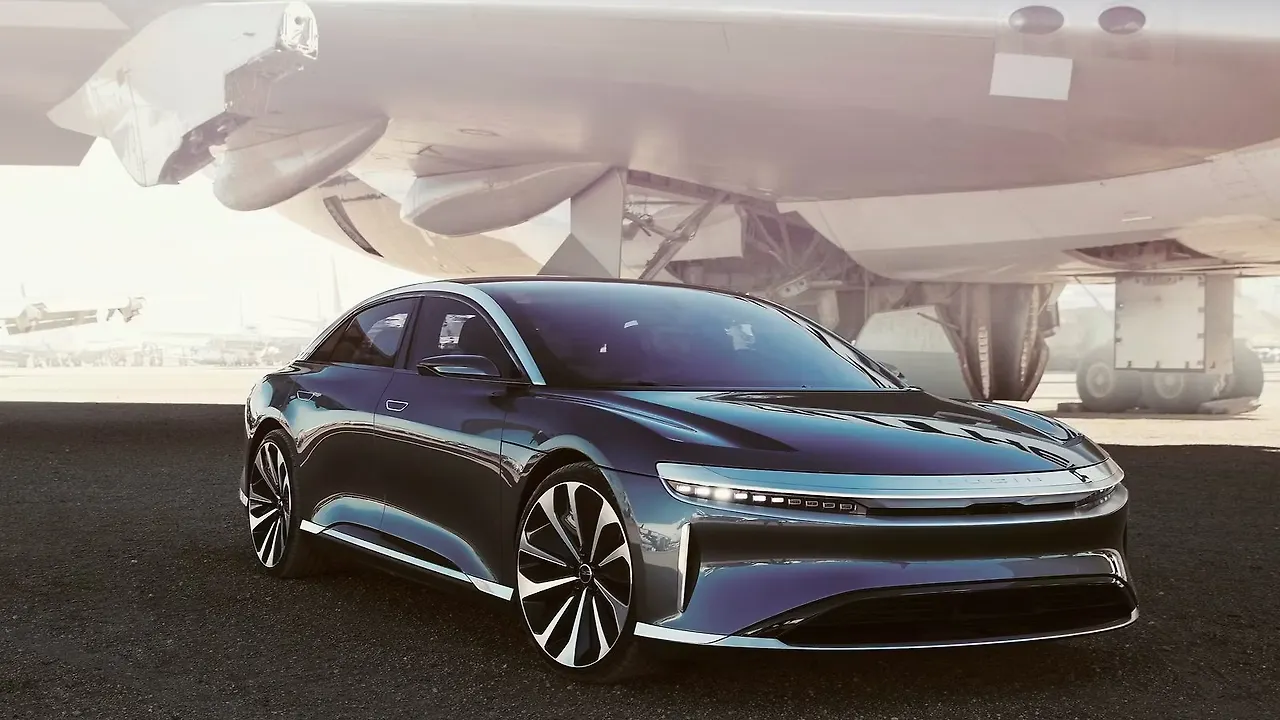
Software matters here. Lucid has refined its preconditioning over several updates. Early cars behaved less predictably. The price is the obvious barrier. Few buyers cross-shop it with mainstream EVs.
Still, its numbers show what strong engineering achieves. Rank it by percentage retention, and it lands mid-table. Rank it by usable winter miles, and it wins.
7. Polestar 2
The Polestar 2 sits in the middle of the field. It offers a heat pump as an option on many trims. Cars without it lose noticeably more. Its battery uses liquid thermal management. That protects cells in both heat and cold. It does not recover waste heat as effectively as the best systems.
Scandinavian tests have often included the Polestar 2. It usually returned solid but unremarkable retention. The car handles snow well, thanks to its stability.
Its drag coefficient is about 0.27. That is decent for a compact crossover-style sedan. It is not as slippery as the Ioniq 6. Range losses of roughly 22 to 32 percent are common in freezing weather. A heat pump trim improves that. Highway driving worsens it.
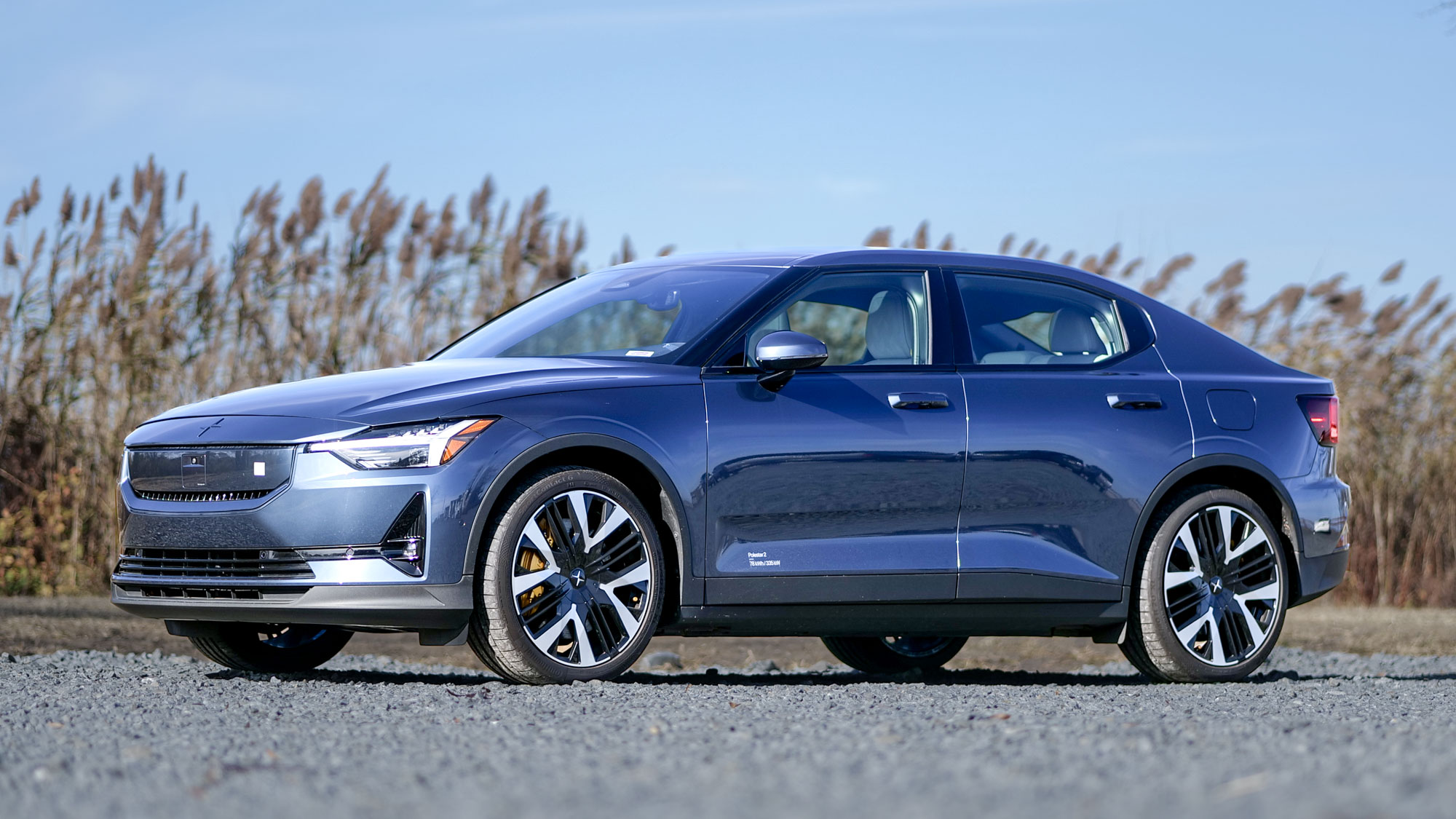
Software updates have improved preconditioning. The app allows remote cabin heating. Using it while plugged in is the best habit. Winter tyres matter more on this car than most.
Stock tyres favour efficiency over grip. Swapping brings safety at a small range cost. Buy the heat pump option if you live somewhere cold. Without it, the Polestar 2 drops down this list. With it, the car is competitive.
8. Volkswagen ID.4
The ID.4 offers reasonable winter performance. It is not a leader. Its thermal system is more conventional than the best. A heat pump is available on select trims. Without it, the car relies on resistive heating. That draws far more energy in deep cold.
Early ID.4 models had a reputation for slow charging in winter. Updates improved battery conditioning. Newer cars handle it better. Its drag coefficient is about 0.28. Its weight is moderate. Both help it stay respectable at moderate speeds.
Owner reports suggest losses of about 25 to 35 percent in freezing conditions. Motorway speeds at minus 10°C can go worse. City driving performs better.
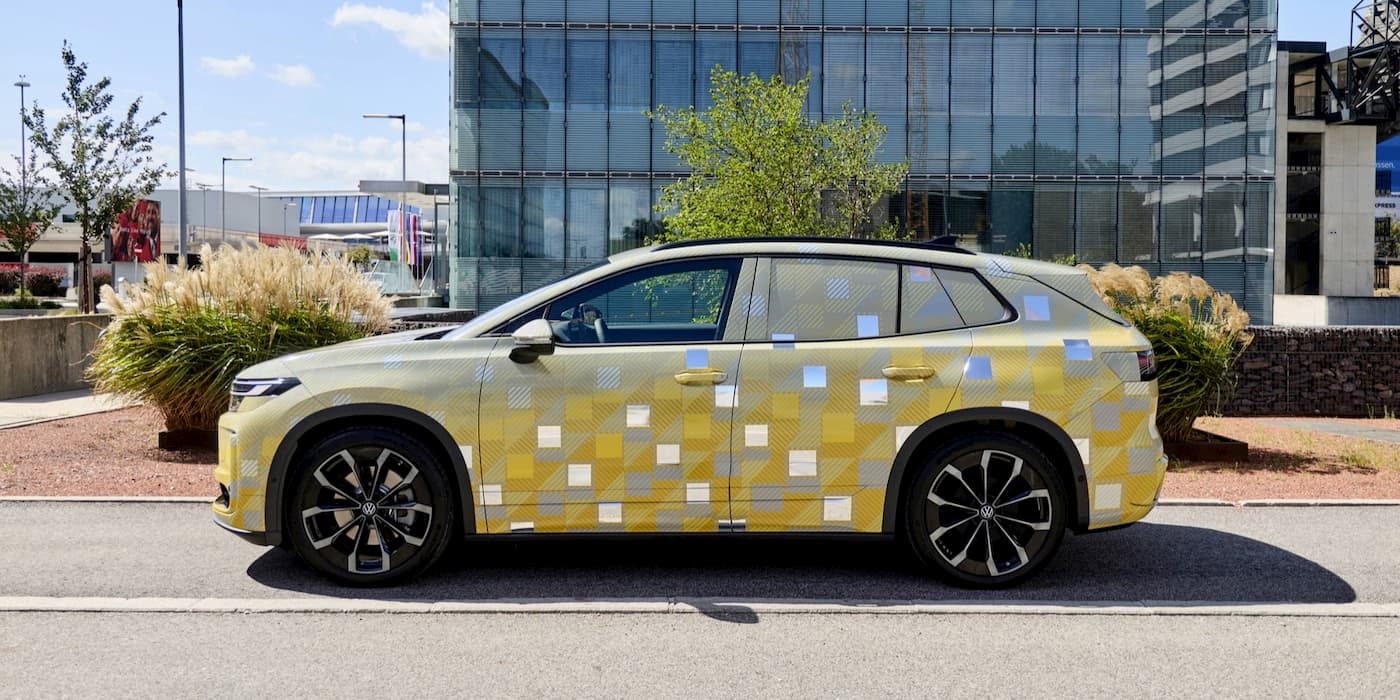
Preconditioning is essential. The app lets you warm the cabin before you leave. Doing it plugged in protects the range. The rear-wheel-drive layout gives good traction with the right tyres.
Snow performance is adequate. Dedicated winter tyres improve it a lot. The ID.4 is comfortable and practical. It just cannot match the heat pump leaders. Check the trim before you buy.
9. Ford Mustang Mach-E
The Mach-E is a capable EV with a weaker winter story. It does not use a heat pump. It relies on a resistive heater for cabin warmth. That design costs range in deep cold. Resistive heating turns each unit of electricity into a unit of heat. A heat pump delivers two to three times that.
Ford’s battery thermal management is decent. Liquid cooling and heating protect the cells. The pack stays within a safe window. Independent winter tests have shown mixed results. Some rated the Mach-E fairly well at moderate cold. Others showed sharper losses on the highway.
Typical losses run roughly 25 to 35 percent near freezing. Extended-range versions cope better in absolute terms. The bigger pack gives a cushion.
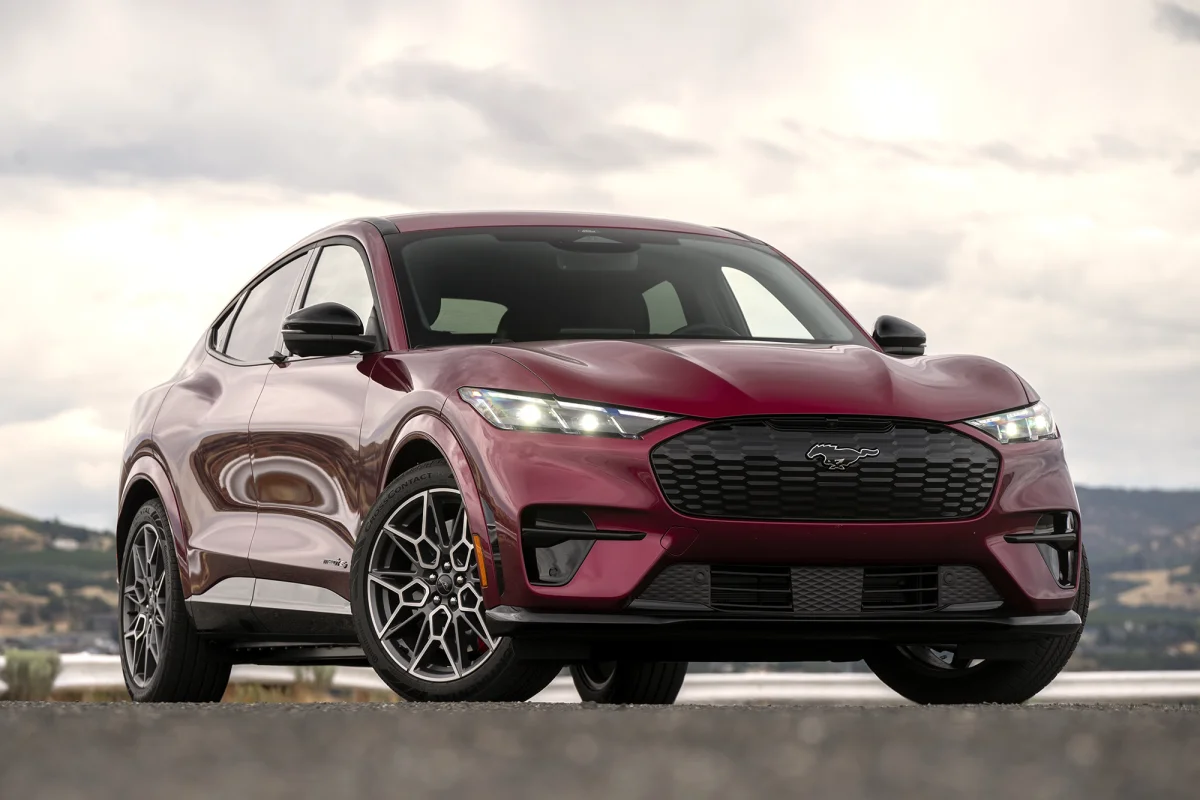
The car’s shape is efficient enough. Its drag coefficient is about 0.27. Its weight and wide tyres work against it. Owners recommend using seat and wheel heaters.
These warm the body directly using less power than cabin heat. It is a smart winter habit. Ford has improved software since launch. Preconditioning is reliable. The missing heat pump remains the main limitation.
10. Rivian R1T
The R1T is built for rough terrain and heavy loads. Those strengths cost it in winter. Its weight and tyres hurt retention. Rivian does use a heat pump in its thermal system. That is a genuine advantage. It cannot fully offset the truck’s size.
A drag coefficient near 0.3 is respectable for a truck. Yet the R1T weighs about 3,000 kg. Heavy mass raises energy use in every condition. All-terrain tyres add rolling resistance. In cold weather, rubber stiffens further. The effect shows up clearly in range figures.
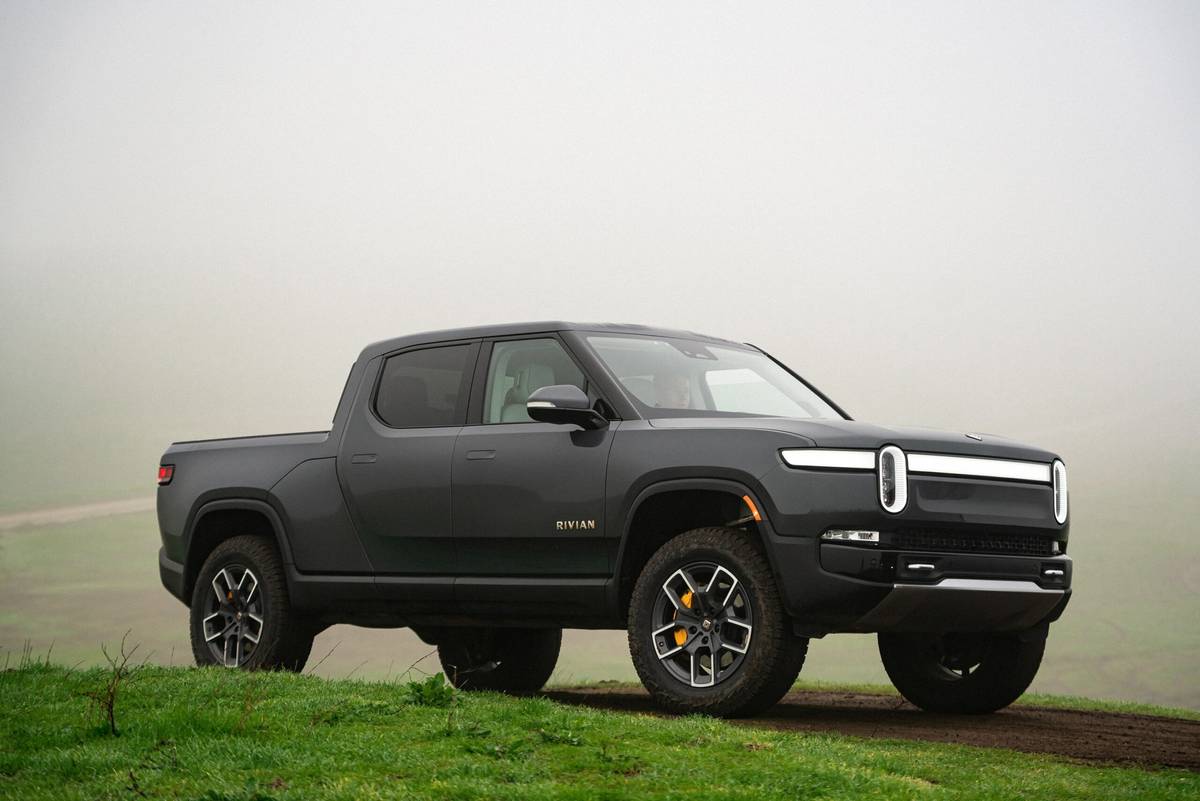
Owners report losses of roughly 25 to 40 percent in hard winters. Heavy use of the heater and cold roads worsen it. Towing pushes it further. The Quad-motor versions are especially thirsty. Maximum performance is not efficient. Dual-motor cars fare better.
The truck’s large battery does soften the impact. Even after heavy losses, range often exceeds 200 miles. That is usable for most trips. Software offers strong preconditioning and route planning. Rivian has improved charging in cold air over several updates. The R1T remains excellent, just not efficient.
11. Nissan Leaf
The Leaf finishes last. Its weakness is thermal management. The battery is air-cooled and has no active heating. That design was cost-effective in 2010. In modern winters, it is a serious handicap. Cold cells charge slowly and deliver less power.
Heat pump availability depends on trim and market. Many cars rely on resistive heating. Both reduce winter efficiency. Long-term owner data has long shown heavy winter losses in older Leafs. Some cars lost 30 to 40 percent in deep cold. Battery degradation makes it worse over time.
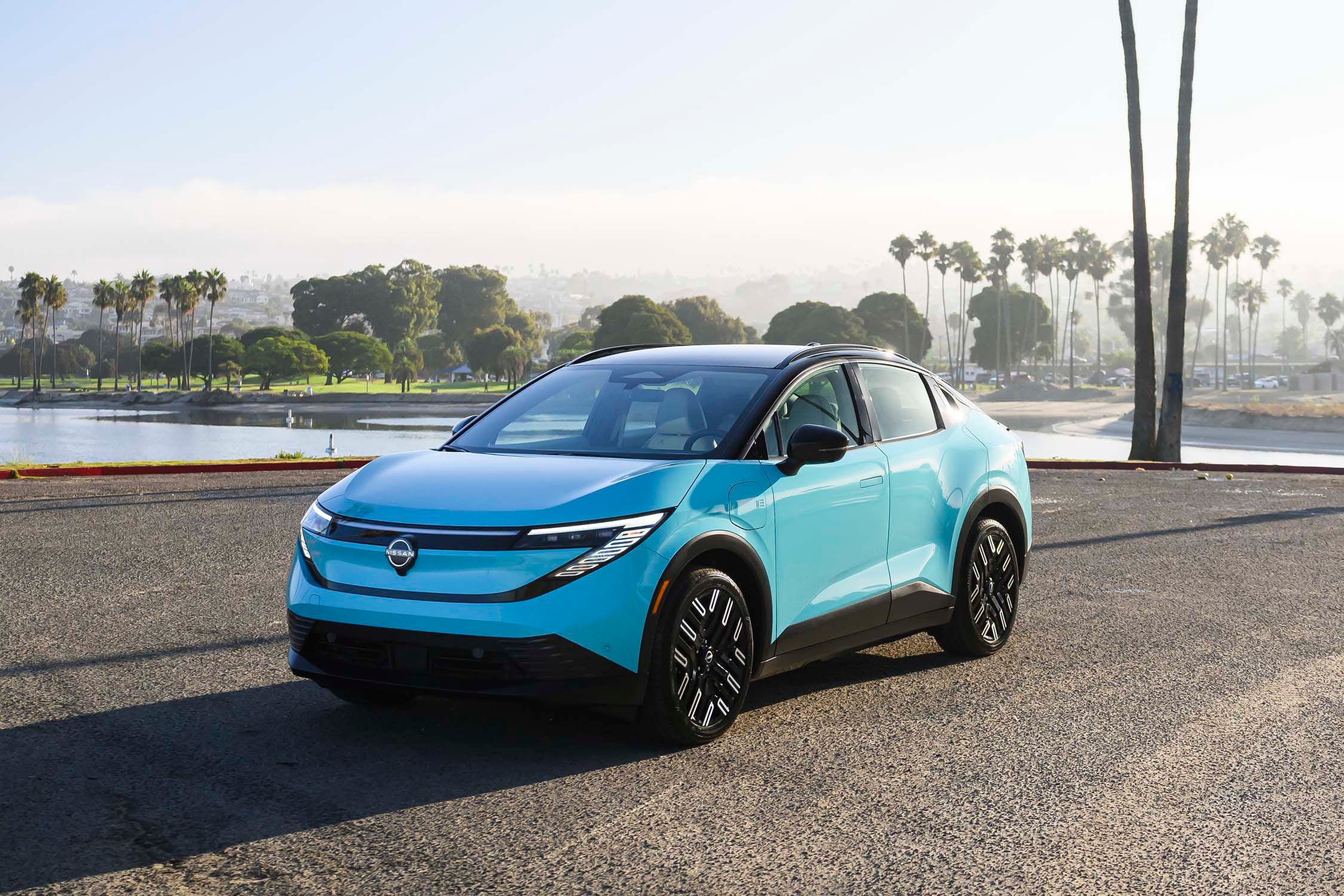
Fast charging on the CHAdeMO standard is another concern. Charging speeds fall sharply in cold weather. The lack of a preconditioning system hurts. The Leaf still has real virtues. It is affordable and easy to drive. It suits short commutes in mild climates.
Owners in cold regions should be careful. A used Leaf with a degraded pack may struggle. Test the range on a cold day before buying. It ranks last, but it is not a bad car. It is simply designed for gentler weather.
