
Charging is where EV ownership is won or lost. A great car can feel frustrating on a bad network. A modest car can feel effortless on a good one. Owners judge networks on a few simple things.
Does the charger work when they arrive? Does it start quickly, and does it deliver the speed promised? Reliability drives almost every satisfaction survey. Payment ease comes next. Location, amenities, and pricing follow close behind.
This ranking blends those owner priorities. It draws on the patterns seen in large consumer studies, reliability audits, and owner feedback. Exact scores shift each year, so treat the order as a snapshot.
Some networks earn praise through tight software and hardware integration. Others earn it through sheer size. A few lose points for broken stalls and clumsy apps. The list runs from ninth place up to first. Each entry covers what owners love, what irritates them, and who benefits most. Let’s begin.
9. Blink
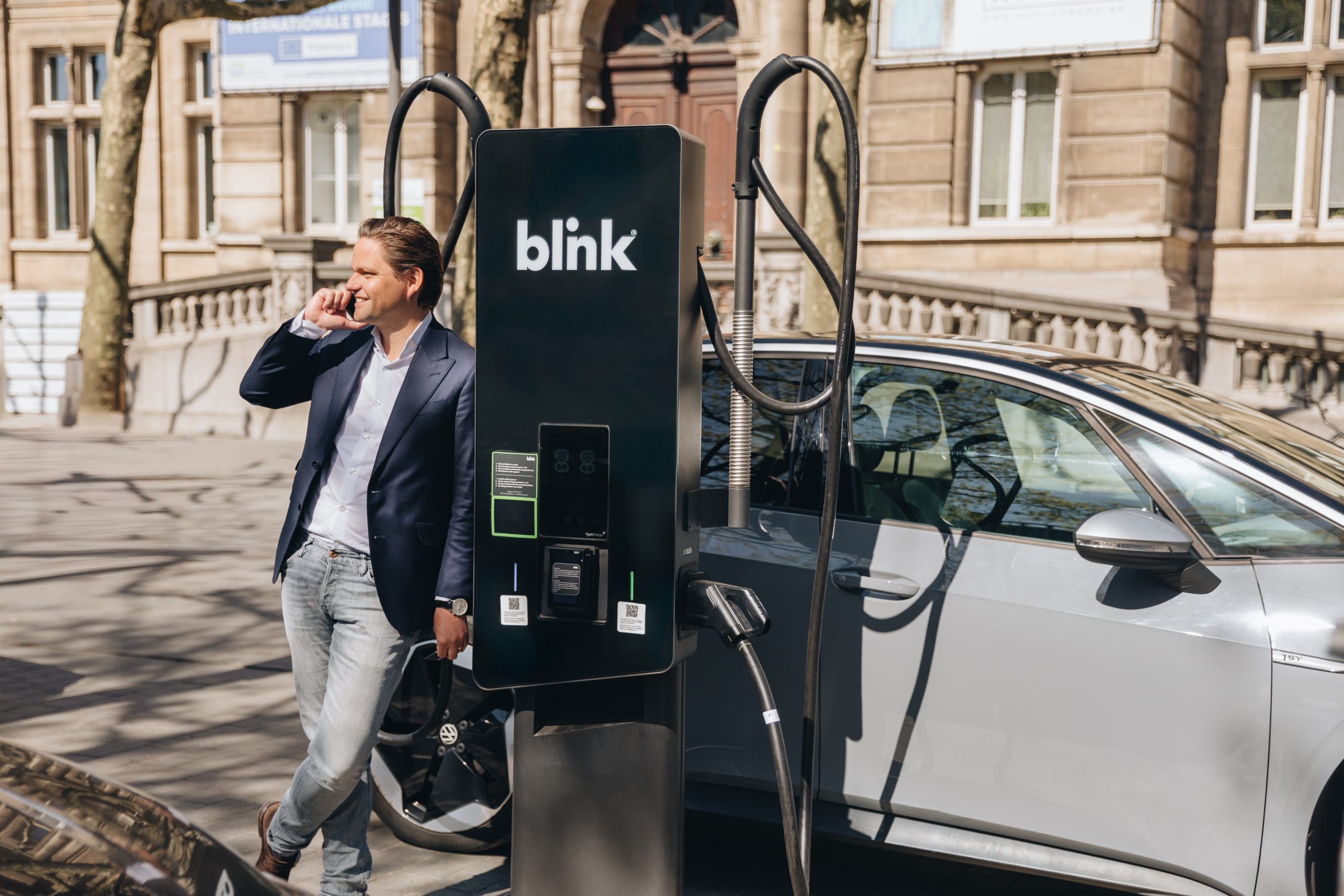
Blink sits at the bottom of owner satisfaction rankings. Its reputation rests on inconsistency. Some sites work well, and many do not. The network leans heavily on slower Level 2 units.
These suit workplaces and shopping centers. They do not suit a road trip. Owners often report chargers that fail to start. Screens freeze or show error codes.
Support lines can take a long time to answer. The app draws mixed reviews. Account setup feels clunky to many drivers. Payment steps can vary from site to site.
Pricing is another sore point. Rates differ by location and by membership tier. Some drivers say costs feel unpredictable. Blink does have strengths.
Its footprint covers many urban and destination locations. That makes it handy for topping up while parked. Local hosts control many sites.
Maintenance quality therefore varies widely. A well-kept location can be perfectly pleasant.
Owners who charge mostly at home find Blink tolerable. It works as a backup option. It rarely wins loyalty as a primary network. The company has talked about improving uptime and support.
Owners are still waiting to see how the network performs over time. For now, it remains a practical option for casual charging at destinations, but reliability at unattended locations continues to be a concern. It can get the job done, although it may not provide the consistency some drivers expect.
8. Shell Recharge
Shell Recharge lands eighth. It offers a broad footprint through partnerships and roaming. Owners like the reach, yet the experience varies. The brand is trusted and familiar.
Many drivers feel comfortable using it. That familiarity helps its early impression. The network combines owned sites with third-party stations. That mix creates uneven quality. One stop feels polished, and the next feels neglected.
Owners praise the ability to use one account across many chargers. Roaming reduces the need for multiple apps. It is a real convenience for travelers. Complaints center on reliability. Some stalls are offline or derated. Speeds sometimes fall short of what the sign promised.
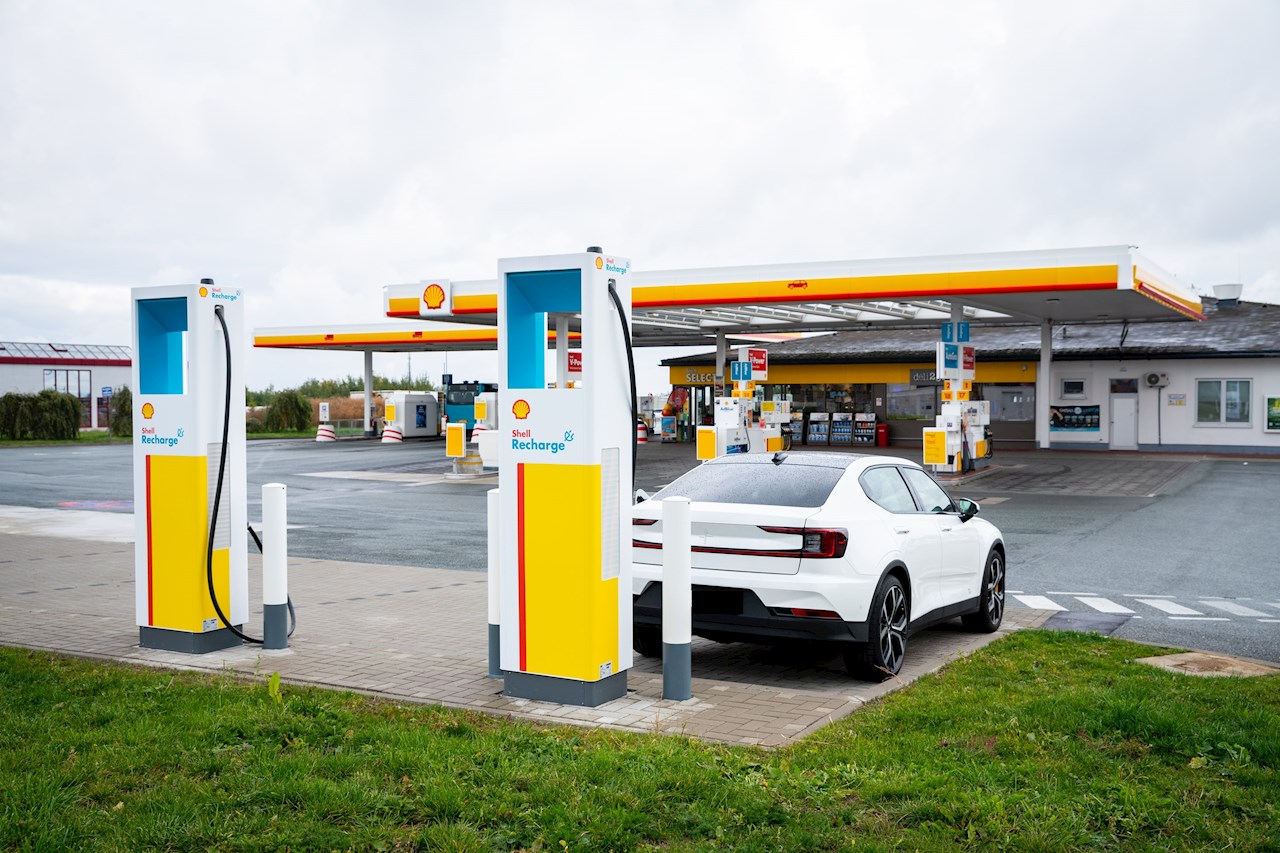
Pricing can also confuse people. Roaming partners may apply different rates. Drivers do not always see the final cost upfront. Locations near fuel stations and shops score well.
Food and restrooms matter on long drives. Owners rate these amenities highly. Urban Level 2 sites draw more neutral feedback. They work, but they rarely impress.
Speed and support decide the mood. Shell has invested in faster hardware in recent years. Newer sites tend to earn better comments. Older ones drag the average down.
This option may appeal to drivers who value broad roaming access across different charging networks. The main concerns are inconsistent station availability and pricing that is not always easy to understand. Its wide reach can be useful, but the experience may vary considerably from one location to another.
7. ChargePoint
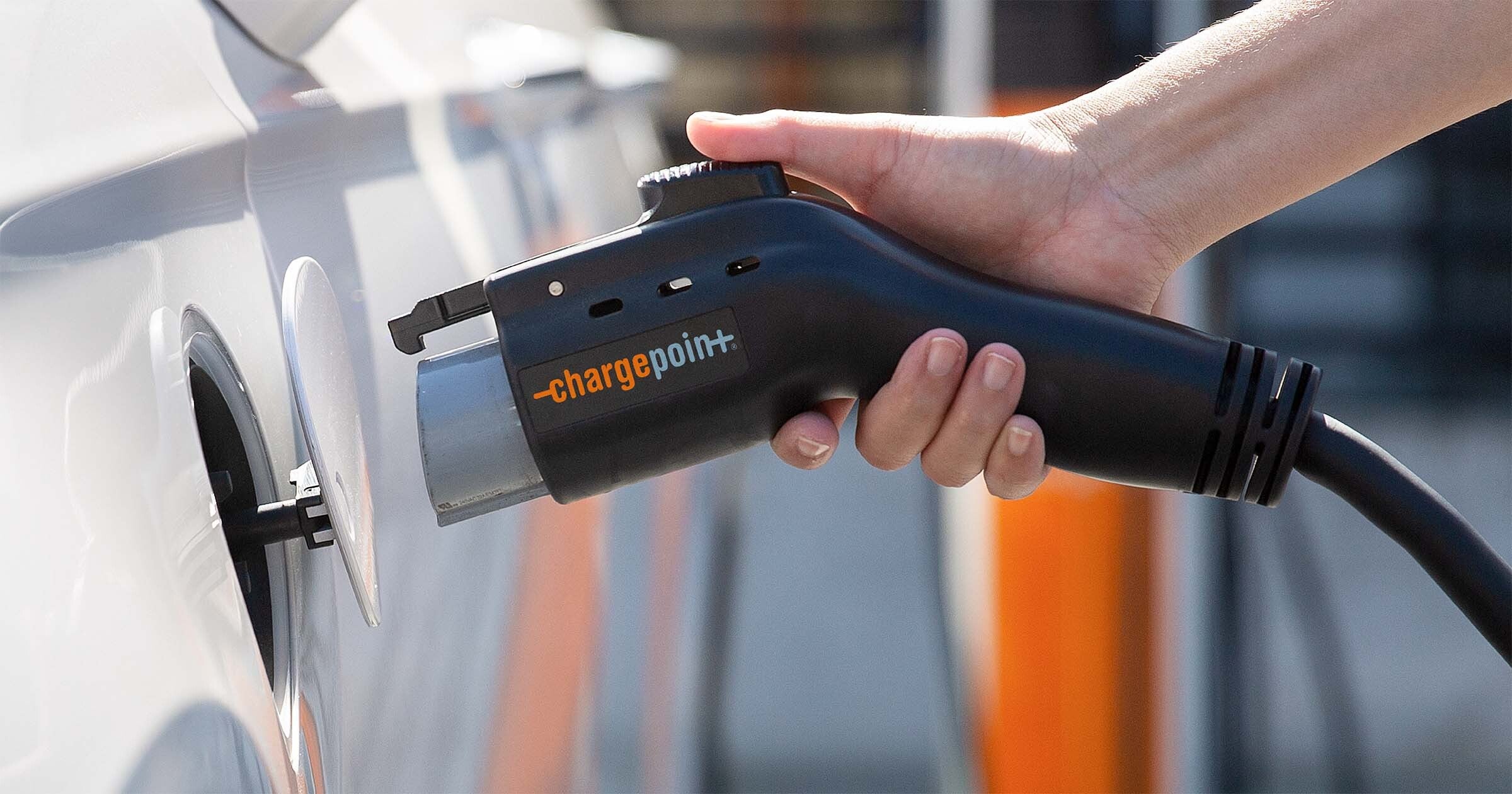
ChargePoint is one of the largest networks by port count. Most of its chargers are Level 2 units. They sit at workplaces, hotels, and apartment complexes.
Owners appreciate how common it is. Chances are good that one is nearby. That convenience shapes its steady, middling ratings. The company sells hardware to site owners.
It does not operate every station itself. Maintenance quality depends on the host. That model explains the uneven feedback. A well-run garage charger works flawlessly.
A neglected one may sit broken for weeks. The app is decent and widely used. Drivers can search, filter, and pay with ease. Some owners still wish for better real-time status data.
Owners often complain about occupied or blocked stalls. Cars remain plugged in long after charging ends. Etiquette becomes a daily frustration. Fast charging is a smaller part of the story.
The network has grown its high-power presence. Reviews for those sites are improving but still mixed. Pricing varies by host. Some sites are free, and some charge idle fees.
Owners like flexibility but dislike surprises. For daily life, ChargePoint is hard to ignore. Apartment dwellers depend on it. Commuters rely on it at work.
This charging option is particularly suited to workplace and residential use, where drivers can leave their vehicles plugged in for longer periods. Its performance depends heavily on how individual hosts maintain the equipment and manage stall availability. It can be reliable for routine charging, but it is less useful when drivers need a dependable option while traveling.
6. Mercedes-Benz High-Power Charging
Mercedes-Benz has built a premium-feeling network. It is still small compared with the giants. Owners who use it tend to speak well of it. The sites are designed to feel upscale.
Many are covered, lit, and clean. That atmosphere earns notable praise. Reliability scores well in early feedback. Newer hardware helps.
Fewer legacy problems drag it down. The experience is smoothest for Mercedes drivers. Integration with the car makes starting a session easy.
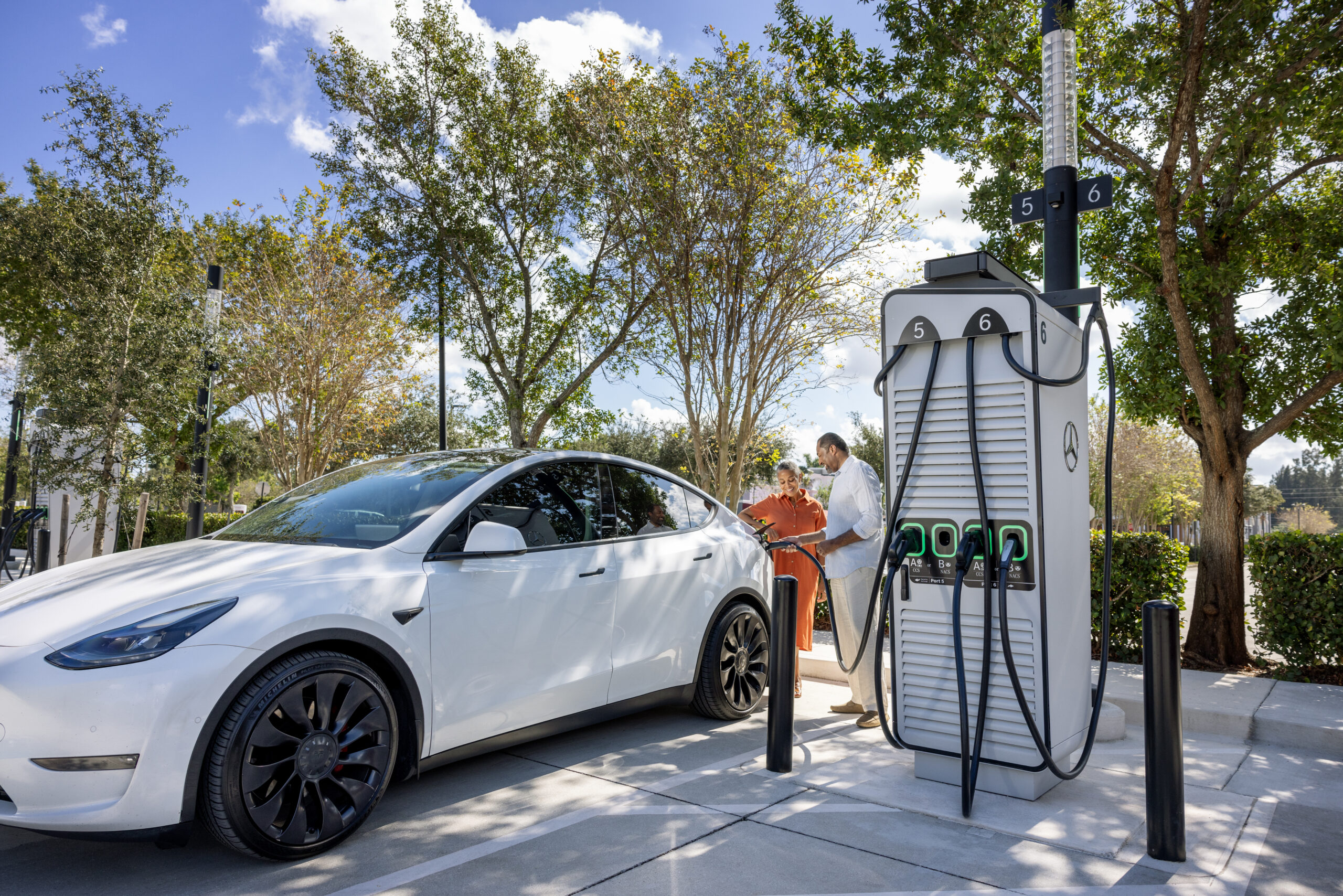
Navigation can route drivers to open stalls. Access has widened beyond the brand. Other makes can now use many locations. That opening broadens its appeal.
Owners like the thoughtful amenities. Lounges and shops appear at some hubs. These touches make longer stops pleasant. The main weakness is scale.
There are fewer sites than the leaders offer. Coverage gaps limit its usefulness on long trips. Pricing tends to sit at the higher end. Owners accept it for the comfort. Budget-focused drivers may not.
The network is still expanding, and additional locations could significantly improve its usefulness. For now, its coverage remains limited, while pricing can be higher than some competing options. It may appeal to luxury EV owners who place a high value on comfort and a polished charging experience, but its smaller footprint can make it less practical for longer trips.
5. EVgo
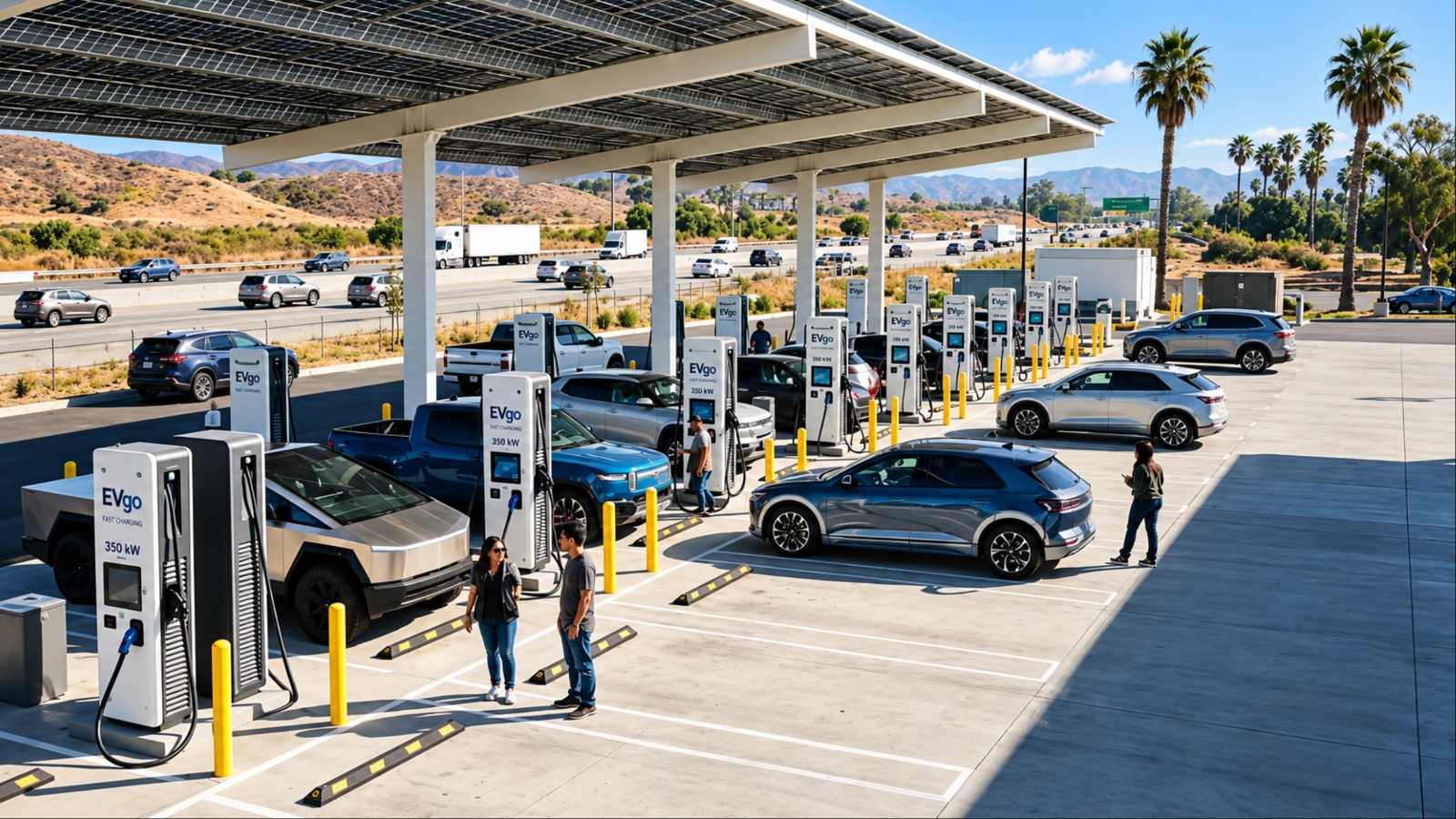
EVgo has long focused on urban fast charging. Its stations sit in cities and suburbs. Many are near grocery stores and shopping centers. Owners like the convenience for daily needs.
Rideshare drivers rely on it heavily. That heavy use tests the network hard. Reliability has improved in recent years. The company has replaced older equipment.
Owners notice fewer failed sessions. Speeds are generally strong at newer sites. High-power stalls suit modern EVs. Charging curves often meet expectations. The app is a highlight for many. Reservations and clear status displays help. Payment is straightforward.
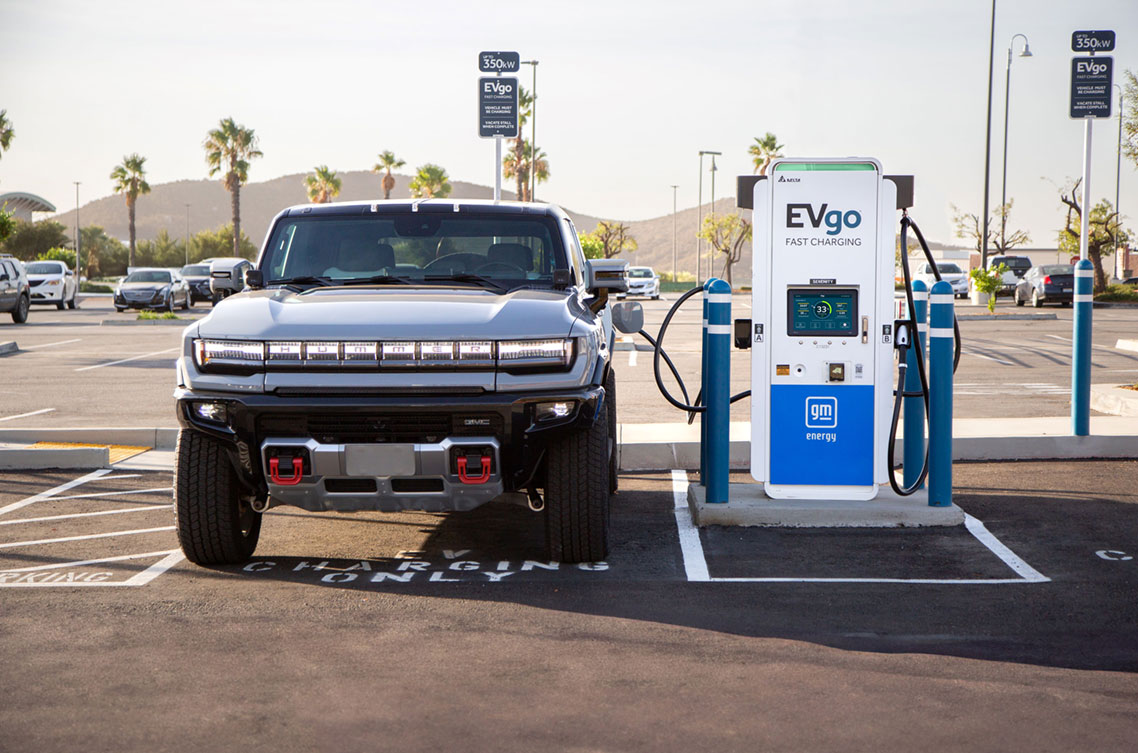
Membership plans can lower costs. Frequent users benefit most. Casual drivers may find the base price high. Crowding is the top complaint. Popular sites fill up during rush hours. Waiting in line frustrates owners.
Coverage outside major metro areas is thinner. Long-distance travelers may struggle. It is better as a city network than a highway one. Support responses earn mostly fair reviews.
Most issues are eventually addressed, although the response is not always immediate. Faster support would make the experience more convenient for owners. The network can be particularly useful for city drivers without access to home charging, but crowded stations and limited highway coverage can make longer trips more challenging.
4. Electrify America
Electrify America has come a long way. Early years brought loud complaints. Owners recalled offline stations and failed payments. The network invested heavily in fixes. It upgraded hardware and software. It also added many new high-power sites.
Satisfaction has climbed as a result. Owners now report smoother sessions. Plug-and-charge on supported cars helps a lot. Speed is a genuine strength.
Many sites offer very fast charging. That suits road trips well. Coverage is broad across major corridors. Drivers can cross large regions with confidence.
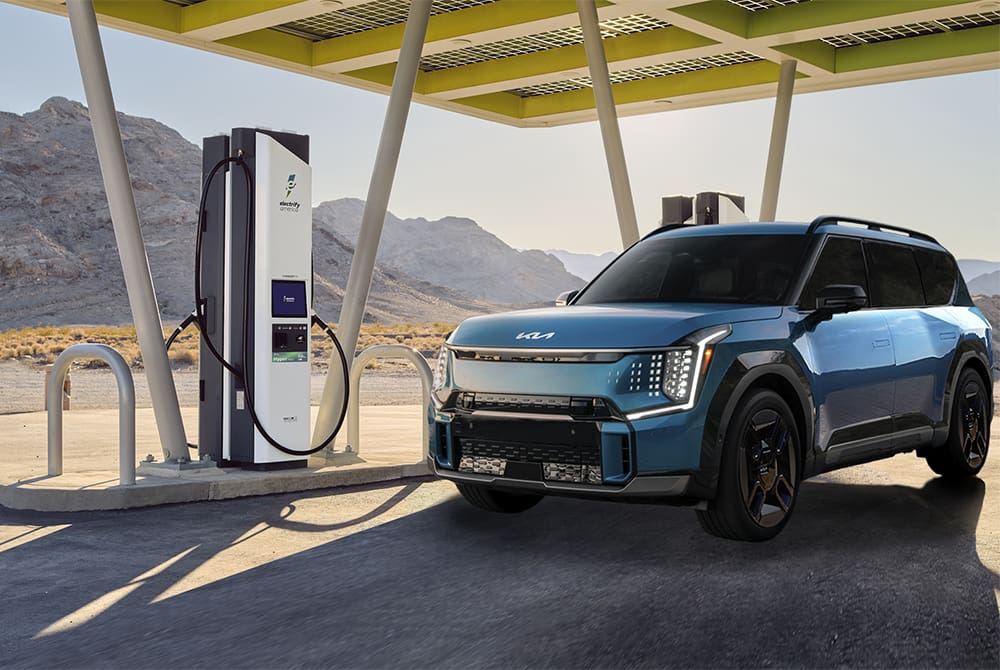
Few networks match that reach. Weak points remain. Some stalls still underperform or go offline. Owners meet the odd frustrating visit. Pricing draws mixed comments.
Membership tiers can bring savings. Non-members may pay more than they expect. Site amenities vary widely. Some are near food and restrooms.
Some stations are located in ordinary parking lots rather than dedicated charging sites. The network’s progress has also surprised some former users, with drivers who stopped using it returning after seeing improvements. Its continued expansion could make it increasingly useful for long-distance travel across multiple regions. However, occasional charger problems and unclear pricing can still create frustration for drivers.
3. Ionna
Ionna is the newest name on this list. It was formed by a group of major automakers. Its goal is a modern, high-quality network. Early impressions are encouraging.
Sites use new high-power hardware. Stalls tend to be clean and well lit. Reliability looks strong so far. New equipment naturally helps. Owners report fewer failed starts. The layouts are designed for comfort. Canopies protect drivers from weather. Many hubs plan for food and rest areas.
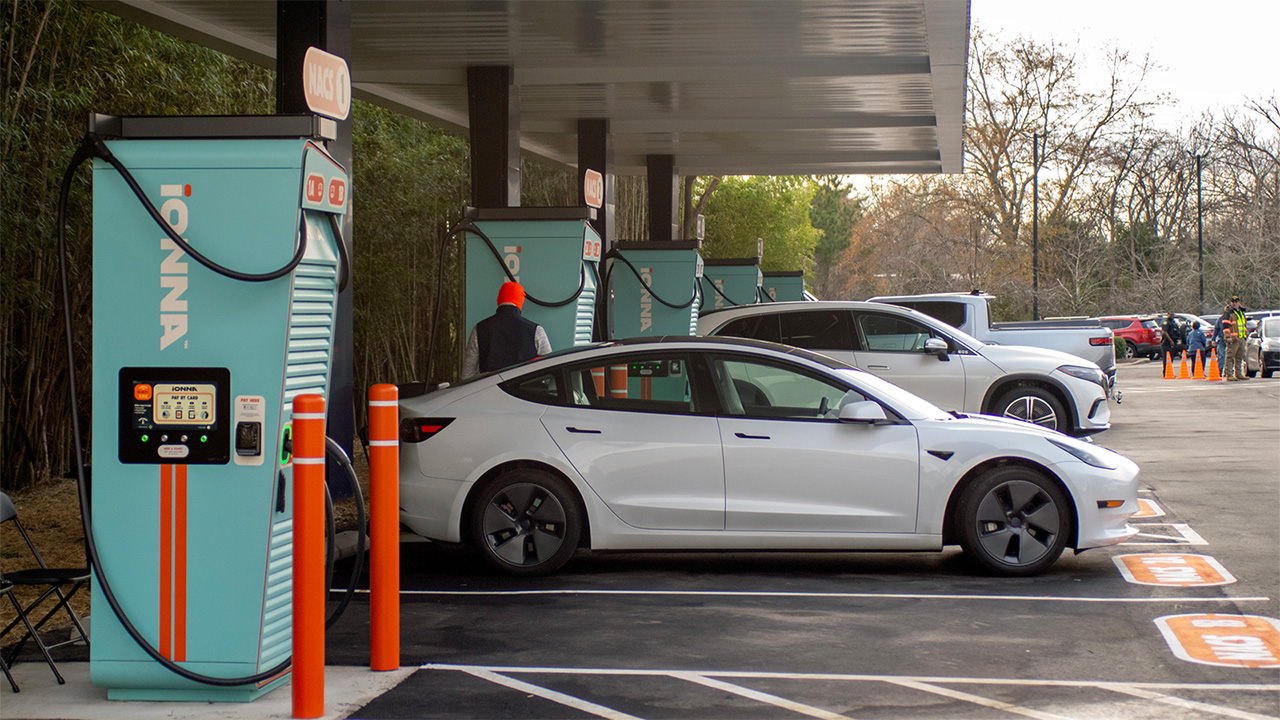
Payment and app design get positive notes. Sessions begin quickly. Pricing appears easy to read. The network is still young. Site counts are limited compared with veterans.
That keeps its reach modest. Owners will watch how it ages. New chargers always look good at first. Long-term upkeep is the real test. Momentum is impressive. Openings are arriving at a steady pace. Automaker backing gives it staying power.
Maintaining consistent quality as the network expands could help strengthen its appeal. Early owners have expressed optimism, while expectations are already high for its newer charging hubs. The network may suit drivers who prefer modern, thoughtfully designed facilities, although its coverage remains limited for now. Its combination of new infrastructure and positive early impressions gives it room to establish a stronger presence.
2. Rivian Adventure Network
The Rivian Adventure Network ranks second. It is small, yet owners adore it. Satisfaction among users is very high. The sites feel purposeful. Many sit near trailheads and scenic stops.
That suits Rivian’s outdoorsy buyers. Reliability is a major strength. Chargers are well maintained. Owners rarely report failed sessions. Integration with the vehicle is excellent.
Navigation shows charger status clearly. Starting a session takes almost no effort. Speeds are strong and consistent. Cars charge as expected. There are few unpleasant surprises.
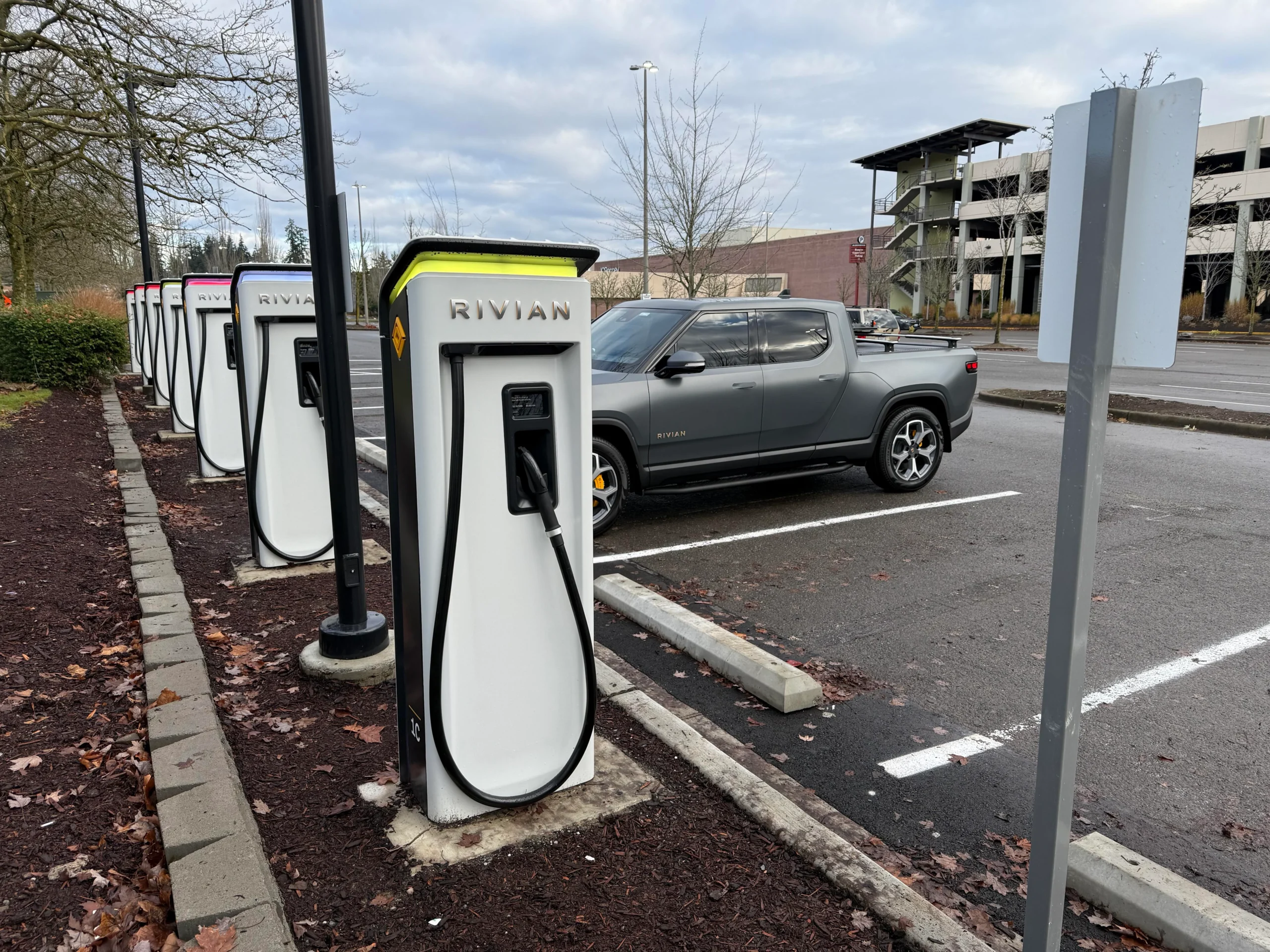
The network has opened to other brands. That widens its audience. Non-Rivian drivers often praise it too. Its drawback is size. There are far fewer sites than the largest networks.
Owners cannot rely on it alone. Placement is thoughtful, though. Sites often cover gaps that others ignore. That helps adventure trips a great deal.
Rivian owners often appreciate the attention to detail throughout the charging experience. That focus can make drivers feel better supported and contribute to strong customer satisfaction. The network is particularly suited to adventure travel and Rivian vehicles, although its limited number of locations can restrict its usefulness for some drivers. Its smaller footprint remains a challenge despite the positive ownership experience.
1. Tesla Supercharger
Tesla Supercharger takes the top spot. It has led owner satisfaction for years. Few networks come close on the basics. Reliability is the standout. Chargers work when drivers arrive. Failed sessions are rare.
The experience is beautifully simple. Owners plug in, and charging begins. There is no app fuss or card swiping. Speed and density go together. Sites are frequent along major routes.
Stalls are plentiful, which cuts waiting. Navigation ties it all together. The car plans stops automatically. It even preconditions the battery for faster charging.
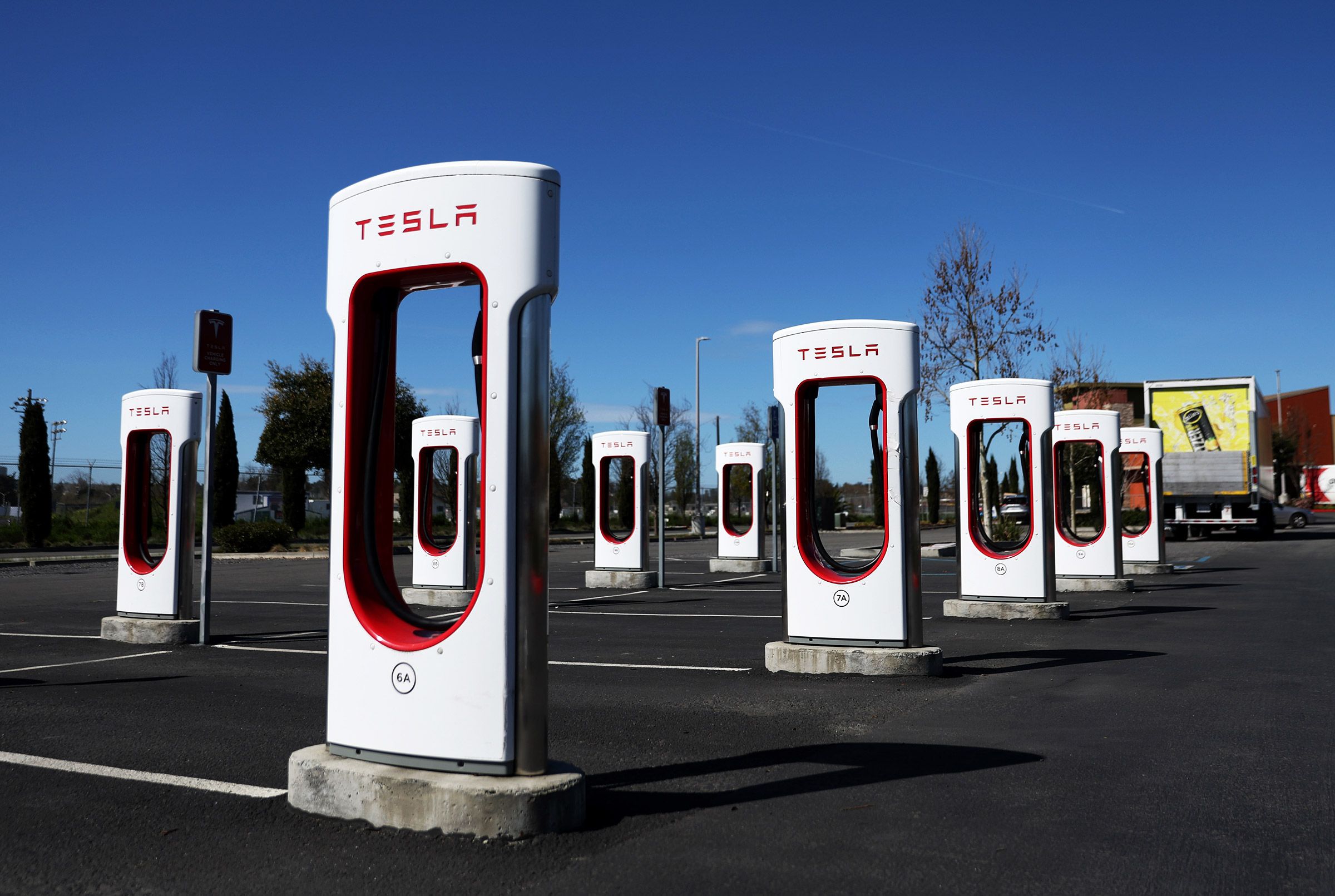
Pricing is generally clear. Owners see costs before they start. That transparency builds trust. Access has expanded to other brands. Many non-Tesla drivers now use it with adapters or native ports.
Their feedback is usually glowing. Non-Tesla owners do face some friction. App steps and compatibility can slow them down. Some sites are still restricted.
Congestion appears at peak times. Holiday weekends can be busy. Even then, owners rate it well. No network matches its blend of scale and dependability.
Other charging networks are closing the gap, but differences in the charging experience remain noticeable to many owners. The network continues to appeal to drivers who prioritize fast charging, although busy periods can lead to crowded stations. Access can also be more complicated for owners of vehicles from other brands, depending on location and compatibility.
