
Counterfeit car parts can enter the U.S. repair market through online sellers, unauthorized distributors, salvage operations, and other supply channels. Some imitate the branding, packaging, markings, or appearance of legitimate components while failing to provide the same quality or safety performance.
The problem matters because a replacement part may remain hidden inside a vehicle until it is needed. Brake components, airbags, filters, sensors, and other parts can affect safety, reliability, or repair costs. Knowing which components are commonly targeted, how counterfeit parts reach repair shops, and what warning signs to watch for can help drivers make informed decisions when maintaining a vehicle.
1. Counterfeit Brake Pads
Brake pads are frequently discussed in connection with counterfeit automotive parts because they are common replacement items and directly affect vehicle braking. The U.S. Department of Commerce has previously identified maintenance and high-volume aftermarket components as products frequently targeted by counterfeiters.
The agency has also warned that counterfeit automotive components can fail to meet expected quality and performance standards.
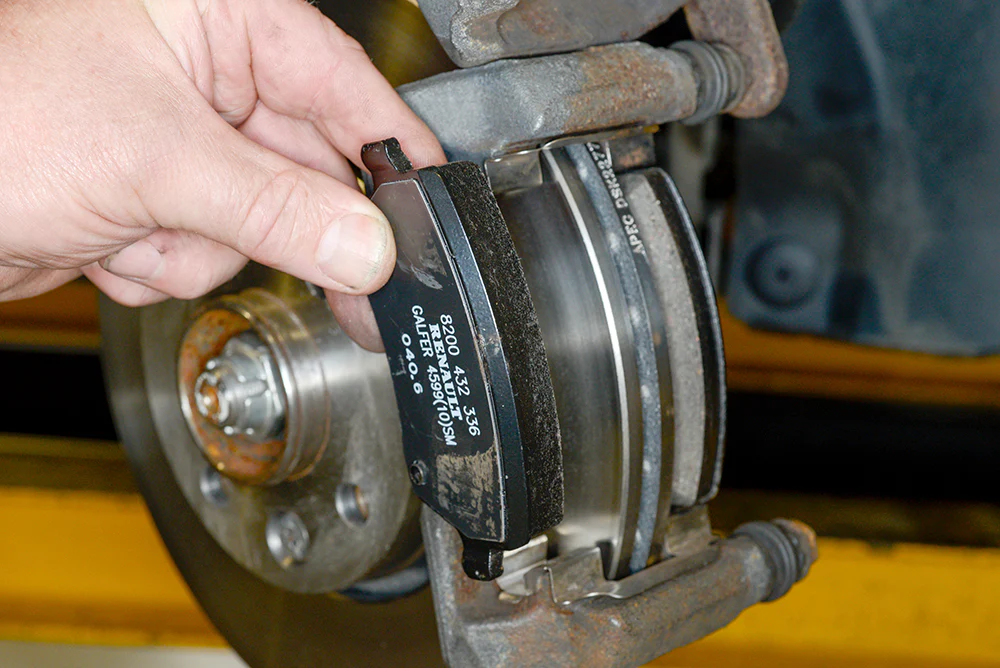
A counterfeit brake pad may look convincing when placed beside a genuine product, making visual identification difficult for someone without automotive experience. Packaging can also be copied, creating the impression that the component came from a legitimate manufacturer.
The important point for U.S. drivers is that an aftermarket part is not automatically counterfeit simply because it is not made by the vehicle manufacturer. Legitimate aftermarket companies produce replacement brake pads and other components for many vehicle models.
NHTSA explains that there is no federal motor vehicle safety standard specifically covering brake pads as individual components, while several federal standards regulate complete braking systems. NHTSA also states that brake pads are considered motor vehicle equipment and can be subject to safety-related defect recall requirements.
Counterfeit brake pads create a different concern because the buyer may not know who actually manufactured the component or what materials were used. Friction material, backing plates, bonding methods, dimensions, and manufacturing consistency all matter to braking performance.
A part that does not perform as expected can increase stopping distance, create abnormal wear, or cause other braking problems. It would be inaccurate to claim that every counterfeit brake pad will fail or cause an accident. The concern is that counterfeit products can bypass the normal quality controls and traceability associated with legitimate supply chains.
Repair shops can reduce the risk by purchasing components through established distributors and maintaining records showing where parts came from. Customers can also ask what brand and part number are being installed. A shop that cannot explain the source of a safety-critical component deserves additional scrutiny.
Extremely low pricing can also warrant questions, particularly when the price is far below normal market levels. NHTSA has specifically warned that safety-critical components sold online for a fraction of their normal price can be a warning sign that a product may not be legitimate or properly tested.
Drivers should also remember that counterfeit concerns do not mean every inexpensive brake part is fake. Prices vary because of manufacturing costs, brand positioning, retailer margins, promotions, and vehicle application.
The useful approach is to verify the manufacturer, part number, packaging, seller, and source rather than judging authenticity from price alone. If a brake component appears suspicious, the vehicle owner can ask the repair facility to remove it from the installation process and verify it with the manufacturer or distributor before the repair is completed.

2. Counterfeit Airbags and Airbag Inflators
Airbags represent a particularly serious counterfeit-parts concern because they are designed to operate during a crash, often within fractions of a second. NHTSA has recently taken action against counterfeit airbag inflators marked with the identifier DTN60DB.
The agency says these inflators can violently rupture during deployment and send metal fragments into the vehicle cabin. NHTSA has linked this particular counterfeit inflator problem to 11 deaths and multiple severe injuries.
Counterfeit airbags can enter repair channels after collisions, during salvage rebuilds, or when damaged or stolen airbag components are replaced. NHTSA says the dangerous inflators in its recent enforcement action were distributed through unauthorized aftermarket channels rather than normal factory replacement systems.
The agency also noted that underground distribution can make it difficult to identify every vehicle in which such a component may have been installed.
A separate federal case illustrates how authorities continue to investigate counterfeit airbag trafficking. In August 2026, the U.S. Department of Transportation Office of Inspector General reported that a dealership owner in Ohio had been charged in connection with allegedly importing steering-wheel airbags from China bearing counterfeit American Honda marks.
Investigators alleged that the airbags did not meet applicable federal safety standards and could over-pressurize and rupture during crashes. The government filing is an accusation, and the defendant is presumed innocent unless proven guilty.
Repair facilities handling collision damage therefore have a strong practical reason to verify airbag components before installation. The correct component should be identified for the specific vehicle, and its source should be documented.
Used components can also present questions about their history, deployment status, compatibility, and condition. A component that looks like a factory part does not establish that it is genuine. The risk becomes especially significant when a vehicle has previously suffered major collision damage and has been rebuilt using parts from multiple sources.
3. Counterfeit Oil Filters
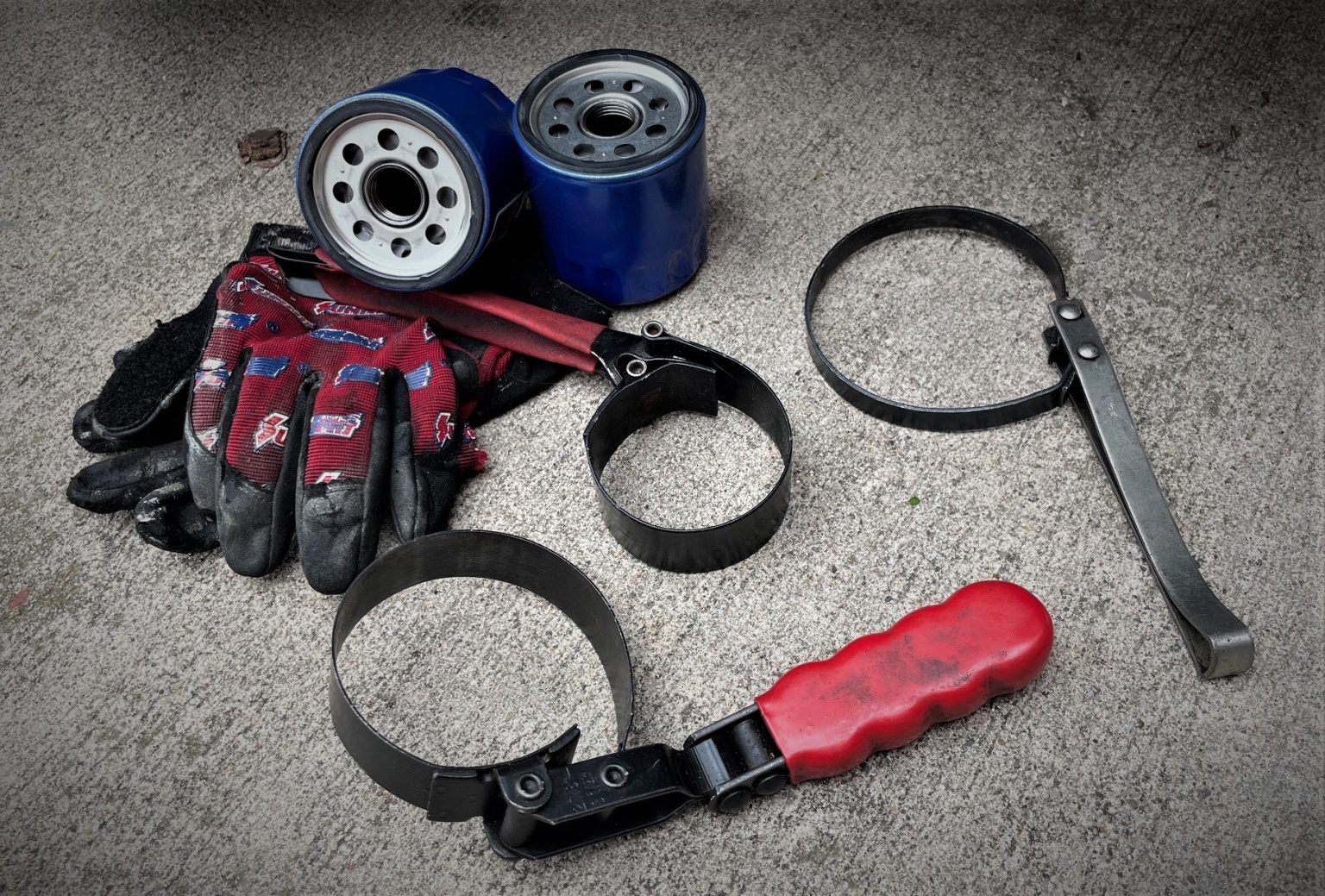
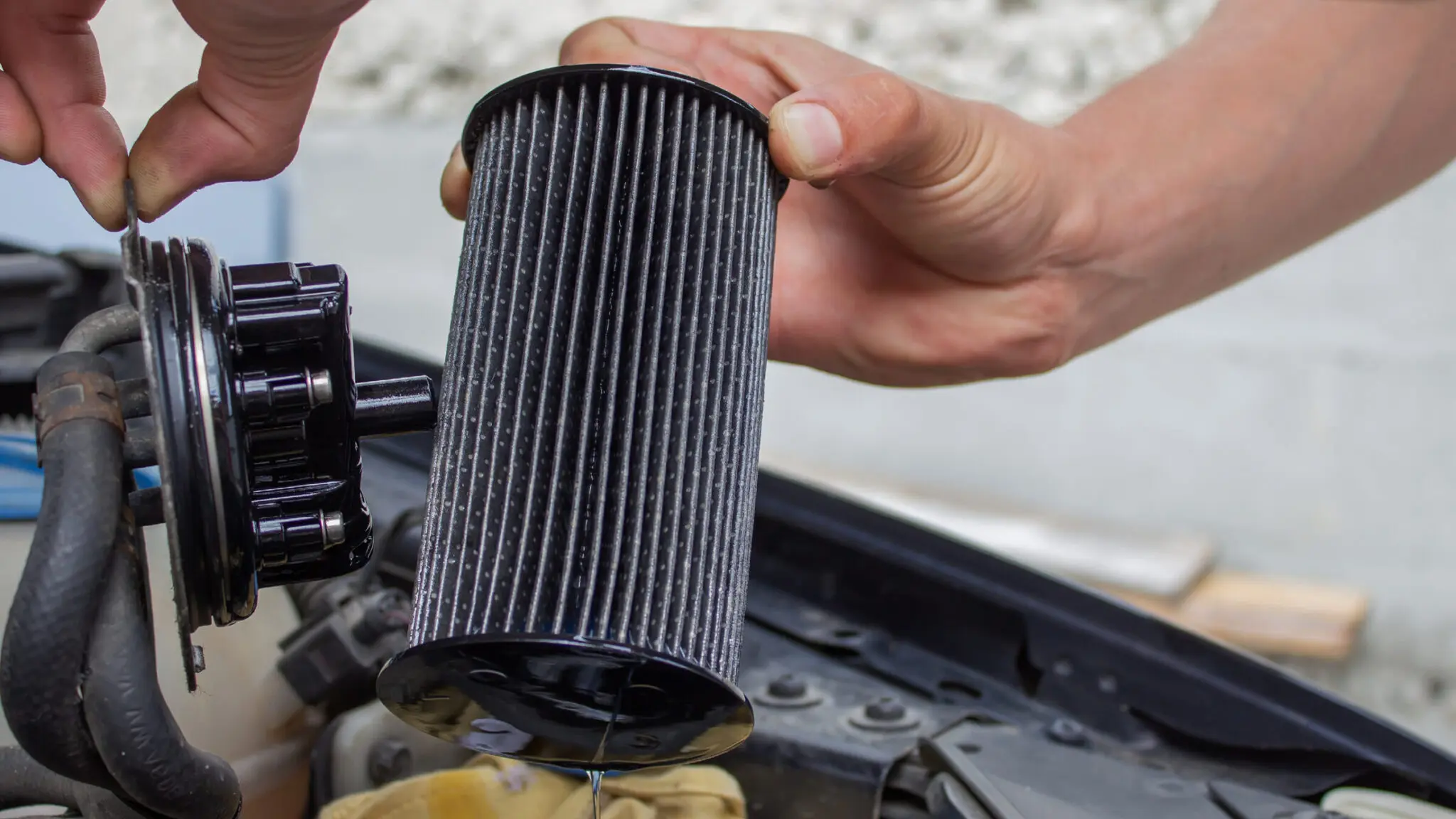
Oil filters are another type of automotive component that can be counterfeited because they are regularly replaced and relatively simple in appearance. A filter may carry familiar branding, colors, labels, and packaging while being manufactured by an unauthorized producer.
Since an oil filter is normally hidden after installation, a vehicle owner may have no immediate way to determine whether the installed component is genuine. Counterfeit filters can also be sold through online marketplaces where buyers may not have a direct relationship with the manufacturer or authorized distributor.
The function of an oil filter is straightforward but important. Engine oil circulates through internal engine components and carries contaminants that need to be removed or controlled. A properly manufactured filter must have suitable filtration media, seals, structural components, and bypass characteristics for its intended application.
A counterfeit product may use materials or construction that differ significantly from the legitimate product it imitates. That does not mean every non-OEM filter is inferior. Many reputable aftermarket manufacturers produce filters specifically designed for particular vehicles and engines.
The greater concern is authenticity. A legitimate aftermarket filter may be perfectly lawful and professionally manufactured while carrying a brand different from the vehicle manufacturer. A counterfeit filter is different because it falsely represents itself as a legitimate branded product or otherwise infringes the manufacturer’s intellectual property.
The U.S. Department of Commerce has identified automotive maintenance products as frequent targets for counterfeiting and notes that counterfeit parts may fail to meet expected quality and performance standards.
Repair shops can protect customers by maintaining reliable purchasing channels. A shop that buys parts from established distributors has more ability to trace products back through the supply chain.
Consumers can also compare packaging, labeling, part numbers, and manufacturer information against information supplied by the actual brand. Differences in printing quality, spelling, labels, dimensions, or packaging design can justify further verification, but none of these signs alone proves that a part is counterfeit.
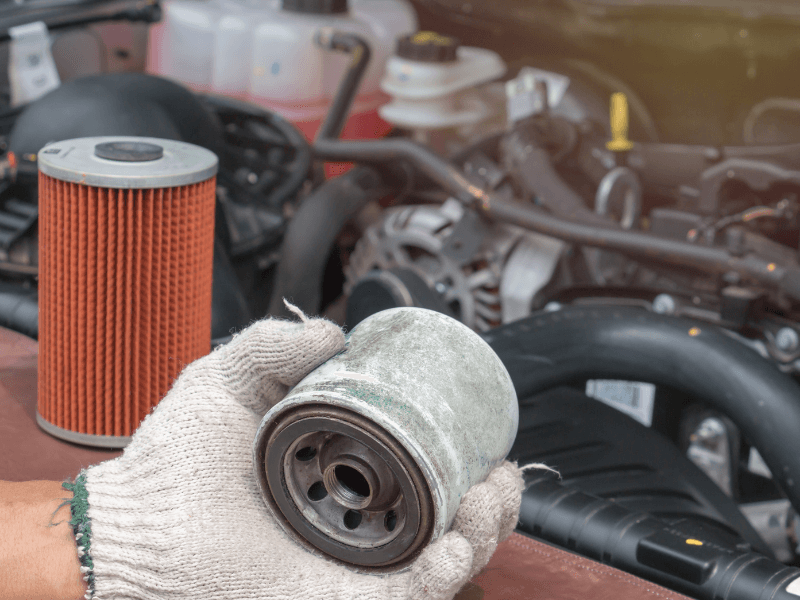
4. Counterfeit Engine Air Filters
Engine air filters can also be targeted by counterfeiters because they are common service items and are replaced regularly. The component appears relatively uncomplicated, which can make it attractive to sellers seeking to reproduce the appearance of a recognized brand.
A genuine filter is designed around a particular vehicle application and must provide appropriate airflow and filtration. Counterfeit construction may not follow the same specifications.
An engine needs a controlled supply of air for combustion. The air filter helps keep dust and other airborne contaminants from entering the engine’s intake system. If a filter is poorly constructed, does not seal properly, or uses unsuitable filtration material, it may not perform as intended.
The actual effect depends on the vehicle, engine, filter design, and failure mode, so claims that every counterfeit filter will damage an engine would be too broad.
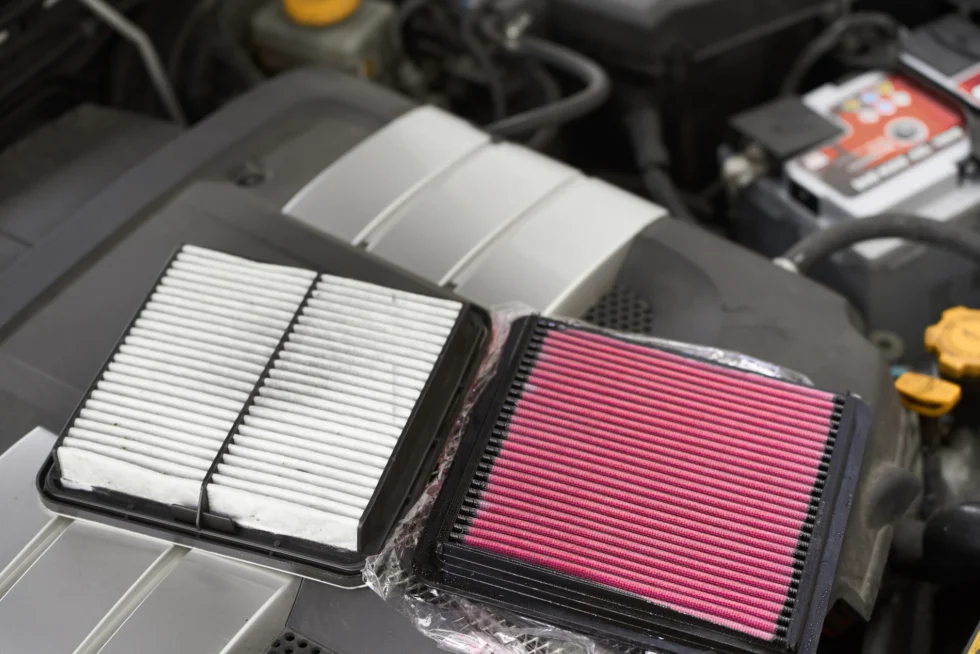
Counterfeit air filters can be particularly difficult for ordinary consumers to identify because many filters share similar shapes. A paper or synthetic filtration element, rubber or foam seal, cardboard frame, and printed label may appear convincing.
Mechanics who regularly handle a particular brand may notice differences in construction or packaging, but even experienced technicians may need to verify a questionable part through a supplier or manufacturer.
5. Counterfeit Fuel Filters
Fuel filters operate in a part of the vehicle where material quality and compatibility matter. Depending on the vehicle, a fuel filter may be installed in the fuel line, fuel tank assembly, or another section of the fuel system.
Diesel vehicles can have particularly demanding filtration requirements because fuel-system components can be sensitive to contamination. Counterfeit filters may copy the external appearance of genuine products while using different internal materials.
A filter that fails to control contaminants properly can potentially expose fuel-system components to unwanted debris or water, depending on the system design. A damaged housing, unsuitable seal, incorrect pressure rating, or poor internal construction could also create a problem.
These possibilities should not be treated as proof that a particular counterfeit component will fail. The central issue is that a buyer cannot reliably establish the engineering specifications of an unknown component simply by looking at it.
Fuel-system repairs also create a situation where part identification matters. A filter designed for a different vehicle or engine may physically appear similar while having different connections, filtration characteristics, pressure requirements, or dimensions.
Counterfeiters can exploit this by copying a familiar part number or package. A repair technician should therefore confirm the correct application before installation.
The U.S. aftermarket contains legitimate fuel filters from vehicle manufacturers and independent suppliers. A non-OEM part can be perfectly valid when it is manufactured and marketed by a legitimate company for the correct application.
Consumers should focus on traceability, correct fitment, manufacturer information, and seller reputation rather than assuming that a part is counterfeit simply because it does not carry the vehicle manufacturer’s logo.
If a fuel filter has questionable packaging or came from an unknown source, verification is worthwhile before installation. A repair shop can compare the component against known specifications and contact its supplier when necessary.
Keeping invoices and packaging can also help if a part later needs to be investigated or returned. Good documentation provides a practical connection between the vehicle, the repair shop, the distributor, and the manufacturer.
6. Counterfeit Spark Plugs and Ignition Components
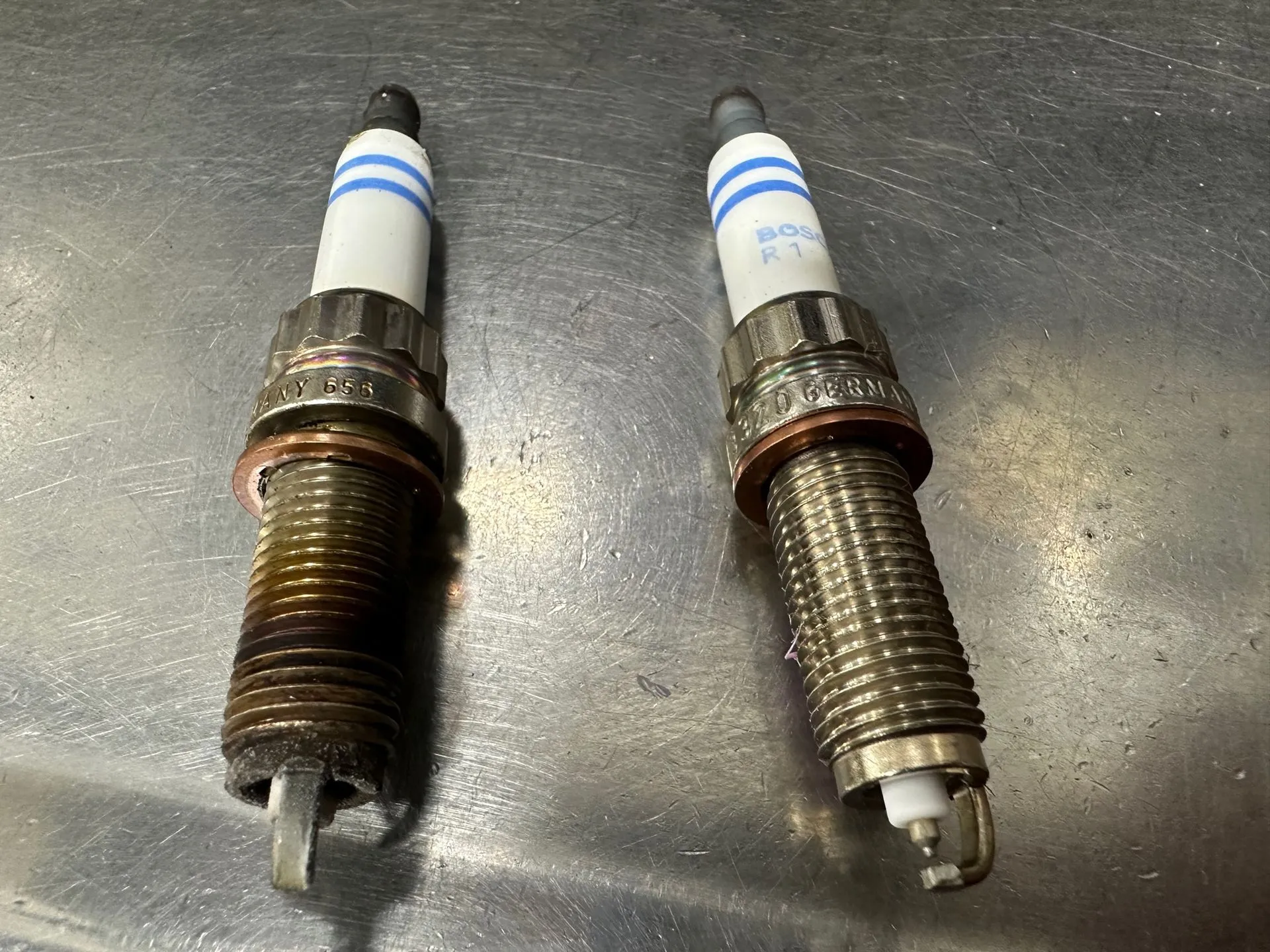
Spark plugs are small components, but they operate under demanding temperatures and electrical conditions. Counterfeit versions can imitate the branding and appearance of established spark-plug manufacturers.
The problem can be difficult for consumers to detect because a spark plug may look perfectly normal until it is installed and subjected to operating conditions. Incorrect materials plug must match the requirements of the engine for which it is intended.
A spark plug must match the requirements of the engine for which it is intended. Factors such as thread dimensions, reach, heat range, electrode design, and gap specification can matter.
A plug that is incorrectly represented as a particular model may not perform like the genuine product. Misfires, poor drivability, starting difficulties, or accelerated component wear are possible consequences when an unsuitable component is used.
Ignition coils, wires, and related components can also be falsely branded. Modern vehicles rely heavily on electronic engine management, and ignition components must work within specific electrical parameters. A counterfeit component may have a similar housing while containing different internal materials or construction. A visual comparison therefore cannot guarantee authenticity.
For repair businesses, sourcing is particularly important. A reputable parts distributor can provide invoices and traceability that an unknown marketplace seller may not provide.
Mechanics can also compare packaging and component markings with verified manufacturer information. If a product number does not correspond to the application shown by the manufacturer, installation should stop until the discrepancy is resolved.
7. Counterfeit Sensors
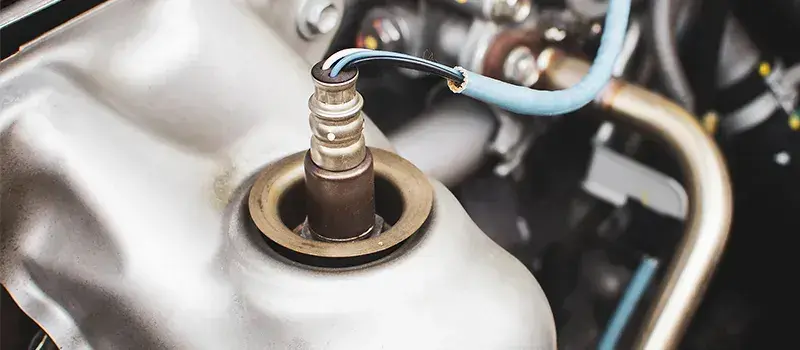
Modern vehicles use numerous sensors to monitor engine operation, emissions, temperature, pressure, wheel speed, position, and other functions.
Some sensors are connected to systems that influence vehicle operation, while others provide information used by warning lights and control modules. Because sensors can be relatively small and visually similar, counterfeit versions can potentially be difficult for consumers to recognize.
A counterfeit sensor may carry a familiar logo or part number without having been produced by the company associated with that branding. Internal electronic components can differ considerably while the exterior remains nearly identical.
If the sensor produces inaccurate readings, the vehicle’s control system may respond incorrectly. The symptoms could range from a warning light to drivability problems, depending on the sensor and vehicle system involved.
Not every inexpensive sensor is counterfeit. The aftermarket includes many legitimate suppliers producing replacement sensors for vehicles in the U.S. A repair shop may select an aftermarket sensor based on price, availability, warranty, or compatibility. The important distinction is whether the seller accurately represents the product and whether the component meets the required specifications.
Vehicle owners can ask repair facilities which sensor brand is being installed and whether it is new or previously used. They can also request the part number on the repair invoice.
This information is useful if a problem occurs later because it creates a record of the exact component installed. A vague invoice stating only “sensor” provides far less information than a documented brand and part number.
8. Counterfeit Belts, Tensioners, and Timing Components
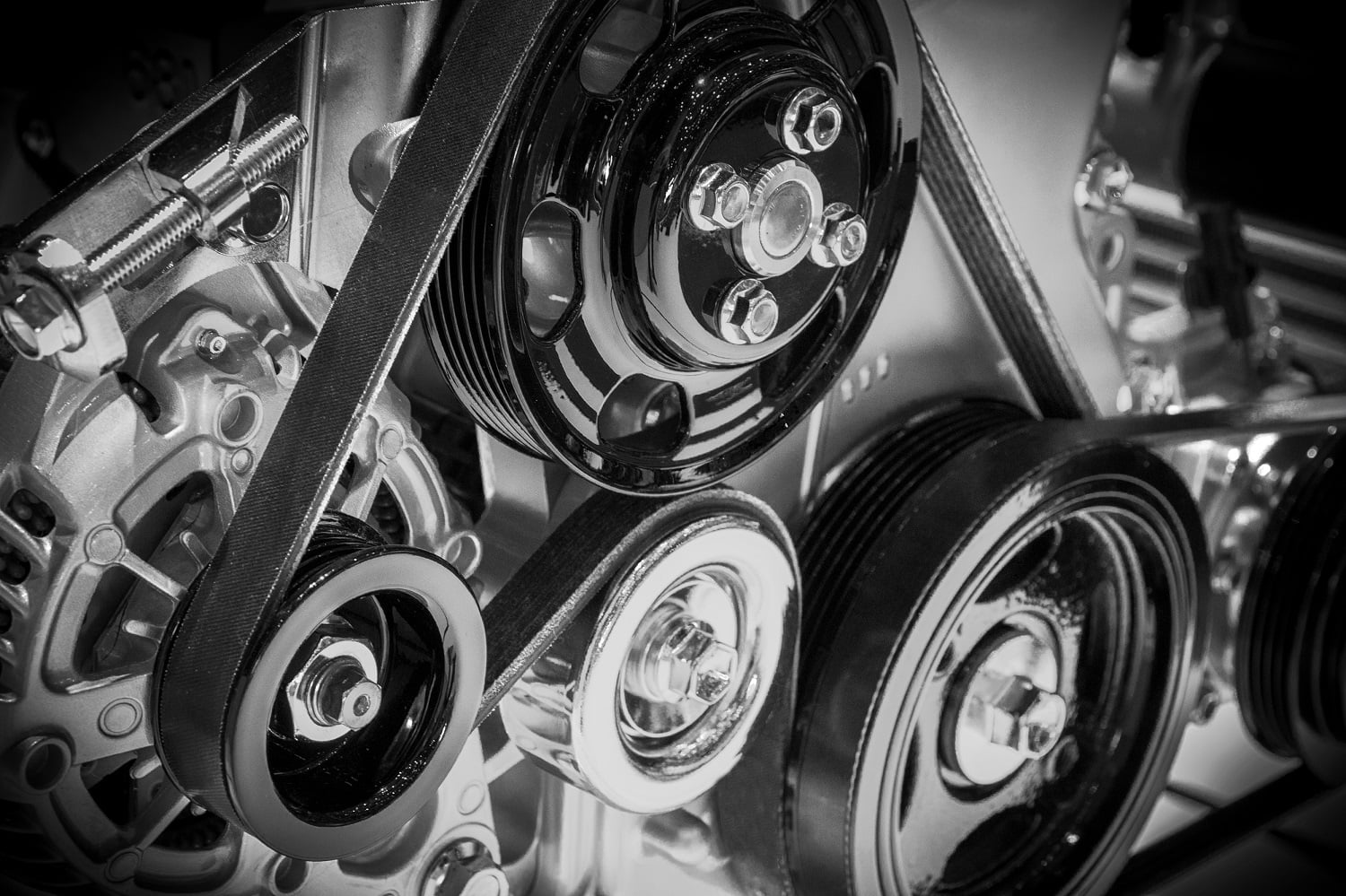
Belts and tensioners are another area where authenticity and correct application matter. Serpentine belts drive accessories such as alternators and air-conditioning compressors on many vehicles.
Timing belts, where used, synchronize engine components and require accurate construction and installation. Tensioners and pulleys also operate under mechanical loads and need to match the intended application.
A counterfeit belt can imitate the markings of a known manufacturer while using different rubber compounds, reinforcement materials, or construction methods.
A poorly manufactured tensioner could similarly have differences in bearings, springs, seals, or other internal components. The actual failure risk varies according to the specific component and defect, so it is not appropriate to state that counterfeit belts inevitably fail.
Timing-system repairs deserve careful attention because labor costs can be high even when the parts themselves are inexpensive. If a timing component fails, the consequences depend heavily on engine design.
Some engines can suffer serious internal damage following timing failure, while others may experience less severe consequences. This is why correct parts and installation procedures matter when performing such repairs.
Repair shops can reduce uncertainty by documenting the parts used in timing-system work. A customer should be able to identify the manufacturer and part number from the invoice or repair documentation. Established distributors can also help provide traceability. When a complete timing kit is used, documenting the kit manufacturer and components can be useful for future maintenance.

9. Counterfeit Tires and Tire-Related Components
Tires deserve special attention because they directly connect a vehicle to the road. Counterfeit tires are not necessarily as easy to identify as other counterfeit goods, and the tire industry has extensive standards, markings, and identification requirements.
Consumers should be wary of tires with suspicious markings, missing information, unusual packaging, or unclear manufacturing history.
Tires sold in the United States are subject to federal requirements administered through NHTSA, including standards concerning tire performance and labeling. NHTSA’s vehicle equipment rules cover various categories of equipment that must comply with applicable Federal Motor Vehicle Safety Standards when imported.
Tire age and condition are also important. A tire can be genuine and still be unsuitable because of age, damage, improper storage, previous use, or incorrect application.
This distinction matters when discussing counterfeit parts because not every unsafe tire is counterfeit. Consumers should consider the tire’s identification information, condition, specifications, and source rather than relying on brand recognition alone.
Repair shops should inspect tires before installation and confirm that the size, load rating, speed rating, and other relevant specifications match the vehicle and intended use. The exact requirements vary by vehicle. Professional tire retailers can also provide documentation of the product supplied and installed. A clear invoice can help establish what was purchased if questions arise later.
10. Counterfeit Body and Crash-Repair Parts
Body panels, lighting components, mirrors, glass, and other collision-repair components can also be represented incorrectly in the aftermarket. It is important to distinguish counterfeit parts from legitimate aftermarket crash parts.
A fender, hood, bumper, or mirror made by a company other than the original vehicle manufacturer is not automatically counterfeit. It becomes a counterfeiting concern when a product falsely uses another company’s branding, identification, or representation.
NHTSA has addressed questions concerning replacement crash parts and explained that the agency has not conducted dedicated studies comparing the crash performance of all non-original-equipment body replacement parts with original components.
This is an important factual limitation. Consumers should not assume that every aftermarket body panel has the same crash performance as the original part, but they also should not assume that every aftermarket panel is unsafe or counterfeit.
Lighting components can present additional concerns because they influence visibility and signaling. A poorly manufactured headlamp or taillamp may have differences in beam pattern, brightness, sealing, electrical connections, or fit.
Mirrors and glass also have application-specific requirements. When a collision repair involves safety-related equipment, correct specifications and appropriate sourcing matter more than simply achieving the lowest repair estimate.
Repair shops handling collision work should document the source and identity of replacement components. Customers can ask whether parts are OEM, aftermarket, recycled, or remanufactured and request that the repair estimate identify them clearly.
These categories have different meanings and should not be treated as interchangeable. Transparency allows the vehicle owner to understand what is being installed.
