
Sports cars are usually designed around performance, handling, and driver engagement, but those priorities do not automatically tell us how well a vehicle protects its occupants in a crash.
Modern crash testing can reveal major differences between cars that look equally exciting on the road. Some sports-oriented models have earned strong ratings across frontal, side, and roof-strength evaluations, while others have produced weaker results or have incomplete testing that limits what buyers can conclude.
This comparison looks at documented crash-test performance from organizations such as the Insurance Institute for Highway Safety. The goal is to separate genuinely strong performers from sporty cars whose safety results deserve closer attention.
6 Sports Cars That Excelled in Crash Tests
1. Subaru BRZ
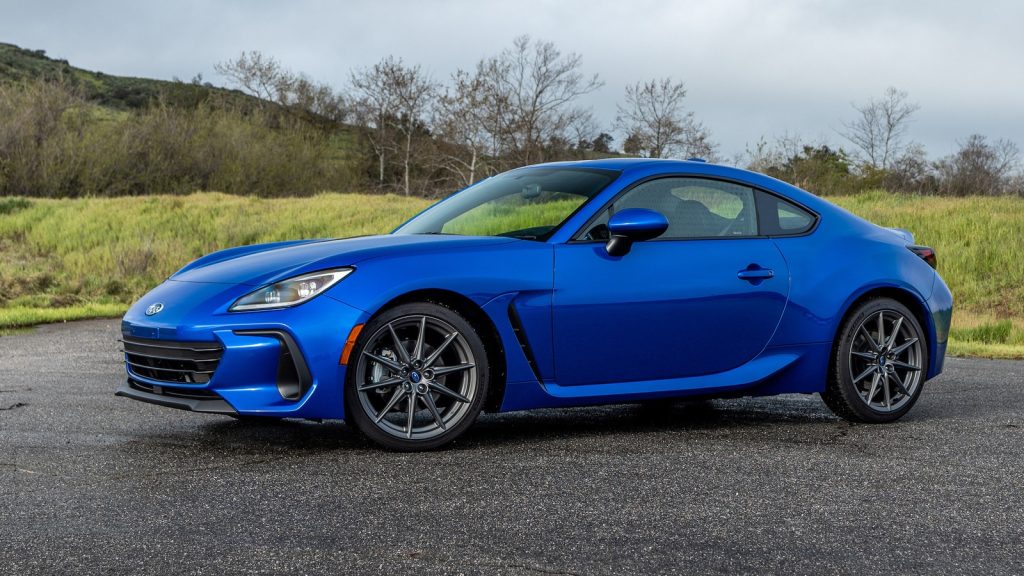
The second-generation Subaru BRZ is one of the clearest examples of a sports car performing exceptionally well in standardized crash testing.
For 2022, IIHS awarded the BRZ a Top Safety Pick+ designation. The organization recorded good ratings in the driver-side and passenger-side small-overlap tests, the original moderate-overlap frontal test, the original side test, roof strength, and head restraints.
That is particularly impressive because the BRZ is a compact two-door sports car rather than a large sedan or SUV. Its small dimensions did not prevent Subaru from producing a structure that maintained the occupant compartment effectively during the frontal tests.
IIHS reported good results for the BRZ’s structure and safety cage in the driver-side small-overlap crash. Driver injury measurements were also rated good for the head, neck, chest, hip and thigh, and lower leg and foot regions.
The passenger-side small-overlap result was similarly strong. IIHS gave the structure and passenger injury measures. Good ratings, indicating that the vehicle’s protective performance was not limited to one seating position.
The side crash test also produced a good overall rating. While the driver’s torso received an acceptable rating, the head and neck, pelvis, and leg areas were rated good.
The BRZ’s performance in crash avoidance helped its case as well. The optional front crash-prevention system received a Superior rating in vehicle-to-vehicle testing, while the pedestrian system also received a Superior rating with applicable equipment.
For a lightweight rear-drive sports car, that combination is significant. The BRZ demonstrates that performance-focused engineering and strong occupant protection can coexist.
2. Toyota GR86
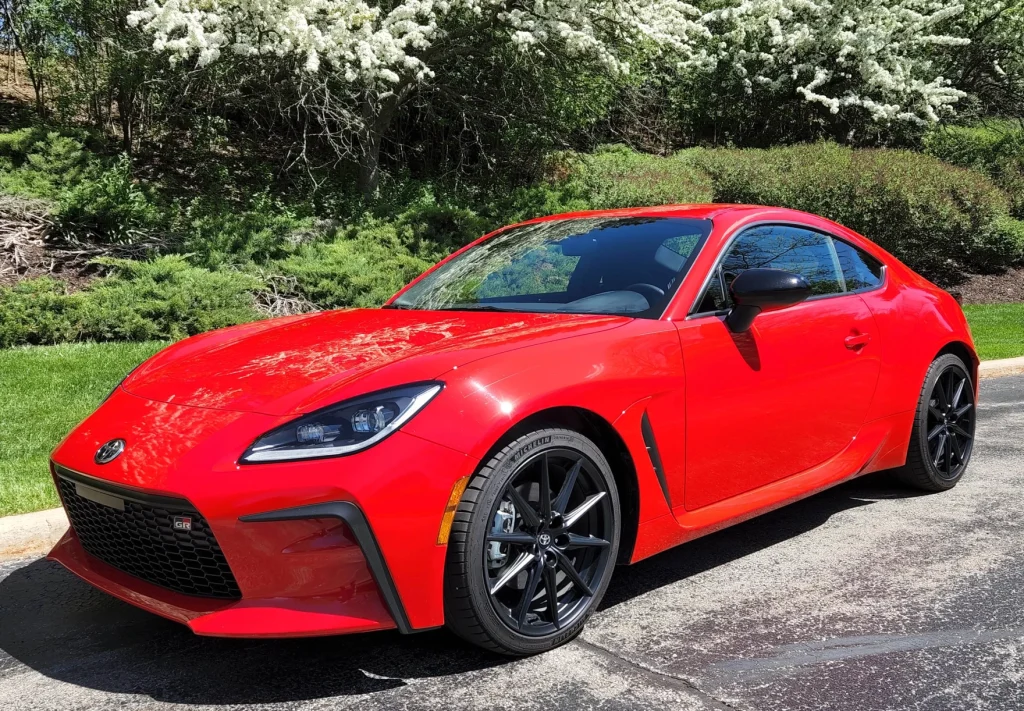
The Toyota GR86 shares its basic architecture with the Subaru BRZ, and its crash-test record reflects that close relationship.
IIHS awarded the 2022 GR86 a Top Safety Pick+ designation. The organization recorded good ratings for both sides of the small-overlap frontal evaluation, the original moderate-overlap front test, the original side test, roof strength, and head restraints.
The relationship between the GR86 and BRZ is important when interpreting the results. The two sports cars were jointly developed and redesigned for 2022 after a one-year absence from the market. IIHS based the relevant structural evaluations on testing of a BRZ, with the results applying to the GR86.
That does not diminish the significance of the result. Both cars use the same fundamental platform, and IIHS specifically listed the GR86 as a Top Safety Pick+ winner.
The driver-side small-overlap test produced a good rating for the structure and safety cage, while the head, neck, chest, hip, thigh, and lower-leg measurements were also good.
The side-impact evaluation produced a good overall rating as well. The driver torso was the one area receiving an acceptable rating, while other major occupant-protection categories remained good.
The available crash-prevention technology added another layer. IIHS rated the optional vehicle-to-vehicle front crash-prevention system Superior, and the optional pedestrian system also achieved a Superior result under the applicable equipment configuration.
For buyers who want a compact sports car without giving up strong crash-test credentials, the GR86 is therefore one of the strongest documented examples.
Its safety record is especially noteworthy because the car’s appeal comes from low weight, rear-wheel drive, and driver involvement rather than the heavy construction associated with larger vehicles.
3. Acura Integra
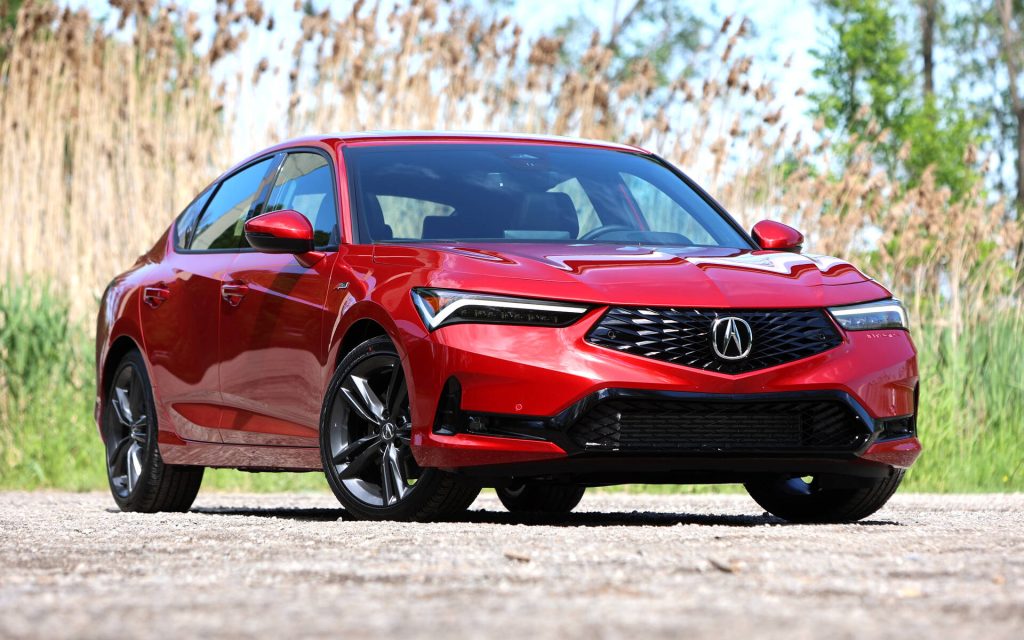
The Acura Integra is not a traditional two-seat sports car, but its performance-oriented character and Type S variant make it relevant to buyers shopping for sporty cars.
Its crash-test results are among the strongest in this group. The 2023 Integra earned an IIHS Top Safety Pick+ award, and the designation continued into subsequent model years under applicable criteria.
The frontal results are especially convincing. The small-overlap test received good ratings for both driver and passenger sides, including good evaluations for structure and safety cage and the major injury categories.
The original moderate-overlap frontal test was also good, while the newer updated moderate-overlap test received an acceptable rating. That distinction matters because IIHS changed its testing methodology to put greater emphasis on rear occupants.
The Integra’s updated side test was good as well, although the driver-side structure and some torso and pelvis measures received acceptable ratings.
Crash avoidance was another strength. The 2023 Integra’s standard front crash-prevention system earned a Superior rating in vehicle-to-vehicle testing and a Superior rating in applicable pedestrian testing.
By 2024, the standard pedestrian front-crash-prevention system received a Good rating under the updated evaluation.
This matters because the Integra provides a useful middle ground. It offers substantially more practicality than a two-seat coupe while retaining the styling and driving character expected from a sporty Acura.
Its crash performance also shows why safety should not be judged solely by vehicle size or body style.
A buyer considering a sporty compact can therefore look at the Integra as evidence that performance-oriented design does not have to come at the expense of occupant protection.
4. Chevrolet Camaro
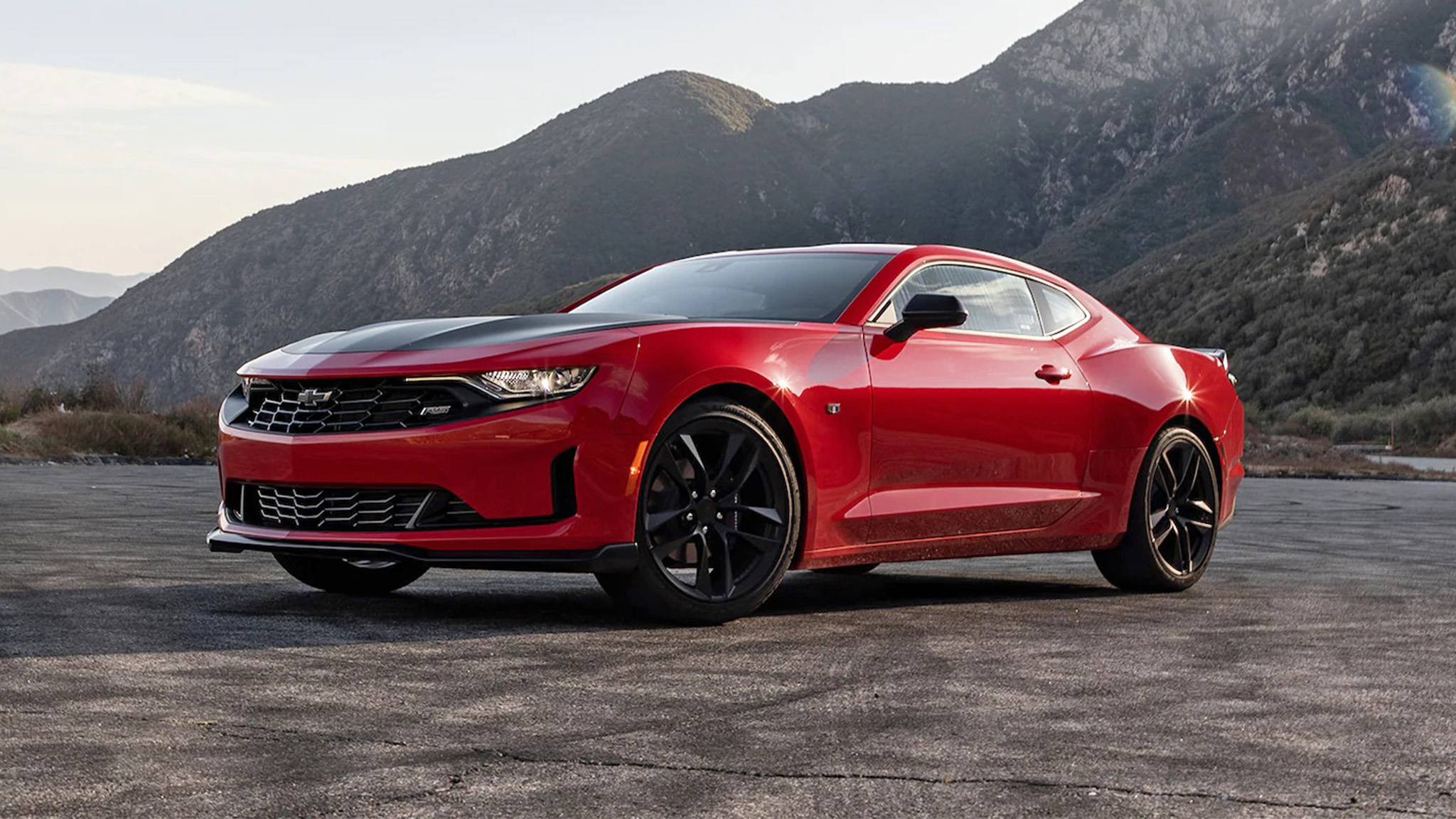
The sixth-generation Chevrolet Camaro produced several strong crash-test results, particularly in the structural evaluations performed by IIHS.
The 2016 Camaro earned good ratings in the driver-side small-overlap frontal test, the original moderate-overlap frontal test, and the original side test. Its head restraints and seats also received a Good rating.
The small-overlap result is particularly useful because this test places substantial demands on the vehicle’s front corner structure. IIHS rated the Camaro’s structure and safety cage as good, while head, neck, chest, hip, thigh, and lower-leg injury measures were all rated good.
The moderate-overlap test told a similar story. Structure and safety cage performance were good, and the driver injury measures were also good across the major evaluated body regions.
Side protection was another strong point. The 2016 Camaro received a good overall side rating, with good results for the torso, pelvis, and leg as well as head and neck protection.
Roof strength was slightly weaker, receiving an Acceptable rather than Good rating. That prevents the Camaro from being described as flawless in every IIHS category.
The 2016 Camaro also had a significant safety drawback compared with newer sports cars, as it lacked a front crash prevention system in the IIHS evaluation.
Still, the underlying occupant-protection structure was impressive for a low-slung performance coupe.
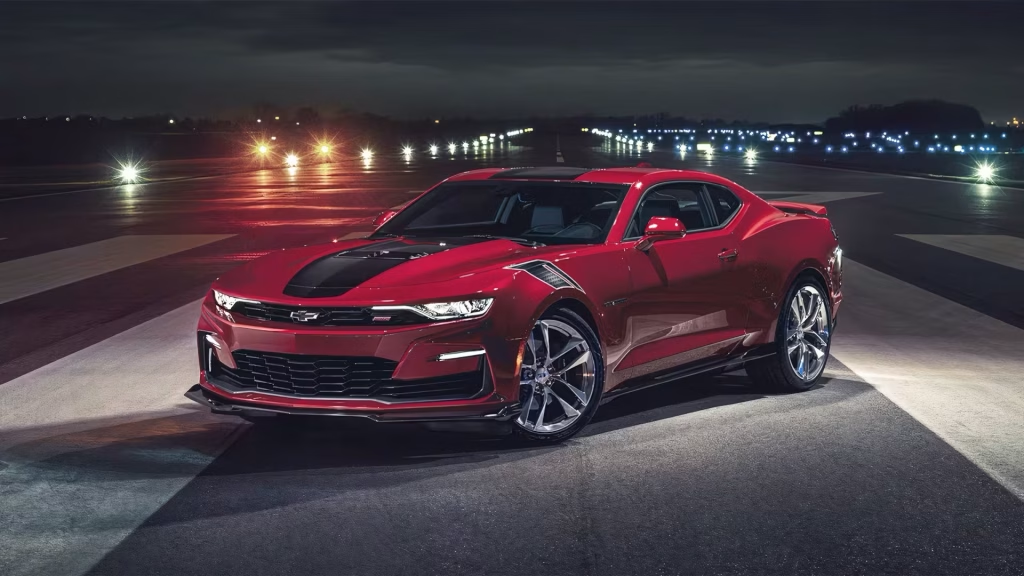
The Camaro’s later history illustrates why model year matters. The 2024 Camaro did not have pedestrian front crash prevention available, and IIHS assigned that unavailable system a poor rating under the applicable evaluation.
That does not erase the strong structural results of the sixth-generation car, but it shows why shoppers should examine the exact model year and test criteria instead of assuming every Camaro carries identical safety credentials.
5. Subaru WRX
The Subaru WRX is another performance-focused vehicle with a particularly strong earlier crash-test record.
For 2022, IIHS awarded the WRX a Top Safety Pick+ designation. The car earned good ratings in the driver-side and passenger-side small-overlap tests, the original moderate-overlap test, the original side test, roof strength, and head restraints.
The small-overlap results were impressive. Both sides received good ratings for the structure and safety cage as well as the major injury categories.
The original moderate-overlap test also produced a good rating, as did the original side evaluation. The roof-strength and head-restraint tests were good as well.
The WRX also benefited from available EyeSight technology. With the optional equipment applicable to the 2022 model, IIHS rated the front crash prevention as superior in vehicle-to-vehicle and pedestrian testing.
That combination made the 2022 WRX a particularly convincing choice for drivers who wanted rally-inspired performance without accepting a weak crash-test record.
However, the WRX deserves an important qualification. Newer IIHS testing produced a substantially different result.
The updated moderate-overlap test for 2024 and later models exposed weaknesses in rear-passenger protection. For 2024 and early 2025 production, IIHS rated the updated moderate-overlap test Marginal. For vehicles built after August 2025, the rating became poor because of rear-passenger chest protection and restraint performance.
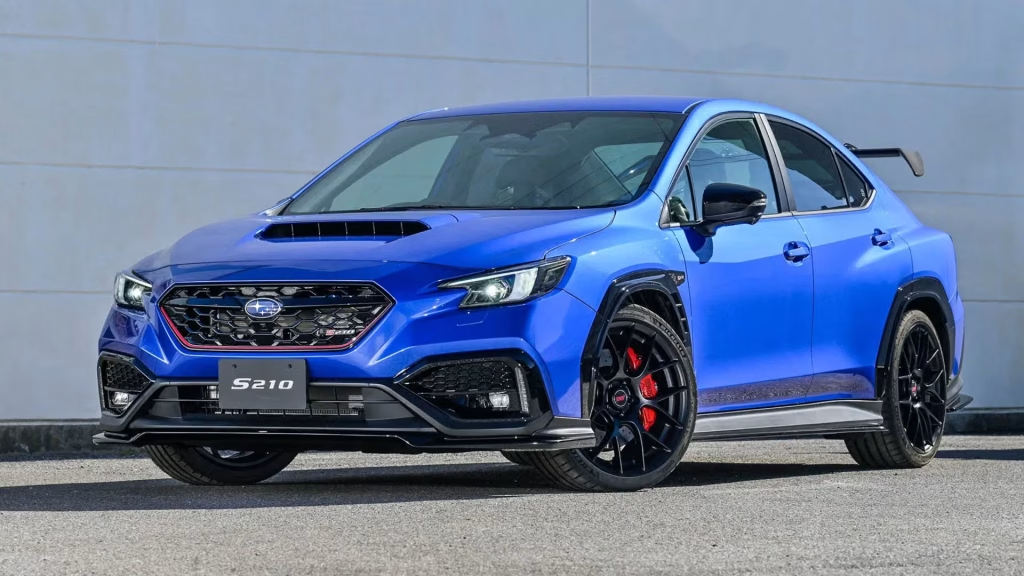
Therefore, the WRX belongs on the strong side when discussing its earlier crash-test record, particularly the 2022 model.
It also demonstrates why crash-test ratings should always be tied to a specific model year and testing standard.
6. BMW 2 Series Gran Coupe
The BMW 2 Series Gran Coupe provides another sporty compact option with strong frontal crashworthiness results.
IIHS’s 2024 evaluation gave the 2 Series Gran Coupe a Good rating in the small-overlap front test and a Good rating in the original moderate-overlap front test.
The small-overlap result is particularly relevant because the test concentrates impact forces into a relatively small portion of the front structure. A Good rating indicates that the occupant compartment and restraint system performed effectively in the evaluated scenario.
The car also received strong results for its crash-avoidance technology. IIHS rated its standard pedestrian front crash-prevention system Advanced, while the available headlight systems ranged from Acceptable to Marginal depending on configuration.
The BMW does not have the same comprehensive sports-car crash-test profile as the BRZ or GR86, and it is a four-door luxury car rather than a dedicated two-door sports car. Nevertheless, its performance-oriented character and compact proportions make it relevant to shoppers considering sporty vehicles.
The important takeaway is that a vehicle does not need to be large to produce respectable frontal crash results.
Its Good small-overlap rating demonstrates that BMW’s structure can manage a demanding frontal impact while maintaining an effective occupant compartment.
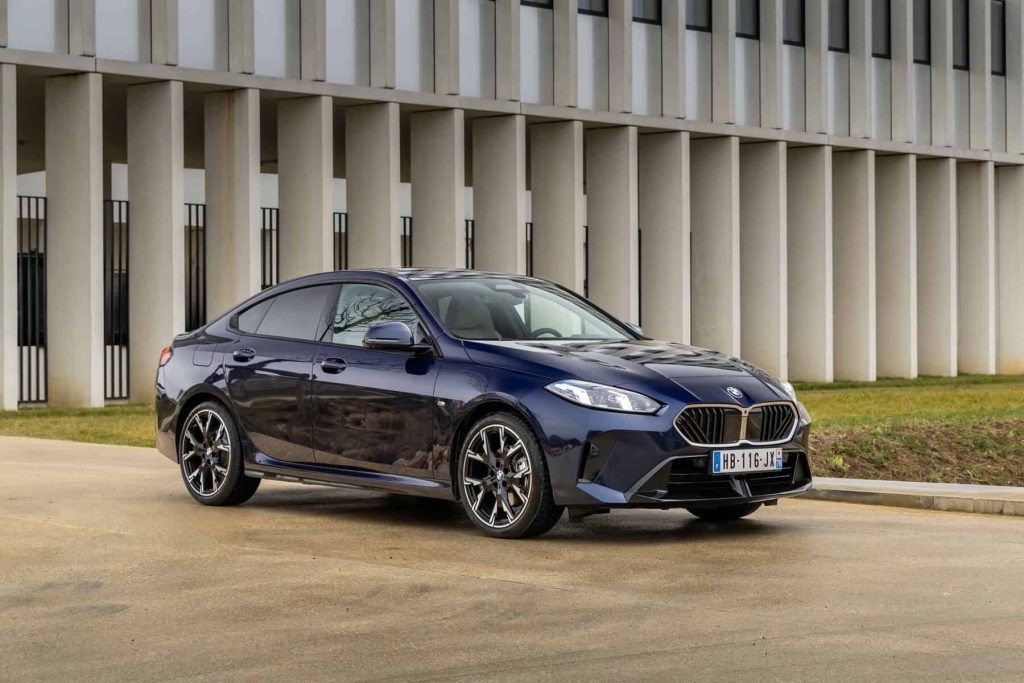
The 2 Series Gran Coupe is therefore better considered a sporty performance sedan than a pure sports car, but it still belongs in this conversation because buyers often cross-shop these categories.
The evidence also illustrates why a careful buyer should distinguish between crashworthiness and crash avoidance.
A Good frontal crash result does not mean the vehicle prevents crashes, just as an Advanced pedestrian system does not guarantee that every collision will be avoided. Taken together, however, the 2 Series Gran Coupe’s available evidence is encouraging.
6 Sports Cars That Fell Short
1. Dodge Challenger
The Dodge Challenger’s long production run produced plenty of powerful versions, but its crash-test record was not consistently strong enough to place it among the best-performing sports coupes.
For 2023, IIHS rated the driver’s side small-overlap front test Marginal. The same test result applied across Challenger models covered by the evaluation, because IIHS used a 2016 Challenger for the small-overlap test. The weakness becomes more noticeable when placed beside the Challenger’s other results.
Its original moderate-overlap front test was Good, meaning the car performed well under that particular impact scenario. Yet its roof strength was only Acceptable, as were the head restraints and seats.
The crash-avoidance technology was also limited. The available vehicle-to-vehicle front crash-prevention system received only a Basic rating, while pedestrian front crash prevention was not available.
That combination explains why the Challenger does not belong among the strongest crash-tested performance cars.
The problem is not that every aspect of its crash protection was weak. Quite the opposite. The Good moderate-overlap result demonstrates that the vehicle could perform effectively under certain conditions.
The concern is consistency. A modern vehicle should ideally protect occupants across several different crash configurations while also offering effective technology to help avoid collisions in the first place.
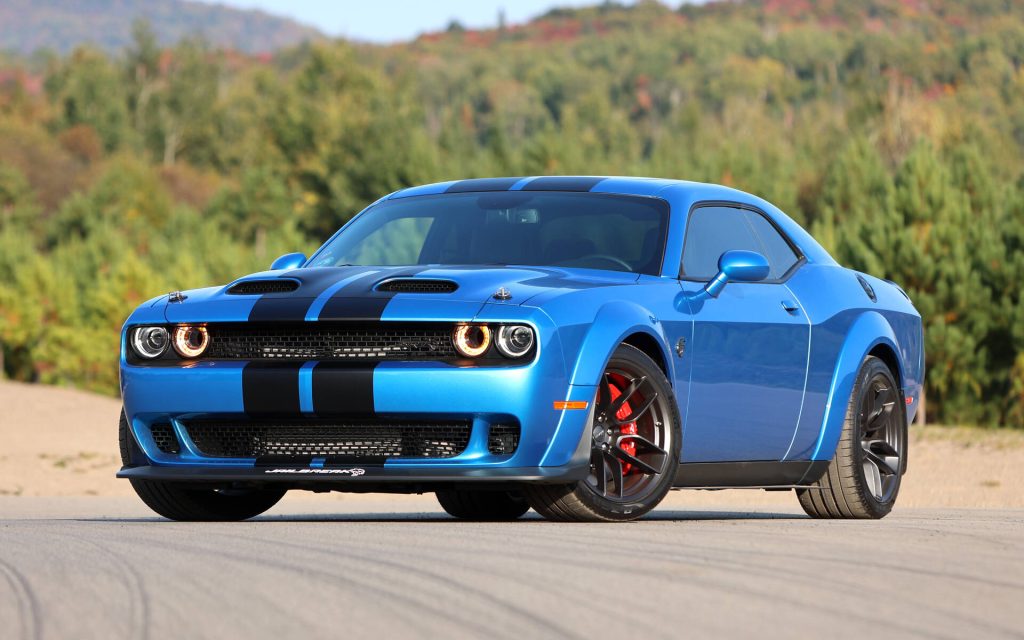
The Challenger’s Marginal small-overlap result therefore deserves attention from anyone shopping for one of the final model years.
Its size and heavy construction may give it a substantial presence on the road, but physical size alone does not guarantee a top crash-test result.
For used buyers, the Challenger remains an attractive performance car, but its safety record should be considered carefully rather than assumed from its dimensions.
2. Dodge Charger
The Dodge Charger provides another example of a performance-oriented vehicle whose crash-test record contains both strengths and weaknesses.
For 2022, IIHS rated the Charger Marginal in the driver-side small-overlap front test. The organization gave the car Good ratings in the original moderate-overlap front test, original side test, roof strength and head restraints and seats.
The small-overlap result is the biggest concern. IIHS explains that the test evaluates how well the vehicle manages a crash involving only a portion of the front end, making structural performance in the affected area particularly important. The Charger’s structure and safety cage received a Marginal rating, while its lower-leg and foot injury measurement was Poor.
The Charger did have some useful safety technology. Its optional vehicle-to-vehicle front crash-prevention system earned a Superior rating, while blind-spot detection and lane-departure systems were available. However, pedestrian front crash prevention was not available in the 2022 evaluation.
The contrast between the Charger’s Good moderate-overlap result and Marginal small-overlap result is important. A strong result in one frontal test does not automatically mean the vehicle offers equally strong protection in every crash configuration.
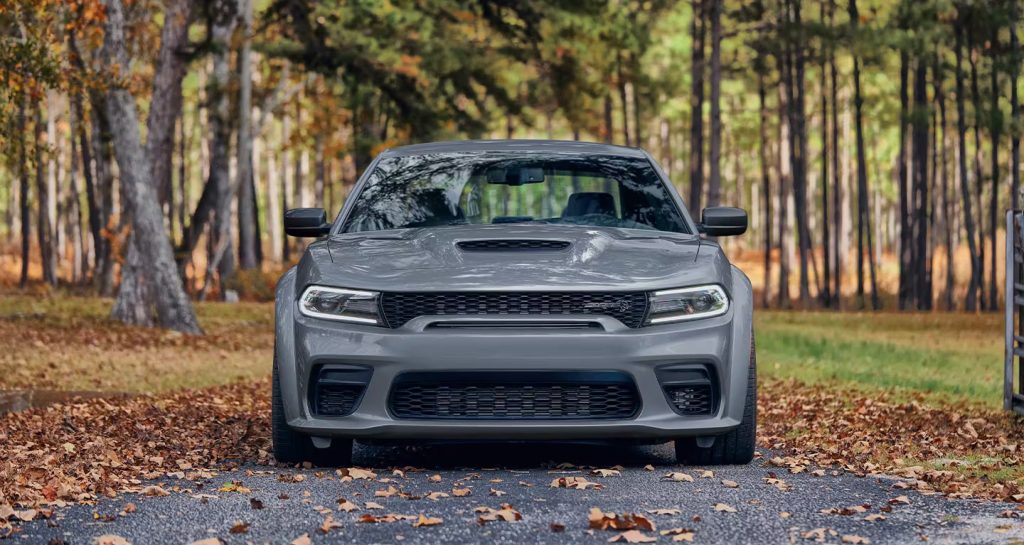
The Charger was also an older design by the end of its production run, making its limitations more apparent when compared with newer performance cars tested under evolving IIHS standards.
For enthusiasts considering a used Charger, the car’s performance and practicality remain major attractions, but its Marginal small-overlap rating deserves attention.
3. Ford Mustang
The Ford Mustang has a long history of strong performance credentials, but its modern IIHS results should not be interpreted as a complete clean bill of health.
The 2024 Mustang received a Good rating in the original moderate-overlap front test. However, IIHS lists its small-overlap front evaluation as incomplete because the vehicle had been tested only on one side.
That distinction is important. An incomplete rating is not the same thing as a Poor result. It means there is not enough testing to assign a complete rating under that evaluation.
For the Mustang, IIHS’s available moderate-overlap evaluation was based on testing of a 2015 Mustang and applies across the specified model years. The structure and safety cage were rated Good, as were the driver injury measures.
That is encouraging, but it does not provide the same level of evidence as a vehicle tested comprehensively under every current frontal crash configuration.
The Mustang’s safety equipment also varies by body style and model year. IIHS lists standard blind-spot detection and lane-departure warning and prevention for the 2024 coupe, while rear automatic braking was optional.
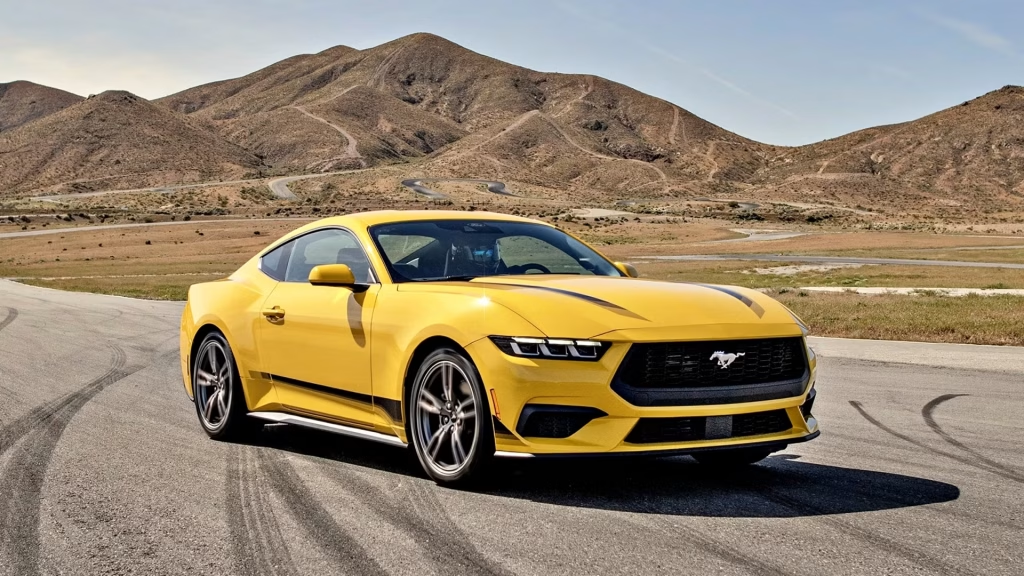
The convertible presents a separate set of considerations and has its own IIHS entry. Its moderate-overlap result is Good, based on testing of a 2015 convertible.
Therefore, the Mustang is not being labeled dangerous here. Its position in this section comes from the limits of the available crash-test evidence rather than a uniformly poor performance.
For buyers, the takeaway is clear. A Good rating in a single crash test does not replace the reassurance of a comprehensive safety evaluation that includes modern crash prevention features.
4. Nissan Z
The Nissan Z is an attractive modern sports car, but its safety evaluation has one notable drawback, a lack of extensive independent crash-test data.
The 2023 Nissan Z was not evaluated by the Insurance Institute for Highway Safety or the National Highway Traffic Safety Administration, leaving buyers without published IIHS crashworthiness or NHTSA overall safety ratings. That makes it difficult to compare the Z directly with sports cars that have undergone extensive frontal and side-impact testing.
This does not mean the Z is unsafe. Instead, the problem is the lack of independent evidence showing how its structure and restraint systems perform in standardized crashes.
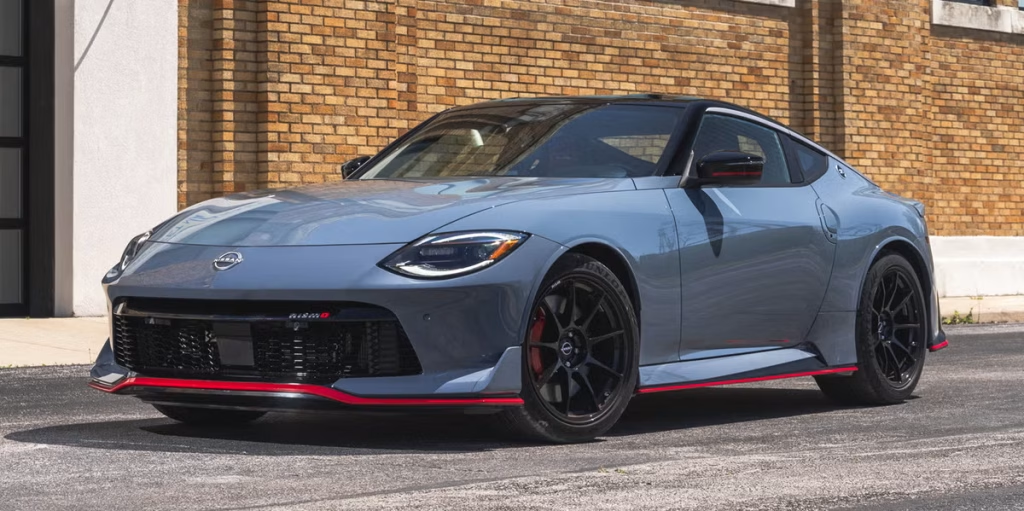
The Z does offer modern driver-assistance features, including automatic emergency braking with pedestrian detection, lane-departure warning, and blind-spot monitoring. However, these systems cannot substitute for comprehensive crash testing.
For safety-conscious sports-car buyers, the Z therefore falls short mainly because its crash-protection performance remains less documented than that of several competing models.
5. MINI Cooper
The MINI Cooper occupies an unusual position because its available IIHS testing shows respectable frontal performance but incomplete coverage. For the 2024 model, IIHS recorded a Good driver-side small-overlap result and a Good original moderate-overlap result, giving the Cooper some encouraging crashworthiness results.
However, the small-overlap rating is explicitly incomplete because only the driver side was tested. IIHS evaluates both driver-side and passenger-side impacts separately, but the 2024 Cooper did not receive a passenger-side evaluation.
This limitation makes it difficult to compare the MINI directly with vehicles that have undergone more comprehensive modern testing.
The driver’s side small-overlap test itself was encouraging. The structure and safety cage were rated Good, as were measurements covering the head, neck, chest, hip, thigh and lower-leg areas. The original moderate-overlap test also produced a Good overall rating, with Good structural and injury results.
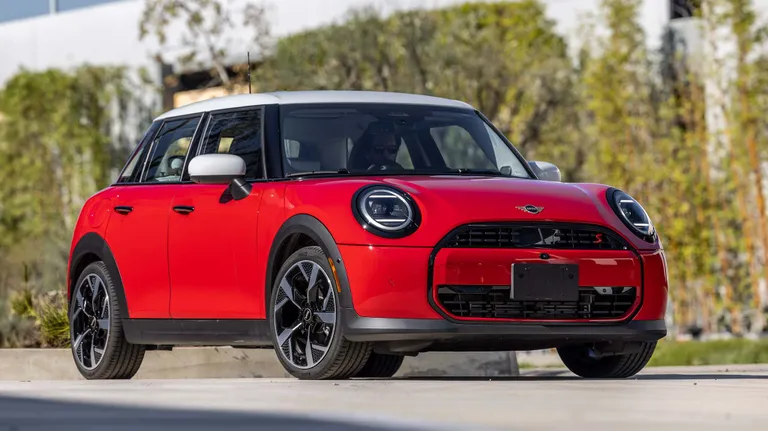
Its headlights received an Acceptable rating, although the high beams had some limitations in the tested configuration.
The Cooper therefore does not have broadly poor crash results. Its main weakness in this comparison is the incomplete testing record. Buyers should recognize that Good results in individual evaluations do not necessarily establish complete protection across every crash scenario.
6. Nissan 370Z
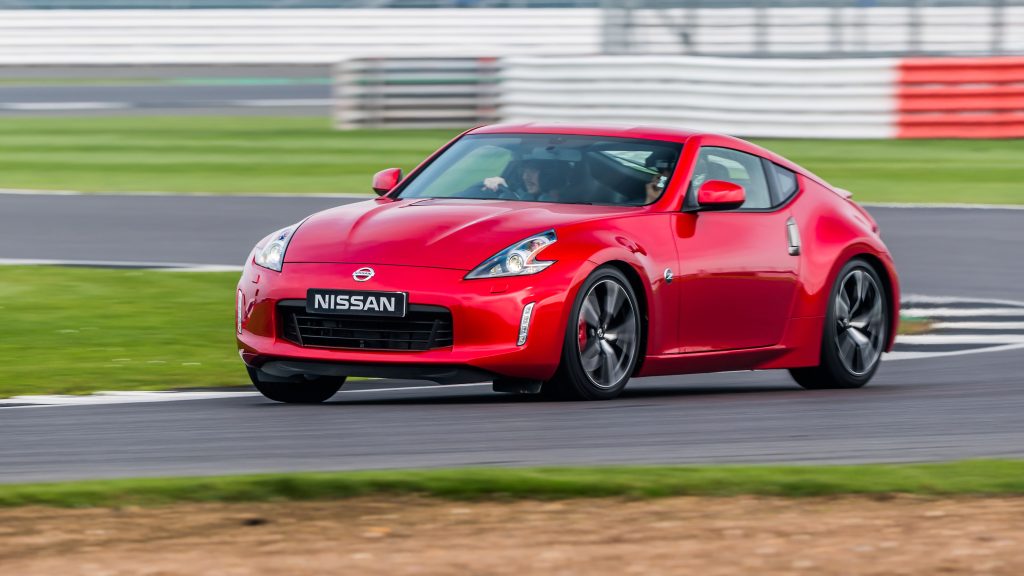
The Nissan 370Z represents an older generation of sports-car engineering that predates many of the crash-avoidance technologies now expected in modern vehicles. Its biggest concern is not necessarily one standout poor crash score, but the age and limited breadth of its safety package.
The 370Z was introduced for the 2009 model year and remained on sale in the United States through 2020. Much of its engineering therefore comes from an era when technologies such as automatic emergency braking, pedestrian detection and advanced driver-assistance systems were far less common.
For a buyer evaluating an older 370Z today, that age matters. Modern sports cars can combine structural protection with systems designed to help prevent collisions, while the 370Z’s older design does not provide the same technological baseline.
This becomes especially relevant when comparing it with newer cars such as the 2022 Subaru BRZ and Toyota GR86, which earned Top Safety Pick+ recognition under more recent IIHS criteria.
The 370Z remains attractive to enthusiasts because of its naturally aspirated V6, rear-wheel-drive layout and traditional sports-car character. However, those qualities should not be confused with modern safety technology.
For used buyers, condition, airbags, seat belts, previous crash damage and the exact safety equipment fitted to the vehicle deserve careful attention.
