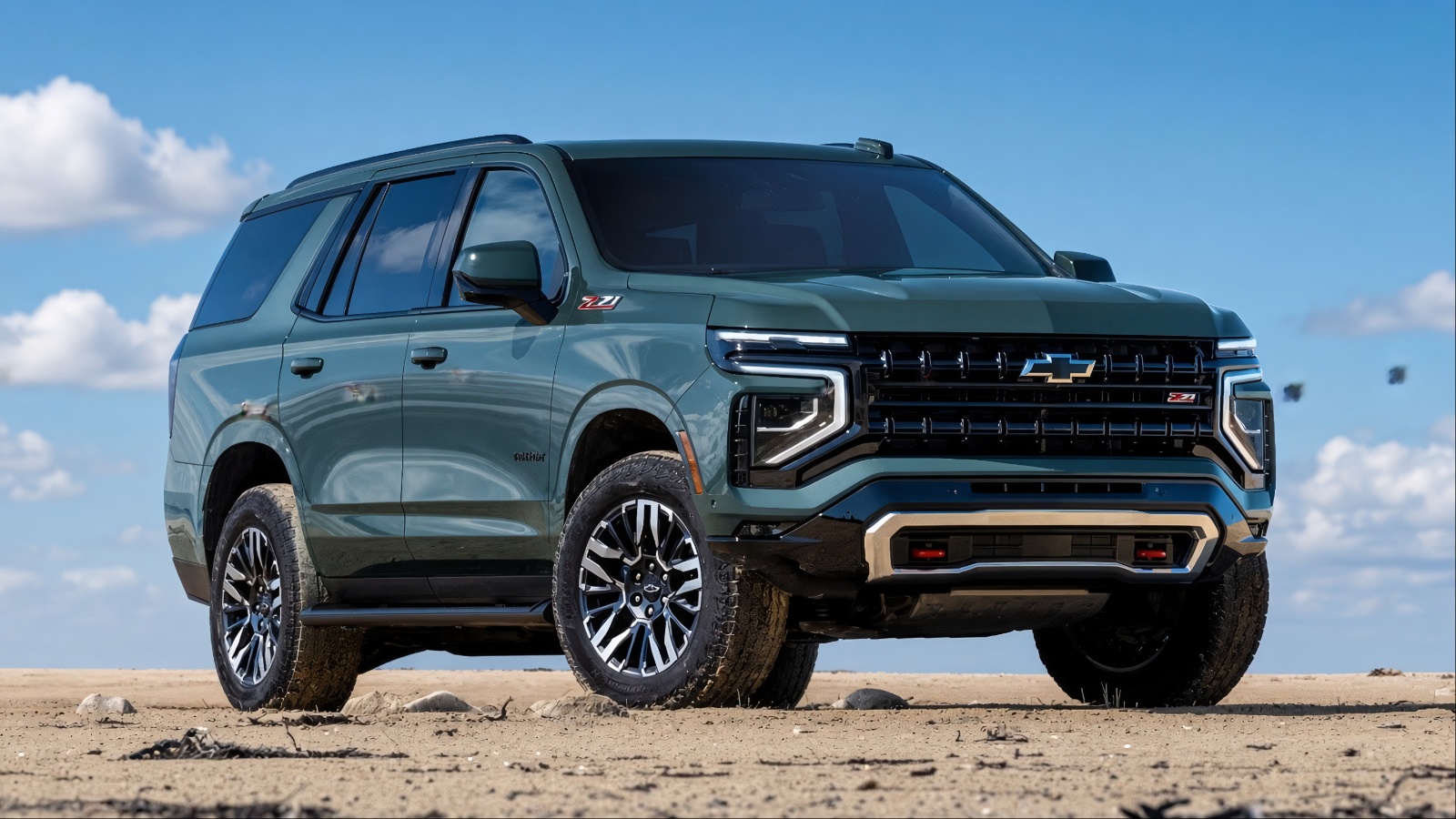
When a car is stopped at a U.S. border, the problem is not always the vehicle itself. U.S. Customs and Border Protection can seize a vehicle when it is connected to illegal activity or when the vehicle was brought into the country without meeting federal import requirements.
Public CBP records show everything from narcotics hidden inside ordinary family vehicles to foreign-market cars that could not legally enter the United States.
CBP also warns that vehicles must satisfy applicable Department of Transportation and Environmental Protection Agency requirements, with proper entry documentation.
The models below are not presented as an official CBP frequency ranking because no such public ranking exists. Instead, they are selected from documented U.S. border and CBP seizure cases.
The examples show how seemingly ordinary vehicles can become evidence in major enforcement actions, whether the issue involves concealed drugs, stolen property, smuggling, or federal vehicle-import rules.
1. Chevrolet Silverado
The Chevrolet Silverado appears in numerous publicly documented border enforcement cases, particularly because pickup trucks can be used in cross-border smuggling attempts. One CBP case at the Hidalgo/Pharr International Bridges involved a 2000 Chevrolet Silverado arriving from Mexico.
Officers referred the truck for secondary inspection and discovered 10 packages containing approximately 27 pounds of cocaine concealed behind the rear seat. CBP estimated the cocaine’s street value at about $770,375, and the vehicle was part of the seizure.
Another CBP operation at the El Paso border involved a 2006 Chevrolet Silverado carrying 421 pounds of marijuana hidden inside the vehicle. That seizure was part of a weekend in which El Paso CBP officers confiscated 2,160 pounds of marijuana across nine separate seizures.
The Silverado’s presence in these cases does not mean the model itself is unusually prone to criminal use. It is one of America’s most common full-size pickups, so there are simply many Silverados moving through U.S. transportation networks. A vehicle’s popularity can make it a practical platform for legitimate transportation as well as illegal activity.
Another case involved a 2002 Chevrolet Silverado stopped south of Elgin, Arizona. Border Patrol agents found 1,275 pounds of marijuana inside the pickup, with an estimated value exceeding $637,000.
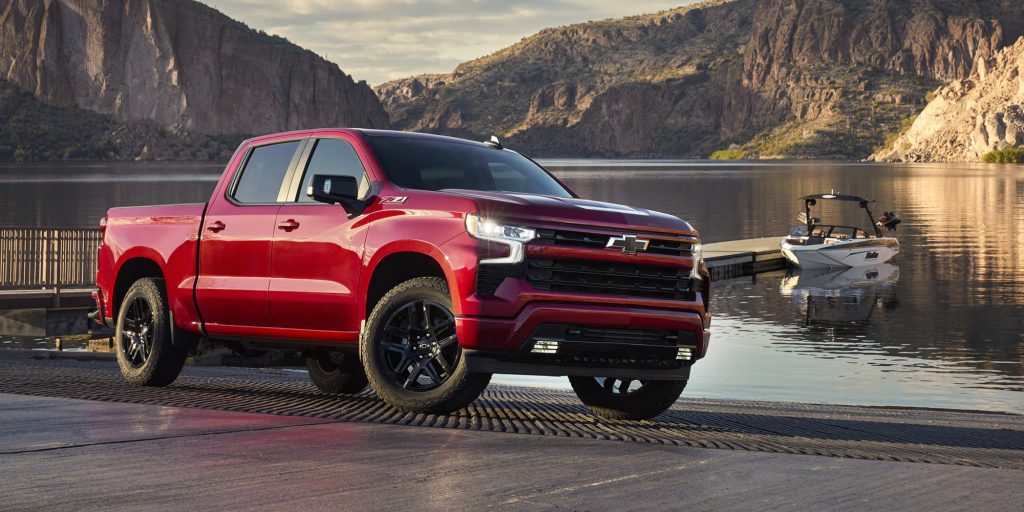
For specifications, the exact dimensions and engine depend heavily on model year and configuration. Therefore, a single specification sheet would be misleading when CBP cases involve multiple generations.
2. Jeep Cherokee
The Jeep Cherokee has also appeared in multiple CBP and Border Patrol seizure cases. Unlike a vehicle seized solely because it failed an import requirement, several Cherokee cases involved the vehicle being used in alleged smuggling operations.
In April 2019, CBP officers at the Gateway to the Americas International Bridge in Laredo, Texas, encountered a 2001 Jeep Cherokee arriving from Mexico. The vehicle was referred for secondary inspection after officers used canine and non-intrusive imaging equipment.
They discovered 63 packages containing approximately 70 pounds of alleged methamphetamine concealed inside the Cherokee. CBP estimated the narcotics at more than $1.4 million. The vehicle and drugs were seized.
A separate 2017 Border Patrol case involved a 2006 Jeep Grand Cherokee near Yuma, Arizona. Agents found approximately 20 pounds of methamphetamine and nearly 20 pounds of heroin inside the vehicle. CBP said the combined drugs were worth more than $400,000, and agents seized the Jeep as part of the case.
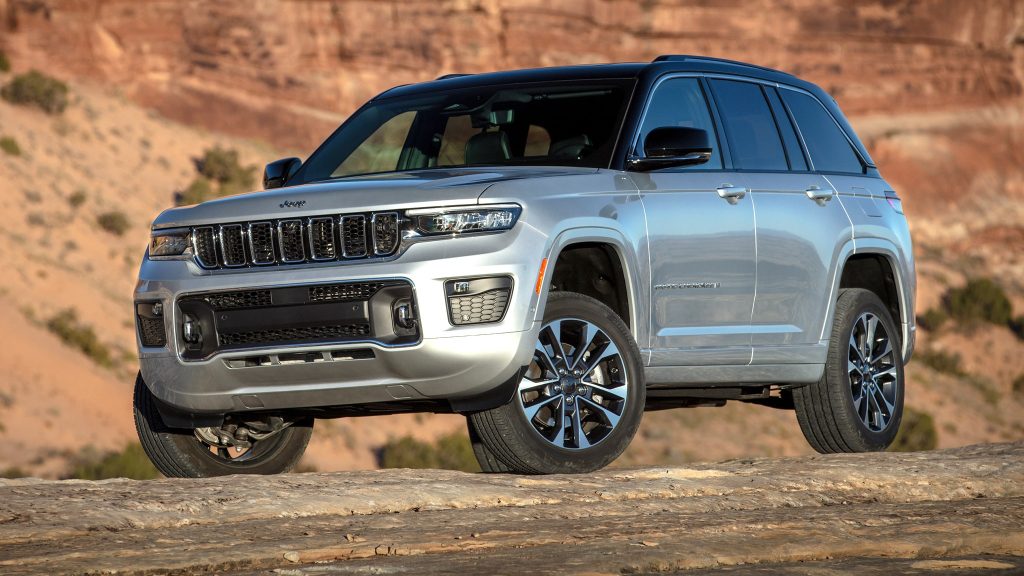
The model also appeared in a 2020 human-smuggling investigation in Arizona. Border Patrol agents encountered a Jeep Cherokee in an area commonly used by smugglers. The vehicle was seized after agents discovered an associated stolen utility vehicle and people allegedly involved in the operation.
These cases highlight an important limitation when interpreting CBP seizure statistics. A vehicle appearing multiple times in seizure reports does not necessarily mean the model itself is associated with suspicious activity. The specific circumstances of each seizure provide the relevant context.
3. Toyota RAV4
The Toyota RAV4 demonstrates how a completely ordinary crossover can become part of a major border seizure. In January 2021, CBP officers at the Juarez-Lincoln Bridge in Laredo, Texas, referred a 2006 Toyota RAV4 for secondary inspection after it entered the United States from Mexico.
Officers used a non-intrusive imaging system and discovered 33 packages containing 28.92 pounds of alleged heroin concealed within the vehicle.
CBP estimated the narcotics’ street value at approximately $656,000. The agency seized both the drugs and the RAV4, while the driver was arrested and the investigation was transferred to Homeland Security Investigations.
The case is notable because the RAV4 was not a specialized commercial vehicle or large truck. Its compact SUV layout provided enough enclosed interior space for a substantial concealed load while retaining the appearance of a normal passenger vehicle.
That combination is one reason border inspections rely on more than simply looking through the windows.
CBP’s public statistics do not establish that RAV4s are seized more frequently than other models. Instead, this is a documented example of a specific RAV4 being seized during a narcotics interdiction.
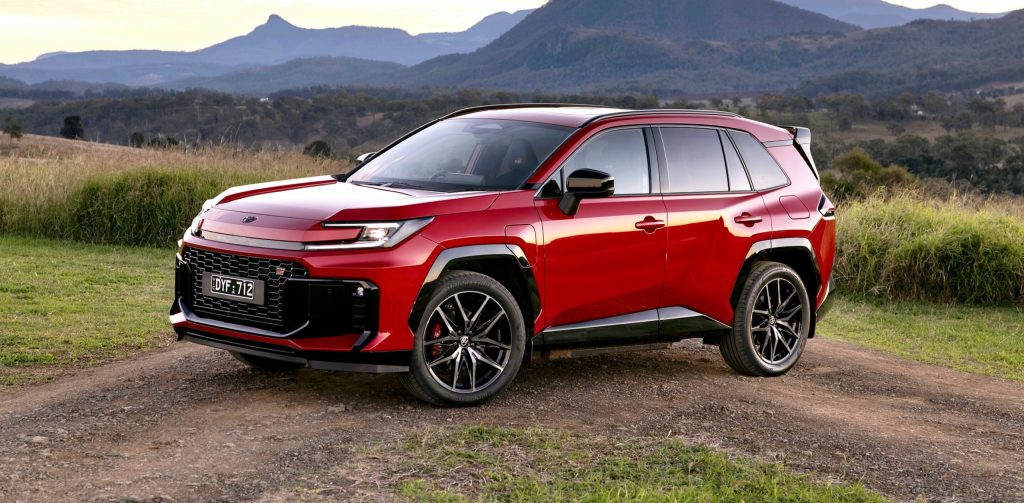
That distinction matters when discussing border enforcement because the presence of a vehicle model in CBP records does not indicate that the model itself has a criminal association.
For this particular generation, the RAV4 was sold with a four-cylinder gasoline engine in the U.S. market. Its relatively compact footprint also illustrates why smugglers do not necessarily need a full-size pickup to conceal substantial quantities of contraband.
4. Toyota Sienna
The Toyota Sienna appears in one of CBP’s more striking vehicle seizure reports because the vehicle was carrying a family while concealing a large quantity of narcotics.
In February 2015, officers at the Otay Mesa port of entry in California encountered a 2015 Toyota Sienna occupied by a family of four. A CBP narcotics-detection canine alerted to the minivan, prompting officers to conduct a more detailed examination.
The subsequent inspection uncovered 92 packages concealed inside the Sienna’s seats and interior body panels. CBP identified approximately 109 pounds of methamphetamine, 12 pounds of cocaine, and 12 pounds of heroin, giving the combined narcotics weight at about 133 pounds.
The estimated street value was nearly $1.4 million. CBP seized the vehicle and narcotics, while the adults were arrested and the children were turned over to Child Protective Services.
The Sienna is an interesting example because minivans are designed around maximum passenger and cargo flexibility. The same enclosed architecture that makes a minivan useful for families also creates numerous cavities, panels, and seat structures that investigators can examine when an inspection raises suspicion.
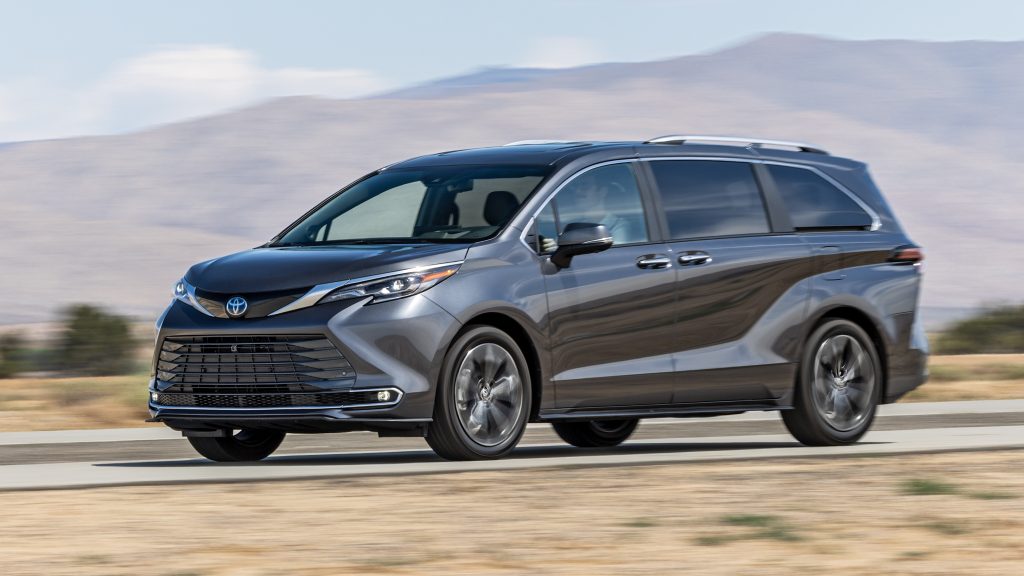
There is no public CBP dataset demonstrating that the Sienna is disproportionately seized compared with other minivans. What can be verified is that this specific Sienna was involved in a significant 2015 border narcotics seizure.
It also shows why CBP combines canine teams, imaging equipment, and physical inspections rather than relying on one detection method.
5. Ford F-150
The Ford F-150 has appeared in documented CBP narcotics seizures, including cases where officers found substantial quantities concealed inside the truck. In June 2020, CBP officers at the Veterans International Bridge in Brownsville, Texas, encountered a 1997 Ford F-150 being driven into the United States.
The driver was referred for a secondary inspection, where officers discovered 30 packages hidden within the pickup. The packages contained approximately 68.56 pounds of alleged cocaine, with an estimated street value of $528,700. CBP seized both the narcotics and the F-150 and transferred the driver to Homeland Security Investigations for further investigation.
The case illustrates why pickup trucks can receive scrutiny when officers identify indicators requiring a secondary examination. The F-150’s separate cab and bed create substantial space for legitimate cargo, but investigators can also inspect concealed areas within the passenger compartment and vehicle structure.
Another CBP report from Arizona documented a Ford sport utility vehicle abandoned after traveling north from the Rio Grande. Agents found more than 470 pounds of marijuana inside, valued at more than $376,000. CBP’s release did not identify the exact Ford model, so it should not be counted as another F-150 case.
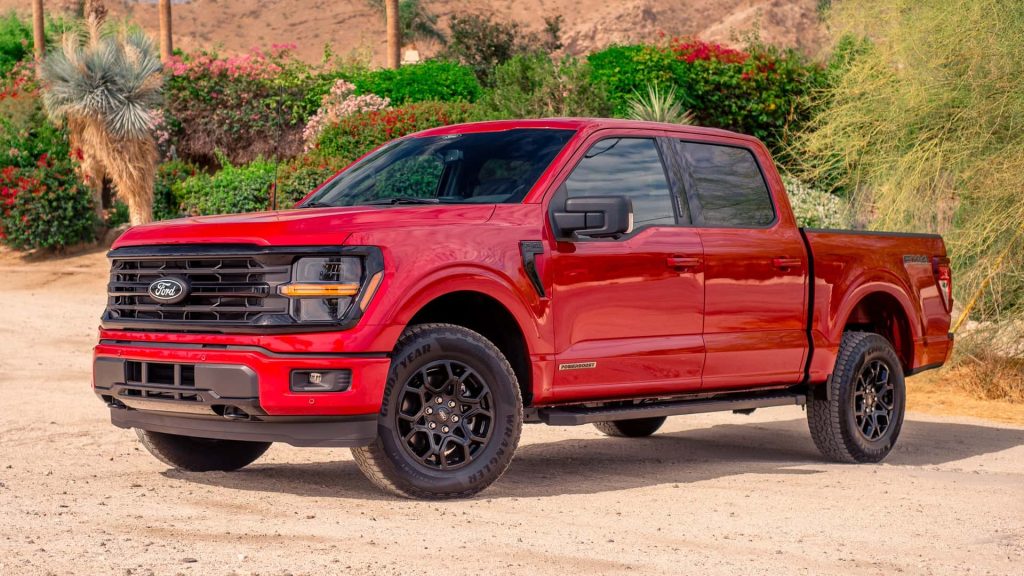
The important distinction is that CBP does not identify the F-150 as a high-risk vehicle. Its enormous popularity in the United States means the model naturally appears in a wide variety of enforcement records.
For the 1997 F-150, specifications depended on cab, bed, and engine configuration, so the figures below represent a common configuration rather than a guaranteed specification for the seized truck.
6. Ford Explorer
The Ford Explorer has also featured in documented border drug seizures. In August 2018, Border Patrol agents working at the Falfurrias Checkpoint in Texas referred a Ford Explorer to secondary inspection after a trained canine alerted to the vehicle.
The subsequent inspection uncovered 20 bundles of cocaine weighing more than 50 pounds. CBP estimated the shipment’s value at approximately $1.6 million. The driver, a U.S. citizen, was arrested, while the narcotics and vehicle were seized.
This case is particularly significant because the Explorer was a mainstream family SUV rather than a vehicle that would immediately attract attention based on its appearance. Border Patrol’s inspection process therefore depended on trained detection and a secondary examination rather than the model itself.
The Explorer’s enclosed body provides considerable interior space compared with a conventional sedan. Depending on the generation, it also has folding rear seats and multiple interior panels, creating a vehicle architecture that can be inspected when agents have probable indicators of concealed contraband.
A separate CBP report from the Rio Grande Valley described another Ford SUV used in an attempted marijuana-smuggling operation. Agents observed the vehicle traveling north from the Rio Grande at high speed before it was abandoned.
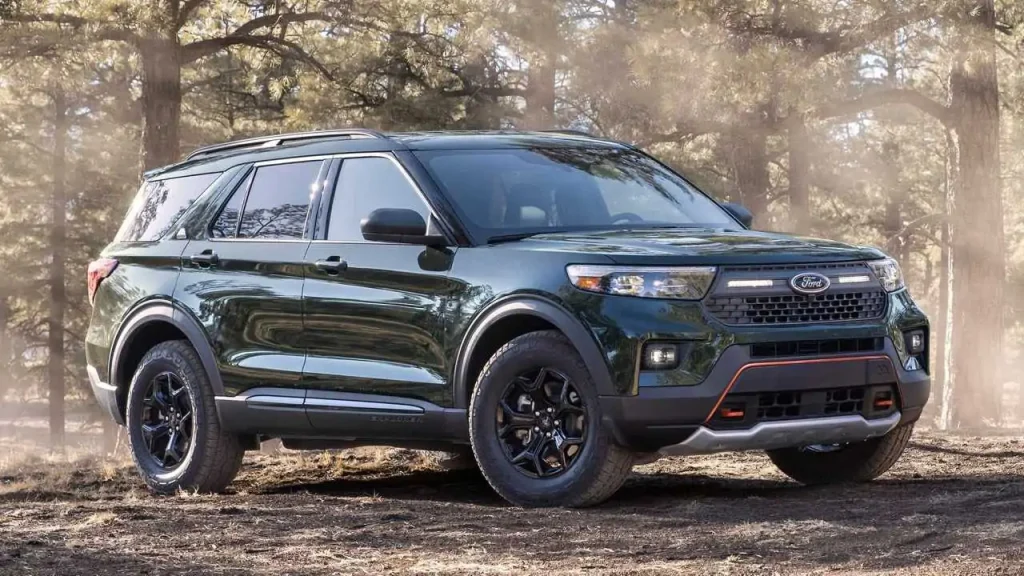
The SUV contained more than 470 pounds of marijuana, valued at over $376,000. CBP did not identify that SUV’s precise model, so it cannot be definitively classified as another Explorer seizure.
That distinction matters when compiling a data-based list. Only vehicles whose model is specifically identified in CBP’s public documentation should be attributed to that model.
The exact specifications vary significantly by Explorer generation, so the figures below are representative of the sixth-generation U.S. model rather than the vehicle from the 2018 seizure.
7. Nissan Juke
The Nissan Juke provides another documented example of a relatively small passenger vehicle becoming part of a significant CBP narcotics seizure.
On March 7, 2017, CBP officers working at the Lincoln-Juarez International Bridge in Laredo, Texas, referred a 2012 Nissan Juke for secondary inspection as it attempted to enter the United States from Mexico.
Officers used both a non-intrusive imaging system and a narcotics-detection canine during the inspection. Those methods led officers to discover 13 packages containing approximately 35 pounds of alleged heroin.
CBP placed the estimated street value of the seizure at more than $801,000. The driver was arrested, the narcotics were seized, and the case was transferred to Homeland Security Investigations.
The Juke is particularly interesting in a border-enforcement context because it is considerably smaller than a full-size pickup or large SUV. Yet the vehicle still provided concealed areas that could be used to hide a substantial quantity of narcotics. The incident demonstrates why CBP inspections are not based simply on vehicle size.
CBP’s public release does not suggest that the Nissan Juke was targeted because of its model. Instead, the vehicle was selected for secondary inspection as part of the agency’s screening process. The subsequent imaging and canine examination identified concealed material that was not apparent during the initial inspection.
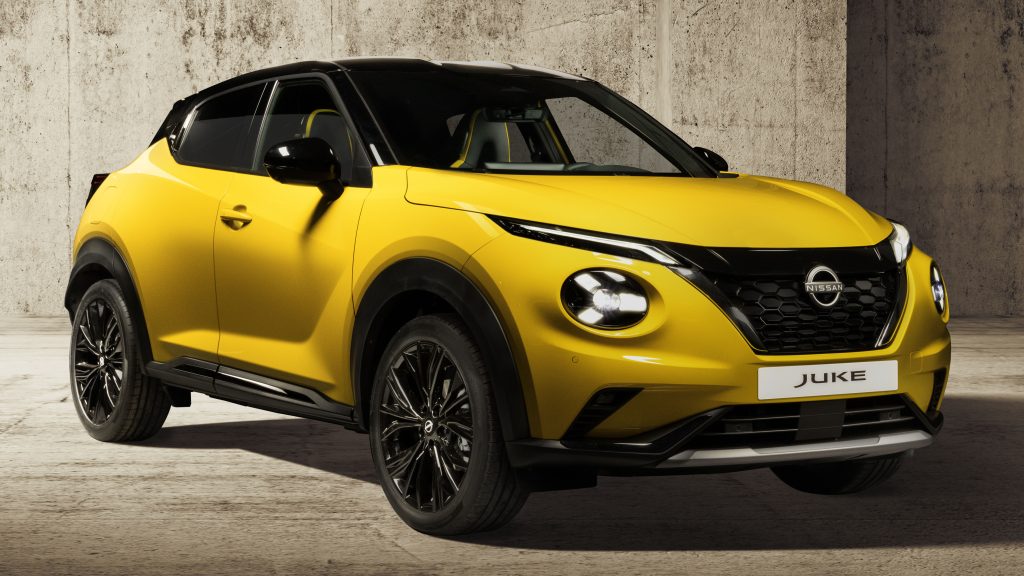
This case should therefore be viewed as evidence of a documented Juke seizure, rather than proof that Jukes are disproportionately seized at U.S. borders. CBP does not publish a comprehensive model-by-model seizure ranking that would establish such a conclusion.
For the 2012 U.S.-market Juke, the commonly specified turbocharged engine produced strong output for a compact crossover.
8. Volkswagen Jetta
The Volkswagen Jetta has appeared in multiple documented CBP narcotics seizures, making it one of the more clearly supported models for this list.
In June 2017, CBP officers at the Gateway International Bridge in Brownsville, Texas, encountered a 2005 Volkswagen Jetta entering the United States.
Following a primary inspection, officers referred the vehicle to secondary inspection, where a non-intrusive imaging system and a CBP narcotics-detection canine helped reveal concealed packages. Officers recovered 14.29 pounds of alleged methamphetamine, with an estimated street value of $285,716. CBP seized both the narcotics and the Jetta.
That was not an isolated documented Jetta case. In February 2011, CBP officers at the Brownsville and Matamoros International Bridge stopped a 2001 Volkswagen Jetta after identifying undeclared packages during the primary inspection.
A secondary examination uncovered nine concealed packages containing cocaine, which CBP valued at approximately $598,400. The vehicle was seized along with the narcotics.
The two cases, separated by more than six years, demonstrate why the Jetta belongs in a list based on documented seizure records. They do not prove that Jettas are seized more frequently than every other passenger car, since CBP does not publish a complete model-by-model ranking.
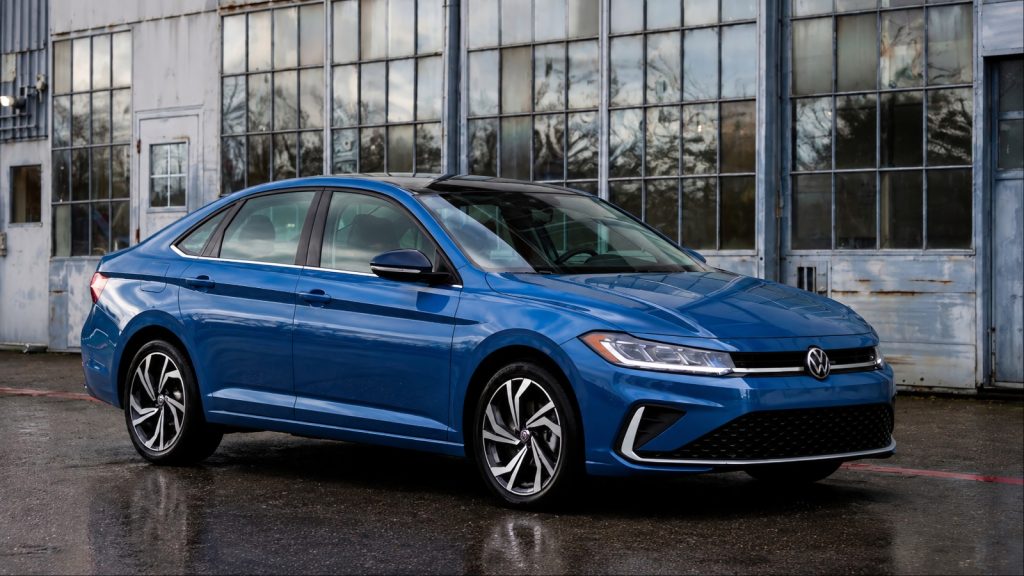
What makes these incidents particularly notable is the use of concealed areas within an otherwise conventional sedan. The Jetta’s relatively ordinary appearance did not prevent CBP’s inspection technology and canine teams from identifying hidden material.
For the 2005 U.S.-market Jetta, specifications varied by engine and trim, so the figures below represent the common 2.5-liter gasoline configuration.
9. Chevrolet Tahoe
The Chevrolet Tahoe has appeared in documented CBP and Border Patrol seizure cases involving both passenger vehicles entering through ports of entry and vehicles encountered during inland border enforcement.
One clearly documented CBP case occurred at the Veterans International Bridge in Brownsville, Texas, in August 2019. Officers encountered the driver of a 2011 Chevrolet Tahoe and referred the vehicle for a secondary examination after the primary inspection.
During the secondary inspection, officers discovered 120 packages concealed inside the SUV. The packages contained approximately 7.09 pounds of methamphetamine, which CBP valued at about $141,976. Officers seized the narcotics and Tahoe and arrested the driver before turning the case over to Homeland Security Investigations.
The Tahoe has also appeared in Border Patrol enforcement farther from an official port of entry. In March 2017, agents at a Highway 86 checkpoint in California encountered a 2000 Chevrolet Tahoe.
A canine alerted to the vehicle, and agents subsequently discovered 20 packages hidden inside its quarter panels. The packages contained approximately 26.76 pounds of methamphetamine, with an estimated value of $85,632. The vehicle and narcotics were subsequently turned over to the Drug Enforcement Administration.
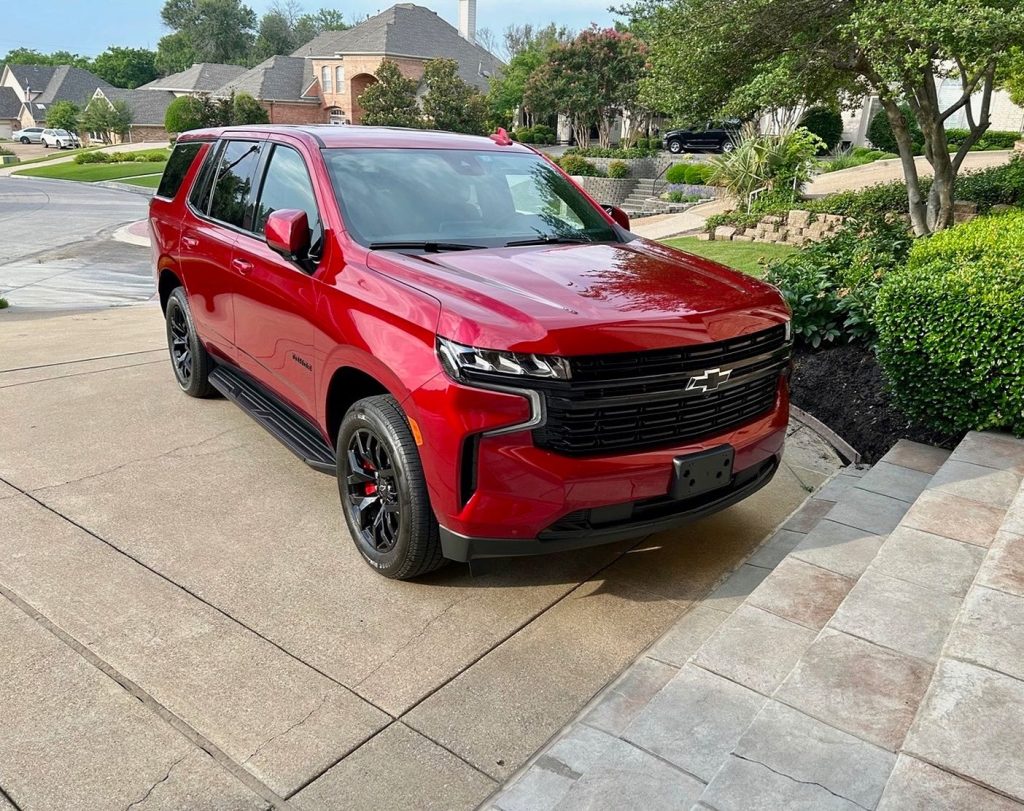
These separate incidents show why the Tahoe can legitimately be included among models appearing in public CBP seizure records. They do not establish that the Tahoe is seized more frequently than every other SUV, since CBP does not publish a comprehensive model-by-model ranking.
The Tahoe’s large body and enclosed cargo area provide substantial usable space, but the documented cases also demonstrate that smugglers have used less obvious structural areas, such as quarter panels.
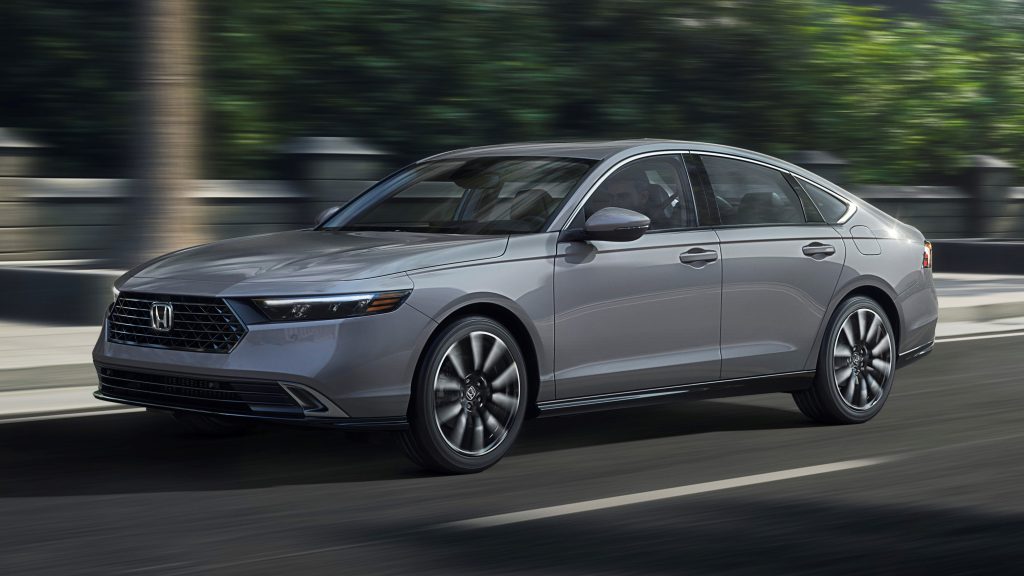
10. Honda Accord
The Honda Accord closes the list with another example of an ordinary American-market sedan becoming part of a significant border narcotics seizure. In July 2014, CBP officers at the Andrade Port of Entry in California encountered a U.S. citizen driving a 2006 Honda Accord.
The officer noticed signs of nervousness and referred the vehicle for further inspection. During the intensive examination, a CBP narcotics-detection dog alerted to the Accord.
Officers then discovered 19 wrapped packages concealed inside three of the vehicle’s four doors. The packages contained almost 23 pounds of methamphetamine, with an estimated street value of nearly $150,000.
The case provides a useful example of why a vehicle’s appearance alone tells investigators very little. The Accord was a conventional midsize sedan, yet investigators found a substantial quantity of narcotics hidden within its body.
The discovery depended on the combination of officer observations, secondary inspection and canine detection.
Honda sedans have also appeared in Border Patrol enforcement outside formal ports of entry. In November 2010, Yuma Sector agents observed several people loading bundles into a 1994 Honda Civic before returning toward Mexico.
Agents stopped the vehicle and found four bundles containing approximately 219 pounds of marijuana. The marijuana was valued at approximately $175,200, and the vehicle was seized.
The Accord example is therefore particularly useful for understanding the mechanics of a border seizure. CBP did not seize the car because it was a Honda or because the model was inherently suspicious. It was seized because officers discovered alleged contraband inside that specific vehicle.
For the 2006 U.S.-market Accord, specifications varied by trim, with the four-cylinder being the volume engine.