
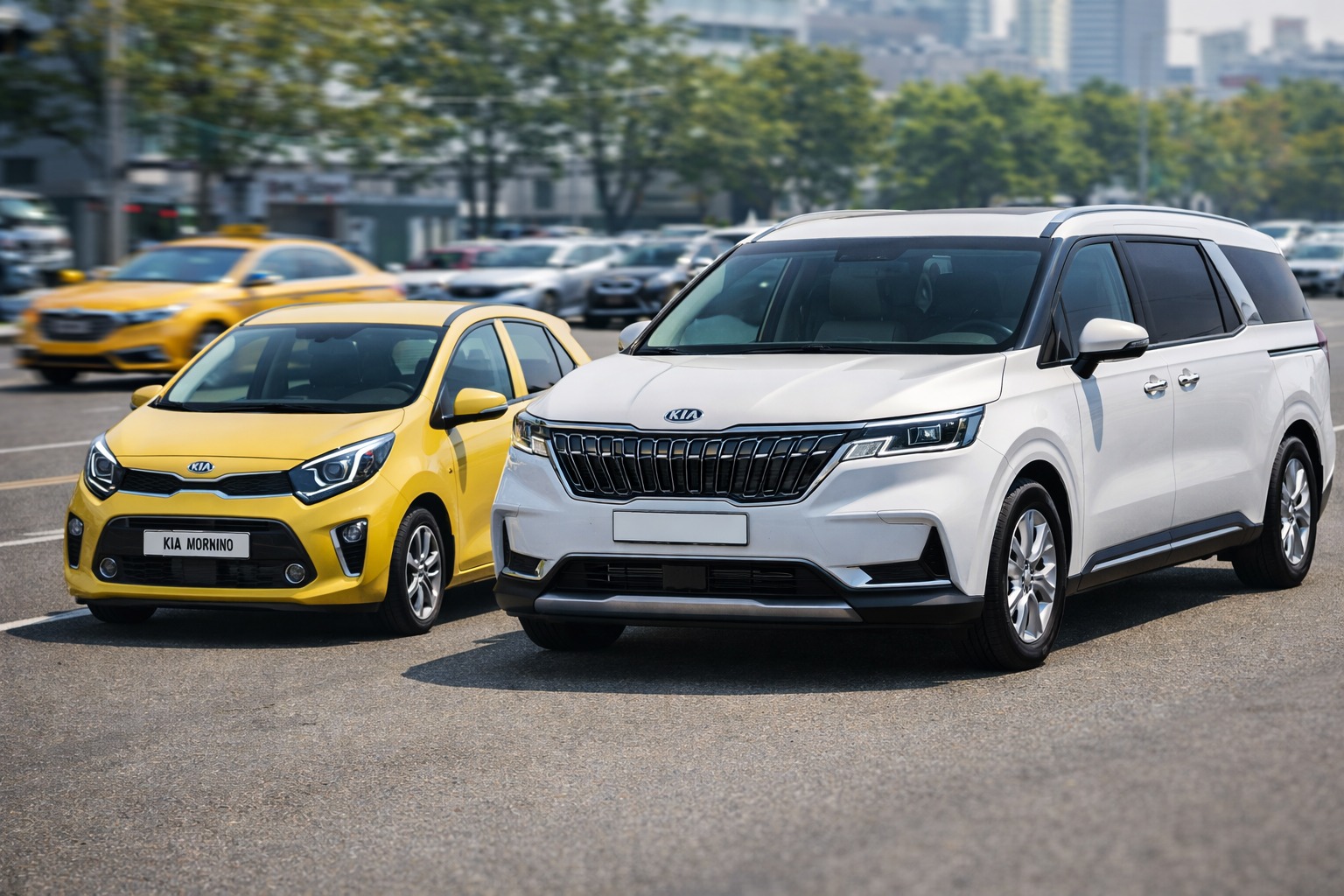
A Korean car can be a smart buy, but the badge alone should never make the decision for you. Hyundai, Kia, and Genesis now offer efficient sedans, practical SUVs, and polished luxury cars that compete strongly on safety, technology, comfort, and value. Yet some older models carry engine histories that deserve careful attention before money changes hands.
The trick is knowing which generations have earned a place on a shopping list and which ones call for extra caution. This guide breaks down five Korean vehicles worth considering and five that deserve closer scrutiny, with a focus on model years, ownership concerns, useful features, and what a used-car buyer should check before signing a deal.
5 Korean Cars Worth Buying
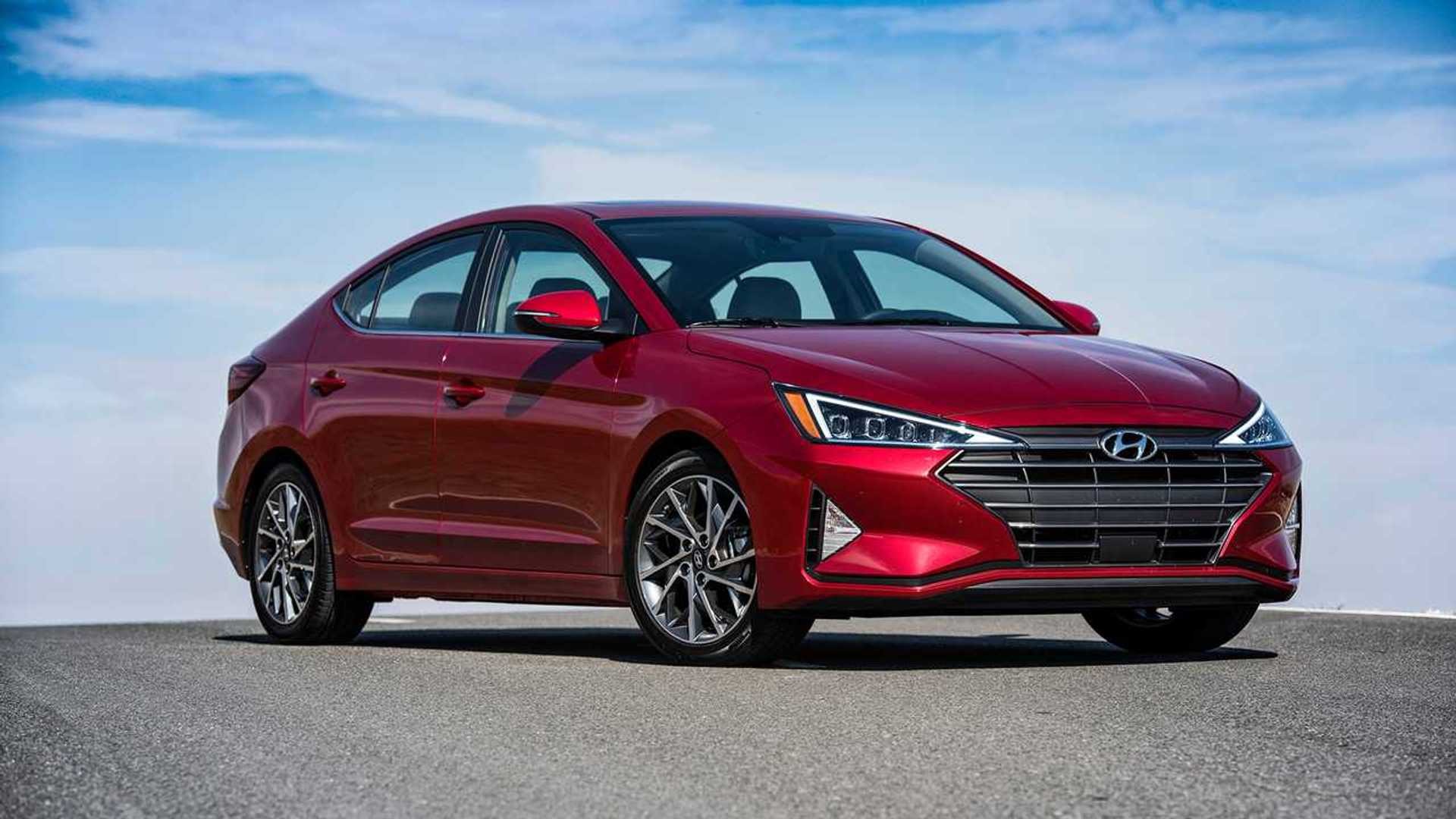
1. Hyundai Elantra (2019-2026)
The Hyundai Elantra makes a strong case for buyers who want a compact sedan without spending heavily on fuel, insurance, or routine ownership.
The 2019-2020 models belong to the previous generation, while the 2021 model introduced a complete redesign with sharper styling, a roomier-feeling cabin, and a more modern technology package.
That newer generation is especially appealing to used-car shoppers because it brought a fresh platform and a long list of driver-assistance features.
Fuel economy is another reason the Elantra attracts attention. Depending on engine, transmission, and trim, it can deliver the kind of mileage that makes daily commuting relatively inexpensive.
Higher trims add features such as larger displays, smartphone integration, blind-spot monitoring, and adaptive cruise control. Safety performance also gives newer Elantras a strong selling point.
The 2021-2026 generation received strong crash-test results in several IIHS evaluations, while the 2024 model earned a Top Safety Pick+ award under the applicable criteria.
One important caveat is that not every Hyundai Elantra from 2019 onward has the same reliability record. Some Hyundai engines from this period were affected by engine-related lawsuits and settlement programs, making it important to check the vehicle’s VIN and review its service history before buying.
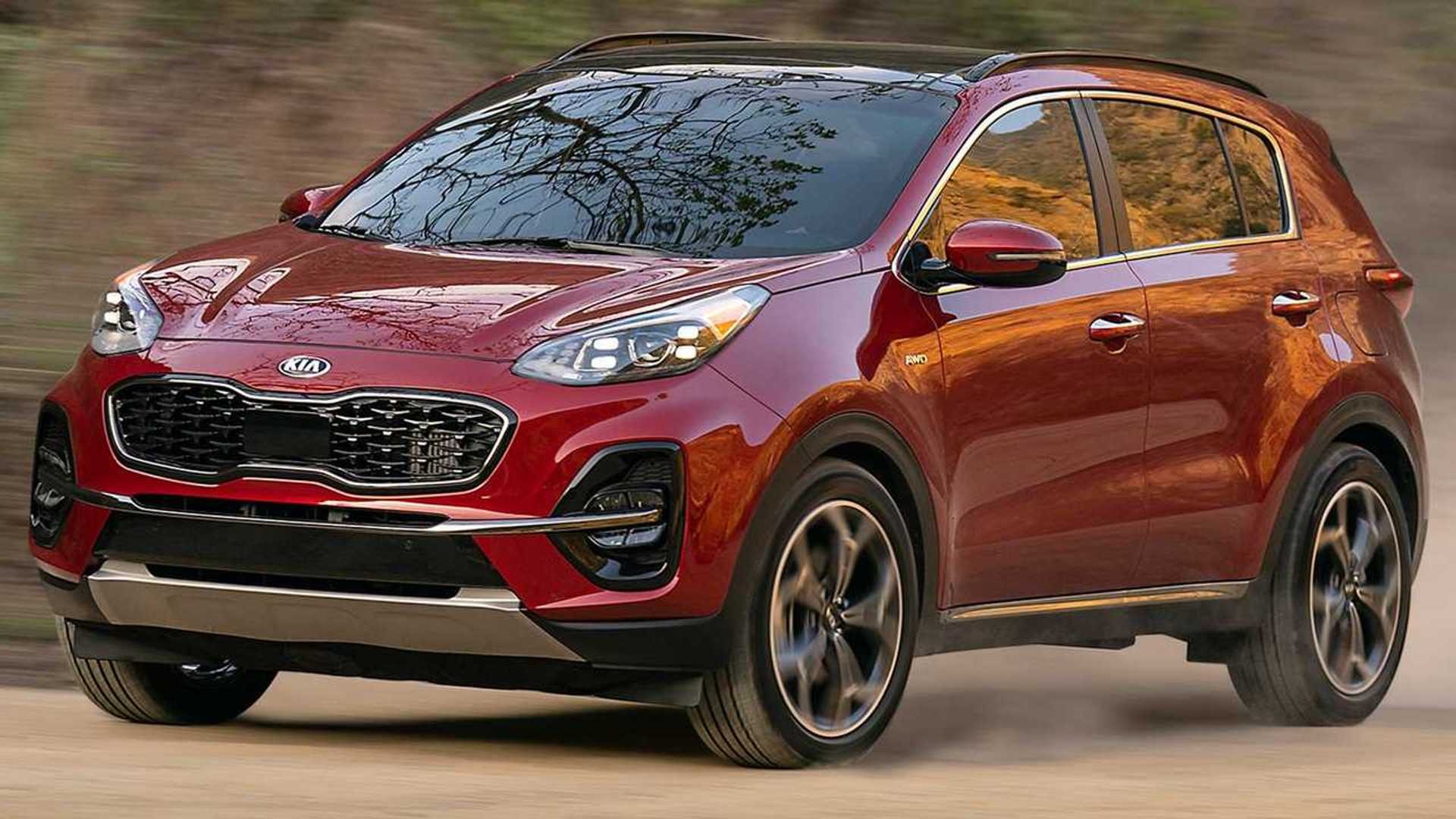
2. Kia Sportage (2020-2024)
Need room for kids, groceries, and a weekend getaway? Meet the Sportage. This compact SUV from 2020 through 2024 hits a nice balance. Its styling looks fresh, the cabin feels roomy, and the seats are comfortable even after a couple of hours behind the wheel.
Performance is smooth. It won’t thrill a race driver, but it never feels strained in daily use. Tech is generous too. You get a large touchscreen, smartphone connection, and driver aids that make parking lots and highways less stressful.
Families appreciate these vehicles for their generally low maintenance costs and dependable performance. Routine servicing is often affordable, while warranty coverage on newer Kia models gives many owners added peace of mind.
That makes a difference when balancing school runs, work, and daily errands. It is well suited to city driving because it is easy to park, uses less fuel than larger SUVs, and offers good visibility on busy streets.
It is a practical choice for families thanks to its tall roofline, flat cargo floor, and rear seats that make installing child seats easier. The generous cargo space for its class also provides plenty of room for strollers, suitcases, and everyday essentials.
Before buying, confirm the maintenance schedule was followed, and check for any open recalls using the VIN. Test the infotainment, the camera, and the climate controls.
Small glitches are worth catching early. If everything checks out, you’re looking at a well-rounded SUV that fits real life without draining your wallet.
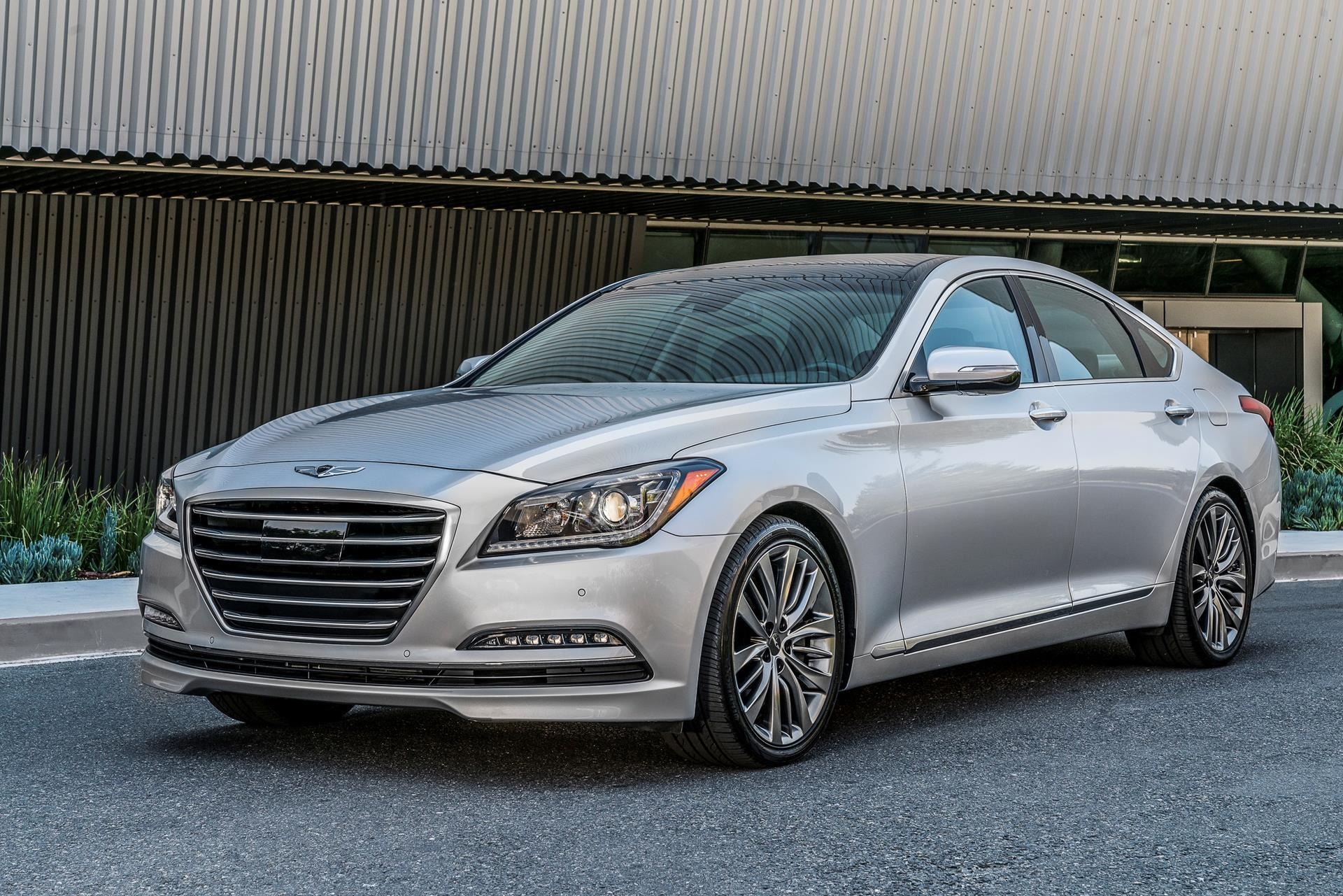
3. Genesis G80 (2017-2026)
Picture pulling up to dinner in a car that looks like it costs twice what you paid. That’s the Genesis G80 experience, and the 2017 through 2026 model years make it possible.
This is a true luxury sedan, with soft leather, quality wood and metal trim, and a cabin that stays hushed at highway speeds. Long trips feel effortless because the seats are supportive and the suspension soaks up rough pavement.
Want more power? Stronger engine options are available, and they deliver a confident, smooth push without any drama. Safety tech is advanced too, with driver-assist features that rival the German brands it competes against.
Now for the money part. Luxury cars lose value quickly, and the G80 is no exception. That’s bad news for the first owner and great news for you.
A used example can cost thousands less than a comparable Mercedes, BMW, or Audi, yet it delivers nearly the same comfort. Just remember that luxury still means higher repair bills than an economy car, so budget for good tires, quality fluids, and an inspection by a technician who knows the brand.
Check the electronic features on higher trims, such as the heated seats, cameras, and sound system, since repairs there cost more. Ask whether the car was maintained at a Genesis dealer, and confirm every recall was handled.
Do that homework, and you’ll enjoy a refined sedan that feels special every single morning while your bank account stays calm.
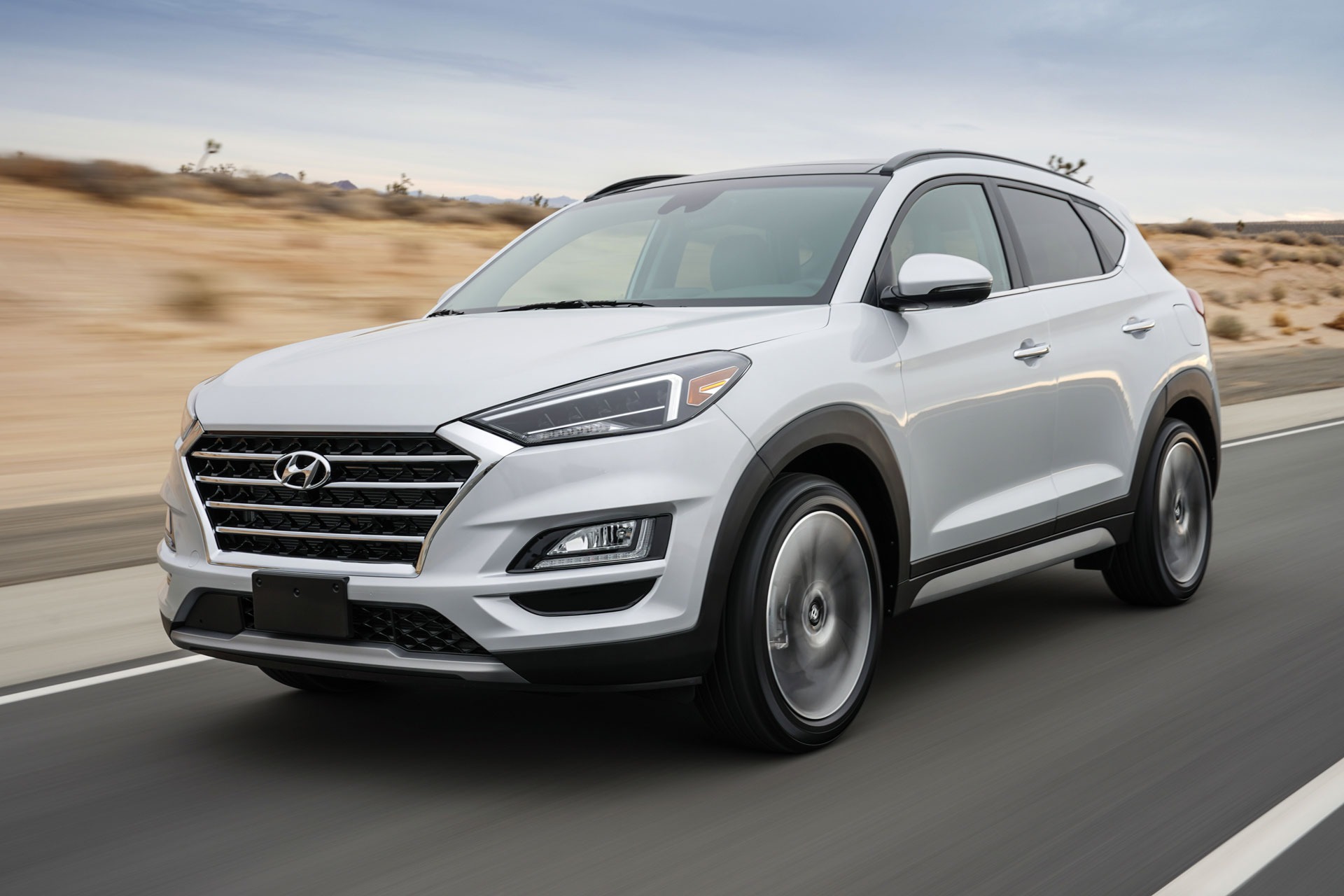
4. Hyundai Tucson (2019-2024)
If your priorities are passenger space, everyday comfort, useful technology, and SUV practicality, the Hyundai Tucson deserves serious attention.
It is easy to live with in urban driving, yet it provides the higher seating position and flexible cargo area many buyers want from a crossover.
The 2022 redesign is especially appealing. Hyundai gave the Tucson a larger cabin, a more distinctive exterior, updated infotainment, and a broader collection of driver-assistance equipment.
Earlier 2019-2021 models can make sense when purchase price matters more than having the newest design. Safety is one of the Tucson’s strongest selling points.
The 2024 model earned an IIHS Top Safety Pick+ award for vehicles built after March 2024, following changes to the rear seat belts that helped the SUV meet the institute’s updated testing requirements.
Hybrid availability adds another reason to consider newer versions. Buyers who spend heavily on fuel can compare the hybrid Tucson with the conventional model and calculate whether the higher purchase price makes financial sense for their driving habits.
Still, used buyers should inspect service records carefully. Some Hyundai vehicles covered by engine-related settlements included Tucson model years and specific engines, so the exact powertrain matters.
A clean history, completed recall work, regular servicing, and a thorough pre-purchase inspection can make a Tucson a practical family crossover.
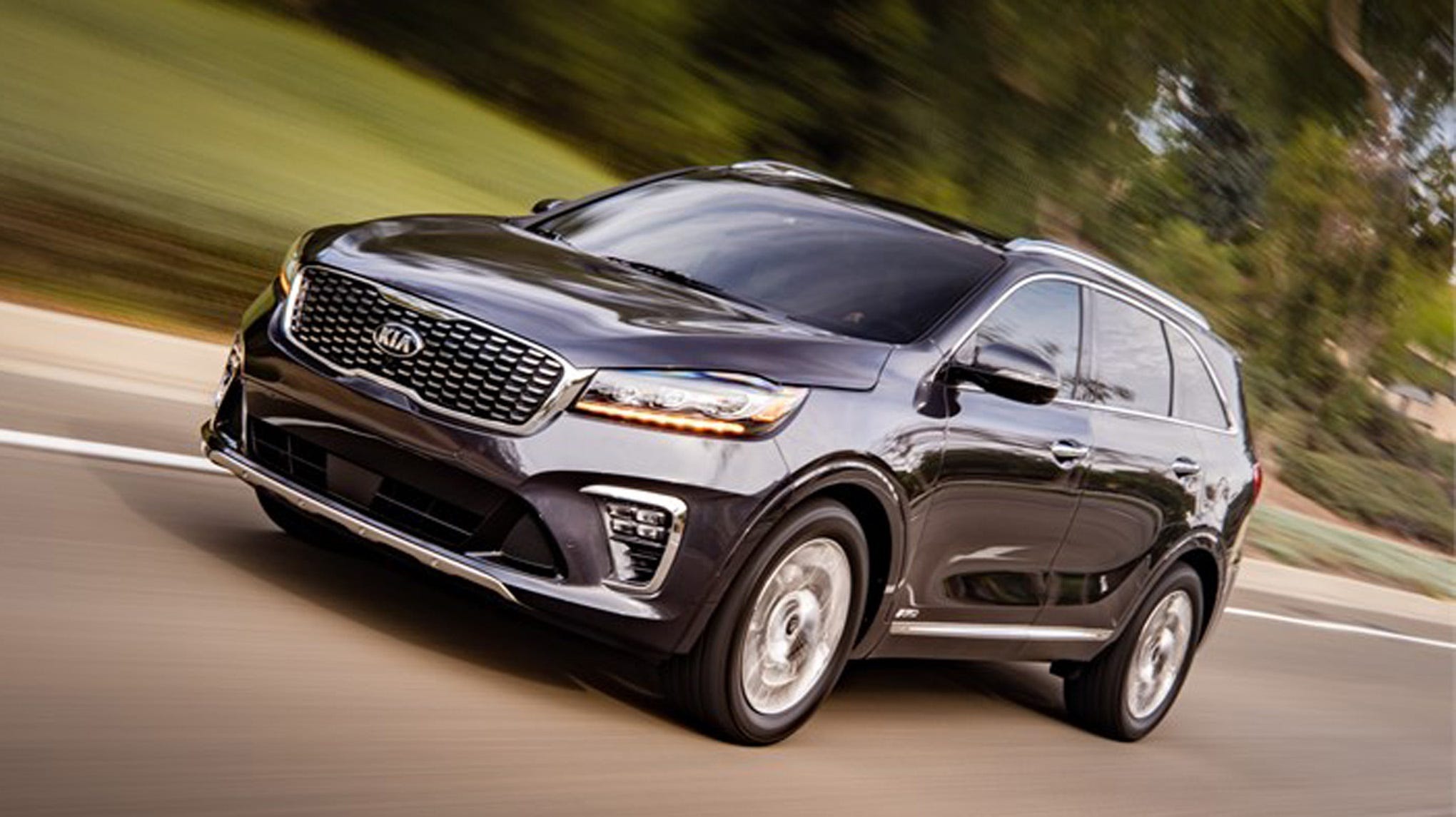
5. Kia Sorento (2020-2024)
Need three rows without moving into a full-size SUV? The Kia Sorento answers that request with a relatively manageable footprint, flexible seating, useful cargo capacity, and a comfortable ride.
It can work particularly well for households that occasionally need extra passenger space but do not want a giant vehicle every day. The 2021 redesign is an important dividing line.
Kia introduced a new generation with updated styling, improved cabin materials, new technology, and available hybrid powertrains. For buyers who value fuel economy, the hybrid deserves a separate look because its operating costs can differ from those of the gasoline versions.
The Sorento also has a strong safety story. The 2024 model earned an IIHS Top Safety Pick award, with good ratings in several crashworthiness categories and standard front crash-prevention equipment.
There is, however, a reason not to buy one blindly. Consumer Reports currently lists the 2024 Sorento as less reliable than other vehicles from its model year, with owner-reported concerns involving electrical accessories and fuel-system areas.
Earlier Sorentos also intersect with Hyundai-Kia engine settlement coverage for certain engines and model years.
A buyer should therefore verify the exact engine, recall status, maintenance history, and inspection results. With those checks completed, a well-kept Sorento can provide a useful mix of family space and manageable SUV dimensions.
5 Korean Cars to Skip
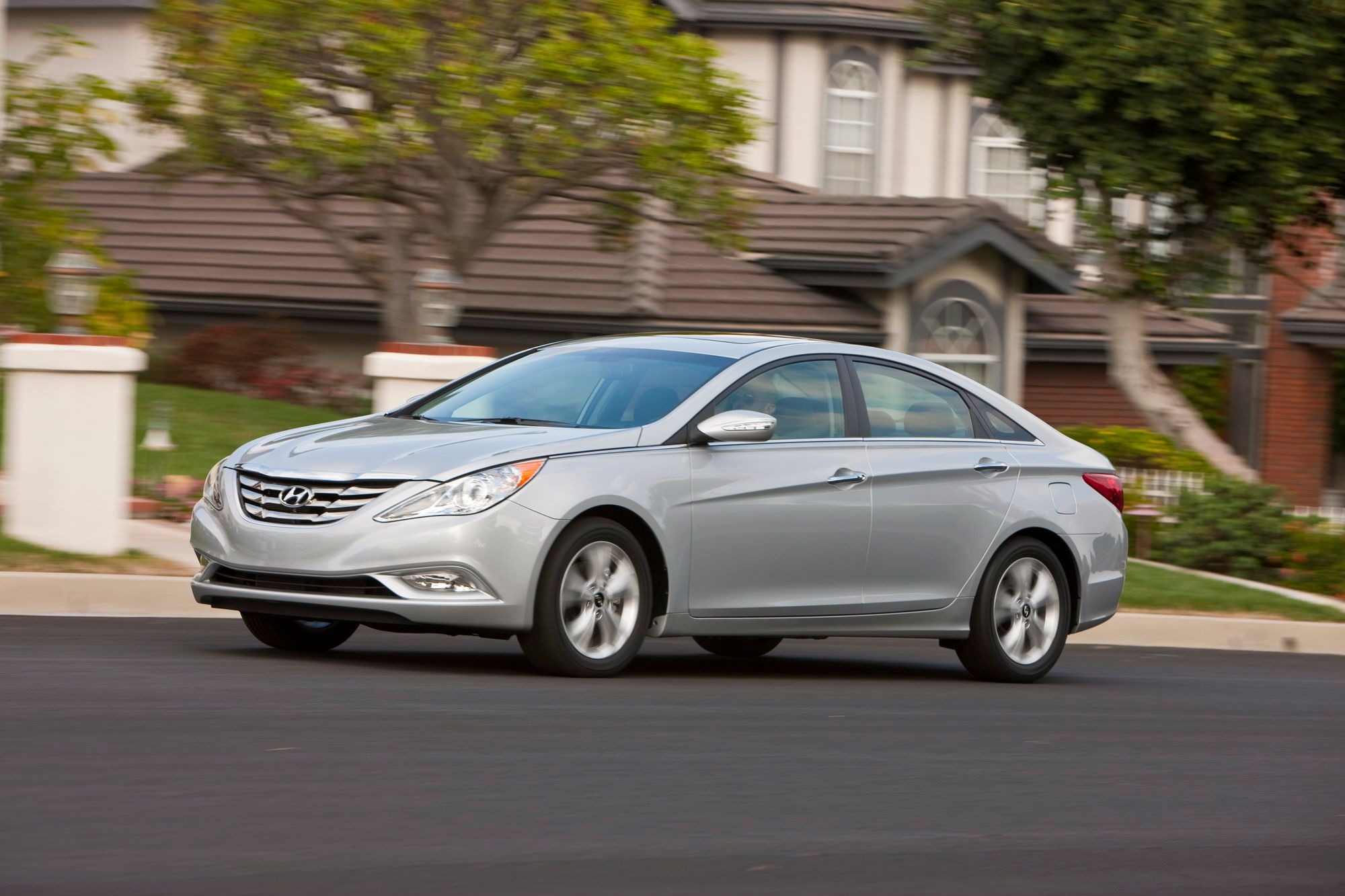
1. Hyundai Sonata (2011-2015)
Let’s be blunt. A cheap Sonata from these years can turn into an expensive lesson. The main problem is the Theta engine, which has a reputation for premature wear and, in some cases, outright failure.
Some owners reported oil consumption, knocking sounds, and engines that quit long before the odometer suggested they should. Hyundai issued recalls and extended coverage on some engines, but that protection may not apply to a car that’s changed hands, missed service visits, or run out of time.
Repairs are costly, and a replacement engine can eat up more than the car is worth. Here’s the trap. The low asking price looks like a bargain, the styling still looks decent, and the seller swears it runs great.
Then the bills start. Long-term durability is inconsistent, so two cars from the same year can behave very differently. If you’re determined to buy one anyway, treat it like a gamble with rules.
Demand full service records, check the oil level and color, and listen for ticking or rattling on a cold start. Pay a trusted mechanic to inspect it and to check whether any engine recalls were completed. Walk away if the seller hesitates.
Better yet, spend a little more on a newer Sonata or a different sedan altogether. A cheap car that keeps visiting the repair shop is never really cheap. Saving a thousand dollars today is no bargain if it costs you four thousand next spring.
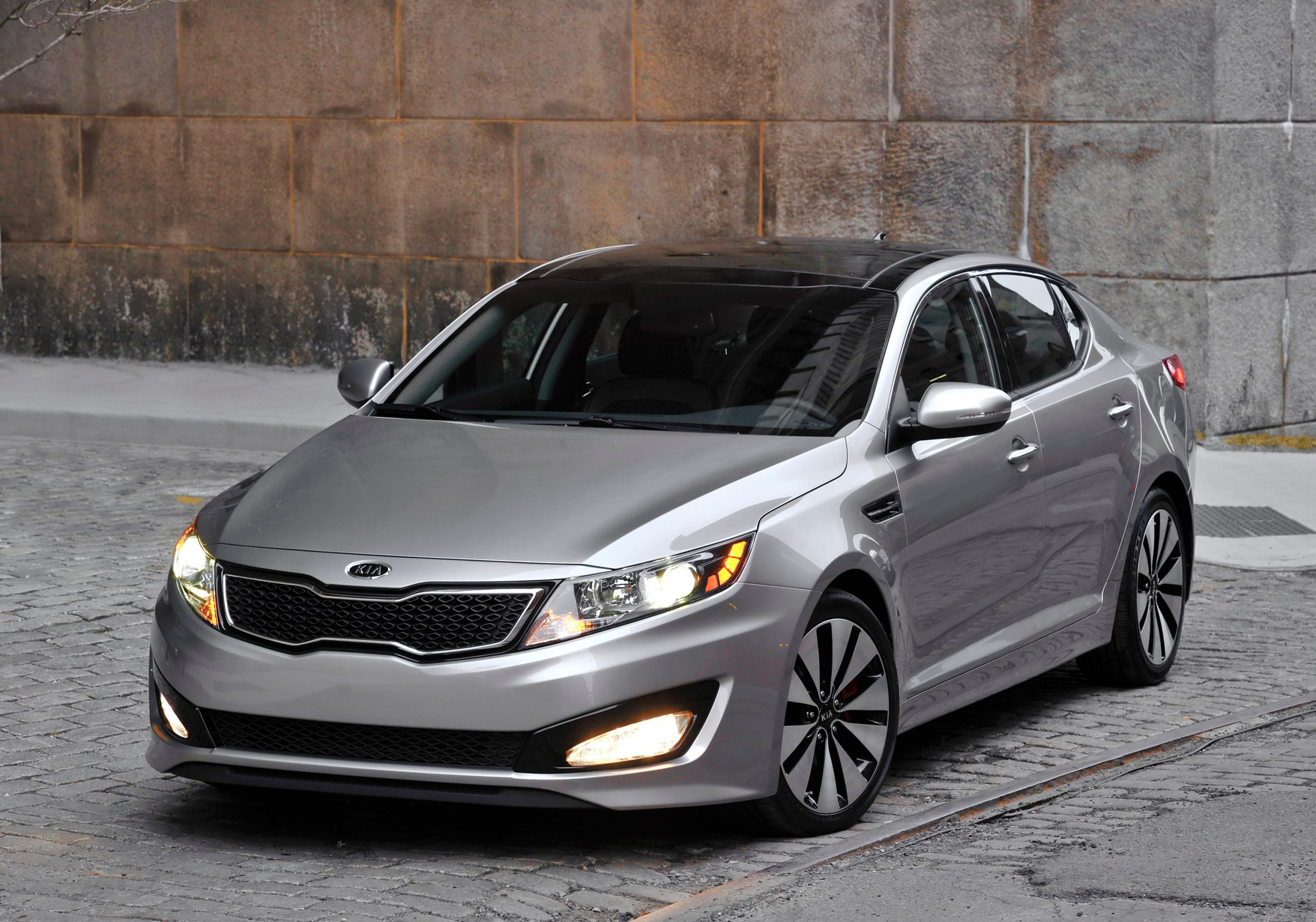
2. Kia Optima (2011-2016)
The Kia Optima from this period offers several features that made it appealing when new, including sleek styling, a comfortable interior, generous features, and affordable pricing. However, concerns about certain engines and model years can affect its long-term reliability and ownership costs.
Kia’s engine settlement covers certain 2011-2018 Optima models and selected 2019 examples equipped with 2.0-liter or 2.4-liter Theta II gasoline direct-injection engines.
The settlement concerns allegations that covered vehicles could experience engine seizure, stalling, engine failure, or engine fire.
That history makes the 2011-2016 range a difficult recommendation for buyers who want predictable long-term ownership. A car with excellent records and documented repairs may be a different proposition from one with unknown maintenance or signs of heavy oil consumption.
There is also an important distinction between the Optima nameplate and individual vehicles. Not every Optima uses the same engine, and equipment varies by year and trim. Therefore, simply saying that every example is bad would be inaccurate.
The sensible approach is to check the exact VIN, engine, recall history, maintenance file, and ownership history before making an offer. If the seller cannot provide those records, the low purchase price should not be the only reason to proceed.
For buyers seeking a dependable used sedan, newer Kia generations with clearer maintenance histories can offer a more comfortable starting point.
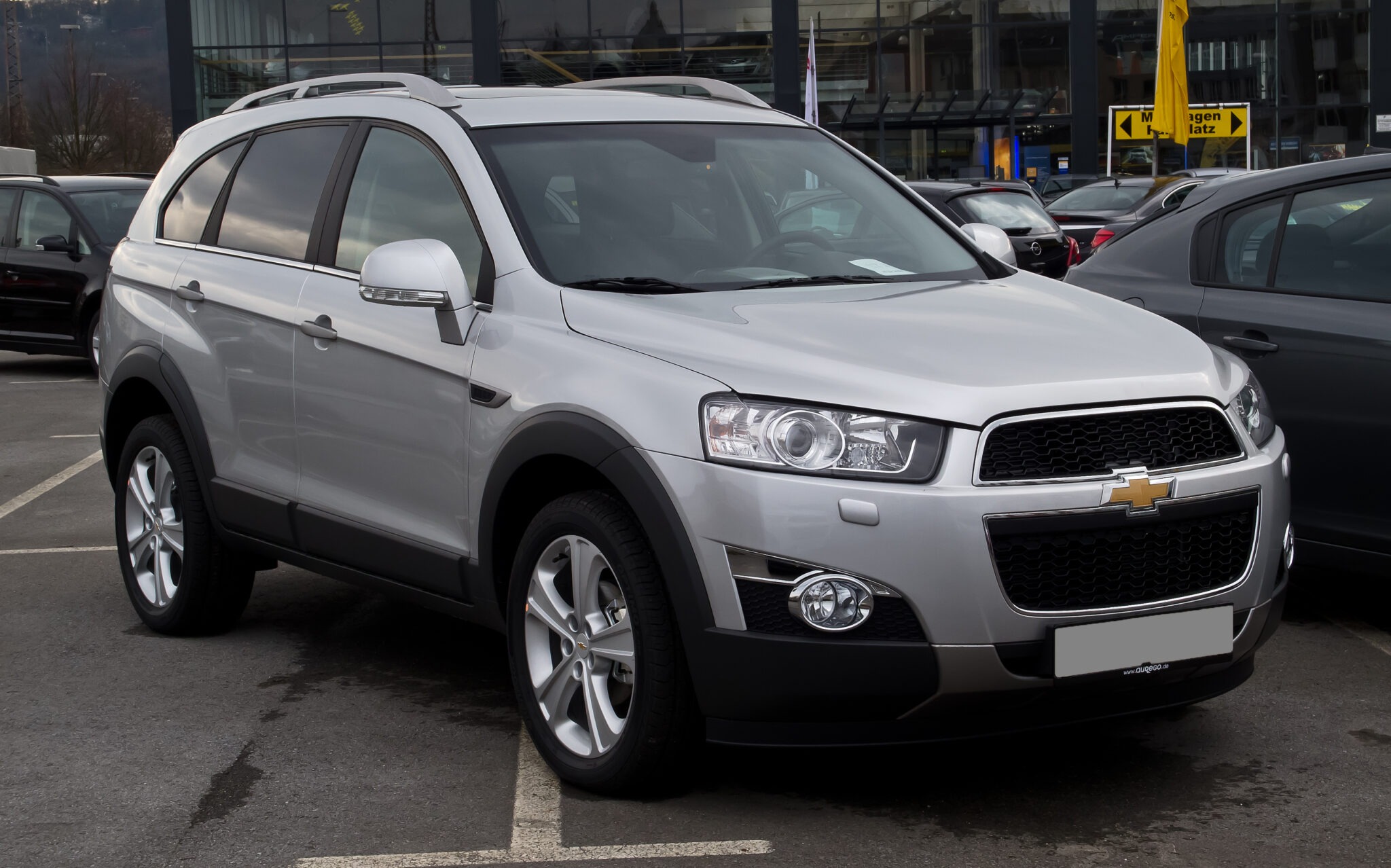
3. Chevrolet Captiva (earlier models with Korean manufacturing, context-specific)
The Chevrolet Captiva requires a little explanation because calling it simply a “Korean car” can be misleading. Chevrolet is an American brand owned by General Motors, while several Captiva versions sold in various markets were developed or manufactured through GM’s international operations, including production associated with South Korea.
That distinction matters because the Captiva was not a mainstream US-market Chevrolet in the same way as models such as the Equinox or Traverse.
Availability, engines, transmissions, equipment, parts support, and service knowledge can vary considerably depending on the market and model year.
For a used-car buyer, those factors can become more important than the badge on the hood. A vehicle with limited local parts availability can spend more time waiting for components, while specialized mechanical or electronic issues may require a shop familiar with that particular version.
The Captiva also has a long production history with different powertrains and specifications, so broad claims about every example would be unfair. A well-maintained vehicle with strong local parts support may be perfectly serviceable.
Still, shoppers should be careful when the asking price appears unusually low. Before purchasing, verify the exact engine, transmission, manufacturing location, parts availability, recall history, accident record, and service documentation.
For someone seeking an uncomplicated used vehicle with easy access to parts and technicians, an earlier Captiva may require more research than a comparable mainstream crossover. That extra homework is especially important when the vehicle was never widely sold in the buyer’s local market.
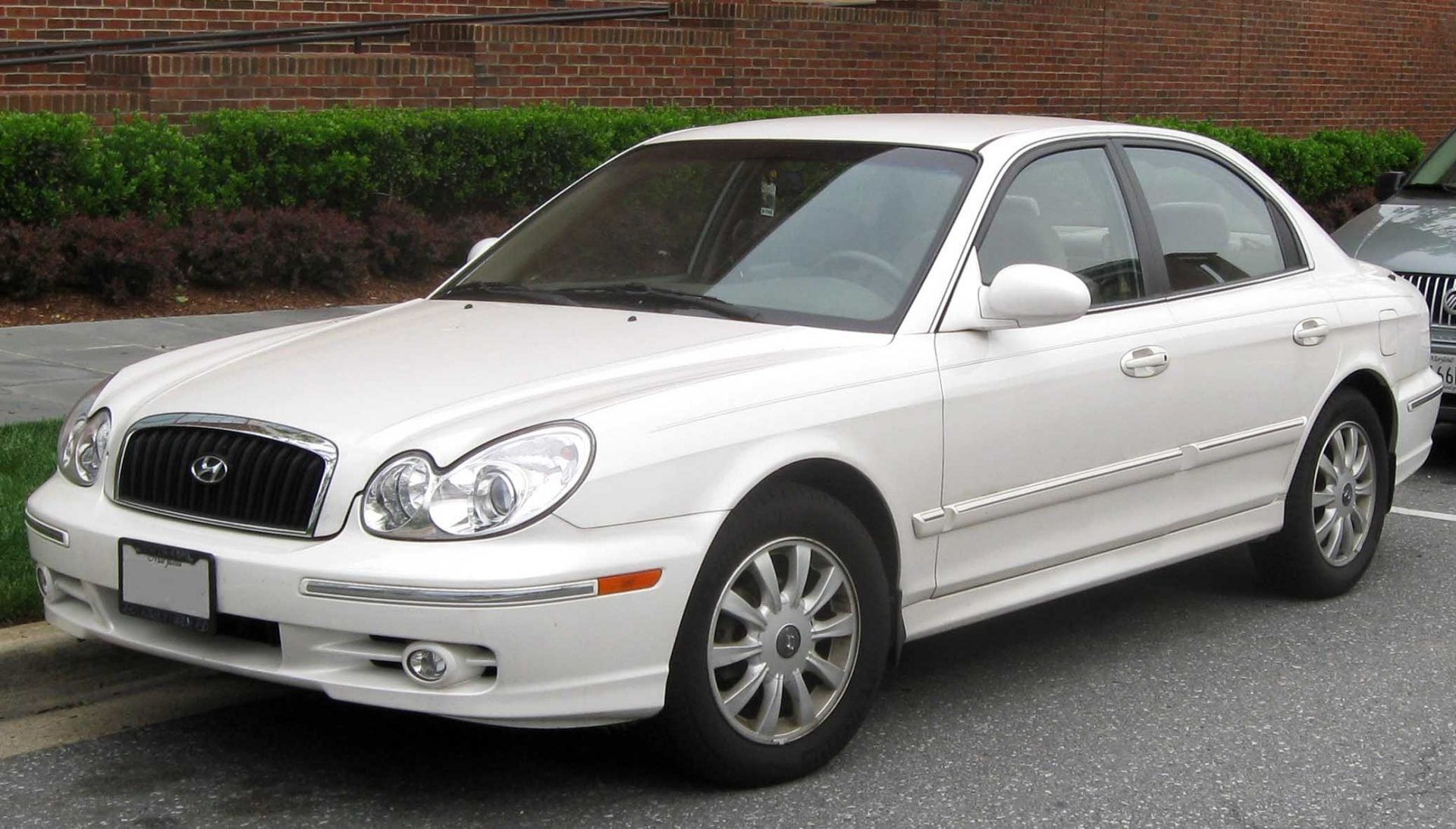
4. Older Hyundai and Kia Entry Sedans/SUVs (pre-2015)
Age itself does not make a vehicle a bad purchase. A well-maintained 15-year-old car can serve its owner for years, while a neglected three-year-old vehicle can become an expensive headache.
The concern with many pre-2015 Hyundai and Kia entry-level models is the combination of age, wear, outdated equipment, and the mechanical histories attached to certain engines.
Some Hyundai and Kia vehicles from this era were included in engine-related settlements. Hyundai’s settlement materials cover various vehicles with Theta II, Nu GDI, and Gamma GDI engines, while Kia’s settlement includes certain Optima, Sorento, Sportage, and other vehicles.
Age brings additional questions. Rubber components deteriorate, suspension parts wear, air-conditioning systems age, transmissions can require attention, and electrical equipment may become less dependable. Safety technology is also less advanced than what buyers can find in newer models.
That does not mean every older Hyundai or Kia should be rejected. A single-owner car with extensive records, modest mileage, a clean inspection, and documented engine work can be more appealing than a newer vehicle with poor maintenance.
The key is to look beyond the low purchase price. Factor in potential repairs, new tires, brake replacements, suspension work, and other maintenance costs that come with an older vehicle before making your decision.
If the numbers remain attractive after a professional inspection, the vehicle may still make sense. If the repair list keeps growing, spending more on a newer generation may be the smarter financial move.
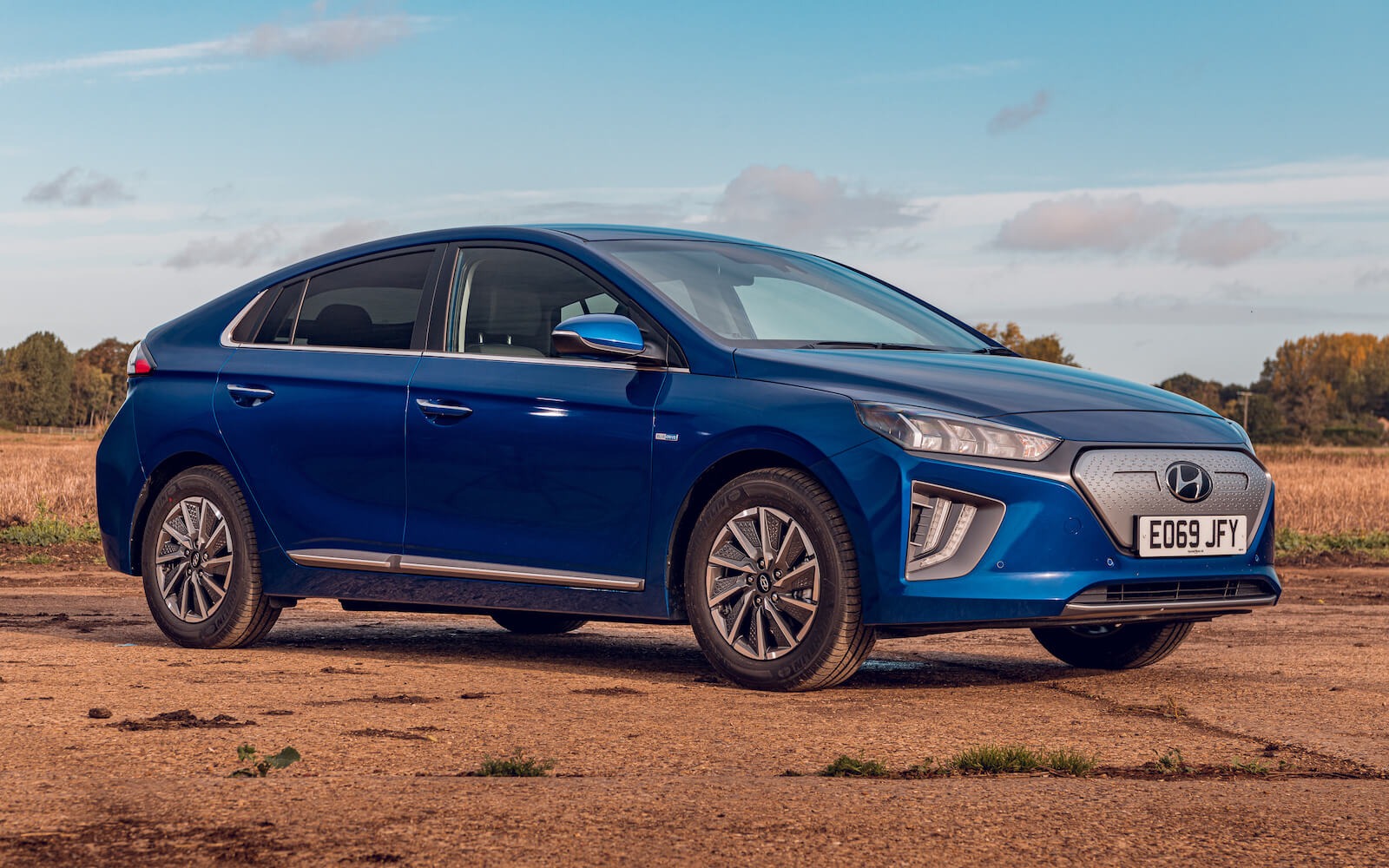
5. Low-trim electric/hybrid variants of early-generation Ioniq or EV models
Early Hyundai electric and hybrid vehicles helped establish the company’s modern electrified lineup, but shoppers should be careful about assuming that every older Ioniq or early EV delivers the same experience as a newer model.
The biggest issue is not necessarily that an early Ioniq or EV is inherently poor. It is that technology moved quickly during this period.
Battery capacity, charging speed, driving range, infotainment, driver assistance, and cabin features improved substantially as newer generations arrived. A low-trim early model can therefore feel limited when compared with a newer vehicle purchased for only somewhat more money.
Buyers who drive long distances may care especially about range and charging capability, while city drivers may place more value on efficiency and lower purchase cost.
Battery condition deserves particular attention. An older electrified vehicle should be inspected for battery health, charging behavior, warning messages, software updates, and available warranty coverage.
Service access matters too, since EV and hybrid systems require technicians with appropriate training and equipment. Hyundai’s warranty information illustrates why coverage details should be checked carefully.
Warranty terms can differ by market, vehicle component, and usage conditions, while hybrid-related components may receive separate coverage.
An early Ioniq or EV can still be worthwhile when the price is low, the battery is healthy, and the buyer’s driving needs fit its capabilities.
The concern is paying too much for an older, sparsely equipped model when newer electrified vehicles provide better range, technology, and everyday convenience.
