
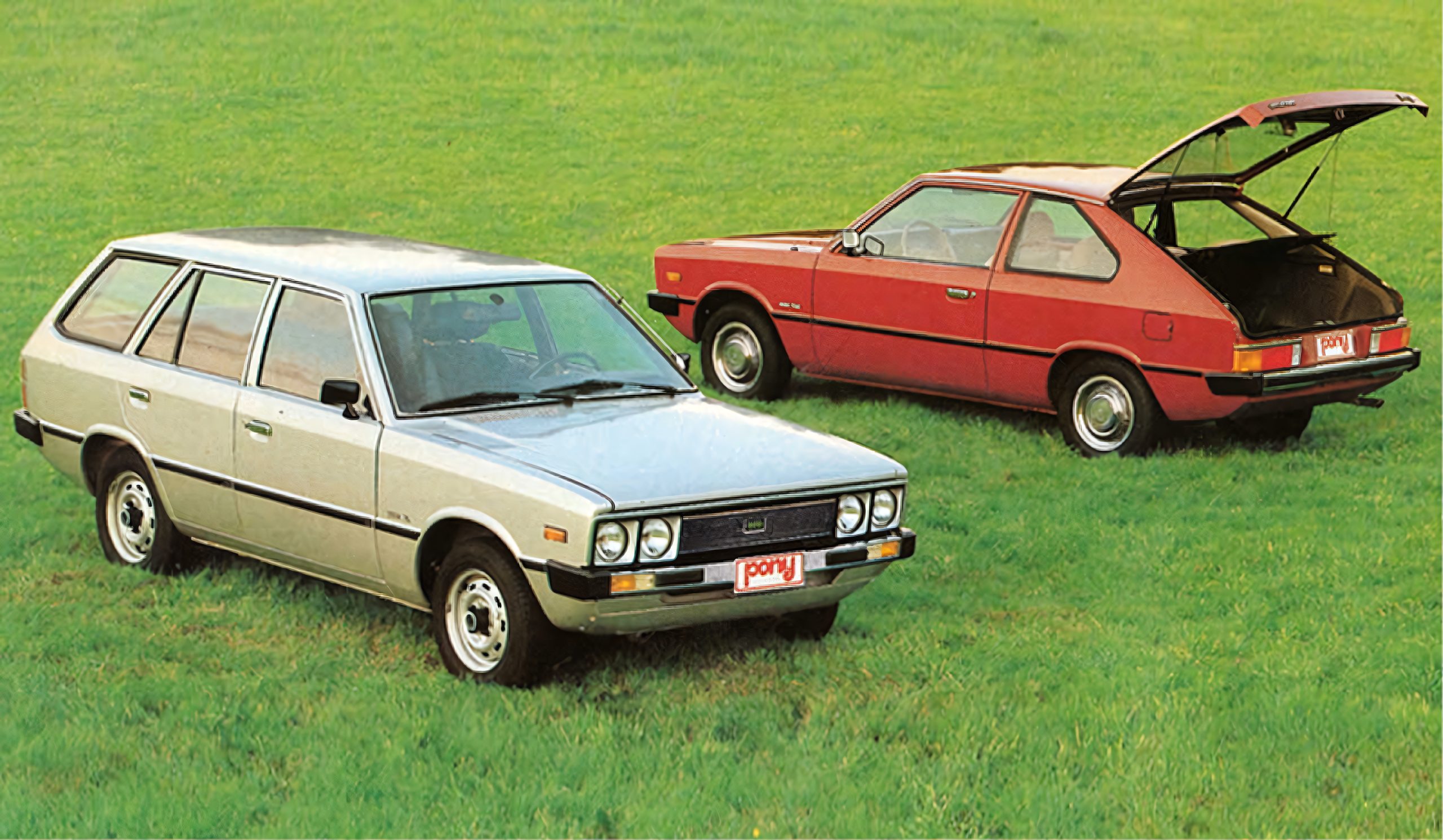
Ever stood in front of a dusty old car and wondered, “Is this a treasure or a money pit?” You’re not alone. Restoring a car is part love story, part math problem, and getting it wrong can drain your savings fast. The good news is that a little homework goes a long way. Some older Korean models have a loyal following, simple mechanics, and real collector interest.
Some classic vehicles may look appealing but come with costly repairs and hard-to-find replacement parts. This article divides ten vehicles into two groups, highlighting five worth considering and five that may be better left in the past.
Whether you are an experienced DIY mechanic or a first-time classic car buyer, you will learn which models deserve your time, garage space, and budget, and which ones could leave you facing unnecessary expenses.
5 Cars Worth Restoring
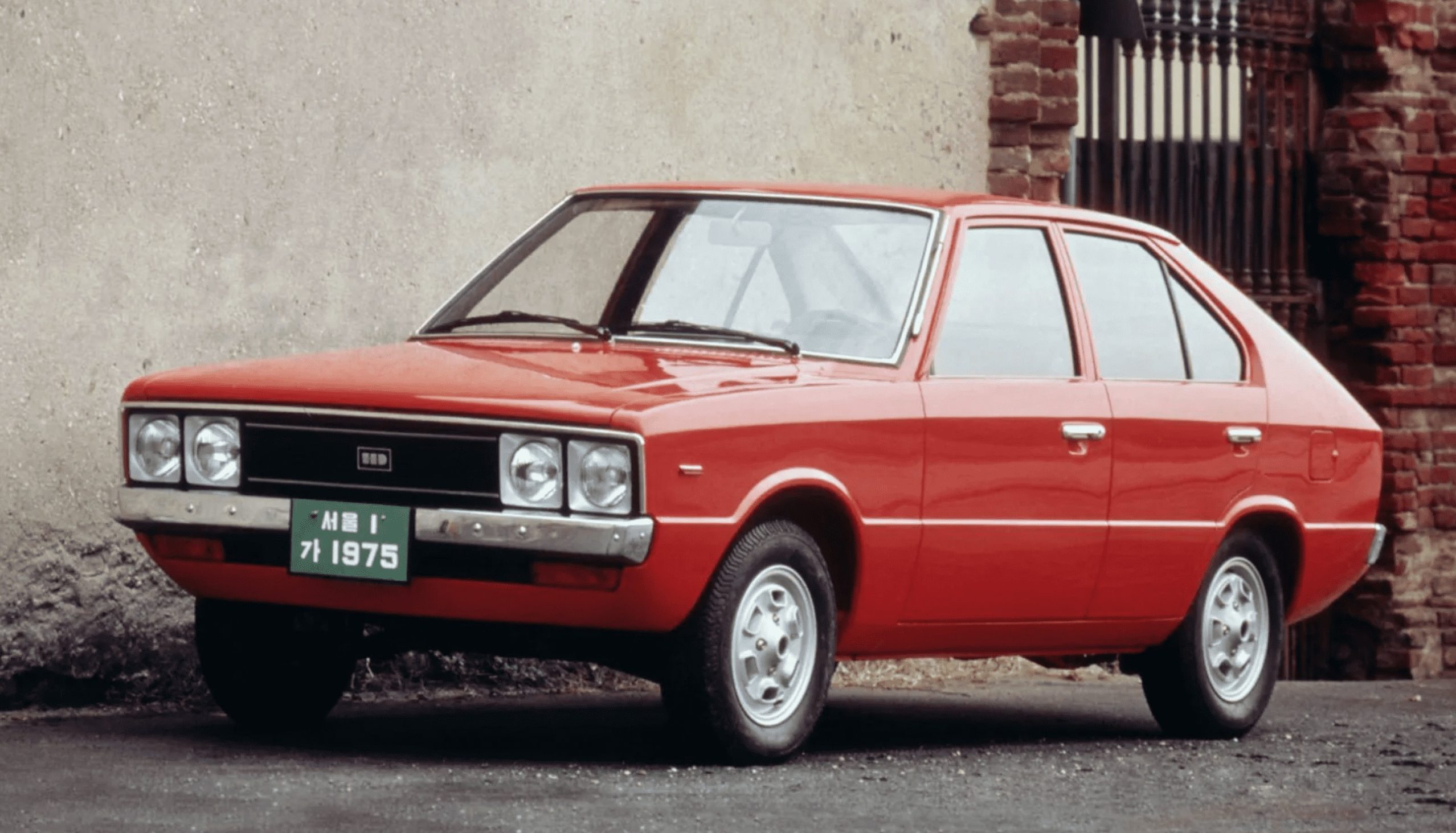
1. Hyundai Pony
The Hyundai Pony has something many older cars lack, a significant place in automotive history. Introduced in the 1970s, it was one of Hyundai’s first passenger cars and helped establish the company as a serious automaker. For collectors, that historical significance gives the Pony value beyond its role as a means of transportation.
A restoration project becomes especially appealing when the car still has a reasonably complete body, original trim, and a usable drivetrain.
The simpler mechanical design found in older versions can also make repairs more approachable than those required by a modern vehicle packed with electronic systems.
That does not mean every Pony is easy to rebuild, but many jobs can be handled with conventional mechanical knowledge and basic workshop equipment.
The Pony II, produced from 1982 through 1990, deserves particular attention from enthusiasts interested in Korean automotive history.
Original examples can attract collector interest, especially when they retain factory details rather than carrying extensive aftermarket modifications.
Condition should still guide the purchase. A rusty shell, missing interior pieces, or incomplete trim can turn a cheap project into a long search for replacement parts. A solid example with good documentation is far more appealing.
For someone who enjoys period styling and historical cars, the Pony offers a restoration project with personality, mechanical simplicity, and a story worth preserving.
2. Hyundai Galloper
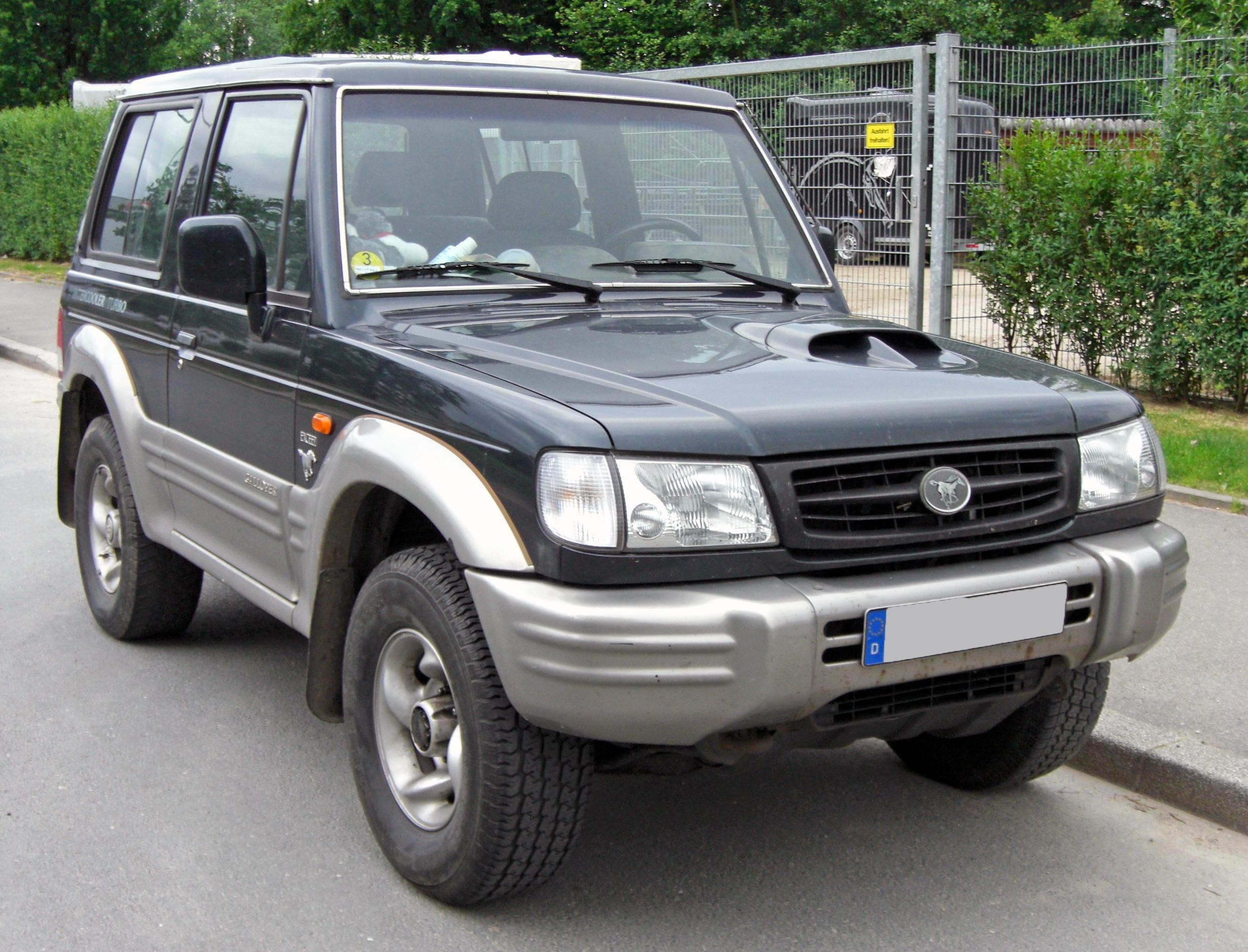
Picture an early SUV with boxy styling, a rugged stance, and enough room to serve as both a weekend project and a practical vehicle. That is part of the appeal of the Hyundai Galloper. Introduced in 1991, it became an important early Korean SUV and developed a devoted following among people who appreciate old-school utility vehicles.
The Galloper’s basic shape gives it a visual identity that modern crossovers rarely provide. Its upright body, traditional SUV proportions, and rugged hardware make even a modest restoration feel rewarding.
You are doing more than restoring an old vehicle. You are reviving a style of transportation that has all but vanished from modern car showrooms.
Mechanical accessibility is another reason a sound Galloper can make sense. Many versions use conventional drivetrains that are familiar to mechanics who have worked on older trucks and SUVs.
That can reduce the learning curve when replacing worn suspension components, servicing the drivetrain, or refreshing the braking system.
Still, buying one requires discipline. Rust around the body, frame areas, suspension mounting points, and underbody deserves careful inspection. A vehicle that spent years exposed to moisture may require more bodywork than expected.
A complete Galloper with a healthy structure is a different proposition from a neglected example with severe corrosion. Choose the former, and the project can combine useful road manners, distinctive styling, and genuine collector appeal.
3. First-Generation Hyundai Grandeur
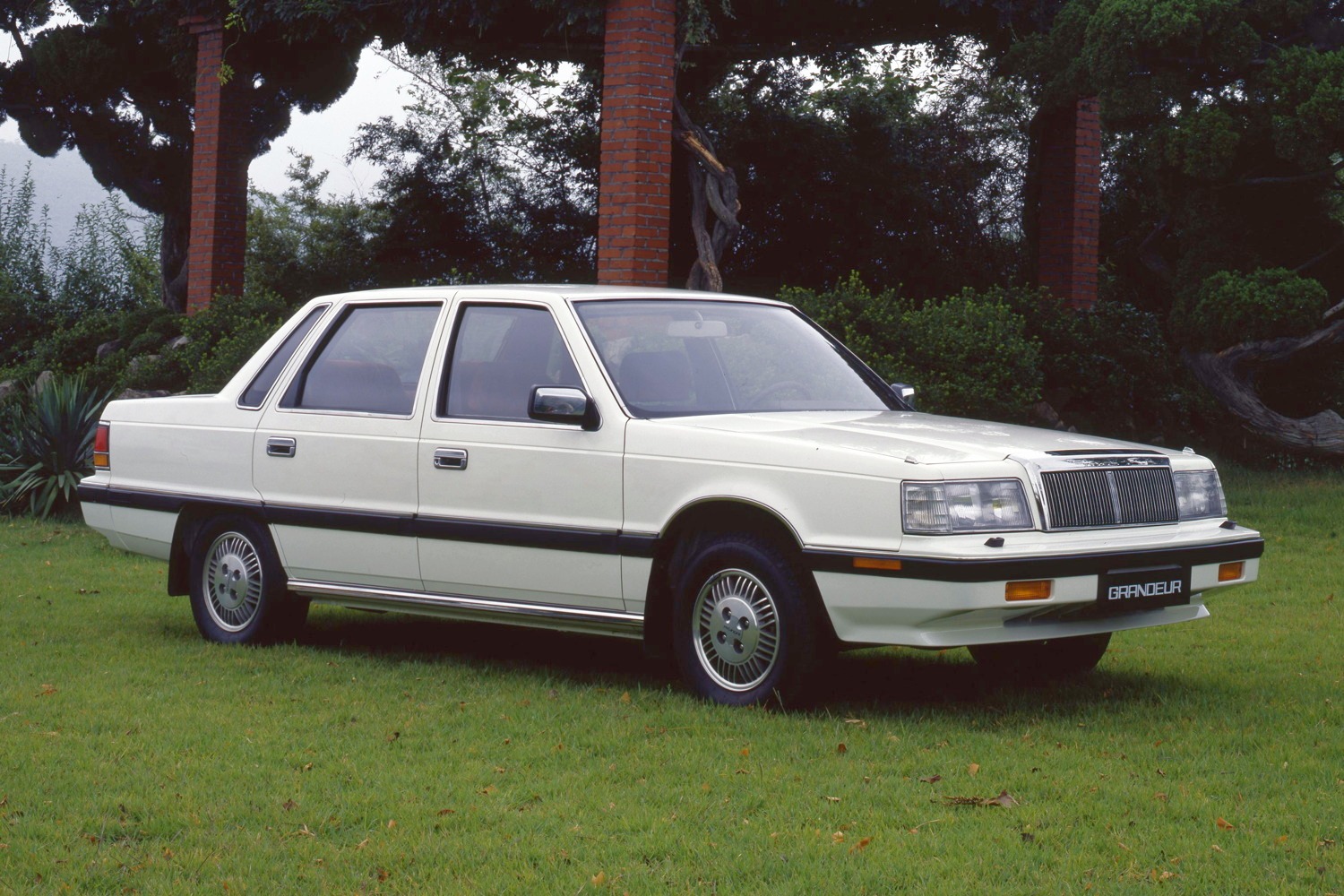
The original Grandeur was built to feel important. It carried the luxury-class appeal of its day, with a plush cabin, a quiet ride, and the kind of presence that once signaled real success. Today, that history gives collectors a reason to pay attention.
Restoring a well-preserved unit can raise its market value considerably, and the word “preserved” deserves emphasis. Condition is everything with a car like this.
A clean, complete example with an untouched interior is worth far more as a starting point than a battered one that’s been modified, repainted in a strange color, or stripped of its original parts.
That brings us to the golden rule for this model. Preserve its originality. Well-maintained factory features, including dashboard details, original badging, and upholstery, are precisely what serious collectors and buyers value most.
Swapping in flashy aftermarket wheels or a modern stereo might make the car more fun this weekend, but it can hurt its worth when you sell.
So what should you check first? Look at the leather or cloth for tears, the wood or trim panels for cracks, and the electrical items like windows and lights, since luxury cars carry more gadgets that can fail. Study the paint for hidden body repair.
Budget time and money for careful, patient work rather than a fast flip. A Grandeur restored properly feels like stepping back into a more graceful era of Korean motoring, and collectors with an eye for history will happily pay for that feeling.
4. Kia Pride
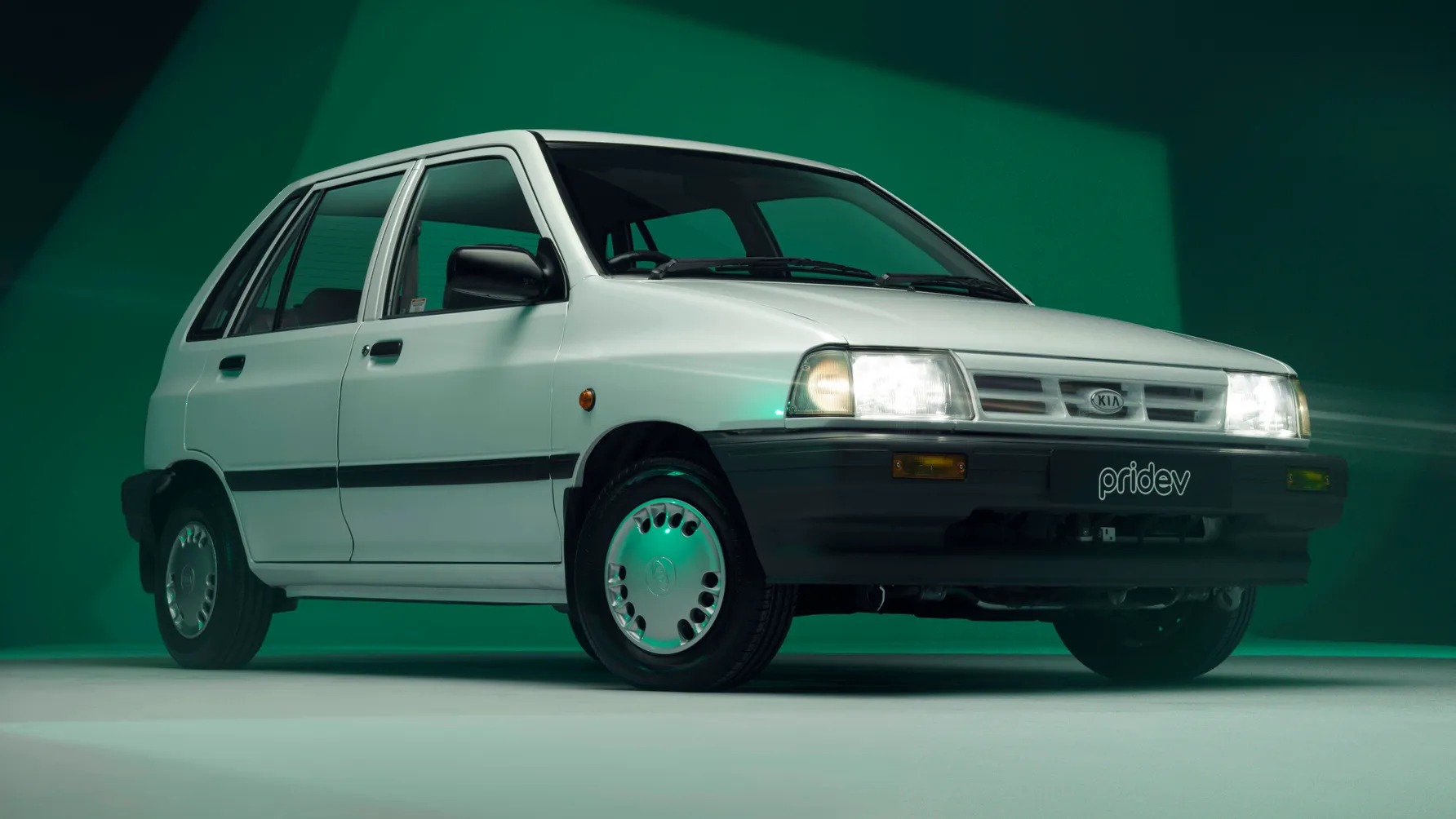
Ask around Korea about the Pride, and you’ll hear warm stories. It was the compact car many families drove, learned to drive in, and remember fondly. That emotional connection is part of what makes it valuable today.
The beauty of the Pride lies in its simplicity. Its mechanical systems are straightforward, so a restoration can be far less painful than on a fancier machine. Fewer electronic parts mean fewer things to fail and fewer specialists to hire. If you’re a first-time restorer, this is a friendly place to start.
Size helps too. A small car needs less paint, less workshop space, and less material for the interior. Moving it around your garage is easy, and storing it costs less than storing a large sedan or SUV.
Those little savings add up quickly when a project drags on longer than planned. Its historical importance as a domestic mass-market model also gives it a special place among enthusiasts.
It represents how ordinary people got mobile, which is a different kind of classic status than a luxury flagship. Not every valuable car has to be rare or expensive.
Here’s a quick word of advice. Inspect the underside for corrosion before you commit, confirm the title and paperwork are clean, and check that the engine turns over freely.
Then decide whether your goal is a faithful factory restoration or a tidy daily driver. Either path can work beautifully, and a nicely finished Pride tends to make people smile the moment they see it.
5. Hyundai Excel
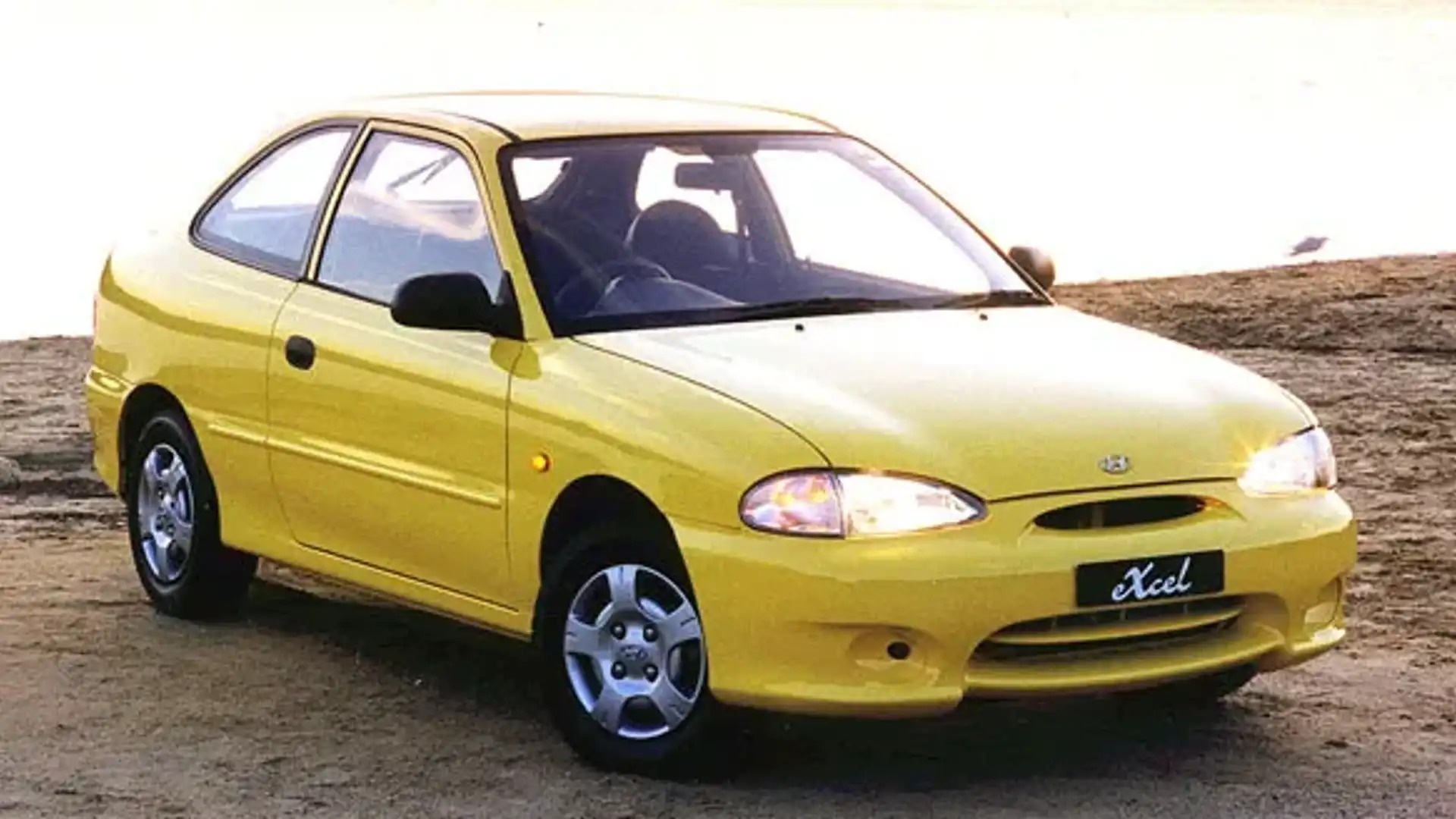
The Hyundai Excel occupies an interesting place in automotive history because it helped Hyundai reach buyers outside its home market.
Its international presence means the model is familiar to a wider range of enthusiasts and mechanics than some lesser-known Korean cars from the same period.
That recognition can matter when restoring an older vehicle. Finding someone who understands the model is often easier when the car was sold in multiple markets.
Parts may still require patience, especially for trim and interior pieces, but mechanical knowledge can be less difficult to locate. The Excel is also appealing because it represents an earlier period of Hyundai’s growth.
It was designed as an affordable small car rather than a premium collector machine, which gives a restored example a certain honesty. It does not need exotic equipment or dramatic styling to become interesting. Its value comes from what it represents.
A potential buyer should inspect the structure first. Rust can consume a restoration budget quickly, while damaged interiors and missing trim may require creative sourcing.
The condition of the engine and transmission matters too, but a solid body is often the better starting point. There is also room for practical use after restoration.
A carefully rebuilt Excel can be displayed at classic-car gatherings, driven to local events, or simply enjoyed as an unusual piece of automotive history.
For someone who wants a less obvious classic, the Excel provides a meaningful project without requiring the image or cost of a high-end collector car.
Cars Better Left Alone
1. Hyundai Sonata (2011-2015)
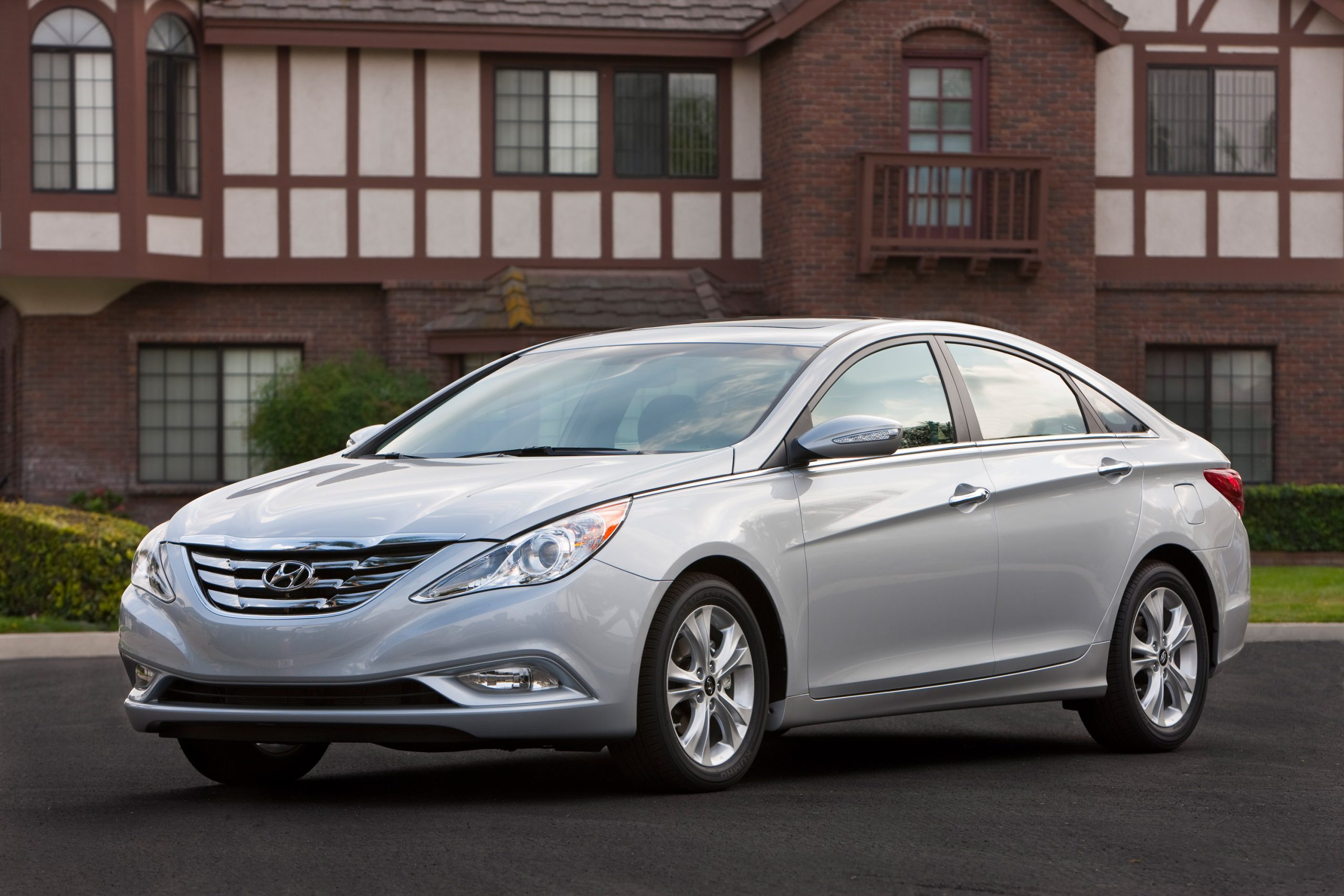
At first glance, this Sonata looks like a bargain waiting to happen. Sleek styling, a roomy cabin, and a friendly price tag make it easy to fall for. Sadly, looks can be misleading.
The main trouble sits under the hood. Older Sonatas from these years have known engine issues, particularly with the Theta engines, and they tend to demand more maintenance than most owners expect.
Engine problems are the costliest kind of repair. When one shows up, the bill can quickly climb past what the car is worth. Here’s the math that matters.
Restoration only makes sense when the finished car is worth more than what you spent, or when it offers something you can’t get anywhere else.
A mass-produced family sedan with a reputation for engine trouble doesn’t fit either description. Collectors aren’t lining up for it, and you’d be pouring money into a car that remains difficult to resell.
Picture yourself three months into a rebuild. You’ve replaced the suspension, refreshed the interior, and repainted the body. Then the engine gives up. That heartbreak is exactly what careful buyers avoid.
So what’s the smarter move? Put your budget toward a more reliable alternative that costs less to fix and holds its value better. Restoration is a wonderful pursuit, but only when you choose the right subject.
Skip this one, and save your enthusiasm for a project that will love you back.

2. Kia Optima (2011-2016)
The Optima shares much of its engineering with the Sonata, and unfortunately, it shares many of the same headaches. It’s a handsome sedan, but handsome doesn’t pay repair bills.
Early examples show engine performance degradation as years pass, along with transmission issues that can turn a pleasant drive into a stressful one. Transmissions are expensive to repair or replace, and a failing one can quietly wreck a restoration budget in a single afternoon.
Risk is the real word here. Every project car carries some uncertainty, but the Optima raises the odds of potential mechanical failures and high repair costs.
When you’re already investing in paint, upholstery, and detail work, you don’t want the core mechanical parts hiding a ticking clock. Consider what a restoration is meant to accomplish.
You’re supposed to end up with something better than you started with, ideally something that keeps or grows its worth. With a sedan like this, you could complete a beautiful rebuild and still find that buyers are wary of the model’s reputation.
If you already own an Optima and it runs well, keep driving it and maintain it carefully. Change the fluids on schedule, watch for warning signs, and enjoy it as transportation. That’s a sensible approach.
But if you’re shopping for a restoration candidate, walk past this one. Better options exist that offer more character, lower risk, and a much greater chance that your hard work turns into real value.
3. Chevrolet Captiva
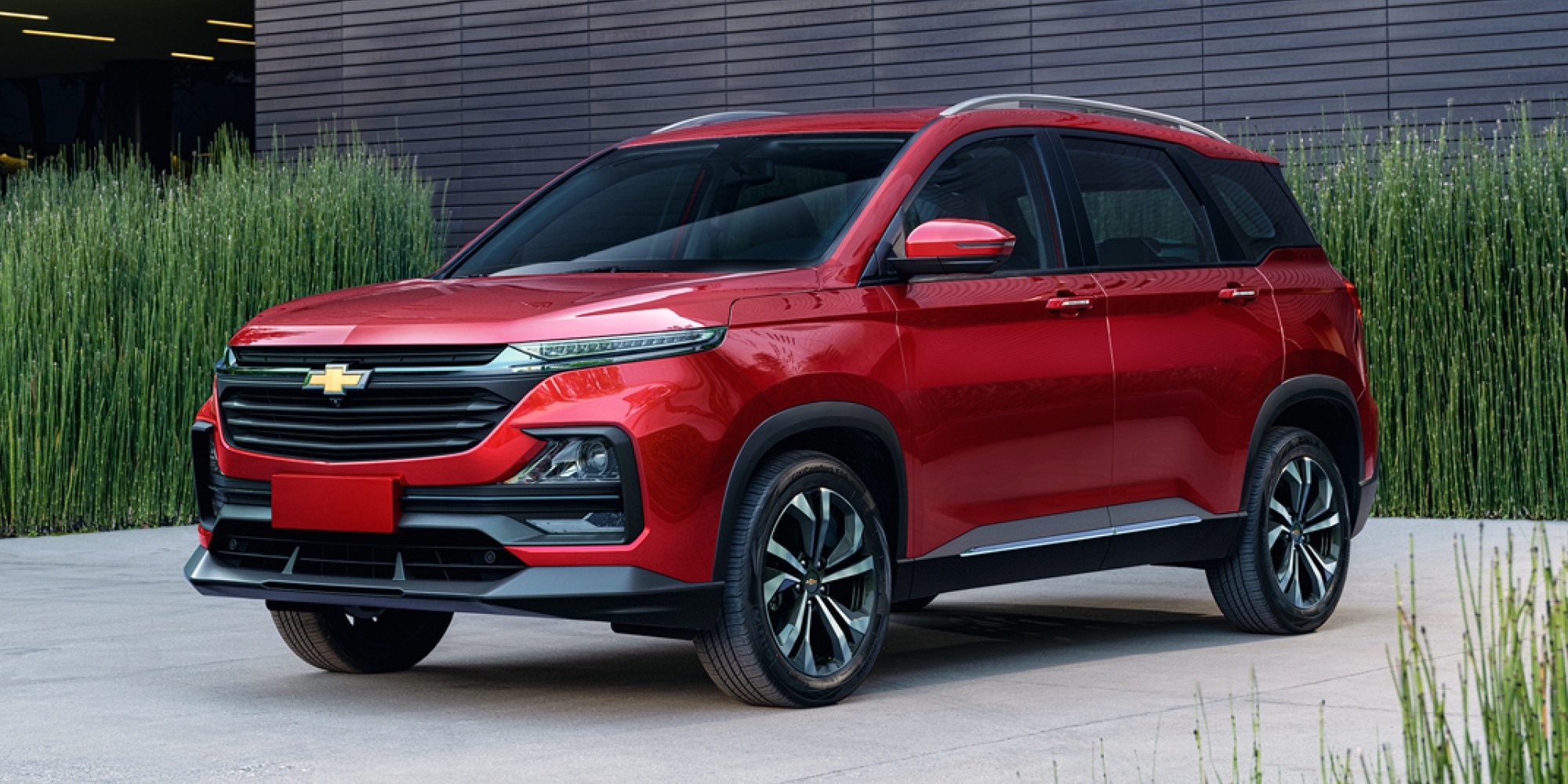
The Chevrolet Captiva presents a different problem. It can look like a sensible SUV restoration candidate because its size, equipment, and utility remain useful by modern standards. Yet usefulness does not automatically create collector appeal.
Older Captivas can require attention to several systems at once, especially when mileage is high and previous maintenance has been inconsistent.
Diesel and gasoline versions can have different service needs, while suspension, cooling, electrical, transmission, and emissions equipment can all add to the repair list.
Parts sourcing may also become frustrating depending on the country and exact specification. A component that seems inexpensive in one market may be harder to obtain elsewhere, and waiting for specialized parts can keep a project off the road for weeks or longer.
Then there is the question of purpose. A restoration works best when the vehicle has qualities that make people want to preserve it. The Captiva is generally better understood as an aging family SUV than as a classic with a strong collector identity.
If you already own a clean Captiva, sensible maintenance can keep it useful. Replacing worn parts as needed may be perfectly reasonable. Buying a severely neglected one with the intention of performing a ground-up restoration is another matter.
The safer approach is to calculate the entire repair budget before purchase. Once bodywork, drivetrain repairs, interior work, suspension parts, and electrical diagnosis are added together, a cleaner replacement vehicle may make much more sense.
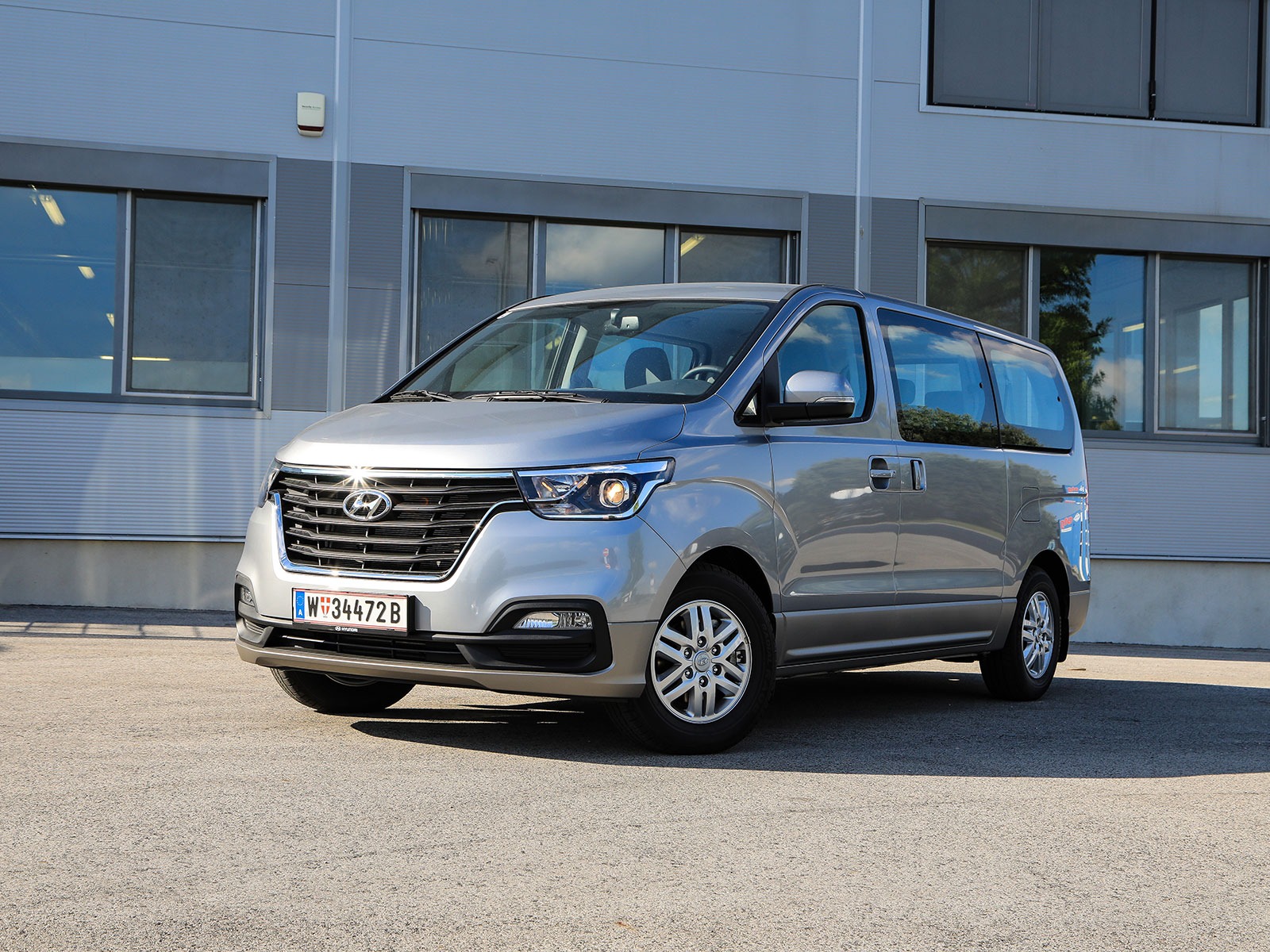
4. Hyundai Starex / H-1 (Late 1990s-Early 2000s)
Large vans can look appealing as restoration projects because they offer plenty of space, useful practicality, and distinctive old-school styling.
The Hyundai Starex, also sold as the H-1 in several markets, fits that description. Still, its size can make a full restoration much more demanding than it first appears.
Start with the body. A large van has plenty of sheet metal, so rust can affect doors, wheel arches, floors, quarter panels, and other areas.
Repairing several damaged sections can require substantial labor and paintwork. A quick patch may keep the van usable, but a proper restoration requires much more care.
The mechanical side deserves equal attention. Many Starex vehicles spent years carrying passengers or cargo, which can place heavy demands on the suspension, brakes, steering, cooling system, and drivetrain. High-mileage examples may need several repairs at once.
Interior parts can also become difficult to find. Seats, dashboard pieces, door panels, plastics, and headliners may not be readily available in original condition.
A clean, rust-free Starex with good mechanical health can certainly be worth preserving. A neglected example needing major body, mechanical, and interior work is a different story. In that case, repair costs can quickly exceed the car’s practical value.
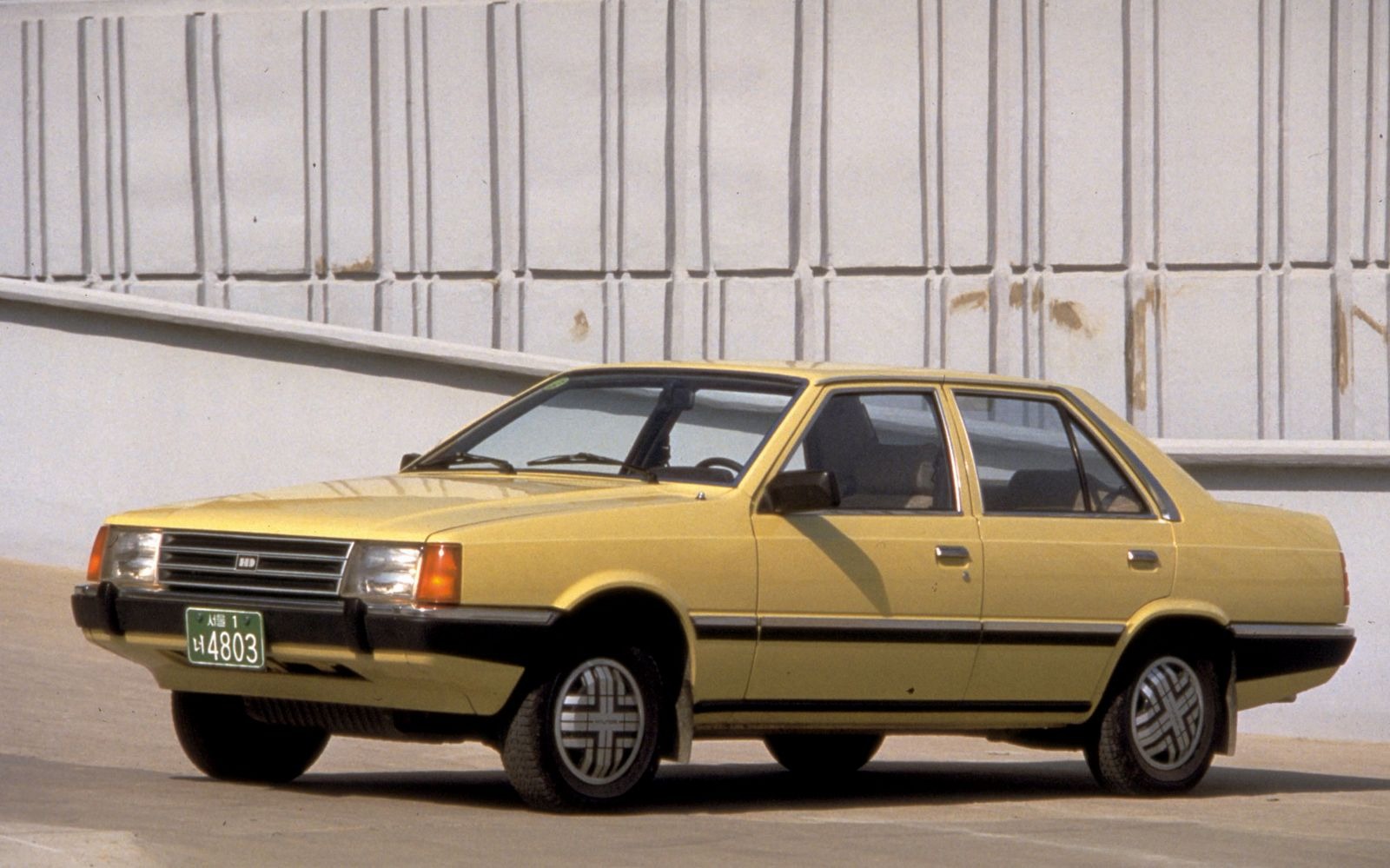
5. Older Korean Budget Compacts (e.g., early Kia Sephia / Hyundai Stellar)
Older Korean budget compacts such as the Kia Sephia and Hyundai Stellar can appeal to enthusiasts who appreciate unusual cars from an earlier period.
Their historical character is appealing, but a full restoration may be difficult to justify when the starting car needs extensive work. Many of these vehicles were inexpensive family cars and daily transportation.
Owners commonly used them for years before maintenance became too costly. Some were modified, scrapped for parts, or left exposed to weather. As a result, finding a complete, original example can require considerable patience.
Parts availability is another concern. Mechanical components may still be obtainable through specialist suppliers or compatible replacements, but original body panels, trim, badges, glass, and interior pieces can be much harder to locate. Missing one small item may delay an otherwise finished project.
The purchase price can also be deceptive. A rough car may cost very little, but paintwork, rust repairs, upholstery, suspension components, tires, and drivetrain work can quickly consume a large budget.
A rare, well-preserved example is worth keeping if you genuinely appreciate its history. For a heavily damaged car, though, careful preservation is usually more practical than a complete rebuild.
Maintaining a solid survivor lets you enjoy its character without taking on unnecessary restoration costs.
