
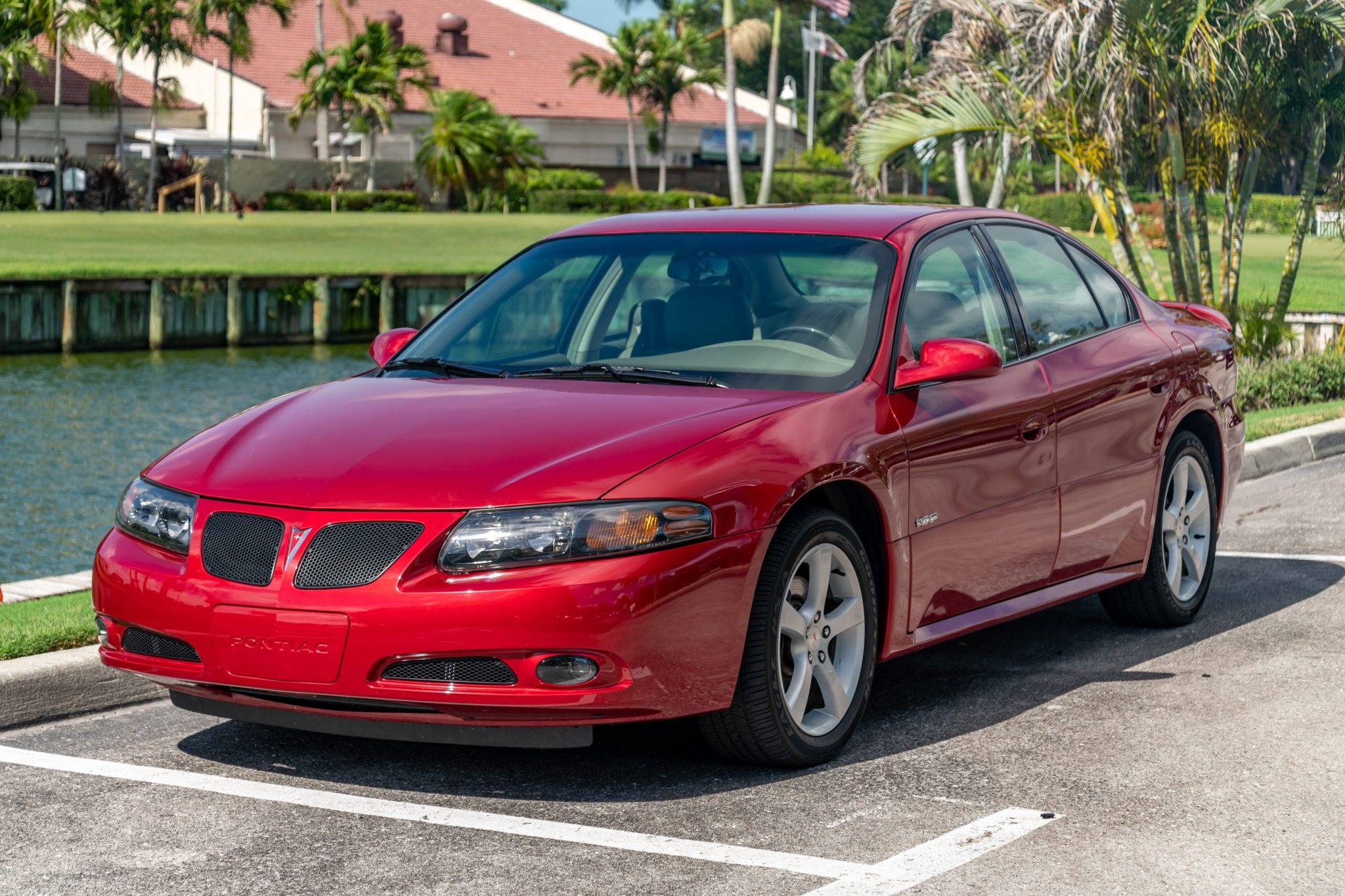
General Motors has built some of the most recognizable cars in American history, but its long history also includes several brands that no longer exist. Some disappeared because sales weakened, some became redundant beside other GM divisions, and others were casualties of major corporate restructuring. The 2009 bankruptcy was especially important, leading GM to reduce its brand portfolio and focus resources on fewer nameplates.
Still, the story goes back much further than that. Oldsmobile, Pontiac, Saturn, Hummer, Saab, and Geo each followed a different path. LaSalle disappeared decades earlier, while Fisher Body was a manufacturing division rather than a consumer brand. Here is a closer look at eight GM names and divisions that were discontinued, absorbed, sold, or otherwise removed from the company’s lineup.
8 General Motors Brands and Marque Changes
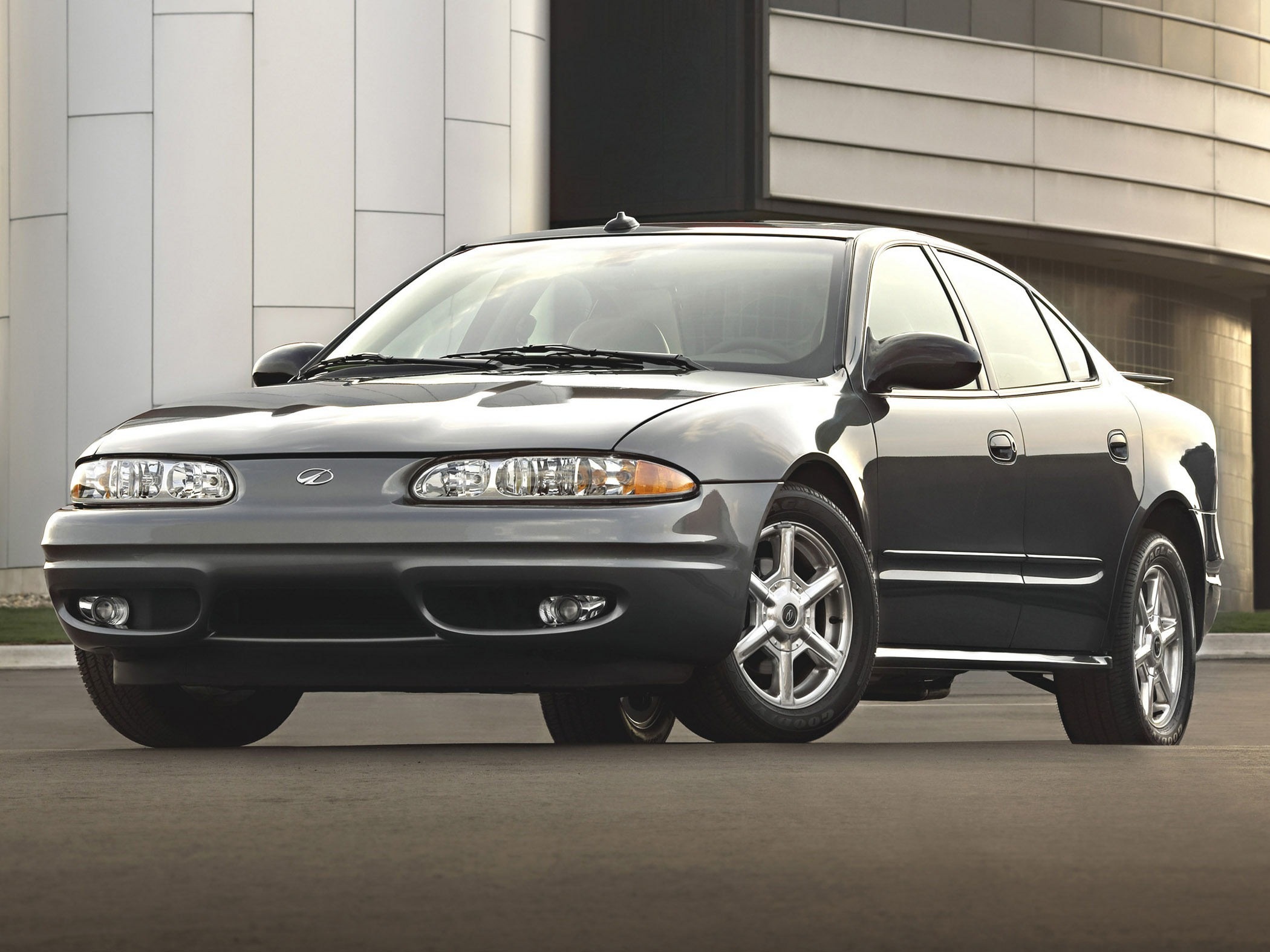
1. Oldsmobile (2004)
GM ended Oldsmobile after years of declining sales and overlapping models with other GM brands. That’s the short version. The longer version is a bit sadder, because Oldsmobile was among the oldest names in American motoring.
Think about the lineup. The Cutlass was once a sales powerhouse, the Alero gave the brand a fresh, youthful face, and the Aurora showed that Oldsmobile could build something sleek and modern. Good cars, all of them. So why the end?
Overlap. A shopper walking into a GM dealership could find a similar car with a different badge for nearly the same price. When brands compete against siblings under one roof, someone loses, and Oldsmobile’s sales kept slipping.
Here’s a quick way to picture it. Imagine a family restaurant with eight menus that all list the same burger. Customers get confused, the kitchen gets stretched, and the bills pile up. GM faced something similar with its many brands.
Ending Oldsmobile in 2004 was a hard call, and plenty of longtime owners took it personally. Some still keep their Cutlass or Alero running with real pride.
If you ever spot one at a car show, take a moment to appreciate it. It represents a brand that spent decades earning loyalty, only to be caught in a crowded lineup it never asked for.
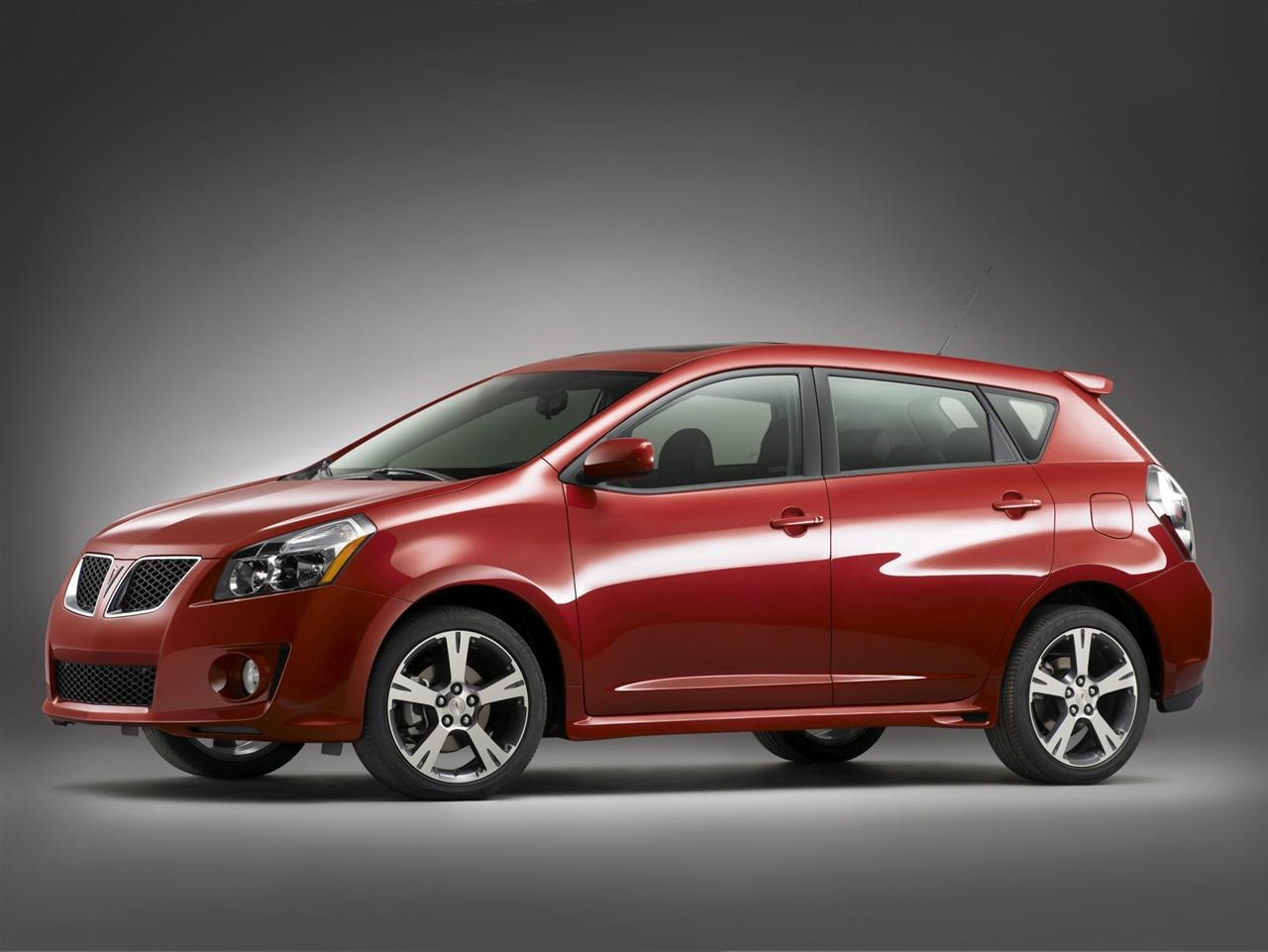
2. Pontiac (2010)
Pontiac carried a very different image from Oldsmobile. Its identity was built around sporty styling, performance, and cars that appealed strongly to drivers who wanted something more exciting than a basic family vehicle.
Models such as the Grand Prix, Firebird, GTO, and later the G8 gave Pontiac a recognizable personality. The Firebird, especially, became closely associated with American performance cars and appeared in several generations before production ended.
Pontiac also struggled with a broader problem within GM, too much overlap between its brands. Chevrolet, Buick, Cadillac, and GMC were already competing for many of the same customers, leaving Pontiac with less room to establish a distinct position in the lineup.
Pontiac needed investment to remain competitive, but the company was under severe financial pressure. GM announced the discontinuation of Pontiac in 2009 as part of its restructuring during bankruptcy.
Production of Pontiac vehicles continued into 2010, with the final Pontiac, a white G6 sedan, leaving the assembly line in January of that year. The decision ended a brand with decades of history and a large collection of memorable models.
Pontiac’s disappearance also left GM without a mainstream performance-oriented division. Some Pontiac ideas lived on through Chevrolet products, but the Pontiac badge itself was retired.
For people who remember the brand, cars such as the Firebird and GTO remain reminders of a period when GM gave individual divisions much more freedom to develop their own personalities.
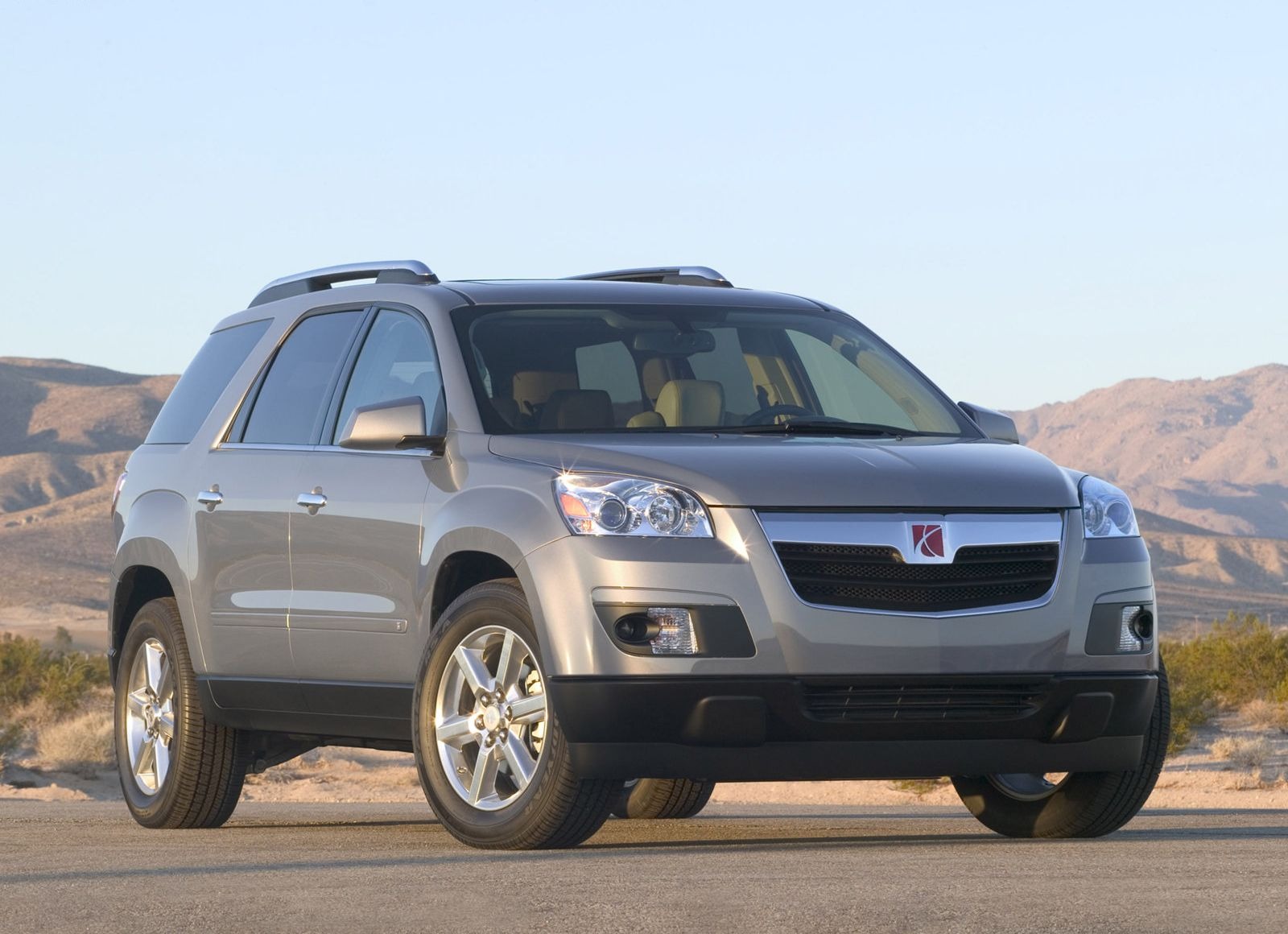
3. Saturn (2010)
Saturn was created by General Motors in the 1980s as a fresh approach to the American car market. The brand was designed to compete with increasingly popular imports and was marketed around customer service, modern manufacturing, and a friendlier buying experience.
Its first vehicle, the S-Series, arrived in 1990. Saturn later added models such as the Ion, Vue, Aura, and Sky. The brand developed a loyal customer base, helped by its different retail approach and distinctive early products.
Saturn’s future became increasingly uncertain as the brand required significant new investment at a time when GM was cutting back its portfolio. In 2009, Penske Automotive Group stepped forward with a proposal to acquire Saturn, potentially giving the marque an opportunity to survive outside GM’s corporate structure.
That deal did not proceed because a suitable manufacturing arrangement could not be secured. GM then began winding down Saturn operations.
The final Saturn vehicles were produced in 2010. The Spring Hill, Tennessee, facility that had been closely associated with Saturn later became part of GM’s broader manufacturing operations.
Saturn’s closure was especially interesting because the brand had been created specifically to give GM a new identity. Its demise showed that a promising concept still needs sustained investment, competitive products, and a workable business structure.
The Saturn name has not returned to GM’s lineup, although surviving S-Series, Sky, Aura, and Vue models remain familiar sights among used-car enthusiasts.
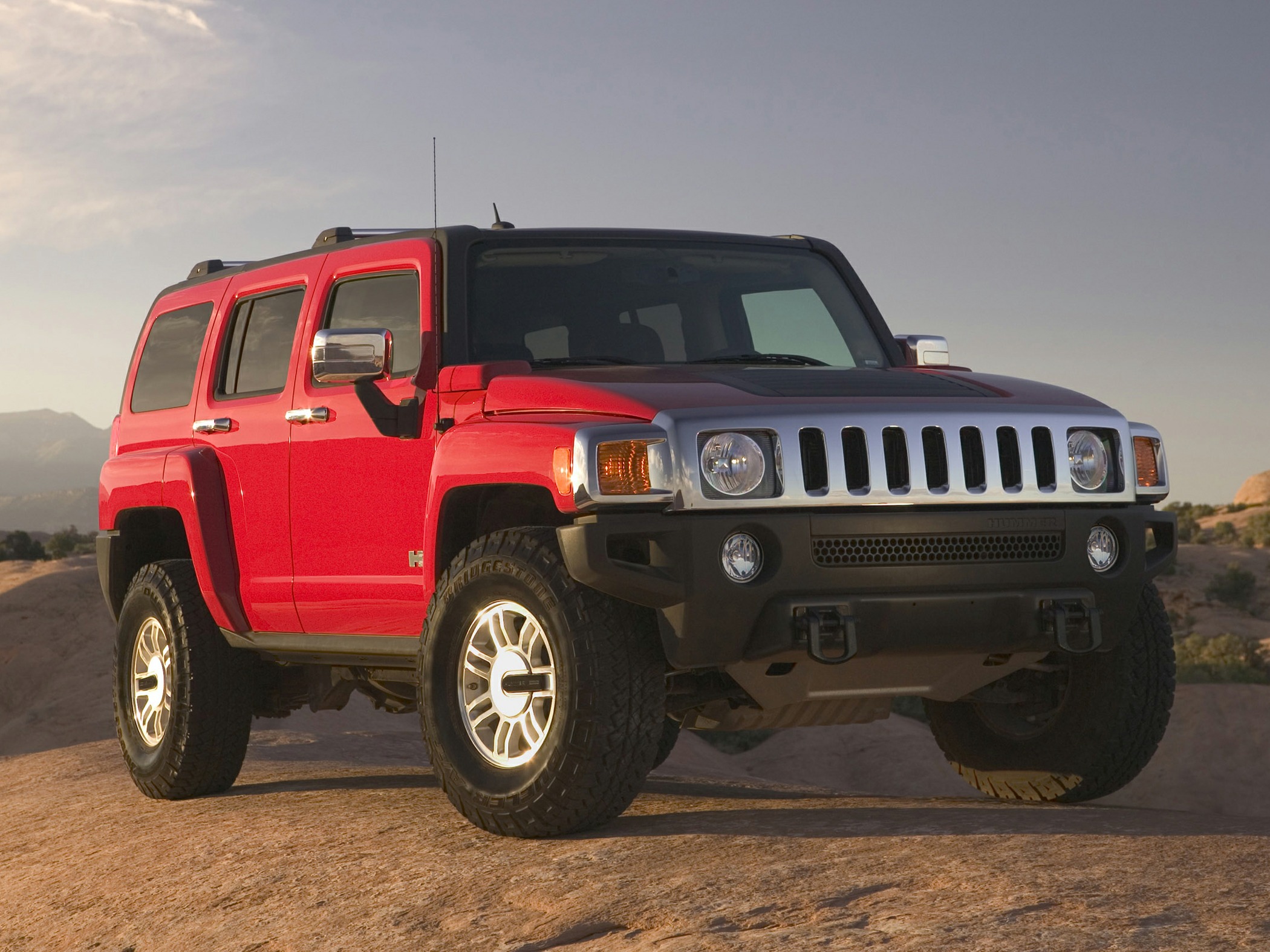
4. Hummer (2010)
Few vehicle names created an image as quickly as Hummer. The civilian Hummer grew from the military-inspired Humvee and became known for enormous proportions, high ground clearance, and an unmistakable road presence.
GM acquired the rights to use the Hummer name for civilian vehicles in the late 1990s. The H1 was followed by the H2 and later the smaller H3. Each model targeted buyers attracted to the brand’s rugged styling.
The problem was that the Hummer concept became increasingly difficult to justify as fuel prices, consumer preferences, and environmental concerns changed.
The large vehicles required substantial fuel, and demand weakened during the period when GM was dealing with a major financial crisis.
GM announced plans to discontinue Hummer after a proposed sale to a Chinese company failed to proceed. Production ended in 2010.
The closure did not mean the Hummer name disappeared forever. General Motors later brought it back under the GMC brand as an electric vehicle, with the GMC Hummer EV introduced decades after the original brand’s closure.
That revival created a very different product. The original Hummer was associated with large gasoline engines and traditional truck hardware, while the newer vehicle uses electric power.
The original Hummer brand therefore remains an interesting example of how a vehicle identity can disappear from a company’s portfolio and later return in a completely different form.
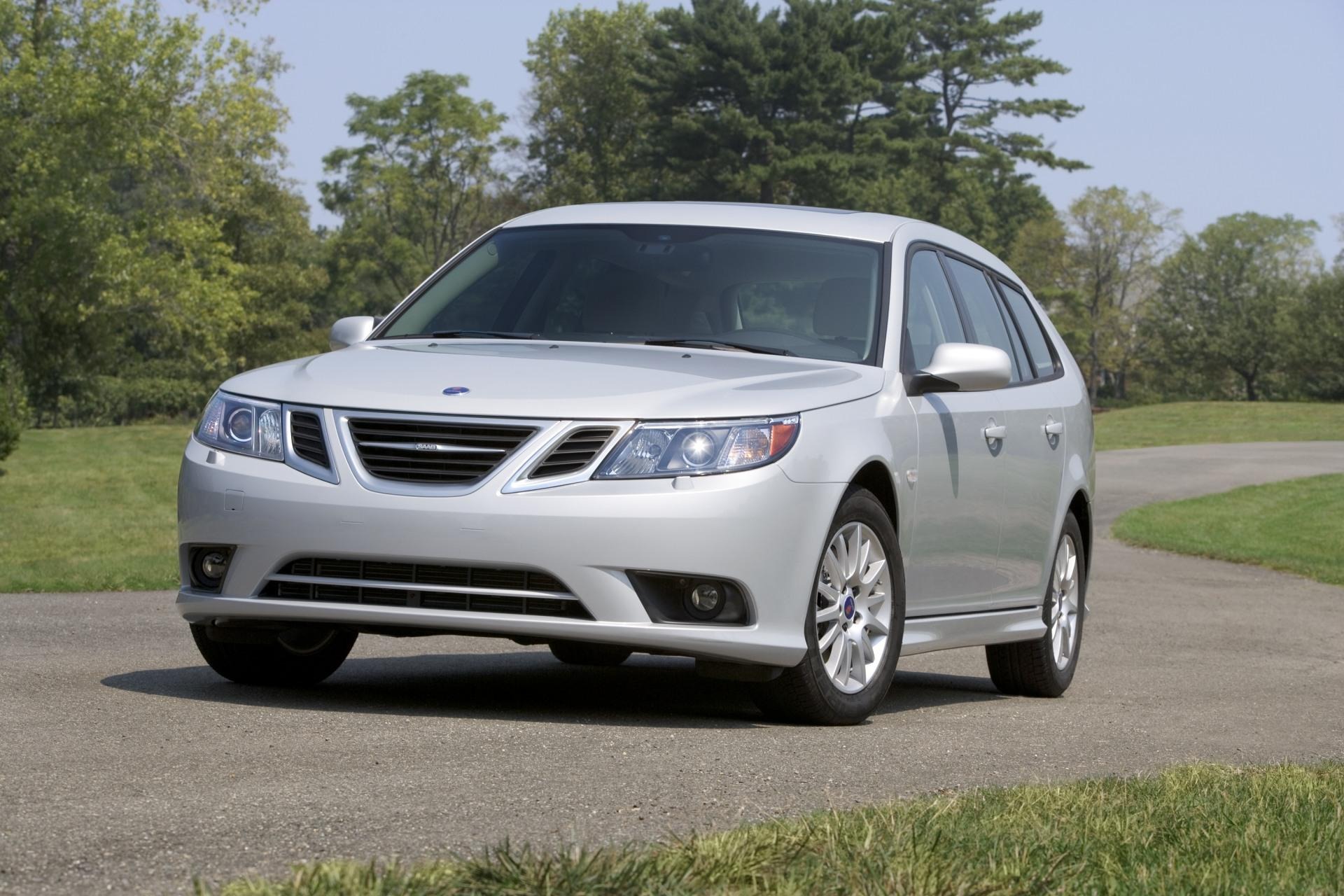
5. Saab (2010 to 2011)
Saab is a special case, and it’s worth being precise. GM sold its stake in Saab Automobile in 2010. Saab later filed for bankruptcy in 2011, so it’s more accurate to describe this as GM’s exit from Saab ownership, followed by Saab’s collapse.
That distinction matters. GM didn’t simply switch off the lights. It stepped away from ownership, and the company that remained struggled to survive on its own.
Saab had always been different. Its cars were quirky, thoughtful, and full of clever engineering. Drivers loved the distinctive styling, the unusual ignition placement, and the sense that each car had been designed by people who thought differently.
Yet quirks don’t pay bills. Sales were modest, costs were high, and financial support proved hard to find. Once GM let go, the road ahead was steep, and the collapse came quickly.
Owners of older Saabs often describe an almost emotional bond with their cars. They swap tips online, hunt for parts, and keep their vehicles alive long past the point most people would give up. That devotion says a lot.
If you’re considering a used Saab, do your homework. Parts can take effort to find, and finding a mechanic who understands the brand helps enormously.
Saab’s story is a reminder that brands can outlive their owners in the hearts of drivers, even when the company itself cannot continue.
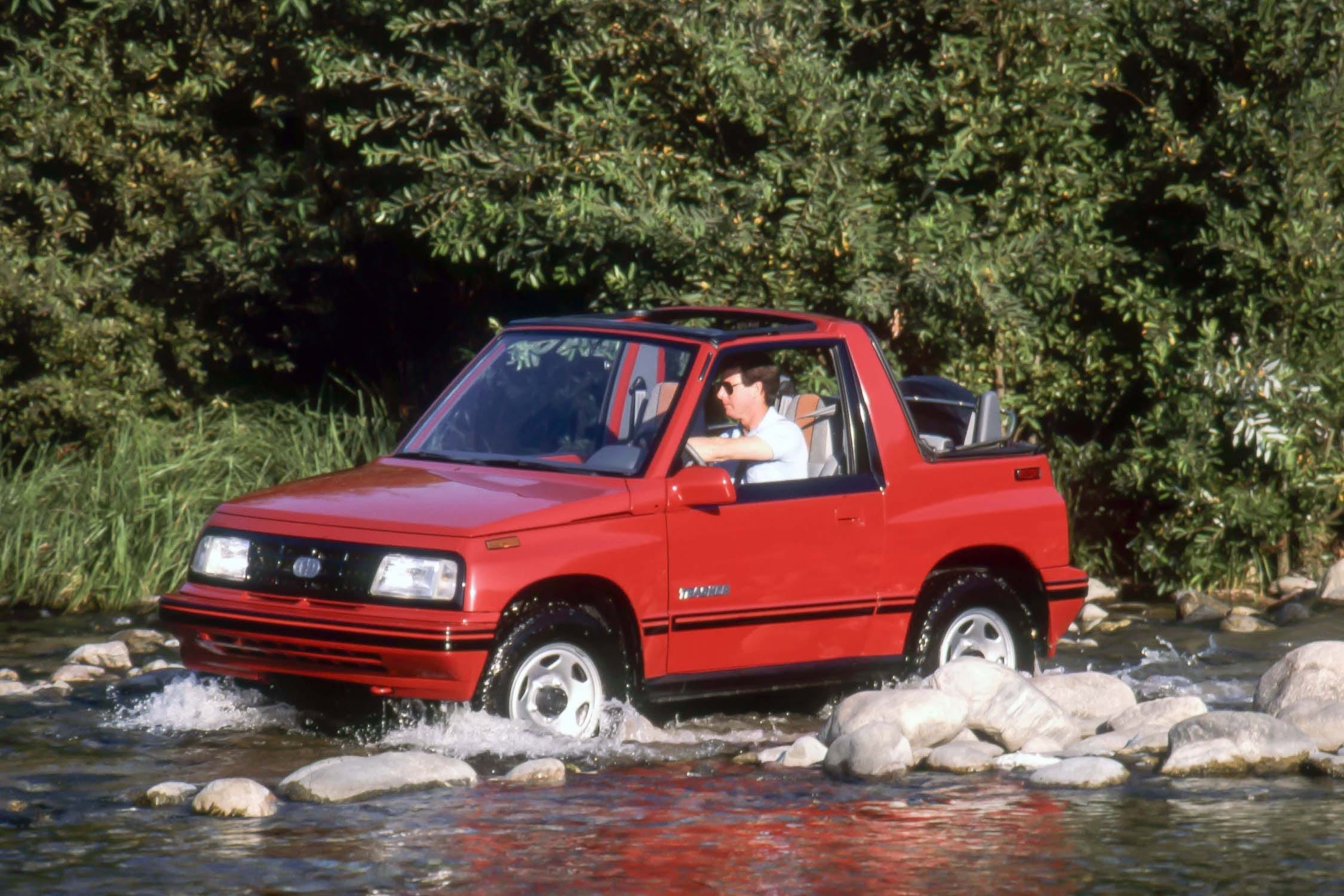
6. Geo (1989 to 1997)
Geo was not intended to be another full-scale GM division like Chevrolet or Pontiac. Instead, it was a small-car marque introduced through Chevrolet dealerships in 1989.
GM created Geo with a simple goal in mind, to offer more competitive choices as demand grew for smaller and more fuel-efficient cars, especially those challenging Japanese imports. Rather than developing every model from the ground up, GM often relied on partnerships with other automakers to bring Geo vehicles to market.
The lineup included the Metro, Prizm, Tracker, and Storm. Each vehicle had a different role, ranging from inexpensive hatchbacks to compact SUVs and sporty coupes.
The Geo Prizm, for example, was closely related to the Toyota Corolla through a manufacturing partnership at the NUMMI plant in California. The Geo Tracker was related to the Suzuki Sidekick, while the Metro was based on Suzuki engineering.
By the late 1990s, maintaining a separate Geo badge made less sense. GM began moving the remaining models under the Chevrolet name. The Metro, Prizm, and Tracker continued after the Geo identity disappeared, but they were sold as Chevrolets.
Geo therefore was not eliminated because of one dramatic corporate crisis. It was gradually absorbed into Chevrolet as GM simplified its small-car offerings.
The brand lasted less than a decade, yet several Geo vehicles remain interesting today because of their unusual partnerships and efficient designs.
Its history shows that a badge can disappear even when the vehicles themselves continue for several years under another name.
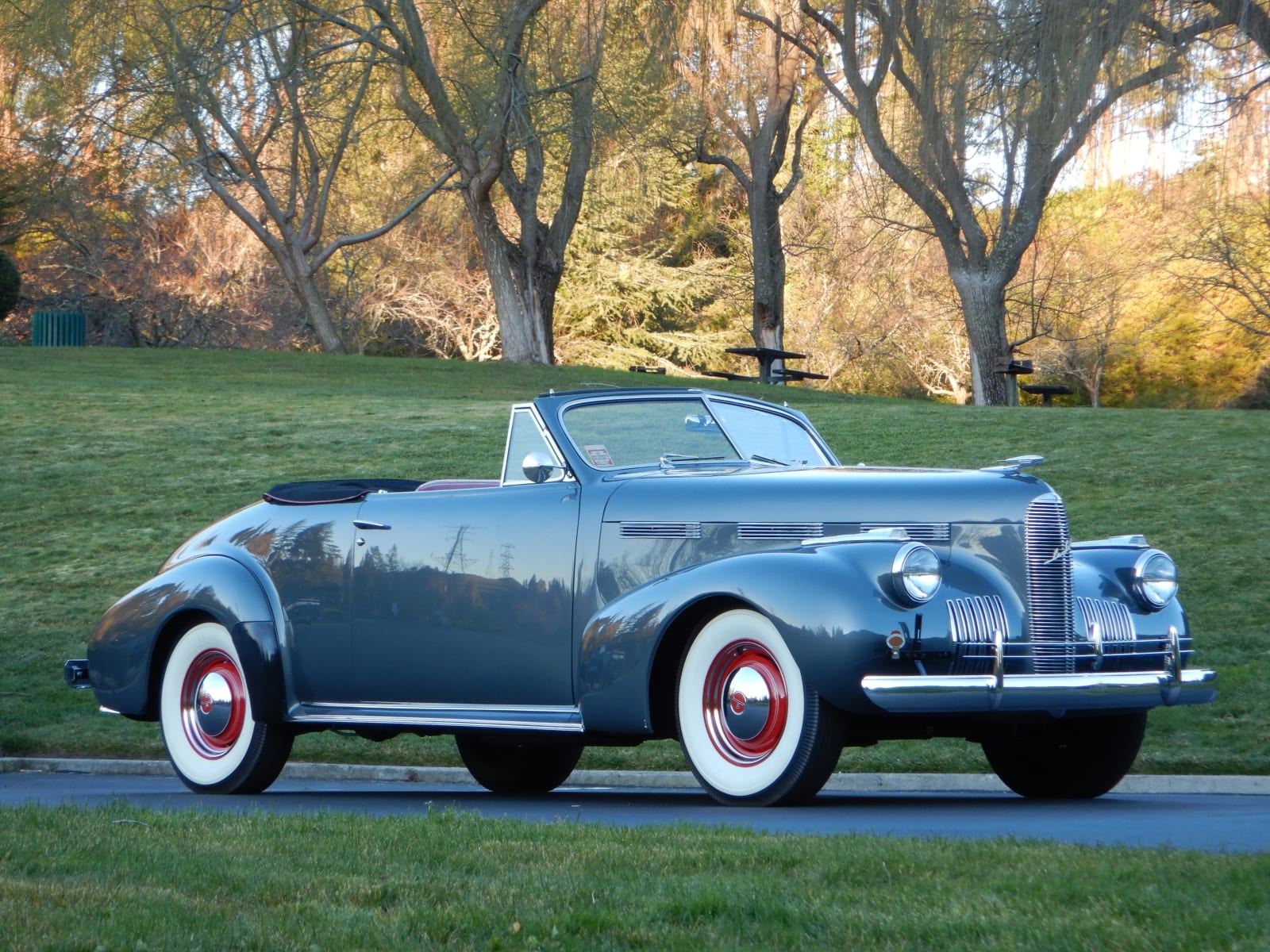
7. LaSalle (1940)
Let’s step way back in time. LaSalle was a GM luxury marque positioned below Cadillac, and it was discontinued decades before the 1985 to 2010 period. Because of that, it should only be included in a broader history of GM brand retirements.
Why include it at all? Because it shows that GM has been trimming its brand family for a very long time. This wasn’t a new habit that began with bankruptcy. It’s part of the company’s story going back generations.
Picture the 1920s and 1930s. Automakers were building distinct steps on a ladder, from affordable cars to luxury flagships. LaSalle sat just beneath Cadillac, offering elegance at a slightly lower price. It was stylish, respected, and influential in design circles.
So what happened? Changing market conditions and the pressure of the era made the brand harder to justify. GM retired it in 1940, and the market moved on.
Surviving LaSalles are treasures today. They appear at prestigious shows, where their graceful lines and classic details draw admiring crowds.
Here’s the takeaway. Brand retirement isn’t new, and it’s rarely simple. Sometimes a marque ends because it’s failing, and other times because the company decides its role has been filled elsewhere.
LaSalle deserves its place in this list as a historical footnote with real character, a reminder that today’s brand decisions echo choices made long ago.
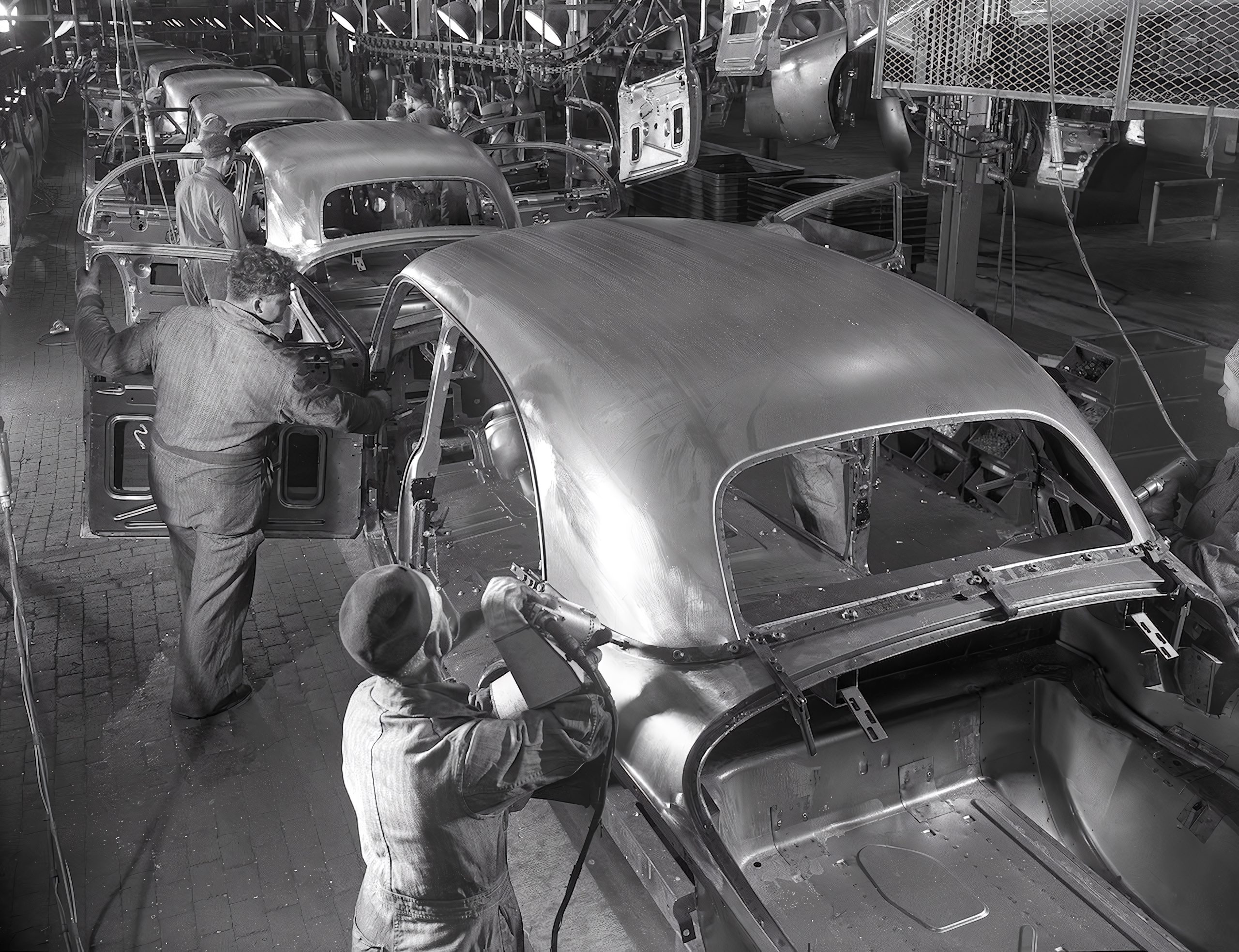
8. Fisher Body (1984)
This entry comes with a big asterisk. Fisher Body was a GM automotive body-manufacturing division, not a consumer vehicle brand. You couldn’t walk into a showroom and buy a Fisher.
So why mention it? Because GM absorbed its operations into the wider company during a restructuring in the 1980s. If your list covers discontinued GM divisions, not just vehicle brands, Fisher Body belongs there.
Think of it as the company behind the curtain. Fisher built the bodies that other GM vehicles wore, contributing craftsmanship and design know-how for decades.
Many classic cars carried Fisher Body badges on their door sills, a small mark that many owners still recognize. Absorbing the division made sense from a business viewpoint.
Consolidating operations reduced duplication and helped the company run more efficiently. It was less dramatic than ending a beloved brand, but it mattered inside the organization.
Here’s a fun detail for restorers. If you’ve ever peeked at the sill plate on an older GM car and seen the Fisher Body name, you’ve touched a bit of this history.
It’s easy to overlook divisions like this because they don’t have flashy commercials or loyal fan clubs. Yet without them, the cars people love wouldn’t exist.
One more correction is worth repeating. GM’s five major discontinued vehicle brands from the modern restructuring period were Oldsmobile, Pontiac, Saturn, Hummer, and Saab. Geo and LaSalle were earlier changes, and Fisher Body was a manufacturing division, not a vehicle marque.
