
Modern vehicles have steadily moved away from traditional metal keys, but the transition has not happened in the same way across the industry. Some vehicles still hide a conventional mechanical key inside the electronic fob, giving the driver a way to unlock the door if the fob battery fails or electronic access becomes unavailable.
Others take a different approach, relying on electronic fobs, key cards, phones, or NFC-based backup systems without providing a conventional metal key.
Owner’s manuals reveal these differences more clearly than showroom descriptions because they explain exactly what the driver can do when normal keyless entry stops working.
5 Cars With a Physical Key Backup
1. Toyota Camry
The Toyota Camry retains a mechanical key alongside its electronic access system. Toyota’s owner’s documentation describes a smart key system in which the doors can also be locked or unlocked with a mechanical key. The blade is stored inside the smart key and can be removed by sliding the release lever.
That arrangement is worth highlighting because the mechanical blade is not intended to compete with the electronic system during normal use.
Most owners will simply keep the smart key in a pocket or bag and rely on proximity unlocking. The physical component becomes relevant when circumstances prevent the electronic system from doing its job.
A dead transmitter battery is one obvious example. The driver’s door can still be accessed with the mechanical blade, giving the owner a way into the cabin instead of leaving the vehicle completely dependent on an electronic signal.
There is another practical advantage to this design. The backup is carried as part of the same key rather than as a separate traditional key that the owner has to remember. That reduces the chance of leaving the emergency tool at home.
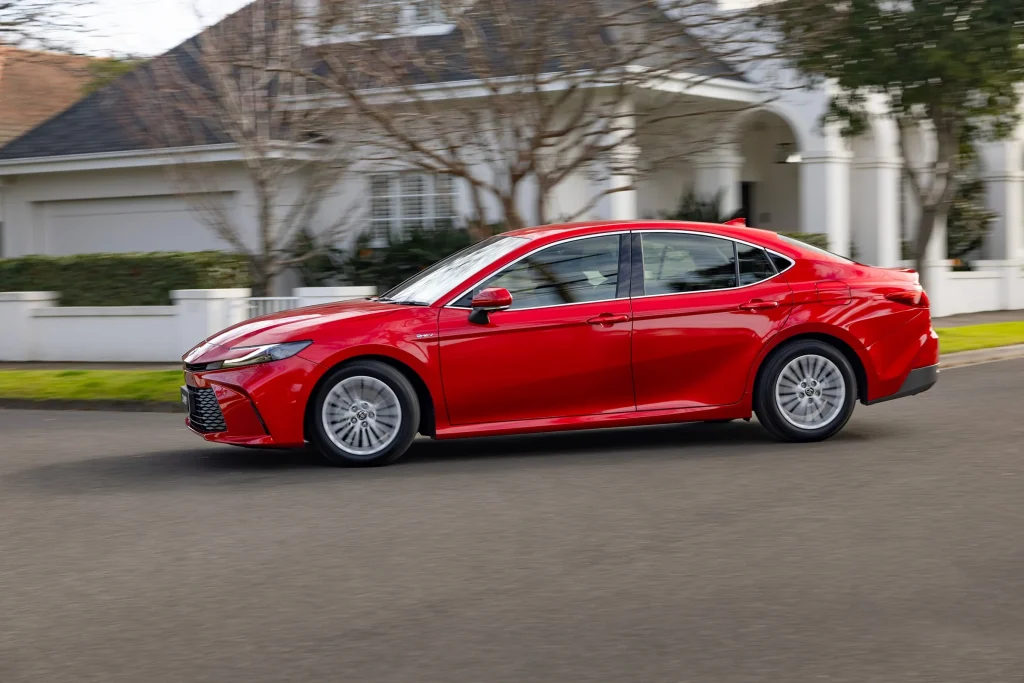
The Camry therefore represents a middle ground between old and new approaches. Its normal operation feels entirely modern, but a small piece of conventional hardware remains available when electronic access becomes unreliable.
For owners who regularly travel long distances or leave their vehicles parked for extended periods, that redundancy can be reassuring.
2. Ford Explorer
The Ford Explorer uses an electronic remote control with a removable key blade. Ford’s 2025 owner’s manual specifically describes removing the blade by pressing the release button on the passive key and pulling the blade out.
The manual also explains that the blade can be inserted into the driver’s door lock cylinder to unlock or lock the vehicle.
This is a particularly useful arrangement because Ford does not treat the mechanical blade as a decorative feature. The owner’s manual gives an actual operating procedure for it. The driver releases the blade, inserts it into the concealed door lock cylinder, and turns it in the appropriate direction.
That procedure becomes important when the remote control cannot provide normal access. Electronic key systems are convenient, but their dependence on a battery and radio communication introduces failure points that did not exist with a conventional key. Ford’s inclusion of a physical blade provides another route into the vehicle.
The Explorer’s design also demonstrates why owners should learn the emergency procedure before they need it. The key cylinder is not necessarily as obvious as it would be on an older vehicle. A driver who has never removed the blade may not immediately know where to insert it or how to expose the lock cylinder.
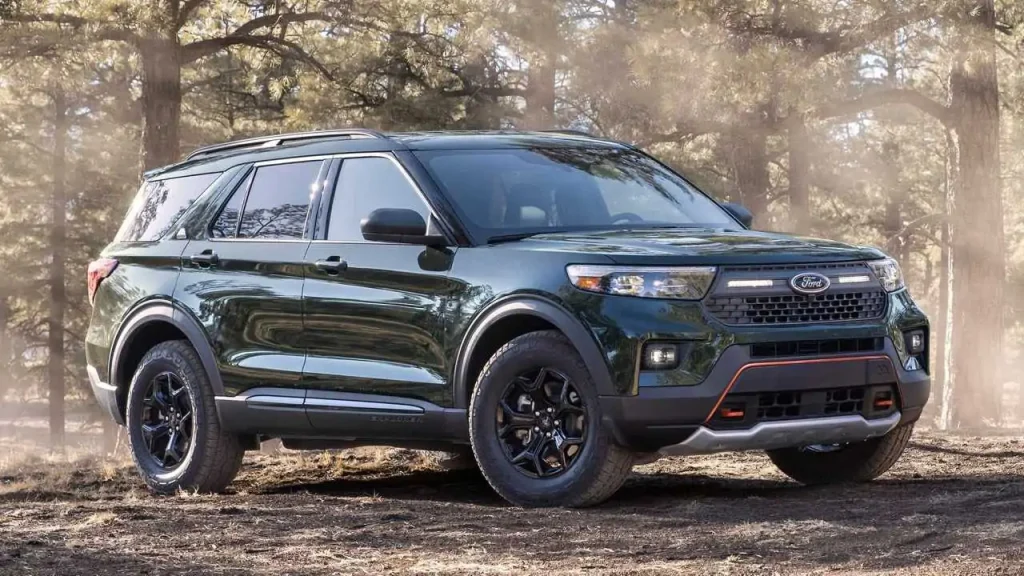
There is also a useful distinction between access and authorization. The mechanical blade provides a way to unlock the vehicle, while the electronic key remains part of the vehicle’s starting and security system.
In other words, the physical backup does not turn the Explorer into a traditional keyed vehicle. It simply gives the owner a reliable mechanical path through the door.
3. Lexus NX
The Lexus NX carries both electronic and mechanical keys. Its 2025 owner’s manual lists electronic keys, mechanical keys, and, where equipped, a card key as separate key types. The mechanical key is therefore not merely an implied feature hidden somewhere in the vehicle’s electronics. It is explicitly identified in the manufacturer’s documentation.
That matters because Lexus uses an advanced Smart Access system for normal entry. A driver can approach the vehicle with the electronic key and operate the doors without taking the transmitter out. Such convenience can make the physical blade easy to forget, but the mechanical component remains available as an emergency resource.
The design is particularly useful during a low-battery situation. Electronic access can become unreliable when the transmitter battery is depleted, while a conventional blade does not depend on radio transmission. The driver can therefore use a mechanical method to regain access.
The NX also illustrates a broader point about modern luxury vehicles. More technology does not necessarily mean every traditional component has been removed. Manufacturers sometimes retain simple mechanical systems precisely because they provide a dependable fallback when complex electronics fail.
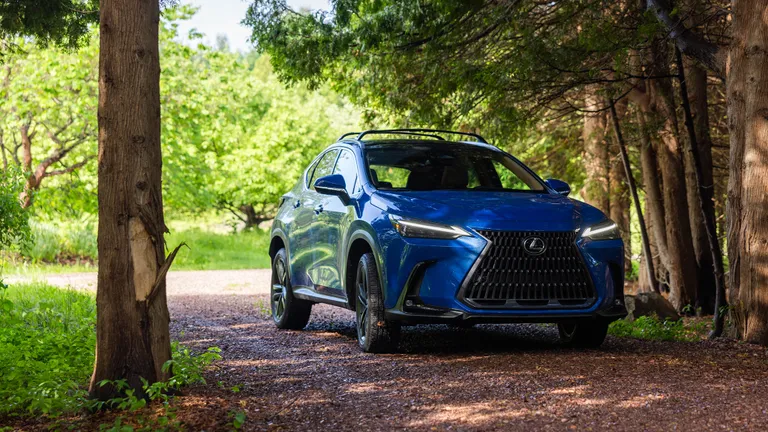
For an NX owner, keeping the mechanical key accessible and understanding how it separates from the electronic key is sensible preparation. The feature requires almost no regular attention, yet it can become extremely important during an unexpected lockout.
The physical blade is not there to replace the Smart Access system. It exists for the moments when that system is unavailable, giving the vehicle an additional layer of practical redundancy.
4. Subaru Outback
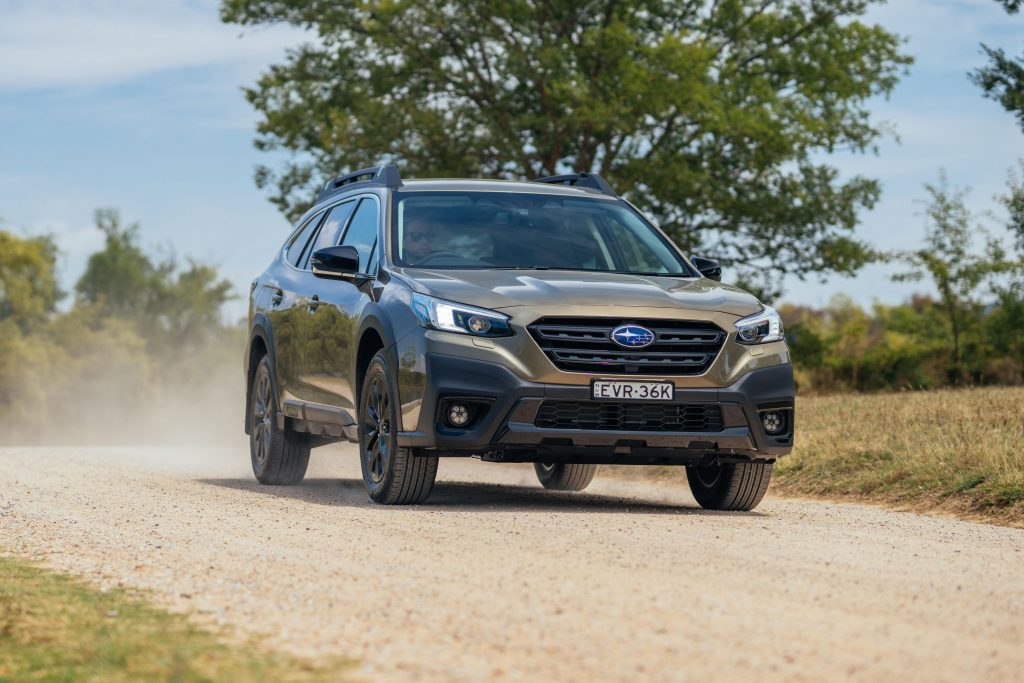
The Subaru Outback continues to use an access key that incorporates a mechanical key. Subaru’s owner’s documentation identifies the release button and explains that the mechanical key can be removed from the access key. It can then be used for locking and unlocking the driver’s door and other specified mechanical functions.
Subaru’s arrangement is notable because the mechanical key remains useful beyond simply opening the driver’s door. The manual identifies several applications for the blade, showing that it remains an intentional part of the vehicle’s security and access design.
That gives the Outback a particularly practical emergency arrangement. The driver can use keyless access for everyday convenience while still carrying a conventional metal backup without needing an additional object on the key ring.
The system also highlights why the owner’s manual matters more than a quick look at the transmitter. A modern access key can appear to be entirely electronic from the outside. Unless the owner knows about the release button, the hidden mechanical blade may never be noticed.
A physical backup becomes valuable when the vehicle is parked somewhere remote, when the key battery is unexpectedly depleted, or when electronic communication between the transmitter and vehicle is disrupted. In those circumstances, the mechanical blade provides a direct alternative.
Subaru’s decision to retain this arrangement reflects a conservative approach to an important part of vehicle operation. Entry is too fundamental to depend entirely on one electronic pathway. The Outback therefore combines proximity technology with a conventional mechanical option, preserving a feature that has become less visible but remains useful.
5. Mazda CX-5
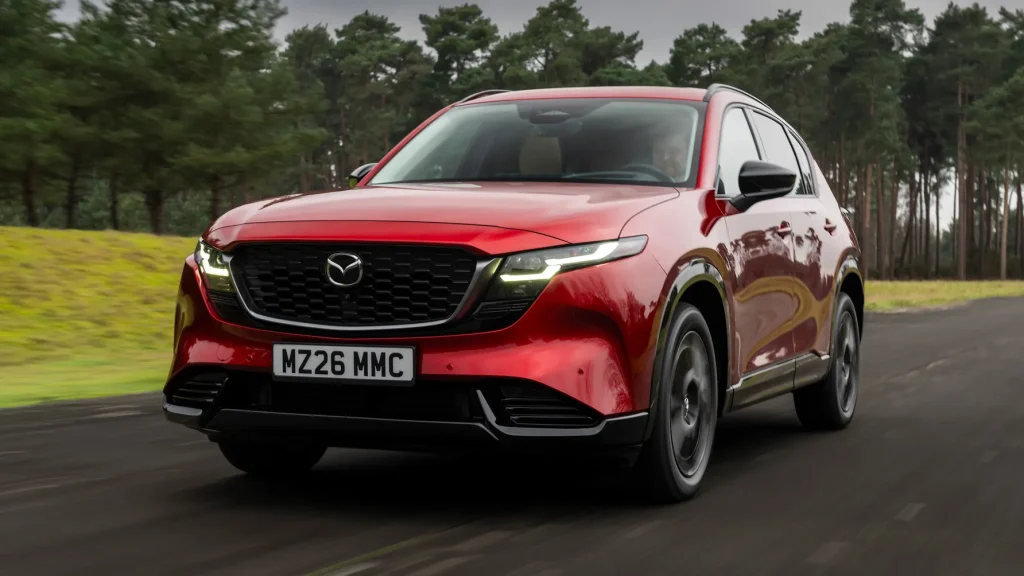
Mazda’s CX-5 is another modern vehicle where the electronic transmitter contains an auxiliary key. The 2025 owner’s manual explains how to remove the auxiliary key from the transmitter and how it can be used to unlock the driver’s door. Mazda also provides a specific procedure for unlocking the vehicle with the auxiliary key.
The terminology is slightly different from that used by some competitors, but the principle is the same. The driver normally relies on the transmitter for keyless entry, engine starting, and other electronic functions. If that system becomes unavailable, the auxiliary key supplies a mechanical route into the vehicle.
Mazda’s manual even discusses the code number associated with the auxiliary key. Owners are instructed to keep the code information in a safe place because it can be useful when a replacement key is needed. That makes the physical backup part of a larger key-management system rather than an afterthought.
The Mazda CX-5 highlights the practicality of hidden mechanical keys, which provide a familiar backup option without requiring owners to carry a separate, bulky key. The electronic fob remains compact and easy to use, while the metal key blade stays concealed until an emergency requires it.
This arrangement is especially useful for owners who rarely think about their vehicle’s key system. A low transmitter battery can appear to be a serious problem when the owner is standing outside the vehicle, but the manual’s auxiliary-key procedure provides another way forward.
Mazda’s approach shows that physical keys have not necessarily disappeared from modern vehicles. In many cases, they have simply been reduced to an emergency tool that lives inside a much more sophisticated electronic transmitter.
5 That Are Fob-Only
1. Rivian R1S
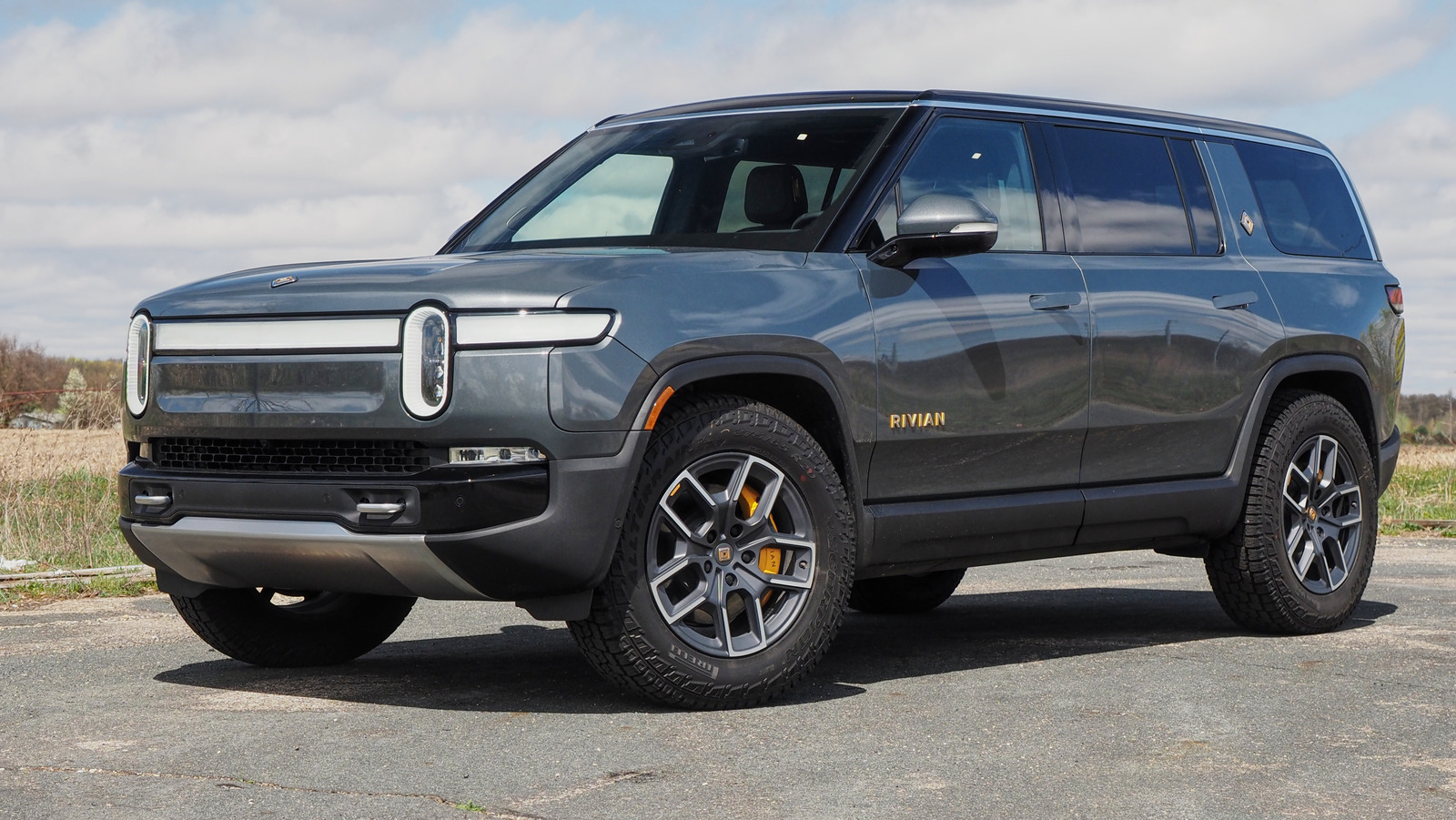
The Rivian R1S uses a predominantly electronic system for vehicle access. According to the owner’s guide, drivers can unlock and access the vehicle using four methods, including a key fob, phone key, key card, and key band. The guide does not mention a traditional mechanical key blade built into the fob.
That makes the R1S an interesting example of what replaces the traditional backup key. Instead of hiding a metal blade inside the fob, Rivian provides several electronic alternatives. A driver can use a key card against the driver’s door handle, use a phone as a digital key, or use the optional key band in supported situations.
The key card is particularly important because it provides a backup that does not depend on the same active proximity behavior as the fob. The owner’s guide specifically identifies the card as one of the available methods for locking and unlocking the vehicle.
This approach changes the way an owner should prepare for an emergency. With an older vehicle, the sensible backup is often a mechanical key kept somewhere accessible. With the R1S, the sensible backup is an additional electronic access method, particularly the key card.
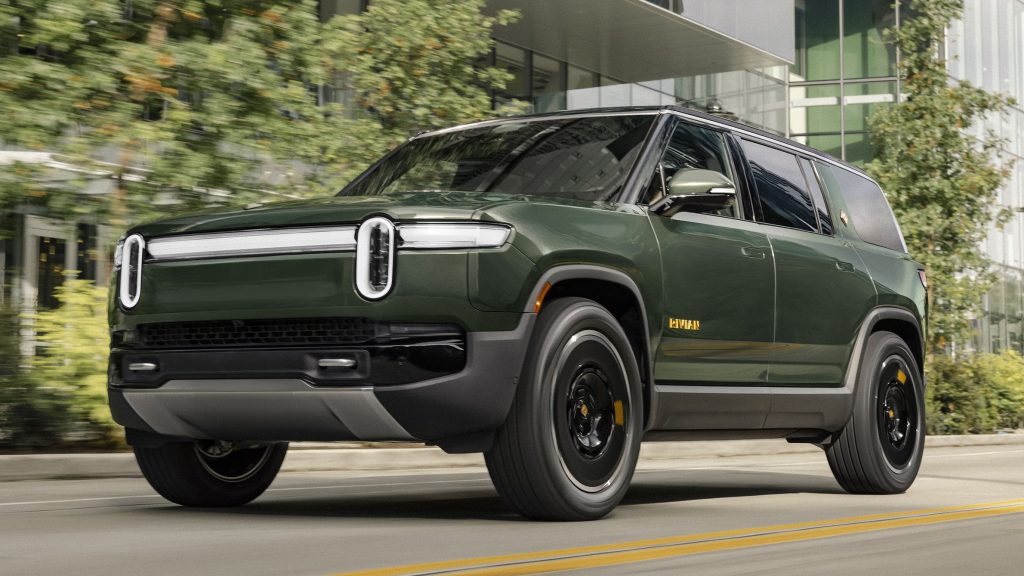
The advantage is flexibility. A single vehicle can support several forms of authorized access, and the owner can choose which one is most convenient for everyday use. The tradeoff is that there is no conventional metal blade that can simply be inserted into a door lock.
Rivian’s design therefore represents a major departure from the traditional concept of a car key. Access becomes a digital authorization system rather than a combination of electronic buttons and a mechanical blade.
2. Polestar 3
The Polestar 3 uses a rechargeable key fob, key card, and digital-key technology rather than a conventional metal key. Polestar’s owner’s manual identifies the key fob as a distance-capable device and separately describes the key card and digital key as other access methods.
One of the most interesting parts of the system is how it handles a depleted fob. Instead of requiring a hidden metal key, the vehicle can read the fob through NFC in situations where the fob’s normal wireless function is unavailable. This means the same electronic device can continue to act in a limited backup role even after its battery is discharged.
That is a fundamentally different solution from the mechanical systems described earlier. There is no need to uncover a door lock cylinder and insert a blade. Instead, the driver uses a designated electronic reading location.
The key card provides another layer of redundancy. Polestar’s documentation explains that the card can be used to unlock the vehicle and provide driving access. This means owners have a backup object that can be kept separately from the primary fob.
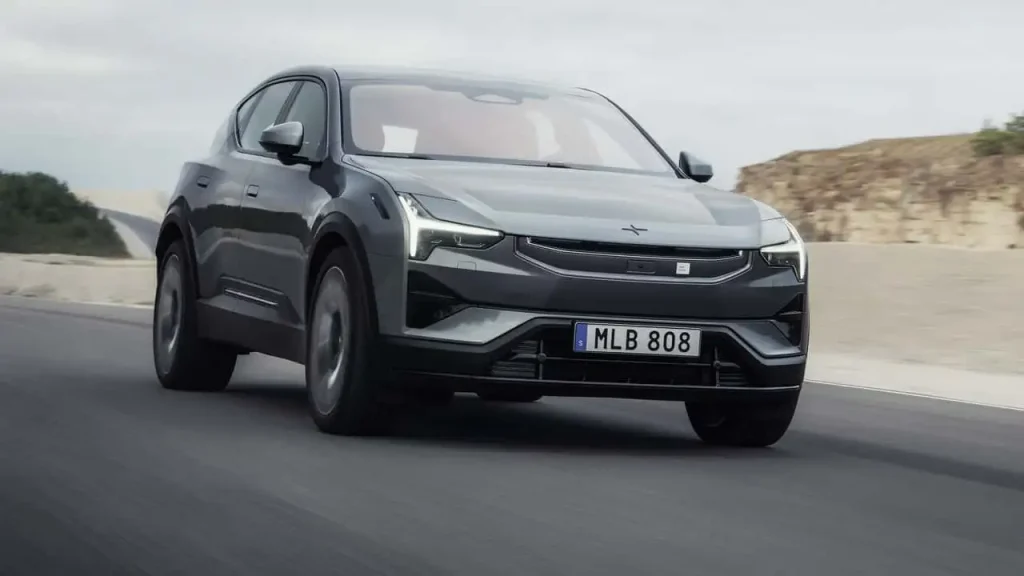
The arrangement also illustrates the direction of newer vehicle security systems. The manufacturer is effectively replacing mechanical redundancy with multiple electronic authentication methods. A fob, card, and compatible digital device can each provide access, reducing the need for a traditional metal key.
For owners, the lesson is different from that of a mechanically backed-up vehicle. The safest habit is not simply carrying the fob. It is understanding where the backup card works and keeping it available when traveling.
3. Polestar 4
The Polestar 4 continues the same electronic philosophy but gives the driver several ways to authenticate with the vehicle. Its owner’s manual lists a key card, key fob, and digital key as supported key types. The fob can work at a distance, while the card uses designated NFC reading points.
There is no traditional metal blade presented as part of the access system. Instead, the vehicle treats the key card and digital device as legitimate electronic credentials. The card can unlock the vehicle from the driver’s door pillar and can also provide driving access through the interior reader.
The fob itself has another useful characteristic. If its battery becomes discharged, it can still operate through NFC. Polestar explains that the depleted fob can be placed on the vehicle’s key reader, allowing the driver to regain driving access without replacing the battery immediately.
This is a clever solution because it addresses one of the most common problems associated with electronic keys without adding a metal blade. A depleted battery does not necessarily make the fob useless. The vehicle can fall back to a short-range passive communication method.
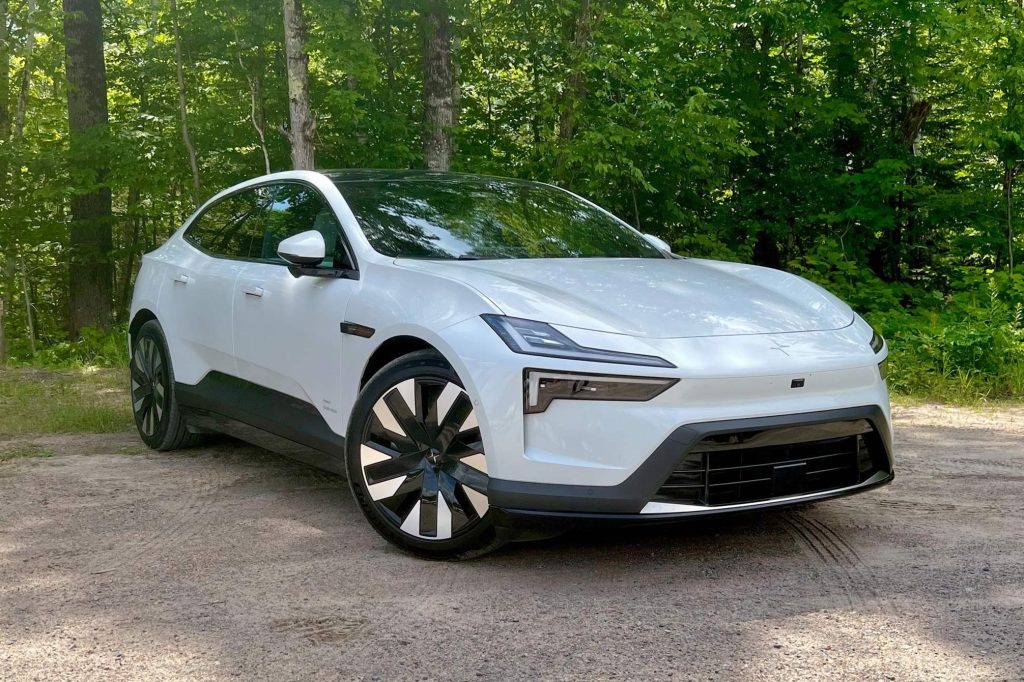
There is also a digital-key option for compatible phones and smartwatches. That provides another route to access, although relying on a phone introduces its own considerations involving battery life, compatibility and device settings.
The Polestar 4 therefore shows how manufacturers are trying to eliminate the need for mechanical emergency keys while still providing redundancy. Instead of one fob plus one metal blade, the owner has multiple electronic credentials that can perform overlapping functions.
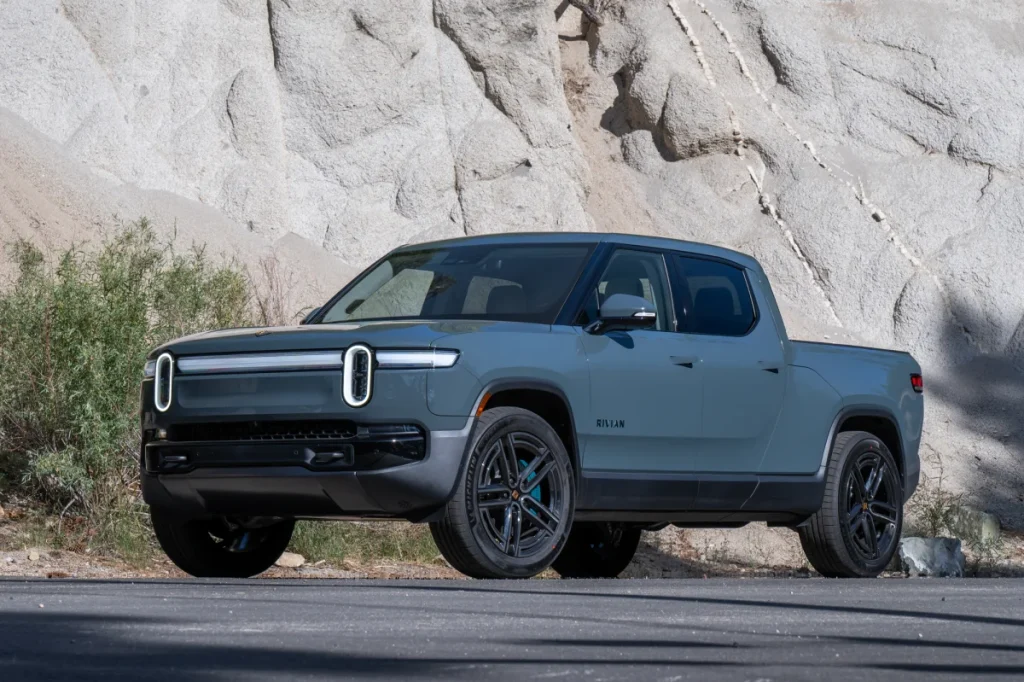
4. Rivian R1T
The Rivian R1T follows the same fundamental access architecture as its SUV sibling, using electronic credentials rather than a conventional metal key. Rivian’s owner’s guide lists the key fob, phone key, key card, and key band as methods of accessing the vehicle.
That gives the pickup a very different relationship with the traditional idea of a spare key. A driver preparing for a long trip might once have carried a second metal key. With the R1T, the more appropriate backup is an additional electronic credential, such as the supplied key card.
The absence of a mechanical blade is particularly noticeable during a fob battery problem. Instead of pulling a metal key from the transmitter, the driver can use the key card or another authorized method. The vehicle’s system is designed around authentication through electronic communication.
This approach makes sense for a vehicle built around software-intensive controls. Access, driver profiles, and phone-based authorization can all be integrated into the same electronic architecture. The result is a system that can recognize different authorized users without requiring each person to carry a conventional key.
There is also a practical benefit for families or shared vehicles. Digital authorization can allow multiple people to have access without physically handing over the primary key. The downside is that owners need to understand their backup options before a problem occurs.
The R1T is therefore a good example of a vehicle where “key” no longer necessarily means a piece of metal. It means an electronic credential recognized by the vehicle.
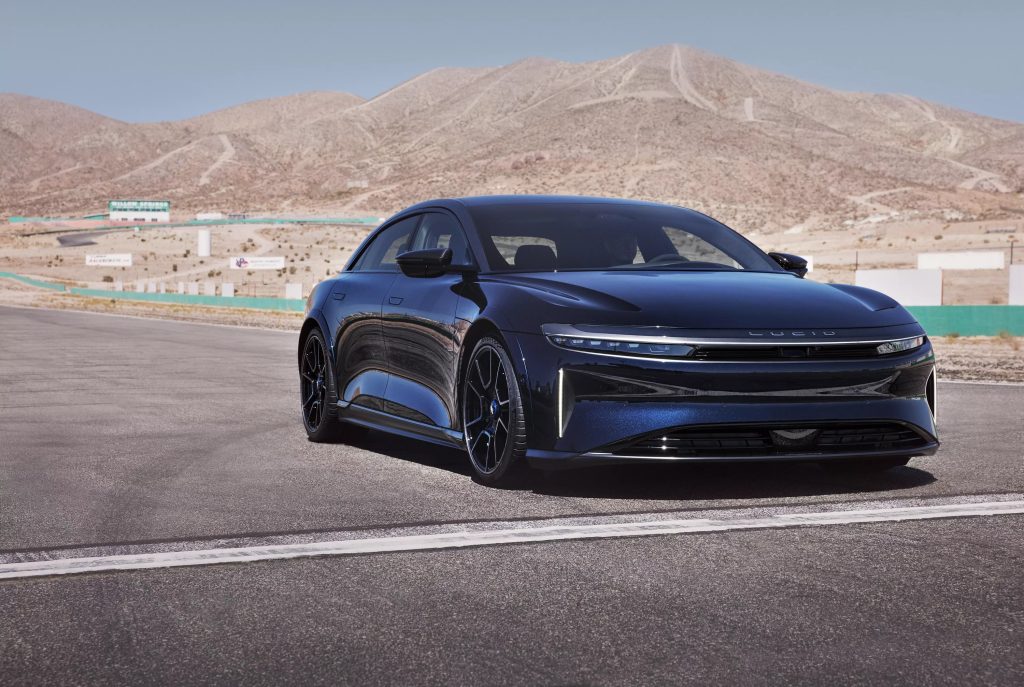
5. Lucid Air
The Lucid Air takes another electronic route. Its key fob does not rely on a conventional mechanical blade as the emergency solution.
Instead, Lucid provides a key card and electronic access technology for situations where the primary fob is unavailable or its battery is depleted. The fob can use NFC-based communication in backup situations rather than functioning as a traditional mechanical key.
That design is significant because the Air uses a highly digital approach to vehicle access. The driver can interact with the vehicle through the fob, key card, and connected technology instead of depending on a conventional door lock and metal blade.
The lack of a physical key means the backup procedure needs to be understood in advance. A driver who assumes every fob contains a hidden blade could waste time searching for a mechanical release that does not exist. The appropriate backup is the supplied electronic access method.
The key card is particularly important because it provides a physical object without recreating the traditional metal-key system. It can be kept separately from the primary fob, providing another means of authentication if the primary device is unavailable.
This setup demonstrates the broader change taking place across newer vehicles. Manufacturers are not necessarily eliminating backup access. Instead, they are replacing mechanical backups with electronic redundancy.
For drivers, that creates a new responsibility. The spare card, phone or secondary credential should be treated as an emergency tool and kept somewhere accessible. A backup that remains inside the locked vehicle provides little practical benefit during a lockout.
The Lucid approach therefore represents the most software-oriented end of this comparison. There is no need for a conventional blade because the manufacturer has designed several electronic ways to prove that the person approaching the vehicle is authorized to use it.
