
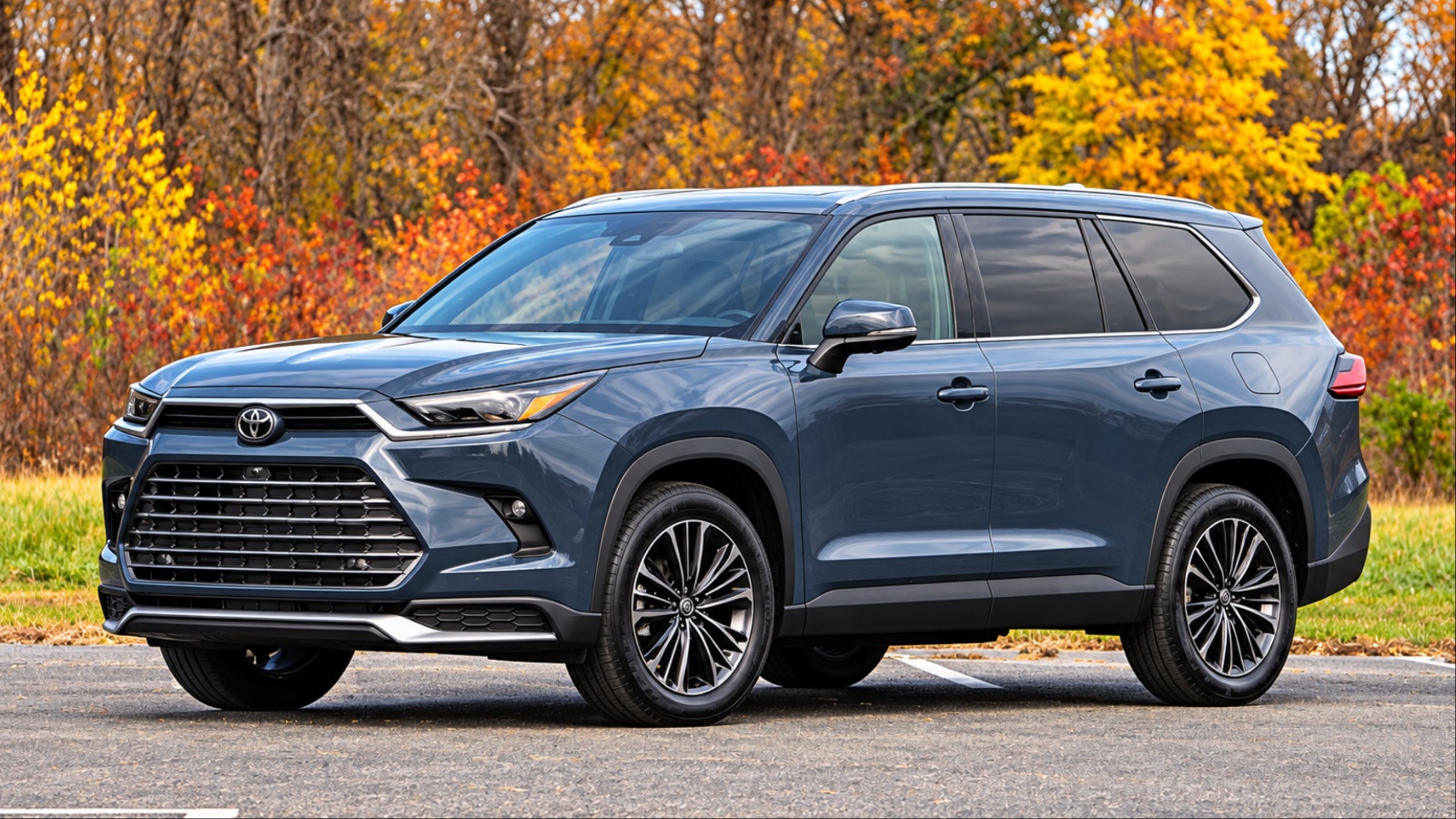
Consumer Reports’ 2026 reliability rankings put several familiar nameplates at the top, but the results are more nuanced than simply choosing the brand with the best reputation.
The rankings are based on owner feedback covering about 380,000 vehicles and up to 20 potential trouble areas, including engines, transmissions, electrical systems, brakes, suspension, and in-car electronics.
The 2026 predictions use recent model-year reliability data, with brand history used when model-specific information is limited. Here are the 10 highest-rated vehicles in the supplied Consumer Reports ranking, beginning with the Subaru Impreza at 80 points.
1. Subaru Impreza
The Subaru Impreza takes the top position with a Consumer Reports predicted reliability score of 80 out of 100, making it the highest-rated vehicle in the 2026 list. That result is particularly notable because the Impreza is a relatively conventional compact car rather than an expensive luxury model or a mechanically simple entry-level vehicle.
Consumer Reports says its 2026 prediction is based on the model’s recent reliability history, specifically data from the 2024 and 2025 Impreza, supplemented by Subaru’s brand reliability record.
The methodology matters here. Consumer Reports does not simply count major mechanical failures. Its surveys ask owners about problems across as many as 20 areas, covering everything from engine and transmission issues to climate systems, body hardware, electrical accessories, paint and trim, noises, leaks, and infotainment systems.
More serious trouble areas receive greater weight in the calculation because they can be more expensive or disruptive to repair.
That gives the Impreza’s 80-point result more meaning than a simple reputation-based ranking. It indicates that owners have reported relatively few problems across a broad range of systems.
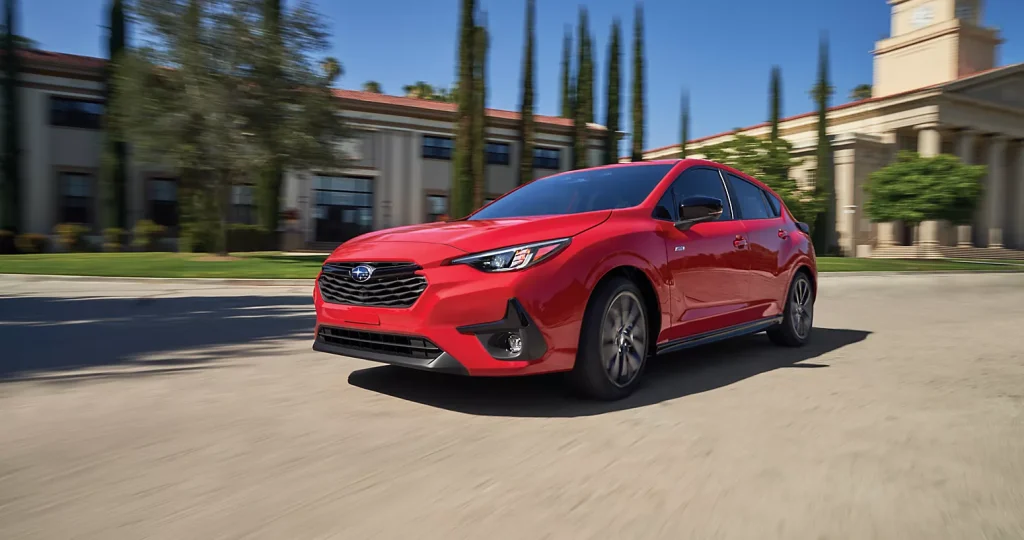
Consumer Reports also describes the Impreza as Subaru’s most reliable model in its 2026 brand analysis, while the closely related Crosstrek ranks third at 78.
For shoppers who prioritize predictable ownership rather than maximum performance or luxury features, the Impreza’s position makes it one of the strongest mainstream choices in the 2026 Consumer Reports data.
2. Toyota Corolla Cross
The Toyota Corolla Cross scores 79 out of 100, placing it just one point behind the Subaru Impreza. Consumer Reports predicts that the 2026 Corolla Cross will be more reliable than the average new vehicle, using reliability information from the 2023, 2024, and 2025 model years to establish its forecast.
The model’s second-place ranking is interesting because the Corolla Cross represents one of Toyota’s newer entries in the compact SUV market. Instead of relying on decades of model-specific data, Consumer Reports has built its prediction from the vehicle’s recent history.
That makes the 79-point score a reflection of observed owner experience rather than simply Toyota’s reputation.
Consumer Reports evaluates reliability through a wide range of possible trouble spots. These include powertrain components, engine problems, cooling systems, transmissions, drive systems, brakes, suspension and steering, fuel and emissions equipment, climate systems, electrical accessories, body hardware, and in-car electronics.
The survey behind the 2026 ratings covers roughly 380,000 vehicles, giving the organization a substantial pool of owner-reported information.
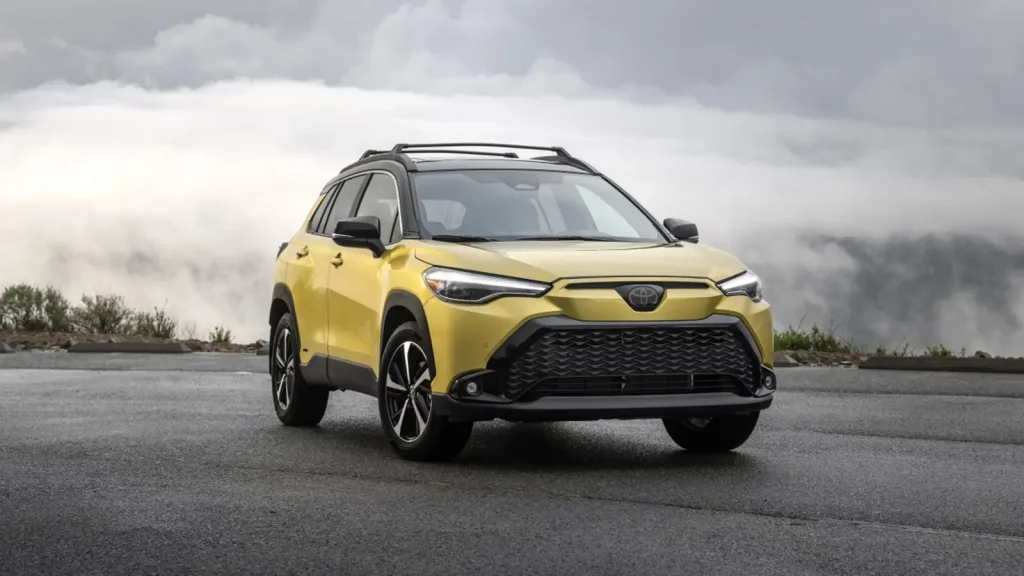
There is also an important distinction between the regular Corolla Cross and its hybrid counterpart. Consumer Reports currently predicts about average reliability for the 2026 Corolla Cross Hybrid, rather than assigning it the same high prediction as the standard model.
That difference is a useful reminder that a familiar model name does not automatically mean identical reliability across powertrains. For buyers focused specifically on the 2026 ranking, the conventional Corolla Cross earns its second-place position with a 79-point predicted reliability score.
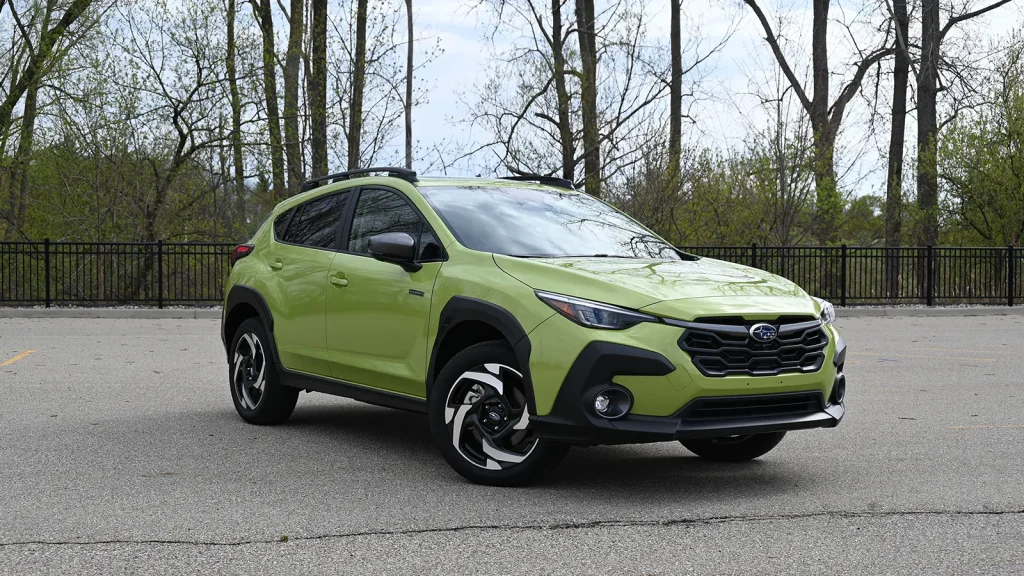
3. Subaru Crosstrek
The Subaru Crosstrek scores 78 out of 100, tying the Toyota Crown and placing it third in Consumer Reports’ 2026 predicted reliability ranking. The result is especially significant because the Crosstrek is one of Subaru’s volume models, meaning this is not a low-volume specialty vehicle benefiting from limited owner data.
Consumer Reports identifies the Crosstrek as Subaru’s second-highest-rated model for predicted reliability, behind the Impreza.
The Crosstrek’s strong showing also fits a broader pattern in the Consumer Reports data. Subaru finished second among brands for predicted reliability, while the organization notes that manufacturers tend to produce more dependable vehicles when they share proven components and make gradual changes rather than introducing completely new systems at once.
The Crosstrek benefits from that conservative approach, although its recent generation still incorporates modern driver-assistance and infotainment technology.
A 78 score does not mean that every Crosstrek will remain trouble-free. Consumer Reports’ system is a prediction based on reported problems across multiple areas, including the powertrain, electrical equipment, suspension, brakes, climate system, and vehicle electronics.
A reliability score therefore represents the likelihood of experiencing problems compared with other vehicles, not a guarantee that repairs will never be necessary.
For buyers wanting a compact vehicle with SUV-style practicality, standard all-wheel-drive capability, and a strong reliability record, the Crosstrek’s third-place position gives it a particularly convincing case.
Its score is only two points below the class-leading Impreza, showing how closely the two Subaru models performed in the 2026 analysis.
4. Toyota Crown
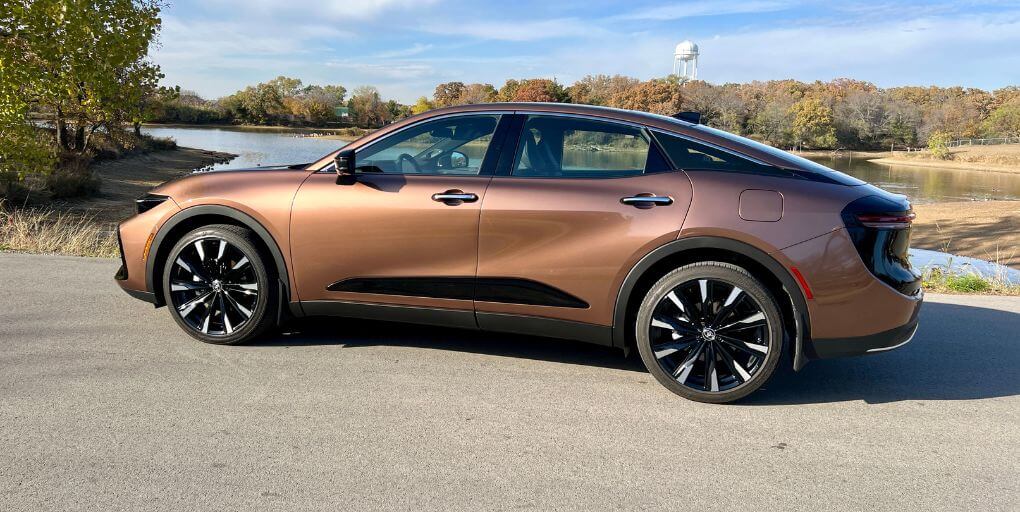
The Toyota Crown also earns 78 out of 100, putting it alongside the Subaru Crosstrek in fourth place. Its position is notable because the Crown is considerably different from several other vehicles in this ranking. Instead of being a basic compact car or established mainstream SUV, it occupies a more premium position in Toyota’s U.S. lineup.
Consumer Reports’ 2026 data places the Crown ahead of the regular Toyota Corolla and Tacoma, despite those models having long-established reputations in the American market. The organization also identifies the Crown as Toyota’s most reliable model in this year’s ranking, while six Toyota vehicles appear among the 10 most reliable models.
That result demonstrates why brand reputation alone is not enough when judging reliability. Toyota’s overall predicted reliability score is strong, but individual models can perform very differently. The Crown’s 78-point result puts it comfortably in the top tier.
Consumer Reports bases these predictions on owner-reported problems in numerous areas rather than focusing exclusively on engine failures. That distinction matters for a modern vehicle such as the Crown, where electronic systems, driver assistance technology, and other equipment can influence the ownership experience just as mechanical components do.
The Crown’s ranking also highlights the strength of Toyota’s current approach to hybrid technology. Consumer Reports reports that conventional hybrids continue to perform better for reliability than plug-in hybrids and many battery-electric vehicles.
Toyota has extensive experience with hybrid systems, and several of its hybrid models feature prominently in the 2026 reliability results.
For shoppers seeking a Toyota with a more upscale character without abandoning the brand’s strong reliability record, the Crown’s 78-point result makes it one of the standout choices in this year’s data.
5. Toyota Corolla
The Toyota Corolla receives a reliability score of 76 out of 100, placing it fifth among the 10 most reliable vehicles in Consumer Reports’ 2026 rankings.
The result is hardly surprising given the Corolla’s long history as one of Toyota’s most established compact models, but its position is still significant because the ranking is based on reported ownership problems rather than reputation alone.
The Corolla benefits from Toyota’s tendency to refine established technology rather than constantly introducing completely new mechanical systems.
Consumer Reports specifically notes that conservative, incremental product changes and component sharing can help manufacturers maintain reliability. Toyota has followed that philosophy across much of its lineup, and the Corolla is one of the clearest examples.
Its 76-point result also gives the Corolla a four-point advantage over the Toyota Tacoma and Honda Accord, both of which score 74. That places the compact sedan firmly among the highest-rated vehicles in the entire 2026 survey.
Consumer Reports’ reliability research covers up to 20 potential trouble areas. These can include major components such as the engine and transmission, but also smaller systems involving electronics, body hardware, climate controls, and other equipment.
That broad approach is important because a vehicle can avoid major mechanical failures while still frustrating owners with repeated electrical or technology problems.
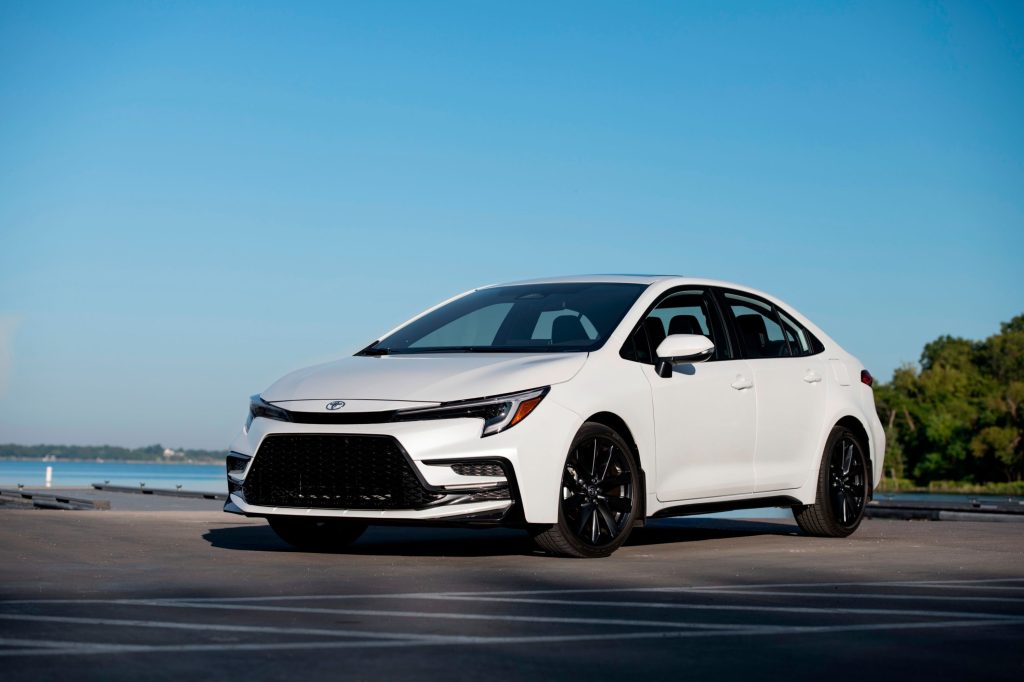
The Corolla’s fifth-place position therefore reflects a wide range of owner experiences rather than one specific mechanical strength. For buyers who value a familiar platform, established engineering, and a strong reliability prediction, its 76-point score provides meaningful evidence.
The model’s presence also reinforces a broader trend in the 2026 results. Conventional cars continue to perform strongly, with Consumer Reports finding that cars as a category remain more reliable than SUVs and pickups.
6. Toyota Tacoma
The Toyota Tacoma scores 74 out of 100, tying the Honda Accord and taking sixth place in the 2026 Consumer Reports reliability ranking. The result is particularly interesting because the current Tacoma underwent a major redesign for the 2024 model year, creating the possibility of early-production problems that can affect a vehicle’s reliability prediction.
Consumer Reports specifically points to the Tacoma as an example of a redesigned vehicle that improved substantially in its reliability results. The pickup had below-average predicted reliability in the previous survey, but the latest data shows it moving into above-average territory.
That improvement is important because redesigns can introduce new engines, transmissions, electronics and manufacturing processes all at once.
The Tacoma’s 74-point score suggests that Toyota has made meaningful progress in addressing the issues associated with the new generation.
Consumer Reports says the pickup’s improvement came relatively quickly compared with the Tundra, whose newer platform and powertrains required more time to resolve reliability concerns.
For truck buyers, this is a particularly useful distinction. A strong reputation from previous generations does not automatically make a redesigned truck reliable. The Tacoma’s current score provides evidence from actual owner data that the latest generation has improved.
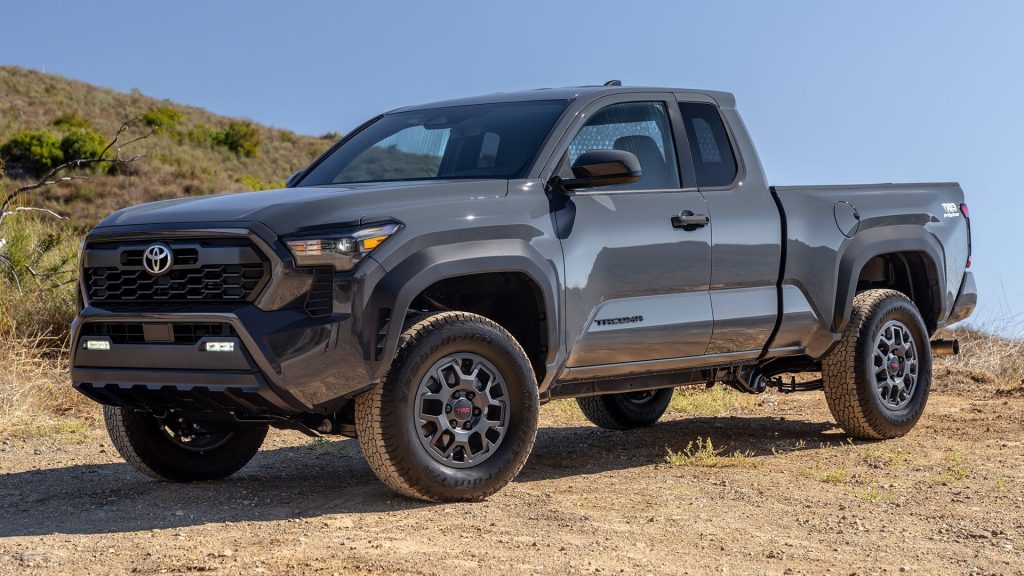
Its sixth-place ranking also places it ahead of many other mainstream vehicles despite being a more mechanically demanding pickup. Trucks generally face additional stresses because of towing, hauling and off-road use, so a strong predicted reliability result can be especially valuable to owners who depend on their vehicle for work.
The 74-point score does not eliminate the possibility of individual problems, but it indicates that the Tacoma has moved from a weaker reliability position into one of the better spots in the 2026 Consumer Reports rankings.
7. Honda Accord
The Honda Accord earns 74 out of 100, tying the Toyota Tacoma for sixth place. The result puts the long-running Honda sedan firmly among the strongest vehicles in Consumer Reports’ 2026 reliability analysis. It also represents a substantial improvement from the Accord’s previous reliability position.
Consumer Reports notes that the Accord’s predicted reliability score improved to 74 after registering a score of 56 in the previous survey.
That change is important because it shows why reliability rankings should be checked regularly instead of treating them as permanent judgments about a particular model. The vehicle’s score can move as new owner data becomes available and manufacturers address problems.
The Accord’s performance is also part of a broader improvement for Honda. The automaker ranks fourth among brands in Consumer Reports’ latest reliability assessment, behind Toyota, Subaru and Lexus. Honda has historically performed strongly in reliability surveys, and the Accord’s current score helps support that reputation.
Another interesting point is the Accord’s position against other midsize cars. A 74 score places it behind the Toyota Crown but ahead of many competing sedans. Consumer Reports also reports that cars, including sedans, hatchbacks and wagons, remain the most reliable vehicle category in the 2026 analysis.
For shoppers considering a family sedan rather than an SUV, the Accord’s ranking offers useful evidence that conventional passenger cars remain competitive on long-term dependability.
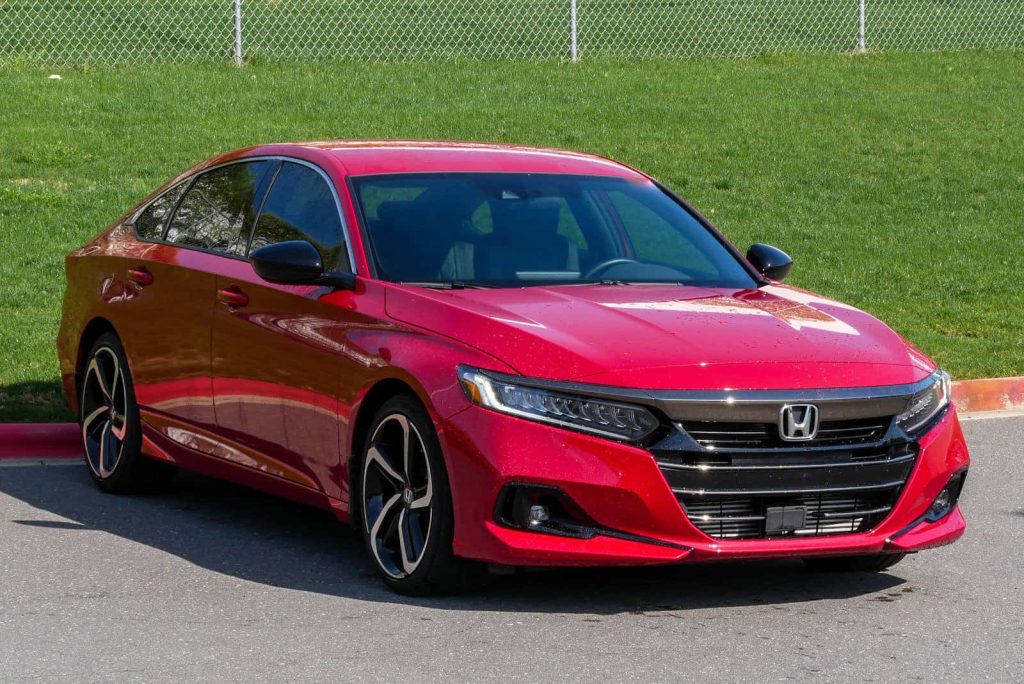
Its current score is not simply based on Honda’s historical reputation. It reflects reported ownership experiences across numerous potential problem areas.
That makes the 74-point result more useful for today’s buyers than relying solely on decades-old perceptions of Honda reliability.
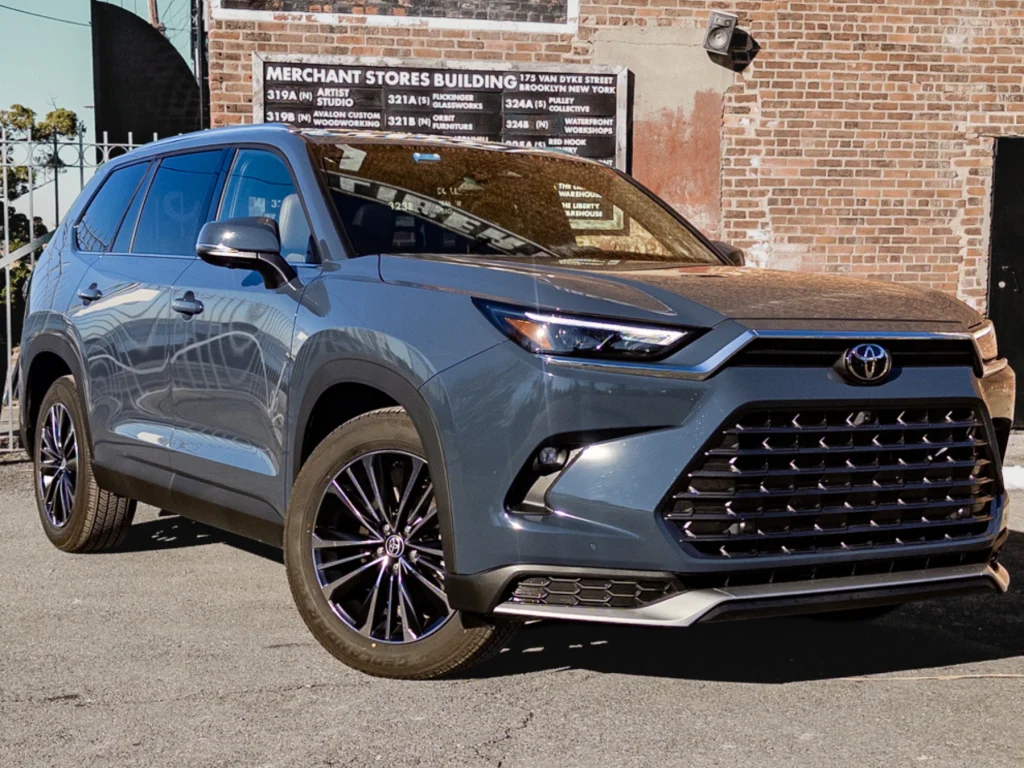
8. Toyota Grand Highlander Hybrid
The Toyota Grand Highlander Hybrid scores 73 out of 100, earning eighth place on Consumer Reports’ list. Its position is significant because it demonstrates that hybrid technology does not automatically translate into poor reliability.
In fact, Consumer Reports says conventional hybrids continue to perform better for reliability than plug-in hybrids and many battery-electric vehicles.
The Grand Highlander Hybrid is particularly noteworthy because it combines a relatively complex modern vehicle with Toyota’s long-developed hybrid technology.
Hybrid vehicles contain both gasoline and electric propulsion systems, yet Consumer Reports says many conventional hybrids have average or better reliability. The organization points to Toyota, Hyundai and Kia as manufacturers with extensive hybrid experience that can help these systems achieve strong results.
Its 73-point score places the Grand Highlander Hybrid above the regular Toyota Highlander Hybrid, which scores 71, and the Lexus NX, which also receives 71. That gives the larger Toyota hybrid a two-point advantage over both vehicles.
The ranking also shows that vehicle size and complexity do not necessarily determine reliability. The Grand Highlander is a three-row family SUV with substantially more equipment and functionality than a compact sedan, yet it still reaches the upper end of Consumer Reports’ reliability scale.
That does not mean buyers should assume every component will be trouble-free. Consumer Reports evaluates numerous categories, including the powertrain, electronics, climate systems and other equipment. Modern hybrids also contain additional components that conventional gasoline vehicles do not have.
Still, the 73-point prediction provides strong evidence that Toyota’s established hybrid technology can remain dependable even in a larger family vehicle.
For shoppers who need three-row practicality but want the fuel-efficiency advantages of a hybrid, this ranking makes the Grand Highlander Hybrid one of the most compelling choices in the 2026 data.
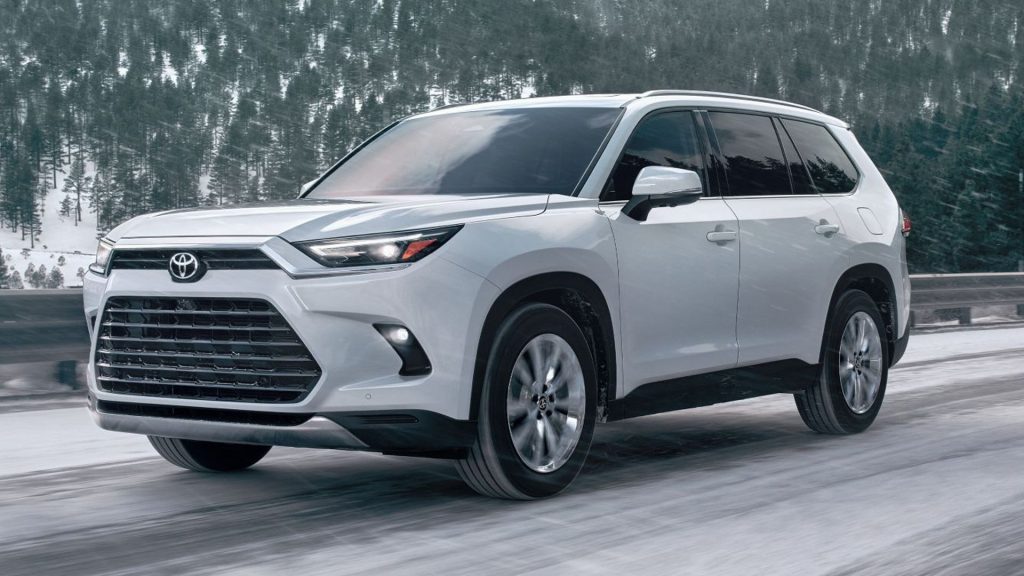
9. Toyota Highlander Hybrid
The Toyota Highlander Hybrid records a 71 out of 100 reliability score, putting it ninth in Consumer Reports’ 2026 ranking. Although its score is lower than the Grand Highlander Hybrid’s 73, it remains comfortably inside the top 10, reinforcing Toyota’s strong showing among hybrid vehicles.
The Highlander Hybrid’s presence is especially meaningful because Consumer Reports has found a consistent reliability advantage for conventional hybrids over plug-in hybrids.
Hybrid systems can appear mechanically complicated because they combine an internal-combustion engine with electric motors and batteries, but years of development have allowed established manufacturers to refine the technology.
Toyota is the clearest example. Consumer Reports says that Toyota and several other manufacturers with long experience building conventional hybrids often achieve reliability results similar to, or sometimes better than, their gasoline-powered counterparts.
That experience helps explain why the Highlander Hybrid appears among the 10 highest-rated models despite its additional electrified components.
A 71-point score also places the Highlander Hybrid only three points behind the Honda Accord and Toyota Tacoma. The difference between ninth place and sixth is therefore relatively small, showing that the top 10 contains a tightly grouped set of high-performing vehicles.
Reliability does not mean identical ownership costs or identical repair experiences. Consumer Reports’ score measures predicted dependability based on reported problems across many categories. Factors such as maintenance practices, driving conditions and individual vehicle history can still influence what an owner experiences.
For families seeking a three-row SUV with hybrid efficiency, however, the Highlander Hybrid’s position is reassuring. It provides evidence that a mature hybrid system can deliver strong predicted reliability while serving a much larger and more demanding vehicle than the compact hybrids that helped establish Toyota’s electrified reputation.
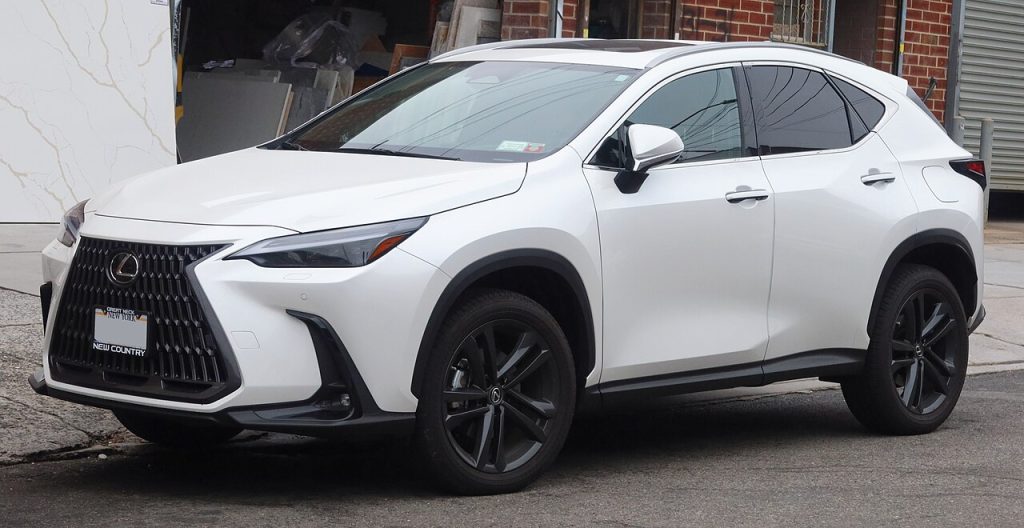
10. Lexus NX
The Lexus NX closes the list with a predicted reliability score of 71 out of 100, tying the Toyota Highlander Hybrid for ninth place. Its inclusion gives Lexus representation among the 10 highest-rated 2026 models and demonstrates that luxury vehicles can also rank strongly for dependability.
Lexus occupies third place among brands in Consumer Reports’ broader reliability rankings, behind Toyota and Subaru.
Consumer Reports also notes that Lexus shares platforms and powertrains with Toyota models, a strategy that allows the luxury brand to benefit from components and engineering that have already been developed within the larger Toyota organization.
The NX’s 71-point score is therefore not an isolated result. Consumer Reports says every Lexus model in its 2026 brand assessment has average or better predicted reliability, with the NX, NX Hybrid and UX among the strongest performers in the luxury small-SUV segment.
That matters because luxury vehicles often contain more technology and equipment than mainstream models, creating additional potential sources of problems. The NX nevertheless reaches the same 71-point score as the ninth-ranked Highlander Hybrid, putting it among the most dependable vehicles in the entire 2026 survey.
Consumer Reports’ methodology considers numerous potential trouble areas rather than simply recording catastrophic failures. Issues involving electronics, climate systems, body hardware, suspension, brakes and powertrain components can all influence the prediction. The NX’s position therefore reflects a broad collection of owner-reported experiences.
For buyers wanting a premium compact SUV without accepting a reliability compromise, the NX stands out. Its 71-point result is not the highest score in the ranking, but it is strong enough to place the Lexus among the 10 best-performing vehicles in Consumer Reports’ 2026 analysis.
