
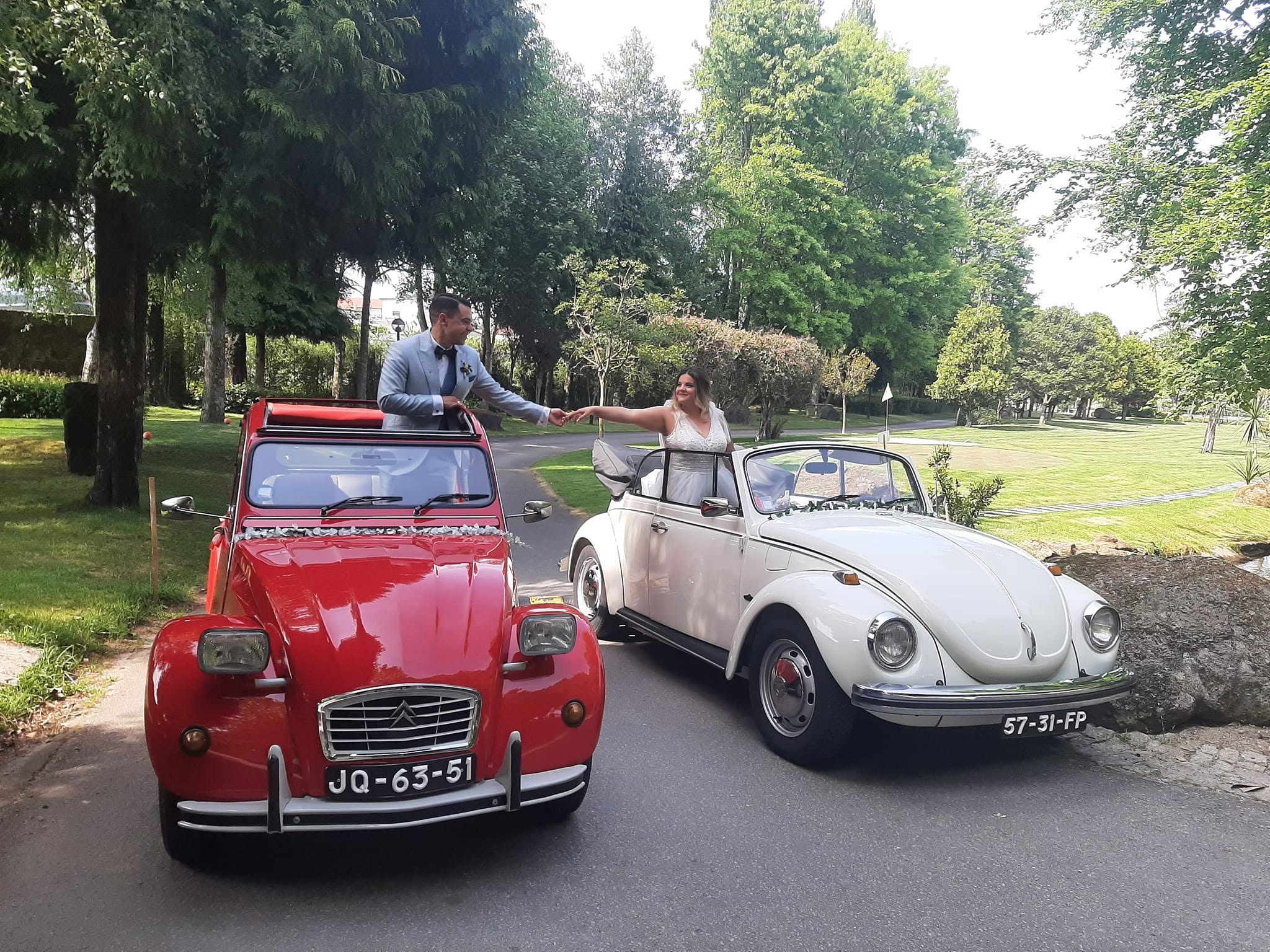
Some cars are redesigned every few years, but a rare group managed to stay recognizable for generations. Their makers kept refining engines, brakes, interiors, safety equipment, and other mechanical parts while preserving the basic shape that made each vehicle familiar. These cars prove that a design does not always need a complete makeover to remain useful.
From the tiny Citroën 2CV to the rugged Mercedes-Benz G-Class, these vehicles endured decades of changing tastes and advancing technology. The phrase “almost unchanged” requires some context, though, since none remained completely untouched. Instead, their bodies and fundamental layouts stayed recognizable for remarkably long periods. Here are six examples that retained their original design identity for more than four decades.
1. Citroën 2CV
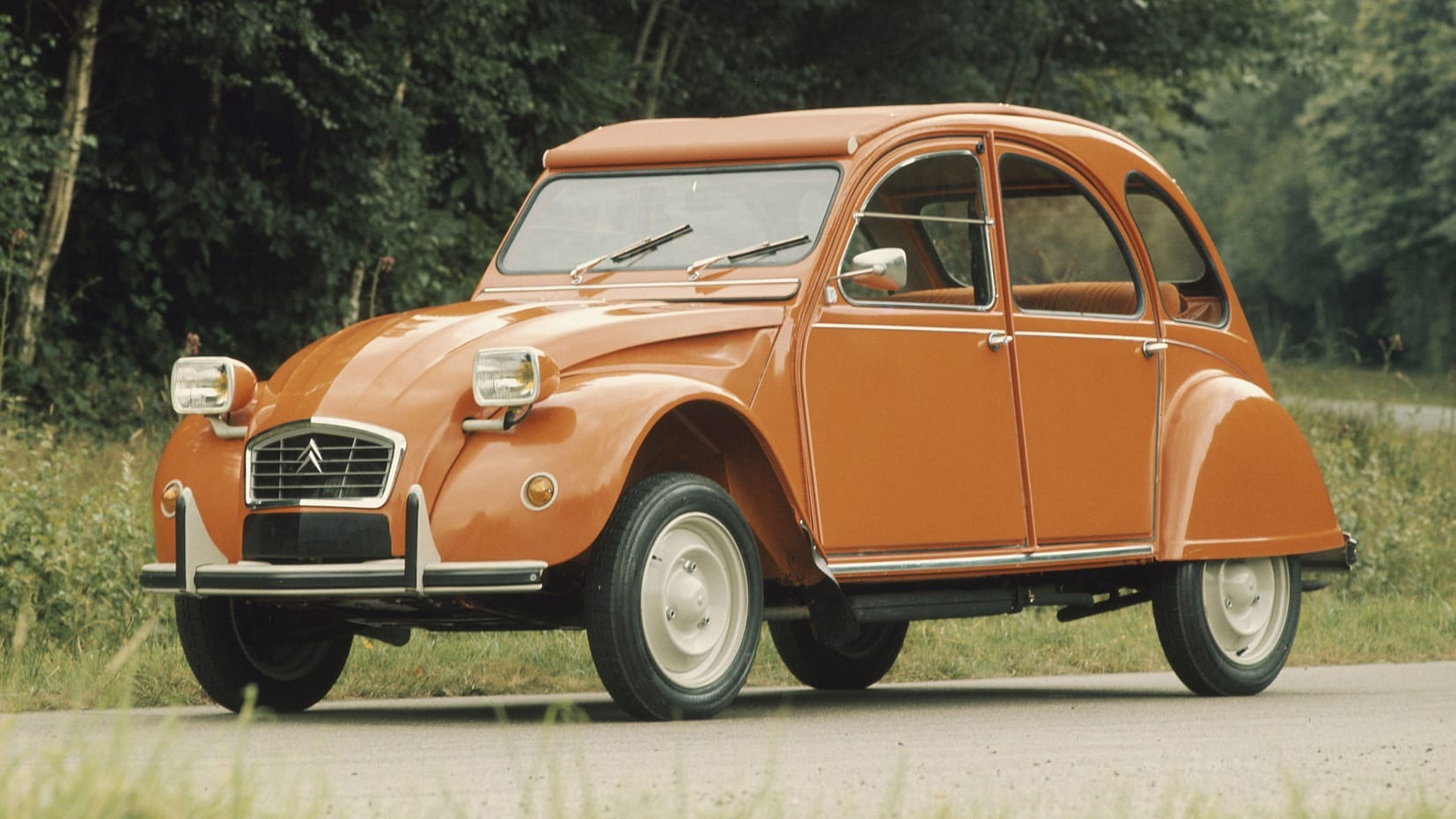
The Citroën 2CV was built around a simple goal. It aimed to provide ordinary drivers with affordable transportation that could handle rough roads, require minimal maintenance, and withstand everyday use.
It entered production in 1949 and remained on the market until July 1990, giving it a 41-year run. Final examples were built at Citroën’s plant in Portugal, closing a remarkable chapter in the company’s history.
At first glance, the 2CV seemed almost untouched by passing years. Its rounded roof, narrow body, separate fenders, circular headlights, and tall, practical cabin remained familiar throughout its long career.
That visual consistency, however, did not mean Citroën left the car technically frozen. The company introduced larger and more powerful engines, improved braking systems, revised interiors, updated electrical equipment, and other mechanical refinements as expectations changed.
The secret to the 2CV’s longevity was its simple foundation. Its designers created a lightweight car with soft suspension, front-wheel drive, useful ground clearance, and enough interior space for ordinary family duties. Because the basic package worked, Citroën could improve individual components without abandoning the recognizable shape.
By the time production ended, the 2CV had become an icon of practical French motoring. Its long production life showed that a carefully chosen design could remain useful for generations when manufacturers refined the machinery beneath it rather than replacing the entire concept.
That balance between familiarity and refinement helped the car stay relevant across changing generations of drivers without demanding a completely new body. Its simplicity made ownership less intimidating for drivers.
2. Volkswagen Beetle
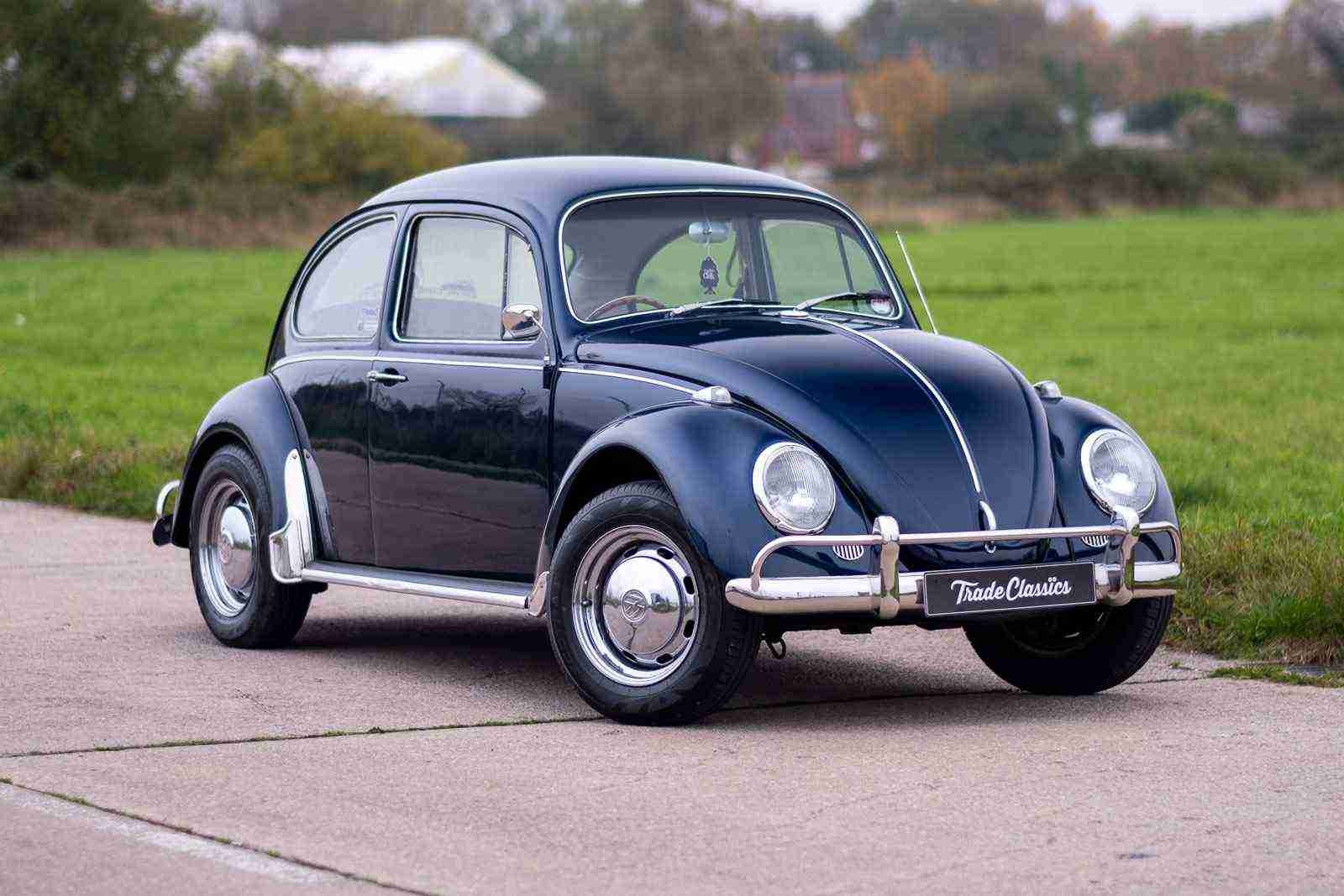
Few automobiles have maintained such a recognizable identity for so many decades as the original Volkswagen Beetle. The Type 1’s production history extended from its early development before World War II to the final Mexican-built example in 2003.
Volkswagen recorded the last Beetle leaving its Puebla plant on July 30, 2003, with total production reaching 21,529,464 vehicles. Place an early Beetle beside one of the final cars, and the connection is clear.
The rounded roof, curved hood, separate-looking fenders, circular headlights, compact cabin, and rear-mounted engine remained central to the design. Yet beneath that familiar exterior, Volkswagen made numerous changes during the model’s long career.
Later versions gained stronger engines, improved brakes, revised electrical systems, better ventilation, larger windows, updated dashboards, and changes to suspension and equipment.
Production techniques also developed as factories adopted newer manufacturing practices. These alterations helped the Beetle remain usable while preserving the appearance that buyers recognized.
Its long life became especially unusual because the automotive industry was moving toward different engineering solutions. Front-wheel-drive layouts, water-cooled engines, larger cabins, improved safety equipment, and more modern body shapes became common.
The Beetle continued to follow its own established formula in several markets. When the final car left the Mexican factory in 2003, the original Beetle had become one of the most widely produced cars ever made.
Its enormous production total and decades-long career demonstrated how controlled improvements could keep a familiar design alive for generations. Its familiar shape became an enduring symbol of affordable transportation across generations.
3. Hindustan Ambassador
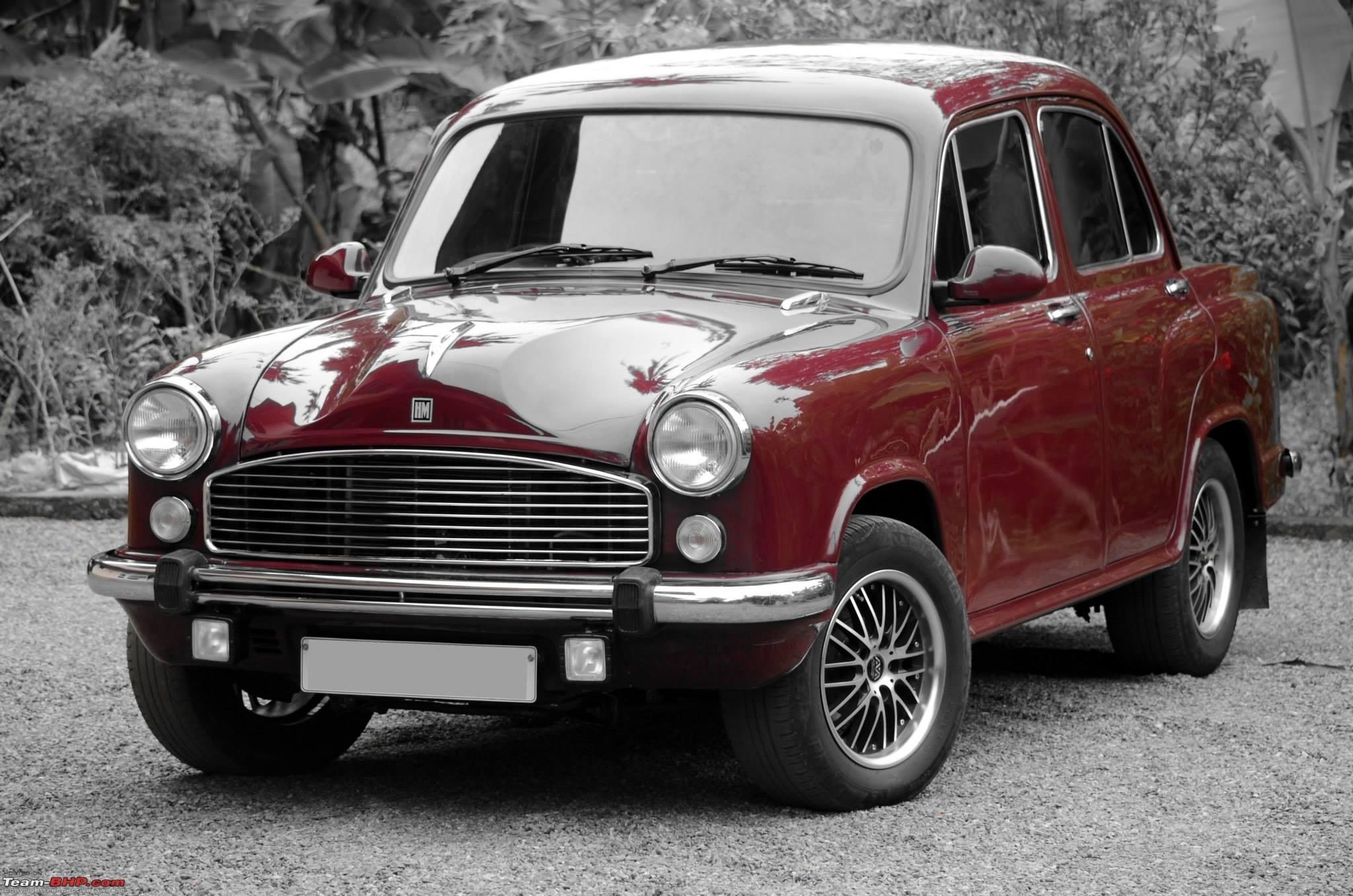
The Hindustan Ambassador is an example of a car whose basic appearance remained familiar for a remarkably long production run. Production began in 1957 and continued until 2014, giving the sedan a 57-year manufacturing history.
The car was derived from the Morris Oxford Series III, with production tooling brought to India for local manufacture. From the outside, the Ambassador retained a traditional sedan profile for much of its career.
Its rounded roof, broad fenders, upright grille, large cabin, and substantial rear compartment could be traced directly to the original Oxford design.
Even when newer automobiles adopted sleeker proportions and more aerodynamic shapes, the Ambassador continued with its established appearance.
The mechanical side was not nearly as static. Hindustan Motors introduced different engines and made revisions to the drivetrain, braking system, interior, and equipment.
Later versions incorporated diesel power and other changes intended to keep the car useful for customers. These improvements allowed the basic design to remain in service long after the original engineering had aged.
Practicality also played an important role in its durability. The Ambassador offered generous passenger space and a spacious trunk, while its straightforward construction suited regular use. It became associated with family transportation, commercial service, and official duties, giving the model a broad presence in everyday life.
When production ended in 2014, the Ambassador had survived 57 years of automotive change. Its body had evolved only gradually, making it an example of a classic design that remained recognizable while its mechanical equipment received repeated updates.
4. Classic Mini
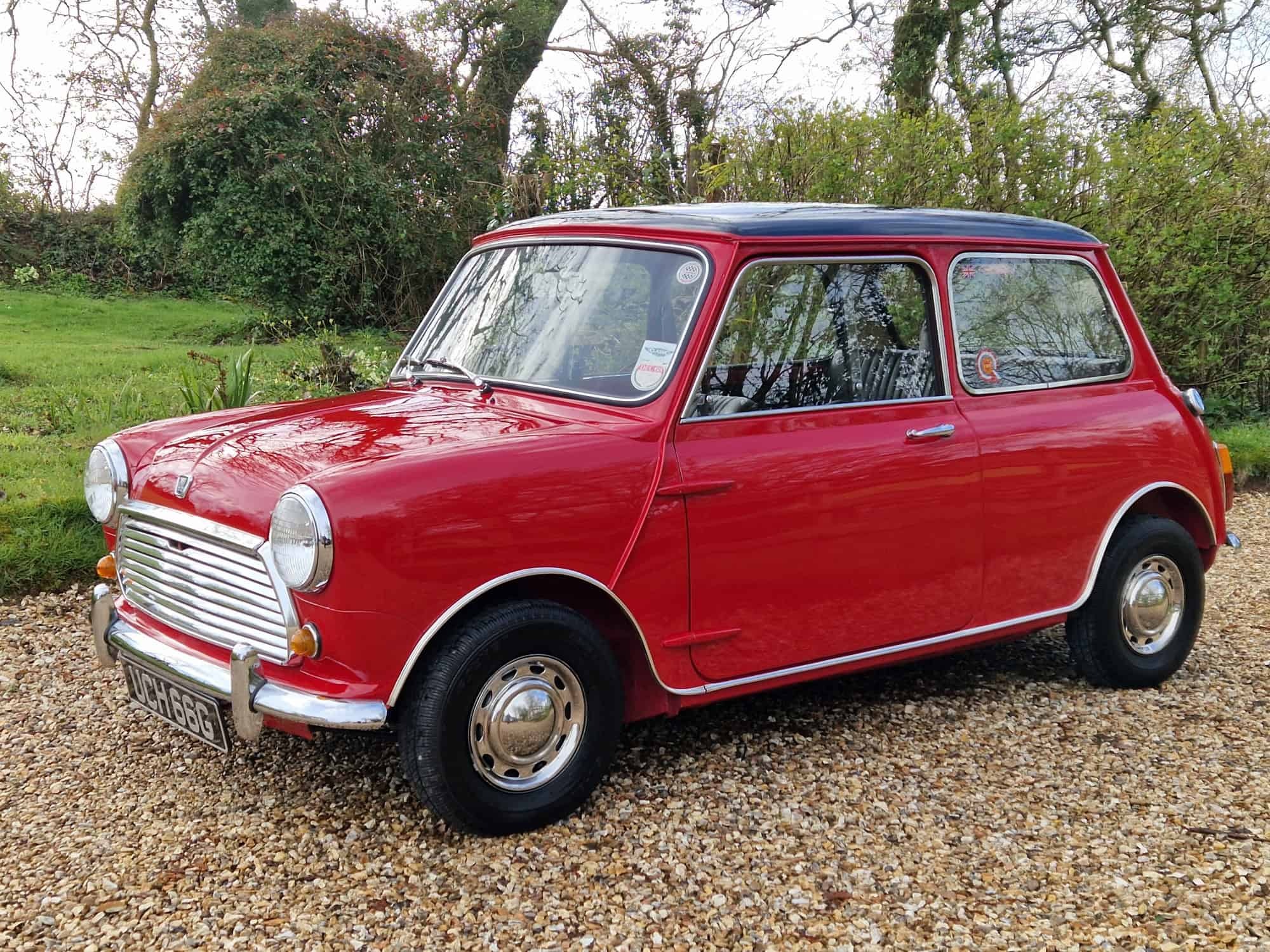
The classic Mini arrived in 1959 with an approach that was radically clever for such a small car. Alec Issigonis placed the engine transversely and drove the front wheels, allowing the Mini to provide surprisingly generous cabin space despite its tiny exterior.
The basic shape stayed familiar for 41 years. The last classic Mini left the Longbridge plant on October 4, 2000, after more than 5.3 million had been produced.
BMW Group’s historical record confirms both the production milestone and the final Longbridge date. Naturally, the Mini did not remain identical throughout that period.
Different engines, transmissions, trim levels, body styles, safety equipment, and interior details appeared. There were also special versions, including the performance-focused Cooper models and practical estate variants.
The central visual design remained remarkably consistent, with a compact upright cabin perched on small wheels, short overhangs, and a boxy profile. While other small cars became larger and more sophisticated, the classic Mini kept its distinctive proportions.
That consistency helped turn an economical transportation solution into a cultural symbol. The Mini could be basic, sporty, practical, or stylish without abandoning the design created at its birth.
Its 41-year production run shows how a strong small-car concept can remain recognizable while receiving steady mechanical improvements.
5. Mercedes-Benz G-Class
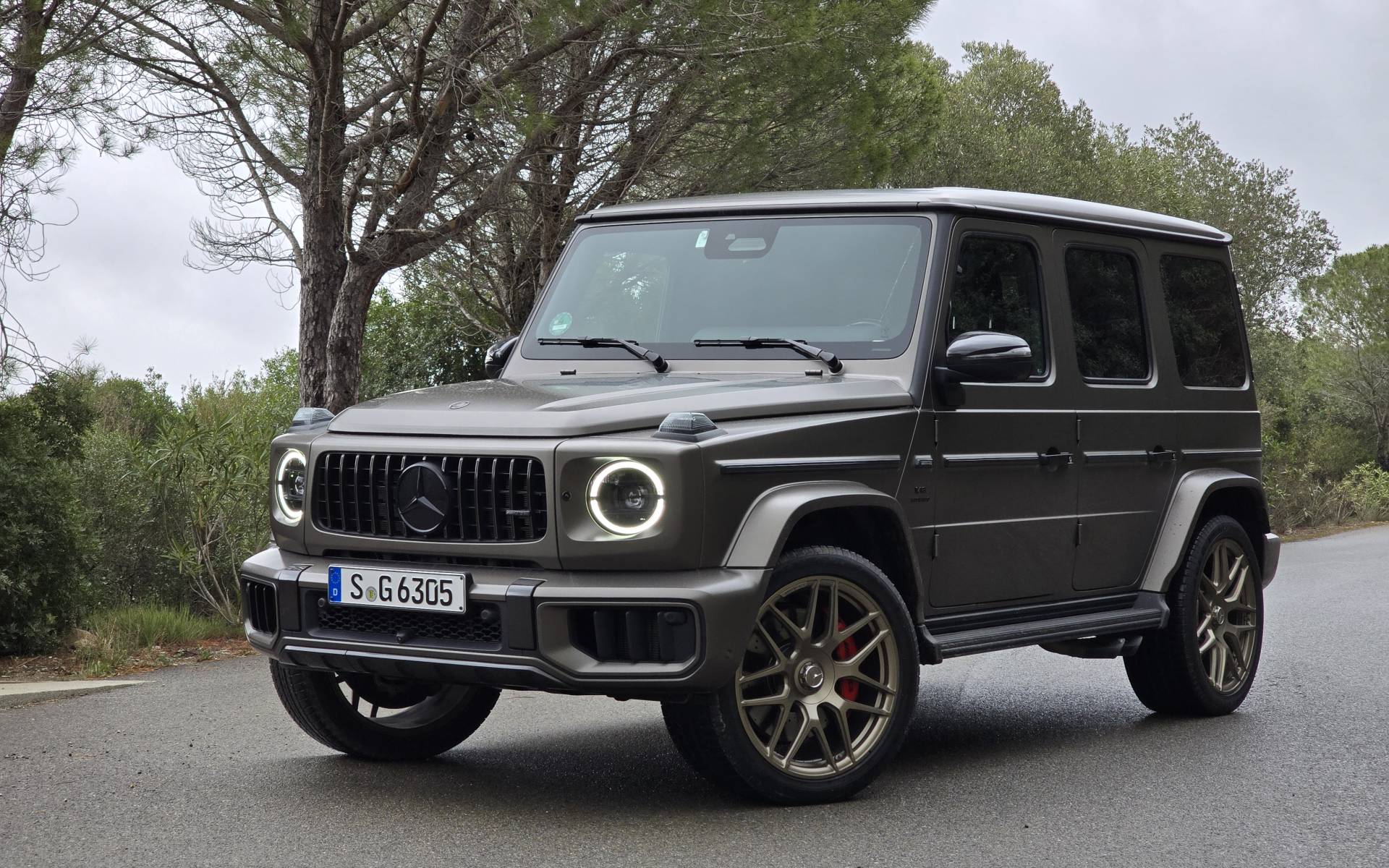
The Mercedes-Benz G-Class offers a different version of long-term design survival. Introduced in 1979, it has now passed four decades of production, and Mercedes-Benz itself has emphasized how closely the model has retained its original character while receiving continuous development.
The boxy body, upright windshield, exposed hinges, squared fenders, tall stance, and spare-looking proportions were present from the beginning.
Those traits helped establish an unmistakable appearance that remained recognizable even as the vehicle became faster, more luxurious, and far more technologically advanced.
There were plenty of mechanical revisions. Mercedes-Benz introduced new engines, automatic transmissions, improved safety equipment, updated interiors, electronic systems, and successive model series.
The company describes the G-Class as having undergone continuous model maintenance and development since its introduction.
The modern G-Class is therefore not an untouched 1979 vehicle. Its technology is vastly different from that of the first model. What survived was the basic visual formula and the fundamental focus on four-wheel-drive capability.
That distinction matters. A car can receive extensive engineering changes while still preserving its original design identity. The G-Class is a strong modern example because its silhouette remains immediately recognizable decades after the first production model appeared.
6. Land Rover Defender
The Land Rover Defender traces its roots to 1948, when the original Land Rover was introduced with lightweight aluminum panels, short overhangs, and four-wheel drive. Land Rover’s own history describes the vehicle as the ancestor of today’s Defender.
The classic design lasted for generations. Series models received new wheelbases, engines, interiors, suspension systems, and equipment, while the basic practical shape remained recognizable.
Land Rover notes that the Ninety and One Ten models introduced a front-end design in 1983 that remained in place until classic Defender production ended.
The Defender name itself arrived in 1990, but the vehicle’s design lineage was much older. That makes its history slightly different from the Beetle or 2CV, where the same model name can be followed more directly from the beginning.
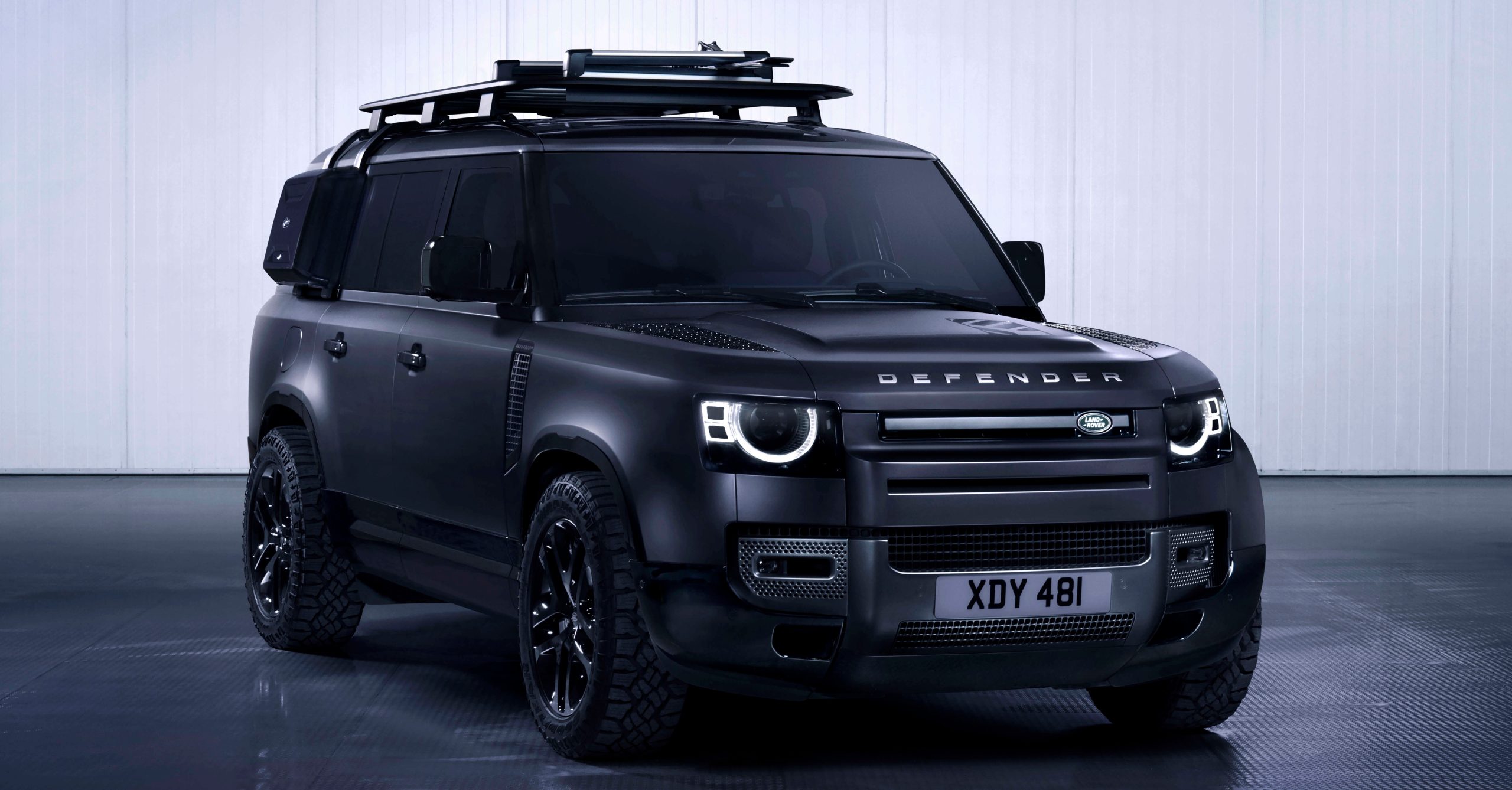
Still, the visual connection is hard to miss. A classic Defender from the later years clearly carries the same upright body concept, flat sides, short overhangs, high driving position, and rugged proportions associated with the original Land Rover.
Modern Defender models are very different machines, with advanced electronics, sophisticated suspension systems, powerful engines, and far more comfort.
Yet the classic model’s long production history shows how effectively a basic shape can serve changing needs without losing its recognizable character.
