
An SUV can be affordable to maintain for years, yet one suspension problem can deliver an unpleasant surprise when the repair bill arrives. Some models use conventional springs, struts, and shocks that most independent repair shops can service without charging a fortune. Others feature electronic dampers, air springs, and self-leveling systems that can push a single repair well beyond $1,800.
If you are shopping for an SUV or trying to budget for an aging vehicle, knowing these differences can save you money. The Toyota RAV4 and Honda CR-V offer relatively affordable suspension service, while premium models from Mercedes-Benz, Land Rover, and BMW can demand much deeper pockets. Here are five SUVs with cheaper suspension work and five that can make suspension repairs an expensive ownership lesson.
5 SUVs with Cheap Suspension Work
These five SUVs rely on conventional suspension hardware, widely available replacement parts, or relatively simple layouts. Their estimated repair costs can help you plan, although the final bill depends on the vehicle’s year, condition, parts quality, and local labor rates.
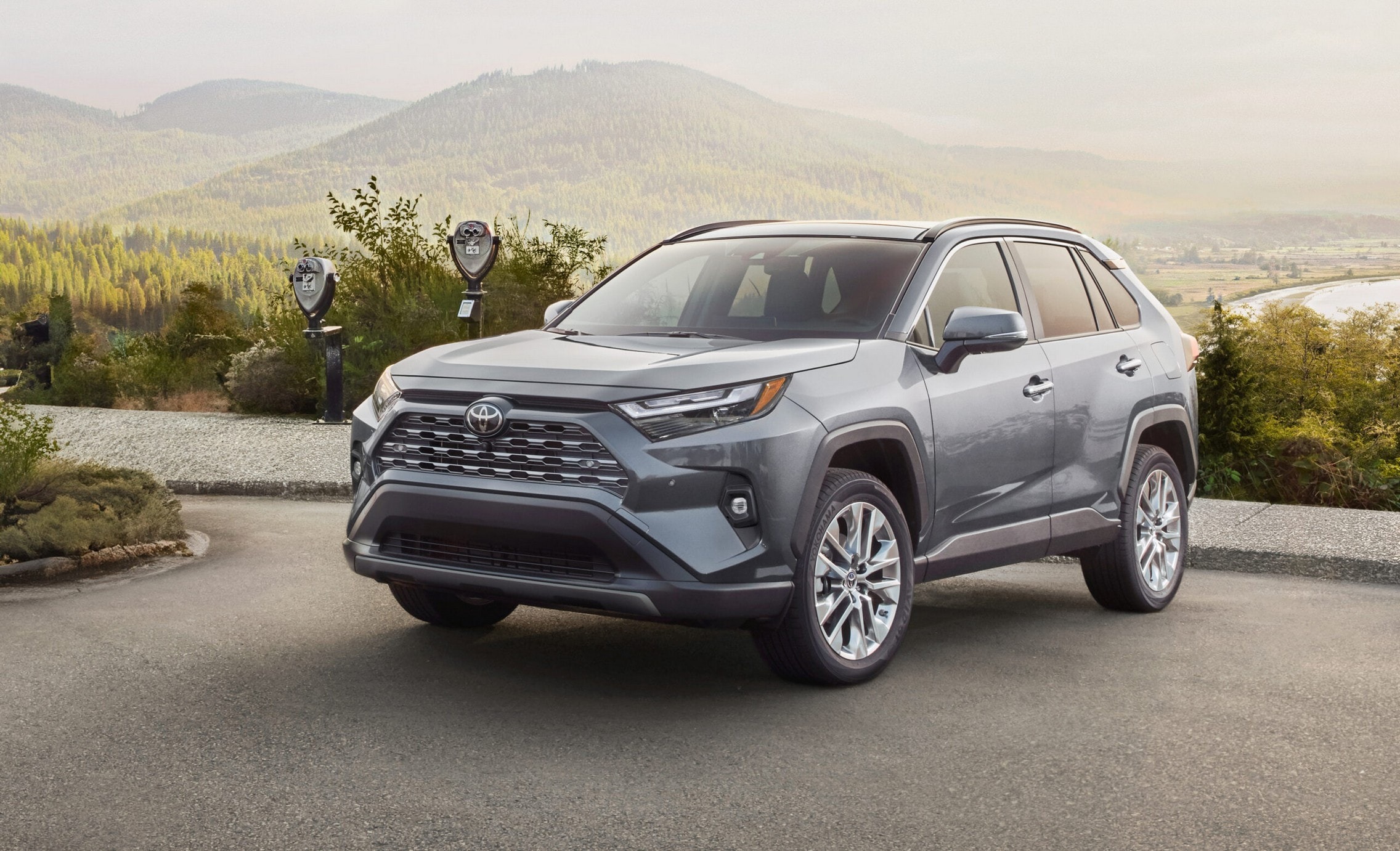
1. Toyota RAV4
The Toyota RAV4 makes a strong case for budget-conscious SUV ownership. Its widespread popularity means replacement struts, springs, bushings, and other suspension components are commonly available, giving repair shops several parts options.
Estimated front or rear strut replacement costs range from $500 to $850. That is a manageable figure compared with the bills associated with premium SUVs fitted with specialized electronic suspension equipment.
The RAV4’s conventional suspension design also helps keep servicing straightforward. A typical repair does not require replacing an expensive air suspension compressor or programming an elaborate self-leveling system.
Independent garages can often handle routine suspension work using familiar tools and standard procedures.
Still, the estimate is not a guarantee. A vehicle with badly worn control arm bushings, damaged steering components, or corrosion may need additional work. Replacing worn parts in pairs can also increase the initial bill.
For shoppers who want a practical daily driver without premium suspension expenses, the RAV4 deserves a place on the shortlist. Ask for an inspection before buying a used example, especially if the vehicle has covered many miles or regularly carries heavy loads.
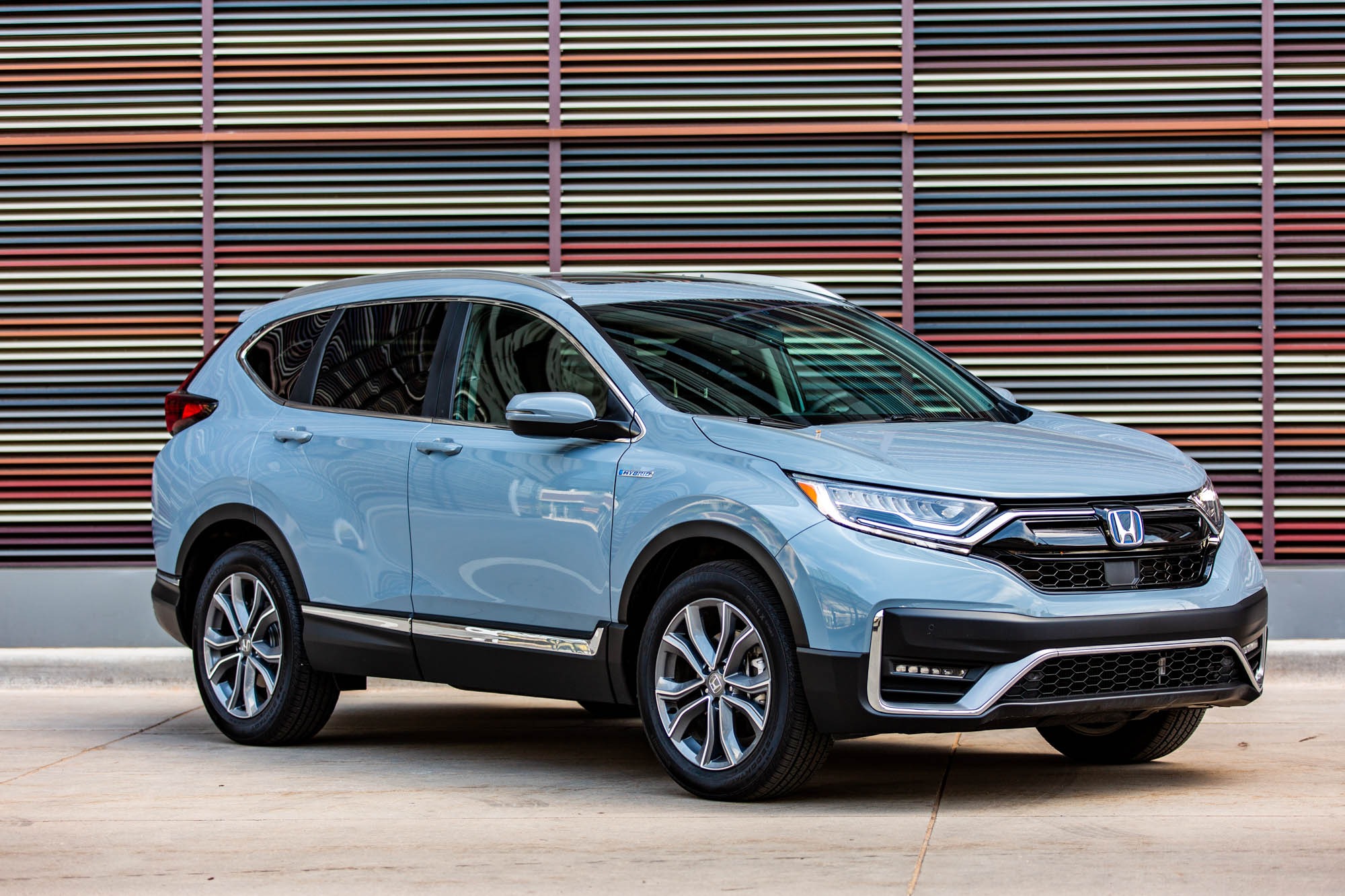
2. Honda CR-V
For drivers who value predictable maintenance bills, the Honda CR-V is another appealing choice. Its conventional suspension components are widely supported by aftermarket suppliers, which gives owners alternatives to more expensive original-equipment parts.
A front strut assembly replacement is estimated at $550 to $900. Depending on the vehicle’s condition, a repair shop may also recommend checking the control arms, ball joints, tie rods, and rubber bushings while the suspension is being inspected.
The CR-V benefits from a familiar mechanical layout that many independent technicians know well. That familiarity can help limit diagnostic time and reduce the likelihood of paying specialist rates for routine repairs.
Owners can also compare quotes from several garages rather than relying on a dealership for every job.
Replacing a strut may also mean paying for a wheel alignment, which adds to the total repair cost. If other suspension parts are already worn, replacing them during the same visit could save time and help avoid another trip to the workshop.
A well-maintained CR-V can therefore be a sensible option for households seeking useful passenger space and reasonable repair expenses. Before purchasing a used model, listen for clunks over bumps and ask the seller about previous suspension work.
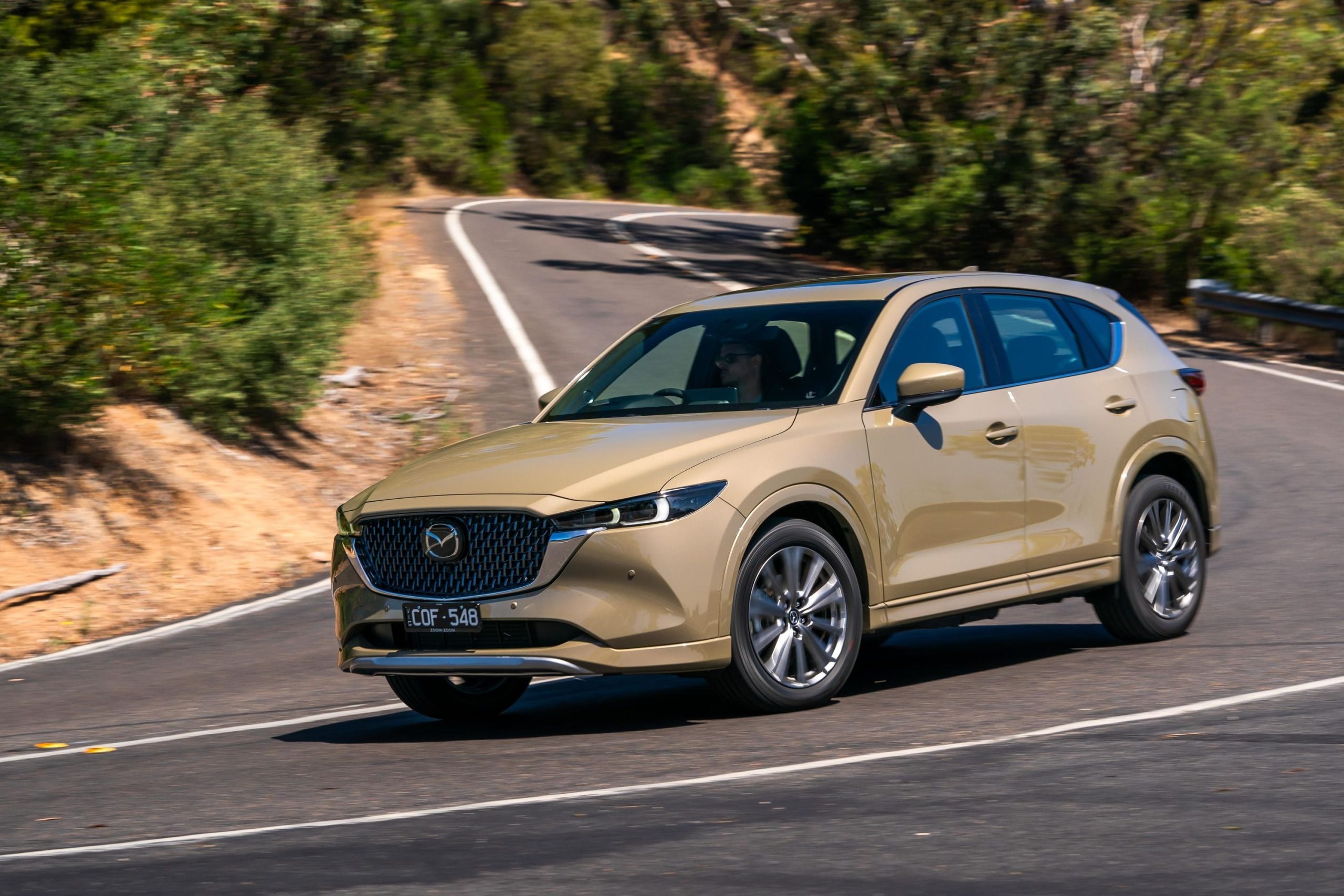
3. Mazda CX-5
The Mazda CX-5 brings a more engaging driving feel to the compact SUV category without requiring exotic suspension hardware for routine repairs. Its conventional front struts and multi-link rear suspension provide a familiar arrangement for mechanics who service everyday passenger vehicles.
Estimated suspension work per axle falls between $600 and $950. The final amount depends on which components need replacement, whether the vehicle requires additional alignment work, and the cost of the selected parts.
One advantage is the availability of standard replacement components. Owners can often compare original-equipment parts with reputable aftermarket alternatives, allowing them to balance purchase price, durability, and warranty coverage.
A good independent garage may also identify worn bushings or damaged links before they cause uneven tire wear or distracting noises.
The CX-5 is not immune to expensive repairs. A vehicle that has spent years on rough roads may need several components at once, and a full axle service can cost more than replacing one pair of struts. Labor rates also vary by region.
For a used SUV buyer, the smart move is to request a suspension inspection during the pre-purchase evaluation. A smooth test drive is encouraging, but it cannot always reveal worn rubber components or early signs of leakage.
Keeping those checks in your buying routine can help protect your maintenance budget.
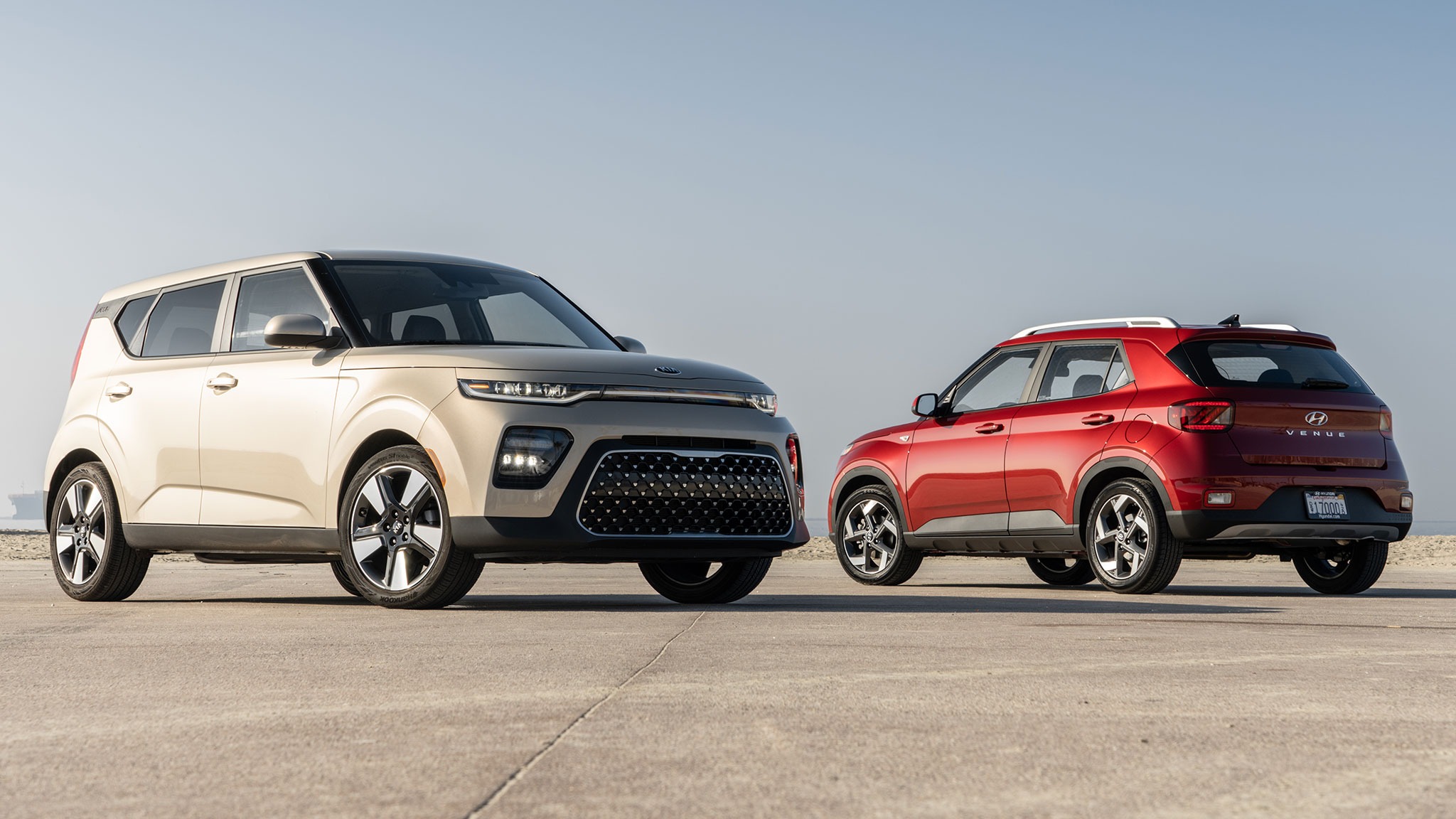
4. Hyundai Venue / Kia Soul
Small SUVs and crossover-style vehicles can be easier on the wallet when suspension repairs become necessary. The Hyundai Venue and Kia Soul are good examples of vehicles designed around relatively simple, lightweight suspension arrangements.
Estimated strut or shock replacement costs range from $450 to $750. Their modest weight and conventional hardware help keep many routine repairs within reach of owners who prefer independent repair shops.
The rear suspension on applicable versions uses a torsion-beam arrangement, which has fewer individual links and bushings than some multi-link designs.
Fewer components can mean fewer parts to inspect and replace during ordinary maintenance. However, the precise layout varies by model year and vehicle, so buyers should confirm the configuration before comparing repair estimates.
These vehicles also benefit from the availability of replacement parts for popular models. Depending on the component, owners may find several options at different price points.
The lowest-priced option may not always offer the best value. Cheap suspension components can wear out sooner and compromise ride comfort.
Before approving repairs, ask the mechanic to separate the cost of parts from labor and explain whether both sides need attention. A written estimate makes it easier to compare workshops fairly.
For city driving, commuting, and everyday errands, either vehicle may offer an appealing combination of modest size and relatively accessible suspension maintenance.
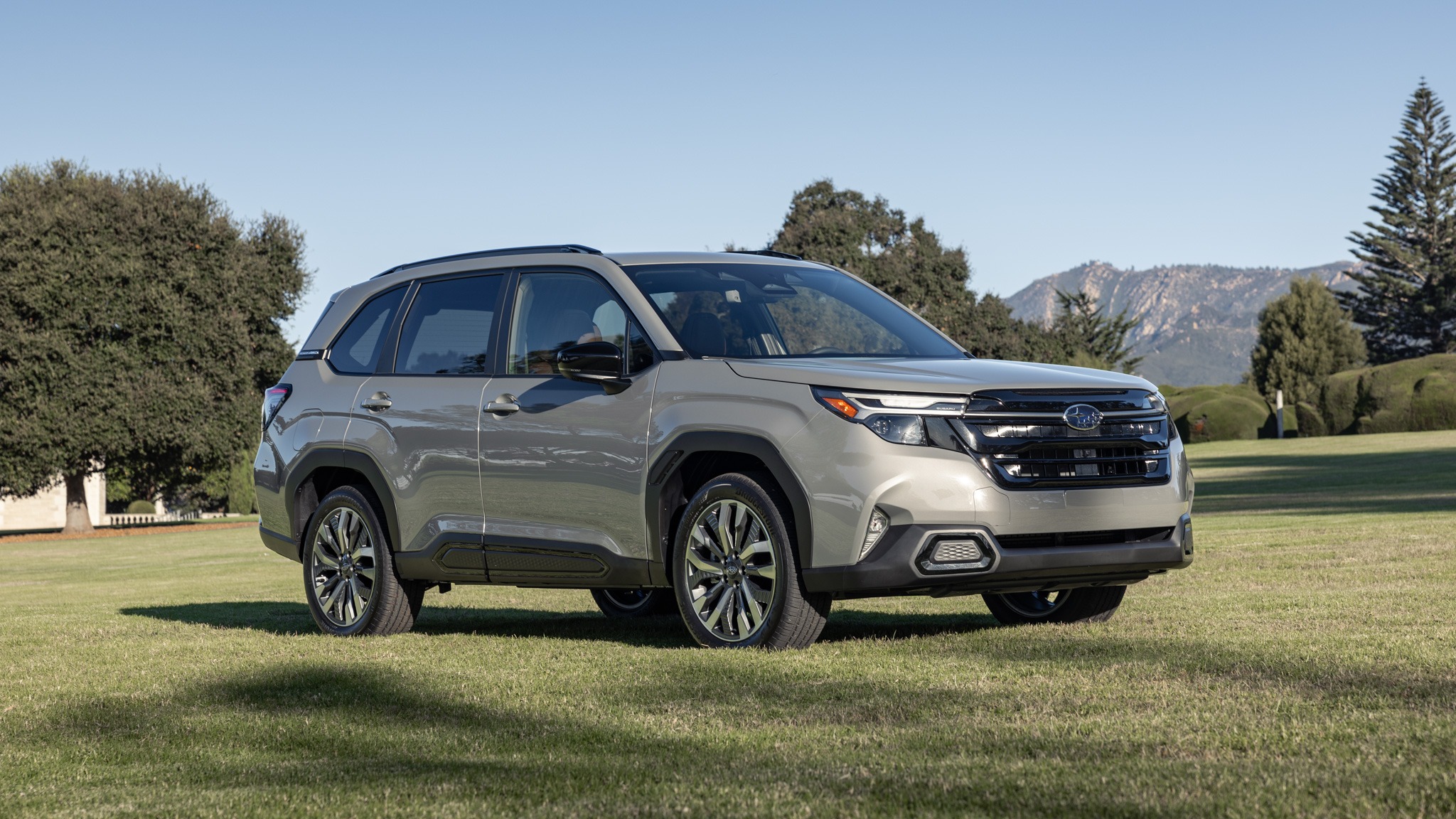
5. Subaru Forester
The Subaru Forester combines practical cabin space with standard all-wheel drive on its familiar model range. Although its drivetrain differs from those of many front-wheel-drive rivals, its conventional suspension hardware can still be serviced without the expense of a luxury air suspension system.
Estimated shock or strut replacement costs range from $650 to $950 per axle. Actual charges depend on the model year, the parts selected, labor rates, and whether related components also need attention.
The Forester’s established mechanical design helps independent shops source replacement parts and perform familiar repair procedures.
Owners do not generally face the same air spring and compressor expenses associated with premium SUVs equipped with electronically controlled air suspension.
That does not mean every Forester repair is inexpensive. All-wheel-drive vehicles need appropriate attention to tire condition, and suspension damage can affect alignment and tire wear.
Depending on the repair and manufacturer guidance, replacing only one worn component may not be the best choice.
Drivers should also pay attention to knocking sounds, uneven tire wear, excessive bouncing, and fluid leaking from shock absorbers. These symptoms deserve inspection rather than guesswork.
For buyers who want extra traction in poor weather and a practical family vehicle, the Forester can be worth considering. A careful inspection and a written repair estimate are useful safeguards when purchasing an older example.
5 SUVs Over $1,800 for Suspension Repair
These five SUVs can incur much higher bills because their suspension systems may use air springs, electronically controlled dampers, self-leveling hardware, or specialized diagnostic procedures. The estimates below are illustrative, not guaranteed quotes, and certain repairs may cost less or more depending on the fault.
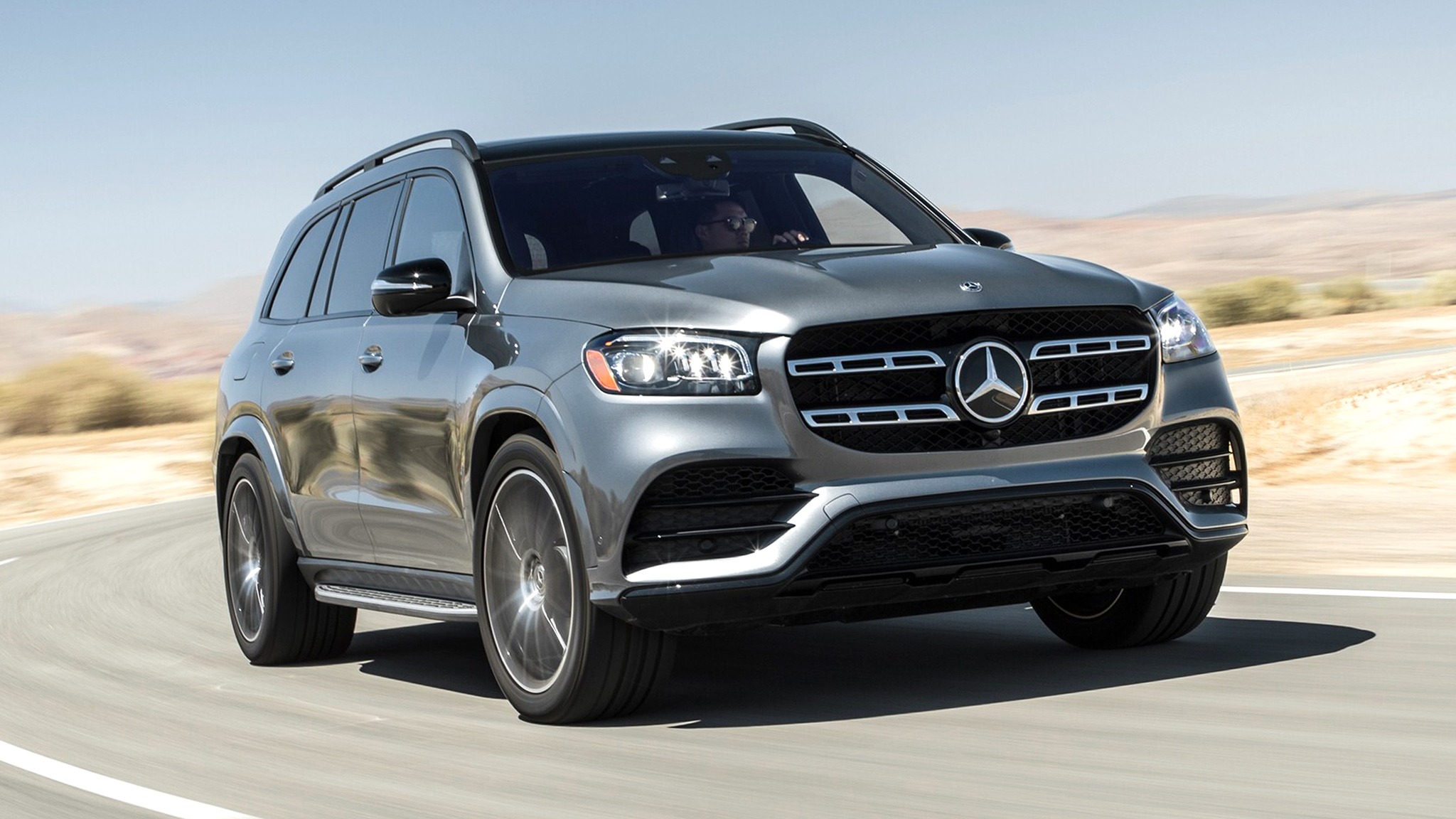
1. Mercedes-Benz GLS-Class
The Mercedes-Benz GLS-Class offers the comfortable ride expected from a large luxury SUV, but its AIRMATIC air suspension can make repairs costly.
Air springs replace conventional steel springs in the applicable system, while electronic controls and a compressor help maintain the intended ride height.
Estimated repair costs can reach $2,500 to $4,000 per affected corner for a substantial overhaul, depending on the work required. Replacing multiple air struts, addressing compressor damage, and performing necessary system checks can push the invoice higher.
Air leaks are a common concern in aging air suspension systems. When an air spring loses pressure, the vehicle may sit lower than usual, especially after being parked.
A failing compressor may run excessively as it tries to maintain the required pressure, creating another potential expense.
The important point is that one failing part can place additional strain on other components. Prompt diagnosis may help prevent a smaller fault from becoming a more expensive repair.
Owners should seek a workshop familiar with Mercedes-Benz suspension systems. Ask for diagnostic findings, a parts breakdown, and confirmation of any required calibration before authorizing the job.
The GLS-Class provides a high level of comfort and refinement, but used buyers should treat suspension condition as an important part of the purchase decision.
A pre-purchase inspection can reveal warning signs that a short test drive might miss.
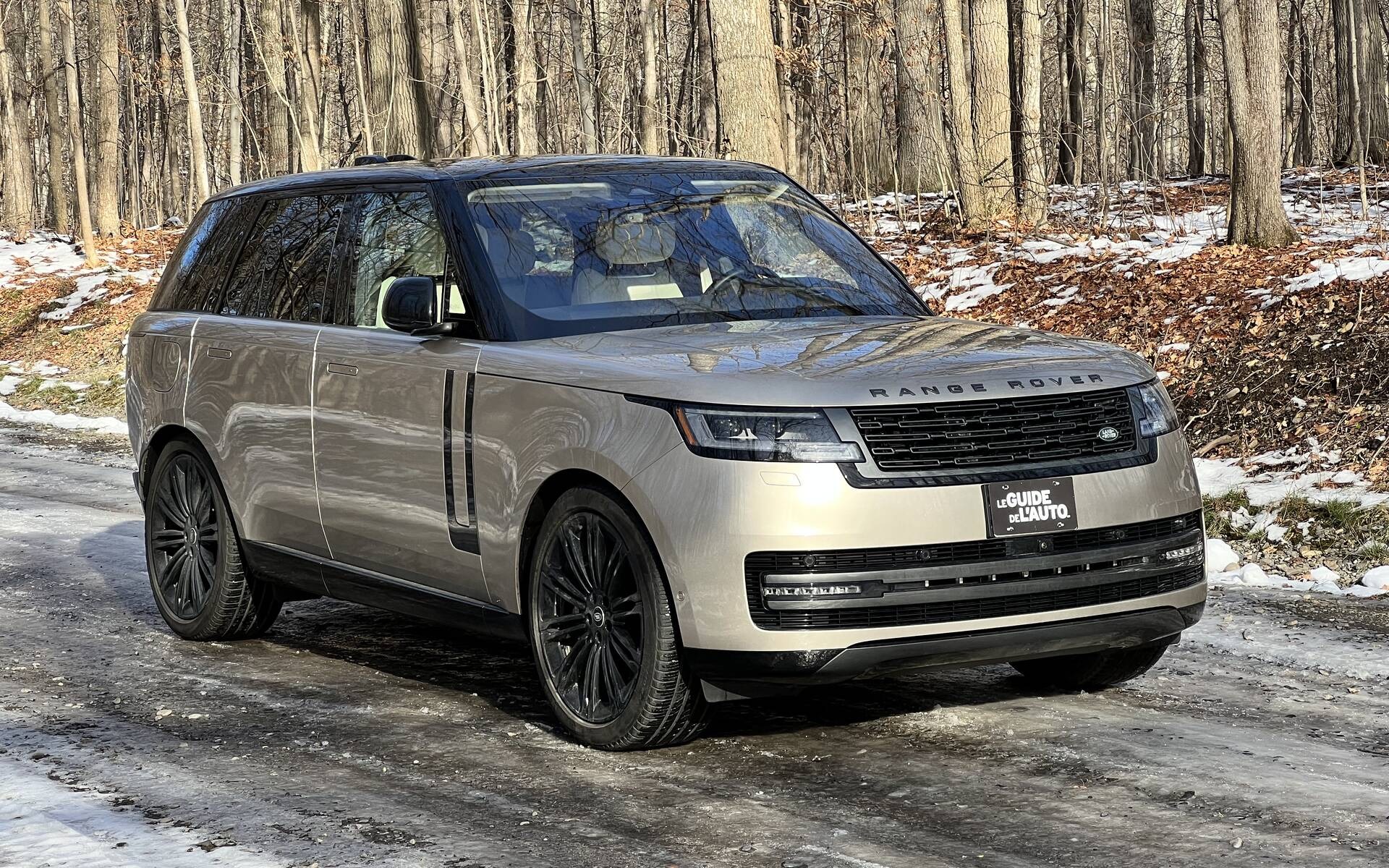
2. Land Rover Range Rover
The Range Rover delivers a refined ride and substantial suspension travel, particularly on models fitted with electronic air suspension. That hardware helps the vehicle adjust ride height for different driving conditions, but repairs can be expensive when several parts begin to fail.
Estimated system replacement costs range from $3,500 to $5,000 or more, depending on the model, affected components, and labor required.
An air spring may develop leaks as its rubber material ages. If the compressor has been working too hard to compensate, it may also need replacement.
A damaged valve block, leaking line, or faulty sensor can add to the bill. Correctly identifying the source of the problem matters because replacing parts without a sound diagnosis can waste money without fixing the original fault.
Buyers considering a used Range Rover should check whether the vehicle sits evenly after being parked and whether its ride height changes as expected.
Warning messages, unusual compressor noise, or a corner that sinks overnight warrant professional attention.
Independent specialists with suitable diagnostic equipment may offer a more competitive quote than a dealership, although the quality of parts and workmanship should remain priorities.
The Range Rover can be an appealing luxury SUV, but its sophisticated suspension requires a realistic maintenance budget.
Before purchasing one outside its warranty period, obtain an inspection and ask whether any previous air suspension repairs have been documented.
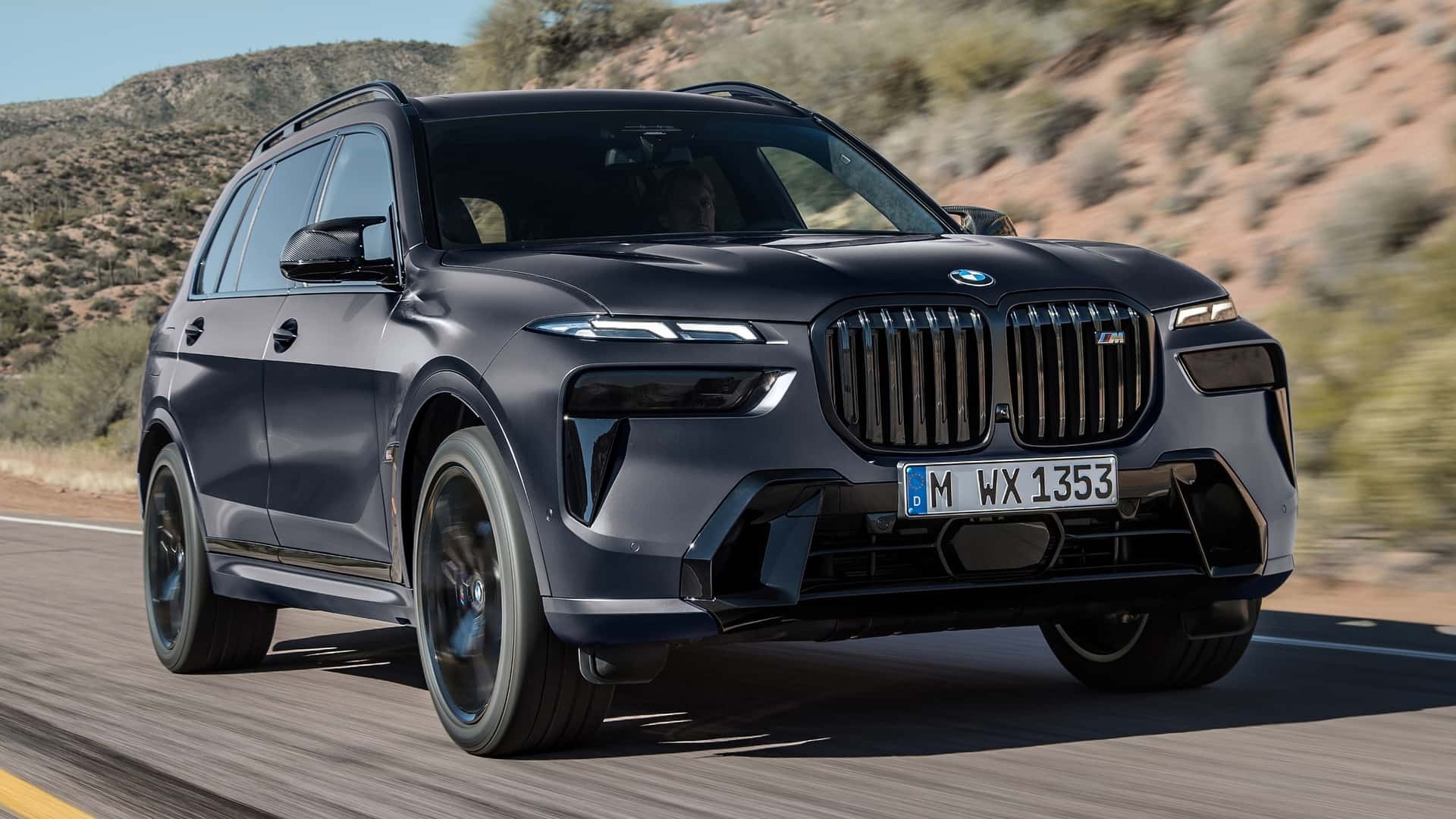
3. BMW X7
The BMW X7 pairs a large luxury cabin with suspension technology designed to deliver a composed ride despite its size.
Versions equipped with two-axle self-leveling air suspension use air springs and electronic controls to help maintain the vehicle’s height as passenger and cargo loads change.
Estimated axle repair costs range from $2,800 to $4,500 for certain substantial repairs. The final amount depends on whether the problem involves air struts, control components, sensors, or additional system faults.
Its suspension layout can require more than simply removing an old shock absorber and installing a new one. Certain repairs may call for diagnostic testing, electronic calibration, and checks to ensure the system operates correctly after installation.
Specialized parts can also cost more than conventional replacements found on mainstream SUVs. A sagging corner, uneven stance, suspension warning, or unusual ride behavior should be investigated promptly.
Such symptoms do not automatically mean the air strut has failed, so an accurate diagnosis is essential before ordering expensive components.
Owners can reduce the risk of an unexpected bill by reviewing the service history and asking about previous suspension work. When comparing estimates, confirm that each shop includes the same parts, labor, diagnostic procedures, and warranty terms.
The X7 offers the comfort and refinement many luxury SUV buyers want, but its advanced equipment carries a financial trade-off. A thorough inspection is particularly important when buying one with high mileage or an uncertain maintenance record.
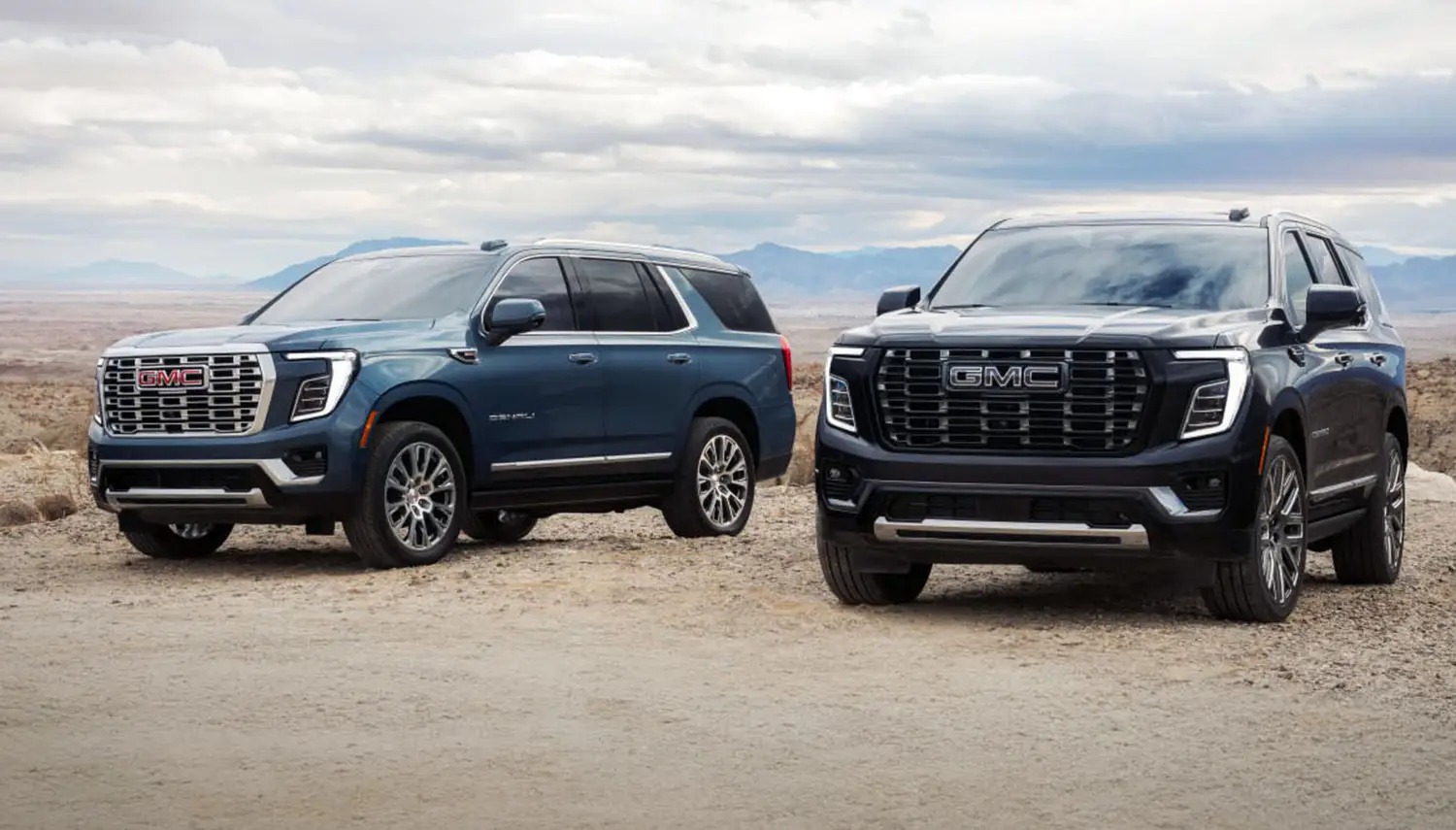
4. Cadillac Escalade / GMC Yukon (with Magnetic Ride Control)
These SUVs look like simple trucks, but certain versions hide advanced technology under the body. The estimated shock replacement for the Cadillac Escalade and GMC Yukon with Magnetic Ride Control runs $1,800 to $2,500 per axle, according to the supplied sources.
Magnetic Ride Control uses electronic shocks filled with magneto-rheological fluid. The fluid contains tiny magnetic particles, and an electric current changes how thick it becomes, which changes how firm the shock feels.
The system can adjust in milliseconds to smooth the ride or sharpen handling. The cost reason is simple. The notes say the specialized dampers themselves cost $600 to $900 each before factoring in labor.
With two shocks per axle, parts alone can reach $1,200 to $1,800. Does it have to be that expensive? You may have options.
Ask about quality aftermarket magnetic shocks, which can cost less than factory parts. Compare prices from several shops. Ask how long the job takes and whether an alignment is included.
Signs of trouble include a harsh or floaty ride, fluid leaks at the shocks, uneven tire wear, and warning messages about ride control.
If you’re buying used, find out whether the vehicle has Magnetic Ride Control, since not every Escalade or Yukon does. A VIN check or window sticker can tell you.
Features add comfort, and they add repair costs.
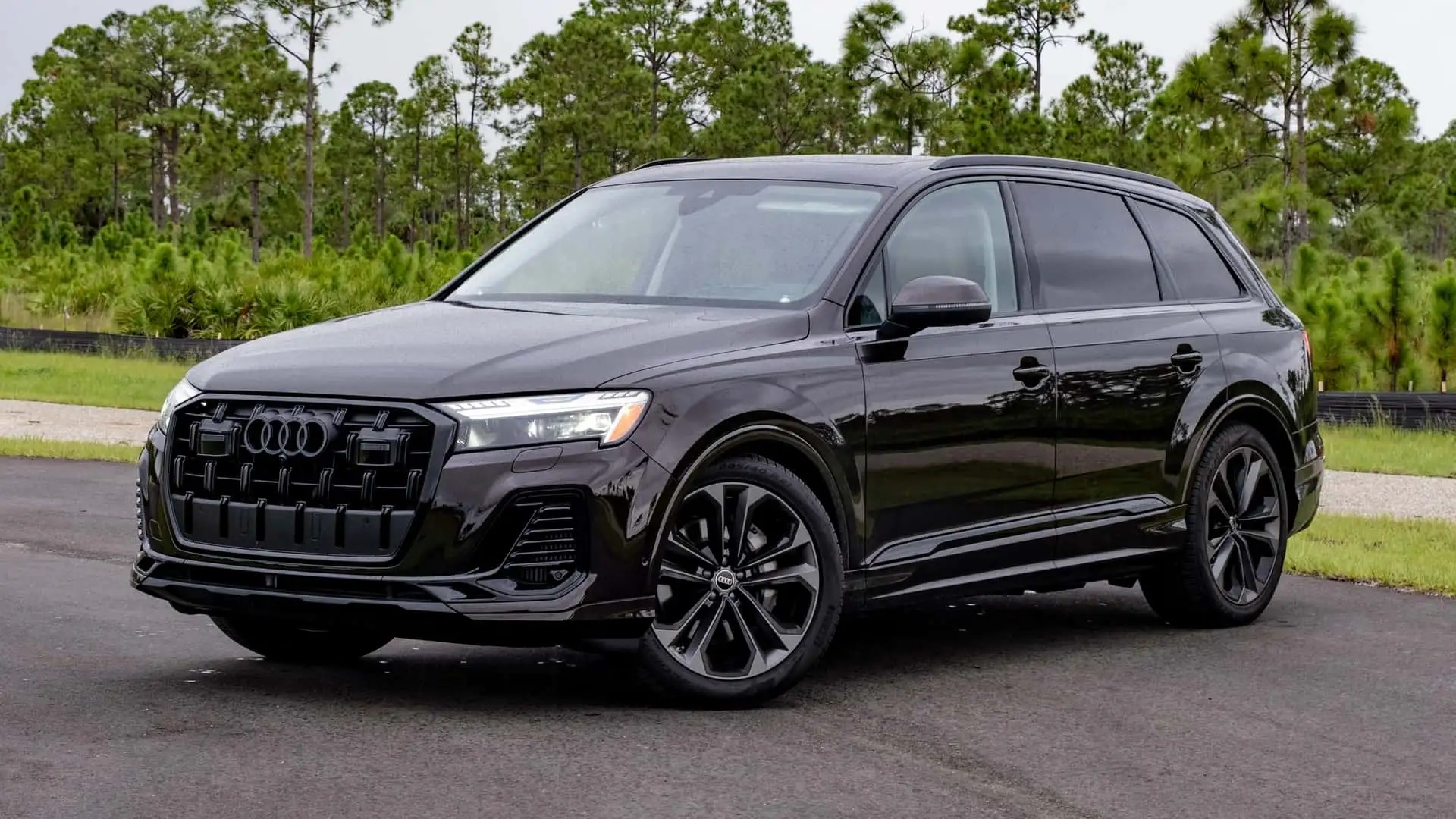
5. Audi Q7
The Audi Q7 combines a refined cabin with Quattro all-wheel drive and, on suitably equipped versions, adaptive air suspension.
This optional system can adjust ride height and damping behavior to suit driving conditions, but its additional hardware creates more potential sources of expensive repairs.
Estimated adaptive air suspension repair costs range from $2,000 to $3,500. The actual invoice depends on the failed component, the vehicle’s model year, and whether the work involves an air strut, compressor, distribution valve block, or associated controls.
A leaking air strut can cause one end or corner of the vehicle to sit lower than expected. Problems with pressure distribution or electronic controls can also interfere with correct ride height.
Because these symptoms may overlap, a workshop should test the system before recommending replacement parts.
Repair costs can rise when several components have been damaged or when additional diagnostic work is required. Using parts that match the vehicle’s exact specification is important, and some repairs may require electronic procedures after installation.
Before purchasing a used Q7, check for suspension warnings, uneven ride height, and unusual noises. Ask the seller for maintenance records and arrange an inspection with a technician experienced in Audi vehicles.
The Q7 can deliver a comfortable driving experience and useful family practicality, but buyers should distinguish between models with conventional suspension and those fitted with optional air suspension.
Knowing which system is installed makes budgeting far more accurate.