

A car insurance bill can become much more expensive after a serious driving violation. Bankrate’s 2025 True Cost of Auto Insurance report puts the average full-coverage premium for a driver with a clean record at $2,638 per year. For a driver with a DUI, that figure rises to $5,106.
That is a difference of $2,468 annually, or about $206 each month. The increase is not the same for everyone because insurers consider state, driving history, coverage, vehicle, and other factors when setting rates. Still, the national figures show how sharply one DUI can affect the cost of keeping a vehicle insured.

The $2,638 Starting Point
Before looking at the DUI increase, it helps to establish what Bankrate’s $2,638 figure represents. In its 2025 True Cost of Auto Insurance report, Bankrate found that the national average cost of full-coverage car insurance reached $2,638 per year, or about $220 per month.
The figure represented a 12% increase from the $2,349 average recorded in 2024. That means the typical annual bill rose by $289 in just one year.
The $2,638 figure applies to a driver with a clean driving record in Bankrate’s comparison. It is therefore a useful reference point when looking at what happens after a DUI.
Insurance prices can vary considerably from one state to another. Bankrate found that Louisiana had an average annual full-coverage premium of $3,978, while Hawaii’s average was $1,689.
The amount a particular driver pays can also depend on the insurer, vehicle, coverage limits, and other personal factors. So, $2,638 should not be viewed as a universal insurance bill.
It is a national benchmark that provides a starting point for understanding the cost difference associated with a DUI.
A DUI Raises the Average to $5,106
Bankrate’s 2025 data puts the average annual full-coverage premium for a driver with a DUI at $5,106, compared with $2,638 for a clean record. That represents an annual difference of $2,468.
Monthly, those figures equal roughly $426 after a DUI versus about $220 with a clean record, creating a difference of approximately $206 per month.
The increase is not necessarily a one-time cost. Higher premiums can continue across multiple policy periods, depending on state requirements and insurer practices.
Insure.com reports that DUI-related increases can range from 43% to 322%, depending on the state and insurer. Its 2026 data shows an average increase of about 77%, although its methodology differs from Bankrate’s.
These figures show why individual DUI insurance costs can vary considerably.
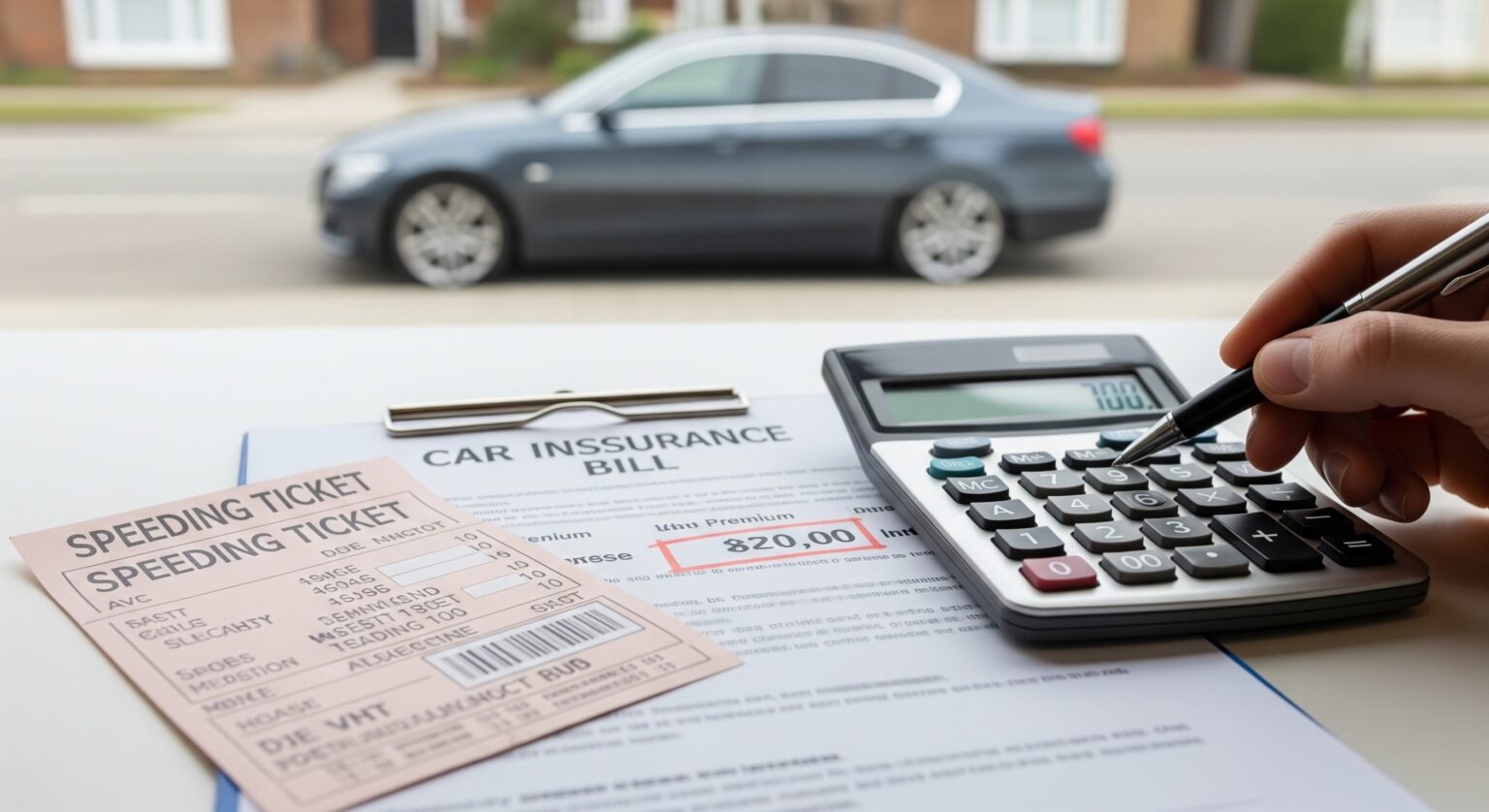
The Extra $2,468 Can Add Up Fast
Consider the numbers across several renewal periods, and the financial effect becomes easier to understand. The Bankrate comparison shows an annual difference of $2,468 between the clean-record average and the DUI average.
If a driver faced that same difference for three years, the added insurance cost would total about $7,404. Over five years, it would reach approximately $12,340.
Those calculations are illustrations rather than predictions. Insurance rates can change from year to year, and the period during which a DUI affects pricing varies by state and insurer.
Insure.com says the highest insurance surcharges commonly apply during the first three to five years after a DUI, although the impact can last longer in some situations. The DUI can also remain visible on a driving record for five to 10 years in many states.
That distinction matters because the time a violation remains on a driving record is not necessarily identical to the time an insurer applies a surcharge.
A driver may therefore experience the largest premium increase during the early years, followed by lower rates if the driving record remains clean. Maintaining continuous coverage can also matter when seeking new insurance.
The financial effect is much larger than simply paying one expensive renewal bill.
Where You Live Can Change the Bill
The $5,106 national average hides a wide range of possible outcomes. Insure.com’s 2026 state data illustrates just how differently insurers can price a DUI depending on location.
In Alaska, its sample showed an average premium rising from $2,215 to $3,164 after a DUI. In North Carolina, the figures rose from $2,587 to $10,911.
California showed another large difference, with the sample increasing from $3,010 to $9,686. Michigan rose from $3,146 to $8,244. These figures demonstrate why a national average should never be treated as a personal quote.
State insurance rules, accident statistics, insurance regulations, and insurer pricing methods all contribute to differences in premiums. A driver’s age, vehicle, coverage amount, and previous driving history can also affect the final figure.
There is another issue to consider. Some insurers may decline to renew a policy after a DUI rather than simply adding a surcharge. Insure.com says that can leave a driver looking for another carrier while the DUI remains on the driving record.
The result is that two drivers with similar DUI convictions can receive very different insurance bills.

A DUI Is Not the Only Costly Change
Bankrate’s 2025 report places the DUI figure beside several other situations that can raise insurance costs. A driver with an at-fault accident had an average premium of $3,774, compared with $2,638 for a clean record. Poor credit was associated with an average of $4,644.
Adding a young driver can also produce a large increase. Bankrate’s report shows $5,675 as the average full-coverage cost for a 16-year-old driver on a parent’s policy.
Its newer teen-driver research also shows that rates vary by age, insurer, and household circumstances. These figures should not be mixed as though they describe the same driver.
Each represents a different insurance situation. The comparison does, however, show how insurers respond to different forms of risk.
A DUI produces a much higher national average than an at-fault crash in Bankrate’s 2025 comparison. Poor credit also produces a higher average than a clean record.
Insurance companies do not use a single factor when calculating premiums. The final price can reflect several characteristics at once. A driver with a DUI, for example, may also have an accident, speeding violation or other underwriting factor that affects the quoted premium.
How Long Can the Higher Rate Last?
There is no single nationwide answer for how long a DUI will affect an insurance premium. State laws and insurer rules determine how long the violation can influence rates.
Insure.com reports that insurers commonly apply the strongest surcharge during the first three to five years, although some cases can last longer. The driving record may remain relevant for an extended period, with examples ranging from five years in Arizona to 10 years in California.
An SR-22 may also be required after a DUI in some states. It is a filing that verifies the driver carries required insurance coverage, rather than a separate policy. Many states require it for three to five years.
As the violation ages, premiums may decrease if the driver maintains continuous coverage and avoids additional violations.
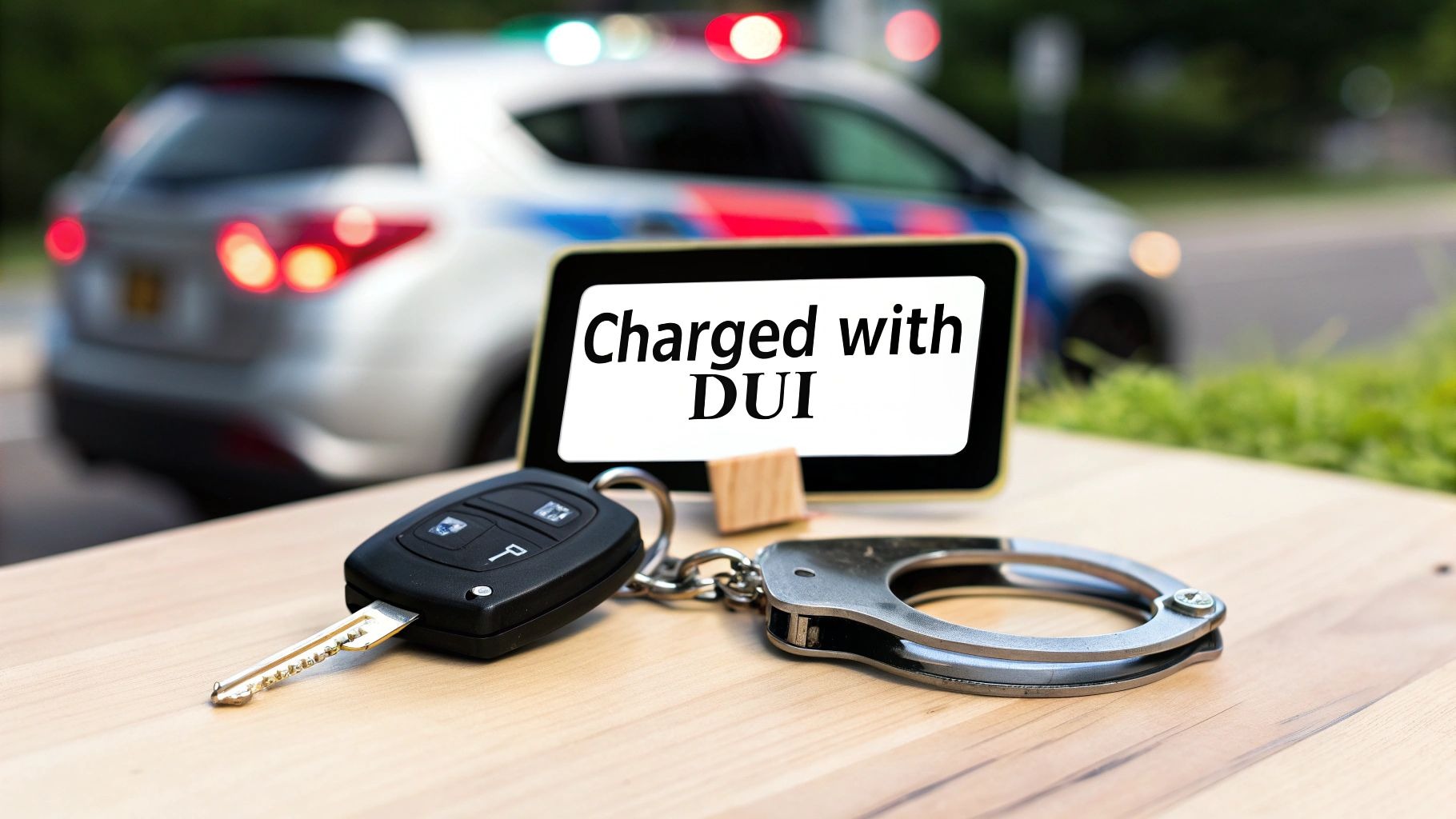
Shopping Around Can Make a Difference
A DUI does not mean every insurer will charge the same amount. Insure.com’s 2026 comparison found DUI-related increases ranging from 36% with Progressive to 156% with GEICO.
Because rates can vary significantly, comparison shopping can help drivers identify more affordable coverage. Requesting quotes from several insurers using the same vehicle information and coverage limits makes comparisons easier.
Drivers should also review their existing coverage before making changes. Reducing coverage simply to lower the premium could leave them with less financial protection after an accident.
Bankrate’s 2025 full-coverage comparison found an average premium of $2,638 for a clean record and $5,106 after a DUI. Individual costs can differ substantially based on location, insurer, vehicle, and driving history.
Maintaining a clean record and comparing insurers may help reduce costs as the DUI becomes older.
