

Ever been surprised by a service bill just weeks after buying a new car? You’re not alone. Some automakers quietly cover your oil changes, tire rotations, and inspections for the first few years. Others hand you the keys and start the meter right away. That difference can add up to hundreds of dollars before your first warranty year ends.
This guide splits ten brands into two groups: five that include scheduled maintenance, and five that charge from day one. You’ll see what each program covers, who benefits most, and what to ask before you sign. Grab a notepad, because a few smart questions at the dealership could keep real money in your pocket. Let’s roll.
5 Cars That Include Scheduled Maintenance
1. Honda
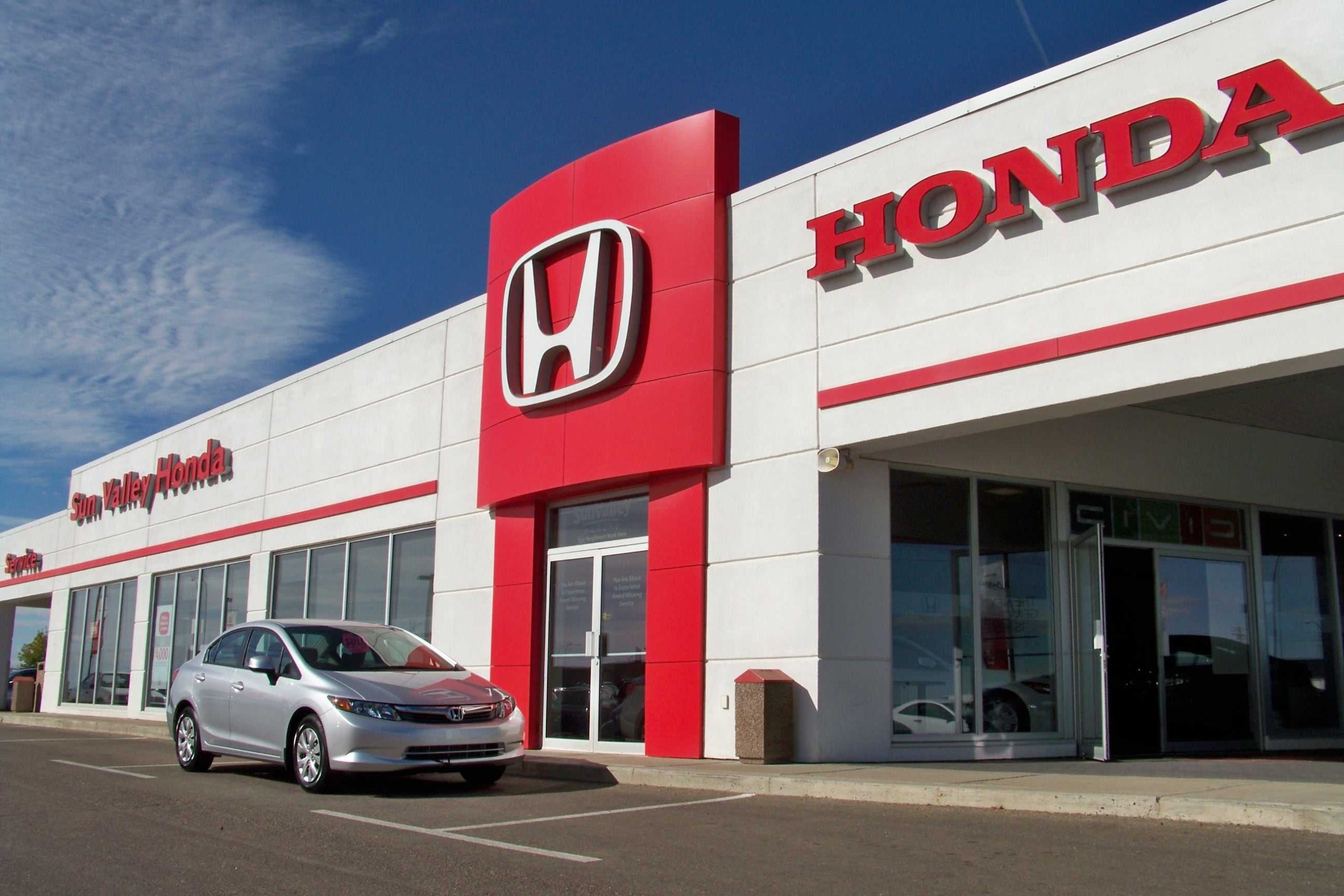
Honda gives new-vehicle buyers complimentary routine scheduled maintenance for 2 years or 24,000 miles, according to the supplied information. This benefit can reduce some early ownership expenses while the vehicle is still new.
A new car still requires regular service despite having fresh components and factory warranty protection. Oil and filter changes, inspections, fluid checks, and other recommended work can be required according to mileage or time. Having qualifying maintenance included means owners may avoid paying separately for covered services during the program period.
The coverage ends when either the two-year or 24,000-mile limit is reached. Drivers who accumulate miles quickly may reach the mileage limit first, while lighter drivers may reach the time limit.
Honda’s program can also make maintenance costs easier to plan during the early ownership period. However, complimentary scheduled maintenance does not mean every repair or replacement is covered. Damage, repairs, wear items, and other excluded services may still require payment.
Buyers should review the applicable terms and compare maintenance coverage alongside price, financing, insurance, and fuel costs.

2. BMW
BMW provides scheduled maintenance for 3 years or 36,000 miles, according to the supplied information. For buyers of a luxury vehicle, this coverage can help reduce routine service expenses during the early ownership period.
A new BMW still requires scheduled care even while it remains under factory warranty. Recommended services may include inspections, oil-related work, filters, fluids, and other maintenance tasks.
When qualifying services are included, owners can follow the manufacturer’s schedule without paying separately for covered appointments.
The program has clear limits. Coverage ends after three years or 36,000 miles, depending on which limit is reached first. Drivers with long commutes may reach the mileage limit sooner, while lower-mileage owners may reach the time limit first.
Complimentary maintenance should not be treated as unlimited vehicle care. Tires, collision damage, misuse-related repairs, and other excluded expenses may remain the owner’s responsibility. Exact coverage depends on the applicable BMW program and vehicle.
For buyers comparing luxury vehicles, BMW’s included maintenance can be an important ownership-cost factor. Checking the precise terms before purchase helps clarify which services are covered and when the benefit ends.
3. Hyundai
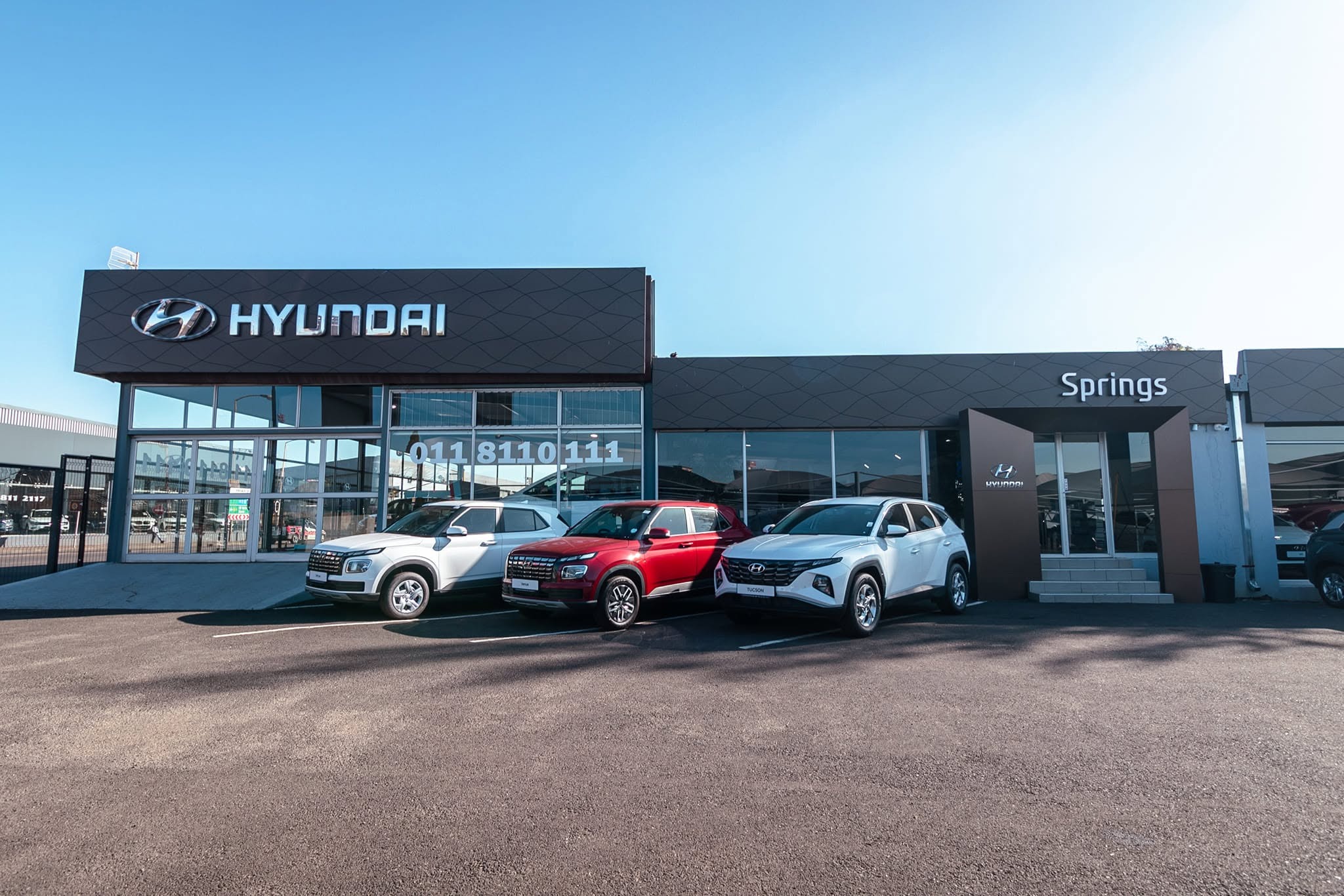
Value is Hyundai’s calling card, and free maintenance fits right in. The supplied information lists 3 years or 36,000 miles of free maintenance. Let’s run through it as questions and answers.
Who benefits most? First-time buyers, students, and families on a tight budget. When you’re stretching every dollar, knowing your first three years of scheduled service are handled makes monthly planning far easier.
How does it compare with the other brands here? It matches BMW’s 3 years or 36,000 miles, which is impressive for a mainstream badge. It also beats Honda’s 2 years or 24,000 miles and Toyota’s 2 years or 25,000 miles.
Does free mean everything is covered? No. Free scheduled maintenance covers the services listed in the maintenance schedule. Repairs, tires, wipers, brake pads, and damage usually aren’t part of it, so ask for a written list.
What should you do to keep the benefit? Follow the schedule and use an authorized dealer if the program requires it. Missing a visit could cause problems, so set calendar reminders.
Is it a reason to choose the car? It can be a tie-breaker. If two cars are close on price and features, free maintenance can tip the math. Run a quick estimate: multiply the cost of a typical service by the number of visits in three years, and you’ll see how much the plan might save.
Practical, simple, and budget-friendly, this is a plan worth asking about.
4. Jaguar
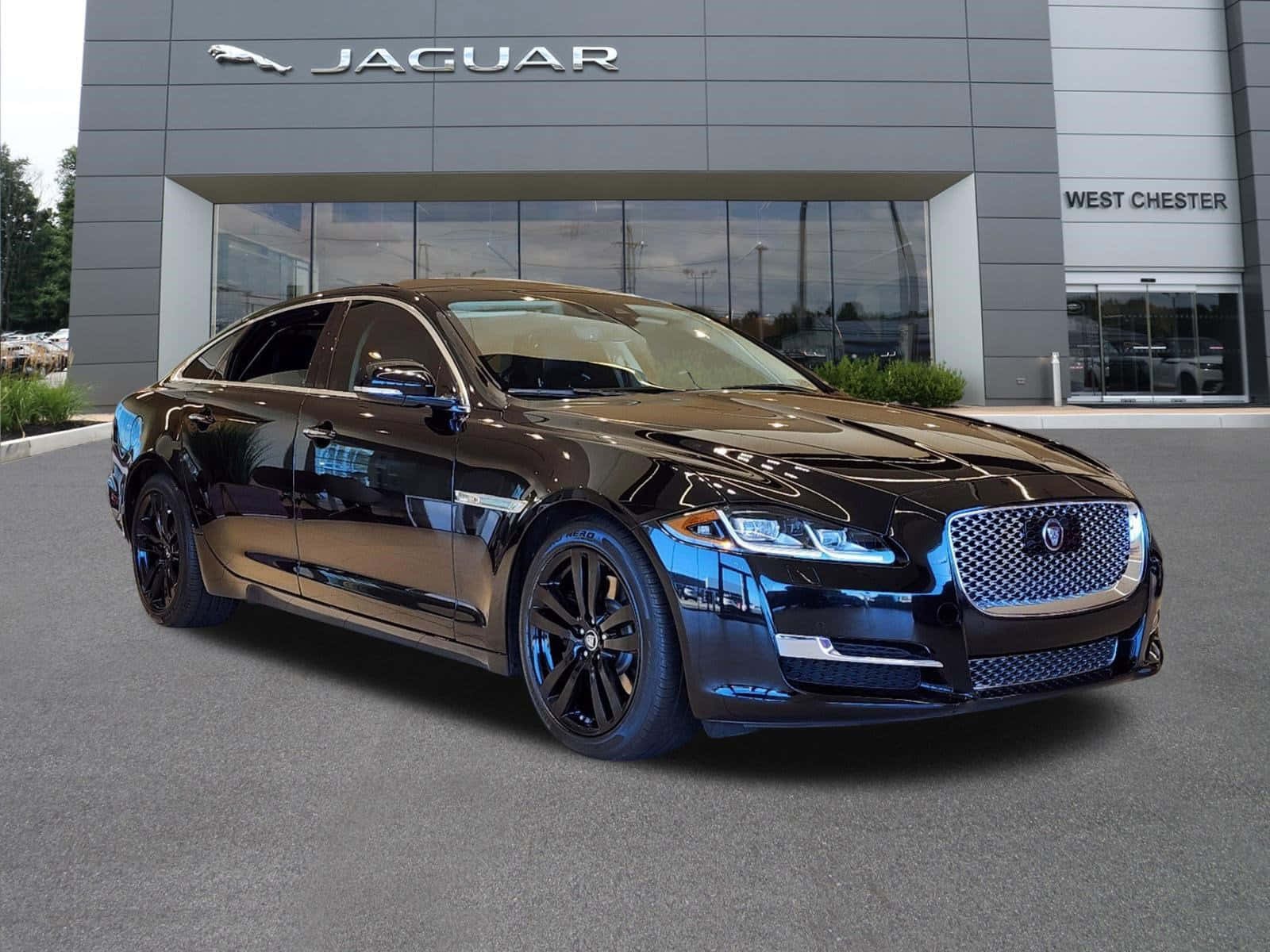
Now we reach the champion of this list. The supplied information calls Jaguar one of the most generous, with 5 years or 60,000 miles of free scheduled maintenance. That’s more than double what Honda or Toyota offers, and well beyond BMW and Hyundai.
Five years changes how you think about ownership. Most buyers hold a new car for several years, so this plan can cover a big share of the time you actually own it. For many drivers, it means almost no scheduled service bills until the car is older.
Let’s do some rough math. Say a service visit costs a few hundred dollars. Across five years, with one or two visits a year, the savings could reach well over a thousand dollars. Your actual number depends on your schedule and local prices.
Mileage matters too. Sixty thousand miles is a generous limit, but a long commute or frequent road trips could use it up sooner. Check how many miles you drive annually, and estimate when you’d reach the cap.
Questions to ask before you buy: Does the plan transfer if I sell the car? Which services are included? Do I need to use specific service centers? Answers can vary by market and model year.
For buyers who want luxury and long-term peace of mind, Jaguar’s offer stands out. It rewards the person who plans to keep the car and follows the schedule faithfully.
5. Toyota
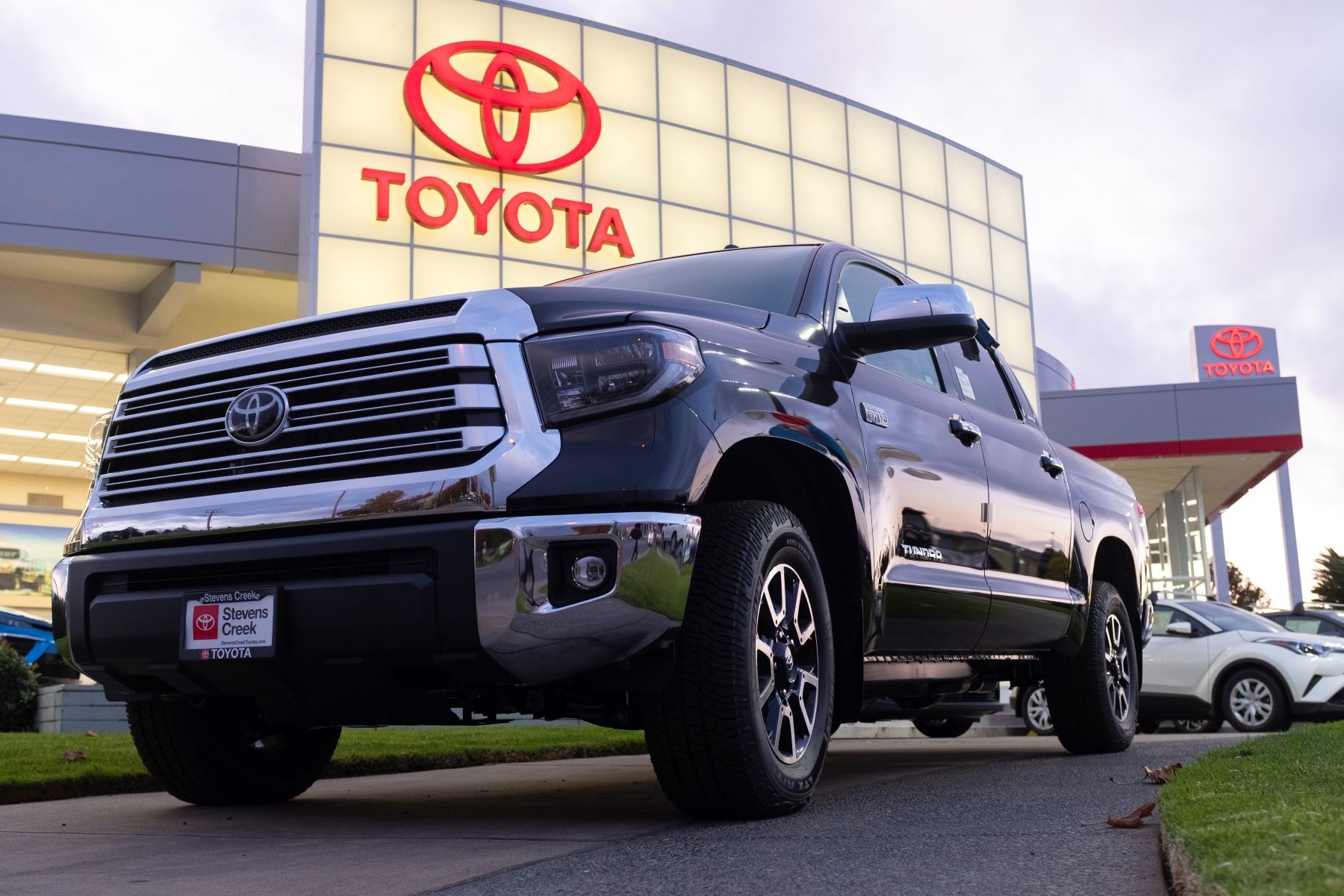
Toyota provides complimentary maintenance for 2 years or 25,000 miles, based on the supplied information. The program gives new owners a period of scheduled service coverage that can reduce some routine ownership expenses.
The mileage limit is slightly higher than Honda’s listed 24,000 miles, while the time period remains two years. That means the precise value of the benefit depends partly on how much the owner drives.
A low-mileage driver may reach the two-year limit first. A high-mileage driver may use the 25,000-mile allowance before two years have passed.
Routine maintenance matters even when a vehicle is new. Oil service, inspections, fluid checks, and other manufacturer-specified tasks are part of keeping a vehicle maintained.
Buyers sometimes focus heavily on the purchase price and monthly payment, yet these scheduled visits can also contribute to the cost of ownership.
Toyota’s complimentary program can help make those early expenses more predictable. Rather than paying separately for every qualifying scheduled maintenance visit during the coverage period, the owner can use the included service according to the applicable requirements.
There are limits, of course. Free scheduled maintenance should not be interpreted as free repairs for every mechanical problem. Items outside the program may still require payment, and owners remain responsible for following the manufacturer’s maintenance requirements.
For a shopper comparing several mainstream vehicles, Toyota’s maintenance allowance is therefore worth placing beside the other ownership costs. Two cars with similar prices can have different service expenses during their first few years.
Knowing what the manufacturer includes can help buyers estimate those costs before signing a purchase agreement. The 2-year or 25,000-mile program gives Toyota owners a defined period of assistance with routine scheduled care.
5 Cars That Charge From Day One
1. Ford
Time to flip the script. Ford, according to the supplied information, has no designated free maintenance plan. There is a points program that may offset some costs, but that’s a discount tool, not a free ride.
What does that mean for your wallet? From the first scheduled visit, you’re paying. A routine oil change, a tire rotation, and an inspection all show up on your bill like they would for any ordinary maintenance.
Is that a dealbreaker? Not necessarily. Plenty of buyers choose Ford for the trucks, SUVs, and cars, and they accept that service costs come with the territory. The trick is planning for it.
Here’s one way to think about it. Set aside a modest amount each month in a separate account for maintenance. When a bill arrives, the money is already waiting, and you won’t feel the hit.
Rewards programs deserve a closer look. If a points program can reduce what you pay, find out how points are earned, how they’re redeemed, and whether they expire. Ask the dealer to show you an example in writing.
Shopping around also helps. Prices for the same service can differ between dealerships and independent shops. Compare quotes for common jobs, and don’t be shy about asking what each line item covers.
A car without a free maintenance plan isn’t a bad car. It’s simply a car where you control and fund the schedule from day one.

2. Mercedes-Benz (Gasoline Models)
Here’s a surprise for anyone expecting luxury to come with free service. According to the supplied information, Mercedes-Benz offers no free maintenance for gasoline vehicles. Only its EVs get 2 years free.
That’s a sharp split inside one brand. A buyer choosing an electric model gets a perk that a gasoline buyer doesn’t. If you’re shopping within the brand, that difference might shape your decision.
Why might electric vehicles qualify? They generally need less routine service, since there’s no oil to change. Even so, a free plan gives new EV owners one less thing to worry about. Gasoline cars, with more fluids and moving parts, are where service costs tend to add up, and that’s precisely where the plan is missing.
Compare that with BMW, which includes scheduled maintenance for 3 years or 36,000 miles. A buyer cross-shopping two luxury sedans could see a real gap in early ownership costs. Run the numbers before you decide.
What can you do? Ask the dealer for a written estimate of scheduled maintenance costs for the first three years. Compare it with similar vehicles. And ask whether prepaid maintenance packages exist, then decide whether the price makes sense for how long you’ll keep the car.
Remember, a gasoline Mercedes isn’t necessarily a bad buy. It simply means the first oil change comes with an invoice. Plan for it, and the experience stays as smooth as the ride.

3. Subaru
Subaru’s maintenance policy varies by market, with complimentary scheduled maintenance available only in select locations. Many buyers may receive no free maintenance, making it important to check the exact terms for the vehicle and market before purchasing. A general statement about Subaru’s maintenance program may not apply to every buyer.
When complimentary coverage is unavailable, owners pay for scheduled service according to the vehicle’s factory maintenance schedule.
Routine work can include oil and filter changes, inspections, fluid checks, tire-related inspections, and other recommended services. The frequency and cost of these appointments can vary by model and mileage.
A practical step is to request the vehicle’s maintenance schedule before signing a purchase agreement. Dealers can explain when service is required and provide estimates for common appointments. This information helps buyers prepare for future expenses instead of being surprised by service bills.
Subaru buyers should also distinguish maintenance coverage from warranty protection. A warranty may cover qualifying defects or repairs, but routine maintenance required because of mileage or time can remain the owner’s responsibility.
Because coverage differs by market, checking the applicable terms before purchase is essential. Some Subaru buyers may receive complimentary maintenance, while others may begin paying for scheduled service from the first visit.

4. Porsche
Porsche provides only the first scheduled service free under the supplied information, with later maintenance paid by the owner. That makes the complimentary benefit shorter than programs that cover routine service for several years or thousands of miles.
The first free appointment can reduce an early ownership expense, but it does not eliminate future maintenance costs. Once that visit is completed, Porsche owners should expect to pay for subsequent scheduled service required by the vehicle’s maintenance schedule.
For buyers considering a Porsche, these expenses deserve attention before purchase. The vehicle’s price is only one part of ownership costs.
Regular maintenance, tires, insurance, fuel, and other operating expenses can also affect the amount needed to keep the car on the road.
Reviewing the maintenance schedule before purchasing can help. Buyers can determine when service appointments are expected and request pricing from a dealer. Having those figures in advance makes future expenses easier to plan.
It is also important to understand what the complimentary first service covers. Free scheduled maintenance generally applies only to qualifying work under the applicable program. Repairs, replacement parts, damage, or other services may still require payment.
Porsche’s arrangement is therefore clear: the first scheduled service is included, while later routine maintenance becomes the owner’s responsibility. Buyers should account for those future service costs when calculating ownership expenses.
5. Cadillac, Chevrolet, Buick, GMC (After the First Service)
Last on our list is a group: Cadillac, Chevrolet, Buick, and GMC. According to the supplied information, only the first scheduled maintenance visit is free. After that, owners pay from day one of their second visit, so to speak.
Four brands, one pattern. Whether you drive a pickup, a crossover, a compact car, or a luxury sedan from this family, the first visit is covered and the rest are on you. That’s easy to remember, and it’s easy to plan for.
Why does the single free visit still matter? It gets you into the service department, introduces you to the schedule, and gives the dealer a chance to inspect the car early. Use it. Ask questions, and have the advisor explain the maintenance plan.
Then build a budget. Multiply the cost of a typical service by the number of visits you expect each year. Add a small cushion for tires, wipers, and brakes. You’ll end up with a monthly number that feels realistic.
Compare options after the first visit too. Dealers, independent garages, and national chains all offer routine service. Ask for itemized estimates and compare.
Here’s the big picture for this whole list. Five brands include free service, and five make you pay early. Neither group is automatically better, since the real question is total ownership costs.
Always ask for the plan terms in writing, confirm the details for your market and model year, and let the numbers guide you. A few minutes of research can save hundreds of dollars.
