The Insurance Institute for Highway Safety has made its moderate-overlap front crash test tougher by putting greater emphasis on rear-seat occupant protection.
The updated test still sends a vehicle into a barrier at 40 mph with 40 percent of its front end overlapping, but it now evaluates a second-row dummy representing a small woman or 12-year-old child.
The latest results reveal a surprising weakness among several popular full-size pickups. The Ford F-150, Ram 1500, Chevrolet Silverado 1500, and Ford F-150 Lightning all received poor ratings in this evaluation, despite several performing well in other crash tests. Here is what went wrong.
1. 2026 Ford F-150
The Ford F-150 remains one of America’s most recognizable pickups, which makes its poor result in the updated IIHS moderate-overlap front test particularly significant. The important detail is that the truck did not perform poorly everywhere.
Its structure and safety cage were rated Good, as were the driver’s injury measures and driver restraints. Its small-overlap front and updated side evaluations also received good ratings. The weakness appeared in the second row.
During the updated test, the rear passenger dummy recorded poor ratings for head and neck protection, chest protection and restraints, and dummy kinematics. The driver, by contrast, received good ratings across the injury categories evaluated.
That difference explains why a pickup that looks strong from the driver’s perspective can still receive a poor result under the newer IIHS protocol.
The test matters because rear-seat passengers are not simply smaller versions of front occupants. Their seating position, belt geometry, and interaction with the front seat can create different injury risks during a frontal crash. IIHS added the second-row dummy specifically to address those concerns.
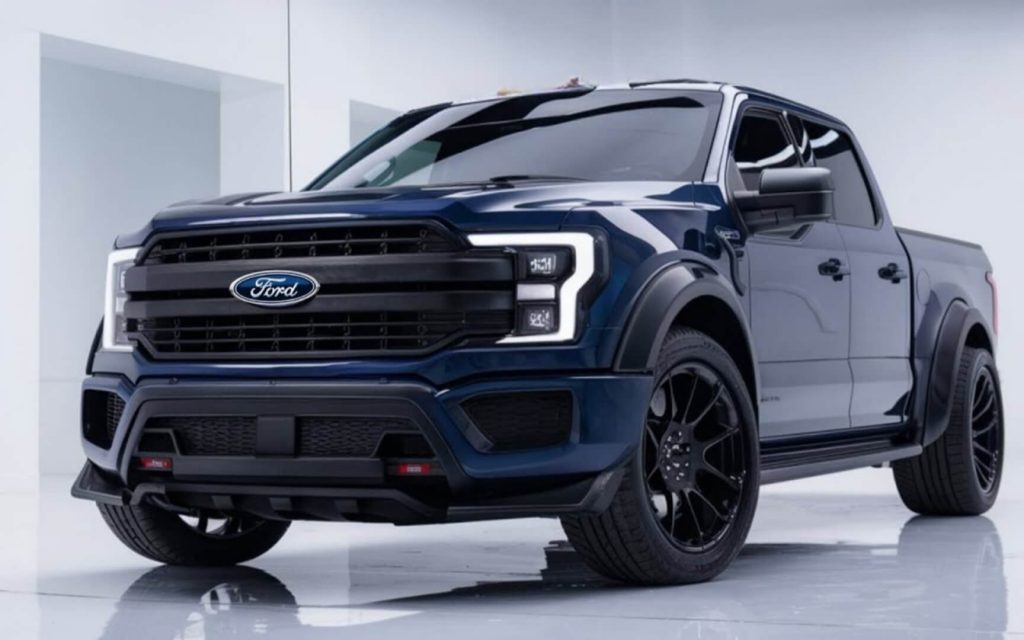
For F-150 buyers, the result should therefore be read as a warning about rear-seat crash protection rather than a verdict that the entire truck is structurally unsafe.
The pickup demonstrates that strong performance in several traditional crash evaluations does not automatically translate into strong protection under the newer rear-passenger-focused test.
2. 2027 Ram 1500
The Ram 1500 presents another interesting case because its poor rating comes from a particularly specific weakness.
IIHS records the crew-cab Ram 1500 as Poor in the updated moderate-overlap front evaluation, while its structure and safety cage received a Good rating. The driver also received good ratings for injury measures and restraints. The problem again centers on the rear occupant.
For the rear passenger, IIHS rated head and neck protection. Good thigh protection. Good, but chest protection was marginal. More importantly, rear-passenger restraints and dummy kinematics received a poor rating. That combination was enough to bring the entire moderate-overlap evaluation down to Poor.
There is an important piece of context here. IIHS says changes were made to the Ram 1500’s rear outboard seating positions beginning with the 2025 models, including pretensioners and load limiters. Yet the updated test still identified shortcomings in how the rear restraint system controlled the dummy’s movement.
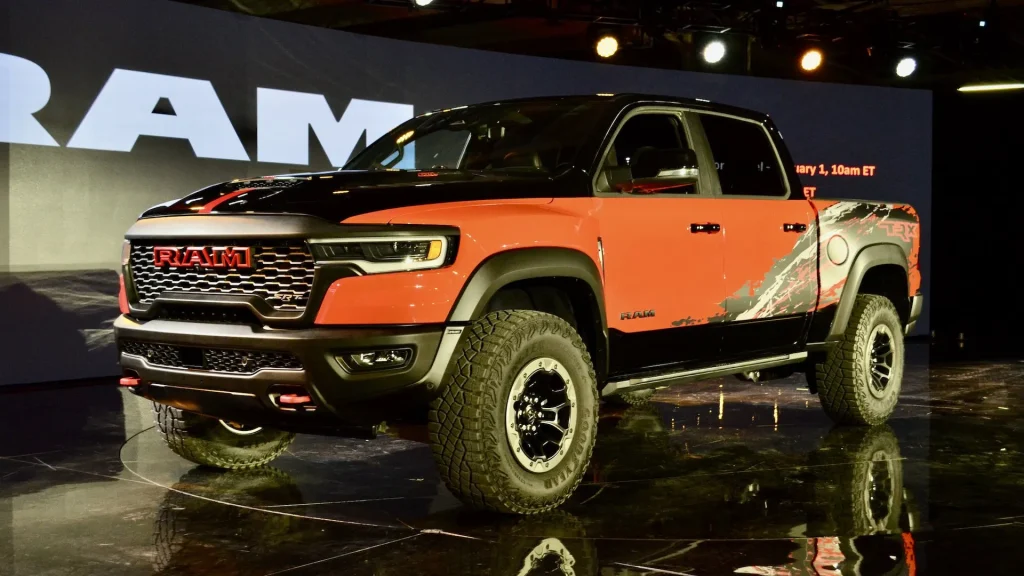
That makes the Ram result especially useful for understanding what the newer test is trying to accomplish. A vehicle can have a strong occupant compartment and protect the driver well while still leaving room for improvement in the rear seat.
The Ram 1500’s good ratings in the small-overlap and side evaluations reinforce that point. Its poor moderate-overlap rating is not simply a structural failure. It is primarily a reminder that restraint performance and occupant movement have become increasingly important parts of modern crash evaluation.
3. 2026 Chevrolet Silverado 1500
The Chevrolet Silverado 1500 also earned a poor rating in IIHS’s updated moderate-overlap front test, but its results differ from those of the Ford and Ram in several important ways.
The Silverado’s structure and safety cage received a good rating, while the driver received acceptable ratings for head and neck and leg and foot protection. Chest, thigh, and hip protection were rated good, and driver restraints and dummy kinematics were also good.
The rear passenger was where the evaluation became much less favorable. IIHS rated head and neck protection as marginal and chest protection as marginal. Rear passenger restraints and dummy kinematics also received a marginal rating. Those results combined to produce the poor rating for the test.
The test footage provides another important clue. IIHS reported that the driver dummy’s head struck the steering wheel hard through the airbag. Meanwhile, the rear dummy’s head stayed a safe distance from the front seatback.
That means the Silverado’s result is not simply a story of one occupant experiencing severe movement while another did not. Different injury measurements and restraint behavior contributed to the final assessment.
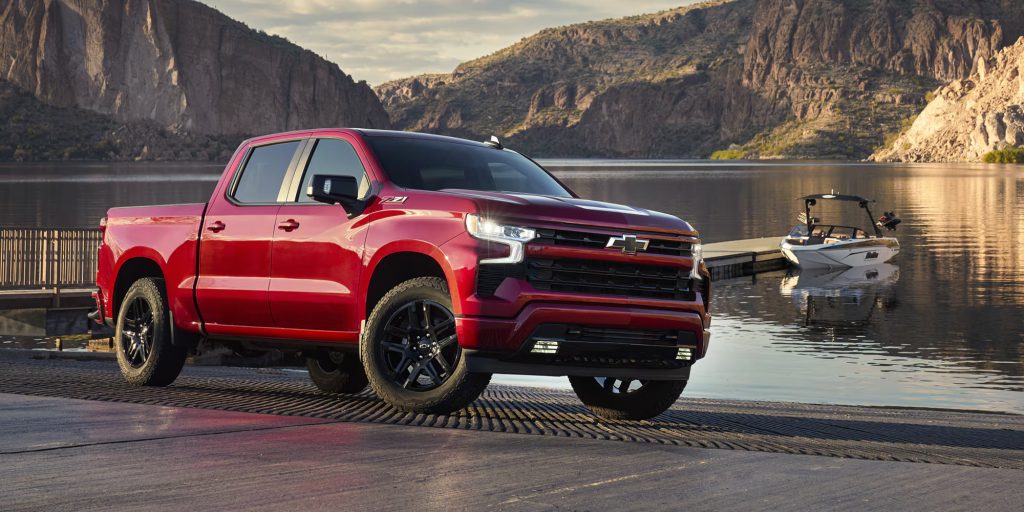
The Silverado’s result also demonstrates why shoppers should not judge crashworthiness from vehicle size alone. Full-size pickups have substantial mass and large occupant compartments, but IIHS evaluates how effectively the vehicle’s structure, belts, airbags, and seating systems work together.
The Silverado performed well in several areas, yet its rear-seat measurements were not strong enough to escape a poor rating under the updated protocol.
4. 2026 Ford F-150 Lightning
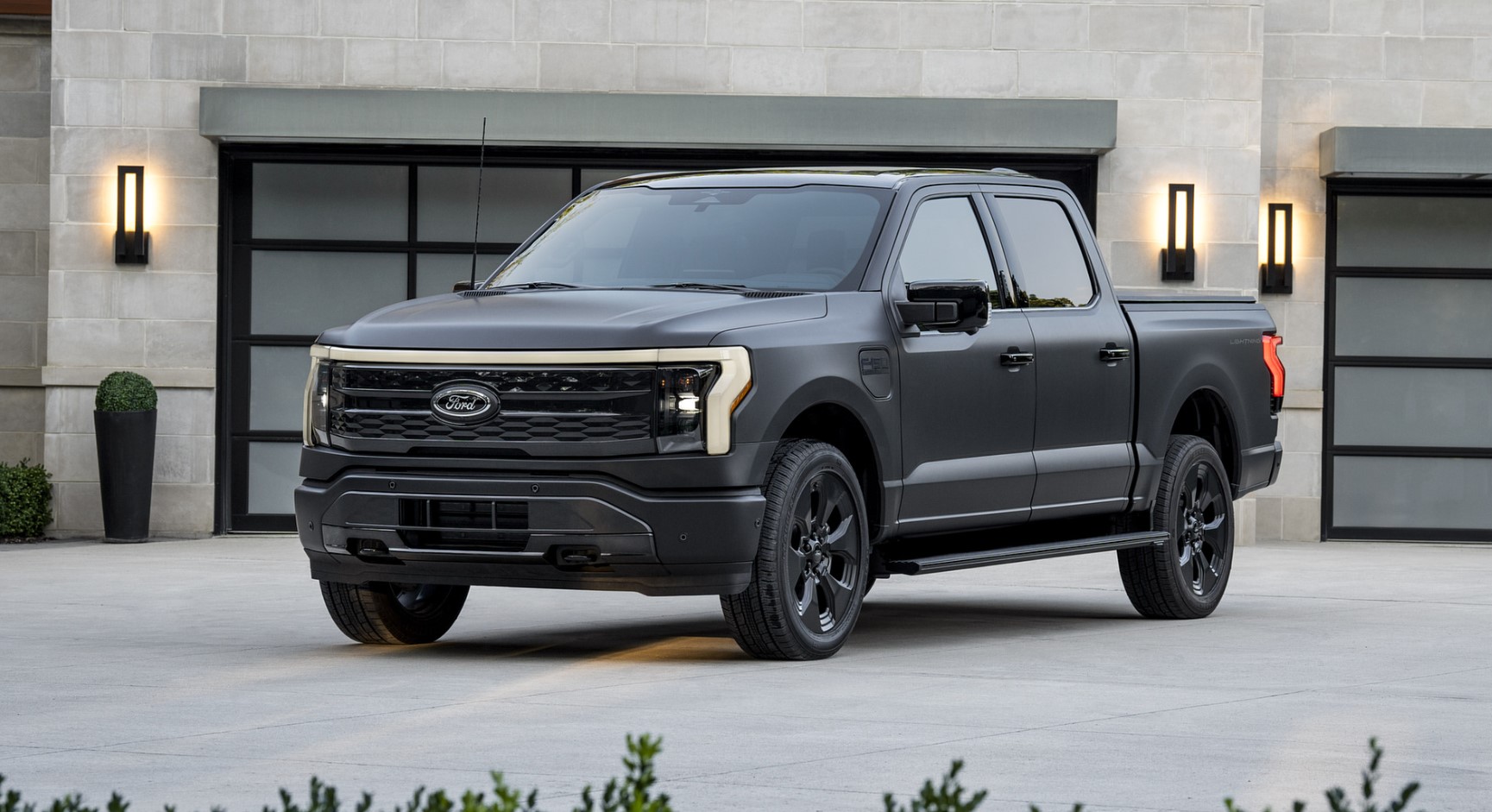
The electric Ford F-150 Lightning joins the gasoline-powered F-150 on this list, but its result comes from a test specifically conducted on the electric truck. IIHS gives the 2026 Lightning a poor rating in the updated moderate-overlap front evaluation, with the rating applying to 2025 and 2026 models.
The significance of the result lies in what the updated test measures. The Lightning was tested with a second-row dummy representing a smaller occupant, allowing IIHS to assess rear-seat protection in addition to the driver. This approach can expose restraint-system weaknesses that may not appear in older crash protocols focused primarily on the driver.
The Lightning’s result should also be viewed in the context of the broader F-150 family. The gasoline F-150 receives the same poor rating in the updated moderate-overlap test, showing that the issue is not unique to the electric powertrain.
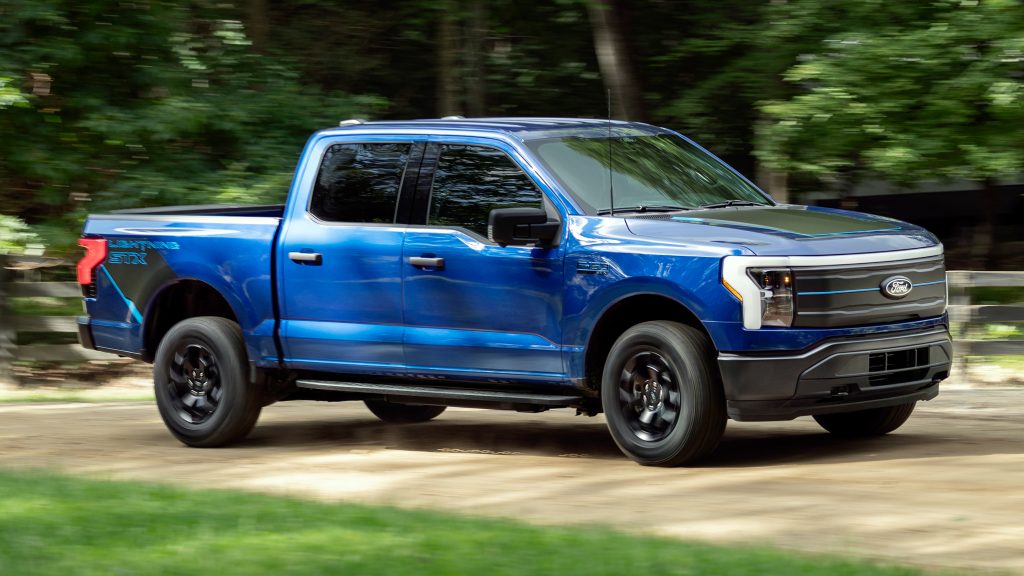
IIHS evaluates the Lightning separately because it is a distinct vehicle configuration, but both versions face criticism under the newer rear-occupant-focused methodology.
That does not mean the Lightning performs badly in every safety area. IIHS gives it an Acceptable headlight rating and a Good rating for its standard pedestrian front crash prevention system.
The poor crash-test result instead points to a more specific concern involving rear occupant protection during a moderate-overlap frontal collision. For families who regularly use the second row, this distinction is worth considering when comparing full-size electric and gasoline-powered pickups.