
Battery degradation remains one of the biggest concerns for used electric vehicle buyers, but the latest AVILOO battery health study provides a much more encouraging picture.
Based on more than 500,000 battery tests, the study compared the median state of health of 20 popular EV models at 150,000 kilometers, or about 93,000 miles.
The results show a substantial gap between the strongest and weakest performers, with some models retaining more than 93% of their original usable battery capacity. The rankings below use AVILOO’s reported median figures, giving buyers a useful indication of how different EV batteries age with mileage.
One important detail about the data is that AVILOO’s study draws on vehicles and battery tests from multiple markets rather than a sample limited to the United States.
Because the published study itself is not restricted to U.S. vehicles, the figures below cannot honestly be described as USA-only data. The mileage has been presented in miles for U.S. readers, while the original AVILOO measurements are at 150,000 km.
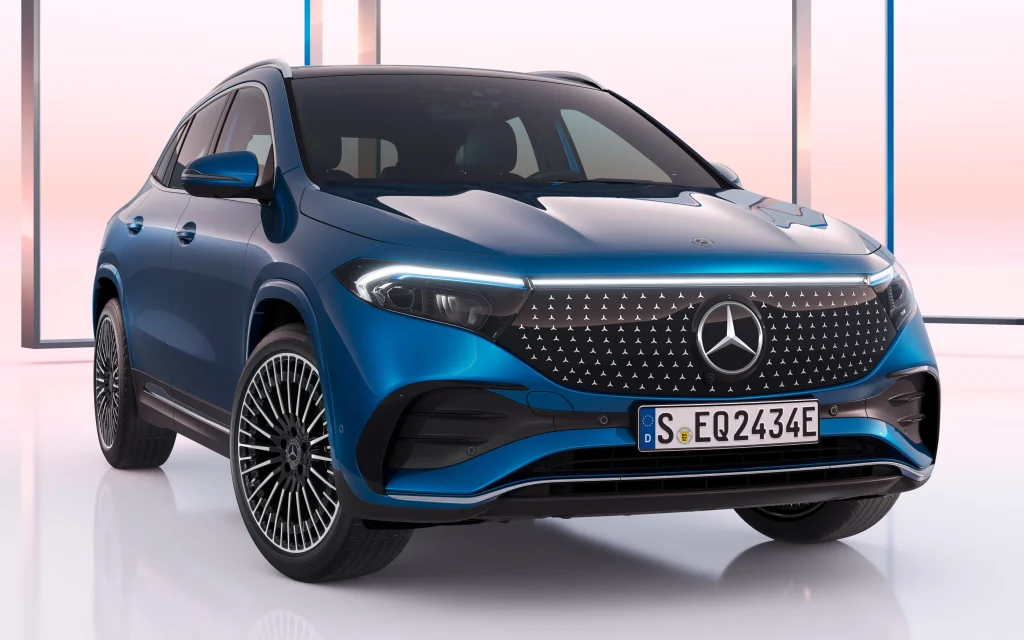
1. Mercedes-Benz EQA
The Mercedes-Benz EQA takes the top position with a median battery state of health of 94.0% at approximately 93,000 miles. That means the typical battery in AVILOO’s dataset retained about 94% of its original usable capacity at this mileage.
The figure is particularly notable because it places the EQA at the head of a field containing several well-established EVs. AVILOO’s measurements also show the model at approximately 96.6% health after 31,000 miles and about 95.0% at 62,000 miles, indicating that the decline was relatively gradual as mileage accumulated.
For used-EV shoppers, the data provides a useful point of reference. An EQA nearing six-figure mileage does not automatically indicate a heavily degraded battery. The median result suggests that battery capacity can remain relatively strong even after substantial use.
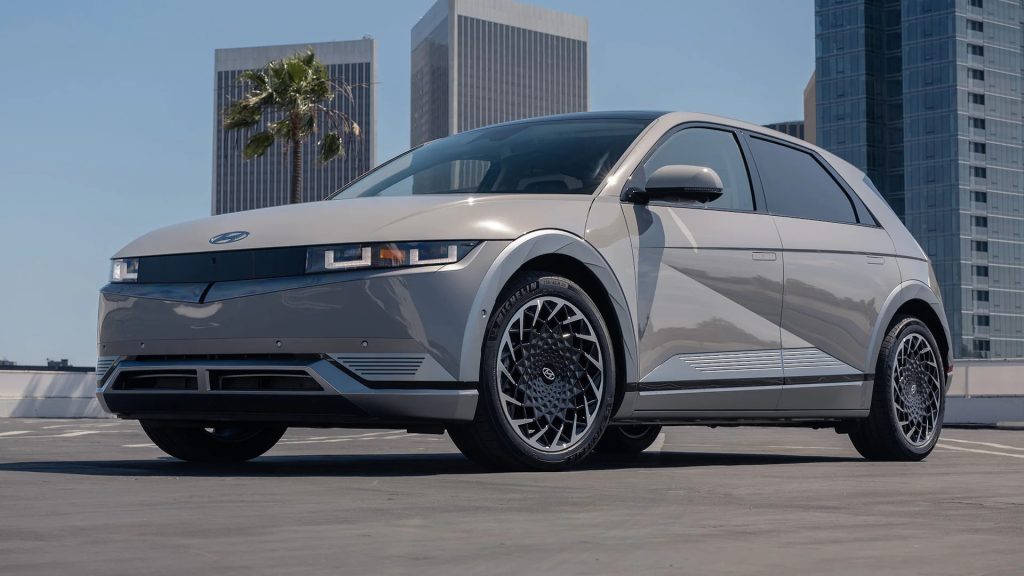
2. Hyundai Ioniq 5
The Hyundai Ioniq 5 finishes just behind the Mercedes with a 93.8% median battery state of health at about 93,000 miles.
Its early results were even stronger. At roughly 31,000 miles, the Ioniq 5 recorded the highest median figure in the study at approximately 97.1%, and it remained above 95% at around 62,000 miles.
The later decline brought it narrowly behind the EQA at the 93,000-mile point, but the difference between the two was only 0.2 percentage points. That makes the Ioniq 5 one of the strongest examples of battery retention in the dataset.
The numbers also demonstrate why a single mileage figure cannot tell the entire story about an EV battery. The Ioniq 5’s capacity remained exceptionally high through the earlier mileage intervals before settling at 93.8%.
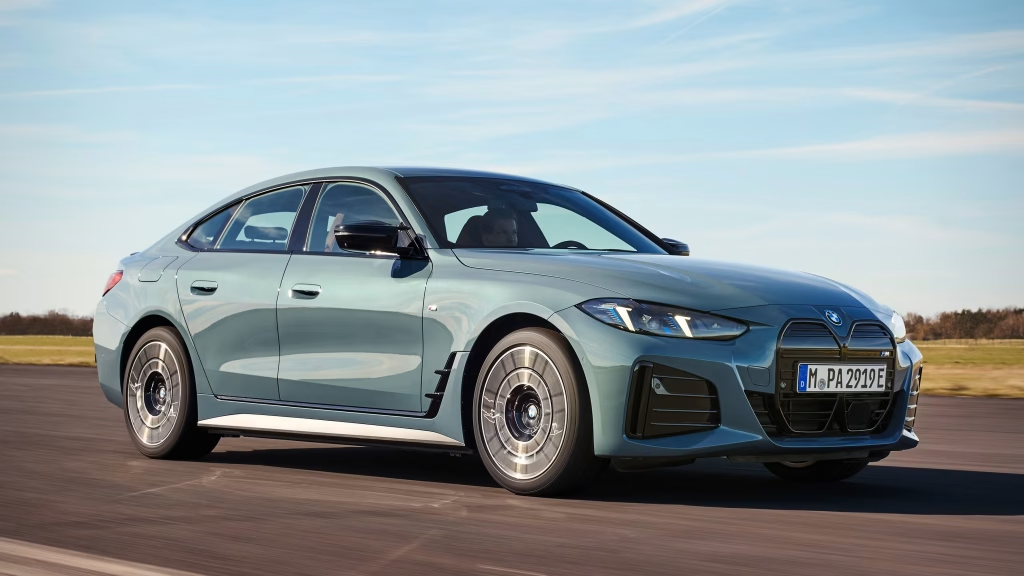
3. BMW i4
The BMW i4 records a 93.6% median battery state of health at approximately 93,000 miles, placing it only 0.4 percentage points behind the leading EQA. Its result is notable because the i4 maintained a very strong position despite the substantial mileage represented in AVILOO’s analysis.
At around 31,000 miles, the model recorded approximately 95.6% battery health, while the figure stood near 94.3% at 62,000 miles. The progression suggests that the battery’s capacity loss was relatively controlled across the tested mileage points.
For someone evaluating a high-mileage used i4, the AVILOO result provides evidence that reaching the 90,000-mile range does not automatically translate into major battery deterioration.
However, the study reports a median rather than a guarantee for every individual vehicle, so an actual battery-health test remains important when purchasing a used example.
4. Hyundai Kona EV
The Hyundai Kona EV places fourth with a 93.0% median state of health at about 93,000 miles. Its battery started from an especially strong position, recording approximately 96.3% at 31,000 miles and 94.3% at 62,000 miles.
By the 93,000-mile point, the median had slipped to 93.0%, still putting the Kona comfortably above the 90% threshold. This result is important because the Kona EV represents a smaller vehicle category than some of the larger premium models near the top of the ranking.
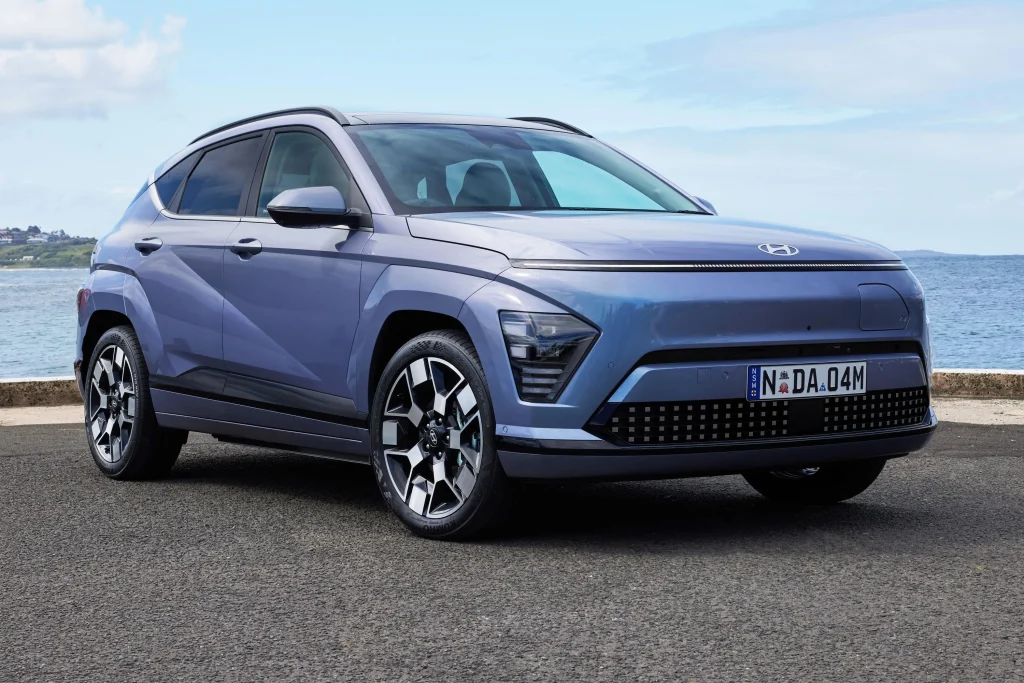
Its battery retention shows that strong durability is not limited to expensive luxury EVs. The 3.3-percentage-point reduction between the first and third measurement points also illustrates that degradation does not necessarily happen at a constant rate.
Mileage is a useful reference, but battery age, charging behavior, and individual vehicle history can affect the result.
5. Volvo XC40 Recharge
The Volvo XC40 Recharge records a 92.8% median battery state of health at approximately 93,000 miles, giving it the fifth position. AVILOO measured the model at around 95.2% after 31,000 miles and approximately 93.7% at 62,000 miles.
That places the XC40 Recharge among the group of EVs that remained above 92% battery health after substantial use. Its progression is also relatively steady compared with several models farther down the table.
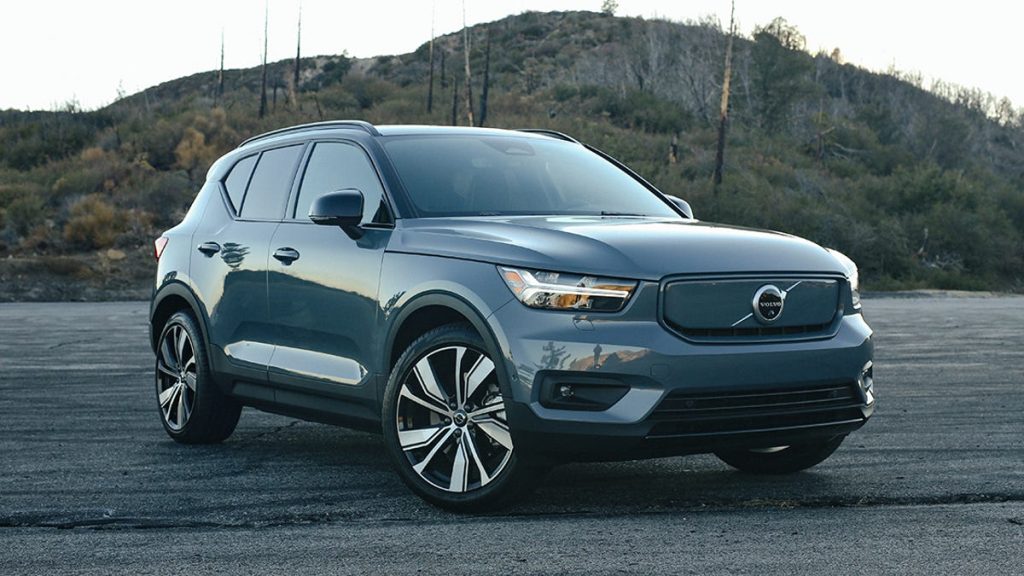
The 92.8% figure means the median vehicle retained nearly all of its original usable capacity even after the equivalent of more than nine years of typical 10,000-mile annual driving.
For used buyers, this makes the XC40 Recharge particularly interesting because its battery performance in the AVILOO dataset does not show the dramatic decline that many shoppers fear when considering an older EV.
6. Ford Mustang Mach-E
The Ford Mustang Mach-E finishes sixth with a 92.5% median battery state of health at about 93,000 miles. At approximately 31,000 miles, AVILOO recorded 95.1%, followed by 93.45% around 62,000 miles.
The final figure therefore represents a relatively modest reduction despite the additional mileage. The Mach-E’s result is also significant from a U.S. market perspective because it is one of the models in this ranking with strong relevance to American EV shoppers.
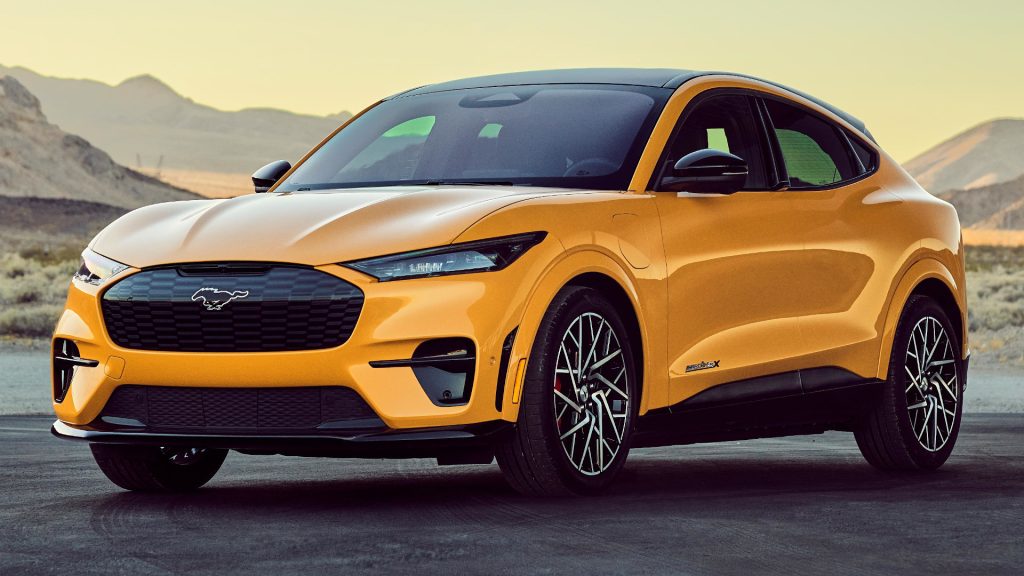
Its 92.5% result places it ahead of both Tesla models included in the study. That does not mean every Mach-E will show identical battery health, but the median result indicates that the platform can retain a substantial proportion of its original usable capacity over high mileage.
For a used example, battery testing remains more useful than assuming degradation from the odometer alone.
7. Polestar 2
The Polestar 2 posts a 92.5% median battery state of health at approximately 93,000 miles, tying the Ford Mustang Mach-E. Its earlier measurements were similarly strong, with approximately 95.0% health at 31,000 miles and 93.4% at 62,000 miles.
The progression shows a relatively controlled decline as mileage increased. A 92.5% result at nearly 93,000 miles means the median vehicle retained well above nine-tenths of its original usable battery capacity.
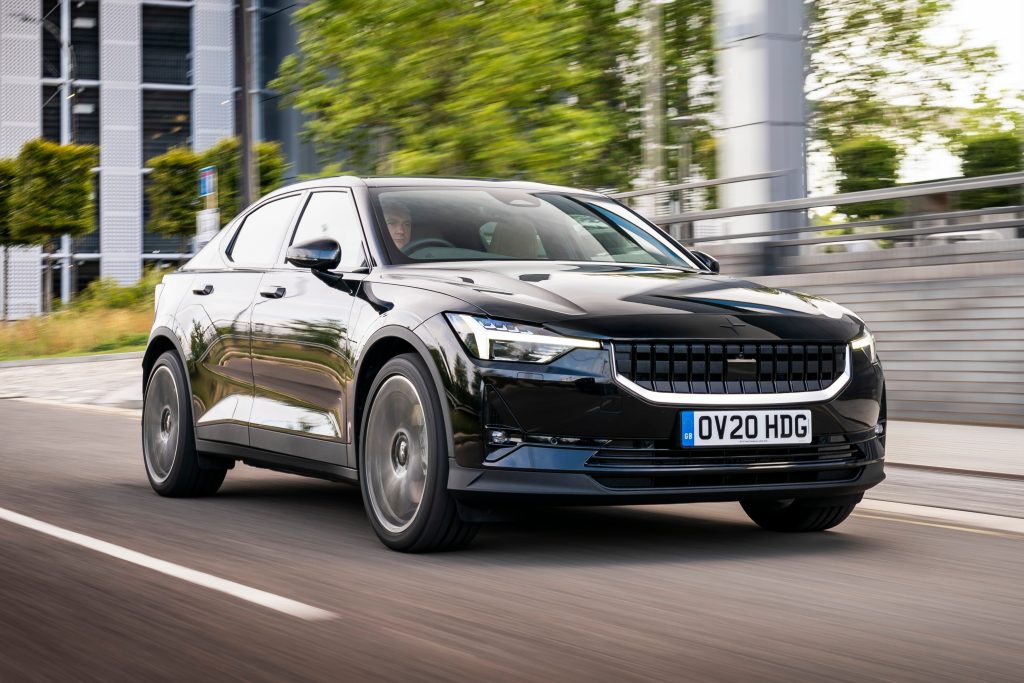
That is an important finding for used-EV shoppers because the Polestar 2 has been exposed to a broad range of driving and charging conditions in real-world service.
The AVILOO result cannot predict the condition of a particular used car, but it gives the model a strong statistical position in this comparison and places it ahead of several larger and more established EVs.
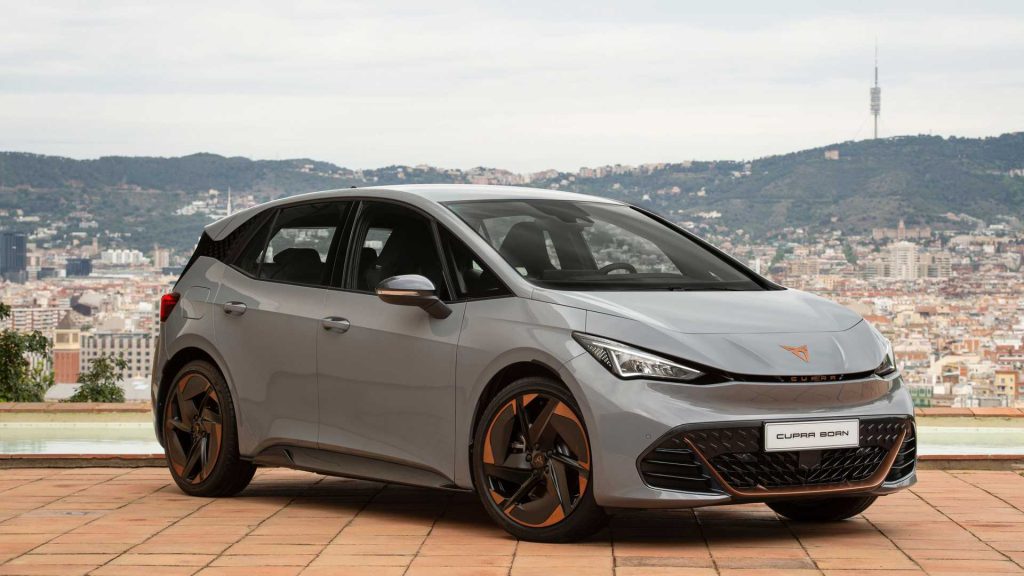
8. Cupra Born
The Cupra Born records a 91.9% median battery state of health at about 93,000 miles, putting it below the 92% mark but still comfortably above 90%. At approximately 31,000 miles, its median health was 94.8%, while the result at roughly 62,000 miles was 93.0%.
The 2.9-percentage-point decline between the first and final measurements is significant enough to show that degradation becomes more visible with additional mileage, yet the battery still retains the large majority of its original usable capacity.
The Born’s position also demonstrates how closely grouped many EVs are in the middle of this ranking. A difference of only a few percentage points separates several models.
For prospective used buyers, that makes the actual battery condition of the individual vehicle more important than simply choosing a model based on its position in a broad industry study.
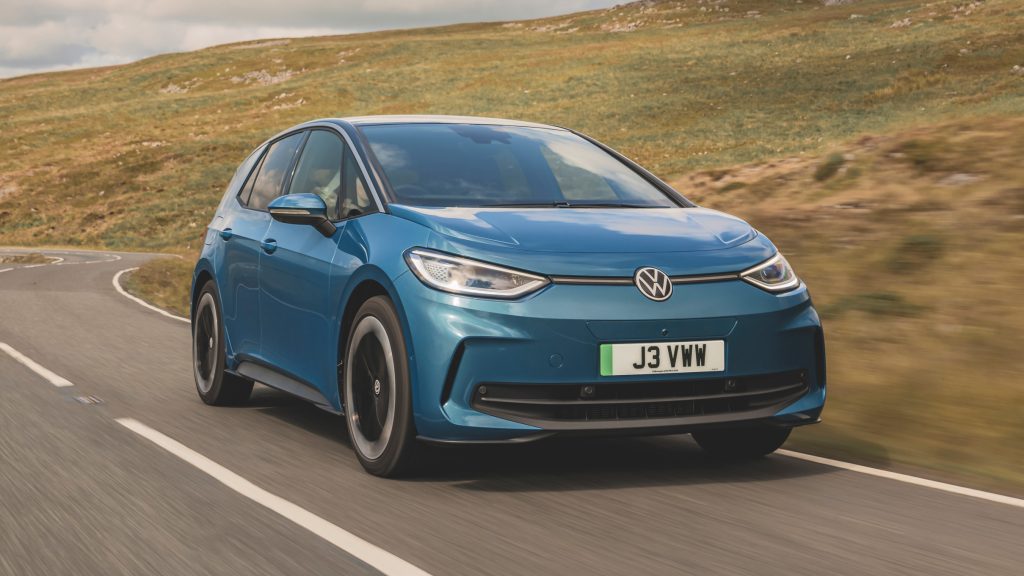
9. Volkswagen ID.3
The Volkswagen ID.3 finishes ninth with a 91.8% median state of health at approximately 93,000 miles. Its AVILOO figures show 94.6% at about 31,000 miles and 92.8% at around 62,000 miles.
That produces a gradual decline across the three reported mileage points rather than a sudden collapse. The ID.3 therefore remains within the group of vehicles that retain more than 90% of their original usable battery capacity after extensive use.
This matters because the ID.3 was designed as a mass-market EV rather than a limited-production premium model. Its result suggests that high-mileage battery durability is not necessarily confined to expensive vehicles.
For someone considering a used EV with substantial mileage, the ID.3’s position provides a useful reminder that the odometer alone should not be treated as evidence of poor battery health.
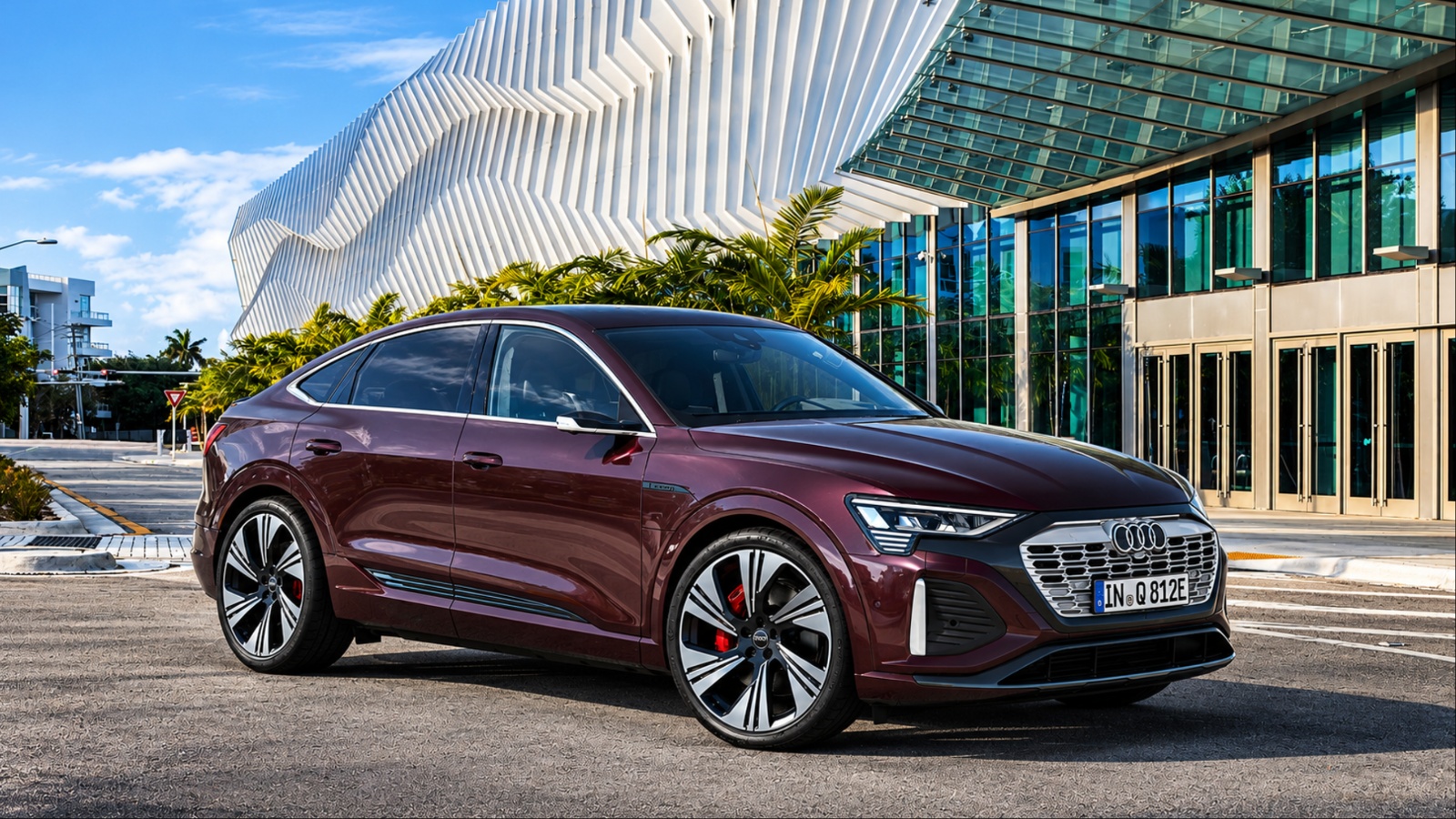
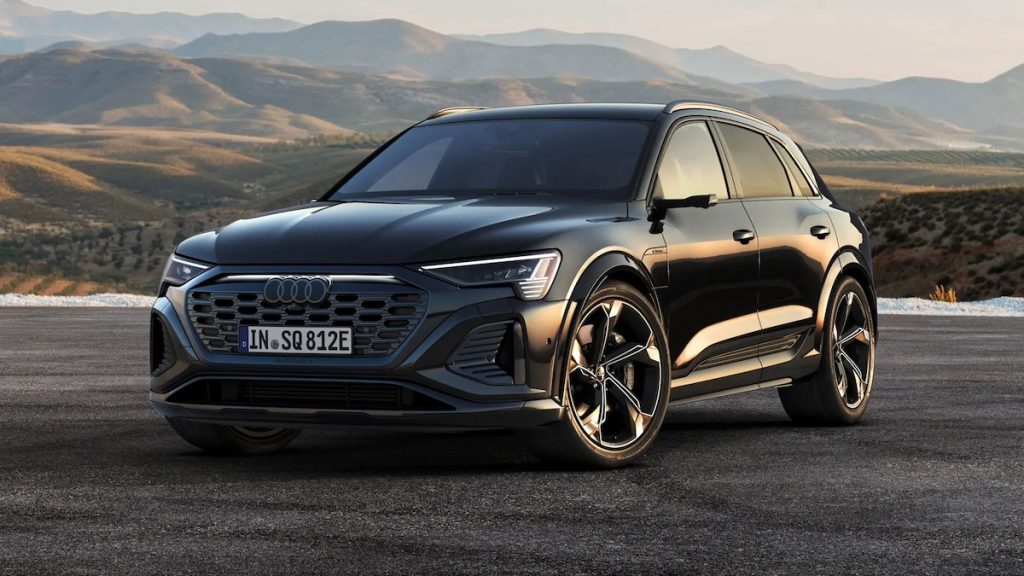
10. Audi Q8 e-tron
The Audi Q8 e-tron reaches 91.3% median battery health at approximately 93,000 miles. Its result at about 31,000 miles was stronger, at 95.7%, before falling to approximately 93.1% around 62,000 miles.
The final 91.3% figure represents one of the larger declines among the higher-ranked vehicles, but the battery still retains more than nine-tenths of its original usable capacity at the study’s highest mileage point.
That distinction is useful when interpreting the ranking. A model can lose more capacity than another vehicle and still provide a relatively strong high-mileage result.
The Q8 e-tron’s placement also shows that vehicle size does not automatically determine battery durability. Despite being a larger luxury EV, it remains comfortably above several smaller vehicles in the AVILOO dataset.
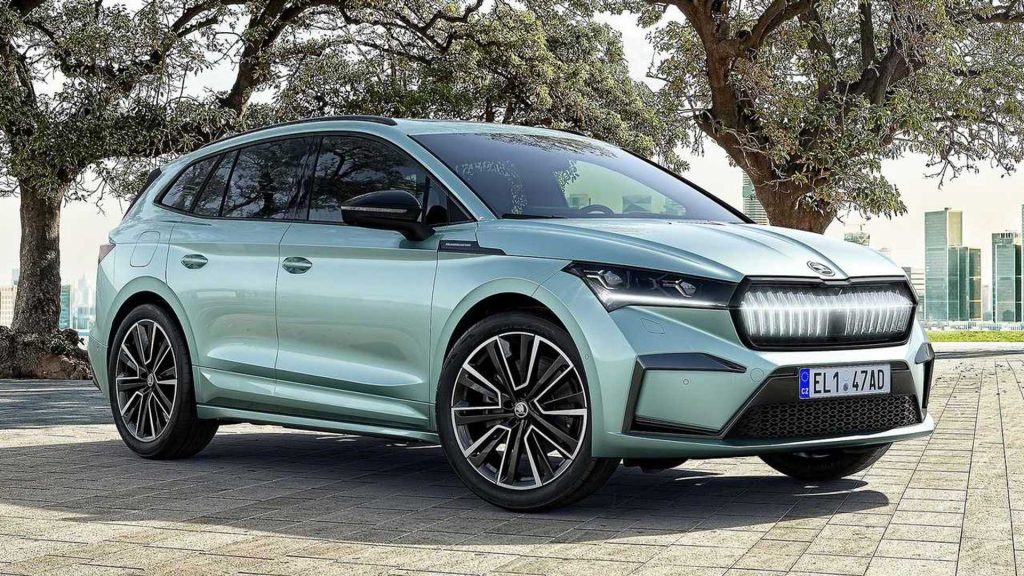
11. Skoda Enyaq
The Skoda Enyaq records a 91.0% median battery state of health at about 93,000 miles, making it the final vehicle in the study to reach the 91% range. At approximately 31,000 miles, its median result was 95.1%, while the figure at 62,000 miles was around 92.7%.
The latter result shows that the Enyaq experienced measurable capacity loss as mileage increased, but its battery still retained the large majority of its original usable capacity. Its position is especially interesting when compared with other vehicles using related Volkswagen Group technology.
The differences between models demonstrate that shared corporate platforms do not necessarily produce identical results in a fleet-level ranking.
For used buyers, the Enyaq’s 91.0% median result provides evidence of respectable long-term battery retention rather than suggesting that high mileage automatically creates an unusable battery.
12. Volkswagen ID.4
The Volkswagen ID.4 lands at 90.8% median battery health at approximately 93,000 miles. AVILOO’s data places the model at about 95.2% at 31,000 miles and approximately 92.5% at 62,000 miles.
The 90.8% result means the typical vehicle in the analyzed population retained more than 90% of its original usable capacity despite accumulating substantial mileage.
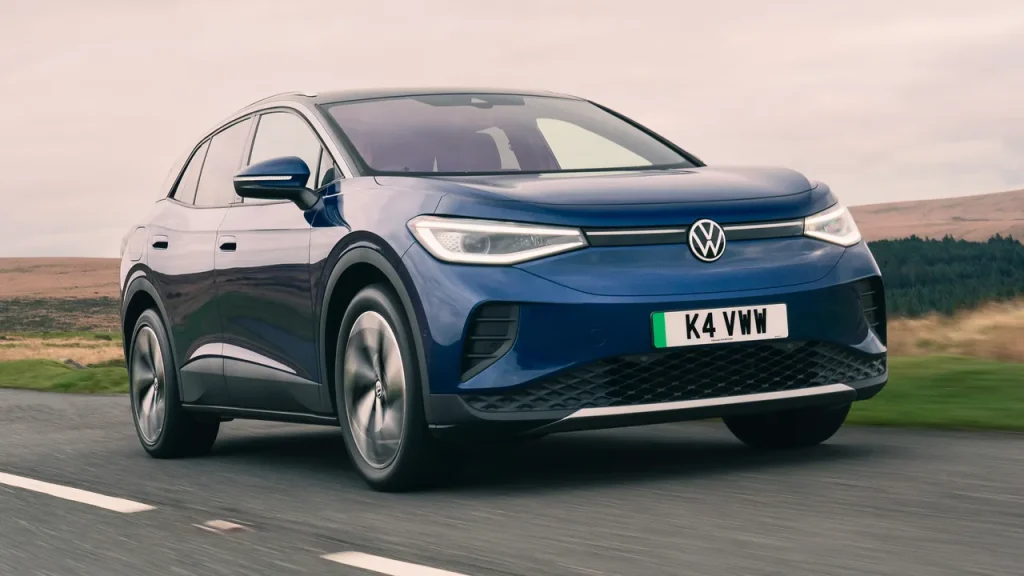
The ID.4 is particularly relevant to American buyers because it has been sold extensively in the U.S. market, making its battery performance more directly interesting to domestic used-EV shoppers.
Still, the AVILOO dataset itself is international, so its figure should not be interpreted as a U.S.-only measurement. A prospective buyer should also consider battery warranty coverage, charging history and an independent battery test rather than relying solely on the model’s median ranking.
13. Peugeot e-208
The Peugeot e-208 records a 90.7% median state of health at around 93,000 miles. Its earlier figures were approximately 94.2% at 31,000 miles and 92.0% at 62,000 miles.
That places the model in a group where degradation becomes more noticeable at higher mileage, although the median battery still retains more than nine-tenths of its original usable capacity.
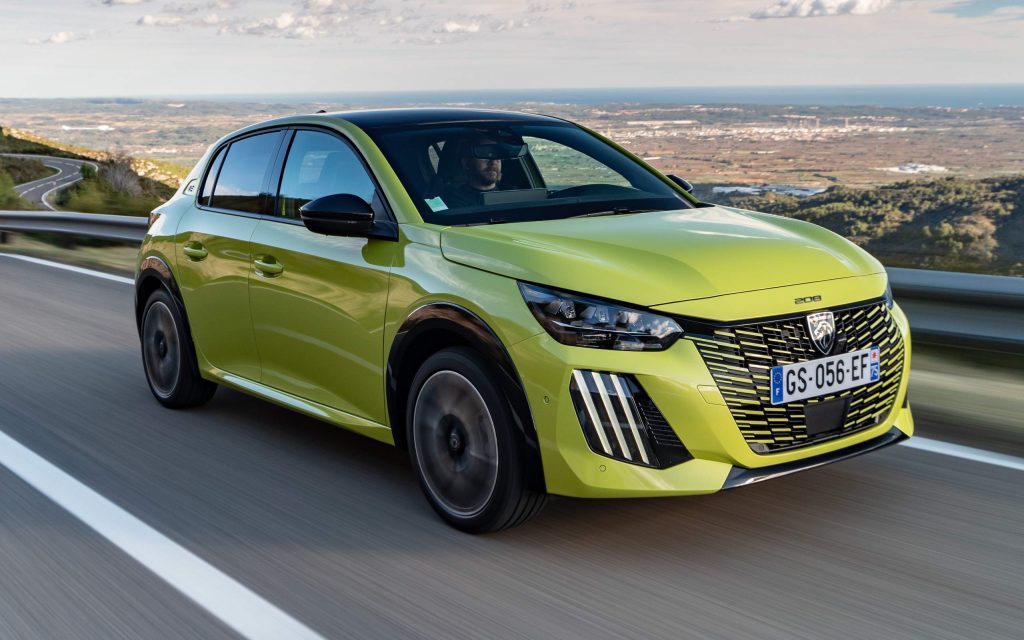
The e-208 is also a useful example of why battery size and vehicle use can influence long-term results. Smaller EVs can require more charging cycles to cover the same distance as vehicles equipped with larger battery packs, and AVILOO has identified battery size as one potential factor associated with degradation.
That does not mean battery size alone determines durability, but it helps provide context for the differences between models at the bottom of the ranking.
14. Opel Corsa-e
The Opel Corsa-e matches the Peugeot e-208 with a 90.7% median battery state of health at approximately 93,000 miles. At around 31,000 miles, the model registered approximately 94.1%, while the figure at 62,000 miles was near 92.0%.
Its 3.4-percentage-point reduction between the first and final measurement points is noticeable, yet the resulting 90.7% still indicates that the median battery retained most of its original usable capacity.
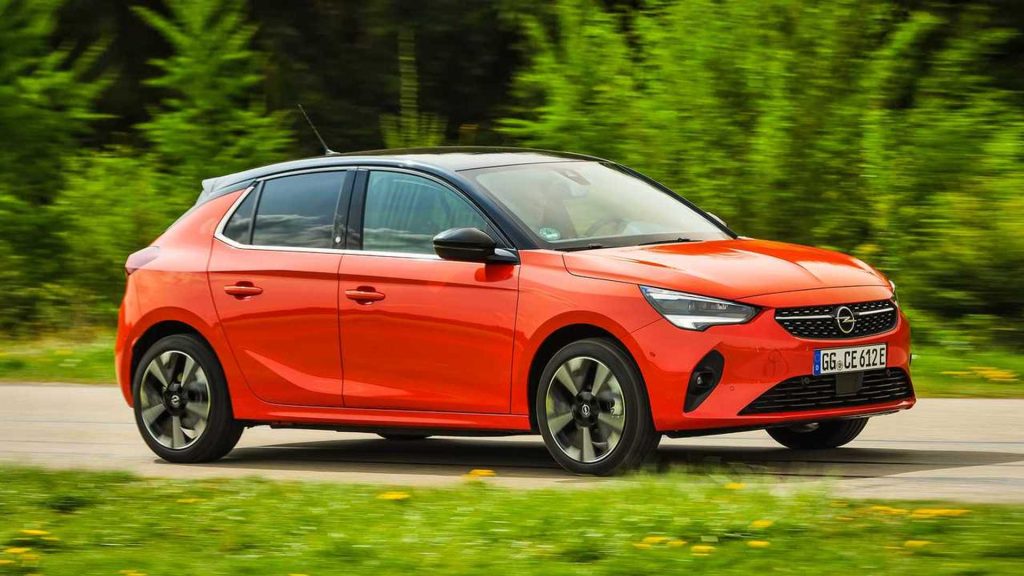
The Corsa-e is particularly interesting because its position is almost identical to the e-208 despite the two models occupying the same percentage point at the highest mileage interval.
Their matching results reinforce the idea that closely related vehicle architectures can show similar long-term battery behavior. For a used example, however, the individual battery report remains more informative than assuming every vehicle will mirror the fleet median.
15. Audi Q4 e-tron
The Audi Q4 e-tron posts a 90.6% median battery state of health at roughly 93,000 miles, narrowly missing the 91% level. Its earlier measurements were approximately 95.0% at 31,000 miles and 92.4% at 62,000 miles.
The decline to 90.6% indicates more noticeable capacity loss at higher mileage, but the battery remains substantially above the levels seen in the bottom five models. The Q4 e-tron’s result also illustrates why premium branding does not automatically guarantee the highest battery-retention score.
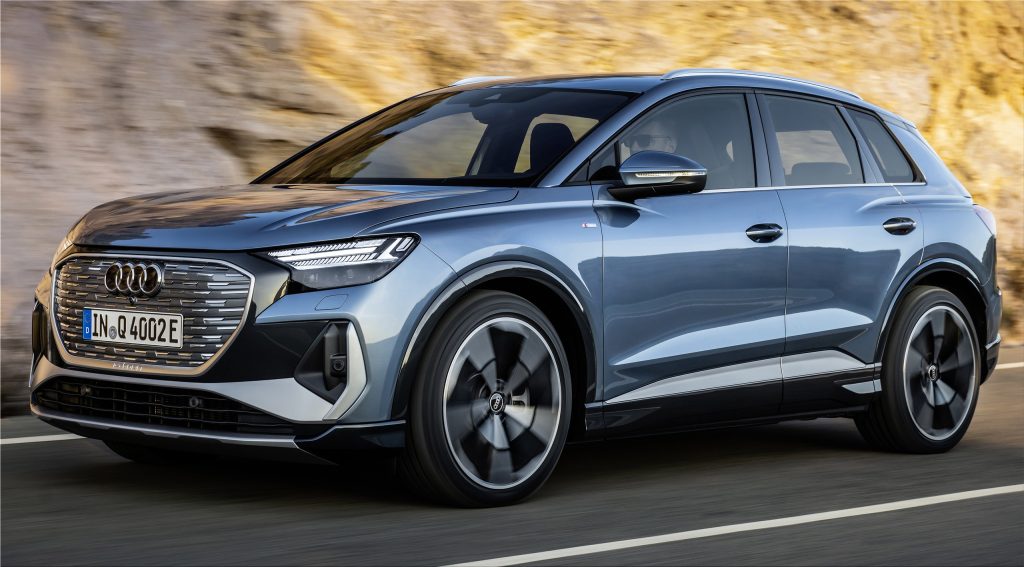
While the Audi sits below several less expensive EVs, its median figure still indicates that most of the original usable capacity remained after the equivalent of 93,000 miles. For used-car shoppers, this distinction matters because a ranking position should be considered alongside actual battery condition, vehicle age and charging history.
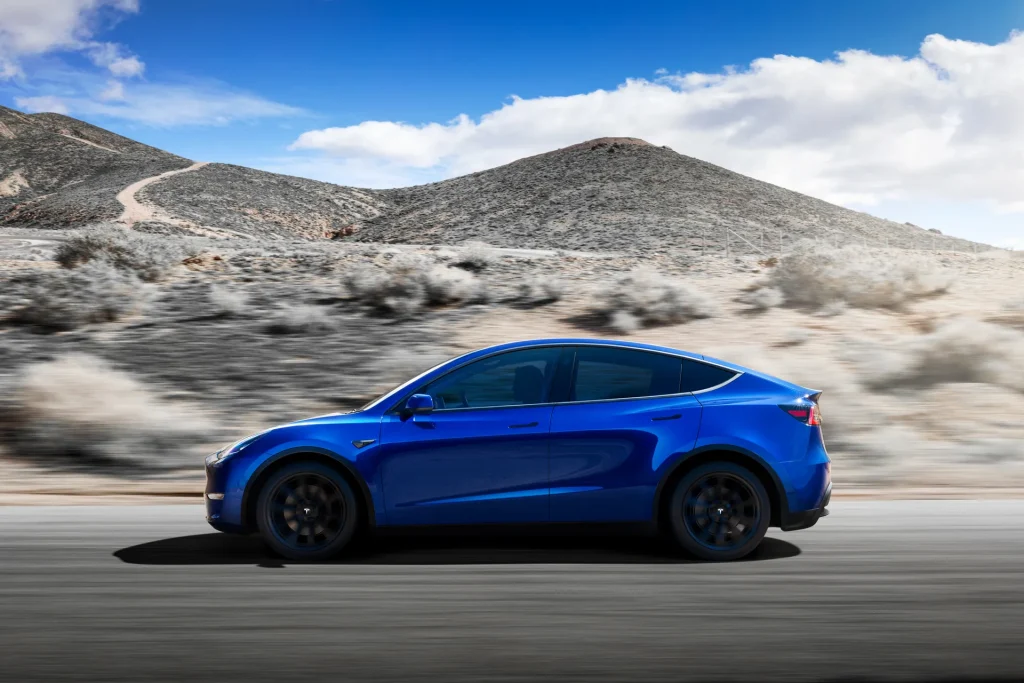
16. Tesla Model Y
The Tesla Model Y records a 90.3% median battery state of health at approximately 93,000 miles, putting it just above the 90% threshold. Its median figure was approximately 94.4% at 31,000 miles and 91.9% at 62,000 miles.
That represents a 4.1-percentage-point decline from the first to the final measurement point. The result is significant because the Model Y has developed a strong reputation for battery longevity, yet this larger dataset places it below many competing EVs at the 93,000-mile mark.
It is important not to interpret the finding as proof that every Model Y experiences the same degradation. AVILOO’s figures represent medians, and individual vehicles can differ considerably.
For buyers, the study therefore provides a statistical reference rather than a verdict on a particular Tesla’s battery condition.
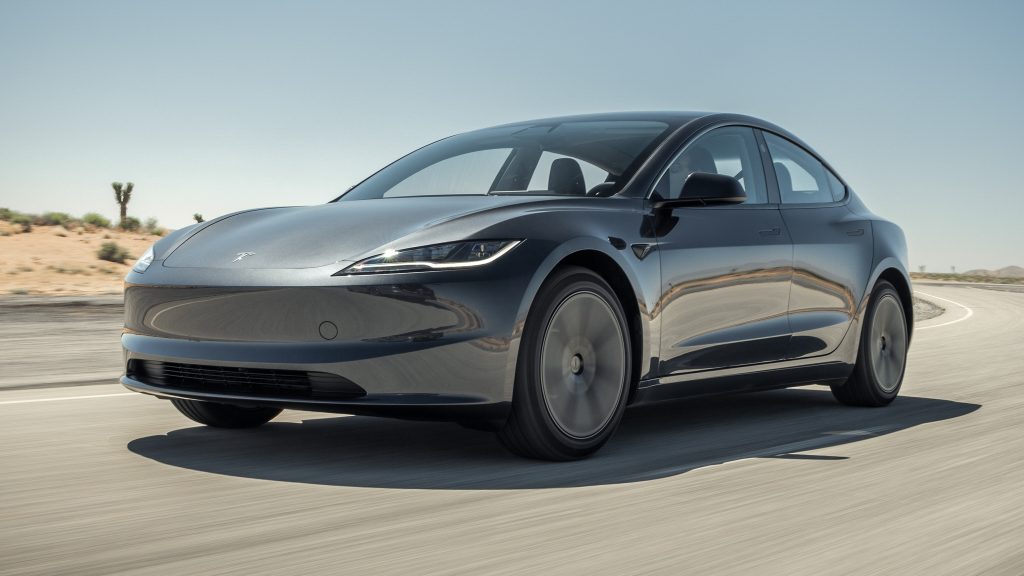
17. Tesla Model 3
The Tesla Model 3 falls to 88.9% median battery health at about 93,000 miles, making it the lowest-performing Tesla in the study. Its median health was approximately 93.8% at 31,000 miles and 90.8% at 62,000 miles.
The final result represents a 4.8-percentage-point decline from the first measured interval. One interesting feature of the AVILOO data is that the Model 3’s degradation was not perfectly linear.
A significant portion of the capacity reduction occurred relatively early before the decline became less pronounced. Even at 88.9%, the median battery still retained nearly nine-tenths of its original usable capacity after substantial mileage.
That makes the Model 3’s result more nuanced than simply labeling it a poor battery performer. Individual condition can vary, and a direct battery-health measurement is more useful when assessing a specific used vehicle.
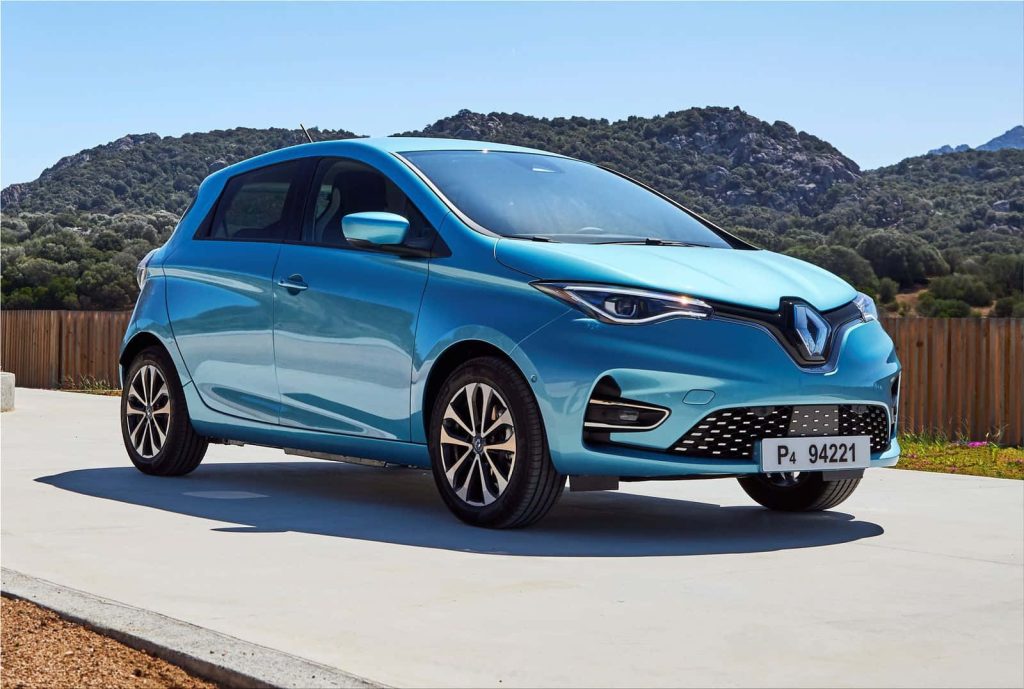
18. Renault Zoe
The Renault Zoe records an 87.3% median battery state of health at approximately 93,000 miles, placing it in the bottom three. Its earlier results were around 91.6% at 31,000 miles and 88.9% at 62,000 miles.
The final figure therefore reflects a decline of approximately 4.3 percentage points from the first measured interval. The Zoe’s position is particularly relevant to AVILOO’s observations about battery size and charging frequency.
Smaller battery packs can require more charging cycles to cover equivalent distances, which can contribute to greater degradation over time. The result does not mean a Zoe approaching 93,000 miles has an unusable battery.
Instead, it indicates that the median vehicle in this dataset retained a smaller share of its original capacity than most of the other models tested.
19. MINI Cooper SE
The MINI Cooper SE posts an 87.1% median battery state of health at approximately 93,000 miles, ranking second from the bottom. Its battery retained about 94.1% at 31,000 miles before falling to approximately 90.1% at 62,000 miles.
The resulting 7.0-percentage-point decline between the first and final measurement points is the largest drop in the study’s 20-model comparison. That makes the MINI particularly notable because its degradation curve differs from the gradual pattern seen in many higher-ranked vehicles.
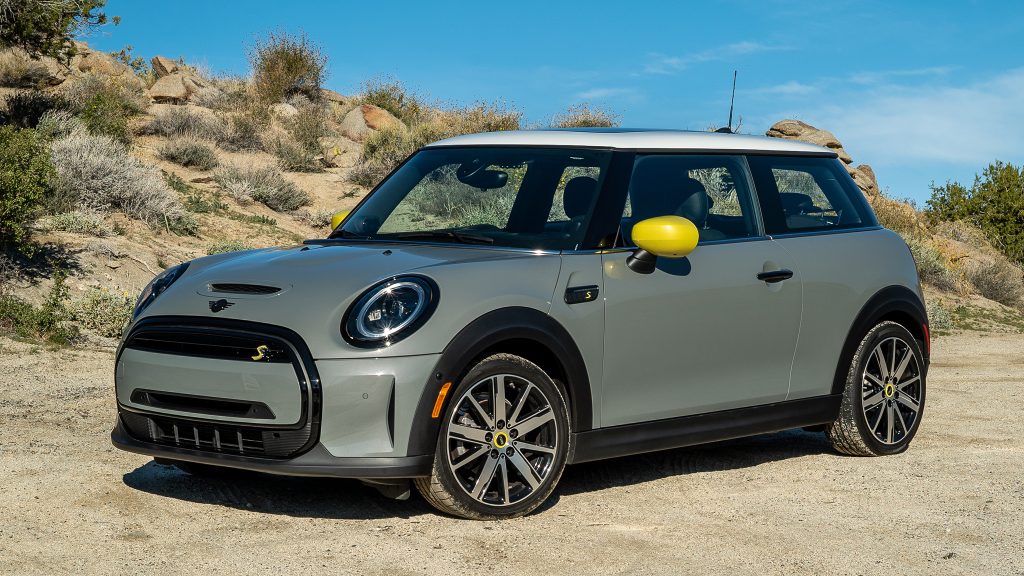
Battery size provides important context, since the Cooper SE uses a relatively small pack and therefore can require more charging cycles over a given distance.
The AVILOO result should still be treated as a median rather than a prediction for every MINI, but it clearly places this model among the study’s weaker performers for long-term capacity retention.
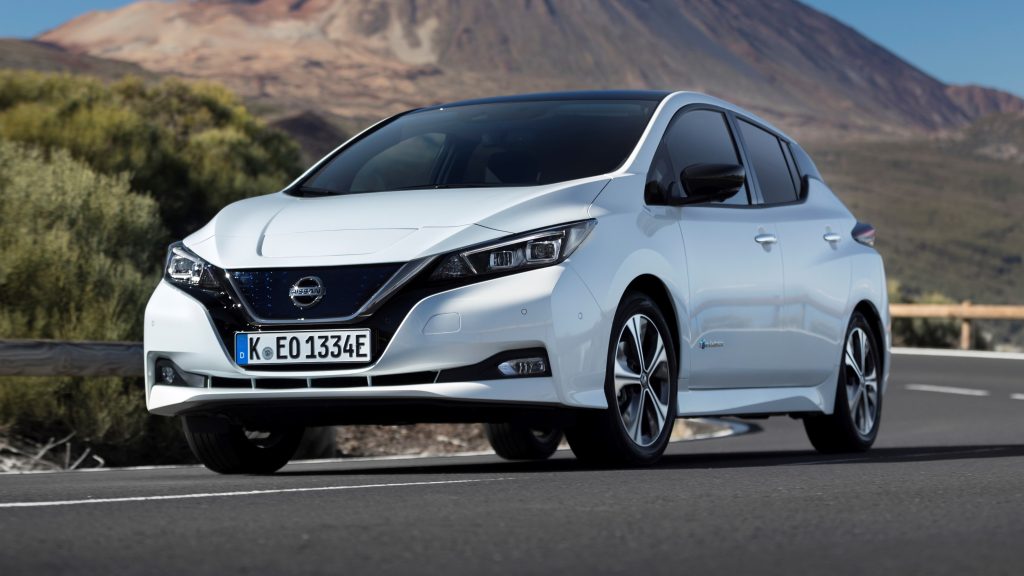
20. Nissan Leaf
The Nissan Leaf finishes the ranking with an 86.7% median battery state of health at approximately 93,000 miles. AVILOO measured the model at roughly 91.2% after 31,000 miles and 88.3% at 62,000 miles, producing a final result below every other vehicle in the 20-model comparison.
The Leaf’s position is notable because, like the Renault Zoe and MINI Cooper SE, it uses a relatively small battery compared with many of the larger EVs included in the study. This provides useful context when comparing battery degradation across different electric vehicle models.
AVILOO notes that smaller batteries can require more charging cycles to cover equivalent distances, potentially contributing to greater degradation.
The Leaf’s result does not mean every high-mileage example will reach 86.7%. In fact, AVILOO found substantial variation between individual vehicles, reinforcing why a direct battery-health inspection matters when purchasing a used EV.
The AVILOO study provides one of the clearest large-scale pictures yet of how modern EV batteries age in real-world use. At approximately 93,000 miles, the median results ranged from 94.0% for the Mercedes-Benz EQA to 86.7% for the Nissan Leaf.
Most of the 20 models remained above 90%, challenging the assumption that an EV battery necessarily becomes severely degraded once the odometer approaches six figures.
At the same time, the differences between models are large enough to matter, particularly for used-car buyers. AVILOO also emphasizes that individual vehicles can vary substantially from their model’s median result, so a battery-health test on the actual car remains essential before purchase.
