Thousands of American vehicle owners have filed complaints with the National Highway Traffic Safety Administration in 2026, creating a useful snapshot of which models are generating the most reports.
A GarageCalc analysis of NHTSA’s public complaint data counted 49,801 vehicle complaints received between January 1 and August 24, 2026. The five models with the highest raw totals were the Ford F-150, Ford Escape, Chevrolet Silverado 1500, Ram 1500, and Ford Explorer.
These numbers should not be treated as direct reliability rankings because complaint totals are strongly influenced by sales volume and the number of vehicles on the road. Still, the filings reveal where owners are reporting problems most frequently.
1. Ford F-150
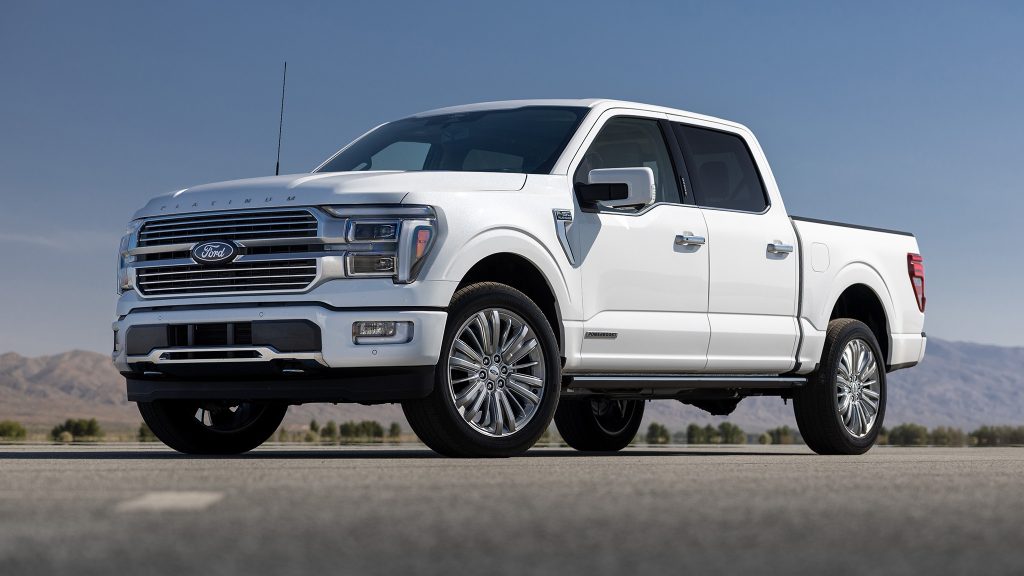
The Ford F-150 leads every other model in GarageCalc’s 2026 analysis, with 2,225 NHTSA complaints filed between January 1 and August 24. That represents approximately 4.5 percent of the 49,801 vehicle complaints included in the study.
The number sounds alarming at first, but raw complaint totals require important context. The F-150 is one of America’s highest-volume vehicles, so a large population of trucks naturally creates more opportunities for owners to report problems. GarageCalc itself cautions that complaint totals correlate strongly with sales volume.
The most frequently cited category for the F-150 in the analysis was the powertrain. That does not mean 2,225 trucks experienced a powertrain failure.
NHTSA complaints are owner-submitted reports, and NHTSA explains that complaint information is combined with other sources when the agency evaluates potential safety issues or determines whether a defect trend warrants investigation. A complaint by itself is not a finding that a defect exists.
There is also encouraging movement in the year-over-year comparison. The F-150’s 2,225 complaints were 2 percent lower than during the same period of 2025. That puts the model in a different position from vehicles whose complaint totals are rapidly increasing.
GarageCalc’s methodology used distinct complaint IDs and compared identical January 1 through August 24 periods, reducing the chance that unequal reporting windows would distort the comparison.
For someone researching an F-150, the figure is best viewed as a reason to investigate specific model years, components, and complaint narratives rather than automatically declaring the truck unreliable.
2. Ford Escape
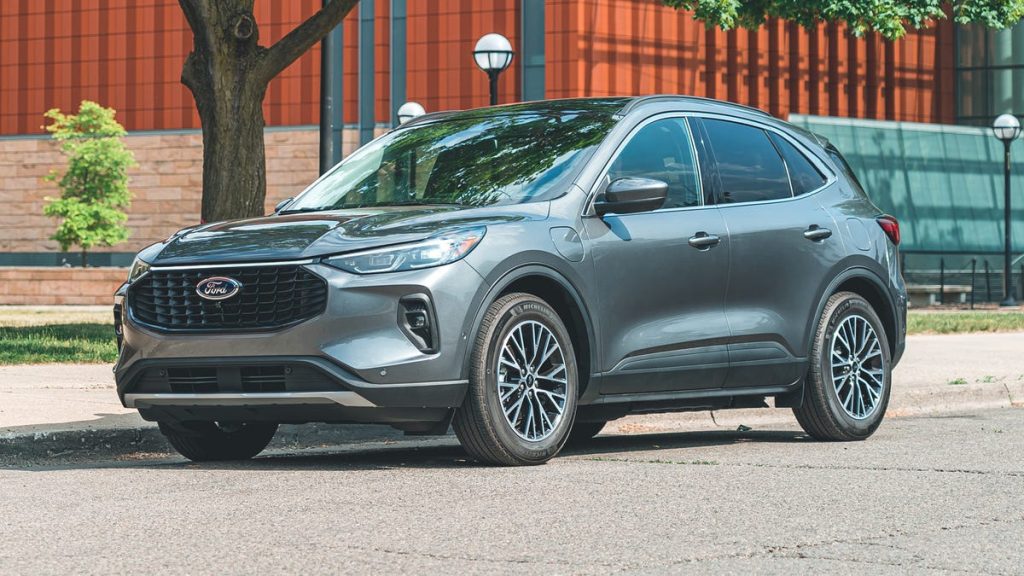
The Ford Escape recorded 1,477 NHTSA complaints during the January 1 through August 24, 2026, reporting period, placing it second in GarageCalc’s ranking. That is 748 fewer complaints than the F-150, but it still represents a substantial share of the vehicles included in the analysis.
Importantly, the Escape’s complaint total was 15 percent lower than the corresponding period in 2025, giving its position a different meaning from a model experiencing rapidly increasing complaint activity.
GarageCalc identifies the engine as the Escape’s most frequently cited complaint area. That classification comes from NHTSA’s component categories and should not be interpreted as proof that every complaint represents an engine failure.
Individual NHTSA reports can describe very different symptoms, circumstances, and vehicle conditions, and the federal agency does not treat every consumer report as a confirmed defect.
The Escape’s second-place position therefore needs to be read alongside its declining complaint count. A raw ranking can make a model appear problematic simply because many examples are operating on American roads.
GarageCalc specifically notes that high-volume vehicles tend to dominate raw complaint tables, which is one reason its year-over-year change provides additional context.
There is another useful distinction between the number of complaints and the severity of those complaints. NHTSA’s complaint system exists to collect reports from consumers about potential safety issues.
The agency can then combine those reports with investigations, manufacturer information, crashes, injuries, and other evidence when determining whether further action is necessary. A high complaint count alone cannot establish that a vehicle has a systemic safety defect.
For Escape shoppers, the 2026 data makes specific complaint patterns worth checking rather than treating the ranking as a simple reliability score.
3. Chevrolet Silverado 1500
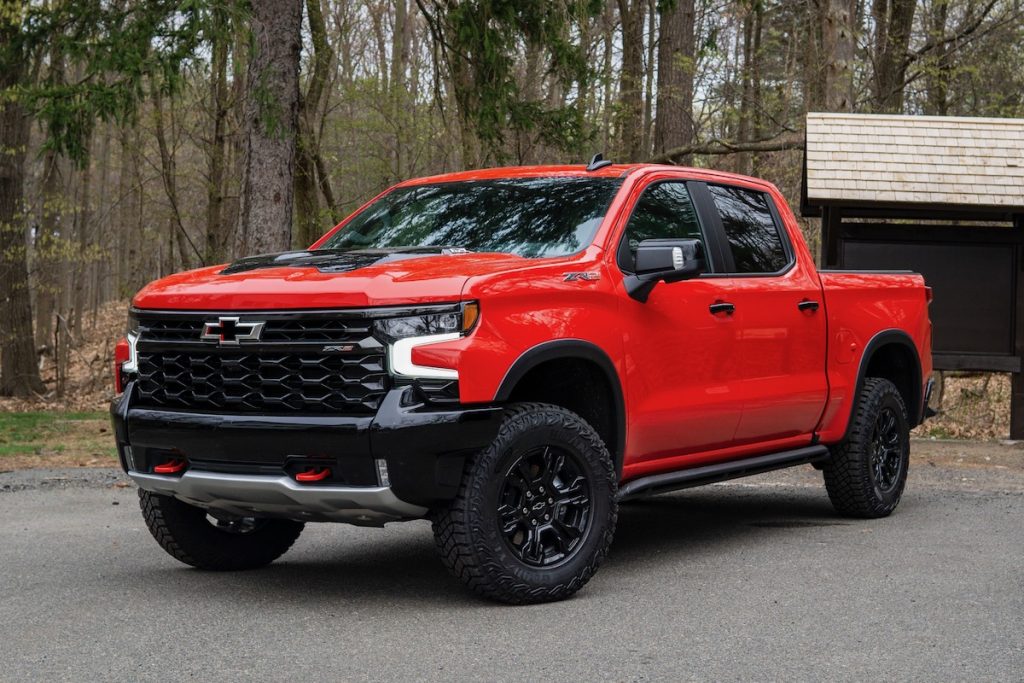
The Chevrolet Silverado 1500 generated 1,189 complaints through August 24, according to GarageCalc’s analysis of NHTSA’s 2026 complaint data. That placed the full-size pickup third among the five models with the most reports.
Engine complaints were the leading category identified in the analysis, while the model’s complaint count was 13% lower than in the same period of 2025.
The Silverado illustrates an important problem with using complaint totals as a simple quality scoreboard. Full-size pickups have enormous populations on American roads, and the Silverado 1500 is a high-volume vehicle.
More vehicles create more opportunities for an owner to experience a problem and report it. Consequently, a model with thousands of complaints can sometimes have fewer complaints per vehicle than a lower-volume model with several hundred reports.
That does not make the Silverado’s data irrelevant. A shopper considering a used truck can use the complaint categories to decide where additional inspection attention may be worthwhile.
With engine-related complaints leading the 2026 category breakdown, service history and evidence of proper maintenance deserve particular consideration. However, the complaint database itself cannot establish that a reported problem was caused by a manufacturing defect.
The year-over-year movement provides another useful piece of information. The Silverado’s 1,189 complaints represented a 13% decrease from the comparable 2025 period.
That is a meaningful change in submitted reports, but it should not be described as a 13% improvement in reliability because the data does not measure failures per vehicle or per mile. GarageCalc explicitly warns that changes in reporting can influence year-to-year comparisons.
Anyone researching a Silverado should therefore treat the 1,189 figure as a screening tool. NHTSA recommends checking complaints, investigations, and recalls, while its VIN lookup can identify unrepaired safety recalls tied to a specific vehicle. That approach provides considerably more information than the raw complaint ranking alone.
4. Ram 1500
The Ram 1500 ranked fourth with 1,151 complaints filed through August 24, 2026. Unlike the Ford F-150 and Chevrolet Silverado 1500, its leading complaint category in the GarageCalc analysis was electrical systems. The 2026 count was also 11% lower than during the corresponding period of 2025.
Electrical complaints can cover a wide range of reported symptoms, which makes the category label alone insufficient to identify one specific fault. An NHTSA complaint is an owner’s report, not a laboratory diagnosis.
NHTSA says complaint information is combined with other sources to identify potential safety issues and determine whether a safety-related defect trend may warrant further action.
That distinction is particularly important when a model appears near the top of a complaint ranking.
The Ram 1500’s 1,151 reports might initially look alarming, but raw numbers do not account for the number of trucks in service, miles driven, or how likely owners are to report problems. GarageCalc therefore cautions readers against interpreting the ranking as a failure rate.
For someone considering a used Ram 1500, the electrical category can nevertheless guide the inspection process. Buyers can review records for previous electrical repairs, investigate whether symptoms have returned, and check the exact VIN for unresolved safety recalls.
NHTSA’s recall system allows consumers to search by VIN and identify unrepaired safety recalls associated with a particular vehicle.
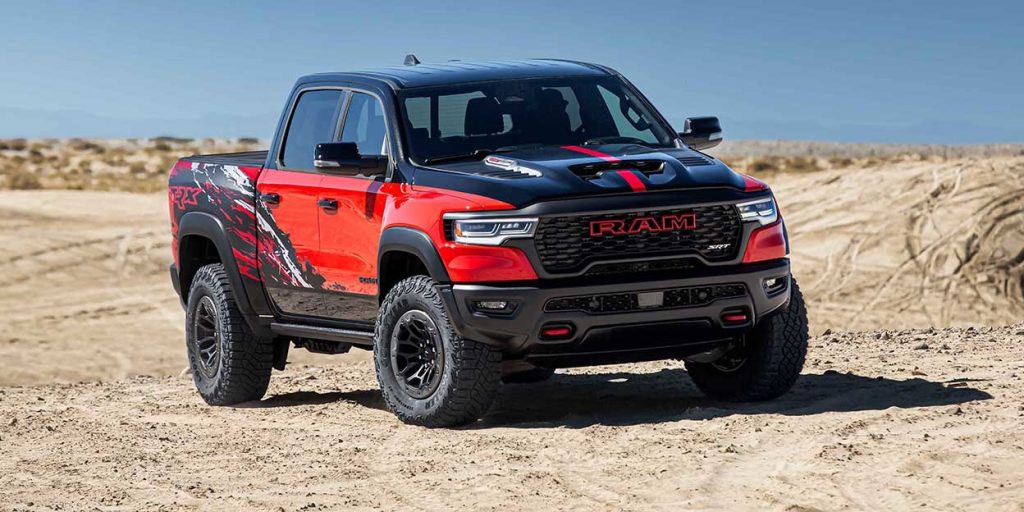
The 11% decline from the comparable 2025 period adds another layer to the story. Fewer complaints were submitted, but that does not prove the trucks became 11% more reliable. Complaint reporting is influenced by factors beyond mechanical failure rates.
The clearest conclusion is narrower. Fewer Ram 1500 complaints reached NHTSA during the measured 2026 period than during the equivalent period in 2025.
That makes the Ram’s result worth monitoring, but not sufficient by itself to condemn the model.
5. Ford Explorer
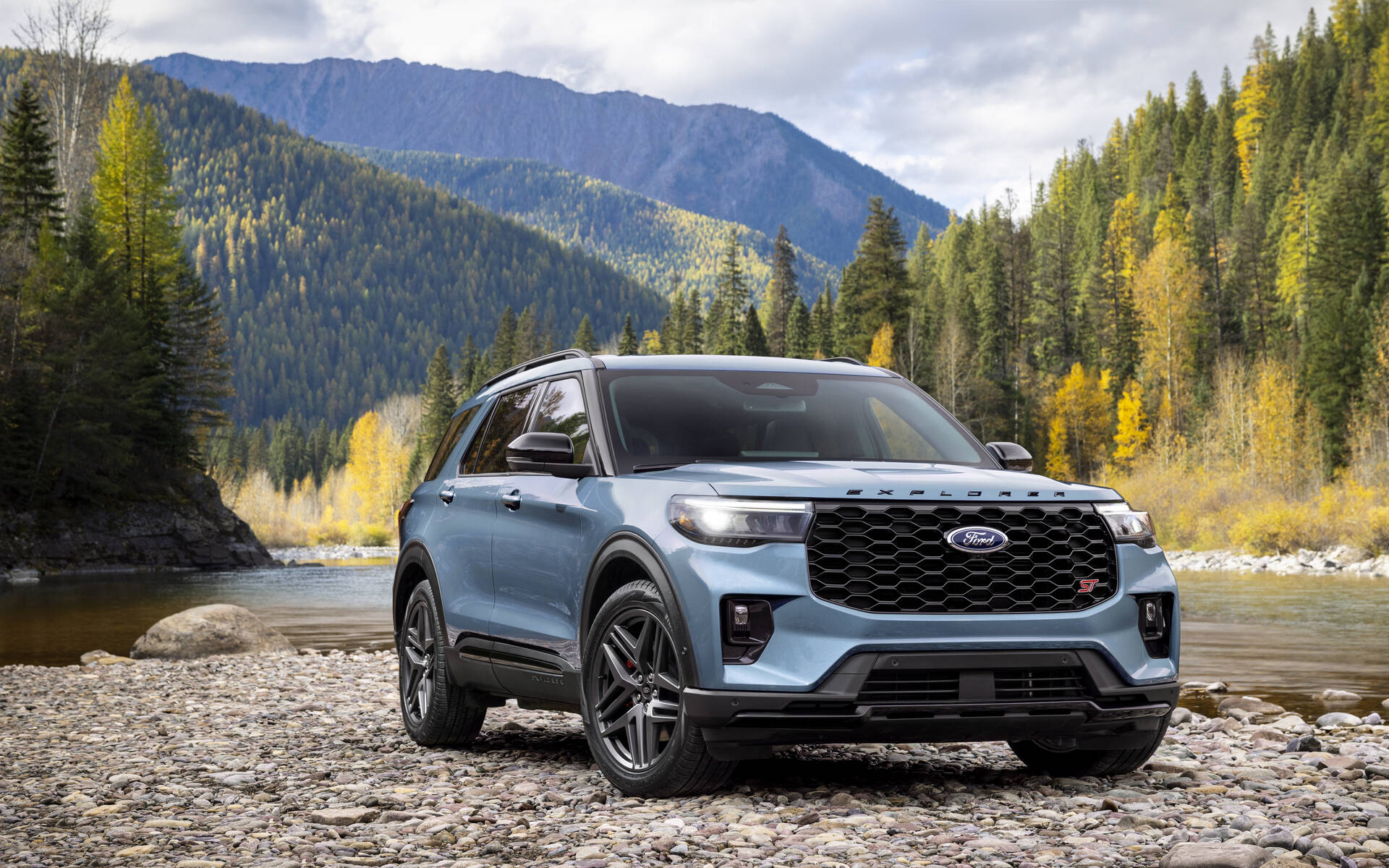
The Ford Explorer recorded 1,006 complaints through August 24, 2026, completing the five-model list. GarageCalc identifies structure as the leading complaint category and reports that the Explorer’s complaint count was 42% lower than during the comparable 2025 period.
The 42% reduction is the largest year-over-year decline among the five models discussed here. It sounds dramatic, but the figure needs to be read carefully. It represents the change in the number of complaints submitted during two matching periods, not a 42% reduction in mechanical or safety failures.
NHTSA does not calculate vehicle reliability from complaint totals, and GarageCalc explicitly warns that complaint counts are affected by fleet size and reporting behavior.
The Explorer’s structure category is another reason to look beyond the headline number. A category in an NHTSA dataset describes the area associated with reported complaints, but it does not automatically establish that all reports concern the same component or that the manufacturer has confirmed a defect.
For a prospective used Explorer buyer, the 1,006 complaints provide a reason for more detailed research, particularly into the model years represented in the complaint database. NHTSA’s data can be queried by model year, make, and model, while the agency’s recall system provides VIN-specific information for unrepaired safety recalls.
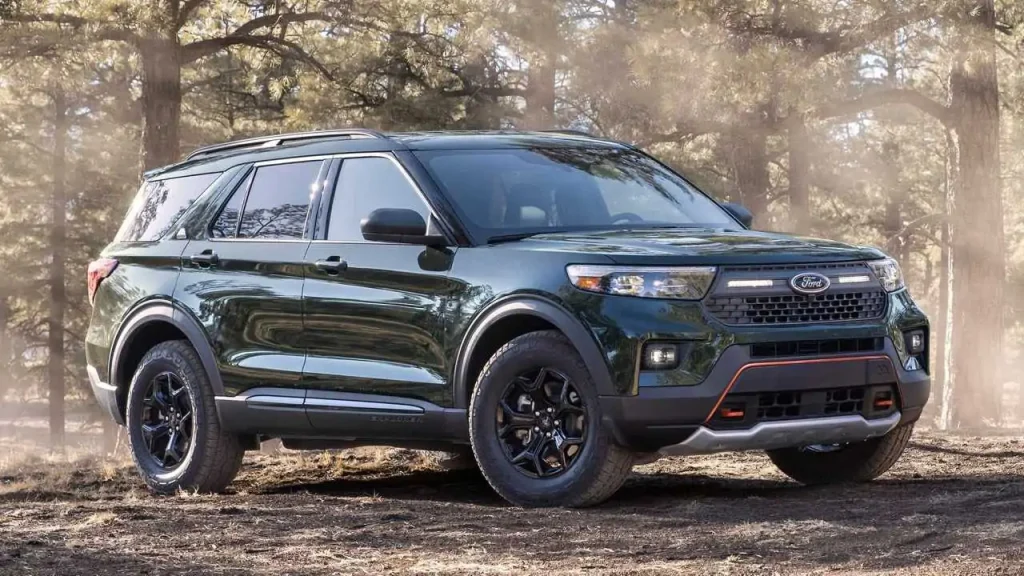
There is also an important lesson in the Explorer’s position. A vehicle can rank among the models with the most raw complaints while simultaneously showing a large year-over-year decline.
Those two facts are not contradictory because they describe different measurements. The first reflects the number of reports received in 2026, while the second compares that figure with the same period a year earlier.
For shoppers, the smartest response is not to avoid a model simply because it appears on this list. Instead, the complaint figure should prompt a closer examination of the exact vehicle, its model year, repair history, recalls, and reported problems.