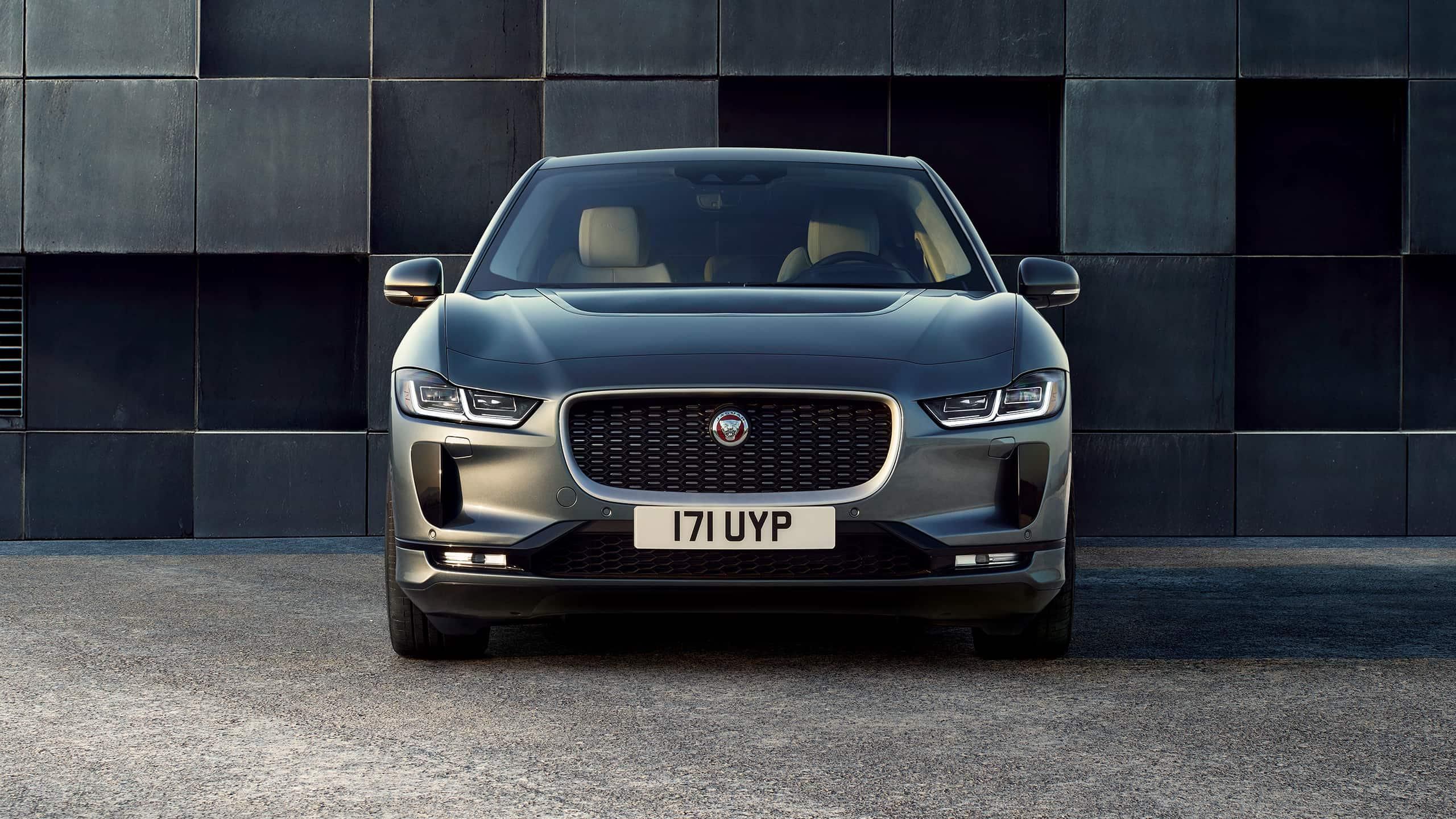
The Jaguar I-Pace has taken the top spot for value loss in the latest five-year depreciation study. It lost 72.2% of its original value over five years. That means an owner kept only about 27.8 cents of every dollar spent. The figure comes from an analysis of more than 950,000 used cars.
Those cars were sold between March 2025 and February 2026. All of them were five years old at the time of sale. The average vehicle lost 41.8% in the same period. The I-Pace lost about 30 points more than that average.
A luxury badge and a high price do not guarantee strong resale. The data shows the opposite in many cases. This article explains what the number means and why it happened. It also shows how buyers can avoid the same mistake.
Every figure here comes from the study or from simple math on it. Each section answers one clear question. Depreciation is the biggest hidden cost of owning a car. The I-Pace is a sharp reminder of that fact.
Explore the data, understand the factors behind the decline, and learn how to make more informed financial decisions. The Jaguar I-Pace and Its 72.2% Loss in Value: What the Data Reveals
The I-Pace tops the list of the worst five-year value losers. Its 72.2% drop is the highest among all models studied. The study used inflation-adjusted original prices. It compared them with real asking prices for five-year-old cars.
The inflation adjustment relies on official labor statistics. This keeps the comparison fair across different model years. The formula is simple. Subtract the current value from the original price, then divide by the original price.
Take an $86,000 I-Pace as an example. After five years it is worth roughly $24,000. That is a loss of about $62,000 in five years. It works out to more than $12,000 for every year of ownership.
A 2019 First Edition model shows an even sharper case. It cost $86,895 new and now has a fair purchase price near $21,617. That is a loss of $65,278 in about six years. The percentage loss reaches 75.1%.
Now compare it with the market average. The average car lost 41.8% over five years. The I-Pace lost 30.4 points more than that average. In ratio terms, it lost 1.7 times as much value.
Trucks are the best segment at a 34.2% loss. The I-Pace lost 38 points more than the average truck. Hybrids lost only 35.4% in the same period. A $40,000 hybrid keeps about $25,800.
An average $40,000 car keeps about $23,300. A $40,000 car losing 72.2% would keep only about $11,100. The I-Pace is not alone at the bottom. The BMW 7 Series lost 61.6% over five years.
The Nissan Leaf lost 63.1% in the same window. Both figures sit far above the 41.8% average. Other names on the worst list include the Maserati Levante and the BMW i4. The Audi A8, Mercedes-Benz S-Class, Porsche Taycan, and Audi e-tron also appear.
Eighteen of the 25 worst depreciators are luxury models. Eight of the 25 are electric vehicles. Five electric models sit in the worst ten. That pattern is hard to call a coincidence.
The market actually improved this year. Average five-year loss fell from 45.6% to 41.8%, a gain of 3.8 points. An industry analyst linked this to strong used demand and tight supply. Even so, the I-Pace did not benefit.
Weak resale also affects leasing. Lease payments mainly cover expected value loss, so poor resale raises monthly costs. Owners with large loans can end up owing more than the car is worth. That risk grows when depreciation is this steep. The takeaway is clear. A 72.2% loss is not normal, even for an electric luxury car.
Why Electric and Luxury Cars Lose Value So Fast
Electric vehicles are the weakest segment. They lost 57.2% over five years. That is more than 15 points worse than the 41.8% average. The gap has persisted for several years.
Technology moves fast in the electric world. Each new model year brings meaningfully better range and features. Older models then feel outdated. Used buyers pay less because newer cars offer more.
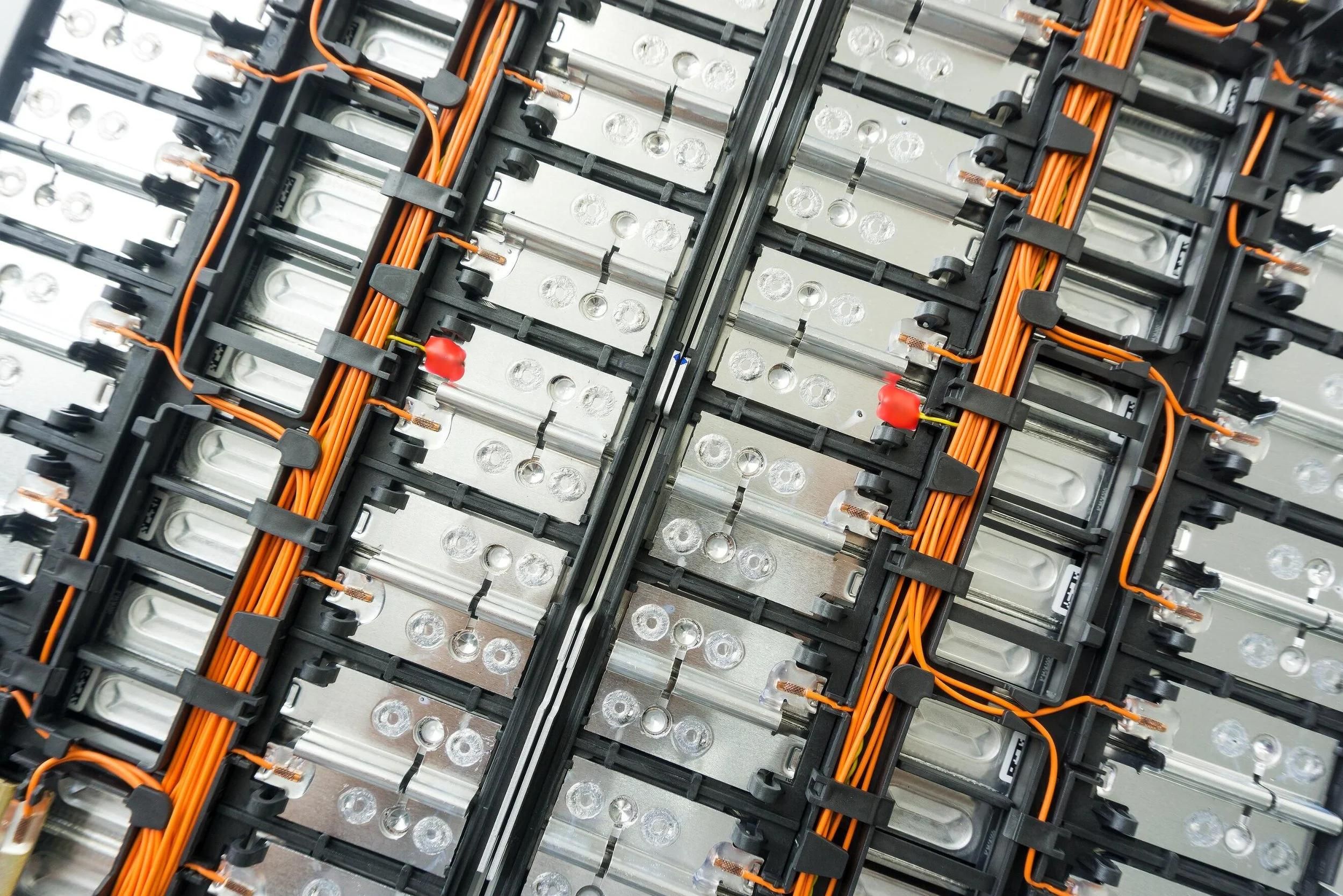
Battery worries add pressure. Buyers fear degradation and costly replacement. Few shoppers want to take that risk on an older, expensive car. They demand a deep discount first.
New EV price cuts also hurt. When makers lower prices on new cars, used values must follow. The federal EV tax credit ended for vehicles acquired after September 30, 2025. That change removed a buying incentive from the market.
Lease returns add supply. A flood of off-lease EVs pushes used prices down. The I-Pace faced all of these forces together. Rival EVs improved quickly while the model saw few updates.
Production was also paused. A car with no fresh updates and no new supply ages fast in buyers’ minds. Brand and battery reputation matter within the EV group. Not every EV falls equally.
The Tesla Model Y has held value far better than the Nissan Leaf or the I-Pace. This shows the segment is not one block. Luxury cars face their own problem. Their high sticker prices include large premiums for prestige and features.
Most of that premium disappears within three years. A comparable mainstream car loses far less. The BMW 7 Series, Audi A8, and Mercedes-Benz S-Class show this clearly. Flagship sedans lose value quickly when newer versions arrive.
Complex technology can raise worries about repair bills for second owners. That fear pushes used prices lower. Compare that with the best resale group. The Porsche 718 Cayman and Porsche 911 lead the list.
Some 911 trims lose under 10% over five years. So luxury alone is not the cause. Scarcity and demand matter more. Sports cars with loyal fans hold value even at high prices.
The Chevrolet Corvette, Toyota Tacoma, Toyota Tundra, and Honda Civic also rank near the top. Their steady demand keeps used prices firm. Toyota holds 10 of the top 25 spots. Reliability and steady demand drive that record.
Hybrids offer a striking turnaround. They lost 56.7% back in 2019 but only 35.4% in the 2026 study. Fuel prices and battery concerns pushed buyers toward gas-electric models. Demand rose and resale values followed.
Trucks stay the strongest segment at a 34.2% loss. Practical use keeps buyers coming. SUVs sit in the middle at a 44.9% loss. Sedans do better at about 39.5%.
Sedan, SUV, and luxury figures are interpolated estimates. Truck, hybrid, and EV figures are direct study results. Color and options matter too. White, silver, and gray cars sell fastest with the smallest discounts.
Odd colors and rare features shrink the buyer pool. Popular options help, but obscure ones rarely add resale value. Mileage plays a role. A common adjustment is about ten cents per mile above or below average.
A five-year-old car with 100,000 miles can sell for $3,000 to $5,000 less than the same car with 60,000 miles. Low mileage protects value. Together, these factors explain the I-Pace result. Technology risk, battery fear, and luxury pricing all hit at once.
How Buyers Can Protect Their Money
Depreciation is the largest single cost of owning a car. It can exceed fuel, insurance, and maintenance combined. No cheque leaves your account, but the loss is still real. Treat it as a bill you pay later.
The first rule is to check resale before you buy. Look at five-year loss data for the exact model. Pick segments with strong records. Trucks, hybrids, and certain Toyota, Honda, Lexus, Subaru, and Porsche models lead.
The second rule is to avoid prestige premiums. Eighteen of the 25 worst models are luxury cars. Pay for features you need, not for badges. The premium evaporates fast.
The third rule is caution with first-generation EVs. If you buy one new, plan to keep it ten years or more. A short ownership window makes the loss painful. A long one spreads it out.
The fourth rule is to buy used. Let the first owner absorb the steepest drop. An average car loses about 28% in year one. By year three the loss approaches 45%.
Consider Lisa’s case. She skipped a $52,000 new Lexus RX 350 and bought a three-year-old one for $36,000. After five years she sold it for $23,000. Her depreciation cost was $13,000.

A new buyer would lose roughly $24,000 over the same five years. Buying used nearly halved her loss. Now consider Mark’s Toyota Tacoma. He paid $42,000 in 2020.
Five years and 65,000 miles later, it sold for $33,500. That is a loss of only 20.2%. Compare Mark with the I-Pace buyer. One lost about $8,500 while the other lost more than $60,000.
Run a simple comparison on a $40,000 sticker price. A truck at a 34.2% loss keeps $26,320. An electric car at a 57.2% loss keeps $17,120. A car matching the I-Pace loss of 72.2% keeps $11,120.
The gap between the truck and the I-Pace is $15,200 on the same price. That is real money left on the table. Financing makes it worse. A big loan on a fast-depreciating car can leave you owing more than it is worth.
Use a larger down payment on risky models. Choose shorter loans to stay ahead of the value curve. Plan your exit before you buy. Ask what the car will fetch in three and five years.
A one-year-old car already skips the first-year drop. That drop is about 28% for an average car. Compare certified pre-owned options. Manufacturer warranties lower the risk of repair bills.
Off-lease cars are a good hunting ground. They often have moderate miles and service records. Look at the I-Pace as a used buy too. A price near $22,000 to $24,000 can look attractive.
But resale risk continues for you as well. Buy only if you plan to keep the car long. Leasing also depends on resale. A strong residual value lowers the monthly payment.
A $40,000 Honda CR-V can lease for about the same as a cheaper car from a weaker brand. Strong resale cuts the depreciation portion. Use trade-in value, not optimistic retail prices, as your yardstick. Realistic numbers prevent bad surprises.
Keep service records and drive moderate miles. Choose neutral colors when you can. Remember that all figures are averages. Individual cars vary widely by condition, trim, and market.
Use the simple formula on any car you consider. Original price minus current value, divided by original price, times 100. The I-Pace’s 72.2% loss is a warning, not a fluke. It reflects fast technology change, battery fears, and luxury pricing. Buyers who check the data first can save tens of thousands of dollars. Choose wisely, and let others take the steep part of the curve.