
Pedestrian deaths in the United States have climbed for over a decade. SUVs and pickups are linked to worse outcomes when they strike a person.
The Insurance Institute for Highway Safety now treats pedestrian braking as a gatekeeper. A vehicle needs an acceptable or good rating to win a Top Safety Pick award.
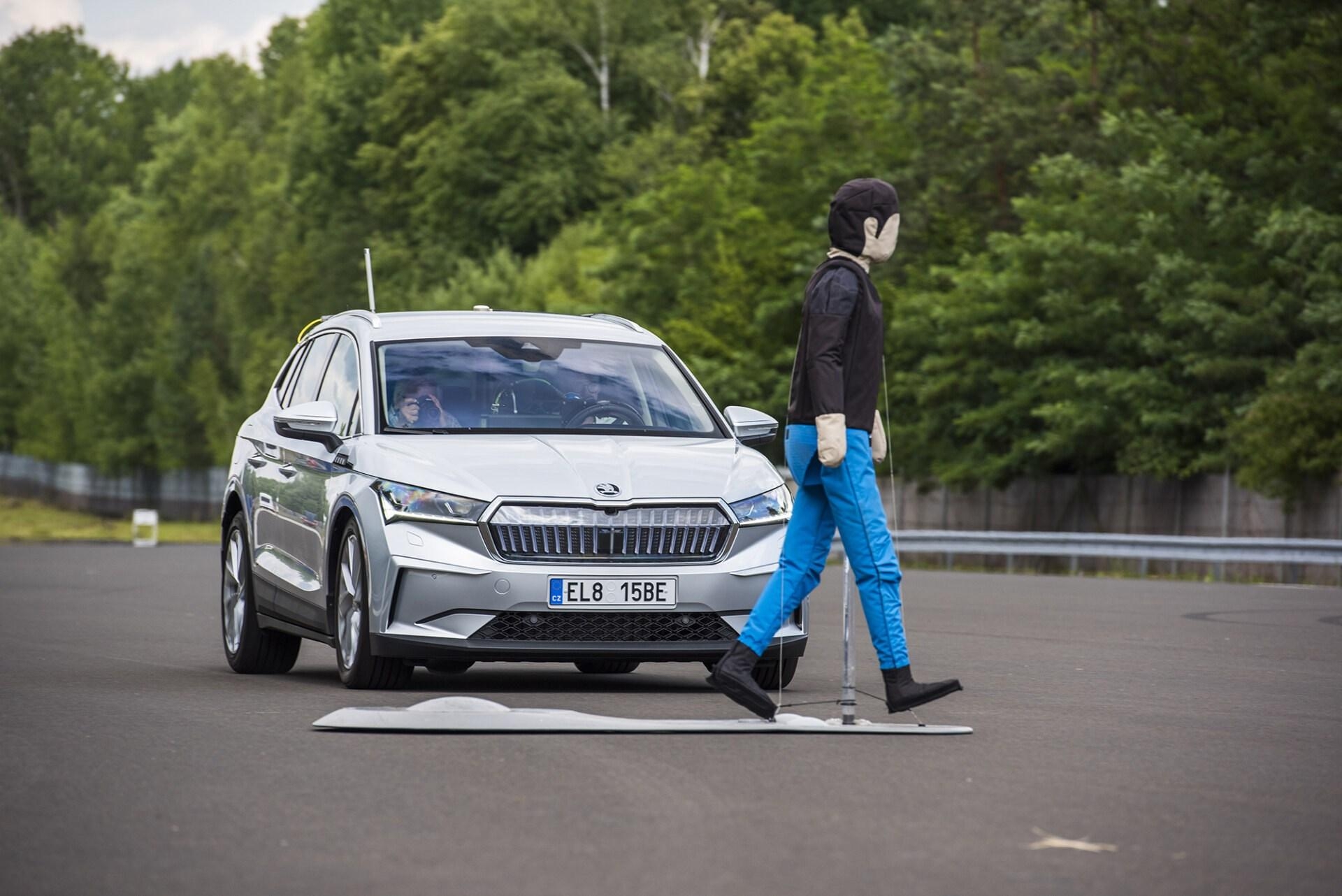
IIHS tests these systems with dummies. Adult and child targets cross the road in daylight and at night. A parallel-path adult is also used. Speeds run from city crawl to near highway pace.
The scoring is unforgiving. A system must avoid or sharply reduce impact speed in most scenarios. Weak night performance drags many scores down. Poor ratings usually mean the system is missing or barely works.
This October 2026 list has eleven vehicles. Four are rated poor, and seven are rated marginal. Some are best-sellers, and some are off-road icons. A few are luxury models with high price tags. None of them can earn an award until the braking improves. Each section below explains what the rating means for buyers.
1. 2026 Honda Ridgeline Crew Cab
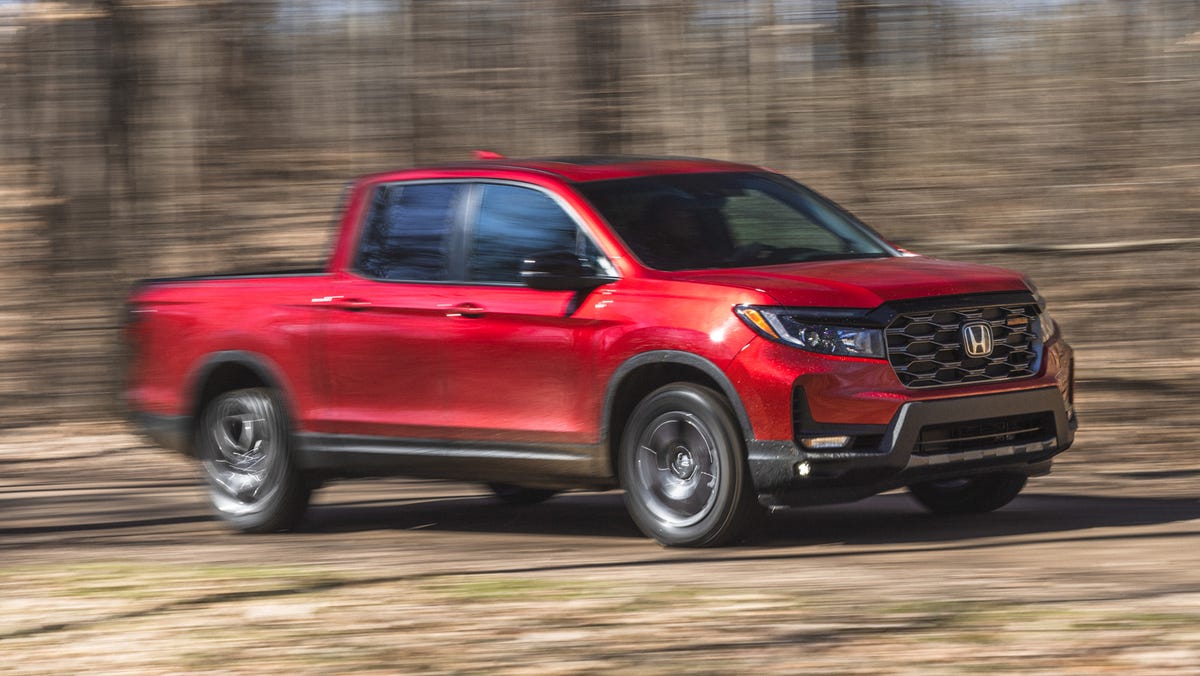
The Ridgeline has long been sold as a safe, family-friendly pickup. The new ratings complicate that image. IIHS gave it a poor mark for pedestrian crash prevention. It also scored poorly in related front crash prevention testing.
The Ridgeline’s unibody build is car-like. Honda has built its reputation on safety. That makes the poor pedestrian result more surprising. Buyers expect Honda Sensing to perform better. A system that fails here may not react in time. It may brake late, or not enough.
IIHS tightened its protocols for 2026. Rear seat checks and stricter headlight thresholds arrived at the same time. The Ridgeline also struggled in the updated moderate overlap test. Rear passenger protection drew the sharpest criticism.
Federal government star ratings still look strong. They use different tests and different scoring. Both views can be true at once. Occupant protection and pedestrian avoidance are separate skills.
Shoppers with children near driveways should note this gap. Pedestrian braking matters most in parking lots and neighborhoods. Honda can fix software and sensor tuning in later builds.
Until it does, the Ridgeline stays off the award list. Ask a dealer which build date has the improved system. Do not assume a newer badge means newer calibration.
2. 2026 Jeep Gladiator Crew Cab
The Gladiator shares its core engineering with the Wrangler. Its pedestrian story is just as simple. Pedestrian front crash prevention is not offered on this pickup. IIHS therefore assigns a poor rating.
There is no hidden option package to fix this. The system is absent across trim levels. The rating applies to recent model years, not only 2026. Several years of buyers have gone without this protection.
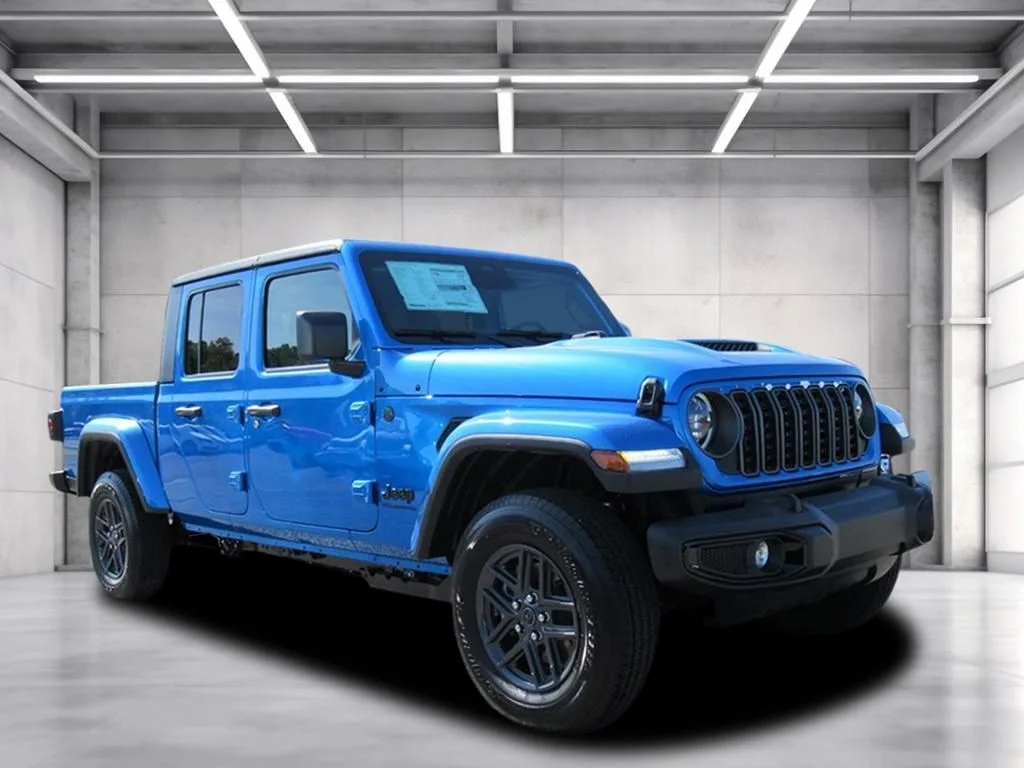
IIHS has said that headlight and pedestrian shortfalls keep the Gladiator out of award contention. Its crash tests also have gaps. Jeep did add frame rail reinforcements on trucks built after October 2025. Those changes target passenger-side small overlap injuries.
That progress is real. It does not help a person standing in front of the truck. The Gladiator’s tall hood and high seating position add risk. Drivers cannot always see someone close ahead.
Off-road buyers may accept those trade-offs. Daily commuters should weigh them more carefully. Cameras and sensors do exist on other Jeep products. The Gladiator simply has not received the same hardware.
If Jeep adds pedestrian braking in a refresh, the rating could jump quickly. Test results update fast once a system exists. For now, the buyer carries the risk. Extra caution around crosswalks is the only available fix.
3. 2026 Jeep Wrangler
The Wrangler is an American icon. It is also one of the least equipped SUVs for pedestrian protection. IIHS rates it poorly because no pedestrian braking system is available. The rating covers 2024 through 2026 models.
This is a design and cost issue. The Wrangler’s body-on-frame layout and open-air roof complicate sensor placement. Removable doors and a fold-down windshield add more constraints. Engineers must protect hardware from mud and water.
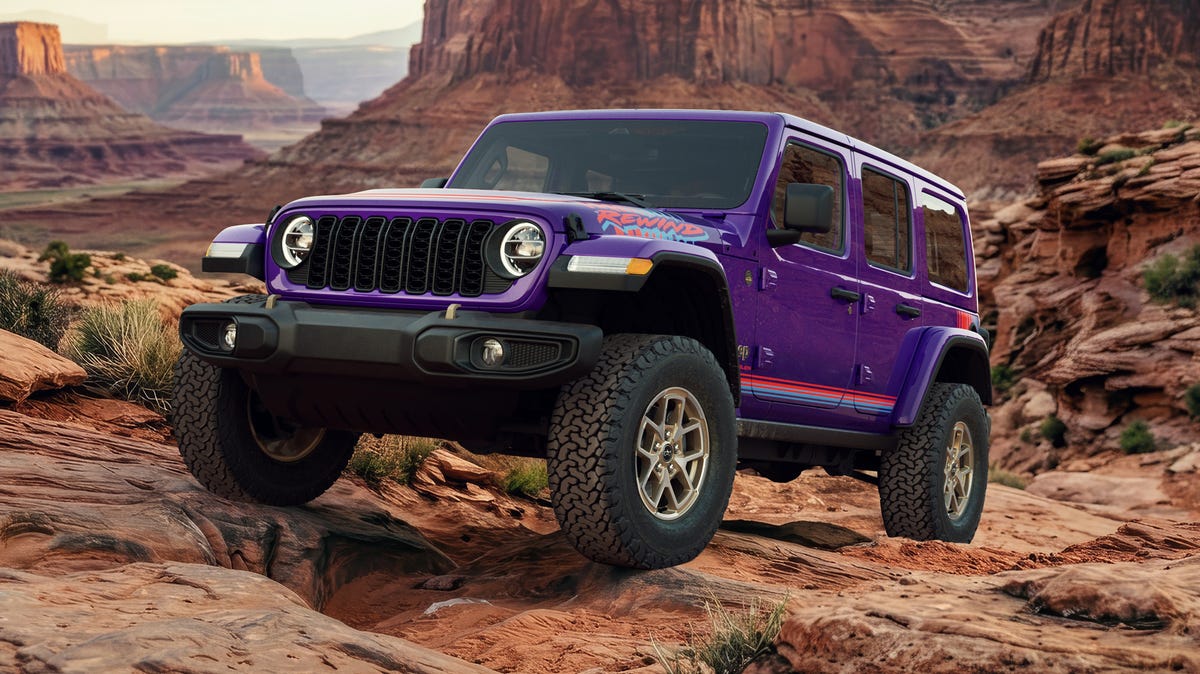
Jeep did solve a long-running crash problem recently. Reinforced frame rails improved passenger-side small overlap protection. The driver-side outcome now rates well in that test. That is a meaningful engineering win.
Yet headlights remain a weak spot on many trims. Seat belt reminders also draw criticism. Taken together, the Wrangler still cannot match unibody rivals. The Grand Cherokee is a clear example.
Fans often say the Wrangler is not built for safety rankings. That argument loses force once children and walkers are involved. A pedestrian does not care how capable the vehicle is off-road. The same stopping distance applies.
Jeep may add modern driver aids in a future generation. Many buyers hope that day comes soon. Until then, the Wrangler asks owners to drive with extra care. Pedestrian braking is simply not there.
3. 2027 Dodge Durango
The Durango carries a poor rating for pedestrian crash prevention. Like the Jeeps, it lacks the system entirely. IIHS lists the feature as not available. The result applies across several recent model years.
The Durango’s platform is old. Its roots reach back more than a decade. Aging architecture limits how easily new safety tech can be added. Stellantis has chosen other priorities. The Durango is a three-row family SUV. Many owners use it for school runs and suburban errands.
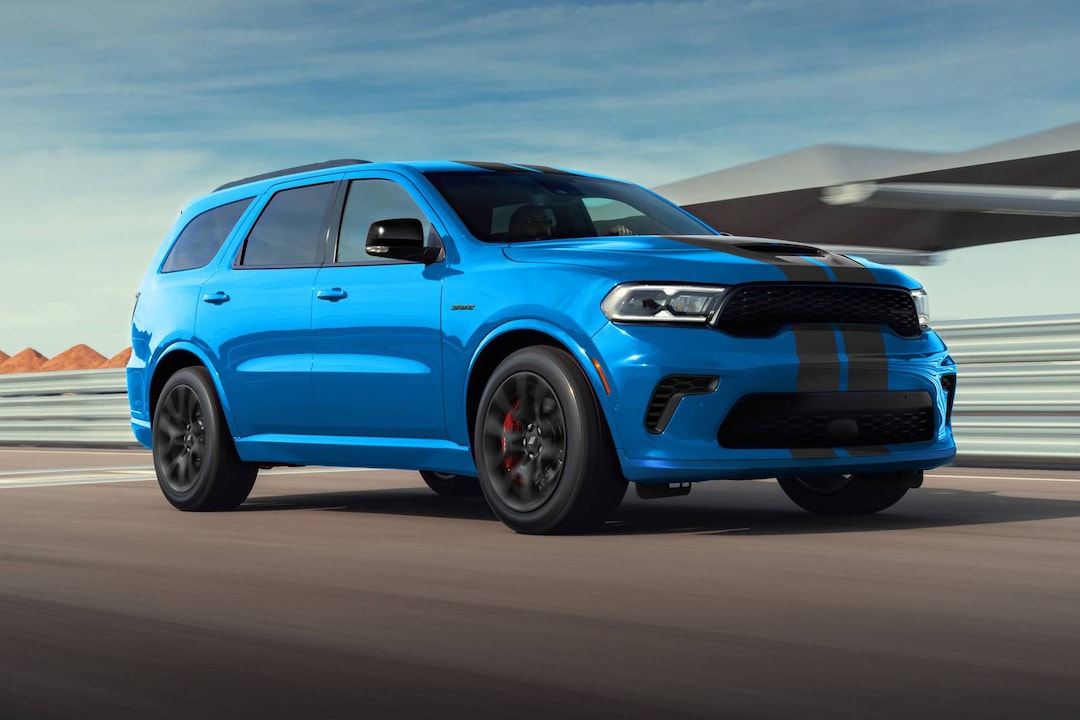
That is exactly where pedestrians appear unexpectedly. Kids, cyclists, and joggers share those roads. Crash test coverage is also thin. Small overlap results are incomplete in the public data.
That leaves shoppers with fewer facts. Gaps like this make comparison harder. The Durango’s power and towing strengths are well known. Its safety gaps get less attention. Dodge sells the 2027 model as fresh. The pedestrian rating suggests only limited change under the skin.
Competitors from Kia, Hyundai, and Toyota often earn good ratings here. Families can find stronger options at similar prices. If you still want the Durango, drive it defensively. Treat its braking assistance as a backup, not a guardian.
4. 2026 Nissan Altima
The Altima earns a marginal rating for pedestrian braking. That is better than poor, but still short of award level. Nissan’s midsize sedan has struggled in IIHS testing before. Early nighttime pedestrian trials gave it no credit.
That history matters. Night is when most pedestrian deaths happen. The Altima has also scored poorly in vehicle-to-vehicle braking tests. High-speed performance was a particular weakness.
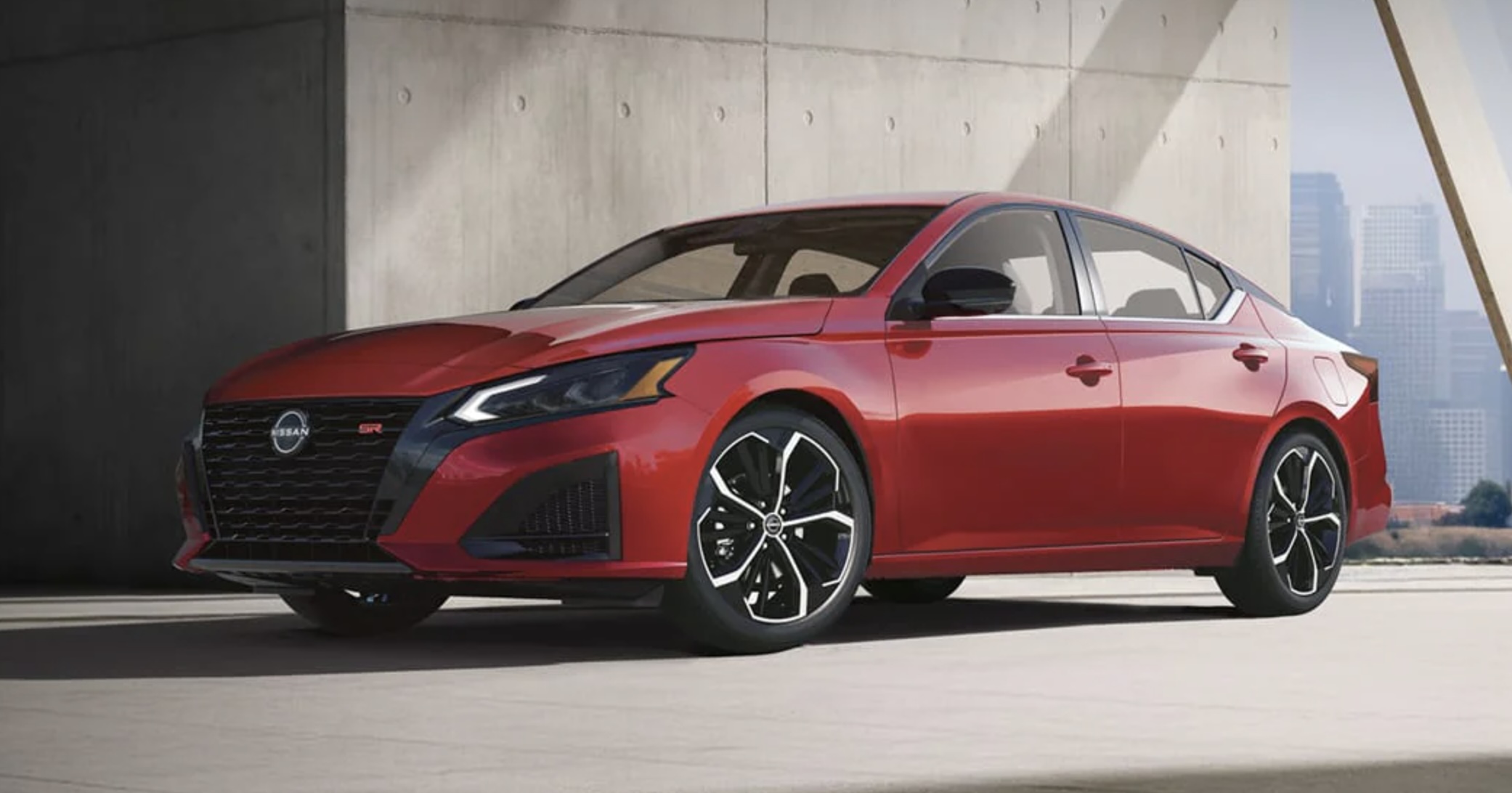
Marginal means the system helps only in some scenarios. It may miss crossing adults or children in darkness. Nissan has updated the Altima over the years. The core pedestrian system still trails class leaders.
Toyota Camry and Honda Accord generally post better crash avoidance results. Camry earned a good rating in newer testing. The Altima remains popular with fleets and rental companies. Many drivers will meet it without choosing it.
That raises its public safety footprint. More cars on the road means more chances for conflict. Nissan could improve results through camera and radar tuning. Software updates sometimes help.
Hardware changes are slower and costlier. Buyers should not wait for a promised fix. If you buy an Altima, treat its braking as limited. Slow down early near crossings.
5. 2026 Volkswagen Jetta
The Jetta is a compact sedan with a marginal pedestrian rating. Its standard system is called Front Assist. It includes automatic emergency braking and pedestrian monitoring. That sounds complete on paper.
IIHS testing shows a gap between paper and pavement. The system does not handle every scenario well. Small overlap protection is good in IIHS tests. Side protection is acceptable.
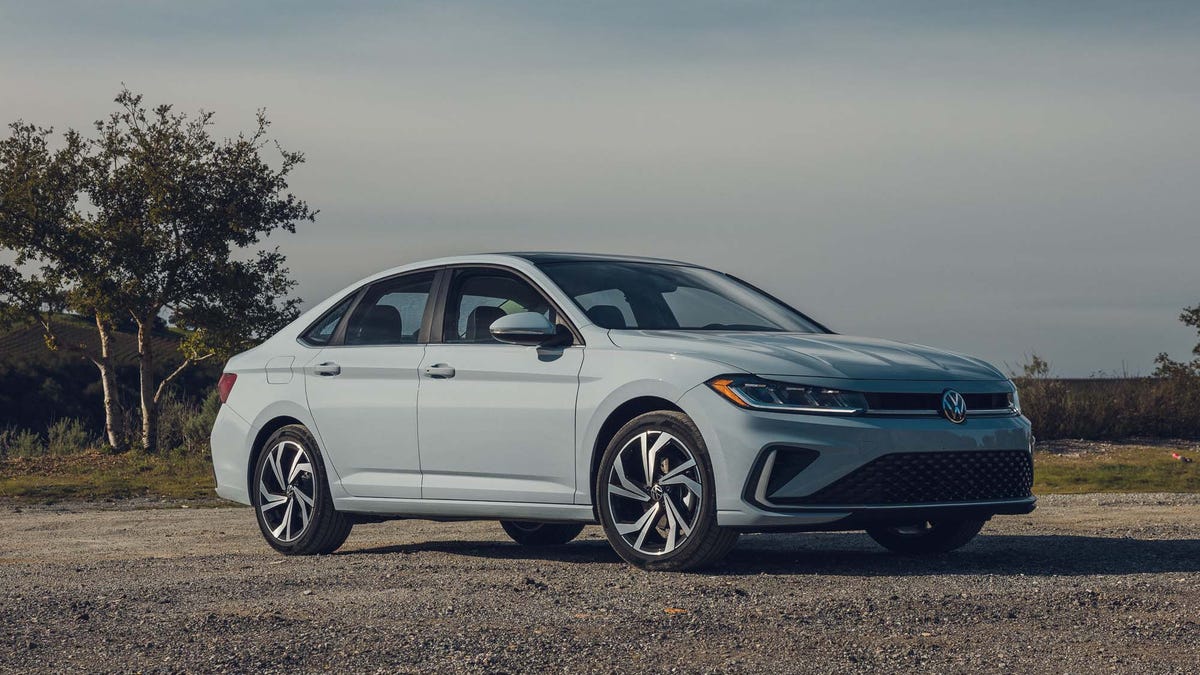
Those are solid occupant results. They do not offset the pedestrian weakness. The Jetta also gets a poor rating for seat belt reminders. That is a separate but telling flaw.
It suggests uneven attention to detail. Safety is more than crash structure. Volkswagen has improved some other models recently. The Jetta lags behind its stablemates.
Compact sedan rivals like the Honda Civic and Toyota Corolla often earn stronger crash avoidance marks. Buyers have real alternatives. The Jetta’s low price attracts first-time buyers. Many will be young drivers in busy cities.
That group faces dense foot traffic daily. Better pedestrian braking would help them most. Volkswagen can update calibration in future model years. Until then, the Jetta stays marginal.
6. 2026 Chevrolet Trailblazer
The Trailblazer is a small SUV with standard pedestrian braking. IIHS still rates it marginal. Chevrolet includes automatic emergency braking with pedestrian detection on every trim. That is a good start.
Standard equipment alone does not guarantee strong results. Performance must be consistent. The Trailblazer also scores poorly in vehicle-to-vehicle front crash prevention. That points to broader tuning limits.
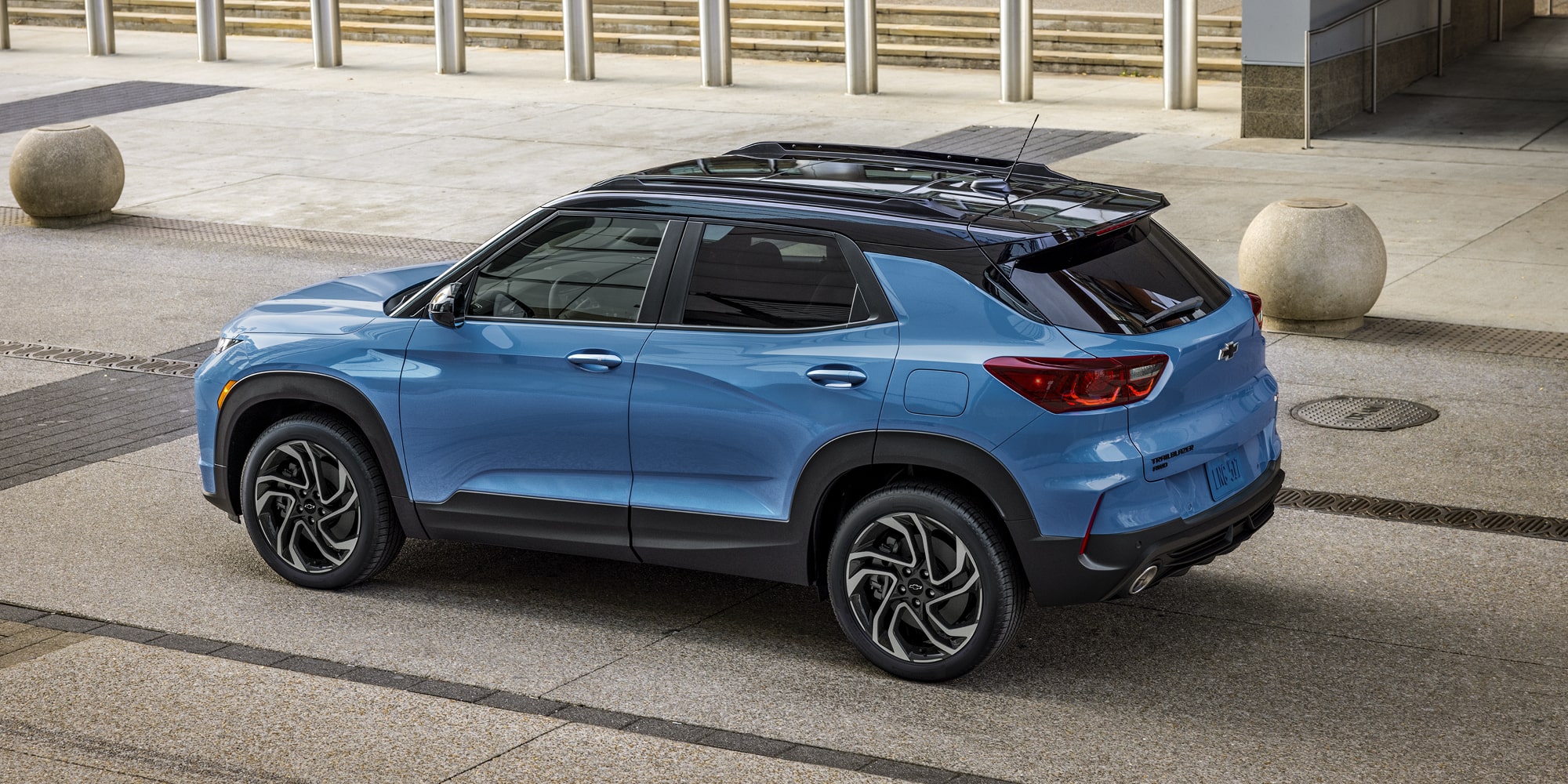
Consumer Reports has noted that highway-speed braking is not standard. City-speed systems have narrower capability. Small overlap results are good. The structure protects occupants fairly well.
That makes the weak braking more frustrating. Good bones do not help avoid a collision. The Trailblazer competes on price. Many buyers choose it for value.
Value shoppers deserve clear safety information. The marginal rating deserves a spot on the checklist. Rivals such as the Hyundai Kona and Kia Seltos have had mixed results. Shop each trim and model year carefully.
General Motors could improve tuning in a refresh. The platform is capable of better. For now, the Trailblazer is a cautionary example. Standard does not always mean strong.
7. 2026 Chevrolet Trax
The Trax is another budget-friendly Chevrolet with a marginal pedestrian result. It sits near the Trailblazer in price and size. IIHS has also criticized its high-speed braking. Vehicle-to-vehicle tests found weak performance.
Earlier IIHS testing listed the Trax among poor performers in that area. Pedestrian performance is not much better. The Trax was redesigned recently and grew in size. It also became a sales success.
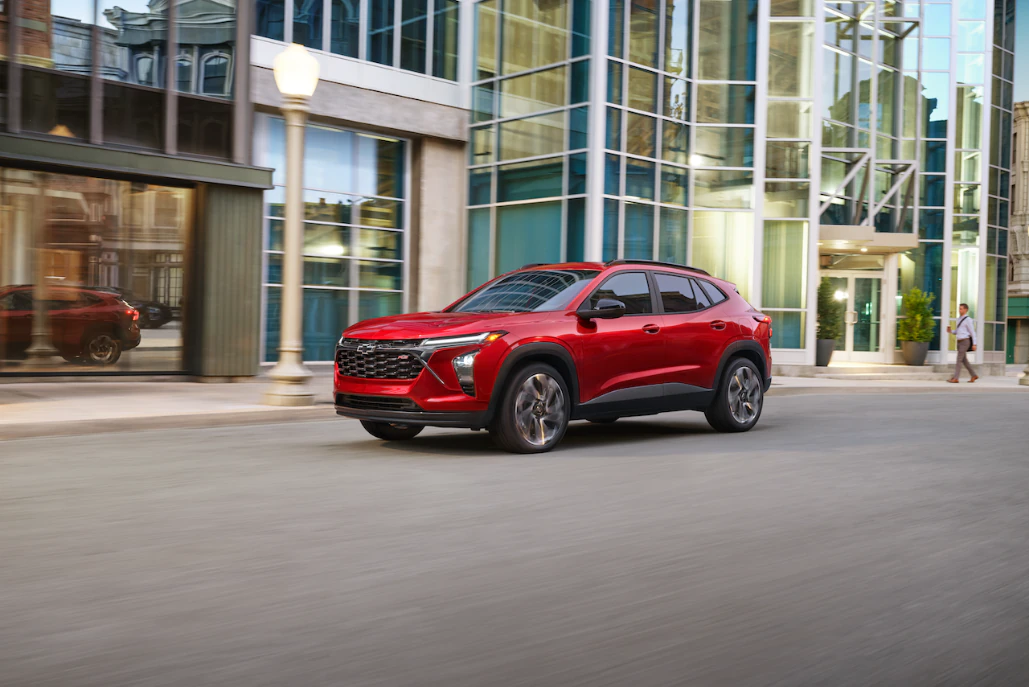
Strong sales raise the stakes. A popular vehicle with weak braking affects more people. Chevrolet equips the Trax with modern driver aids. The test results suggest those aids are not fully tuned.
Child dummies crossing from the side are a hard test. Short targets are easy for sensors to miss. Night testing is harder still. Camera systems struggle with low light.
Many small SUVs share these problems. The Trax is not unique, but it is notable. Price-conscious buyers should still compare options. A few thousand dollars can buy better crash avoidance.
GM has room to improve with software updates. Real gains need better sensors and more testing. Until then, the Trax earns a caution flag. Look closely before signing the paperwork.
8. 2026 Volkswagen Taos
The Taos is a compact SUV with a marginal pedestrian rating. IIHS also flagged other weaknesses. Updated moderate overlap results were marginal too. Seat belt reminders were poor.
That mix drags down the Taos safety profile. It cannot qualify for any award. Volkswagen has tried to improve pedestrian systems in recent years. The Taos still falls short.
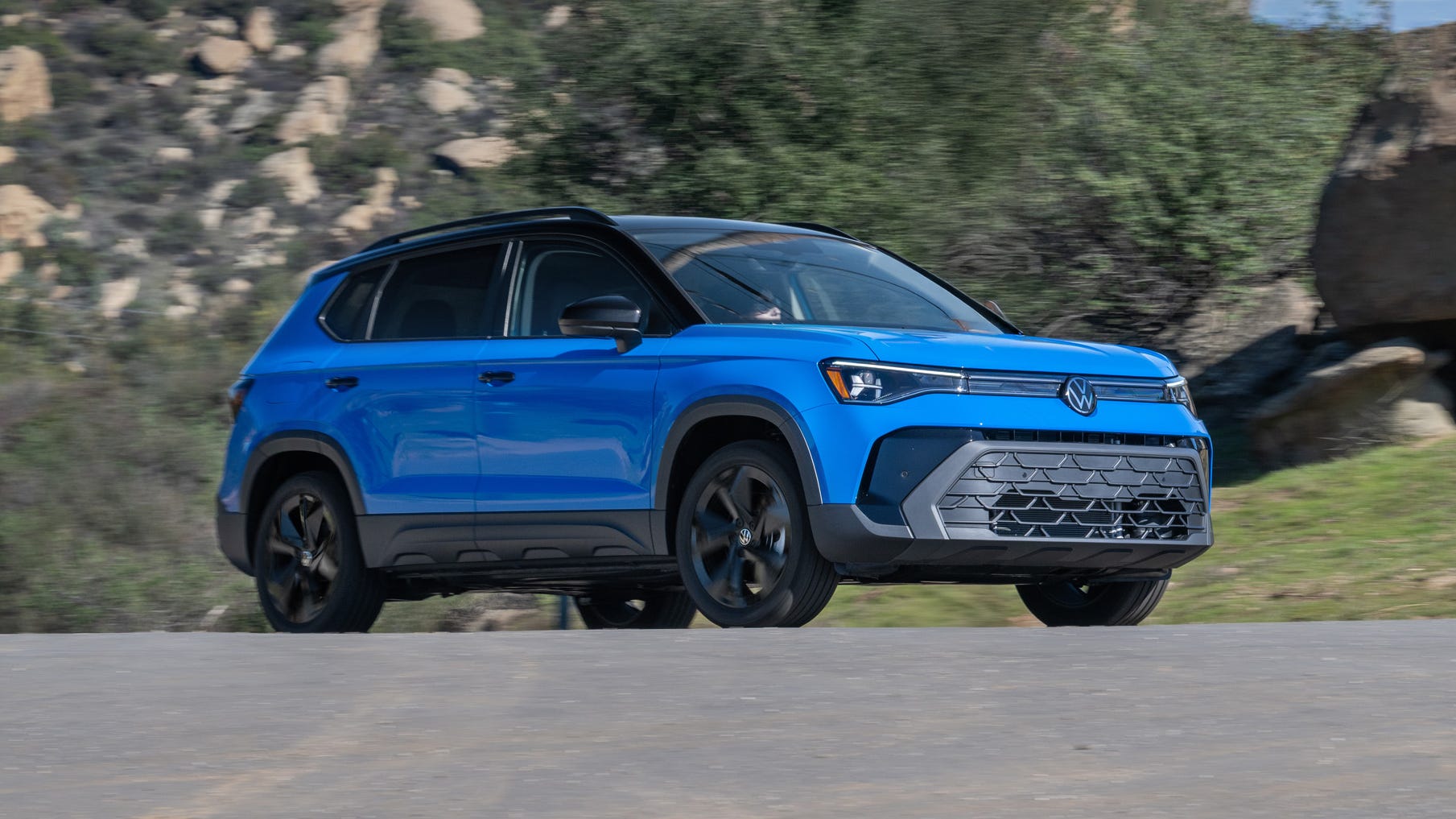
IIHS tests the Taos with child and adult dummies. Results vary by lighting and speed. Marginal scores often reflect slow reactions in the dark. The system may brake too late or too lightly.
The Taos is popular with younger buyers. It offers a roomy cabin and decent fuel economy. Those strengths are easy to see. Safety gaps are harder to spot on a test drive.
Honda CR-V and Subaru Crosstrek buyers often see stronger crash avoidance data. Cross-shopping is worth the effort. Volkswagen may update the Taos in a mid-cycle refresh. Check build dates and the IIHS notes carefully. For now, the Taos asks drivers to stay alert. Do not lean on automatic braking.
9. 2026 Mercedes-Benz GLE-Class
The GLE-Class is the priciest vehicle on this list. A marginal pedestrian rating is a hard fit for a luxury badge. Buyers expect leading safety tech at this price. The rating shows that is not guaranteed.
Mercedes markets its driver assistance suite as advanced. IIHS testing puts that claim under scrutiny. Luxury SUVs are large and heavy. Heavy vehicles take longer to stop.
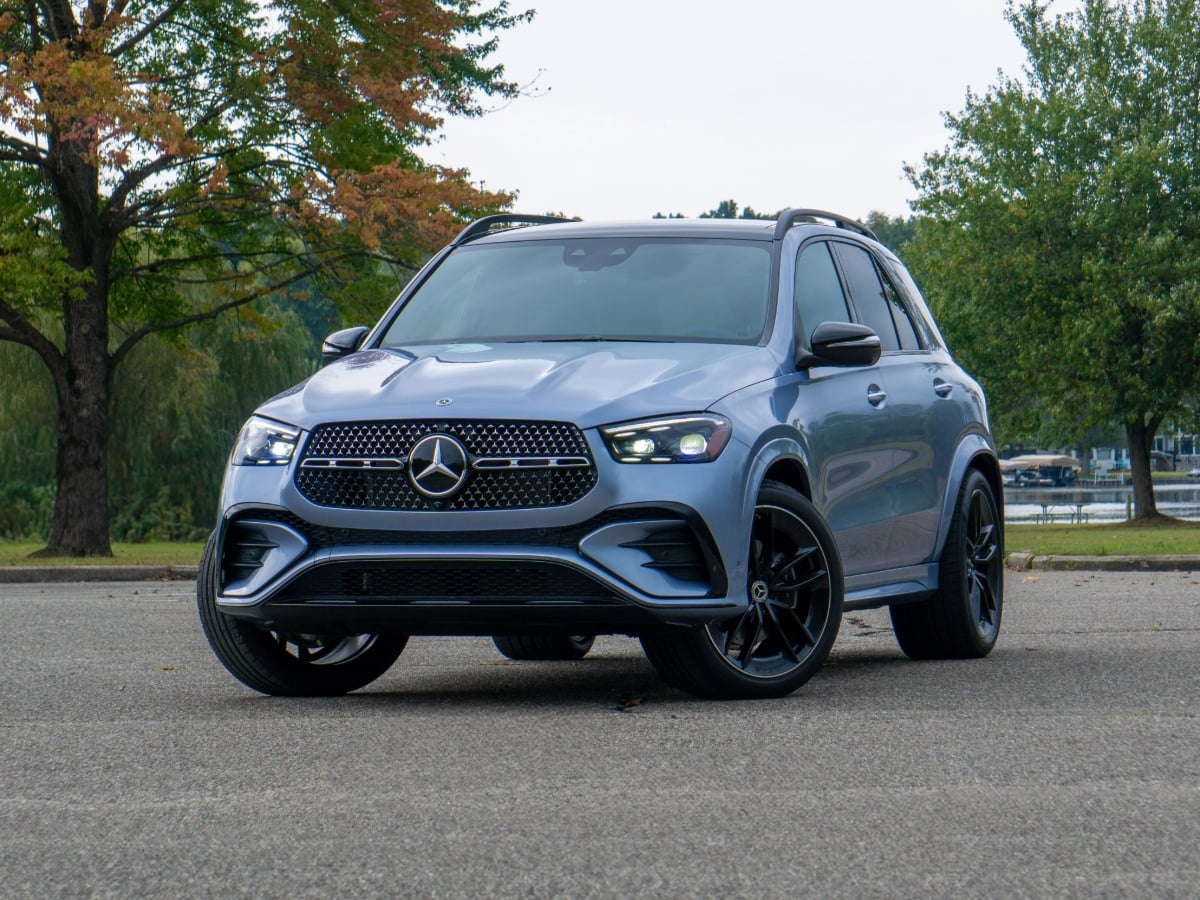
That makes early detection critical. Late braking costs more at this size. A marginal result means the system helps in some cases. It does not reliably prevent injury.
Rivals from BMW, Genesis, and Lexus have earned good ratings in IIHS crash avoidance tests. Several are cheaper than the GLE. A high price should come with higher standards. Brand prestige does not change test physics.
Mercedes can retune the system with software updates. Hardware upgrades are also possible on newer builds. Owners should ask their dealer about available updates. Documentation of fixes helps with resale too. If you are shopping, test the system yourself in safe conditions. Learn its limits before relying on it.
10. 2026 Ford Bronco
The Bronco is Ford’s off-road star, and its pedestrian rating is marginal. IIHS also found weakness elsewhere. Headlights earned a marginal rating on the tested configuration. Moderate overlap crash performance was marginal too.
Those combined issues hold the Bronco back. It cannot join the award list. Ford does offer pedestrian braking on the Bronco. The system just does not perform well enough.
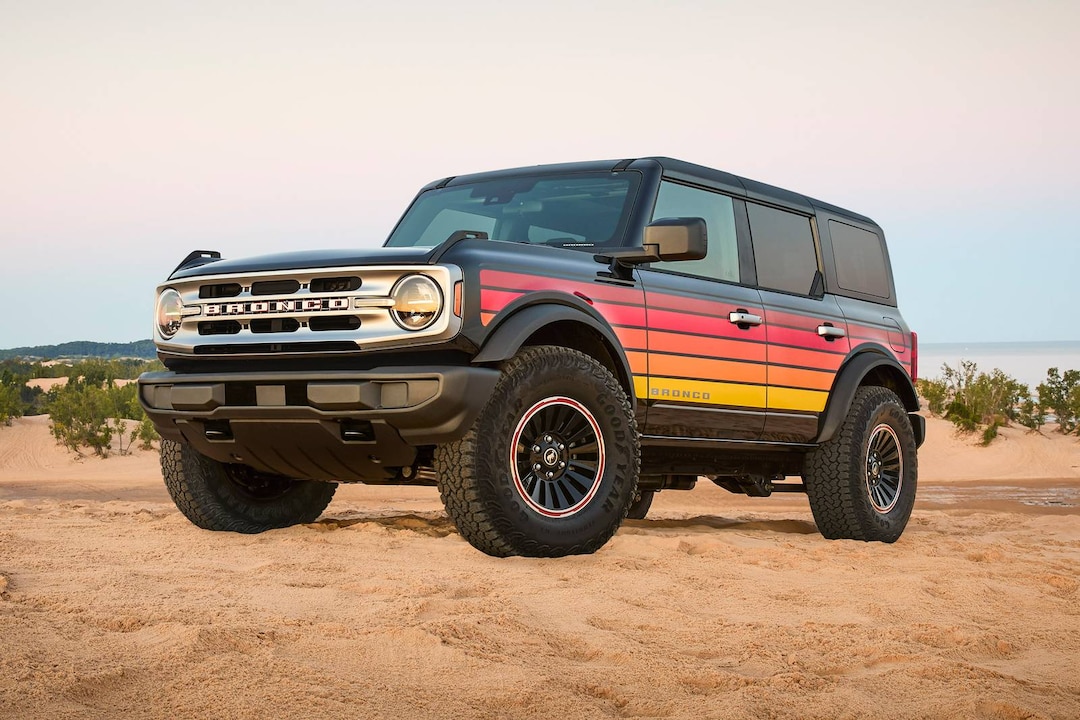
The Bronco’s boxy shape and tall seating add visibility challenges. Sensors must work harder. Removable parts and off-road gear complicate hardware placement. Engineering trade-offs are real.
Many buyers choose the Bronco for lifestyle and capability. Safety rankings rarely drive that decision. They should still matter. The same truck that crosses rivers also drives school zones.
The Bronco Sport, a smaller sibling, scores better in many areas. The two are not the same vehicle. Ford could improve the Bronco through calibration and sensor upgrades.
Competitive pressure from Jeep may push that forward. Until then, the Bronco’s pedestrian braking remains a weak link. Drivers should keep both eyes on the road.
