
A sticker price tells only part of the story. The real bill arrives slowly over five years. Depreciation, fuel, insurance, repairs, taxes, and financing all add up.
Researchers who studied five-year ownership costs found ten models that stand out. The highest total reached $64,765. The tenth still cost $58,323.
Many of these vehicles are not exotic or fast. Several are family crossovers that look sensible on the lot. That is what makes the numbers so surprising.
A Toyota Camry costs roughly $30,000 less over the same period. That gap could fund a family vacation every year. It could also cover a large down payment on your next car.
Some models lose value very quickly. Others cost too much to fuel, insure, or repair. A few suffer from all three at once. The figures cover far more than monthly payments. They include what you lose when you sell. They also include what you spend to keep moving.
Here are the ten cars, ranked from the costliest down. Each entry explains where the money goes. Read them before you sign anything. Your budget deserves the full picture. Let us start at the top. The first name may surprise you.
1. Alfa Romeo Tonale – $64,765
The Tonale tops the list. It is the costliest compact luxury crossover to own in the study. Its sporty badge carries a heavy long-term price. Depreciation is the biggest culprit. Alfa Romeo is a small brand in America. Used buyers stay cautious, so resale values fall fast. Losing value quickly is the highest single cost for most new cars.
The 2.0-liter turbo four makes 256 horsepower and 295 lb-ft of torque. All-wheel drive is standard. It feels lively and rewarding on a twisty road. A plug-in hybrid version adds electric range and more complexity.
Premium fuel is recommended. That adds up at the pump over five years. Insurance also runs higher than for mainstream rivals. Italian badges invite higher repair estimates.
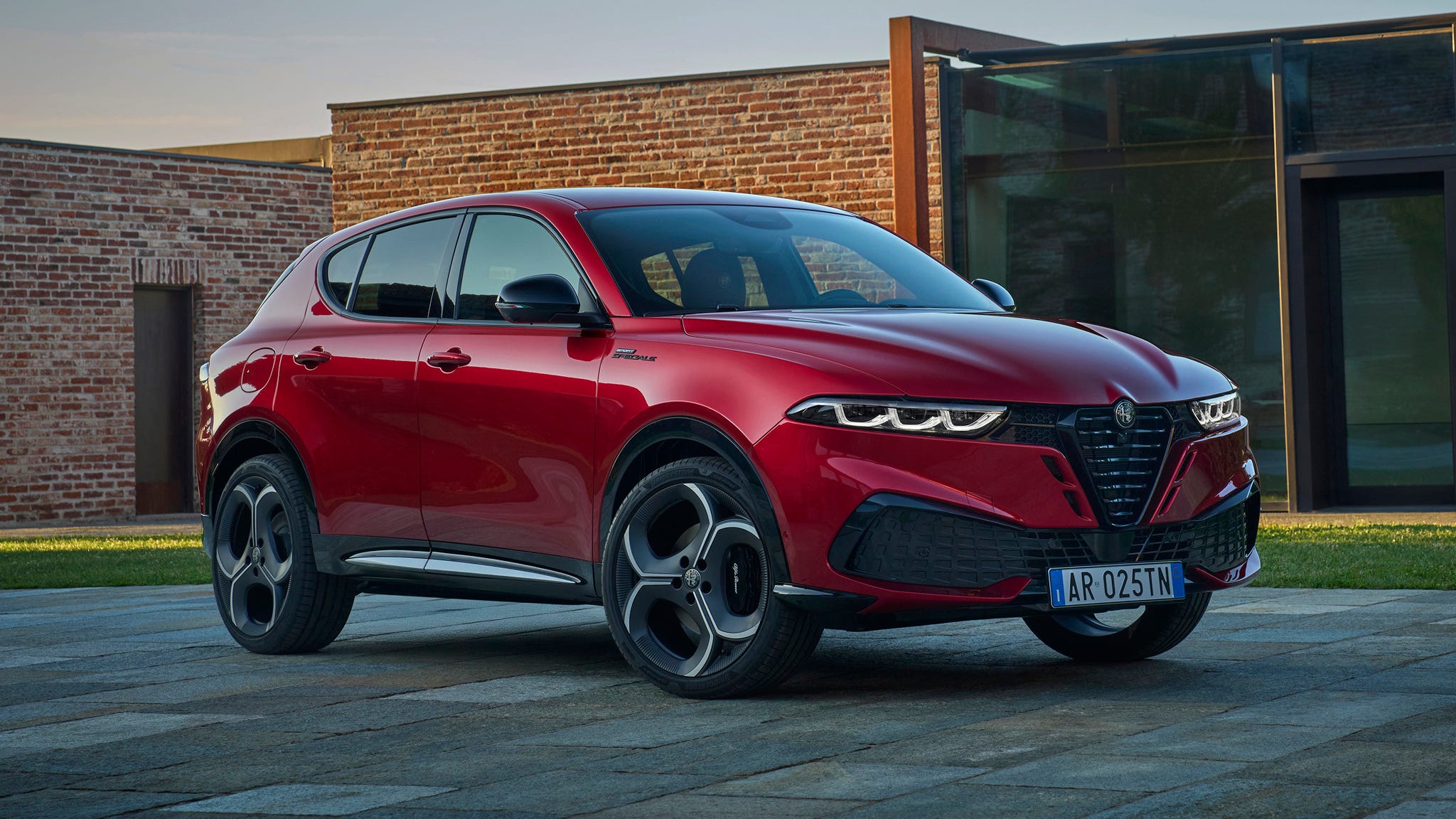
The Tonale is built in Italy. That can complicate parts supply. Waiting for a part may mean paying for a rental. Dealers are also few and far between. Some owners drive long distances for service.
Warranty coverage helps early on. Once it expires, labor rates at specialist shops can bite. A single bad repair can erase months of savings. Electronics are a common worry on new models from small brands.
The Tonale is beautiful and engaging. It looks the part of an Italian sports crossover. But the five-year total shows what style can cost. Buyers should weigh the thrill against the bill. A lightly used example may soften the blow.
Cargo space is modest for the class. Rear seat room is tight for adults. Those compromises make the high price harder to justify. A rival with more room costs less to own.
2. Audi S3 – $63,031
The S3 is a compact sedan with serious performance. Its 2.0-liter turbo four-cylinder makes 328 horsepower. Torque is 295 lb-ft. A seven-speed dual-clutch sends power to all four wheels.
Quattro grip makes it fast in any weather. It reaches 60 mph in roughly four seconds. That speed carries a cost. Premium fuel is required, and heavy throttle use drains the tank quickly.
Tires and brakes wear faster on a car this quick. Performance rubber is not cheap. A set can cost well over a thousand dollars. Owners replace them more often than they expect.
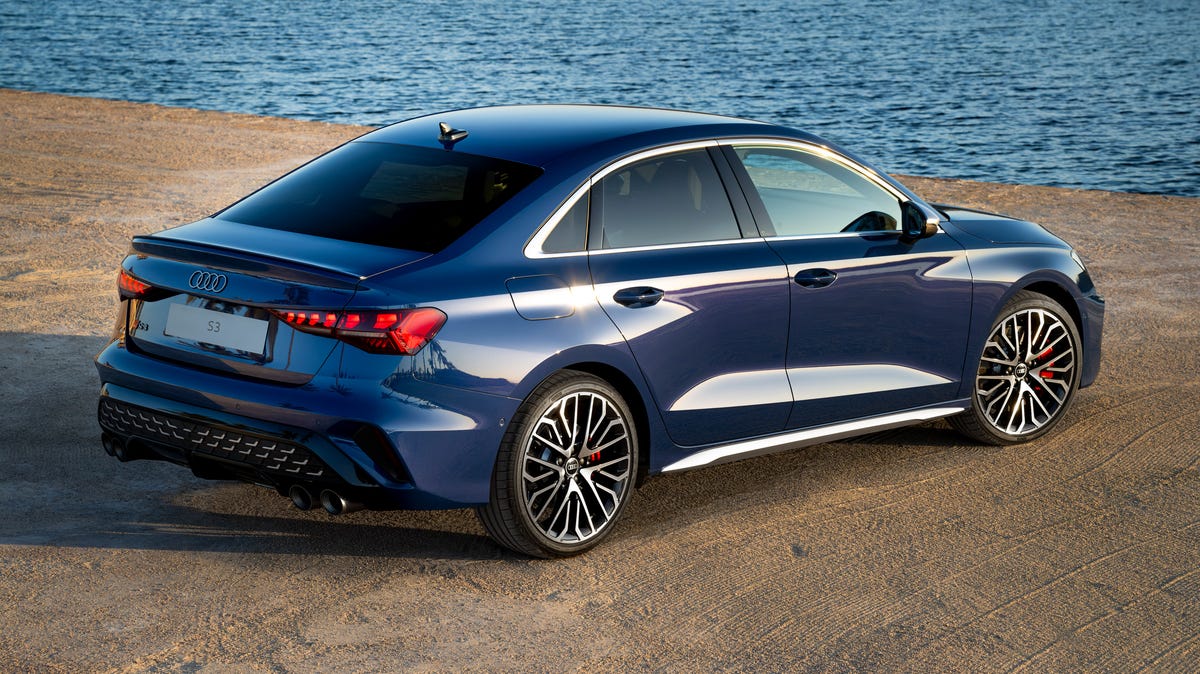
Insurance is a major factor. Spirited drivers face steep premiums. Performance badges invite higher rates. Younger owners feel it most. Repair claims on all-wheel-drive Audis are rarely small.
Depreciation also takes a toll. Luxury sedans shed value in the first three years. The S3 is no exception. Buyers of used examples enjoy the savings the first owner paid for.
Maintenance is not cheap. Dual-clutch fluid services and all-wheel-drive upkeep add expense. German parts and labor rarely come discounted. Out-of-warranty repairs can sting. Cooling parts and electronics are common trouble spots. One shop visit can reach four figures.
Still, the S3 delivers real thrills. The cabin feels premium and well-built. Digital displays are crisp and quick. It is a small car with big ambition. Owners who keep it long enough pay for that pleasure.
The study puts the five-year price above $63,000. That is a lot for a compact sedan. A cheaper hot hatch can feel nearly as fast. Think carefully before choosing the badge.
3. Nissan Murano – $61,761
The Murano is the surprise on this list. It carries a mainstream badge. Yet it costs more to own than many luxury cars. That should make shoppers pause.
For years, a 3.5-liter V6 powered it. That engine made 260 horsepower and 240 lb-ft of torque. It paired with a continuously variable transmission. The setup was smooth but not exciting.
Nissan’s CVT has drawn criticism over the years. Some owners report early failures. Replacements can be very expensive. That risk haunts every older example on the used market.
The redesigned Murano moved to a 2.0-liter turbo four. It makes roughly 240 horsepower. A conventional automatic replaced the CVT. That change should ease long-term worries. Time will tell how well it holds up.
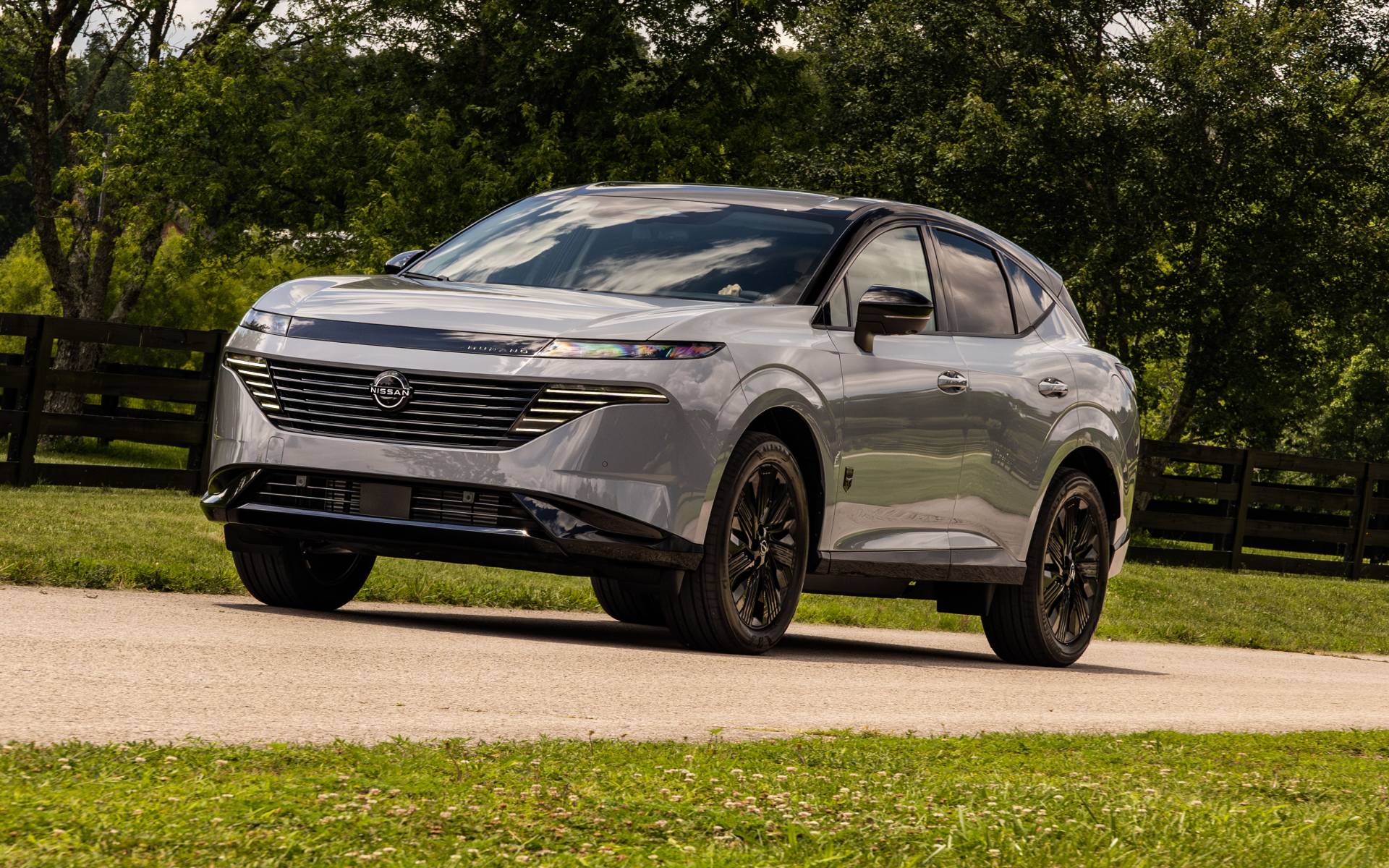
Depreciation hits hard. Used buyers shy away from transmission worries. Trade-in values fall quickly as a result. Heavy discounts on new units also drag down resale prices. Owners who sell early often lose a painful amount.
Fuel economy is average at best. The older V6 was thirsty in city traffic. Top trims add costly features that raise the price further. Higher prices mean higher taxes and bigger loans.
Insurance is moderate but not cheap. Repair costs for a midsize crossover keep premiums raised. Parts for newer models can be pricey. Large panels, sensors, and cameras make even small crashes expensive.
The Murano is plush and quiet. Its cabin feels more upscale than its price suggests. Love does not lower the total, however. The study finds a bill near $62,000. That is steep for a mainstream crossover.
4. Hyundai Palisade – $60,802
The Palisade is a hugely popular three-row SUV. Its cabin feels like that of a luxury vehicle. Families adore the space and features. Strong demand shaped its ownership costs.
The last generation used a 3.8-liter V6. It delivered 291 horsepower and 262 lb-ft of torque. An eight-speed automatic handled shifting. Towing capacity reached 5,000 pounds.
Popularity is part of the cost story. Dealers often charged above sticker. High transaction prices raise every later expense. Taxes, fees, and interest all grow with the loan amount.
Fuel use is another factor. A heavy three-row SUV drinks more than a sedan. Combined economy sits in the low 20s. Long commutes and road trips make that gap grow. Over five years, the extra fuel is a serious sum.
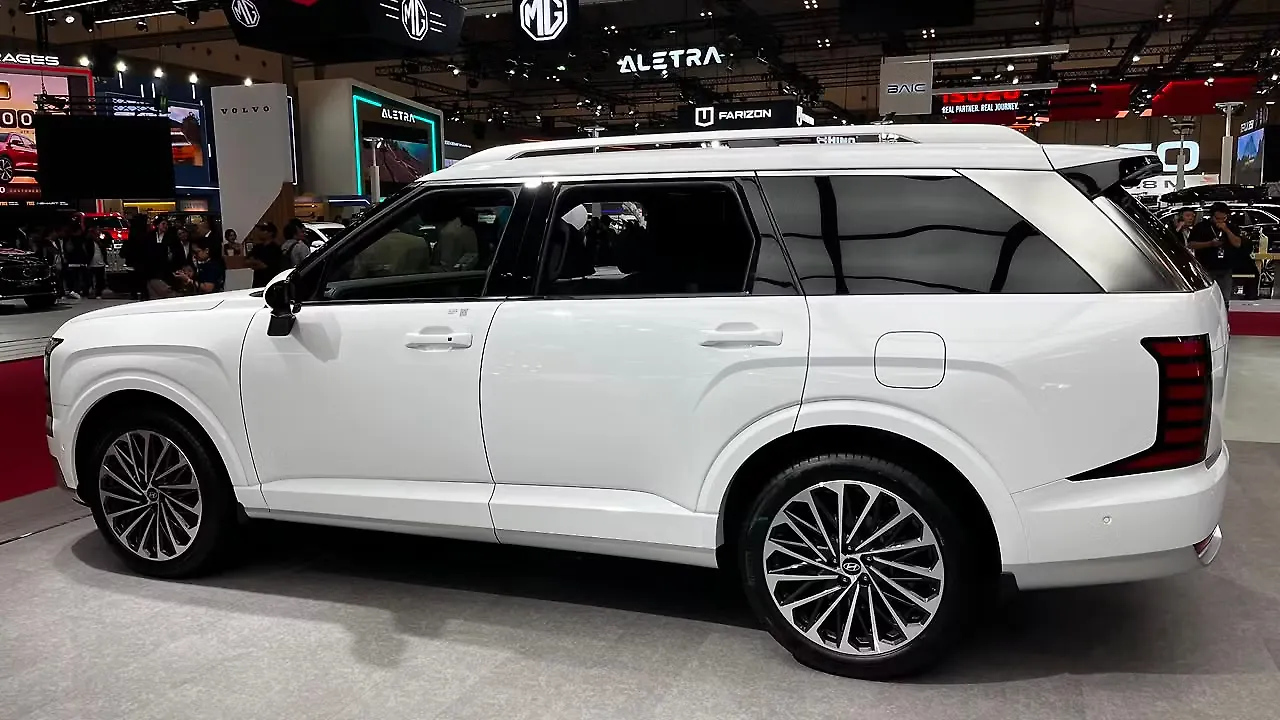
Insurance climbs with the vehicle’s value. Higher trims carry a premium rate. Theft concerns have pushed rates up on some Hyundai models. Older models without modern anti-theft hardware were hit hardest.
Depreciation is better than for many rivals. Strong demand holds values up. Still, a big price tag means big dollar losses. A small percentage of a large number remains large.
Hyundai’s warranty is generous. Ten years or 100,000 miles covers the powertrain for the original owner. That helps with big repairs. Routine maintenance remains affordable. Tires for large SUVs are costly, though. Brakes also wear faster under heavy loads.
The Palisade is an excellent family hauler. It simply costs a lot to own. The five-year figure lands near $60,800. Space and comfort are not free. Shoppers should budget for the full total, not the monthly payment.
5. INFINITI QX50 – $60,669
The QX50 is a stylish luxury crossover. It targets buyers who want comfort over raw speed. Its interior is soft and refined. Leather and wood trim feel rich at the price.
Under the hood sits a 2.0-liter VC-Turbo. The variable compression engine shifts between 8:1 and 14:1. It makes 268 horsepower and 280 lb-ft of torque. Few engines in this class use such technology.
That technology is clever and complex. Complex engines can cost more to fix. Few independent shops know them well. Dealer labor becomes the default choice. Dealer rates are rarely low.
A continuously variable transmission handles gear duties. Durability concerns follow many CVTs. Out-of-warranty repairs could be expensive. Careful fluid service can help. It also adds to the maintenance bill.
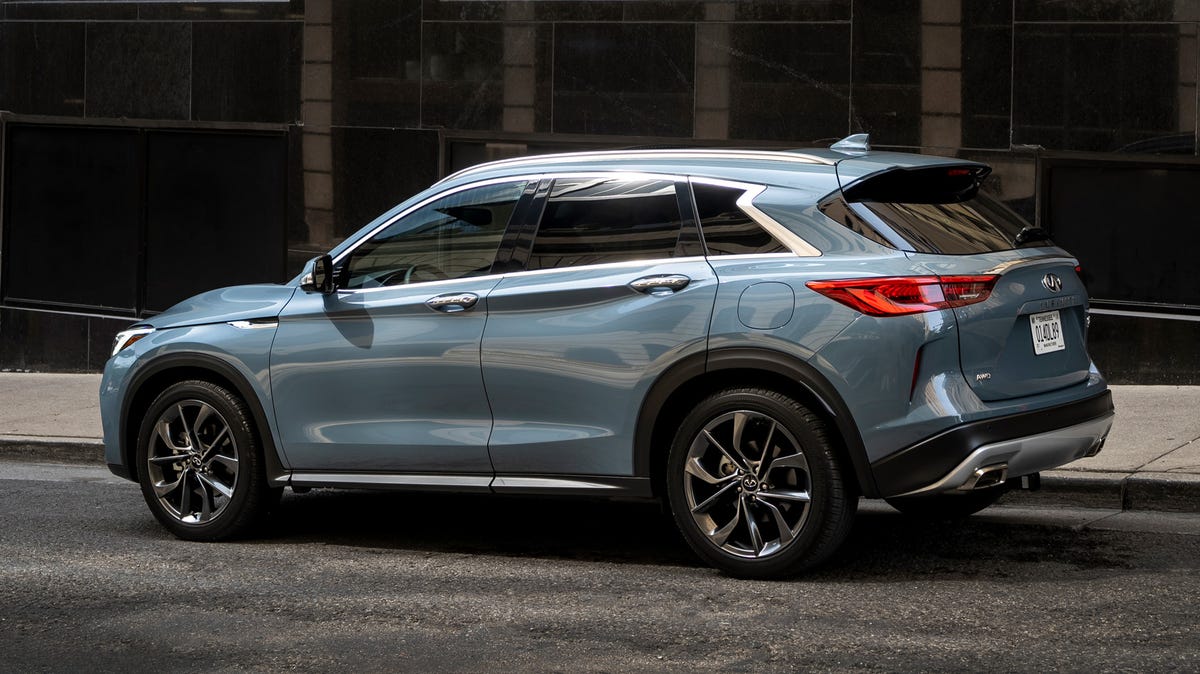
Premium fuel is recommended. That adds to yearly running costs. Real-world economy is decent but not remarkable. Most owners see mid-20s in mixed driving. Stop-and-go traffic lowers that figure.
Infiniti’s resale values lag behind German rivals. Brand perception hurts used demand. Depreciation is therefore a big driver. Discounts on new units push values lower still. Buyers who sell after three years feel it most.
Insurance is moderate for the class. Luxury parts and labor push claims higher. Rates reflect that exposure. The QX50 is comfortable on long drives. It rides smoothly and stays quiet. Buyers get a lot of cabin for the money.
But the long-term math is unkind. Researchers peg the five-year cost near $60,700. That is a hefty sum for a car that feels merely comfortable. Price rivals before you sign. The savings could be large.
6. Kia Telluride – $59,969
The Telluride arrived to near-universal praise. It won major awards and sold out quickly. Demand drove prices well above sticker at many dealers. Early buyers often paid thousands extra.
The long-running engine was a 3.8-liter V6. It makes 291 horsepower and 262 lb-ft of torque. An eight-speed automatic and available all-wheel drive complete the package. Towing is rated at up to 5,000 pounds.
The cabin seats up to eight. It is built in Georgia. Those traits make it a family favorite. They also keep the purchase price high. A higher price means higher taxes and bigger finance charges.
Fuel economy is a weak spot. Big, boxy SUVs lose efficiency at highway speed. Owners often see about 20 mpg in mixed driving. Over five years, that gap versus a sedan is large. Gas bills rise quickly with a family’s mileage.
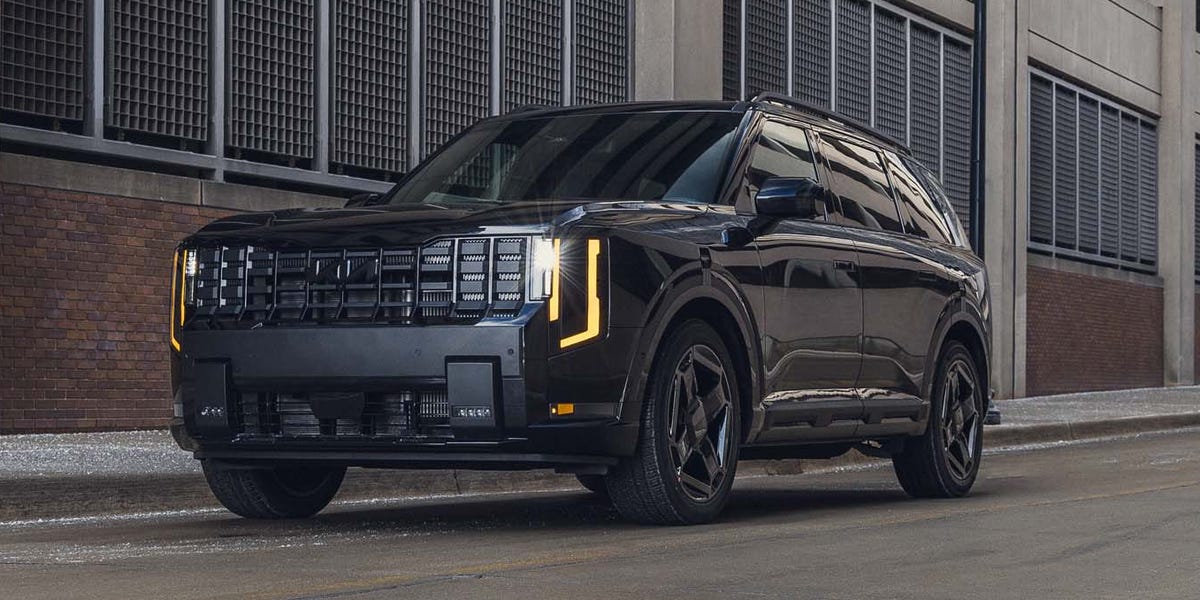
Insurance follows the vehicle’s value. Repair costs for newer SUVs run high. Sensors and cameras are expensive to replace. Even a minor bumper strike can cost thousands. Insurers price that risk into every policy.
Depreciation is relatively mild. Strong used demand supports resale values. That keeps the Telluride from ranking higher. Without that strength, it might top this list. Resale is its biggest financial defense.
Kia’s long warranty adds peace of mind. Powertrain coverage lasts ten years for the original owner. That protects against catastrophic bills. Routine service is still needed. Tires, brakes and fluids add up in a heavy SUV. The Telluride is easy to love. It is also costly to own. The five-year tally reaches nearly $60,000. Great reviews do not shrink the bill.
7. Nissan Pathfinder – $59,825
The Pathfinder is a family-focused three-row SUV. It was redesigned for 2022 with a more rugged look. Interior space is generous. Seating for seven or eight suits large households.
A 3.5-liter V6 makes 284 horsepower. Torque is 259 lb-ft. A nine-speed automatic replaced the older CVT. Owners welcomed that change. Towing reaches 6,000 pounds when properly equipped.
Few rivals match that capability. It is built in Tennessee. The cabin offers plenty of storage. Safety features are plentiful. Costs still pile up. Fuel economy hovers around the low 20s. Three-row SUVs rarely sip fuel. Towing and heavy loads make it worse. Regular fuel is fine, which helps. Yet the total still climbs.
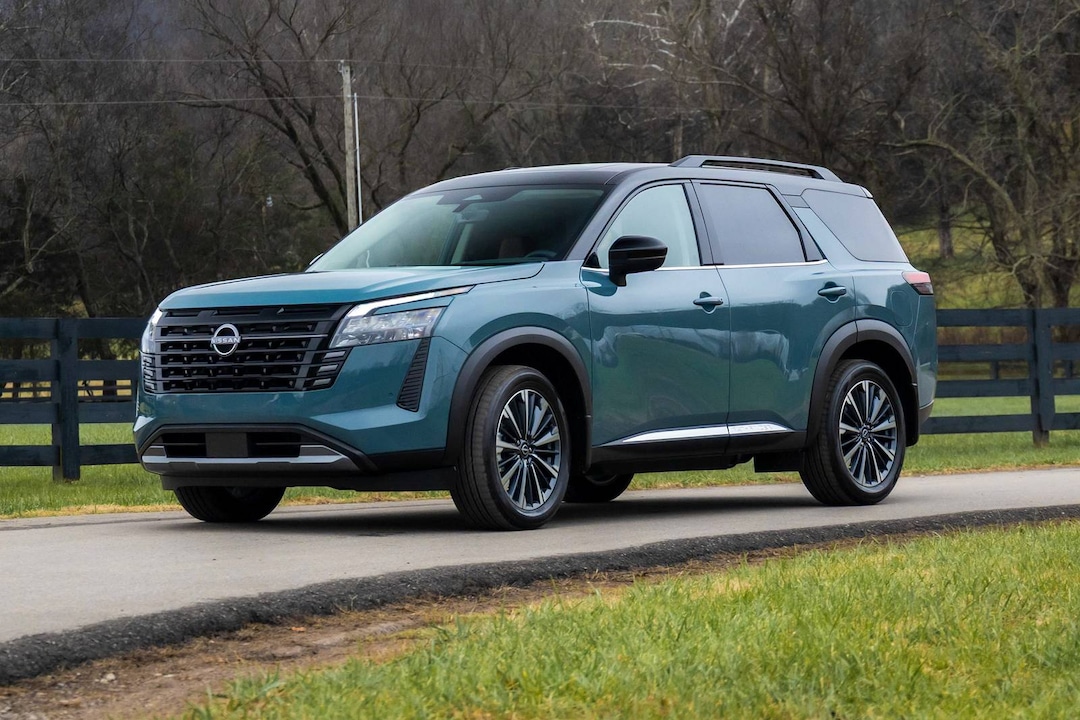
Depreciation hurts more than expected. Nissan offers heavy discounts and incentives. That drags down resale values. Buyers see a lower price on day one. They pay for it when they sell.
Insurance is steady but not low. Larger vehicles cost more to repair. Family-focused drivers also tend to file more claims. Teen drivers in the household raise rates further. Shopping around can trim some of that.
Maintenance is reasonable in the early years. Large tires and brakes cost more to replace. Four-wheel-drive systems add service items. Transfer case and differential fluids need attention. Skipping them invites expensive trouble.
The Pathfinder offers a lot of space for the money. It suits road trips and school runs. Yet the study shows a five-year bill near $59,800. That is far above many sedans. Practicality comes at a price. Buyers should compare it with a similar rival before deciding.
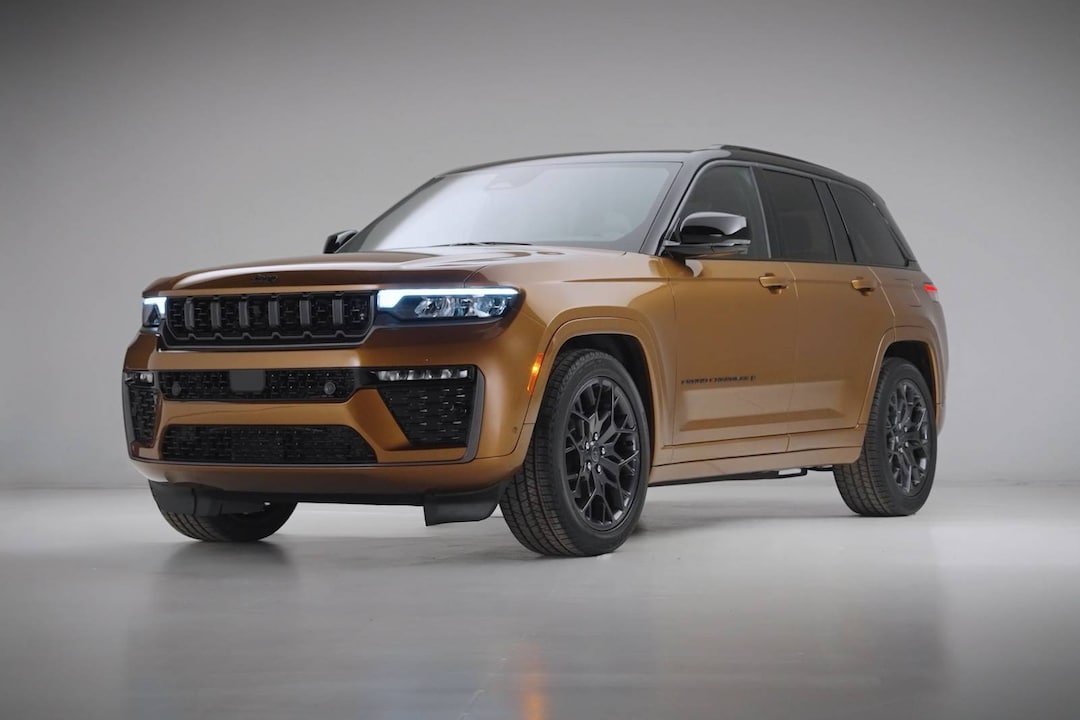
8. Jeep Grand Cherokee – $59,767
The Grand Cherokee blends luxury and off-road capability. It has been a flagship for Jeep for decades. Many buyers want that rugged image. It also carries a steep price when new.
The base engine is a 3.6-liter V6. It makes 293 horsepower and 260 lb-ft of torque. A 5.7-liter Hemi V8 offers 357 horsepower. A plug-in hybrid 4xe model also exists. It delivers 375 combined horsepower.
Complexity rises with every added system. That matters for long-term costs. Reliability is the key concern. Jeep has ranked low in several dependability surveys. Electrical glitches are a common complaint.
Air suspension problems appear in owner reports. Replacing a failed air spring is costly. Infotainment modules also carry big price tags. Software updates fix some issues, but not all. Repair bills can climb quickly.
Fuel costs are high, too. The V8 is especially thirsty. Even the V6 averages only around 20 mpg. Tow-ready trims use more fuel on the highway. Five years of fill-ups add up.
Depreciation is steep for many Jeep products. Used buyers worry about reliability. Resale values suffer accordingly. Loaded trims lose the most dollars. A pricey Overland can shed a fortune.
Insurance is moderate to high. Loaded trims cost more to cover. Theft and repair risks add up. Shoppers should get quotes before they buy. The difference between trims can be surprising.
The Grand Cherokee is comfortable and capable. It tows well and looks great. Yet the cost of ownership approaches $59,800. Style and ability have a long-term price. Anyone who buys one should keep a repair fund ready.
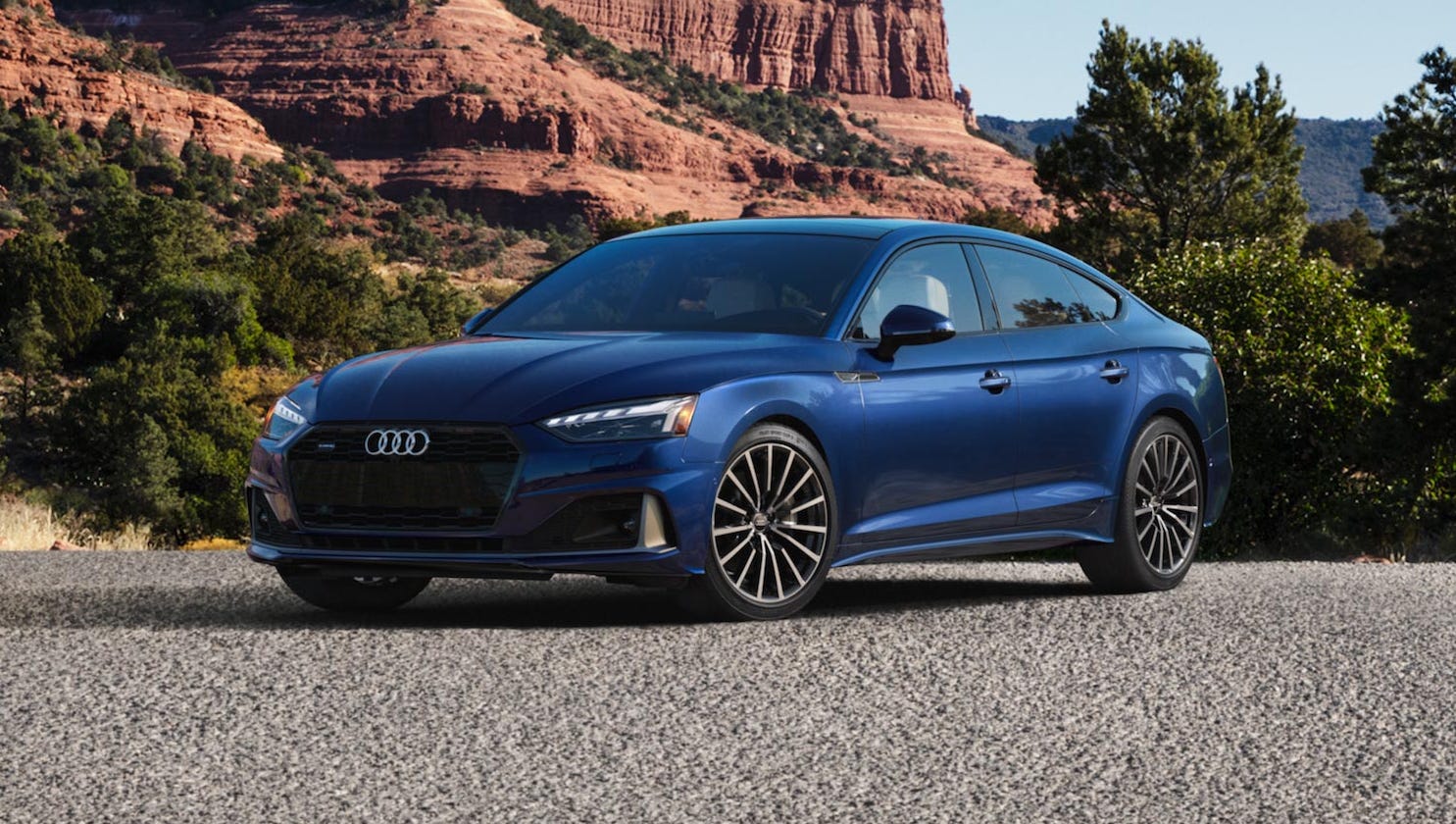
9. Audi A5 Sportback – $59,667
The A5 Sportback is a sleek five-door liftback. It blends coupe style with real practicality. The redesigned model looks strikingly modern. A large hatch makes loading easy.
A 2.0-liter turbo four with mild-hybrid assist powers it. Output is 268 horsepower. Torque is 295 lb-ft. Quattro all-wheel drive is standard. A seven-speed dual-clutch sends power through.
It is built in Germany. Imported cars face currency and tariff pressures. Those forces can lift prices over time. Parts also travel a long way. Delays are possible.
Premium fuel is required. That raises running costs every week. Efficiency is decent but not class-leading. Mild-hybrid help trims consumption a little. It does not erase the premium-fuel penalty.
Depreciation is the big expense. Luxury liftbacks lose value quickly. A new design does not change that pattern. The first three years are the worst. Used buyers wait for the discounts.
Insurance runs high for premium German cars. Repair costs for advanced tech are high. Cameras, sensors and screens add up. A cracked headlight can cost more than a used phone. Premiums reflect those bills.
Maintenance follows European norms. Oil services, brakes, and tires cost more. Specialist labor rates are not low. Out-of-warranty risk is real. Mild-hybrid hardware adds components that may fail. Owners should budget for surprises.
The A5 Sportback is elegant and quick. It feels special every day. The study places the five-year total near $59,700. That is serious money for a stylish liftback. A well-chosen lease or used example might ease it. Think hard about what you truly need.
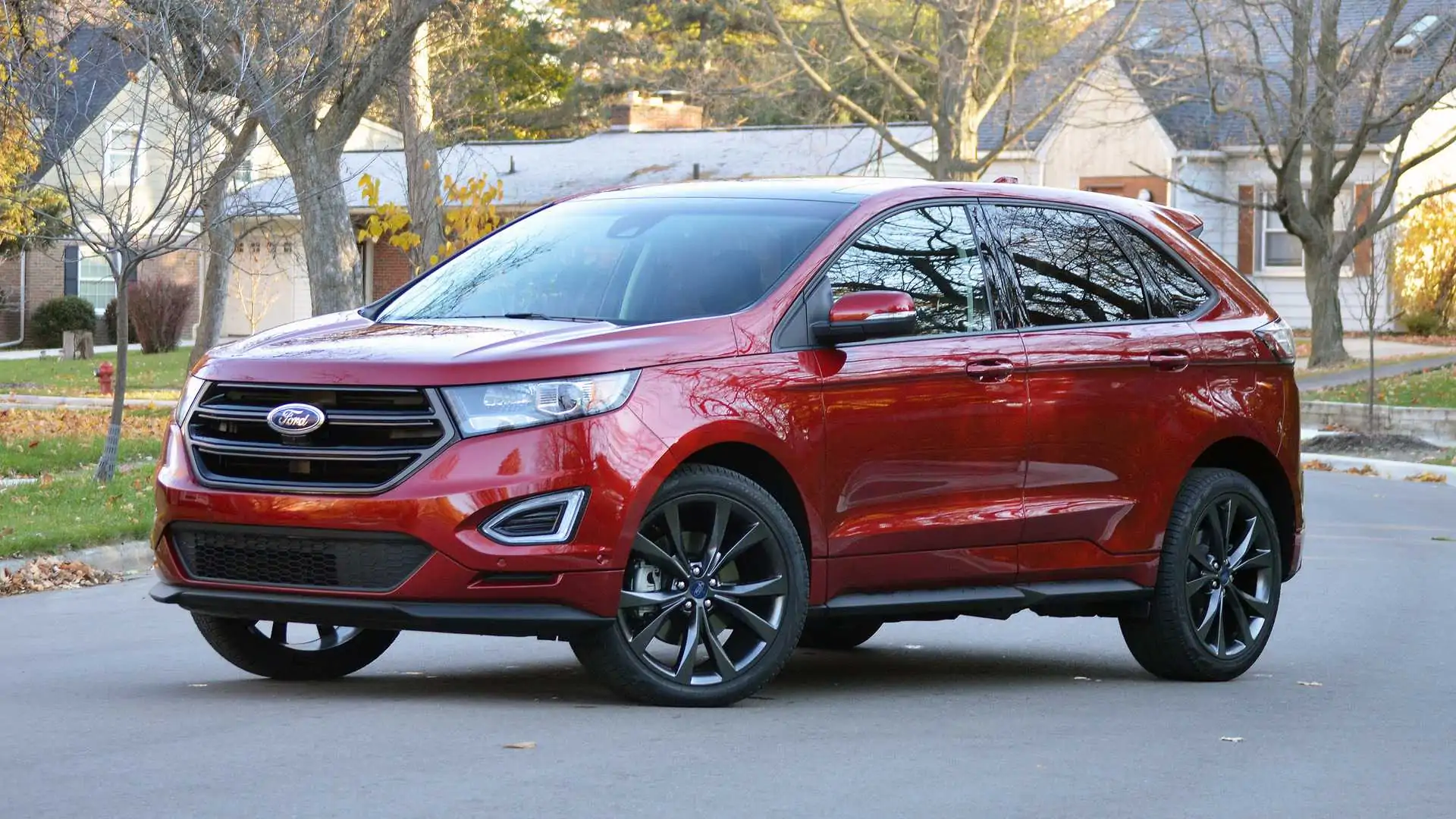
10. Ford Edge – $58,323
The Ford Edge closes the list. It is a two-row midsize crossover. Production ended after the 2024 model year. Ford focused on other models instead.
The standard engine is a 2.0-liter EcoBoost turbo four-cylinder. It makes 250 horsepower and 280 lb-ft of torque. An eight-speed automatic handles shifting. Front-wheel drive is standard. All-wheel drive is available.
The sportier ST used a 2.7-liter twin-turbo V6. It made 335 horsepower and 380 lb-ft. That version was far quicker. It also drank more fuel and cost more to insure. Performance always brings a bill.
Discontinued models often lose value faster. Buyers worry about long-term support. Resale prices drop as a result. Dealers push heavy incentives to clear stock. Those discounts hurt owners who bought earlier.
Fuel costs are moderate. The four-cylinder returns mid-20s economy. The ST uses more fuel. Regular gas keeps the base model easier on the wallet. Still, it is not a thrifty crossover.
Insurance is average for the class. Repair costs are manageable. Ford parts are widely available. That helps keep shop bills in check. Independent mechanics know the platform well.
Reliability has been mixed over the years. Some owners report transmission or software issues. Recall campaigns have occurred. Checking a vehicle’s history is wise. A clean service record is a strong sign.
The Edge was built in Oakville, Ontario. It offered a quiet ride and a roomy cabin. Many buyers appreciated its value. Even so, the study shows a bill above $58,000. That is still about $30,000 more than a Camry. Cheaper options clearly exist.
