
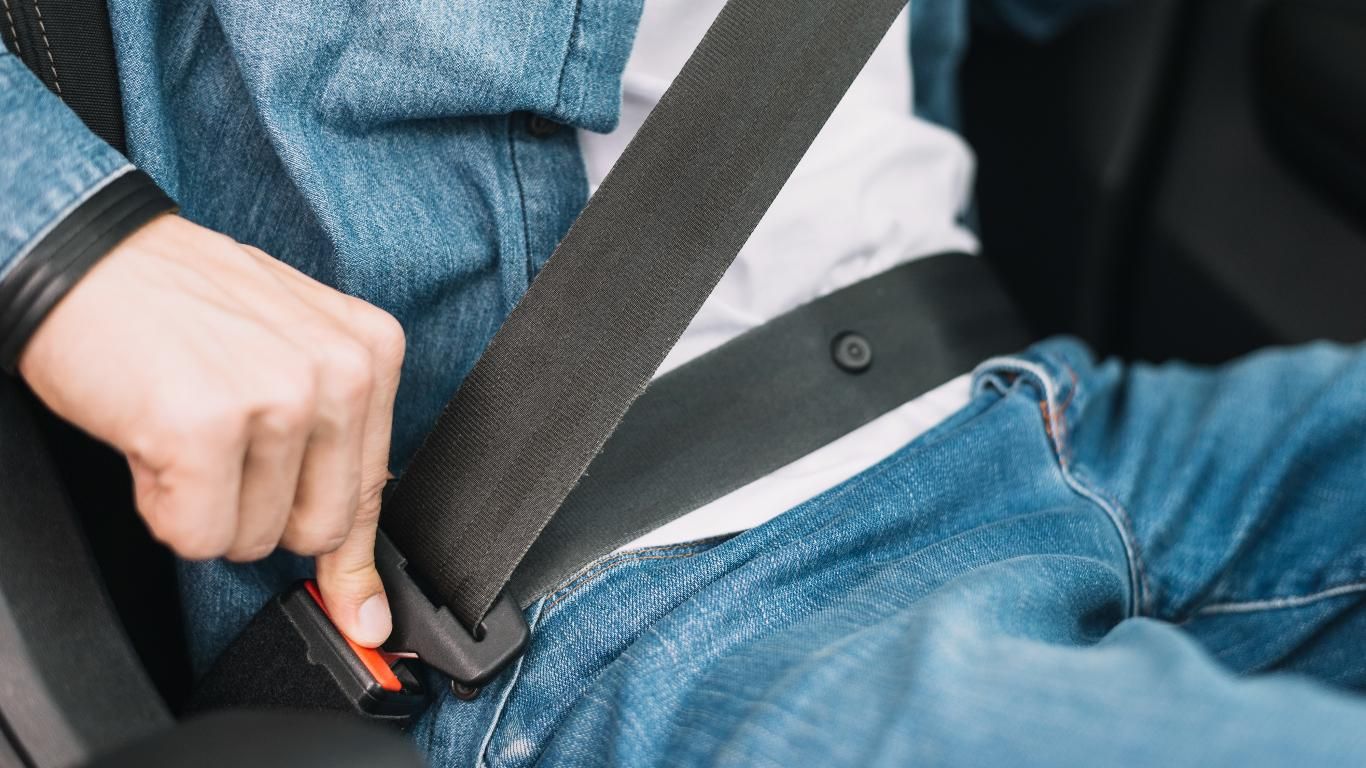
Most drivers buckle up without thinking. A small group does not. These part-time users are where the danger lies. The Insurance Institute for Highway Safety has spent years studying them.
Its seat belt reminder ratings began in 2022. They grade each vehicle as good, acceptable, marginal, or poor. A good rating needs an audible alert lasting at least 90 seconds. It must sound if any occupied front seat is unbelted. The volume must also cut through cabin noise.
Rear seats count too. A belted rear passenger who unbuckles must trigger a visual and audible alert. It must last at least 30 seconds. Federal rules ask far less. They cover only the driver. The sound lasts about four to eight seconds.
IIHS research found that a 90-second audible reminder raised belt use by about 30 percent among part-time users. The institute says near-universal good systems could save roughly 1,600 lives a year.
Automakers have responded fast. In 2024, more than 60 percent of tested models earned good ratings. In the first year, only 17 percent did. This October 2026 list shows who is still behind. Four vehicles rated poor. Fifteen rated marginal.
Poor generally means a brief alert, often for the driver only. Marginal means short alerts that miss the 90-second mark. Each entry below explains what that means for you.
1. 2026 Volkswagen Jetta
The Jetta is a popular compact sedan. A poor rating puts it at the bottom of the scale. That usually means a short, driver-focused chirp. It fades long before a trip gets going.
The part-time belt user gets little pressure to buckle. A few seconds of beeping is easy to ignore. Rear passengers add another gap. A strong rear reminder is part of a good grade. The fix is mostly software. IIHS has noted that small software changes can lift a score.
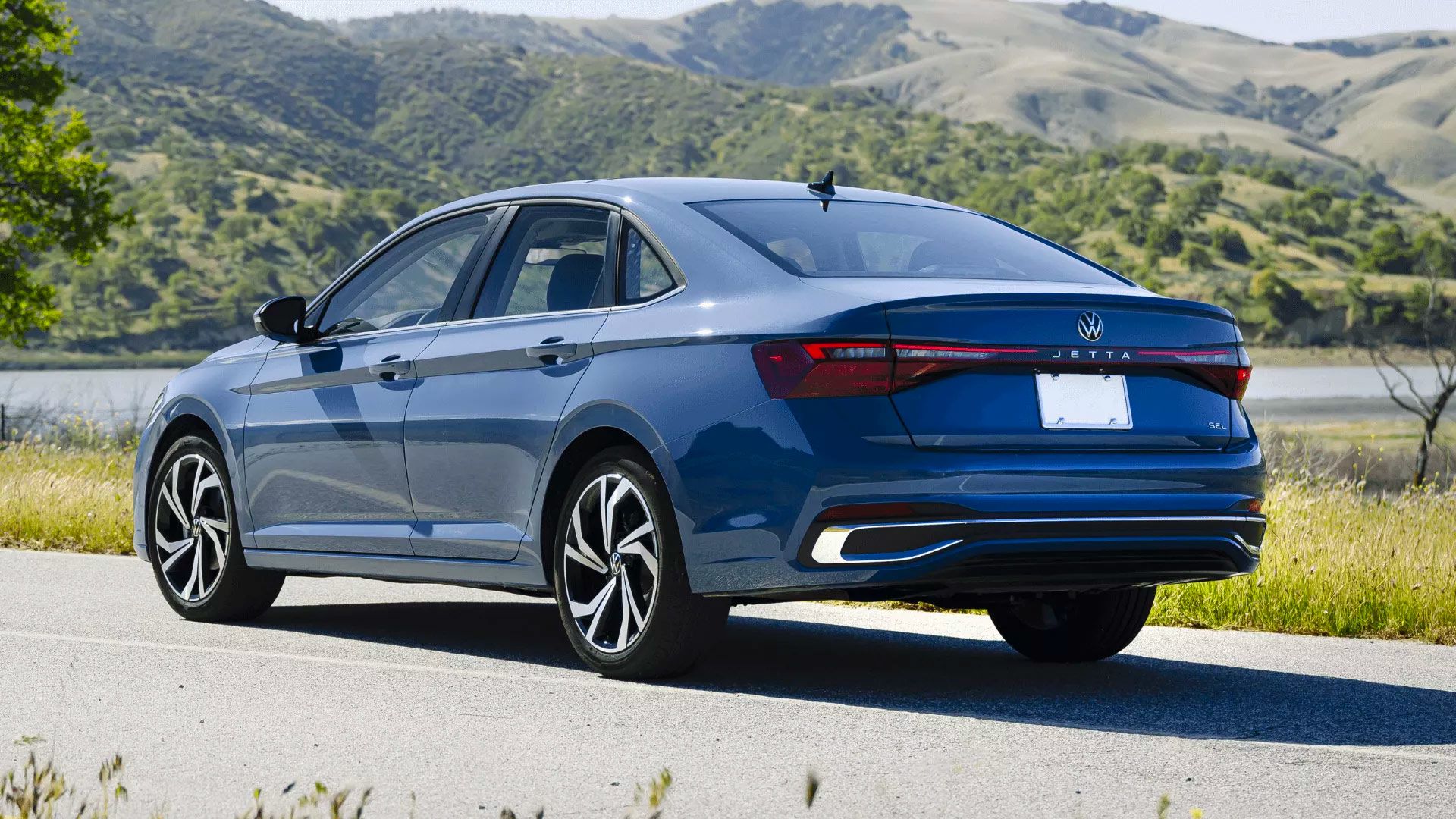
Other automakers have done this within one model year. Volkswagen could too. Until then, buckle first and remind your passengers.
2. 2026 Audi A3 Sedan
The A3 is Audi’s entry luxury sedan. It earns a poor rating here. That is a surprise for a premium badge. Buyers expect safety extras to come standard. The sedan sits in the same corporate family as the Jetta. Shared design habits may explain similar results.
A poor grade points to a brief, minimal alert. It lacks the long, persistent signal IIHS wants. Luxury pricing does not guarantee better belt logic. This test checks software, not leather.
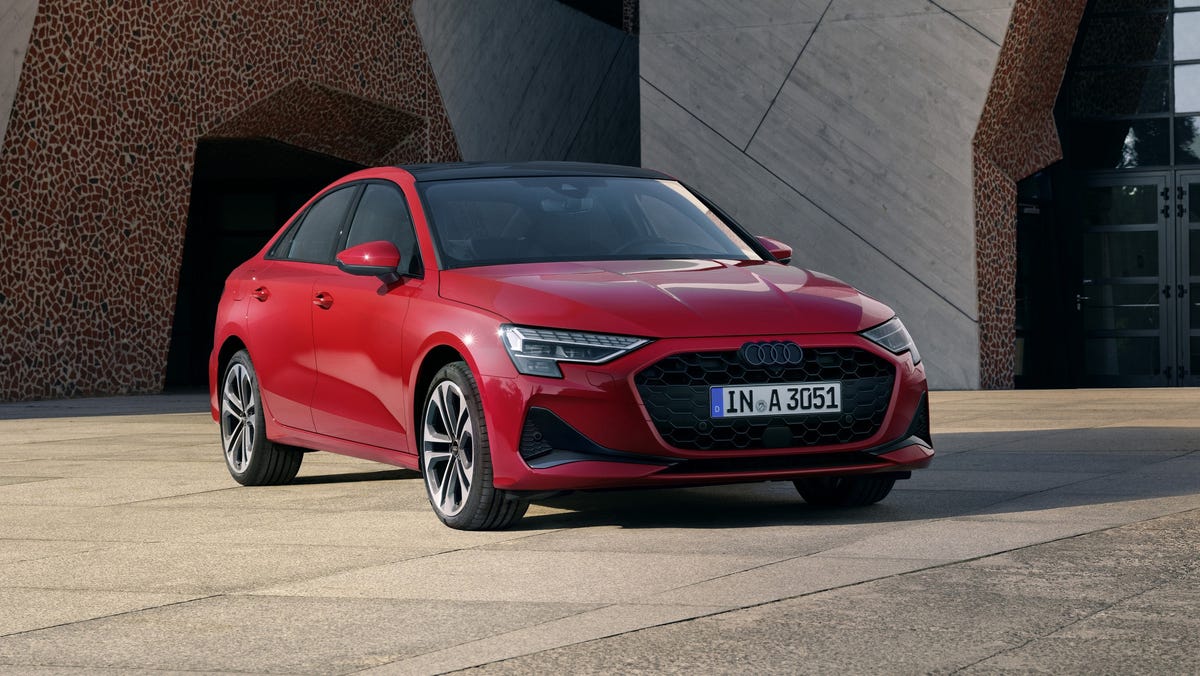
Audi could correct this with a calibration update. Shoppers should check the reminder behavior on a test drive.
3. 2026 Mitsubishi Eclipse Cross
The Eclipse Cross is a compact crossover. It also lands in the poor category. This is a harsh label for a family vehicle. Families often carry restless kids in the back. A short alert does little for a distracted driver. The chime ends before the habit forms.
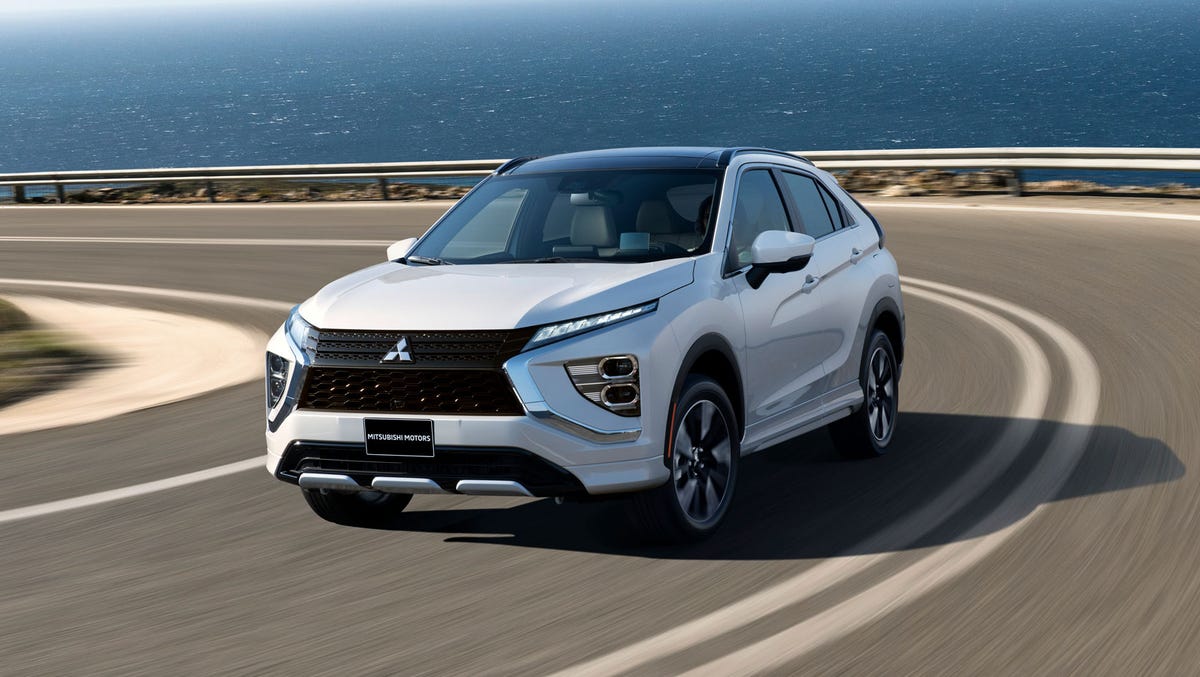
Rear seat coverage matters here. Children and teens are the least likely to buckle on their own. IIHS ties good ratings to two things. The first is a long front alert. The second is a rear unbuckle warning. Mitsubishi has room to improve. Until it does, make belt checks part of every trip.
4. 2026 Volkswagen Taos
The Taos is Volkswagen’s small crossover. It joins the Jetta with a poor rating. Two poor VW products suggest a shared approach. The group’s baseline reminder looks too weak.
Small crossovers often carry young passengers. Rear belt use is the weakest link on many trips. A poor grade means the alert is brief. It does not escalate or persist.
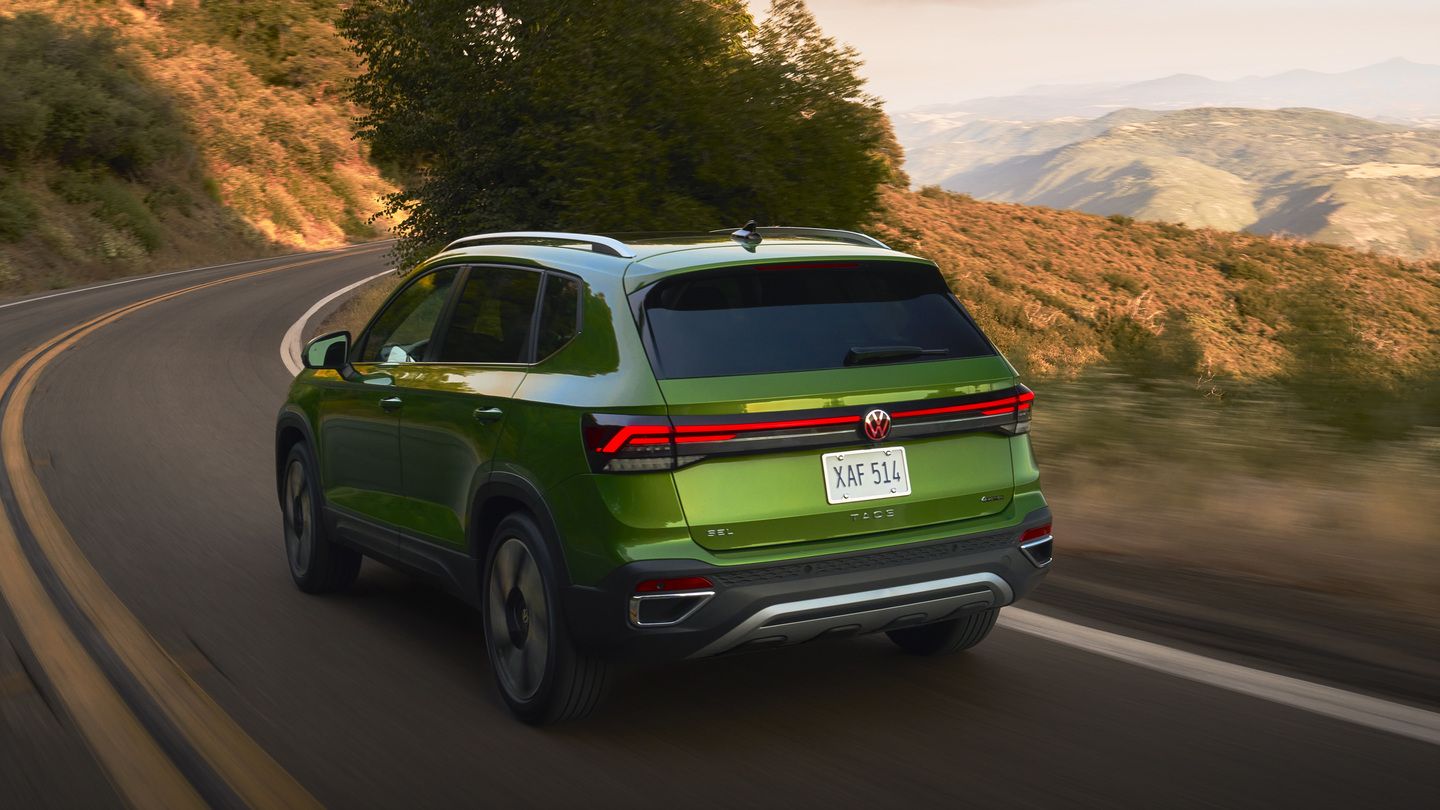
The result is easy to fix in code. No new hardware is needed for a longer chime. Owners can still protect themselves. Buckle before shifting out of park, and ask every passenger to do the same.
5. 2026 Honda Civic Hatchback
The Civic hatchback is a long-time bestseller. Its marginal rating falls one step above poor. Marginal usually means the front alerts are audible. They are just too short to reach 90 seconds. That is better than nothing. But part-time users can outlast a short tone.
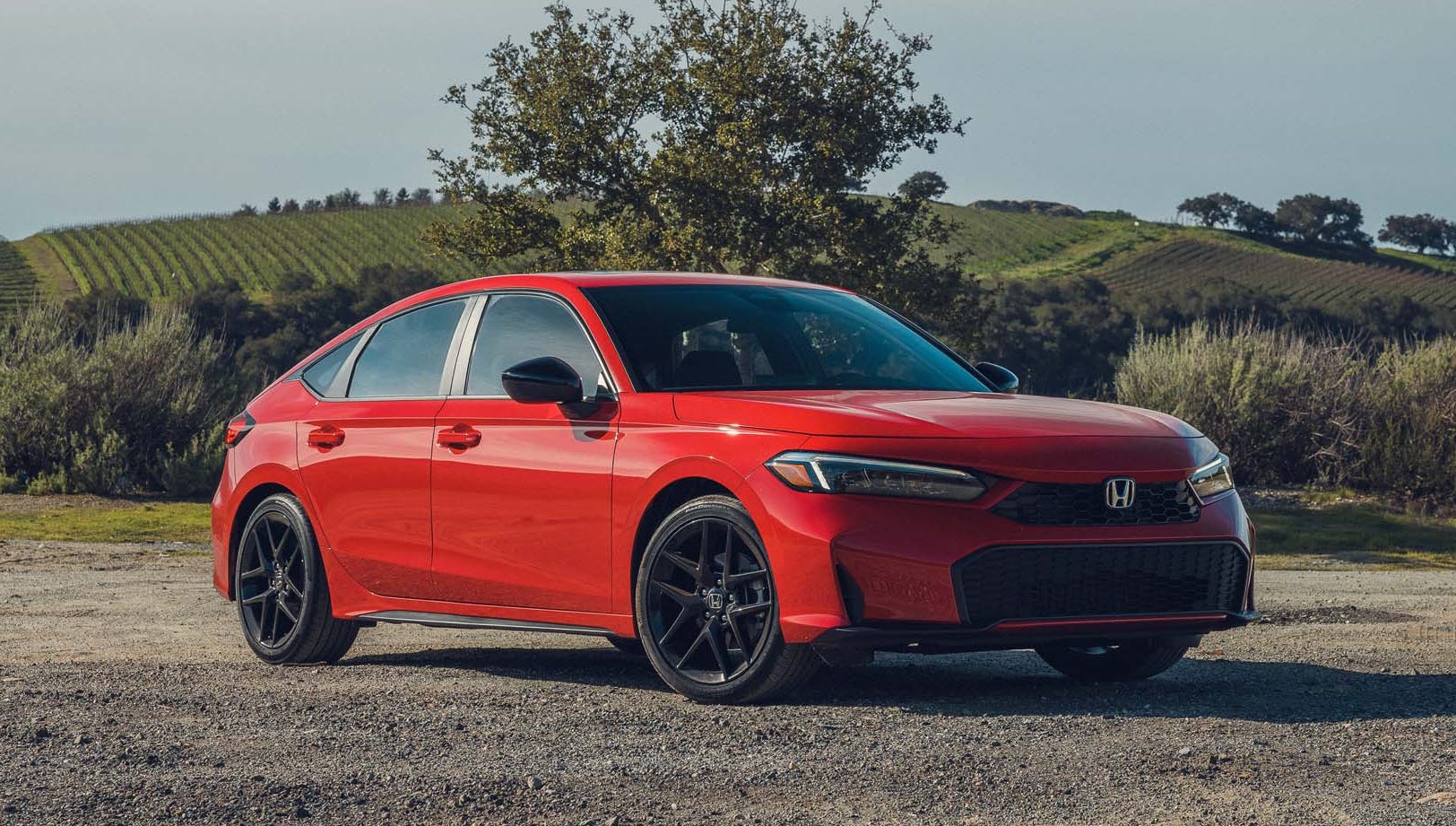
Honda has a strong safety reputation. This is one area where it can still improve. Young drivers often choose the Civic. They are also less consistent about belts. A longer reminder would help the exact group buying this car.
6. 2026 Chrysler Pacifica
The Pacifica is a minivan built for families. Its marginal grade matters for that reason. Minivans carry many rear passengers. Rear belt use is often the weakest in the car. A persistent rear alert would help here. It would also help the driver spot a loose belt.
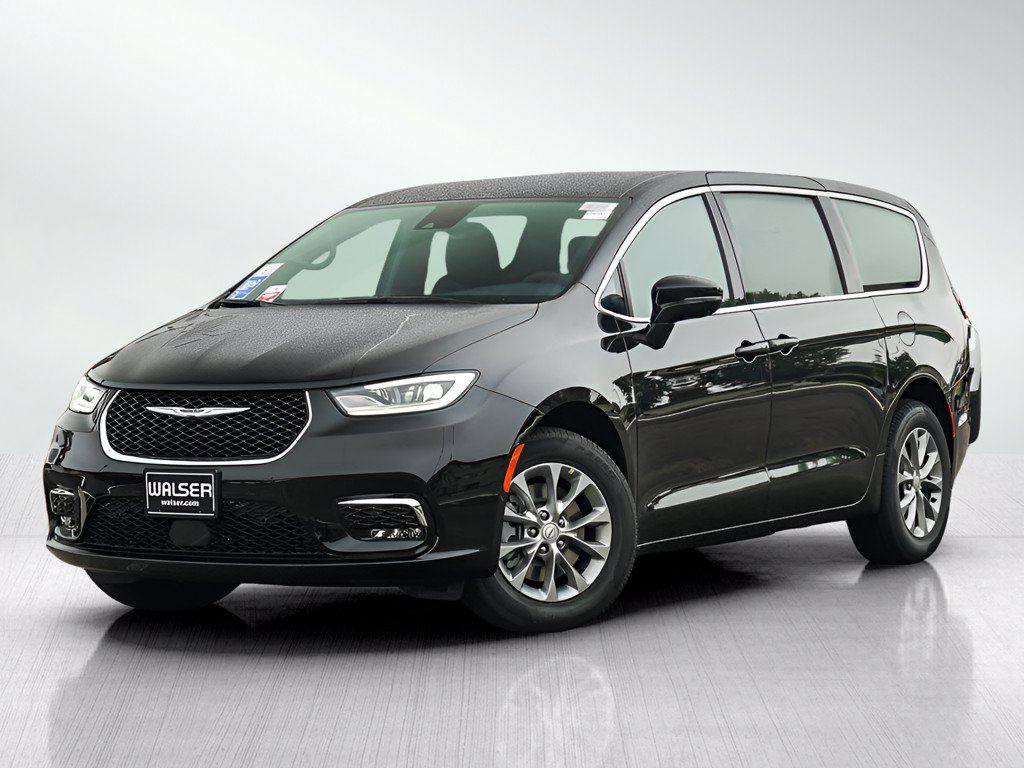
Short front alerts leave gaps too. A tired parent may miss a brief chime. Stellantis has several vehicles on this list. That suggests a shared software approach. Families should check belts every trip, however long the reminder lasts.
7. 2026 Audi A5
The A5 is a refined coupe-style sedan. It earns a marginal rating. The grade is better than the A3’s poor result. It still falls short of good. The front alerts likely sound, but not for long enough. They stop before a reluctant user acts.
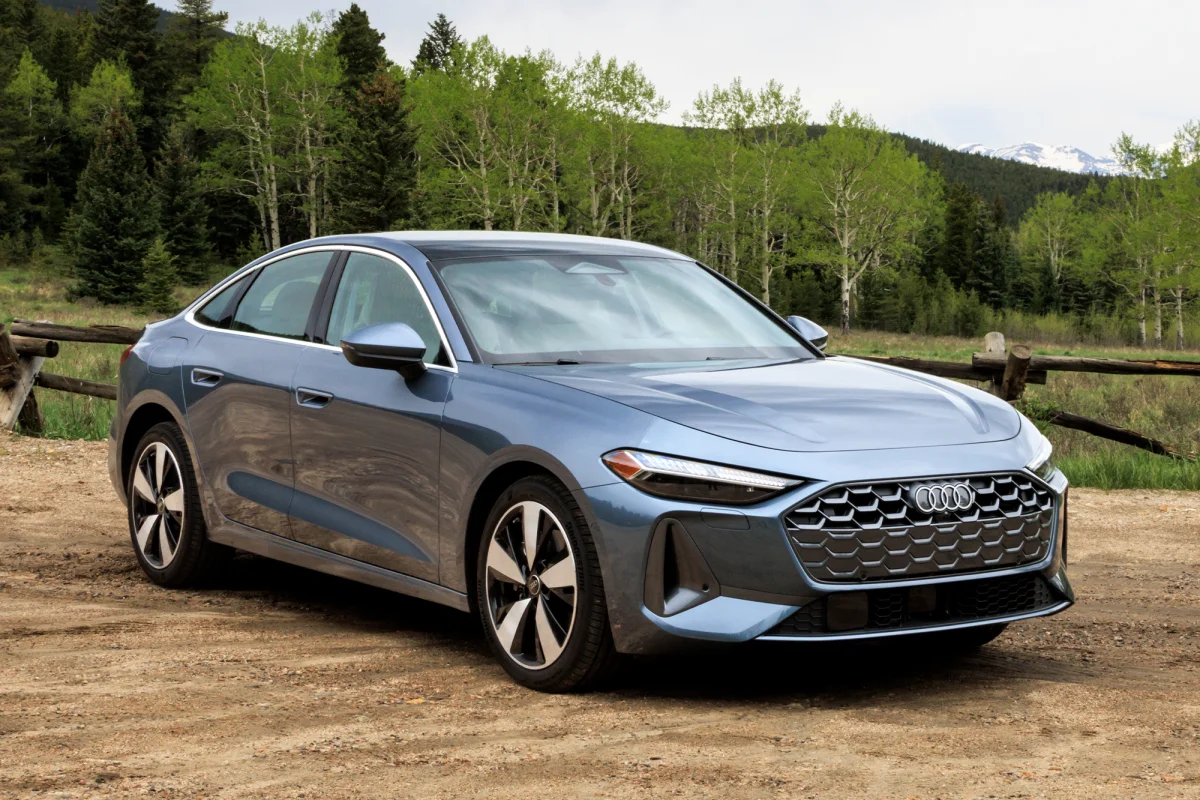
Audi sells on engineering polish. Reminder logic is a quick place to show it. Buyers should not assume premium means protective. Check the behavior yourself. A software update could lift this model quickly.
8. 2026 BMW 3 Series
The 3 Series is a benchmark sport sedan. It lands in the marginal group. BMW stresses driver focus. Yet its reminder falls short of the 90-second standard. A shorter alert protects less. Part-time users learn they can wait it out.
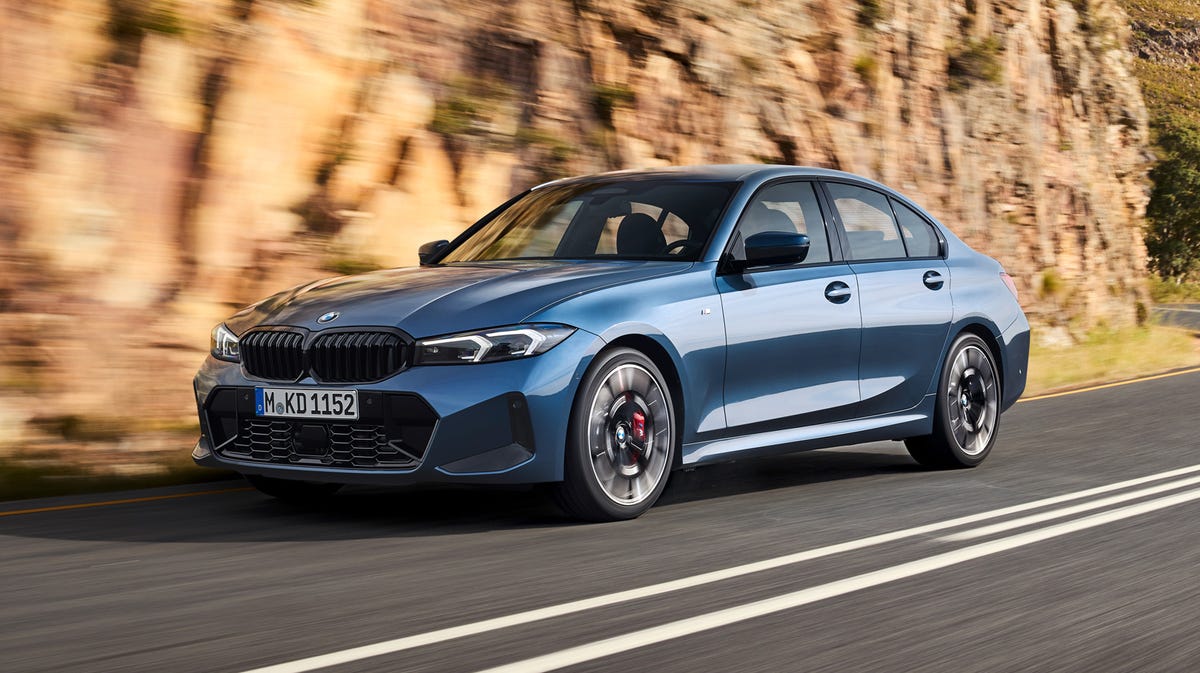
Rear passengers are also part of the test. A weak rear reminder can cost a rating. Enthusiast drivers often carry friends. Those friends may skip the belt. BMW could fix this with a simple calibration. The hardware is already there.
9. 2027 Tesla Model 3
The 2027 Model 3 is listed as marginal. This is a newer model year. Tesla uses over-the-air updates. That makes quick changes possible. A longer chime could arrive without a dealer visit. That is a real advantage.
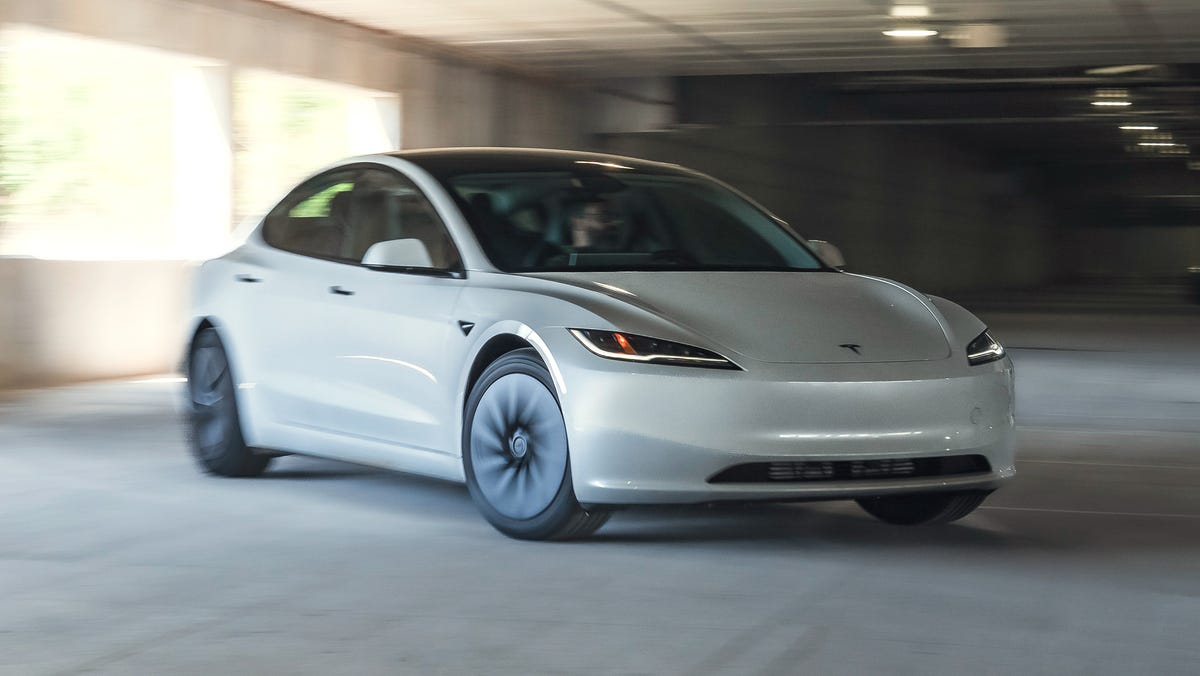
Yet the current alert falls short of the full standard. It lacks the persistence IIHS rewards. Tesla is also a frequent test subject. Its software choices affect many drivers. Owners should watch for an update. Until then, buckle early.
10. 2026 BMW i4
The i4 is BMW’s electric fastback. It shares the marginal rating with the 3 Series. Electric cars are quiet. A strong audible alert stands out more in them. That makes a short chime even less useful. A longer tone would be easier to notice.
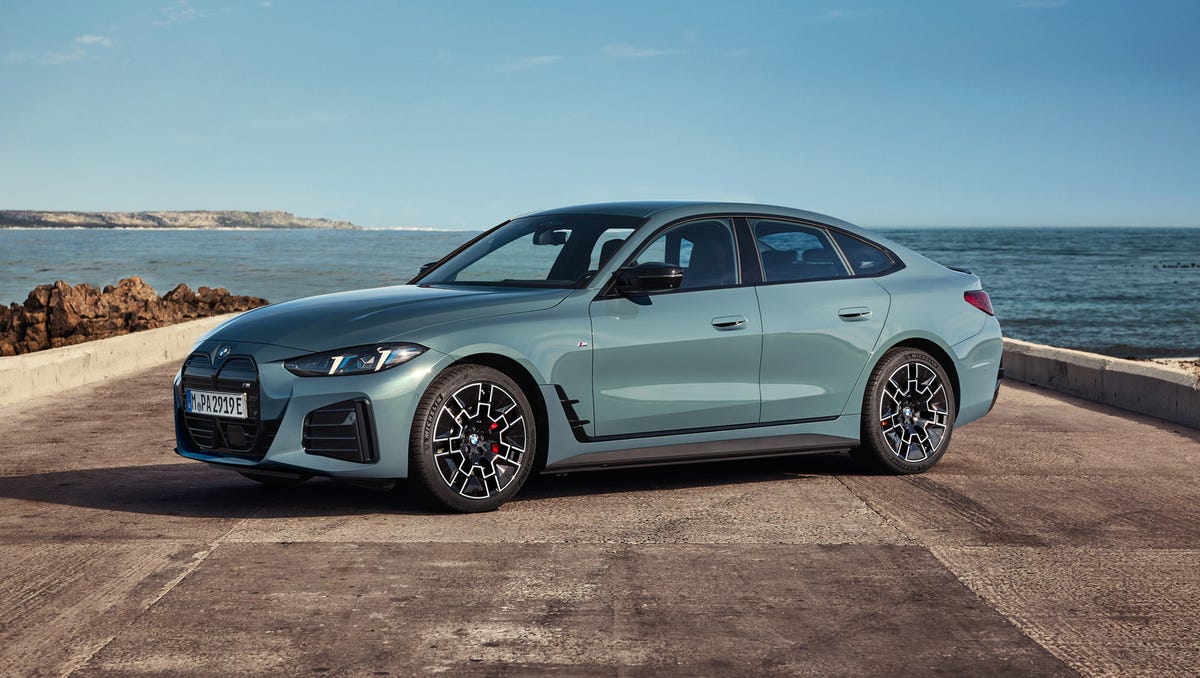
The i4 is a premium purchase. Buyers expect complete safety features. The reminder gap is small but real. Rear coverage may be part of it. BMW can likely close it with software. Owners should ask the dealer about updates.
11. 2026 Cadillac CT5
The CT5 is Cadillac’s mid-size sedan. It earns a marginal grade. General Motors vehicles have appeared in past IIHS tests. Reminder length has often been the weak point. A brief tone suits a short trip. It does not suit a reluctant user.
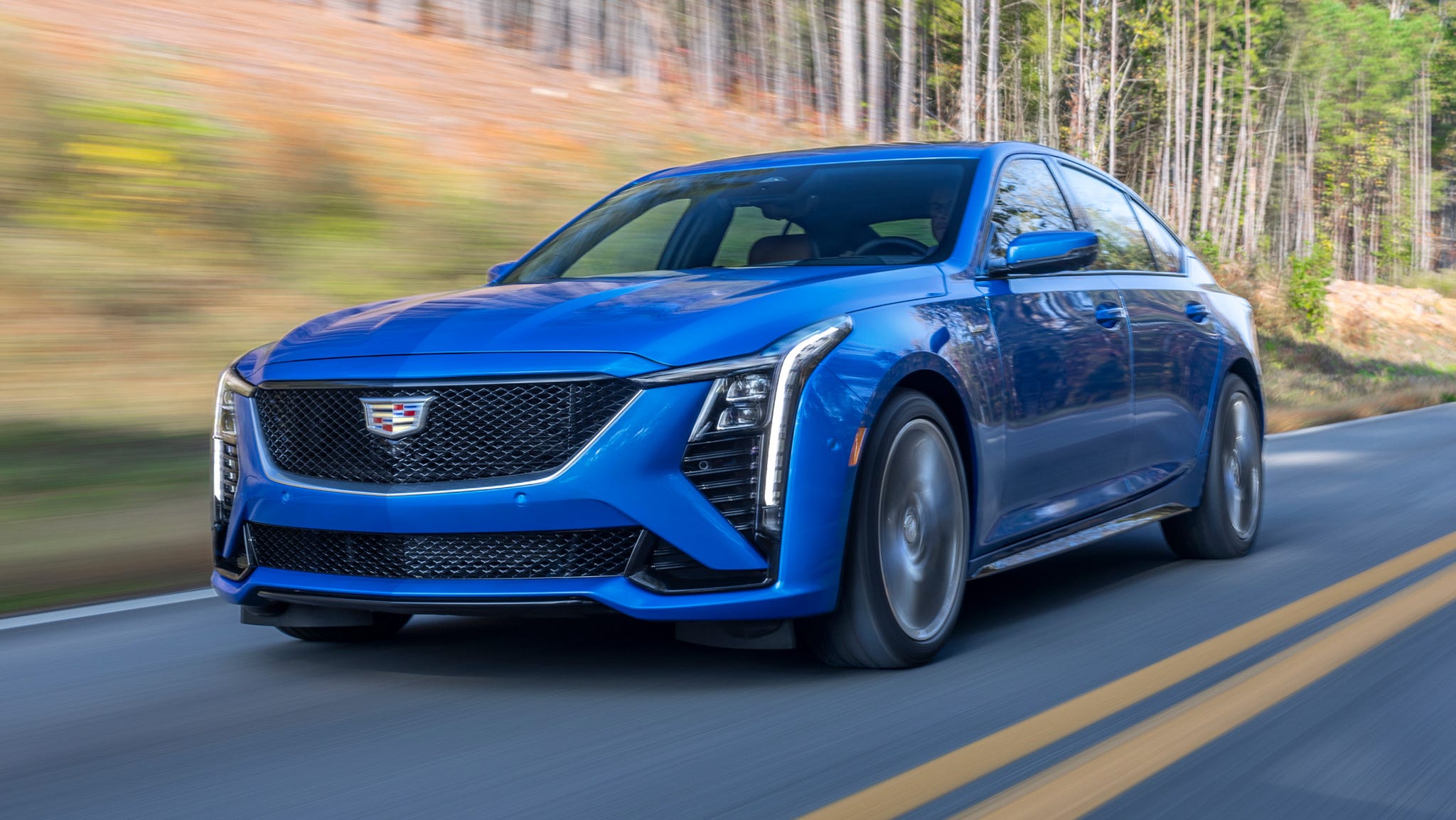
The CT5 competes with German luxury sedans. On this test, it sits level with some of them. Fleet and rental buyers often choose sedans like this. Many drivers there are unfamiliar with the car. A stronger reminder would help those short-term users.
12. 2026 Genesis G70
The G70 is a compact luxury sport sedan. It lands in the marginal group. Genesis has built a strong safety image. This rating shows one area left to polish. Hyundai Group models have improved in past rounds. Genesis could follow quickly.
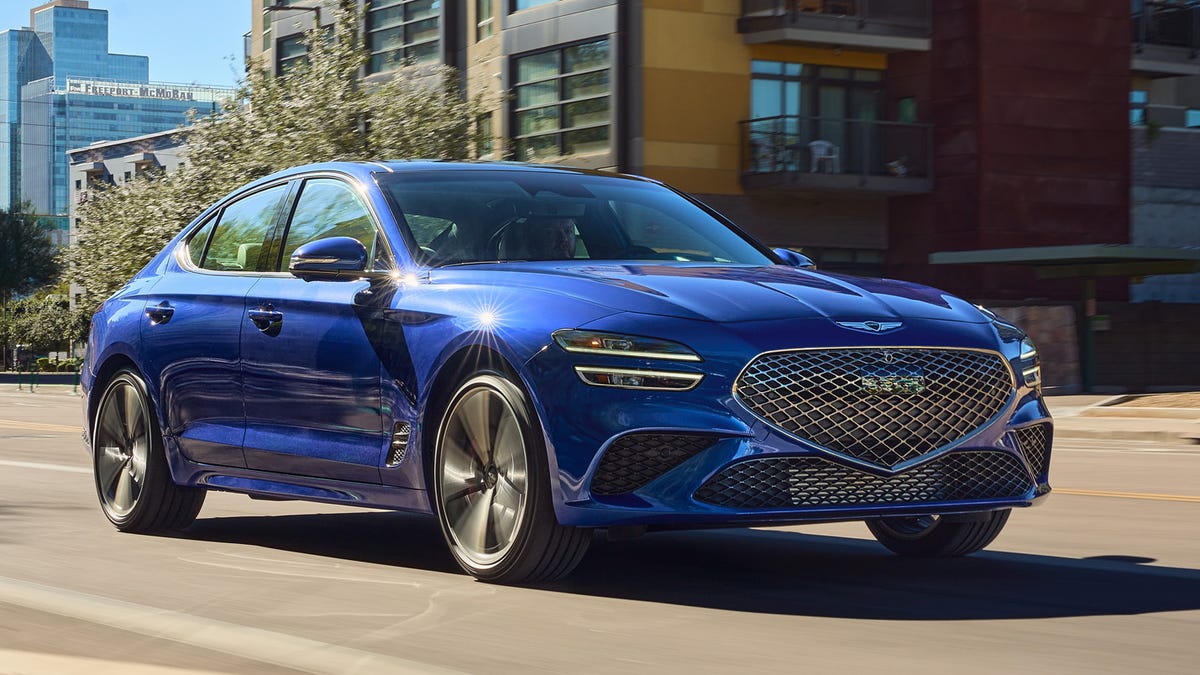
The front alert likely lacks the full 90 seconds. That is the common marginal shortfall. Younger, performance-minded drivers favor this car. They are a group that skips belts more often. A longer chime would serve them well.
13. 2026 Tesla Cybertruck
The Cybertruck is an unusual, heavy electric pickup. It earns a marginal rating. Trucks have a mixed history here. Past IIHS tests found many pickups with weak reminders. Truck drivers report lower belt use on average. That makes reminders more valuable.
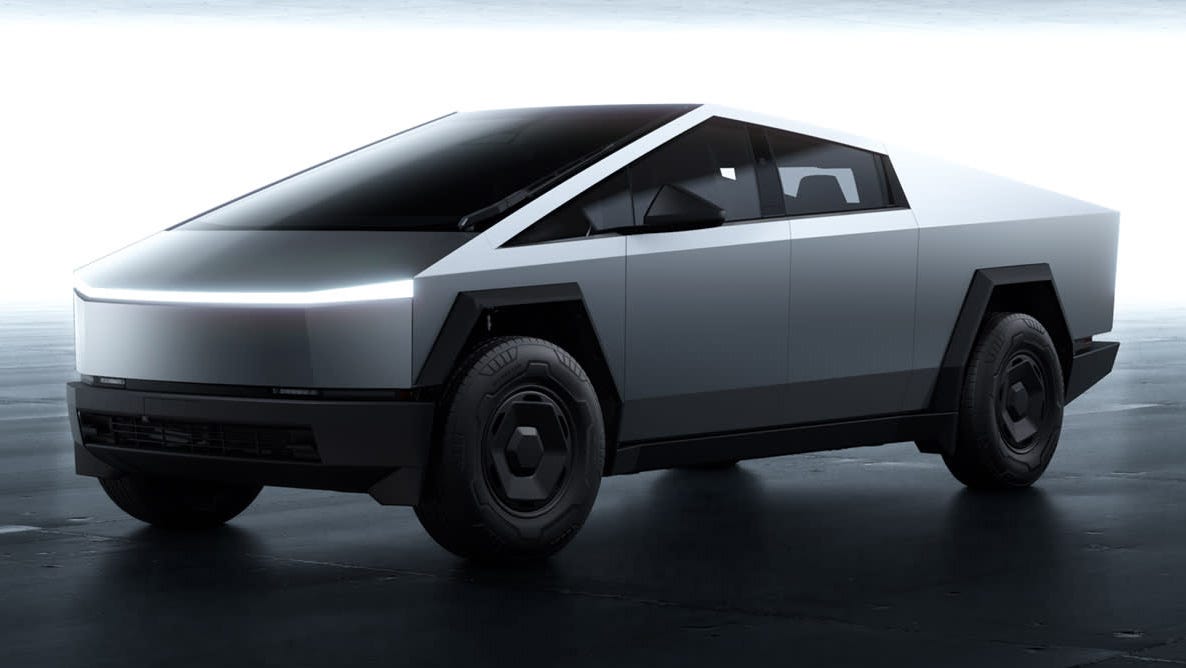
The Cybertruck’s cabin is quiet. A longer alert would be easy to hear. Tesla can update software remotely. That could fix this fast. Until then, drivers should not rely on the chime.
14. 2027 Ram 1500 Crew Cab
The Ram 1500 is a full-size pickup. It was marginal in an earlier IIHS pickup test as well. That repeat result is notable. Reminder behavior has not moved up. Pickups are work vehicles. Drivers hop in and out all day.
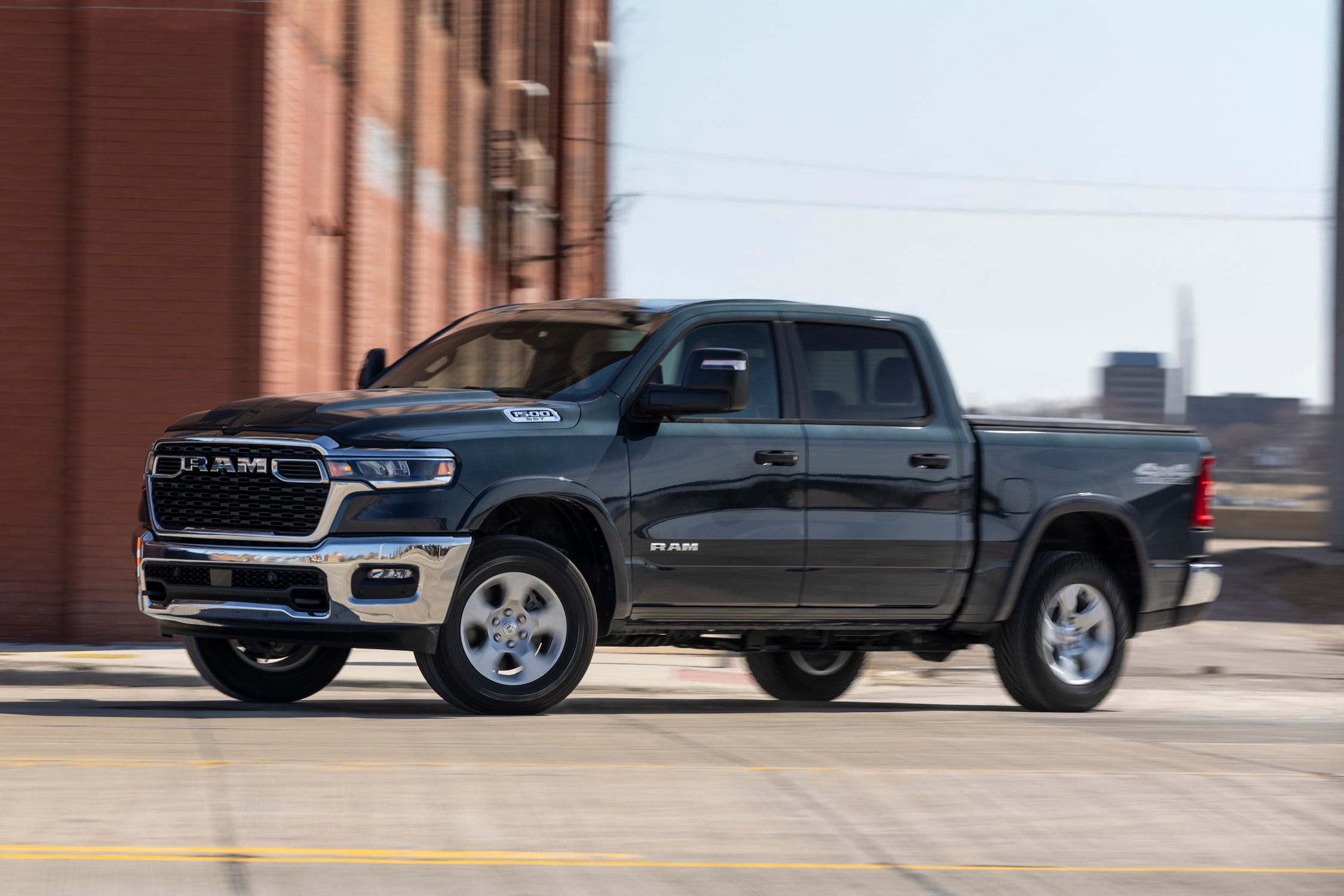
Short trips make belt skipping common. A persistent chime would counter it. Crew cabs also carry rear passengers. A rear alert would help them. Ram can fix this with software. It is a low-cost change.
15. 2026 Jeep Gladiator Crew Cab
The Gladiator is a mid-size pickup with off-road focus. It earns a marginal rating. Off-road drivers face rough terrain. A loose belt is a serious risk there. The current alert falls short of 90 seconds. It fades too soon.
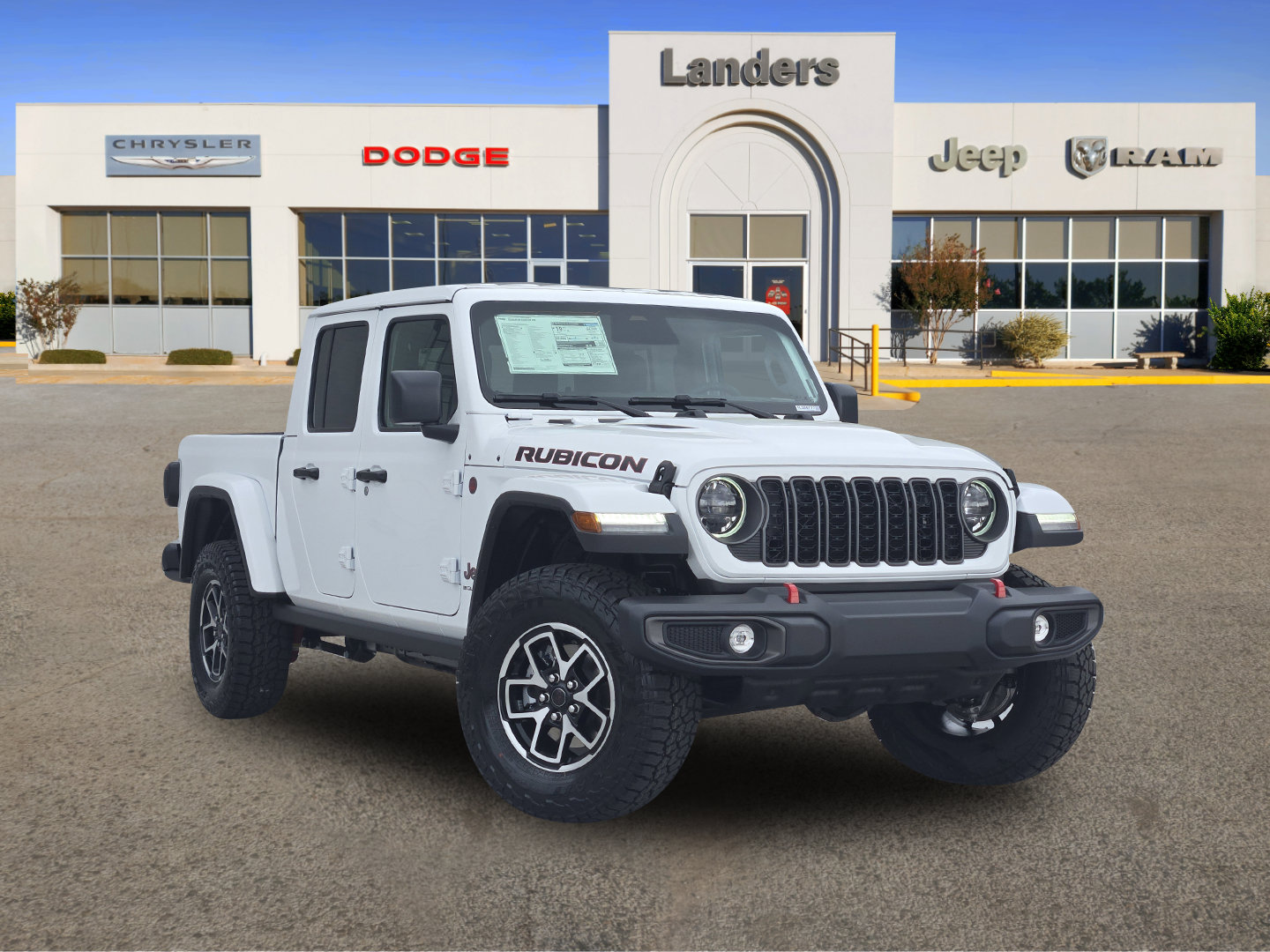
Jeep sells a rugged image. Strong safety basics should match it. Crew cab versions carry rear passengers. A rear reminder would help. Owners should check belts before every trail run.
16. 2026 Jeep Compass
The Compass is Jeep’s compact crossover. It also rates marginal. Compact crossovers are common family vehicles. They often carry children. A brief alert may not prompt a distracted driver. The chime ends too soon.
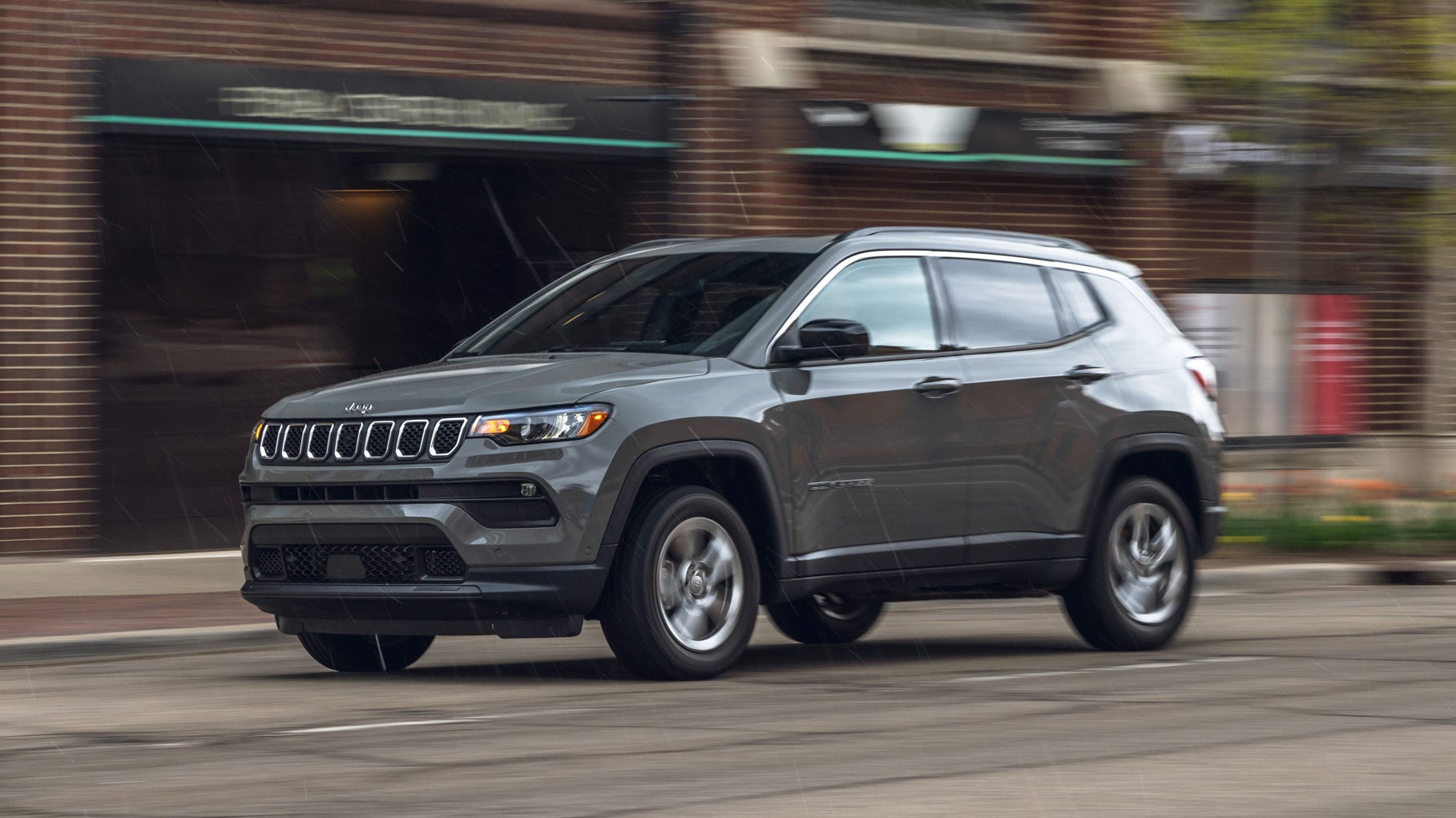
Stellantis appears often on this list. That suggests a common reminder design. One software change could lift many models together. That would be an efficient fix. Buyers should treat belt use as a habit, not a chime.
17. 2026 Kia Seltos
The Seltos is a subcompact crossover. It lands in the marginal group. Kia has improved many models in past rounds. The Seltos still lags behind. Subcompacts are popular with young and first-time buyers. Those drivers are often less consistent with belts.
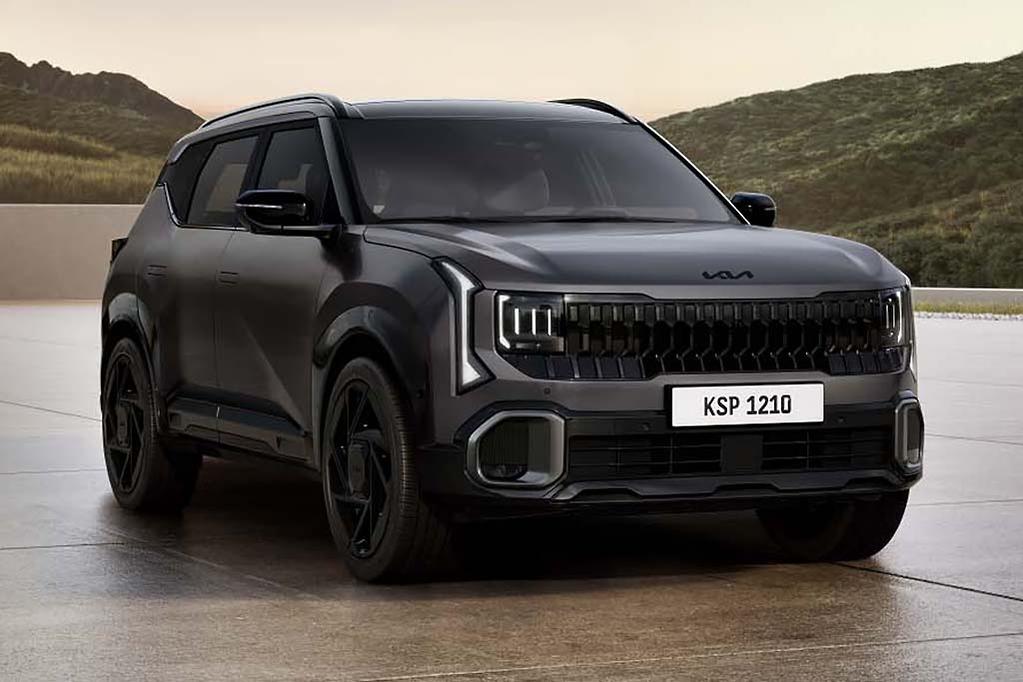
The front alert likely sounds but stops early. That is the typical marginal shortfall. A longer tone would be an easy win. The hardware is already there. Parents buying for teens should check this feature.
18. 2026 Jeep Grand Wagoneer
The Grand Wagoneer is a large luxury SUV. It earns a marginal rating. It seats many people across three rows. That makes rear reminders especially important. A big vehicle can hide a loose belt. The driver cannot easily see every seat.
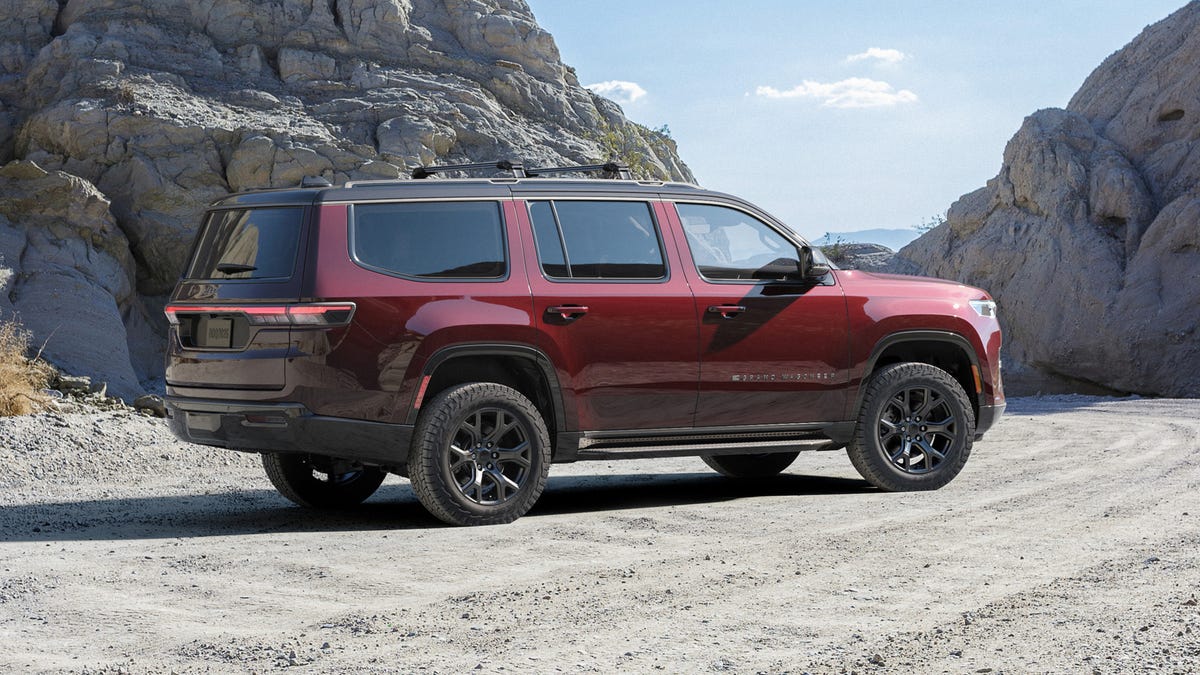
The price is very high. Buyers expect a full safety suite. A stronger alert would help drivers manage a crowded cabin. It would also protect rear passengers. Stellantis can fix this with a software update.
19. 2026 Jeep Wrangler
The Wrangler is an icon of off-road driving. It rates marginal. Its doors and roof often come off. Drivers may feel less need for a belt. That mindset is risky. Open vehicles offer less crash protection.
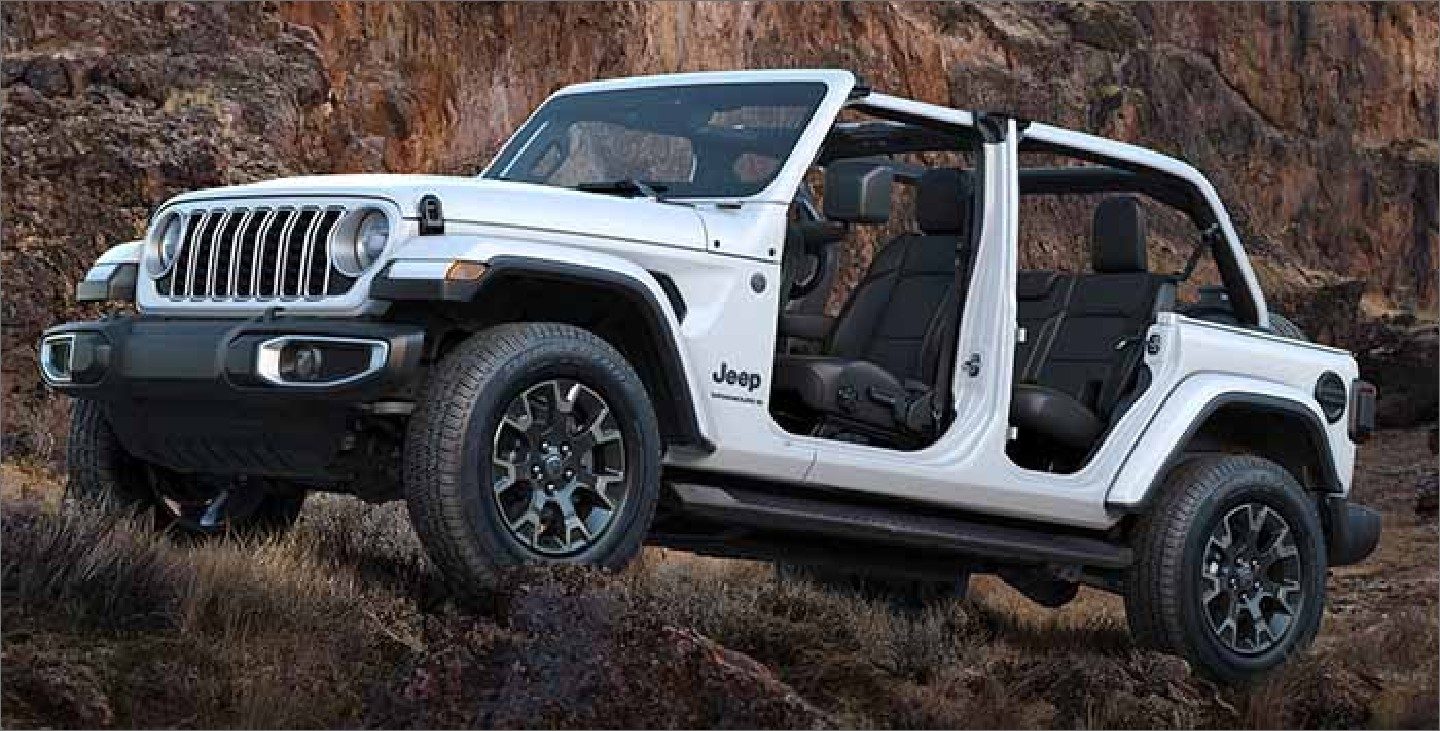
A long, persistent reminder would push back on that habit. The current alert is too short. Wranglers are driven on rough trails. A loose belt there is dangerous. Jeep could improve this with a simple update. Owners should buckle every time.
