
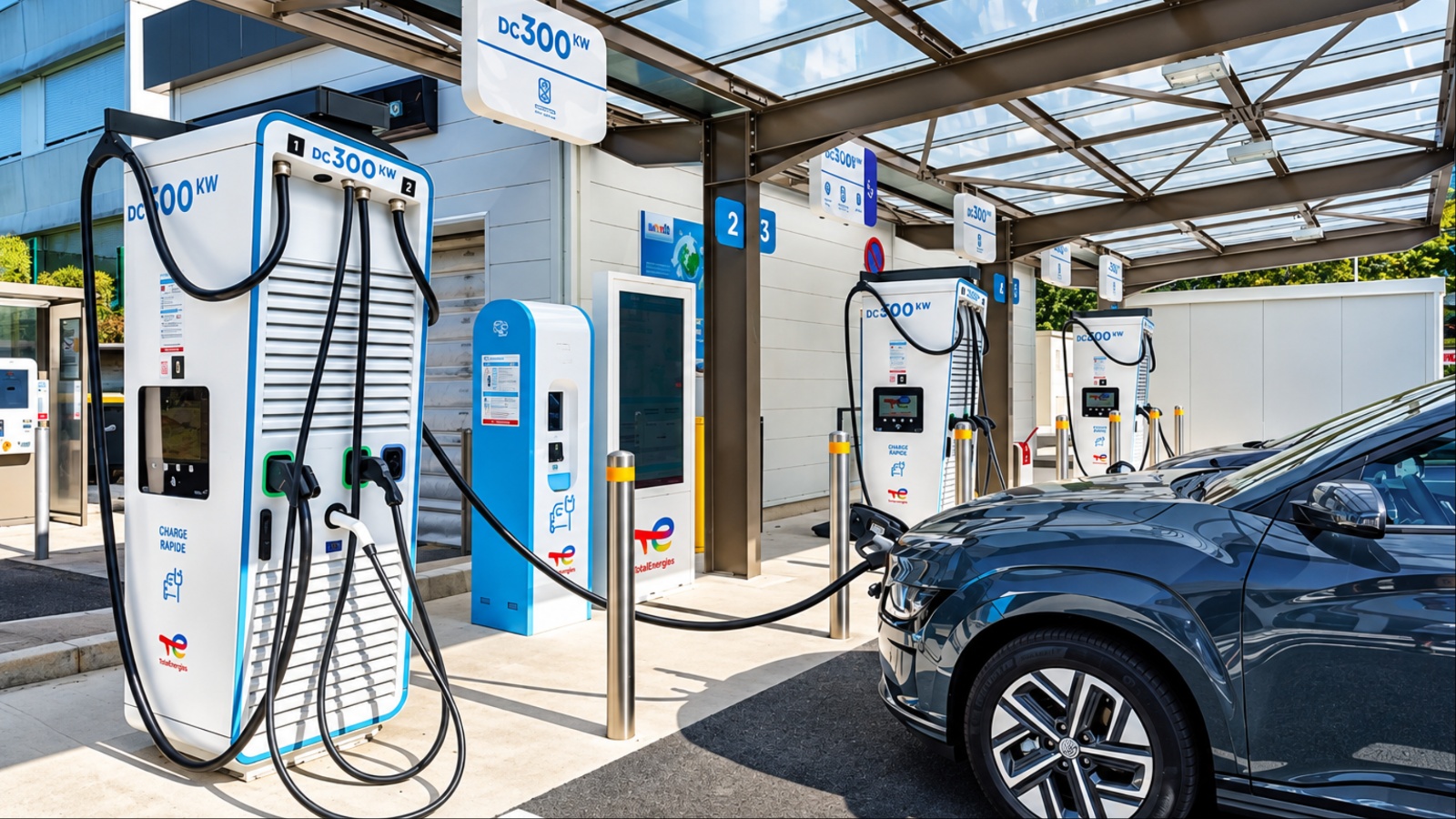
Charging speed is the new horsepower. Buyers no longer ask only how far an EV goes. They ask how quickly it gets going again. A fast stop changes road trips completely.
The April 2026 results from independent testing put real numbers on this. They measure miles added per hour, not just peak kilowatts. That is a far more honest yardstick.
Peak power looks good on a brochure. But a car that holds high power for longer wins in real life. Battery size, efficiency and charge curve all matter.
The top of this list is dominated by 800-volt cars. Hyundai, Kia, Porsche, Audi and Mercedes all use this tech. It lets them take in power quickly without overheating.
The bottom of the list tells a different story. The Dodge Charger Daytona managed only 184 miles per hour. Its test run took 32 minutes 38 seconds. The gap between first and last is five to one. That is huge for anyone planning a long trip. Here are all ten cars, from fastest to slowest.
1. Hyundai Ioniq 6 Limited RWD – 926 Miles Per Hour
The Ioniq 6 takes the crown. It added its test miles in just 6 minutes 29 seconds. That is almost unbelievable for a mainstream sedan. Most gas stops take longer.
Hyundai builds it on the E-GMP platform. This uses an 800-volt electrical system. The car can accept up to roughly 350 kilowatts. Few chargers can even deliver that. Its shape matters just as much as its battery. The streamlined body is among the slipperiest on the road.
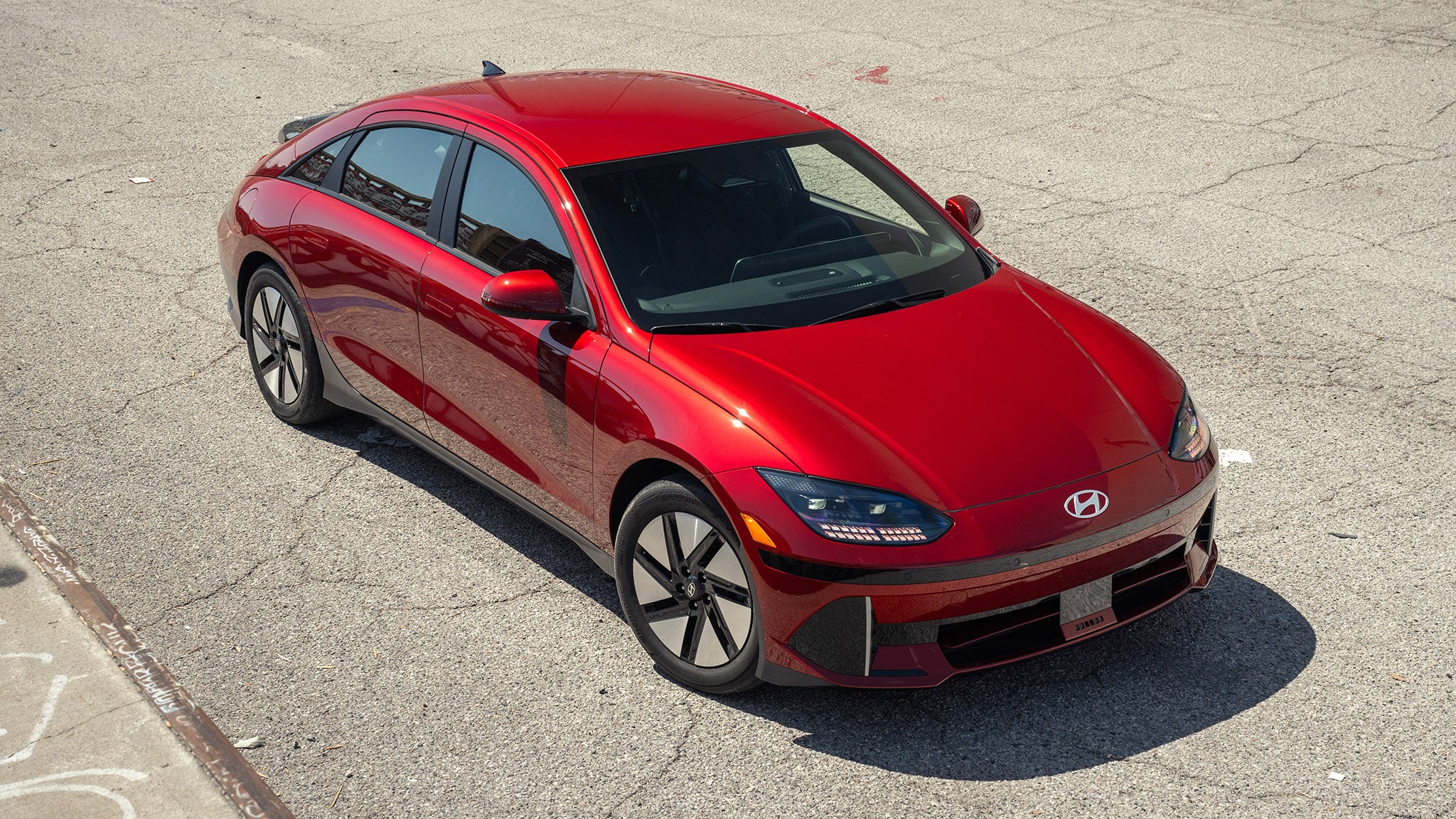
Low drag means fewer kilowatt-hours per mile. So each minute of charging adds more distance. The rear-drive version is lighter than the dual-motor car. A single motor also wastes less energy.
That efficiency is the hidden secret here. A car that sips power needs less of it. Hyundai also tunes the charge curve well. Power stays high across a wide band of the battery.
Many rivals peak briefly and then fall off. The Ioniq 6 holds its pace longer. The cabin is calm, and the ride is smooth. It is a car made for long highway miles.
Some buyers dislike the sloping roofline. Rear headroom is tighter than in an SUV. Still, nothing else on this list charges faster. For road-trippers, that is the headline.
The lesson is simple. Efficiency plus an 800-volt system beats raw battery size. If you want the shortest stops, this is the benchmark. It sets the bar for everything below it.
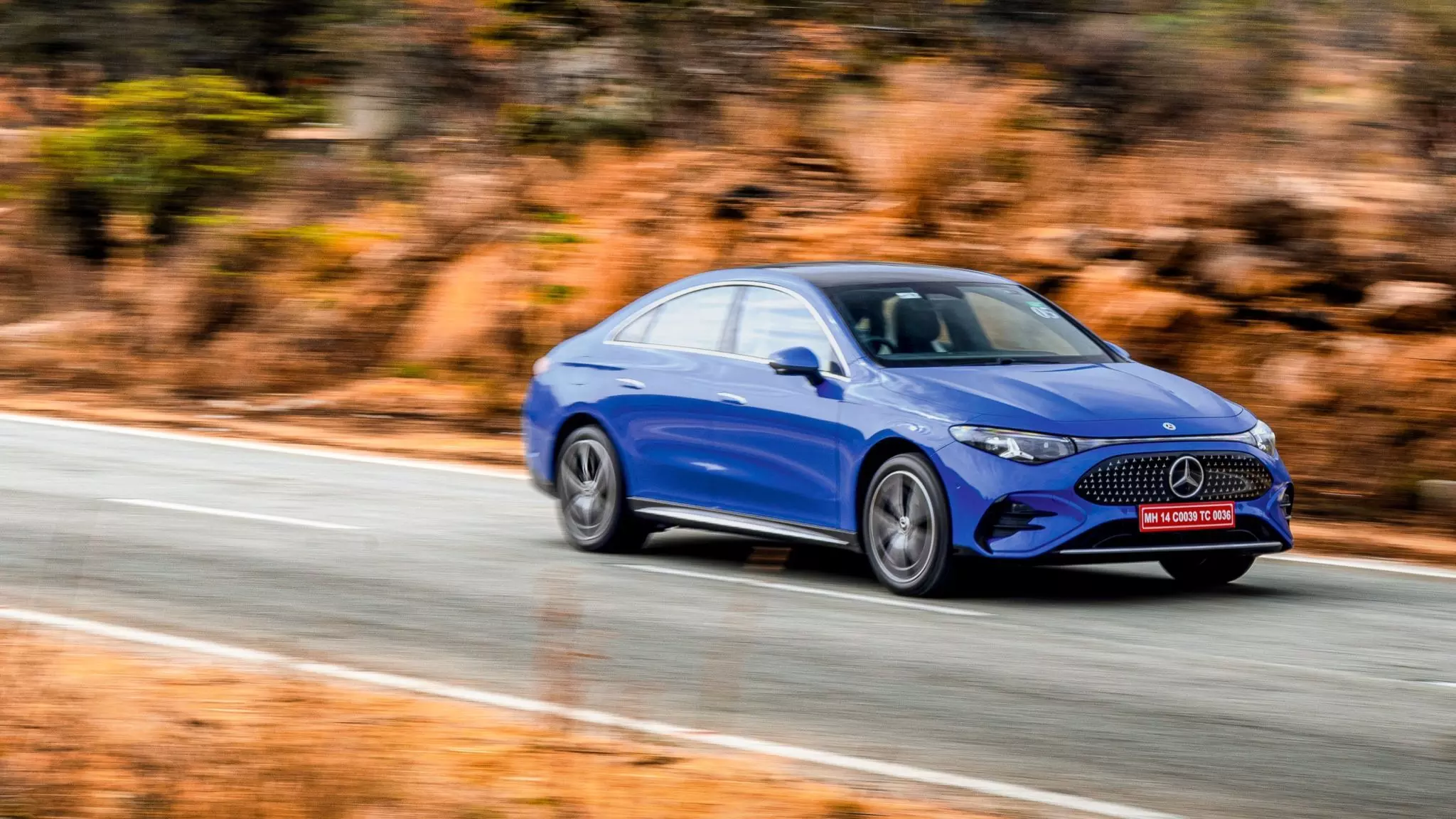
2. Mercedes-Benz CLA 250+ – 833 Miles Per Hour
Mercedes surprised many with the new CLA. It lands second, ahead of several Porsches. The 250+ is the efficiency-focused version. Its name tells you the mission.
It uses an 800-volt architecture. That is a big shift for Mercedes in this price range. Peak charging power is quoted at around 320 kilowatts. That is very strong for a compact luxury car.
The body is extremely slippery. Mercedes obsessed over drag on this model. That focus pays off at the plug. Less energy per mile means faster recovery of range.
The single rear motor keeps weight and losses low. It is a smart match for the big battery. Mercedes also built a clever energy management system. It aims to keep the battery at an ideal temperature.
A warm battery accepts power faster. A well-managed one avoids slowdowns. The CLA also brings a new software brain. It plans routes around charging stops.
The car preconditions the battery on the way. You arrive ready to charge at speed. Inside, the look is modern and bright. The big screen setup is a showpiece.
Not everyone loves the busy interior tech. Some may prefer simpler controls. Even so, the charging results are impressive. It beats cars costing far more.
This is proof that size is not everything. A compact sedan can out-charge a luxury flagship. For buyers wanting premium feel and quick stops, it is a standout. It is one of the smartest cars here.
3. Porsche Taycan Performance Battery Plus – 821 Miles Per Hour
Porsche pioneered 800-volt charging in a production car. The Taycan arrived years before most rivals. That head start still shows. It sits third in this test. The Performance Battery Plus is the larger pack option. A bigger pack can sustain high power longer.
Porsche engineers have spent years refining the cooling system. It keeps cells within a tight temperature band. That matters for repeat fast charging. Many EVs slow down after the first stop.
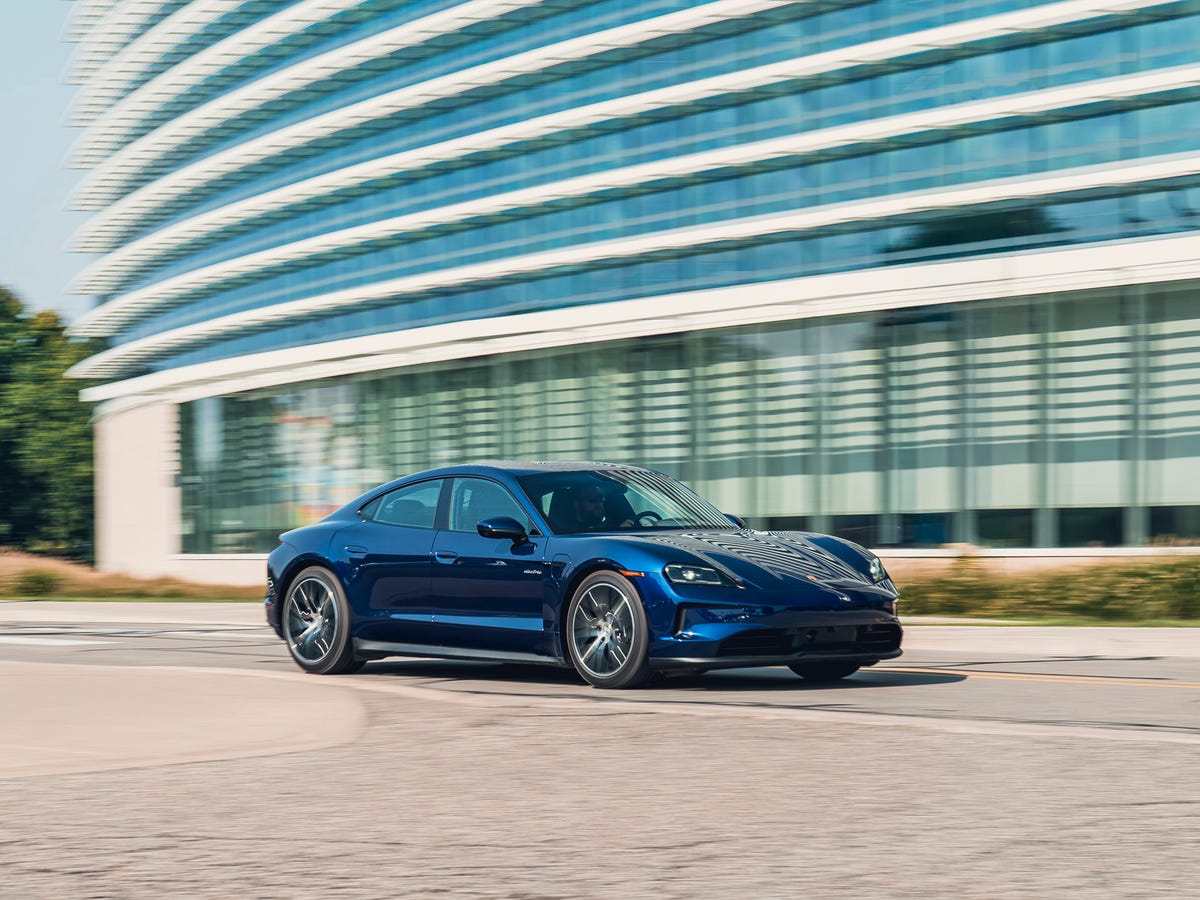
The Taycan is known for holding its pace. It feels like a car built for abuse. Its charging curve is broad and steady. It does not spike and then collapse.
The result is a very strong average speed. That is what the miles-per-hour figure rewards. The Taycan is not the most efficient car here. It is heavy and built for performance.
But brute charging power makes up for it. Raw input speed overcomes the thirst. Driving is where the Taycan shines. The steering, brakes, and balance are superb.
It is the enthusiast’s electric sedan. Few rivals feel as sharp. The price is steep, though. Options push it even higher. Charging is also tied to access to good chargers. You still need a strong station to see these numbers.
Even so, the Taycan remains a benchmark. It proves speed and stamina can coexist. For drivers who want thrills and quick stops, it is hard to beat. Porsche has earned this third place.
4. Hyundai Ioniq 6 Limited AWD – 815 Miles Per Hour
The AWD Ioniq 6 shares its platform with the winner. Yet it charges noticeably slower. The gap is 111 miles per hour. That comes down to one extra motor.
The dual-motor setup adds weight. It also adds drivetrain losses. More energy per mile means less range per minute. The battery and charging power barely change. This is a perfect lesson in efficiency. Same car, same charger, different result.
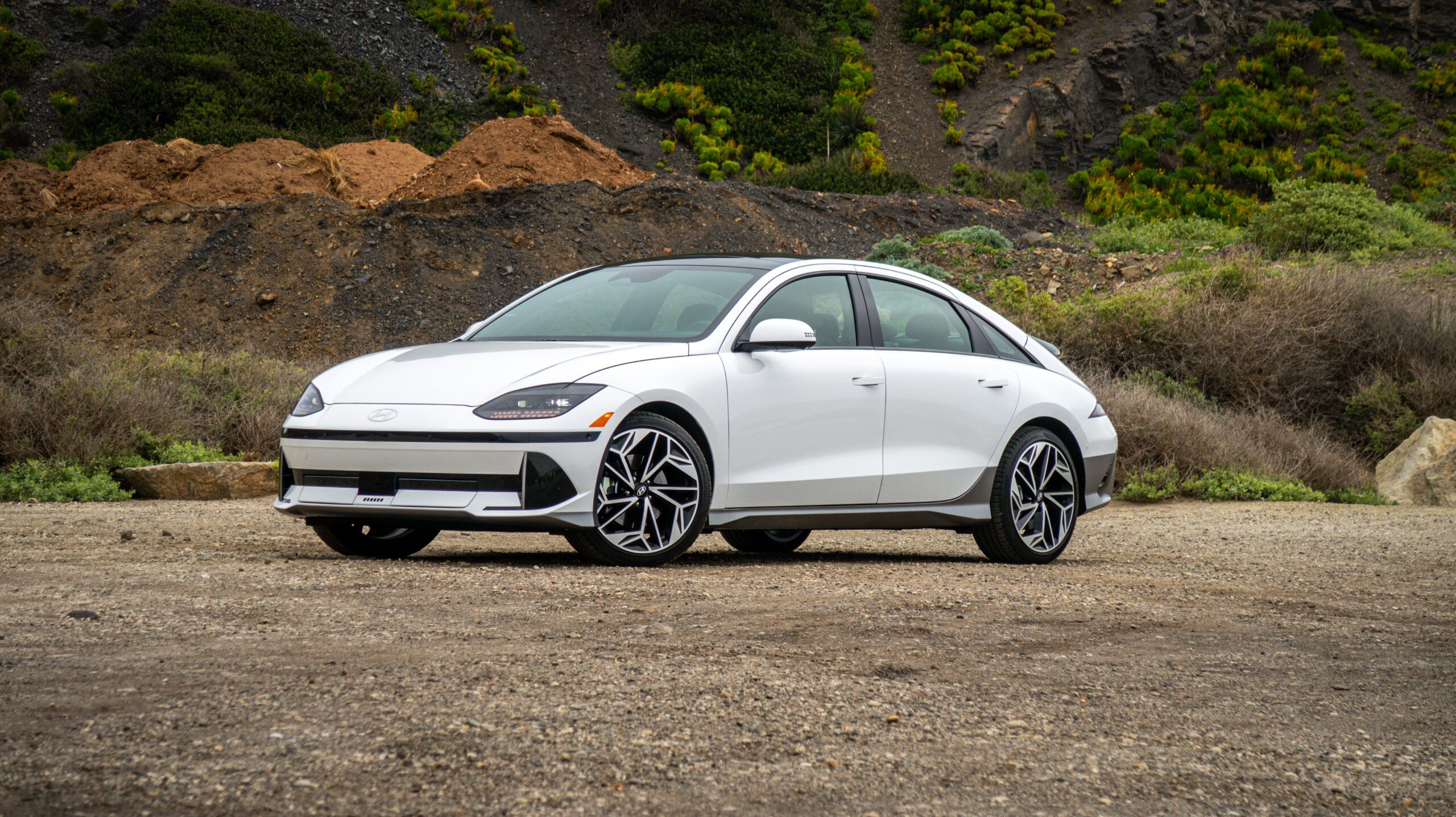
The AWD car brings more power and better traction. It suits snowy roads and spirited driving. Acceleration is far stronger than the RWD model. Many buyers will accept the trade.
Even so, 815 miles per hour is excellent. It beats nearly every car on this list. The 800-volt system still does its job. The pack warms quickly and charges hard.
Hyundai’s battery preconditioning helps again. Setting a charger as your destination preps the pack. That feature is simple and effective. It can save many minutes in cold weather.
The cabin stays the same as the RWD car. It is quiet, roomy, and cleanly designed. The long wheelbase gives good legroom. Trunk space is decent for a sedan.
For most buyers, the choice is practical. Pick AWD for grip and RWD for range. The charging difference is real but modest. Few drivers will feel it on a normal stop. This car shows how deep Hyundai’s strength runs. Even its second-best variant ranks fourth.
5. Audi A6 e-tron – 775 Miles Per Hour
The A6 e-tron arrives with serious tech. It uses the same advanced platform as the Porsche Macan. That platform is called PPE. It is built around an 800-volt system.
Audi quotes peak charging near 270 kilowatts. That is lower than some rivals here. Yet the real-world result is still strong. Its average speed is very good.
The reason is efficiency. The A6 is aerodynamic and well-tuned. Its large battery also helps. A big pack can accept power steadily over a long window.
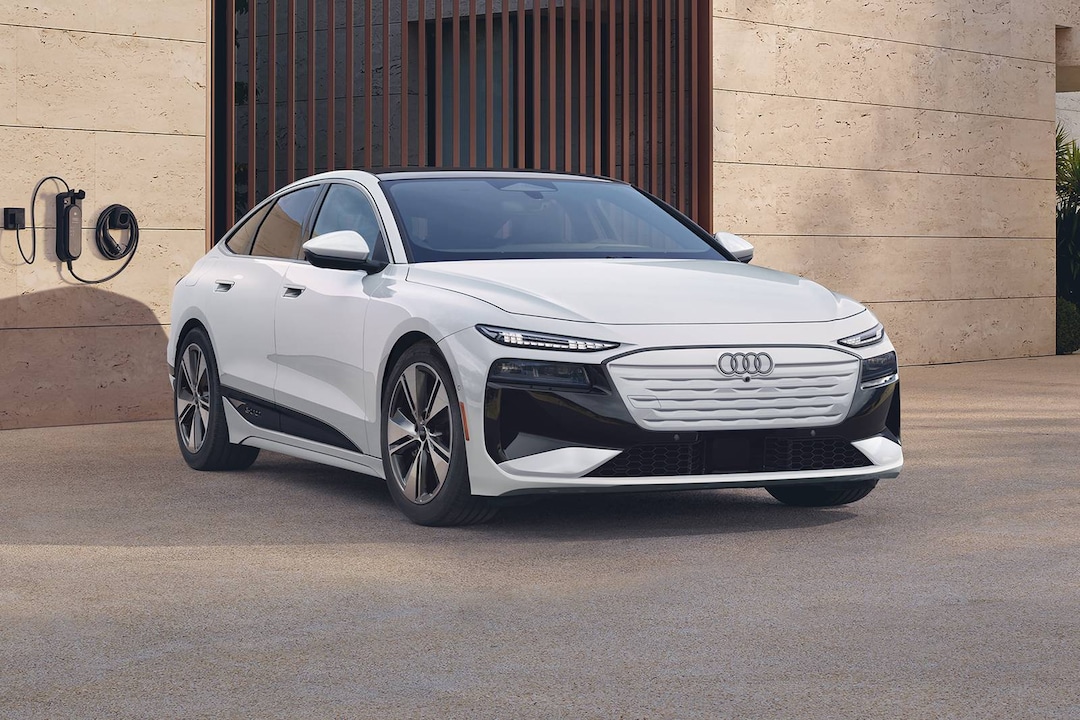
Audi aimed this car at comfortable long-distance driving. Fast charging supports that goal. The ride is smooth and composed. The cabin feels upscale and calm.
Audi’s screen layout is dramatic. A wide display spans the dashboard. Some drivers may find it distracting. Others will love the modern feel. The A6 comes in sedan and wagon-style forms. The wagon adds useful cargo space.
Charging behavior is consistent. Audi’s software handles temperature carefully. The car also supports route planning. It prepares the battery before you arrive. That reduces wasted time at the plug. It is a small feature with big value.
The A6 is not the quickest here. But it balances speed, comfort, and range. For many buyers, that is the right blend. It is a grown-up long-distance cruiser. Fifth place feels earned. It is quick without shouting about it.
6. Porsche Taycan 4S – 771 Miles Per Hour
The Taycan 4S lands just behind the Audi. It trails by only four miles per hour. This is a dual-motor performance sedan. It focuses on driving feel first. Like other Taycans, it uses 800-volt tech. That gives it a strong foundation.
Compared with the Performance Battery Plus car, it is slightly slower. The difference is small but visible. Weight and drivetrain demands play a role. A dual-motor setup uses more energy per mile.
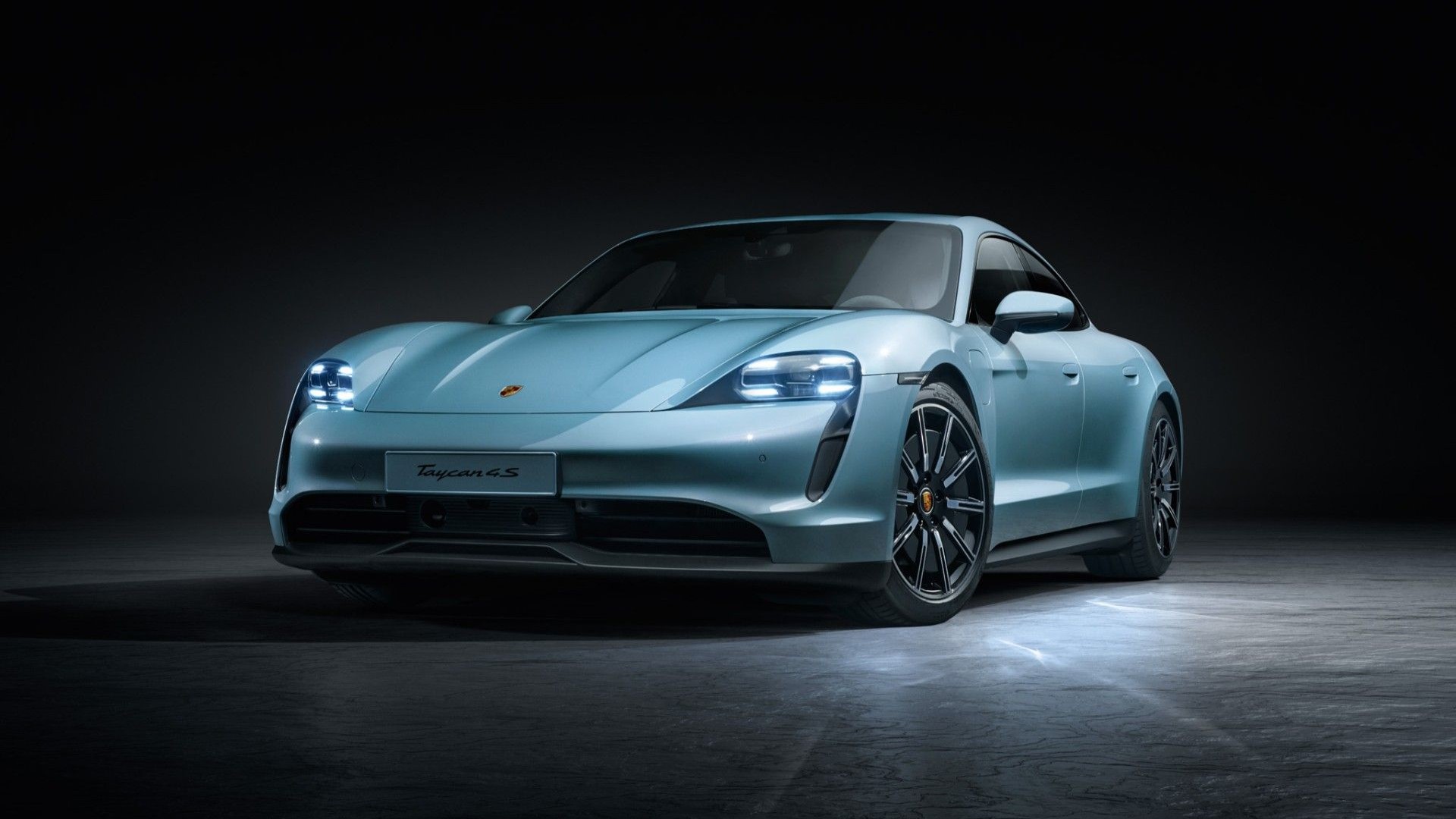
That pushes the miles-per-hour figure down. The charging power itself is still excellent. The 4S is a sweet spot in the lineup. It offers speed without extreme pricing.
Handling is the real draw. The car feels light on its feet. Porsche tuned the chassis with great care. Few EVs corner this well. Charging remains dependable. The cooling system limits heat build-up.
That means repeat stops stay quick. Many rivals struggle after the first run. The cabin feels low and driver-focused. It is a true sports sedan layout.
Rear seat space is modest. Tall passengers may feel tight. Range is solid but not class-leading. Efficiency is the trade-off for performance. Still, it can recover miles fast. That helps offset the shorter range.
The 4S shows why Porsche’s charging reputation lasts. It is fast, steady, and well engineered. Sixth place is a strong showing. It is a fine choice for driving fans.
7. Kia EV6 Wind RWD – 727 Miles Per Hour
The EV6 is Hyundai’s close cousin. It shares the E-GMP platform and the 800-volt system. The Wind RWD is the efficiency-minded trim. It uses a single rear motor. Kia quotes peak power near 350 kilowatts.
That matches the Ioniq family. Its result trails the Ioniq 6 by a lot. The reason is shape. The EV6 is a crossover. It has a taller body and more drag. More drag means more energy per mile. That lowers the miles-per-hour score.
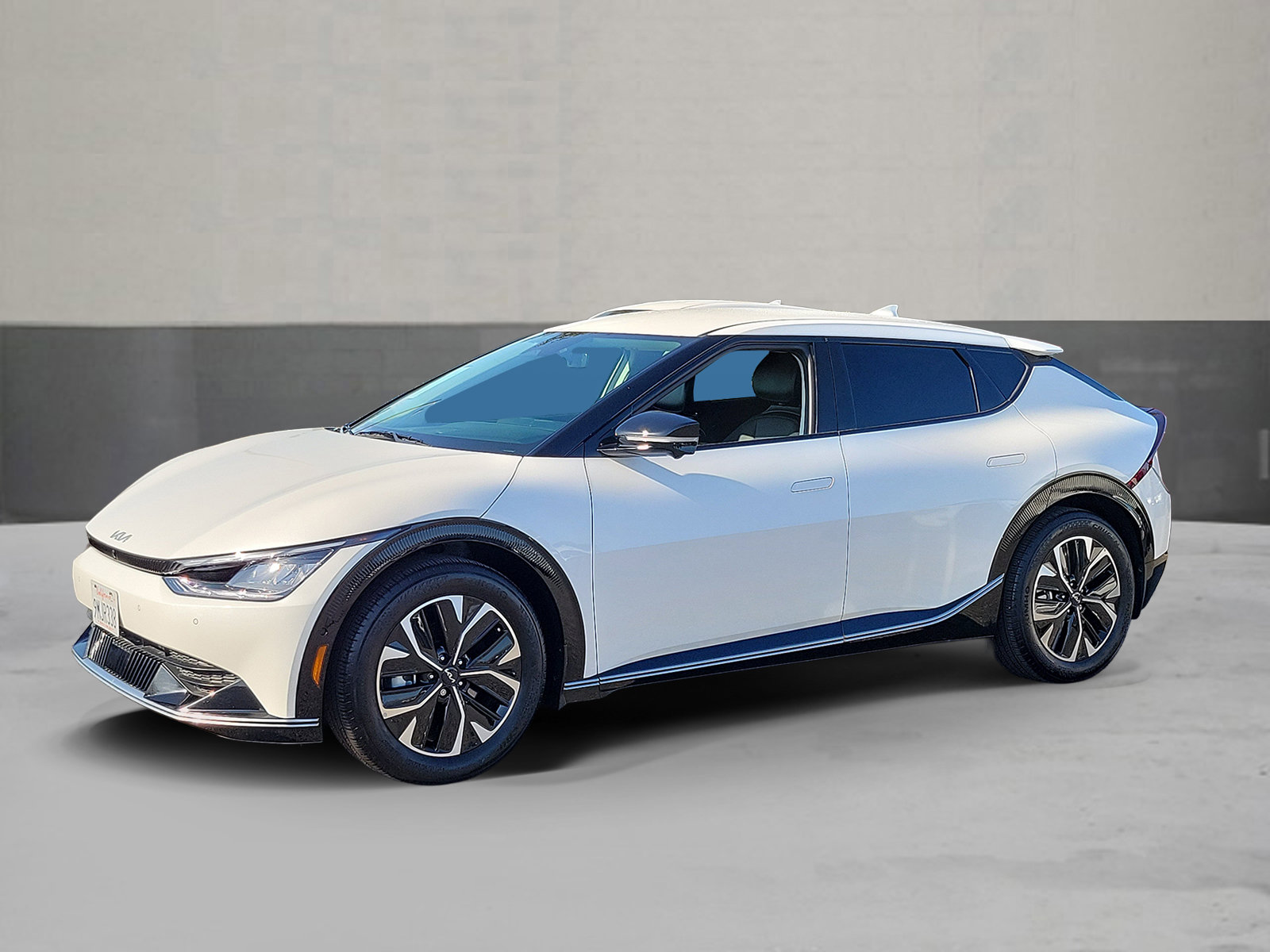
Even so, 727 is respectable. It beats many pricier machines. The battery is large enough for decent range. Highway driving feels relaxed. The EV6 also drives well. Steering and handling feel lively.
Kia gave it a sporty personality. It feels youthful and fun. The cabin is airy and modern. Material quality is a step above its price. Rear legroom is generous. The flat floor adds to the open feel.
Cargo space is practical too. The hatch opens wide. Kia’s battery warm-up feature helps in winter. It makes fast charging more reliable. Pricing is competitive for the tech. Value is a big part of the appeal.
The EV6 Wind RWD is a smart all-rounder. It is quick at the plug without a luxury price. Seventh place is a solid result. It remains a top pick for budget-minded road-trippers.
8. Porsche Macan 4 Electric – 716 Miles Per Hour
The Macan Electric is Porsche’s compact SUV. It rides on the PPE platform shared with Audi. That means 800-volt architecture. It also means a large battery pack.
Peak charging power is around 270 kilowatts. That is strong, though not class-best. The SUV shape hurts efficiency. Height and weight both add drag. That explains the lower miles-per-hour figure. Charging power alone does not tell the story.
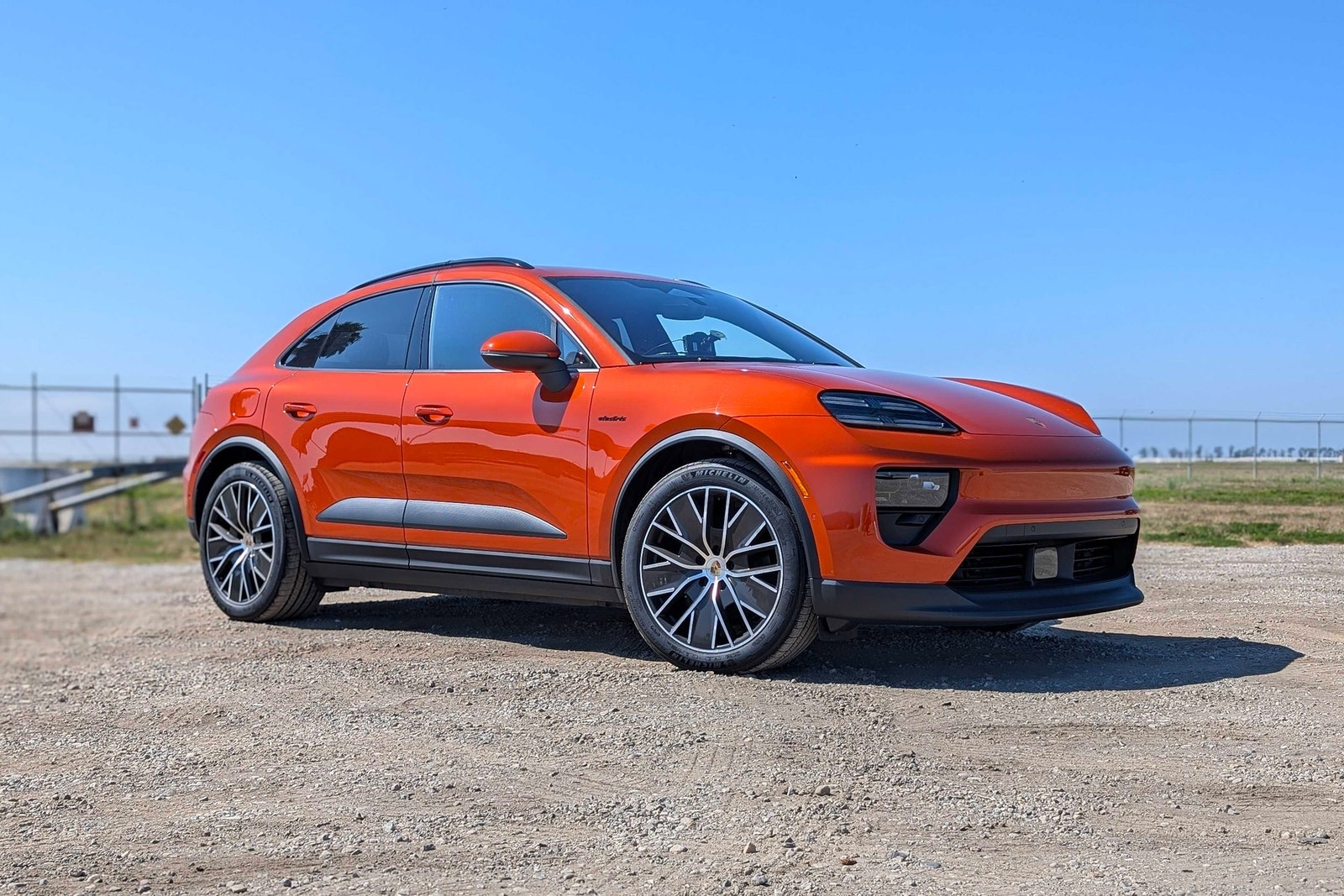
Still, 716 is good for a heavy SUV. Many rivals charge far slower. The Macan keeps a classic Porsche feel. It handles like a smaller, lighter car. Steering is precise and well-weighted. Body control is excellent.
The air suspension smooths out rough roads. Ride comfort is better than expected. Inside, the layout is driver-focused. The digital displays are crisp.
Material quality is high throughout. It feels worth the price. Cargo space is useful. A front trunk adds extra storage. Real-world range is strong. The big battery gives confidence on long trips.
Charging stops are short enough to be painless. That makes it a true daily driver. The price climbs fast with options. Budget carefully before ordering.
For buyers wanting an SUV that drives like a sports car, it delivers. The charging speed is a bonus. Eighth place reflects its size, not any weakness. It is quick for what it is.
9. Audi S6 e-tron – 707 Miles Per Hour
The S6 e-tron is the performance sibling of the A6. It uses the same platform and charging hardware. The main change is power. More output means more energy use.
That is why it charges a bit slower in miles per hour. It is the same charge speed spent on a thirstier car. The gap to the A6 is 68 miles per hour. That is the cost of extra performance. The S6 still feels very quick. Acceleration is sharp and effortless.
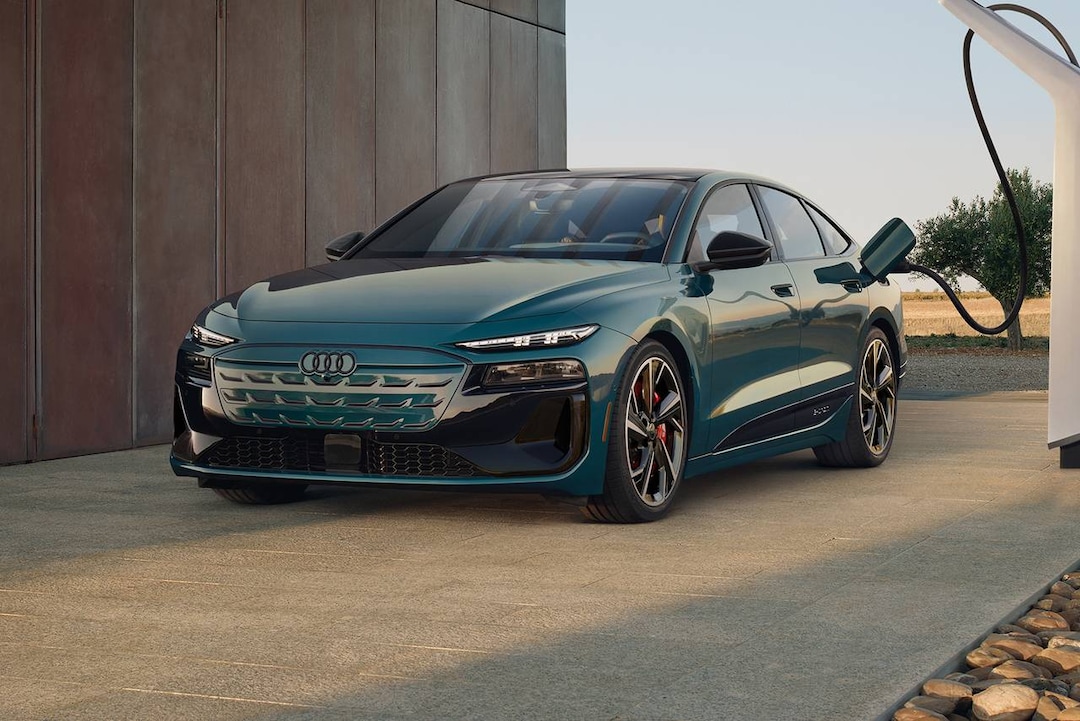
Audi tuned the chassis for sporty driving. Handling is more focused than the standard car. The 800-volt system remains the star. It keeps stops short and predictable.
Peak power is similar to the A6. The curve stays steady across much of the pack. Audi’s thermal system protects the battery. It helps avoid heat-related slowdowns.
Inside, the cabin is plush and modern. Sport seats add extra support. The big screens give a high-tech feel. The layout is clean and bright. Rear space is comfortable. Trunk room suits family trips. Range is a little lower than the A6. Performance always takes its toll.
Even so, the S6 is easy to live with. It blends speed and comfort well. Buyers who want the extra punch will not mind the trade. Fast charging still keeps road trips simple. The S6 e-tron shows that performance need not wreck usability. Ninth place is still a strong rank.
10. Hyundai Ioniq 5 AWD – 696 Miles Per Hour
The Ioniq 5 rounds out the fast ten. It was one of the first mainstream EVs with 800-volt tech. That early move changed the market. It made fast charging affordable.
The AWD version adds a second motor. That lowers efficiency a little. The body is a boxy crossover. It has more drag than the Ioniq 6. That is why it trails its sedan sibling. Shape matters a great deal.
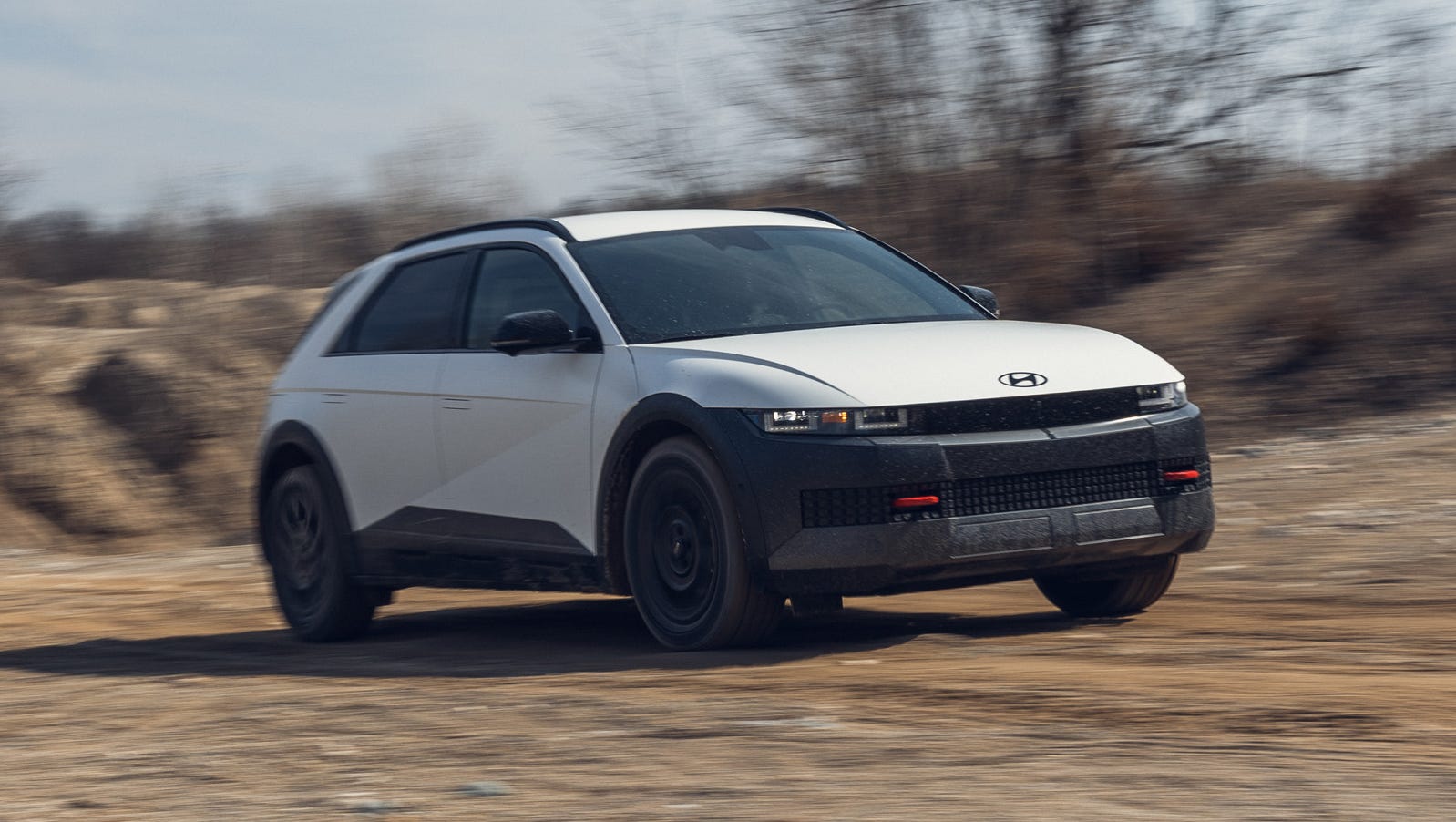
Even so, 696 miles per hour is quick. It adds range far faster than most rivals. Hyundai quotes peak power near 350 kilowatts. Real-world averages are lower but still strong.
The cabin is the highlight. It is spacious and airy, with a sliding console. The flat floor adds a lounge-like feel. Rear passengers get excellent legroom.
Tech is easy to use. Controls feel intuitive. The ride is soft and calm. It suits long highway drives. Cargo space is generous. The hatch design is practical. Pricing is friendly for the performance. That is a major reason for its popularity.
Hyundai’s battery preconditioning helps cold-weather charging. It keeps results consistent. The Ioniq 5 AWD is not the fastest. But it is a great everyday family EV. Tenth place still beats most of the market. That says a lot about this car.
The Slowest Tested – Dodge Charger Daytona at 184 Miles Per Hour
The Charger Daytona sits at the other end of the chart. Its test run took 32 minutes 38 seconds. That is five times slower than the Ioniq 6. It is a very different experience.
The Charger uses a lower-voltage electrical system. It tops out near 183 kilowatts. That is far below the 800-volt rivals. It simply cannot take power as fast. The car is also heavy and not very efficient. It uses more energy per mile.
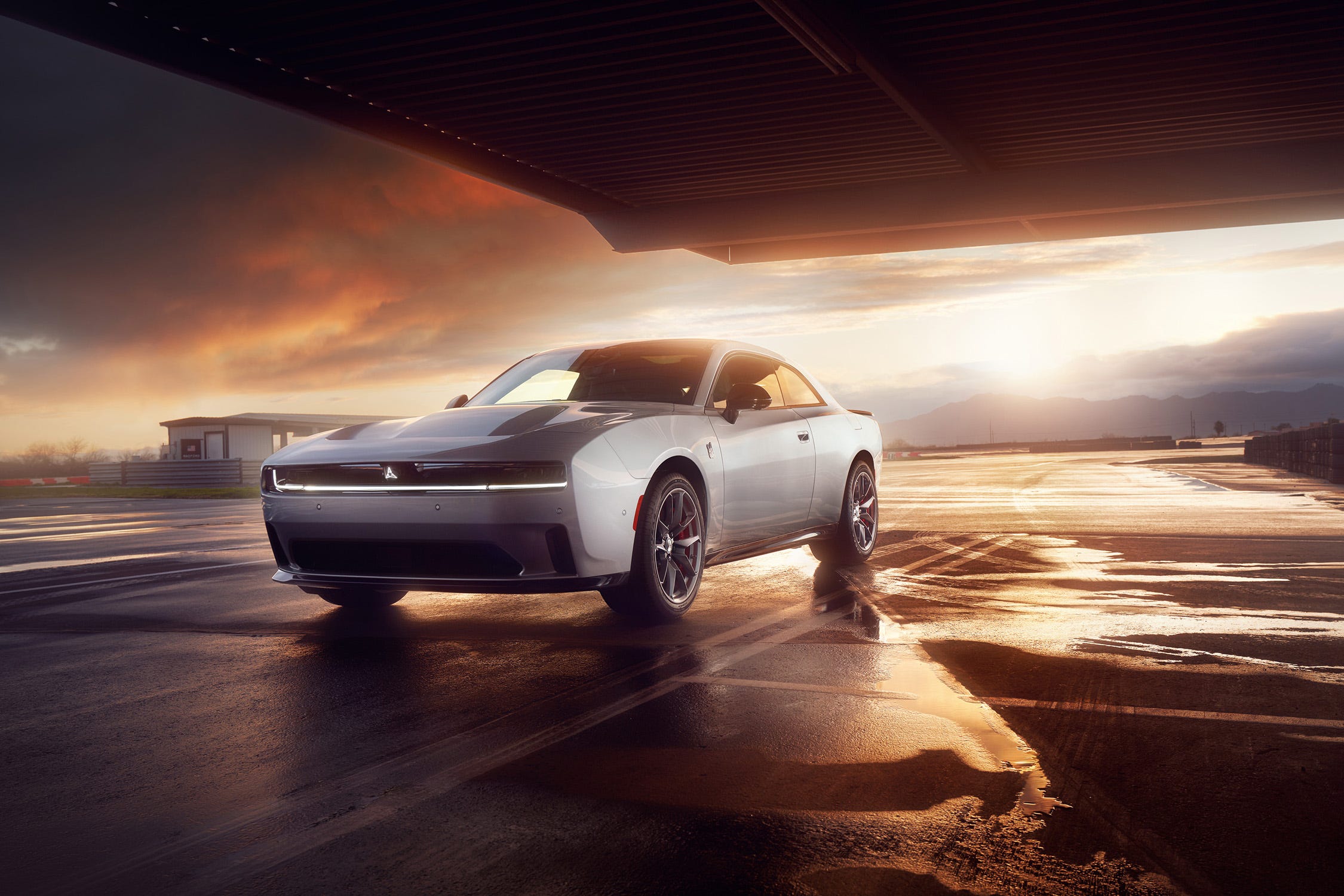
Those two factors combine badly. Slow input plus high use means slow recovery. Dodge focused on muscle and attitude. Charging speed was not the priority. For a daily driver, it is manageable. Home charging overnight solves most problems. On a road trip, it is painful. Long stops become the norm.
