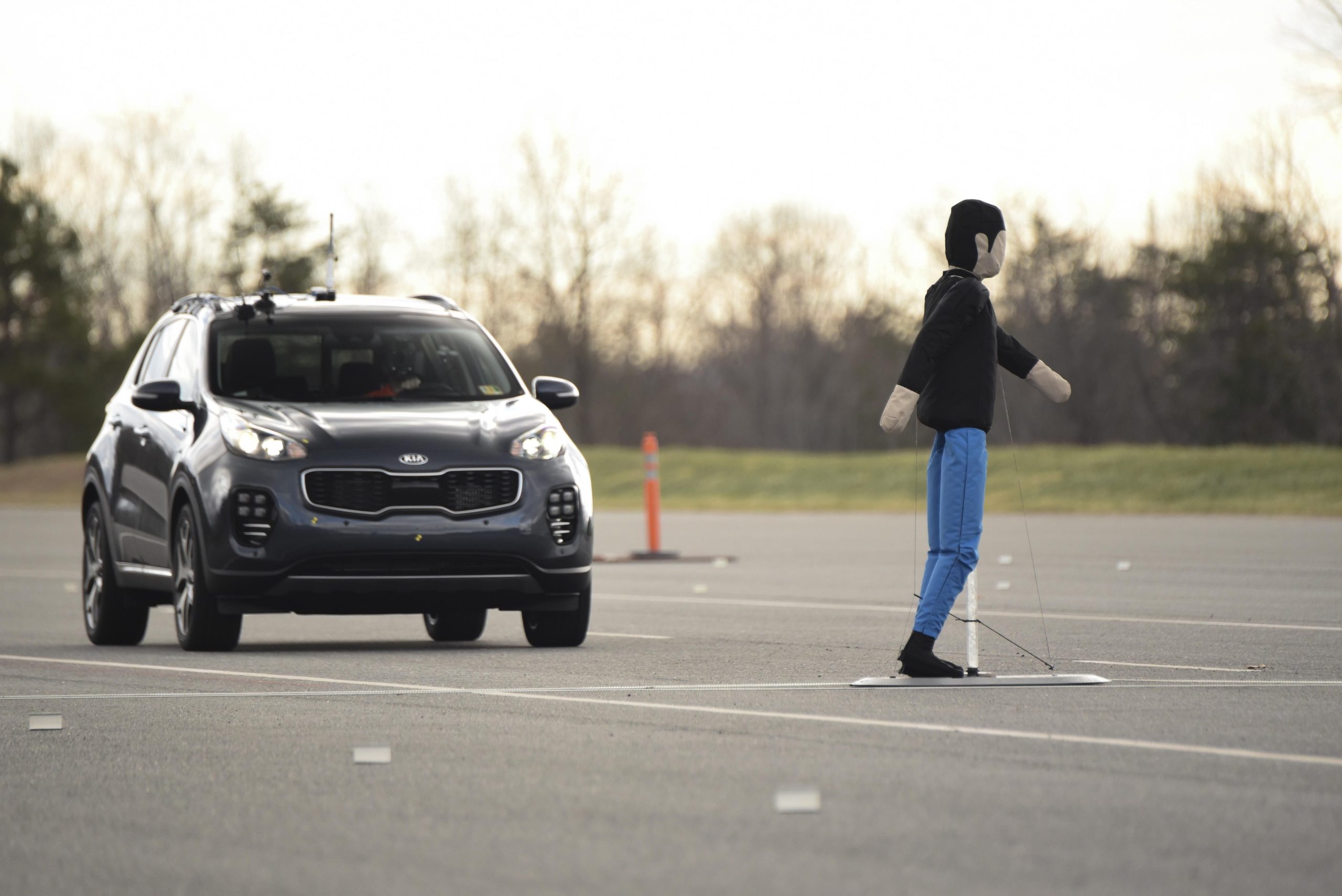
Automatic emergency braking is now standard on almost every new car. Not every system works well, though. The Insurance Institute for Highway Safety tests these systems with its tougher vehicle-to-vehicle front crash prevention 2.0 protocol.
It replaced an older test that was still run at low speeds. The first version ended in 2022 because every vehicle tested earned the top rating. The new test uses a passenger car target, a motorcycle target, and a real semitrailer. Runs are made at 31, 37 and 43 mph. Warning timing counts too. IIHS wants an alert at least 2.1 seconds before a projected collision.
Speed reduction makes up two-thirds of the score. The warning makes up the rest. Fourteen 2026 vehicles now sit at the bottom with a Poor rating. They include sedans, small crossovers, luxury SUVs and some of America’s best-selling pickups.
Poor means the system failed to slow the vehicle enough in key trials. In many cases, the car still hit the motorcycle at the slowest speed. Below, each vehicle is covered in turn.
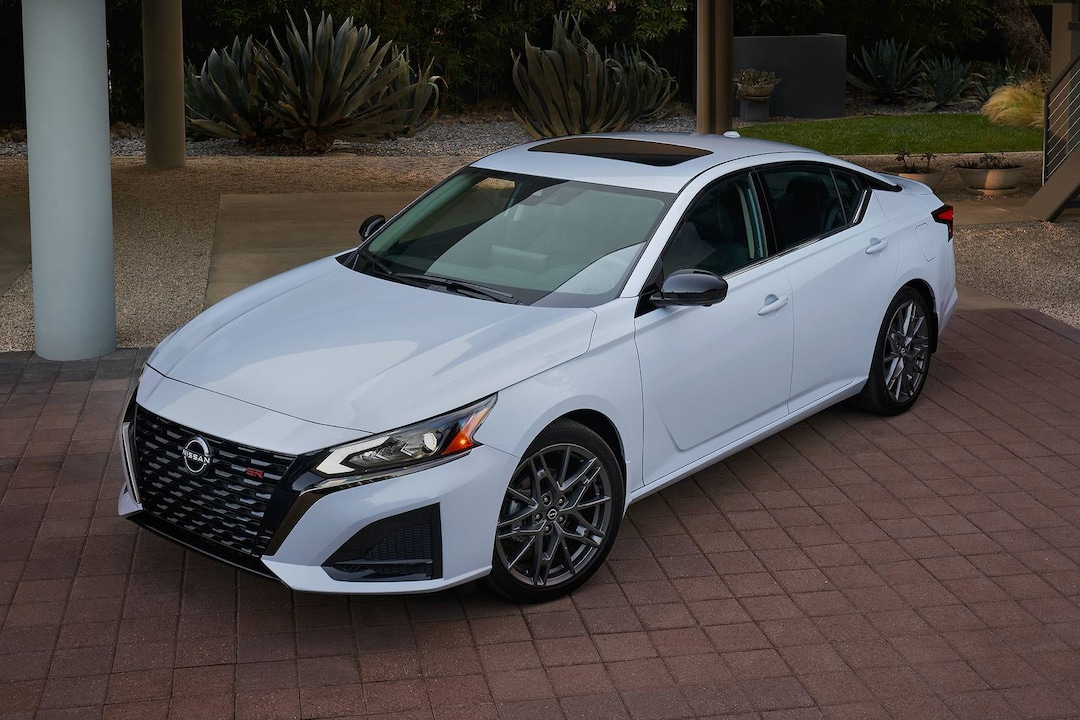
1. 2026 Nissan Altima
The Altima is Nissan’s midsize sedan. Its standard system earns a Poor rating in the vehicle-to-vehicle 2.0 test. This is not a new problem. The 2024-25 Altima was already rated Poor in the 2025 round.
Other scores are mixed. Small overlap front is Good, but moderate overlap is Marginal and side is Poor. Pedestrian braking is also Marginal. That makes the Altima weak across several tests. Buyers should look at the whole sheet, not one score.
Poor-rated cars in this test share a pattern. All the poor-rated vehicles hit the motorcycle target in the slowest 31 mph run. Many also failed to slow enough against the car target at 37 mph.
A system that barely slows at 31 mph leaves little margin at higher speeds. Rear-end crashes at 40 mph and above are the ones that kill. Rivals like the Hyundai Sonata and Toyota Camry earn Acceptable or Good in the same test. The gap between sedans is wide.
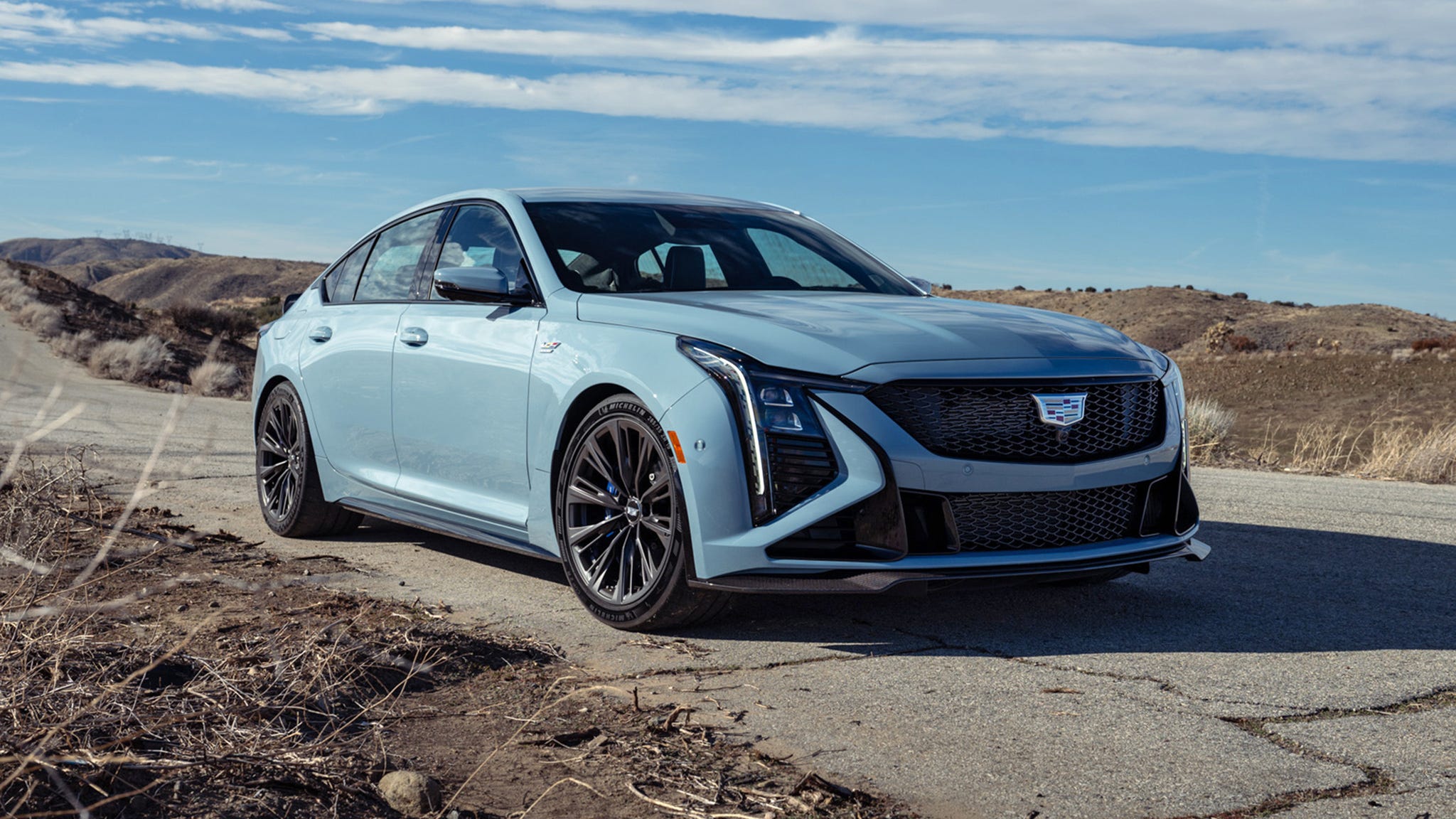
2. 2026 Cadillac CT5
The CT5 is Cadillac’s sport sedan. It carries a Poor rating in the 2.0 front crash prevention test. I could not retrieve the full IIHS trial breakdown for this model. So I will not guess at its impact speeds.
What is clear is where it lands. A luxury badge and a high price did not earn it a passing grade. This matters for buyers. Many shoppers assume premium cars have the best safety tech. IIHS results show that is not guaranteed. Two Audi SUVs were also rated Poor in the earlier round.
Software tuning is often the issue. Radar and camera hardware can be fine while the braking logic reacts too late. That also means a fix may be possible.
Automakers have made major improvements after the tougher test arrived. Until a retest, CT5 shoppers should ask the dealer about updates. Check the exact trim and model year against the IIHS database.
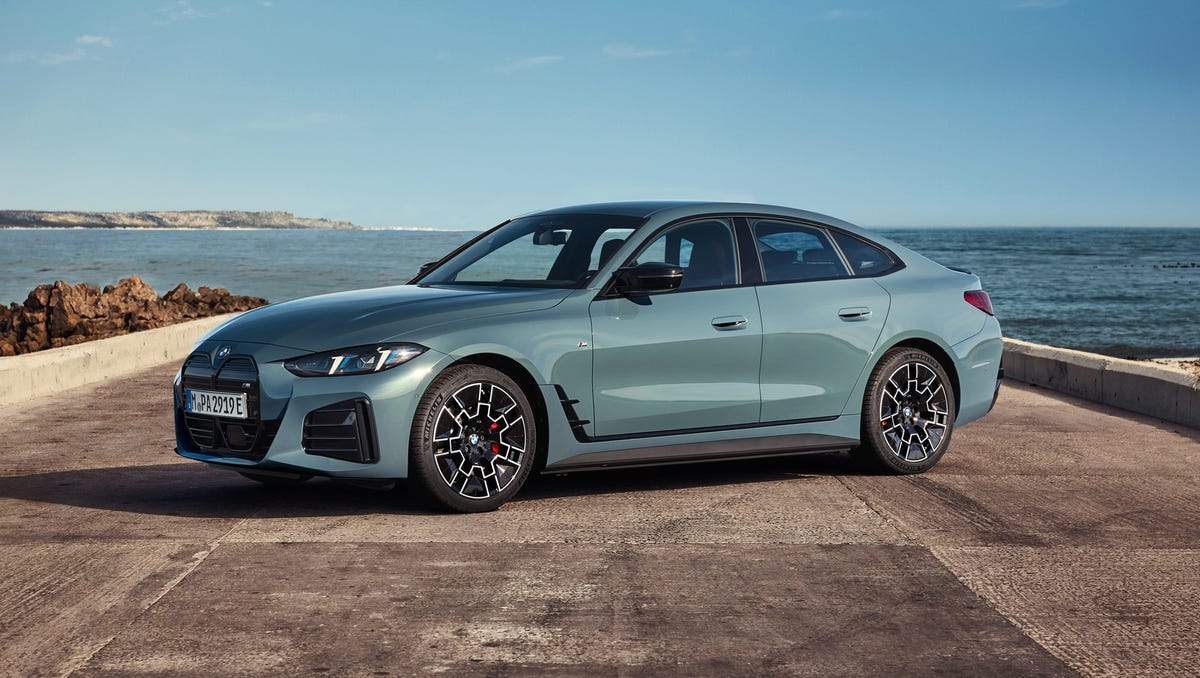
3. 2026 BMW i4
The i4 is BMW’s electric sedan. It also lands in the Poor group. It is listed in IIHS’s midsize luxury car class. That class includes the Audi A3 and other premium sedans.
I could not pull its specific trial results. The Poor rating itself is what matters here. Electric cars face a particular challenge. They are heavy and accelerate fast. Heavy vehicles need more distance to stop. The system must therefore act earlier.
A late intervention can mean a much higher impact speed. Physics punishes delay. BMW has long marketed driving dynamics over driver-assist polish. This result suggests the braking logic has not kept pace.
Owners should keep forward collision warning on. They should not rely on the car to stop alone. Any over-the-air update that retunes the system would be worth installing. A later IIHS retest could change the rating.
4. 2026 Honda Ridgeline Crew Cab
The Ridgeline has a rough 2026 report card. Its standard vehicle-to-vehicle 2.0 system rates Poor. It also has a Poor moderate overlap front rating. Its pedestrian system is Poor too. One analysis noted the truck had the lowest FARS death rate among midsize pickups.
IIHS then gave it Poor scores in its latest tests. The two facts can both be true. Real-world data reflects who drives these trucks and how. Lab tests isolate the vehicle itself. The Ridgeline simply did not perform.
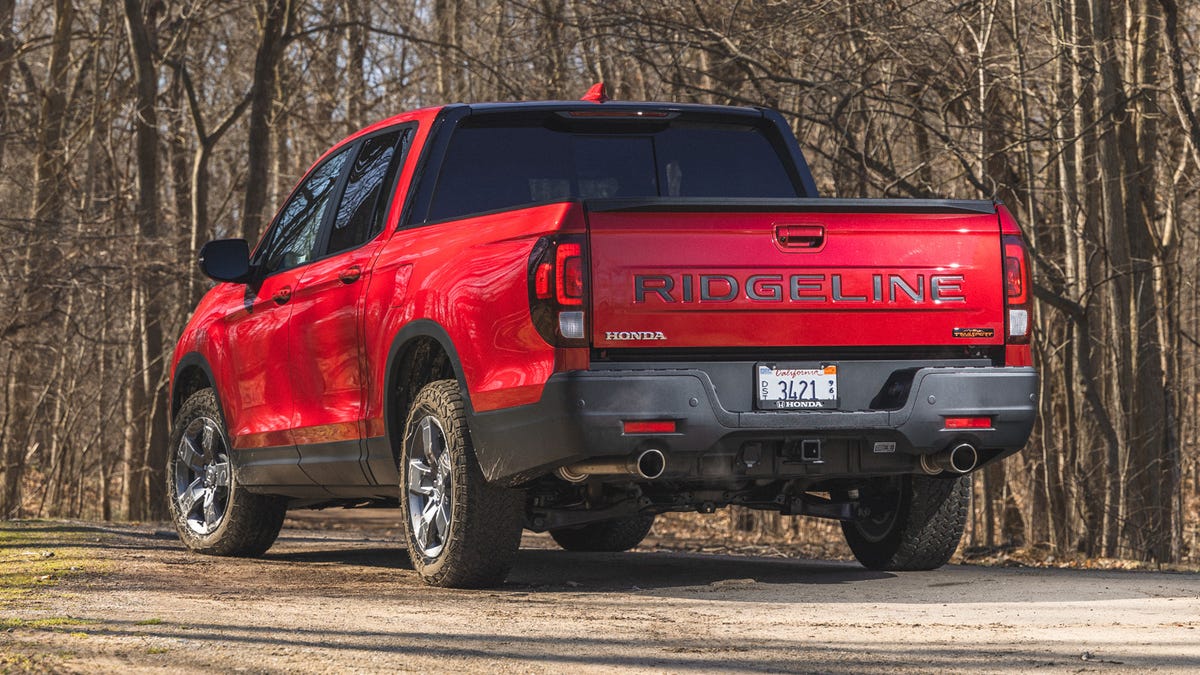
IIHS tested one trim and equipment level. Other configurations may differ. Honda’s other models do well in these tests. The Accord, for example, is a Top Safety Pick.
The Ridgeline is built on an older platform. Its safety systems have not been refreshed to match newer rivals. Shoppers who value safety should compare it closely with the Toyota Tacoma and others.
5. 2026 Nissan Frontier Crew Cab
The Frontier is another aging truck. Its standard vehicle-to-vehicle 2.0 system earns a Poor rating. It does better elsewhere. Small and moderate overlap front are both Good, and pedestrian braking is Acceptable.
So the structure protects occupants well. The braking software lets it down. Headlights are a weak spot too. They score Acceptable or Marginal depending on trim. Nissan redesigned the Frontier recently. Even so, the front crash prevention system still failed this tougher test.
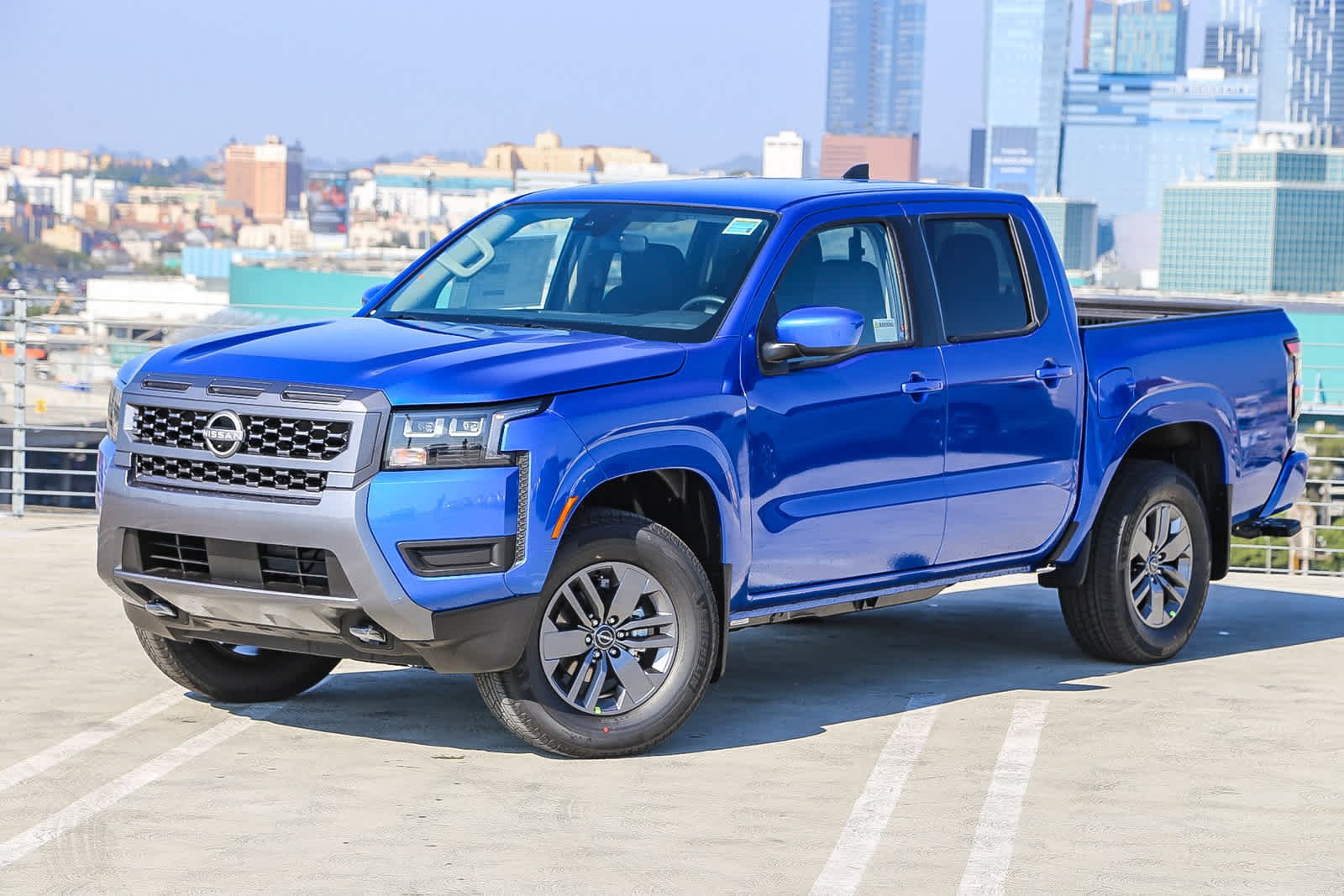
That shows how demanding the 2.0 protocol is. A newly designed truck can still fail it. Nissan’s Altima also rates Poor. That suggests a company-wide tuning issue, not a single model flaw.
Work trucks often run at highway speeds with heavy loads. A late-braking system is a real risk in that use. Drivers should treat the automatic braking as a backup only. Leave extra following distance.
6. 2026 GMC Canyon Crew Cab
The Canyon is the sibling of the Chevrolet Colorado. Both come from General Motors and share a platform. The Canyon’s vehicle-to-vehicle 2.0 rating is Poor. Its Chevrolet twin has the same result.
Shared hardware often means shared software. When one fails, the other usually does too. GMC sells the Canyon as the upscale choice. Its pricing is higher, especially in the Denali trim. That extra money does not buy better collision avoidance here. The braking system is the same.
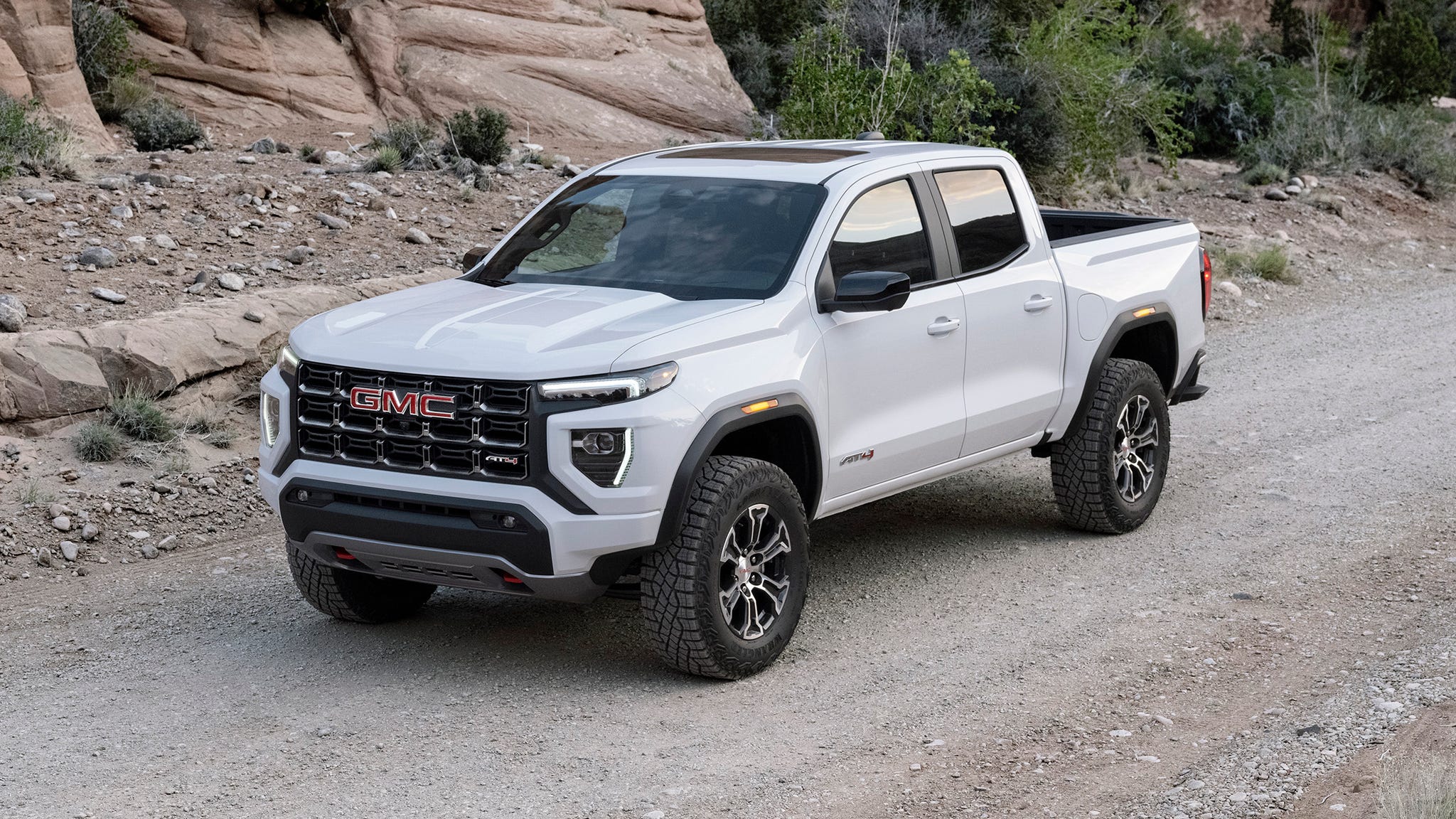
I could not retrieve the full Canyon trial data. The Poor rating is what the results show. The Canyon’s structure has fared well in past crash tests. Earlier models earned Good ratings in all five crashworthiness evaluations.
That is a reminder that crashworthiness and crash avoidance are separate. A truck can protect you in a crash and still fail to avoid one. Buyers should weigh both. The braking gap is a real, fixable flaw.
7. 2026 Chevrolet Colorado Crew Cab
The Colorado is the midsize truck GMC’s Canyon is built from. Its standard system rates Poor in the vehicle-to-vehicle 2.0 test. Its other marks vary. Small overlap front and side are Good, but moderate overlap front is Marginal. The pedestrian system is Acceptable.
So it avoids pedestrians reasonably well. It struggles to stop for larger vehicles and motorcycles. The test includes a semitrailer and a motorcycle for a reason. IIHS found that real systems are less effective at detecting motorcycles and large trucks. Chevrolet’s other models show the same trouble. The Trax and Envista, both GM products, are also on this list.
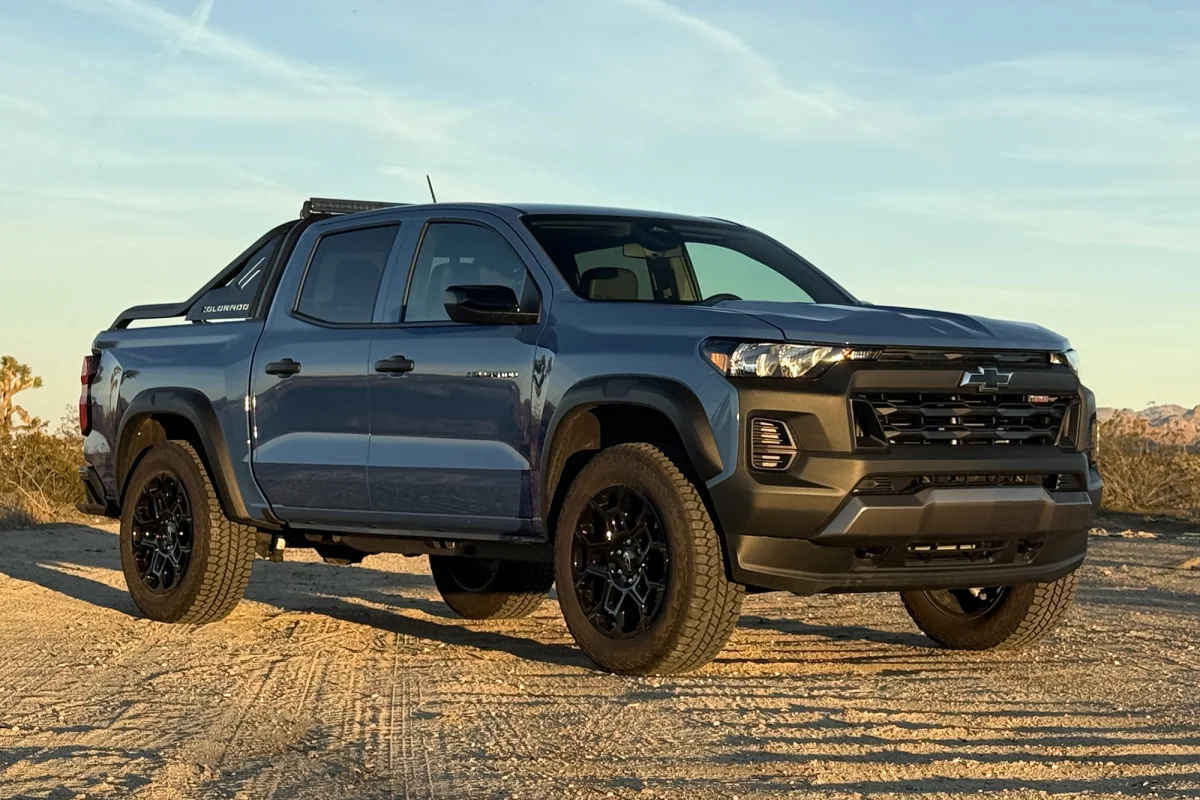
Four GM nameplates appear in all. That points to a software platform issue. A calibration update could fix much of it. GM has not announced one in the material I found. Colorado owners should check for dealer updates. Ask whether any braking recalibration applies to the vehicle.
8. 2026 Ford F-150 Crew Cab
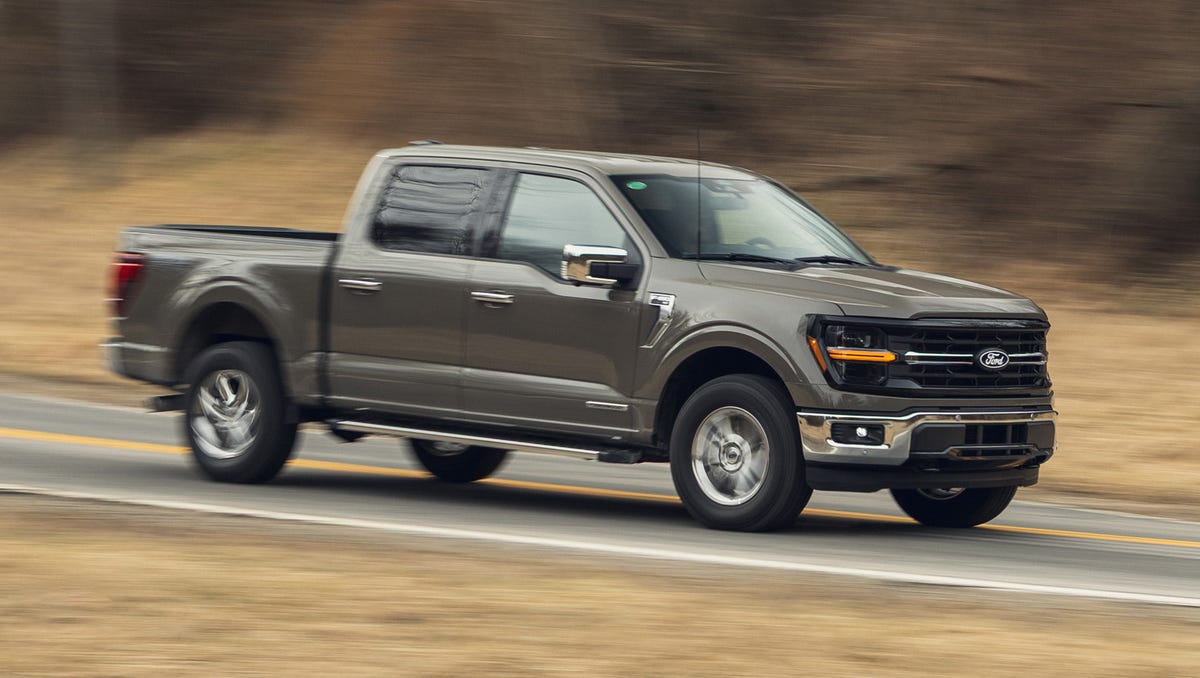
The F-150 is America’s best-selling truck. Its optional system earns a Poor in the vehicle-to-vehicle 2.0 test. Note the word optional. Ford offers more than one system on this truck. The standard and optional pedestrian systems both earn Good. So the pedestrian side is strong.
The Poor rating applies to the system tested for the car, motorcycle and truck targets. That is the more demanding scenario. The crew cab has other concerns. Its moderate overlap front rating is Poor, while small overlap and side are Good.
The earlier rear-seat problem is why. Submarining was a problem for all four large pickups tested. Ford has sold millions of these trucks. Even a small flaw affects many drivers.
Buyers should confirm which braking package their trim includes. The paperwork may not make it obvious. Ford can improve this with software. The company has shown it can fix issues quickly when pushed.
9. 2026 Ford F-150 Extended Cab
The extended cab shares its braking system with the crew cab. Its optional vehicle-to-vehicle 2.0 system is rated Poor. The standard pedestrian system is rated Good. The split is the same as the crew cab. Crash protection is solid up front. Small overlap front and side ratings are both Good.
IIHS did note one weakness in the small overlap result. The dummy’s head partly slid off the airbag, leaving it exposed to forward structure. That does not change the braking score. It does show the truck is not flawless.
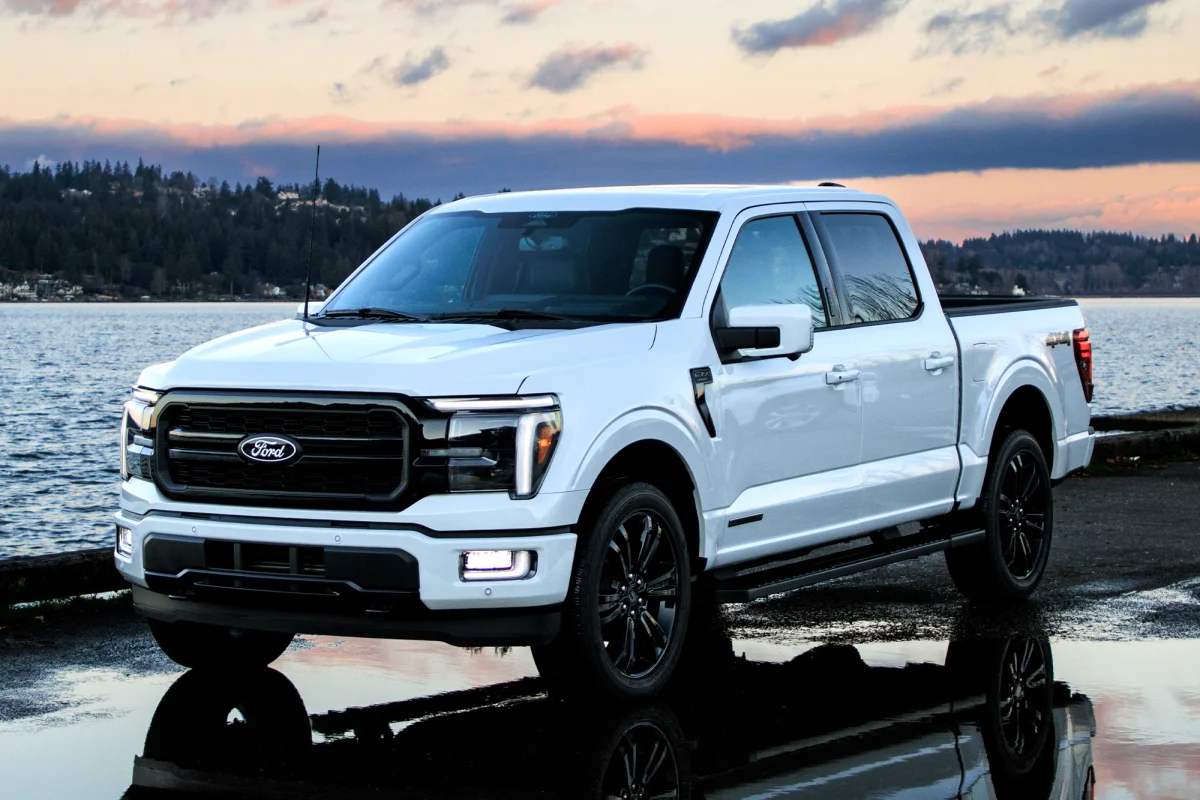
Extended cab trucks are popular with fleets. Fleet drivers often cover many highway miles. Highway rear-end crashes are exactly what this test targets. A weak system matters most there. Fleet managers should check the equipment list. Ask about the braking system before ordering.
10. 2026 Audi Q7
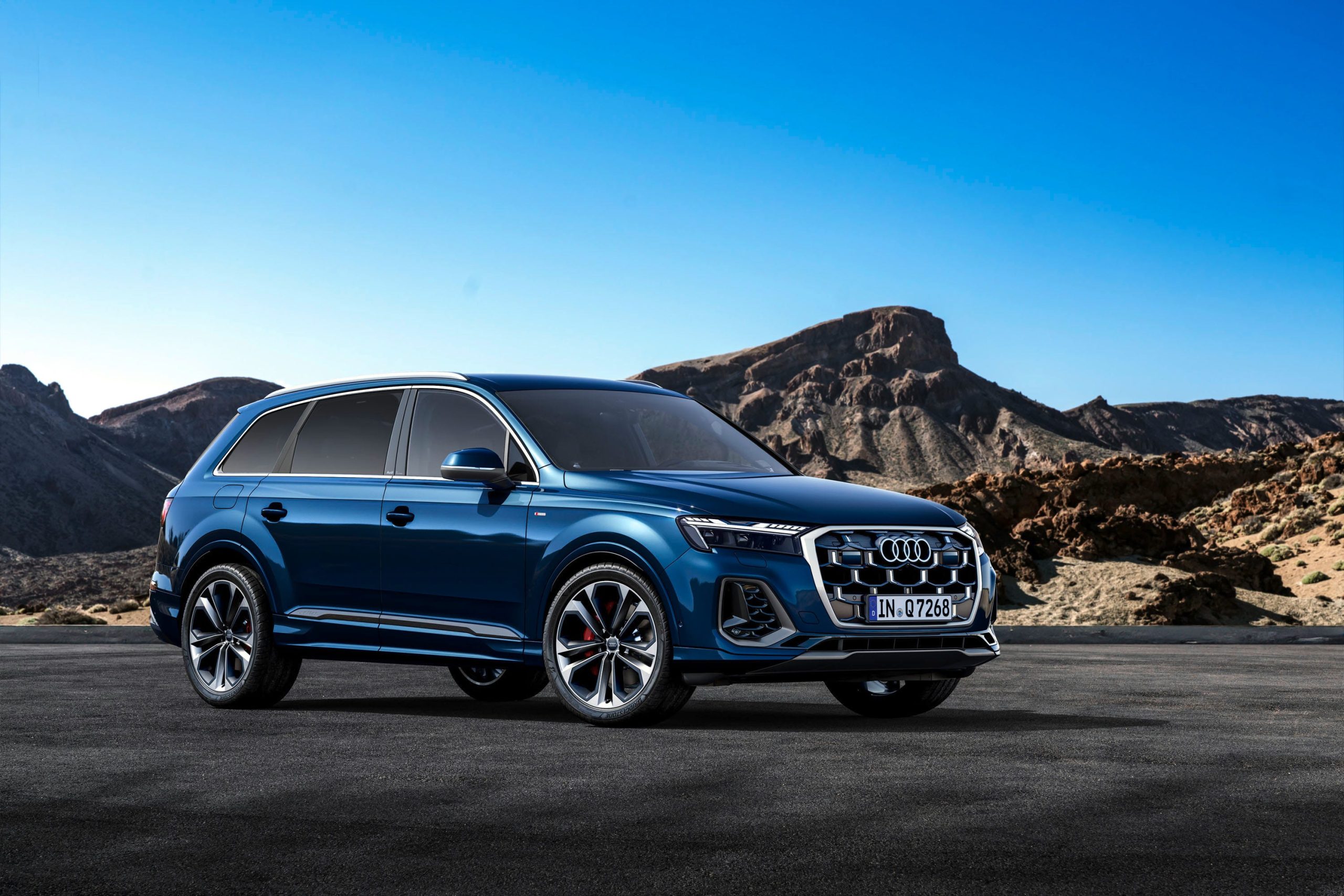
The Q7 is Audi’s three-row luxury SUV. It has been a repeat offender. The 2025 Q7 was rated Poor in the February 2025 round. The 2026 model remains in the group.
That means a full year passed without a fix that earned a better grade. It is a notable miss for a flagship family SUV. The Q7 is a large, heavy vehicle. Stopping it requires early, firm braking.
If the system acts late, impact speeds climb fast. That is dangerous for a vehicle carrying seven people. Audi sells on technology. A Poor braking grade undercuts that image. Seeing Audi’s latest models in the Poor section was described as downright deflating. That reaction captures the surprise.
Audi owners should ask about software updates. Some brands push fixes at routine service visits. A Good or Acceptable retest would be a welcome sign. Until then, the Q7 stays on the caution list.
11. 2026 Audi Q8
The Q8 is Audi’s sleeker SUV, built on the same platform as the Q7. Its fate matches. The 2025 Q8 was rated Poor alongside the Q7. The 2026 model has the same rating.
Shared platforms mean shared braking logic. A flaw in one often appears in both. The Q8 sells as a style-first luxury SUV. Buyers often pick it for looks and comfort. Few of them will have checked its collision avoidance score. That is a gap in how people shop.
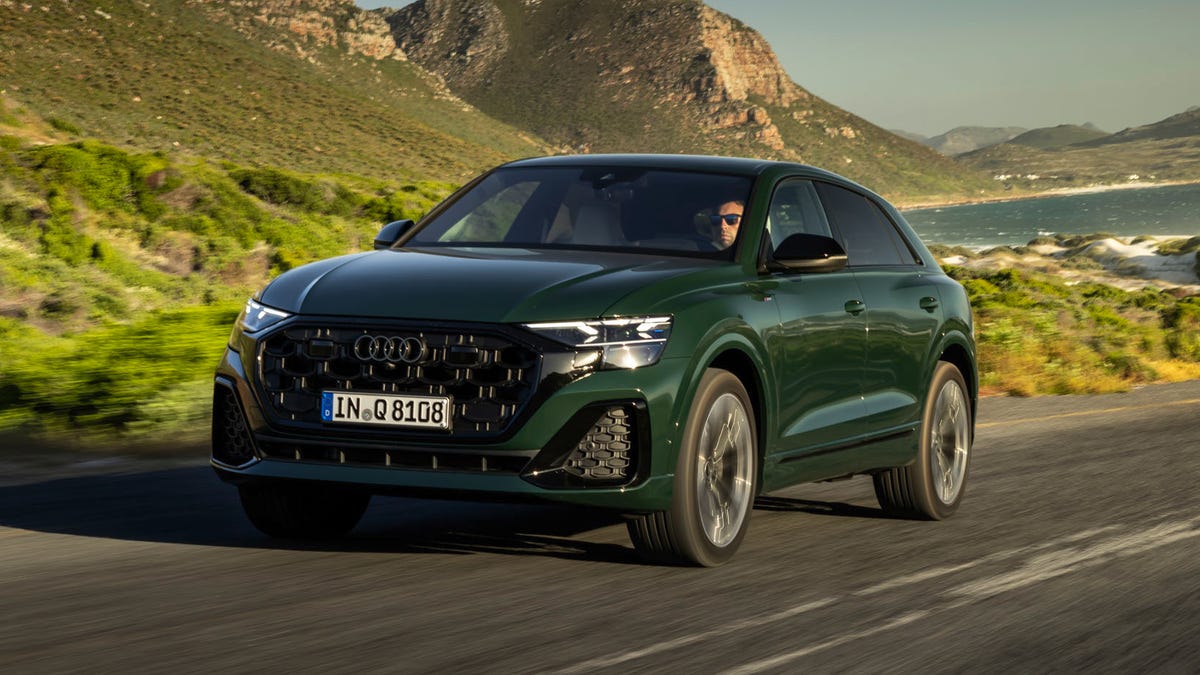
The Q8’s Poor rating shows up in the IIHS large SUV table. It sits next to vehicles like the Toyota Sequoia. A comparison shows how uneven the segment is. Some large SUVs brake well, and others do not.
Audi’s parent group, Volkswagen, has other Poor results too. The Taos appears later on this list. Audi should be able to retune the system. Buyers should press the dealer for a clear answer.
12. 2026 Buick Envista
The Envista is a small, affordable Buick crossover. The 2024 model was rated Poor in the earlier round. The 2026 model has not escaped that grade. It remains in the Poor group.
Budget crossovers often have simpler sensor suites. Cost limits can affect braking performance. But price alone is not the explanation. Other cheap vehicles do well in the same test. Buick’s problem seems to lie in the calibration. It is shared with the Trax and the GM trucks above.
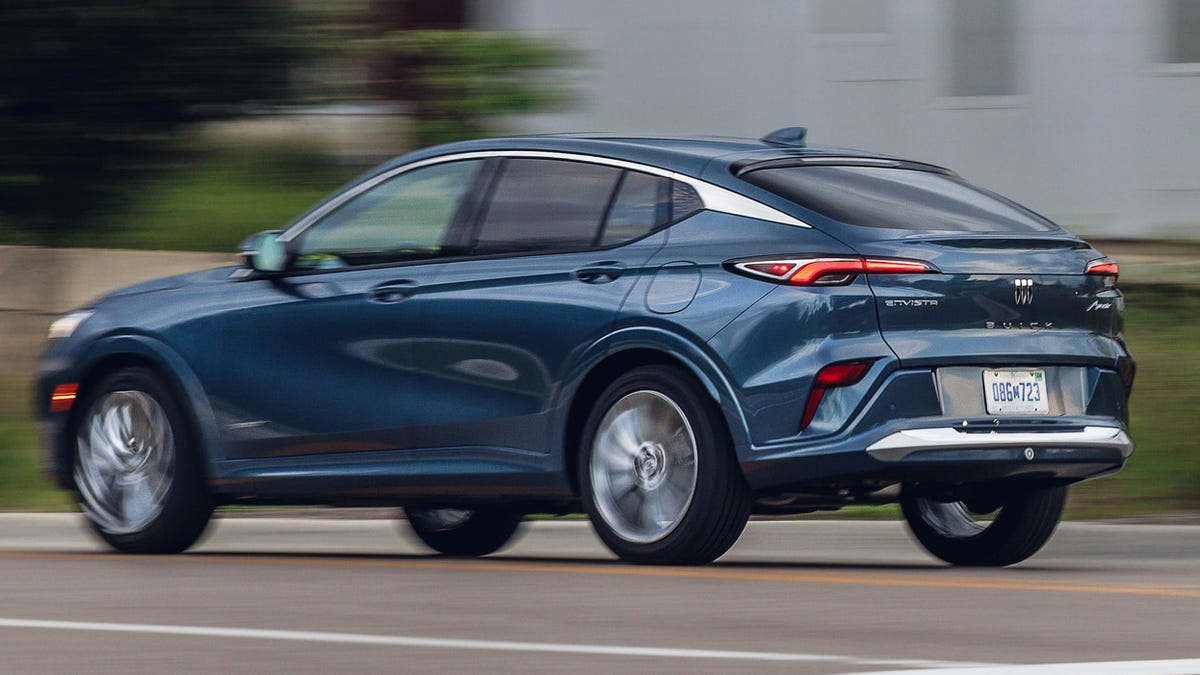
The Envista sells to first-time and value-minded buyers. They tend to trust standard safety features. That trust is the concern. A feature that is standard but weak gives false comfort.
Buyers should not assume every standard system performs the same. IIHS scores exist to show the differences. If GM updates the software, a retest could lift the rating. Owners should watch for news from Buick.
13. 2026 Chevrolet Trax
The Trax is Chevrolet’s small crossover. It is closely related to the Envista. The 2024 Trax was rated Poor in the 2025 results. The 2026 model is still Poor.
The Trax is one of Chevrolet’s strongest sellers. Its low price draws many buyers. That volume raises the stakes. Many Trax owners drive in city traffic every day. Stop-and-go driving is where rear-end crashes often start. A weak system is a daily risk.
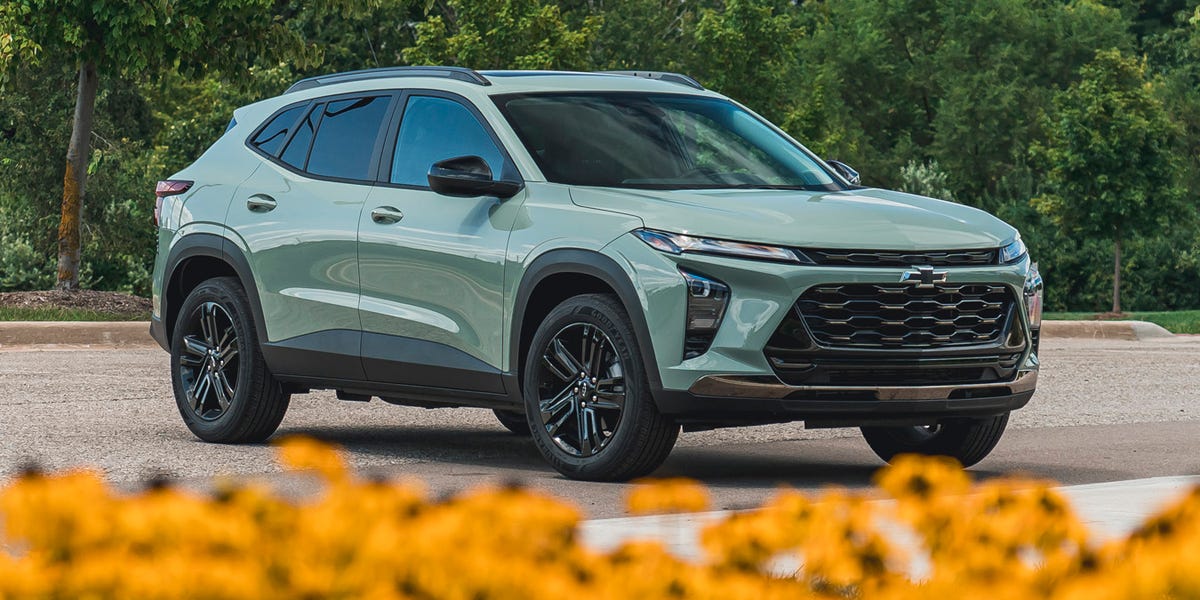
IIHS found these systems struggle most with motorcycles. All the poor-rated vehicles hit the motorcycle target at 31 mph. Motorcycles are small and hard for radar to read. Better sensors and code can improve this.
Chevrolet has reason to act. Four of its family of vehicles are on this list. Shoppers should compare the Trax with rivals. Some competitors earn Acceptable or Good.
14. 2026 Volkswagen Taos
The Taos is Volkswagen’s compact crossover. It has been Poor from the start. It was among the first vehicles rated Poor when the new test began in April 2024. The 2026 model has not moved up. That is a long time to stay at the bottom. It suggests no meaningful fix has been made.
The first small SUV round was sobering. Only one of ten earned a Good rating. That was the Subaru Forester. Several rivals have since improved. The Taos has not kept up.
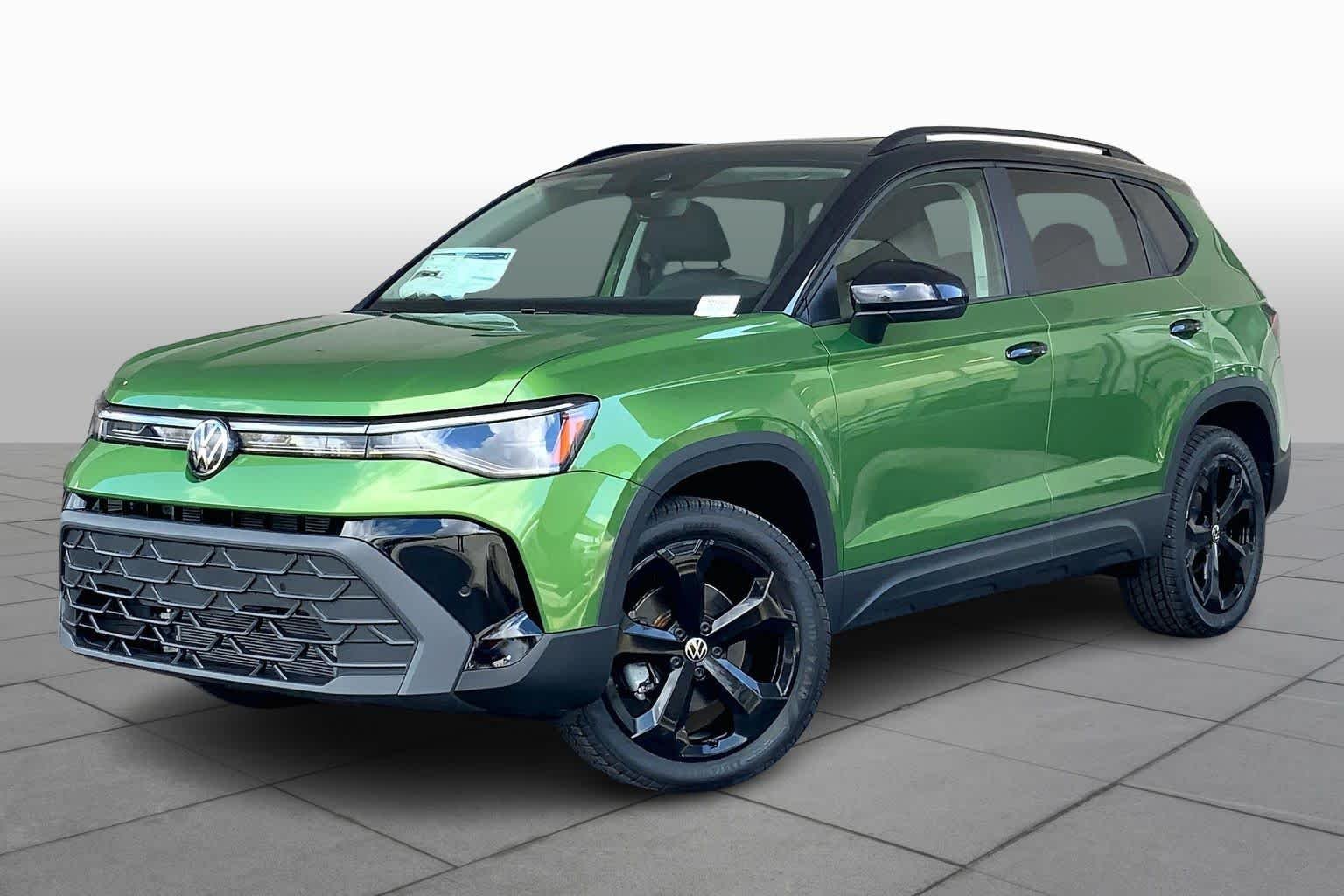
Volkswagen also has other models in the IIHS tables. The Jetta, for instance, has mixed results elsewhere. The Taos is popular with younger, budget-minded drivers. Many of them cover long commutes.
Volkswagen should prioritize a fix. The longer a Poor rating lasts, the harder it is to defend. Buyers can look at the Forester, CR-V and RAV4. They scored better in the original round.